43rd goes Virtual - Conferences
←
→
Page content transcription
If your browser does not render page correctly, please read the page content below
rd        International Conference
        43          on Software Engineering

                                            goes Virtual

                Main Conference
                 PROGRAM
                    May 25th – 28th 2021
https://conf.researchr.org/home/icse-2021       @ICSEconf
Table of Contents

Main conference overview ........................................................ 3
Sponsors and Supporters ........................................................... 8
Welcome letter........................................................................ 10
Keynotes ................................................................................. 15
Technical Briefings ................................................................. 25

Detailed Program
-    Tuesday, May 25th .................................................... 32
-    Wednesday, May 26th ............................................... 43
-    Thursday, May 27 th .................................................. 56
-    Friday, May 28th ....................................................... 70

Awards .................................................................................... 81
Social and Networking events ................................................. 84
Organizing Committee ........................................................... 93

Main conference overview
May May May May
25th 26th 27th 28th
Tuesday Wednesday Thursday Friday
Opening ceremony Closing ceremony
OPENING CLOSING
Keynote Keynote Keynote
DARÍO GIL MICHAEL LYU JEANNETTE WING
Meet with Meet with Meet with
DARÍO GIL MICHAEL LYU JEANNETTE WING
Keynote Keynote JSEET Keynote
PREM DEVANBU ELAINE WEYUKER DAVID GARLAN
Meet with Meet with
PREM DEVANBU ELAINE WEYUKER
Technical Track Awards
Other ACM SIGSOFT ICSE 2011 Most IEEE TCSE
and ACM Europe Council
Awards Influential Paper Award Harlan Mills Award
Best Paper Award
AWARDS AWARDS ANDREA ARCURI, LIONEL BRIAND DIETER ROMBACH
ACM SIGSOFT Meet with Meet with
Outstanding Research ANDREA ARCURI, LIONEL BRIAND DIETER ROMBACH
Award Other ICSE Awards Other IEEE TCSE Awards
PREM DEVANBU AWARDS AWARDS
Town Hall
TOWN HALL
Technical Track
Journal First
SEIP
NIER
SEIS
JSEET
Networking
Posters Demos
Technical Briefing
NLP FOR REQUIREMENTS
Technical Briefing Technical Briefing Technical Briefing
ENGINEERING: TASKS, REACTIVE SYNTHESIS WITH DECODING GROUNDED THEORY ADVANCES IN CODE
TECHNIQUES, TOOLS, AND SPECTRA: A TUTORIAL FOR SOFTWARE ENGINEERING SUMMARIZATION
TECHNOLOGIES
Technical Briefing Technical Briefing Technical Briefing
HANDS-ON SESSION ON THE
BAYESIAN DATA ANALYSIS FOR THE SOFTWARE CHALLENGES OF
DEVELOPMENT OF
SOFTWARE ENGINEERING BUILDING SMARTCHATBOTS
TRUSTWORTHY AI SOFTWARE
SRC and SCORE Awards
3
May 25th overview
Tuesday, May 25th
TIME CEST
LIVE MIRROR
Opening Ceremony (10:00 – 10:30)
10:00 22:00
– –
OPENING CEREMONY
11:00 23:00 Blended sessions (10:30 – 11:30)
CODE REVIEW: AUTOMATION
DEVELOPERS: BEHAVIOR
DEEP NEURAL NETWORKS: VALIDATION 1
11:00 23:00 OBTAINING INFORMATION FROM APP USER REVIEWS 1
– –
12:00 00:00 Networking (11:30 – 12:00)
MEET YOUR PEERS
ACM Students Research
Competition
12:00 00:00 Blended sessions (12:05 – 13:15) (11:30 – 13:30)
– – JSEET (12:05 – 13:05)
13:00 01:00 DEEP NEURAL NETWORKS: VALIDATION 2
SEARCH-BASED SE & GENETIC OPERATIONS
TEACHING SOFTWARE QUALITY I
DEVELOPERS: GENERAL ISSUES
SRC: POSTER SESSION 1
SOFTWARE REQUIREMENTS (LIVE SCHEDULE ONLY)
13:00 01:00
– –
Break 30’ (13:15 – 13:45)
14:00 02:00
Technical Track Awards and ACM Europe Council Best Paper Award (13:45 – 14:00)
AWARDS CEREMONY
14:00 02:00 Keynote (14:00 – 14:45)
– –
15:00 03:00 DARÍO GIL
Networking (14:45 – 15:15)
INTRODUCTION TO GATHER.TOWN Posters
Meet with (14:45 – 15:15) COST ACTION NETWORK ON GENDER BALANCE
(MIRROR IN MAY 26 AT 22:45 – 23:15)
(14:45 – 15:15)
15:00 03:00 YOGA AND BREATHWORKS (LIVE SCHEDULE ONLY) Technical Briefing
– –
DARÍO GIL SE RESEARCH @ HUAWEI (MIRROR SCHEDULE ONLY) POSTERS 1 (15:00 – 16:15)
16:00 04:00
Blended sessions (15:20 – 16:15)
QUALITY ASSURANCE
NLP FOR REQUIREMENTS
DEEP NEURAL NETWORKS: SUPPORTING SE TASKS 1
ENGINEERING: TASKS,
OPEN SCIENCE TECHNIQUES, TOOLS, AND
16:00 04:00
OBTAINING INFORMATION FROM APP USER REVIEWS 2 TECHNOLOGIES
– –
17:00 05:00
Social (16:15 – 16:35)
GUITAR CONCERT
Blended sessions (16:40 – 17:35)
VARIABILITY AND PRODUCT LINES
CONTINUOUS INTEGRATION
IDENTIFYING INFORMATION LEAKS
17:00 05:00 DEVELOPERS: ONBOARDING
– –
18:00 06:00 Break 15’ (17:35 – 17:50)
ACM SIGSOFT Outstanding Research Award (17:50 – 18:00)
AWARDS CEREMONY
18:00 06:00
– – Keynote (18:00 – 19:00)
19:00 07:00
PREM DEVANBU
Networking (19:00 – 19:30)
COMMUNITY SPEED NETWORKING
Meet with (19:00 – 19:30) (LIVE SCHEDULE ONLY)
Posters (19:00 – 19:30)
19:00 07:00 COFFEE CHAT
– – PREM DEVANBU ICSE IS RUNNING
20:00 08:00 ACM Students POSTERS 2
OPPORTUNITIES AT INVENIA LABS
(LIVE SCHEDULE ONLY) Research
Competition
(19:00 – 21:00) SCORE
Blended sessions (19:35 – 20:55) (19:00 – 21:15) Technical Briefing
(19:35 – 21:50)
DEEP NEURAL NETWORKS: GENERAL ISSUES
20:00 08:00 DEVELOPERS: OBSERVATIONAL STUDIES
– – API: USAGE AND REFACTORING
21:00 09:00 OPEN SOURCE: PARTICIPANTS' MOTIVATIONS SRC: POSTER
SESSION 2 SCORE
DEVELOPERS: NAMING METHODS AND VARIABLES (LIVE SCHEDULE ONLY) FINALISTS
(LIVE SCHEDULE
21:00 09:00
Panel (20:55 – 21:40) ONLY) HANDS ON SESSION ON THE
DEVELOPMENT OF TRUSTWORTHY AI
– – ARE ACADEMICS WORKING ON THE RIGHT PROBLEMS? SOFTWARE
22:00 10:00 (LIVE SCHEDULE: 20:55 – 21:40, MIRROR: THURSDAY 27TH 11:00 – 11:45)
PASS THE MIC: SUSTAINABILITY FROM AROUND THE GLOBE (MIRROR SCHEDULE ONLY: 08:55 – 09:40)
4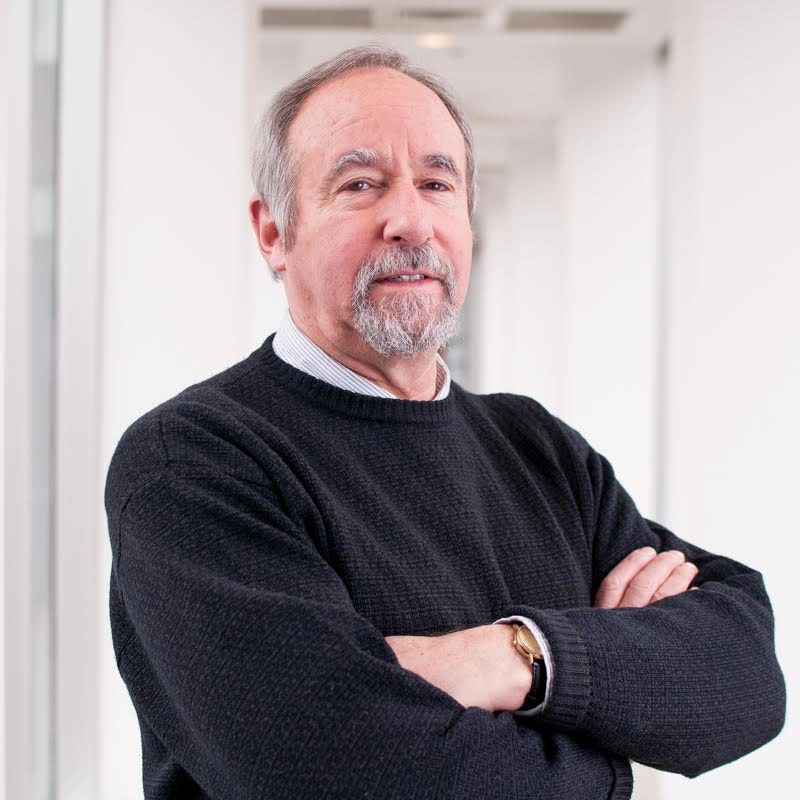
May 26th overview
Wednesday, May 26th
TIME CEST
LIVE MIRROR
10:00 22:00 Keynote (10:00 – 10:45)
– – MICHAEL LYU
11:00 23:00
Networking (10:45 – 11:15)
COFFEE CHAT
MENTORING CIRCLE (LIVE SCHEDULE ONLY)
YOGA AND BREATHWORKS (LIVE SCHEDULE ONLY)
Meet with (10:45 – 11:15) OPPORTUNITIES AT INVENIA LABS (LIVE SCHEDULE ONLY) Demos (10:45 – 11:15)
11:00 23:00
– – MICHAEL LYU MEET FACEBOOK RECRUITING & RESEARCH (MIRROR SCHEDULE ONLY) EVOLUTION 1
12:00 00:00
Blended sessions (11:20 – 12:20)
VULNERABILITIES IN ANDROID 1
DEEP NEURAL NETWORKS: QUALITY ASSURANCE
MODEL CHECKING
TOOLS FOR THE PYTHON LANGUAGE
CODE REVIEW: OBSERVATIONAL STUDIES
12:00 00:00
– – Social (12:20 – 12:50)
13:00 01:00
FLAMENCO LESSON & PARTY 1 (LIVE SCHEDULE ONLY)
Blended sessions (12:55 – 13:55)
MODULARIZATION AND REUSABILITY
CONFIGURATION OF SOFTWARE SYSTEMS: TESTING JSEET (12:55 – 13:55)
13:00 01:00 GUI DESIGN
– – PROGRAMMING: GENERAL ISSUES
14:00 02:00 DEEP NEURAL NETWORKS: HACKING TEACHING SE IN REAL CONTEXTS
Break 35’ (13:55 – 14:30)
14:00 02:00 Blended sessions (14:30 – 15:30)
– – DEFECT PREDICTION: AUTOMATION 1
15:00 03:00
SELF-ADMITTED TECHNICAL DEBT
SOFTWARE LOG ANALYSIS
SMART CONTRACTS
HANDLING ECOSYSTEMS OF FORKED PROJECTS
15:00 03:00 Networking (15:30 – 16:00)
– – Technical Briefing
MEET YOUR PEERS
16:00 04:00 (14:30 – 16:45)
MENTORING CIRCLE
AST INDUSTRIAL COMPETITION (LIVE SCHEDULE ONLY)
SE RESEARCH @ HUAWEI (MIRROR SCHEDULE ONLY)
Blended sessions (16:05 – 17:05)
REACTIVE SYNTHESIS WITH
16:00 04:00 FUZZING SPECTRA: A TUTORIAL
– –
API: EVOLUTION AND MAINTENANCE 1
17:00 05:00
OBSERVATIONAL STUDIES: DIFFERENT DOMAINS
MODELS AND DSLS
17:00 05:00
Break 15’ (17:05 – 17:20)
– – Other ACM SIGSOFT Awards (17:20 – 17:30)
18:00 06:00
AWARDS CEREMONY
Keynote (17:30 – 18:15)
ELAINE WEYUKER
Networking (18:15 – 18:45)
COFFEE CHAT Demos Industry
18:00 06:00 MENTORING CIRCLE (MIRROR SCHEDULE ONLY) (18:15 – 18:45) Case
– –
19:00 07:00
WAIN'21 (LIVE SCHEDULE ONLY) Studies
YOU MIGHT BE STUDYING TECHNICAL DEBT AND NOT KNOW IT (LIVE SCHEDULE ONLY) (18:00 – 21:10)
Meet with (18:15 – 18:45) FACEBOOK LAUNCHES NEW RESEARCH AWARD OPPORTUNITY
ELAINE WEYUKER (LIVE SCHEDULE ONLY) VERIFICATION
Blended sessions (18:50 – 19:50)
TESTING: AUTOMATIC TEST GENERATION
DEVELOPERS: EXPERIMENTS
19:00 07:00
– – CODE COMPLETION
20:00 08:00 SOME BIG COMPANIES' PRACTICES: CASES AT FACEBOOK, GOOGLE & IBM
Panel (19:50 – 20:35)
WHAT IS A NIER PAPER IN SOFTWARE ENGINEERING?
20:00 08:00 SPANISH
– – INDUSTRY CASE
21:00 09:00 Blended sessions (20:40 – 21:40) STUDIES (LIVE
JSEET SCHEDULE ONLY)
(20:40 – 21:40)
SOCIAL EQUALITY AND FAIRNESS 1
21:00 09:00 INSTITUTIONAL
– – Q&A IN ONLINE PLATFORMS: STACK OVERFLOW 1
STRATEGIES TO
22:00 10:00 DEFECT PREDICTION: DATA ISSUES AND BUG CLASSIFICATION SE EDUCATION I 5
FAULT LOCALIZATION 1 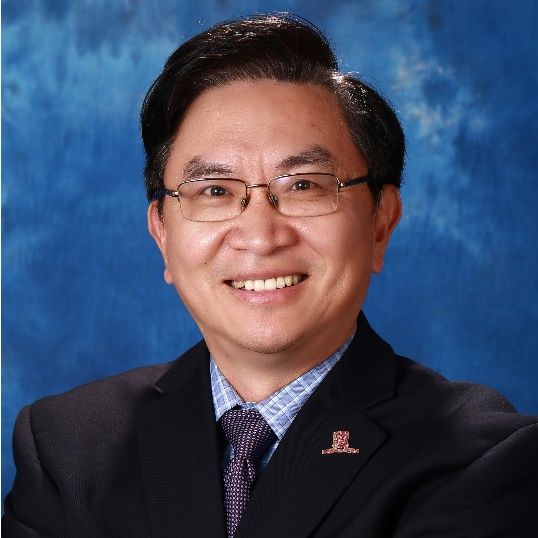
May 27th overview
Thursday, May 27th
TIME CEST
LIVE MIRROR
Blended sessions (10:00 – 11:00)
SOCIAL EQUALITY AND FAIRNESS 2
10:00 22:00
– – JSEET (10:00 – 11:00) Technical Briefing
DEEP NEURAL NETWORKS: SUPPORTING SE TASKS 2 (10:00 – 11:15)
11:00 23:00
DEFECT PREDICTION: AUTOMATION 2
VULNERABILITIES IN ANDROID 2 STUDENT ASSESSMENT I
DECODING GROUNDED THEORY FOR
Panel
(11:00 – 11:45)
Networking (11:00 – 11:45) SOFTWARE ENGINEERING
ARE ACADEMICS WORKING ON THE RIGHT PROBLEMS?* TAKE A COFFEE WITH THE
11:00 23:00 * MIRROR EVENT OF PANEL MAY 25TH 20:55 – 21:40 (SCHEDULE: 11:00 – 11:45) PROGRAM CO-CHAIRS OF ICSE
– – 2021
12:00 00:00 DIVERSITY & INCLUSION PANEL (MIRROR SCHEDULE ONLY: 23:00 – 23:45)
.
(LIVE SCHEDULE ONLY)
Blended sessions (11:50 – 13:10)
PROGRAMMING: CODE ANALYSIS ALGORITHMS
JSEET (11:50 – 12:50)
12:00 00:00
– – Q&A IN ONLINE PLATFORMS: STACK OVERFLOW 2
13:00 01:00
DEFECT PREDICTION: BUG CHARACTERIZATION & ANALYSIS STUDENT ASSESSMENT II
MUTATION TESTING: GENERAL ISSUES
13:00 01:00
Break 25’ (13:10 – 13:35)
– –
14:00 02:00
ICSE 2011 Most Influential Paper Award (13:35 – 13:45)
AWARDS CEREMONY
Award Lecture (13:45 – 14:30)
LIONEL BRIAND, ANDREA ARCURI
Networking (14:30 – 15:00)
Meet with (14:30 – 15:00)
14:00 02:00 COFFEE CHAT Demos (14:30 – 15:00)
– – MENTORING CIRCLE (LIVE SCHEDULE ONLY)
15:00 03:00
EUROPE NEEDS STRONG SOFTWARE RESEARCH (LIVE SCHEDULE ONLY)
OPPORTUNITIES AT INVENIA LABS (LIVE SCHEDULE ONLY)
A. ARCURI, L. BRIAND SE RESEARCH @ HUAWEI (MIRROR SCHEDULE ONLY) EVOLUTION 2
ACM Students Research
15:00 03:00 Blended sessions (15:05– 16:05)
Competition
– – MONITORING CLOUD-BASED SERVICES
JSEET (15:05 – 16:05)
(15:05 – 16:05)
16:00 04:00
API: DEVELOPMENT
PROGRAM REPAIR: AUTOMATED PATCHING SRC: FINAL ROUND - PRESENTATIONS
TESTING: FLAKY TESTS NOVEL APPROACHES TO SE 1
EDUCATION I (LIVE SCHEDULE ONLY)
16:00 04:00 Social (16:05 – 16:25)
– –
17:00 05:00 VIRTUAL TRIP TO MADRID
Blended sessions (16:30 – 17:30) JSEET (16:30 – 17:40) ACM Students Research
Competition
DEEP NEURAL NETWORKS: DATA SELECTION (16:30 – 17:30)
SECURITY VULNERABILITIES: FROM 3RD PARTIES' CODE
MUTATION TESTING: MUTANT SELECTION SRC: FINAL ROUND - PRESENTATIONS
17:00 05:00 JSEET KEYNOTE AND JSEET BEST 2
– – OPEN SOURCE: DEVELOPERS' SKILLS PAPER AWARD (LIVE SCHEDULE ONLY)
18:00 06:00
Break 20’ (17:30 – 17:50)
Other ICSE Awards (17:50 – 18:00)
AWARDS CEREMONY
Keynote (18:00 – 18:45
18:00 06:00 JEANNETTE WING
– –
19:00 07:00 Networking (18:45 – 19:15)
COFFEE CHAT Demos (18:45 – 19:15)
MENTORING CIRCLE
Meet with (18:45 – 19:15) LGBTIQ+ GROUP MEETING (LIVE SCHEDULE ONLY)
JEANNETTE WING MEET FACEBOOK RECRUITING & RESEARCH (LIVE SCHEDULE ONLY) TESTING 1
19:00 07:00
– –
20:00 08:00
Blended sessions (19:20– 20:15)
TESTING: GENERAL ISSUES
CONTINUOUS INTEGRATION, FEATURE MODELS AND PROGRAM TRANSFORMATION
SECURITY VULNERABILITIES: GENERAL ISSUES 1
Technical Briefing
(19:20 – 21:10)
Networking (20:15 – 20:45)
20:00 08:00
COMMUNITY SPEED NETWORKING (LIVE SCHEDULE ONLY) Demos (20:15 – 20:45)
– –
21:00 09:00 YOGA AND BREATHWORKS (LIVE SCHEDULE ONLY) EVOLUTION 3
Blended sessions (20:50– 21:50)
BAYESIAN DATA ANALYSIS FOR
SECURITY VULNERABILITIES: DIFFERENT DOMAINS JSEET (20:50 – 21:50)
SOFTWARE ENGINEERING
21:00 09:00 PROGRAM REPAIR: GENERAL ISSUES
– –
FAULT LOCALIZATION 2 NOVEL APPROACHES TO SE
22:00 10:00
SECURITY VULNERABILITIES: GENERAL ISSUES 2 EDUCATION II
6
May 28th overview
Friday, May 28th
TIME CEST
LIVE MIRROR
Blended sessions (10:00 – 10:55) JSEET (10:00 – 11:00)
10:00 22:00 OPEN SOURCE: GENERAL ISSUES
– – AGILE METHODS INSTITUTIONAL STRATEGIES TO SE
11:00 23:00 PRIVACY IN APPS: CASES FROM COVID-19 EDUCATION II
IMAGE PROCESSING
Networking (10:55 – 11:25)
TAKE A COFFEE WITH THE OPEN SCIENCE CHAIR OF ICSE 2021 (LIVE
SCHEDULE ONLY)
MENTORING CIRCLE (LIVE SCHEDULE ONLY)
11:00 23:00 SE RESEARCH @ HUAWEI (LIVE SCHEDULE ONLY) Demos (10:55 – 11:25)
– –
12:00 00:00 MEET FACEBOOK RECRUITING & RESEARCH (MIRROR SCHEDULE ONLY) TESTING 2
Blended sessions (11:30 – 12:30)
API: EVOLUTION AND MAINTENANCE 2 Technical Briefing
TESTING: AUTOMATION (11:10 – 13:00)
TESTING: 3RD PARTY SOFTWARE
FAULT LOCALIZATION 3
12:00 00:00
– – Networking (12:30 – 13:00)
13:00 01:00
MEET YOUR PEERS ADVANCES IN CODE SUMMARIZATION
ICSE IS RUNNING
Break 35’ (13:00 – 13:35)
13:00 01:00 IEEE TCSE Harlan Mills Award (13:35 – 13:45)
– –
AWARDS CEREMONY
14:00 02:00
Award Lecture (13:45 – 14:30)
DIETER ROMBACH
14:00 02:00 Networking (14:30 – 15:00)
– – COFFEE CHAT (LIVE SCHEDULE ONLY)
15:00 03:00 Meet with (14:30 – 15:00)
MENTORING CIRCLE (LIVE SCHEDULE ONLY)
DIETER ROMBACH OPPORTUNITIES AT INVENIA LABS (LIVE SCHEDULE ONLY)
Blended sessions (15:05 – 16:05)
ANALYZING SYSTEM PROPERTIES: CORRECTNESS, DETERMINISM,
15:00 03:00 REALIZABILITY
– –
PERFORMANCE MODELING OF HIGHLY CONFIGURABLE SOFTWARE
16:00 04:00
SYSTEMS JSEET (15:05 – 16:25)
CODE REVIEW: READABILITY AND REFACTORING
CONFIGURATION OF SOFTWARE SYSTEMS: OPTIMIZATION
Technical Briefing
Networking (16:05 – 16:35)
. TEACHING SOFTWARE QUALITY II (15:05– 17:20)
YOGA AND BREATHWORKS (LIVE SCHEDULE ONLY)
16:00 04:00
TAKE A COFFEE WITH THE PROGRAM CO-CHAIRS OF ICSE 2022
– – (LIVE SCHEDULE ONLY)
17:00 05:00
ICPC (LIVE SCHEDULE ONLY)
Blended sessions (16:40 – 18:00)
SEIP TALKS THE SOFTWARE CHALLENGES OF
17:00 05:00 BUILDING SMARTCHATBOTS
DEFECT PREDICTION: MODELING AND PERFORMANCE
– –
DEVELOPERS: WELL-BEING AND PRODUCTIVITY
18:00 06:00
SOURCE CODE HISTORIES AND DOCUMENTATION
Break 20’ (18:00 – 18:20)
18:00 06:00
– –
Other IEEE TCSE Awards (18:20 – 18:30)
19:00 07:00 AWARDS CEREMONY
Town Hall (18:30 – 19:30)
TOWN HALL
19:00 07:00
– – Blended sessions (19:30 – 20:30)
20:00 08:00
GAMES JSEET (19:30 – 20:30)
PATTERNS AND SMELLS
PROGRAMMING: LOW LEVEL
OBTAINING INFORMATION FROM ISSUES AND COMMITS TEAM PRACTICES
20:00 08:00
– –
21:00 09:00 Social (20:30 – 21:00)
FLAMENCO LESSON & PARTY 2 (LIVE SCHEDULE ONLY)
ACM SRC and SCORE (21:05 – 21:20)
21:00 09:00
– –
SRC AND SCORE AWARDS
22:00 10:00
Closing Ceremony (21:20 – 21:45)
CLOSING CEREMONY
7
Sponsors and Supporters

      Sponsors

Platinum supporters

                            8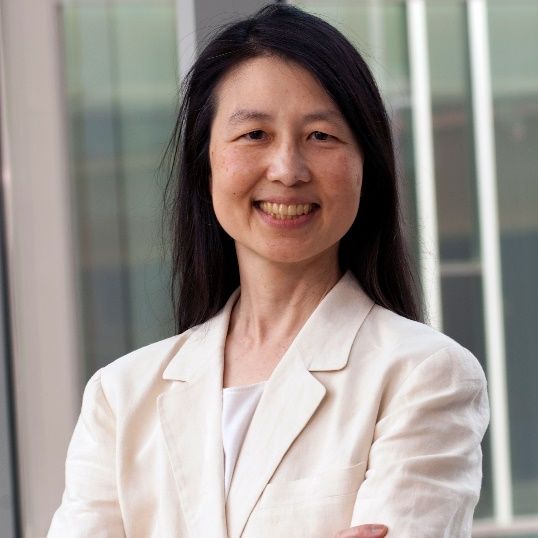
Sponsors and Supporters

 Gold supporters

 Silver supporters

  Bronze supporters

                          9
Welcome letter

   On behalf of the ICSE 2021 Organizing Committee, I’m delighted to welcome you to the 43rd ACM/IEEE
International Conference on Software Engineering. For the first time in its 46-year history, ICSE is to visit Spain,
although, unfortunately, it has to be virtually. ICSE 2021 was originally scheduled as a physical event to take place in
Madrid, Spain. The persistence of the coronavirus pandemic has, however, ruled out the possibility of holding a safe
physical conference.

   Despite the enormous challenges that everybody is facing during these hard pandemic times, ICSE, we are pleased
to say, continues to be the premier software engineering conference with an unchanged number of submissions and
an increased number of attendees.

Workshops and Co-located Events: ICSE’s main conference is preceded by five days (May 17th to 21st) of nine co-
located conferences and symposia (AST, CHASE, FormaliSE, ICPC, ICSSP/ICGSE, MOBILESoft, MSR, SEAMS
and TechDebt) and followed by 21 workshops dealing with specific aspects of software engineering spread over a
seven-day period (May 29th to June 4th).

Mentoring Events: ICSE has a tradition of mentoring its next generation of researchers through various small-group
meetings between junior and established researchers. The two traditional mentoring events will each be held on two
half-days prior to the main conference. The Doctoral Symposium (which provides students with constructive feedback
on their PhD research) will run on May 21st and 24th, while the New Faculty Symposium (which provides guidance
to new faculty members on different facets of an academic career) will be held on May 19th and 20th.

Main Conference: This year ICSE will include a four-day main conference taking place from Tuesday, May 25th,
to Friday, May 28th. This year’s main conference is one of the largest ever, with over 325 paper presentations. Paper
presentations within the Technical, Software Engineering in Practice (SEIP), Software Engineering in Society (SEIS),
New Ideas and Emerging Results (NIER) and Journal-First Tracks have been combined into blended sessions that
are organized by topic rather than by track. The track on Software Engineering Education and Training (SEET) has
its own topics and dedicated sessions. Technical briefings, Demonstrations, Posters and the ACM Student Research
Competition will be run in parallel to the technical or networking sessions.

   The technical sessions will be interlaced with social sessions to achieve, despite virtuality, ICSE’s traditional role
of building and consolidating our community. We will have more than 30 social/networking events (including
hangouts with keynote speakers and awardees, technical and non-technical speed dating-like sessions, yoga, coffee
with members of the OC, and several mentoring and minority groups support sessions).

   The Technical Track received 615 paper submissions written by about 2,000 authors. Finally, 138 papers were
accepted, with an acceptance rate of 22.4%. The Technical Track followed a double-blind review process in which
authors were required to anonymize their submissions, and authors of accepted papers were disclosed only after all
the decisions were finalized. Authors of rejected papers remained anonymous. Each paper was reviewed by at least
three PC members, and the online discussion and decision was overseen by a fourth PC member who served as the
moderator. Authors could read and submit a response to the reviews during the author response period. The SEIP
track received 121 submissions, 41 of which were accepted. The SEIS track received 33 submissions, 11 of which
were finally accepted. NIER received 81 submissions, of which 22 were accepted. SEET received 93 submissions, of
which 31 were accepted.

                                                                                                                            10
Welcome letter
Keynotes: I am especially pleased to welcome six distinguished keynote speakers and encourage you to attend their
exciting talks, all of which (except one) will be plenary events.
• On Tuesday 14:00 CEST, Dario Gil, Senior Vice President and Director of IBM Research, will introduce us to
quantum computation and IBM Quantum Experience (a platform that gives users access to a set of IBM's
prototype quantum processors via the cloud). His talk also discusses Qiskit challenges like error correction and
verification. Qiskit provides tools for creating and manipulating quantum programs.
• On Tuesday 18:00 CEST, Prem Devanbu, Professor at UC Davis, will give an overview of naturalness and
bimodality, as two important properties of software code, highlighting creative and interesting applications of
naturalness, and the promise of bimodality.
• On Wednesday 10:00 CEST, Michael R. Lyu, Choh-Ming Li Professor at the Computer Science and
Engineering Department, Chinese University of Hong Kong, will discuss the critical challenges commonly seen
in industrial cloud systems and propose the development of a reliability-driven AIOps (Artificial Intelligence for
IT Operations) framework to achieve resilient cloud systems.
• On Wednesday 17:30 CEST, Elaine Weyuker, University Distinguished Professor at the College of Engineering
and Computer Science, University of Central Florida, will discuss her ideas on good software engineering
research, and proper software engineering education based on her professional experience in different roles and
positions in industry and academia.
• On Thursday 18:00 CEST, Jeannette Wing, Avanessians Director of the Data Science Institute and Professor of
Computer Science at Columbia University, will invite us to ensure the responsible use of data to benefit society.
In particular, she will present research activities aimed to promote Data for Good (the use of data to address
societal challenges and bring in humanistic perspectives).
• On Thursday 16:40 CEST, David Garlan, Professor of Computer Science and Associate Dean for Master’s
Programs at the School of Computer Science at Carnegie Mellon University, will offer a talk in the context to
the JSEET track. He will reflect on the role of Software Architecture in Software Engineering Education.
Awards: Some plenary sessions have been scheduled to honor the recipients of the diverse awards. In particular, the
recipients of the three main ICSE awards, will offer inspiring talks for the audience:
• ICSE 2011 Most Influential Paper award has gone to Andrea Arcuri and Lionel Briand for their paper entitled
A Practical Guide for Using Statistical Tests to Assess Randomized Algorithms in Software Engineering, addressing
the key challenges of using statistical tests in software engineering. We will enjoy their talk on Thursday 13:45
CEST.
• ACM SIGSOFT Outstanding Research award has gone to Prem Devanbu for profoundly changing the way
researchers think about software by exploring connections between source code and natural language. Prem was
invited as a keynote speaker months before he was honored with this award. Therefore, we have designed a special
style to combine both his two talks into an extended keynote address on Tuesday.
• IEEE TCSE Harlan D. Mills award has gone to Dieter Rombach in recognition of his outstanding contributions
to and leadership of research, teaching, and technology transfer in the area of empirical software engineering. He
will delight us with his talk on Friday 13:45 CEST.
11Welcome letter
Cultural Events: Although the physical event, which would have given you the chance to enjoy Spanish food,
music, dance and more, will have to wait for better times, we have made a big effort to keep up some of our traditions,
even though the virtual context is not always helpful in this respect. We have organized the usual ICSE run, albeit
adapted to the virtual environment. We will be offering tidbits of Spanish culture. On Tuesday May 25th at 16:15
CEST, you will have the opportunity to enjoy a guitar micro concert (20 minutes) recorded especially for ICSE 2021
from the monumental ancient city of Caceres. On Thursday May 27th at 16:05 CEST, a couple of colleagues from
the ICSE Organizing Committee will broadcast a live 20-minute walk around one of Madrid’s touristic landmarks:
Plaza de Oriente. Finally, we have the jewel in the crown: an online Flamenco class and party that will immerse you
in the cultural experience of flamenco. This event will be organized twice to accommodate all time zones: Wednesday
May 26th (12:20 CEST) and Friday 28th (20:30 CEST). The events will not be the same, and you are welcome to
attend both if you can!
We have introduced several new initiatives this year regarding organization, tracks, and virtual environment.
In terms of the organization, the innovations apply to:
1. A One Role Policy, deployed at ICSE 2021 to reinforce diversity. According to this policy, nobody can
participate in more than one committee, including the Organizing Committee. We would like to thank all the
chairs for the big effort that they have made to roll out this policy. The results are promising, and committees
(521 people) are more diverse and balanced than in previous years, including people from all continents (48%
Europe; 30% North America; 11% Asia; 4.5% Oceania; 6% South America; 0.6% Africa) and a higher
percentage of women (37% vs 64%).
2. This is the first ICSE to have Equity, Diversity, and Inclusion (EDI) chairs. EDI chairs oversee promoting
equity, diversity, and inclusion at ICSE and ensuring that ICSE is perceived by attendees as being inclusive
3. This is also the first ICSE to reckon with a Sustainability chair. The Sustainability chair is in charge of
encouraging ICSE to promote all aspects of people- and planet-related sustainability.
4. Finally, ICSE 2021 has embraced open science as a strategic goal. Open science aims to promote the
transparency and availability of research outputs at ICSE, encouraging better reproducibility and replicability
of studies. This year we required all authors of the main conference to upload their paper preprints. Such
availability is critical in a virtual conference. We are proud that all research papers of the main conference are
openly available via the conference web site. We are hugely grateful to all the authors, who self-archived, and
then shared their links with us.
Some tracks have implemented innovations, all of which are detailed in their respective welcome letters. We
highlight some of these key innovations below:
1. The Technical Track set up the new role of area chairs to assist the program co-chairs to handle tasks such as
ensuring consistency for papers within an area and across areas. Also, this year the Technical Track has a flat
structure, and the program board is not separate from the Program Committee.
2. The Journal-First Track selected papers from submissions based on a few criteria, including evident novelty
with respect to already published papers, match with the established ICSE 2021 program, prospective interest
12Welcome letter
to a large portion of the ICSE audience, and whether the authors were already presenting as part of one of the
other tracks at the conference.
3. The Software Engineering Education and Training (SEET) Track has joined forces with the Conference on
Software Engineering Education and Training (CSEE&T) to bring you the Joint Track on Software
Engineering Education and Training (JSEET). This unification offers both communities a seamless, expanded,
and richer experience.
Regarding the virtual environment:
1. We will again use the Clowdr platform, with which most of you are already familiar from ICSE 2020. Clowdr
was hastily developed by our ICSE community as a solution for the ICSE 2020 virtualization issue in response
to the COVID-19 pandemic. The Clowdr platform has grown and improved enormously. It is now a UK
community interest company and, as such, is required to reinvest almost all of its revenue into improving the
platform for the good of the academic community whence it originated. By opting for the Clowdr platform,
not only are we supporting the future development of Clowdr but we are also promoting an affordable solution
for all academic conference organizers in these difficult times.
2. The ICSE 2021 program has been divided into a 12-hour uniform daily schedule rather than using time zones.
This should guarantee a simpler, uniform structure for ICSE 2021 that is easier for conference attendees to
understand and transmit the feeling of a real conference. We chose the daily 12-hour slot that maximizes the
synchronous participation of the ICSE community in order to promote high interactivity. We also provide
mirroring to give attendees unable to attend the live program the chance to replay and watch the entire program
in the following daily 12-hour slot. In addition, some networking activities will be played live also during the
mirrored program.
3. We tried to improve networking activities and imitate the face-to-face experience. Although they are obviously
no substitute for a physical conference, virtual environments can enable virtual networking with people all over
the globe who would otherwise be unable to attend in person. Therefore, virtuality is an opportunity to increase
access to the conference for many who, even under normal circumstances, may not have been able to travel to
a physical conference.
4. We have reinforced out efforts to provide support for ICSE attendees and presenters to help them adapt to the
virtual environment, offering tips to promote smooth attendance.
ICSE 2021 would not happen without the tremendous effort and countless hours of unpaid work put in by
members of our community. Our heartfelt gratitude goes to everyone involved, and especially to our extraordinary
Organizing Committee —a team of 71 volunteers drawn from Spain and around the world— that planned a physical
conference and organized a virtual event: no easy feat.
All Organizing Committee members have done a splendid job, meeting deadlines and performing their roles with
prowess. We have all worked a lot harder than we ever expected. You have no idea what it is to arrange such a complex
conference as ICSE, and the complications you face when the plans change half-way down the road as they did this
year. The list of names is far too long to pen here, but they are omnipresent on the ICSE 2021 website.
13Welcome letter
Finally, I would also like to thank all the authors and other contributors for participating in ICSE despite the
difficult times that we are going through. You are the reason why ICSE is the premier conference in software
engineering.
We are excited about the great program that we have prepared! I hope that you will find lots of interesting sessions
and speakers in the technical program and plenty of opportunities for discussions and networking in the social
program.
Before I finish, I would like to spare a thought for any members of the ICSE community that are suffering distress
due to COVID-19. We wish you and your loved ones all the best in these difficult times.
Thank you,
Natalia Juristo, General Chair, ICSE 2021
14Keynotes
Darío Gil Tuesday May 25th
14:00 CEST
W
hat’s next in software. Where will We will discuss the underlying techniques enabling this
software go in the next few years? How future. We will see the transformative impact of AI for
will it be written and consumed? How is code, from modernizing legacy applications to
software enabling new paradigms of intelligently managing them. Furthermore, we will see
computation? These are some of the questions we will how we can ensure trust, security, and compliance in
explore as we discuss how we are pushing the frontiers the use of AI models.
of software.
Finally, a new paradigm of computation combining
We have witnessed in recent years the power of AI physics and information—quantum computing—is
applied to human language. Project Debater is the emerging capable of solving problems intractable to
most recent example of how far AI has come to learn conventional computers. The utility of a quantum
and reason in human language. Powerful AI models are computer is determined by its ability to run
now emerging that enable AI to create in new domains computationally hard quantum circuits leading to
like software engineering. Just as words are the advantages in the solution of science and business
language of humans, code is the language of machines, problems. Software development is key to realizing this
and we are building AI that helps us master code. utility and extracting the benefits of quantum
Imagine a future where computers program computing. We will discuss how software engineering
computers; and by learning, reasoning, and generating is leading to a higher capacity of running circuits by
new code, AI can streamline and automate time- speeding up the execution rate, and how it allows a
consuming and tedious manual IT processes, freeing wider variety of circuits to be run more efficiently to
up software engineers time to unleash their creativity. enable more applications.
15Keynotes
DARÍO GIL - SHORT BIOGRAPHY
D
r. Darío Gil is Senior Vice President and An advocate of collaborative research models, Dr. Gil
Director of IBM Research. co-chairs the MIT-IBM Watson AI Lab, which
advances fundamental AI research to the broad benefit
As a technology and business leader, Dr.
of industry and society. He also co-chairs the COVID-
Gil is responsible for IBM Research, one of
19 High-Performance Computing Consortium, which
the world’s largest and most influential corporate
provides access to the world’s most powerful high-
research labs, with over 3,000 researchers. He is the
performance computing resources in support of
12th Director in its 76-year history. Dr. Gil leads the
COVID-19 research.
technology roadmap and the technical community of
IBM, directing innovation strategies in areas including Dr. Gil is a member of the National Science Board, the
hybrid cloud, AI, quantum computing, and governing body of the National Science Foundation
exploratory science. He is also responsible for IBM's (NSF), a member of the Board of Governors of the
intellectual property strategy and business. New York Academy of Sciences, and a trustee of the
New York Hall of Science.
Dr. Gil is a globally recognized leader of the quantum
computing industry. Under his leadership, IBM was Dr. Gil received his Ph.D. in Electrical Engineering
the first company in the world to build programmable and Computer Science from MIT.
quantum computers and make them universally
available through the cloud.
16Keynotes
Prem
Devanbu Tuesday May 25th
18:00 CEST
N
aturalness and Bimodality of Code: A boost from the high-capacity and flexibility of deep
Research Overview. While natural learning models. Numerous other creative and
languages are rich in vocabulary and interesting applications of naturalness have ensued,
grammatical flexibility, most human are from colleagues around the world. More recently, we
mundane and repetitive. This repetitiveness in natural have focused on another property of software: it is
language has led to great advances in statistical NLP bimodal. Software is written not only to be run on
methods. machines, but also read by humans; this makes it
amenable to both formal analysis, and statistical
At UC Davis, we discovered (a decade ago) that,
prediction. Bimodality allows new ways of training
despite the considerable power and flexibility of
machine learning models, new ways of designing
programming languages, large software corpora are
analysis algorithms, and new ways to understand the
actually even more repetitive than NL Corpora. We
practice of programming. In this talk, I will present an
went on to show that this “naturalness” of code could
overview of "Naturalness" studies, and the promise of
be captured in statistical models, and exploited within
bimodality.
software tools. This line of work enjoyed a tremendous
PREM DEVANBU - SHORT BIOGRAPHY
P
rem Devanbu received his B.Tech from IIT of-time awards. Three of his papers were invited to
Madras, and a Ph.D from Rutgers University appear in CACM Research Highlights. He served as
under Alex Borgida. After working in PC Chair of ESEC/FSE 2006 and ICSE 2010, and also
Industrial software development at Bell as GC of MSR 2014 and ESEC/FSE 2020. He has
Laboratories and offshots in New Jersey, he joined UC served on the Editorial boards of ACM TOSEM, IEEE
Davis where he conducts teaching & research software ToSE, the JSME, and the EMSE Journal; he serves
engineering. He has won several awards for his work, currently on the CACM Editorial Board. He is an
including multiple best paper awards, distinguished ACM Fellow. He even has his own web page.
paper awards, most influential paper awards, and test-
17Keynotes
Michael
Lyu Wednesday May 26th
10:00 CEST
R
eliability-Driven AIOps for Cloud AIOps (Artificial Intelligence for IT Operations)
Resilience. Cloud computing platforms have framework to achieving resilient cloud systems. Our
recently become the main host of many IT goal is to improve the reliability of cloud systems and
enterprises to deploy their applications and services comprehensively with AI-based data analytics,
services, such as search engine, instant messaging apps, where data are collected from multiple sources of
and online shopping. As cloud systems continue to heterogeneous information such as logs, traces, and
grow in terms of complexity and volume, cloud failures KPIs, and properly labeled with cloud domain expert’s
become inevitable, which further lead to service knowledge. Particularly, the framework consists of an
interruptions and performance degradation. Whether end-to-end pipeline of software reliability engineering,
cloud failures can be properly managed will greatly including anomaly detection, failure diagnosis, and
affect company revenue and customer trust. fault localization. Anomalies are events or observations
Consequently, resilient cloud operations are of that deviate significantly from a system's normal
paramount importance to cloud vendors. However, as behaviors. When anomalies become severe and hinder
cloud systems are actively undergoing continuous the system from fulfilling a required function, failures
feature upgrade and system evolution, the statistical occur, which often manifest themselves with human-
properties of system monitoring data may change from perceivable symptoms. Failure diagnosis attempts to
time to time. Furthermore, there is currently a lack of find the most significant problems directly induced by
means to incorporating human expert knowledge into the failures. To achieve this objective, we explore data-
the training of cloud data-analytics models. When driven approaches to pursue an efficient failure
diagnosing failures for large-scale systems, such diagnosis from multiple perspectives of cloud systems.
knowledge is essential. We investigate on what failures are caused by the
anomalies underneath, which is generally indicated by
In this talk, we identify several critical challenges
a sudden increase or drop of KPIs. For example, the
commonly seen in industrial cloud systems, and
KPI "packet number" monitoring the cloud network
provide a general roadmap from fault prevention and
may abruptly decrease because of anomalies happening
fault removal techniques toward resilient cloud
in some network services. This may point to a serious
operations. We propose to develop a reliability-driven
failure in the network. To this end, we design an
18Keynotes
incident aggregation procedure based on serving model with minimal efforts. When false alarms
heterogeneous information fusion from incidents, and misses happen, the model can adaptively learn
topology, and fine-grained system monitoring data to from them with the help of the human interaction. As
identify the cascaded failures in a cloud system. a result, the model could be more accurate over time
Furthermore, we probe into human experts' activities by systematically accumulating the human knowledge.
to enhance the failure diagnosis procedures. Finally, we explore fault localization approaches to
Maintainers generally assign different importance of cluster microservice in the cloud based on logs and
system performance to different KPIs in the cloud. To KPIs. We employ a PC algorithm for microservice
employ expert knowledge into the training of dependency construction, and formulate a
automated detection models, we introduce an adaptive probabilistic matrix factorization algorithm for root
failure diagnosis mechanism via human-in-the-loop, in cause recommendation. Various analytical models
which we systematically select informative samples for associated with the proposed reliability-driven AIOps
manual labeling and largely improve the performance framework are constructed, experimentations on real
of supervised learning algorithms. With this method, cloud data are conducted, and effectiveness of our
we could train a more accurate model from both proposed software reliability engineering techniques
historical data and human knowledge. More are demonstrated.
specifically, cloud maintainers could interact with a
MICHAEL LYU - SHORT BIOGRAPHY
P
rof. Michael R. Lyu is currently Choh-Ming Reliability Journal (STVR) , and ACM Transactions
Li Professor of the Computer Science and on Software Engineering Methodology (TOSEM).
Engineering department in The Chinese Prof. Lyu was elected to IEEE Fellow, AAAS Fellow,
University of Hong Kong. Prof. Lyu’s research ACM Fellow, and named IEEE Reliability Society
interests include software engineering, software Engineer of the Year. He was granted with China
reliability, distributed systems, cloud computing, and Computer Federation (CCF) Overseas Outstanding
machine learning. He has published over 600 refereed Contributions Award in 2018, and the 13th Guanghua
journal and conference papers in his research areas. Engineering Science and Technology Award in 2020.
Prof. Lyu initiated the first International Symposium He was also named in The AI 2000 Most Influential
on Software Reliability Engineering (ISSRE) in 1990. Scholars Annual List with three appearances in 2020.
He was an Associate Editor of IEEE Transactions on
Prof. Lyu received his B.S. in Electrical Engineering
Reliability, IEEE Transactions on Knowledge and
from National Taiwan University, his M.S. in
Data Engineering, IEEE Transactions on Services
Computer Science from University of California,
Computing, and Journal of Information Science and
Santa Barbara, and his Ph.D. in Computer Science
Engineering. He is currently on the editorial board of
from University of California, Los Angeles.
IEEE Access, Wiley Software Testing, Verification and
19Keynotes
Elaine
Weyuker Wednesday May 26th
17:30 CEST
T
he View From 40 Years in the Research research in software testing, reliability, metrics and
Trenches - From Academia to Industry and other areas of Software Engineering, although my
Back Again I began my career in computing dissertation and training were largely theoretical.
as a newly graduated math major, My first While I was quite successful, publishing many papers,
post-college job was as a programmer although I'd receiving lots of research grants and some awards, and
never programmed or even seen a computer. I spent loved teaching, I also did a fair amount of industrial
the first 3 weeks in the trenches reading a manual and consulting since I was always interested in how my
learning to program and then I was unleashed on the ideas might impact the real world. While I had had a
world. After 9 months programming, I started number of unsolicited offers to move to industry, I
graduate school in an Electrical Engineering Master's always thought of myself first and foremost as an
program, focusing on Computer Science, having never academic until someone at Bell Labs convinced me to
taken either an Engineering or a Computer Science try it during a sabbatical leave. Although I got much
course. What was I thinking? closer to industrial practice there, I still was viewed as
an outsider who gave advice, rather than an integral
Armed with my Master's degree, the next rung on my
part of the team. After returning to NYU, I was
ladder was another industrial position, this time as a
eventually convinced to take an unpaid leave and try
System Engineer. That lasted a year before I accepted
working for the Labs full-time as a regular member of
a position in a teaching college as the sole professor of
the Technical Staff in Research. I wound up spending
Computer Science within a general Engineering
the next 19 years at AT&T Bell Labs and then AT&T
program. During my 6 years there I taught everything
Labs - Research as a full-time researcher who generally
from Switching Theory to Mathematical Logic,
partnered with development projects. In 2012, AT&T
beginning programming, Compilers, Operating
was shutting down Research and I left and resumed a
Systems, Operations Research, and perhaps a dozen
non-conventional academic career.
other courses. At this point it was time to go back to
graduate school, get a PhD in Computer Science, and In this talk I will discuss how my different types of
climb up a few more rungs at a research university. I positions: working in industrial computing, at a
spent the next 16 years as a professor at NYU doing teaching college, at a research university and in
20Keynotes
industrial research have informed my ideas about good
Software Engineering research, and proper Software
Engineering education.
ELAINE WEYUKER - SHORT BIOGRAPHY
E
laine Weyuker is a (part-time) University software engineering research, and the
Distinguished Professor, College of ACM/SIGSOFT Outstanding Research Award.
Engineering and Computer Science,
She was the recipient of the 2011 US President's
University of Central Florida. Until the end
Volunteer Service Award, the 2010 ACM President's
of 2020 she was also a Part Time Visiting Professor at
Award, the ACM SIGSOFT Retrospective Impact
Mälardalen University in Västerås, Sweden. At both
Paper Award in 2009, the 2008 Anita Borg Institute
universities she mentors junior faculty, PhD students
Technical Leadership Award, Rutgers University 50th
and post-docs, collaborates faculty, and interacts with
Anniversary Outstanding Alumni Award, and the
local industrial partners. She continues to live in the
AT&T Chairman's Diversity Award as well has having
US. Previously, Elaine was a Fellow and Distinguished
been named a Woman of Achievement by the YWCA.
Member of the Technical Staff at AT&T Labs and Bell
Labs, a Professor of Computer Science at the Courant She was the chair of the ACM Women's Council
Institute of Mathematical Sciences of New York (ACM-W) from 2004 - 2012 and continues her active
University, a Lecturer at the City University of New participation in ACM-W. She has also been a member
York, a Systems Engineer at IBM, and a programmer of the Executive Committee of the Coalition to
at Texaco, as well as having served as a consultant for Diversify Computing, has served on many National
several large international companies. Academy panels, was a board member of the
Computing Research Association, a member of the
Her research expertise includes techniques and tools to
ACM Council, a member of the ACM/SIGSOFT
improve the quality of software systems through
Executive Board, as well as being an editor of several
systematic validation activities, including the
technical journals.
development of testing, assessment and software fault
prediction models. Prior to that, Elaine did research in She received a BA degree in Mathematics from Harpur
Theory of Computation and is the co-author of a book College, State University of New York at Binghamton,
"Computability, Complexity, and Languages". She has a Masters of Science in Engineering from the
authored many technical papers in these fields. University of Pennsylvania, and a Ph.D. degree from
Rutgers University. Professor Weyuker is a firm
Professor Weyuker is a member of the US National
believer in the transformational power of education
Academy of Engineering, an IEEE Fellow, and an
and the critical (pivotal) role that public institutions
ACM Fellow and has received numerous awards
play.
including IEEE's Harlan Mills Award for outstanding
21Keynotes
Jeannette
Wing Thursday May 27th
18:00 CEST
D
ata for Good: Ensuring the Responsible expertise to develop applications which meet human
Use of Data to Benefit Society Every field challenges without creating even greater risk.
has data. We use data to discover new
The Data Science Institute at Columbia University
knowledge, to interpret the world, to make
promotes “Data for Good”: using data to address
decisions, and even to predict the future. The recent
societal challenges and bringing humanistic
convergence of big data, cloud computing, and novel
perspectives as—not after—new science and
machine learning algorithms and statistical methods is
technology is invented. Started in 2012, the Institute is
causing an explosive interest in data science and its
now a university-level institute representing over 350
applicability to all fields. This convergence has already
affiliated faculty from 18 different schools and
enabled the automation of some tasks that better
institutes across campus. Data science literally touches
human performance. The novel capabilities we derive
every corner of the university.
from data science will drive our cars, treat disease, and
keep us safe. At the same time, such capabilities risk In this talk, she will present the mission of the Institute
leading to biased, inappropriate, or unintended action. and highlights of our educational and research
The design of data science solutions requires both activities—all with the aim of ensuring the responsible
excellence in the fundamentals of the field and use of data to benefit society.
JEANNETTE WING - SHORT BIOGRAPHY
J
eannette M. Wing is Avanessians Director of the where she twice served as the Head of the Computer
Data Science Institute and Professor of Computer Science Department and had been on the faculty since
Science at Columbia University. From 2013 to 1985. From 2007-2010 she was the Assistant Director
2017, she was a Corporate Vice President of of the Computer and Information Science and
Microsoft Research. She is Adjunct Professor of Engineering Directorate at the National Science
Computer Science at Carnegie Mellon Univesrity Foundation. She received her S.B., S.M., and Ph.D.
22Keynotes
degrees in Computer Science, all from the to problem-solving in fields where previously it had not
Massachusetts Institute of Technology. been embraced.
Professor Wing's general research interests are in the She is currently a member of: American Academy for
areas of trustworthy computing, specification and Arts and Sciences Council; the Board of Trustees for
verification, concurrent and distributed systems, the Institute of Pure and Applied Mathematics; the
programming languages, and software engineering. Advisory Board for the Association for Women in
Her current interests are in the foundations of security Mathematics; and the Alibaba DAMO Technical
and privacy, with a new focus on trustworthy AI. She Advisory Board. She has been chair and/or a member
was or is on the editorial board of twelve journals, of many other academic, government, and industry
including the Journal of the ACM and advisory boards. She received the CRA Distinguished
Communications of the ACM. Service Award in 2011 and the ACM Distinguished
Service Award in 2014. She is a Fellow of the American
Professor Wing is known for her work on
Academy of Arts and Sciences, American Association
linearizability, behavioral subtyping, attack graphs, and
for the Advancement of Science, the Association for
privacy-compliance checkers. Her 2006 seminal essay,
Computing Machinery (ACM), and the Institute of
titled "Computational Thinking" is credited with
Electrical and Electronic Engineers (IEEE).
helping to establish the centrality of computer science
23JSEET Keynote
David
Garlan Thursday May 27th
16:40 CEST
R
eflections on the Role of Software Architecture attempting to find effective ways to teach “architecture
in Software Engineering Education. Ever since thinking” – specifically considering questions such as:
software architecture emerged as a recognized What is worth teaching? Who needs to understand
subfield of software engineering in the 1990s, software software architecture? How can architectural principles
engineering educational programs have attempted to and techniques be best conveyed? How have the
integrate it into their curricula. In this talk I reflect on educational drivers for software architecture changed
my own experience over the past three decades in over time?
DAVID GARLAN - SHORT BIOGRAPHY
David Garlan a Professor of Computer Science and development and understanding of software
Associate Dean for Master’s Programs in the School of architecture as a discipline in software engineering,” an
Computer Science at Carnegie Mellon University. His Outstanding Research award from ACM SIGSOFT
research interests include software architecture, self- for “significant and lasting software engineering
adaptive and autonomous systems, formal methods, research contributions through the development and
and cyber-physical systems. He is considered one of the promotion of software architecture,” an Allen Newell
founders of the field of software architecture, and, in Award for Research Excellence, an IEEE TCSE
particular, formal representation and analysis of Distinguished Education Award, and a Nancy Mead
architectural designs. He has received a Stevens Award Award for Excellence in Software Engineering
Citation for “fundamental contributions to the Education. He is a Fellow of the IEEE and ACM.
24Technical Briefings
NLP for Requirements Engineering: Tasks,
Techniques, Tools, and Technologies
Alessio Ferrari CNR-ISTI, Liping Zhao Univ. of Manchester, Waad Alhoshan IMSIU
Tuesday, May 25, 15:00 CEST (75 minutes)
R
equirements engineering (RE) is one of the most Based on the results of a recent systematic mapping study,
natural language-intensive fields within the and stemming from a previous ICSE tutorial by one of
software engineering area. Therefore, several the authors, this technical briefing gives an overview of
works have been developed across the years to NLP for RE tasks, available techniques, supporting tools
automate the analysis of natural language artifacts that are and NLP technologies. Part of the talk will present the
relevant for RE, including requirements documents, but concept of transfer learning, the BERT language model,
also app reviews, privacy policies, and social media and how can this be used in RE. The technical briefing is
content related to software products. Furthermore, the oriented to both researchers and practitioners, and will
recent diffusion of game-changing natural language gently guide the audience towards a clearer view of how
processing (NLP) techniques and platforms has also NLP can empower RE, providing pointers to
boosted the interest of RE researchers. However, a representative works and specialised tools.
reference framework to provide a holistic understanding
of the field of NLP for RE is currently missing.
Alessio Ferrari is research scientist at CNR-ISTI (Consiglio Nazionale delle Ricerche - Istituto di Scienza e
Tecnologia dell'Informazione was “A. Faedo”, Pisa, Italy - www.isti.cnr.it), where he works since 2011. He
received his Ph.D. in Computer Engineering from the University of Florence, Italy, in 2011. His current research
interests are applications of NLP techniques to RE, requirements elicitation, and RE teaching. In particular, his
main focus is natural language ambiguity detection and mistakes identification in requirements elicitation
interviews and requirements documents. Ferrari participated in several European Projects, including Learn PAd,
ASTRail, and DESIRA. He is author of more than 70 papers in relevant conferences (RE, ICSE) and journals
(REJ, EMSE, IEEE Software). He served in the PC of ICSE, IEEE RE, REFSQ, he has been co-organiser of two editions of the
NLP4RE workshop, and local organiser of REFSQ 2020.
Liping Zhao is Associate Professor in the Department of Computer Science, the University of Manchester.
Her current research focuses on using NLP and machine learning to support RE. From 2004 to 2014 she had
been in collaboration with IBM on Pattern Language for the Design and Development E-business Applications
and received three IBM Faculty Awards (2004, 2005, and 2008) for her contributions. From 2007 to 2012, she
co-founded and led a multidisciplinary academic network in the UK on service science (SSMEnetUK), funded
by the UK Research Council, BT, HP, and IBM. She is an Associate Editor for Requirements Engineering
(Springer) and Expert Systems (Wiley). She has served on numerous conferences and workshops, and has been
co-organiser of IEEE International Workshops on Requirements Patterns, co-located with RE Conference (from 2012 to 2016) and
International Workshop on Advances and Applications of Problem Orientation (IWAAPO), co-located with ICSE (2010).
Waad Alhoshan is an Assistant Professor in the Department of Computer Science, IMSIU. She received her PhD degree in Computer
Science in 2020 from the University of Manchester, where she studied corpus-based and language modeling techniques to investigate
approaches for detecting semantic relationships between software requirements. During her PhD, Waad published several papers in
peer-reviewed conferences such as LREC, RE and ESEM. Currently, she is cooperating on multiple research projects on designing
NLP-based systems to support software in Arabic and English languages. One of these projects is a collaboration project between
IMSIU and the Saudi Authority for Intellectual Property (SAIP) to design AI-driven systems for processing legal documents.
25You can also read


