A potential change of ownership of Channel Four Television Corporation - Channel 4 response to DCMS consultation September 2021
←
→
Page content transcription
If your browser does not render page correctly, please read the page content below

A potential change
of ownership of
Channel Four
Television
Corporation
Channel 4 response to
DCMS consultation
September 2021
Channel 4

Contents
Executive summary 2                                               Question 6a
                                                                   With reference to supporting evidence, what would the
                                                                   economic, social and cultural costs and benefits of
Introduction 5                                                    Channel 4 moving out of public ownership be on
                                                                   overall audience experience?41

Consultation questions                                             Question 6b
Response to consultation questions14                              With reference to supporting evidence, what would the
                                                                   economic, social and cultural costs and benefits of
Question 1                                                         Channel 4 moving out of public ownership be on
Do you agree that there are challenges in the current              the Channel 4 Television Corporation itself?41
TV broadcasting market that present barriers
to a sustainable Channel 4 in public ownership?15                 Question 6c
                                                                   With reference to supporting evidence, what would the
Question 2                                                         economic, social and cultural costs and benefits of
Would Channel 4, with a continued public service                   Channel 4 moving out of public ownership be on
broadcasting licence and remit, be better placed                   investment in the independent production sector?42
to deliver sustainably against the Government’s aims
for public service broadcasting if it was outside                  Question 6d
public ownership? 21                                              With reference to supporting evidence, what would the
                                                                   economic, social and cultural costs and benefits of
Question 3                                                         Channel 4 moving out of public ownership be on
Should Channel 4 continue its contribution to levelling            investment in the independent film sector?42
up the regions and nations of the UK through retaining
a presence outside London and a strengthened regional              Question 6e
production remit?24                                               With reference to supporting evidence, what would the
                                                                   economic, social and cultural costs and benefits of
Question 4                                                         Channel 4 moving out of public ownership be on
Should the Government revise Channel 4’s remit                     the TV advertising market?46
and obligations to ensure it remains relevant in
an evolving broadcast market? 32                                  Question 6f
                                                                   With reference to supporting evidence, what would the
Question 5                                                         economic, social and cultural costs and benefits of
Should the Government remove the publisher-broadcaster             Channel 4 moving out of public ownership be on
restriction to increase Channel 4’s ability to diversify its       investment in the creative industries sector more widely?49
commercial revenue streams?37
                                                                   Question 6g
                                                                   With reference to supporting evidence, what would the
                                                                   economic, social and cultural costs and benefits of
                                                                   Channel 4 moving out of public ownership be on
                                                                   competition between Channel 4 and other PSB and
                                                                   non-PSB channels?50

                                                                   Question 6h
                                                                   With reference to supporting evidence, what would the
                                                                   economic, social and cultural costs and benefits of
                                                                   Channel 4 moving out of public ownership be on
                                                                   the regions and nations of the UK?51

                                                               1
Channel 4

Executive summary
We fully endorse the
Government’s support for the
UK’s PSB system, and for a
successful Channel 4 – both
now and in the future.

The Channel Four Television Corporation has occupied an                    • Accelerate our role as a public service catalyst across the UK,
important place in the UK’s cultural landscape ever since it was             with £5 million of investment to reach 15,000 young people
established by the Thatcher Government almost 40 years ago. In               annually with training and development initiatives from 2022;
that time, it has become a unique public service media company               including a new digital academy for young people from lower
and British success story, building the UK’s independent                     socio-economic backgrounds
production sector, creating thousands of jobs across the country
and serving generation after generation of young people.
                                                                           Channel 4 is already delivering essential cultural, economic and
                                                                           social impact for the whole of the UK. These three ambitions
Under our current ownership model – in public hands, and at
                                                                           will ensure that Channel 4 thrives while delivering more value
no expense to the public – we are fully focused on delivering
                                                                           to viewers, supporting more jobs and projecting British culture,
cultural, economic and societal value for the UK. This model has
                                                                           values and creative excellence overseas.
been the bedrock of our success in building a much-loved British
institution.
                                                                           As the Government considers how different ownership models
                                                                           might affect that impact in the decades ahead, we note that
Channel 4 is an organisation that embraces change, and
                                                                           the decision on Channel 4’s future ownership could have
we share the Government’s stated objectives to enhance
                                                                           profound implications for UK viewers and a permanent effect on
Channel 4’s unique role in broadcasting, and to ensure the
                                                                           investment and jobs in the UK’s creative sector.
organisation thrives for another 40 years1. From the moment
Channel 4 was created to be a radical, innovative force in UK
                                                                           In writing this response, we have carefully assessed these
broadcasting, it has been changing and evolving – and as a
                                                                           implications in an evidence-based manner.
national asset, it is right that we regularly consider what more
we can do to deliver and increase our impact, both for British
audiences and the UK economy.
                                                                           Channel 4 under public ownership has delivered
As an independent statutory corporation accountable to                     significant benefits to the UK
Parliament (distinct from a non-departmental public body),
                                                                           Under our unique model and remit, delivering impact for the
Channel 4 has a responsibility to set out its view on how we deliver
                                                                           UK is our central mission – and we do so in multiple ways. This
impact today, and our plan for further growing impact in future.
                                                                           includes delivering distinctive British public service content
                                                                           available to all for free, being a creative incubator for SMEs
The Government’s consultation is an opportunity for Channel 4
                                                                           across the UK, levelling up the creative economy, investment
to consider how it could deliver even more for the benefit of
                                                                           in British Film, catering for underserved audiences, nurturing
the British people. There are three areas in which we believe
                                                                           talent, equipping young people with the skills they need, and
Channel 4 could build the most impact. We intend to:
                                                                           investing in our Nations and Regions. We do all of this at no cost
                                                                           to the British taxpayer, and our current ownership structure is
• Excel as the young people’s PSB streamer, investing                      a core part of our ability to prioritise and deliver these goals.
  £50 million more in content for younger viewers across                   In particular, we are still only in the early stages of our 4 All the
  genres, focused on streamed and social content                           UK plan to drive economic growth outside London – with new
• Expand as a publisher-broadcaster internationally, increasing            offices in Leeds, Bristol and Glasgow, Channel 4 News to open
  our Global Format Fund to help indies create new formats                 a Leeds hub later this Autumn and plans to expand our regional
  with global potential; and launching an advertiser-funded                skills initiatives to provide aspiration and opportunity to young
  international streaming service                                          people outside London.

                                                                           1   DCMS consultation on a change of ownership of Channel 4 Television
                                                                               Corporation, 2021.

                                                                       2
Channel 4

                                                                          digital growth, with digital advertising revenues having doubled
                                                                          since 2016.The challenges the Government identifies are not
                                                                          directly linked to public ownership, and therefore it is not
                                                                          evident that a change in ownership would address these issues.

                                                                          A Channel 4 remaining under public ownership
                                                                          can deliver even greater value for Britain – with
                                                                          more British content, projecting British soft power
                                                                          overseas and creating more British jobs
                                                                          We have carefully thought through the Government’s questions
                                                                          about how Channel 4 can thrive in the long term. We have
                                                                          the ambition and the opportunity to go even further in future
                                                                          – delivering even more for Britain and our audiences. These
                                                                          ambitions are focused on supporting more British jobs, serving
                                                                          British viewers with more British public service content, and for
                                                                          projecting Britain’s cultural power to a global audience.

The Great British Bake Off                                                Channel 4’s focus is on delivery of our remit, and
                                                                          maximising our public value: moving Channel 4
                                                                          to a profit driven model could have negative
                                                                          consequences for these policy objectives
                                                                          Moving Channel 4 into private ownership will have an inevitable
                                                                          and fundamental impact on the incentives and culture of the
                                                                          organisation. Under public ownership, the remit permeates
                                                                          Channel 4’s full range of programming – far beyond the specific
Despite the rapid changes in the broadcasting                             quotas required by its licence. Under private ownership,
sector, the evidence demonstrates that Channel 4’s                        Channel 4’s fiduciary duty would be to maximise returns to
model is in a strong position to face the future                          shareholders. This dynamic can be seen in other commercially
                                                                          funded, but privately-owned PSBs like ITV. For instance, ITV’s
We do not agree with the consultation document’s assessment               most recent results show an EBITA margin of c.20%2. A privately-
that Channel 4 is overly reliant on advertising revenues that are         owned Channel 4 would be expected to replicate similar
in decline, and that changes in the broadcasting sector threaten          margins, and this would be most likely achieved through a cut to
Channel 4’s sustainability. The Government is right to identify           our biggest outgoing cost, our content budget.
the challenges in the broadcasting sector, which relate primarily
to a decline in linear viewing and increasing competition for             Given this, a private owner would have a natural and legitimate
attention from streaming services. But these challenges apply             incentive to seek both to dilute the more commercially onerous
to all broadcasters, regardless of ownership status. Further,             parts of the channel’s remit and to scale back those additional
the evidence demonstrates that both digital and broadcast                 public benefits, whether that is covering public service themes in
advertising remain robust. As set out in more detail in our               our mainstream programmes or our training and skills initiatives,
response to Question 1, advertising will continue to be a strong          which are not mandated by the statutory remit.
business model: all forecasts show that the digital advertising
market will continue to grow, broadcast advertising remains
resilient, and consumers will continue to value free to view,
advertising-funded content.

Indeed, the evidence shows that Channel 4 is addressing these
challenges more effectively than our competitors – we are
growing our revenues despite this increase in competition and
shifting quicker than others to digital. In 2021, we are projecting
revenues of over £1 billion for the first time in our history with
growth of +13% compared to 2019. This is in large part driven by
our market leading growth in digital revenues which are forecast
to be up 32% year-on-year and comprise 19% of our total
revenues.

Channel 4 has also demonstrated the ability of its model to
deal with market shocks as well as long-term structural change.
Despite the worst global recession in living memory, Channel 4
ended 2020 with a record financial surplus of £74 million – a
result of prudent cost-cutting across the business followed by
strong viewing performance – due to our creative choices and
agility – across linear and digital and a robust return from the
advertising market. This is proof of the agility of the model and
its ability to adapt to a changing environment. Channel 4 is an
efficient commercial organisation, well adapted to operating in
                                                                              Gogglebox
a competitive market. The organisation is globally recognised as
leading the way in digital transformation and in 2020 continued
on the business’ longer-term trend of robust market-leading               2    ITV annual report (2020) https://www.itvplc.com/~/media/Files/I/ITV-PLC/
                                                                               documents/reports-and-results/annual-report-2020.pdf

                                                                      3
Channel 4

A change of ownership will impact on investment                             Consideration of changes to Channel 4’s ownership
and jobs in the creative industries                                         must be based on a clear analysis of what the
                                                                            Government wants Channel 4 to deliver, and then
An impact assessment will need to consider the impact on
investment and jobs of any decision to move Channel 4 into
                                                                            an evidence-based assessment of how these are
private ownership, particularly in the Nations and Regions.                 best delivered
                                                                            Any decision on the future of Channel 4’s ownership should be
In independent analysis commissioned for Channel 4, EY
                                                                            based on data and transparent analysis of the implications of any
estimates that privatising Channel 4 with its current remit and
                                                                            changes and the likely impact on Channel 4’s future prosperity,
role could result in a reduction in Channel 4’s contribution to
                                                                            the delivery of its public remit, the impact on the UK’s creative
GDP (measured as gross value added or GVA) through its supply
                                                                            industries and the media content and choice available to the
chain in the creative industries of £1 billion (-15%) over a ten-year
                                                                            wider British public.
period compared to no change of ownership for Channel 4. This
would represent an estimated reduction in the number of jobs
                                                                            Channel 4 is sharing its own analysis with the Government for
supported by Channel 4 in its supply chain each year across
                                                                            this purpose – including economic analysis from EY on the
the UK of 1,300 (-14%) compared to a scenario where Channel 4
                                                                            potential impact of a change in ownership on GVA and the wider
remains in public ownership.
                                                                            creative industries, as well as viewer research. This research
                                                                            shows that the public is not currently supportive of a change in
As such, there is a real risk that moving Channel 4 into private
                                                                            ownership for Channel 4 – an audience survey conducted by
ownership will reverse the progress made towards rebalancing
                                                                            Tapestry in July 2021 found little support for privatisation; and,
the creative sector across the UK.
                                                                            once Channel 4’s model was explained to the sample, 82% of UK
                                                                            adults said that Channel 4 should remain in public ownership3.
A change of Channel 4 ownership will impact on
viewer choice                                                               Looking ahead
We are concerned that moving Channel 4 into private ownership               This is a profoundly important decision for Government and
could also result in a reduced diversity and quality of content             Parliament to make, with many associated risks to the wider PSB
for UK viewers. While global players produce content to appeal              ecosystem, the creative economy, and jobs outside London.
to as broad an international audience as possible, Channel 4                Therefore, as the Board of an independent statutory Corporation
is focused on commissioning content tailored to the lives and               that is wholly focused on delivering the Channel 4 remit, it is
experiences of the British people. Channel 4’s public ownership             our duty clearly to express what the consequences and impacts
means we can take a risk on content that may not deliver a                  of any changes in ownership might be, based upon detailed
financial return: if we had not been able to take this approach,            research, analysis and market evidence.
valuable public service content and films from Slumdog
Millionaire to Gogglebox may never have been commissioned at                Taking account of our market-leading progress shifting our
all. Indeed, many other shows on other broadcasters may also                business to digital through the Future4 strategy, and the wider
not have existed were it not for the creative incubator role that           global revenue and market dynamics – particularly the strength
Channel 4 plays. We note that Andy Harries, Chief Executive of              of digital advertising – the evidence suggests that continued
Left Bank Pictures who produce The Crown, recently commented                public ownership of Channel 4 would create the right conditions
that Channel 4 was integral to his early career, and that “If               not only to overcome the audience and competitive challenges
Channel 4 had not rescued The Deal (a 2003 film produced by                 the Government has rightly identified, but also to ensure that
Left Bank and written by Peter Morgan who went on to write The              public service broadcasting in the UK continues to thrive.
Crown), it is almost certain The Crown would not have existed...
Channel 4 is the academy of British TV. It is vital for new ideas,          Having considered all the available analysis extremely carefully,
new companies and new people. It’s a unique British creation                we have concluded there is no evidence that the irreversible
whose structure and remit is as vital today as it was nearly 40             transfer of Channel 4 from the British public into private
years ago.”                                                                 commercial hands will be of benefit to either British audiences or
                                                                            the UK economy, and may indeed cause them harm.
There are other levers available to the Government                          Whilst the evidence does not conclude that a change of
to enhance and strengthen Channel 4                                         ownership would be beneficial, we intend to work constructively
                                                                            with Government to discuss our assessment of the risks and
Beyond amending Channel 4’s status as a publisher-broadcaster,
                                                                            opportunities of the options under consideration, and to
the consultation does not outline other potential policy
                                                                            investigate how we could work together to further Channel 4’s
options that could seek to bolster Channel 4 in the long term
                                                                            success, for the benefit of the whole UK.
without the risks that will be caused by a change in ownership.
Alongside the Future4 strategy, which will enable a clear and
                                                                            In the last few weeks, Channel 4 has powerfully demonstrated
sustainable future for Channel 4 as a publicly-owned entity,
                                                                            its capability to provide unique, socially valuable and deeply
there are a range of levers that we believe the Government
                                                                            resonant content. From the Tokyo Paralympics, to the
could also be considering, separate to ownership. These include
                                                                            historic Black to Front initiative and most recently bringing
areas where the Government has already committed to taking
                                                                            Emma Raducanu’s US Open triumph, to the whole nation in a
forward action – such as to modernise the legislation on public
                                                                            ground-breaking partnership; these are things that no other
service prominence to apply across digital platforms, as well as
                                                                            PSB would deliver in the way that we do, and we believe that
reviewing the commercial relationships between platforms and
                                                                            is inextricably tied to our current ownership model.
publishers through the new Digital Markets Unit. We believe these
measures could have a material impact on Channel 4’s successful
                                                                            Innovation and change are at the heart of Channel 4. The
transition to a digital-first organisation. The Government could
                                                                            Channel 4 Board’s overwhelming aspiration is to ensure a robust
also consider alternative means of accessing capital, and
                                                                            and sustainable future for the organisation, and to deliver even
modernisation of the licence obligations and the public service
                                                                            greater impact for UK viewers and the wider creative industries –
remit. We look forward to discussing these matters further with
                                                                            a goal we wholeheartedly share with Government.
the Government.
                                                                            3   Tapestry, Understanding Channel 4, August 2021.

                                                                        4
Channel 4

Introduction
1. W
    e support the Government’s recognition of                              Channel 4 in public ownership also underpins British cultural
   the importance of the UK’s PSB system, and of a                          influence around the world. Its investment in British talent
                                                                            through Film4 has led to 37 Oscars and titles as diverse as The
   successful Channel 4 – both now and in the future                        Inbetweeners to The Favourite, Derry Girls to Everyone’s Talking
At the outset of this submission, it is important to be clear that          About Jamie project British culture, identity, humour and history
Channel 4 remains unique in the UK media landscape:                         far beyond the borders of the UK.

                                                                            Channel 4 strongly believes that public service media is more
• Channel 4 is a free-to-air broadcaster that is owned by the
                                                                            important than ever. It is an essential means of addressing many
  public, to serve the public, funded wholly by commercial
                                                                            contemporary social problems, from polarisation through to
  revenues at no cost to the public.
                                                                            disinformation. Within this, Channel 4 plays a unique role –
• For forty years, Channel 4 has grown, evolved, and modernised             reaching underserved audiences, covering stories not covered
  around this hybrid model.                                                 by others and supporting the wider creative sector. We therefore
                                                                            strongly agree that the Government should be considering ways
• Channel 4’s positive impact both for British viewers and the              to safeguard Channel 4’s role for the future.
  UK’s creative economy is significant – our programming has
  enriched people’s lives and transformed social attitudes, and             The question at the heart of the consultation is: what is the
  our investment in the UK’s creative industries has helped create          best means of achieving this objective? The consultation sets
  and sustain the UK’s production sector across the Nations and             out to test the hypothesis that a new ownership model would
  Regions of the UK.                                                        be the best way of ensuring Channel 4’s future success and
• Channel 4’s public ownership and not for profit model enable              sustainability as a broadcaster delivering value for the British
  us to prioritise the delivery of our remit rather than the delivery       public. Channel 4 has carefully and objectively assessed the
  of profits, while operating in a competitive market ensures we            rationale for this view – including making sure we test our own
  are an efficient organisation. The publisher-broadcaster model            assumptions about the benefits of public ownership.
  then enables us to funnel commercially sourced revenues back
  into the creative sector – at no cost to the taxpayer. Profit-            This includes asking:
  led models play an important role in the UK’s broadcasting
  ecosystem, but it is important to recognise the different                 • Whether selling Channel 4 would enable it to better navigate
  priorities and incentives at work between different models, and             the challenges of a changing broadcasting market than public
  the role that Channel 4’s hybrid model plays in the outputs it              ownership
  delivers both on and off screen.
                                                                            • Whether selling Channel 4 would enable it to maintain or
                                                                              potentially increase its ability to deliver public service impact
Importantly, Channel 4’s role as a public asset runs through                  for UK audiences and the creative economy
the core of everything we do, creating an incentive to maximise
                                                                            • Whether removing Channel 4’s ‘publisher-broadcaster’ status
returns for the British people through impactful content,
                                                                              would allow Channel 4 to generate new revenue streams
economic growth, and support for the creative sector. On
                                                                              without having a negative impact on the television production
average, Channel 4 reaches 29.8 million viewers a week and
                                                                              sector
our streaming service, All 4, has 24 million registered viewers
including 80% of all 16-24-year-olds and 72% of 16-34-year-olds
in the UK, experiencing 26% growth in streaming views over 2020             In this response, Channel 4 has sought to inform the
alone and 29% YTD on 2021. All 4 is the youngest skewing PSB                Government’s consultation by providing answers to these
player, with a 37% 16-34 profile – closer to Netflix and Amazon             questions in an open, evidence-based way. It draws on
than any other UK PSB.                                                      economic analysis, commercial/market analysis, viewer
                                                                            research and case studies to assess what the implications of
                                                                            private ownership might be – for Channel 4, for viewers, for the
                                                                            wider creative sector, and for the UK as a whole.

                                                                            The remainder of this introduction sets out:

                                                                            • How Channel 4’s current model has enabled it to deliver an
                                                                              enormous public impact
                                                                            • How Channel 4 is responding well to the challenges facing the
                                                                              industry
                                                                            • How Channel 4 under public ownership can deliver even
                                                                              greater value for Britain
                                                                            • How this impact could be jeopardised by moving Channel 4
                                                                              into private ownership
                                                                            • The importance of making decisions based on clear objectives
                                                                              and evidence

                                                                        5
Channel 4

2. Channel 4 under public ownership has delivered
   significant benefits to the UK
There are three fundamental pillars underpinning the way
Channel 4 operates:

• Its statutory public service remit for innovation, diversity and
  risk-taking.
• Its prioritisation of public service whereby public outcomes
  are prioritised over commercial ones.
• Its publisher-broadcaster status, whereby all programming
  investment is with independent suppliers across the UK.
                                                                                                                                      Channel 4 News
These three elements of Channel 4’s model work to support
each other – changing one element could have the unintended
                                                                          • Serving young people: We are the youngest-skewing PSB in
consequence of undermining others.
                                                                            the UK4 and invest in content for young people, delivered on
                                                                            the platforms where they are spending more of their time. We
We also believe these three elements are less attractive to a
                                                                            are successfully reaching this audience on digital and social
commercial owner than to a public one – and thus could be
                                                                            platforms – All 4 is the youngest-skewing PSB player, with a
under threat after a change in the model.
                                                                            37% 16-34-year-old profile – closer to Netflix and Amazon
                                                                            than any other UK PSB. 22 out of 25 of the youngest-profiling
Under our current ownership model and remit we deliver impact
                                                                            shows of any UK PSB were on Channel 4. 90% of 18-34s
for the UK in a number of different ways, and we do so at no cost
                                                                            reached by Channel 4’s portfolio of channels on social, ahead
to the British taxpayer.
                                                                            of LADbible, Disney and the BBC. Because of their trust in our
                                                                            brand our news and current affairs has particular resonance
• Distinctive British public service content: Despite abundance             and reach with young people and helps tackle the spread of
  of choice and growth in video content, Channel 4 offers                   misinformation online. Channel 4 News is the biggest news
  something unique compared to the global streamers –                       programme on social media in the UK – in 2020, more than half
  innovative and contemporary British produced TV and film                  a billion views were recorded to Channel 4 News content on
  content reflecting lives and experiences of British viewers.              Twitter, Facebook and YouTube, as viewers sought a different
  We make distinctive shows and take risks that no other British            style of news and expert commentary. Channel 4 News
  broadcaster will. Shows that tell our shared national story, such         includes more investigative journalism and more international
  as Gogglebox and Grayson’s Art Club, and films like The Father            content than any other peak-time news programme. This
  and Everyone’s Talking About Jamie. Elsewhere, prime time                 requires significant investment, often loss-making, which a
  popular factual shows like The School That Tried to End Racism,           more commercially motivated owner may decide not to make.
  The Write Offs or The Restaurant that Makes Mistakes explore
  major societal issues. We entertain our viewers, but we do so           • Supporting SMEs across the UK: Channel 4 is unique as a
  while representing unheard voices and opinions from across                publisher-broadcaster – we make none of our own programmes
  the UK and addressing issues that matter to them. Channel 4               and instead invest our revenues into our supply chain. Ofcom
  shows also have a measurable impact on people’s lives: the                recently described this as “the most significant” policy
  Paralympics Games has changed attitudes towards disability                intervention in developing the UK’s independent production
  and It’s A Sin led to a rise in HIV testing.                              sector.5 The publisher-broadcaster model means we invest
                                                                            in small and medium businesses with British entrepreneurs
                                                                            and new talent across the UK, supporting growth not
                                                                            just in the television production sector, but in consumer
                                                                            digital businesses and advertisers too. Economic research
                                                                            commissioned from EY found that Channel 4 supports nearly
                                                                            £1 billion in GVA a year and 10,000 jobs6.
I feel like Channel 4 is genuinely                                        • Levelling up the creative economy: Channel 4 already invests
interested in hearing about places                                          more in independent production companies outside London
                                                                            than any other broadcaster, including the BBC7. Our pivotal
and characters that we don’t see                                            role in helping the creative economy outside of London will be
on TV that often, which have been                                           magnified by our increased content spend – now 50% of our
                                                                            total spend – with producers in the Nations and Regions, our
ignored. There has never been a                                             new HQ in Leeds and Creative Hubs in Glasgow, Bristol and
comedy about Northern Ireland like                                          Manchester, and our investment in skills and training bringing
                                                                            disadvantaged young people into the digital workforce and
Derry Girls – Northern Irish people                                         transforming their prospects as we have done recently with
                                                                            our 4Studio apprenticeship scheme. This is underpinned by
have never really seen themselves                                           our commitment to the Nations and Regions. We have further
reflected in this way before.”                                              leveraged the development of the UK’s creative economy
                                                                            beyond our commissioning activity, for example by acting as an
                                                                            incubator of talent and entrepreneurial producers, via the Indie
Lisa McGee, Creator, Derry Girls                                            Growth Fund.

                                                                          4   BARB data.
                                                                          5   https://www.smallscreenbigdebate.co.uk/__data/assets/pdf_
                                                                              file/0023/221954/statement-future-of-public-service-media.pdf
                                                                          6   EY, Channel 4’s contribution to the UK, 2021 https://assets-corporate.channel4.
                                                                              com/_flysystem/s3/2021-04/EY%20Report%20for%20Channel%204%20-%20
                                                                              Channel%204%27s%20contribution%20to%20the%20UK.pdf
                                                                          7   O&O, Made-outside-London PSB production data, 2021.

                                                                      6
Channel 4

• Projecting Britain’s cultural power globally: Channel 4’s                3. D
                                                                               espite the rapidly changing broadcasting
  support for British independent filmmakers has resulted in                  sector, evidence demonstrates that Channel 4’s
  significant success for Film4, exporting British talent and
  creativity all over the world. As the consultation notes this has
                                                                              model is in a strong position to face the future
  led to significant international acclaim including 37 Oscars for         We agree with the Government that there are significant
  Film4 backed productions and careers started from Dev Patel              changes occurring in the broadcasting market – from increased
  to Steve McQueen. Film4 has an annual budget of £25 million              competition from global streamers to declining linear revenues.
  making it one of the biggest investors in UK independent film. In        Indeed, the Future4 strategy we laid out in 2020 is directly
  just over five years since adopting its current business strategy,       aimed at addressing these market shifts. The challenges in
  Film4’s investment of just over £100 million has generated               the broadcasting sector are well-known: they relate primarily
  around £450 million of total investment in UK films and                  to a decline in linear viewing and increasing competition from
  filmmakers. The other two pillars of investment in UK Film are           streaming services. These issues apply to all broadcasters,
  BBC Film (£11 million) and the BFI (£26 million) who are reliant         regardless of ownership status. Indeed, the evidence shows that
  on public and lottery funding. Beyond film, Channel 4 also has a         Channel 4 is addressing these challenges more effectively than
  strong track record of building programme brands and formats             our competitors. They are therefore not directly linked to public
  with global scale. Channel 4 commissioned seven of the top 25            ownership; and therefore it is not clear that moving Channel 4
  best-selling UK unscripted formats around the world in 2019.             into private ownership would address these challenges.

                                                                           Channel 4’s model has proven to be successful, resilient
                                                                           and sustainable. Despite the worst global recession in living
                                                                           memory, Channel 4 ended 2020 with a record financial surplus of
                                                                           £74 million. This was a result of swift managerial decision-making
Channel 4 continues to set the                                             and demonstrates the agility and adaptability of the model.

benchmark for how all other                                                Channel 4 is globally recognised as leading the way in digital
                                                                           transformation and is successfully exploiting rapid growth in digital
broadcasters around the world                                              advertising revenue. Through our Future4 strategy, Channel 4 is
cover the Paralympics, not just in                                         rapidly transforming into a digital PSB, with digital advertising
                                                                           revenues having doubled since 2016. Digital now makes up 17%
terms of Games-time coverage and                                           of total revenues, compared to 9% for peers. Key to Channel 4’s
the diversity of on-screen talent,                                         success has been its ability to maintain its resonance with young
                                                                           viewers – who are at the forefront of changing viewer habits – and
but with regards to engagement                                             maintain and grow advertising revenues despite these changes.
                                                                           Channel 4’s is the youngest profiling PSB in the UK8, with double
and promotion. It is testament to                                          the young audience share of BBC. 80% of UK 16-24-year-olds are
Channel 4’s outstanding commitment                                         signed up to All 4, which delivered a record 1.25 billion streams in
                                                                           2020 and is on course for 1.5 billion views in 2021, ahead of target.
to Paralympic broadcasting and
promotion that Paralympians are                                            As a result, Channel 4 is thriving and is well set for future growth.
                                                                           2021 revenues are set to grow by 19% against 2020, but – even more
household names in the UK and                                              impressively – our revenues are likely be +13% compared to 2019.
                                                                           Within this, digital revenues are forecast to be up 32% year-on-year
British TV features more on-screen                                         and comprise 19% of our total revenues, while non-advertising
talent with disabilities than any                                          revenues are set to make up 9% – both metrics very much on-
                                                                           target for 2025. Indeed, September 2021 will show our largest ever
other country.”                                                            monthly revenues at £120 million, up +26% year-on-year.

Andrew Parsons, International Paralympic                                   We are forecasting over £1 billion of revenues for the first time
Committee President                                                        ever and net assets of over £0.5 billion by this year-end – which
                                                                           represents significant capital available for us to invest in our future.
                                                                           The fact that we are on track in 2021 to deliver our highest ever
                                                                           revenues, despite the increase in competition, demonstrates that
                                                                           from far from a company in decline, Channel 4 is a growth business.

                                                                           The current strategy of digital transformation goes with the
                                                                           grain of Channel 4’s track record in evolving its business to meet
                                                                           changing consumer habits – we were the first broadcaster in
                                                                           the country to launch a video on demand service, the first to
                                                                           launch a comprehensive data strategy, and the only one to have
                                                                           agreed partnerships with social platforms such as Snap and
                                                                           TikTok. Indeed, Channel 4’s size and agility is what makes it a
                                                                           compelling partner for other media companies. Recent deals
                                                                           include with Sky, Snapchat, TikTok and Netflix, and most recently
                                                                           partnering with Amazon Prime to bring the US Open final with
                                                                           Emma Raducanu to 9.2 million viewers free-to-air. Channel 4
                                                                           can deliver scale through partnerships – and in fact, selling
                                                                           Channel 4 to a global media brand may make it harder, not
                                                                           easier, to partner with other organisations as they turn into direct
                                                                           competitors. Channel 4’s model has proven that it does not just
                                                                           survive but thrives in response to a significant market change
                                                                           due to its agility and innovation focus.
 Paralympics Live
                                                                           8   BARB data.

                                                                       7
Channel 4

                                                                          • Become an international publisher-broadcaster. We will
                                                                            seek more ways to support and incentivise global growth for
                                                                            shows and formats generated by UK indies, while extending
                                                                            Channel 4’s reach, growing our revenue streams and projecting
                                                                            British culture and values abroad. To achieve this, in 2022 we
                                                                            will be boosting the size of our Global Format Fund, which we
                                                                            launched last year to create new formats with global potential,
                                                                            from £8 million this year to £20 million next year. We also
                                                                            believe there is an opportunity to launch an advertiser-funded
                                                                            streaming service internationally, building on our success
                                                                            and containing select Channel 4 content. While extending our
                                                                            global impact, we would seek to do this within the framework
                                                                            of respecting producers’ secondary rights, finding mutually
                                                                            beneficial routes to showcase British content internationally.
                                                                          • Act as a public service catalyst across the UK. Accelerating
                                                                            our impact, supporting jobs and growing skills and
                                                                            opportunities in all corners of the UK. From 2022, we will
                                          Steph’s Packed Lunch             supercharge 4Skills so that its training and development
                                                                            initiatives help over 15,000 young people from disadvantaged
                                                                            backgrounds every year – an investment worth £5 million
Channel 4 is in a demonstrably strong position and has shown
                                                                            annually. This will include a new Digital Academy, with paid
its ability to adapt to a fast-paced media market. While we fully
                                                                            three-month training and work placements for young people
acknowledge the challenges identified in the consultation, we do
                                                                            from lower socioeconomic backgrounds, a new pan-UK
not share the Government’s view that these are directly linked to
                                                                            schools engagement programme and a new on and off screen
the question of public or private ownership; in fact, we think our
                                                                            training programme for people with disabilities in advance of
current ownership model makes us well-placed to adapt to them.
                                                                            Paris 2024 Paralympic Games.

4. C
    hannel 4 under public ownership can deliver                          5. Channel 4’s focus is on delivery of our remit, and
   even greater value for Britain – with more British                     maximising our public impact: moving Channel 4
   content, projecting British soft power overseas                        to a profit driven model would be likely to have
   and creating more British jobs                                         negative consequences
We have carefully considered the Government’s questions about             Crucially, moving Channel 4 into private ownership will inevitably
what more Channel 4 can do to ensure we thrive in the long term.          and fundamentally alter the incentives and culture of the
We have the ambition and the opportunity to go even further in            organisation and this will have inevitable knock-on effects on
future – delivering even more to our audiences and the country            how Channel 4 delivers its remit. We expand on this point in our
more broadly. We believe there are three areas we can focus on            answer to Question 4.
to build our impact – together, these represent a strategy for
supporting more British jobs, for serving British viewers with more       Under private ownership, Channel 4’s fiduciary duty 9 and
content, and for projecting British soft power overseas:                  main priority would (quite properly) be to maximise returns to
                                                                          shareholders. Under public ownership, instead of maximising
• Excel as the young people’s PSB streamer. Channel 4 is the              profits, Channel 4 can focus on maximising public impact and
  young peoples’ PSB streamer. And we will invest more behind             remit delivery by reinvesting any available surplus.
  this proposition, leveraging our progress in technology and
  our platforms further in order to bind successive generations           Under private ownership, the new owners of Channel 4 could
  of young British viewers to strong, valuable and trustworthy            take a minimalist approach to interpreting our remit and attempt
  public service media. This includes:                                    to deliver it at the lowest cost possible. This could lead to
                                                                          cost cutting across key areas that are currently not revenue
  – £50 million to be invested in content for younger viewers             generating – for example a reduction in public service genres,
    across genres;                                                        in risky areas such as Film4, and in initiatives such as 4Skills and
  – a new All 4 first strand of Dispatches in 2022 covering issues        our regional investment plans.
    specific to young people;
                                                                          To provide objective and evidence-based analysis of these
  – £5 million to be invested in All 4 first documentaries that           issues, we commissioned EY to conduct an analysis of the
    reflect the lives of young people;                                    implications of a change of ownership. We submit EY’s report in
                                                                          full alongside this submission for the Government to review.
  – a tripling of investment in our new Teens content strand
    investment to triple; and
                                                                          EY concluded that “a private owner of Channel 4 would need
  – all scripted content to be primarily commissioned for All 4           to balance fulfilling its public service remit with its duty and
    before linear broadcast.                                              incentive to generate value for private shareholders. As such, the
                                                                          new private owner of Channel 4 could seek to focus investment
                                                                          on activities that are expected to deliver stronger commercial
                                                                          performance. Under this approach, the new owner of Channel 4
                                                                          could seek to deliver against its minimum commitments, and
                                                                          could choose not to undertake any additional voluntary actions
                                                                          in excess of fulfilling its remit.”

                                                                          9   Section 172 of the Companies Act requires business to operate in the interests
                                                                              of “members” (owners/shareholders) https://www.legislation.gov.uk/
                                                                              ukpga/2006/46/section/172

                                                                      8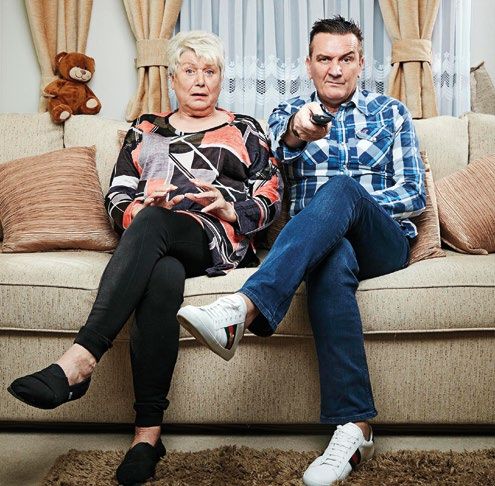
Channel 4

EY’s analysis concluded that this approach could result in:

• Reduction in content spend
• Reduction in regional spend on content
• Cuts in investment in training and development programmes
• Fewer roles based in the Nations and Regions
• Acquisitions representing a higher proportion of total content
  spend
• Reduction in feature film investment
• Content that is “more likely to focus on a mainstream
  interpretation of UK culture”
• Content that “appeals to a more global audience… potentially
  undermining the role that public service broadcasters play in
  representing the UK to the rest of the world”
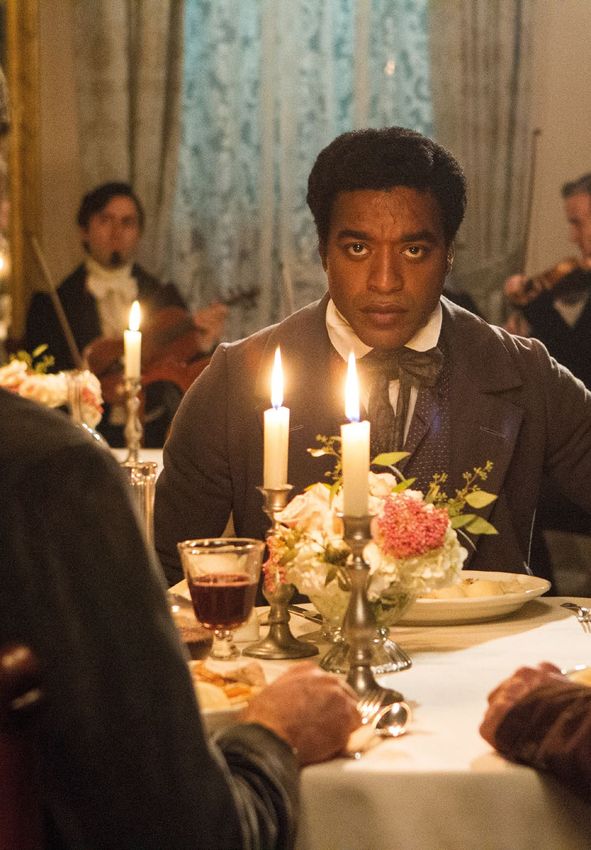
                                                                                                                               Derry Girls
As a market comparison, privately-owned ITV and Channel 5
have consistently reduced their public service obligations
over time, including (for ITV) significant reductions in regional         6. A
                                                                              change in ownership will have an impact on
news, current affairs, and content spend outside of London.                  investment and jobs in the creative industries
By contrast, Channel 4 has increased provision over time
– consistently delivering beyond its minimum regulatory                   An impact assessment would need to consider the impact on
requirements to deliver transformative public impact and has              investment and jobs in the UK’s creative economy, particularly in
voluntarily increased the percentage of its spend on content              the Nations and Regions.
produced in the Nations and Regions to 50%, far beyond the
regulatory requirement of 35%.                                            In the analysis commissioned for Channel 4, EY estimates that
                                                                          privatising Channel 4 with its current remit and role could result
The Government has suggested that one approach to ensuring                in a reduction in Channel 4’s contribution to GDP (measured
Channel 4’s remit delivery under a private owner would be to              as gross value added or GVA) through its supply chain of
strengthen its licence conditions. However, we are concerned              £1 billion (-15%) over a ten-year period compared to no change
that a focus only on licence obligations underestimates the               of ownership for Channel 4. This would represent an estimated
extent to which under Channel 4’s current model the remit                 reduction in the number of jobs supported by Channel 4 in its
permeates its full range of programming – far beyond the                  supply chain each year across the UK by 1,300 (-14%) compared
specific quotas required of us. In entertainment, shows like Joe          to a scenario where Channel 4 remains in public ownership.
Lycett’s Got Your Back, marry hard-hitting consumer journalism
with humour. In comedy, we tackle subjects as tough as mental             If the new private owner of Channel 4 reduces spend in the
illness or immigration with titles like This Way Up or Feel Good          Nations and Regions to the level of Channel 4’s quota (35%),
or Home. New drama Help, broadcasting later in September, will            EY estimate that Channel 4’s contribution to GVA through its
highlight the tragedy that played out in our care homes in the            supply chain in the Nations and Regions could reduce by 43%
early months of the pandemic. Elsewhere, prime time popular               (£1.2 billion) over a ten-year period. Similarly, EY estimate that
factual shows like The School That Tried to End Racism, The               jobs supported by Channel 4 in the Nations and Regions each
Write Offs or The Restaurant that Makes Mistakes explore major            year (both directly and in its supply chain) could reduce by 60%
societal issues as diverse as unconscious bias, adult illiteracy          (2,300 fewer jobs supported each year) compared to a scenario
and dementia. Beyond specific programmes, Channel 4 has also              where Channel 4 is not privatised.
invested in ambitious industry initiatives to promote diversity
and inclusion – most notably Black To Front, in which we                  Further, if Government removes Channel 4’s publisher-
broadcast 24 hours of television showcasing Black talent on and           broadcaster status, a new owner may be incentivised to invest
off screen. Black To Front included black cast and crew in some           in in-house production, rather than the external sector. EY
of Channel 4’s biggest shows – from Hollyoaks to Countdown,               estimate that if the publisher-broadcaster restriction was
and set out to leave a lasting legacy in terms of increased Black         removed, and the new owner of Channel 4 commissioned
representation both on- and off-screen.                                   66% of its content from Channel 4’s new in-house production
                                                                          unit, in line with ITV Studios’ share of original content on ITV’s
All of these titles and initiatives deliver strongly to Channel 4’s       main channel between 2016 and 2020, the present value of
broader public service remit – and yet none of them contributes           Channel 4’s supply chain contribution to GVA over a ten-year
to the specific quotas of programming that Channel 4 is required          period could be 29% (£2.1 billion) lower compared to Channel 4’s
to produce. Given this, a private owner would have a natural and          current model (£5.1 billion vs. £7.2 billion). As such, the increase
legitimate incentive to seek to both dilute the more commercially         in Channel 4’s direct GVA represents, in large part, a transfer of
onerous parts of the channel’s remit and to scale back those              value from companies in Channel 4’s supply chain to Channel 4’s
additional public benefits which are not mandated by the                  new owner and its shareholders.
statutory remit.

                                                                      9
Channel 4
Paralympics
PARALYMPICS
Channel 4 secured the rights to the 2012 Paralympics – the
first time it had been on a commercial broadcaster. No other
commercial broadcaster even bid for the London 2012 rights,
despite it being a home Games.
Channel 4 did not just air the Paralympics, we set out to
challenge attitudes towards disability among UK audiences.
Following London 2012, 83% of viewers agreed that
Channel 4’s coverage of the Paralympics improved society’s
attitude towards people with an impairment, while 64% of
viewers felt more positive towards people with a disability
as a result. Since 2012 our coverage is used worldwide as an
example for other countries – most recently the President
of the Paris 2024 Committee noting that it was looking to
Channel 4 as the international benchmark for Paralympic
coverage.
Channel 4’s coverage of the Tokyo 2020 Paralympic Games
was viewed by over 20 million viewers – a third of the UK
population (33%) and a fifth of young people aged 16-34 (22%).
This year’s coverage was its most ambitious to date, airing over
300 hours of around-the-clock coverage on Channel 4 and
More4, as well as over 1,000 hours via 16 live streams on All 4
– capturing every event that was covered live. On-screen over
70% of the broadcaster’s presenting line-up were disabled
making Tokyo 2020 coverage its most diverse ever.
A privately-owned Channel 4 is highly unlikely to put the same
level of investment or commitment into not just the Paralympic
Games, but the programming around the Games like Jonnie’s
Blade Camp or The Last Leg, which stems directly from it. Our
strong public mission, based on a maximalist interpretation of
our remit, enabled by our public ownership, allows us to take
the risks and make the investments that enable us to tell and
develop our national story in a transformative way.
Channel 4’s investment in the
Paralympic Games is a spectacular
success story. As the UK Government
considers the future of public service
broadcasting, I would urge it to ensure
that any changes to Channel 4’s model
do not harm its ability to support the
Paralympic Movement into the future.”
Andrew Parsons, President, International
Paralympics Committee
10Channel 4
EY’s analysis also demonstrates that a move into private Figure 1: Summary of our analysis of
ownership could particularly affect regional economies, with
benefits accruing to London as investment shifts from the the present value of GVA generated by
Nations and Regions to the capital. Privatising Channel 4 with Channel 4 over a ten-year period
its current remit and role could result in a reduction in GVA
generated by Channel 4 in its supply chain in the Nations and
£m
Regions of £1.2 billion (-43%) over a ten year period and a
reduction in jobs supported by Channel 4 in its supply chain each
year in the Nations and Regions of 2,300 (-61%), compared to no 1,120 4,426 2,790 8,336
change of ownership for Channel 4. Channel 4 continues as a publicly-owned not-for-profit publisher
broadcaster and continues to exceed its current public service
This would be amplified by privatising Channel 4 and removing obligations
its publisher-broadcaster status – with EY concluding that
“given Channel 4’s current level of spend with external 2,150 4,572 1,584 8,306
producers outside London, privatising Channel 4 and removing Channel 4 is privatised as a publisher-broadcaster with its current public
the publisher-broadcaster model could have a disproportionate service obligations
impact on the wider creative economy in the Nations and
Regions. Our analysis suggests that the present value of 2,150 3,855 2,301 8,306
GVA generated by Channel 4 in the Nations and Regions in
Channel 4 is privatised as a publisher-broadcaster with heightened public
its supply chain over a ten-year period could be 37% lower if service obligations
Channel 4 is privatised and the publisher-broadcaster model is
removed, compared to Channel 4’s current model (£1.8 billion
vs. £2.8 billion), due to a shift in commissioning spend towards 3,649 3,389 1,756 8,794
in-house productions.” Channel 4 is privatised with heightened public service obligations and the
publisher-broadcaster mode is removed
A private owner is likely to cut costs by reducing investment
in original content – market benchmarks demonstrate that Source: Tapestry, 2020, unique value of Channel 4.
Channel 4 invests a higher proportion of its revenue in content
than other commercial PSB players. Further, if the Government
removes Channel 4’s publisher-broadcaster status, a new owner
Figure 2: Summary of our analysis of the
would be incentivised to invest in in-house production, rather average number of jobs supported by
than the external sector; and regional independent companies Channel 4 each year
would be the most adversely affected. Based on EY’s analysis
and market comparisons, our assessment is there is a real risk
that moving Channel 4 into private ownership will reverse the Number of jobs supported by Channel 4 each year on average
recent progress made towards rebalancing the creative sector
across the UK. 964 248 5,901 3,597 10,710
Channel 4 continues as a publicly-owned not-for-profit publisher
broadcaster and continues to exceed its current public service
obligations
1,060 136 6,772 1,393 9,361
Channel 4 is privatised as a publisher-broadcaster with its current public
service obligations
963 233 5,206 2,959 9,361
Channel 4 is privatised as a publisher-broadcaster with heightened public
service obligations
2,011 1,280 4,716 2,348 10,355
Channel 4 is privatised with heightened public service obligations and the
publisher-broadcaster mode is removed
■ Directly in London ■ Supply chain – London
■ Directly in the Nations ■ Supply chain – Nations
and Regions and Regions
985
Source: Enders Analysis, 2021, Outsourcing Culture.
11Channel 4
7. A change in ownership will have a negative
impact on viewer choice
We are concerned that moving Channel 4 into private ownership
could also result in a reduced diversity and quality of content for
UK viewers. Despite the multiplicity of channels and streaming
options available, viewers come to Channel 4 because we do
things in a fundamentally different way to global streamers, US
based multinationals, and indeed our fellow UK PSBs. There
are also 11.5 million households who still only have access to
free-to-air television – and therefore changes to Channel 4, one
of the main free-to-air broadcasters, is likely to impact on the
choice available to these viewers.
While global players produce content to appeal to as broad an
international audience as possible, Channel 4 is focused on
commissioning content tailored to the lives and experiences of
the British people rather than on content which is guaranteed
to deliver a financial return. This content is highly valued by
Damilola: The Boy Next Door
audiences – research commissioned by Channel 4 in 202010
found that viewers valued public service broadcasting for
bringing the nation together, covering issues that are important
to the country and for reflecting the diverse nature of Britain.
9. C
onsideration of changes to Channel 4’s
ownership must be based on clear evidence
We note research from Enders Analysis that found that the
Any decision on the future of Channel 4’s ownership should be
UK output commissioned by the SVoDs is predominantly less
based on data and transparent analysis of the implications of any
‘British’ than that commissioned directly by the PSBs11.
changes and the likely impact on Channel4’s future prosperity ,
the delivery of its public remit, the impact on the UK’s creative
Despite the volume of content now available across streaming
industries and the media content and choice available to the
services, it is important to recognise the disparity in provision of
wider British public.
first run original UK content between these services and the UK’s
PSBs. The five main public service broadcaster channels (BBC
The consultation document does not include an impact
One, BBC Two, ITV/STV, Channel 4 and Channel 5), S4C and the
assessment. We would stress to Government our view of the
BBC’s other public service channels show around 32,000 hours
importance of publishing a full, transparent impact assessment
of first-run original UK content per year while, in 2018, streaming
ahead of any decision so that the public and all stakeholders
services such as Netflix and Amazon Prime provided 182 hours of
are able to fully understand and consider the impact of
UK-produced content (equivalent to 0.6% of the contribution of
changing Channel 4’s ownership structure. Publishing an impact
the public service broadcasters).12
assessment only after a decision has been made, and without
giving interested stakeholders the opportunity to review and
8. T
here are other levers available to the comment on it, is unusual for a Government consultation
proposing significant policy changes. Other currently open
Government to strengthen Channel 4 without Government consultations have been published alongside
changing its ownership impact assessments, for instance the consultation on the digital
markets regime, the consultation on reforming competition and
The Government sets out in its consultation document that in
consumer policy (which was published alongside three impact
order to overcome the perceived market challenges outlined
assessments), the consultation on the future of the exhaustion
above and strengthen Channel 4’s role in the long term its
of IP rights, the consultation on competition in onshore
preferred option is a change of ownership model. However, it
electricity networks, and the consultation on creating a future
does not outline other potential policy options that could seek
system operator (for electricity and gas). To ensure a robust and
to bolster Channel 4 in the long term, but which could avoid the
transparent process of consultation, stakeholders should be
significant risks of a change in ownership as outlined above.
provided with a robust impact assessment on this topic.
Alongside the Future4 strategy we have set out that we will
ensure there is a clear and sustainable future for Channel 4
as a publicly owned entity, there are a range of levers that the
Government could also be considering, separate to ownership.
These include areas where the Government has already
committed to taking forward action – such as to modernise the
legislation on public service prominence to apply across digital
platforms, as well as reviewing the commercial relationships
between platforms and publishers through the new Digital
Markets Unit. We believe these measures could have a material
impact on Channel 4’s successful transition to a digital-first
organisation. The Government could also consider alternative
means of accessing capital and modernisation of Channel 4’s
licence obligations and public service remit (without in any way
undermining Channel 4’s public contribution). We look forward
to discussing these further with Government.
10 Tapestry, 2020, Unique value of Channel 4.
11 Enders Analysis, 2021, Outsourcing Culture https://www.endersanalysis.com/
reports/outsourcing-culture-when-british-shows-arent-british
12 Ofcom, (December 2020). Small Screen: Big Debate Consultation: The Future
of Public Service Media. https://www.smallscreenbigdebate.co.uk/__data/
assets/pdf_file/0032/208769/consultation-future-of-public-service-media.
pdf
12You can also read


