A PUBLIC TRUST AT RISK: The Heritage Health Index Report on the State of America's Collections
←
→
Page content transcription
If your browser does not render page correctly, please read the page content below
A PUBLIC TRUST AT RISK:
                                                                                                                 The Heritage Health Index Report
                                                                                                                 on the State of America’s Collections

HERITAGE PRESERVATION             A PROJECT   OF   H E R I TAG E P R E SE RVAT IO N   AND THE   INSTITUTE   OF   MUSEUM    AND   LIBRARY SERVICES
1012 14TH STREET, NW SUITE 1200
WASHINGTON, D.C. 20005
PHONE 202-233-0800
FAX 202-233-0807
www.heritagepreservation.org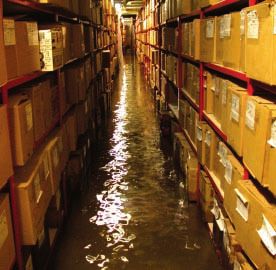
The Heritage Health Index is the first comprehensive survey About Heritage Preservation About our Funders
ever conducted of the condition and preservation needs of our Heritage Preservation is a nonprofit organization dedicated The J. Paul Getty Trust is an international cultural and
nation’s collections. The project was conceived and implemented by to preserving our nation’s heritage. Since its founding in philanthropic institution devoted to the visual arts that
the nonprofit organization Heritage Preservation in partnership 1973, its members have included libraries, museums, archives, includes the J. Paul Getty Museum, the Getty Research
historic preservation organizations, historical societies, Institute, the Getty Conservation Institute, and the
with the federal Institute of Museum and Library Services. conservation organizations, and other professional groups Getty Foundation. The Getty Trust and the Getty programs
concerned with saving the past for the future. Programs are located at the Getty Center in Los Angeles. Additional
Over 100 leading collections professionals helped develop the survey, include the Conservation Assessment Program, the Heritage information is available on the Getty Web site at
which was completed by the staffs of archives, historical societies, Emergency National Task Force, and Save Outdoor Sculpture! www.getty.edu.
libraries, museums, and scientific research organizations, large and For information, write Heritage Preservation at Additional support for the Heritage Health Index was received from:
small, from every U.S. state and territory. 1012 14th Street, NW, Suite 1200, Washington, DC, 20005, The Henry Luce Foundation
call 202-233-0800 or visit www.heritagepreservation.org The Samuel H. Kress Foundation
The Bay and Paul Foundations
The Peck Stacpoole Foundation
Over 4. 8 Billion Artifacts are held in public trust by more than 30,000 archives, About the Institute of Museum and Library Services
The Gladys Krieble Delmas Foundation
historical societies,
These artifacts embody the richness and diversity of The Institute of Museum and Library Services is an Special thanks to the representatives of the following organizations that
our heritage and include rare books and manuscripts, pho- libraries, museums, independent federal grant-making agency dedicated to assisted with the Heritage Health Index. American Association for State and
Local History, American Association of Museums, American Institute for the
tographs, documents, sound recordings, moving images, digi- scientific research collections, creating and sustaining a nation of learners by helping Conservation of Historic and Artistic Works, American Library Association,
and archaeological repositories libraries and museums serve their communities. IMLS Association of Art Museum Directors, Association of Moving Image Archivists,
tal materials, art, historic and ethnographic objects, fosters leadership, innovation, and a lifetime of learning Association of Regional Conservation Centers, Association of Research
archaeological artifacts, and natural science specimens. in the United States. by supporting the nation's 15,000 museums and 122,000 Libraries, Center for Arts and Culture, Council on Library and Information
Resources, Council of State Historical Records Coordinators, Getty
libraries. IMLS also encourages partnerships to expand Conservation Institute, Library of Congress, National Archives and Records
the educational benefit of libraries and museums. Administration, National Association of Government Archives and Records
Administrators, National Conference of State Historic Preservation Officers,
National Conference of State Museum Associations, National Endowment
Over the last two decades, IMLS has made 5,498 grants for the Arts, National Endowment for the Humanities, National Gallery of
for conservation totaling $71,731,807 through its Art, National Historical Publications and Records Commission, National
Conservation Project Support grants and Conservation Park Service, National Preservation Institute, National Science Foundation,
National Trust for Historic Preservation, Natural Science Collections
Assessment Program. Alliance, Regional Alliance for Preservation, RLG, Smithsonian Institution,
Society for Historical Archaeology, Society for the Preservation of Natural
For more information, including grant applications, contact History Collections, Society of American Archivists, U.S. National
Commission on Libraries and Information Science.
IMLS at 1800 M Street NW, 9th Floor, Washington, DC 20036,
This publication presents a summary of the survey results. To 202-653-IMLS, or www.imls.gov. Heritage Preservation receives funding from the National Park Service,
Department of the Interior. However, the contents and opinions contained in
read the full report, learn more about the survey methodology, this publication do not necessarily reflect the views or policies of the
Department of the Interior.
and view the list of institutions that participated in the sur-
vey, visit www.heritagehealthindex.org. Chairperson, Debra Hess Norris
President, Lawrence L. Reger
Director, Heritage Health Index, Kristen Overbeck Laise
©2005 Heritage Preservation, Inc. All rights reserved. Printed in the United States of America.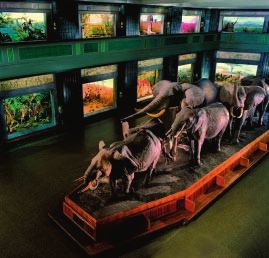
American museums, libraries, archives, historical societies, and
scientific research organizations are visited         2.5 billion times a year.
   Their collections teach and inspire and are vital to                           Providing a safe environment
   sustaining a well-educated and connected citizenry, a                          and proper care for collections
   thriving tourist industry, and a wealth of knowledge to                        is a fundamental responsibility of all
   enrich and enlighten our civilization. They are a public                       institutions and individuals who
   trust that must be protected for future generations.                           care about our heritage.

   The Heritage Health Index found that artifacts in                              These collections can survive the twenty-
   America’s collections are at risk and require immediate                        first century and continue to enrich the
   attention and care, including: 4.7 million works of art                        lives of Americans if action is taken now:

                                   13.5 million historic objects—                      g   Institutions must give priority to
                                       from flags and quilts to
                                       Presidential china and                              providing safe conditions for the
                                       Pueblo pottery                                      collections they hold in trust.

                                   153 million photographs
                                                                                       g   Every collecting institution must
                                   189 million natural                                     develop an emergency plan to
                                       science specimens                                   protect its collections.

                                    270 million rare and unique
                                                                                       g   Every institution must assign
                                       books, periodicals,
                                       and scrapbooks.                                     responsibility for caring for
                                                                                           collections to members of its staff.

                                                                                       g   Individuals at all levels of
                                                                                           government and in the private
                                                                                           sector must assume responsibility
                                                                                           for providing the support that will
                                                                                           allow these collections to survive.

                                                                                                                                  1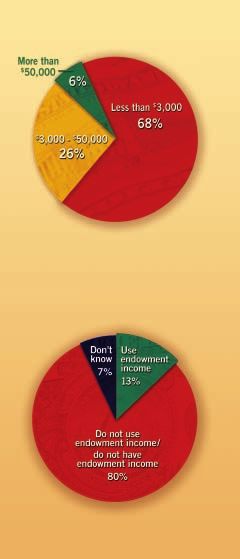
U.S. Collections Are Exposed to Hazards
                                                                               The Heritage Health Index found that collections
                                                                               are at risk of damage because of improper
                                                                               environmental conditions and storage.
                                                                               An improper environment can
                                                                               cause irreparable damage.

                                                               26% of collecting institutions have 59% of collecting 53% of collecting
                                                               no environmental controls to protect    institutions have had          institutions have had
                                                               their collections from damaging effects their collections              their collections
                                                               of temperature, humidity, and light.    damaged by light.              damaged by moisture.

                                                                               High humidity promotes mold growth, corrosion,
                                                                                and degradation, while lack of humidity can
                                                                                cause drying and cracking. Fluctuations between
                                                                                extremes can cause warping, buckling, and flaking.

                                                                               All kinds of light, especially ultraviolet rays from
                                                                                natural and artificial sources, can cause fading
    Could city life cause the demise                                            and disintegration.
    of mighty elephants?
                                                                               High temperatures can accelerate deterioration.
    At the American Museum of Natural History in New
    York City, an uncontrolled environment has damaged                         Pollutants and dust are abrasive and can
    the hides of the museum’s famous elephants. The                             accelerate harmful chemical reactions.
    museum hopes to raise funds to create a stable
    environment that will protect these impressive but                         Pests can infest and destroy many objects.
    fragile creatures from the harm of polluted air, dust,
    and fluctuations in temperature and relative humidity.
                                                                               The Heritage Health Index found
                                                                               that the most urgent preservation
                                                                               need at U.S. collecting institutions
                                                                               is environmental control.

2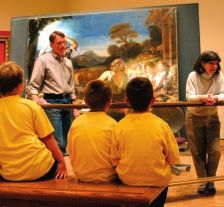
Institutions Using No Environmental Controls                                                  In the mid-twentieth century
                     for the Preservation of Collections                                        in Vermillion, South Dakota,
                                                                                                photographers from the University of South Dakota
                    ARCHIVES            9%                                                      recorded important events and daily life, such as
                                                                                                these images of jazz legend Chet Baker’s visit to
                    LIBRARIES                                    40%
                                                                                                Sioux Falls and of the editor of
     HISTORICAL SOCIETIES                    16%                                                the school newspaper at work.

                    MUSEUMS                14%

ARCHAEOLOGICAL REPOSITORIES /                         28%
   SCIENTIFIC COLLECTIONS
                                0%           20%            40%              60%   80%   100%

 100%

          Use of Environmental Controls
  80%
          in   Areas that Hold Collections

  60%
                                                         Temperature

                                                         Light
                                                                                                This treasure trove of over 300,000 negatives,
                                                         Relative Humidity
  40%                                                                                           slides, and prints was forgotten and sat for years in
                                                                                                proximity to photographic chemicals, leaving it in an
                                                                                                advanced state of deterioration and creating a fire
                                                                                                hazard. The University’s I. D. Weeks Library, with a
                                                                                                team of student workers, is placing the collection in
  20%
                                                                                                proper storage, keeping this irreplaceable record of
                                                                                                Great Plains history accessible for future generations.

   0%
         In all areas   In some areas   In no areas   Don’t know

                                                                                                                                                          3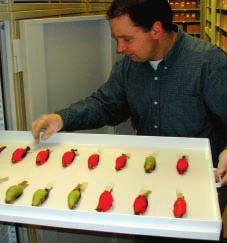
Perilous Conditions
                                                                         Plague Storage Spaces
                                                                         59% of institutions have the
                                                                         majority of their collections stored in
                                                                         areas too small to accommodate them
                                                                         safely and appropriately.

                                                                         65% of our nation’s collecting                The last will and testament of
                                                                         institutions have experienced damage          Frederick Douglass is among the
                                                                         to collections due to improper storage.       original documents held in the
                                                                                                                       District of Columbia Office of Public
                                                                         As safe as it seems to pack collections       Records. If the collection is to survive,
                                                                                                                       conditions must improve; the archive
                                                                         away, storage facilities can present          is understaffed, has an inadequate
                                                                         unanticipated hazards. Many materials         budget, and is in a cramped facility
                                                                         are stored in basements, attics, or           lacking environmental controls.
                                                                         warehouses that do not have proper
                                                                         environmental controls or are at risk for
    Outbreaks of silverfish and book lice
                                                                         flooding or overheating. Fragile items are    Security
                                                                         often crammed into drawers or crowded
    confronted the University of Connecticut’s Department of             onto shelves where condition problems         The Heritage Health Index found that only
    Ecology and Evolutionary Biology, which houses internationally       go undetected and retrieval is risky.         44% of institutions have sufficient
    significant collections of preserved plants, insects, birds, fish,   Improper containers leach acids and           security measures in place for their
    mammals, and parasites. Buildings lacked adequate climate            chemicals into their contents, slowly         collections and that 26% report having
    control, appropriate storage space, and sufficient security, and     destroying them.                              no or inadequate protection.
    a major steam leak threatened to destroy collections. A recently
    completed state-of-the-art facility features sealed cases,           Collections must be kept                      A unique object lost through theft or
                                                                                                                       vandalism represents a loss of knowledge
    temperature and humidity control, and space for new                  in a proper environment,                      for future generations.
    specimens as the collection grows.
                                                                         whether they are exhibited in a gallery,
                                                                         available to researchers in a reading room,   Appropriate security methods vary with
                                                                         or held in storage. Providing a safe          an institution’s size and type, ranging
                                                                         environment for these fragile objects is a    from an advanced system of intrusion
                                                                         fundamental responsibility of every           detection and cameras to staffing a
                                                                         institution. Capital projects should give     gallery with security personnel to placing
                                                                         priority to protecting collections.           magnetic strips in library books.

                             Before                           After

4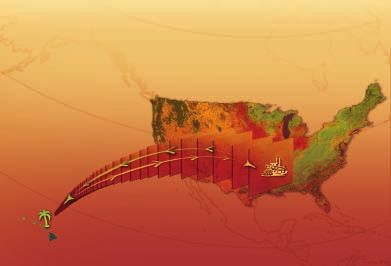
20th and 21st century materials                     The UCLA Film &
                                                    Television Archive
 Film, video, and sound recordings                  is saving irreplaceable
 can transport us back in time to experience        film and television like
 stirring performances, historic events, or even    The Mark of Zorro (1940).
 the bird call of a now endangered species.
 These materials are susceptible to chemical
 and physical decay, and lack of working
 machinery to play them can render them
 obsolete. The condition of almost half the
 86 million film reels, videos, DVDs, records,                            The University of South Carolina
 cassettes, CDs, and MP3s in public collections                           Newsfilm Library preserves and
 is unknown, leaving them in probable jeopardy.                           makes accessible unique
                                                                          newsreel footage from the Fox
                                                                          Movietone News Collection,
 Digital collections on disks, tapes,                                     such as footage shot by Fox of
 CDs, and DVDs contain such materials as                                  the attack on Pearl Harbor.
 online publications, government records,
 interactive art, and photographs. Institutions
 have taken responsibility for preserving more
                                                                          At the University of Oklahoma,
 than 9 million such physical objects, and the
                                                                          the Julian P. Kanter Political
 number is growing daily. Extremes of
                                                                          Commercial Archive cares for
 temperature and humidity, magnetic fields,
                                                                          approximately 80,000 film,
 and electrical currents could cause a total loss
                                                                          audio, and video recordings
 of data on these media. Digital materials
                                                                          of commercials from 1936
 present unique challenges, since content
                                                                          to the present, including the
 created even a few years ago may become
                                                                          controversial Lyndon Johnson
 unusable if the correct hardware or software
                                                                          campaign ad "Daisy Girl"
 is not available. Moving these materials to
                                                                          from 1964.
 formats that can be read by current technology
 is today’s solution, but the field is changing
 rapidly. The condition of over half the digital
 materials in U.S. collections is unknown.

                                                                                                             5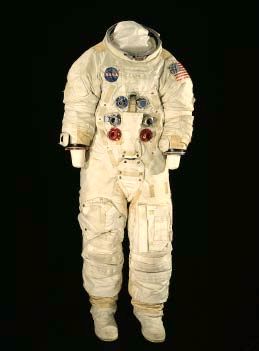
Collections Are Vulnerable
                                                            to Swift and Catastrophic Loss
                                                             80% of collecting institutions do not have an   Every collecting institution should have
                                                             emergency plan that includes collections,       an emergency preparedness plan that
                                                             with staff trained to carry it out.             includes its collections, and staff should
                                                                                                             be trained to implement the plan.
                                                             2.6 billion items of historic, cultural, and
                                                             scientific significance are not protected by    Numerous resources are available to
                                                             an emergency plan and are at risk should        help institutions prepare written disaster
                                                             a disaster strike their institutions.           plans that outline who to contact, what
                                                                                                             to save, and how to train staff to coordinate
                                                             All collections are at risk for catastrophic    response and recovery in an emergency.
                                                             loss due to disasters ranging from              Institutions must use these guidelines
                                                             hurricanes and tornadoes to floods              or secure professional services to cover
                                                             from broken water pipes. Institutions           the basics of emergency planning NOW.
                                                             that prepare for emergencies dramatically       Modest commitments of time and
                                                             improve the chances that their                  resources devoted to preparedness will
                                                             collections will survive.                       prove to be enormously cost effective
                                                                                                             in the event of a disaster.

                                                                                                                   When today’s archaeologists explore
                                                                                                                   the museum and university collections
    A broken hot water pipe flowed                                                                                 so devotedly assembled by their
    unchecked for almost 24 hours                                                                                  predecessors, they find hundreds
    in March 2004 at an off-site storage facility housing                                                          of millions of objects and fragments
    archaeological materials from 9,500 BCE through
                                                                                                                   spanning the millennia. Yet 20%
    the twentieth century. The collection is held by The
    Archaeological Research Collections of the New Mexico                                                          of these remnants of past lives need
    Museum of Indian Arts and Culture in Santa Fe,                                                                 additional care if they are to survive
    New Mexico. Everything stored on the lowest shelves,
                                                                                                                   the century.
    approximately 1,400 boxes of collections,
    was immersed in water.

6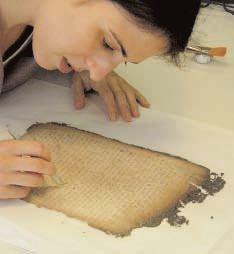
Institutions with
                                                         NO EMERGENCY PLAN
                                                         with Staff Trained to Carry It Out

                                                          ARCHIVES
                                                                                 70%
                                                                                                            When Hurricane Katrina
                                                                                                            roared ashore in August 2005,
                                                          LIBRARIES                                         the Ohr-O’Keefe Museum in
                                                                                       78%
                                                                                                            Biloxi, Mississippi, sustained
                                                                                                            serious damage.
                                                          HISTORICAL SOCIETIES
                                                                                                            Because of an emergency plan, the museum’s
                                                                                             92%
                                                                                                            collection of pottery by artist George Ohr weathered
                                                                                                            the storm safely in a secure building and was then
                                                          MUSEUMS                                           evacuated to Mobile, Alabama. The museum’s
                                                                                                            nineteenth-century historic frame house, Pleasant
                                                                                     78%
Three nitrate motion picture films                                                                          Reed, used to interpret African-American life in the
ignited a fire in a storage unit                          ARCHAEOLOGICAL REPOSITORIES /                     early twentieth century,
at the Northwest Museum of Arts & Culture in Spokane,     SCIENTIFIC COLLECTIONS                            was washed away by the
Washington, in June 2005. These flammable materials                                       86%               storm surge—only its
were correctly housed in cold storage, but a                                                                chimney remains. Work is
malfunction caused the temperature to rise to more                                                          now underway to salvage
                                                         0%    20%     40%     60%        80%      10 0 %
than 100°F. Two boxes containing about 300 nitrate-                                                         library materials,
based photographs depicting life in eastern Washington                                                      including African-
over the last century were destroyed. Response to the                                                       American history texts,
fire was hampered by the lack of an updated disaster                                                        hymnals, and photographs
plan for collections in the museum’s new building.                                                          that have sustained water
                                                                                                            and mold damage.

                                                                                                                                                                   7
Collections Require Attention and Expertise
                                                       80% of institutions do not have paid staff              Every institution must have staff
                                                       dedicated to collections care.                          assigned to such basics of collections care
                                                                                                               as monitoring conditions and ensuring
                                                       71% of institutions need additional training and        safe storage, transport, and display.
                                                       expertise for staff caring for their collections.
                                                                                                               39% of institutions have a significant
                                                       Trained professionals are essential to                  backlog in cataloging their collections.
                                                       the survival of our collected heritage. An
                                                       experienced conservator can provide expertise           70% of institutions do not have a current
                                                       on preventing deterioration and knows the               assessment of the condition of their collections.
                                                       proper way to repair a damaged object.
                                                                                                               Due in part to inadequate staffing levels,
                                                       Not every institution has the size or resources         basic information about the content and
                                                       to have a professional conservator on staff,            condition of collections is missing in many
                                                       but other solutions are available.                      museums, libraries, and archives.

                                                       Staff and volunteers can avail themselves of            If no one knows what is in a collection, there
                                                       opportunities that exist for training, although         is a good chance that at least some of the
                                                       there is a need for more of these programs.             collection will suffer from neglect. Decision-
    Twelve thousand pages of                           Institutions can also utilize the knowledge and         makers must make cataloging and condition
    Dutch Colonial records,                            experience of conservators in private practice          surveys a high priority.
                                                       and at regional conservation centers.
    dated from 1638 to 1670,
    were among the few documents to escape the
    disastrous New York State Capitol fire of 1911.
                                                       This flag was presented to
    In 2000, highly trained paper conservators         Abraham Lincoln on April 11,
    reinforced the charred edges, ensuring that the    1865, three days before his
                                                       assassination. At the request of
    documents are stable for use by researchers at     the American Textile History
    the New York State Archives.                       Museum, conservators cleaned
                                                       the flag and documented areas of
                                                       damage and weakness. Previous
                                                       repairs that had disfigured the flag were replaced by
                                                       unobtrusive state-of-the-art conservation techniques.

8
100%
Staffing for
Conservation/Preservation A flash flood carrying mud and
80%
debris sent a seven-foot wall of
60%
water and mud through the Hamilton Library at
the University of Hawaii, Manoa, in Honolulu in October
2004. The force of the flood knocked out walls, broke
40% windows, moved fully loaded map cases, and toppled library
Multiple responses allowed
stacks. Approximately 110,000 maps were destroyed
and 90,000 aerial photographs were severely damaged.
20%
Because the library had a
disaster plan that included
0% its collections, such rarities
Dedicated Various Volunteers External No staff as this prized 1589 map,
paid staff staff as provider person
needed Maris Pacifici by Abraham
Ortelius, were saved.
Before
If stacked together, the nation’s
archival records, manuscripts, and maps alone
would extend from the Mississippi to Maui and back.
One quarter of these fragile paper items
need preservation attention.
After
9g The nation’s historic collections are of seemingly g Americans have always collected
infinite variety: sets of Presidential china and Pueblo
plant, animal, and geological life in
earthenware; George Washington’s dentures and a plastic
all its incredible diversity. Today,
toothbrush sent on an Apollo mission; Civil War
more than 800 million specimens
regimental flags and toy tin soldiers. The
reside in government agencies,
Heritage Health Index found 13.5 million
university
of the 48 million historic objects in public
departments, and
collections to be in danger.
museums. Nearly
a quarter are in
need of care.
Did You Know?
g Of the more than 700 million
photographs being cared for in
the U.S., nearly 153 million
photographs, from daguerreotypes
to Polaroids, need improved care.
g There are 1.7 billion rare and
unique books, periodicals, and
scrapbooks in U.S. collections;
16% need improved care and
conditions.
Most Institutions Collection types:
g Fifty-two million paper Care for Multiple Types g
Books and bound volumes
items including stamps, of Collections g
Unbound sheets
currency, and printed
g
ephemera, such as postcards Photographic collections
In 1999, the Missouri State Archives entered and baseball cards, are at risk. g
Moving image collections
into a partnership with the St. Louis Circuit Court g
Recorded sound collections
to organize, conserve, and microfilm more than g Nearly a quarter of all the
g
1.3 million important court documents. The 21 million paintings, sculptures, Digital material collections
papers include records relating to Dred Scott, and works of decorative art in g
Art objects
whose petition for freedom from slavery became U.S. collections need g
Historic and ethnographic objects
a landmark Supreme Court decision. They have preservation.
g
now been preserved and can be displayed to Archaeological collections
g
visitors, such as U.S. Representative Maxine Natural science specimens
Waters and her grandson.
10The Library at the University of Illinois
Urbana-Champaign preserves
The artifacts at the Marion County
manuscripts, letters, books, and Historical Society in Fairmont,
photographs that belonged to West Virginia, represent the
American writer Carl Sandburg. town’s long and varied history:
Within this extensive collection are a compass used to survey colonial territory, Civil War
materials on acidic paper that have artifacts, and postcards depicting the 1907 Fairmont
been saved from rapid deterioration Coal Company mining disaster, the worst in U.S. history.
by conservation treatment. Like many small museums and historical societies
across the nation, the museum struggles with imperfect
environmental conditions and has never fully cataloged
or assessed its collection. Many items were
damaged before they entered the
collection. Even with limited
Millions of objects funding, the museum’s staff
are in urgent need of and volunteers are tackling
these projects so their
treatment or attention hometown heritage will
by a skilled, professional conservator if be preserved.
they are to remain available for exhibition
and research. Some may not survive
without help:
12.6 million black and white photographic prints
2.5 million scrapbooks, albums, and pamphlets
2.4 million botanical specimens
500,000 works of art on paper
475,000 textiles
95,000 pieces of historic furniture
11Preservation Lacks Stable Funding
Fluctuating budgets can be as dangerous to Annual Budgets for
artifacts as fluctuating humidity. Conservation/Preservation
77% of institutions do not specifically - most recently completed fiscal year -
allocate funds for preservation in their budgets.
Only 13% of institutions have access to
endowed funds for preservation.
Preservation requires persistence and
20 years ago
consistency. Preventive measures keep small
problems from becoming expensive ones.
Decaying fabric threatens the Every dollar spent on a safe environment will
survival of flags from Civil War be repaid many times over as an institution
avoids the need for costly treatments.
regiments and North Vietnam Unfortunately, when funds are scarce,
and banners from the Nuremberg rallies at the Soldiers too many institutions defer collections
Includes funds for staffing, supplies, equipment, surveys, treatment, preservation
and Sailors National Military Museum and Memorial in maintenance and leave future generations to reformatting, commercial binding, consultants, contractors, and other preservation costs.
Pittsburgh. The collection suffered from an improper suffer the consequences.
environment, inadequate storage, and lack of attention by
trained professionals. Since the museum’s incorporation Private donors and public officials at all
as a nonprofit in 2000, it has taken steps to address levels must realize that ensuring a future Use of Income from Endowed Funds
past neglect. While storage has been improved and for the nation’s collected heritage is a for Conservation/Preservation
professional staff has been hired, the museum still responsibility they share with those who - last three years -
lacks funds for conservation treatment and proper
oversee our museums, libraries, and
archives. Stable funding must be provided
housing, which cost from $5,000 to $15,000 per flag.
for both the staffing and capital improvements
Time is of the essence—this silk Civil War regiment
that proper collections care requires.
flag, intact only 20 years ago, has now disintegrated.
Care of collections need not be a drain on
resources. Exposure to conservation can
engage the public, encourage participation
in an institution, and attract financial support.
Today
12When people go behind
the scenes, they gain a
better appreciation of what
collecting institutions do.
The Brooklyn Museum’s Luce Visible Storage
Study Center and the Logan Museum of
Anthropology at Beloit College are examples
of places where storage facilities are visible to
visitors. When the Smithsonian American Art
Museum and the National Portrait Gallery reopen
The City of Boston’s in 2006 after an extensive renovation, visitors
archives, dating from will be able to view the Lunder Conservation
1630 to the present, Center, offering a behind-the-scenes look at
do not have the consistent preservation how art is restored. When the museum conducted
and management essential for collections a survey and focus groups to gauge the interests
Conservation projects have been of the public, a visit to a conservation laboratory
of such historic value. A small number of
conducted in the galleries of professional staff working in temporary was the highest-rated attraction.
The Minneapolis Institute of Arts facilities have cared for some of the most
so the public can learn what is involved in important segments of the archives.
conservation. When Giovanni Francesco Barbieri However, much remains in City
Guercino’s Erminia and the Shepherds, a massive departments, some in inappropriate
seventeenth-century masterwork, needed treatment, storage in attics, closets, basements,
the gallery became the laboratory. For eight weeks and garages. Planning for a permanent
conservators engaged and educated museum repository is soon to begin, but tight
visitors about treatment decisions and process, City budgets mean that adequate human
broadcasting their progress with a live Webcam and environmental resources at the new
and daily diary entries on the museum’s Web site. archives building are still not assured.
1313Apollo-era space suits withstood A public trust is at risk…
the rigors of travel in space but
were disintegrating after Support to improve care of collections must come from
several decades on earth. individuals, foundations, and businesses, as well as
In 2000, the Smithsonian Institution’s public sources. The types of support can vary widely
National Air and Space Museum
embarked on a project to preserve and could include a bond issue for a new storage
its large collection of space suits. facility, membership in a Friends of Conservation
Smithsonian staff, museum
specialists, industry experts, group, a major gift to endow a conservator’s position,
scientists, and volunteers worked or a line item in a town budget. New funding programs
together to learn how to stabilize,
exhibit, and store the suits without that give priority to basic collections issues will provide
causing damage. The guidelines institutions with the support they need to take action.
developed by this project will be shared
with museums that hold similar artifacts.
Federal agencies such as the Institute of Museum and
Library Services, the National Endowment for the
Arts, the National Endowment for the Humanities,
the National Historical Publications and Records
Commission, the National Science Foundation, and
Save America’s Treasures at the National Park Service
funded many of the projects featured in this publication.
These agencies have focused national attention on the
need to care for collections. With their assistance,
new approaches to conservation have been tested
and proven effective.
In St. Louis,
Washington Everyone who cares about the future of our heritage
University has a role to play in ensuring that adequate resources
Libraries’ Legacy are available. Present and future generations
of Books program
depend on what we do now.
encourages donations for the preservation of its collection
of nearly 4 million books and other materials. For a gift of
as little as $50, the library pledges to preserve a book,
and donors are thanked with a special bookplate.
14What next? Make collections a priority
If you are alarmed at the condition Spread the word. Most people assume that collections
of America’s collections, there are are safe. Tell your colleagues and other decision-
ways you can make a difference: makers about the dangers collections face.
Share this report with people whose decisions
Learn what institutions important to affect collections. You can request extra copies by
you are doing to care for their collections. e -mailing survey@heritagepreservation.org.
Designate your funding for collections care. Visit www.heritagehealthindex.org
Whether you are an individual donating your own
where you will find:
funds, a foundation executive initiating new
programs, or a government official developing a g The full Heritage Health Index report, with more
budget, give institutions the resources required to data from the survey and a review of methodology
save collections.
g More information about the projects described in
Plan for emergencies. Insist that any institution this publication
g Information about resources for
you support or work for have an emergency
preparedness plan that includes collections and staff training and emergency planning
staff trained to implement it. g A list of participating institutions.
15Photo Credits and Information:
g g g g
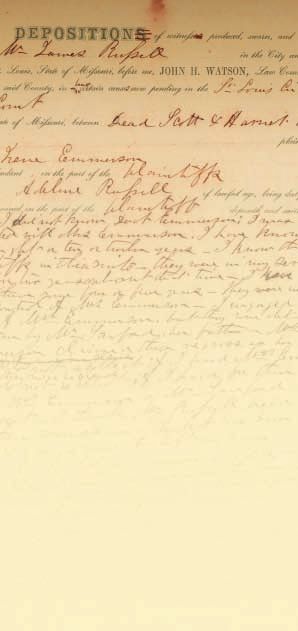
Cover Dutch Colonial manuscript. Courtesy: New York State Page 4 James Fischer arranging bird specimens in new Page 10 Dred Scott v. Irene Emmerson, December 1849, Second Page 14 Apollo-era space suit. Courtesy: National Air
Archives. © Conservation Center for Art and Historic Artifacts. storage cabinets. Courtesy: Department of Ecology & Evolutionary Circuit Court Case, Document #49, Circuit Court Case Files, Office and Space Museum, Smithsonian Institution (SI 2002-6975).
g g
Giovanni Francesco Barbieri Guercino’s Erminia and the Biology. Photo: Michael McAloon. © University of Connecticut. of the Circuit Clerk, City of St. Louis, Missouri. Courtesy: St. Louis Photo: Mark Avino. “Legacy of Books” bookplate.
g g
Shepherds (detail). Courtesy: The Minneapolis Institute of Arts, Vertebrate storage in old facility. Courtesy: Department of Circuit Court. Accessed at http://stlcourtrecords.wustl.edu on © Washington University Libraries. Newly rehoused
g g
The William Hood Dunwoody Fund. Silk quilt. Courtesy: Ecology & Evolutionary Biology. Photo: Randall Tracy. October 17, 2005. Visitors view Dred Scott’s court records. butterflies from the Titian Peale Butterfly and Moth Collection.
g
Marion County Historical Society Museum. Photo © Tom Little © University of Connecticut. Vertebrate storage in new Courtesy: Missouri State Archives. Photo: Michael Everman. Photo: Catharine Hawks. © The Academy of Natural Sciences.
g
Photography and Imaging. Volumes of Report of the facility. Courtesy: Department of Ecology & Evolutionary Biology. g Bandelier black-on-grey bowl. Courtesy: National Park
g
Commissioners, Washington, DC, held by the District of Columbia Photo: Michael McAloon. © University of Connecticut. Service, Museum Management Program and Bandelier Page 15 1932 painting by New Orleans artist Alexander
g
Government Office of Public Records. Photo: Richard Vidutis. Frederick Douglass’ Last Will and Testament, held by the National Monument. BAND 1571. www.cr.nps.gov/museum/exhibits/band/ Alaux (1851-1932), damaged by Hurricane Katrina, depicting
g g
Flag flown from Landing Craft 540 during Normandy Invasion, District of Columbia Government Office of Public Records. exb_archeology/BAND1571_bowl_exb.html. Photograph by the Mexican War Battle of Buena Vista. Courtesy: American
World War II. © Soldiers and Sailors National Military Museum. Photo: Richard Vidutis. William Henry Jackson, Crystal Falls, Crystal Creek, 1871. Association for State and Local History and Old Capitol Museum
g g
Colonial-era compass used to survey Virginia. Courtesy: Marion Courtesy: National Park Service, Museum Management Program of Mississippi History. Civil War soldier tintype in case.
g
County Historical Society Museum. Photo © Tom Little Page 5 Electronic and digital storage media. Courtesy: and Yellowstone National Park. YELL 50364. www.cr.nps.gov/ Courtesy: Marion County Historical Society Museum. Photo
g g g
Photography and Imaging. National Archives and Records Administration. Basil museum/exhibits/moran/jack3.htm. Egyptian, Ptolemaic Period © Tom Little Photography and Imaging. Butterflies from the
Rathbone as Captain Esteban Pasquale and Tyrone Power as (323-30 B.C.) Sarcophagus. Wood and gilt. Gift of Natasha Titian Peale Butterfly and Moth Collection before rehousing.
g
Inside Front Cover Deteriorated film from Kaliska-Greenblatt Diego Vega (a.k.a. Zorro) in THE MARK OF ZORRO (1940), Rambova. From the Permanent Collection of the Utah Museum of Photo: Catharine Hawks. © The Academy of Natural Sciences.
g g
Home Movie Collection, Walter J. Brown Media Archive and directed by Rouben Mamoulian. Courtesy: University of Fine Arts. Gastropod. Courtesy: National Park Service, Museum Interior of Olana, the home of Hudson River School artist
Peabody Awards Collection. Photo: Jeffrey J. Martin. © University California, Los Angeles, Film and Television Archive, Powell Management Program and Dinosaur National Monument. Frederick Edwin Church, at Olana State Historic Site. Courtesy:
g g
of Georgia Libraries. American Indian ceramic vessels. Library. The USS Arizona, now resting on the harbor bottom, DINO 13869. www.cr.nps.gov/museum/exhibits/dino/exb/gastropods_ New York State Office of Parks, Recreation, and Historic
g g
Courtesy: The Arizona State Museum, The University of Arizona. burns out of control, Pearl Harbor (December 7, 1941). Courtesy: dino13869_exb.html. Sino—Tibetan. Ushnisavijaya Buddha (Multi- Preservation. Wedding portrait of Julia Scott Thom, 1879, by
g
Photo: Helga Teiwes. Andean tapestry (detail), 17th century, Fox Movietone Collection © University of South Carolina armed Tantric Buddha). Gilt bronze. Gift of Mrs. Richard A. Hudnot. an unknown artist. #6140-8. Courtesy: Oshkosh Public Museum.
g g
tapestry weave, cotton warp and camelid weft, 89 1/2 x 70 in. Newsfilm Library. Daisy Girl, from Lyndon B. Johnson’s 1964 From the Permanent Collection of the Utah Museum of Fine Arts. Ellsworth Kelly, Untitled (Mandorla), 1988. Bronze. 101 x 53 1/2
(227.3 x 177.8 cm). The Metropolitan Museum of Art, Purchase, presidential campaign television advertisement. Courtesy: x 21 inches (256.5 x 135.9 x 53.3 cm); Weight: 950 lbs. San Francisco
g
Morris Loeb Bequest, 1956 (56.163). Photo: Textile Julian P. Kanter Political Commercial Archive, University of Page 11 Artifacts from the Carl Sandburg manuscript Museum of Modern Art and anonymous private collectors (EK 782).
Conservation Department. © 2004 The Metropolitan Oklahoma. © Tony Schwartz. collection. Courtesy: Rare Book and Special Collections Library. © Ellsworth Kelly.
g
Museum of Art. Allosaurus fragilis skull. Courtesy: Photo: Thomas H. Teper. © Board of Trustees, University of
g g g
National Park Service, Museum Management Program Page 6 Flooded aisle at a New Mexico Museum of Indian Arts Illinois at Urbana-Champaign. Postcard depicting 1907 coal Page 16 Propeller from an airplane at the Paul E. Garber
and Dinosaur National Monument. DINO 2560. and Culture storage facility. Courtesy: Museum of Indian Arts mining disaster in Monongah, West Virginia. Courtesy: Marion Preservation, Restoration, and Storage Facility, National Air
www.cr.nps.gov/museum/exhibits/dino/exb/allo_skull_rot_dino2560_exb.html and Culture/Laboratory of Anthropology, Department of Cultural County Historical Society Museum. Photo © Tom Little and Space Museum, Smithsonian Institution. Photo: Richard
. g
Affairs. Photo: Anita McNeece. Archaeological ceramics. g
Photography and Imaging. Document commemorating service g
Vidutis. Archival documents damaged by water from
© Ford Conservation Center, Nebraska State Historical Society. in the Grand Army of the Republic, a Civil War veterans group. Hurricane Katrina. Courtesy: American Association of State
g
Page 1 Plate from John James Audubon’s Birds of America, Courtesy: Marion County Historical Society Museum. Photo and Local History and University of Southern Mississippi
Volume 1. Courtesy: Maryland State Law Library. © Conservation Page 7 g Fire-damaged negative and sleeve. Courtesy: g
© Tom Little Photography and Imaging. Colonial-era compass g
Libraries, Gulf Coast Library. Photo conservator Tram Vo
g
Center for Art and Historic Artifacts. A Susanna Heebner g
Northwest Museum of Arts and Culture. Remains of the used to survey Virginia. Courtesy: Marion County Historical washing negatives. Courtesy: Northwest Museum of Arts and
fraktur. Courtesy: Schwenkfelder Library and Heritage Center. Pleasant Reed house, Biloxi, Mississippi, destroyed by Society Museum. Photo © Tom Little Photography and Imaging. Culture. g Thomas Gray’s Elegy, after conservation.
g
© Conservation Center for Art and Historic Artifacts. Manner Hurricane Katrina. Courtesy: Ohr-O’Keefe Museum of Art. Photo: © Richard C. Baker. g Conservator Morgan Zinsmeister
of the Antimenes Painter, Greek, Attica. Black-Figure Neck-Amphora, g
Betty Fiske. Mold-damaged artwork by Moses Toliver. g
Page 12 Civil War flag from the 139th Company, Pittsburgh, cleaning Audubon plate. Courtesy: Maryland State Law Library.
ca. 510-500 B.C. Terracotta. From the Permanent Collection of the Courtesy: Ohr-O’Keefe Museum of Art. Photo: Betty Fiske. Pennsylvania. © Soldiers and Sailors National Military Museum. © Conservation Center for Art and Historic Artifacts.
Utah Museum of Fine Arts. g
Gilbert Stuart, Portrait of Thomas g Deteriorated Civil War flag from the 139th Company, Pittsburgh,
Jefferson. 1805-1807. Oil on canvas. 48 3/8 in. x 39 3/4 in. (122.9 g
Page 8 A page of the Dutch Colonial manuscript being Pennsylvania. © Soldiers and Sailors National Military Museum. g
Back Cover Dutch Colonial manuscript. Courtesy: New York State
cm. x 101 cm.). BCMA Accession #1813.055. Bowdoin College conserved by Jennifer Sainato. Courtesy: New York State Archives. © Conservation Center for Art and Historic Artifacts.
Museum of Art, Brunswick, Maine, Bequest of the Honorable Archives. © Conservation Center for Art and Historic Artifacts. g
Page 13 Senior paintings conservators Joan Gorman and David
James Bowdoin III. Courtesy: Williamstown Art Conservation g Conservator Mary Williamson sponge cleaning stains on Marquis of the Midwest Art Conservation Center discussing their
Center. Photo: Mike Agee. g
Wedding dress. Courtesy: Marion 1865 American flag. Courtesy: Textile Conservation project with museum visitors. © The Minneapolis Institute of Arts.
County Historical Society Museum. Photo © Tom Little Center/American Textile History Museum. © Textile g City of Boston Common Council minutes with mildew-damaged
g
Photography and Imaging. Decorative Japanese fans. g
Conservation Center. American flag made in 1865, showing bindings. Courtesy: City Clerk Archives and Records Management
Courtesy: National Park Service, Longfellow National Historic new repairs, being rolled for storage by Mary Williamson. g
Division. Photo: John J. McColgan. © City of Boston. Artist
Site. Photo: Suzanne Martin Gramly, Northeast Document Courtesy: Textile Conservation Center/American Textile History rendering of the Lunder Conservation Center’s Paintings
Conservation Center. Museum. © Textile Conservation Center. Conservation Studio by Richard Chenoweth, AIA. Courtesy:
Smithsonian American Art Museum and National Portrait
g
Page 2 The Akeley Hall of African Mammals. Courtesy: g
Page 9 Maris Pacifici map showing damage from flood waters. g
Gallery. Luce Center for American Art Visible Storage/Study
American Museum of Natural History. Photo: Steve Reichl. g
© University of Hawaii at Manoa Library. Maris Pacifici map g
Center at Brooklyn Museum. © Adam Husted. Visible storage
after receiving conservation treatment for flood damage. facility at the Logan Museum of Anthropology. Courtesy:
g
Page 3 Photograph of Gerda McClintic, Editor-in-Chief of Photo: Jeffrey Warda. © University of Hawaii at Manoa Library. Beloit College. Photo © Hedrich Blessing.
college newspaper The Volante, 1934. © University of South
Dakota Archives and Special Collections, I.D. Weeks Library.
g Photograph of Chet Baker at Sioux Falls Community
Playhouse, 1957. © University of South Dakota Archives and
Special Collections, I.D. Weeks Library.
Graphic Design by Lynne Elizabeth Heiser
in2it Creative, Washington, DC
16The Heritage Health Index is the first comprehensive survey About Heritage Preservation About our Funders
ever conducted of the condition and preservation needs of our Heritage Preservation is a nonprofit organization dedicated The J. Paul Getty Trust is an international cultural and
nation’s collections. The project was conceived and implemented by to preserving our nation’s heritage. Since its founding in philanthropic institution devoted to the visual arts that
the nonprofit organization Heritage Preservation in partnership 1973, its members have included libraries, museums, archives, includes the J. Paul Getty Museum, the Getty Research
historic preservation organizations, historical societies, Institute, the Getty Conservation Institute, and the
with the federal Institute of Museum and Library Services. conservation organizations, and other professional groups Getty Foundation. The Getty Trust and the Getty programs
concerned with saving the past for the future. Programs are located at the Getty Center in Los Angeles. Additional
Over 100 leading collections professionals helped develop the survey, include the Conservation Assessment Program, the Heritage information is available on the Getty Web site at
which was completed by the staffs of archives, historical societies, Emergency National Task Force, and Save Outdoor Sculpture! www.getty.edu.
libraries, museums, and scientific research organizations, large and For information, write Heritage Preservation at Additional support for the Heritage Health Index was received from:
small, from every U.S. state and territory. 1012 14th Street, NW, Suite 1200, Washington, DC, 20005, The Henry Luce Foundation
call 202-233-0800 or visit www.heritagepreservation.org The Samuel H. Kress Foundation
The Bay and Paul Foundations
The Peck Stacpoole Foundation
Over 4. 8 Billion Artifacts are held in public trust by more than 30,000 archives, About the Institute of Museum and Library Services
The Gladys Krieble Delmas Foundation
historical societies,
These artifacts embody the richness and diversity of The Institute of Museum and Library Services is an Special thanks to the representatives of the following organizations that
our heritage and include rare books and manuscripts, pho- libraries, museums, independent federal grant-making agency dedicated to assisted with the Heritage Health Index. American Association for State and
Local History, American Association of Museums, American Institute for the
tographs, documents, sound recordings, moving images, digi- scientific research collections, creating and sustaining a nation of learners by helping Conservation of Historic and Artistic Works, American Library Association,
and archaeological repositories libraries and museums serve their communities. IMLS Association of Art Museum Directors, Association of Moving Image Archivists,
tal materials, art, historic and ethnographic objects, fosters leadership, innovation, and a lifetime of learning Association of Regional Conservation Centers, Association of Research
archaeological artifacts, and natural science specimens. in the United States. by supporting the nation's 15,000 museums and 122,000 Libraries, Center for Arts and Culture, Council on Library and Information
Resources, Council of State Historical Records Coordinators, Getty
libraries. IMLS also encourages partnerships to expand Conservation Institute, Library of Congress, National Archives and Records
the educational benefit of libraries and museums. Administration, National Association of Government Archives and Records
Administrators, National Conference of State Historic Preservation Officers,
National Conference of State Museum Associations, National Endowment
Over the last two decades, IMLS has made 5,498 grants for the Arts, National Endowment for the Humanities, National Gallery of
for conservation totaling $71,731,807 through its Art, National Historical Publications and Records Commission, National
Conservation Project Support grants and Conservation Park Service, National Preservation Institute, National Science Foundation,
National Trust for Historic Preservation, Natural Science Collections
Assessment Program. Alliance, Regional Alliance for Preservation, RLG, Smithsonian Institution,
Society for Historical Archaeology, Society for the Preservation of Natural
For more information, including grant applications, contact History Collections, Society of American Archivists, U.S. National
Commission on Libraries and Information Science.
IMLS at 1800 M Street NW, 9th Floor, Washington, DC 20036,
This publication presents a summary of the survey results. To 202-653-IMLS, or www.imls.gov. Heritage Preservation receives funding from the National Park Service,
Department of the Interior. However, the contents and opinions contained in
read the full report, learn more about the survey methodology, this publication do not necessarily reflect the views or policies of the
Department of the Interior.
and view the list of institutions that participated in the sur-
vey, visit www.heritagehealthindex.org. Chairperson, Debra Hess Norris
President, Lawrence L. Reger
Director, Heritage Health Index, Kristen Overbeck Laise
©2005 Heritage Preservation, Inc. All rights reserved. Printed in the United States of America.A PUBLIC TRUST AT RISK:
The Heritage Health Index Report
on the State of America’s Collections
HERITAGE PRESERVATION A PROJECT OF H E R I TAG E P R E SE RVAT IO N AND THE INSTITUTE OF MUSEUM AND LIBRARY SERVICES
1012 14TH STREET, NW SUITE 1200
WASHINGTON, D.C. 20005
PHONE 202-233-0800
FAX 202-233-0807
www.heritagepreservation.orgYou can also read


