A snapshot of how we're doing - Canterbury Health System Quality Accounts 2013-14 - Health Quality & Safety ...
←
→
Page content transcription
If your browser does not render page correctly, please read the page content below
A snapshot
       of how we’re doing

       Canterbury Health System Quality Accounts 2013-14
Welcome to our Quality Accounts                                3
                          The Canterbury way                                             6
                          Our Quality Accounts                                           8
                          Consumer experience                                            9
                          Preventing harm                                               13
                          Fewer people need hospital care                               17
                          People are seen and treated early                             21
                          People are supported to stay well                             25
                          Living within our means                                       29
                          Equity                                                        33
                          Improving end of life care                                    37
                          It’s all happening                                            41
                          How we measure up                                             47

                          ISSN 2324-2043 (Print)
                          ISSN 2324-2051 (Online)
                          Disclaimer:
                          We have endeavoured to ensure that information in
                          these Quality Accounts is accurate at the time of printing.
PHOTO: ANDREW KNEWSTUBB
Welcome to our              In Canterbury, we are strongly motivated to do the very best we can to deliver the most
                            efficient and effective services possible to improve the health and well-being of the

Quality Accounts
                            people living in our community.

                            Our vision is a truly integrated health system that keeps people well in their own homes by providing
                            the right care, in the right place, at the right time, by the right person with the right experience. At
                            the core, our vision depends on achieving a ‘whole of system’ approach where everyone in the
                            health system works together to do the right thing for our people and the right thing for our system.

The Quality Accounts        The Quality Accounts demonstrate our commitment to high quality health care, how we progress
                            with continuous quality improvement, and how we monitor quality and safety. It highlights our
demonstrate our             successes, what we have learned and our future improvement plans. We have made significant
commitment to high          progress in orientating our health system around the needs of patients and our community. We
quality health care,        continue to connect our system to improve continuity of care, minimise waste, reduce the time
                            people spend waiting for treatment and improve the overall outcomes for our population.
how we progress with
                            Throughout the coming year we will remain focused on achieving Ministry of Health targets and the
continuous quality          Health Quality and Safety Commission’s Quality and Safety Markers, and on a number of initiatives
improvement, and how        to reinforce our commitment to continuous quality improvement.

we monitor quality and      Everyone who works in the Canterbury Health System plays a crucial role in ensuring we deliver safe
safety. It highlights our   and high quality health services. We are all part of one Canterbury Health System, making a better
                            environment for the people of Canterbury.
successes, what we have
learned and our future      We have every confidence that our people have the aptitude and drive to build on the successes
                            captured in this set of Quality Accounts, and that we will continue to go from strength to strength by
improvement plans.          supporting a culture of continuous quality improvement and innovation.

                            David Meates                                                      Dr Daniel Williams
                            Chief Executive,                                                  Chair,
                            Canterbury DHB                                                    Canterbury Clinical Board

                                                                              Quality Accounts: The Canterbury Way: A whole-of-system approach 3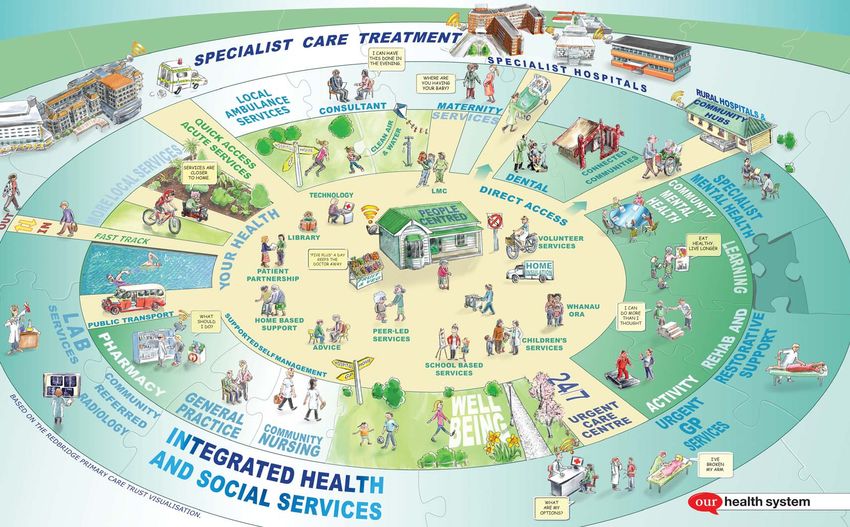
4 Canterbury Health System Quality Accounts 2013-14
Quality Accounts: The Canterbury Way: A whole-of-system approach 5
6 Canterbury Health System Quality Accounts 2013-14
The Canterbury     For the Canterbury Health System, quality means delivering the right care, in
                   the right place, at the right time by the right person with the right experience.

way: A whole-of-   The focus on a whole of system approach and
                   an integrated, connected system is not new in
                                                                           Together we are focused on the delivery of a
                                                                           clear direction and vision for our health system

system approach
                   Canterbury. Since 2007, health professionals,           that includes:
                   providers, consumers and other stakeholders
                   have been coming together to find solutions             • The development of services that support
                   to the challenges we face. We knew that if we             people/whānau to stay well and take greater
                   didn’t actively transform the way we delivered            responsibility for their own health and well-being.
                   services, by 2020 Canterbury would need 2,000
                                                                           • The development of primary and community-
                   more aged residential care beds, 20 percent more
                                                                             based services that support people/whānau
                   General Practitioners and another hospital the
                                                                             in the community and provide a point of
                   size of Christchurch Hospital.
                                                                             ongoing continuity (which for most will be
                   We began reorienting our health system around             general practice).
                   the needs of the patient. This is not just about
                                                                           • The freeing-up of hospital-based specialist
                   our hospitals; our vision is dependent on
                                                                             resources to be responsive to one-off hospital
                   achieving a truly integrated approach, in which
                                                                             visits, to provide complex care, and to provide
                   everyone in the health system works together
                                                                             specialist advice to primary care.
                   to do the right thing for our people and the right
                   thing for our system.

                                                                        Quality Accounts: The Canterbury Way: A whole-of-system approach 7
Our Quality Accounts                                                                                        We want to
The Quality Accounts are a collaborative effort        Later in the document is our “How we measure
                                                                                                            hear from you
from staff across our health system. Every             up” section, a performance review comparing
effort has been made to ensure we provide a            our progress with the National Health Targets         We publish the Canterbury Health
system-wide account of the improvement and            and the Quality and Safety markers set by the         System Quality Accounts annually,
innovation activities happening throughout            Health Quality and Safety Commission. This            so your feedback is very important
Canterbury. Our spotlight areas, together with        document concludes with the “What next”               to us. This feedback will help us
our National Health Targets and Quality and           section, in which we confirm our commitment           ensure the Quality Accounts provide
Safety Markers, are designed to provide you           to continuous quality improvement and priority        relevant and useful information on
with a snapshot of how we are doing and to            areas for the coming year.                            the quality of health services being
highlight some key areas of work.                                                                           delivered in Canterbury.
                                                      This production was overseen by a sub-
The spotlight areas are strategies from the           group of the Canterbury Clinical Board, which         You can either let us know what you
Canterbury District Health Board (DHB) outcomes       included representation from the Corporate            think by emailing qualityaccounts@
framework, with the addition of the “Consumer         Quality and Patient Safety team, clinicians, the      cdhb.health.nz or write to Susan
experience” section and a section about facilities    Executive Management Team, Planning and               Wood, Director Quality & Patient
redevelopment – “It’s all happening”. These were      Funding, Community and Public Health, Primary         Safety, Canterbury DHB, PO Box
included because they are important development       Care, the Canterbury Clinical Network and the         1600, Christchurch.
areas for Canterbury DHB and it was felt they         Canterbury DHB Consumer Council.
would be of interest and benefit to our readers.
Each spotlight area consists of a consumer story      Quality of care and patient safety is core business
and two pages of quality improvements/initiatives.    for Canterbury DHB. Our Quality Accounts will
When you see “identified in the 12-13 Quality         stand beside our Annual Plan 2014-2015, the
Accounts” under a story heading, the story was in     Māori Health Plan 2014-2015 and the South
our Accounts last year and we have provided you       Island Regional Health Services Plan 2013-2016,
with an update.                                       as our key accountability documents. All of these
                                                      documents are available on the Canterbury DHB
                                                      website www.cdhb.health.nz.

8 Canterbury Health System Quality Accounts 2013-14
Consumer experience

To help us understand our patients’ views of their
healthcare experience, we share their stories
                                                      “I cannot fault the                                      I asked if there was
                                                                                                               anything Gae would
across our workforce including at ward meetings,
quality seminars and even with the Clinical Board.
                                                      service I received or                                    like to have changed
                                                                                                               about her inpatient
Hearing patient stories encourages us to keep up      the care I was given.”                                   stay. Reluctantly she
the good work and informs us of areas we can                                                                   admitted that the
improve on. This is Gae Beer’s story as told to       to go was forward.” When I asked her about               transfer to Ashburton
Jacqui Gapes.                                         her attitude and her day by day progress she             was a trial. Her family
                                                      indicated that it was not always easy but the            could no longer visit
Gae was admitted to the Orthopaedic and Spinal        care and treatment she received from the staff            every day and she
service via the Emergency Department and the          made it so she could focus on the cup being              found the lack of
Intensive Care Unit, after a high speed, head-on      half full. If she had a down day the staff were           visitors was detrimental Gae Beer
collision on the open road early in 2014. Among       there to support her with positive thoughts              to her positive attitude.
her multiple injuries there was an unstable spinal    and interactions designed to boost her morale            The other concern she had was the travel costs
injury and a spiral fracture of her right tibia and   without invalidating what she was actually               incurred by her family and friends travelling three
fibula. Her total length of stay in hospital was      feeling. Gae stated that “I cannot fault the             hours to see her.
eight weeks. For part of her journey Gae was          service I received or the care I was given.” Both
transferred from Christchurch to Ashburton            Gae and her family felt that the communication           I asked if there was anything else she wanted to
Hospital for ongoing nursing care of her spinal       was clear and staff were “happy” to explain what          add about her stay. She wanted me to emphasise
and leg injuries.                                     was happening, and what was going to happen.             that “things happen that are out of our control,
                                                      Gae’s family felt welcomed and included through          sometimes things don’t go right, sometimes the
The first thing that became apparent when talking                                                              staff were busy, but I acknowledge these were
                                                      her stay.
to Gae was her focus on the human side of caring,                                                              not the norm, and I am truly appreciative of the
the interaction with staff, how she felt, and how      Her biggest frustration was “self-frustration”, having   consistency of the care, the compassion and
the staff made her feel cared for, listened to and     to rely on staff to help her, from passing her out-of-    expert skills I received during my stay. Without
fully included in the plans for her management and    reach items to intimate personal care. Gae lost her      these I would not be here, at home today.”
recovery. When I mentioned this, Gae said “I had      independence and truly appreciated the staff, who
faith that they knew their jobs. What I needed was    enhanced what independence she did have. She             In conclusion Gae would not like to repeat
the human compassion.”                                never felt that staff “… just took over. They treated     her journey, but when she needed the clinical
                                                      me as an individual and with respect.”                   expertise and the human care, empathy and
I asked about her emotional response. Gae                                                                      compassion, it was here for her in the Canterbury
stated: “It is all about self-attitude and the                                                                 Healthcare Services. For this she is truly grateful
cup being half full at all times. The only way                                                                 to all involved in her care.
We recognise that consumers have a In June it was revamped and is now much
unique and essential perspective of health better looking and even easier to use. On it,
services and are able to provide important you’ll find up-to-date information about many
information about the experience of care health conditions and diseases, medications,
they receive. By working in partnership, we tests and procedures, local support groups and
will be able to improve their experience of organisations, as well as tips for keeping healthy.
care, as well as their health and well-being. You can trust the information as it is written or
approved by local health professionals.
Consumer participation in decision-making
New pages are added weekly and each month
There are many consumer and community
there are three featured topics on the homepage
reference groups and working parties involved in
covering local/national health campaigns or
the Canterbury Health System. Their advice and
topical issues.
input assists in the development of new models Youth Advisory Council (YAC)
of care and service improvements. The DHB
also has a 16-member Consumer Council which personal qualities, teamwork, leadership and
ensures a strong and viable voice for consumers advocacy for both youth and their organisation.
in health service planning. Nine committee members represent Canteen,
Autism New Zealand, anxiety disorders,
In the last year the Consumer Council has been
Haemophilia Foundation, Diabetes Youth, At
very active, including with the development of
Heart, Kidney kids, Arthritis New Zealand and
these Accounts, the Quality Improvement and
Youth Advisory Council the deaf community.
Innovation Awards, the electronic medication
management programme, the Hospital Falls The Youth Advisory Council (YAC) is an advisory
How was your patient experience?
Prevention Programme, and the Infection and liaison council formed in April, to provide
(identified in the 12-13 Quality Accounts)
Prevention and Control Committee, the Patient a youth perspective in planning, policy and
Portal Project, the re-development of the hospital service development within the Canterbury Canterbury DHB has started a new survey which
and are currently working with the DHB on the DHB. Community groups were approached to will canvass adults who recently spent time as
Disability Strategic Action Plan. nominate youth between 15 years and 24 years inpatients in our hospitals. An invitation to be part
to be on the committee. They could either be of the survey will be delivered via email or a link in
Take another look at Healthinfo consumers of a health service or siblings of a text message. It will enable us to find out about
consumers. Each committee member had to go your hospital experience, what we are doing well,
Healthinfo is an easy-to-use health information
through an interview process with questions on and where we can improve.
website just for the people of Canterbury.
Quality Accounts: Consumer experience 11Improving maternity services Health information more accessible
As part of implementing the Maternity Quality The first of several health information kiosks is
Safety Programme across Canterbury and West being trialled at Bealey Avenue’s 24hr surgery.
Coast DHB the ‘We Care About Your Care The idea of the touch-screen kiosk is part of
Maternity Services Feedback Form’ was launched an overall strategy from the Canterbury Clinical
in June 2014. We want to ensure a robust system Network’s Child and Youth workstream to make
to obtain and act on feedback from consumers health information more accessible to young
on maternity care provision. The survey is given people and families in particular.
to all women prior to discharge, and is also
available on the DHB’s website. Charge midwife Nicola Austin, chair of the Child and Youth
Nicola Austin with the Healthinfo kiosk
managers and quality co-ordinators will follow up workstream, says we mustn’t assume that
with women who raise concerns. A database has everyone has free access to the web at home provide access to information that people might
been developed to enable collection of feedback or at work or can just use a search engine not otherwise get,” Nicola says.
information. Issues and trends will be identified to find out what they need. People with the
and communicated to staff in reports, and quality least access to information are often our Kiosks have been proven to work best
improvement initiatives will be implemented. most vulnerable and in most need of health in high traffic areas, which is why the 24
information. “We have set up the kiosk to hour surgery was selected for the trial. The
Parents given more answers on viruses provide access only to trusted sites that provide plan in the longer term, should the trial be
a good spread of tried and tested information to successful, is to install them in other high
The Microbiology Laboratory has been using
support healthy living.” traffic areas such as malls or in places where
a Multiplex PCR test for detecting respiratory
viruses. This means that a number of different people would normally expect to go for
Kiosks are part of the bigger picture of information, such as libraries and council
significant and circulating viruses can be tested at
improving health literacy so that people can take service centres.
the same time on the same sample. This allows
greater responsibility for their own health, rather
clinicians to answer patient queries around their
than wait until they are really sick and hoping In three months people viewed more than 2,000
illness in more specific terms than simply saying
someone can fix them – an oil change and a bit webpages at the kiosk. The kiosk provides
“it’s a virus”. The benefit of the testing has been
of regular maintenance is better than a seized access to three key websites: Healthinfo,
most welcomed in the Paediatric Department
engine. “While we would always recommend Linkage Webhealth, and Skylight. Webhealth is
where clinicians are able to provide definitive
that people make their family doctor their first an online directory of health and social services
answers to parents and can target treatment
point of call for health advice, sometimes it is and Skylight provides information about grief
options appropriately.
just information that is needed, and kiosks can counselling and support groups.
12 Canterbury Health System Quality Accounts 2013-14Preventing harm
Investment in technology leads to                        preventing clinicians from using the technology.
safer care
                                                         The success of the implementation of Guardrails
Over the past year special software was installed        is ultimately being measured through information
at Christchurch Hospital within infusion pumps           taken from the infusion pumps. This has
used to deliver intravenous medications, fluids          revealed that from December 2013 to April 2014
and nutrients to patients admitted to dedicated          children have been protected from receiving
children’s wards/areas. The software, known              incorrect doses or rates of medication delivery
as Guardrails®, has the ability to stop incorrect        on 386 occasions. Of these, 39 occasions
doses and rates of infusions reaching a child            were considered to be high-risk events possibly
and causing harm. Not unlike guardrails seen on          leading to harm if Guardrails had not intervened.
roads which both caution drivers and physically          It is important to note that nurses have a long-
prevent cars from veering off the road, the               standing practice of checking with colleagues
software provides warnings when a clinician              about drug doses and rates programmed
has programmed the pump with a dose/rate of              into infusion pumps to identify errors before           paediatric nurse, Tina Anngow, “found Guardrails
medication which is considered outside of safe           they happen and that this practice now works            safe and easy to use.”
limits and can also prevent the medication being         alongside the Guardrails system.
                                                                                                                 In addition to Guardrails, tracking technology has
administered to the child.
                                                         Sue Unger is a senior paediatric nurse who was          been implemented to help clinicians to efficiently
Guardrails has seen close collaboration between          initially apprehensive about the introduction of        locate infusion pumps and to ensure that they
Child Health physicians, pharmacists and nurses          Guardrails and how it would affect practice. Now         remain in Child Health areas for clinicians to use.
with the common goal of making the system                she feels “… it is a wonderful tool. I feel safe when   The tracking technology acts like a GPS system,
of providing medications to children safer.              we walk away from a child that the programming          showing clinicians on a computer screen where to
The adoption of the technology has been very             of the pump settings is correct.” Another               find the infusion pump.
successful. The software is being used 85 percent
of the time the infusion pumps are used to deliver
intravenous medication to children. Child Health
leadership staff are working closely with clinicians
to improve this compliance figure to 100 percent
                                                          “I feel safe when we walk away from a child
through ensuring that all medications likely to           that the programming of the pump settings
be infused are available within the software and
keeping communication open around challenges              is correct.”

14   Canterbury Health System Quality Accounts 2013-14
Providing excellent care to the people of entertaining DVD has Reducing pressure injuries
Canterbury is always the priority for those been produced for Pressure injuries (also known as bed sores)
who work in our health system. However we parents/caregivers are injuries to the skin and underlying tissue
know that people are fallible, that there are and children to watch from prolonged pressure on the skin. A point
known risks with many procedures, and that about keeping your prevalence study is conducted each year to
there are additional risks for some groups of child safe while in provide an accurate picture of the prevalence of
people when they are in hospital. Our job is hospital. There are pressure injuries.
to design systems that take this knowledge other great videos
into account and to act to buffer our patients designed specifically We have changed policies and procedures,
against harm. for children explaining introduced pressure injury prevention strategies
common procedures and tools, increased awareness and training, and
Electronic referral tool
including blood tests, reviewed our hospital mattresses for their pressure-
Angelica Saywell, Ward 22,
General Practitioners and nurses are now X-rays and scans Christchurch Hospital reducing abilities. Results from Canterbury DHB’s
able to make referrals via electronic forms that and plastercasts. latest prevalence study show we have decreased
are delivered automatically to any one of 800 These are available to view on the Canterbury the number of pressure injuries and low level early
community and hospital services. A milestone DHB website www.cdhb.health.nz in the Child pressure signs among inpatients. A survey taken
was reached in February, with the system having Health section. on a single day in 2011 indicated 154 (39 percent)
delivered over 300,000 referrals. The use of this of the inpatient population were affected. In 2013 it
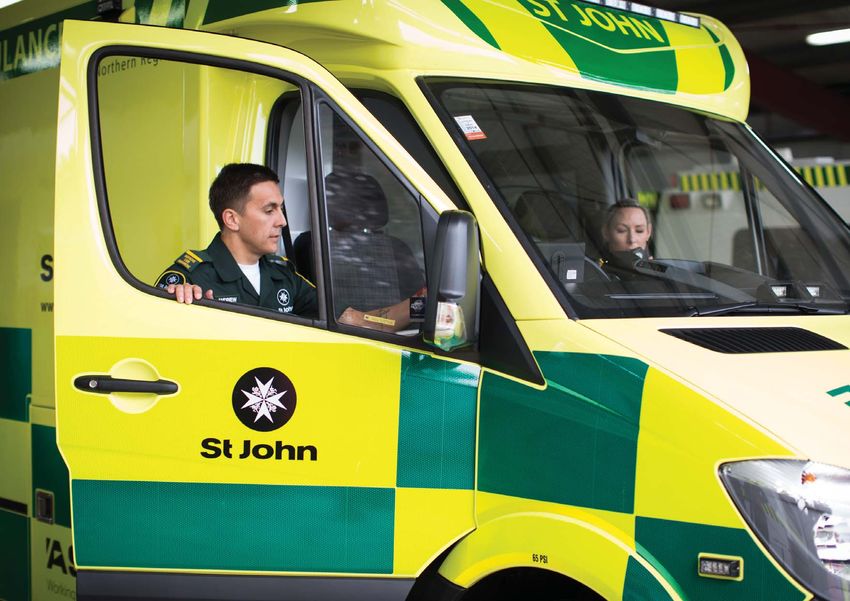
system is an important step to improve patient New-look yellow ambulances had dropped to 44 people (17 percent).
safety as it reduces misunderstandings arising St John has brought out the first of their yellow
from handwritten requests and means that The Yellow Envelope
ambulances in a move to improve safety for staff,
general practices no longer need to maintain their patients and the public. Yellow vehicles are the The Yellow Envelope is a new system that was
own directories of services. These are all stored most noticeable on the road, particularly in low introduced throughout Canterbury in October, to
and maintained within the system. The possibility light. Yellow is also the most visible colour for assist with communication between Rest Homes
of a referral letter being inadvertently sent to the people with colour blindness (which affects an and Hospital facilities. The envelope is a mode of
wrong place is also reduced. estimated 1 in 12 men and 1 in 200 women). The transport for the information that is essential for both
ambulances have a new, bolder design and have hospital and aged residential care staff to help with
Keeping children safe in hospital
been fitted with more reflective signage than that effective handover of care across the health sector.
Just like home, there are potential hazards in on the predominantly white vehicles. It is hoped
the hospital environment that we all need to be that the new colour will result in more people Improving medicine management
aware of. It is important that while a child is in noticing the vehicles and giving way to them, (identified in the 12-13 Quality Accounts)
hospital, those caring for them, including their making for safer journeys as they travel to and Through the electronic medicines management
parents/caregivers are aware of hazards. An from treating patients. programme we are working towards an electronic
Quality Accounts: Preventing harm 15system that will give all healthcare providers we are getting better at identifying these events, Canterbury Ski Fields Project
access to patients’ medication information. rather than an increase in the number of events.
In 2011 a project team was formed to
This includes prescribing, administering, We expect the number of reported events to
address concerns around patient outcomes
reconciling, dispensing and tracking medications. continue to rise as our reporting systems continue
and the safety of emergency staff in getting
Improving medicine management will result in to improve.
patients from Canterbury ski fields to the
better quality of care, improved patient safety
hospital. Initiatives included improving
and more efficient processes. New Patient Safety Officer to lead reviews
communication with emergency and medical
At the Specialist Mental Health Service we are services, how to best prepare the patient
From September 2014 inpatient medications
continuously looking at ways to improve patient for ambulance and helicopter transport, and
at Hillmorton Hospital are being prescribed and
safety and reduce avoidable harm to consumers. suggesting they purchase special ‘scoop
administered using an electronic system rather
To assist with this, in the last year we piloted a boards’ and casualty sleeping bags for
than a paper chart. Kathryn Brankin, Registered
new Patient Safety Officer role, which from August quicker patient turnaround and comfort.
Nurse at Te Awakura, Hilmorton Hospital says, “I
2014 became permanent.
think it will be a major improvement on how we
An annual forum is now held and in June
presently give out meds – easy access to up-to- The Patient Safety Officer leads teams of senior 2014 the first edition of the Emergency
date, easy to read information on screen and no health professionals in a prompt review of serious Services newsletter for ski field personnel
more worrying about illegible hand writing and incidents. Their review reports reflect a robust was published. The newsletter ensures ski
poor charting. Bring it on I say!” investigation which includes meeting with family fields have the correct information to prepare
affected by the events to understand and address safe helicopter landing sites, details of what
Reporting serious adverse events
their perspectives. The recommendations from they need to convey to St John’s clinical
A serious adverse event is one where patient the reports are designed to contribute to safe control centre and the correct emergency
care has an unintended consequence resulting systems and the minimisation of harm. service and medical centre numbers.
in significant harm or death. All serious adverse
events are investigated. This enables us to find Breast Biopsy Review
out what went wrong, learn from them, and put in In 2012 the Ministry of Health and the Office of
place measures to prevent harm occurring again. Health Disability Commissioner undertook an
investigation after several errors in New Zealand
The Health Quality and Safety Commission
histology laboratories resulted in patients
(HQSC) produces a report each year detailing
undergoing unnecessary surgery. The report
the events which occurred in all DHBs (available
contained recommendations for handling patient
at www.hqsc.govt.nz) and locally we publish our
specimens in the laboratory. Canterbury Health
own report. In 2012-13 Canterbury DHB had 49
Laboratories introduced a new information
events and in 2013-14 we had 56. The increase
system solution in June 2014 to provide improved
in serious adverse events reported may suggest
security and tracking of its patient specimens.
16 Canterbury Health System Quality Accounts 2013-14Fewer people need hospital care
More convenient having antibody                          The immunoglobulin product is formulated
treatment at home                                        specifically for subcutaneous administration,
                                                         it provides immunoglobulin replacement
Eight weeks after Christine White started self-          therapy for adults and children for primary
administering immunoglobulins she noticed fewer          immunodeficiency disease and symptomatic
chest infections, less anxiety around her treatment      hypogammaglobulinaemia secondary to
and a feeling of self-empowerment.                       underlying disease or treatment.

Christine has a condition called common variable         Christine says she used to dread the intravenous
immune deficiency and once a month for the               therapy as it was always difficult for staff to find a
last five years has caught a bus to Christchurch         suitable vein.
                                                                                                               Christine White self-administering at home
Hospital’s Medical Day Unit, from her home in
Hornby, on the outskirts of Christchurch, for an         “It wasn’t pleasant and I used to get anxious
intravenous infusion.                                    about it.”                                            It was also much quicker than her four-hour
                                                                                                               monthly hospital visits. Self-administering the
A Canterbury District Health Board quality               When she was invited to try self-administering        product took only 15 minutes for each needle –
improvement initiative means Christine can               the product she was immediately keen. “I know         one on each side of her stomach.
instead, with training, dispense the product to          people with diabetes successfully put needles in
herself at home. For patients like Christine this        their tummy so thought it wouldn’t be a problem       Christine says her immune system is coping
means less disruption to their lifestyle and work        for me to do that.”                                   better with weekly, rather than monthly infusions
commitments.                                                                                                   and she is getting fewer of the chest infections
                                                         Over several weeks Christine was taught the           she is prone to.
                                                         correct technique, including how to avoid a blood
                                                         vessel and how to numb her stomach before             “I think it’s great to know you are doing
“I think it’s great                                      inserting the needles into two sites. “It was easy    something for yourself. I feel empowered and it
                                                         to learn,” she says.                                  involves my husband as well. He is there to help
to know you are                                                                                                me if I need it.”
                                                         Administering the product through her stomach
doing something                                          was more comfortable because she could slow           Eight other Canterbury DHB patients are giving
                                                         the speed of the infusion, which made her feel        themselves subcutaneous immunoglobulins at
for yourself. I feel                                     less nauseous or fatigued.                            home, and there are several more in training.

empowered.”

18   Canterbury Health System Quality Accounts 2013-14
There are many conditions for which A consumer survey A working group was formed to address these
earlier identification and treatment can (of 900 respondents) statistics and incorporate prior work on chronic
prevent hospital admission. Reducing completed in obstructive pulmonary disease in Canterbury. A
these ‘avoidable’ admissions provides 2013/14 showed Red Card for people with diagnosed heart failure
opportunities to improve our population’s 91 percent of clients was developed by the working group in April
health and ease demand. Many hospital were very satisfied 2014. This is a fridge magnet and contains key
admissions can be prevented by investing with the CREST information for the patient about keeping well and
in services that help to keep people well or service. Eighty four when to seek help. It is also a valuable aid to any
providing alternative care pathways that percent of clients visiting clinicians and ambulance teams, allowing
deliver the right care sooner. Other services set their own goals them to evaluate the patient’s condition and refer
can support people to recover after a and believed that them to the right provider based on their current
hospital admission or episode of illness, so the CREST service health status (their general practice, the 24 hour
that they don’t become unwell again. enabled them surgery, or hospital).
to regain their
Rehabilitation Services for older people independence. In The overall objective is to empower patients to
(identified in the 12-13 Quality Accounts) the 2013/14 year, look after themselves, remain well in their own
over 2,000 people homes and communities, and to make sure they
The Community Rehabilitation Enablement and
were supported in are getting the best care in the best setting.
Support Team (CREST) programme provides
rehabilitative services for older people in their own their own homes by
Supporting people in the community
homes. This service supports timely discharge CREST services, an
from hospital, reduces hospital length of stay and impressive increase Freida Cocks doing strength and The Acute Demand Management Service
balance exercises at home.
works to avoid admissions for older persons at on the 2012/13 continues to support an increasing number of
high risk of hospitalisation. year. A service similar to CREST was piloted in people in their own homes. General practice teams
Kaikoura this year, and is to be reviewed and and community nurses deliver a mix of services
CREST services provide up to four home developed in the 2014/15 year. that support people to be cared for in their home
visits a day, seven days a week to support or community instead of going to the hospital
rehabilitation in the home. This improves clients’ Heart Failure Pathway Emergency Department. Services include mobile
independence, reduces the need for long-term Heart failure diagnoses account for nursing service, doctor visits, and home support.
care and the burden on family members. The approximately 250 acute admissions to
service is highly valued by older people and has The service was expanded following the
Canterbury DHB hospitals each month. Eighty
reduced demand on Canterbury’s constrained earthquakes to ease pressure on hospital
percent of heart failure patients admitted are
hospital beds. services. In the year to June 2014, the service
brought in by ambulance.
Quality Accounts: Fewer people need hospital care 19supported 28,738 people, surpassing the target Quick results deliver the right care sooner A project was developed with the overall
of 22,000. Canterbury continues to have very aim to provide a first class urine analysis
Urinary tract infections (UTIs) are one of
low hospital admission rates compared with the service; meeting the needs of both the
the most common bacterial infections in
national average. community and the hospital. By introducing
healthcare. The microbiology laboratory at
a number of initiatives including merging
Canterbury Health Laboratories (CHL) receives
Mental Health Mobile Respite Services hospital and community samples, processing
over 53,000 urine samples annually, making
Prior to April 2013, Mental Health Respite was on a first-in-first-out basis, streamlining
urinalysis one of the highest volume testing
solely inpatient bed-based. After a review of procedures, agreeing on common protocols
areas. Samples are received from Canterbury
consumer need and feedback, a mental health and modification to staff working hours, they
DHB hospitals, and from a number of
working group identified that this did not meet were able to dramatically decrease the time
community centres including the After Hours
the needs of many consumers. In many cases to report results to clinicians and increase
Medical Centre.
accessing a bed away from home was not the number of results that are reported on
practical or recovery-focused. In response a new Timely reporting of urine results is important, the same day. This project has been a great
mobile respite service was introduced, taking a UTIs can cause significantly dangerous success. Up to 100 percent of positive urine
‘whatever it takes’ approach to support people in complications such as urosepsis, so cultures are now finalised on day 1 and the
their own homes and communities. clinicians need to have the information they average monthly culture reporting time has
require to ensure the patient receives the dropped from a high of 2.8 days to a low of
A consumer can be referred for mobile respite correct antibiotics. 1.2 days. Furthermore, these results have
by their General Practitioner or Specialist Mental been sustainable over the past 12 months
Health team. Then, alongside the clinical team, The February 2011 earthquake forced the and are monitored every month as part of
the consumer, their family and the community MedLab South community testing laboratory CHL monthly test statistics.
respite worker can identify the most appropriate out of their facilities and into the CHL
response to reduce stress and enhance recovery premises. The consequential combination The laboratory is now able to provide quicker
for both the consumer and their family. This of increased workload, unfamiliarity with results to clinicians, improving patient care.
response could include one-to-one support, new surroundings, existing CHL computer The healthcare system will benefit with a
access to childcare and help with household systems, and a lack of common protocols reduction in antibiotic costs, avoidance of
management (e.g. getting the groceries). caused problems. There was a large increase inappropriate therapy and better infection
in the time to report urine microscopy results, control practices. The overall outcome of the
This service is now at capacity and demand competition for the analysers, inconsistencies changes that this project made will be better
continues to grow. It will soon to be added to in procedures and an unacceptable error rate for the patient, better for the clinician and
HealthPathways, which is anticipated to improve averaging eight missed tests per day. better for the health system.
general practice awareness and is likely to
increase demand.
20 Canterbury Health System Quality Accounts 2013-14People are seen and treated early
Home visits make a difference for                         The Dietitian checks that carbohydrates are
teen with diabetes                                       being counted correctly and the CNS reinforces
                                                         education, checks insulin injection technique and
Christchurch secondary school student Amy Milne          ensures correct ketone testing. The home visits
has to live with type one diabetes but at least now      are on top of Amy’s standard clinic appointments
taking care of her health doesn’t interfere so much      and mean Amy and her mother don’t have to
with school time.                                        make extra trips into hospital.

Amy was 10 when her mother, Gillian, became              When Amy recently started using an insulin pump
concerned about her daughter’s health.                   and needed extra support, the home visits were
                                                         invaluable, Gillian says.
“We were on a camping holiday and I noticed
Amy was drinking water all the time and losing           “It’s a lot more convenient to have them coming
weight. As a nurse I know the signs and I was            to the house because I am quite busy and now
concerned that she might have diabetes.”                 that Amy is at high school I don’t really want      Amy Milne received home visits from a Dietitian and Clinical
                                                                                                             Nurse Specialist.
                                                         her to have to keep taking time off school for
That intuition proved correct. Soon after, Amy           appointments. And I know that if Amy is having
became very unwell and her test results showed           problems they can come and see us. It’s great.”
a blood sugar level of 27. Normal levels are
between four and eight.

She spent a week in hospital while her treatment
was sorted out.                                            Home visits are on top of Amy’s standard
Now, four years later, Amy has regular                     clinic appointments and mean Amy and
appointments at Christchurch Hospital’s
Paediatric Outpatients Department but can also             her mother don’t have to make extra trips
receive home visits from a Dietitian and Clinical
Nurse Specialist (CNS) for any extra help that may
                                                           into hospital.
be needed.

22   Canterbury Health System Quality Accounts 2013-14
Community-based care can deliver services Extra support in navigating cancer patient Reducing speciality services waiting times
sooner and closer to home and help prevent journey for young people
disease and illness through education,
In May 2013 Canterbury DHB appointed four The Specialist Mental Health Service’s Child
screening, early detection, diagnosis and
Cancer Nurse Coordinators. Patients are referred and Family outpatient service is introducing a
timely provision of treatment.
to the Cancer Nurse Coordinators after an initial new model of care known as the ‘Choice and
screening if there is a high suspicion of cancer or Partnership Approach’ (CAPA). This is being
Four-year-old health check
an early cancer diagnosis. The job of these nurses implemented nationally by the Ministry of Health.
The B4 School Check is a nationwide programme is to co-ordinate patient care and act as a point The initial phase of CAPA has seen waiting lists
for four-year-olds. It identifies and addresses any of contact across different health services. It is abolished, with young people being booked into
health, behavioural, social, or developmental also to support and guide patients and whānau an initial appointment with speciality services
concerns before children start school. It involves to enhance their experience and keep them fully within two to six weeks.
a variety of assessments including an oral health informed about their care.
screen, height and weight checks, developmental, The initial appointment is an opportunity to gain
vision and hearing testing. Reduction of waiting times for children with an understanding of the situation and determine
suspected hearing loss the options available to the young person and
This year timeliness was a focus, to get the check their family/whānau. Consideration is given to all
In May 2013 community referral waiting times for
completed as early as possible in a child’s 4th year. possible sources of support, and relationships
hearing tests were up to 12 months for children
Children nearing their 5th birthday were prioritised with community agencies have been strengthened
under three years and 15 months for children
for their vision and hearing check. Referral as part of this process.
over three. The waiting time after the hearing
processes were also improved for children with oral
test, for follow-up appointments, was 30 months
health and speech concerns. In the 2013/14 year Healthy weight gain in pregnancy
for all children. This could result in delayed
Canterbury provided a B4 School Check for 90
diagnosis of hearing loss and could affect a Gaining a healthy amount of weight in pregnancy
percent of the eligible population and 92 percent of
child’s development. is one of the most important things a woman
the most vulnerable children.
can do to support her health and the health of
A project team was formed to target “high- her baby. An intervention has been developed to
risk” patients, they ran special clinics and support women to work out how much weight
improved the waiting list process. Waiting lists they should gain in pregnancy and to track
have been reduced significantly – children now their weight gain throughout pregnancy. This
only wait six weeks for a hearing test, there is intervention has been used by Canterbury DHB
no waiting time for a follow-up appointment for for the past year and has been hugely successful.
children under three and those over three only
have a six-week wait. Resources that have been released include
a poster and interactive pamphlet, as well as
Quality Accounts: People are seen and treated early 23an education sheet for lead maternity carers. Managing Rheumatic Fever Emergency Department attendances
The release of these resources coincides with (identified in the 12-13 Quality Accounts)
Most sore throats are harmless and caused by
the June 2014 release of the Ministry of Health In the 2013/14 year, the overall number of
a viral illness, but some are caused by Group A
guidance for healthy weight gain in pregnancy. Emergency Department (ED) attendances
Streptococcal bacteria and need to be treated
with antibiotic tablets or a penicillin injection. has continued to increase. Strategies to
Reducing smoking in mental health
In a small number of patients, an untreated care for older people in their own homes
consumers
Group A Streptococcal sore throat can cause an and the community, including the CREST
The prevalence of smoking among mental autoimmune response and heart, joints, brain and service, Falls Prevention Programme and
health consumers has traditionally been high skin can become inflamed and swollen – this is the Acute Demand Management Service,
and remains so. The Specialist Mental Health called rheumatic fever and can cause scarring of have become embedded in our health
Service (SMHS) is actively addressing this issue the heart valves. system and have reduced the growth in
with all consumers who are identified as smokers attendances, particularly for older people.
by including smoking cessation interventions In New Zealand, the majority of children who
in their treatment plans. During an eight-week contract rheumatic fever are Māori and Pacific We are exploring strategies to reduce ED
‘snapshot’ period from June to October 2013, children. Once patients develop rheumatic fever, presentations. Focus areas have included
100 percent of consumers discharged from in further Group A Streptococcal infections can community-based care for abdominal pain
SMHS had been offered advice and support to cause a relapse. Penicillin injections are given presentations, and others presenting to
quit during their admission. four-weekly for at least 10 years to protect against ED with conditions better suited to primary
these rheumatic fever relapses. care. The use of social media to engage
New defibrillators in ambulances and educate young adults to seek care at
As rheumatic fever is quite rare in Canterbury appropriate locations is being explored.
St John has installed 20 new defibrillators in
we have had to develop a system to ensure that
ambulances and rapid response vehicles. The
children moving from other DHBs get access to The largest growth in ED attendances has
machines are used to shock patients in cardiac
the correct treatment. Patients are now provided been among those aged 25-29 years.
arrest, restoring their heart beat to a normal
with a package of free health care including free We are concerned the growth amongst
rhythm. They also monitor heart rate, blood
injections, free quarterly optional general practice younger adults may be driven by the rebuild
pressure and temperature. A key function of the
appointments, and dental care. This is supported workforce who could be unfamiliar with how
life-saving machines is their ability to transmit
by a new HealthPathway, developed in late 2013 the Canterbury Health System works and
information on the patient’s condition through
to further improve the treatment of rheumatic are presenting in ED rather than in primary
the mobile phone network to an intensive care
fever in Canterbury DHB. care. Canterbury DHB has engaged with
paramedic in the St John clinical control room
Christchurch Earthquake Recovery Authority
who can provide further advice on patient care
These preventative services allow for self- (CERA) to ensure employers provide
at the scene. They are used at an average of 14
management of health and relapse prevention, information to new migrants regarding their
incidents a day.
keeping people with rheumatic fever well and out health care and appropriate places to seek
of hospital. care for urgent needs.
24 Canterbury Health System Quality Accounts 2013-14People are
supported to
stay well
PHOTO: THE PRESSto make talking about mental health a normal, says it’s been a great
everyday thing,” says Sandy. door-opening exercise
for her students.
Working as a literacy and numeracy tutor for the The ideas submitted
YMCA, and as a part time clown doctor, Sandy have also helped
is well aware that her mood has a big impact reinforce that her
Since launching in February 2013 the All Right? on those around her. “All Right’s messages students enjoy similar
campaign has developed a loyal and dedicated have supported me during a time that’s really things to her and her
following in Canterbury. One such fan is Sandy challenging, and have given me more energy workmates – simple
Turner – educator, clown doctor, and road- and enthusiasm. If it’s beneficial to me then it’s things like catching up
cone-wearing cyclist. Sandy believes All Right? beneficial to everyone I am in contact with.” with mates, listening
has helped lift the stigma often associated with to music, and getting
Sandy can often be seen cycling around the Clown Doctors Dr Bob and Dr
mental health. active outdoors. Azolla la la (aka Sandy Turner)
streets of Christchurch wearing a crocheted road spreading the love at The Princess
“The earthquakes, repairs, and challenges cone helmet. She says the helmet was inspired by All Right’s tear-off Margaret Hospital by handing out
All Right? compliments to staff
navigating the city make this a really trying time. All Right? compliment slips and patients.
All Right? has helped people understand that have proven a great
“The idea for the road cone helmet came to me
it’s all right to feel how you do, and has helped tool to Sandy in her role as a clown doctor. “The
after reading a message that said It’s all right to
compliments have been really great – they are
feel pretty stoked. On the back of the postcard
fun and playful and everyone who gets one loves
it talked about using your energy to motivate
CAN THE them. When I first saw them I cut the compliments
others, and that really gelled with me.”
TE
RO RBUR
COA LLER Y
STER
out of the newspaper and let parents and children
“I had some energy and enthusiasm so I wanted select them and act them out. We had so much
to share it. I started wondering how to bring a bit fun acting out things like frolicking in fields and
of humour to people driving through those awful being pirates and ninjas combined!” says Sandy.
traffic jams. When I wear my helmet I find myself
LIFE'S FULL OF UPS AND DOWNS. WHERE ARE YOU,
YOUR FRIENDS, AND WHANAU AT?
VISIT ALLRIGHT.ORG.NZ All Right? is a Healthy Christchurch initiative led by
thinking ‘why is everyone so smiley!’”
Canterbury DHB and the Mental Health Foundation
The Canterbury roller coaster is the latest initiative in the
All Right? campaign, it encourages people to name their All Right? has an online poster generator where of New Zealand. For more information on the All
emotions and check in with themselves and others as to
groups can create their own posters with ideas Right? campaign go to www.allright.org.nz.
where they are on the recovery journey.
of what makes their members feel all right. Sandy
26 Canterbury Health System Quality Accounts 2013-14When people are supported to stay well in The project has experienced rapid growth since This year a team of five paediatricians, two clinical
the community, they need fewer hospital- it began in September 2011, and there are now nurse specialists, and Child, Youth and Family
level or long-stay interventions. This is a more than 2,000 packs of fruit and vegetables staff ran a Saturday clinic. Seventeen children
better health outcome for our population, being ordered each week, with seven packing attended the clinic.
it reduces the rate of acute hospital hubs, and 40 distribution hubs. Health information
admissions and frees up health resources for and recipe cards are included in the fruit and Alcohol-related harm
those who need it most. vegetable bags. A recent survey found that the (identified in the 12-13 Quality Accounts)
Co-op is serving some of our most vulnerable Summer studentship research provided a detailed
The Fruit and Vegetable Co-op families, the recipe cards and health information insight into the impact of alcohol-related harm on
The Fruit and Vegetable Co-op is a health are used, and being a Co-op client is associated Emergency Department (ED) services. They found
promotion partnership between Community and with increased fruit and vegetable intake. Sixty evidence that alcohol was associated with over
Public Health (the Public Health division of the percent of those surveyed met the Ministry 5500 ED admissions per annum, that the busiest
Canterbury DHB), the Christchurch Anglican of Health target of at least three servings of hours for alcohol-related admissions occurred
Cathedral, and the Christchurch community. The vegetables a day and 80 percent met the target of between 10pm and 4am in the morning and
aim of the project is to increase the quantity and at least two servings of fruit a day. over 75 percent of the alcohol consumed prior
variety of fruit and vegetables consumed among to admission was sourced from off-licenses. This
Gateway Assessments
participating families by providing low-cost fresh research will inform service provision.
fruit and vegetables. Children and young people up to 16 years old
who are in Child, Youth and Family (CYF) care To reduce alcohol-related harm, new resources
or at risk of entering care are often detached and training have been rolled out to general
from health services, and are more likely to have practices throughout Canterbury. The resources
physical, behavioural, and emotional difficulties. will help General Practitioners identify patients
CYF social workers can refer eligible children who are drinking too much alcohol. The main
to Canterbury DHB for an assessment of their goal is to raise awareness of harmful drinking
physical health, mental health and development. habits and the links between alcohol and chronic
Their health and education history is also disease. This training pack will be sent to Rural
reviewed. This comprehensive assessment Canterbury general practices by spring 2014.
provides a complete picture of the child’s needs
and helps plan access to the right health care,
Volunteer at the Fruit and Vegetable Co-op. and education for them.
Quality Accounts: People are supported to stay well 27Alcohol screening in the construction Tackling influenza
industry (identified in the 12-13 Quality Accounts)
Alcohol and other drug problems are present Influenza is a serious and sometimes fatal
within the Canterbury construction industry. As illness, particularly in the elderly and the very
part of a wider project involving Health Promotion young. As part of a strategy to reduce the
Agency and Canterbury DHB, a Brief Intervention spread of influenza in our communities, free
Training programme for construction workers influenza vaccinations were offered to under 18s
has been developed by the Mental Health again this year. Children up to the age of 18 are
Education and Resource Centre. An Alcohol Brief considered the main spreaders of the disease.
Intervention involves screening people’s drinking
level to determine if their drinking is unsafe. If Vaccination reduces the risk of visits to the
unsafe, Brief Intervention techniques are used to doctor for influenza by approximately 60
percent among the overall population (when In primary care, more deprived children
help people change their thinking patterns around
the vaccine is well matched to the flu viruses under 18 years old were less likely to receive
alcohol consumption and help them make more
circulating in the community) and reduces the vaccine. In terms of ethnicity, in primary
informed decisions about alcohol use.
the risk of more serious outcomes such as care uptake for Māori and Pacific under-18s
hospitalisation, for those who are well and for was lower than the overall uptake. When
those with pre-existing health problems. 1 vaccinations were offered at school, Māori had
a higher uptake than New Zealand European
Promoting immunisation is a way general students. There was no difference in uptake
practitioners are supported to manage the impact between Pacific and non-Pacific students in the
of influenza patients through the winter months. school-based programme.
An evaluation of the 2013 under-18 influenza Factors contributing to the increased uptake
vaccination programme found an overall uptake in 2013 are thought to include the cumulative
of 32.9 percent, which is close to the target of effect of three years’ experience in targeting
The Brief Intervention Training programme will 40 percent and substantially higher than the and delivering vaccines, and a timely and
raise awareness of unsafe alcohol and other drug 2012 coverage of 18.5 percent. Uptake was effective media campaign.
practises, provide education and resources to higher in primary care (29.2 percent) than in the
increase knowledge and skills about reducing school-based programme (19.7 percent).
alcohol and drug use, and improve access to 1
http://www.cdc.gov/flu/pdf/freeresources/general/flu-vaccine-
referral pathways. This will be key to supporting a benefits.pdf.
culture change.
28 Canterbury Health System Quality Accounts 2013-14Living within our means
Alarm system created to monitor                          in intensive care as well as those who suffer from     Since developing
patients on breathing machines                           sleep disorders and need help to breathe at home      the first prototype
                                                         when they are asleep.                                 the Sentinel device
Sleeping can really be a matter of life and death                                                              has been made
for some people. A number of Cantabrians                 “There’s been a real gap in the market because        smaller, with a touch
require the extra support of a breathing machine.        the only ventilators with these alarms are for        screen display.
However, up until now, early detection of when           people who are not breathing on their own, and        The devices and
a machine’s airflow might suddenly become                they cost more than $40,000 each,” Geoff says.         software are made
interrupted has been difficult as most do not have         “I saw a need for a device that could tell staff       in-house using a
                                                                                                                                       Sentinel alarm with patient

an inbuilt alarm system.                                 and patients how well their breathing machine         combination of off-the-shelf components and
                                                         is working and to sound an alarm when it isn’t.       custom-made electrical circuits and mechanical
Geoff Shaw, Intensive Care Unit (ICU) Specialist          I knew we had a specialist team with the skills,      fittings. The MPBE team is currently making 10
and Honorary Fellow of the Institution of                experience and creative bent that could find a        units for the Sleep Clinic and is expecting to make
Professional Engineers of New Zealand, says there        more effective solution.”                              an additional seven for ICU and PHDU.
may be no obvious sign of distress if breathing
machines used at home stop working properly.             Following a discussion on patient needs, a            Paul Kelly, Sleep Unit Team Leader, has picked
                                                         working prototype was produced and evaluated.         up the first six devices from MPBE and says the
This commonly happens to patients using
                                                         “The enablers for this project have really been       Sentinel device is a vital piece of equipment for
Continuous Positive Airway Pressure Machine
                                                         Alex’s ability to clearly communicate across          many of their power-dependent patients who use
(CPAP) or non-invasive ventilation machines, if the
                                                         the organisation, with staff, and clinicians to        a non-invasive ventilator in their own homes. “In
mask becomes loose, or if the connecting airway
                                                         build those relationships, and to see the project     the event of a power failure, it is not only essential
hose falls off while they are sleeping.
                                                         through,” Geoff says. Alex says they are lucky         to have a backup power source, but also a smart
Geoff recognised the need for some sort of                to be based on site where they can engage with        alarm to notify the caregiver of a critical situation.
alarm while working with patients using CPAP             clinicians and see their devices working at the       The Sentinel device helps reduce risk in the event
machines in ICU. He worked with Alex Lowings             bedside. “We can just go up to the ward and see       of an emergency.”
from Canterbury DHB’s Medical Physics and                how things are going, talk to the doctors and
Bioengineering (MPBE) team to create the                 nurses, get their feedback and see the devices        MPBE is now working with Geoff and Via
Sentinel monitor and alarm device.                       working in real patient situations – it’s unique as   Innovations to look at the potential to market the
                                                         a lot of other hospitals around the world do not      product to other DHBs.
The Sentinel is designed to help monitor people          have the expertise of clinical and bioengineering
who rely on breathing machines while recovering          all under one roof.”

30   Canterbury Health System Quality Accounts 2013-14
You can also read


