A Step-by-Step Guide for Foster Youth to Completing the FAFSA - JOHN BURTON
←
→
Page content transcription
If your browser does not render page correctly, please read the page content below
A Step-by-Step Guide
                        for Foster Youth to
JOHN
                      Completing the FAFSA
                            January 22, 2018
BURTON
ADVOCATES FOR YOUTH

www.jbaforyouth.org
Information to Participate
• Call-in information
   • Phone number: (415) 655-0060
   • Access code: 218-596-061
• To submit live questions, click on the “Questions”
  panel, type your question, and click “send”
• Presentation materials and audio will be posted
  on www.cacollegepathways.org and
  www.jbaforyouth.org
• A PDF of the slides is available as a handout
Agenda
Where to apply for financial aid: FAFSA & CADAA

When to apply

What to bring

How to complete the FAFSA for foster youth

After the FAFSA: Key steps to ensuring students receive maximum aid

Helpful resources

                                             JOHN BURTON ADVOCATES FOR YOUTH
Today’s Presenters
Jessica Petrass, Project Manager
• John Burton Advocates for Youth

Juana Hernandez, Higher Education Manager
• Los Angeles Area Chamber of Commerce Foundation

Mark Kantrowitz
• Consultant

                                     JOHN BURTON ADVOCATES FOR YOUTH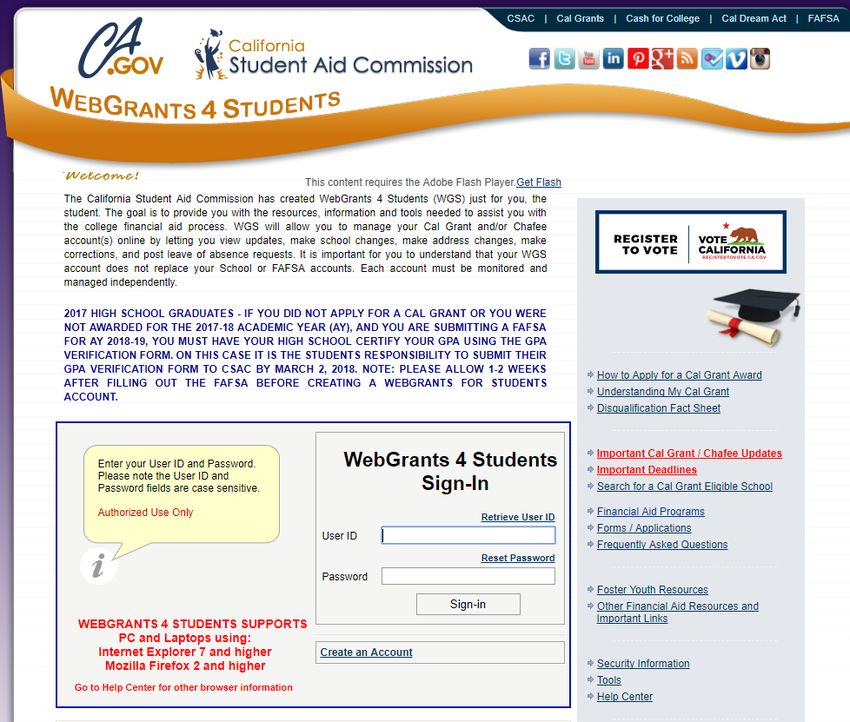
The Foster Youth FAFSA Challenge!
                       2017/2018 Goal:
              At least 61 % of California’s high
                 school seniors in foster care
                complete the FAFSA/CADAA
               Match the rate of the overall student population

              www.jbaforyouth.org/fafsachallenge
                               JOHN BURTON ADVOCATES FOR YOUTH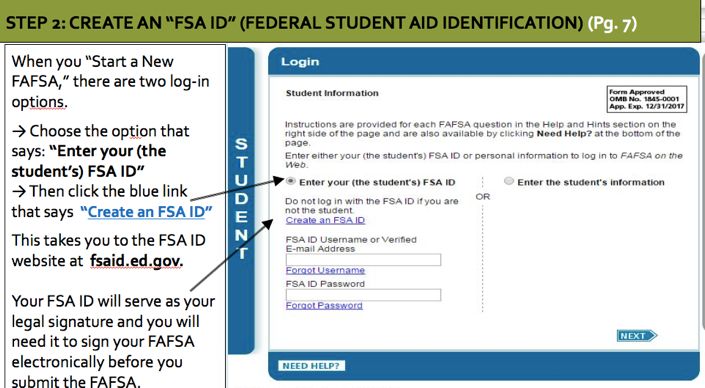
Where to Apply for Financial Aid? FAFSA or CADAA
 IF YOU AREapplications
      Paper  A U.S. CITIZEN,
                        are alsoA  PERMANENT
                                 available for the FAFSA and CADAA. Ask a counselor or other adult mentor for help
      completing
 RESIDENT        the application.
            OR OTHER     ELIGIBLE      students say that they findIFthe
                                  MostNON-CITIZEN                    YOU   ARE
                                                                        online   AN UNDOCUMENTED
                                                                               application easier.      IMMIGRANT

 Complete the Free Application for Federal Student              Complete the California Dream Act Application
 Aid (FAFSA)                                                    (CADAA)

 fafsa.ed.gov                                                   dream.csac.ca.gov
                                                                California Dream Act Application (CADAA) allows
 Who is an eligible non-citizen?
                                                                undocumented and nonresident documented students who
 Examples include a U.S. permanent resident who has a green
                                                                meet certain eligibility requirements to apply for state
 card (Permanent Resident Card), a conditional permanent
                                                                financial aid and allows qualified students to pay state
 resident with a conditional Green Card, or a “refugee.” You
                                                                resident fees (instead of higher out-of-state fees) at
 can find the complete list on the FAFSA.
                                                                California’s public colleges and universities.
Paper applications are available for the FAFSA and CADAA, however an online application is encouraged to reduce chance of error

                                                                         JOHN BURTON ADVOCATES FOR YOUTH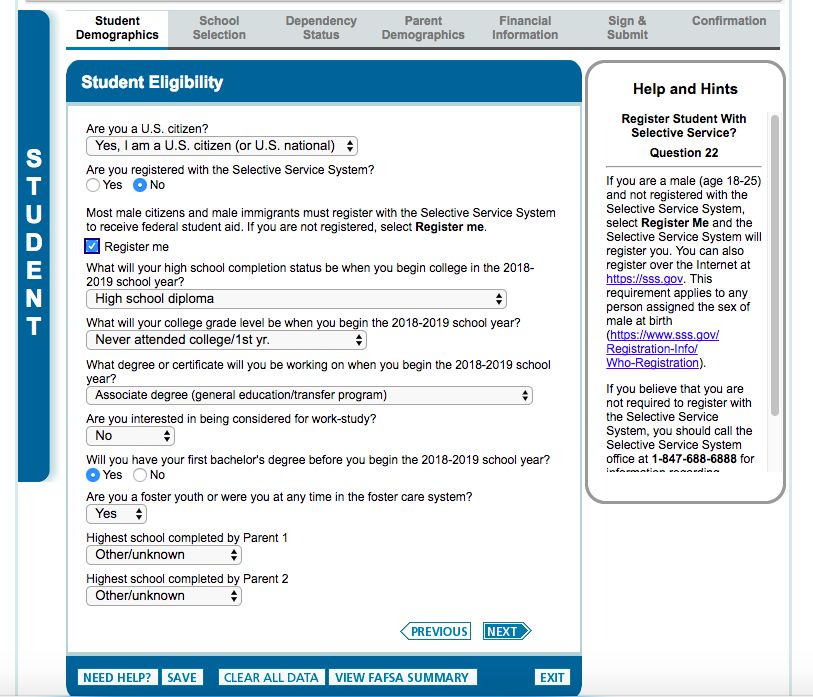
Privacy and Security of Application Data
• The CADAA does not link applicant information to federal government
  databases nor does it qualify students for federal financial aid programs,
  such as the Federal Pell Grant, work-study or federal loans.
• The California Student Aid Commission (CSAC) keeps CADAA applicant
  data confidential. Your data will not be shared with or disclosed to any
  federal agencies, including immigration enforcement.
• If you are a California undocumented student
   • You should apply using the CADAA even if you were a DACA recipient and granted a
     temporary Social Security Number.
   • You do not need to have DACA to apply for CADAA.

                                                 JOHN BURTON ADVOCATES FOR YOUTH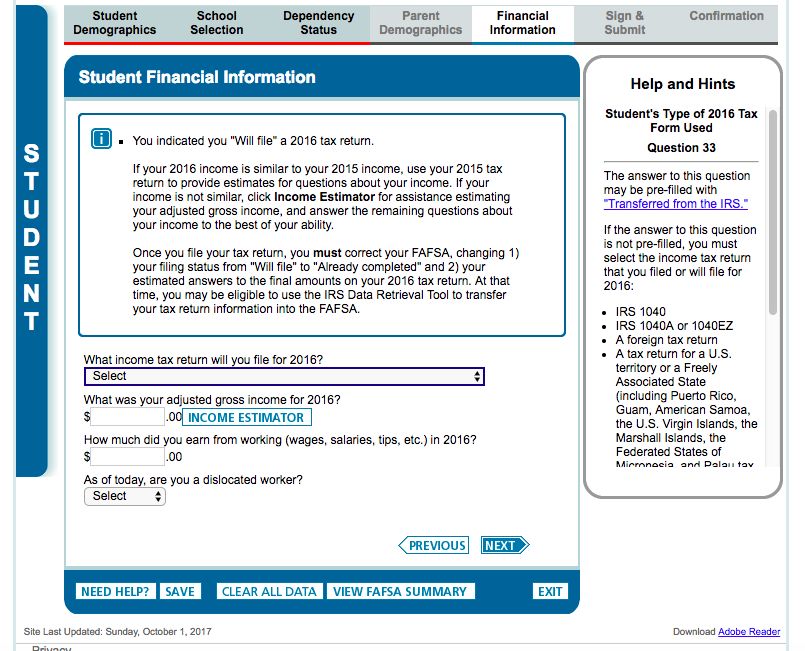
Note on Special Immigration Juvenile
Status (SIJS)
Undocumented children involved in adoption or guardianship proceedings
who have been adopted, abused or neglected may be able to obtain SIJS
and apply to become a lawful permanent resident (LPR)

Students with a pending application for Special Immigrant Juvenile Status
are not eligible for federal financial aid

If an undocumented student does not have an application for SIJS pending,
the child welfare agency should be contacted to see if that is the right
option for the youth

                                           JOHN BURTON ADVOCATES FOR YOUTH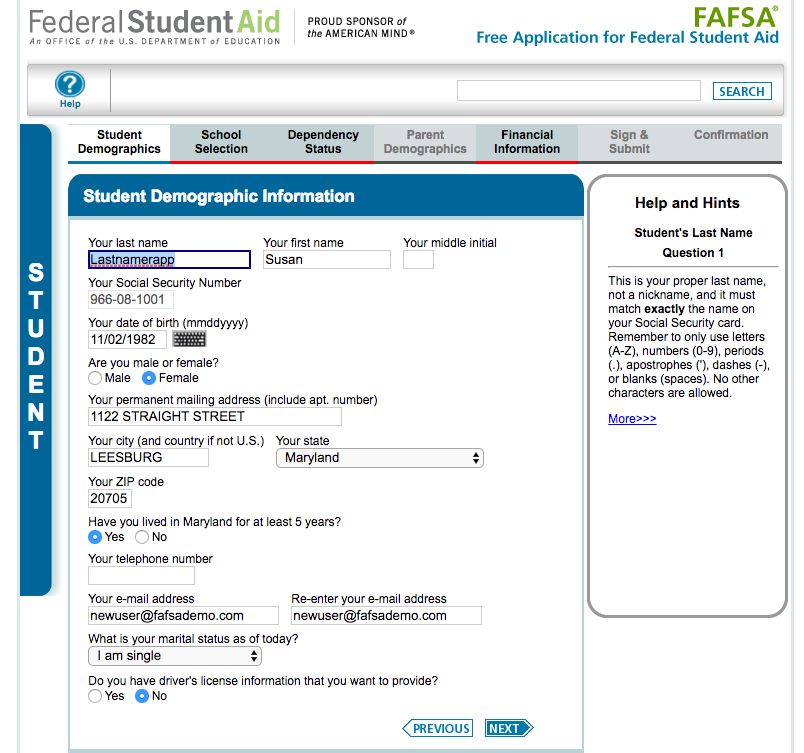
When to apply
üPriority application period for FAFSA and CADAA is October 1 – March 2nd
 before the start of the school year that you will begin college
   • School years begin in the Fall term. If a student is applying for summer session, that
     is usually part of the previous academic year
üApply EARLY to get the maximum aid award possible
üYou can apply after March 2, but may receive less money
üSome colleges may have earlier priority deadlines, so check with each
 college to which you are applying for admission
üStudents can apply for financial aid even before they submit their college
 admission applications

                                                     JOHN BURTON ADVOCATES FOR YOUTH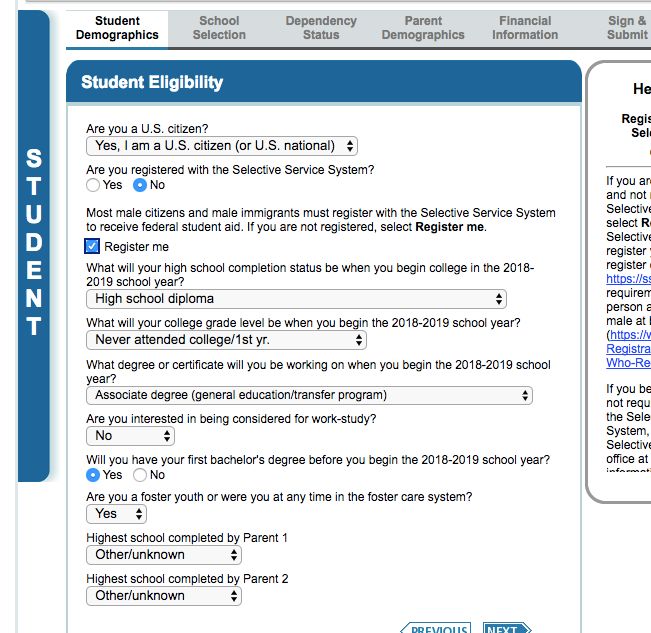
What to bring to the FAFSA session
  TIP: Make sure        Social                          TIP: Use an
   students know       Security                        email address
     their name                                         that students
     exactly as it
                     Number or         Email             check often.
  appears on their      Alien         Address         Avoid high school
   Social Security   Registration                     emails that often
        Card          Number                               expire.

                                      Student's
                                         tax or
                     List of up to
                                        income
                     10 colleges
                                     information
                                       for 2016*
                                         JOHN BURTON ADVOCATES FOR YOUTH
How to complete the 2018-2019
Free Application for Federal
Student Aid (FAFSA)
Step-by-step instructions
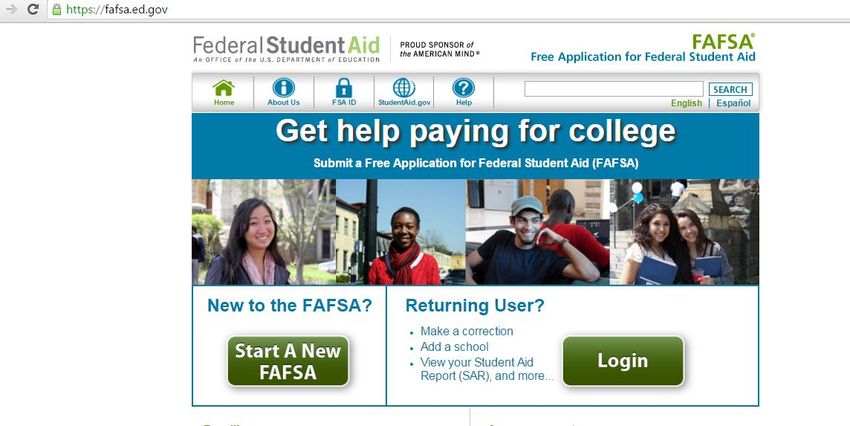
JOHN BURTON ADVOCATES FOR YOUTHReturning User: Click “Login” New to the FAFSA: Click “Start A New FAFSA”
• The FAFSA must be
  completed every year.

• If you have submitted the
  FAFSA before, you can sign
  in as a returning user and
  then click on “FAFSA
  Renewal.” This allows you
  to prefill the current year’s
  FAFSA with some data
  from last year’s
  application.
Create an “FSA ID”
Federal Student Aid Identification (FSA ID)

                                              JOHN BURTON ADVOCATES FOR YOUTH
When you “Start a New
FAFSA,” there are two log-in
options.
→ Choose the option that
says: “Enter your (the
student’s) FSA ID”
→ Then click the blue link
that says “Create an FSA ID”
This takes you to the FSA ID
website at fsaid.ed.gov.
Your FSA ID will serve as your
electronic signature and you
will need it to sign your
FAFSA electronically before
you submit the FAFSA.
JOHN BURTON ADVOCATES FOR YOUTHYou will be taken to a new
page to create your FSA ID
→ Enter an email address that you
check often so that you can get help
if you get locked out or forget your
username or password.
→ It is not recommended that you
use a high school email address,
since those often expire. Create or
use an email address that you can
use throughout college, such as
Gmail, Yahoo or Outlook.
→ Create a Username and Password
that can be easily remembered but
should not be easy for someone else
to figure out (Ex., do not use your
name, date of birth, or the word
“password”).
JOHN BURTON ADVOCATES FOR YOUTH→ Enter your name and Social
Security Number exactly as
they appear on your Social
Security Card.
** If you don’t know your
Social Security Number, you
can call your county’s child
welfare department or
Independent Living Program
(ILP) for assistance. You will
need the physical card for
employment, even for a work-
study job.
JOHN BURTON ADVOCATES FOR YOUTH→ Enter your mailing
address, phone number, and
choose a preferred language.
→ Enter a mobile phone
number so that you can get
help if you get locked out or
forget your username or
password. Having a mobile
phone number helps you
unlock the FSA ID because
the FAFSA processor can text
unlock codes to this number.
A regular (land line) phone
number is less useful.
JOHN BURTON ADVOCATES FOR YOUTH→ Choose “Challenge
Questions and Answers”
that can easily be
remembered in case you
forget your FSA ID
username or password.
→ Question 5 is optional.
JOHN BURTON ADVOCATES FOR YOUTH→ Review that all
the information is
correct.
→ Click the box to
certify that all the
information you
provided is
correct, and that
you accept the
terms &
conditions.
JOHN BURTON ADVOCATES FOR YOUTHWrite down these items somewhere TIP safe so you don’t forget: q FSA ID Username q FSA ID Password q Email Address & Password q Challenge Question Answers
You’re now ready to start your
online FAFSA!
Log-In with your new FSA ID & begin the FAFSA

                                     JOHN BURTON ADVOCATES FOR YOUTH
→ Once your FSA ID is
created, you can
immediately log into the
FAFSA at fafsa.ed.gov
and start your
application.
→ Click “Enter your
(the student’s) FSA ID”
→ Enter your FSA ID
Username or Verified
Email Address &
FSA ID Password.
JOHN BURTON ADVOCATES FOR YOUTH• First, read the
Disclaimer and
Click “Accept”
JOHN BURTON ADVOCATES
24 FOR YOUTH• Select the school
year that you plan to
attend college.
• Remember that the
school year begins in
the Fall Term. If you
are applying for a
summer session, that
usually is part of the
prior academic year.
JOHN BURTON ADVOCATES FOR YOUTH• The Introduction
Page includes
general
information
about the FAFSA
→ Click “Next”
JOHN BURTON ADVOCATES FOR YOUTH• Follow the
directions to
create a “Save
Key” in case you
need to save your
application and
finish it later.
• You can return
within 45 days to
complete and
submit the
FAFSA.
JOHN BURTON ADVOCATES FOR YOUTHMake sure to write down your
TIP Save Key somewhere safe so you
don’t forget:
ü FSA ID Username
ü FSA ID Password
ü Email Address & Password
q Save Key• Complete the seven sections listed as
tabs at the top of the screen. The
website will take you through each
section.
• When you complete a page, be sure to
click “Save” at the bottom of the page.
Then, click “Next” to go to the next
section.
• Note that if you didn’t respond to all of
the required questions, the system will
alert you to complete the questions
before you can move on to the next
section.
• The FAFSA has detailed instructions
and information about each question
in the “Help & Hints” bar.
JOHN BURTON ADVOCATES FOR YOUTHStudent Demographics Section
Part I: Student Demographics Information
Part II: Student Eligibility
JOHN BURTON ADVOCATES FOR YOUTH• Student Name: Make sure that your name matches exactly
as it appears on your Social Security Card. This is your legal
name, not a nickname.
• Social Security Number: Make sure that your name Social
Security Number matches exactly as it appears on your
Social Security Card.
• Permanent Mailing Address: This should be the same
address you use on official government documents such as
tax returns and voter registration cards. This is an address
where the student can receive postal mail, such as a PO Box.
If you don’t have a permanent mailing address, ask your
college’s financial aid administrator for help.
• State of Legal Residence: If you select that you have lived
in California for at least 5 years, a textbox will appear on the
screen saying that you are eligible for the California State
student aid application (the Cal Grant). A separate
application is not required, but you need to make sure that
your high school has automatically submitted your verified
GPA.
JOHN BURTON ADVOCATES FOR YOUTH• Telephone Number: A telephone number is not required
to complete the FAFSA. If you do provide a number, it
should be one that a college financial aid office can call
and reach you at.
• Email Address: Double-check the email address to make
sure there are no typos. The U.S. Department of
Education and the colleges that you apply for financial
aid will send FAFSA reminders, status updates and
financial aid application results to this email address.
• Marital Status: This question asks about the student’s
marital status, not the parent’s. Your legal status is
“single” if you are not married, even if you live with or
have a boyfriend, girlfriend or significant other. Note that
this question is only asking about your marital status.
• Driver’s License: A driver’s license is not required to
complete the application, but can help prevent identity
theft. The student’s driving record and parking tickets do
not affect eligibility for financial aid.
JOHN BURTON ADVOCATES FOR YOUTH• Are you a US Citizen? The three options are:
→ Yes, I am a U.S. Citizen (or U.S. national)
→ No, but I am an eligible noncitizen
• If you select “No, but I am an eligible noncitizen,” you
will be asked to provide your Alien Registration
Number.
→ No, I am not a citizen or eligible noncitizen
• Selective Service: Males are required to register with
the Select Service System to complete their FAFSA.
→ If you haven’t registered yet, you will be able to click
“Register Me” to automatically register within the
FAFSA.
→ Federal law requires that most male U.S. Citizens and
male immigrants residing in the U.S. (including
permanent resident aliens), age 18-25, register with the
Selective Service.
→ Transgender students must comply with the Selective
Service registration requirement based on the student’s
gender at birth as listed on the student’s birth certificate.
JOHN BURTON ADVOCATES FOR YOUTHWhat will your college grade level be when you
begin the 2018-2018 school year?
→ If you took college courses while in high school,
and were dually enrolled, you are still considered a
first-time college student and can select the option:
“Never attended college/1st yr.”
What degree or certificate will you be working on
when you begin the 2018-2019 school year?
Select the option that best fits your most immediate
educational goal.
→ It is important to NOT select “other/undecided”
as it may limit the grants you can receive
→ If you are uncertain if you will attend a 2-year
or 4-year college, select 4-year college
→ It is important to not select “2nd bachelor’s
degree” if you don’t already have a bachelor’s
degree, as it may limit the grants you can
receive
JOHN BURTON ADVOCATES FOR YOUTH• Are you interested in being considered for work-
study? Federal work study allows students with
financial need to earn a portion of their financial aid
award money through part-time employment on- or
off-campus. You can decline it later if you change your
mind. Answering “Yes” also not not guarantee that
you will receive a Federal Work-study job.
• You will be asked: “Are you a foster youth or were
you at any time in the foster care system?”
• Answering yes may give you access to more support to help
you in college. Answer YES to this question, even if you were
only in foster care one day.
• Foster youth can select “Other/unknown” for
“Highest School Completed by Parent.”
• Parent refers to the student’s biological or adoptive parent and
does not refer to a legal guardian or foster parent.
• How you answer does not affect your eligibility for federal
student aid, but students who are first in their family to go to
college may be eligible for California or college-specific aid for
first-generation college students
JOHN BURTON ADVOCATES FOR YOUTH• If this will not be your first year of college, you will
be asked if you have ever received federal student
aid.
• If yes, you will be asked if you have been
convicted for the possession or sale of illegal
drugs for an offense that occurred while receiving
federal student aid (grants, work-study, and/or
loans).
• If yes, you will be provided a worksheet to help
you determine whether your eligibility for federal
student aid will be suspended for one or two
years or indefinitely.
• If your eligibility for federal student aid has been
suspended due to a drug conviction, you can
regain eligibility early by completing an approved
drug rehabilitation program or by passing two
unannounced drug tests administered by an
approved drug rehabilitation program.
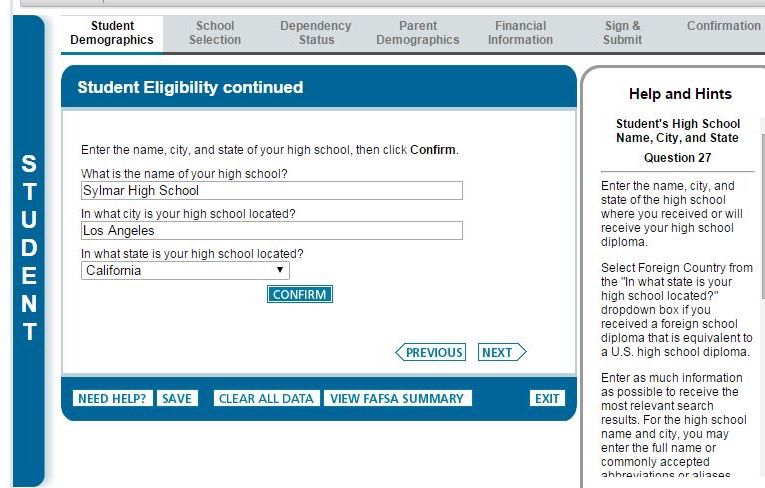
JOHN BURTON ADVOCATES FOR YOUTH• If you indicated that you
earned a high school
diploma on the prior screen,
when you click “Next,” you
will see this screen asking
you to provide the name,
city and state of that high
school.
• You will not be prompted to
answer this question if you
indicated that you received
a GED certificate or state-
authorized high school
equivalent certificate on the
prior screen.
JOHN BURTON ADVOCATES FOR YOUTHSchool Selection Section
Part I: School Selection
Part II: School Selection Summary
JOHN BURTON ADVOCATES FOR YOUTH• Search for and select up to
10 colleges that you may
want to attend. Information
from the FAFSA will be sent
to the schools you have
selected.
• You can update or change
school selections later if
your plans change or you’re
just not sure yet. You must
list at least one college to
continue with the FAFSA.
JOHN BURTON ADVOCATES FOR YOUTHYou can search by city
or school name, if known.
→ Click “Search” to populate
search results.
JOHN BURTON ADVOCATES FOR YOUTH• Click “ADD” to select up to 10
schools.
• Be careful when selecting your
colleges. Some college names are
very similar and it’s easy to get them
confused.
• Costs vary by college type. State
colleges and universities are generally
the most affordable; private trade
schools can be costly. Ask for help if
needed to make selections.
• Be sure to list each UC or CSU campus
to which you are applying for
admission separately in this section.
JOHN BURTON ADVOCATES FOR YOUTH• This page asks you to indicate your
housing plans for each campus.
Most four-year universities or
colleges offer on-campus housing,
but only a few community colleges
in California offer on-campus
housing.
• Do NOT select “With Parent” as
your housing plan if you plan to live
with a foster parent, relative
caregiver or legal guardian. Instead,
select “Off-Campus.” This is crucial
for getting all the money that is
available to help you pay for your
living expenses.
• Note that the order in which you
list the colleges does not make a
difference in California.
JOHN BURTON ADVOCATES FOR YOUTHDependency Status Section
Dependency Determination
JOHN BURTON ADVOCATES FOR YOUTHDependency Determination
These questions appear one by one until a
question is answered “Yes.” If you can
answer “Yes” to any of the questions in this
section, you qualify for and are considered
as an “Independent Student” for the
purposes of the FAFSA.
“Independent Student” means that you
do not have to provide any information,
including income information, about
biological or adoptive parents in the
Parent Demographics section.
Applicants never provide information about foster
parents (including relative or non-relative caregivers)
or legal guardians.
JOHN BURTON ADVOCATES FOR YOUTHCurrent or former foster youth may
qualify for “Independent Status” on the
FAFSA if they can answer “Yes” to any
part of either of these two questions:
“At any time since you turned age 13, were
both your parents deceased, were you in
foster care, or were you a dependent or
ward of the court?
OR
“Does someone other than your parents
or stepparent have legal guardianship of
you, as determined by a court in your state
of legal residence?”
JOHN BURTON ADVOCATES FOR YOUTHHow to provide verification of foster youth
status
• Your college may require documentation to verify your “Independent Status.”
• You will not receive your financial aid unless you provide any requested verification forms to
your college.
Ø Current foster youth:
Contact your county social worker or Independent Living Program (ILP) Coordinator for your
Court Dependency Letter.
Ø Former foster youth:
Contact your county child welfare agency, local ILP program or the State Foster Care
Ombudsman’s Office: 877-846-1602.
SAVE A COPY FOR YOURSELF! YOU MIGHT NEED IT AGAIN.
JOHN BURTON ADVOCATES FOR YOUTHHousehold Size: You will be asked your number
of family members or “household size.” If you
were in foster care on or after your 13th
birthday, include only yourself and a spouse
and/or children who you support in “household
size.” Don’t include your siblings, other relatives,
family of origin, foster family, people living in
your group home or others who live with you.
Number in College: Enter “1” for number of
family members and number in college if you
are single and do not have children.
Even if you are determined to be an
“Independent Student”, you will be asked if you
want to answer questions about your parents.
You can answer “No” to skip these questions.
Answering “No” will not prevent you from
getting financial aid.
JOHN BURTON ADVOCATES FOR YOUTHParent Demographics Section
JOHN BURTON ADVOCATES FOR YOUTHIf you were
determined to be
“Independent” in
the previous
Dependency Status
section, you will not
be required to
complete this
section. You will
automatically
proceed to the next
section and only
need to provide
financial information
for yourself and your
dependents.
JOHN BURTON ADVOCATES FOR YOUTHFinancial Information Section
These instructions are for Independent Students. Dependent students
will need to also provide parent information.
Option a). If you select “Already Completed” IRS Income Tax Return
Option b). If you select “Will File” IRS Income Tax Return
Option c). If you select “Not Going to File” IRS Income Tax Return
JOHN BURTON ADVOCATES FOR YOUTHPay careful attention to
which year’s income, tax and
financial information you
have to report in this
section. FAFSA uses
information from what they
call the ”prior-prior” year.
You will be asked if you
completed your IRS income
tax return for the
appropriate year. You must
select one of three options:
• Already completed
• Will file
• Not going to
JOHN BURTON ADVOCATES FOR YOUTHOption a).
If you select “Already Completed”
IRS Income Tax Return
If you filed taxes for the requested year, select this option.
JOHN BURTON ADVOCATES FOR YOUTHIf you select “Already Completed”:
Select “Link to IRS” to transfer your federal
income tax return information directly into
the FAFSA from the IRS using their “Data
Retrieval Tool” (DRT).
• To protect security of tax information, you
will not be able to see the actual
information that is being transmitted.
• If you have difficulty with the DRT or it’s
not working, you can manually enter the
information from your federal income tax
return.
• If you don’t have a copy of your tax return,
you can download a transcript at irs.gov/
transcript or request a federal income tax
return transcript by filing IRS Form 4506-T,
which can be found at
www.irs.gov/pub/irs-pdf/f4506t.pdf
JOHN BURTON ADVOCATES FOR YOUTH• Leaving FAFSA on the
Web will display when
going to the IRS Web
site.
• It will inform you that
your IRS tax
information will not
display, for your
protection.
• Click “PROCEED TO
IRS SITE” to use the
IRS Data Retrieval
tool.
• Click “SKIP IRS
TRANSFER” if you
would like to enter the
information manually.
JOHN BURTON ADVOCATES FOR YOUTHNext, you will be
taken to the IRS
Data Retrieval Tool
A warning text
appears as the IRS
Data Retrieval Tool
site is displayed.
Click “OK”
JOHN BURTON ADVOCATES
55 FOR YOUTH2018-19 IRS Data
Retrieval Tool, page
1:
The fields at the top
are pre-filled based
on FAFSA responses.
The Social Security
Number cannot be
updated.
Provide the address
that matches your
Federal Income Tax
Return for the
requested year.
JOHN BURTON ADVOCATES
56 FOR YOUTH2018-19 IRS Data
Retrieval Tool, page
1, continued:
• Click “Submit”
to transfer IRS
data to the
FAFSA
• Click “Return to
FAFSA” to
return to the
FAFSA without
transferring IRS
data to the
FAFSA
JOHN BURTON ADVOCATES
57 FOR YOUTH2018-19 IRS Data
Retrieval Tool, page 2:
• Check the “Transfer My Tax
Information…” box and
click “Transfer Now” to
carry this data back into
your FAFSA
OR
• Check the “Do Not
Transfer…” box and click
“Do Not Transfer” to
discontinue use of the IRS
DRT
You are again notified on this
page that the information will
not display on the IRS page or
on the fafsa.gov site.
JOHN BURTON ADVOCATES
58 FOR YOUTH2018-19 “Student
Financial
Information” page.
An alert message will
indicate that the IRS
Data was successfully
transferred and will be
identified as
“Transferred from the
IRS”.
This data cannot be
changed or viewed.
JOHN BURTON ADVOCATES
59 FOR YOUTHTop half of the 2018-
19 “Student
Financial Information
continued” page:
The bottom half of
the page is continued
on the next slide.
The entry boxes that
contain IRS Data have
been replaced with
the “Transferred from
the IRS” label. This
data cannot be
changed.
JOHN BURTON ADVOCATES
60 FOR YOUTHBottom half of the page:
• The entry boxes that
contain IRS Data have
been replaced with the
“Transferred from the
IRS” label. This data
cannot be changed.
• Click “Yes” to skip
questions about your
assets.
JOHN BURTON ADVOCATES
61 FOR YOUTHOption b). If you select “Will
File” IRS Income Tax Return
Very few people will need to select this option. If you were required to
file taxes, but missed the deadline, select this option.
JOHN BURTON ADVOCATES FOR YOUTHIf you select “Will Remember:
file” a tax return, If a student
indicate what your selects “Will
filing status will be File” they
when you do file. must
update their
application
once they
have filed
with the
accurate
information
JOHN BURTON ADVOCATES FOR YOUTHA message will
appear to
confirm that
you have
missed the
deadline to file
taxes, but still
plan to file an
income tax
return.
Click “Ok” if
this is true.
JOHN BURTON ADVOCATES FOR YOUTHEither use the previous year’s
If you are unsure
taxes if the information is if you are a
similar to provide estimates, or dislocated
click “Income Estimator” for worker, click and
assistance estimating the see the “Help &
adjusted gross income, and Hints” bar for a
answer the remaining full definition.
questions about income as
Note: If you
accurately as possible. answer Yes, the
financial aid
Gross income = total income administrator at
paid to you before any your college may
deductions or taxes were require proof that
taken out. you or your
spouse is a
dislocated
worker.
JOHN BURTON ADVOCATES FOR YOUTHIf you received federal work-study, you must enter the information twice in the FAFSA so that it is not included when determining your total income. First, include the amount in the total provided when asked “How much did you earn from working?” and then again in the Additional Financial Information Section by selecting the box that says, “Taxable earnings from Work-Study, Assistantships or Fellowships.” Depending on the amount of income you report, you may be asked if you received any federal benefits. These federal benefits often have different names locally: Federal Benefit Name Local California Benefit Name Medicaid Medi-Cal Supplemental Nutrition Cal Fresh (i.e., “food stamps”) Assistance Program (SNAP) Temporary Assistance for Needy CalWorks Families (TANF)
“Additional Financial Information”: The purpose of this
section of the FAFSA is to collect financial information that
must be subtracted when calculating your Total Income.

You DO NOT have to report the following information as
income earned from working, or in the “Additional Financial
Information” or “Untaxed Income” section:

→ Extended Foster Care (AB 12) benefits—including SILP
payments or payment from a THP-Plus FC program. Even if
your SILP payment is sent directly to you, you DO NOT need to
report this as income. This also includes the infant supplement.
→ Welfare (CalWORKs) payments
→ Untaxed Social Security benefits
→ Supplemental Security Income (SSI)

*There are other less common types of untaxed income that
do not need to be reported. Check the “Help & Hints” bar to
see the complete list when you click the field to enter the
income within “Other Untaxed Income”
If any of the boxes are selected, you
will be asked to provide the dollar
amount.

If your income is $50,000 or more, the
FAFSA will ask you to report any
assets over $1. Otherwise, you can
skip questions about assets.

                                         JOHN BURTON ADVOCATES FOR YOUTH
Option c).
If you select “Not Going to File”
IRS Income Tax Return
If you did not have to file taxes, select this option. You will still be asked
questions about any income you may have earned or received.
JOHN BURTON ADVOCATES FOR YOUTHSelect “Not going to file”
if, for example, you did not
work or did not make
enough money that
requires you to file taxes
for the requested year.
If you are not going to file
taxes, you may be required
Unsure if you made enough money to file taxes?
to submit an IRS TIP Each year the income requirement is different. For
Verification of Nonfiling example, in 2016 if you were single, under the age
Letter. This can be ofunsure
If you are 65 and youraregross
if you incomeworker,
a dislocated was at least $10,350,
requested at see the “Help & Hints”
then you needbartofor a full
file definition.
a tax return.
irs.gov/transcript or by
Note: If you answer Yes, the financial aid
filing IRS Form 4506-T. Grossatincome
administrator = total
your college mayincome paid to you before
require proof
Contact your college that youany deductions
or your spouse is aordislocated
taxes were taken out.
worker.
financial aid office for
assistance. JOHN BURTON ADVOCATES FOR YOUTHYou will be asked to report how
much money you made from
working. If you did not work,
enter zero.
If you received federal work-
study, you must enter the
information twice in the FAFSA
so that it is not included when
determining your total income.
First, include the amount in the
total provided when asked
“How much did you earn from
If you are unsure if you are a dislocated
working?” and then again in
the Additional Financial
worker,
If youclick and see
are unsure the
if you are“Help & Hints”
a dislocated bar
worker,
Information Section by for asee
fullthe
definition.
“Help & Hints” bar for a full definition.
selecting the box that says,
Note: If you answer Yes, the financial aid
“Taxable earnings from Work- Note: If you answer “Yes,” the financial aid
administrator at your college may require proof
Study, Assistantships or administrator at your
that you or your college
spouse may require
is a dislocated proof
worker.
Fellowships.” that you or your spouse is a dislocated worker.
JOHN BURTON ADVOCATES FOR YOUTH“Additional Financial Information”: The purpose of this section of the FAFSA is to collect financial information that must be subtracted when calculating your Total Income. You DO NOT have to report the following information as income earned from working, or in the “Additional Financial Information” or “Untaxed Income” section: → Extended Foster Care (AB 12) benefits—including SILP payments or payment from a THP-Plus FC program. Even if your SILP payment is sent directly to you, you DO NOT need to report this as income. This also includes the infant supplement. → Welfare (CalWORKs) payments → Untaxed Social Security benefits → Supplemental Security Income (SSI) *There are other less common types of untaxed income that do not need to be reported. Check the “Help & Hints” bar to see the complete list when you click the field to enter the income within “Other Untaxed Income” JOHN BURTON ADVOCATES FOR YOUTH
If any of the boxes are
selected, you will be
asked to provide the
dollar amount.

If the FAFSA
determines that you
have a high income, you
will be asked to report
any assets over $1.
Otherwise, you can skip
questions about assets.

                          JOHN BURTON ADVOCATES FOR YOUTH
Sign & Submit Section
The final section of the FAFSA!
JOHN BURTON ADVOCATES FOR YOUTHREAD ALL OF THE
INFORMATION YOU PROVIDED
CAREFULLY BEFORE YOU SIGN
AND SUBMIT YOUR
APPLICATION
• Read and check the box
indicating agreement
with the statement.
• Print and review the
FAFSA information
before signing the form
• Click “SIGN” and then
“SUBMIT MY FAFSA
NOW”
• Since you entered your
FSA ID to login to the
FAFSA, you don’t have
to enter it again.
JOHN BURTON ADVOCATES
75 FOR YOUTHThis is your Confirmation
Page to show that your
FAFSA is submitted!
• If possible, print or save
a copy of this page for
your records.
• A copy will also be sent
to you via email.
• If you need to make any
changes, you must wait
until you receive your
Student Aid Report
(SAR) or Student Aid
Acknowledgement. This
may take a few days to a
few weeks after filing
your FAFSA.
JOHN BURTON ADVOCATES
76 FOR YOUTHAfter the FAFSA
Keep steps to help students receive maximum aid awards
JOHN BURTON ADVOCATES FOR YOUTHOnce your FAFSA is processed, it will be indicated when you log back into FAFSA. You can make a correction by choosing “Make FAFSA Corrections,” or click to “View or Print your Student Aid Report (SAR).” If you have not received your SAR within three weeks from when you submitted your FAFSA, contact the Federal Student Aid Information Center at 1-800-433-3243
Confirmation/ SAR

                    JOHN BURTON ADVOCATES FOR YOUTH
Three Parts to Maximize Financial Aid
Complete the Complete the Chafee Create a WebGrants
FAFSA/CADAA: application: Account:
30-45 minutes 5-10 minutes 5 minutes
JOHN BURTON ADVOCATES FOR YOUTHChafee Grant
• After completing a FAFSA or CADAA, students can submit their
supplemental Chafee Grant application
• To qualify, youth must:
• Have been in foster care (e.g. a ward of the court) for at least one day
between the ages of 16 and 18.
• Not have reached their 22nd birthday as of July 1st of the award year
• Complete a paper or online application, available at www.chafee.csac.ca.gov
JOHN BURTON ADVOCATES FOR YOUTHA FEW NOTES FOR THE CHAFEE
GRANT APPLICATION
• Once undocumented students check
this box, they will be instructed to
complete the paper application.
Students will be asked to list their
CADAA number instead of SSN.
• Undocumented students and
providers can contact the CSAC
Specialized Programs Branch for
assistance at (888) 224-7268 #3.
• School of Attendance refers to the
college the student plans to attend,
not the student’s high school. This
information can be estimated and
updated later if it changes.
• Students can update their Chafee
grant applications and monitor award
status on WebGrants
JOHN BURTON ADVOCATES FOR YOUTHWebGrants Account
• WebGrants is the secure online
portal where students can
manage their Cal Grant and
Chafee Grant awards
• Students can also update school
information, address changes,
and make other corrections
• Students can verify if their GPA
verification has been received
• Select “Create an Account” to
begin
JOHN BURTON ADVOCATES FOR YOUTHWebGrants Account
• When creating an
account,
undocumented
students should use
their CADAA ID
instead of a SSN.
• DACA recipients
should not use their
temporary SSN.
JOHN BURTON ADVOCATES FOR YOUTHWebGrants Account
• Students will be
prompted to
create a User ID
and Password.
• Passwords will
need to be
updated every 90
days
• Security
Questions will be
important to help
students maintain
their account.
JOHN BURTON ADVOCATES FOR YOUTHHelpful Resources
JOHN BURTON ADVOCATES FOR YOUTHFinancial Aid Guide for California Foster Youth Can be found at: jbaforyouth.org/fafsachallenge cacollegepathways.org/financial-aid student.cacollegepathways.org/financial- aid
Visual FAFSA Guide
Can be found at:

jbaforyouth.org/fafsachallenge

cacollegepathways.org/financia
l-aid

student.cacollegepathways.org
/financial-aid

                                 JOHN BURTON ADVOCATES FOR YOUTH
Cash for College
• CSAC partners with high schools, community colleges, and nonprofit
organizations across the state to help students file the FAFSA and CADAA.
• Cash for College Workshops are free but do not always have staff with
specialized foster youth expertise. Workshops do provide free computer
lab space and general application assistance.
• Workshops hosted by community colleges generally have more specific
resources and information for foster youth.
• Foster youth service providers and caregivers can accompany youth to any
of these workshops to provide more individualized assistance.
Find a workshop near you: cash4college.csac.ca.gov
JOHN BURTON ADVOCATES FOR YOUTHFree Help Completing the FAFSA
• Live Help built into FAFSA on the Web
• U.S. Department of Education’s toll-free hotline
• 1-800-4-FED-AID (1-800-433-3243) or 1-334-523-2691
• TTY (hearing impaired): 1-800-730-8913
• FSA ID problems: 1-800-557-7394
• Email the U.S. Department of Education at:
FederalStudentAidCustomerService@ed.gov
JOHN BURTON ADVOCATES FOR YOUTHQuestion & Answer
CLICK ON THE “QUESTIONS” PANEL, TYPE AND HIT “SEND”
JOHN BURTON ADVOCATES FOR YOUTHYou can also read


