A Stepwise Approach to Nasal Polyp Treatment is Emerging in the Age of Biologics - XHA-21-10007 - AMCP
←
→
Page content transcription
If your browser does not render page correctly, please read the page content below

A Stepwise Approach to Nasal Polyp Treatment
is Emerging in the Age of Biologics

                                        XHA-21-10007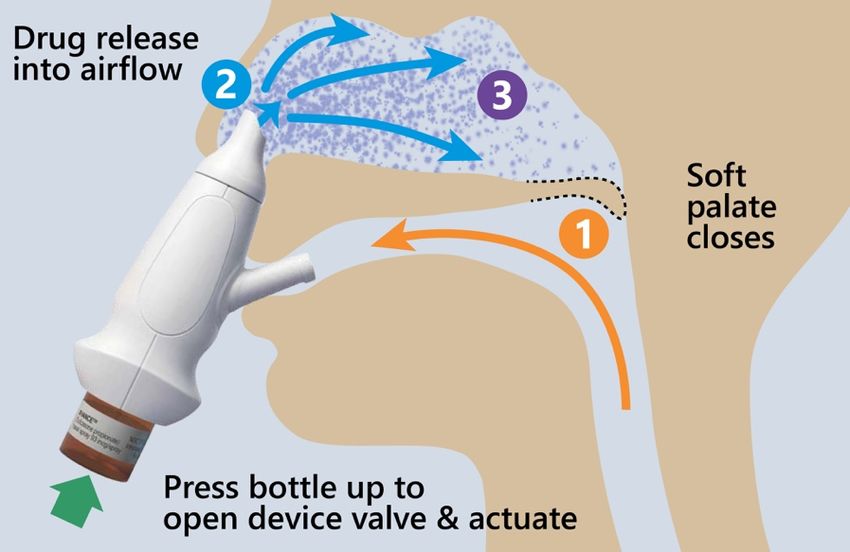
Presenters

              Payor Insights                                    Clinical Discussion &
                                                                      Relevance

         Michael J. Rothrock, BS, MBA, MHA                          Joseph Han, MD
                      President                                         President
           Allegheny Strategic Partners LLC                     American Rhinologic Society

                           Dr. Han and Mr. Rothrock are paid consultants of Optinose.

2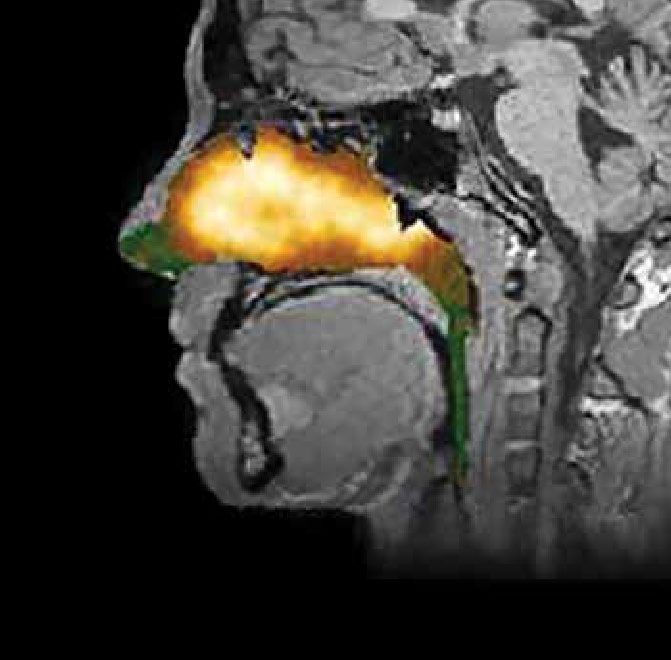
Today’s Objectives

              Evaluate an emerging approach for stepped-care
              management of nasal polyps

                            Discuss each step’s impact on coverage
                            and cost

                                            Highlight a second-line therapy in the
                                            stepped-care approach

3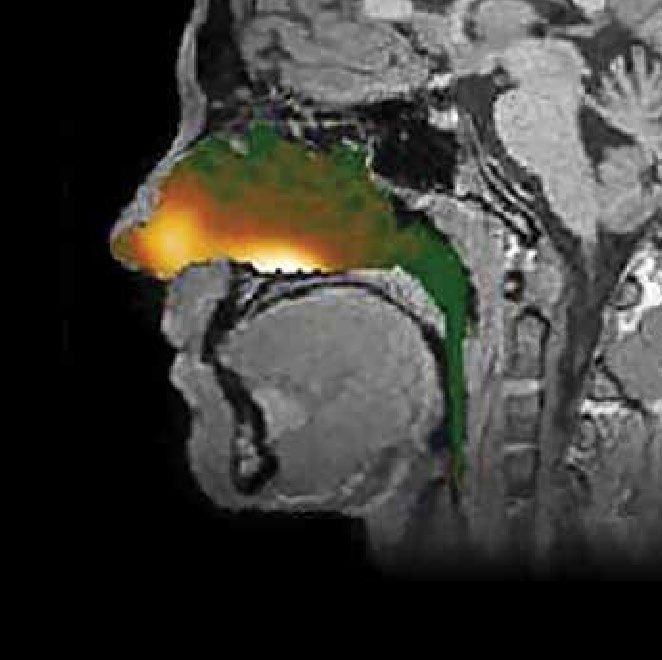
Nasal Polyp Management: Challenges You Face
Nasal polyps cost ~$5.7 billion1 annually and affect up to 4% of the population2
Traditional treatments often do not resolve symptoms3
Patients seek more costly treatments (surgery, biologics)4,5
Surgery may not be a permanent solution6
The approvals of dupilumab and omalizumab for nasal polyps are likely to drive up payor costs7,8
More biologics are on the horizon9,10
References: 1. Bhattacharyya et al. Laryngoscope. 2019;129(9):1969-1975. 2. Stevens WW, et al. J Allergy Clin Immunol Pract. 2016;4(4):565-72. 3. Palmer et al. Allergy and Asthma Proc.
2019;40(1):48-56. 4. Ference EH et al. Am J Rhinol Allergy. 2018;32(1):34-39. 5. First Data Bank; March 19, 2021. 6. DeConde et al. Laryngoscope. 2017;127(3):550-555. 7. Gu et al. Drugs Real
World Outcomes. 2016;3(4):369-381. 8. Wong et al. J Manag Care Pharm. 2011;17(4):313-320. 9. National Institutes of Health. https://clinicaltrials.gov/ct2/show/NCT03085797. Accessed February
8, 2021. 10. National Institutes of Health. https://clinicaltrials.gov/ct2/show/NCT03401229. Accessed February 8, 2021.
4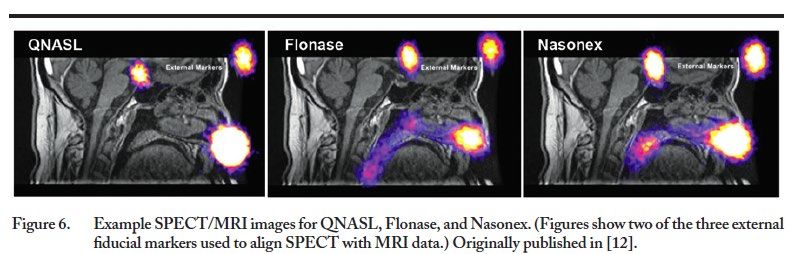
Historical Approach to Treatment of Nasal Polyps

                                                                                                                 Treatment
                             Treatment
                                                                                                   yes
      Recommended                                                                                             Continue medical
                                                                                                               management
      • Intranasal steroids
      • Saline irrigation                                                               Symptom
      • Oral corticosteroids (1 short course)                                            relief?
      • Aspirin desensitization for AERD                                                                         Treatment
        patients
                                                                                                   no    Recommended
                                                                                                         • ESS followed by continued
                                                                                                           medical management

    AERD=aspirin-exacerbated respiratory disease; ESS=endoscopic sinus surgery.
    Reference: Orlandi RR, et al. Int Forum Allergy Rhinol. 2016;6(suppl 1):S22-S209.

5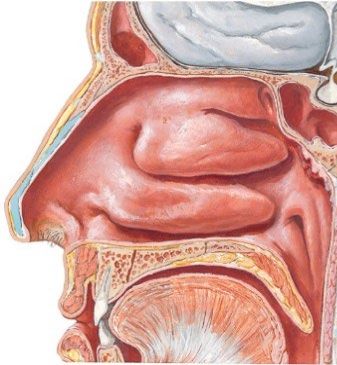
Emergence of a Stepped-Care Treatment
      Paradigm for Nasal Polyps
                                                                            Additional Considerations:
                                                                            • Sinus surgery
                                                                            • Multidisciplinary evaluation
                                                                            • Aspirin desensitization
                                                                            • Steroid-eluting stents
                                                                            • Biologics
                                       Second-line Medications
                                       • Alternative steroid
                                         delivery methods
  First-line Medications                 (XHANCE, steroid rinses)
  • Saline rinse                                                                                 Sinus surgery and biologics
  • Nasal steroid sprays
  • Oral steroids ±
    antibiotics

                 Nasal steroid sprays

                          Treatment options are informed by factors such as disease severity, risk-benefit
                              assessment, cost, response to prior treatment, and patient preference.

References: 1. Nasal polyps. SinusHealth.com. Accessed January 22, 2021. 2. Orlandi RR, et al. Int Forum Allergy Rhinol. 2021;11(3):213-739.

 6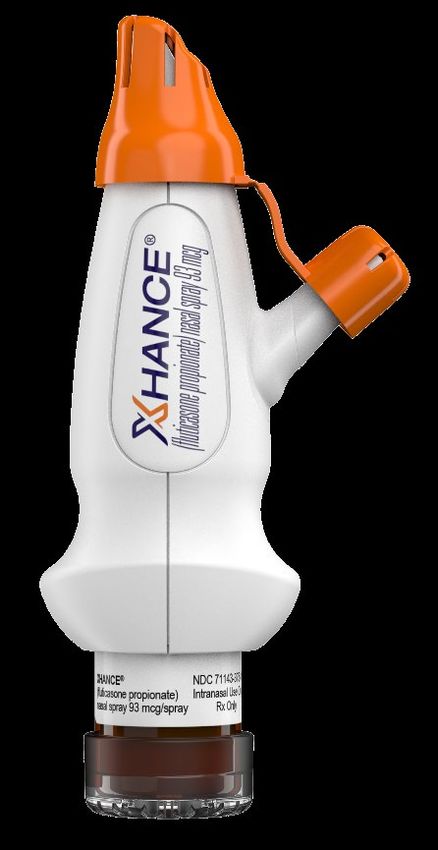
Emergence of a Stepped-Care Treatment
      Paradigm for Nasal Polyps
                                                                            Additional Considerations:
                                                                            • Sinus surgery
                                                                            • Multidisciplinary evaluation
                                                                            • Aspirin desensitization
                                                                            • Steroid-eluting stents
                                                                            • Biologics
                                       Second-line Medications
                                       • Alternative steroid
                                         delivery methods
  First-line Medications                 (XHANCE, steroid rinses)
  • Saline rinse                                                                                 Sinus surgery and biologics
  • Nasal steroid sprays
  • Oral steroids ±
    antibiotics

                 Nasal steroid sprays

                          Treatment options are informed by factors such as disease severity, risk-benefit
                              assessment, cost, response to prior treatment, and patient preference.

References: 1. Nasal polyps. SinusHealth.com. Accessed January 22, 2021. 2. Orlandi RR, et al. Int Forum Allergy Rhinol. 2021;11(3):213-739.

 7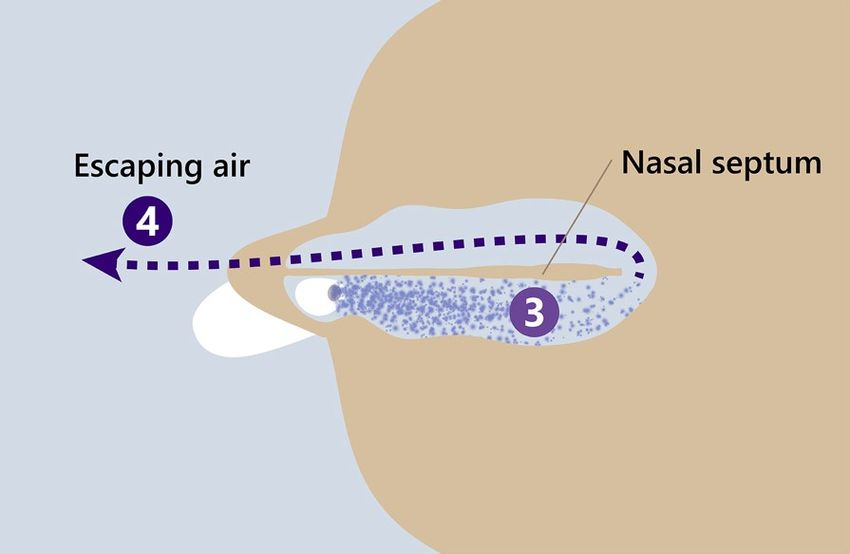
Nasal steroid sprays
Low Cost But Patients May Experience Frustration
Only one conventional
nasal steroid spray has an
Nasal Steroid Sprays indication for nasal polyps2
>80% of patients with
nasal polyps reported
$0-$6,100/year (WAC)1 frustration with symptom
relief when using a
conventional nasal steroid3
References: 1. First Data Bank; March 19, 2021. 2. Nasonex [Prescribing Information] 2018. 3. Palmer et al. Allergy and Asthma Proc. 2019;40(1):48-56.
8
Nasal steroid sprays

    Inhaled Nasal Steroids May Not Reach Target Sites
    High and Deep In the Nasal Cavity1
                              Site of Polyp Origination2                       Conventional Spray1

                                                                                                                            ~75                      %
                                                                                                                         of ENTs/Allergists surveyed
                                                                                                                        agreed that intranasal steroids
                                                                                                                          do not work well in chronic
                                                                                                                         sinusitis because insufficient
                            Nasal Polyp Treatment Target Sites           Deposition                                       medication reaches target
                               Opening of the frontal sinus                LOW                         HIGH
                                                                                                                            sites of inflammation3*
                               Openings of the sphenoidal sinus
                               and posterior ethmoidal cells              The clinical relevance of different
                               Openings of the maxillary sinus            deposition patterns has not been
                               and anterior ethmoidal cells               established

    *Market research interviews of 402 ENTs and allergists commissioned by Optinose. Approximately 75% of ENTs/allergists indicated they at least "somewhat agreed" with the following
    statement: "Intra-nasal corticosteroids (e.g., Flonase) often do not work well in chronic sinusitis because not enough medication reaches the intended target site of inflammation."
    References: 1. Djupesland PG. Drug Deliv Transl Res. 2013:3(1):42-62. 2. Adapted from: Netter F. Atlas Of Human Anatomy, Professional Edition. Saint Louis: Elsevier
    Health Sciences; 2014. 3. Data on file. Optinose US, Inc.

9
Nasal steroid sprays
Conventional Sprays Show Similar Deposition Patterns,
Concentrating in the Anterior/Inferior Regions of the Nasal Cavity
Example SPECT/MRI images for QNASL®, Flonase®, and Nasonex®.
(Figures show 2 of the 3 external fiducial markers used to align SPECT with MRI data).*
*The clinical relevance of different deposition patterns has not been established.
All brand names are registered trademarks of their respective owners.
MRI=magnetic resonance imaging; SPECT=single photon emission computed tomography.
Reference: Leach et al. J Aerosol Med. 2015;28(5):334-340.
10Emergence of a Stepped-Care Treatment
Paradigm for Nasal Polyps
Additional Considerations:
• Sinus surgery
• Multidisciplinary evaluation
• Aspirin desensitization
• Steroid-eluting stents
• Biologics
Second-line Medications
• Alternative steroid
delivery methods
First-line Medications (XHANCE, steroid rinses)
• Saline rinse Sinus surgery and biologics
• Nasal steroid sprays
• Oral steroids ±
antibiotics
Nasal steroid sprays
Treatment options are informed by factors such as disease severity, risk-benefit
assessment, cost, response to prior treatment, and patient preference.
References: 1. Nasal polyps. SinusHealth.com. Accessed January 22, 2021. 2. Orlandi RR, et al. Int Forum Allergy Rhinol. 2021;11(3):213-739.
11 Confidential – Not for Further Distribution Without Prior Written Consent of OptinoseExhaled and Inhaled Fluticasone Are Not the Same When
it Comes to Nasal Sprays1
XHANCE is the only FDA-approved prescription
nasal spray that uses an Exhalation Delivery
System to treat nasal polyps in adults and is2:
Non-surgical
Non-biologic
Non-systemic
Please see Important Safety Information on slides 22-23.
References: 1. Djupesland PG. Drug Deliv Transl Res. 2013;3(1):42-62. 2. XHANCE [Prescribing Information]. 2017.
12XHANCE Leverages the Optinose Exhaled Delivery System (EDS)
Transverse Plane
Sagittal Plane
Exhalation elevates the soft palate, creating an airtight seal that separates the nasal cavity
1
from the oropharynx
2 Air then enters the nostril through the sealing nosepiece, helping expand narrow nasal passages
3 Medication entrained in the breath is deposited high and deep in the nasal passages
4 Air then escapes out of the opposite nostril
Please see Important Safety Information on slides 22-23.
Reference: Data on file. OptiNose US, Inc.
13Deposition is Different With an Optinose Exhalation
Delivery System (EDS)
Exhalation helps deliver medication high and deep into the nose
LOW
Gamma camera images after using a nasal
spray without exhalation (left) or an
Optinose EDS with exhalation (right). Both
images are from the same healthy subject
taken 2 minutes after administration with
Nasal spray without exhalation Optinose Exhalation Delivery radiolabeled solution and are representative
System with exhalation of the overall findings from 211 images and
56 subjects.
The clinical relevance of different deposition patterns has not been established.
Please see Important Safety Information on slides 22-23.
Reference: Djupesland PG. Drug Deliv Transl Res. 2013;3(1):42-62.
14XHANCE and Flonase® Are Not Bioequivalent
30
Cmax AUC0-∞
Treatment
A single pharmacokinetic study XHANCE 372 mcg (pg/mL) (pg · h/mL)
was conducted in healthy
subjects to establish a bridge XHANCE 186 mcg 17.2 (n=86) 111.7 (n=56)
between XHANCE and Flonase®
XHANCE 186 mcg XHANCE 372 mcg 25.3 (n=86) 171.7 (n=55)
Concentration (pg/mL)
3-way, 3-treatment, crossover 20 Flonase 400 mcg 13.4 (n=85) 126.0 (n=42)
study Flonase 400 mcg
Plasma FP
Systemic exposure to FP with XHANCE
• XHANCE 186 mcg is higher than with Flonase, even at
• XHANCE 372 mcg lower doses
• Flonase 400 mcg
Primary objective was to
10
assess and compare the
systemic exposure of a single
dose of 186 and 372 mcg of
XHANCE with 400 mcg of
Flonase (fluticasone propionate)
in healthy subjects
0
0 2 4 6 8 10 12 14 16 18 20 22 24 26
Hours From Dosing
Please see Important Safety Information on slides 22-23.
All brand names are registered trademarks of their respective owners.
AUC=area under the curve; Cmax,= maximum serum concentration; FP=fluticasone propionate.
Reference: Messina JC, et al. Clin Ther. 2019;41(11):2343-2356.
15NAVIGATE I & II: Phase III studies demonstrated
XHANCE efficacy and safety1
Similar randomized, placebo-controlled, multicenter studies to assess XHANCE in the
treatment of nasal polyps (N=646)1
Treatment-experienced Double-blind Studies (16 weeks)1 Open-label Extension Study (8 weeks)2-4
study population1
Majority (91%) reported EDS-placebo BID (n-162)
prior nasal steroid use XHANCE 372 mcg BID (n=82)
More than half (54%)
XHANCE 186 mcg BID (n=160)
reported prior sinus
surgery or polypectomy
Secondary endpoints (not controlled for multiplicity):
XHANCE 372 mcg BID (n=162) Complete response (polyps eliminated)
Reduction in surgical eligibility assessed using
standardized criteria
Sino-Nasal Outcomes Test – 22 items
Coprimary endpoints:
Defining symptoms
Reduction in total polyp grade at Week 16 Work productivity
Reduction of nasal congestion/obstruction Quality of sleep
symptoms at Week 4 Patient global impression of change
Please see Important Safety Information on slides 22-23.
BID=twice a day; EDS=exhalation delivery system.
References: 1. XHANCE [Prescribing Information]. 2017. 2. Leopold DA. J Allergy Clin Immunol. 2019; 143:126-34. 3. Sindwani et al. Am J Rhinol Allergy. 2019;33(1):69-82. 4. Data on file,
Optinose U.S., Inc.
16Improvement in All 4 Defining Symptoms
Week 0 4 8 12 16
Coprimary Endpoint 0
-0.2
EDS-placebo BID (n=80)
LS Mean Change
Statistically significant onset
vs Baseline
-0.4
of action was generally § XHANCE 186 mcg BID (n=80)
-0.6
observed within 2 weeks for § § XHANCE 372 mcg BID (n=82)
-0.8 § §
congestion score §
-1 § §
Week 4; Coprimary Endpoint §P ≤ .001.
Secondary Endpoints* -1.2
Congestion/Obstruction
Week 0 4 8 12 16 Week 0 4 8 12 16 Week 0 4 8 12 16
0 0 0
-0.2 -0.2
LS Mean Change
LS Mean Change
LS Mean Change
-0.2
vs Baseline
vs Baseline
vs Baseline
-0.4 -0.4
-0.6 -0.6 -0.4
-0.8 -0.8
-0.6
-1 -1
-1.2 -1.2 -0.8
Pain and Pressure Rhinorrhea Sense of Smell
Please see Important Safety Information on slides 22-23.
BID=twice a day; LS=least square; mcg=micrograms. *Although secondary endpoints were pre-specified, they were not adjusted for
Reference: Leopold DA et al. J Allergy Clin Immunol. 2019;143(1):126-134. multiplicity; therefore, results require cautious interpretation.
17Reduction in Nasal Polyp Grade (NAVIGATE II)
LS mean change in bilateral polyp grade—coprimary endpoint, week 16 (N=242)
Week 0 4 8 12 16 20 24
0 XHANCE 186-mcg BID treatment group
Double-blind period Open-label extension: (Secondary Endpoint)*
-0.2
All patients received
-0.4 XHANCE 372 mcg BID
LS Mean Change in Bilateral
-0.6
of patients experienced a
63%
≥1-point reduction in polyp
Nasal Polyp Grade
‡
-0.8 grade vs 43.5% with
-1 § § EDS-placebo at week 16.
§
-1.2
-1.4 §
§ * Multiplicity adjustments were not applied
-1.6 for secondary endpoints; therefore,
-1.8 results require cautious interpretation.
-2 Furthermore, open label results may be
Week 16 confounded by evaluator bias.
‡P ≤ 0.01. Coprimary Endpoint
§P ≤ 0.001.
EDS-placebo BID (n=79) XHANCE 186 mcg BID (n=80) XHANCE 372 mcg BID (n=82)
Baseline grade: placebo, 3.8; XHANCE 186 mcg BID, 3.9; XHANCE 372 mcg BID, 3.8. Results shown are from NAVIGATE II and are consistent with results observed in NAVIGATE I.
Please see Important Safety Information on slides 22-23.
BID=twice daily; EDS=exhalation delivery system; LS=least square; mcg=micrograms.
Reference: Leopold et al. J Allergy Clin Immunol. 2019; 143(1):126-134.
18Improvement in Congestion
Response in Patients Previously on a Conventional Nasal Steroid Spray vs Overall Study Population
Patients Who Were on a Conventional Nasal Steroid Spray1 Overall Study Population2
(N = 218) (N = 482)
Week Week
0 4 8 12 16 0 4 8 12 16
0 0
-0.2 -0.2
LS Mean Change*
LS Mean Change*
-0.4 -0.4
-0.53
-0.6 -0.58 -0.6
-0.8 -0.8
-0.85
-1 -1.01 -1 -0.98
-1.03
-1.2 -1.2
EDS-placebo XHANCE 186 mcg BID XHANCE 372 mcg BID EDS-placebo XHANCE 186 mcg BID XHANCE 372 mcg BID
(n = 77) (n= 69) (n = 72) (n = 161) (n = 160) (n = 161)
*Least squares mean change from baseline in patient-reported AM instantaneous diary scores for nasal symptoms on a scale from 0-3 (0=none, 1=mild, 2=moderate, 3=severe).
These results are descriptive and should be interpreted with caution. The characteristics of the subgroup at
baseline were also consistent with the
overall study population
Please see Important Safety Information on slides 22-23.
References:: 1. Senior BA et al. Int Forum Allergy Rhinol. 2020;10.1002/alr.22693. 2. Data on file. OptiNose US, Inc.
19Reduction in Bilateral Polyp Grade
Response in Patients Previously on a Conventional Nasal Steroid Spray vs Overall Study Population
Patients Who Were on a Conventional Nasal Steroid Spray1 Overall Study Population2
(N = 218) (N = 482)
Week Week
0 4 8 12 16 0 4 8 12 16
-0.1 -0.1
-0.3 -0.3
LS Mean Change*
LS Mean Change*
-0.5 -0.46 -0.5
-0.59
-0.7 -0.7
-0.9 -0.9
-1.1 -1.13 -1.1
-1.18
-1.3 -1.3 -1.28
-1.5 -1.47 -1.5
EDS-placebo XHANCE 186 mcg BID XHANCE 372 mcg BID EDS-placebo XHANCE 186 mcg BID XHANCE 372 mcg BID
(n = 77) (n = 69) (n = 72) (n = 161) (n = 160) (n = 161)
*Least squares mean change from baseline in bilateral polyp grade.
These results are descriptive and should be interpreted with caution.
The characteristics of the subgroup at
baseline were also consistent with the
Please see Important Safety Information on slides 22-23. overall study population
References: 1. Nasal polyps. SinusHealth.com. Accessed January 22, 2021. 2. Orlandi RR, et al. Int Forum Allergy Rhinol. 2021;11(3):213-739.
20Well-characterized Safety Profile (NAVIGATE I and II)
AEs occurring in ≥3% of patients and more common than placebo1*
EDS-placebo BID XHANCE 186 mcg BID XHANCE 372 mcg BID
Adverse Event (AE) (N=161) (N=160) (N=161)
n (%) n (%) n (%)
Epistaxis 4 (2.5) 19 (11.9) 16 (9.9)
Nasopharyngitis 8 (5.0) 3 (1.9) 12 (7.5)
Nasal septal erosion/ulceration 3 (1.9) 11 (6.9) 12 (7.5)
Nasal congestion 6 (3.7) 7 (4.4) 9 (5.6)
Acute sinusitis 6 (3.7) 7 (4.4) 8 (5.0)
Headache 5 (3.1) 8 (5.0) 6 (3.7)
Pharyngitis 2 (1.2) 2 (1.3) 5 (3.1)
Nasal mucosal ulceration 2 (1.3) 6 (3.8) 4 (2.5)
Nasal mucosal erythema 6 (3.7) 9 (5.6) 8 (5.0)
Nasal septal erythema 3 (1.9) 6 (3.8) 7 (4.3)
Data characterizing safety for up to 1 year were also obtained in 2 open-label studies in 928 patients with chronic sinusitis with
or without nasal polyps2,3
Please see Important Safety Information on slides 22-23.
*AEs reported in patients with nasal polyps in placebo-controlled studies.
BID=twice daily; EDS=exhalation delivery system.
References: 1. XHANCE [Prescribing Information]. 2017. 2. Sher et al. J Allergy Clin Immunol 2017;139(2):AB66. 3. Palmer et al. Int Forum Allergy Rhinol. 2018;00:1-8.
21Important Safety Information
Contraindications
Hypersensitivity to any ingredient in XHANCE.
Warnings and Precautions
Local Nasal Effects: epistaxis, erosion, ulceration, septal perforation, Candida albicans infection, and impaired wound
healing. Monitor patients periodically for signs of possible changes on the nasal mucosa. Avoid use in patients with
recent nasal ulcerations, nasal surgery, or nasal trauma.
Close monitoring for glaucoma and cataracts is warranted.
Hypersensitivity reactions (e.g., anaphylaxis, angioedema, urticaria, contact dermatitis, rash, hypotension, and
bronchospasm) have been reported after administration of fluticasone propionate. Discontinue XHANCE if such reactions
occur.
Immunosuppression: potential increased susceptibility to or worsening of infections (e.g., existing tuberculosis; fungal,
bacterial, viral, or parasitic infection; ocular herpes simplex). Use with caution in patients with these infections. More
serious or even fatal course of chickenpox or measles can occur in susceptible patients.
Hypercorticism and adrenal suppression may occur with very high dosages or at the regular dosage in susceptible
individuals. If such changes occur, discontinue XHANCE slowly.
Patients with major risk factors for decreased bone mineral content should be monitored and treated with established
standards of care.
Please see Important Safety Information continued on slide 23.
Reference: XHANCE [package insert]. Yardley, PA: ©2017 OptiNose US, Inc. XHANCE-17-002 09/2017.
22Important Safety Information (cont’d)
Adverse Reactions
The most common adverse reactions (incidence ≥ 3%) are epistaxis, nasal septal ulceration, nasopharyngitis,
nasal mucosal erythema, nasal mucosal ulcerations, nasal congestion, acute sinusitis, nasal septal erythema,
headache, and pharyngitis.
Drug Interactions
Strong cytochrome P450 3A4 inhibitors (e.g., ritonavir, ketoconazole): Use not recommended. May increase risk
of systemic corticosteroid effects.
Use in Specific Populations
Hepatic impairment. Monitor patients for signs of increased drug exposure.
Please see accompanying full Prescribing Information.
Please see additional Important Safety Information on slide 22.
Reference: XHANCE [package insert]. Yardley, PA: ©2017 OptiNose US, Inc. XHANCE-17-002 09/2017.
23Emergence of a Stepped-Care Treatment
Paradigm for Nasal Polyps
Additional Considerations:
• Sinus surgery
• Multidisciplinary evaluation
• Aspirin desensitization
• Steroid-eluting stents
• Biologics
Second-line Medications
• Alternative steroid
delivery methods
First-line Medications (XHANCE, steroid rinses)
• Saline rinse Sinus surgery and biologics
• Nasal steroid sprays
• Oral steroids ±
antibiotics
Nasal steroid sprays
Treatment options are informed by factors such as disease severity, risk-benefit
assessment, cost, response to prior treatment, and patient preference.
References: 1. Nasal polyps. SinusHealth.com. Accessed January 22, 2021. 2. Orlandi RR, et al. Int Forum Allergy Rhinol. 2021;11(3):213-739.
24 Confidential – Not for Further Distribution Without Prior Written Consent of OptinoseSinus surgery and biologics
Patients Often Progress to Costly Options In Search of
Symptom Relief1-3
Sinus surgery remains frequent despite broad use of conventional inhaled nasal steroids
• Among patients with nasal polyps, 52% reported having undergone surgery for sinus symptoms1
Endoscopic sinus surgery
(ESS) charges exclusive of ~500K ESS performed every year
professional fees3
(estimate includes all ESS
procedures, regardless of
$17,300* presence of nasal polyps)4
*Average charge for all ESS procedures in patients with or without nasal polyps from 2009-2011, adjusted for inflation (2021) based on a 2.69% average annual medical inflation rate. Data
from reference 3.
References: 1. Palmer et al. Allergy and Asthma Proc. 2019;40(1):48-56. 2. DeConde et al. Laryngoscope. 2017;127(3):550-555. 3. Ference EH et al. Am J Rhinol Allergy.
2018;32(1):34-39. 4. Henriquez et al. Laryngoscope. 2013 Nov;123(11):2615-9.
25Sinus surgery and biologics
Costly Surgery May Not Be a Permanent Solution
Patients with nasal polyps may require multiple ESS procedures due
to recurrent or incompletely resolved symptoms1
60% 35% 20%
An estimated 60% of Despite surgery, 35% Approximately 20% of patients
patients had symptoms recurrence of polyps at will require revision surgery
reappear within 1 year2 6 months1 within 5 years3
References: 1. DeConde et al. Laryngoscope. 2017;127(3):550-555. 2. Wynn R et al. Laryngoscope. 2004 May;114(5):811-3. 3. Velez F et al. Poster presented at: AMCP
Managed Care & Specialty Pharmacy Annual Meeting; April 23-26, 2018: Boston, MA.
26Sinus surgery and biologics
XHANCE Showed a Reduction in the Number of Patients Eligible
for Surgery from Baseline* (NAVIGATE I & II)
Secondary endpoint** Week 16
NAVIGATE I1 NAVIGATE II2
Reduction in % of Patients Eligible for Surgery
0% * Surgical eligibility was study defined and
(n=82) (n=80) (n=80) (n=80) (n=80) (n=82)
assessed using standardized criteria,
(10%)
occurring concurrently: moderate-to-severe
congestion ≥3 months, use of conventional
(20%)
topical steroids ≥6 weeks, current or previous
(30%) use of saline lavage for ≥6 weeks, and
bilateral nasal polyposis with an NP grading
(40%) score of ≥2 in at least 1 nostril. The patients
(39%)
(42%) deemed "eligible" may or may not have been
(50%) (45%) offered surgery.
(60%)
(58%) ** Multiplicity adjustments were not applied
(62%) for secondary endpoints; therefore,
(70%) (66%)
results require cautious interpretation.
(80%)
EDS-placebo (n-161) XHANCE mcg BID (n=160) XHANCE 372 mcg BID (n=161)
Please
. see Important Safety Information on slides 22-23.
BID=twice a day; EDS= exhalation delivery system.
References: 1. Adapted from Sindwani et al. Am J Rhinol Allergy. 2019;33(1):69-82. 2. Adapted from Leopold DA. J Allergy Clin Immunol. 2019; 143:126-34.
27Sinus surgery and biologics
Use Of Biologics for Nasal Polyp Treatment Is Likely to Drive An
Increase In Payor Costs1,2
Cost drivers for biologics1,2: Nasal polyp indications are approved/expected for
multiple biologics4-7
Acquisition cost
Biologic Status
Multiple indications drive utilization dupilumab Approved
Office visits/clinical follow-ups omalizumab Approved
mepolizumab Phase III Completed
$30,200*-$41,600 † /year benralizumab Phase III Completed
(WAC) 3
*Based on a Xolair® dose of 300mg every 4 weeks.
† Based on a Dupixent ® dose of 300mg every 2 weeks.
All brand names are registered trademarks of their respective owners.
References: 1. Gu et al. Drugs Real World Outcomes. 2016;3(4):369-381. 2. Wong et al. J Manag Care Pharm. 2011;17(4):313-320. 3. First Data Bank; March 19, 2021. 4. US Food and
Drug Administration. https://www.fda.gov/news-events/press-announcements/fda-approves-first-treatment-chronic-rhinosinusitis-nasal-polyps. Accessed March 16, 2021. 5. Roche.com
https://www.roche.com/media/releases/med-cor-2020-12-01.htm. Accessed February 8, 2021. 6. National Institutes of Health. https://clinicaltrials.gov/ct2/show/NCT03085797. Accessed
February 8, 2021. 7. National Institutes of Health. https://clinicaltrials.gov/ct2/show/NCT03401229. Accessed February 8, 2021.
28Emergence of a Stepped-Care Treatment
Paradigm for Nasal Polyps
Additional Considerations:
• Sinus surgery
• Multidisciplinary evaluation
• Aspirin desensitization
• Steroid-eluting stents
• Biologics
Second-line Medications
• Alternative steroid
delivery methods
First-line Medications (XHANCE, steroid rinses)
• Saline rinse Sinus surgery and biologics
• Nasal steroid sprays
• Oral steroids ±
antibiotics
Nasal steroid sprays
Treatment options are informed by factors such as disease severity, risk-benefit
assessment, cost, response to prior treatment, and patient preference.
References: 1. Nasal polyps. SinusHealth.com. Accessed January 22, 2021. 2. Orlandi RR, et al. Int Forum Allergy Rhinol. 2021;11(3):213-739.
29 Confidential – Not for Further Distribution Without Prior Written Consent of OptinoseBiologics $30,200*-$41,600†/year Costly, systemic,
(WAC)1 and injectable1,2
Endoscopic $17,300‡
Sinus Surgery ESS charges exclusive Costly, invasive,
of professional fees3 and frequent3,4
(ESS)
Approved for the treatment
of nasal polyps5
$6,606/year1 Non-surgical5
(WAC) Non-biologic5
Non-systemic5
Inhaled Nasal $0-$6,100/year Low cost, but frequent
Steroids (INS) progression to surgery6
(WAC)1
Please see Important Safety Information on slides 22-23.
*Based on a Xolair® dose of 300 mg every 4 weeks.
† Based on a Dupixent ® dose of 300mg every 2 weeks. All brand names are registered trademarks of their respective owners.
‡Average charge for all ESS procedures in patients with or without nasal polyps from 2009-2011, adjusted for inflation (2021) based on a 2.69% average annual medical inflation rate. Data from reference 3.
References: 1. First Data Bank; March 19, 2021. 2. US Food and Drug Administration. https://www.fda.gov/news-events/press-announcements/fda-approves-first-treatment-chronic-rhinosinusitis-nasal-polyps. Accessed
March 28, 2021. 3. Ference EH et al. Am J Rhinol Allergy. 2018;32(1):34-39. 4. DeConde et al. Laryngoscope. 2017;127:550-555. 5. XHANCE [Prescribing Information]. 2017. 6. Palmer et al. Allergy and Asthma Proc.
2019;40(1):48-56.
30Consider Positioning XHANCE After Conventional Nasal Steroid
Sprays and Before Biologics for the Management of Nasal Polyps
Progression directly from conventional INS to surgery and biologics represents the
costly lengths that patients will go in search of symptom relief.1-3
Given the high cost of
XHANCE offers a different way to deliver a nasal steroid, using the Optinose EDS to biologics, XHANCE may be a
deposit fluticasone high and deep in the nasal passages where polyps originate.4,5 great option following INS for
The annual cost of XHANCE is substantially less than biologics or sinus surgery.6,7
the treatment of nasal polyps
due to its safety, limited
The approvals of dupilumab and omalizumab and the anticipated approval of other systemic drug exposure, and
biologics for nasal polyps are likely to drive costs through acquisition, utilization deposition of medication high
driven by multiple indications and clinical follow-ups. 8,9 and deep in the nasal cavity.10
CONTRAINDICATIONS: Hypersensitivity to any ingredient in XHANCE.
WARNINGS AND PRECAUTIONS:
• Local Nasal Effects: epistaxis, erosion, ulceration, septal perforation, Candida albicans infection, and impaired wound healing.
Monitor patients periodically for signs of possible changes on the nasal mucosa. Avoid use in patients with recent nasal ulcerations,
nasal surgery, or nasal trauma.
Please see Important Safety Information on slides 22-23.
EDS=exhalation delivery system, INS=intranasal steroids.
References: 1. Adapted from Velez F et al. Poster presented at: AMCP Managed Care & Specialty Pharmacy Annual Meeting; April 23-26, 2018; Boston, MA. 2. DeConde AS et al.
Laryngoscope. 2017;127(3):550-555. 3. Palmer JN et al. Allergy Asthma Proc. 2019;40(1):48-56. 4. Djupesland PG. Drug Deliv Transl Res. 2013:3(1):42-62. 5. XHANCE [Prescribing
Information]; 2017. 6. First Data Bank; March 19, 2021. 7. Velez F et al. Poster presented at: ACAAI 2019 Annual Scientific Meeting; November 7-11, 2019; Boston, MA. 8. Gu T et al. Drugs Real
World Outcomes. 2016;3(4):369-381. 9. Wong BJ et al. J Manag Care Pharm. 2011;17(4):313-320. 10. Senior BA et al. Int Forum Allergy Rhinol. 2020;10.1002/alr.22693.
31Considerations for Implementing Policy Changes to Limit the
Rising Costs of Biologics
Example UM criteria for implementing step edits to restrict the use of biologics:
TARGET AGENT
Dupixent® (dupilumab)
1 Calculate the number of patients PRIOR AUTHORIZATION CRITERIA FOR APPROVAL
1. The patient has a diagnosis of chronic rhinosinusitis with nasal polyposis
treated by a specialist for nasal polyps AND the following:
who are likely candidates for biologics A. The patient has had an inadequate response to sinonasal surgery
OR
B. The patient is NOT a candidate for sinonasal surgery
OR
2 Model the impact of shifting share C. The patient has had an inadequate response to oral systemic
corticosteroids in the past 90 days
from biologics to XHANCE OR
D. The patient has a documented intolerance to oral systemic corticosteroids
AND
3 Consider changing policy language 2. The patient will continue standard maintenance therapy (e.g., nasal saline irrigation,
intranasal corticosteroids) in combination with the requested agent
to position XHANCE before biologics AND
3. The patient has had an inadequate response to XHANCE for minimum of 3 months
OR
4. The patient has a documented intolerance to XHANCE
Please see Important Safety Information on slides 22-23.
UM=utilization management.
32Q&A
THANK YOU
You can also read


