Achieving Equity in Health Outcomes - Summary of a discovery process 2019
←
→
Page content transcription
If your browser does not render page correctly, please read the page content below
Achieving Equity
in Health
Outcomes
Summary of a discovery process

2019

Released 2019                    health.govt.nz
Acknowledgements
This report would not have been possible without the generosity of all the people
we engaged with, who gave their time, and shared their experiences, expertise and
manaakitanga (hospitality).
Through the engagement process, we were in awe of the indepth knowledge these
people held, and their commitment to the communities they serve. We witnessed a
high level of commitment to working towards a more equitable future, throughout
the health and disability system and the wider public sector, and an optimism for
achieving our aims.
The Ministry of Health would like to thank all the people who gave their time and
insights.

   This report has been prepared by the Ministry of Health’s Achieving
   Equity in Health Outcomes programme. For more information on the
   programme see: www.health.govt.nz/equity

Citation: Ministry of Health. 2019. Achieving Equity in Health Outcomes: Summary of
a discovery process. Wellington: Ministry of Health.

Published in August 2019 by the Ministry of Health
PO Box 5013, Wellington 6140, New Zealand

ISBN 978-1-98-859706-5 (online)
HP 7219

This document is available at health.govt.nz

                  This work is licensed under the Creative Commons Attribution 4.0 International licence.
                  In essence, you are free to: share ie, copy and redistribute the material in any medium or
                  format; adapt ie, remix, transform and build upon the material. You must give
                  appropriate credit, provide a link to the licence and indicate if changes were made.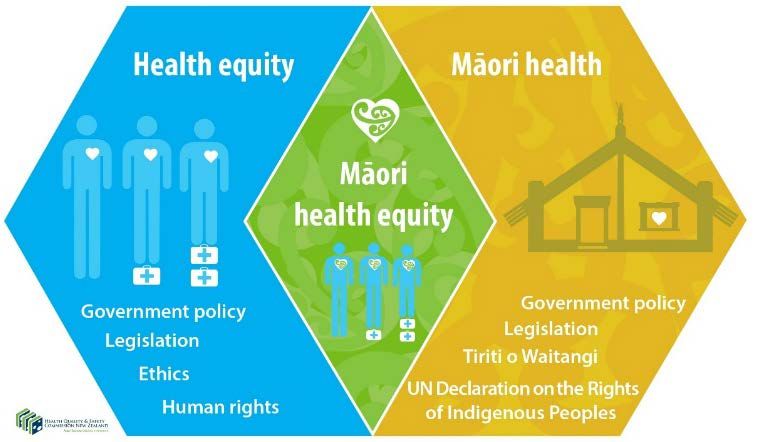
Contents
Introduction                                                                       1
  Background                                                                       1
  Te Tiriti o Waitangi                                                             2
  A system approach                                                                3
  Discovery phase methods                                                          4

A definition of equity                                                             7

Māori health and equity                                                            9

Overarching system issues                                                         11
  Social and economic determinants                                                12

A strategy for achieving equity                                                   14
  An open programme approach                                                      15
  Partnerships                                                                    15
  Communications                                                                  16

Pacific health and equity                                                         17

Accountability and monitoring                                                     18

Commissioning of services                                                         19
  People/whānau-centred services                                                  19
  Incentive structures in the current commissioning system                        19
  Organisation of commissioning                                                   20

Data, analytics and insights                                                      21

Community capacity-building                                                      23

Workforce                                                                        24

Next steps                                                                       25

References                                                                       26

                         ACHIEVING EQUITY IN HEALTH OUTCOMES: SUMMARY OF A DISCOVERY PROCESS   iii
List of Figures
Figure 1: Life expectancy at birth, by gender, Māori and non-Māori, 1951–2013 2
Figure 2: Supporting Māori health aspirations and equitable health outcomes 3
Figure 3: Strategic framework for achieving equity in health and wellness 6
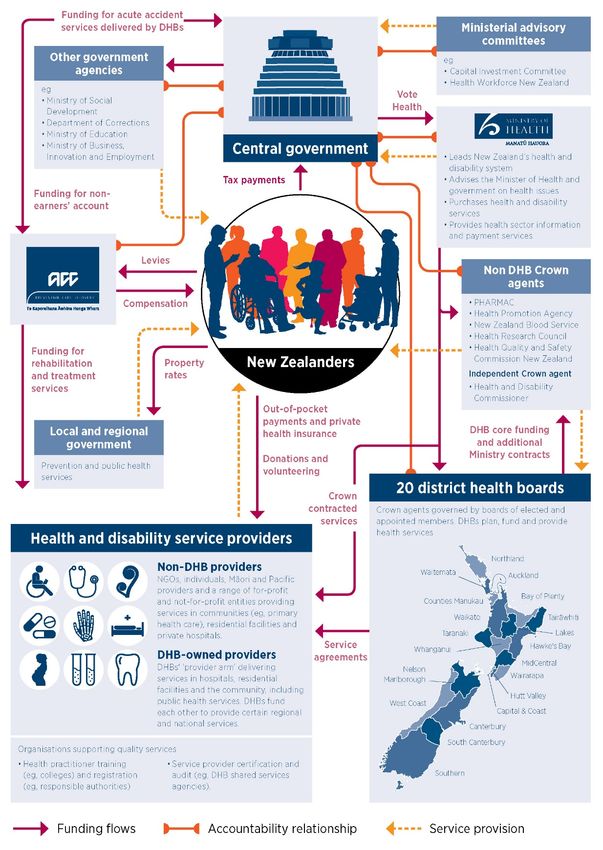
Figure 4: The New Zealand health and disability system 13
Having a common understanding of equity is an essential foundation for
coordinated and collaborative effort to achieve equity in health and wellness.
The definition of equity used in this report is:
In Aotearoa New Zealand, people have differences in health that are not only
avoidable but unfair and unjust. Equity recognises different people with
different levels of advantage require different approaches and resources to
get equitable health outcomes.
For more information on how we arrived at this definition please see page 7.
iv ACHIEVING EQUITY IN HEALTH OUTCOMES: SUMMARY OF A DISCOVERY PROCESSIntroduction
In 2018, the Ministry of Health initiated a work programme on achieving equity in
health outcomes. Specifically, this programme aims to ensure that equity is at the heart
of the way New Zealand’s health and disability system operates and to promote the
cultural shift needed to achieve that.
This report provides a brief summary of phase one of the Achieving Equity Work
Programme: The Discovery Phase. The aim of the discovery phase was to identify
where practical and coordinated effort could be undertaken to achieve a measurable
shift in health equity in the next three to five years. Through an examination of the
literature; a review of evidence; and consideration of what people said needs to be
tackled in the health and disability system, common challenges and opportunities for
achieving health equity in Aotearoa/New Zealand have been explored.
This report is a condensed summary, rather than a record of all the points canvassed or
discussed. Further information on the methods employed in this phase can be found in
the ‘Discovery phase methods’ section below.
The insights gained through this phase of the achieving equity work programme
contribute to a shared understanding of challenges facing the health and disability
system in addressing health equity. These in turn highlight opportunities for further
collaboration and coordinated practical action.
The next phase of the equity work programme will ‘The ‘inverse care law’
support an integrated collaborative whole of system states the availability of
approach to achieving equity. The next phase will health care varies
increasingly respond to the health aspirations of Māori inversely with the
in accordance with our obligations under Te Tiriti o population’s need for it; in
Waitangi (the Treaty of Waitangi) and will focus on the effect, those most in need
matters raised in the Waitangi Tribunal’s recent report of health care have the
on Stage One of the Health Services and Outcomes least access to it.’
Kaupapa Inquiry (Waitangi Tribunal, 2019a). Hart 1971
Background
Addressing equity has a long history in health in Aotearoa/New Zealand and
internationally. The concept of health equity was strongly endorsed by participants in
the World Health Organisations (WHO) Conference on Primary Health Care in Alma-
Ata in 1978 ( WHO 1978). In the years following the Alma-Ata conference, the WHO
has undertaken several global initiatives to focus the attention of governments on
health equity. Academics, clinicians and health and policy researchers in New Zealand,
have written about health equity or health inequalities for almost four decades. While
there have been specific initiatives to address health inequities and incremental
improvement in reducing health disparities, avoidable differences in access to and
experience of health care and health outcomes between groups of people remain.
Many Māori remain significantly under-served by the health and disability system.
ACHIEVING EQUITY IN HEALTH OUTCOMES: SUMMARY OF A DISCOVERY PROCESS 1Pacific people and people living in low socioeconomic neighbourhoods also remain in
the most disadvantaged groups.
Health and wellness exist in a complex system. To a certain extent, they depend on
factors a health and disability system is able to control, but they are also impacted by
the various social, economic and behavioural determinants of health. In the almost two
decades since the Public Health and Disability Act 2000 explicitly made removing
inequalities an objective of district health boards (DHBs), we have made some progress
but there is still much to do. One of the most obvious examples of this is the clear
discrepancies in life expectancy at birth for various population groups, as Figure 1
shows.
Figure 1: Life expectancy at birth, by gender, Māori and non-Māori, 1951–2013 1
Source: Ministry of Health 2018a
The Ministry has committed to ‘delivering the Government’s goals of a strong public
health care system and improved and more equitable outcomes for New Zealanders’
(Ministry of Health 2018b). The Ministry is now integrating a focus on achieving equity
in health and wellness across its work programme and sector accountabilities. It has
charged its new executive-led Outcomes and Equity Committee with governing
ongoing efforts in this area. The Committee’s role includes oversight, accountability
and key decision-making in terms of the equity and outcomes components of the
Ministry’s stewardship role at a system and organisational level (Ministry of Health
2018c).
Te Tiriti o Waitangi
Te Tiriti o Waitangi (the Treaty of Waitangi) provides an imperative for the Crown to
protect and promote the health of Māori. For the purposes of this document, the
1
Adjusted life expectancy estimates for Māori 1980-1999 use estimates from the New Zealand Census –
Mortality Study (NZCMS) graphed at the mid-point of each time period. From 2001, adjusted estimates
are close to unadjusted.
2 ACHIEVING EQUITY IN HEALTH OUTCOMES: SUMMARY OF A DISCOVERY PROCESSCrown has a responsibility to respond to Māori health aspirations and meet Māori
health need. Figure 2 reproduces a diagram developed by the Health Quality & Safety
Commission. It is a useful depiction of the interrelationship between these two
responsibilities.
Figure 2: Supporting Māori health aspirations and equitable health outcomes
Responding to Māori health aspirations is Te Tiriti o Waitangi obligation and includes
achieving equity for Māori. Within a Te Tiriti o Waitangi framework, delivering on the
rights and needs of Māori people is essential, given that Māori have the poorest overall
health status and are significantly disadvantaged in terms of health inequities. In
preparatory material for Wai 2575, the Waitangi Tribunal’s researcher notes that:
In spite of greater Crown awareness of Māori health issues in more recent years,
a number of Tribunals have also continued to note the continuing poor health
outcomes for Māori into recent times and the persistent disparities between
Māori and non-Māori, which the Tribunal Ko Aotearoa Tenei report described as
a ‘modern Māori health crisis’. The Tauranga Moana Tribunal also found that
persistent disparity between Māori and non-Māori health outcomes ‘indicates a
failure of active protection by the Crown’ and this failure was a breach of the
principle of active protection’. (Crocker 2018).
The Ministry of Health has made explicit its commitment to honouring the Crown’s
special relationship with Māori under Te Tiriti o Waitangi. The Ministry’s Statement of
Strategic Expectations (Ministry of Health 2017a) outlines the Ministry’s undertaking to
actively meet its Te Tiriti o Waitangi obligations, including reducing health disparities
for Māori. This commitment is also reflected in the Minister of Health’s recent letter of
expectations to DHBs (Clark 2018).
A system approach
Turning the tide in terms of health equity and meeting the Crown’s obligations to Māori
under Te Tiriti o Waitangi will require the health and disability system to create a
significant cultural shift and effect fundamental system change. Specifically, it will require:
• focusing effort within current policy settings and service delivery on achieving equity
ACHIEVING EQUITY IN HEALTH OUTCOMES: SUMMARY OF A DISCOVERY PROCESS 3• undertaking continuous innovation and change, guided by a deeper understanding
of equity gaps
• identifying where priorities for investment of time and resources lie, followed by
increasingly directing action towards addressing inequities
• adopting a shared responsibility for equity.
While achieving equity for Māori, Pacific and low-income populations is a priority,
addressing policy and service barriers that cause inequities will benefit a range of
groups that suffer inequities in health outcomes. This includes specific groups in terms
of ethnicity, gender identity, sexual orientation, age, geographic isolation, disability
status and combinations of these various factors.
Discovery phase methods
Using evidence from a literature scan (Ministry of Health 2018d) data and analytics,
and knowledge of the system, the Ministry created a draft framework for thinking
about achieving equity (see Figure 3 on the next page for the updated framework). The
framework included a draft definition of ‘equity’ in the context of the New Zealand
health and disability system (see the next section). We used this framework as the basis
of subsequent dialogue with a wide variety of people and groups to test thinking.
We decided to take a conversational approach to this discovery phase, rather than
following a set process of large hui or formal advisory groups. Working with the CEO of
Waitemata DHB in a co-sponsor relationship, we sought to understand the
perspectives of different people within the system, and the challenges in different
contexts, in an effort to find opportunities for improvement. This process included
discussions with:
• Māori thought leaders
• Pacific thought leaders
• researchers in the health and disability sector
• our colleagues within the Ministry
• our colleagues across other health sector agencies
• our colleagues at the Treasury
• Māori and Pacific community providers
• various sector advocacy groups
• representatives of clinical groups.
We sought the opinions of these people and groups through a number of questions:
• Change for equity is occurring slowly in the health and disability system. What
would it take to achieve health equity in a more timely manner?
• If we were to aim to achieve health equity within 20 years, particularly for Māori and
Pacific people, what are the vital conditions in the health and disability system that
need to be present now? How can we make a measurable impact in the next three
to five years?
4 ACHIEVING EQUITY IN HEALTH OUTCOMES: SUMMARY OF A DISCOVERY PROCESS• With a view to achieving equity, where should we invest, to address gaps in our
health policy, systems, services, research and knowledge about achieving equity?
ACHIEVING EQUITY IN HEALTH OUTCOMES: SUMMARY OF A DISCOVERY PROCESS 5Figure 3: Strategic framework for achieving equity in health and wellness
Mandate It is a priority for the government to deliver equitable health outcomes for all New Zealanders
Definition In Aotearoa New Zealand, people have differences in health that are not only avoidable but unfair and unjust. Equity recognises different people with
different levels of advantage require different approaches and resources to get equitable health outcomes
Te Tiriti o Waitangi With Te Tiriti as the foundation, prioritisation for Māori is an imperative A Hauora Māori competent
workforce
Core principles Tackling wider social determinants The inclusion of equity in Enabling people to become A competent workforce that is
to influence and reshape the health definitions of quality improvement powerful agents of their own connected to communities with
system to be more equitable and excellent performance change health inequities
New Zealand health A people-centred system not a practitioner- Value and high performance means striving for Providing services closer to home includes having
strategy alignment centred system equitable health outcomes for groups that are well-designed and integrated pathways for the
disadvantaged so they experience a clear lift in journeys people take through our health system
health outcomes
Vision for the future We will be successful when we have a system that delivers the same high-quality health outcomes and wellness for all people to reach their full potential
no matter where they live, what they have or who they are
Leadership Achieving equity requires transformative leadership to partner and drive change at all levels of the system
Greater coherence Understanding and responding to the complex health, cultural, economic, social and political conditions that affect health inequities requires cross-
across the system government, sector and community collaboration
Shift in strategy – action Action: A shift from a broad and imprecise approach to evidence-informed Accountability: A shift from aspirational equity goals and ‘soft leadership’
and accountability and coordinated effort, including defined priorities using a ‘start small, to explicit ownership, leadership and accountability at all levels across the
think big, move fast approach’ health system. Improved performance for priority populations will be
demonstrated by targets, measures, monitoring and reporting of outcomes
Approach – key themes 1 Build understanding of equity problems through smart data, analytics , research and rich insight that is multifaceted
2 Work with sector partners to optimise system performance making equity improvements transparent
3 Foster innovation, trial and evaluate the responsiveness of services, including through smart commissioning, resourcing, service design and
partnerships
4 Weave an equity focus into the operational landscape through an integrated ‘one plan, one team’
5 Facilitate an equity focus across Government’s strategic priorities such as child wellbeing, mental wellbeing and primary health care
6 ACHIEVING EQUITY IN HEALTH OUTCOMES: SUMMARY OF A DISCOVERY PROCESSA definition of equity
The Ministry set out to define ‘equity’ for the New Zealand health system context. We
wanted the definition to be inclusive enough to incorporate all possible dimensions of
equity (indigenous, socioeconomic, geographic, etc), while being grounded in a Māori
world view; in the literature, especially Whitehead’s seminal 1991 paper (Whitehead
1991); and in the international context, especially the work of the World Health
Organization (WHO) (WHO 2019). 2 Many discussions started with testing the definition
for its effectiveness in terms of creating a common understanding of ‘equity’. Feedback
was incorporated to arrive at a final version.
The Ministry’s definition is as follows:
In Aotearoa New Zealand, people have differences in health that are not only
avoidable but unfair and unjust. Equity recognises different people with different
levels of advantage require different approaches and resources to get equitable
health outcomes.
People involved in discussions liked the broad applicability of the definition, and its
focus on health outcomes. They noted the links the definition has to the more detailed
definition published by WHO (2019), and to definitions within the literature. They
agreed with the concepts of unfair, unjust and avoidable, acknowledging that these
concepts are reflected in legislation, social justice concepts, Te Tiriti and New Zealand’s
international obligations. These concepts set an expectation for government to address
equity actively.
The second sentence generated the most discussion; with conversations about the
choice of ‘people’ rather than ‘populations’, the use of ‘advantage’ rather than
‘disadvantage’ and the use of ‘equitable health outcomes’ rather than ‘same health
outcomes’. In terms of the choice between ‘people’ and ‘populations’, we note that
there is a general understanding that measuring equity is dependent on defining
populations and providing disaggregated information and comparisons. While
acknowledging this, we ultimately decided that ‘people’ was a more inclusive term.
2
The WHO defines equity as follows:
‘Equity is the absence of avoidable or remediable differences among groups of people, whether those
groups are defined socially, economically, demographically, or geographically. Health inequities
therefore involve more than inequality with respect to health determinants, access to the resources
needed to improve and maintain health or health outcomes. They also entail a failure to avoid or
overcome inequalities that infringe on fairness and human rights norms.
Reducing health inequities is important because health is a fundamental human right and its
progressive realisation will eliminate inequalities that result from differences in health status (such as
disease or disability) in the opportunity to enjoy life and pursue one’s life plans.
A characteristic common to groups that experience health inequities – such as poor or marginalized
persons, racial and ethnic minorities, and women – is lack of political, social or economic power. Thus,
to be effective and sustainable, interventions that aim to redress inequities must typically go beyond
remedying a particular health inequality and also help empower the group in question through systemic
changes, such as law reform or changes in economic or social relationships.’ (WHO 2019)
ACHIEVING EQUITY IN HEALTH OUTCOMES: SUMMARY OF A DISCOVERY PROCESS 7Our discussions about whether to use ‘advantage’ or ‘disadvantage’ in the definition
focused on the Ministry’s desire not to take a deficit approach to achieving equity.
People we spoke with generally agreed that to achieve equity we need to take a rights-
based approach, grounded in the Treaty and international conventions, rather than a
disparities-based approach. While some people expressed concern that using the word
‘advantage’ could potentially normalise different levels of advantage, others noted that
it was important not to use ‘disadvantage,’ which could be interpreted as a
characterisation of people rather than the system disadvantaging people. A strong
feeling was the need to recognise the impacts of history, colonisation, racism,
discrimination and the social and economic determinants of health. The definition as it
stands encompasses the important concept that people with different needs require
different levels of resources. The concept of different levels of advantage captures the
impacts of the broader social and economic determinants of health.
The Ministry agreed with the people who stressed that the goal needs to be achieving
equitable outcomes, not just the same set of outcomes for everybody. At the same
time, the Ministry acknowledges the need to move beyond a view of health outcomes
alone to a concept of overall wellbeing with health as an important enabler of overall
wellbeing.
For more information and discussion on the history of thinking about equity, both in
New Zealand and internationally, see our report ‘Achieving Equity in Health Outcomes:
Highlights of important national and international papers’ (Ministry of Health 2018d).
The Ministry formally adopted the definition of equity in February 2019; this is an
important step towards achieving our aims. The health sector has started to use this
definition. The Ministry has included it within its Operational Policy Framework, the set
of business rules, policies and guideline principles that outline the operating functions
of DHBs, for the 2019/20 year (Ministry of Health 2019).
8 ACHIEVING EQUITY IN HEALTH OUTCOMES: SUMMARY OF A DISCOVERY PROCESSMāori health and equity
Wai 2575 is the Waitangi Tribunal’s Kaupapa
Inquiry into Health Services and Outcomes, ‘Equity is a priority for
currently under way (Waitangi Tribunal, 2019b). Māori and Treaty literacy is
Claimants in the first stage of the Kaupapa Inquiry more of a dripping tap,
focused on the Crown’s failure to provide primary rather than an everyday
health care to Māori consistent with the principles norm.’
of Te Tiriti o Waitangi. The claimants assert that
Māori academics and
primary health care is not sufficiently contributing
to the achievement of health equity for Māori and thought leaders hui
as a result, Māori continue to experience
significantly worse health outcomes than non-Māori.
The conversation in the Kaupapa Inquiry reflects a sense of urgency to address health
inequities and advance Māori health aspirations within the Māori–Crown Treaty
partnership (Ministry of Health 2018e). We noticed this sense of urgency in many of
the discussions we had with stakeholders, along with calls to give Māori more say and
more authority in organising their health services.
People the Ministry talked to expressed their sense of strong sector ownership of the
goals contained in the Māori health strategy, He Korowai Oranga (Ministry of Health
2018f), but there is impatience with the speed and effectiveness at which the system is
implementing those goals.
Typical recommendations for advancing Māori health aspirations included:
• greater Māori representation in decision-making
• greater recognition and promotion of Māori leaders, including within influential
decision-making positions
• greater flexibility in governance, policy and service delivery arrangements, allowing
more autonomy and ability to move at pace
• better and more regular reporting of trend data showing progress towards reducing
differences in health equity for Māori
• tailored and holistic models of health and wellness that work for Māori.
Almost unanimously, stakeholder discussions, and not just within Māori groups,
mentioned equity for Māori as the critical priority. Also almost unanimous was the view
that no one solution will be effective in fixing long-standing inequities and persistent
breaches of Treaty obligations. Māori identity, language and culture are essential
ingredients in a system that works for Māori. Institutional racism was commonly
mentioned as a root cause of the system’s failure to work for Māori.
Stakeholders the Ministry talked with were philosophical about the deeply entrenched
system challenges. Many wondered what could practically be done, given the inherent
difficulty of changing an evolving and complex system. People expressed the desire for
an incrementally radical and progressive change approach, under which resources and
ownership is increasingly devolved to Māori and championed by everyone in the
system.
ACHIEVING EQUITY IN HEALTH OUTCOMES: SUMMARY OF A DISCOVERY PROCESS 9Groups we spoke with that are prominent in the Wai 2575 Kaupapa Inquiry felt that
part of their mandate is to hold the Ministry and Minister to account for equity failures
for Māori. They are keen to see ongoing dialogue kept at a system level, and
discussion focused on a critique of the big system levers.
Other stakeholders told the Ministry that DHB accountability and funding
arrangements are not sufficiently focused on health equity for Māori, and that people
and organisations have not been effectively held to account for failures to achieve
equity for Māori. These stakeholders told us that DHB accountabilities and
expectations arrangements need to improve, to create a significant shift in DHB
performance for Māori. This could be achieved through improved understanding of the
issues and coherent systems, standards and guidance that advance a Te Tiriti o
Waitangi and equity agenda for Māori across DHBs.
A common theme was the need for an effective workforce strategy that creates a Māori
workforce matched to need, and not just to population. Stakeholders talked about
more effective infrastructure, with incentives to increase the cultural competency of the
overall workforce, combined with an increased commitment to kaupapa Māori service
provision.
A strong theme was the need to capitalise on opportunities for change from the
ground up, by empowering iwi and Māori communities to develop solutions that work
for them and make use of their knowledge. Such solutions are required not just in the
health arena, but across the social and economic spectrum. Implementing them will
involve acknowledging and addressing both historic determinants of inequity and
contemporary issues, such as the impact of racism. Tackling the social determinants of
health and interrupting inequities for Māori, stakeholders considered, would require a
commitment to collaborative, constructive action across the health, education, housing,
social and income sectors, jointly owned by the respective agencies and Māori
themselves. They considered that this was the case for Māori more so than for any
other group, taking into account both historical and contemporary Treaty breaches.
Making real improvements to wellbeing is a particular priority for the Government, and
the wellbeing of Māori is a focus of Budget 2019.
The Māori stakeholders the Ministry spoke to demonstrated a healthy balance of
optimism and caution, and voiced an acknowledgement that a long-term investment in
creating public value is required. Some mentioned the potential for public backlash
around ‘affirmative treatment’ and called for non-Māori leaders (such as chief
scientists, business leaders etc) to write, report and publicly comment on the costs of
inequity and the impact of unfairness. Overall, we found that people have the heart for
change but are pragmatic about what can meaningfully be accomplished, given the
long-standing historical and system issues, diverse views and changing contexts that
make up the background against which achieving health equity for Māori sits.
10 ACHIEVING EQUITY IN HEALTH OUTCOMES: SUMMARY OF A DISCOVERY PROCESSOverarching system
issues
The aim to achieve health equity for Māori and meet Te Tiriti o Waitangi obligations
sits within a broader context. To effect meaningful change, a common understanding
of the big system issues is needed, and of what it will take to address them.
Stakeholders regularly identified changes to big system levers and leadership
commensurate with the challenge as a core priority.
People raised the need for a commonly understood rights-based approach, based on
Te Tiriti o Waitangi, United Nations declarations and the existing legislation. They
called for a clear understanding of why things are the way they are. Some mentioned
the need to address particular issues, such as the intergenerational impact of
embedded racism on social outcomes, and the need to foster an understanding of the
effects of cumulative overlapping disadvantage.
In tackling inequity, people stressed the importance of including all aspects of the
health and disability system, as well as understanding how current structures
exacerbate inequities. Access barriers, quality issues, staff training and competency
issues, the inequitable distribution of effort and resources, and a limited focus on
holistic wellness within a culturally adaptive framework create obstacles to achieving
equity.
Most stakeholders expressed concern that the strategies that currently guide and
shape the sector, and the current core funding mechanisms, often have holes where
equity is concerned. These holes include a poor understanding of unmet need,
fragmented funding, siloed organisations and perverse incentives in contracting. In
addition, some felt that current monitoring and evaluation frameworks do not
meaningfully recognise or incentivise changes to achieve equity.
To move forward, groups we spoke with expressed a need to more effectively facilitate
Māori access to services that work for them, and Māori involvement or leadership in
developing and operating those services. This is critical to improving Māori health
outcomes.
Figure 4 on page 13 presents a view of the health and disability system. We present it
here to provide an outline of the complex nature of the health and disability system.
ACHIEVING EQUITY IN HEALTH OUTCOMES: SUMMARY OF A DISCOVERY PROCESS 11Social and economic determinants
Addressing the social and economic determinants of
health and wellbeing was recognised as an essential ‘Health is the indicator for
factor in achieving equity overall; in fact, such the other social
determinants have a greater impact on people’s determinants; health needs
overall health than health and disability services do to push the other areas.’
(Ministry of Health 2018g). Health and wellness and
Meeting with Dr Camara
the various social and economic determinants are
linked in complex ways. There is general agreement Jones, past President of the
that a broad, whānau-centred/people-centred American Public Health
approach is an effective way to tackle these complex Association
interdependencies.
People the Ministry spoke with desired a whole-of-government approach to
addressing inequities in health outcomes; for example, involving simultaneous work in
the areas of housing, educational disparities and the reduction of child poverty. There
is opportunity for the health sector to take a greater leadership and advocacy role in
addressing inequities across the board, alongside other agencies, including central and
local government. Cross-agency work programmes and the Treasury’s Living Standards
Framework (The Treasury 2018) are significant enablers in this regard. In its own work
on achieving equity, it will be important for the Ministry of Health to work closely with
the Treasury and other agencies to influence the Living Standards Framework and
adapt and apply it for health contexts.
12 ACHIEVING EQUITY IN HEALTH OUTCOMES: SUMMARY OF A DISCOVERY PROCESSFigure 4: The New Zealand health and disability system
Source: Ministry of Health 2017b, with a correction adding the missing accountability relationship between
central government and District Health Boards (DHBs).
ACHIEVING EQUITY IN HEALTH OUTCOMES: SUMMARY OF A DISCOVERY PROCESS 13A strategy for achieving
equity
In the Ministry’s dialogue with stakeholders, we asked them to consider the next steps,
so that the Ministry could start to form an idea about what an overall approach for
achieving equity might look like.
People the Ministry talked to acknowledged the significant amount of knowledge and
evidence on achieving equity that already exists, in the form of research and epidemiology.
They also acknowledged the strategic direction set out in He Korowai Oranga: the Māori
Health Strategy (Ministry of Health 2018f), ’Ala Mo’ui: Pathways to Pacific Health and
Wellbeing (Ministry of Health 2014), the New Zealand Health Strategy (Ministry of Health
2016) and the New Zealand Disability Strategy (Office for Disability Issues 2016).
Furthermore, we note that there is work occurring across government to address long-
standing issues to do with the social and economic determinants of health. For example,
the Social Wellbeing Committee is made up of public service chief executives, and focuses
on the Government’s child and youth wellbeing strategy (Department of the Prime
Minister and Cabinet 2019).
There is a strong desire to supplement current knowledge with more disaggregated
and nuanced information on groups who have poorer health outcomes. People
expressed a need for fresh insights about the lived experiences of vulnerable and
disadvantaged groups, including a greater understanding of their world views.
Important strategic challenges include:
• advancing the aspirations of iwi and Māori, based on unique Treaty obligations, while
meeting the equity needs of the Māori population and other population groups who
experience significant inequitable health outcomes (such as Pacific peoples)
• creating a space to meaningfully address racism and discrimination in all its forms
• creating responsive organisations that meet minimum standards for being focused
on equity; for example, by ensuring that equity considerations and Treaty
obligations are first principles in policy analysis and decision-making
• ensuring that leaders and managers take responsibility for addressing equity; for
example by articulating expectations and implementing standards
• ensuring that decision-making takes place as close to communities as possible, and
that no group (however defined) is left behind
• ensuring that actions taken to address inequities are timely, effective, pragmatic and
based on robust evidence and change methodologies (stakeholders mentioned the
concepts of change science, dissonance and incremental radicalism)
• increasing responsible reporting of improvement over time, with the right mix of
incentives and sanctions
• making better use of data and analytics to predict outcomes and intervene early, to
better target resources
14 ACHIEVING EQUITY IN HEALTH OUTCOMES: SUMMARY OF A DISCOVERY PROCESS• developing approaches that foster collective and collaborative responsibility to
meaningfully tackle the social and economic determinants of health.
To achieve an overall strategy for achieving equity,
leadership needs to be present and effective, from the ‘Good leaders don’t
top of the system and all the way through it. People stay in their offices,
said that, in terms of equity, effective leaders should: they get on the floor,
• have a clear vision for equity stay connected to their
communities.’
• create meaningful partnerships, including with
community leaders and providers Pacific health provider
• manage the risks of the perception of special
treatment, and champion explicit messages concerning fairness and the use of
particular resources and approaches
• ensure action is meaningful and aligned with other agencies, and not tokenism.
Some people noted that the Ministry had a key stewardship role in terms of ensuring
effective leadership for equity.
The Health and Disability System Review has a focus on creating a system that is equity
geared, rather than just committed to addressing inequities (Health and Disability
System Review, 2019). This is an essential foundation for building the appropriate
structural architecture for the system.
An open programme approach
In general, people the Ministry spoke to widely supported an active, flexible and open
programme approach to achieving equity. The term ‘open programme’ means not
being rigid, slow to act or tied to narrow terms of reference. The challenge in achieving
equity is in enabling shared ownership and leadership that allows work to be dynamic
and move at pace across sectoral, organisational and professional boundaries. This is
to ensure that everyone in the system is both acting in their direct sphere of influence
and galvanising change across the board. Equity must become everyone’s business.
The Ministry’s recently established Outcomes and Equity Committee (Ministry of Health
2018c) is prioritising the achievement of long-term gains in the complex health
environment. Its challenge is to enable potentially disruptive change and
reprioritisation while maintaining people’s trust, supported by meaningful evaluation
and insights.
Partnerships
People we spoke to noted that meaningful relationships would be a critical enabler in
achieving equity; particularly partnerships and relationships with iwi and Māori.
Discussion on partnerships and relationships focused on the need for relational trust
with stakeholders and communities, across the health and disability system and
outwards to areas that impact health. Challenges achieving such relationships include:
ACHIEVING EQUITY IN HEALTH OUTCOMES: SUMMARY OF A DISCOVERY PROCESS 15• intergenerational mistrust due to past experiences, particularly among the most
disadvantaged groups
• a general willingness to do something different, but a perceived lack of permission
to do things differently
• an uncertainty within some providers that serve Māori and Pacific communities
about who to engage with ‘in the system’, and how to engage.
Communications
People the Ministry spoke to expressed a desire for communications concerning equity
to be tailored to the communities they targeted, and for messages directed towards
the public at large to be carefully considered, particularly to address risks of a backlash.
Communication tools will need to be used effectively, to avoid misrepresentation and
to create a common story of how we collectively are making progress, in a narrative
that highlights public value.
As a first step in terms of communications, the Ministry has been disseminating our
definition of ‘equity’ (see Introduction above), and explaining why the ‘equity lens’ is so
important. It is also working on the development of videos and other resources that
succinctly communicate the concept of health equity.
We are working to create an equity narrative that recognises that different audiences
and contexts will require different information. Key messages on equity will foster
dialogue, inform, educate and exemplify equity in action. Digital platforms also offer an
opportunity to connect people, and to deliver messages in innovative ways.
16 ACHIEVING EQUITY IN HEALTH OUTCOMES: SUMMARY OF A DISCOVERY PROCESSPacific health and
equity
’Ala Mo’ui: Pathways to Pacific Health and Wellbeing (Ministry of Health 2014)
articulates the Ministry’s priorities in terms of achieving equity for Pacific peoples. The
strategic action plan has the backing of the Pacific community. The Ministry is currently
developing a refreshed set of aims in its strategic action plan.
To fully achieve health equity for Pacific peoples, stakeholders desired:
• better understanding of the different and changing needs and intersectionality of
diverse Pacific populations
• better data and analytics, to understand the aggregates of Pacific communities that
mask inequities
• coordinated and well-resourced action, informed by ’Ala Mo’ui, based on
meaningful partnerships with Pacific leaders and involving diverse communities
• a culturally competent workforce, and strengthened Pacific workforce in particular
• the design of policy, service delivery and measures of success that reflect Pacific
epistemologies
• the opportunity to make the most of the knowledge and ideas of recognised Pacific
leaders.
People we talked to noted that, in this context, we
‘The increasing diversity
need to scale up and invest in innovation, particularly
of Pacific populations
where Pacific initiatives are showing promising gains
in reducing differences in health for Pacific means we need to be
communities. Some expressed a concern that the forecasting to understand
Government was generally reactive to Pacific equity Pacific needs.’
issues, rather than proactive. Pacific academics and
thought leaders fono
ACHIEVING EQUITY IN HEALTH OUTCOMES: SUMMARY OF A DISCOVERY PROCESS 17Accountability and
monitoring
Accountability and monitoring levers within the health and disability system are key to
achieving equity. Stakeholders argued strongly for every part of the health and
disability system to be accountable for achieving equity. A common theme of the
discussions we undertook in this discovery phase was that equity needs to be
embedded in all aspects of the system’s accountability framework, from long-term
strategic planning to short-term key performance indicators.
In addition, people felt a focused and collective approach to equity across government
is needed, to address the most challenging issues, and those that are beyond the remit
of any individual agency. People talked about an accountability and monitoring
approach that is people-centred, integrated and enduring.
People expressed a strong desire for a range of long-term measures that address
equity with a clear idea of what ‘good’ is. These measures would be supported by
ensuring that we apply an equity lens and a strong performance story outlining
progress to all targets and measures within the health system. The Ministry is currently
working on a measurement framework that incorporates these factors. This process is
informed by literature that identifies good practice measurement to improve equity.
In discussions, people acknowledged the impact targets can have on system behaviour,
but noted that they could also have perverse incentives. People generally preferred the
idea of a broader improvement focus entailing leadership accountability and effective
governance, rather than hard measures. Some held up the System Level Measures
(SLM) programme as good practice (Ministry of Health 2018h). For health
measurements to have a positive effect on equity, the system will need to reward
providers for doing meaningful work to improve health equity, and support those that
are struggling, particularly if they are serving disadvantaged populations.
A strong overall theme, also evidenced in the Wai 2575
‘Everyone must be Kaupapa Inquiry, is that inaction to meaningfully reduce
accountable for inequities, particularly for Māori, is not acceptable. In
coming up to speed.’ making this point, people referred to the Ministry, as
Māori academics and steward of the system and to DHBs as providers and
thought leaders Hui commissioners of services. They noted that currently,
there are no real sanctions for failing to achieve equity.
18 ACHIEVING EQUITY IN HEALTH OUTCOMES: SUMMARY OF A DISCOVERY PROCESSCommissioning of
services
Unsurprisingly, the topic of commissioning of services generated considerable
discussion in the engagement process we undertook.
People/whānau-centred services
People expressed a strong belief that services should be focused on and meet the
needs of the diverse groups of people they are there to serve. To achieve our aims in
terms of health equity, it is essential that we create services in partnership with the
people and communities that are currently marginalised or missing out altogether.
People noted that Māori, in particular, wanted to have a greater role in service
commissioning.
Components of people/whānau-centred services include:
‘Provide end-to-end
• recognising different world views
services to make it
• holistic service models and locations that are easy for easier for clients to
people to access access and benefit
• service times that fit with people’s lives from health services.’
• recognition of people’s lived experience, and the Māori health provider
ecosystems in which people live, work and belong.
These factors are significant contributors to people’s health status, and their ability to
achieve wellness. There was a call for a much stronger focus on wellness in community-
based health care, and the resources necessary to achieve that, rather than sickness in
hospital-based settings.
Incentive structures in the current
commissioning system
People felt that the incentive structures embedded in the current commissioning
system include funding formulas that reward existing service patterns, are biased
towards a Western medical world view and do not recognise unmet need. In addition,
people found fault with the short-term, single-issue contracting that characterises the
current system, and its low-trust, high-compliance, frequent-audit approach to contract
management. They considered that the system is not geared up to support innovation
aimed at reducing inequities at a systemic level, or to evolve to equalise outcomes for
high-needs communities. In addition, there are limited sanctions for not meeting
ACHIEVING EQUITY IN HEALTH OUTCOMES: SUMMARY OF A DISCOVERY PROCESS 19unmet need, or incentives to find out where unmet need may lie. Māori health
providers reported having to compete with DHBs’ provider arms for funds and
attention from DHBs.
To achieve equity, an authorising environment that incentivises a long-term, evidence-
informed view of the whole patient journey is needed, and the sector must provide
‘whole-of-life’ care adapted to local needs. In addition, the commissioning system
needs to take a broader view, beyond just health. People we spoke to widely supported
the holistic view of the Whānau Ora approach (Te Puni Kōkiri 2019), and saw it as an
example of how we can direct resources towards wellbeing in the context of
addressing the wider social and economic determinants of health.
Organisation of commissioning
In discussing how we could reorganise
The stepped mental health commissioning across the system, and some of
service models that work for the challenges we face in this regard, the overall
Māori and Pacific youth need preference of the people the Ministry spoke to
to be upscaled and was for greater integration of service delivery
sustainable.’ across the system, and commissioning to support
that. This was not necessarily a ‘single provider
Pacific health and wellbeing providing all services’ style of integration, people
provider stressed. Instead, the focus would be on making
the journey as seamless as possible within
organisations, across organisations and professional boundaries, while still respecting
professional roles and accountabilities.
People’s desire was for the commissioning effort to be on where it can make the most
impact in terms of increased wellness and reduced morbidity. To achieve this, the
system will need to be resourced to a level at which it can identify and make the most
of relevant opportunities providing holistic models of care, in partnership with the
communities concerned.
People we spoke to also expressed the view that, in the current system, permissive and
safe conditions within which to innovate are lacking. People noted the Healthy Families
NZ initiative as an example of innovation and equity in action in Māori and Pacific
communities (see www.healthyfamilies.govt.nz). People raised the pressure that
efficiency brought about through standardisation can have on restricting innovation
and creativity as a challenge, along with the confusing ‘clutter’ of providers and
services that current fragmented commissioning practices create.
20 ACHIEVING EQUITY IN HEALTH OUTCOMES: SUMMARY OF A DISCOVERY PROCESSData, analytics and
insights
‘We need to combine analytics with
Data, analytics and insights are critical tools
the lived experiences of services
in achieving equity in health outcomes.
They have an essential role in supporting users, to design interventions that
research into actions that can potentially will make a difference.’
address inequities and the evaluation of Māori and pacific nurses hui
new and existing programmes and services.
In terms of data, the focus needs to be on building datasets that contain
multidimensional and granular information. An ability to disaggregate along
population group lines is critical. For example, data needs to be able to shed light on
dimensions including:
• iwi classifications
• people’s disability status
• people’s location
• social and economic deprivation
• consistent ethnicity classification data protocols.
People called for more routine publication of outcomes, behavioural risk factors and
quality-of-life data, as well as the current administrative data sets. They also mentioned
the need to link data across the broader government sector, to foster an
understanding of the impact of the different determinants of health and wellbeing; this
is possible through Statistics New Zealand’s Integrated Data Infrastructure (StatsNZ
2019). One key enabler for good analytics on equity is a set of complete, accessible and
relevant population data, especially at the sub-DHB level, and for the purpose of more
granular ethnicity breakdowns.
In terms of analytics, considerations that people thought were relevant included:
• the importance of reporting trends over time
• the ability to look at data from a patient journey perspective
• access to insightful information about whānau from across systems, sectors and
agencies.
Furthermore, analytics output needs to be accessible to partners and stakeholders, and
presented in a way that non-technical people can make use of, where possible, while
adhering to privacy and security expectations. Some noted that current expertise to
interpret data and create meaningful stories from it is limited; we need to grow this
expertise across the health and disability system.
The areas of evaluation and consumer insight are viewed as an essential step beyond
analytics. Combining evidence and analytics with our knowledge of the lived
experiences of service users, whānau and their communities will inform the design of
interventions that work for those who currently do not trust or use health services.
ACHIEVING EQUITY IN HEALTH OUTCOMES: SUMMARY OF A DISCOVERY PROCESS 21Some promising work in this area has already begun; for example, in the area of
addressing smoking among young Māori women (Wehipeihana et al 2018).
An essential aspect of designing interventions is an understanding of the downstream
costs of inequities, and our inaction in addressing them. To achieve equity, there needs
to be an understanding of where upstream investments for sustainable change can be
made: invariably, this will be for the purpose of prevention or early intervention, and
often early in the life course. In some areas this will mean, measuring aspects that are
not currently measured, to determine the true cost of meeting and not meeting unmet
need.
22 ACHIEVING EQUITY IN HEALTH OUTCOMES: SUMMARY OF A DISCOVERY PROCESSCommunity capacity-
building
Most of the discussion on community capacity-
‘A culturally diverse and building happened within the context of Pacific and
competent workforce Māori health, given the disproportionate burden of
will require the sector health inequity these populations experience. People
capacity to build it.’ expressed a desire to align the efforts of DHBs,
primary care services and the community, and to bring
Pacific academics and the approach the Ministry take to supporting and
thought leaders fono improving Pacific and Māori health providers to
maturity.
Pacific and Māori providers want to be meaningfully involved in defining ‘quality’ for
their populations. Some people noted that the Ministry and DHBs need to broaden
their engagement approaches with Pacific communities using multiple channels; there
is currently a tendency to over-rely on engagement through churches. People noted
that Pacific communities have evolved; so have other channels for engagement. See
‘Yavu – Foundations of Pacific Engagement’ (Ministry for Pacific Peoples 2018) for more
information.
An interesting aspect that came up in the discussions was the concept of the whānau
and broader community as a ‘volunteer’ workforce, supporting the wellbeing of their
own and other individuals interacting with the health and disability system. Important
principles people mentioned included treating the whole whānau, not just the
individual, and health workers connecting meaningfully with whānau, to keep family
members well in the context of strong whānau and communities.
People the Ministry spoke to recognised the following enabling conditions for
community capacity-building among Māori and Pacific communities:
• flexible funding, to enable providers to design services to meet the needs and
aspirations of their community
• recognition of providers as part of their own communities, and therefore invested in
their communities
• service specifications and resources that recognise and fund for the magnitude of
inequities, disadvantage and size of difficulty, based on population configuration
• results-based accountability contract arrangements (Ministry of Health, 2018i) on at
least three-year cycles
• a shift in relationships and contractual arrangements, from a compliance-driven
commissioning and monitoring culture to a relational, learning and improvement
culture
• a fair playing field, on which Māori and Pacific providers have more certainty about
sustainable funding from DHBs.
People noted that the most significant change will and does already happen at the coalface.
ACHIEVING EQUITY IN HEALTH OUTCOMES: SUMMARY OF A DISCOVERY PROCESS 23Workforce
‘Grow and support
In terms of equity, a sector workforce matched to
greater Maori numbers in
need, rather than just to population proportions,
the health workforce and
remains an important aim. Given the inequitable
infrastructure to ensure
outcomes Māori and Pacific populations currently
experience, this means a health workforce in which they get qualified.’
the proportions of Māori and Pacific workers are Māori workforce
well above the population proportions of these development organisation
groups, across all levels of the workforce.
The responsiveness of the workforce was another common theme in our discussions.
People noted that the workforce needs to be genuinely culturally responsive, and not
just culturally competent or safe. It also needs to be responsive to people with
disabilities and others with diverse needs.
People acknowledged that the processes for growing tomorrow’s workforce, and for
enhancing the current workforce, are complex. These processes include protecting and
expanding scholarship programmes so that they increase the capacity of the Māori and
Pacific workforces, and ensuring that we mandate, construct and adequately resource
mechanisms for improving cultural responsiveness. Giving priority to culturally
responsive practices for and with Māori (Hauora Māori competencies) across the
workforce and support for the provision of kaupapa Māori service models were
common themes.
To create a workforce that effectively works towards health equity, the sector will need
to improve its understanding of the make-up of the workforce and its distribution
across the system; to this end, we will also require insightful data.
24 ACHIEVING EQUITY IN HEALTH OUTCOMES: SUMMARY OF A DISCOVERY PROCESSYou can also read


