ACTION PLAN Sept 2019 - Sept 2022 - aissa
←
→
Page content transcription
If your browser does not render page correctly, please read the page content below
STRETCH
RECONCILIATION
ACTION PLAN
Sept 2019 - Sept 2022
ACKNOWLEDGEMENT OF COUNTRY                                               OUR COVER
                                                                         The life giving energy of reconciliation is captured in the symbolic
                                                                         entwined ‘meeting place.’ This ‘meeting place’ is the coming together
                        Kaurna Miyurna
                                                                         of all Australians, Aboriginal and Torres Strait Islander peoples and
                         Kaurna Yarta                                    non-Aboriginal and Torres Strait Islander peoples, to create an
                           Ngadlu                                        Australian culture that acknowledges and deeply respects Australia’s
                                                                         First Peoples as a fundamental part of our identity as a nation.
                          Tampinthi
                                                                         The journey to reconciliation requires us to acknowledge past
                                                                         injustices and this is symbolised by the layered background - our
                                                                         visual representation of the many dimensions of the reconciliation
Translation Kaurna to English:
                                                                         landscape.
‘We acknowledge the Kaurna People and Kaurna Country.’
                                                                         The cover expresses our enduring goal of building strong and
The Association of Independent Schools of South Australia is             mutually beneficial relationships between the Association of
situated on Kaurna Land and we acknowledge that the Kaurna               Independent Schools of South Australia and Aboriginal and
Elders, past and present, are the Traditional Custodians of this Land.   Torres Strait Islander peoples.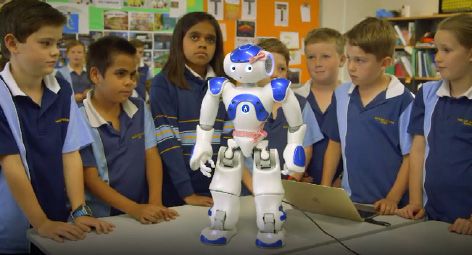
KRISTIAN DOWNING
                                 Chair of the Board

The Association of Independent Schools of South Australia (AISSA)         The AISSA is proud to have produced this Stretch Reconciliation
is built on the belief that autonomy, respect and integrity infuse all    Action Plan, which builds on the significant achievements of our
aspects of our relationships with one another and the communities         2015-2018 Innovate Reconciliation Action Plan. The actions outlined
we support.                                                               in this plan document our new level of commitment to a reconciled
                                                                          Australia.
Strengthening relationships with Aboriginal and Torres Strait Islander
peoples and learning more about their cultures, lands and histories are
important to the AISSA and our member schools. The reconciliation
journey asks the AISSA and our member schools to listen to hard
truths, learn from each other and together build a better future
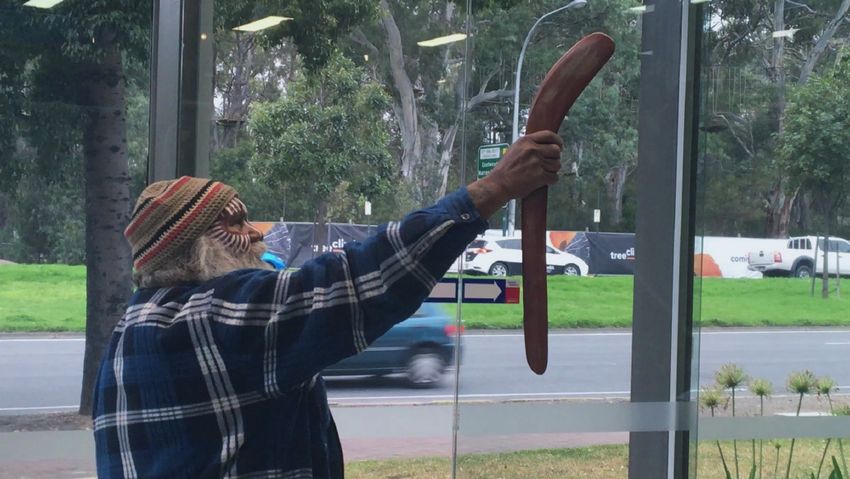
for all Australians.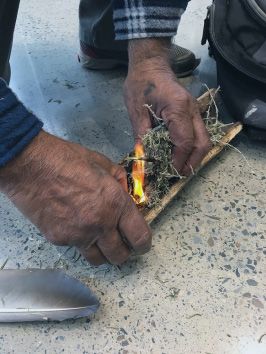
CAROLYN GRANTSKALNS
                             Chief Executive

I am delighted to share our Stretch Reconciliation Action Plan.             We look forward to a time when the aspirations of so many Australians
We began our reconciliation journey because we wanted to act with           are realised and there is true reconciliation between Australia’s First
integrity as an Australian organisation. Together, this journey has         Peoples and the broader community.
instilled in us a deep commitment to recognise Aboriginal and Torres
Strait Islander cultures as a proud part of our shared national identity.

As our knowledge of Aboriginal and Torres Strait Islander histories,
and cultures has grown, so has our commitment to reconciliation,
both as an organisation and as a community of individuals. Our
new Reconciliation Action Plan focuses on implementing within our
organisation and our sphere of influence, longer-term sustainable
strategies. In the spirit of reconciliation, we will work in close
collaboration with Aboriginal and Torres Strait Islander peoples
to achieve our goals.
schooling, career and beyond. The organisation’s Learning Together,
                                                                            Building Relationships video shows just how effective and valuable
                                                                            Aboriginal and Torres Strait Islander cultures, languages and histories
                                                                            are to the work being done by AISSA today.

                                                                            In launching its Stretch RAP, AISSA is looking to magnify the initial
                            KAREN MUNDINE                                   momentum and engagement sparked in its Innovate RAP and extend
                            Chief Executive Officer                         its reach in thoughtful and creative ways. Particularly ambitious
                                                                            is AISSA’s plan for a cross-state Aboriginal Immersion Program
Reconciliation Australia congratulates the Association of Independent
                                                                            in East Arnhem Land, in which it will impress upon educators the
Schools of South Australia (AISSA) on its continued commitment to
                                                                            myriad cultural learnings for students in visiting Australia’s remote
reconciliation, as it implements its second Reconciliation Action Plan
                                                                            communities. As the organisation continues to set the bar for
(RAP).
                                                                            reconciliation in independent schooling in South Australia, it will
Since joining the RAP community in 2015, AISSA has been an                  engage with consultants in order to keep Aboriginal and Torres Strait
exemplary model for reconciliation in education. This Stretch RAP           Islander perspectives, collaboration and knowledge at the forefront
will build upon its initial successes by ensuring that relationships with   of their work.
Aboriginal and Torres Strait Islander people and communities remain
                                                                            AISSA’s Stretch RAP signifies its accelerated commitment to
central to their work.
                                                                            reconciliation within its organisation and across its sphere of influence.
Representing the interests of nearly 50,000 students enrolled in            On behalf of Reconciliation Australia, I commend AISSA on its Stretch
independent schooling across South Australia, AISSA realised in             RAP and look forward to following its ongoing reconciliation journey.
their first RAP its potential to progress an ambitious reconciliation in
education agenda. With the Indigenous Secondary Student Mentoring           Karen Mundine
Program, AISSA’s Innovate RAP used role models and individualised           Chief Executive Officer
guidance to support students navigate the complicated terrain of            Reconciliation Australia
VISION
We believe that Aboriginal and Torres Strait Islander histories and      As a peak educational organisation that leads, supports, represents
cultures are foundational to our understanding of what makes             and advocates for the Independent school sector in South Australia,
Australia unique in the world. Our vision for reconciliation will be     we actively engage in actions that recognise and respect Australia’s
realised when Aboriginal and Torres Strait Islander histories and        First Peoples and promote reconciliation between Aboriginal and
cultures are a source of pride for all Australians.                      Torres Strait Islander peoples and non-Aboriginal and
                                                                         Torres Strait Islanders.
This vision promotes a culture that strengthens respect for Aboriginal
and Torres Strait Islander peoples through rich, inclusive learning      We aspire to influence, and endeavour to support, communities within
opportunities, that deepen knowledge and understanding of the            our sector and the broader community to fully embrace reconciliation.
diversity within and across Australia’s First Peoples.
OUR BUSINESS
The AISSA leads, supports, represents and advocates for the The AISSA is recognised as the peak body for the South Australian
Independent sector in South Australia to enhance the success, Independent school sector and plays a significant leadership role in
sustainability and strength of its member schools. providing advice and information, representing individual schools and
the sector, and shaping change across the sector.
The AISSA represents the interests of 103 Independent schools
with an enrolment in excess of 48700 students. South Australian The AISSA has one office in Adelaide and employs 26 staff who work
Independent schools employ over 7328 staff, including 4435 teachers, to support member schools to adopt best practice in relation to all
and educate students from a wide range of cultural and socio- aspects of leading learning, school governance and operations. The
economic backgrounds. Our member schools educate students within AISSA provides expert staff to support Principals and Boards to realise
a curriculum underpinned by a diverse range of religious beliefs and the vision they have for their schools.
educational philosophies.
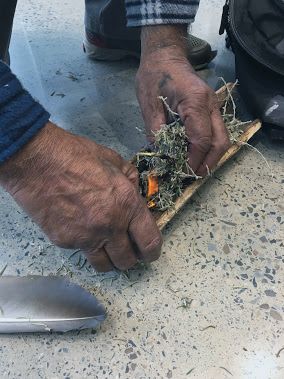
We have one Aboriginal staff member, and Aboriginal consultants are
regularly engaged to support the AISSA staff and our member schools
to deepen their understanding of Aboriginal and Torres Strait Islander
people’s histories, cultures and perspectives.OUR RAP JOURNEY
We began our RAP journey in 2014 and launched our AISSA Innovate Peoples and Australia’s history since European contact.
RAP in 2015. Through our RAP, we intended to contribute to the
‘We can’t change history, we can’t undo what’s happened, but it is
creation of an Australian society that values and recognises Aboriginal
unthinkable that we wouldn’t now, do everything we can to achieve
and Torres Strait Islander cultures as a proud part of a shared national
the goals of reconciliation.’
identity. As part of our RAP, we established a range of strategies that
promoted reconciliation internally and within the organisation’s sphere As our AISSA office is on Kaurna Land, being able to say the
of influence. Acknowledgement to Country in Kaurna is one of the ways we
now show respect for the Traditional Custodians. Language is a
‘Working at the AISSA has given me an opportunity to connect in
fundamental aspect of culture and one of the initiatives of our
with reconciliation. It has been really powerful because we have
Innovate RAP was to learn and use the Kaurna language of the
been able to acknowledge the Indigenous peoples and their
Adelaide Plains. In partnership with internationally recognised
unique cultures.’
Kaurna language expert Jack Buckskin, our staff learnt to have brief
In 2018 the staff reflections on our four-year RAP journey conversations in Kaurna and say the Acknowledgement to Country in
acknowledged it has been profoundly important both personally and Kaurna. Together, we gained new insights into how the Kaurna people
professionally. The most profound impact of our reconciliation journey understand the world.
has been learning the stories we did not know about Australia’s FirstOUR RAP JOURNEY cont.
‘The highlight for me has been working with the Kaurna language and has actively supported over a third of our schools and their
and having external consultants from the Aboriginal community associated Early Learning Centres to engage in the Narragunnawali
work with us.’ RAP process. Reconciliation requires an organisational culture change.
In the context of our schools, the RAP needs to be supported by the
One of the strategies that has been effective in promoting
Principal and every group within the school. The Narragunnawali RAP
reconciliation in our schools is the Indigenous Secondary Student
is an effective process for individual schools to project-manage the
Mentoring Program. This began in 2015 and currently provides
cultural shifts that are key to their school’s reconciliation journey.
mentoring to 146 students in 25 Independent schools across
metropolitan, regional and remote South Australia. It is the first of ‘It has been an important and personal journey’.
its kind in the Independent sector, responding to a diverse range of
Our Stretch RAP (2019-2022) was collaboratively developed through
student needs and continuing to support Aboriginal and Torres Strait
an iterative process of staff feedback. The RAP Working Group
Islander students to build aspirational pathways.
(RWG) meets regularly and the Chief Executive is the RAP champion.
‘The most important thing is the children, that they can participate The RWG includes Carolyn Grantskalns (Chief Executive), Lynda
in their own society and ours.’ Secombe (Senior Education Consultant), Elizabeth Sexton (Human
Resources Consultant), Mary Hudson (Senior Education Consultant),
The AISSA continues to promote the Reconciliation Australia’s
Emily Metelmann (Administrative Officer), Justin Wilkey (Indigenous
Narragunnawali: Reconciliation in Education to all our member schoolsOUR RAP JOURNEY cont.
Secondary Students Mentor), Libby Worrell (Early Childhood
Education Consultant), Melissa Symonds (Special Education
Consultant), and Monica Williams (Education Consultant and RWG
Coordinator). We are fortunate to have Justin Wilkey, an Aboriginal
man with links to the lower River Murray as part of our RWG.
‘The RAP becomes no longer a document,
‘It has really made me think about whose voices you hear around
it lives through the people who work here.’
commentary about issues that primarily affect Aboriginal peoples
and to seek out the voices of Aboriginal commentators.’
The RWG regularly invites Aboriginal consultants to collaborate and
provide the AISSA with cultural knowledge and advice. The RWG is
supported by the whole staff, as we strive to more deeply embed
into our own workplace practices and spheres of influence,
opportunities to recognise, respect and celebrate the uniqueness
of Australia’s First Peoples.KEY ACHIEVEMENTS
• A significant milestone for our organisation was the creation • The Kaurna Warra Karrpanthi group were consulted and provided
of the ‘Our Reconciliation Journey’ video, which captures the Kaurna names for all of our meeting rooms.
significant learning we have undertaken.
• Reconciliation South Australia’s 2017 Kokoda Track Reconciliation
This video is on our website.
Trek included one of our staff as an Aboriginal mentor.
• Our cultural language learning with Jack Buckskin, internationally
• Digital Technologies and an Aboriginal language were integrated
recognised Kaurna language expert, enabled us to say the
through the AISSA Humanoid Robot Research Project. This
Acknowledgement of Country in Kaurna and engage in short
innovation was shared internationally, nationally and locally
conversations.
through conference presentations, journal articles and the
• The AISSA has a deeper appreciation of Aboriginal and Torres websites of national education organisations.
Strait Islander cultures and staff now regularly attend
• We initiated the Indigenous Secondary Student Mentoring
contemporary Aboriginal art, dance and theatre.
Program in 19 Independent schools across metropolitan,
• We have embedded the Welcome to Country into all significant regional and remote South Australia.
AISSA events. The Acknowledgement of Country is now part
• Since 2015 we have supported over one third of our member
of our internal practice at the commencement of workshops
schools and Early Learning Centres to engage in the
and meetings.
Narragunnawali RAP process.INDIGENOUS SECONDARY STUDENT MENTORING PROGRAM
The Indigenous Secondary Student Mentoring Program first began The mentor continues to seek guidance and mentoring from
in 2015 and currently provides mentoring to 140 students in 19 Aboriginal educators and role models for professional and cultural
Independent schools across metropolitan, regional and remote South development, to ensure the students have the most relevant and
Australia. It is the first of its kind in the Independent schools sector engaging content. Relationships established with external agencies
and, depending on location and contexts, responds to a diverse range which continue to work closely with the mentoring program include
of student needs. three universities in Adelaide, TAFE SA, government agencies which
offer traineeships and employment, Maxima, National Australia Bank,
Areas of mentoring focus include building students’ self-esteem,
South Australian Aboriginal Sports Training Academy, University
supporting students’ future aspirations and providing cultural safety
of Sydney, The Smith Family, Tauondi Aboriginal College and
and support. These are the main pillars of the program, providing
Reconciliation South Australia.
a foundation for students to begin to explore their futures and
to navigate post-schooling educational pathways and training Students comment on how being involved in the mentoring program
opportunities. has helped shape their journey. The quote below is shared by a
student who entered the program in Year 11 and is now studying a
The continuity of maintaining the same mentor since the program’s
double degree at university.
inception in 2015 has resulted in strong relationships with students,
school staff and families, with all involved working in synergy to
‘University would not have been an option for me without …
provide the best possible opportunities and outcomes for students.
mentoring as I would have struggled to finish high school. A large
part of my struggle was because of mental health, family issues, and
The program aims to build up the strength of its cohort in a way
cultural isolation. (The mentor) allowed me to explain my situation,
they feel comfortable to share their hopes and dreams and allow the
release any bad energy, and feel a connection to my Indigenous
mentor to provide individualised support and advice that is bespoke
heritage.’
for each student.‘University would not have been an option for me without … mentoring as I need for us all to share stories and walk in each others’ footsteps to continue the
would have struggled to finish high school. A large part of my struggle was journey of reconciliation.
because of mental health, family issues, and cultural isolation. (The mentor)
allowed me to explain my situation, release any bad energy, and feel a Justin Wilkey Indigenous Student Mentor
connection to my Indigenous heritage.’
2017 RECONCILIATION SA KOKODA
Embedding Aboriginal Perspectives in the Classroom
To commemorate 75 years since Australian soldiers fought the retirement villages. One student who I’ve had a close relationship with
Japanese in Papua New Guinea a group of Year 10 and Year 11 through the mentoring program for the past two and a half years, was
Aboriginal and non-Aboriginal students and their leaders from South the keynote speaker at the 2018 Aboriginal Veterans’ Commemorative
Australian State and Independent Schools spent eight days walking Service. The student spoke in front of more than
the 106 km track and telling the stories of soldiers, many of whom a hundred guests including the Governor and Premier of South
never made it home. Australia among other invited dignitaries, something he openly
‘University would not have been an option for me without … mentoring as I need for us all to share stories and walk in each others’ footsteps
admitted
would have struggled to finish high school. to ofme
A large part my he would
struggle was not have hadof the
journey courage to do
reconciliation.
The 2017 Kokoda Track Reconciliation Trek, organised by because of mental health, family issues, and cultural isolation. (The mentor)
before completing Kokoda.
allowed me to explain my situation, release any bad energy, and feel a
Reconciliation SA, aimed to provide trekkers with the opportunity Justin Wilkey Indigenous Student Mentor
connection to my Indigenous heritage.’
to walk and talk together and learn more about reconciliation and
We work closely with our member schools to promote Aboriginal
Embedding perspectives
Aboriginal in
Perspectives in the Classroom
expand their cultural knowledge. The experience had a profound
the classroom through engaging with the local Aboriginal community. An
impact onillustration
the entireofgroup and
this was theasAISSA
the Indigenous
providing aStudent
robot to Mentor
a rural school to explore
it was amazing to see the transformation the experience had could
how the Narungga, the traditional language of the area on ourbe integrated with
robotics, coding and programming. This integration of Narungga with robotics
young people. Hearing the stories of how soldiers both Aboriginal and
was made possible through a partnership with Tania Wanganeen, (the only
non-Aboriginal were tested
fluent speaker was a sobering
of Narungga). This caseandstudy
humbling experience.
from the AISSA Humanoid Robot
Research
I witnessed Project
significant has been
personal shared
growth andinthelocal, national andof
development international
young
conferences and journals and was selected by ACARA as one of eight national
leaders along the trek. The impact post Kokoda has been profound.
illustrations of practice demonstrating how the Aboriginal and Torres Strait
Islander Cross Curricula Priority can be integrated into to classroom practice. A Students who attended the trek continue to keep in contact and
Since returning We workpart
closely with our member schools to promote Aboriginal perspectives in
recent from
focusthe Kokoda
of the AISSATrack,
Early students who have
Years Workshops been
has been strategies to
the classroom through engaging with the share a bond community.
local Aboriginal that cannot An be broken, they have returned to their
of the mentoring program
support Early haveteachers
Learning addressed more Indigenous
integrate than 1200illustration
people ofat
perspectives through
this was the AISSA providing a robot to a rural school to explore
how tothe Narungga, schooling
the traditional language with
of the area a be
could vigour andwith
integrated determination to spread the word about
the annualliteracy, numeracy,
Reconciliation SAtechnologies and art. We
breakfast, delivered continue
speeches to work
their
robotics,
with Aboriginal
coding and programming. This integration of Narungga with robotics
leaders and schools to foster innovative ways to buildwas teacher confidence and the importance of reconciliation and the need for us all to share
made possible through a partnership with Tania Wanganeen, (the only
peers andcapacity
teachers toat school, told
incorporate of theirperspectives
Aboriginal journey andintothestudent
importancelearning.
fluent speaker of Narungga). This casestoriesstudy from the AISSA
and Humanoid
walk in Robot
each others’ footsteps to continue the journey of
of Reconciliation on ABC radio and Radio Adelaide and presented at has been shared in local, national and international
Research Project
conferences and journals and was selectedreconciliation. Justin
by ACARA as one Wilkey,
of eight nationalIndigenous Secondary Student Mentor
illustrations of practice demonstrating how the Aboriginal and Torres Strait 7|Page
Islander Cross Curricula Priority can be integrated into to classroom practice. A
recent focus of the AISSA Early Years Workshops has been strategies to
support Early Learning teachers integrate Indigenous perspectives through
literacy, numeracy, technologies and art. We continue to work with Aboriginal
leaders and schools to foster innovative ways to build teacher confidence and
capacity to incorporate Aboriginal perspectives into student learning.EMBEDDING ABORIGINAL PERSPECTIVES IN THE CLASSROOM
We work closely with our member schools to promote Aboriginal This integration of Narungga with robotics was made possible
perspectives in the classroom through engaging with the local through a partnership with Tania Wanganeen, (the only fluent speaker
Aboriginal community. An illustration of this was the AISSA providing of Narungga). This case study from the AISSA Humanoid Robot
a robot to a rural school to explore how Narungga, the traditional Research Project has been shared in local, national and international
language of the area, could be integrated with robotics, coding and conferences and journals and was selected by ACARA as one of eight
programming. national illustrations of practice demonstrating how the Aboriginal and
Torres Strait Islander Cross Curricula Priority can be integrated in to
classroom practice.
A recent focus of the AISSA Early Years Workshops has been strategies
to support Early Learning teachers integrate Indigenous perspectives
through literacy, numeracy, technologies and art.
We continue to work with Aboriginal leaders and our member schools
to foster innovative ways to build teacher confidence and capacity to
incorporate Aboriginal perspectives into student learning.RELATIONSHIPS
Sustained relationships built on respect, trust and integrity are foundational to
engagement with Aboriginal and Torres Strait Islander peoples.
Strong relationships between Aboriginal and Torres Strait Islander peoples
and the AISSA bring different skills and perspectives to our organisation
and encourage innovation, success and excellence.RELATIONSHIPS
Sustained relationships built on respect, trust and integrity are foundational to engagement with Aboriginal and Torres Strait Islander peoples. Strong relationships between
Aboriginal and Torres Strait Islander peoples and the AISSA bring different skills and perspectives to our organisation and encourage innovation, success and excellence.
Action Deliverable Timeline Responsibility
Chief Executive and
Oversee the development and endorsement of the AISSA STRETCH RAP. August 2019
RWG Coordinator
Chief Executive and
Oversee the launch of the new AISSA STRETCH RAP. September 2019
RWG Coordinator
Ensure there is an Aboriginal and Torres Strait Islander person on the RWG. September 2020, 2021 Chief Executive
Chief Executive and
Plan for the quarterly RWG meetings to monitor and report on the RAP implementation. February 2020, 2021, 2022
RAP Working Group actively monitors RWG Coordinator
RAP development and implementation Maintain the Chief Executive as an internal RAP Champion and include representation Chief Executive and
January 2020, 2021, 2022
from all levels of the organisation. RWG Coordinator
Review the Terms of Reference for the RWG. November 2020 Chief Executive
Annually extend an invitation to all members of the AISSA staff to join the RWG. January 2020, 2021, 2022 Chief Executive
Continue to seek advice from Elders and other holders of cultural knowledge to inform our RWG Chair and RWG
January 2020, 2021, 2022
strategies and practices. Coordinator
Organise at least one internal NRW event each year that deepens our understanding of 27 May – 3 June 2020, 2021,
Chief Executive
Aboriginal and Torres Strait Islander histories, cultures and perspectives. 2022
Promote NRW events to Principals, staff and RAP Coordinators in our sector responsible 27 May – 3 June 2020, 2021, Chief Executive and
Celebrate National Reconciliation for Aboriginal and Torres Strait Islander perspectives in the curriculum. 2022 RWG Coordinator
Week (NRW) to strengthen and
Encourage and support Aboriginal and Torres Strait Islander students to engage in and 27 May – 3 June 2020, 2021, Indigenous Mentor and
maintain relationships between
lead school based and external NRW activities. 2022 RWG Coordinator
Aboriginal and Torres Strait
Islander staff and other staff 27 May – 3 June 2020, 2021,
Register all NRW events via Reconciliation Australia’s NRW website. RWG Coordinator
2022
27 May – 3 June 2020, 2021, Chief Executive and
RAP Working Group members to participate in three external NRW events.
2022 RWG CoordinatorRELATIONSHIPS
Action Deliverable Timeline Responsibility
Invite annually all staff to attend the NRW Reconciliation SA Celebration Breakfast. January 2020, 2021, 2022 Chief Executive
Promote NRW Reconciliation SA Celebration Breakfast to all member schools annually. March 2020, 2021, 2022 RWG Coordinator
Disseminate NRW resources and external event information annually to member schools to
March 2020, 2021, 2022 RWG Coordinator
support a deeper engagement within the classroom and the school community with NRW.
Ensure there is RWG representation at the Aboriginal Veterans’ Commemorative Service 27 May – 3 June 2020, 2021, Chief Executive and
at the Torrens Parade Grounds in NRW. 2022 RWG Coordinator
Ensure staff representation (including senior staff) at three or more external NRW
27 May – 3 June 2020, 2021, Chief Executive and
celebrations including: Reconciliation SA Breakfast, Aboriginal Veterans’ Commemorative
2022 RWG Coordinator
Service and a local exhibition.
Implement engagement strategies to work with and actively support organisations that
promote reconciliation that include:
• Silver Sponsor Reconciliation SA
• Reconciliation SA Education Steering Committee
• South Australian Certificate of Education Aboriginal Education Steering Committee,
Chief Executive,
Aboriginal Education Working Party and Aboriginal Student Pathways Conference
Indigenous Mentor and
Working Party August 2020
Indigenous Education
• Smith Family
Maintain and leverage mutually Consultant
• Aboriginal Student Engagement and Transitions Initiative (SA Dept Innovation and Skills)
beneficial relationships with
• Narragunnawali Reconciliation Action Plans in Schools Team
Aboriginal and Torres Strait Islander
• Adelaide University – Wirltu Yarlu
peoples, communities
• Flinders University – Yunggorendi
and organisations to support
• Australians Together.
positive outcomes
Indigenous Education
Scope and develop an Independent Schools Australia Reconciliation Network. March 2022
Consultant
Commit to working with member schools in SA and interstate Independent schools’
Indigenous Education
associations to establish an immersive tourism program that provides economic December 2020, 2021
Consultant
support for remote First Nations communities.
Meet with three local Aboriginal and Torres Strait Islander organisations to develop Chief Executive and
June 2021
guiding principles for future engagement. RWG CoordinatorRELATIONSHIPS
Action Deliverable Timeline Responsibility
Develop and implement a strategy to communicate our new Stretch RAP to all internal and Chief Executive and
September 2019
external stakeholders. RWG Coordinator
Chief Executive and
Promote reconciliation through ongoing active engagement with all stakeholders. October 2019, 2020, 2021
RWG Coordinator
Chief Executive,
Plan annually to engage our senior leaders and all staff in the delivery of RAP outcomes
November 2019, 2020, 2021 RWG Chair and RWG
at our quarterly staff meetings.
Coordinator
Raise internal and external awareness
Have at least two Principals share their reconciliation journey at the Combined Heads of
of our RAP to promote reconciliation June 2022 Chief Executive
Schools meeting.
across our business and sector
Regularly promote Reconciliation SA events to member schools through a variety of February, May, August 2019,
Chief Executive
communication channels that include; Principals, Key Teacher networks, AISSA website. 2020, 2021, 2022
Invite the RWG and all staff to attend the Reconciliation South Australia National Sorry Day
January 2020, 2021, 2022 Chief Executive
Breakfast commemoration annually.
Promote to member schools the Reconciliation South Australia National Sorry Day Breakfast Indigenous Education
January 2020, 2021, 2022
commemoration annually. Consultant
Chief Executive and
Further develop relationships, actions Actively support Reconciliation SA initiatives. June 2022 Indigenous Education
and targets related to our core business Consultant
and vision for reconciliation Regularly promote Reconciliation SA events to member schools through a variety of February, May, August 2019, Indigenous Education
communication channels which include Principals, Key Teacher networks, AISSA website. 2020, 2021, 2022 Consultant
Promote Reconciliation SA anti-discriminatory interactive theatre to all member schools Indigenous Education
May 2020, 2021, 2022
Promote positive race relations through annually. Consultant
anti-discrimination strategies.
Promote anti-discrimination information sessions and workshops to AISSA staff and member Indigenous Education
April 2020, 2021, 2022
schools. ConsultantRESPECT
We believe Aboriginal and Torres Strait Islander histories and cultures
are foundational to our very understanding of what
makes Australia unique in the world.
Respect for Aboriginal and Torres Strait Islander peoples, cultures,
lands and histories is important to the AISSA and our member schools.RESPECT
We believe Aboriginal and Torres Strait Islander histories and cultures are foundational to our very understanding of what makes Australia unique in the world.
Respect for Aboriginal and Torres Strait Islander peoples, cultures, lands and histories is important to the AISSA and our member schools.
Action Deliverable Timeline Responsibility
January, April, August and Chief Executive,
Ensure all staff undertake face to face cultural workshop learning activities at least
November 2019, 2020, 2021, RWG Chair and RWG
four times a year.
2022 Coordinator
Continue to have 1 person or 3.85% of staff undertake cultural immersion learning activities. June 2022 Chief Executive
Invite a local Aboriginal person annually to deepen and extend the cultural and First Nation Chief Executive and
December 2019, 2020, 2021
language knowledge of all staff. RWG Coordinator
Chief Executive
Ensure all new staff complete the Cultural Awareness Induction Package as part of the AISSA and Organisational
January 2020, 2021, 2022
induction process. Development
Coordinator
Promote all new Australian Curriculum Aboriginal and Torres Strait Islander elaborations
Increase knowledge and Indigenous Education
and provide professional learning for educators to support them embed this learning into December 2020
understanding of Aboriginal Consultant
classroom practice.
and Torres Strait Islander cultures,
histories and achievements At least once a year, invite an Aboriginal person to deepen and extend the cultural knowledge
Indigenous Education
of all staff through learning the Acknowledgement to Country in the traditional language of February 2020. 2021, 2022
Consultant
one of our regional schools.
Indigenous Education
Conduct a review of cultural learning needs within our organisation. February 2020
Consultant
Implement and communicate a cultural learning strategy for our staff. August 2020 Chief Executive
Consult local Traditional Owners and/or Aboriginal and Torres Strait Islander advisors on the Indigenous Education
May 2020
implementation of a cultural learning strategy. Consultant
Commit all RAP Working Group members, HR managers, senior executive group
February 2021 Chief Executive
and all new staff to undertake formal and structured cultural learning.
Provide at least one opportunity for Aboriginal students in our member schools to Indigenous Education
March 2021
speak to AISSA staff about issues that are important to them. ConsultantRESPECT
Action Deliverable Timeline Responsibility
Review and refine if required, existing cultural protocol document for Welcome to Country
May 2020 RWG Chair
and Acknowledgement of Country.
Invite a local Traditional Owner to provide a Welcome to Country, at a minimum of three
Chief Executive, and
significant events each year, and a smoking ceremony at one or more events a year including May June 2020, 2021, 2022
RWG Coordinator
Continue to increase staffs’ Annual School Leaders’ Dinner, Governance Conference and an AISSA Staff Meeting.
understanding of the purpose and Staff and Senior Leadership to provide an Acknowledgement of Country at all other AISSA
June 2022 Chief Executive
significance behind cultural protocols, events and important internal meetings.
including Acknowledgement of
Indigenous Education
Country and Welcome to Country Maintain and annually review a list of key contacts for organising a Welcome to Country. May 2020, 2021, 2022
Consultant
protocols.
Create and display an Acknowledgement of Country as part of our digital display on entering Chief Executive and
January 2021
the office. RWG Coordinator
Chief Executive and all
Design and implement an Acknowledgement of Country as part of the AISSA email signature. December 2019
staff
Review HR policies and procedures to ensure there are no barriers to staff participating in First week in July, 2020, 2021, HR Consultant and
NAIDOC Week. 2022 RWG Chair
Chief Executive and
Provide opportunities for all Aboriginal and Torres Strait Islander staff to participate in First week in July, 2020, 2021,
Indigenous Education
community NAIDOC Week events. 2022
Consultant
Support all staff to participate in 2 NAIDOC Week events in the local community including First week in July, 2020, 2021,
Celebrate NAIDOC Week and Chief Executive
NAIDOC Week at our Market and a local exhibition. 2022
provide opportunities for
Chief Executive and
Aboriginal and Torres Strait Islander Consult with Aboriginal and Torres Strait Islander peoples to hold an internal or public First week in July, 2020, 2021,
Indigenous Education
staff to engage with culture NAIDOC Week event. 2022
Consultant
and community during
NAIDOC Week Indigenous Education
Disseminate information annually to member schools about NAIDOC Week. May 2020, 2021, 2022
Consultant
Indigenous Education
Support schools to celebrate Aboriginal and Torres Strait Islander cultures. May 2020, 2021, 2022
Consultant
Celebrate NAIDOC Week all year round by promoting attendance at cultural events to Indigenous Education
AISSA staff and member schools including, but not limited to, Aboriginal and Torres Strait December 2019, 2020, 2021 Consultant and RWG
Islander performances at the Fringe Festival, Festival of Arts and Tarnanthi Art Exhibition. ChairOPPORTUNITIES
The AISSA and Aboriginal and Torres Strait Islander peoples will both
be enriched through the reciprocal sharing of skills and perspectives.
The AISSA must proactively seek opportunities
to work in partnership with Aboriginal and Torres Strait Islander
peoples, organisations and communities.OPPORTUNITIES
The AISSA and Aboriginal and Torres Strait Islander peoples will both be enriched through the reciprocal sharing of skills and perspectives.
The AISSA must proactively seek opportunities to work in partnership with Aboriginal peoples, organisations and communities.
Action Deliverable Timeline Responsibility
Encourage Aboriginal and Torres Strait Islander people to apply for positions at AISSA
December 2019, 2020, 2021 Chief Executive
when a position becomes vacant.
Develop, implement, review and update an Aboriginal and Torres Strait Islander employment Chief Executive and HR
January 2022
and retention strategy, which includes professional development. Consultant
Engage with existing Aboriginal and Torres Strait Islander staff to consult on employment HR Consultant and RWG
September 2020
strategies, including professional development. Coordinator
Improve employment outcomes by
Continue to advertise all job vacancies in Aboriginal and Torres Strait Islander media. December 2019, 2020, 2021 Chief Executive
increasing Aboriginal and Torres Strait
Islander recruitment, retention and
Investigate opportunities to include Aboriginal and/or Torres Strait Islander representation
professional development. December 2021 Chief Executive
on the AISSA Board and committees.
Review HR and recruitment procedures and policies to remove barriers to Aboriginal and
July 2020 Chief Executive
Torres Strait Islander participation in our workplace.
Aboriginal and Torres Strait Islander employees encouraged to deepen and broaden
their leaderships skills through professional development so they have the expertise and November 2021 Chief Executive
experience needed for more senior positions.
Maintain at over 3% the number of Aboriginal and Torres Strait Islander people employed at
August 2022 Chief Executive
the AISSA and plan to increase Aboriginal and Torres Strait Islander employment at the AISSA.
Continue to implement an Aboriginal and Torres Strait Islander procurement strategy. December 2021 Chief Executive
Continue to promote Supply Nation on the public page of the AISSA website and Indigenous Education
Increase Aboriginal and Torres Strait May 2020
investigate Supply Nation membership. Consultant
Islander supplier diversity to support
improved economic and social Develop three new commercial relationships with Aboriginal and/or Torres Strait Islander
Indigenous Education
outcomes. businesses. This will include Aboriginal businesses which support schools to embed August 2022
Consultant
Aboriginal and Torres Strait Islander perspectives into classroom practice.
Commission an art work by a local Kaurna artist to display in the AISSA office. July 2020 Chief ExecutiveOPPORTUNITIES
Action Deliverable Timeline Responsibility
Early Years and
Promote Reconciliation Australia’s Narragunnawali: Reconciliation in Education program to all
September 2019, 2020, 2021 Indigenous Education
Early Learning Services and schools in our sector.
Consultants
Nominate schools or Early Learning Centres within our network which have shown exceptional Indigenous Education
April 2020, 2021, 2022
commitment to reconciliation for a Narragunnawali Award. Consultant
Early Years and
Encourage school staff and Early Learning Centre staff in our sector to sign up to the
April 2020, 2021, 2022 Indigenous Education
Promote Narragunnawali: Narragunnawali News mailing list.
Consultants
Reconciliation in Education to staff
and external stakeholders Provide centrally based workshops at least once every two years to provide information
Indigenous Education
about Narragunnawali RAPs, how to maintain the momentum of the RAP and how to August 2019, 2020, 2021
Consultant
increase student agency in designing and implementing the RAP.
Increase by 10% the number of member schools that regularly update their Narragunnawali Indigenous Education
June 2022
RAP. Consultant
Increase the number of member schools which have engaged in the Narragunnawali RAP Indigenous Education
June 2022
process from 35 to 55. ConsultantGOVERNANCE
GOVERNANCE
Action                                 Deliverable                                                                               Timeline                     Responsibility

                                       Maintain Aboriginal and Torres Strait Islander representation on the RWG.                 January 2020, 2021, 2022     Chief Executive

       Establish and maintain an
                                                                                                                                                              Indigenous Education
 effective RAP Working group (RWG)     Review and update the Terms of Reference for the RWG.                                     January 2020, 2021, 2022
                                                                                                                                                              Consultant
    to drive governance of the RAP.
                                                                                                                                 January, May, August,
                                       Meet at least four times per year to drive and monitor RAP implementation.                                             Chief Executive
                                                                                                                                 November 2020, 2021, 2022

                                                                                                                                                              Indigenous Education
                                       Embed resource needs for RAP implementation.                                              October 2020, 2021
                                                                                                                                                              Consultant

                                       Embed key RAP actions in performance expectations of senior management and all staff.     July 2022                    Chief Executive

    Provide appropriate support        Embed appropriate systems and capability to track, measure and report on RAP 		                                        Indigenous Education
                                                                                                                                 November 2020
    for effective implementation       commitments.                                                                                                           Consultant
        of RAP commitments.
                                       Maintain an internal RAP Champion from senior management.                                 January 2020, 2021, 2022     Chief Executive

                                                                                                                                 January, April, July,
                                       Include our RAP as a standing agenda item at all staff meetings.                          November 2019, 2020, 2021,   Chief Executive
                                                                                                                                 2022

                                       Complete and submit the annual RAP Impact Measurement Questionnaire to                    30 September 2019, 2020,
                                                                                                                                                              Chief Executive
                                       Reconciliation Australia.                                                                 2021, 2022

       Build accountability and                                                                                                  January, April, July,
   transparency through reporting      Report RAP progress to all staff and senior leaders quarterly.                            November 2019, 2020, 2021,   Chief Executive
    RAP achievements, challenges                                                                                                 2022
     and learnings both internally     Publicly report against our RAP commitments annually, outlining achievements,
                                                                                                                                 November 2019, 2020, 2021    Chief Executive
            and externally.            challenges and learnings.

                                                                                                                                                              Indigenous Education
                                       Continue to participate in Reconciliation Australia’s biennial Workplace RAP Barometer.   August 2020, 2021, 2022
                                                                                                                                                              Consultant

 Continue our reconciliation journey   Register via Reconciliation Australia’s website to begin developing our next RAP.                                      Indigenous Education
                                                                                                                                 March 2022
   by developing our next RAP.         https://www.reconciliation.org.au/reconciliation-action-plans/submit-your-rap/                                         Consultant

                                       Carolyn Grantskalns | Chief Executive | 08 8179 1400 | grantskalnsc@ais.sa.edu.au
R E C O N C I L I AT I O N ACTION PLAN 2019 - 2022
You can also read


