ADVANCED Payments Report - Edgar, Dunn - Edgar, Dunn & Company
←
→
Page content transcription
If your browser does not render page correctly, please read the page content below
Edgar, Dunn
                   & Company

    ADVANCED
        Strategic Payments Consulting Years Since 1978

                                                                  2018
12th

Payments Report

Edgar, Dunn & Company © 2018                             www.edgardunn.com
Global Experts in
Payments Consulting
Edgar, Dunn & Company (EDC) is an independent global financial services and payments consultancy.
Founded in 1978, the firm is widely regarded as a trusted advisor to its clients, providing a full range of strategy
consulting services, expertise and market insights.
From offices in Frankfurt, Istanbul, London, Paris, San Francisco and Sydney, EDC delivers actionable strategies,
measurable results and a unique global perspective for clients in more than 45 countries on six continents.

For more information contact
Samee Zafar, Director, +44(0) 207 283 1114 • samee.zafar@edgardunn.com
Kim Gerhardt, Director, +1 415 442 0544 • kim.gerhardt@edgardunn.com
Grégoire Toussaint, Principal, +33 6 7026 9925 • gregoire.toussaint@edgardunn.com
Tue To, Manager & Editor, +1 415 442 0548 • tue.to@edgardunn.com
                                                                                                      Edgar, Dunn
                                                                                                                 & Company
www.edgardunn.com                                                                                     Strategic Payments Consulting Years Since 1978

FRANKFURT           •    ISTANBUL          •    LONDON          •    PARIS       •    SAN FRANCISCO                 •      SYDNEY
Edgar, Dunn & Company
                                                               Advanced Payments Report 2018

                                                               Contents

             Edgar, Dunn                                       01                                                           33
                         & Company                             OVERVIEW                                  OVERVIEW OF PAYMENTS
              Strategic Payments Consulting Years Since 1978                                             IN KEY GLOBAL MARKETS

Contacts

Samee Zafar
                                                               05                                                             39
Director, EDC London                                                                                                LOCAL IS THE
                                                               GETTING AHEAD
samee.zafar@edgardunn.com                                      WITH FASTER PAYMENTS                                 NEW GLOBAL
+44(0) 207 283 1114

Kim Gerhardt
Director, EDC San Francisco                                                                                                   45
                                                               11
kim.gerhardt@edgardunn.com                                     THE STATE OF                            WHAT CAN WE LEARN FROM
+1 415 442 0544                                                CRYPTOCURRENCIES                  ALIPAY AND WECHAT PAY IN CHINA?

Grégoire Toussaint
Principal, EDC Paris
gregoire.toussaint@edgardunn.com                               17                                                             49
                                                               RETAIL                                        THE GROWING FORCE
+33 6 7026 9925
                                                               INNOVATION                                      OF MOBILE MONEY

Tue To
Manager & Editor
tue.to@edgardunn.com                                           23                                                             55
+1 415 442 0548                                                INTERNET OF THINGS – A PLATFORM            DIGITAL BANKS – SHOULD
                                                               FOR THE FUTURE OF COMMERCE               INCUMBENTS BE WORRIED?

     Edgar, Dunn & Company

     @edgardunn
                                                               27
www.edgardunn.com
                                                               FIGHTING FRAUD

Published June 2018
Copyright © 2018
Edgar, Dunn & Company
All rights reserved. Reproduction
by any method or unauthorised
circulation is strictly prohibited,
and is a violation of international
Copyright law.
Edgar, Dunn
Advanced Payments Report 2018 & Company
Strategic Payments Consulting Years Since 1978
Overview
This is the 12th edition of the Annual Over 80% of the survey respondents believe that
seamless / frictionless cross-channel payments are
Payments Report. What started out as
of high importance for retailers
a small survey and a brief commentary
More than 75% believe that IoT will ultimately change
on the state of payments is now, thanks the way we live, shop and pay
to colleagues, clients, and payment 85% ranked fraud as a top five concern
professionals across the globe, an eagerly in their organisation
awaited annual event on the payments Only 14% believe that there is a significant disparity
industry calendar. in the payment markets between developed and
developing regions
Consistent with previous editions, this report presents
the findings of the latest stakeholder survey identifying
key trends and opinions shaping the payments industry Reports of the death of payment cards
of tomorrow. It is not a consumer survey but a survey of have been greatly exaggerated
perspectives from professionals and practitioners who
From the dot com days to the present, the doyens of the
monitor advances and innovations in the world
fintech world have been warning us on the inevitable
of payments.
demise of the payment card falling victim to an emerging
Alice: How long is forever? White Rabbit: Sometimes, array of digital payment instruments. This could not be
just one second. The conversation about time in Alice further from the truth.
in Wonderland is timeless. This notion also applies to
payments. Gone are the days when it took 3 days, or more EDC’s Global Payments Model (GPM) indicates that
in some countries, to complete a payment transaction. payment cards – credit, debit, prepaid, and other types
In today’s world, a single second is too slow. Payments – will continue to grow over the next 5 years. Payment
take place in a fraction of a second not just digitally over cards in circulation on a global basis are expected to
the internet but also in physical locations. In addition to be around 11.7 billion by 2023, out of which 8.4 billion
speed, consumers have higher expectation including ease are estimated to be debit cards. While slow growth is
of use, convenience and better security when it comes to expected in the more mature markets, payment cards
protecting their personal data. in the emerging markets such as China and India are
expected to grow significantly.
This report covers the latest payment trends that are
shaping the payments industry in 2018 and beyond
including hot topics from account-to-account real-time
payments, retail innovation, Internet of Things (IoT), fraud
detection, to payment innovations across the globe. Just
to name a few key findings from this year’s report.
Faster payments are expected to make the strongest
market share gains on P2P, online retail payments, bill
payments and B2B
| 1 | Edgar, Dunn & Company | www.edgardunn.com
Edgar, Dunn
                     & Company                                                                            Advanced Payments Report 2018
          Strategic Payments Consulting Years Since 1978

                                                           Number of payment cards - Global view

                                                 2018                     2023              2018                        2023
                   9
                                                                                                                       8.4 B
                   8
                                                                                                           6%
                   7
                                                                                            6.3 B
                   6

                                                                                                                                        Source: EDC – Global Payments Model
                   5
     Billions

                   4                                                      3.3 B
                   3                            2.7 B          4%
                   2

                    1

                   0
                                                           Credit Cards                                Debit Cards

     Milennials (18-34yrs)                                       Gen X (35-54yrs)      Baby Boomers (55-65yrs)                Retiree (65+)

Cards will continue to be popular and grow across all                               Rise of the digital East
customer segments. Despite data produced recently by
                                                                                    Our forecasts show digital commerce will continue
market research agencies that shows a sharp decline in
                                                                                    to grow significantly. By 2023, global digital commerce
credit card take-up by millennials in some markets, EDC’s
                                                                                    volumes will increase to $6.3 trillion, an 82% jump from
forecasts indicate that on a global basis, millennials will
                                                                                    2018. Digital content downloads will register the greatest
continue to support both credit and debit cards for their
                                                                                    growth expected at over 120% during the same period.
payment needs.
                                                                                    Asia-Pacific again is the region to watch. Digital commerce
Respondents to our survey indicated that the most
                                                                                    is expected to grow from just under half of global digital
compelling benefit for accepting local payment methods
                                                                                    commerce sales to over 53% in 2023 to $3.37 trillion.
for merchants is access to new markets and customers.
While local payments are gaining in importance, the                                 However, digital commerce’s share of total retail sales
longevity of the payment cards will continue because                                still has some way to go. It is expected to increase from
they are equally useful across all payment channels. New                            10.7% in 2018 to 19.4% in 2023. In this context, Asia-Pacific
payment methods often provide an innovative customer                                leads the other regions growing from 17.5% in 2018 to 33.9%
interface but rely on digitally stored payment cards to                             in 2023.
fund and process payments.

                                                                                                     www.edgardunn.com | Edgar, Dunn & Company | 2 |
Edgar, Dunn
Advanced Payments Report 2018                                                                                                                                  & Company
                                                                                                                                                    Strategic Payments Consulting Years Since 1978

                                                                   Ecommerce as % of total retail sales
                                             Asia Pacific         Global          North America        Europe           Latin America       Middle East & Asia

                                       35%

                                       30%
 Source: EDC – Global Payments Model

                                       25%

                                       20%

                                       15%

                                       10%

                                        5%

                                       0%
                                                  2018                2019                2020             2021              2022                      2023

Asia-Pacific, Middle East and Africa and Latin America                                            For these regions, Mobile Money programmes that reach
show the importance of the mobile device. In these                                                out to the unbanked or underbanked segments of the
regions there are large segments of unbanked consumers,                                           population in developing nations are also reviewed in this
but mobile devices enjoy deep penetration. The share                                              report. There are many things that financial institutions
of mobile commerce to digital commerce is significant,                                            can learn from innovators in these markets who have
ranging from two thirds in Latin America to over three                                            successfully leveraged mobile devices to make banking
quarters in Middle East & Africa.                                                                 and payments accessible to the remotest corners of their
                                                                                                  markets.

                                                             Mobile share of total digitial commerce 2023

                                                            77%
                                                                              70%
                                                                                                 66%

                                                                                                                  48%
                                                                                                                                   38%

                                                        Middle East        Asia Pacific    Latin America        Europe        North America
                                                         & Africa
                                                                                                                                        Source: EDC – Global Payments Model

| 3 | Edgar, Dunn & Company | www.edgardunn.com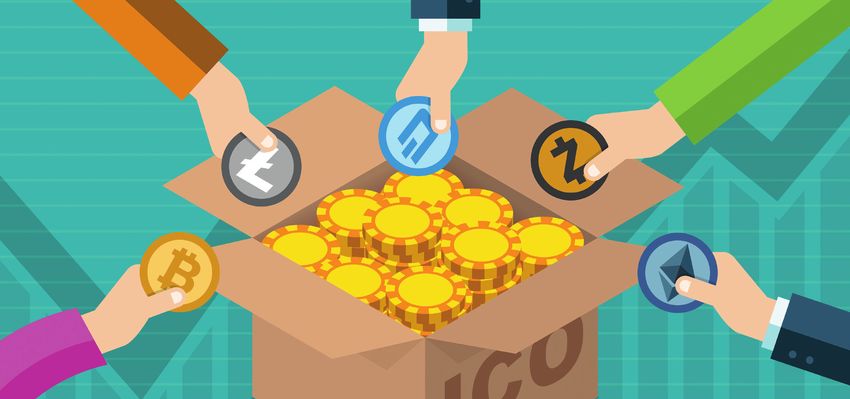
Edgar, Dunn
                  & Company                                                          Advanced Payments Report 2018
       Strategic Payments Consulting Years Since 1978

Beyond Payments                                                The future of payments may not pivot on the differences
                                                               between centralised and decentralised currencies or
Beyond payments, exciting changes are taking place in
                                                               private and public chains. Like driverless cars, it is possible
the financial services landscape. This report discusses
                                                               that payments will manage themselves as increasingly
the state of new digital banks, their strategies and if they
                                                               intelligent and autonomous systems, making payments
pose a long-term threat to incumbent banks.
                                                               on our behalf when necessary in an accurate and secure
Additionally, cryptocurrencies and blockchains have            manner.
been getting a lot of hype. Discussions on these topics
                                                               Whether crypto will control payments, we do not know.
are varied, charged, and always full of controversy with
                                                               What we can say with relative certainty is that the
as many opinions as there are people in a conversation.
                                                               wonderland of payments, is fast becoming “Curiouser
This report explores the behaviour of cryptocurrencies
                                                               and curiouser!”.
today and asks if one day they will be part of mainstream
everyday payments?

                                                                                 www.edgardunn.com | Edgar, Dunn & Company | 4 |
Edgar, Dunn
Advanced Payments Report 2018                                                                                    & Company
                                                                                                      Strategic Payments Consulting Years Since 1978

Getting ahead
with faster payments

Examples of how technology is changing                      moving digital money is still tied to 4:30 pm transaction
                                                            cut-offs and overnight batch processes? Why do payers
the world can be found everywhere.
                                                            still have to call payees to confirm funds were received?
Bandwidth, storage, sensors and                             Why is there still an extremely short information field that
computing power are cheaper, more                           limits the usability of the message that can be attached to
                                                            a payment?
powerful and more widely available
                                                            A systems architect would explain that these limitations
than ever before. These are critical raw
                                                            are inherent to mainframe-based core banking
ingredients enabling a new generation of                    applications and network infrastructures from the 1970s
products and services that have changed                     that are still in use. But the questions we should be asking
our day-to-day lives forever.                               ourselves are: why should we still be limited by these
                                                            legacy restrictions? Why are we still willing to put up with
Some of the most intriguing advances relate to artificial   the delays, manual processes, and high costs derived from
and augmented intelligence which are likely to blur the     inefficient and outdated infrastructure?
lines between man and machine driving towards a fourth
industrial revolution. This has enormous implications for   While the technology to overcome these challenges
the labour market and the global economy.                   has been available for a long time, different markets
                                                            have seen a variety of roadblocks to adopt it. In some
While advances in some fields are so dramatic that they     cases, the challenge has been getting players to move
would have been considered science fiction just a decade    in the same direction, while in others, actors have made
ago, technical progress does not permeate evenly to         deliberate decisions to continue operating under old
all sectors. Payments infrastructure is an area where       systems and business models to profit from them for
technological advances seem to lag behind, especially       as long as possible. Fortunately, customer demand for
in some markets such as the US. Why is it that in 2018,     better services, coupled with the competitive pressure
                                                            from fintechs, new regulation such as the PSD2, and
                                                            innovations such as open banking APIs, distributed ledger
                                                            technologies and faster payments platforms continue to
                                                            push the industry forward.

                                                                                   “
                                                            Different markets have seen
                                                             a variety of roadblocks to
                                                               adopt faster payments

| 5 | Edgar, Dunn & Company | www.edgardunn.com
                                                                                   ”
Edgar, Dunn
& Company Advanced Payments Report 2018
Strategic Payments Consulting Years Since 1978
Getting ahead with faster payments - US perspective
> Federal Reserve has expressed its intent to support ISO 20022
Faster (Jan 2015, Strategies for Improving the US Payments System)
Payments
> RTP by The Clearing House (2017)
> FedWire
Large Ongoing planning and implementation, rollout by 2020
Value > CHIPS
> FedACH
ACH / Ongoing integration efforts, full conversion is being explored
NACHA > The Clearing House ACH No formal timeline yet
Card > Expectation the card networks will eventually migrate
Networks
> Visa & MasterCard are developing ISO20022 capabilities in other geographies
The deployment of faster payments The roadblocks
platforms is accelerating With a strong value proposition and technology that has
Faster, immediate or real-time payments have been been available for some time, why is it that it has taken
available in some markets for decades, but it was not so long for many markets to get onboard? For starters,
until about four or five years ago when global momentum the rollout of a new faster payments scheme requires
really picked up. The pace of adoption continues to aligning the interests from multiple parties, new rules and
accelerate with multiple high-profile markets going live governance structures, and updated regulation. There is
in recent months, including RTP (Real Time also another set of challenges pertaining to each
Payments) from The Clearing House in participating financial institution (FI), which
the US, SEPA Instant Credit Transfer are summarised below.
(SCT-Inst) in Europe and the New
Payments Platform (NPP) in
Australia; together these three Internal systems and
markets account for half of the processes transformation
global GDP. In addition, there are The implementation of faster
at least 15 markets in different payments requires FIs to go
stages of implementation, through an important set of
including Canada, Saudi Arabia, transformations:
and Hong Kong.
From batch to
Although the names of these new continuous processing
payments systems emphasise speed, Unfortunately, implementing faster
the value proposition for end-users revolves payments is not a switch that FIs can simply turn-
around greater payer control, more granular and timely on. On paper, the adoption of faster payments suggests
information exchange, stronger security and privacy, FIs to replace their aging core banking systems which are
and easier integration and interoperability with other ill-suited for today’s digital economy processes; but in
systems; all of which translate into more sophisticated practice, this approach is an expensive, time consuming
services, simplified processes, and reduced costs for the and risky proposition. Instead, many FIs are addressing
overall economy. this by building or outsourcing a new layer of cloud-based
www.edgardunn.com | Edgar, Dunn & Company | 6 |
Edgar, Dunn
Advanced Payments Report 2018 & Company
Strategic Payments Consulting Years Since 1978
agile systems that sit on-top of the legacy infrastructure. money laundering (AML), counter terrorist financing
(CTF) and other compliance tools need to work in real-
Regardless of the selected systems architecture, a
time. The importance of sophisticated multi-layered risk
critical implication of faster payments is a required
management solutions has grown exponentially.
transformation from batch to continuous real-time
processing with 24/7 operations.
ISO 20022 – a messaging standard on steroids Business strategy
Current payment systems run on a variety of messaging The benefits of faster payments for end users and for the
formats. Some follow old standards like ISO 8583 or overall economy are undeniable. But not all FIs are able
ISO 150022, while others, like the ACH in the US, use to develop a profitable business case for implementing
proprietary formats. ISO 20022 is a relatively new standard such services. There are two important concerns with
that is gathering substantial global support. It has been faster payments. First, there is the danger of potential
selected by most new faster payment platforms, and many cannibalisation of revenue streams from other payment
current payment systems are considering paths to either products like cheques, wires and online payments. Second,
integrating or fully converting. FIs will have different abilities to recoup the investments
ISO 20022 is the first messaging format designed to be a and lost revenue streams, as consumer-oriented payment
common language for financial communications, capable services are harder to monetise than those offered by
of supporting detailed information exchange between wholesale banking.
FIs , businesses, consumers, market infrastructures and FIs particularly in the US have been dealing for a long time
regulatory authorities. It is more flexible and adaptable with the dilemma of disrupting themselves or waiting for
to support future needs than any previous standard and someone else to do it from outside the industry which are
promises to facilitate future-interoperability between likely to be fintechs or other more forward looking FIs . In
different schemes, either domestically or internationally. some markets such changes may come as mandates from
In addition to being a messaging format, ISO 20022 is a the regulators.
model for business processes and product development.
In terms of which use-cases for faster payments would
Real-time risk management gain the most market-share over the next 5-10 years, our
A key element of the value proposition of faster survey respondents indicated that faster payments are
payments is the immediate availability of funds to the expected to make the strongest market share gains on
payee, which means that all fraud prevention, anti- P2P, B2B, online retail payments, and bill payments.
Faster payments schemes that are expected to have
over 20% of market share over the next 5-10 years
52%
44% 42% 41%
32% 29% 26%
24%
P2P Online Retail Bill B2B Payroll Consumer B2C and G2C Low value
Payments Payments to Small distributions payments
Businesses (non-payroll) at POS
| 7 | Edgar, Dunn & Company | www.edgardunn.comEdgar, Dunn
& Company Advanced Payments Report 2018
Strategic Payments Consulting Years Since 1978
Network externalities The modernisation of payments infrastructure will take-
and ubiquity over transactions currently conducted by cash, ACH,
cheque or cards with more sophisticated services, and
The value of a payment services including real-time
in doing so will reshuffle the economics of FIs and other
payments increases with the number of users it serves
industry players; but more importantly it will require
and the value-added services provided. This is due to
rethinking how their business model will operate under
well-known network externalities. Hence, in markets
the new environment.
where adoption is not mandatory like in the US, some FIs,
especially small community banks and credit unions may
decide to wait or only roll-out basic functionality until the
perceived value is high enough.
Getting ahead
How can FIs survive and thrive in a rapidly changing
environment? An important lesson to remember is that
in business, as in nature, when change is present, the
winners are not necessarily the biggest or strongest
ones, but the ones that are able to adapt themselves the
quickest to the new environment.
This does not mean that FIs need to blindly adopt new
technologies or embrace change for the sake of change.
Instead, it means FIs need to ensure the reality of the
new environment is reflected in their business models, its
processes and ultimately in the services they provide to
the end-customer.
www.edgardunn.com | Edgar, Dunn & Company | 8 |Edgar, Dunn
Advanced Payments Report 2018 & Company
Strategic Payments Consulting Years Since 1978
Over the next 5 years, how disruptive will faster payments be to:
> Fraud mitigation solution vendors 48%
> Payment Processors 45%
> Acquirers 43%
> Card Networks 42%
> PSPs (online) 41%
> Financial Institutions tech vendors 38%
> Mobile Wallets 38%
> Online card payment ops 37%
> Large Banks 31%
> Community Banks, Credit Union and Saving Banks 29%
> Card payment ops at POS (large value) 26%
Evolve your business model, The strong value proposition and lower end-to-end costs
faster payments will soon be table-stakes of faster payments will not go unnoticed by the end-users,
and soon every FI will need to add faster payments to its
Can one imagine being in the banking business without
list of core services. It’s not a question of if but when.
offering a debit card, ATM access, online banking or
mobile banking? While at some point in time these Delaying the decision to adopt faster payments will
services were new, today providing these basic services is neither improve client experience nor modify client
part of the cost of doing business. It does not matter how expectations. Most users have a relationship with more
efficiently the legacy systems operate, FIs cannot expect than one FI and everyone likes being paid fast. Soon
end-users to remain satisfied with batch based ACH enough FIs who have faster payments enabled will have
services forever. better chances of receiving those deposits.
The process of meeting customer needs will certainly
start with providing some basic faster payments services.
However, the overall objective is not about replicating
the functionality of old systems but providing greater
value. User experience can make or break a product; the
better the experience, the more likely there will be repeat
business.
| 9 | Edgar, Dunn & Company | www.edgardunn.comEdgar, Dunn
& Company Advanced Payments Report 2018
Strategic Payments Consulting Years Since 1978
www.edgardunn.com | Edgar, Dunn & Company | 10 |Edgar, Dunn
Advanced Payments Report 2018 & Company
Strategic Payments Consulting Years Since 1978
The state
of cryptocurrencies
Amidst the hype and the manic ride of this happened, transactions processed on the system
remained relatively flat. These are clear signs of a
volatile valuations, the question everyone
speculative bubble.
asks is whether cryptocurrency systems
Bitcoin is famously the currency of choice for trade in
such as Bitcoin and Ethereum can gain illegal items over the internet. Research published by
widespread acceptance for everyday academics Sean Foley, Jonathan R. Karlsen, and Tālis J.
Putniņš estimates that a quarter of Bitcoin users and
payments? At this stage, the answer is
half of Bitcoin transactions “are associated with illegal
clearly in the negative. Even though activity. Around $72 billion of illegal activity per year
Bitcoin was designed as a payment involves Bitcoin, which is close to the scale of the US
system, no type of payment can reach and European markets for illegal drugs”. The Economist
estimates that only 8% of Americans “who hold bitcoin
critical mass or be considered a pragmatic do so for purchases or payments” and muses whether
medium of value exchange if it fluctuates cryptocurrencies will be digital money laundering
widely and unpredictably. "detergents" of the future.
Many industry observers and regulators regard This is supported by the results of our stakeholder survey.
cryptocurrencies as commodities or digital tokens Over 55% of respondents indicated that they see illegal
bought and sold for speculative reasons. Bitcoin’s price payments and speculation as the most likely roles for
soared spectacularly in the second half of 2017 only to cryptocurrencies going forward.
crash shortly afterwards to a third of its peak. While Storing bitcoins securely poses another problem. In a
Role of cryptocurrencies in the future
> Ilegal Payments 32%
> Commodity speculation
24%
> International payments 21%
> Business-to-business payments 9%
> Consumer payments 7%
> Currency of choice for failing economies 7%
| 11 | Edgar, Dunn & Company | www.edgardunn.comEdgar, Dunn
& Company Advanced Payments Report 2018
Strategic Payments Consulting Years Since 1978
hyper-connected world, where does one store digital The Bitcoin system may be decentralised and distributed
assets to protect them from being hacked online? but its ownership is not. Data collected from several
These days “cold storage” solutions are being offered sources and analysed by Credit Suisse indicates that 4% of
in which cryptocurrencies are stored on a hard disk and all BTC addresses hold 97% of all bitcoins. The ownership
placed in a secure physical vault much like putting away at least at this stage in the evolution of the system seems
valuables in safe deposit boxes. to be highly restricted to a few addresses with substantial
holdings. Even though one address does not necessarily
These characteristics support the view that, today, Bitcoin
mean one user – a wallet address can have multiple
and other cryptocurrency systems do not operate as
subscribers – the distribution of Bitcoin ownership
viable methods of payment.
appears highly skewed.
Tomorrow perhaps it will be different.
Better but with problems
Monetary freedom Advances in computers and cryptology have made it
The decentralised architecture of the Bitcoin system possible to create encrypted programs called token that
means that there is no “central authority” controlling possess value and can be used in the digital world to
the issuance of the currency. Its original and underlying transfer value and make payments.
philosophy was to promote monetary freedom,
Legacy structures in use today rely on sending messages
democratise finance, and ensure independence from
authorising or approving payments use archaic processes
any form of interference such as governmental control
of clearing and settlement to manage and complete
or supervision so that its worth is determined purely by
payments. With cryptocurrency systems, the transfer of
market forces.
value is immediate and there is no need to clear and settle
Currency issuance is managed by a computer program obligations.
which runs over thousands of computers. It regulates the
Though cryptocurrency systems may be built on better,
issuance of bitcoins over time and awards newly minted
more efficient process, they remain slower than most
bitcoins to miners who allocate computer resources to
major payment systems in the world today.
support the Bitcoin system.
The Bitcoin system can only process between three to
Its decentralised architecture relies on decision-making
seven transactions per second. Ethereum, newer and
by consensus rather than with the approval of a central
faster, can potentially process 20. But global payment
authority.
www.edgardunn.com | Edgar, Dunn & Company | 12 |Edgar, Dunn
Advanced Payments Report 2018 & Company
Strategic Payments Consulting Years Since 1978
power to mine a coin. Analysts estimate that Bitcoin
servers around the world collectively consume more
electricity than a small country. In comparison, Visa’s
computers require a fraction of the power needed to run
the Bitcoin decentralised and distributed infrastructure.
This leads to the obvious question. If existing legacy
systems are faster, cheaper, and more economical to
operate than crypto-systems, at least today, what is the
value in migrating to cryptocurrencies?
Perhaps in lesser developed markets where there is heavy
reliance on cash or where payment systems have not yet
matured or for certain types of international payments,
a cryptocurrency may be suitable and viable. Otherwise
there is little apparent value in the more developed
giants such as Visa and Mastercard can process several
markets. Barclays Equity Gilt Study 2018 refers to crypto-
hundred transactions per second and are continuously
technology as “a solution seeking a problem”.
scaling up to meet the growth in electronic payments.
In a recent speech, Mark Carney, governor of the Bank
of England described the high costs paid by users for Blockchain infrastructure
processing transactions on the Bitcoin systems where The decentralised distributed architecture of
there are significant delays in processing due to system cryptocurrency systems is built on blockchain technology
capacity issues. He said, “the fees paid vary through time, infrastructure. Blockchain is the underlying technology for
but reached £40 in late 2017. Fees are currently around £2, crypto-platforms. Its distributed nature requires a system
but even that is expensive relative to cash, cards or online to be supported by a number of computer configurations
payments which cost the retailer around 1.5 pence, 8 or nodes operating in parallel that collectively reach
pence and 19 pence respectively.” consensus to approve transactions. Blockchain also
ensures that a sender cannot spend the digital token
The Bitcoin system was not designed to be independent
twice.
and autonomous - not for speed. A new Bitcoin crypto-
progeny called Bitcash was created with a larger “block Blockchain technology is being used to enhance existing
size” so that processing speed of transactions could systems in relation to payment processes. There are
be improved. But this needed a fundamental system several pilots under way which will simplify global
intervention known as a “hard fork” which requires its payment processes and help prevent and manage fraud
own consensus driven distributed support architecture of and money laundering activities which, despite the legacy
independent computing nodes. This generated a heated checks and balances in place, take place with alarming
debate and division among Bitcoin supporters and users frequency.
with a prominent crypto-exchange refusing to process
Legacy systems require centralised entities to review
the new Bitcash transactions. The supply of bitcoins may
and approve payments. It is difficult to fool them but
be limited but to traditional economists, the forking
fraudsters have been able to do so with remarkably simple
of cryptocurrencies is akin to the debasement of fiat
approaches. This is particularly the case with very large
currencies by failed economies in the real world.
value transactions. A few years ago, hackers broke into
Because popular cryptocurrency systems reward the computer systems of the Bank of Bangladesh, the
those who expend computing resources to “mine” country’s central bank, and sent messages to the New
coins and depend on computers working in parallel to York Fed to transfer funds to accounts in South East Asia.
reach consensus. They use a lot of power. Electricity Even though a majority of the requests were denied by
consumption goes up as, due to limits on supply, miners the Fed as its systems discovered discrepancies, a few
have to work harder and use more and more computing slipped through the net resulting in the hackers getting
| 13 | Edgar, Dunn & Company | www.edgardunn.comEdgar, Dunn
& Company Advanced Payments Report 2018
Strategic Payments Consulting Years Since 1978
away with millions of dollars which were never recovered. cryptocurrencies.
Distributed and decentralised systems built on blockchain
The traditional method for raising start-up funds is the
technology working on developing a consensus to check
venture capital route. Start-ups pitch their big ideas to
the legitimacy of transaction requests would be harder to
venture capital firms. There is a series of funding rounds
fool.
as the start-up progresses on its growth trajectory usually
Technology companies are working to provide leading to an initial public offering (IPO). It is difficult for
infrastructure built on restricted rails referred to venture capital firms to ascertain the risk associated with
as private chains that could be used to improve and these investments. Most of the investments they make
rationalise legacy processes in various types of payment are written-off or do not generate any significant returns.
flows.
Some analysts estimate that between 50% to 80% of start-
Companies such as Ripple and initiatives such as ups yield no returns and investors end up losing their
Hyperledger are developing early stage blockchain based capital contribution; and around 15% -25% yield marginal
services that would make international payments and returns. This makes the venture capital business a very
money transfers quicker and cheaper than what they are risky proposition. Understandably, they invest in only
today. a small percentage of business that come to them for
capital. According to Business Insider, a typical VC has 500
face-to-face meetings per year but less than 10% of start-
Crypto capital ups make it beyond the first pitch.
As discussed above, the chances of cryptocurrency
An ICO cannot change the risk profile of a start-up, but it
systems becoming widely deployed for payments are slim
helps raise finance directly from the public by offering a
at least over the next decade or so. But they have found
cryptocurrency linked to the start-up’s business model.
use in resolving one of the most nagging problems that
Hence, this follows with its perception in the industry as
start-ups and emerging businesses face on a regular basis:
the “VC killer”.
raising capital.
Instead of the analytical ground work that venture
An Initial Coin Offering (ICO) is a crowd-funding process
capital firms require from candidates for capital, a
linked to a cryptocurrency. Start-ups and even some
start-up usually publishes a brief white-paper outlining
established names have used this route successfully to
its strategy. The benefit to the start-up is that instead
raise funds directly from the public by selling their own
of selling ownership in the business to raise funds, it
www.edgardunn.com | Edgar, Dunn & Company | 14 |Edgar, Dunn
Advanced Payments Report 2018 & Company
Strategic Payments Consulting Years Since 1978
| 15 | Edgar, Dunn & Company | www.edgardunn.comEdgar, Dunn
& Company Advanced Payments Report 2018
Strategic Payments Consulting Years Since 1978
sells a crypto-token which may entitle the token holder likely that such platforms built on stable blockchain based
to ownership, future benefits, or nothing at all. If the systems will provide sufficient liquidity and operational
business does well, the value of its currency is likely to efficiency to make a flexible payment method possible.
go up and investors will get their returns that way. The
cryptocurrency tokens can only be acquired with the
major cryptocurrencies such as bitcoin or ether. Regulatory restrictions
Even if it were possible to spread the reach and appeal
It is a fairly recent phenomenon. Due to the risk that coin
of the major cryptocurrencies, there are likely to be
buyers take and the lack of information available to them
regulatory concerns with perspectives and opinions
before they make the decision to buy, ICO’s are classified
varying widely across markets and jurisdictions. There is a
as high-risk and speculative investments. There are
clear trend towards more checks and controls to monitor
many scams, but even legitimate businesses are accused
and regulate cryptocurrencies and the exchanges where
of providing insufficient or misleading information to
they are traded.
persuade investors. Ordinary people who lack specific
industry knowledge are not likely to understand the Bank of England’s Carney bluntly described
potential flaws, inherent challenges, and the practical cryptocurrencies as “failing” and that they are not
problems facing the start-up’s business model. actually currencies. He went further to blast Bitcoin saying
the system has all the signs of a bubble and that it is time
to “regulate elements of the crypto-asset ecosystem to
Pay anywhere with a cryptocurrency combat illicit activities”.
Recently, a handful of start-ups have taken the big
One reason for this awareness and alarm is that there are
challenge of making cryptocurrencies widely accepted
reports that organised crime syndicates are increasingly
across the globe so that they can be used to make
using innovative techniques to fund their activities
ordinary payments. Some of these have undertaken
through cryptocurrencies. It was previously thought that
successful ICO’s to raise millions of dollars.
such syndicates found limited use of cryptocurrencies
Instead of creating a new payment method or service because of the lack of liquidity in the market.
with its own payment brand available and visible at
The Financial Conduct Authority (FCA) in the United
every website or store, a mistake made by many, these
Kingdom warned firms offering “crypto-derivatives”
companies are aiming to let consumers use digital to
that they will have to comply with its rules. The
pay with their favourite payment method but will then
Attorney General of the State of New York recently
translate the payment, in a second transaction, to a
asked for information from several crypto-exchanges.
cryptocurrency account also stored on the wallet.
Cryptocurrencies and platforms are priorities for
A standard branded prepaid card, for example, issued discussion for the G20. Transaction volumes are still small
by a crypto-wallet company could be used to pay for at this stage but as they grow it is likely that regulators
a purchase at a store in local currency like any card will require compliance from exchanges and crypto firms
payment. The transaction would be charged in the with international and local regulations around know-
payer’s currency to the card in the normal manner your-customer (KYC) and Anti-Money Laundering (AML).
and deducted from the balance on the card. A second
Crypto enthusiasts may consider this a typical and
transaction would transfer the payment from the prepaid
expected viewpoint from the old world of money and
card account to the consumer’s cryptocurrency account
finance and argue that the new decentralised world
offered by the provider with the provider paying for the
of Bitcoin will not be concerned with centralised
cost of conversion. In short, the provider will buy or sell
authorities like central banks. But in practical terms,
cryptocurrency against each payment. While on paper
no cryptocurrency regardless of how independent or
this looks plausible, the slow speed and the high cost
distributed, can aim to acquire legitimacy as a widely
of buying and selling cryptocurrencies will make such a
used form of payment accepted online and in stores
system virtually impossible to operate.
and supported by payment eco-system stakeholders,
The current state of crypto-platforms cannot support a unless it complies with the rigorous requirements of the
pay-anywhere cryptocurrency business model. There is regulators.
not sufficient liquidity in the market. But in the future, it is
www.edgardunn.com | Edgar, Dunn & Company | 16 |Edgar, Dunn
Advanced Payments Report 2018 & Company
Strategic Payments Consulting Years Since 1978
Retail
innovation
It is clear that digital transformation The online revolution is well under way and the pace
of retail innovation shows no signs of slowing down.
continues to evolve within the retail
Finding digital talent needed to succeed in today’s data-
sector. As a result of e-commerce, a driven retail world is a challenge for retailers. Digital and
borderless world is a reality and the physical touchpoints must now work together. Retailers
are focusing on the customer experience design and
traditional high-volume mature markets,
removing silos so that they can unify disparate data points
such as the US and Europe, are being over to develop deep customer insights. Yesterday, the aim
taken as China continues to position itself was to reduce payment friction, today, the aim to the
reduce friction across multiple channels.
as the new advocate of globalisation.
Today, Chinese e-commerce retail sales There used to be a time when retailers could depend
solely on store location and the quality of the products
are almost twice as large as the US. Of they sold to bring in business. Success came from a
the combined e-commerce sales of the 10 retailer’s focus on delivering desirable products to
largest global e-commerce markets, China the market in a convivial environment. However, the
ubiquitous nature of retailing today has given rise to
represents 48% and the gap between heightened competition where location is less relevant
China and the other nine markets and product differentiation is a tactic that is no longer
continues to grow wider. viewed as the key success factor in business today.
E-Commerce Value (US$bn) 2013-2023
$3,000
2013 2017 2023
$2,500 2,403
A GR
$2,000 %C
14 A GR
R GR %C 1,428
$1,500 AG A 12
C 13 %C
31% 1,095
$1,000
742
$500 377 458
$0
China USA
Source: EDC – Global Payments Model
| 17 | Edgar, Dunn & Company | www.edgardunn.comEdgar, Dunn
& Company Advanced Payments Report 2018
Strategic Payments Consulting Years Since 1978
Omni-channel Payments Strategy
> Primarily a marketing strategy 8%
> Consolidate purchasing data 10%
into a single customer database
> Maximise revenue and loyalty 11%
> No specific description exists 13%
> Bring together both business processes 18%
and technology systems
> All the statements above 40%
Shoppers have many choices. If one shop is out of stock Customer Experience Design (CXD)
or offers a product in the ‘wrong’ size or colour, there
Retailers are now placing greater emphasis on customer
are a dozen other retailers willing to supply the same or a
experience, in both their product/service design and
similar product. Shoppers used to browse in stores before
business model. Instead of making heavy investments in
deciding what to buy. Now more than 60% of consumers
advertising or sales strategy, retailers focus on customer
research products online before they even step inside a
experience design (CXD) to differentiate themselves and
store. What’s more, modern consumers have access to
create relevance in a crowded marketplace. CXD pioneers
nearly all the information they need on their smartphone.
include Nordstrom, Apple, Nespresso, Tesla, Warby Parker,
The smartphone is a digital shopping window. Shoppers
Casper, John Lewis Partnership and other retailers who
are able to align what they buy with their personal values,
understand that a good customer experience design is
preferences and to include a meaningful customer
crucial for meaningful customer engagements.
experience.
CXD is not a science; it is an art that embraces every
An omnichannel payments strategy remains to be the
attribute of the retail customer engagement. It is
desired end-state for the majority of retailers but there
important to see the payment experience as part of the
is no single definition and what this means varies when
holistic omnichannel customer experience. Simplified
you talk with different retailers. What is true is the
pricing, easy checkout flows, ‘one-touch’ payment,
importance of omnichannel in the context of designing
preferred currency and convenient alternative payment
rich customer experiences.
www.edgardunn.com | Edgar, Dunn & Company | 18 |Edgar, Dunn
Advanced Payments Report 2018 & Company
Strategic Payments Consulting Years Since 1978
Important for merchant’s payment acceptance strategy
> Seamless/Frictionless Cross-Channel Payment Acceptance 81%
> Frictionless In-Store Payments (e.g. Uber-type Experience)
65%
> In-App Payments 60%
> Faster Payments 43%
> Internet of Things & Connected Commerce 25%
> Beacon technology/proximity marketing 19%
methods will all play their part in the overall experience, using their virtual ‘Try-on tool’ before checking out.
each aiming to complement the brand engagement.
This year’s survey findings indicate that seamless/
With large retailers such as Nordstrom leading the frictionless cross-channel payments are of high
way to create a customised shopping experience using importance for retailers, whereas beacon technology and
Artificial Intelligence (AI), a new era is beginning. It has Internet of Things (IoT) remain lower down on the agenda.
developed a digital personal assistant to help customers Interestingly, ‘faster payments’ was considered important
select perfect gifts by matching their requirements to the by over 40% of the survey participants. There are early
available product range. When it comes to completing the examples of faster payments in-store, such as MobilePay
transaction, payment needs to flow through effortlessly. in Denmark that has been integrated into POS. How
New AI decision making and fraud detection tools can Faster Payments (or Immediate Payments) will be used for
be used to minimise false declines by profiling customer in-store payments more widely remains to be seen but for
purchase behaviour and leveraging additional data such as online transactions, a Faster Payment via a bank transfer
location, time and device. is a compelling alternative to a credit card for a retailer.
At Warby Parker, the US opticians, the purchasing of Shoppers rate trust and peace of mind as core attributes
prescription eyeglasses and sunglasses is a frictionless of John Lewis, knowing that there will be a satisfactory
customer experience. By carefully applying technology resolution to any problem with the purchase. Returns and
to streamline the payment transaction, every sales refunds are often over looked in the context of customer
associate carries a tablet, that not only provides product experience design which can cause issues particularly with
details, inventory, customer details and a history of e-commerce purchases made via PayPal or an e-wallet
previous transactions, but it is also is a POS (point of which are then returned in-store. It is the exceptions
sale) device. There is no need for the customer to walk that can cause friction in the customer experience.
over to a separate desk to checkout at the end of the Retailers are putting these exceptions relating to the
product selection. This creates a seamless experience as customer experience under greater scrutiny to make it as
the customer almost does not know the transaction has frictionless as possible.
happened, until they walk out of the store with a new
Furthermore, CXD will incorporate many attributes of
pair of glasses in their Warby Parker bag. Meanwhile,
shopping beyond payments. For example, walk into a
FramesDirect provide the ability for customers to use
Paul Smith shop, a British fashion retailer, and look at the
Augmented Reality (AR) on their website to select frames
| 19 | Edgar, Dunn & Company | www.edgardunn.comEdgar, Dunn
& Company Advanced Payments Report 2018
Strategic Payments Consulting Years Since 1978
shelf space and the shop design. There are attractive and prefer to interact with other people. Customer experience
quirky items that reflect this eclectic fashion brand, which involves a person who understands the consumers’ needs,
makes it more than a clothes shop. It is welcoming and expresses empathy, exhibits a sense of purpose, and can
visually stimulating, and it turns browsing into a customer act as a brand advocate. The faceless vending machines
experience that is akin to visiting the home of an eccentric in many Tokyo streets have their place for commodity
explorer. purchases but they are not the future of retailing. Is
AmazonGo the world’s most advanced shopping
As digital and physical channels merge, customer
technology? This question will only be answered when
experience design must be human centric. Technology
it is rolled out widely across a larger number of shopping
must be complementary to the service that sales staff
outlets.
offer and not be deployed to confuse or present a barrier
at the point of transaction. Technology and payment On the other hand, contactless payments at the point of
processes must primarily enrich the consumer interaction sale continue to gain momentum and consumer adoption
“
boosting conversion, has increased around the
spending levels and trigger world with a few countries
repeat purchases. Retailers leading the way, including
that can successfully Over 80% of the survey the Canada, Sweden, Poland,
achieve this will shape the UK, Japan, and Australia.
future of retailing. respondents believe that Contactless reduces the
number of moving parts in
seamless / frictionless cross- the hardware device to zero,
Is the end nigh for channel payments are of high thus making POS terminals
the POS device? last longer, and the use of the
Could AmazonGO, the importance for retailers PIN Entry Device becomes
”
cashier-less, POS-less, irrelevant. Contactless is
frictionless shopping also encouraging consumers
service, be the next “killer” retail innovation? It uses to carry less cash offering a safer and more convenient
technology they call ‘just-walkout-technology’. It is alternative
futuristic but does it deliver value by replacing human The tablet device has proved to be an ideal form factor
interaction by a machine interface? for a POS terminal. It gives both the merchant and the
Consumers go to a brick and mortar store because they consumer a nice large screen to research, view and
www.edgardunn.com | Edgar, Dunn & Company | 20 |Edgar, Dunn
Advanced Payments Report 2018 & Company
Strategic Payments Consulting Years Since 1978
select products in the store. It’s mobile and it is easy seen technological advances in security and consumer
to use. By using ‘PIN-on-glass’ technology there is no authentication. The app marketplace within the POS
need for an old-fashioned numeric keypad for PIN entry. system, together with advertising content and targeted
The standard PIN Transaction Security (PTS) permits offers at the POS are examples of tactical, yet small
touchscreen technology, allowing a PIN to be entered incremental enhancements in POS functionality. These
via the touchscreen on a compliant device. More of are expected to prolong the existence of the POS
this is expected to be seen in the future. The physical terminal. However, PIN-on-glass and contactless are
numeric keyboard used for a PIN Entry Device (PED) could expected to weaken the reliance on the POS terminal in its
be rapidly disappearing as consumers become more current form.
comfortable entering their PIN on a touchscreen of a
As with the paperless office or the cashless society, POS
tablet or a smartphone or even the smart TV screen found
machines are unlikely to disappear from stores in the
in a fashion store’s changing room.
next 20 or 30 years. On the other hand, PIN-on-glass
Contactless payments combined with PIN-on-glass (where and contactless devices without a PIN entry device are
the purchase amount is larger than the contactless more likely to become mainstream within the next 5
threshold) will mean that the archaic numeric keyboard years. Over the next 10 years, further advancements in
becomes a waste of space and cost. Soon there may the function of the POS terminal are expected. While it
not be a checkout in the traditional sense of the term. will not be comparable with anything today, software will
The point of interaction with the consumer is changing take the lead not the hardware.
and PIN-on-glass will be one of those changes that will
At the end of the day, consumers are already interacting
encourage retailers to re-think the point of interaction
digitally with retailers - their shopping behaviour is already
with the consumer and the role of the traditional POS
omnichannel. Today, many retailers are only just getting
terminal will further be further eroded.
to grips with what an omnichannel strategy means and
the importance of customer experience design, blurring
the lines between physical and digital, online and offline.
Future of retailing
This is shaping the future of customer experience design,
There have been some extraordinary changes in consumer
payment innovation and the future of retailing.
behaviour, such as the rapid adoption of contactless
and the use of easy touchscreen technology. Changes
in the face-to-face transaction environment have also
| 21 | Edgar, Dunn & Company | www.edgardunn.comEdgar, Dunn
& Company Advanced Payments Report 2018
Strategic Payments Consulting Years Since 1978
www.edgardunn.com | Edgar, Dunn & Company | 22 |Edgar, Dunn
Advanced Payments Report 2018 & Company
Strategic Payments Consulting Years Since 1978
Internet of Things - A platform
for the future of commerce
Internet of Things (IoT) or connected 2018 may be a turning point in the IoT industry as several
IoT applications go from pilots to reality with a growing
objects is increasingly attracting attention
user base. Payments in the context of IoT relate to
with new announcements, pilots and applications and devices for:
press releases on a daily basis. But IoT is Consumers
far from being new. Computers, PDAs and Merchants
phones have been around for a long time. New points-of-interaction enabling commerce
However, the numerous applications of
connected objects, faster connectivity,
Consumer IoT
and big data have created a new realm Much has been written about the range of new devices
of opportunities. IoT will likely become facilitating the daily life of consumers and sharing key
a driver for the future of commerce. data to monitor consumer activity. When payment
capabilities are added to a connected device, it becomes
More than 75% of our survey respondents
effectively a platform to facilitate commerce. More
believe that IoT will ultimately change the than 60% of our survey respondents believe that every
way we live, shop and pay. connected device will become a vehicle for commerce,
highlighting the breadth of opportunities.
1 Consumer devices 2 Merchant devices 3 New points-of-
to enable payments to receive interaction to
payments enable commmerce
Wearables Contextual Commerce
Kiosks
Smart Homes
Connected
Screens
Connected
Transportation
| 23 | Edgar, Dunn & Company | www.edgardunn.comEdgar, Dunn
& Company Advanced Payments Report 2018
Strategic Payments Consulting Years Since 1978
m
Payments with wearables to become part of consumer everyday life and change
consumer payment habits.
Clothes and other wearables can be designed to connect
to the cloud for making payments. For examples:
Connected rings such as Aeklys Smart Ring Smart home and payments
The home is probably an area where disruption in the
Smart bands such as FitBit with FitBit Pay or Garmin
purchase process has the most promising potential.
with Garmin Pay
Consumers value convenience and an effortless purchase
Smart watches such as Apple Watch, Samsung Gear, Tag process.
Heuer Connected Modular 45 or Swatch with Swatch Pay
Early initiatives to connect things and automate the
There is also a wide array of other initiatives (e.g. T-shirts, ordering process with payments operating in the
shirts, jewellery, bags) that consumers will have the background are making progress.
possibility to pay with. This trend reflects the widespread
White goods-based initiatives: Samsung and
use of contactless technology and increased convenience
MasterCard announced a smart fridge with self-ordering
to pay with items worn by consumers.
and payment capabilities. Such initiatives may be
The advent of wearables may significantly develop micro- expensive today but prices are likely to come down as
payments. New services based on wearables will emerge more players get into the market
(e.g. live assistant coach providing advice with a smart
‘Light hardware’-based initiatives: These include quick
watch) and this will trigger a new wealth of low value
ordering and payment mechanisms on home supplies such
transactions.
as the Amazon Dash button which offers flexibility and
As new wearable initiatives continue to innovate with convenience. These initiatives often leverage Internet and
relevant value propositions, these devices are expected
www.edgardunn.com | Edgar, Dunn & Company | 24 |Edgar, Dunn
Advanced Payments Report 2018 & Company
Strategic Payments Consulting Years Since 1978
cloud-based technology and target specific products (e.g. Travel-related expenses such as food and hospitality.
the Pampers Dash button for a quick nappy supply) Pre-recorded preferences related to restaurants
and hotels coupled with GPS provide a strong value
New hardware-based initiatives with vocal recognition:
proposition to find customised locations
smart speakers with personal/home assistants such as
Amazon’s Alexa or Google’s Home. Going beyond the basic IoT value propositions vary according to the opportunities
value proposition of loudspeakers, smart speakers provide targeted. All car manufacturers are either currently
information upon request but, more importantly, facilitate developing or distributing smart cars. Some have already
the purchase process based on vocal recognition. There is embedded payments in their value proposition such as
nothing easier than to order a cab or a movie ticket with Ford with Ford Pay, Chinese manufacturer SAIC and Honda
just a few words. However, there are significant concerns with Alipay. There is a fierce battle for the control of
over customer privacy, security and use of personal data customer relationships, across car manufacturers, fintechs
and Internet giants such as Apple or Google. Consumers
Overall, there is still some way to go before ‘cracking’
will eventually decide which providers to use, and that
the smart home segment. As some initiatives like smart
decision will essentially be based on convenience and a
speakers become increasingly prevalent, consumer
strong value proposition with customised services.
expectations and usage will evolve accordingly.
Connected transport Merchant IoT devices to receive payments
Consumer smart transportation includes smart bicycles, There is much less focus on opportunities for merchants
smart scooters and smart cars. The latter probably offers to use IoT devices to accept payments compared to
the most promising opportunity. For instance, American consumer IoT devices to make payments, but the potential
drivers spend on average 293 hours per year behind the is huge. Merchants can leverage IoT devices to sell more,
wheel. Hence, smart cars with payment capabilities can sell better or target specific pain points in the purchase
create considerable convenience for drivers (beyond the process.
potential of self-driving cars): Examples of opportunities related to IoT devices for
Car-related payments, for instance, security, insurance, merchants include:
repair and assistance Connected screens
Driving-related expenses such as toll charges Kiosks
or parking fees
| 25 | Edgar, Dunn & Company | www.edgardunn.comYou can also read


