Consumer LEADS October 2018 For Private circulation only - Massmerize 2019
←
→
Page content transcription
If your browser does not render page correctly, please read the page content below
Consumer LEADS October 2018 For Private circulation only
Consumer LEADS

Foreword by Deloitte
Consumer businesses are witnessing            Although the consumer businesses can
evolutionary changes in India. Frequent       be seen to relish strong growth dynamics,
disruptions in the retail, FMCG and           it becomes extremely important for
e-commerce sectors have become                companies to introspect their business
a norm. These evolutions, driven by           strategies and remain competitive in
technology and changing consumer              the market. Formulating strategies to
shopping behavior, present lucrative          suit the demands of the consumers,
opportunities in the consumer markets         and sustaining the brand’s social,
not only for traditional players but also     environmental and economic growth
for multi-national brands and modern          requires agility in thought-process and
& upcoming consumer companies.                a constant relook at the operations to
The retail, FMCG and e-commerce               make further improvements. One cannot
sectors in India provide a vast scope of      ignore the dynamics around ‘brand’
improvement throughout their value            which is a critical driver for this industry.
chains – from sourcing, manufacturing,        It is in this backdrop, that this report
packaging and distribution to logistics       ‘Consumer LEADS’ attempts to
and delivery. The time is thus ripe for       decode the complexity presented
witnessing the true potential of growth in    by the multitude of opportunities
this sector.                                  in the consumer space. The report
                                              delves into the consumer behavior
While the supply and demand factors           and characteristics to enlighten the
are expected to accelerate the growth         readers about the rapidly evolving
in consumer markets, the government           market environment. It throws light on
is also providing continuous support to       prioritizing brand tactics through select
make the business environment more            business practices and case studies which
conducive for companies operating in          would help companies in reflecting their
this space. Developments related to           consumer strategies to face the highly
infrastructure – electricity, transport,      competitive environment.
housing; digitization of processes and
economy; skill enhancement; regulations
pertaining to segments of consumer
sectors; etc. are facilitating the growth
of consumer sectors. These are normally
referred to as the pillars of the Industry.

                                                                                                          03
Consumer LEADS                                                                                                                                                                                                                              Consumer LEADS

Foreword Deloitte                                                                                                                Foreword FICCI
                                     These are exciting times for the CPG and      who) and the “how” in retail. Brands and                                         Retail, FMCG and E-Commerce industry         increased. Such fast-changing consumer
                                     Retail sectors, with change being the only    retailers will need to re-learn the shopper                                      in India have undergone a sea change         preferences alongside changes seen at
                                     constant. Evolutions in the form of new       journey for their categories, especially                                         over the last decade owing to a more         the technological front demands for the
                                     channels for selling products, innovative     as omni-channel consumption creates                                              conducive policy environment, favourable     evolution of the industry. Owing to this,
                                     packaging solutions, immersive                a demand for seamless shopping and                                               demographics, growing consumer               organizations have started becoming
                                     experiences in shopping driven by AR and      consumption experience from their                                                aspirations, rapid urbanization and          more adept and are working towards
                                     VR, deeper understanding of shoppers          customers.                                                                       increased digitization. Liberalization of    providing a more experiential, seamless
                                     through analytics, growing ‘at home’ trial,                                                                                    policies and processes has helped attract    and customised experience for its
                                     rise of “peer to peer” marketing, and         The changes also mean greater                                                    a number of global and domestic Retail,      customers.
Rajat Wahi                           ever shortening product life cycle, are       challenges for both existing and new          Dilip Chenoy                       FMCG and E-Commerce players to invest
Partner                              leading to a continually changing market      players in CPG & Retail. They can no          Secretary General                  in India.                                    With the consumer landscape fast
Deloitte Touche Tohmatsu India LLP   landscape. This is not only creating          longer ‘stand still’ and expect to reap the   Federation of Indian Chambers of                                                evolving, Retail, FMCG and E-Commerce
                                     opportunities for existing players to find    benefits of a new product launch or a         Commerce and Industry (FICCI)      Conducting business seamlessly is            industry is going through an exciting
                                     new ways of reaching and interacting with     new channel strategy, as they did in the                                         a subject that is assuming greater           phase wherein the focus is on the
                                     their consumers, but also allowing new        past, and have to continually innovate                                           importance and is dominating the             consumer. Increased personalization
                                     entrants (who in the past had very limited    to stay ahead of the game. This is likely                                        economic and business discourse in the       being at the centre of an organization’s
                                     access to the market, and had to rely on      to put even more pressure on the new                                             country. With India looking to position      marketing activities, increased hyper-
                                     a long process of negotiations to get their   entrants, who may have an immediate                                              itself as an attractive investment           segmentation will require serving the
                                     product event listed in retail) to directly   success from a new innovation in the                                             destination, it is important to deliberate   consumers at the individual level. With
                                     reach their shoppers/consumers. Above         market, but their ability to sustain the                                         upon the opportunities that exist in terms   companies working on customized
                                     all, the power is shifting from brands        success and to compete with other new                                            of doing business in the country. Further,   strategies for different consumer groups,
                                     and retailers to consumers, and we are        entrants as well as the existing players,                                        in recent times the subject of promoting     it is essential to better understand the
                                     going from an era of B2C to C2B, with the     will depend on how quickly they can                                              and adopting sustainable and responsible     consumer mindset.
                                     consumers firmly in the driving seat.         adapt.                                                                           business practices has also gained
                                                                                                                                                                    greater importance.                          With personalization & innovation
                                     While the overall retail market in India      We have tried to address many of these                                                                                        becoming key drivers of success for the
                                     is expected to reach $1.2 trillion in the     opportunities and challenges through                                             In view of this, FICCI Massmerize provides   industry, the FICCI-Deloitte report that
                                     next 5-8 yrs, modern retail is expanding      this white paper Consumer LEADS, where                                           a perfect platform to initiate a dialogue    has the underlying theme of ‘’Consumer
                                     its footprint across India and is expected    we talk about the importance of Learning                                         between government and Retail, FMCG,         LEADS’’ is an attempt at decoding the
                                     to reach 25% of total retail sales (from      from consumers/millennials, Engaging                                             and E-Commerce sectors on various            consumer of today and thereby help
                                     the current ~10%). At the same time,          with them, Accelerating digital and                                              regulatory issues and macro-economic         businesses to innovate, strategize and
                                     ecommerce is expected to double its           analytics investments to better connect                                          and consumer trends. It also helps           engage better with customers.
                                     share to 10-12% of total retail sales in      with them, continuously Delivering                                               encourage proactive participation and
                                     the same period. This change in the           value to them, and building Sustainable                                          involvement of businesses and people to      I am hopeful that the report and the
                                     retail landscape is significantly impacting   practices that preserve the planet.                                              the larger social and economic goals that    deliberations of the conference will
                                     the 5Ws (where, when, why, what and                                                                                            the nation envisages for itself.             provide guidance to the industry and help
                                                                                                                                                                                                                 shed light on the contemporary issues
                                                                                                                                                                    With the rapid proliferation of brands,      that the industry needs to focus upon
                                                                                                                                                                    the number of choices available to           to help meet the fast-evolving customer
                                                                                                                                                                    the Indian consumer has immensely            expectation.

04                                                                                                                                                                                                                                                       05
Consumer LEADS Consumer LEADS
Executive Summary Message from FICCI
Retail & Internal Trade
Committee Co-Chair
Consumer markets, especially in the consumers throughout their shopping they fail to respond to the constantly
emerging economies, are undergoing a journey, there is also a need for them changing needs and demands of the
phase of disruption and evolution. These to identify and cater to the ‘Consumer consumers. It is in this light that the
changes, driven majorly by technology LEADS’. report – Consumer LEADS, outlines the
and connected ecosystems, have put the importance of various factors affecting
consumers and their buying experiences In the fast evolving consumer markets the consumer markets in India and
at the forefront. While it is imperative for landscape, the probability of brands globally.
India has an increasing opportunity for personalised content to encourage them
the brands to remain connected to the becoming obsolete is relatively high if
consumer markets, owing to its young for repeat visits. In the current digital age
demographic dividend – nearly 70% of the where consumers are getting cash rich
country’s population falls below the age but time starved, instant gratification
CONSUMER of 30 years. Further, the youth is more
exposed to content, is more digitally
is another aspect being worked upon
by brands rigorously through various
L E A D S connected and possesses knowledge
on their fingertips. It is thus, now, not
just about retailing your products and
channels of communications. To stay
ahead of this rapid evolution, consumer
companies need to embrace agility
Mr. Shashwat Goenka services to the customer, but keeping up not just in operations, but in overall
Co-Chair, FICCI Retail & with fast evolving tastes and preferences management.
Internal Trade Committee of the consumer.
and Sector Head - Retail, As we progress further into this era of
RP Saniiv Goenka Group With greater use of technology, especially the digitally omnipresent consumer, we
in retail, consumers’ shopping journey is have to adopt an approach to customer
becoming more experiential. Brands are centricity, where we, as consumer
responding to this evolution, by making companies, Learn from the new-age
Learn from millennials Engage with Accelerate digital Deliver value and Sustainable practices the consumers’ journey less transactional consumers, Engage actively with them,
for innovation and consumers to enhance investments to cater convenience to be to deliver responsibly and are leveraging omni-channel ways and Accelerate our digital investments
strategy brand connect to new-age shoppers competitive to enable their purchases. The advent of to Deliver value and convenience, at
technology has also enabled companies the same time maintaining Sustainable
for individual and precision marketing, practices to meet these ends.
The report delves into key action items •• Developing a perspective for the brands sectors; globalisation, trade and access offering their consumers with relevant
for brands, demonstrated through best- to accelerate their investments in digital to world’s markets are likely to ensure
practices and select case studies: and technology so as to address the that the emerging countries, including
new-age consumer needs. India, are not left behind in the race to
•• Showcasing how the youth in the
reap the benefits of technology. The
country are influencing the traditional •• Providing best practices and case study
government’s role is critical to provide
buying behaviour, and the need for examples for brands to refurbish their
an enabling environment for these
brands to work constantly to cater value propositions to resonate with the
technology-driven companies to thrive
to these altering needs through consumers’ values and beliefs.
in the country. A collaborative model,
innovation and prioritisation.
•• Highlighting the importance of where the policies and regulations by the
•• Highlighting the importance of sustainable practices to ensure that the government and the modern technology
transforming the entire shopping brands conduct responsible businesses. and infrastructure by the industry, would
journey of the consumers – awareness, enhance the overall buying experience of
consideration, purchase, aftersales, and While the developed economies in the the consumers and will help in realising
loyalty – to make it more engaging and world lead in terms of embracing and the true potential of the consumer
immersive for consumers. leveraging technology in the consumer markets, India offers.
06 07
Consumer LEADS                                                                     Consumer LEADS

                 Contents
                 India on progressive growth track                                          11
                   India's GDP growth surpassed China's in 2018 and
                   it became the fastest growing major economy again                        12
                   Strong demographics are expected to
                   supplement India’s growth story                                          12
                   Increasing consumption to drive growth in consumer sectors               18
                 Consumer LEADS                                                             23
                 Learning from millennials for innovation and strategy                      27
                   Idle to Agile: shaping the future of consumer markets                    30
                   From showrooming to webrooming:
                   streamlining your channel strategy                                       34
                 Engage with consumers to enhance brand connect                             39
                   Experiential retail: confluence of entertainment and shopping            40
                   Tribetailing: leaping beyond mass customization                          46
                   Redefining luxury: from made to order
                   products to a wow! experience                                            50
                 Accelerate digital investments to cater to new-age shoppers                53
                   Contactless to connect more: advent of touchless                         54
                   Visible to all, hackable by none: New age security platforms             59
                   Accelerating digital investments: Role of the government                 63
                 Deliver value and convenience to be competitive                            67
                   Connecting the dots: Resonating core brand values                        68
                   Valuing the consumer shopping cycle                                      71
                 Sustainable practices to deliver responsibly                               77
                   Brands shouldering the responsibility of giving back                     78
                   The green journey                                                        79
                 Way forward                                                                85
                   Recommendations                                                          85
                 Conclusion                                                                 86
                 Acknowledgements                                                           87

08                                                                                             09
Consumer LEADS                                                                                  Consumer LEADS

                 India on progressive
                 growth track
                 India is one of the world’s fastest growing major
                 economy with an increasing GDP. While the country’s
                 growth dipped in the immediate aftermath of
                 demonetisation, it has recovered to surpass China and
                 became the fastest growing economy globally.

                 India’s GDP has been growing at a steady rate
                 Growth numbers in %

                       10.8                                         11
                                                  9.9                               9.5

                                                           8
                               7.5
                                                                         7.1
                                                                                          6.5

                        FY 14-15                  FY 15-16          FY 16-17        FY 17-18

                                               Normal GDP                Real GDP

                 Source: CSO, MoSPI, GoI, accessed in April, 2018

10                                                                                                          11
Consumer LEADS Consumer LEADS
India's GDP growth surpassed China's in 2018 and it became the fastest growing major economy again Rural areas present a promising opportunity for consumer markets
•• Indian economy started to show signs •• IMF estimates Indian GDP growth for
of growth in FY17-18, by a swift rise 2018 at 7.4%. Similarly, the revised Contribution by rural areas
in manufacturing, construction and Union budget estimates also estimate
services industries. the GDP growth to be over 7.2%.
Real GDP Growth - numbers in %
Demonetization:
8 Nov’16
9 8.1
6.9 7.8
8 7.1 7.4
6.7 7.9
7 6.4 6.3 6
6.6 Nearly two- ~170 million ~50% GDP ~40% Nearly 50% two- Around 45%
6
thirds, or 68% households contribution FMCG sales wheelers and 30% telecom
5 contribution contribution
population four-wheelers
4 contribution by
2.9 2.7 contribution
3 2.3 volume
1.5 1.9 1.7
2
1
0
Why rural
2016 2017 2018P 2019P 2020P 2021P markets will
continue to
India China US
Source: IMF, accessed in August, 2018
thrive in
future?
Strong demographics are expected to supplement India’s growth story
Factors such as high youth population, drive the growth in consumption which
increase in working force, rise in number is expected to supplement the Indian
of households, increasing urbanisation growth story.
and greater per capita income could
Increase in working population* to provide impetus for higher income
1,705 •• India has a median age of 27,
1,800 40
which is relatively lower than the
37
1,600 35 median age in major economies of
(million)
1,394
1,400 1,311 the world
(million)
30 30 Accessibility Affordability Awareness
(years)
1,145
1,200 27 •• Population is expected to grow
(years)
25
Population
952 with a relatively young working
1,000 860 Better road connectivity Better infrastructure has Greater penetration of
Population
AgeAge
20 population
has made it easier for allowed rural consumers phones and internet
800
15 rural population to reach to explore non- (mobile data) has led to
600 bigger towns – implying agrarian employment increased awareness
400 10 greater consumption opportunities – leading
to higher disposable
200 5
incomes
0 0
2015 2025 2050 Source: Planning the route to growth in rural markets, Nielsen, 2018; Govt. of India Census 2011; IBEF; Media articles
Total population Working age population Median age
*
Working population: All people between the age group of 15-64
Source: UNDP Asia Pacific HDR 2016; Census India, World Bank, MoSPI, Make in India, accessed in April
2018
12 13
Consumer LEADS Consumer LEADS
Increasing number of households with reducing household size to increase demand Increase in disposable income is increasing consumption, leading to a rising proportion of discretionary spends
35 6
5.6 5.6 Discretionary expenses Basic expenses
5.3
30 4.9 Share expected to rise from 35% in
(members)
4.8 5 •• Number of households are
size(members)
2015 to 45% in 2025
4.6 increasing with a reduction in
(crores)
25
Households(crores)
4 household size
20 •• This indicates increase in nuclear
4% Furnishing
Householdsize
3 families leading to higher
Households
15 30.4 demand 4% Education & Entertainment
Household
27.0
24.7 2 10% Apparel
10 18.7
14.8 10% Personal products & services 40% Food & Beverage
5 11.9 1
6% Healthcare 620 Bn
0 0 2007
1981 1991 2001 2011 2015 2025P
Number of households Size of households
Source: UNDP Asia Pacific HDR 2016; Census India, World Bank, MoSPI, Make in India, accessed in April 2018
12% Housing & Utilities
19% Transport
4% Furnishing
Per capita income is expected to increase at CAGR of 10.2% to reach INR 2,66,500
6% Education & Entertainment
by 2025
5% Apparel
P er ca pit a in com e (IN R )
34% Food & Beverage
11%Personal products & services
266,500 1,235 Bn
%
0. 2 2015
G R1 9% Healthcare
CA
169,000
12% Housing & Utilities
111,085
91,780 19% Transport
4% Furnishing
9% Education & Entertainment
2010 2016 2020F 2025F
25% Food & Beverage
Source: Media articles 5% Apparel
14% Personal products & services 4,000 Bn
2025
Steady growth in household earnings is income households are likely to drive 10% Housing & Utilities
expected to further drive consumption an increase in discretionary spends and
growth. India’s burgeoning middle create a shift in consumption patterns. 13% Healthcare
20% Transport
Source: NITI Aayog, MOSPI, Deloitte report
14 15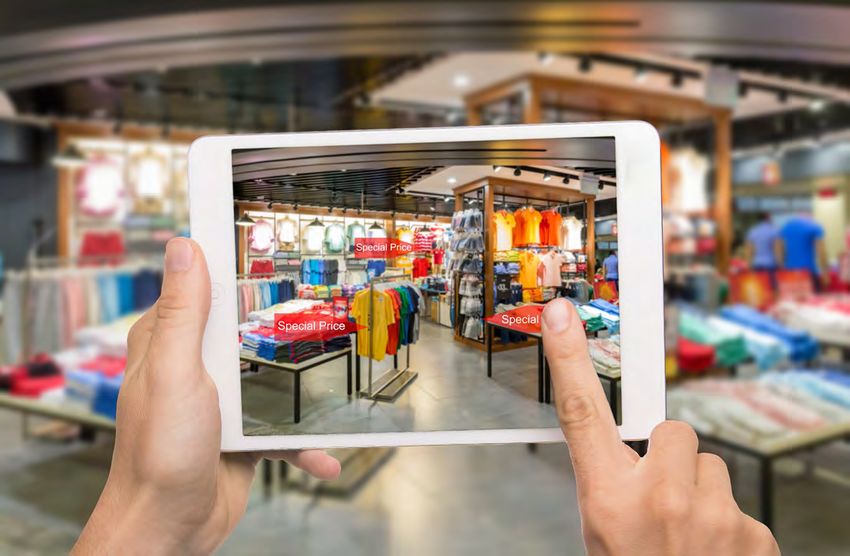
Consumer LEADS Consumer LEADS
Evolution of consumer households The households in India have evolved Further, with the advancement of technology and owing to increased connectedness globally, the households are expected to evolve
Advancement of technology, preference from typically consisting of 4-5 major into a network of inter-communicating devices:
for convenience and increased disposable consumer appliances during 1990s to
incomes are seen to have led the nearly 12-15 appliances today.
Households envisioned in the future..
evolution in consumer households.
(2025)
How the households have evolved over time..
Represents percentage of household electrified in India
Typical traditional households Current households
1980s-1990s (2018)
Smart Security Convenience Smart Devices AR/VR & AI Custom designs
redefined •• Smart appliances •• Virtual gaming,
•• Facial •• 3D printed bespoke
recognition •• Natural interfaces shopping, designs
•• Smart meters/
(voice & gesture) experience, etc.
•• Drones sensors •• Re-designable
patrolling •• Inter- •• Natural interfaces •• Bot assistance lightings and fixtures
communicating
~80 mn nuclear Joint & simple Homogenous ~165 mn nuclear Individual Heterogeneous •• Robotic alarms •• In-wall audio-visual
devices (wireless)
families decision making consumption families decisions based consumption equipment
Similar consumption on research Specialized •• Biodynamic lighting
patterns across age- products for each
•• Retractable roofs
groups age-group
and windows
Broad product/ Quality variability built Premium micro-markets Value-for-money
regional segmentation into purchase decision with urban centers variability
65% ~90%
100%
5-6 major appliances per household 12-15 appliances per household
TV TV(s) Washing Machine
Air cooler AC(s) Desktop
Refrigerator Refrigerator Laptops
Smart homes with inter-connected appliances
Radio/Stereo Music system Water heater
Washing machine Landline phone Water purifier
Landline phone Mobile phones Digital camera
Source: Deloitte analysis; media articles
…
Source: Deloitte analysis
16 17
Consumer LEADS Consumer LEADS
Increasing consumption to drive growth in consumer sectors While traditional format dominates the retail market, share of organized segment is rapidly growing.
Favourable macro-economic indicators and rapid growth in consumption is
driving the growth of retail sector as a whole 2017 2021f
2017 2021f
In dia n r et a il m a r k et
- by value (USD billion)
2000
CAGR
1800
7.8% 18%
18%
1600
U SD 795 9% U SD 1,200
CAGR U SD 795 9% U SD 1,200
10.8% billion billion
1400
billion billion
75% 75%
1200
3% 3%
1000
CAGR 88% 88% 7% 7%
13.9%
800
1,750
600
1,200
Traditional Organized (excluding E-commerce)
400
795 Traditional Organized (excluding E-commerce) E-commerce* E-commerce*
200
365 Source: KONNECTED to consumers; Economist Intelligence Unit, accessed in April 2018; Media articles; Indian Retail Industry: Growth, Trends, Challenges, and
Opportunity, India Retailing, 16 November 2017; Deloitte analysis.
0
2011 2017E 2021F 2026F Note*: e-commerce market here refers to sale of products and services through electronic transactions, home shopping is considered a part of e-commerce.
Source: KONNECTED to consumers; IBEF; Media articles; Indian Retail Industry: Growth,
Trends, Challenges, and Opportunity, India Retailing, 16 November 2017; Deloitte analysis
E-tailing# is expected to grow rapidly in India, the growth is expected to be one of the
fastest in Asia as well as globally at a CAGR of over 30% in the period 2016-21
•• India is Asia’s third largest retail – thus presenting massive investment
E-t a ilE-tail
m a rmarket
k et in in
Asia
Asia
(2016)
market and world’s fourth largest and business opportunities.
after the US, China and Japan. B u bble-size represents
Food and grocery accounts for the e-commerce market
•• It is one of the fastest growing major majority share of the retail market in 40.0%
economies in the world, leading to high India followed by apparel and footwear,
35.0% E-commerce market in India is well-placed,
growth in consumer and retail markets and consumer durables and IT segments:
presenting one of the fastest growing market India
30.0% in Asia-Pacific, as well as globally
E-tail market growth
Share of Indian e-commerce
(CAGR, 2016–21F)
Category wise breakup of total retail market 25.0%
market in Asia-Pacific is
2.0% expected to grow from
3.7% 20.0% current 2-3% to 6-7% by 2021
65.0% 9.8% 9.2% 7.1% South Korea
2.7% 0.5%
15.0% Hong Kong China
Food & grocery Apparel & footwear Consumer durables & IT Jewelry & accessories 10.0%
Taiwan
Health & entertainment Home décor & furnishings B eauty & personal care Others 5.0% Japan
Source: KONNECTED to consumers; Economist Intelligence Unit, accessed in April 2018 0.0%
0.0% 10.0% 20.0% 30.0% 40.0% 50.0% 60.0% 70.0% 80.0%
E-tail market growth (CAGR,
2011–16)
Note#: e-tail refers to e-commerce, excluding travel and event transactions
Sources: KONNECTED to consumers; Deloitte analysis
18 19Consumer LEADS Consumer LEADS
Indian e-commerce market – on a high growth trajectory. Key trends in the Indian e-commerce space include:
Values in USD billion
In dia n e-com m er ce m a r k et Government initiatives gaining momentum
CAGR 19%
250 Government recently launched four major initiatives – Digital India, Skill India, Startup India and India Innovation
Fund – these are likely to facilitate growth of e-commerce
200
200
CAGR 32% Competition leading to consolidation
150
Intense rivalry and competition amongst e-tailers is leading them to offer deep discounting, which is seen to drive
100 CAGR 47% 84 the industry towards consolidation and acquiring smaller players to complement or expand capabilities
50
24
Growth in m-commerce and internet penetration
2.4
0 India has amongst the highest share of mobile based e-Commerce sales globally, supplemented by increasing
2011 2017 2021f 2026f internet penetration
Sources: KONNECTED to consumers, Deloitte, 7 September, 2017; Media articles
Evolution of new payment solutions
The high growth in e-commerce market is –– Approximately 75% of the new •• Increasing usage of smartphones:
majorly attributable to factors including1: internet users are expected to come Smartphone users in India are expected Launch of electronic wallets and digital payment products is expected to ease the payment process in
from rural regions to increase from 260 million in 2016 to e-Commerce; launch of UPI is likely to further benefit e-Commerce
•• Growing internet penetration:
around 450 million by 2021, which is
Internet users in India are expected
also expected to drive the m-commerce
to increase from 432 million in 2016 to •• Rising number of online shoppers:
sales from USD 10.5 billion in 2016 to Innovation in Logistics
647 million by 2021, taking the internet Number of online shoppers would
USD 38 billion in 2020.
penetration from 30% in 2016 to 59% increase from current 15% of the
Rise in third-party logistic providers and hyper local delivery players to manage last mile deliveries; India Post
in 2021 online population to 50% of the online
supporting e-commerce by leveraging its extensive reach
population by 2026.
GST expected to enhance the growth of e-Commerce
GST implementation to enhance e-Commerce through a uniform tax structure, simpler inter-State goods transfer,
increased merchant compliances and easier tax refunds
Empowerment of MSMEs
e-Commerce driving many MSMEs to explore the option of selling online and to access new customers in India
and globally
1
KONNECTED to consumers, Deloitte, 7 September, 2017; Media articles
20 21Consumer LEADS Consumer LEADS
Consumer
LEADS
On the backdrop of a growing economy and favourable
factors driving consumerism in India, companies operating
in the consumer industries have multiple opportunities
to conduct business in the country. To realise these
potential opportunities, the brands need to keep abreast
with the upcoming trends and innovations and consider
incorporating necessary alterations in their business
models and strategies.
22 23Consumer LEADS Consumer LEADS
Evolving parameters in consumer domain
Strategy Innovate
Marketing Convenience
Personalize Transform
Discounts Engage
Packaging After-sales
Experiential Advertising
Loyalty Omni-channel
Secure Data
Technology Values
Social media Last-mile delivery
Sustainability
Source: Deloitte analysis
In the current age of multiple choices, The following sections provide a glimpse about the current and upcoming trends
increased convenience, value-driven of disruptions, innovations, and changes thereby providing insights on specific
demand and inter-connectedness, happening in the realm of consumer areas for transforming their business
shortlisting and prioritising strategy can markets. These evolutions are majorly models or strategies.
become a major challenge for consumer driven by changing consumer behaviour
companies. As a result, the brands are and needs and are enabled by data and
seen facing an immense pressure to technology. The information provided
remain relevant and competitive in this in these sections is intended to help
rapidly evolving consumer landscape. companies/brands remain well-informed
24 25Consumer LEADS Consumer LEADS
Learning
from millennials for
innovation and strategy
Millennials form a very substantial target group for
majority of brands operating in various consumer
segments including food and beverages, apparel,
footwear & accessories, consumer durables and
electronics and Fast Moving Consumer Goods (FMCG).
Moreover, millennials or the young consumer groups, in
general, are at the helm of driving changes in consumer
shopping journeys and trends. It is thus imperative for all
consumer focussed companies to gauge the variations
and shifts driven by the youth, and tweak their strategies
to cater to the new-age demands.
26 27Consumer LEADS Consumer LEADS
India has the world’s largest millennial Further, millennials account for a major be seen from the chart below, millennials, Focus on millennials should not mean premium product segments. Brands, and remain upbeat about the ongoing
population in absolute terms. Falling share in the workforce population. While which come in the age-group of 18-35 overlooking other age groups while aiming at strategizing their offerings trends, the focus can rapidly expand to
in the age group of 18-35 years, and millennials constitute more than one- years, account for nearly half of the While millennials are certainly one of and outlook for millennials, must also older generations, where millennials’
having a population of over 440 million, fourth of the workforce in Asia Pacific workforce population in India.3 the largest consumer target groups in realise that the offers could potentially be parents and older relatives could
millennials constitute nearly 34% of the region, their contribution to the Indian the country, the importance of other of significant value to not just millennials, become the next potential target group.
country’s total population.2 workforce is significantly higher. As can age groups including Gen X and Baby but other age groups as well. If proven Companies, thus not only need to focus
Boomers cannot be overlooked. The to be of high value, these offerings carry on millennials, but also look beyond the
relatively older generations contribute the potential to quickly cater to the mass age group to maximize adoption potential.
significantly to the growth of consumer consumers across age groups. Although
Share in working age population (by age group, India) markets, especially jewellery, luxury and it makes more sense to target millennials
Millennials account for nearly half
“The trend for targeting millennials and offering products
2017 9% 47% 28% 16% of the working age population. Their
share in the working population is suiting their needs started in the US and thus, Tommy
expected to remain highest in the
Hilfiger picked it up early in India and prioritised it. Our
next decade and even further
store design and collection is targeted at the young
consumers, which is also evident from the fact that we’ve
2027F 8% 43% 30% 19%
continued with Gigi Hadid as our global brand ambassador.
Mr. Shailesh Chaturvedi
CEO & Director – Tommy
We have a very young and sporty collection to target the
50-64 36-49 18-35 15-17 Hilfiger (India) youth.”
Source: UN population stats, accessed April 2018
Millennials are the first global generation earners in the household, millennials segments where the millennial group, in
of digital natives, implying that the have significant spending power and general, has a greater tendency to spend
population group was the first to witness greater access to products and services. more vis-à-vis their increasing disposable
and leverage the technology and internet This trend is expected to drive the incomes.
for shopping. Being better connected consumer market in the country leading
to information and being the chief wage to disruptions, especially in discretionary
With a 65-70% population of the country falling under
the age bracket of 30 years, the time is ripe for consumer
brands to invest strategically for these consumers.
The digital connectedness has ensured that the youth has
all the information it requires on its finger-tips; thus, it is
Mr. Shashwat Goenka
Sector Head –
not about educating the consumers anymore, but to enable
Spencer’s Retail, them through their purchase cycles.”
RP Sanjiv Goenka Group
2
UN population stats, Deloitte Analysis
3
UN population stats, Deloitte Analysis
28 29Consumer LEADS Consumer LEADS
Idle to Agile: shaping the future of consumer markets
Easy access to global markets, preference operations and management. While With changing lifestyle, technological “As a company, we engage with our consumers broadly
to convenience and diverse choices at
the disposal of consumers have led to
agility finds its roots in IT and software
firms, from where it expanded to
advancements, and greater information
access, the consumers’ shopping journey
through three means:
a rapid evolution of consumer markets finance, it is relatively new in the and consumption patterns are also • What we say (marketing) – The communication needs to
in India. These multiple opportunities
permeate across the consumer value
consumer industries including FMCG
and e-commerce. Agility in operations
evolving. The shopping journey can be
segregated across five major aspects:
be transparent, authentic and valuable
chain easing the shopping journey is expected to lead to collaboration awareness, consideration, purchase, • How we reach (medium) – The real value of the internet
through technology, better household
incomes, varied channel and product
among cross-functional inter-disciplinary
members encouraging iterations for
aftersales and loyalty.
is in opportunities for targeting
Mr. Arvind Chintamani,
options, augmented means of two-way an adaptive best-case process. The
VP, Marketing – Colgate
• What we sell (products) – Products that deliver tangibly
communication, multiple payment
options, personalized service offerings
concept of agility can be leveraged across
functions such as marketing, product
Palmolive (India) Ltd. on real insights”
among others. To stay atop this rapid development, supply chain, logistics and
evolution, consumer companies need delivery to increase productivity and
to consider embracing agility in their efficiency and to reduce costs and efforts.
There has been a noteworthy development in the consumer shopping cycle over the last two-three decades. The traditional, linear
path to purchase is a thing of the past.
Shopping journey in 1980-90s
Awareness The reason to buy; consumer motivation
The channels/outlets a shopper chooses
Awareness Consideration Purchase Aftersales Loyalty
Consideration to make the purchase
Newspaper Visit store Store purchase Visit store Product experience
The reason the shopper enters/chooses
based
the category TV/ Radio Call seller Mail order Visit local electrical
shop Word of mouth
Word of mouth
The reason the shopper marketinga
Purchase
enters/chooses the category Bill-boards
Yellow pages
How the shopper
Retailers
makes a choice?
Aftersales
Usage
•• Consumers got their •• Consumers visited •• With limited •• Not much emphasis •• Consumers were
experience
initial inspiration retailers in the payment channels, was placed on after- very brand loyal.
and awareness from neighborhood to customers typically sales experience Their loyalty was
Repeat
a retailer, brand’s compare prices purchased goods based on their
Loyalty •• Companies largely
advertisement/ in-store. In some own experience
•• Retailers had a differentiated on
marketing channels cases, a mail order while purchasing a
significant role basis of products
or family and friends was used to make product or reviews
in influencing and benefits
payment of family and friends
consumers’ buying
•• Customers typically
decisions •• Consumers had •• Low-cost brands
visited company-
to sometimes were usually
•• The comparison was owned outlets or
wait a few days/ associated with
relatively straight local electricians if
weeks before the inferior quality
forward as the appliance purchased
delivery of a TV or a
number of brands was damaged or
refrigerator
and SKU options faulty
available was limited
Source: Deloitte analysis
30 31Consumer LEADS Consumer LEADS
Consumers now embrace an omni-channel experience and switch brands unpredictably: Going forward, product uniqueness, pricing transparency, and prompt service are expected to be the key:
Envisioned shopping journey in 2025
Current shopping journey, 2018
Awareness Consideration Purchase Aftersales Loyalty
Awareness Consideration Purchase Aftersales Loyalty
AI branding AR/ VR based Tele-shopping AR/ VR assistance Customized loyalty
Parameters Shopping becoming Option experience programs
more social Experiential 24*7 robot manned Social media
Online media Peer reviews (with friends & Visit store Experiential loyalty Trusted influencer
branding stores Digital loyalty
family) Online tutorials
Paid media Fit with digital Social media Loyalty program Product ecosystem
Media (Owned, paid customization Stores on wheels
persona Tele-shopping On-demand
Earned media Digital channel Discounts & offers & earned) Non-monetary
Block-chain verified E-Com doorstep service
Price comparison Store purchase awards/privileged
On-demand Conditional loyalty SKU
App center treatment
Brand story/ CSR E-com doorstep services
Online reviews Brand-story, CSR
Chat-bots
Discount/ coupons Call center
•• Consumers •• Brands expected to •• Online buyers •• With increasing •• Loyalty expected to
Online influencers Online tutorial
expected to seek out consumers expected to reach expectations, be consumer-centric
have access to AI 300-350 million by consumers would and transient
•• While traditionally, •• Plethora of options •• Decisions moved •• Immediate •• With increasing •• Companies will need
branding (big data 2025, from current want zero-error and
consumers waited to choose from from being based gratification product options to keep up with •• Consumers are
analytics, predictive ~100 million best service (first
for the information owing to online on availability becoming more and fickle buying their consumers’ likely to be willing
computing, etc.) time right)
to reach them, in mediums of products to important behavior, consumer lives in a non- •• Consumers to share data with
and experiential
current times, they being based on loyalty has intrusive way and expected to be •• Consumers would companies and
•• Companies engaging branding
actively gather convenience and weakened provide customized able to purchase expect Service expect personalized
closely with (gamification, AR,
information through benefits offerings products through Level Agreements offerings in return
consumers after •• However, self-generating
sources 90% stores on wheels (SLAs) which offer
selling products/ consumers seem brands, brand as a •• Brands will need to
and 24/7 robot guaranteed product
•• 63% of the services to improve to prefer shopping friend/ consumers provide immersive
manned stores uptime
millennials stay •• Nearly 90% 28% their offerings and at retailers offering acting as co- blended experience
updated on brands millennials engage provide more value loyalty programs branders) to relate to product
through social in some form of to consumers and lifestyle
•• Percentage of
media online activities •• Nearly 28%
consumers willing Source(s): Deloitte analysis
while conducting millennials
to spend on
shopping in-store often purchase
brands with loyalty As the implementation of technology in offline means. Millennials, being amongst population, would play a prominent role
products owing
programs: consumer sectors increases pace, the the first generations to have leveraged in the growth of consumer sectors in the
to social media
recommendations consumer/shopper journey is expected technology for trade and commerce, and near future.
40% Boomers to be driven by confluence of online and constituting a majority of the country’s
39% Gen X
49% Millennials
“It is extremely important for any consumer-based company to
attract new-age consumers and make products relevant for them.
Note: Owned media includes website and controlled media, Paid media includes print, audio and video media, and Earned media includes reviews, blogs,
editorials, etc.
Source: 46 pc millennials spend more on brands with loyalty programmes: Study, India Retailing, October 2016; Media articles; Indian Fashion Retail 2016, April We are increasingly witnessing a trend of consumers preferring
2016; KONNECTED to consumers, Deloitte-FICCI, September 2017.
health & wellness, which is impacting the buying behaviour as
well – consumers are making purchases not just on impulse but
Mr. Mayank Jalan
Managing Director –
after proper consideration of products’ benefits from a health
Keventer Agro Ltd. perspective.”
32 33Consumer LEADS Consumer LEADS
From showrooming to webrooming: •• tele-ordering products for ease of that a new model of consumer-to- Further, apart from consumer electronics, consumers from Asian countries are
streamlining your channel strategy access; business (C2B) has emerged where amongst the top 5 to have ever-shopped online in the following categories –
companies get cues to new products
•• ordering products after reading
In the current multi-channel age, and services through crowdsourcing. Top 5 countries globally to have shopped online for select product categories:
reviews/ recommendations on social
consumer companies in India are seen Consumers are conveying their specific
media;
aligning their business strategies, needs to companies which are being used
especially to cater to the demands of a •• picking products from store/ delivery for creating brand value and providing Fashion related products Travel related products
young and technology-driven population. centre after ordering online to avoid unique experiences to consumers.
Leading consumer companies are facing last-mile delivery delays (click and
stiff competition in their omni-channel collect model); Online shopping or e-commerce has
offerings, while aiming to provide picked up pace in developing countries China,
•• placing personalized product orders in- Germany, 68% Austria, Ireland, 78%
seamless and integrated solutions as well. According, to a survey of online 72% N ew Zealand,
store to get them delivered later; 66% China, 68%
to consumers’ needs. The advent of consumers in more than 63 countries 67%
technology has led to the consumers •• consumer-to-consumer (C2C) buying. by a global performance management In dia , South Korea, N orway, 73%
68% In dia ,
leveraging multiple channels for making company, more than 90% of the 67%
Global, 58% Global, 55% 68%
their purchases: Internet and mobile apps have made consumers surveyed have shopped
the shopping journey of consumers online at least once. Fashion and travel
•• browsing online and shopping in-store
convenient to the extent that the emerged as the top categories where
for product’s look and feel;
millennials and younger generations consumers have ever made a purchase
•• shortlisting products in-store and have now become habituated to instant online:
making the purchase online for better gratification. Millennials are seen to be Consumer electronics Beauty & personal care products
prices and offers; keen on socialising and collaboration
and thus, companies need to consider
•• getting custom/ exclusive products
proactively streamlining their two-way Czech Republic, 62%
shipped from foreign countries through
communication with consumers. It is South Korea, 49% In dia , 50% Ukraine,
company websites; Slovakia, 50% China, 47%
owing to this two-way communication 42%
Ukraine, B razil, 50% South Korea, 48%
50% Romania, 43%
Global, 40% Global, 38%
Percentage of consumers (globally) who have ever purchased the category online
Packaged grocery Fresh grocery
58%
55%
China, 47% In dia , China, In dia ,
40% 34% 40% 35%
38% Taiwan,
South Korea, Israel, 21%
27% South Korea,
43%
Japan, 29% 39%
Global, 24% UK, 25%
24% Global, 21%
23%
21%
14% Source: What’s in-store for online grocery shopping, Nielsen, January 2017
Fashion Travel Consumer B eauty & Packaged Household Fresh groceries Alcoholic
Electronics Personal care grocery food cleaning & beverages
paper While online purchases for durables online shoppers. However, categories
such as fashion related products and such as beauty, personal care and
Source: What’s in-store for online grocery shopping, Nielsen, January 2017 consumer electronics, and service packaged groceries are gaining traction
oriented categories such as travel is high with Asian countries such as China, South
globally; consumables have been a bit Korea and India leading from the front.
slower in gaining popularity amongst
34 35Consumer LEADS Consumer LEADS
While the above imperatives are more vis-à-vis broadly held attitudes on
“E-commerce offers a significant potential for companies to communicate and specific to food & beverages segment, innovation, wellness, convenience, “Since beer is only
these apply to Fast Moving Consumer technology, and marketing tactics can
educate consumers, as compared to brick-and-mortar retail stores where the Goods (FMCG), apparel, footwear and lead to missed opportunities arising from permitted for people
interaction with consumers is limited and majorly transactional. E-commerce’s accessories, consumer durables and a deeper and more comprehensive view after attaining a
electronics as well. A collaborative of consumers. These could result in less
this advantage over physical retail is expected to provide major opportunities approach with a balanced mix of in-store productive outcomes and inefficient use minimum legal
of growth for new-age companies and start-ups, where the platform can (offline) and off-store (online) strategies of marketing resources.4 drinking age, our
may be required to drive a seamless and
be leveraged to sub-communicate the story and benefits of products. This profitable business model. Thus, while millennials can be focused offerings naturally fit
would lead to the emergence of new brands offering processed food products upon for capturing new trends and for the target group.
From niche to masses. technologies, a more nuanced approach
catering to the masses”. Many consumer products organisations of segmentation by attitudes may be Thus, our product is
Mr. Mayank Jalan,
are investing significantly in marketing considered for companies to realise in itself our strategy
and innovation for millennials, and inclusive growth, likely resulting in
Managing Director – Keventer Agro Ltd.
Generation Z is also emerging as a increased profitability. Strategies based to focus on the youth.
significant target. However, a heightened on attitudes and shopping behaviour are Further, we have cafes,
focus on millennials shouldn’t blind likely to be more appealing to consumers
companies to the potential appeal of and could result in a more thoughtful which allow people
In the current digital era, the desire requires immediate consideration.
for convenience and immediacy in the Following represents the six major digital
older generations, often having greater targeting. to drink throughout
spending power. From a marketing
multichannel era is expected to shape imperatives for manufacturers as well as
perspective, stereotyping generations the day – not just in
the future of retail and consumer retailers, to help them collaborate and
markets in general. Thus, streamlining balance their physical and digital sales
the evenings. Beer
the business and channel strategies strategies: Café caters to nearly 2
million people, and our
Digital shelf capabilities Organizational structure
consumer segment is
Integrating digital and in-store Integrating the digital offerings majorly below the age
shelf capabilities to feed
consistent information across
developed by right set of people
in unduplicated organizational
of 35 years.”
channels structures Mr. Rahul Singh
4
Millennials and beyond, Deloitte, July 2018 Founder & CEO – The Beer Café
Marketing and promotions Imperatives Data accuracy
Optimizing management of for Digital Fixing inaccurate master data to
omni-channel marketing & collaboration support online sales
promotions model
Consumer/Shopper insights Forecasting
Assembling shopper Triangulating and aligning
information from retailer multiple online and offline
and manufacturer to provide forecasts to aptly estimate
comprehensible insights inventory position
Source: The digitally engaged food shopper, Nielsen, January 2018
36 37Consumer LEADS Consumer LEADS
Engage with
consumers to enhance
brand connect
With the lines between online and offline channels blurring
more rapidly, the emergence of multi-channel models
has resulted in new benchmarks of convenience and
connectivity. The new age of connected eco-systems has
made it essential for brands to engage their consumers
by providing immersive experiences. In the fast moving
digital age, where consumers have a plethora of options
to choose from and a multitude of channels throughout
their shopping journeys, companies are seen facing a major
hurdle to attract and retain consumers. A noble approach,
which has been tried and tested globally and is followed
by modern companies, presents a way out for brands
facing consumer loyalty challenges. Generating actionable
insights from consumers’ shopping patterns and behaviour
leveraging advanced data and predictive analytics can
help brands significantly. These insights could be used for
offering bespoke and personalised solutions which, in turn,
could be leveraged to retain consumers and encourage
repeat visits and purchases. Such kind of customised
solutioning, however, requires detailed consumer
segmentation backed by advanced analytics, and focused
customer targeting.
38 39Consumer LEADS Consumer LEADS
Experiential retail: confluence of engage with technology and devices, New age consumers’ characteristics
entertainment and shopping experience delectable global cuisines, “Consumers are
get absorbed into virtual entertainment, Connected consumers
The evolving consumer markets are special events and product launches, spending less Changing purchase patterns
Consumers in today’s world are
Experiential shopping
seen to have shifted stance from ‘bricks etc. Retail is thus evolving into a new time in stores but With increasing internet penetration
more connected than ever. They
Consumers increasingly prefer
versus clicks’ to ‘bricks-and-clicks’. dimension of ‘retailtainment’ or retail are empowered by technology to
While earlier, it was a battle between and entertainment, which is likely to are frequenting in India, online buyers are rapidly
increasing. Moreover, m-Commerce
get what they want, when they
to buy from modern retail stores
with spacious layouts. While there
the online and offline channels, the dominate the consumer industry in the them more, thus is growing at an exponential pace,
want and where they want
are multiple options from where a
industry seem to be moving towards a near future.
more immersive model in current times necessitating brands m-wallets transactions in India
increased from INR 200 billion in FY16
product can be bought, shopping
experience is becoming the key
where collaboration is considered to Catering to the consumers of new age to make the buying to INR 3,000 billion in FY18 differentiator amongst channels
be the key. The confluence of online Consumers in India are increasingly
and offline channels is expected to becoming more connected and cash- journey of consumers
drive the markets, where consumer rich but are getting time-starved or more experiential,
experience has taken the lime-light. impatient – they want the experience
The expectations from a modern brick- or product “now”. Companies need which will further
and-mortar store have transformed to consider engaging the consumers, give them a reason
completely – consumers no longer keeping in mind the altering landscape
walk-in to the stores just to buy the of consumer characteristics in the to come to the store Preference for Healthy choices
products. They are looking forward modern world. more frequently.” convenience Increasing
to an enhanced shopping experience In today’s world sedentary lifestyle
where they get immersed into a whole Mr. Shashwat Goenka of cash-rich and and changing
new dimension and get to know Sector Head – Spencer’s Retail, RP time-starved eating habits has
about new products and features, Sanjiv Goenka Group consumers, made way for
convenience healthier choices
has become including natural,
a paramount herbal, organic and
consideration Ayurvedic
New age
consumers’
characteristics
Source: Payment System Indicators, Reserve Bank of India, accessed on 21 June 2018; Deloitte analysis
Technology has been the front-runner
in driving consumer engagement and
experience in their shopping journey.
“We ensure that all TH stores in India have our
Apart from understanding consumers’ international/global look and feel, so that the
behavioural insights through advanced
data analytics, emerging technologies
consumers have a similar experience in the stores
such as Internet of Things (IoT), irrespective of whether they visit in India, New
Augmented Reality (AR) and Virtual
Reality (VR), Artificial Intelligence (AI),
York or London. Our store designing is done
bots and drones, beacons, cloud- in a way to make it more experiential for the
platforms, etc. have played a key role
in enhancing consumers’ engagement
consumers through the use of various technology
more than ever. & social media platforms.”
Mr. Shailesh Chaturvedi
CEO & Director – Tommy Hilfiger (India)
40 41Consumer LEADS Consumer LEADS
Experiential shopping: Case studies5 for the consumers, an experience which Technology is used by companies to broadly provide five major types of digital services
•• Personalized digital displays in-store
is more engaging and convenient while at “Spencer’s focuses on and experiences to create a valuable connect with the consumers:
the same time providing more options.
One of the major beverage
The buying experience is engaging and
making its stores more
manufacturing company launched
in-store display systems to show
unique in value for the consumers, thus experiential and less Information
Convenience
encouraging repeat visits as well as Digital information technologies
personalised messages to approaching
word of mouth advertising. Stores or
transactional through such as analytics and IoT Connected technologies and
consumers based on their smartphone products such as sensors and
data. The personalised marketing
e-commerce platforms try to ensure that various means such provide transparency and
smart devices offer efficiency
the consumers’ queries and concerns traceability. This fulfills the
feature worked on cloud technology
are adequately addressed, and they are
as digital displays demand of consumers for and convenience. They also
to enhance shoppers’ media-rich anticipate and respond to the
experience in-store. It also leveraged
appropriately guided so as to facilitate with greater scope relevant information in a clear
needs of consumer in a dynamic
and enhance their overall shopping and comprehensive manner
built-in smartphone features and
experience.
of interaction and manner
beacon technology to interpret
shopper’s buying preferences and
provision of tasting
Stores are trialling AR to showcase the Types of digital
habits.
entire range of products ‘virtually’,
some of the food services/
Impact: This pilot, run across more
allowing shoppers/consumers to browse before purchasing it. experiences
the catalogue and make selections
than 250 grocery chain stores by
through AR, thereby reducing the
To further enhance
the company, delivered Return on
Investment (RoI) within one-month.
physical space required by stores to the consumers’
display the products. In many cases, the
Further, the personalized displays not
‘virtual’ catalogue is connected to social
experience it plans to Commercial offers
only helped drive the sales of company
products, but drove the overall sales of
media platforms, allowing consumers come up with chefs- Technology helps brands in Entertainment
to get real time feedback from other precision and personalized Brands provide entertainment
carbonated drinks as well in these retail
consumers who have bought/ used
in-store and provide marketing, which are generally to express their positioning and
outlets.
the products, watch advertisements of live cooking courses a powerful conversion tool build stronger affiliations with
•• AR/ VR based experiences for apparel selected products, and also check for consumers. Thus brands are
While online retail, especially for their favourite celebrities who may have
which will increase the increasingly leveraging digital
lifestyle and beauty enhancing used the products, further enabling them consumers’ in-store interactive displays, VR gaming,
products, is rapidly embracing the to make the choice. Real-time advice gamified promotions, etc. to
concept of AR, physical retail stores
brand engagement Products infused with smart technologies, such build connect with consumers
are also following suit by piloting AR/ In one of the modern apparel stores in manifold and provide as smart watches, enable companies to provide
VR-based virtual trials at their stores in UK, highly personalised store interactions relevant advice to consumers and educate them
India. These stores are redefining the are offered by pushing promotions
them with a unique with new ways and updates
extent of convenience for consumers. and discounts to consumers’ handheld experience.” Source: Deloitte analysis
devices based on their store location.
For example, at one of the modern AR- Further, to engage shoppers in the store, Mr. Shashwat Goenka
based apparel stores, consumers have each online order placed for made-to- Sector Head – Spencer’s Retail, RP
Hash-tag (#) communications: the is not just restricted to social network and express their views, social media
to just walk-in, choose their preferred order garments or perfumes triggers Sanjiv Goenka Group
significance of S-commerce driving sales, but consists of other forms has become a great tool for companies
attires from a wide range of product RFID-enabled smart mirrors, which are
such as peer-to-peer sales platforms to engage with consumers. Various
assortments available through a virtual placed in the store. These mirrors depict
Significance of ‘S-commerce’ or social (community-based marketplaces), group analytical tools and advance analytics are
inventory, enter the trial room and try all the journey behind the making of the
commerce has significantly increased in buying (products and services offered at being leveraged by companies to analyse
the outfits via, a virtual mirror without selected products. If the consumers do
today’s world of connected consumers. reduced rates if enough buyers willing the social and behavioural traits of the
actually having to perform all these not visit the store, the short film would be
Pictures and videos of products/ to make the purchase), user-curated consumers and tweak their strategies
tasks. The combination of technologies triggered in the phone through which the
brands posted by consumers on shopping (where users create and share accordingly to suit the needs and
leveraged at these modern apparel order had been placed.
social networking sites and blogs, list of products/ services for others to convenience of consumers. Social sites
stores facilitate a seamless experience
user experiences and stories shared shop from), participatory commerce are also used frequently to raise queries
on the web, ratings, reviews and (where consumers become decision or post grievances which keeps the
recommendations posted online, etc. makers across the product value chain consumer companies on toes to revert
act as user-generated advertorial through voting, funding, collaboratively promptly to such concerns and avoid any
content. This content either promotes designing), etc. damage to their social rapport.
or demotes a particular product, brand
or service amongst a specific set of Since consumers can freely post
people – people which have access to information regarding their purchases or
view/ read the content. Social commerce experiences on various social platforms
5
Media articles, Company websites
42 43You can also read


