AgriSuccessJANUARY 2021 - PARTNERSHIPS AND FAMILY UNDERPIN GREENHOUSE SUCCESS - Farm Credit Canada
←
→
Page content transcription
If your browser does not render page correctly, please read the page content below
AgriSuccess
                      JANUARY 2021

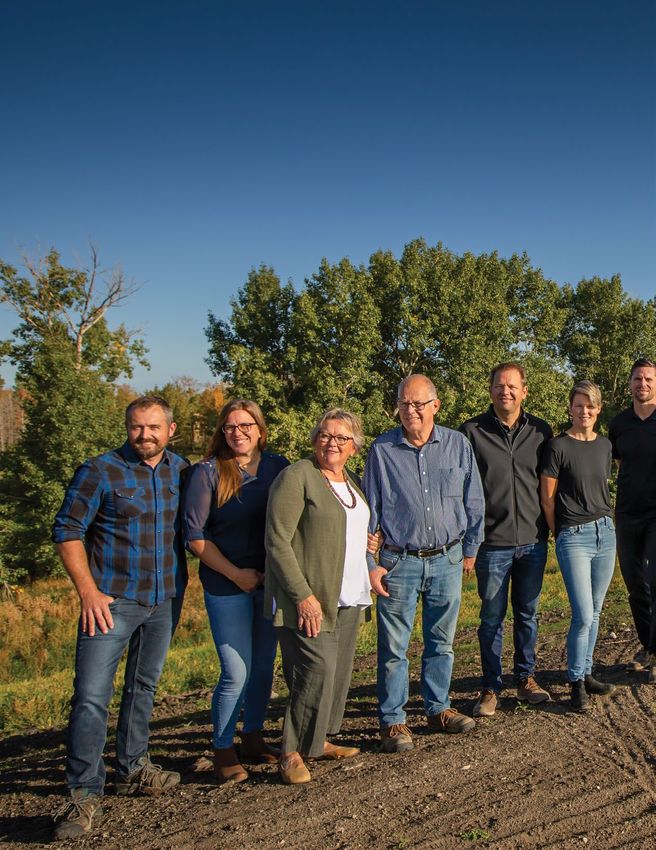
PARTNERSHIPS
AND FAMILY UNDERPIN
GREENHOUSE SUCCESS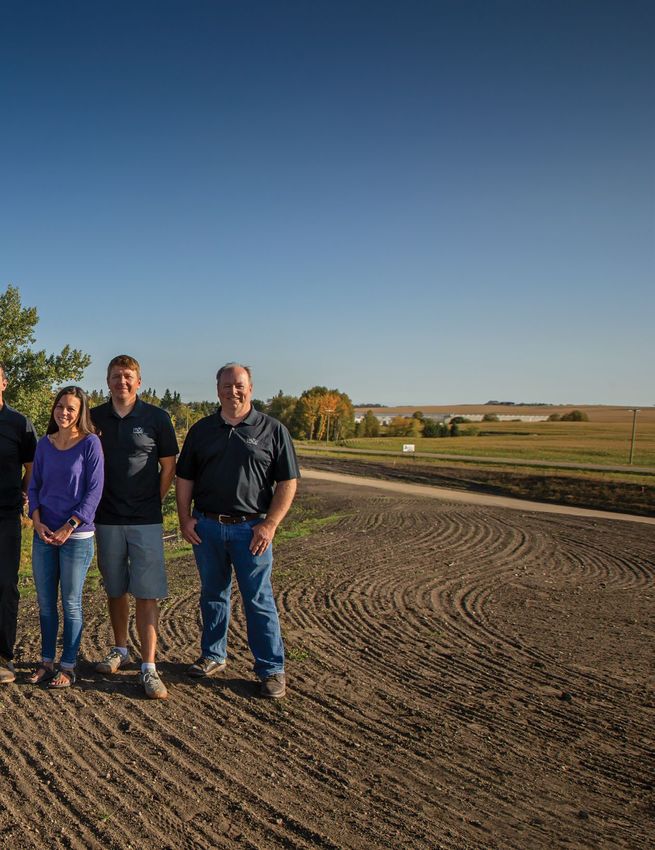
FCC DRIVE AWAY HUNGER

Challenging times,
generous giving

Over 17.6 million meals raised
It was a year like no other. Thanks to our donors and everyone who helped us collect
a record number of meals for food banks and feeding programs across Canada.

BASF Canada                        Courchesne Larose                    NutriGroupe
BDO Canada LLP                     Dedicated Harvesters                 Parrish & Heimbecker Ltd.
Bonduelle                          Exceldor                             Ray-Mont Logistics International
Canadawide                         Groupe Vegco Inc.                    Les Viandes du Breton
Chenail Fruits et Légumes          Lou’s Kitchen                        Windset Farms
Co-op

Avanti Office Products             Lethbridge and District Exhibition   Les Pommes de Terre Cardinal Inc.
Baker Tilly                        Mazergroup                           Les Produits Ricard Inc.
F. Ménard Inc.                     McDougall Gauley LLP                 South Country Equipment Ltd.
Fruit d’Or Inc.                    Meadow Valley Meats                  Sun Life Financial
Gwillimdale Farms Ltd.             MNP LLP                              Wheat Country Motors
Harrison Pensa LLP                 Patates Dolbec                       Young’s Equipment Inc.
KPMG LLP

                                              For a full list of donors, visit FCCDriveAwayHunger.ca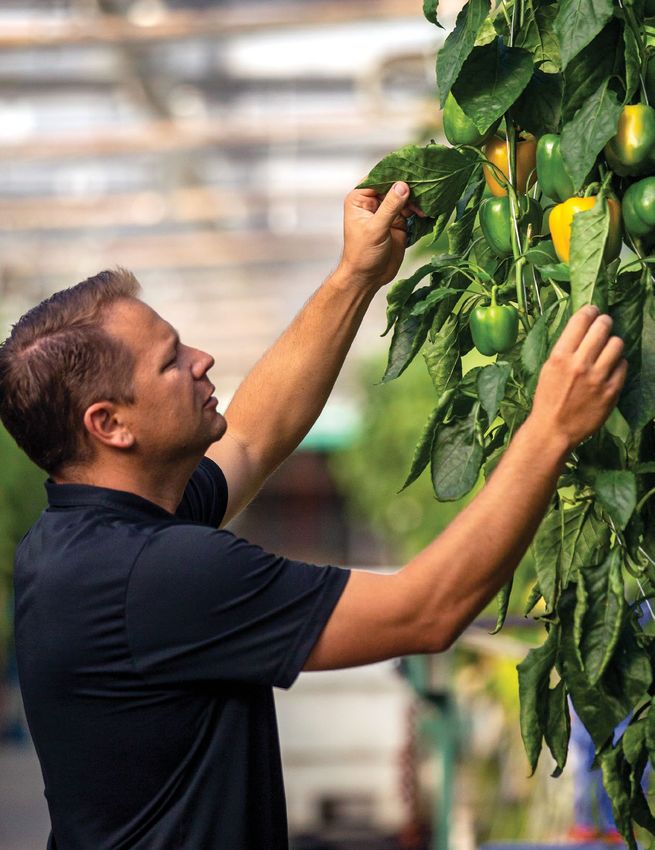
IN THIS EDITION                                                                  JANUARY 2021

                                                                                                   3
                                                                                                   YOUR MONEY
AgriSuccess                                                                                        New set of financial statements?
                                                                                                   Look here first
                                                                                                   There’s a lot to digest in your 2020 financials.
With pride in agriculture and a                                                                    One number tells you more about last year’s
positive yet realistic outlook,                                                                    results than perhaps any other – here’s what
AgriSuccess is dedicated to                                                                        you can do with it.
helping Canadian producers
advance their management
practices. Each edition aspires                                                                    8
to present content that is:
                                                                                                   UP AND COMERS
• engaging                                                                                         McGill University’s Macdonald Campus

                                         4
• motivational                                                                                     Janine Lock and Mark Ruiter are dedicated to
• innovative                                                                                       agriculture and committed to lifelong learning
• actionable                                                                                       throughout a future that embraces technology,
                                                                                                   community, and social stewardship of land,
                                                                                                   water and animals.

Published four times annually in
January, March, June and November.
                                                                                                   11
Est. 2004, Edition 91
                                                                                                   GAME CHANGERS
                                                                                                   Accelerators support agricultural
Editor, Kim Sheppard                                                                               technology and innovation
Original photography by                                                                            Accelerators and incubators provide the
HuszarVisuals.ca
                                                                                                   support startups and entrepreneurs need to
Photography and articles may be                                                                    develop, validate and bring new products to
reproduced with permission. Please
contact us at agrisuccess@fcc-fac.ca.      PRODUCER PROFILE                                        market – and can have a positive impact at the
                                           Partnerships and family underpin                        farm level.
Cette publication est également
offerte en français. Consultez fac.ca/     greenhouse success
Agrisucces.
                                           Doef’s Greenhouses merges a tri-gen energy              18
                                           partnership with a vibrant family business, local
The editors and journalists who
contribute to AgriSuccess attempt          workers and a close connection to consumers –
                                                                                                   CASE STUDY
to provide accurate and useful                                                                     Buying out a neighbour
information and analysis. However,         allowing them to thrive and grow, even in
the editors and FCC cannot and do          challenging times.                                      The Smiths thought an equipment auction and
not guarantee the accuracy of the
                                                                                                   land rentals were the way to go on retirement,
information contained in this journal
and the editors and FCC assume                                                                     until a conversation with a neighbouring family
no responsibility for any actions or
decisions taken by any reader of this
                                                                                                   made them rethink their options.
journal based on the information
provided.
                                           12                                                      20
                                           FEATURE                                                 ASK AN EXPERT
                                           Make training and development your business             What are the biggest farm liability threats
Subscribe for free: fcc.ca/AgriSuccess     cornerstones                                            (and how do managers cover them)?
                                           Developing new skills keeps farms profitable and        The advice of experts on liability issues related
      @FCCagriculture
                                           team members engaged. This advice will help you         to agricultural technology, the environment and
      Farm Credit Canada                   make the most of your opportunities.                    human resources.
      @FCCagriculture

      Farm Credit Canada                   14                                                      22
      Farm Credit Canada                   FEATURE                                                 AG INNOVATION
                                           Managing liquidity so you’re ready for anything         Fleet monitoring and geofencing
                                           For many farmers, the past couple of years have         GPS is deeply entrenched in guidance and
                                           been challenging. There’s nothing like cash – safe in   precision crop production practices, but the
                                           the bank or close at hand – to get you through.         technology has numerous other functionalities
                                                                                                   that fit farm equipment, livestock and people.
CONTRIBUTORS

     CONTRIBUTORS
     KIM SHEPPARD, EDITOR
     Kim is an Ontario-based communications
     specialist with a deep background in animal
     agriculture and a broad focus on Canadian
     agriculture and science communications. She
     provides writing and editing services within
     academia and across agricultural sectors.

     TREVOR BACQUE
     A freelance writer and editor based in Alberta,
     Trevor is also the current president of the
     Canadian Farm Writers’ Federation.

     KIERAN BRETT
     Kieran is an Alberta-based writer who’s
     been covering agriculture-related topics, from
     production to finance to marketing, since 1989.

     PETER GREDIG
     Peter has a background in agricultural
     communications and is a partner in mobile app
     development company AgNition Inc. He farms
     near London, Ont.

     MATT McINTOSH
     A freelance journalist and communications
     professional specializing in science and
     agriculture, Matt also works with his family on
     their southwestern Ontario grain farm.

     OWEN ROBERTS
     Owen is a freelance journalist in Guelph, where he
     also works at the University of Guelph as senior
     editorial contributor and manager of the SPARK
     program.

     LILIAN SCHAER
     Lilian is a professional writer and editor based
     near Guelph, Ont., providing freelance
     communications services across the agriculture
     industry.

2 | FCC.CA/AGRISUCCESS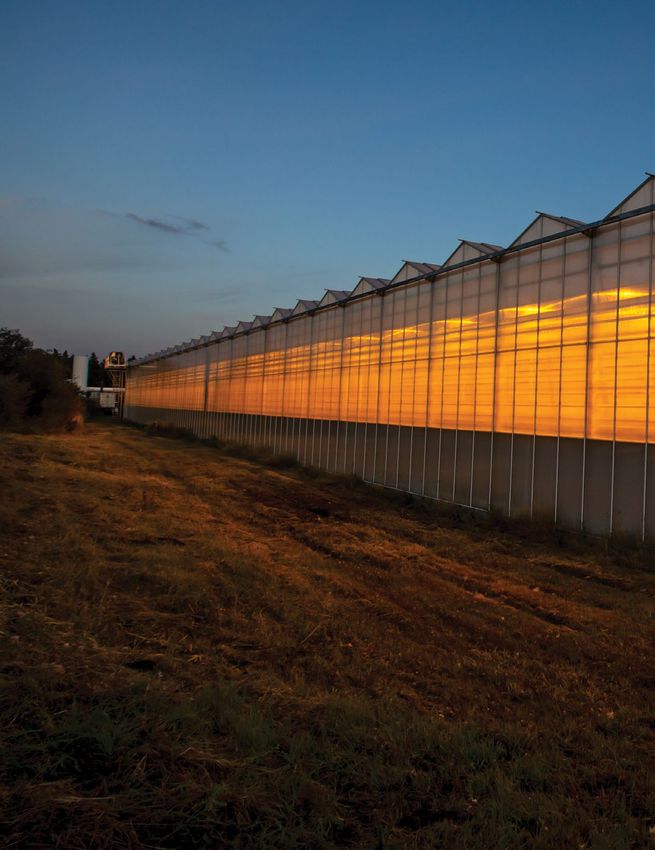
$ $ $ $ $                                                                                              YOUR MONEY

$ $ $ $ $
NEW SET OF FINANCIAL
$     $ $
STATEMENTS?        $ FIRST$
             LOOK HERE

$ $ $ $ $
BY   KIERAN BRETT

What kind of year, financially speaking,
did your farm have? You’ll have a partial
                                              something Kemp likes to emphasize in
                                              her discussions with clients.
                                                                                            Planning to take on
                                                                                            more debt? If you have

$ $ $ $ $
answer already, based on what you know        “In this area over the past five years, for
about production, prices and expenses
for that 12-month period.
                                              example, farmers have seen some highs         a debt service ratio of
                                              that were very high and some lows that
Still, it’s only when you receive your        were quite low,” she says. “It’s important    1.25:1 or higher, you
financial statements from your                to look at how operating income is            should feel confident.
accountant in the coming months that          changing over that period, and not focus

$ $ $ $ $
you’ll know for sure. Once you have these     on just the past year.”                       Search “ratios” to read
statements in hand, where do you start?
What should you look at first?
                                              Next, compare income to debt by               more on what this
                                              calculating the farm business’s debt
According to Lisa Kemp, partner with          service ratio. Even if the dollar amount of
                                                                                            means at fcc.ca/
BDO Canada in Lindsay, Ont., the place        debt looks high, it must be viewed            Knowledge.

$ $ $ $ $
to start is the figure for operating income   considering the operation’s ability to pay.
in your income statement. Operating
income is the ability of an operation to
                                              “The level of debt only becomes an issue      If you feel you are doing
                                              if there isn’t enough cash to service it,”
generate cash that’s greater than its         Kemp says.                                    less than ideal with
expenses. Commonly referred to as
EBITDA (earnings before interest, taxes,      With her firm serving clients in all farm     your finances, FCC’s
                                              sectors across Canada, Kemp urges

$ $ $ $ $
depreciation and amortization), this is
                                              clients to go a step further. Compare your
                                                                                            online cash flow guide
the income available to fund capital
obligations and new investment.               2020 results to similar operations in your    can help you learn and
                                              sector and in your region. This is
“People often think the bottom line is        something to ask your accountant or           grow in this area. Find it
what matters most, and they go there
first,” Kemp says. “The bottom line,
                                              FCC relationship manager about. The           under Loan Essentials

$ $ $ $ $
                                              results might surprise you.
however, often reflects certain
                                              Says Kemp: “People often feel that they’re
                                                                                            on the Resources menu
adjustments for that particular year,
whereas operating income is more              not doing well enough with their              at fcc.ca.
normalized.”                                  finances. This kind of benchmarking can
                                              help you see, yes, I am a strong manager.
Looking at your operating income will         And that’s something to celebrate.” n

$ $ $ $ $
reveal a lot. Even more insight comes
from understanding how that figure has
varied over the past five years. This is

                                                                                                            JANUARY 2021 | 3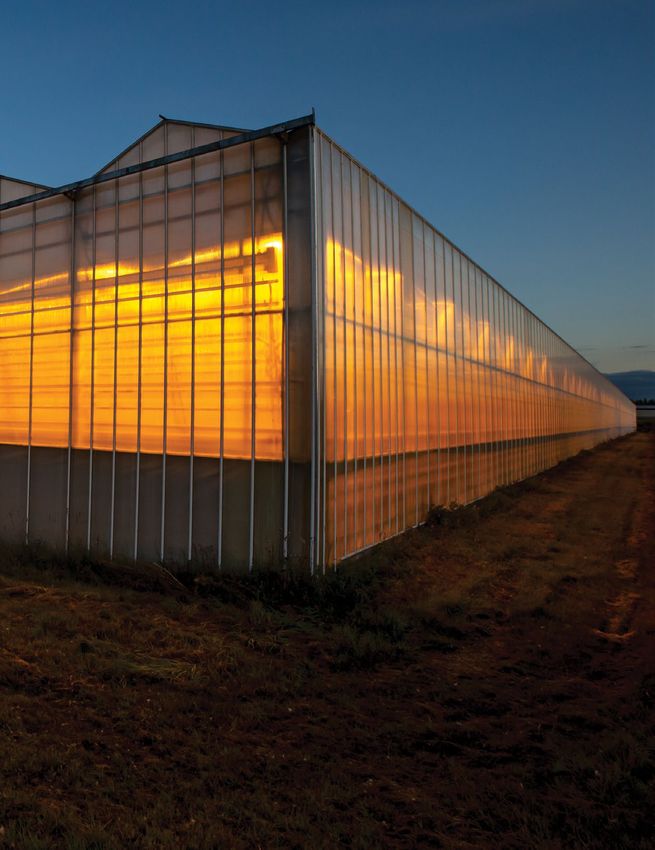
PRODUCER PROFILE

  PARTNERSHIPS AND
  FAMILY UNDERPIN
  GREENHOUSE SUCCESS
   BY   LILIAN SCHAER

4 | FCC.CA/AGRISUCCESS
PRODUCER PROFILE

A unique partnership between Alberta’s agriculture and energy
sectors has meant growth for a greenhouse vegetable business north
of Red Deer and is helping fuel their expansion plans.
Doef’s Greenhouses currently grows peppers, cucumbers, lettuce
and eggplant on 11 acres under glass and are undergoing a 13-acre
expansion expected to be ready to enter production early in 2021.
It’s the first of four 13-acre expansion phases for the Doef family,
which owns 60% of the shares in the family business.
EnerMerge Inc. holds the other 40%. They’re a local company
and part owner of Horseshoe Power, which owns and operates a
tri-generation facility on the farm and surrounding natural gas fields.
Producing electricity, heat and carbon dioxide (CO2), the facility
provides all of the operation’s energy needs, meaning the greenhouse
is almost completely off the grid.
The partnership began about five years ago when EnerMerge
managing director Brad Murray cold-called the Doefs to ask if they
would consider letting the company be the farm’s energy provider.
EnerMerge owned gas wells around the greenhouse operation and
Murray suggested a tri-gen energy centre could add value to both
businesses.
“We had looked at tri-gen before, but we didn’t want to spread
ourselves too thin by also running and managing an energy centre
on our site. So we did some feasibility studies and research into
the business concept,” says Eric Doef, one of the partners in the
greenhouse. “We are farmers and we need to focus on our crops to
get top production; our new partners focus on the energy and keep
the centre running.”
The electricity generated by the farm’s energy centre is used for the
lighting system that supplements natural sunlight in nine acres of
production area so the greenhouse can grow crops year-round.
Waste heat from the centre’s engines is used to heat water and the
CO2 is used in the greenhouse to support plant photosynthesis.
The tri-gen is connected to the local energy grid, and unused
electricity (the greenhouse doesn’t need its lighting system during the
summer months, for example) is fed into that grid. A second tri-gen
centre is being built alongside the greenhouse expansion; both are on
a new parcel of land across the road from the existing farm location.

                                                          JANUARY 2021 | 5
PRODUCER PROFILE

  A significant contributor
  to their success and
  profitability over the years
  has been their ability to
  control the marketing of
  their produce, including
  selling directly to consumers.

  Eric is the oldest of five Doef siblings and joined the family         could package their fresh produce daily and ship it under
  business full time in 2000. His brother Paul and brother-in-law        a common brand. And the greenhouse is also a partner in
  Phil Visscher have key roles as well, his wife is the company’s        Sunfresh Farms Ltd., a distributor that supplies major retail
  controller, and his parents, Joe and Helen, are also still involved.   chains in central and northern Alberta.
  The business had its start over 50 years ago when Joe                  That close connection to consumers has been a particular
  immigrated to Canada from the Netherlands at age 19 and                benefit during the COVID-19 pandemic as it led to surging
  started a small greenhouse business.                                   interest in local food production. It’s one of the aspects Eric
  A significant contributor to their success and profitability over      enjoys most about the greenhouse business.
  the years has been their ability to control the marketing of their     “Especially now, people are reaching out more locally, wanting
  produce, including selling directly to consumers – not the norm        to get to know their farmer, know where their food is coming
  in the greenhouse business.                                            from and know that they can trust where food is coming from,”
  Joe and Helen made their first foray into selling at farmers           he says. “The feedback we get from customers, especially at
  markets in 1973 in Red Deer and later in Lacombe, where Joe            farmers markets, about why they appreciate our produce is
  also served as a founding board member. Today, the Doefs sell          reassuring and for us one of the big benefits of being at those
  produce at a variety of markets in the greater Edmonton area.          markets.”
  In the 1980s, the Doefs joined with several local growers              Existing food safety and biosecurity protocols made it relatively
  to establish Pik-N-Pak Produce Ltd., a facility where they             simple to adapt to additional protections for COVID-19 for

6 | FCC.CA/AGRISUCCESS

PRODUCER PROFILE

greenhouse staff. The entire workforce is local, so the Doefs         Overall, he’s optimistic about the future of the greenhouse
haven’t been affected by labour shortages as a result of the          business and confident in the potential of their growth
pandemic like greenhouse producers who employ international           opportunities, including new crops, new markets and new
workers.                                                              ways to bring produce to consumers.
“We’ve dealt with plant viruses in the past and protocols are         “People are looking for more local, fresh food for healthier
similar to COVID; we’re making sure we’re washing hands               eating habits. And they’re watching what they eat more, which
regularly and cleaning surfaces, and there is lots of space in        of course spins into vegetables and fruit,” he says, adding one
the greenhouse to physically distance,” Eric says.                    of the new crops they’re looking at is greenhouse strawberries.
The battle with plant viruses, diseases and pests is an ongoing       The other attraction to the business for Eric is being able to
challenge, he notes, particularly thrips and powdery mildew.          work with family, and they’re constantly making improvements
So traffic through the facility is limited, they ensure they’re       to that process.
buying quality seed from their suppliers and a crop consultant        “We’re aware that family businesses can be great, but they can
visits regularly.                                                     also go sideways. There always has to be accountability and
In addition to family members, the Doefs employ about 55              reporting to make sure we’re meeting targets and budgets, so we
workers in their greenhouse, 20 at Pik-n-Pak and 10 who handle        try to make sure we have regular family meetings and also with
the farmers markets. The expansion will mean another 40 jobs          our partners and investors,” he says. “And we’re constantly
that they hope to be able fill locally. Access to consistent labour   working on that as we expand to make sure it still makes sense
is an ongoing concern though, Eric notes.                             financially.” n

                                                                                                                         JANUARY 2021 | 7
UP AND COMERS

  Bright minds from
  McGill University’s
  Macdonald Campus
  BY   OWEN ROBERTS

                                    Janine Lock                         Where do you see yourself in five to 10 years?
                                                                        Right now, it’s hard for me to name the exact job. So many
                                    Program: B.Sc.                      things interest me – soil science, beef and sheep production,
                                    Agro-Environmental Sciences         Indigenous agricultural systems, veterinary medicine and
                                                                        agriculture advocacy. Regardless of where I’ll be in agriculture,
                                    Specialization: Agronomy            I want to be engaged in creating long-lasting, environmentally
                                    and Animal Production               and economically sustainable social impact through issues such
                                                                        as soil protection, food security, and animal health, stress and
                                      Why did you choose
                                                                        management. I also hope to give back to my local, national and
                                      this path?
                                                                        global community through organizations like 4-H, Macdonald
                                      I was raised in rural Nova
                                                                        Campus Women in Agriculture Club, and Agriculture in the
                                      Scotia and Uruguay and always
                                                                        Classroom.
                                      loved to be outside in the sun,
                                      rain and snow. As a kid, on       What tips do you have for others?
  joining 4-H, my love of agriculture grew stronger. I continue         Every day I try to push my physical, mental and emotional
  to be captured by the diverse and dynamic aspects of this             limits so I’m just outside my comfort zone and in what I call the
  ever-changing field. In the past several years, I’ve been involved    learning zone. It’s by taking these meaningful risks in all aspects
  with crop research, holistic feedlot management, soil health and      of my life, agriculture and otherwise, that I’ve made my deepest
  Indigenous reindeer farming in the Arctic in Finland. I also          connections, my hardest failures, my biggest discoveries and
  adore how this career brings together community and social            ultimately, my greatest growth. It may not always be easy to push
  impact through the stewardship of land, water and animals.            boundaries and broaden personal and professional horizons,
                                                                        but I promise it will always be worth it!

                                                                        Faculty of Agricultural and Environmental Sciences
                                                                        • Large waterfront campus offers exceptional learning and
                                                                           teaching facilities with a working farm, greenhouses, poultry,
                                                                           swine and dairy facilities, crop and horticultural facilities and
                                                                           research, a manufactured wetland and a 250-hectare arboretum.
                                                                        • Focus is on learning through experience.
                                                                        • Extensive exchange and internship programs.

8 | FCC.CA/AGRISUCCESS
UP AND COMERS
Janine Lock Mark Ruiter
Mark Ruiter Where do you see yourself in five to 10 years?
I see myself going back to the family farm and working alongside
Program: my parents. Going back to the farm full-time would include
Farm Management and taking on more responsibility around the farm. The short-term
Technology goal is to work in other areas of agriculture to gain more
experience that I can take back to my farm in later years.
Why did you choose A farmer’s pride and dedication for their work is why I’m in
this path? this industry.
My agriculture career started
young on my family’s dairy What tips do you have for others?
farm, where we milk around Never stop learning. The second you stop learning you stop
45 cows. I believe attending growing as a person. As every farmer knows, you learn
the Macdonald campus for something new every day. Always keeping an open mind to
agriculture in the Farm Management and Technology program learning will give anybody looking to get into agriculture all the
will lead to a prosperous career in the ag industry. I see skills they’ll ever need. Another tip I have for someone looking to
agriculture being around for generations because – let’s face it – go to post-secondary school in agriculture is to be social. School
we all need to eat every day. Agriculture is a forever-evolving can be a little dry sometimes, but that’s what friends are for.
industry where the next generation of farmers are embracing These friends will be there long after school, and this form of
technology to assist in their day-to-day duties. networking will be worth more later in life than we know now. n
• Programs in animal and plant production, ecological • Consistently ranks well – McGill is number 35 in the world in
agriculture, professional agrology, bioresource engineering, the QS rankings and number 1 in Canada in its category in
global food security and international agriculture, agricultural Maclean’s university report.
economics and agribusiness, as well as environment, food and • Offers a strong sense of community with smaller classes and a
nutrition, and life sciences. low student/teacher ratio.
• Undergraduate and graduate programs, post-undergrad
certificates and a diploma program in farm management and
technology.
JANUARY 2021 | 9Canada’s farm accounting software Enter your data. Create income and expense reports. Back up your data automatically. With AgExpert, you get accounting software designed for Canadian farm businesses just like yours. It’s all new. See why farmers and accountants choose AgExpert. AgExpert.ca
GAME CHANGERS

ACCELERATORS SUPPORT AGRICULTURAL
TECHNOLOGY AND INNOVATION
BY   LILIAN SCHAER

Worldwide agricultural technology investment hit an all-time      impacts from access to tech innovation. Most accelerators will
high of US$4.9 billion in 2019. And although a decline is         support a wide range of technologies applicable to many sectors.
expected this year due to COVID-19, there has been heightened     Greentronics is a small precision technology company in
interest in ag tech innovation.                                   Elmira, Ont., that has developed tools to help potato growers
But start-ups and entrepreneurs need training, mentorship,        automate record-keeping, virtually eliminating complicated
financial support and networking opportunities to get new         manual entries.
products to market. Much of that support is available through     Another Ontario company developed CropTracker management
services provided by accelerators and incubators.                 software for fruit and vegetable growers, now used
                                                                  internationally. Brian Rideout has used the system since its
Incubators and accelerators are                                   infancy on his family’s farm near Blenheim, Ont. It gives him
                                                                  the full history of a basket of peaches, from when trees were
game changers for innovators and                                  pruned and what they were sprayed with to when fruit was
entrepreneurs [and] for the industries                            stored, trucked and sold. That information is critical to his
                                                                  national food safety certification, now required by most
that ultimately realize positive impacts                          produce buyers.

from access to tech innovation.                                   “The real-time record-keeping makes management more
                                                                  efficient, and every year we’re finding new ways to use it,”
                                                                  he says.
Incubators tend to develop disruptive new ideas by focusing
the innovation. If you’ve been thinking of a new way of doing     Both companies were supported by Bioenterprise Corporation,
things for a while but aren’t sure where to take your idea,       an Ontario-based organization that’s now Canada’s only
start here.                                                       national agri-food focused accelerator. “Canada’s agriculture
                                                                  and agri-food innovation ecosystem is highly fragmented and
Accelerators support early-stage growth and scale-up of an        under-funded, and it’s long been our vision to create an
innovation, typically for just a few months. Their purpose        environment that is more collaborative, more co-operative
is – as their name suggests – to accelerate development through   and more national,” says CEO Dave Smardon.
intense focus and learning. The start-up moves forward at a
rapid pace, accomplishing very quickly what would normally        That vision caught the attention of FCC and prompted their
take years.                                                       support for an expansion of Bioenterprise’s accelerator services
                                                                  with a focus on mentorship, networking and training
Both incubators and accelerators are game changers for            opportunities.
innovators and entrepreneurs – providing a strong start,
even helping set up demo days or launches. They are also game     If you’re entrepreneurial, inventive or innovative, reaching out
changers for the industries that ultimately realize positive      to an incubator or accelerator may be the step you need to take
                                                                  to realize your dream and achieve commercial success. n

                                                                                                                      JANUARY 2021 | 11
FEATURE ARTICLE MAKE TRAINING AND DEVELOPMENT YOUR BUSINESS CORNERSTONES BY MATT McINTOSH Whether part of transition planning or day-to-day business, developing new skills helps keep farms profitable and team members engaged. Given the sheer amount of information required to run a farm, determining what to learn next can be daunting. According to some business management experts, that makes prioritization and a creative approach to learning critical. 12 | FCC.CA/AGRISUCCESS
Make a list – and chip away at it                                     Incorporate training into the budget
“It’s not uncommon for people to perceive an overwhelming             Including continuing education as a line item in your budget
amount of info that needs to change hands. A senior partner           shows you recognize the direct relationship between team
might not realize how many things they know, and if they              development and business success. Using a tool like FCC
weren’t there, it would effectively hold their partners back,” says   AgExpert Accounting can facilitate training.
Patti Durand, agriculture transition specialist with FCC. “The        Dawn Hillrud, a farmer and human resource consultant with
opportunity is to chip away at it over time, then you don’t have      Kn/a HR, a human resource management consulting firm in
to learn everything at once. Lifelong learning is a good approach     Saskatchewan, often works with clients to develop “performance
generally.”                                                           planning programs.” These are designed to incorporate four
Due to the seasonal nature of many farm businesses, Durand            distinct goals, including safety and education, into regular
says a good place for senior operators to begin is with a list        business operations. Over time the additional focus on learning
or calendar of general tasks and their time ranges. This gives        becomes business-as-usual.
partners the chance to identify overarching knowledge gaps.           “There’s no formula for how much to set aside in the budget.
Simple tools such as FCC Knowledge Gaps and Training Needs            If your culture accounts for learning, it will naturally take higher
Assessment worksheets can also be used (see fcc.ca/Knowledge).        importance. It needs to align with your business strategy,”
Tasks can then be categorized by scale – that is, what could be       Hillrud says.
learned quickly (such as how to fix a specific piece of equipment)    Training might take time, though she points out it doesn’t always
and what requires a long-term approach (such as financial             have to cost money. For example, sending a skilled labourer
management). Considering scale with overall importance or             scouting alongside a visiting agronomist doesn’t require
urgency helps establish priorities, and what training could have      additional funds but helps the employee feel more engaged and
the largest impact.                                                   the business will eventually benefit from their expanded abilities.
“Otherwise, it’s just daunting. You might dabble in everything        For farm managers, Hillrud says, the value of improved
and not make progress,” Durand says, adding revisiting the list       leadership skills should not be underestimated.
when even small tasks are accomplished helps maintain
motivation.                                                           “Agriculture is trying really hard to be more proactive within the
                                                                      human resource world. Leadership development, management
                                                                      skills, all that will pay off,” she says.
Learning outside school and the workshop
Education doesn’t have to occur in a school or on-site either.        Employee retention
Strategically attending meetings or webinars, reading magazines,
engaging colleagues through industry organizations, and even          When training takes substantial time and money, it’s good to
watching YouTube can support skill development. Farm owners,          ensure employees stay with the farm.
employees and family members can seek these themselves and            While Hillrud believes that engagement is one of the best ways
direct resources to one another.                                      to retain employees, additional strategies may also be helpful.
“Access the knowledge of existing advisors. You don’t have to         Having employees commit to a set period of employment after
know the answer – you need to know where to go to get it,”            the business pays for training is one option. Reimbursing them
Durand says. “Push yourself to expand that network. It’s a            for training costs after a predetermined period of work is another.
major method of making progress so you don’t feel alone.”             Overall, there’s no secret employee retention solution. Both
Durand highlights the importance of doing background work             Durand and Hillrud say that being open about why skill
and preparing before engaging in a learning opportunity or event      development is important – and even asking the individual
to ensure you get the most out of it.                                 if they will stay – can go a long way.

“Evaluate after the fact. You’re going to win some and lose some,”    “Having a desire that employees never go anywhere else, I think
Durand says. Even if it didn’t seem to be worth your time or          that’s a nostalgic wish,” Durand says. “But if the business and
wasn’t what you expected, you still made a step in the right          person are both benefiting, I think that’s where loyalty lives.” n
direction.

                                                                                                                           JANUARY 2021 | 13
FEATURE ARTICLE
MANAGING LIQUIDITY
SO YOU’RE READY FOR ANYTHING
BY KIERAN BRETT
Liquidity means different things to Build liquidity when the cycle is Admittedly, the return on a basic savings
different people. For an employee earning strong account is nothing to write home about.
a steady salary, the long-recommended Bonds offer somewhat higher returns
Archibald believes current ratio is a useful
guideline is to have three months’ income and keep the money readily available.
tool, but it’s possible to read too much
saved to provide a measure of protection The cycle’s high point could also be the
into it. “It can be misleading,” she says,
against unforeseen expenses or job loss. time to arrange a flexible on-demand loan,
“because it’s a snapshot taken at a certain
For farmers operating large and complex even if you don’t need the money then
point in time.”
businesses, influenced by volatile markets and there.
To add context to the current ratio,
and variable production, liquidity isn’t Each farm also has what Archibald calls
Archibald invites producers to take a
quite so simple. a cash conversion cycle within a single
multi-year view of their business. During
“It’s important to have a rainy-day fund, year. That’s the process by which farm
the seven- to 10-year cycle associated with
especially the past couple of years when production turns into revenue (you can’t
many farm commodities – beef and pork
it’s rained a lot,” says Cheryl Archibald, spend), and revenue turns into cash (you
being examples – high prices lead to
FCC director of credit west. “We have lots can spend). A dairy farm having milk
higher production. Excess production
of conversations with our clients about the picked up regularly has a far different
pushes prices downward, causing
need to maintain strong working capital. annual cycle than a grain farm that
producers to produce less. The cycle
The key question is, how well could you receives the bulk of its income after
continues, causing incomes to swing
handle a big drop in production, market harvest. Laying this cash conversion cycle
significantly from year to year.
prices or both?” on top of the multi-year commodity cycle,
“Farmers can manage their business by a farmer can see when to build liquidity
In agriculture, working capital (expressed knowing where they are in the multi-year and when to draw on it if needed.
through the current ratio) measures how commodity cycle,” Archibald says, “and
well a farm business can cover its short- “When farmers are generating strong cash
what the next few years will likely bring.”
term obligations from income expected flow, they might think there’s a better
This is Archibald’s trouble with current return from buying newer equipment or
over the next 12 months. While Canadian
ratio. If a farmer looks at their current paying down debt, or pre-buying next
agriculture remains in sound financial
ratio during the cycle’s best years, things year’s inputs,” Archibald says. “If you
condition overall, the aggregate current
look deceptively positive. They might see focus on building the fortress during these
ratio of Canadian farmers has slipped in
a green light flashing to buy land or other times, you’ll know you can cover your bills
recent years.
productive assets. Instead, the high point with a bit of buffer just in case. You’re also
In 2019, the aggregate current ratio was of the cycle – the year or two when the in a better position to take advantage of
2.2, the lowest level since 2006’s ratio of cycle’s best returns are possible – is the opportunities that might come up.”
2.11. Overall, a current ratio of 1.5 or time to put some extra cash aside for a
higher is a good sign. rainy day.
Know your ratios right now by using this calculator: fcc.ca/en/Resources/Ratios
14 | FCC.CA/AGRISUCCESSBroad perspectives
What’s your current ratio right now?
As Archibald sees it, Canadian farm
producers should take a broader view of
liquidity. She recommends working with
your accountant or FCC relationship
manager to understand where you are
currently, how that picture has changed
in recent years and how you can manage
this trend in the future.
Savings accounts and bonds might not be
lucrative or interesting, but keeping your
farm running and your bills paid during
challenging times will more than make
up for it.
Says Archibald: “You build the fortress by
understanding your peaks and valleys – in
a given year and over the longer-term
cycle – and how your cash flow works
at different times. It’s about effective
management of working capital and the
thought process behind it.”
Up to date and accurate financial record
keeping is essential for cash flow
management. Software packages like
FCC AgExpert allow you to track,
manage and understand your farm’s
cash flow. Visit AgExpert.ca for more
information. n
JANUARY 2021 | 15AT A GLANCE
PLANNING FOR THE LEGACY
A transition plan is key to the farming legacy you’ll leave behind, so keeping it top of mind is
important. Farm succession advisor Bob Tosh’s advice on how to get the job done:
• Communicate. Talking openly about hopes, plans, and priorities avoids conflict.
• Formalize. Commit to a formal process, which may sometimes require the help of an outside facilitator.
• Focus. A fair process involves all family members, not just those involved in the farm.
• Continue. Transition planning is an ongoing process that can change as life evolves.
Source: countryguide.ca Dive deeper into transition planning at fcc.ca/Transition
STAYING SAFE ON THE FARM
Over 90% of farmers believe work on their operations is done safely most or all the time.
Only 14% have written farm safety plans; 60% follow unwritten protocols and procedures.
Taking time to plan for farm safety reduces risk of injury or death and costs for damages and lost business.
Key elements of a farm safety plan
• Hazard assessment and control
• Emergency response planning
• Inspections
• Recruitment and training
Source: fcc.ca
SOCIAL MEDIA STRESS
Farmers are encouraged to “tell their story”
to help Canadians know more about their Handling online bullying
food. Recent research shows, though, that
cyberbullying has become a serious source If you’re being targeted, try not to
of stress for farmers. respond. Screenshot and report
offensive posts to platform admin.
48% = number of respondents who feel Block bullies from your accounts.
public trust in Canadian farming is a Reach out to other advocates to
moderate to large source of stress. share experiences. And don’t be
Source: ditchthelabel.org afraid to take a social media break.
16 | FCC.CA/AGRISUCCESSAT A GLANCE
SIMPLE
WAYS TO
Streamline tax time by
keeping on top of record-
keeping all year long. Take record-keeping a
MANAGE • Use a business account and
pay electronically instead of
with cash.
step further with digital
receipt management.
YOUR
• Implement a paperless
• Save your receipts. Use system by storing and filing
notes on the back to help receipts electronically.
RECEIPTS
you allocate them to the • Scan paper copies to file
proper account. electronically.
• Do a bit at a time. Review • Make use of existing
and sort your receipts systems such as suppliers’
monthly instead of waiting electronic invoices.
till year-end.
• Backup and save your
Source: fbc.ca/blog electronic receipts – like all
receipts – for seven years.
Source: fcc.ca/Knowledge
THE ATTRACTION
OF FARM TECH
Did you know?
… US$4.7 billion was invested into farm
tech start-ups in 2019. That’s 6.8%
higher than the year before and 370%
more than in 2013
… The two leading investment
categories were (1) farm management
software, sensors and the Internet of
Things and (2) ag biotechnology
Source: agfundernews.com
COMPILED BY LILIAN SCHAER | Find Lilian @foodandfarming
JANUARY 2021 | 17CASE STUDY
BUYING OUT A NEIGHBOUR
THE FOLLOWING FICTIONAL CASE STUDY WAS CREATED BY MNP
The Clarks have had a great neighbour relationship with the The accountant explained that rather than make a cash offer
Smiths next door. They share similar philosophies and to buy the land and some of the equipment assets, it would be
agronomic practices. The Smiths are nearing retirement, and better for both families if the Clarks purchased all shares in
with no children interested in the farm, were planning on Smith Farms Ltd. It would mean acquiring all the land,
having an equipment auction and eventually sell or rent out equipment and vehicles held in the company. The reason?
most of their land. Capital gains exemption (CGE).
A conversation with the Clarks, who had two children wanting The Smiths would not be able to access their capital gains
to return to the farm, opened the possibility for the Smiths to exemption if they sold the company’s assets piecemeal, but if
sell them the entire land base and some of the equipment. The they sold all the company shares, they could claim CGE.
Clark family sat down and estimated the land’s value and were The Clarks and their accountant came up with the following
ready to approach the Smiths with a cash buyout offer and proposal:
before they set up a meeting, they reached out to their
accountant to let her know the plan. The advice was to wait • Offer $3.2 million for 100 per cent of Smith Farms Ltd. shares
and get her professional advice before initiating the offer. It • Enable a potential $2 million in CGE for Smith Farms Ltd.
turned out to be a good move.
• Sign a long-term lease to rent back the home farm
The Clarks’ accountant met with the Smiths and learned that
Both farmers believed in keeping things simple, and there was
Mr. and Mrs. Smith were 50-50 shareholders in the farm
trust between them. But there was some tension when the Clarks
company, Smith Farms Ltd. The value of the company shares
disputed the value that Smith Farms had put on a five-year-old
was estimated to be $4 million, and this included equipment,
combine (they liked different paint colours). The Clarks were
vehicles and land assets owned by the company. The Smiths adamant that the combine be removed from the deal, but the
owned the home farm and farmhouse outside the company accountant explained that this request would pose problems.
(personally), and it was valued at $1 million. The Smiths The combine would need to be removed from the company on
expressed an interest in staying in the home farm residence, a taxable basis before the deal. For the deal to make sense, it
if possible. was all or nothing.
18 | FCC.CA/AGRISUCCESSCASE STUDY
Instead of removing the proceeds totalling more than
$500,000 from the company, they had converted the
money to non-farm investments … unaware this put
them offside the qualified farm company rules.
With this issue resolved, the Clarks submitted their offer to buy Over the years, the Smiths had sold some farm assets. Instead
all the shares in Smith Farms Ltd. But when the Smith family of removing the proceeds totalling more than $500,000 from
saw the official offer, they were unhappy with the $3.2 million the company, they had converted the money to non-farm
offer when the valuation at fair market value was at least $4 investments with a wealth management company. They were
million. unaware this put them offside the qualified farm company rules.
They soon learned, however, that the offer accounted for the It wasn’t a deal-breaker, but it did slow the process. The Smiths
capital gains exemption. By buying all the shares in Smith had to work through this scenario to regain qualified farm status
Farms, the Clarks would be taking on significant deferred tax for Smith Farms Ltd., and there were some tax implications. The
liability. The Smiths would be getting out from under this tax proper approach and plan should have been to place the non-
liability and get a net payout higher than if they sold the assets farm investments in a holding company ahead of any potential
without access to the CGE. If they could agree on the price, it sale discussions. This would have allowed them to potentially
could be a win for both parties. The Smiths asked their draw on the funds personally over time at a lower marginal tax
accountant to crunch the numbers, and they came around to the rate.
potential for the deal to make sense for them even though the The two families eventually agreed on a buyout price. And Smith
buyout price was lower than the fair market value if the assets Farms regained qualified farm status, allowing the deal to be
were sold separately. finalized in time for the Clarks to take over the land for the
As the Clarks started to get excited about the possibility that the upcoming growing season. The neighbour relationship was
deal would work and they’d farm the land this spring, they hit retained, and the Smiths looked forward to helping the Clarks
another roadblock. The Smiths’ accountant discovered they if they needed an extra tractor or combine driver. n
would not be able to sell the company’s shares and access their
CGE because they had retained non-farm investments within
the company. The CGE benefit applies to qualified farm MNP is a leading national accounting, tax and business consulting firm in Canada.
MNP.ca
companies. To ensure qualified farm status, at least 90% of the
value of assets held in the company must be used in farming.
JANUARY 2021 | 19ASK AN EXPERT
Q
FARMS ARE NOT Todd J. Janzen
President of Janzen Agricultural Law LLC
IMMUNE TO Indianapolis, Ind.
FINANCIAL
HARDSHIP
Agricultural technology liabilities
The adoption of new technology is often meant to decrease
on-farm risk literally and financially. When autosteer hit the
market, it increased the precision of the tractor and therefore
BY TREVOR BACQUE decreased fuel, seed, fertilizer and pesticide usage. Likewise,
autosteer decreased the risk that an inattentive farm operator
might run off-course, injuring people, animals or crops. There
are instances, however, where technology adoption may
Like any other industry, farm managers increase farmers’ liability.
must navigate different issues to Agricultural data in cloud storage poses a new risk to the farm.
Data has long been shared with accountants and crop advisors,
survive and – ideally – thrive. but these are trusted individuals. Movement of cloud data puts
the information into outsiders’ hands –
people who have no
What are the biggest farm liability connection to the farm. A person may know their sales rep from
an ag tech platform, but that person may have nothing to do
threats today (and how do with their company’s data practices. Like it or not, legal fine
managers cover them)? print has replaced the handshake. Read it and understand it.
Many ag data platforms offer analytic tools that make
prescriptions and suggestions. These platforms use proprietary
algorithms that crunch numbers and offer supposed top-notch
insight. But when the platform recommendation is wrong,
taking that advice may increase risk. A weather app may advise
on the optimal time to spray, but it may not know real-time field
conditions or respect a pesticide label’s nuanced instructions.
Always double-check production recommendations and
ground-truth them in the field.
Artificial intelligence (AI) is another realm with increased
associated risk. To work properly, AI must be fed lots of training
data and supervised to work as intended, just like an employee.
An autonomous tractor that learns a field’s boundaries, slope,
and terrain hazards may require a few passes before it really
understands a field. Until then, a machine may be more
dangerous than an operator.
Ask yourself and your sales rep whether adopting new tech will
increase or decrease your farm’s liability risk.
20 | FCC.CA/AGRISUCCESSASK AN EXPERT
Eric Johnson Jennifer Wright
Partner and leader, agribusiness and food Senior HR advisor and stakeholder
at Miller Thomson LLP engagement specialist, Canadian
Regina, Sask. Agricultural Human Resource Council
Ottawa, Ont.
Environmental liabilities Human resources liabilities
Canadian and global public opinion has shifted and continues Managing employees is complex, and most Canadian producers
to shift towards a world of greater environmental sustainability are neither expert HR managers, nor can they hire a dedicated
and stewardship, which has a continuing impact on farming HR management professional. This raises the risk of making
operations and agricultural practices. Environmental issues mistakes and increases liabilities. It’s important that producers
affecting agriculture are regulated by three levels of have support and guidance for this crucial but often forgotten
government: federal, provincial and municipal. However, the farm business management area.
provincial level provides the primary source of regulation. Farm managers must be aware of common HR liabilities. There
Climate change, water supply and soil quality pose a more are the legal requirements, which extend to human rights, that
significant environmental threat to Canadian farms. Despite every employer must adhere to in Canada. This means you
ever-improving agronomic practices, climate change seems to must ensure all employees have an employment contract that
be driving an increase in extreme weather events that directly includes the position title and level, job description, salary,
impact crop yield, livestock production and forage production. benefits, starting date, probationary period, length of contract
The federal and provincial governments offer free resources to (if applicable) and any other employment conditions. Ensure it’s
help farmers adapt agricultural practices to thrive despite such in line with all applicable legislation, including minimum wage
challenges. requirements, age restrictions on certain types of work and
The threat of pollution, and the corresponding potential maximum allowable set hours of work.
liability to farmers, requires constant vigilance. The law in Hand out written employment policies reflective of the most
Canada at every level operates to protect land, air and water current applicable employment legislation (federal and
from pollution. In addition, significant liability threats to provincial or territorial). You must ensure disciplinary and
farms include the interference with another landowner’s use termination processes meet all legal requirements and take
or enjoyment of their land, which may include a neighbour every reasonable step so proper jurisdictional health and safety
or another farm. Risks include water or air pollution from protocols are implemented on the farm.
livestock manure, pesticide application or cutting trees along Last, be sure to support a workplace in which people of any
a boundary. As a result of these risks, for example, the rules race, national or ethnic origin, colour, religion, age, sex, sexual
surrounding pesticide use are strict. The Federal Pest Control orientation, marital status, family status, or disability may work
Products Act has detailed requirements on how pesticides must without discrimination.
be applied. Something as simple as accidentally allowing any
discharge, drift or runoff of pesticide to affect waterworks that It’s always recommended that producers seek legal advice around
would make the water unsafe for human consumption may lead employment issues, particularly to review employment contracts
to an offence. and policies. Doing so before disciplinary action or termination
of an employee is advised to reduce the risk of legal action. The
Farmers need to remain mindful of the effect of their investment in this advice can save you from making serious
operations on neighbouring land and surrounding water and errors that cost you time, money and, above all, legal risk.
air and follow evolving best practices of reasonable and prudent
farming to minimize liability resulting from the operation of Help is available to Canadian producers for all aspects of staff
the farm. management, including online tools, templates and webinars
in CAHRC’s AgriHR Toolkit. n
JANUARY 2021 | 21AG INNOVATION
FLEET MONITORING AND GEOFENCING
BY PETER GREDIG
GPS technology is deeply entrenched in guidance and precision Some manufacturers partner with companies to provide fleet
crop production practices, but the technology has numerous tracking services. Kubota, for example, has partnered with
other functionalities that fit farm equipment, livestock Cellutrak. Dealers use the GPS tracking and theft prevention
and people. service while equipment is on the lot, and buyers can maintain
a subscription as an option after purchase.
Fleet monitoring Aftermarket services specifically for agriculture can be used
If you’ve ever used the Uber ride-hailing service, you know for equipment or items that do not come equipped with GPS
a main benefit is seeing exactly how close any available Uber tracking capability. BeeSecure, a Saskatoon-based company,
vehicles are in a real-time map on your smartphone. It’s a far provides a small battery-powered tracking device that can be
cry from the traditional taxi service where you called for a ride hidden on equipment, ATVs, or even beehives. The batteries last
and simply waited it out. up to four years, and the service is powered by a mobile-friendly
web app that allows the user to connect to the police to share
Commercial trucking and courier companies have been using the last known location of a stolen item.
GPS fleet monitoring technology for years. They use it to know
precisely where all units are and other real-time information
relating to trip logistics, travel speed, fuel economy, Geofencing
maintenance status and more. Geofencing is a component of GPS tracking technology that
GPS fleet tracking or monitoring for farm managers and has numerous applications in agriculture. It’s already in use in
equipment dealers offer similar benefits and help prevent theft other sectors. Some golf courses geofence the course so golfers
as the equipment can be disabled if someone tries to move it. can’t drive golf carts where they shouldn’t (too close to the
The major equipment manufacturers offer proprietary fleet green, into sand traps or through environmentally sensitive
monitoring subscription services that integrate with their areas). The cart just shuts down, and the driver must back out
precision farming and guidance hardware in tractors, sprayers, of where they are.
combines, etc. It goes well beyond just location and theft A potential use for geofencing is to have active GPS sensors
protection. Farm managers can monitor engine performance, on cattle tags or collars where the herd is on unfenced pasture.
efficiency, productivity per hour and more in real time If they cross a designated GPS boundary, the rancher is alerted
from anywhere. and can take appropriate measures to move the cattle back to
where they belong.
22 | FCC.CA/AGRISUCCESSAG INNOVATION
The user can easily create around farms. The farmer is notified whenever a vehicle passes
in or out of the geo-boundary. A record of all registered visitors,
including employees, consultants, vets and family members is
or draw geo-boundaries on created automatically. This system has benefits in the event of
a disease outbreak because all visitors can be immediately
a computer or mobile device notified and vetted to help control any disease spread.
There are differences in the capabilities of the different services
and establish the rules. and software packages for GPS fleet management and
geofencing. But, in general, the user can easily create or draw
geo-boundaries on a computer or mobile device and establish
the rules. For example, a farmer or company may create a rule
There are safety benefits to geofencing and tracking. It’s possible whereby an alert is sent, and the equipment is disabled if
to create geofences around field hazards like power line towers, anything is started or moved on a Sunday. Another rule may
ditches, trees or anything that may be a problem for autosteer generate an alert if the equipment leaves a prescribed area
or robotic machinery. The geofence prevents the tractor or outside of the farmer’s land base.
sprayer from driving into the hazard if the operator is The technology is very flexible and becoming easy for
distracted or unaware of it. developers to work with. It essentially allows programmers to
Another recent use of geofencing relates to re-entry into fields combine GPS locational information with other functionalities.
or buildings that present a hazard to employees or other It meshes nicely with the Internet of Things, where everything
persons. If a field has just been sprayed with an insecticide, can be controlled remotely. For example, you could create
it’s possible to create a geofence boundary around the field. a geofence around your shop that would detect your
If an employee, field scout or agronomist tries to enter the field, smartphone. As soon as you or other registered users crossed
a smartphone app will generate an alert warning them that the the geo-boundary, the shop lights would automatically turn
field cannot be scouted for another 24 hours. on, and the door would unlock. As soon as you leave the
geo-boundary, the lights turn off, and the doors lock. It’s a
Livestock operations with biosecurity concerns can utilize GPS
simple example, but we’re going to see more software and
services like Guelph-based Farm Health Guardian, a mobile
services that allow us to create rules or actions driven by
app and software that allows farmers to create a geofence
real-time locational information. n
JANUARY 2021 | 23FROM FCC
NEW FCC PODCAST
WILL HAVE FARMERS TALKING
Real producers, real stories and Producers share stories and discuss any tips or tricks that led to
their operation or business’s success.
real conversations about the “It’s all about talking to real people about their life on the farm
business of farming – that’s what and sharing stories that will benefit other producers. This
podcast is an opportunity to connect and learn from one
the new FCC Knowledge Podcast: another, so they can continue to grow their business and
contribute to the ag industry,” Darlene says.
Talking Farm and Food is all about.
With the recent resurgence of podcasts in the last three years,
Hosted by Marty Seymour (English) and Darlene McBain this is a medium that plays well with the agriculture lifestyle.
(French), the monthly podcast aims to educate and entertain
“Talking Farm and Food is about meeting people where they are,
producers across the country, offering practical, targeted and
whether that’s at home, in the car or even combining in the field.
inspirational content to elevate your farm management practices.
Podcasts are one of the most effective ways to meet the next
“I’m inspired by this podcast series because it touches regular generation and offer snapshots of knowledge that are easy to
people who are living their dream in farming and talking about consume on your own time,” Marty adds. n
their life journey. It’s like having coffee with your neighbour, and
perfect for listening to in the car and on the go,” Marty says.
Ready to dig in? Listen and subscribe at fcc.ca/Podcasts
or wherever you get podcasts.
New FCC KNOWLEDGE PODCAST
TALKING FARM AND FOOD
24 | FCC.CA/AGRISUCCESSYou’re behind Canadian food
and we’re behind you
We’re FCC, the only lender 100% invested in Canadian agriculture and
food. That means we’re invested in you, with financing and knowledge
to help you achieve your dreams.
fcc.ca
DREAM. GROW. THRIVE.You can also read


