Ajax Materials Co. Information Session and Public Hearing Proposed Air Permit - for a for
←
→
Page content transcription
If your browser does not render page correctly, please read the page content below
Information Session and
         Public Hearing
             for a
     Proposed Air Permit
              for
     Ajax Materials Co.

1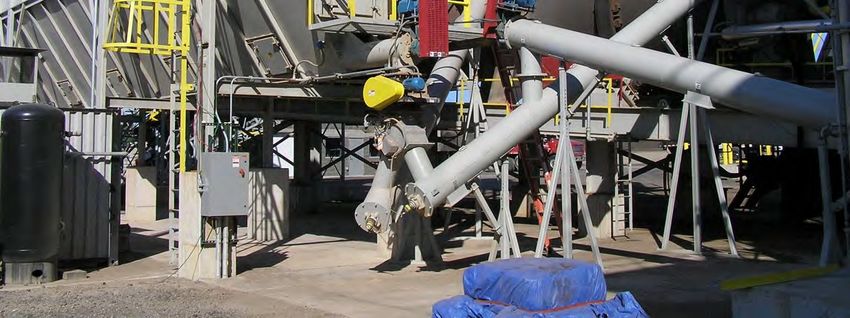
Welcome
    • Introduction of Air Quality Division staff
    • Information Session
        – Presentation on proposed Permit
        – Question and Answer Session
    •   Public Hearing
    •   Ways to submit an official comment
    •   Where to find other information
    •   Whom to contact with further questions

2                                                  2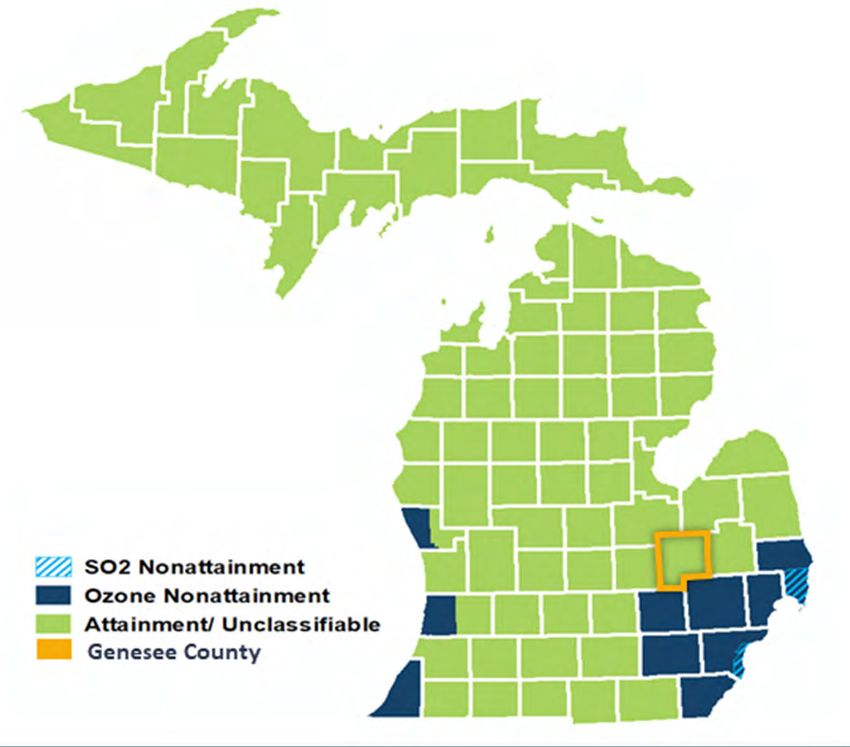
All lines are      We are
    muted during       recording
    the meeting.     this meeting.

3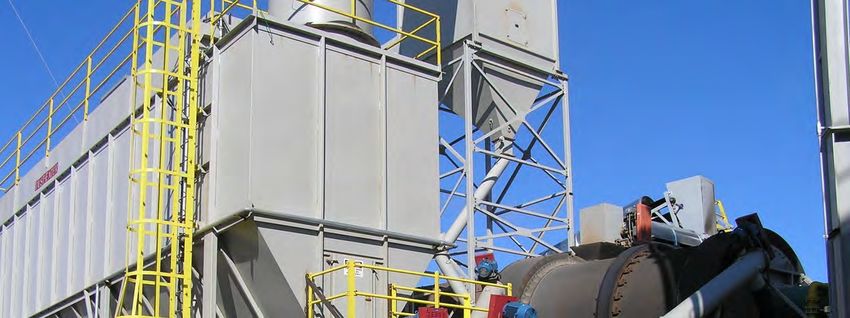
How to ask a question?

    Use the “Q/A”         Click the
     box in at the     “hand” icon at   Type #2 into
    bottom of your     the bottom of    your phone.
        screen.         your screen.

                                         #2
4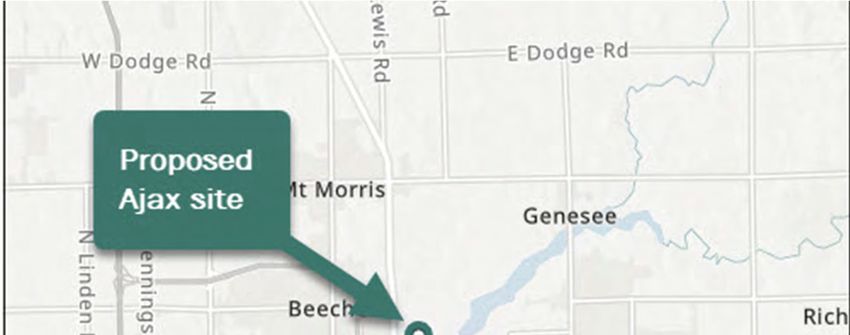
The Air Quality Division
    Regulating sources of air pollutants to protect
        human health and the environment

5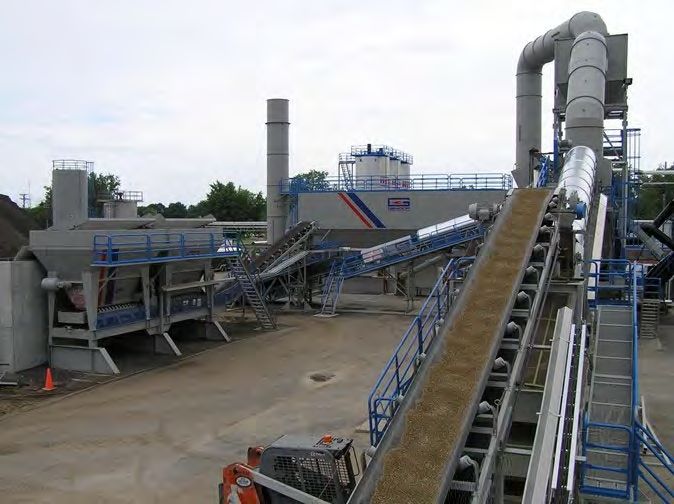
Acronyms:
                       AQD Staff…
AQD –
Air Quality Division                                   Examine toxic air
                         Monitor levels of air      contaminants to ensure
                             pollutants                 public health is
                                                          protected

                        Conduct inspections of
                        industrial sources of air   Review applications and
                             pollutants for          write permits to meet
                         compliance with rules            regulations
                              and permits

      6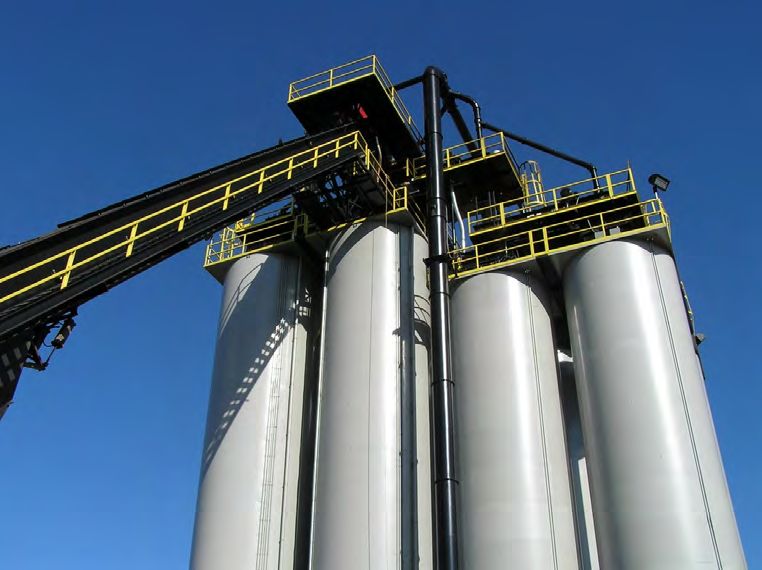
Air Permitting of Industrial Sources
     AQD has the authority to
     regulate and permit industrial
     sources such as power plants,
     auto assembly plants, and
     steel mills. Review of permit
     applications are based on the
     project proposed.

     Does not include:
      • Zoning
      • Noise
      • Traffic on public roads

 7
Acronyms:
AQD –
                       The Permitting Process
Air Quality Division
                          Facility plans to                       Permit
                                              AQD receives
                         install or modify                      Application
                                               application
                            equipment                         review process

                                               Review and
                         AQD decision on      evaluation of   Public comment
                           the permit          comments

      8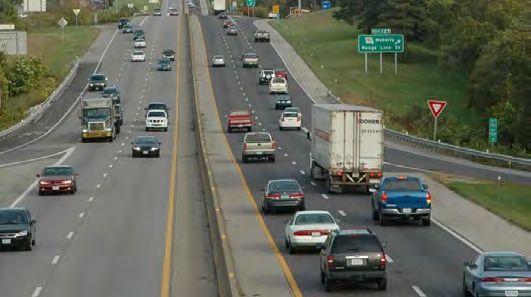
Proposed
  location
    and
surrounding
  industry

9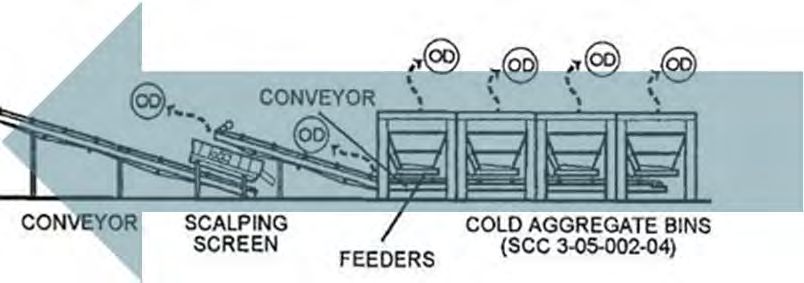
Acronyms:
                    General Process at an Asphalt Plant
RAP– Recycled
Asphalt Pavement
                      RAP        Other Aggregate         Asphalt Cement
VOC – Volatile
organic
compounds                             Drum Dryer/Mixer
AQD – Air Quality
Division at EGLE
                      Filter System                  Silos

                                                   Trucks

     10
Hot Mix Asphalt Plant Process example 11
Acronyms:
                    What is the purpose of a PTI Permit?
PTI –
Permit to Install
                    • PTI Permits contain a set of rules (conditions)
                      which are required for installation and operation of
                      a process

                    • Permits only allow up to the worst‐case scenarios
                      which were reviewed (potential emissions will not
                      be actual emissions)

      12
Acronyms:
Permit Application Review
AQD –
Air Quality Division All applicable state and federal rules
TACs –
Toxic Air All toxic air contaminants (TACs) must meet AQD
Contaminants screening levels
PM – Modeling for Particulate Matter equal to or less than
Particulate matter 10 microns (PM10), and Particulate Matter equal to
or less than 2.5 microns (PM2.5)
Emission control equipment and procedures
13National Health‐based Standards
Potential air • Carbon monoxide (CO)
impacts
• Particulate matter (PM10,
compared to PM2.5)
National Ambient • Nitrogen oxides (NOx)
Air Quality
• Sulfur dioxide (SO2)
Standards
• Lead (Pb)
(NAAQS) for
14National Health‐based Standards
NAAQS are • Heart and lung problems
designed to protect
• Learning and development problems
against health
problems like: • Premature death
Based on predicted impacts, the proposed emissions
would not cause NAAQS violations
15Attainment Status Map 16
State’s Health‐based Screening Levels
     Potential air impacts are compared to state screening levels for
     toxic air contaminants

     Designed to protect against health problems like developing cancer
     or breathing problems

     Asphalt fumes are evaluated using cumulative risk methods to
     protect against cancer

     Based on potential impacts, the proposed emissions would not
     violate screening levels

17
Proposed Facility: Hot Mix Asphalt Plant
Process Equipment Control Equipment
• Drum dryer/mixer and • Counterflow Drum Design
conveyers • Air filtering system (Baghouse)
• Yard sources (piles, on‐site for Drum emissions
roads) • Top of silo capture and control
• Asphalt cement tanks • Loadout capture and control
• Storage silos. The silos unit system
includes the loading of trucks. • Asphalt tank vapor condensation
and recovery system
18Acronyms:
Proposed Draft Permit
RUO – Recycled
Used Oil Summary of Requirements:
• Proper use, monitoring, and maintenance
of emission control equipment
• Restrictions on fuel and materials
processed
• Emission Limits
• Stack Testing
• Burner tuning
• Fugitive dust plan
• Compliance monitoring plan for RUO
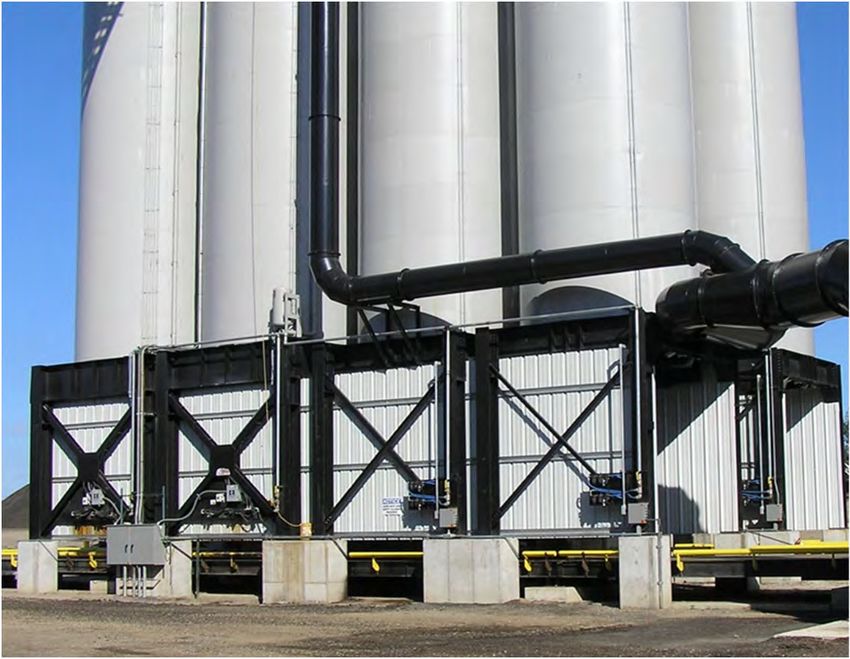
19Controls: Baghouse & Counterflow Drum 20
Load out and top of silo capture systems

21
Definitions:
Stack testing: A
                     Stack Testing
measurement of
                     Stack testing is required by the proposed permit
what is coming out
of a stack using a   for:
specific method of     – Particulate matter smaller than 10 microns (PM10)
testing.
                       – Particulate matter smaller than 2.5 microns (PM2.5)
                       – Nitrogen oxides (NOx)
                       – Lead

     22
Definitions:
Stack testing: A
Stack Testing
measurement of If the facility burns Recycled Used Oil fuel, they
what is coming out must also stack test for:
of a stack using a
specific method of • PM10
testing.
• PM2.5
Acronyms: • NOx
PM – particulate • Sulfur dioxide (SO2)
matter
NOx – Oxides of
nitrogen
23Inspections to Determine Compliance
• Asphalt plants are inspected regularly,
typically at least once per year.
Inspector determines compliance w/ permit
conditions and state and federal regulations
• Additional inspections may be done in
response to complaints
• Random odor evaluations and site
observations
24Panel
Ambrosia (Amber) Brown– Permit Section
Dan McGeen– District Office
AQD Staff Steph Hengesbach– Modeling Unit
Keisha Williams– Toxics Unit
Susan Kilmer – Air Monitoring
Jenifer Dixon – Moderator
25Public Hearing
Reminder: During this portion of the meeting
we will not be responding to your comments.
These comments are for the official record and
all comments will be reviewed and considered
by the Decision Maker prior to a final action on
the proposed permit.
Decision Maker‐ Mary Ann Dolehanty
AQD Division Director
Hearing Officer – Jenifer Dixon
26How can you submit an official comment?
Annette Switzer, Permit Section Manager, EGLE, AQD, P.O. Box 30260,
Lansing, Michigan, 48909‐7760
EGLE‐AQD‐PTIPublicComments@Michigan.gov
Call 517‐284‐0900
In person on August 11. Genesee Township Hall,
7244 N Genesee Road, Genesee Township from 6 to 8 pm
27Where to find other information
• Proposed Project Summary
• Technical Fact Sheet
• Proposed Permit Terms and Conditions
• Links to meeting recordings
Michigan.gov/Air, choose Public Notice , then choose New
Source Review (NSR) Permits Open for Comment
28Who to contact with further questions
Permits Complaints/Inspections Air Monitoring
Ambrosia Brown Dan McGeen Susan Kilmer
BrownA39@Michigan.gov McgeenD@Michigan.gov KilmerS@Michigan.gov
517-648-7547
517‐648‐6216 517‐242‐2655
Air Modeling Toxics
Steph Hengesbach Keisha Williams
HengesbachS1@michigan.gov WilliamsK29@Michigan.gov
517‐648‐6766 517‐582‐3721
Pollution Emergency Number: 800‐292‐4706
29THANK YOU!
We will share the slides and a recording and
subtitled copy of the today’s conversation via
email and on our website in the next few days.
30You can also read


