All Things Retail
The Iterable User Engagement Report
←
→
Page content transcription
If your browser does not render page correctly, please read the page content below
All Things Retail The Iterable User Engagement Report
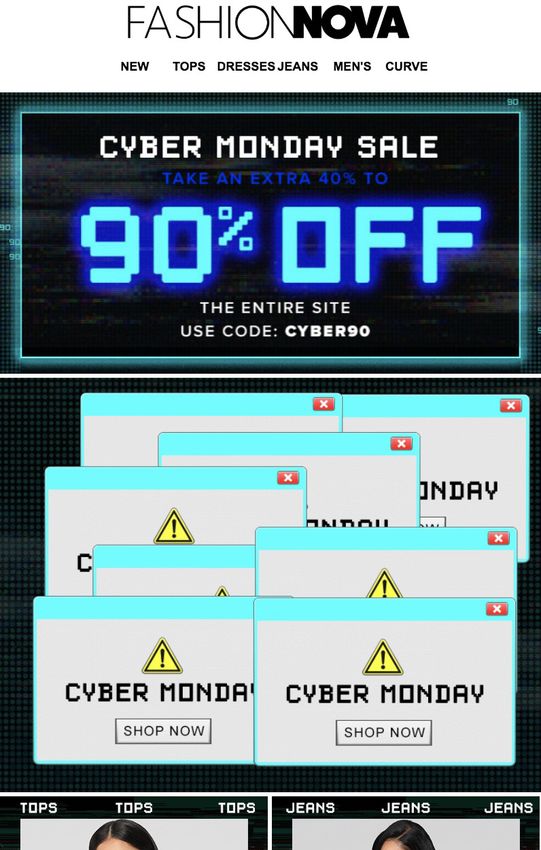
Table of Contents
Introduction                                  3
   Retail Therapy                              3

Report Overview                               4

Report Methodology                            5

Welcome Campaigns                             7
   Data Analysis                               7
   Welcome Timing                              8
   Behavior-Based Welcomes                     9
   Campaign Length                            10
   Take a Look: Elements of a Warm Welcome    12

Promotional Campaigns                         13
   Data Analysis                              13
   The DNA of Retail Promo Messaging          14
   Take a Look: Adding Some Promotional Pop   17

Black Friday                                  18
   Promotional Tips for Black Friday          19

Cyber Monday                                  21
   Promotional Tips for Cyber Monday          21

Cart Abandonment Campaigns                    24
   Data Analysis                              24
   Picture Perfect                            25
   Sweetening the Deal                        27
   Take a Look: Functional Forget Me Nots     28

Channel Messaging                             29
   Data Analysis                              29
   Choose Cross-Channel and Convert           30
   Take a Look: Channel Surfing Like a Pro    31

Takeaways                                     32
   Iterable’s Observations                    34
   Conclusion                                 36

About Iterable                                37

Appendix                                      38
Introduction
Retail Therapy

The state of shopping in the U.S. is as healthy as it’s ever been: retail
sales are up, yearly sales have increased 2.3%, and consumer
spending is growing at its fastest pace in nearly four years.

Although the outlook appears sunny, retail brands can’t coast.
Consumer habits never stop evolving and brands must keep up with
their changing tastes. In the world of retail: the buck always stops with
the consumer.

Consumers realize they can have it all. Today’s digital consumer is
increasingly connected, has more access to information, and expects
businesses to react to all their needs and wants instantly.
(Deloitte, 2019)

As technology continues reshaping business as we know it, retail brands
must embrace the changing needs of the consumer if they hope to
remain relevant inside the retail landscape.

While there’s no recipe for retail success, the brands that tout            Consumers realize they can
convenience, product superiority, and a fundamental understanding of        have it all. Today’s digital
their customers are poised for success. Though many retailers talk a big    consumer is increasingly
game, who actually backs it up?
                                                                            connected, has more access
In this report, we analyzed cross-channel messaging strategies used
                                                                            to information, and expects
by 50 leading U.S. retailers to study how they’re using engagement as a     businesses to react to all their
catalyst for digital transactions..                                         needs and wants instantly.

We note what companies are doing across the board and what they can         D E LO I T T E , 2 01 9
do to stand out from the crowd, citing examples and recommendations
for optimizing your organization’s cross-channel marketing strategy.

                                                                            All Things Retail: The Iterable User Engagement Report   3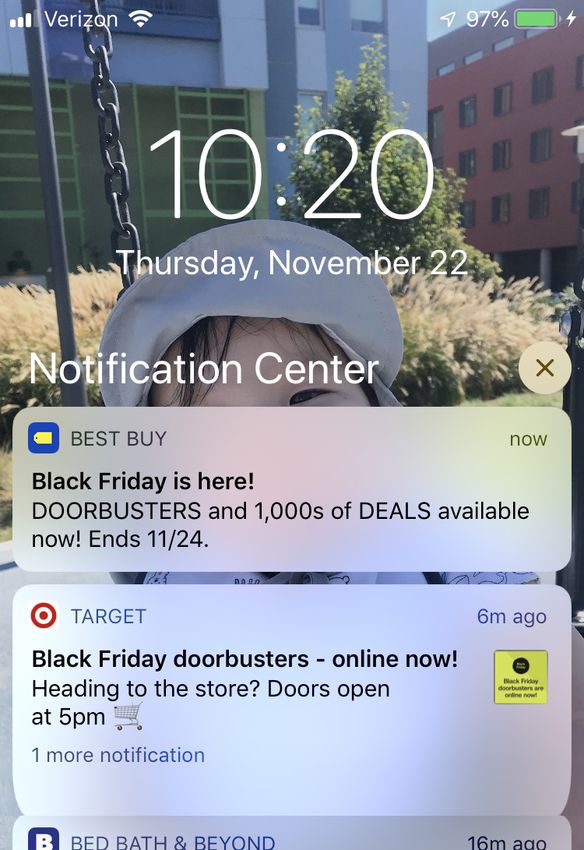
Top Companies vs.
Fastest Growing:
Report Overview
What’s the Difference?
We examined all customer-facing messaging sent by 50 different retail
companies over the course of two weeks in November—coinciding
specifically one week before and after Black Friday and Cyber Monday. Top Brands
These companies were comprised of the top industry leaders, as Retail brands boasting the
highest compound annual
well as their fastest growing competitors. The retail brands observed
growth rate over 5 years
were comprised of the following categories: Apparel & Accessories,
vs
Electronics, Home Improvement, Housewares, and Mass Merchants.
We carefully evaluated the timing, content, and calls to action of each
message as part of these brands’ overarching campaign strategies. We
also paid close attention how these retailers specifically addressed
Black Friday and Cyber Monday promotions.
Fastest
Growing Brands
Retail brands that
drove the highest 2017
web sales growth
Here are our key takeaways after analyzing the messaging
content sent from a wide range of prominent retailers.
Cross-channel is gaining momentum—42% of Activating consumer attention and interest
major brands engage consumers across multiple Driving engagement that grows LTV
communication channels. Developing a loyal, captivated audience
Email reigns supreme but mobile matters—41%
of retailers leverage push messaging to regularly Inside, we present valuable insights about the retail
interact with a mobile audience. industry and include real-world messaging examples
All campaigns are not created equal—70% of from the country’s most beloved brands.
retailers welcome their new subscribers, 76%
promote to them regularly, but only 44% attempt If this report piques your interest and you’d like to learn
to reclaim abandoned carts. how to advance your own campaigns, please reach out
to us for some one-to-one advice and best practices.
This report is for marketers and go-to-market
leaders interested in implementing high- REQUEST A DEMO
performing, cross-channel marketing campaigns
that can achieve these objectives.
All Things Retail: The Iterable User Engagement Report 4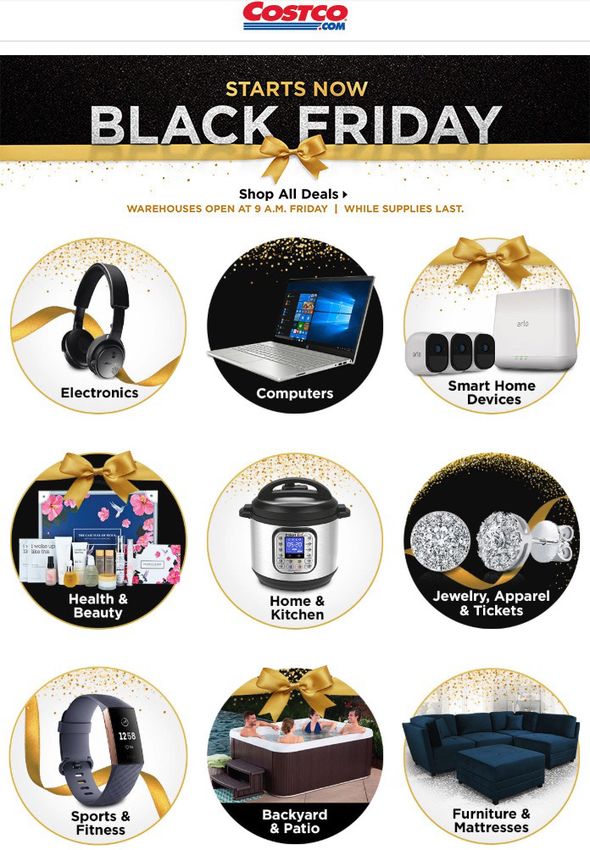
Report Methodology
Activity Summary                                 We carefully selected 50 top U.S.
                                                 retailers as recognized inside                        Companies were
                                                                                                       chosen from each
        0-5
                                                 Internet Retailer’s 2018 Top 500
DAYS                                             E-Commerce Report for observation:                    of the following
                                                 those identified as leaders in their                  five categories:
Created accounts, signed up for                  space determined by annual growth
all company communication,
                                                 rates (25 Top Companies) as well as                            MASS MERCHANTS
downloaded mobile apps, and
opted-in to all messaging, including             their perceived disruptors boasting
                                                                                                                APPAREL & ACCESSORIES
email, mobile, and web push.                     the highest web sales (25 Fastest
                                                                                                                ELECTRONICS
                                                 Growing Companies).
                                                                                                                HOME IMPROVEMENT

DAYS
       6-10                                      After creating new accounts with each
                                                 of these companies, we tracked all
                                                 messaging content over the course of
                                                                                                                HOUSEWARES

Continued cross-channel engage-
ment, filled and abandoned carts
                                                 two weeks during November 2018—                   engagement are based on the limited
via both desktop and mobile app                  the weeks before and after Black                  experience of this study, which is not
on Black Friday and Cyber Monday.                Friday and Cyber Monday.                          meant to be scientific in its analysis
                                                                                                   and does not reflect the official
                                                 This research report was designed                 positions of any company listed.
DAYS
       11-14                                     to analyze select messaging tactics
                                                 in a brief timespan for the purpose
                                                 of evaluating user engagement from
                                                                                                   During our analysis, we studied how
                                                                                                   each company utilized cross-channel
Weaned engagement and
halted activity.                                 the leaders of the retail industry.               communication to engage users at
                                                                                                   two critical stages of the customer

                    Lifecycle Stage
                               Readers should note that Iterable’s
                               recommendations for cross-channel
                                                                                                   lifecycle—activation and nurture.

                    •

                                                                       nurture                                                   reactivate
                         activate

                   The brief nature of our study focused on the early activation and nurture stages the full customer lifecycle.

                                                                                                    All Things Retail: The Iterable User Engagement Report   5
                                                                                                                                                        7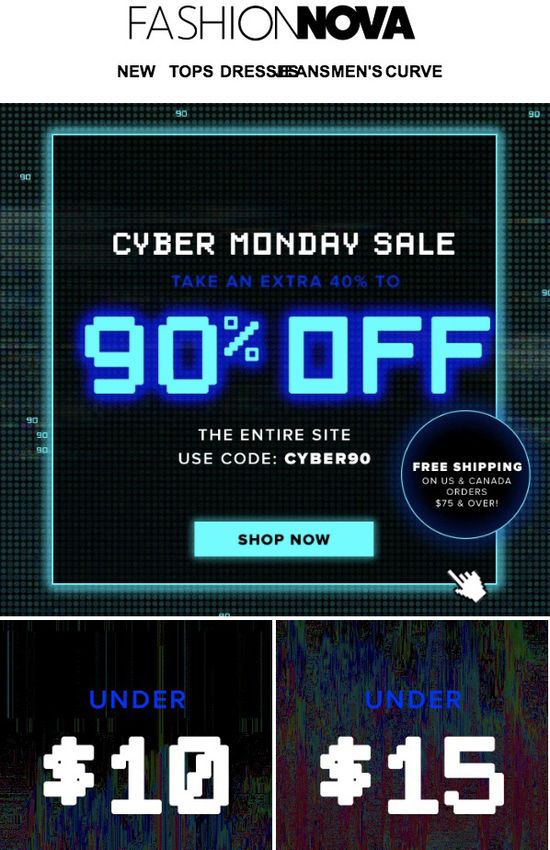
Key Areas of Focus
      Welcome Campaigns
      Welcome messages are often designated by their targeted purpose of
      introducing a user to a brand’s website, mobile app, social media platform
      or other business property.

                          Did the company send out a welcome email after a new user created an
                          account, signed up to receive communications or downloaded an app? If
                          so, how many welcome emails did each company send? Was this series
                          extended across channels?

      Promotional Campaigns
      Most promotional marketing campaigns are typically high-volume,
      general-purpose communications that brands use to inform customers of
      sales, membership rewards, and other promotional events.

                          Did the company advertise their business with promotional messaging?
                          How many promotional emails were sent in total by each company?
                          Which companies tended to send more? What types of content were
                          being promoted to customers?

      Cart Abandonment Campaigns
      Cart abandonment messages are reminders which encourage customers
      to finish completing their recent near-purchases.

                          Did the company send out any messaging after a cart was abandoned?
                          Was this messaging sent out in a relevant time window? How many
                          reminders were sent?

      Cross-Channel Messaging
      Cross-channel messaging can include marketing promotions, account
      notifications, as well as transactional confirmations across multiple mobile
      and web-based channels..

                          Did the company expand their campaigns across more than email?
                          Which channels were used most frequently? Did interactions influence
                          channel-specific messaging?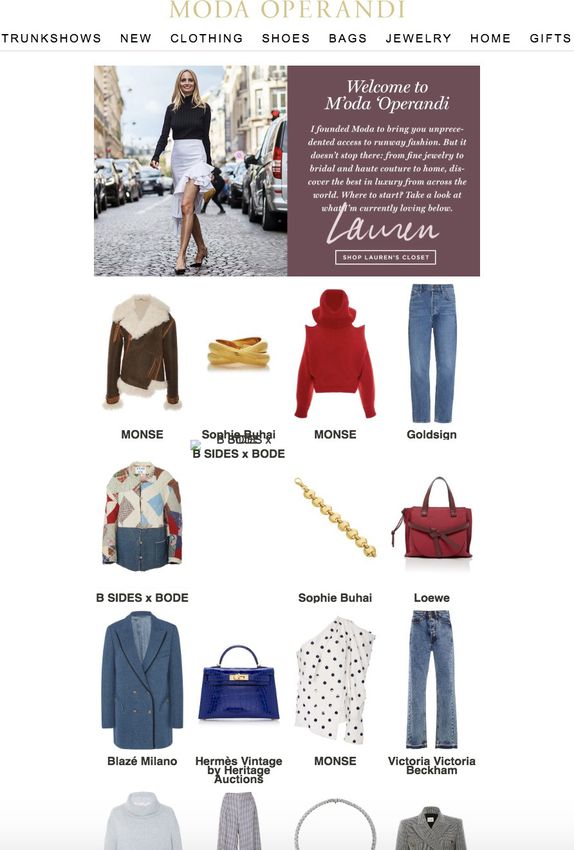
Welcome Campaigns

                                       Data Analysis

                                      Welcome messaging was used by the majority of retailers following
                                      account creation. We found that 70% of companies studied sent at least
                                      one welcome message after a new account was created via website or
                                      app. Nearly three quarters of the companies with welcome messaging
                                      chose to extend their welcome across multiple messages.

                                      The top companies and fastest growing companies were just about
                                      equal in terms of welcome campaign usage. The top companies slightly
                                      edged out the fastest growing at a rate of 72% over 68%.

By the Numbers: Welcome Campaigns                                             Who Used Them More?

70%
of retail brands used
                             30%            of retail brands
                                            sent 0 messages
welcome campaigns

71%                          20%            of retail brands                            Top Companies

                                                                                        72%
                                            sent 1 message
sent more than
1 message

16%
of brands engage
                                          22%          of retail brands
                                                       sent 2 messages
                                                                                              vs
cross-channel

2.3                                                   +
                                                                                        Fastest Growing
Average number of
messages sent in a         28%   of retail brands rocked it                               Companies

                                                                                         68%
                                 by sending 3+ messages
welcome campaign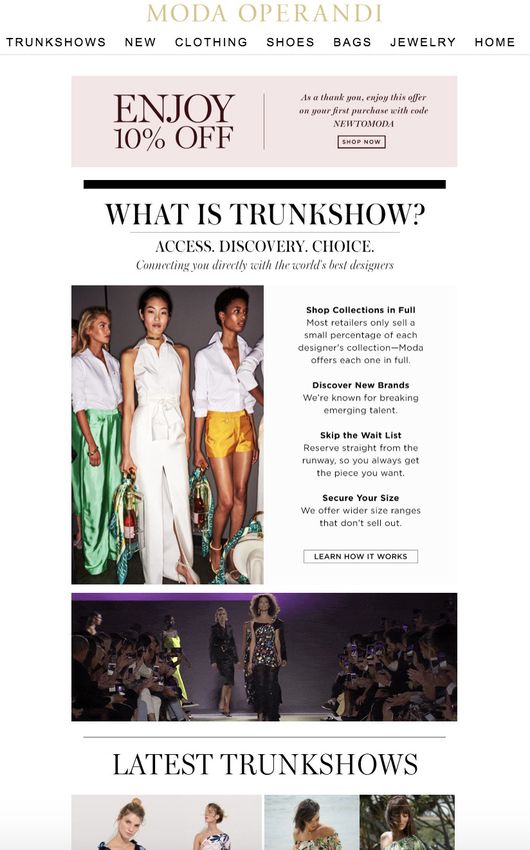
Welcome Timing

      An effective welcome series nurtures engagement at its highest peak.
      Capitalize on opportunity and put your best foot forward by welcoming
      and educating your customers about your unique products and services.

      Following a consumer’s first encounter with your brand is the perfect time
      to fan that early flame and reinforce your brand’s unique value—whether
      that follows account creation, opt-ins for publications, or a purchase. This
      is a natural segue for rolling out the red carpet and securing engagement
      down the road.

                                                                                                                   Message timeliness
      With this in mind, message timeliness plays a critical role in how you shape
      the opinions of your customers. Most retailers understand this and kick off
                                                                                                                   plays a critical role
      their welcome series typically within one day of account creation.                                           in how you shape
                                                                                                                   the opinions of your
      The majority of the companies observed triggered the primary message                                         customers.
      of their campaigns inside an appropriately timed window—somewhere
      between instantly to within a day. But with the good comes the bad—one
      company waited a full 12 days before sending us our first welcome message!

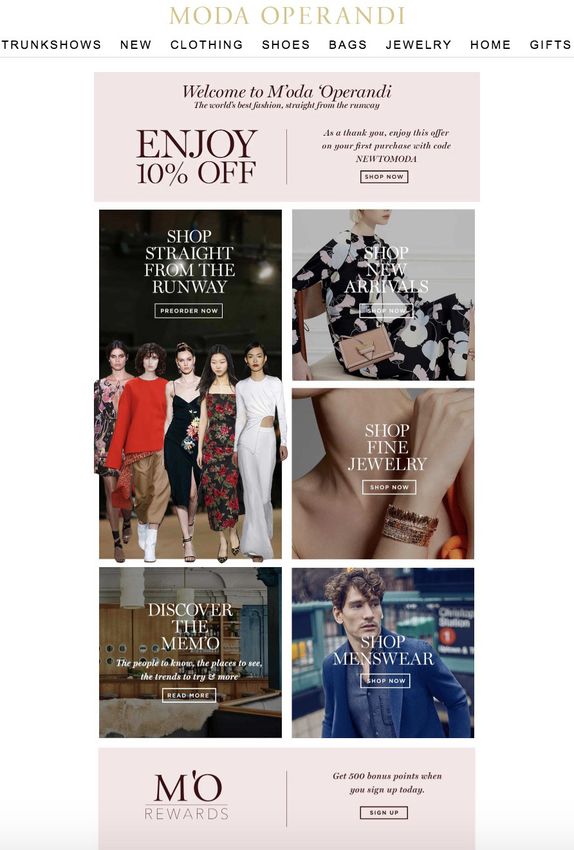
Fashion discovery platform Moda Operandi sends three welcome emails in the first three days of account creation.

                                                                                                      All Things Retail: The Iterable User Engagement Report   8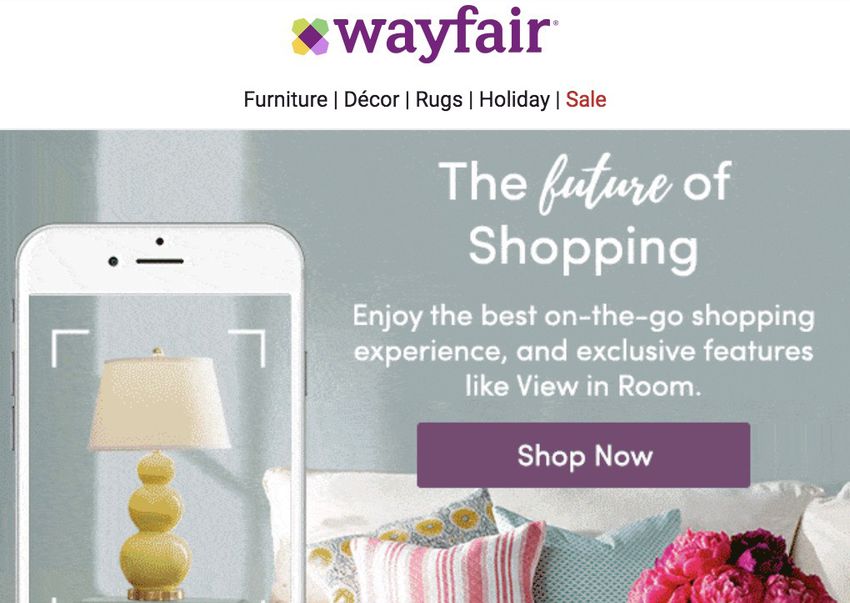
Well-timed welcome messages help new users familiarize themselves with
your capabilities and service offerings; assuming consumers can figure that
                                                                                            Common Behavior
out on their own is not a risk worth taking.
                                                                                            Override Triggers

                                                                                                    FILLING CARTS
Behavior-Based Welcomes
                                                                                                    COMPLETING PURCHASES
Data-driven and behavior-based messaging is a key driver of marketing
                                                                                                    APP DOWNLOADS
efficacy, but is often discussed more so in concept than executed in
practice. While some messaging platforms have capabilities to do it, most                           REGULAR BROWSING/
                                                                                                    INTERACTION
marketers simply aren’t equipped to leverage it—whether the culprit be
a convoluted tech stack, data silos, or simply a lack of resources, most
companies are slow-rolling their welcome strategies at the expense of the
customer experience.

Unfortunately, most of the brands studied haven’t yet overcome this
personalization hurdle. Most of the welcome campaigns we encountered ran
on a single channel with little responsiveness. Though we were regularly
interacting and exhibiting signs of strong engagement, the messaging we
received was relatively unreflective of our experience.

                                                           Wayfair doesn’t miss a beat! The housewares
                                                           brand triggers app-specific welcome emails
                                                           moments after app download.

                                                                                   All Things Retail: The Iterable User Engagement Report   9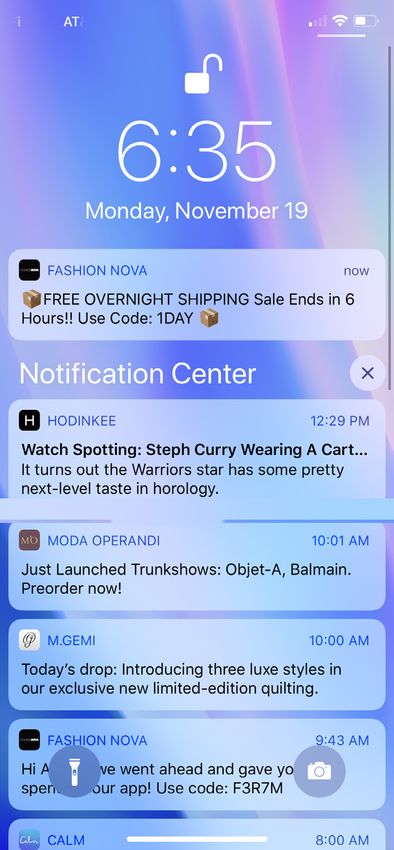
Not all companies limited themselves to pre-scheduled message content,
however. We found that 17% of companies extended their welcomes by
acknowledging our app downloads and responded with welcome content
via email or push message.

Wayfair was quick to trigger an app-related welcome email very shortly
after we downloaded their app. As a user new to their app, a informative
email about what we could accomplish by using the app was a helpful arm
of our general onboarding.

Bed Bath & Beyond took a similar, but cross-channel approach. We
downloaded the app and logged in using our account credentials, linking
our desktop and mobile instances. Ensuring we left a trail of interaction
data behind us, we explored the app and browsed before eventually
closing it and going about our day.

Hours later, Bed Bath & Beyond sent us our first push message prompting
our return to their app. We appreciated Bed Bath & Beyond recognizing us
as new app users and encouraging interactions on their mobile channel.

In the examples above, both Wayfair and Bed Bath & Beyond bolstered
their welcome experiences using triggered messaging and preemptively
addressed any onboarding bumps before our engagement waned.

Campaign Length
                                                                                                          Bed Bath & Beyond’s
                                                                                                          keeps it simple: open,
Like any campaign, there’s typically a set window of time where messages
                                                                                                          see, shop!
are received and acted upon; once that time has passed, these messages
all but lose their value.

We found that the average retail welcome campaign transpired over 3.3
days, consisting of 2.3 messages. Most messaging inside these campaigns
shared discounts on first purchases, discussed account holder benefits,
and demonstrated account maximization tips. These are all great first-
touch tactics!

                                                                            All Things Retail: The Iterable User Engagement Report   10
While we appreciated the coupons and validation of receiving these
emails, some series ran much longer than the average three days after
signup. With statically scheduled campaign content, brands run the risk of
missing the relevance window we discussed earlier.
There were several brands who continued to send us welcome messaging
into the second week of our study. On paper, this doesn’t sound terribly
out of line, but consider the following:
We had already received 1-2 welcome messages previously
We were regularly receiving promotional content
We had downloaded and engaged with their mobile apps
We added and abandoned items in our carts
Our activity reflected that of a highly engaged customer, and welcome
messages about how we could “start shopping” were far from valuable to
us at this stage. In these instances, our customer journey had progressed
beyond the necessity of message three or four of the welcome series.
Static content is a valuable asset to marketers, but misaligning its use
case is a misstep from the customer’s point of view. Without the ability to
process and understand customer behavior and activity data, retailers
can’t expect to support their customers’ journeys to their full extent.
The average retail welcome campaign lasted
3.3 days, and consisted of 2.3 messages.
Most messaging inside these campaigns shared
discounts on first purchases, discussed account
holder benefits, and demonstrated account
maximization tips.
All Things Retail: The Iterable User Engagement Report 11Elements of a Warm Welcome
TA K E A LOOK
5
3
1
2
4
Addressing new subscribers by name Eye-tracking studies show consumers
1 4
is a simple way to put a personal touch carefully read information-carrying images.
on initial outreach. 37% of retailers we Half of all emails are read on mobile
studied used this approach as part of devices— consider the advantages of
their welcome experience. imagery for consumption.
Walmart explains the basics of their Walmart sent their final welcome email
2 5
service, keying in on their ease of use. on day 5 of our study—2 days longer than
Concise verbiage and intuitive imagery the average campaign, but their content
quickly help new subscribers understand was both informational and promotional
the value of their accounts. and felt in-line with our customer journey.
Cross-promoting sales content has
3
strategic advantages inside welcome
emails. Welcome emails are 86% more
effective than newsletters, making them
a great tool for awareness.
All Things Retail: The Iterable User Engagement Report 12Promotional Campaigns
Data Analysis
Companies must promote if they have any hope of keeping afloat
with their customers. Opted-in subscribers willingly request branded
marketing. and give retailers a chance to steer the customer journey.
With this in mind, we were a bit surprised to find that only 76% of the
companies observed sent us promotional messaging! We found that
84% of the top companies sent promotional messaging while only 68%
of the fastest growing companies did so.
Of those who promoted, the totals of these messages were incredibly
variable—we received anywhere from a single message to more than 30
from each of these different brands.
The average number of promotions sent by these retail companies was
9.7 over two weeks. The top leading companies averaged 11.4 messages
in contrast to the fastest growing average of 7.9.
By the Numbers: Promotional Campaigns Who Used Them More?
76%
of retail brands used
37% of retail brands
sent 1-5 messages
promotional campaigns
Top Companies
47% 21%
84%
of retail brands sent
6-10 messages
of retail brands
promote cross-channel
vs
9.7
Average number
13% of retail brands sent
11-15 messages
of messages sent
in a promotional
campaign
Fastest Growing
29% maxed their frequency
with 16-20+ messages Companies
68%We also noted that the top brands showed a greater tendency to promote
cross-channel (52%) over their fastest growing competitors (41%).
vs
When comparing the message volumes of the top companies and
fastest growing companies, you can see the subtle divergence of Top companies sent an
strategies. We’ve noted the differences in the chart below. average of 11.4 messages
per promotional campaign,
Looking at these numbers, it could be inferred that the fastest growing
compared to just 7.9
companies may be edging out the top companies when it comes to
message ROI—lower volume, higher customer value versus a steady
messages sent by the
diet of catch-all promotions. fastest growing companies.
The DNA of Retail Promo Messaging
Unfortunately for marketers, there’s no fail-safe way to construct
a promotional message that guarantees success. However, after
carefully reviewing nearly 700 messages, we can share some insight
into how the top and fastest growing retail companies are messaging
millions of customers. Top Companies vs.
Fastest Growing Companies:
MESSAGE CADENCE
Say It With Smileys
41% 39%
42% of brands used emojis inside their subject lines—covering email,
33%
mobile push, and web push. Emojis can be a fun way to bring subject
lines to life and offer a quick way for customers to recognize the 23%
emotional nature of your message content. The most commonly used 19% 18% 18%
emojis were alert-related, likely because of Black Friday’s and Cyber 10%
Monday’s timeliness.
1- 6- 11 16
5 m 10 -1 -2
es m 5 m 0 +m
sa es es
ge sa sa es
s ge ge sa
s s ge
s
What can your emojis say that your copy can’t?
All Things Retail: The Iterable User Engagement Report 14Animation Domination
They say a picture is worth a thousand words, so animated pictures,
like GIFs, must be multiplying that value, right? We found 62% of
companies used GIFs inside their message content. Brands ran the
gamut when it came to GIFs—everything from very subtle animations
to flashing blocks of content.
One tried-and-true tactic multiple retailers used was the incorporation
of countdown clocks. The countdown clock makes perfect sense
around limited-time sales like Black Friday and Cyber Monday where
deals are only valid for 24 hours.
This type of animation incorporates liveliness inside an otherwise
static email and plays perfectly on the psychological trigger of
scarcity. As that timer winds down, customers quickly see they’re only
moments away from missing out on the biggest sales of the year!
If a picture is worth a
thousand words, what’s
the value of an animation?
62% of companies found
out by using GIFs inside their Clock in, cash out. Animated countdown clocks
dial up the sale FOMO.
message content.
All Things Retail: The Iterable User Engagement Report 15What’s In It For Me?
Discounting strategies are by no means a one-size-fits-all tactic
for retailers and should be explored carefully through a fiscally
responsible lens. That being said, there’s no better way to catch your
customer’s attention than by offering up a sweet sale.
After looking through all of the content contained inside these 50
companies’ promotional messages, we found 46% of companies used
percentage-off discounts on sale items. Dollar-off discounts weren’t
as popular but were still used by 24% of companies. Offers of free
items and free shipping were the least frequent and used by 18% and
16% of companies, respectively.
Cash credit or
percentage off
a purchase?
All Things Retail: The Iterable User Engagement Report 16Adding Some
TA K E A LOOK
1
Promotional Pop
On November 17, 2018 Golden State
1
Warriors superstar Stephen Curry could
only sit and watch as his team lost to
2 the Dallas Mavericks. At the time, Curry’s
injury was eliminating him from MVP
conversations.
After HODINKEE, an online watch
2
enthusiast magazine, spotted Curry
wearing a $57K watch, they profiled the
watch inside their publication. An NBA
3
household name sporting a high-profile
watch quickly trended.
Upon publication, HODINKEE shared the
3
story using a push message. If HODINKEE
4 was to start using rich push notifications,
they could add additional layers of
interactivity to their watch-spotting.
The next day, HODINKEE re-shared the
4
article inside their daily newsletter. The
email newsletter has recently experienced
a renaissance as consumers look for “less,
but better” content.
One week after the newsletter publication,
5
HODINKEE sent a web push linking to the
original article. Spreading their article
5
across three marketing channels effectively
amplified their article’s presence.
All Things Retail: The Iterable User Engagement Report 17Black Friday
The phenomenon of Black Friday has been
an incredible, ever-evolving social experiment
throughout the years.
With roots tracing back to 1961, Black Friday represents peak
consumerism; it’s accounted for one of the busiest shopping days of the
year since 2005 with few indicators of slowing down. Black Friday provides
76%
of companies
a massive opportunity for retailers and they’re tasked with promoting their used promotional
sales items effectively, lest they miss out on the annual shopping frenzy. messaging to drive
sales, but only...
While 76% of brands used promotional messaging to drive sales, only
55% of that population specifically advertised Black Friday specials. We
found that top companies were more likely to advertise their seasonal
55%
of that population
advertised Black
sales—80% of top companies spread Black Friday awareness in Friday specials.
comparison to 47% of the fastest growing companies.
Even though more top companies participated in Black Friday
promotional pushes, the fastest growing companies’ campaigns were
longer in sequence. The campaign lengths of the fastest growing
companies averaged 4.8 messages versus the 3.5 of top companies.
80%
of top companies
advertised seasonal
sales, compared to...
47%
of the fastest growing
retail companies
Yo dawg, retailers heard you like sales, so they put pre-sales into their Black Friday
sales to make sure you score some holiday sales.
Only a small portion of both the fastest and top companies promoted
cross-channel. Emails, push messages, and web push notifications were
the most frequent promotional channels used by these companies.
All Things Retail: The Iterable User Engagement Report 18Promotional Tips for Black Friday
Give Yourself Enough Promotional Runway
Optimize your Black Friday sales by buffering in ample time for promotion.
Even though this monumental sales event is only 24 hours long, many
shoppers plan out their shopping strategy days before they step foot
3.5
Black Friday
into a store. Ensure your store finds its slot on shopping itineraries promos were
sent by top
everywhere by targeting consumers while they’re planning their routes.
companies,
Most retailers we studied started promotion 2-3 days before the event. versus...
Interact Online, Transact Offline 4.8
sent by the
Black Friday is a great opportunity for getting both first-time and loyal
fastest growing
shoppers into your brick-and-mortar store. Incorporate localized retail companies
content like special in-store sales, local aisle maps, or special holiday
opening hours to help simplify your customers’ shopping experiences.
Going the extra mile by removing any potential blockers along the
purchase path will help you keep your stores full.
Target’s Black Friday emails “show”
their sales; their mobile pushes ensure
customers “go” to their stores.
19Use Available Channels to Your Advantage
Studies show 49% of consumers research their Black Friday purchases
online. Lead consumers to your store’s specific sales using email and web
push effectively. Since Black Friday remains a largely in-store shopping
experience, relevant mobile pushes on the day-of provide a great
reminder for shoppers to drop into your store.
Walmart and Costco use emails online to push shoppers offline and into their stores on Black Friday.
All Things Retail: The Iterable User Engagement Report 20Cyber Monday
Rooted in Black Friday’s success, Cyber Monday’s
growth and relevance are a reflection of consumers’
online shopping preferences.
Looking a few years back at total consumer spend, we’ve seen explosive
shifts in online sales and the growing participation rate of retailers try
and cash-in.
80%
of the top companies
advertised Cyber
Of the 76% of companies using promotional campaigns, 74% of them are Monday, versus...
playing their hand in hopes of cashing in on Cyber Monday. 80% of the top
companies sent Cyber Monday campaigns while only 53% of the fastest
growing companies did the same. We expected to see more participation
53%
of the fastest growing
among the fastest growing companies considering the strong e-commerce retail companies
nature of their business models, but this wasn’t exactly the case.
Unlike Black Friday, top companies had longer Cyber Monday campaigns
than their fastest growing counterparts. The average Cyber Monday
campaign from top companies spanned 4.3 messages, while the fastest
growing companies used 3.4 messages. 4.3
messages per
Cyber Monday brought out a little more cross-channel activity from brands promotional
campaign,
than Black Friday did. Of the top companies with Cyber Monday promotions, versus...
3.4
35% of them messaged beyond email alone. 22% of the fastest growing
companies spread cross-channel Cyber Monday promotions.
sent by the fastest
growing retail
Promotional Tips for Cyber Monday companies
Extend Your Sale Length When Appropriate
Transitioning straight from Black Friday into Cyber Monday promotions
leaves little time to hype once-a-year digital sales. To stretch this tight
window, we observed a good portion of companies extending their
Cyber Monday sales as part of a longer Cyber Week promotion. Some
brands insulated against customer message fatigue using these lengthier
messaging windows.
All Things Retail: The Iterable User Engagement Report 21Retailers cash in on the holiday shopping frenzy through
the week of Cyber Monday.
All Things Retail: The Iterable User Engagement Report 2235%
Leverage Known Data Points for Enriched Content
Flexing the depth of your brand’s inventory is a tried-and-true
approach for building Cyber Monday hype, but don’t let this be of the top brands
used multiple
your overarching promotional tactic. Leverage the data you’ve channels, versus...
accumulated about returning customers to align your Cyber Monday
sales with items they’ve expressed interest in. Use this same approach
when promoting popular or trending items to new customers with 22%
of the fastest growing
similar demographic profiles. retail companies
Push Your Point Across While Consumers Browse
Reel wandering shoppers back to your website using web and mobile
pushes. Timed or behavior-based triggers will navigate shoppers
directly to the URL and app targets you want them to see. Push
notifications put your brand back into focus with a single tap or
click—a valuable tool on a hectic shopping day.
Wayfair notes our previous
interest in area rugs and
highlights similar decor
dynamically inside regularly
scheduled messaging.
From subtle to striking, pushing your
messaging across mobile and web can
drive serious engagement.
All Things Retail: The Iterable User Engagement Report 23Cart Abandonment Campaigns
Data Analysis
Implementing a near-purchase conversion strategy is an easy way
retailers can reignite that original shopping spark. Distracted shopping
is a side effect of 24-hour buying power—consumers are free to browse,
shop, or completely disengage on a whim.
Considering that cart abandonment emails are often the most engaging
emails that brands send, incorporating an automated way to recover
40% of left behind merchandise should be a no-brainer.
And yet, we were surprised that less than half of the most prominent
retail brands today weren’t taking advantage of this—only 44% of all
brands studied use cart abandonment campaigns.
The fastest growing companies triggered abandonment campaigns 2X
more often than their top company counterparts, at a rate of 60% to 28%.
By the Numbers: Who Used Them More?
Cart Abandonment
Campaigns
44%
of retail brands used cart
Top Companies
28%
abandonment campaigns
4%
of brands engage
vs
cross-channel
2.3
Average number of
messages sent in a cart Fastest Growing
abandonment campaign Companies
60%Looking further into the nuts and bolts of these retail cart
abandonment campaigns, only a meager 4% of brands take their
campaigns across channels. On average, the typical campaign
was comprised of 2.3 messages, starting 1.4 days after initial
abandonment.
The fastest growing companies averaged 2.1 messages sent 1 day
after abandonment, while top companies sent 2.9 messages after 2.3
days. Top companies sent more abandonment messages over time,
while the fastest growing companies opted for fewer messages inside
a shorter time window.
Picture Perfect
While reviewing the abandonment messaging of these various
brands, we noticed a recurring trend of including imagery of the
abandoned items inside each message’s content. In fact, 82% of
the brands with abandonment messaging were using this level of
personalization as part of their conversion strategy.
As we noted inside our Benchmark Report, not all companies are
ready for this level of sophistication—some brands, like 18% of the
Whether simple or complex,
any abandonment messaging
is better than none.
All Things Retail: The Iterable User Engagement Report 25retailers observed, are only triggering simplified “you forgot something”
messaging without further personalization.
This is a great first step to take and leaves the door wide open
for further iteration. Look for strategic changes in things like
design, cadence, and channels as campaign ROI warrants further
experimentation.
Fashion Nova, a top online apparel store for women and men,
demonstrated some savvy abandonment outreach via web push. They Fashion Nova shows that a gentle
bucked the traditional email abandonment campaign and took their nudge is all it takes to complete a sale.
prompts straight to the browser.
Shortly after we headed away from our full cart, we received a web
push notification prompting us to return and finish our checkout.
Notice the clear text and supporting image that helped make the
message feel less intrusive. Fashion Nova was using the visual cue
of our abandoned jeans to quickly justify why they interrupted our
regularly scheduled web browsing.
Fast-Growing-Trees.com waits
an extra day before “bribing”
customers with an extra 5%
off discount.
All Things Retail: The Iterable User Engagement Report 26Sweetening the Deal
The jury is split on choosing to attach some sort of offer to influence
cart conversion. A recent survey of Iterable customers showed that
roughly half (47%) of leading growth marketers say it makes business
sense to incentivize checkout as part of their abandonment strategy.
The retailers we followed generally chose not to offer discounts or
incentives when converting carts. Only 27% of the brands studied
currently engage in this practice.
A recent survey of
There are communities of savings-savvy blogs which recommend
that shoppers intentionally abandon their carts and hold out until
Iterable customers
retailers divulge checkout discounts. Thinking strategically about your showed that 47%
abandonment discounting strategy ensures your margins won’t suffer of leading growth
too much from intentional hesitation. marketers say it
makes business
However, for some brands, net sales may supercede slight reductions sense to incentivize
in itemized profits. If discounted cart conversions take place, retailers
checkout.
actually gain new opportunities to grow longer-term loyalty from their
newest customer.
Following the sale, retailers have reason to differentiate their outreach
and grow engagement: There are new post-sale opportunities to survey
satisfaction, promote similar or complementary items and build a more
robust customer profiles using known interests.
Completing a sale is one step further along the customer journey and
offers intriguing ways to enhance the overall customer experience,
when done correctly.
All Things Retail: The Iterable User Engagement Report 27Functional Forget Me Nots
TA K E A LOOK
1
2
3 4
5
Wayfair sent us three similar abandon- 4
On day 3 of cart abandonment, Wayfair
1
ment emails. All messages used itera- sent us a web push as part of their cross-
tions of actionable copy that leveraged channel campaign. Robust, personalized
fundamentals of the “4U” formula, campaigns are effective in converting
encouraging a timely call to action. sales inside oft-abandoned carts.
Wayfair recommends similar items to Wayfair’s cart abandonment far surpassed
2 5
those we left behind in abandonment those of many retailers—as did their
messages. Visuals are processed 60,000 total message count of 9. Their approach
times faster than text and act as a quick insulates against the typical pitfalls that
trigger back into “shopping mode.” most campaigns fall victim to.
Using rich mobile push to support
3
cart abandonment campaigns makes
a lot of sense. Wayfair uses custom
headlines, body copy, emojis, and item-
specific imagery to make each message
engaging and actionable.
All Things Retail: The Iterable User Engagement Report 28Channel Messaging
Data Analysis
Cross-channel messaging is an increasingly important mode of
communicating inside our digital world. Consumers’ native habits
seamlessly span multiple channels, and brands must meet them on
their terms if they want recurring sales.
Throughout our study, we encountered a wide range of communication
approaches: most rely on email, some incorporate mobile, while few
hop regularly between multiple channels.
Email was the most frequently used channel, comprising 74% of total
message volume. Push messaging came in second place at 20%,
followed by web push at 5%. The other mobile channels, in-app and
SMS, made up the remaining 1% of received messages.
By the Numbers: Channel Usage Across All Campaigns
74% 20% 5%
of retail brandsWelcome Campaigns
Retail brands leaned heavily on email for welcome campaigns at a
Only 2% of brands
usage rate of 74%. Of those brands who extended cross-channel were using push
welcomes, we found that only 2% of companies were using push and SMS messaging
and SMS messaging. for their welcome
campaigns
Promotional Campaigns
Email was the channel of choice for promotion, as 84% of retailers
leverage consumer inboxes for driving sales. Many retailers are also 47% of retailers are
mobilizing their messaging and using push messaging (47%) as a using push messaging
way of communicating can’t-miss sales. We also observed 11% of
to promote sales, with
brands breakthrough the web push barrier and experiment with in-
11% experimenting
browser promotions.
with in-browser
promotions
Abandonment Campaigns
Following suit with the above breakdowns, email (86%) remains the
go-to channel for retailers using cart abandonment campaigns. Push
notification was the secondary channel of choice and reflected at
an 18% usage rate. Fashion Nova and Wayfair were the only brands
that incorporated web push as a supplementary channel inside their
abandonment campaigns.
Choose Cross-Channel and Convert
Wherever your customer may go, that’s where you need to be. Most Cross-channel
brands are already highly invested in their website experiences, shoppers have 30%
and yet only a handful are leveraging web push as a shopping aide. higher LTV than single
channel shoppers
Similarly, 90% of the retail companies observed have mobile
apps but only ⅓ of them message on a mobile channel. Last year,
the DMA found that 43% of all online purchases were made on
smartphones, generating $206 billion. Mobile is too important of
a channel to keep ignoring!
Cross-channel engagement is anything but a fad—customer lifetime
values have been shown to grow by 30% when receiving marketing
on multiple channels. If your brand prioritizes revenue, then you need
to prioritize cross-channel.
All Things Retail: The Iterable User Engagement Report 30Channel Surfing Like a Pro
TA K E A LOOK
1
1 Fashion Nova was the most active
cross-channel promoter observed
during our study. Their Cyber Monday
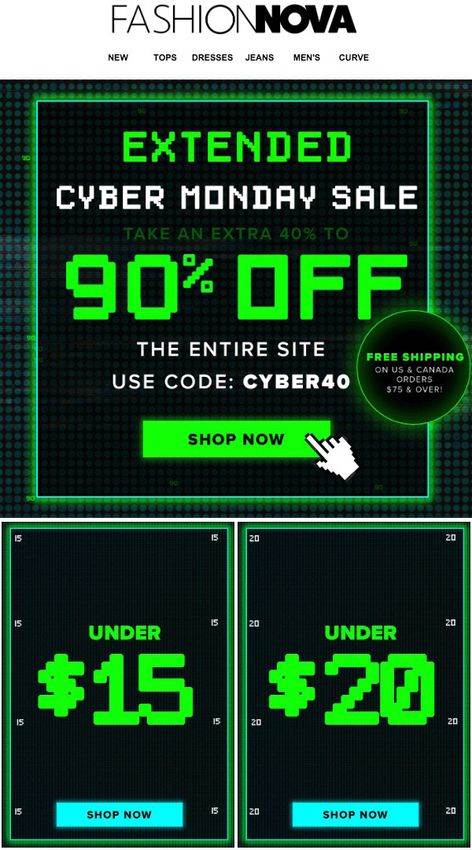
“CYBER90” campaign spanned across
email, mobile, web, and social media.
2 The “CYBER90” emails started the
Sunday evening prior to Cyber Monday.
Fashion Nova’s emails use a continuous
theme (design, colors, decoration, and
discount code) to differentiate from
other campaigns.
The first promotional push message
3
2
was received three hours after the initial
campaign email. The next two pushes
arrived Monday morning, before 11am—
messages after this time promoted a
different sale code.
4
Fashion Nova benefits from the visual
power of emoji-laced messaging. Emojis
help Fashion Nova sprinkle a touch of
emotion and immediacy into every one
of their push messages.
Fashion Nova deployed their 24-hour
5
“CYBER90” cohesively across every
channel including web push. Since 96%
of consumers shop online, distributing
captivating, uniform messages on every
channel is a winning tactic.
3
4
5
All Things Retail: The Iterable User Engagement Report 31Takeaways
A brand’s ability to effectively engage customers is a proven forecast
metric for evaluating ongoing success. After carefully analyzing and
categorizing nearly 700 marketing messages of all shapes and sizes,
we’ve provided a full breakdown of our findings.
With a growth mindset, there’s always room for improvement—there
are key lessons to learn from the rising-star retailers and established
giants. The adjacent data provides a unique view into the minds of
marketers at the tops of their games.
Welcome
Campaigns
72% OVERALL USAGE RATE 68%
72% MULTI-MSG CAMPAIGN RATE 71%
.3 CAMPAIGN KICKOFF TIME (DAYS) 1.5
2.4 CAMPAIGN SPAN (DAYS) 4.3
2.2 AVERAGE MSG TOTAL 2.5
64% CROSS-CHANNEL WELCOMES 12%
Promotional
Campaigns
84% OVERALL USAGE RATE 71%
5.3 CAMPAIGN KICKOFF TIME (DAYS) 4.3
1/1.5 CADENCE (# OF MSGS/DAY) 1/2
48% EMOJI USE 35%
62% GIF USE 65%
19% FREE ITEMS 29%
76% DISCOUNT (%) 41%
24% DISCOUNT ($) 41%
14% FREE SHIPPING 29%
52% CROSS-CHANNEL PROMOTION 41%Black Friday
Campaigns
81% OVERALL USAGE RATE 47%
2.4 AVERAGE MSG TOTAL 2.4
18% CROSS-CHANNEL PROMOTION 25%
Cyber Monday
Campaigns
81% OVERALL USAGE RATE 47%
3.3 AVERAGE MSG TOTAL 2
35% CROSS-CHANNEL PROMOTION 22%
Cart Abandonment
Campaigns
28% OVERALL USAGE RATE 60%
71% MULTI-MSG CAMPAIGN RATE 60%
2.3 CAMPAIGN KICKOFF TIME (DAYS) 1.0
2.9 AVERAGE MSG TOTAL 2.1
86% SHOW ABANDONED ITEM 80%
0% ADDING CHECKOUT INCENTIVE 40%
14% CROSS-CHANNEL PROMOTION 7%
All Things Retail: The Iterable User Engagement Report 33Iterable’s Observations
Numbers don’t lie, but they benefit from context. We’ve compiled our own
takeaways based on the metrics above to provide a deeper understanding
of the current state of retail marketing.
Welcome Strategies
What We Saw
Most brands studied similar approaches when welcoming new
customers. Retailers generally deploy 2-3 emails over the first few
days following account creation.
Top companies that highlight their mobile merchandising were 5X
more likely to mix their messages across communication channels,
primarily around mobile push.
What We’d Like to See
Behavioral-based welcomes were a nice touch from the few
companies that did so. Dynamic customer behaviors should dictate
all-things-messaging: cadence, content, and channel.
Transactional, receipt-like messages are still commonplace among
retailers following account creation. We’d like to see brands use their
initial emails for welcome messaging or educational onboarding, in lieu
of auto-generated text with little actionable value.
Promotion Strategies
What We Saw
We were pleased to see most retailers spreading promotional content
across different channels. Top companies, however, were more likely
to engage regularly using mobile. Push messages from top companies
had high instances of campaign continuity between mobile and email
messaging—a big step toward seamless experiences.
The fastest growing companies displayed more agility when adding
subscribers into their regular promotional streams. All companies
leaned heavily on image- and inventory-heavy emails, though top
company emails were often longer and required more scrolling.
All Things Retail: The Iterable User Engagement Report 34What We’d Like to See
All companies generally displayed little in terms of personalization
during the course of our study. We know that 75% of consumers
choose brands which personalize messaging, offers, and
experiences—interaction data from web and mobile can help
retailers effectively hone in on consumer interests and tastes.
Dynamic content is a key component of scaling personalized
outreach and the sooner more companies begin using it, the sooner
their customers will derive additional value from their messaging.
Abandonment Strategies
What We Saw
We were surprised at the disparity in campaign usage rates between
the fastest growing and top companies. The fastest growing
companies appeared to emphasize winning the near-sale. Their
faster turnaround times inside tighter windows of relevance made
for more effective messaging.
Cross-channel abandonment campaigns are not yet widely adopted,
but the few instances demonstrated by recognizable leaders from
both retail groups studied indicate more brands will follow suit in
the coming years.
What We’d Like to See
Simply put, retailers with poor cart abandonment experiences are
leaving money on the table. Abandonment happens at an alarming
rate—between 60% to 80%. Customers often abandon carts without
meaning to do so and it only takes a few timely messages to bring
them back to checkout.
As retailers up their marketing game, we would like to see more
brands formalize view abandonment strategies. These types of
campaigns slot in prior to cart abandonment along the customer
journey but share a similar principle—your customer expresses
interest in specific items (e.g. repeat views) and could benefit from
a nudge toward checkout.
All Things Retail: The Iterable User Engagement Report 35Conclusion
Many brands have taken big strides to personalize every touch of their Brands must meet
customer experiences. Forward-thinking marketers are paving the way the expectations
for a new standard of what it means for consumers to engage with their of a digitally native
favorite brands.
audience lest they
get usurped by the
Those at the forefront will continue creating responsive, customer-
driven retail experiences, and those who hesitate will stray further next generation of
behind. The marketer’s job is never done in this time of disruptive companies vying for
technology; all brands will be tasked with improving engagement their market share
across all communication channels.
The path forward for brands is reliant upon ample customer data
and powerful tools capable of wielding it. Brands must meet the
expectations of a digitally native audience lest they get usurped by the
next generation of companies vying for their market share. Many of the
50 leading U.S. retailers we observed are making the right strides, yet
others are due for enhancements and overhauls.About Iterable
Iterable is the growth marketing platform that enables brands to create, execute and
optimize cross-channel campaigns with unparalleled data flexibility. Leading brands,
like Zillow, SeatGeek, DoorDash, and Box, choose Iterable to power world-class
customer engagement throughout the entire lifecycle.
TRUSTED BY
Data Flexibility at Your Fingertips
Access real-time user, behavioral and event data to trigger personal-
ized messaging at virtually unlimited scale. Support an audience of
millions while appealing to each subscriber’s unique preferences.
Unified Brand Experience
Orchestrate seamless customer engagement across email, mobile
push, SMS, in-app, web push, direct mail and more throughout every
lifecycle stage, from activation to re-engagement.
Agile Iteration & Optimization
Launch, measure and fine-tune campaigns with ease to deliver
more relevant messaging faster than the competition. Experiment
and iterate on-demand to determine the right content, channel
and cadence for each user.
Customer Journey Mapping
Visualize the entire customer journey and build sophisticated,
cross-channel segments and campaigns with Iterable’s intuitive,
drag-and-drop Workflow Studio.
If you want to learn more about Iterable, please
request a demo.
REQUEST A DEMO
All Things Retail: The Iterable User Engagement Report 37Appendix
Full list of the top retail brands analyzed in this report, in alphabetical order:
Additional Resources
Explore more industry-specific findings inside our recommended content:
Top Home Decor Brands
Black Friday: Amazon vs. Walmart
The Cross-Channel Benchmark Report
Curology Case Study
All Things Retail: The Iterable User Engagement Report 38You can also read


