An Introduction to Brain Tumours and Neuroanatomy - Dr. Ruman Rahman Assistant Professor of Molecular Neuro-Oncology - Introduction to brain ...
←
→
Page content transcription
If your browser does not render page correctly, please read the page content below
An Introduction to Brain
Tumours and Neuroanatomy

                 Dr. Ruman Rahman
  Assistant Professor of Molecular Neuro-Oncology
              University of Nottingham
        ruman.rahman@nottingham.ac.uk
 BTC Nurse & AHP Study Day – Birmingham, 19.05.17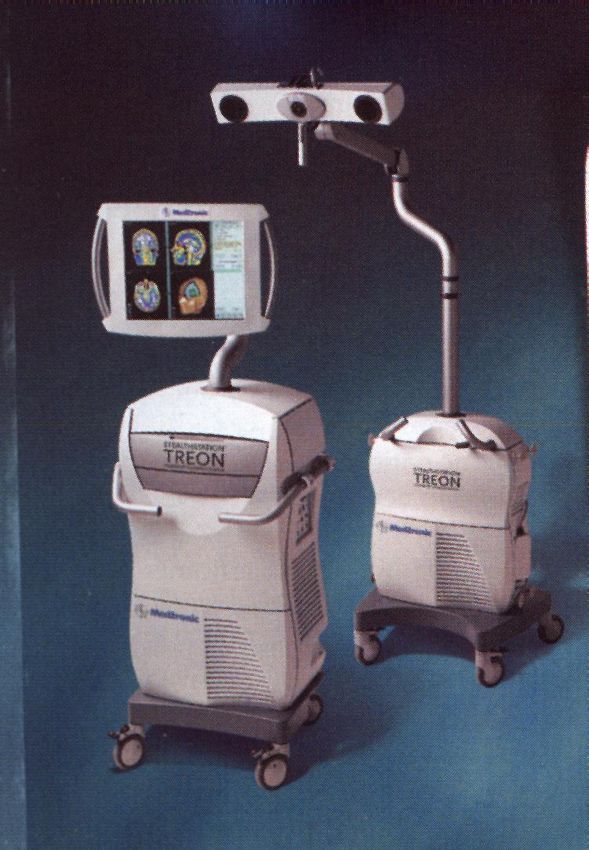
Key Learning Objectives

   •   Be able to describe the common clinical presentations of intra-
       cranial tumours.

   • Describe the most common primary brain tumours, their relevant
     neuroanatomy and their prognoses.

   • List the common tumours (from outside the brain) which metastasise
     to the brain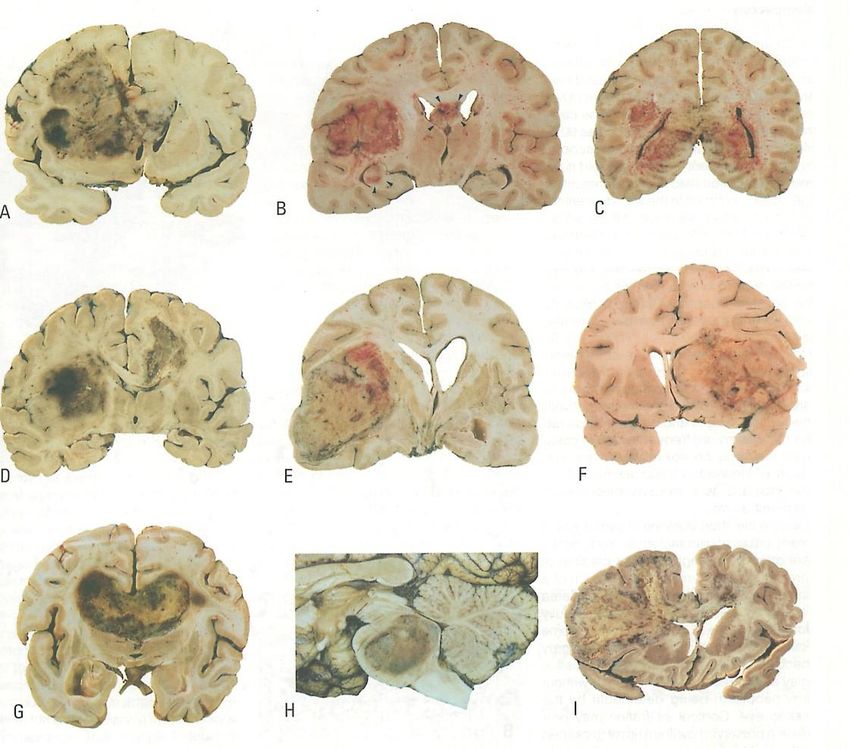
Tumours affecting the CNS

• EXTRINSIC
  – Primary tumours arise from bone,
    meninges (dura), nerve.
  – May be metastatic from malignancy
    elsewhere

• INTRINSIC
  – Primary tumours arise from cells normally
    comprising the brain or spinal cord
CNS Neural Cell Types (gives rise to
       intrinsic CNS tumours)

Neurons                   Glia

                    Astrocytes     Oligodendrocytes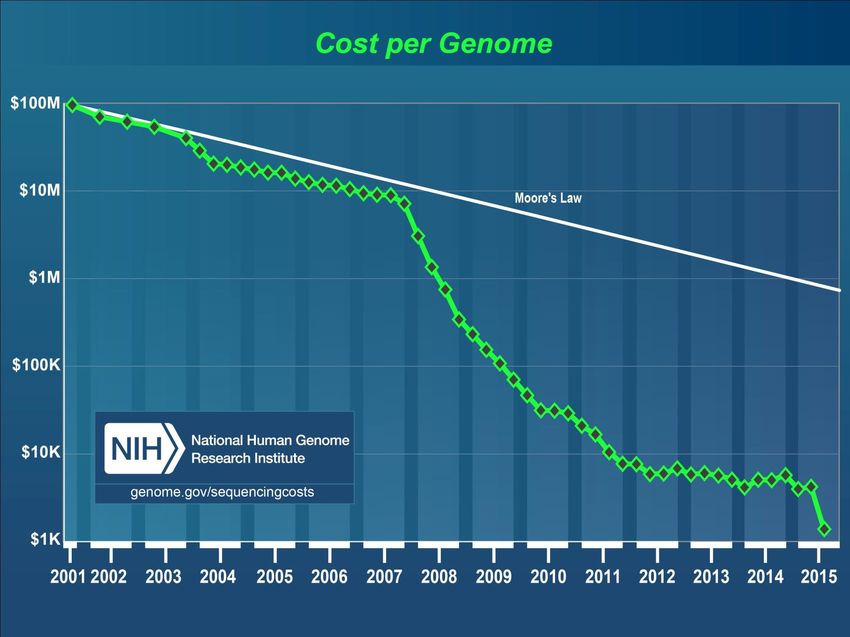
Brain cell

                                                   Tumour
                                          Faulty
                                           Cell
In cancer, one brain cell becomes
faulty (sufficient number of mutations)
and grows out of control to produce a
tumour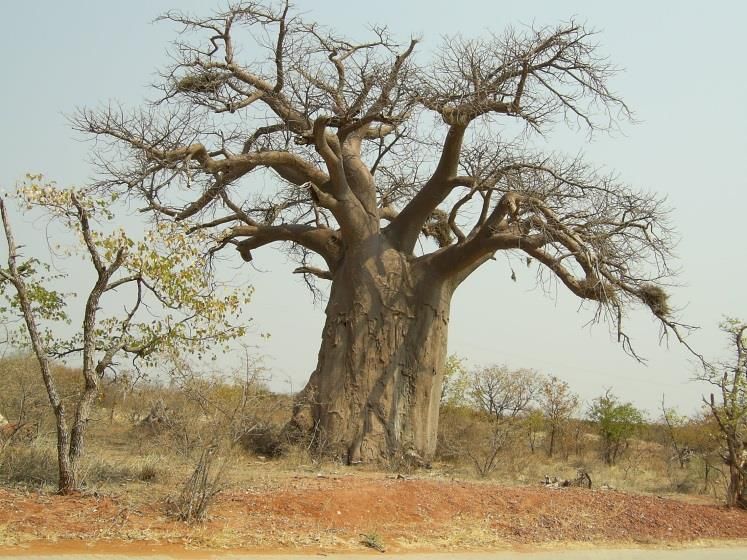
Not as rare as you think.....

• Increasing incidence – 10 000 primary tumours per year in UK

• 5000 people per year die in the UK

• Second commonest group of tumours after leukaemias in children,
  leading cause of death

• Sixth commonest group of tumours in adult

• 10.7% of cancer deaths under 45yrs

• 13% of patients dying from cancer have CNS involvement
Overall 5-year survival for adult brain cancer is also poor

                                 (Cancer Research UK)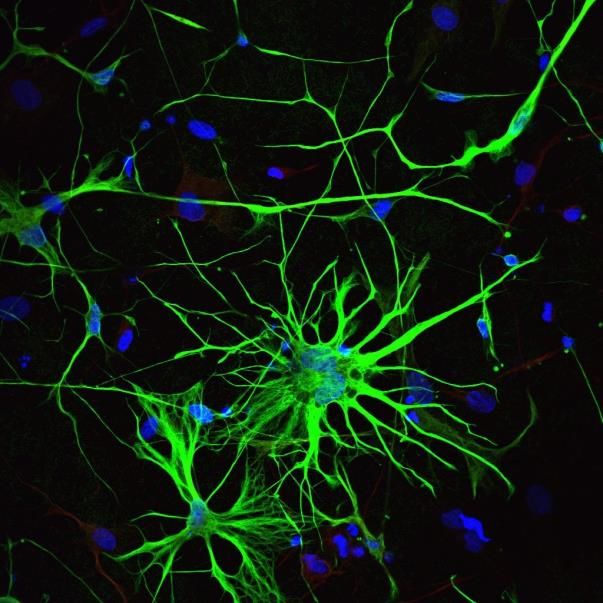
But the general trend for all cancers is increased survival
Tumour Incidence
Aetiology
•   Unknown despite considerable research effort
•   Links to mobile phone usage scientifically unproven as yet.
•   Childhood Irradiation
•   Genetic Factors
     – NF1 and NF2 genes, Von Hippel Lindau syndrome

Childhood brain cancer – a developmental biology disorder
Adult brain cancer – multi-step progression, acquisition of mutations
Fallacy of causation
“The most dangerous job in the United Kingdom is not, as expected, bomb disposal expert, steeplejack, or
Formula One racing driver but…..
………having a role in one of the United Kingdom's most well known soap operas.”
Death rates of characters in soap operas on British television: is a government health warning required?
BMJ 1997Clinical Symptoms - extrinsic • Extrinsic tumours compress underlying brain or spinal cord – focal neurological signs • Extrinsic brain tumours cause symptoms of raised intracranial pressure
Clinical Symptoms - intrinsic

• Infiltration of brain or spinal cord

• Focal neurology depending on site of
  involvement

• Intrinsic brain tumours cause brain swelling and
  lead to symptoms of raised intracranial pressure
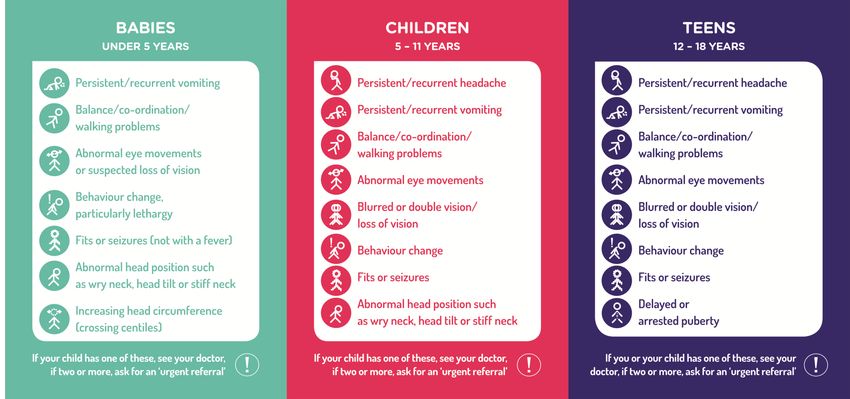
Helping to diagnose childhood brain tumours earlier

https://www.headsmart.org.uk/
Clinical Presentation

• Low grade tumours – brain can
  accommodate growth and slow pressure rise,
  so more likely to present with seizures or
  focal neurology

• High grade tumours – brain struggles with
  rapid pressure rise; more likely to present
  with pressure symptoms
Common Brain Tumours
• Secondary = metastases

• Primary –
• Astrocytoma / Glioma – High and low grade
• Meningioma

• Rarer – Ependymoma, Medulloblastoma/PNET, Choroid Plexus
  tumours Pineal
Metastases

• The most common type of brain tumour

• Most likely to come from breast, lung, bone, melanoma or renal.
  Others can spread to the brain but rarely

• Can be single or multiple tumours

• Treatment options are palliation, surgery, stereotactic radiosurgery or
  whole brain radiotherapy
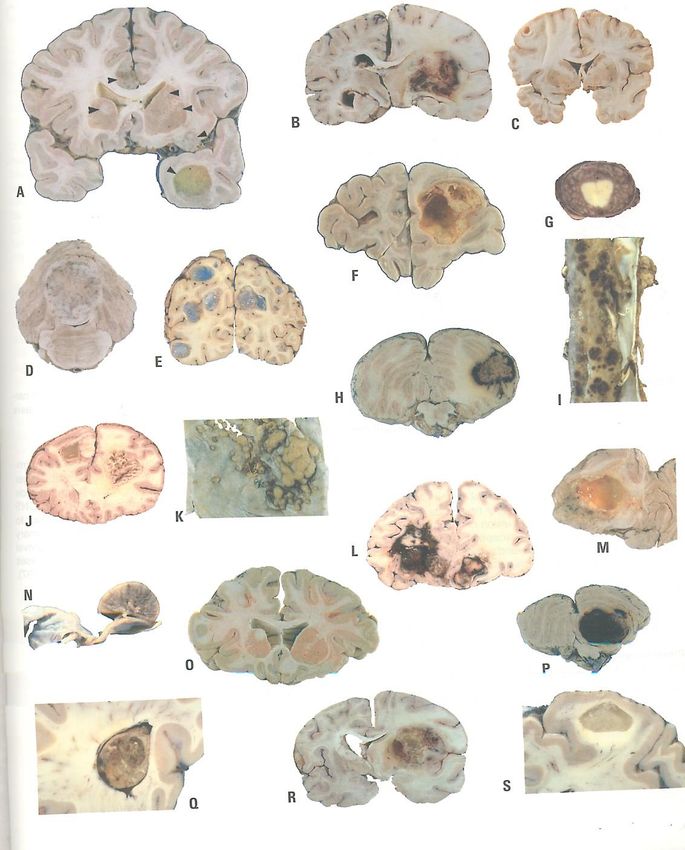
Metastases
      ~30% of brain tumours

      Spherical masses often
      at grey-white junction or
      in cerebellum
      (hindbrain).

      Often multiple

      Lung             60%
      Breast           15%
      Kidney           10%

      Untreated median
      survival is only 1-2
      months.
Primary Brain Tumours High Grade Astrocytoma Low Grade Astrocytoma Meningioma
Tumour nomenclature & WHO grading

• Histogenesis – what is the cell of origin
• Malignancy grade – pleomorphism,
  mitoses, microvascular proliferation,
  necrosis
• Grade 1: low grade – curative with
  surgery
• Grade 2: astrocytoma (low grade)
• Grade 3: anaplastic astrocytoma
• Grade 4: high grade – death within one
  year of diagnosis
Histological grading
of Astrocytomas
Grade of Glioma           Name                      Histology

      1            Pilocytic Astrocytoma    Low proliferation, -children
                                                 / young adults
                                                                           No predictive
      2             Diffuse Astrocytoma      Low cellularity, minimal      biomarker for
                                              atypia – young adults        progression. Difficult
                                                                           to communicate to
                                                                           patient.
      3           Anaplastic Astrocytoma    Anaplasia, mitotic activity
                                               – 30 to 60 years

      4           Glioblastoma multiforme          Microvascular
                           (GBM)             proliferation, necrosis –
                                                    50-70 years
Low grade diffuse Astrocytoma (Grade 2)
May be long history,
seizures, relatively well,
younger age groupAnaplastic Astrocytoma (Grade 3)
May be more unwell, shorter
history, slightly older.
Some will have progressed from
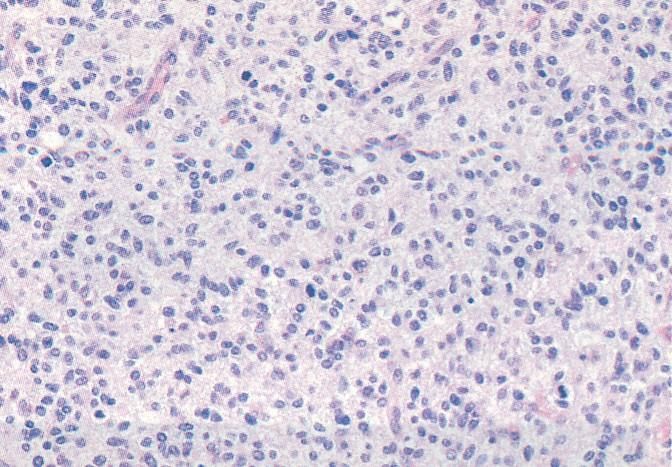
known Grade 2 tumour.Malignant Glioma – Glioblastoma (Grade 4) Usually short history (
Prognosis
Glioblastoma multiforme (GBM) prognosis remains dismal

GBM is a WHO Grade IV astrocytoma (glial).

Most prevalent and aggressive malignant brain tumour.

Incidence 2-3 per 100,00 in Europe/N.America.

Median survival
~ 14.6 months
Treatment - Glioblastoma
• Radical surgery & steroids (dexamethasone)

• Radiotherapy – 60Gy in 30 fractions

• Chemotherapy – Temozolomide (some patients respond)
History

       Bennett AH, Godlee RJ

“Excision of a tumour from the brain”

            Lancet 1884
Surgery for Brain Tumours
Nothing at all Unfit, elderly, risky eloquent areas
Biopsy Small deep lesions, eloquent areas
Debulking
Macroscopic Resection To control intra-cranial pressure
symptoms from larger tumours,
cytoreduction
Resection with marginsImage Guidance - StealthStation CT / MRI scans of patients uploaded to StealthStation. Fix patient’s head and register position of head (Pixar technology) Neurosurgeon can decide where to remove fragment of skull and where to locate tumour using real-time feedback. PROBLEMS – brain size and position shifts leading to inaccuracies
Fluorescence (5ALA)- guided surgery
Research

Improving diagnosis (MRI), treatment, prognostic markers,
palliative care / survivorship, basic and translational science e.g.
molecular biology
Genomic era (1972-2003)
Post-Genomics Era – will soon cost just £100 to sequence your genome!
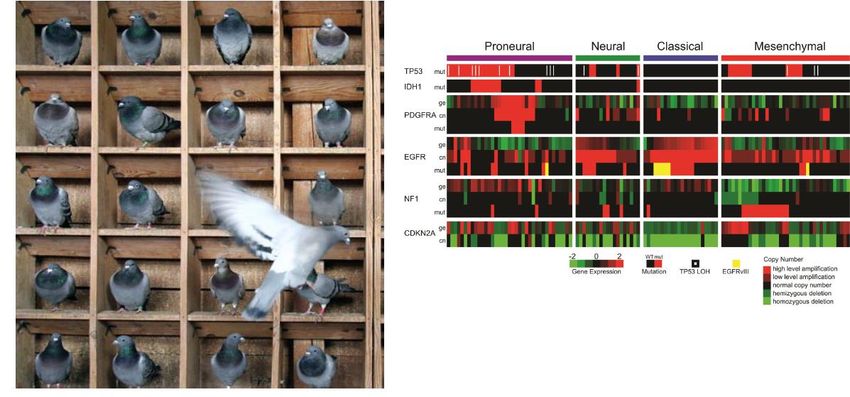
Chemotherapy tailored to the sub-type of glioblastoma

                                   Mesenchymal
 Pro-neural

                       Classical
              Neural
No objective response in any phase II clinical trial
Cancer as a process of evolution – implications for therapy

                        Genetic Mutations

              Unique                        Unique

                       Shared

                           Common
Thank you Any questions? ruman.rahman@nottingham.ac.uk
You can also read


