An Introduction to the Economy of Alaska - Gunnar Knapp Professor of Economics Institute of Social and Economic Research University of Alaska ...
←
→
Page content transcription
If your browser does not render page correctly, please read the page content below
An Introduction to the Economy of Alaska

                Gunnar Knapp
            Professor of Economics
 Institute of Social and Economic Research
        University of Alaska Anchorage
                February 2012

                                             1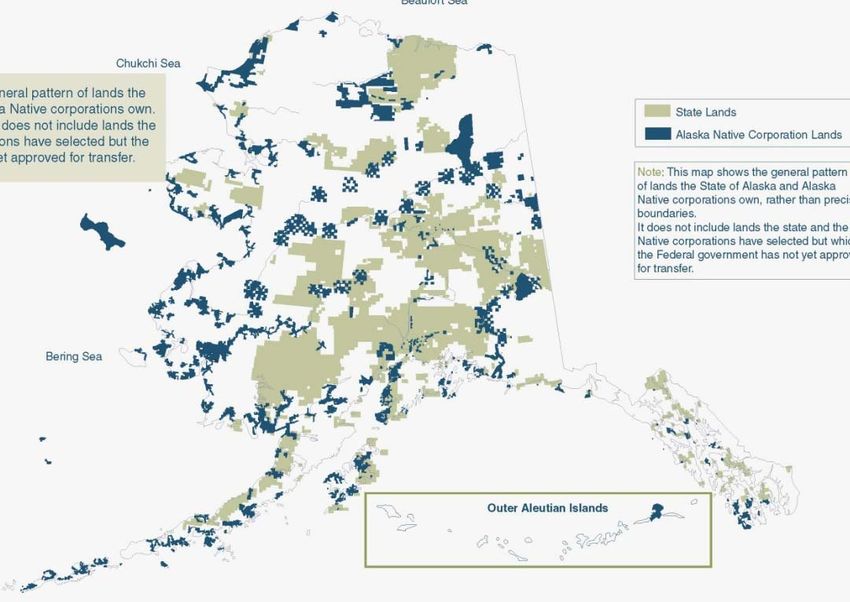
There are important economic differences
                     between different regions of Alaska.

  Alaska is a very large state. It is useful to think of Alaska in terms of six major
  regions: Southeast, Southcentral, Interior, Arctic, Northwest, and Southwest.
     These regions differ significantly with respect to their climate and natural
    resources—which contribute to significant differences in their economies.

    One of the main things that different regions of Alaska have in common
economically—whether they are remote busy villages or Anchorage—is their high
             level of dependence on State and federal spending.

                                          Arctic

                        Northwest
                                                     Interior

                                                           Southeast
                          Southwest
                                            Southcentral
                                                                                        2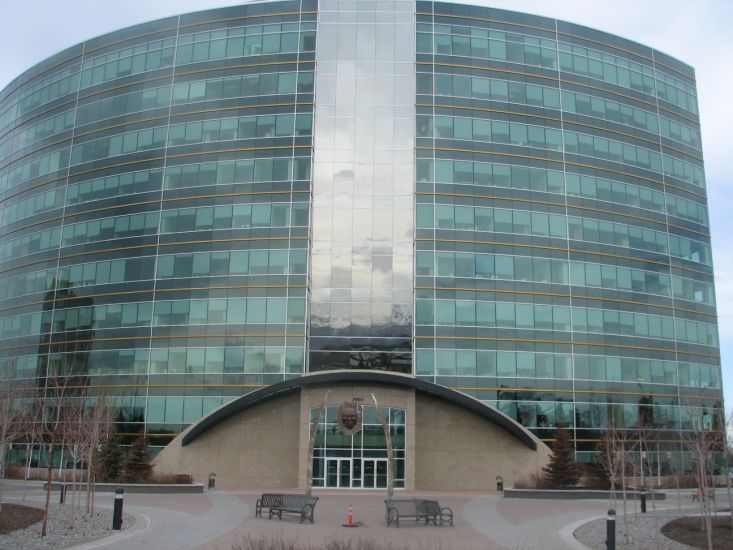
Alaska’s geography creates and constrains
                            opportunities for Alaska’s economy.

Alaska’s geography—its location, climate, topography, and resources—have driven Alaska’s
        economy in the past and define and constrain its opportunities for the future.

  Alaska has abundant natural resources—oil, minerals, forests, fish. In the twentieth and
twenty-first centuries, Alaska’s strategic location has contributed to the role of the military and
   more recently the international air cargo industry. Another Alaska natural resource--its
             natural beauty—represents an increasingly important natural resource.

 But Alaska’s remoteness from major markets, cold climate, mountainous topography, and
permafrost make Alaska a costly place to extract resources compared with other parts of the
                                          world.

      In areas with permafrost, buildings like this facility at Prudhoe Bay need to be built on
                  pilings to keep the permafrost underneath them from melting.                    3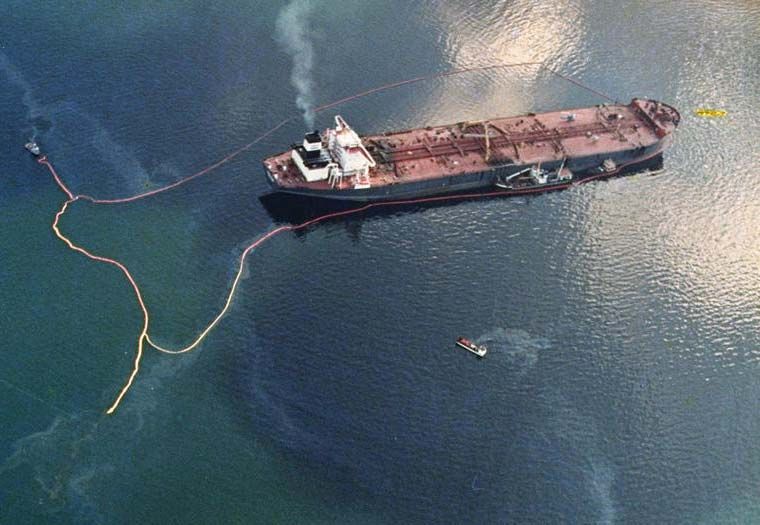
Alaska resource development—and                  Alaska Land Ownership
 who benefits from it—is driven by
land ownership and the priorities of         Federal government          59%
           land owners.                      State government            28%
 Almost all land in Alaska is owned by       Native corporations*        12%
   the federal government, the state         Other owners                 1%
 government, or Native corporations.
                                            *Native corporations were created by the
   Different federal and state lands are     Alaska Native Claims Settlement Act of
   managed by different agencies with           1971. The shareholders of these
      different priorities ranging from         corporations are Alaska Natives.
    preserving lands as wilderness to
developing resources such as oil, timber
 and minerals. About 40% of Alaska is                                    Federal lands
 in federal conservation systems where                                      (white)
                                                                          State lands
   resource development is somewhat
                                                                             (grey)
restricted. About 15% is in “wilderness”                                 Native lands
    where all resource development is                                        (blue)
                 restricted.

   Except on Native lands, almost any
kind of resource development in Alaska
  involves dealing with federal or state
 landowners. Native corporations also
    vary in their priorities for resource
               development.                                                              4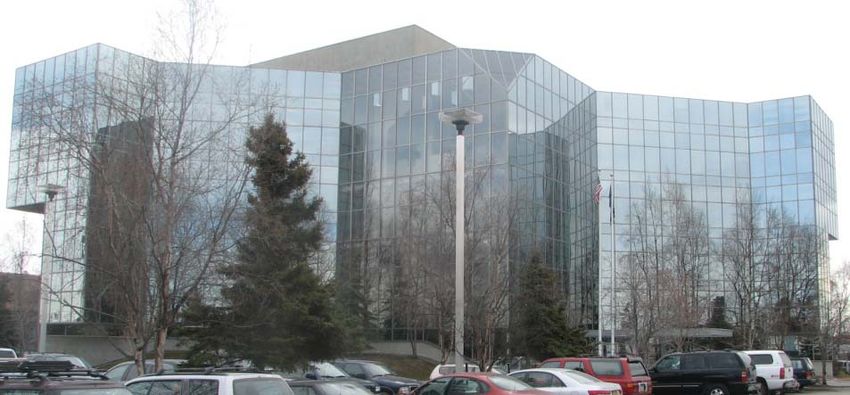
Alaska’s population is about 710,000.

Alaska ranks 47th among U.S. States in population. Alaska’s population is about 1/5 of
Oregon’s, 1/10 of Washington’s, and 1/50 of California’s. Alaska’s population is about
               the same as that of the Akron, Ohio metropolitan area.

     Alaska’s population compared
                                                           Alaska’s population compared with
           with other states
                                                              selected metropolitan areas
   California                              37 million      New York, NY             19 million
   Washington                             6.7 million      Seattle, WA              3.4 million
   Oregon                                 3.8 million      Akron, OH             703 thousand

   Maine                                  1.3 million      Alaska                710 thousand

   Montana                           989 thousand            Alaska’s population compared
                                                                with selected countries
   Alaska                            710 thousand
                                                            Finland              5.2 million
   Vermont                           626 thousand
                                                            Norway               4.7 million
   Wyoming                           564 thousand           Alaska            710 thousand
Source: Statistical Abstract of the United States, 2012.    Iceland           309 thousand
      Data are estimated populations for 2010.
                                                                                                  5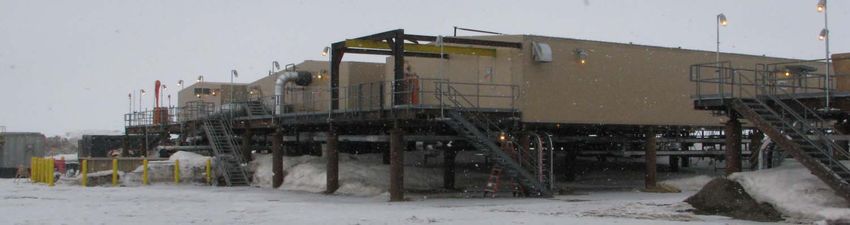
Alaska’s population has grown dramatically since World War II.
  Alaska’s population grew rapidly from about 100,000 just after WWII to
  about 225,000 at Statehood in 1959, about 550,000 in 1986 and about
      710,000 today. Growth has been slower since the mid-1990s.

                                            Total Alaska Population
800,000
                                                                                                 710,000 in 2010
700,000

600,000                    551,000 at peak of state spending boom in 1986

500,000
                  418,000 at completion of the pipeline in 1977

400,000

300,000

200,000                             224,000 at Statehood in 1959
                                                                                Source: Alaska Department of Labor
                                                                                   and Workforce Development,
100,000
                 103,000 one year after WWII in 1946                            Research & Analysis, Demographics
                                                                                               Unit.
     0
                    1950

                             1955

                                    1960

                                                         1975

                                                                  1980

                                                                         1985

                                                                                          1995

                                                                                                  2000

                                                                                                          2005
          1945

                                           1965

                                                  1970

                                                                                  1990

                                                                                                                 2010
                                                                                                                        6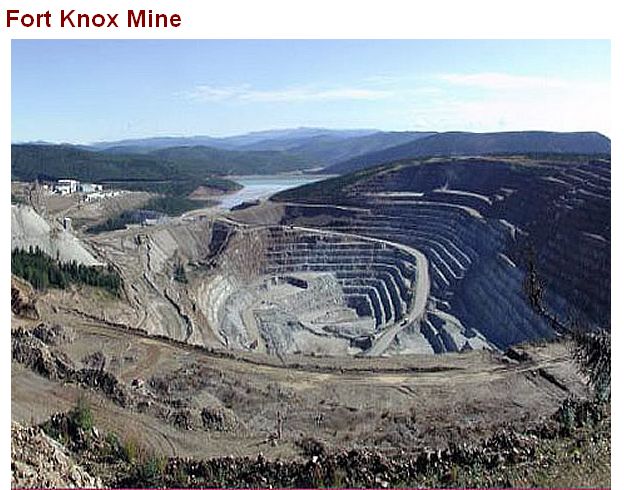
Natural increase and migration drive changes in Alaska’s population.

  Alaska population change is the combined result of natural increase (births minus deaths) and net
 migration (people moving in minus people moving out.) Alaska’s rapid population growth during the
1970s and early 1980s was driven by net in-migration: people moving to Alaska. The history of booms
    and busts in Alaska’s economy can be seen by periods of net in-migration and periods of net-
   outmigration. Since the 1990s most of the growth in Alaska’s population has been due to natural
                                              increase.

                                                                                                      7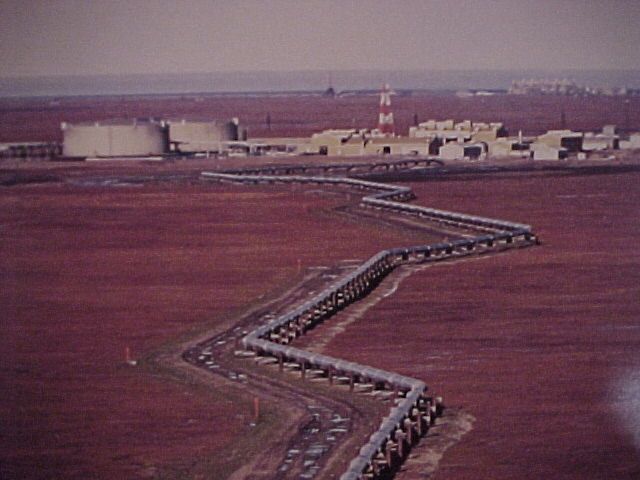
There is no single or best way to measure or describe Alaska’s
              economy. Two frequently-used measures are:

•   Employment: How many people are employed. Employment in Alaska is
    highly seasonal (many more people are employed in the summer than in the
    winter), so employment numbers are typically reported as annual average
    employment. Note that the state’s official employment data don’t count
    several important kinds of work, including people who are self-employed,
    commercial fishermen (who are technically paid a share of their boat’s catch
    and are considered self-employed), and people engaged in unpaid work at
    home (cooking, cleaning, child care, gardening, mowing the lawn) or in
    subsistence hunting and fishing.

•   Gross State Product (GSP): The estimated value of all goods and services
    produced in Alaska by the market sector of the economy.* The market sector
    of the economy is the part in which people work for pay. So Gross State
    Product (GSP) includes the value of what people produce in their paid work,
    but it excludes the value of unpaid work and subsistence hunting and fishing.

    *Technically, Gross State Product (GSP) is calculated as the total value of goods and services
    produced in Alaska, minus the cost of inputs purchased from outside Alaska.
                                                                                                     8
Total Alaska wage and salary employment is about 350,000.

 Total wage and salary employment has more than tripled since statehood, when employment was
 less than 100,000. There have been two periods when employment grew very rapidly: during the
construction of the Trans-Alaska Pipeline (1974-77) and during the state spending boom of the early
   1980s. Each of these periods was followed by a recession during which employment declined.
    Alaska employment growth slowed to almost zero after the national recession began in 2008.
About 50,000 people are self-employed in Alaska (working for themselves in their own businesses).
 This includes commercial fishermen, who are not counted in regular wage and salary employment
                                               data.
                                                  Estimated Total Alaska Employment
            500,000
                               Pipeline                      State
                                                                                                                                 Self-
            450,000          construction                  spending                                                              Employment
                                boom,                     boom, early                                                            (including
            400,000                                         1980s                                                                Fishing)
                               1974-77
            350,000
                                                                                                                                 Wage and
            300,000                                                                                                              Salary
                                                                                                                                 Employment
            250,000                                                                                             Global
                                                                                                              financial
            200,000                                                                                            crisis &      Note: Estimates are
                                                                                                                              for average annual
                                                                                                              national
            150,000                                                                                                               employment;
                                                                                                             recession         summer seasonal
                                                              Alaska recession
            100,000                        End of                                                                                employment is
                                                               after oil prices
                                           pipeline                                                                           higher. Estimates
                                                              crashed in 1986                                                   include both full-
             50,000                         boom
                                                                                                                              time and part-time
                                                                                                                                  employment.
                 0
                      1969

                                    1975

                                           1978

                                                   1981

                                                            1984

                                                                   1987

                                                                          1990

                                                                                 1993

                                                                                               1999

                                                                                                      2002

                                                                                                               2005

                                                                                                                      2008
                             1972

                                                                                        1996

                                    Source: Bureau of Economic Analysis Estimates
                                                                                                                                                     9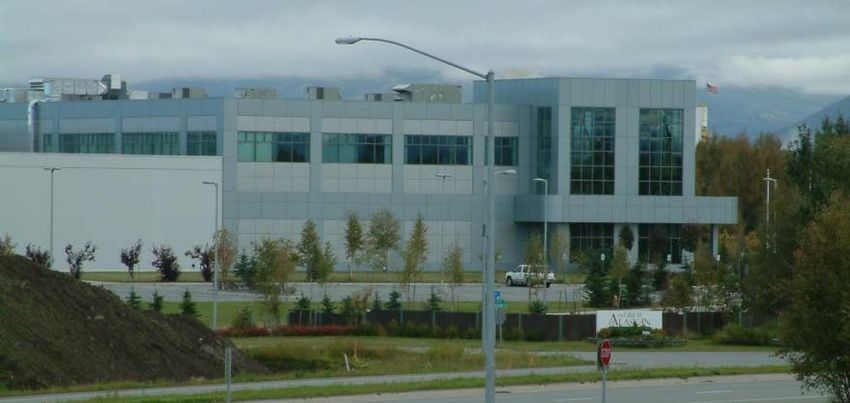
Employment in Alaska’s biggest industries
               is measured in the tens of thousands of jobs.

  A quick indication of how “big” or significant an industry or project is for the
Alaska economy is to look at how many people it employs. Job numbers in the
  tens of thousands are very big. Job numbers in the thousands are big. Job
numbers in the hundreds are not very significant relative to the total economy.

                             Alaska Employment* in 2007:
                                 Relative Magnitudes
                   Total Alaska employment*                   348,000
                   Local government                             38,400
                   Retail trade                                 36,000
                   Fishing                                       7,300
                   Seafood processing                            9,200
                   Air transportation                            6,300
                   Mining employment (excl. oil & gas)           2,000
                   Wood products manufacturing                     400

           *Note: Total includes estimated uniformed military and commercial fishing
                employment. Data are “annual average” employment; seasonal
            employment may be much higher in industries such as fish processing.
                                                                                       10
Alaska’s Gross State Product* was about $48 billion in 2008.
A quick indicator of how “big” or significant a dollar value is for the Alaska
economy is to compare it with the size of total Gross State Product. Dollar
values in the billions or hundreds of millions are “big.” Dollar values in the tens
of millions or millions are much less significant relative to the total economy.
The Scale of Alaska’s Economy in Dollars: Some Relative Magnitudes
Alaska Gross State Product (GSP) 2008 $47.9 billion
Market Value of Alaska Permanent Fund 1/1/10 $35.2 billion
Total Alaska employee compensation 2007 $20.2 billion
Value of Alaska oil production FY09 $15.8 billion
Total federal spending in Alaska FY08 $9.4 billion
A million is NOT the same as a billion!!! A billion is 1000 million!
1,000,000 = 1 million
1,000,000,000 = 1 billion
*Gross State Product (GSP) is the total value of goods and services produced in Alaska,
minus the cost of inputs purchased from outside Alaska.
11Alaska Employment: Oil Industry & Retail Trade
Oil industry Retail trade The relative importance of different
50,000
industries to Alaska’s economy
45,000
depends on how you measure it.
40,000
35,000 Different measures give different
30,000 pictures of the structure of Alaska’s
25,000
economy and the relative importance of
20,000
different industries.
15,000
10,000
These two graphs show employment
5,000
and Gross State Product in two
0
2000 2001 2002 2003 2004 2005 2006 2007
important Alaska industries: the oil
Source: BEA employment data industry and the retail trade industry
(stores). Look at the dramatic difference!
Alaska Gross State Product: Oil Industry & Retail Trade
Oil industry Retail trade The retail trade industry employs far
14,000 more people than the oil industry. But
12,000 the oil industry creates much more
value!
10,000
millions of current $
8,000 Also, note how the value created by the
6,000 oil industry increased dramatically from
2001 to 2007. We weren’t producing
4,000
more oil (production was declining!) But
2,000 oil prices were increasing—so the value
0 of production was increasing.
2000 2001 2002 2003 2004 2005 2006 2007
Source: BEA GSP data
12Alaska’s economy may be divided into basic and support industries.
Basic and support industries are driven by different factors and grow or decline
for different reasons.
Basic industries bring money into Alaska. Support industries depend on spending of
Alaska businesses and residents.
Oil and seafood are basic industries
because they sell products to markets Retail trade, services, and local
outside Alaska. Tourism is a basic government are support industries.
industry because tourists spend money in
Alaska. The federal government is a Support industries are driven by basic
basic industry because the federal sector income, and also by the extent to
government spends money in Alaska. which Alaskans spend money in Alaska
rather than Outside. Economists say the
Basic industries are affected by factors basic income is “multiplied” as it is re-
such as resource abundance, world spent within the Alaska economy,
market conditions, competition from other generating support income. As the
regions, federal spending, and federal Alaska economy grows, the share of
and state resource management policies. money which is spent in Alaska grows,
causing the support sector to grow.
There are two ways the Alaska economy can grow: by growing basic industries, or
by increasing the “multiplier” so that support industries grow. Much of Alaska’s
growth over the past four decades has been in support industries, and has come
from increasing the multiplier.
13Since statehood, most of Alaska’s growth has been in support industries
—particularly services.
Since Alaska became a state in 1959, total employment in “traditional basic industries” (federal
government, fishing, oil and gas, mining, & forest products) has changed very little. Almost all
employment growth has been in “support industries”—particularly state and local government,
trade and services. Part of the growth has come from “new basic industries”—particularly
tourism and air cargo—which are difficult to separate from support industries such as services
and transportation.
Two employment graphs are shown below because the federal government changed its way of
classifying industries starting in 2001 (from the “SIC” method to the “NAICS” method). It’s
difficult to compare the SIC data available for the period 1961-2001 with the NAICS data
available for years after 1990. For this class, we’ll only use the newer NAICS data.
Estimated Alaska Employment, 1961-2001 Estimated Alaska Employment, 1990-2008
500 500
450 450 Other
Other
Employment (thousands of jobs)
Employment (thousands of jobs)
400 400
Services
350 Services 350
300 300 Trade
Trade
250 250
Transportation
200 Transportation 200
150 150
State and Local
State and Local
100 100 Government
Government
50 50 Traditional Basic
Traditional Basic
0 0
1970
1979
1994
2002
1961
1964
1967
1973
1976
1982
1985
1988
1991
1997
2000
1990
1992
1994
1996
1998
2000
2004
2006
2008
2010
Source: BEA Employment Estimates by SIC Code
Source: BEA Employment Estimates by NAICS CodeFederal spending is extremely important to Examples of federal spending in
Alaska’s economy. Alaska in 2008 ($ million)
The federal government spent more than $12 billion in Alaska Military procurement contracts 1989
in FY2010. Alaska ranks first among U.S. states in federal Salaries and wages 2206
expenditures per capita. Federal spending supports not just
Medical assistance program 693
the military and federal civilian agencies, but also many other
industries such as construction and health care. UAA Highway planning and construction 383
Professor of Economics Scott Goldsmith has estimated that Airport improvement program 186
about 1/3 of Alaska jobs depend—directly or indirectly--on
federal spending. Indian housing block grants 80
Former Alaska Senator Ted
Federal Spending in Alaska: 1981-2010 Stevens used his political skill and
14000
power as one of the most senior
Note: The graph shows data members of the Senate to greatly
12000 reported by the Bureau of the increase federal spending in
Census. However, the data for Procurement
2009 and 2010 are likely
Alaska. Future federal spending
10000
significantly overestimated due will probably decline because
to errors which the Bureau of the Alaska’s congressional delegation
Direct Payments
Census has acknowledged but no long has as much power and
$ millions
8000
to Individuals and
not yet corrected. there a lot of political pressure to
Others
6000
cut total federal spending.
Wages and
Salaries
4000
Grants to State
2000 and Local
Governments
0
1985
1989
1991
1995
1997
2001
2007
1981
1983
1987
1993
1999
2003
2005
2009
15Federal spending in Alaska is likely to level off or decline in the future.
Federal spending in Alaska is high for several reasons. The federal government owns
and manages a lot of land in Alaska. There are several large military bases, and military
spending in Alaska increased sharply after 2002 partly because of the Iraq and
Afghanistan wars. And former Alaska Senator Ted Stevens used his political skill and
power as one of the most senior members of the Senate to direct a lot of federal spending
to Alaska. Future federal spending will probably decline because Alaska’s congressional
delegation no long has as much power, there a lot of political pressure to cut total federal
spending, and military spending is likely to decline as the US pulls out of Iraq and
Afghanistan. Because federal government spending plays such a big role in Alaska’s
economy, a potential leveling off or decline of federal spending is a significant concern.
Federal Spending in Alaska, Defense & Non-Defense: 2002-2010
100%
90%
Ted Stevens
80%
70%
60%
Non-
50% Defense
40%
30% Defense
20%
10%
0%
2005
2009
2002
2003
2004
2006
2007
2008
2010The military plays an important role in Alaska’s economy.
The military has played an very important role in Alaska’s history and economy. During World War II
hundreds of thousands of troops were sent to Alaska. The army built the Alaska Highway and many
other roads, airfields, and military bases, transforming Alaska’s transportation infrastructure and
economy. At statehood 35% of Alaska jobs were military. Since statehood, the number of military has
declined, while the rest of the economy has grown. In 2006, there were about 23,000 active duty
military in Alaska—representing about 7% of total jobs. With the deployments of many Alaska-based
military units to Iraq and Afghanistan, in recent years Alaskans have become much more aware of the
presence of the military in Alaska and their importance to our communities and economy.
WWII: A wrecked P-38
in the Aleutians 30%
Number of Active-Duty Military in Alaska
35,000
25% of
jobs in 7% of
Military Employment as % of Total Employment
jobs in 30,000
25% 1969
were 2006 were
military military
25,000
Military Employment
20%
20,000
15%
15,000
Eielson Air Force Base
10%
10,000
5%
5,000
0% 0
1977
1983
1985
1989
1991
1997
1969
1971
1973
1975
1979
1981
1987
1993
1995
1999
2001
2003
2005
17Alaska’s economy has always depended
heavily on natural resources.
Before Alaska became a state in 1959, the
fishing and mining industries—along with
government—accounted for most of the jobs
and income in Alaska, directly or indirectly.
The discovery of oil on Alaska’s North Slope
in the 1960s drastically changed Alaska’s
economy. Alaska’s oil production is so
valuable that it now dominates Alaska’s
economy.
18The oil industry is extremely important to Alaska’s economy.
Along with federal spending, Alaska’s economy is driven by the oil industry. Although only
only a few thousand people are directly employed by oil companies, many more work in oil-
related jobs such oilfield service activities, oilfield construction projects, and pipeline
operations. The State of Alaska is extremely dependent on oil revenues, mostly from oil
royalties and severance taxes which oil companies pay to the state. Oil accounts for about
85% of the “unrestricted” revenue available to the State for spending for general purposes.
Thus the oil industry pays for a very large share of state government and local government
employment. UAA Professor of Economics Scott Goldsmith has estimated that about 1/3
of Alaska jobs can be attributed—directly or indirectly—to the oil industry.
Prudhoe Bay, on Alaska’s North Slope, is the largest oil field ever
discovered in North America—and a huge industrial complex.
19Alaska’s oil production is declining.
Alaska oil production began with the Cook Inlet oil fields (near Anchorage!) in the
1960s. But it was the North Slope oil fields that made Alaska a major oil producer.
North Slope oil production began after the Trans-Alaska Pipeline was completed in
1977, and grew very rapidly to a peak of about 2 million barrels per day in 1988.
Production has since fallen by more than two-thirds, to 0.6 million barrels per day in
2011, as oil has been pumped out of the huge Prudhoe Bay and Kuparuk fields.
Alaska Oil Production, Historical and Projected
2.5
2.0
millions of barrels per day
1.5
North
1.0 Slope
Cook
0.5 Inlet
0.0
1959
1962
1965
1968
1971
1974
1977
1980
1983
1986
1989
1992
1995
1998
2001
2004
2007
2010
2013
2016
2019
Historical: 1959-2011 Projected: 2012-21 20Alaska’s oil production is likely to continue to decline.
Production from new, smaller fields that are under development or are
under evaluation for potential development is not expected to be enough
to offset the continuing rapid decline in currently producing fields.
North Slope Historical and Forecasted Oil Production
(from the Alaska Department of Revenue’s
Fall 2011 Revenue Forecast)
21Oil prices are among the most important factors affecting Alaska oil
production, state revenues, and the Alaska economy.
• Oil prices directly affect how much revenue the State gets from the oil industry.
• Oil prices affect how profitable oil development is for the oil companies, and their
willingness to invest in new development.
Oil prices are extremely
Average Annual Price of Crude Oil (adjusted for inflation) volatile! Here is how oil prices
$120 (adjusted for inflation) have
changed since North Slope oil
$100
production began in 1977:
$/barrel (expressed in 2011 dollars)
$80
$53/barrel in 1977
$104/barrel in 1980
$31/barrel in 1986
$60
$42/barrel in 1990
$20/barrel in 1998
$40
$104/barrel in 2008
$65/barrel in 2009
$20
$95/barrel in 2011
$0
The State’s revenues and
1976
1980
1982
1984
1986
1988
1990
1992
1994
1996
1998
2000
2002
2004
2006
2008
2010
1978
economy have been
Source: Average annual price, West Texas Intermediate crude oil, from U.S. Energy Information Administration,
www.eia.doe.gov/emeu/international/oilprice.html dramatically affected by these
oil price changes.It’s very difficult to predict future oil prices.
Historically, people have frequently predicted we have entered a new era of
permanently higher oil prices. But historically, oil prices have fluctuated widely,
and have been very difficult to predict. In the early 1980s, “real” oil prices
(adjusted for inflation) were at record high levels. Many people assumed oil
prices would stay high. But oil prices fell to very low levels by 1986, leading to a
severe recession in Alaska. The bottom line: Future oil prices are highly
uncertain.
Average Annual Price of Crude Oil (adjusted for inflation)
$120 Oil prices are driven by both
demand and supply! The
$100
sharp drop in oil prices in
$/barrel (expressed in 2011 dollars)
$80
2009 was caused by the
sharp decline in demand due
$60 to a global economic
recession.
$40
$20 Costs of alternative energy
forms, such as natural gas,
$0 coal, and nuclear energy, set
1976
1980
1982
1984
1986
1988
1990
1992
1994
1996
1998
2000
2002
2004
2006
2008
2010
1978
Source: Average annual price, West Texas Intermediate crude oil, from U.S. Energy Information Administration,
an upper limit on oil prices
www.eia.doe.gov/emeu/international/oilprice.html
over the long-term.
23The State of Alaska’s oil revenues have fluctuated widely.
In the first five years of North Slope oil production (1978-1982) Alaska’s oil revenues rose
dramatically because both oil prices and oil production rose dramatically. A rapid growth in state
spending led to a huge economic boom. Then oil revenues began a long period of decline, as oil
prices declined and (after 1988) oil production also declined. The steep drop in state oil revenues
in 1987 led to a sharp reduction in state spending and a severe recession in Alaska. Oil revenues
fell even more during the late 1990s, leading to major concerns about the future of state revenues
and the Alaska economy.
State General Fund (Unrestricted) Revenues (adjusted for inflation)
12000 $120
Non-Oil Revenues
And then everything
10000
Oil: Other oil revenues $100 changed! Oil prices
Revenues (millions of 2011 dollars)
Oil: Production taxes soared—and in the
Oil: Royalties mid 2000s the state
8000 $80
Average Oil Price (ANS West Coast) also increased
Oil price ($/barrel)
production tax rates
6000 $60 on the oil industry.
Suddenly and
unexpectedly,
4000 $40
Alaska was rich
again—with record
2000 $20 oil revenues in 2008!
Revenues have
0 $0
fallen since then but
remain very high.
FY78
FY80
FY82
FY84
FY86
FY88
FY90
FY92
FY94
FY96
FY98
FY00
FY02
FY04
FY06
FY08
FY10
24Projections of future state revenues really are highly uncertain!
This graph shows the Department of Revenue’s 10-year projections for state revenues
for a six-year period—and what actually happened. Note that the projections for the
future changed widely from year to year! Note that usually the projections were pretty
close to actual revenues for the year the projections are made in (except in FY 2008) but
they were usually way off by the second year of the projections.
State General Fund (Unrestricted) Revenues:
Alaska Department of Revenue 10-Year Projections Having lots of oil
12000 revenue is
great—most
10000 states would love
to have our oil
Actual Revenues
8000 revenue!
millions of dollars
Fall 2004 Projections
Fall 2005 Projections
Fall 2006 Projections
6000 Fall 2007 Projections
Bit it does make
Fall 2008 Projections it hard to plan for
Fall 2009 Projections
4000
the future,
because the oil
revenue varies
2000
so widely and is
so hard to
0
predict.
FY05
FY06
FY07
FY08
FY09
FY10
FY11
FY12
FY13
FY14
FY15
FY16
FY18
FY17
25The Alaska Department of Revenue is projecting that state revenues will decline gradually in the
future. But what will actually happen is highly uncertain!
This graph shows the Alaska Department of Revenue’s projections for State revenues through FY 2021—
as of Fall 2011. They are projecting (guessing) that oil prices will average slightly higher in 2012, causing
revenues to increase, but that future revenues will decline as production declines. But the future
projections are highly uncertain—because we don’t know what will happen to oil prices!
State General Fund (Unrestricted) Revenues:
Actual (through FY 11) and Projected (beginning FY 12)
12000
Actual Department of
revenues Revenue
10000 projections
millions of dollars
8000
Non-Oil Revenues
Oil: Other oil revenues
6000 Oil: Production taxes
Oil: Royalties
4000
2000
0
1980
1986
1990
1994
2000
2004
2008
2010
2014
2020
1978
1982
1984
1988
1992
1996
1998
2002
2006
2012
2016
2018
26Alaska has very large natural gas resources
—but no way yet to get them to market.
There are enormous natural gas resources on Alaska’s North Slope—comparable in energy value to
Alaska’s oil resources. These gas resources have not been developed because there is no pipeline to
bring them to market.
Over the past decade there has been a lot of talk and excitement about building a gas pipeline. There
has also been a lot of debate about where the pipeline should go. The two main options are pipeline
through Canada to the American midwest, or a pipeline to Valdez where the gas could be converted into
liquified natural gas (LNG) and shipped to markets in Asia.
But a gas pipeline is not a sure thing! Building a gas pipeline raises extremely complex economic,
financial, political and legal issues. Building a gas pipeline would be extremely expensive—potentially
more than $20 billion (about half the value of Alaska’s Permanent Fund)—based on cost estimates that
are already several years old. Because of the high cost and the great uncertainty about future natural
gas prices, developing North Slope natural gas in inherently risky. Anyone taking on this risk—the gas
producers, the pipeline owners, gas customers, or the State—will want a large share of the profits. This
makes it hard to reach a deal to build a pipeline.
A recent steep decline in US natural gas prices, due to the rapid development of Lower 48 shale gas
resources, has greatly reduced the likelihood that a pipeline to the midwest could be economically
viable. But exports of LNG from Alaska to Asian markets would face competition from many other
potential lower-cost LNG suppliers, such as Russia, Indonesia and even the US lower 48 states. Some
people argue that no gas pipeline option is economically viable: that there isn’t any way to profitably
develop North Slope natural gas resources at the moment.
Even if a gas pipeline is built, it will probably be at least ten years before construction would start.
27Alaska Seafood Industry
Alaska’s seafood industry is very large and very
diverse. Many different kinds of boats—ranging
from very small to very large—harvest many
different kinds of fish. These are processed into
many different kinds of products which are sold in
markets all over the world. This makes it difficult to
generalize about the Alaska seafood industry.
The most important species for the Alaska seafood
industry—in terms of volume and value—are
pollock, salmon, halibut and crab. There are
important differences between these fisheries in
resource conditions, market conditions, the types
and scale of boats that are used, who participates in
the fisheries, and who manages the fisheries.
28Alaska Seafood Industry Economic Importance
Alaska’s seafood industry is world-scale. The value of fish
harvests was about $1.7 billion in 2008. More than a billion
dollars in value is added in fish processing. The seafood
industry is particularly important for rural Alaska. Fishing is the
most important source of income, taxes, infrastructure and
utilities for coastal communities--and an important part of
Alaska culture. However, many fishermen and the majority of
fish processing workers are non-residents, and most of the Average annual fishing
large companies in the seafood industry are based outside employment is about
Alaska. 9000 and average annual
fish processing
Alaska fish employment is about
processing plants 7000. The number of
people working in the
seafood industry is much
higher because many of
the jobs are seasonal.
Map source: Alaska Division of Community Advocacy web site: http://www.dced.state.ak.us/cbd/seafood/seafoodprocessors.htm.
29Seafood Industry Challenges
Unlike many other places, most Alaska fish resources are healthy and not over-
fished. However, falling prices caused a sharp decline in value during the 1990s,
particularly in the salmon industry, which faced an economic crisis. Since 2002
prices and value have been increasing again. The management of many fisheries
is being “restructured” to restrict the number of boats participating and to create
fishing rights which may be bought and sold. This process is very controversial,
because it significantly affects who participates in and benefits from Alaska
fisheries.
Competition from salmon
farming led to a sharp drop in
Real Ex-Vessel Value of Alaska Seafood Harvests
salmon prices in the 1990s.
2,500
Fish farming is growing rapidly
worldwide, but is banned in
2,000
Alaska.
millions of 2008 dollars
1,500 Groundfish
Shellfish
1,000 Halibut
Herring
Salmon
500
0
1995
1960
1965
1970
1975
1980
1985
1990
2000
2005
Source: National Marine Fisheries Service 30Mining
Alaska has several large operating zinc,
gold, silver and coal mines, and a number of
smaller mines. Several very large mining
prospects in southwestern Alaska, including
the Pebble and Donlin Creek copper and
gold deposits, are under evaluation and may
be developed in the next few years. The
total annual value of Alaska mineral
production is more than $1 billion. Total The Red Dog mine, north of Kotzebue, is
direct employment in mining is about 1500 Alaska’s largest mine and the world’s largest
jobs. zinc mine. The land is owned by an Alaska
Native corporation, NANA Regional
Although Alaska has significant mineral Corporation. The Red Dog mine employs
resources, high costs of extraction and about 500 people, many of them Alaska
transportation and volatile prices make it Natives who are shareholders of NANA.
difficult for Alaska mining projects to
compete in world markets. State revenues
from mining are only about 1% as high as
state revenues from oil.
The Fort Knox mine,
north of Fairbanks, is
Alaska’s largest
operating gold mine.
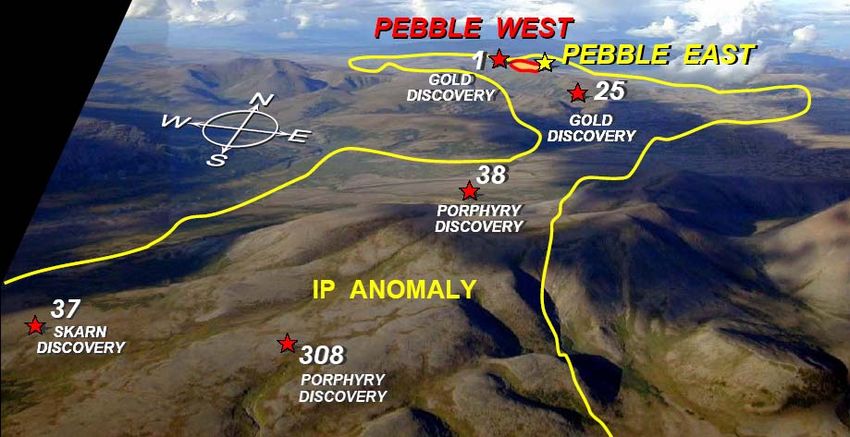
31The Pebble Mine
A major new potential mining project in Alaska is the proposed Pebble mine, which would
develop copper and gold from a very large deposit in southwestern Alaska. The Pebble
Partnership, a consortium of mining companies, is working to develop the project. This
involves extensive studies and a long and complicating permitting process.
This Pebble mine is generating a lot of controversy—and is likely to generate more--
because other resource values in this area, including fisheries and wilderness, are also very
high. In particular, the Pebble project is in headwaters of Bristol Bay drainage—home to
Alaska’s most valuable salmon fishery and many sport-fishing lodges.
Source: Northern Dynasty Minerals Ltd presentation on Pebble project, downloaded March 14 2006 from:
http://www.hdgold.com/i/ndm/NDM_Feb06_BMO_RAD.pdf
32Conflict over Resource Development
The debate over the Pebble Mine is similar to many other
debates which have occurred in Alaska’s history between
advocates of developing Alaska’s resources and
advocates of protecting Alaska’s environment. These
debates raise fundamental questions about what kind of
future we want for Alaska, and whether or not we can
develop our natural resources and also protect our
environment. Alaska’s constitution says that Alaska’s
resources are to be managed for the “maximum benefit”
of Alaskans. But not all Alaskans agree about what
“maximum benefits” means.
Here are two websites—one from
an organization which opposes
developing the Pebble mine and
one which supports it.
33Tourism
About 1.7 million visitors came to Alaska in the summer of 2008, more than half of
them on cruise ships. Total employment attributable to tourism is estimated—by
various methods—at about 25,000. The number of tourists visiting Alaska each year
was growing steadily for many years until the recession caused a sharp drop in
tourism in 2009. In the long-run, tourism is likely to continue to grow—creating
demands for new facilities and recreational opportunities for visitors, as well as
conflicts over crowding and land use.
Source:Alaska Visitor Statistics Program V Interim Visitor Volume Report, Summer 2008,
http://www.commerce.state.ak.us/oed/toubus/pub/AVSP_2008.pdf
34Trade and Services
Much of Alaska’s employment Estimated Alaska Employment, 1990-2008
500
growth over the past 40 years has
450 Other
come in support industries—
Employment (thousands of jobs)
400
particularly trade and services. Services
350
Trade and service jobs now account 300 Trade
for about half of total Alaska 250
employment. Alaskans are much 200
Transportation
more likely to work in a retail store 150
State and Local
or a hospital than on an oil rig or a 100 Government
fishing boat. The growth in trade 50 Traditional Basic
and services has led to a decline in 0
2002
1990
1992
1994
1996
1998
2000
2004
2006
2008
2010
average Alaska wages—because
wages tend to be lower in trade and Source: BEA Employment Estimates by NAICS Code
services than in other industries.
35Alaska’s Permanent Fund
In 1976, Alaskans voted for a constitutional amendment mandating that part of the state’s oil
revenues must be deposited in a Permanent Fund.* These Permanent Fund savings have
been invested in a diversified portfolio of assets including stocks, bonds and real estate. With
new deposits and growth in the value of investments, the total value of the Permanent Fund
grew to $40 billion by 2011. The value of the Permanent Fund fell sharply in 2002 and 2009
due to market downturns, but rebounded quickly. We can’t spend the principal of the
Permanent Fund—only the realized earnings.** As the Permanent Fund has gotten bigger,
these realized earnings have gotten bigger. Between 1998 and 2003, they exceeded the
State’s oil revenues.
Alaska Permanent Fund Market Value
(fiscal year end-balance)
45,000
*The amendment requires that
40,000 “at least 25 percent of all
mineral lease rentals, royalties,
35,000
royalty sales proceeds, federal
30,000
mineral revenue-sharing
millions of dollars
payments and bonuses received
25,000 by the state be placed in a
permanent fund, the principal of
20,000 which may only be used for
income-producing investments.“
15,000
10,000 **Realized earnings are stock
dividends, bond interest, real
5,000 estate rent and the income
made or lost by the sale of any
0
of these investment assets.
1978
1980
1982
1984
1986
1988
1990
1992
1994
1996
1998
2000
2002
2004
2006
2008
2010Permanent Fund Dividends
Beginning in 1982, the legislature began to distribute part of the realized earnings
of the Permanent Fund to Alaskans as “Permanent Fund Dividends.” After an initial
$1000 payment to all Alaskans in 1982, Permanent Fund Dividend annual payment
amounts have been based on a formula roughly equal to half of the Permanent
Fund average realized earnings over the previous five years, divided by the
number or eligible Alaskans. When the fund’s stock, bond and real estate
investments have done well, Permanent Fund dividends have gone up—and vice
versa.
Alaska Permanent Fund Dividend Annual Payments
$2,500 About half the realized earnings
of the Permanent Fund are
used for dividends and the
$2,000
other half have been kept in the
fund for “inflation-proofing.”
$1,500
The Permanent Fund Dividend
program is very popular among
$1,000 Alaskans. It means that
Alaskans benefit directly from
the past oil revenues and the
$500
Permanent Fund. But it also
means that the money isn’t
$0 available for other uses such as
1982
1984
1986
1990
1992
1996
1998
2000
2002
2006
2008
2010
1988
1994
2004
helping to pay for state
Source: Alaska Permanent Fund Corporation website government.
37The Rural Alaska Economy
The economy of rural Alaska—particularly villages in western and interior Alaska—is very
different from that of urban areas that account for most of Alaska’s population. These
population of “village Alaska” is overwhelmingly Alaska Native. Residents get much of their
food from subsistence. Costs are very high, and basic infrastructure such as housing and
water are far below the standards of urban Alaska. There are few jobs, and a very high
share of jobs are in local government, education and health care. The economy is heavily
dependent on federal and state transfers. A major economic challenge facing Alaska is how
to create economic opportunities in these areas. There are no easy or obvious answers.
Two Rural Census Areas
Many Alaska villages are
Anchorage Wade Yukon-
Hampton Koyukuk accessible only by small
% Alaska Native (1999) 8.1% 94.7% 63.3% planes, boats or
Unemployment rate (2000) 4.7% 17.8% 15.4% snowmachines. Freight
Adults Not In Labor Force (1990) 26.7% 44.3% 39.5% costs are heavily
Transfer payments per person (1999) $4,000 $5,900 $7,100 subsidized by the U.S.
% of population below poverty level (1997) 6.7% 39.4% 24.2% Postal Service’s “bypass
mail” program. 38Subsistence Subsistence salmon
drying
Subsistence--Alaska’s original economy--remains an
important part of the economy of rural Alaska. People
in rural Alaska get much of their food from subsistence.
Subsistence is a vital part of Alaska Native culture.
Subsistence is difficult to quantify: it doesn’t show up
in measures of Alaska’s cash economy, such as
employment or Gross State Product data. Subsistence
faces challenges, including a limited resource base and
growing demands from sport and commercial users. A
longstanding and important political debate is
continuing over the relative roles of the federal and
state governments in Alaska subsistence policy.
Estimated annual wild food
harvest (pounds per person)
Nome census area 519
A woman at a subsistence
Bethel census area 592 “fish camp”—an important
Subsistence harvesting part of summer family life in
of Beluga whales much of village Alaska
39Native Corporations
The Alaska Native Claims Settlement Act of 1971 (ANCSA) created both “regional” and “village” Native
corporations. There is a regional Native corporation for each of twelve Alaska regions. Some of the regional
Native corporations have become very large and profitable businesses with many subsidiaries in Alaska and
other states. Some of the most financially successful Native corporations, such as Cook Inlet Regional
Corporation (CIRI) and Arctic Slope Regional Corporation have paid large dividends to their shareholders.
Others have not been as successful and have paid very small dividends. Even the most successful Native
corporations have found it difficult to create jobs in rural Alaska.
Many of the regional corporations have large
headquarters office buildings in Anchorage.
40Spending as much as—or more than—we earn. . .
For most of the 1990s, the State of Alaska’s expenditures were higher than its revenues. The
State paid for the difference by taking money out of a special savings account that the
legislature had put aside. Until several years ago, a lot of people worried about what we
would do when that savings account ran out of money: it looked like we would have to cut
back on state spending, raise taxes, or reduce dividends.
When oil prices and oil revenues increased dramatically the past few years, people stopped
worrying about that problem. We started spending a lot more money—but luckily we also
saved a lot of money, particularly since 2008.
State "General" Expenditures and General Fund Revenues
But people are worrying again. Even if oil
6000
prices stay high, if oil production keeps
"General" going down, eventually state oil revenues
5000
expenditures will go down. And cutting state spending
General fund won’t be easy. When you hire more
millions of dollars
4000 revenues troopers and teachers and University
faculty, give public employees pay raises,
3000 build more public facilities that need to be
maintained, and so on, it’s hard to cut
2000 back.
1000 We may soon be back with the same old
problem of spending more than we are
0 earning, and dipping into savings which
FY78
FY80
FY82
FY84
FY86
FY88
FY90
FY92
FY94
FY96
FY98
FY00
FY02
FY04
FY06
could run out in a few years.
41Alaska’s Fiscal Challenge
Alaska faces a long-term fiscal problem. As Alaska’s population grows, demand for State
services will inevitably grow. At the same time, the oil revenues which have paid for most
State services are likely to decline as oil production declines—regardless of what happens to
oil prices.
Alaska’s investment earnings from the Permanent Fund were growing until the recent
financial crisis. These investment earnings could in theory become a new “permanent”
source of state revenues. But Alaskans have come to expect that those earnings will be
used to pay for Permanent Fund dividends—rather than for government.
Alaskans pay significant property taxes and/or sales taxes to local governments which help
support both local governments and their local schools. But Alaskans have been unwilling to
accept broad-based taxes—such as income or sales taxes—to pay for the costs of State
government. Basically, we get our State government for free (and we expect it to send us
money in the form of dividends).
Eventually, when oil revenues decline, Alaskans will face a difficult choice. Either we will
have to reduce spending, impose broad-based taxes on Alaskans, use some or all of the
Permanent Fund earnings to pay for state expenditures rather than dividends—or spend from
the capital of the Permanent Fund (which would require a constitutional amendment). Most
likely we’ll do some of each.
No other state has both high oil revenues and a huge Permanent Fund. Most States would
love to have Alaska’s fiscal problem. It is not an economic challenge but a political challenge.
42The “Alaska Disconnect”
Alaska’s fiscal structure—specifically the fact that Alaskans do not pay
any significant broad-based taxes—leads to a problem which has
become known as the “Alaska Disconnect.”
If economic developments creates more jobs, Alaska’s population
grows. As the population grows, Alaskans need more schools and
teachers for their children and the other services that state and local
governments provide.
Although the new Alaskans pay local sales and property taxes which
support local services, they don’t pay broad-based state taxes to cover
the cost of state-funded services such as education and roads.
The new jobs create new costs for the state but not corresponding new
revenues. As a result, except for oil development (which pays high state
taxes), many kinds of economic development make the state’s financial
situation more difficult.
43Alaska Economic Development Policy
Alaskans and their politicians and long debated how to bring “economic development”
to Alaska. Government can create jobs by spending money—and has done this
throughout Alaska’s economic history.
But the federal and state governments have a poor track record in creating
sustainable, profitable private-sector economic development by spending money. A
number of government-funded projects, such as the Delta Barley and Point McKenzie
Dairy agriculture projects, and the Alaska Seafood International plant in Anchorage,
ended in complete failure. It’s difficult for government to create profitable private sector
development by spending money!
Alaskans also exhibit conflict about whether they really want resource development.
Almost every resource development opportunity—mining, logging, cruise ships, sport
fishing lodges, fish farming—is opposed by local residents or other resource users who
prefer to keep things as they are.
The $50 million Alaska Seafood
International Plant in
Anchorage was sold to a
church group for $25 million.
44Alaska’s economic future is uncertain.
There are positives, negatives and unknowns.
Positives include the potential for further development of Alaska’s large and
varied resource base (oil, natural gas, coal, minerals, fish and forests), the
growing value of Alaska’s scenic resources for tourism, the information
revolution which is making it possible for companies and people based in
Alaska to do business anywhere in the world, and the earnings of the
Permanent Fund.
Negatives include declining oil production, the likelihood that federal
spending in Alaska will decline significantly, and continued global
competition from other natural resource producers.
We don’t know how resource discoveries, market prices, and political and
technological changes may affect Alaska’s economic future.
45Surprises
Many of the most important events which have
changed Alaska’s economy have been almost
completely unexpected. Examples include World War
II, the 1964 earthquake, the discovery of the giant
Prudhoe Bay oil field, the Exxon Valdez oil spill, the
dramatic rise in oil prices in 1979 and in the mid
2000s, and the recent world economic crisis.
There are probably more surprises in Alaska’s future,
which may have similarly unanticipated and dramatic
effects. What will they be?
??
46You can also read


