ANIMAL SERVICES RESPONSIBLE PET OWNERSHIP BYLAW - AUGUST 2021 - Reef to ...
←
→
Page content transcription
If your browser does not render page correctly, please read the page content below

ANIMAL SERVICES
     RESPONSIBLE PET OWNERSHIP BYLAW

winnipeg.ca/RPObylaw                          AUGUST 2021
                             Corporate Finance | City of Winnipeg   1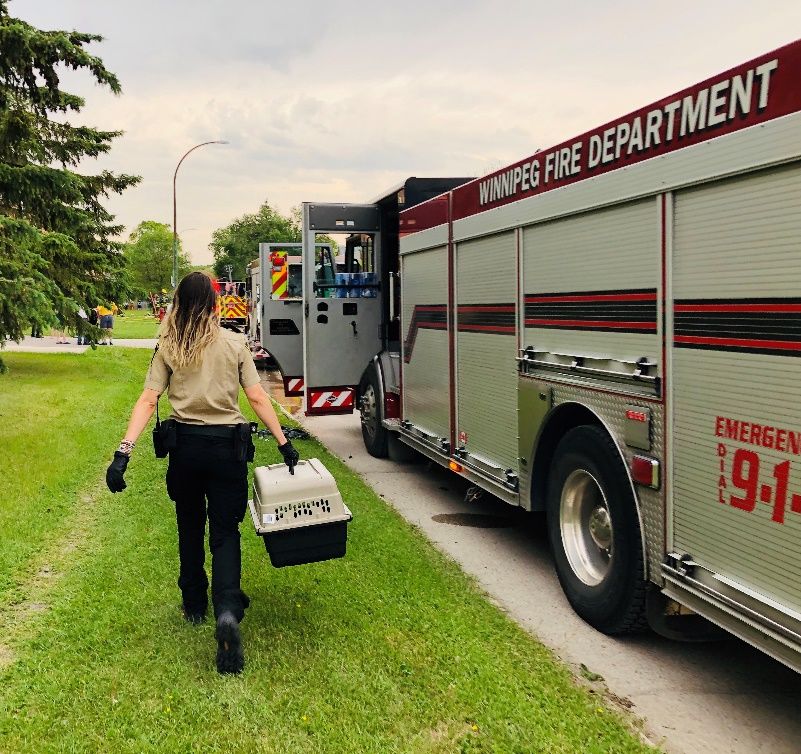
Animal Services
What we do:
• Enforce the Responsible Pet Ownership By-law (RPO)
• Provide emergency response 24/7 (Police-Fire-Humane)
• Provide animal care including redemptions and adoptions
• Dog and cat licensing
• Provide public outreach
   – Build healthy and safe communities
   – Social media platforms
   – Northern Manitoba
   – Responsible pet ownership education
• Offer low income spay/neuter programming
• Regulate dogs, cats, exotic animals, livestock
• Volunteer opportunities
• Doggie Dates

                                                    Animal Services | Services
                                                             Corporate           auxofanimaux
                                                                       Finance | City  Winnipeg   2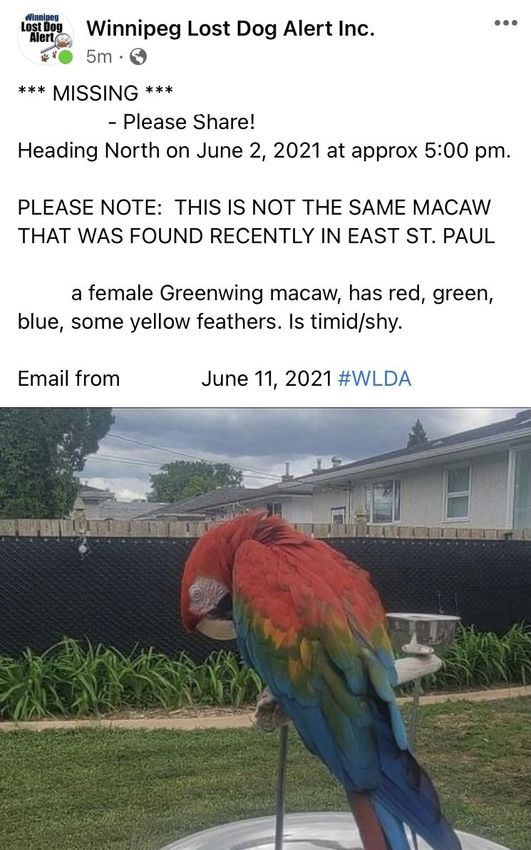
Responsible Pet Ownership By-law review
•   The Responsible Pet Ownership By-Law regulates the presence of wild and
    domesticated animals within Winnipeg, their activities, and the activities of their
    owners.
•   Since the By-law came into force in 2013, opportunities have been identified to
    strengthen the bylaw to improve the safety of both pets and the community.
•   Best practices in animal control and welfare have also evolved since the last review.
•   The City is proposing to update the bylaw to improve animal and community safety
    by ensuring that animals are properly cared for and not placed in at-risk scenarios.

                                                          Animal Services | Services
                                                                   Corporate           auxofanimaux
                                                                             Finance | City  Winnipeg   3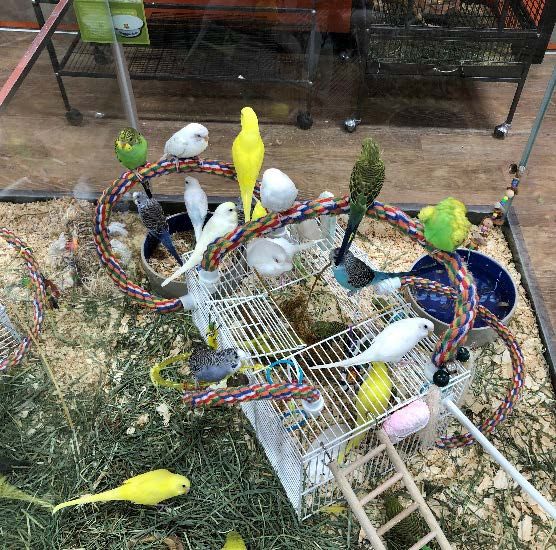
Stakeholder engagement
• The City is reaching out to stakeholder organizations to get feedback on
  the proposed updates to the By-law.
• The objectives are to:
   – Inform about current pet ownership issues
   – Inform about the need to update the bylaw
   – Share proposed updates to the bylaw
   – Gather feedback from stakeholders on the updates
• Stakeholder feedback will be used to refine the proposed updates,
  which will be presented to Council in winter 2021/2022 for
  consideration.

                           Send feedback to:
                       RPObylaw@winnipeg.ca

                                                   Animal Services | Services
                                                            Corporate           auxofanimaux
                                                                      Finance | City  Winnipeg   4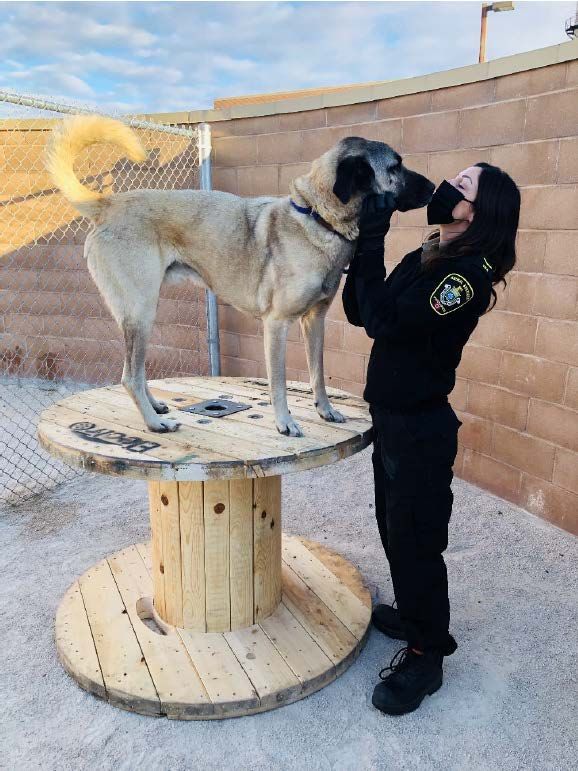
Timeline

                               September -
  May 2021                     October 2021                        January 2022 onward*
 Bylaw Review                   Refine Bylaw                         Bylaw Amended and
    Begins                    Recommendations                         Changes Enforced

                August 2021                     January 2022
                Stakeholder                     Council Review
                Engagement

                                                                        *Subject to council approval

                                                            Animal Services | Services
                                                                     Corporate           auxofanimaux
                                                                               Finance | City  Winnipeg   5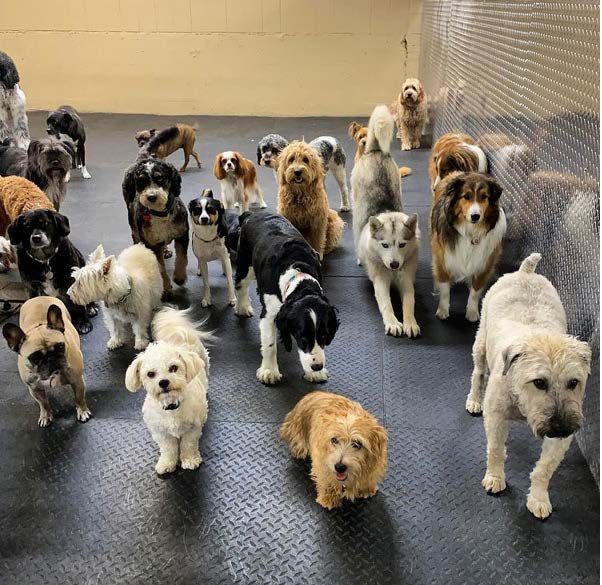
Let’s make Winnipeg a
   leader in animal
 control and welfare

              Animal Services | Services
                       Corporate           auxofanimaux
                                 Finance | City  Winnipeg   6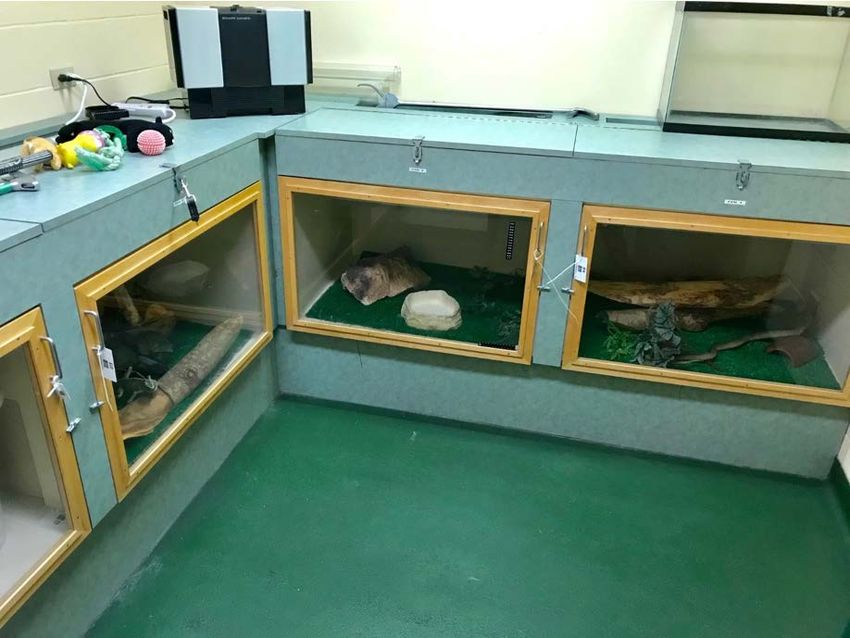
Overpopulation of dogs and cats
Issues:
•   Results in euthanization
•   Places a strain on animal shelters and rescues
•   Leads to disease issues with lack of veterinary care
•   Dogs and cats that are not fixed can demonstrate aggressive behaviors and
    an urgency to roam

Draft idea:
1. Spay/neuter (fixing) requirement for all dogs and cats over 6 months of age

Exemptions:
•  Animals with an intact pet licence
     •    Veterinarian reference
     •    History of responsible pet ownership under the RPO
•  Animals with medical issues and a veterinarian reference
•  Service dogs, law enforcement dogs and specially titled dogs (agility,
   herding)

Additional information:
•   Impounded unlicensed strays are fixed prior to release
•   Any dog or cat impounded twice in a lifetime is fixed prior to release
    regardless of license
•   Fixed dogs and cats received a discount on their annual pet licence
•   Fixing provides some health benefits
•   Improves public safety (roaming)
•   Low income spay/neuter assistance available

                                                                                 Animal Services | Services
                                                                                          Corporate           auxofanimaux
                                                                                                    Finance | City  Winnipeg   7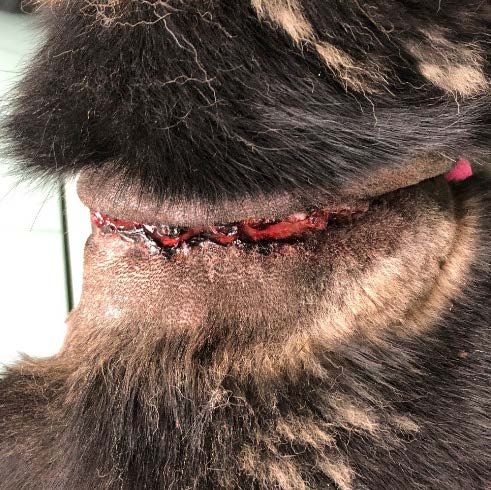
At risk pets
Issues:
•   A community may be at risk due to an animal’s behaviour or confinement
•   An animal may be at risk due to general care, housing, or lack of veterinary
    care
•   Irresponsible pet ownership leads to problematic pets

Draft ideas:
1. Create an ‘At Risk’ category for pets owned by irresponsible pet owners
       •    Allows requirements to be placed on a pet owner to proactively
            improve community safety or the quality of life of a pet
2. Update ‘Dangerous Dog’ category to:
       •    Require training and harness use
       •    Indicate failure to comply with requirements associated with a
            Dangerous Dog Designation will result in seizure and rehoming or
            euthanization of a dog
       •    Prohibit outdoor 24/7 guard dogs
       •    Prohibit attendance at dog daycares and off leash areas
       •    Remove existing requirement for insurance
       •    Remove appeal option
3. Update ‘Exceptionally Dangerous Dog’ category to:
       •    Remove appeal option
4. Prohibit temporary or permanent ownership based on excessive RPO
    violations and/or:
       •   A person’s existing pets are designated as at risk, dangerous, or
           exceptionally dangerous
       •   An animal would be considered at risk or needing protection if left in
           custody of individual

                                                                                    Animal Services | Services
                                                                                             Corporate           auxofanimaux
                                                                                                       Finance | City  Winnipeg   8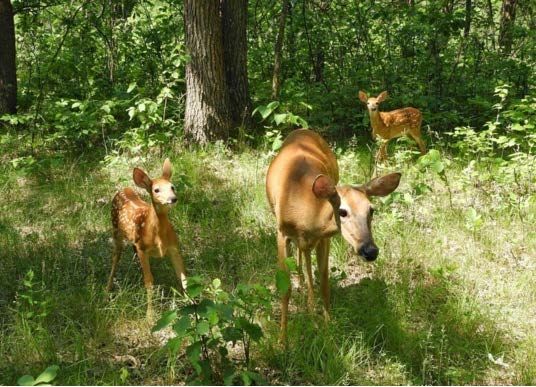
Animal and public safety
Issues:
•   Animal safety, public safety, and neighbourhood livability issues exist as a result of 24/7 tethering/chaining and dog house use
•   Dog daycares are currently unregulated

Draft ideas:
1. Prohibit 24/7 chaining/tethering and 24/7 outdoor dog housing
             •    Require supervision
2. Require excess animal permits and minimum best practice standards for dog daycares
    *Excess animal permits allows residents to harbour more than the legal limit of pets

                                                                                        Animal Services | Services
                                                                                                 Corporate           auxofanimaux
                                                                                                           Finance | City  Winnipeg    9
Pet and public safety
Issue:
•   As of June 22, 2021, the Winnipeg Fire Paramedic Service has responded to 32
    emergency calls for pets left in cars

Draft ideas:
1. Prohibit leaving dogs and cats unattended in vehicles when the outside temperature
    is at or warmer than 22C, or at or colder than -10C
2. Prohibit cycling with dogs tethered to the bicycle when 22C or greater

Exemption:
•  Exemption for vehicles running with working air-conditioning system

                                                                                   Animal Services | Services
                                                                                            Corporate           auxofanimaux
                                                                                                      Finance | City  Winnipeg   10
Breeding
Issues:
• Unregulated breeding, also known as ‘backyard
breeding’, contributes to pet overpopulation,
animal welfare concerns, and public safety issues.
Draft ideas:
1. Require a breeding permit for dogs and cats that
requires:
• A veterinarian reference
• History of responsible pet ownership
under the RPO
• Inspection of the breeding property
• Limit of one litter per year, and no more
than four litters over the life of the animal
• Display of permit number where puppies
or kittens are advertised for sale
Animal Services | Services
Corporate auxofanimaux
Finance | City Winnipeg 11Breed-specific legislation
Issues:
• The City of Winnipeg and the Province of Ontario are the only major jurisdictions in Canada with breed specific
legislation
• Identification of prohibited dogs is difficult and based only on how a dog looks
• The breed does not reflect the animal’s behavior
Draft idea:
1. Remove breed specific legislation
• Treat dogs based on their behaviour and the associated responsibility of their owners
• Use RPO categories, spay/neuter, and prohibitions to address irresponsible pet ownership
Additional Information:
• Currently, American Pit Bull Terriers, Staffordshire Bull Terriers, American Staffordshire Terriers, and
predominant mixes are prohibited
Animal Services | Services
Corporate auxofanimaux
Finance | City Winnipeg 12Keeping of exotic animals
Animal Services | Services
Corporate auxofanimaux
Finance | City Winnipeg 13The Five Freedoms* is a core concept in animal welfare:
1. Freedom from hunger and thirst by ready access to fresh water and a diet to
maintain full health and vigour.
2. Freedom from discomfort by providing an appropriate environment, including
shelter and a comfortable resting area.
3. Freedom from pain, injury or disease by prevention or rapid diagnosis and
treatment.
4. Freedom to express normal behaviour by providing sufficient space, proper
facilities and company of the animal’s own kind.
5. Freedom from fear and distress by ensuring conditions and treatment which
avoid mental suffering.
*The Five Freedoms is a core concept in animal welfare that originated in a UK government report in 1965 and was then refined
by the Farm Animal Welfare Council.
Animal Services | Services
Corporate auxofanimaux
Finance | City Winnipeg 14Keeping of exotic animals
According to World Animal Protection,
there are over 500 species of reptiles
and 500 species of birds traded live
across the world, destined for people’s
homes or private zoos. The global
trade of wildlife causes millions of
animals around the world to suffer
each year.
Example - Ball python
A python species native to West and
Central Africa, where it lives in
grasslands, shrublands and open
forests.
In Winnipeg, snakes live in terrariums or
plastic containers.
Informational video regarding Ball pythons and the exotic pet trade
*Produced by World Animal Protection
Animal Services | Services
Corporate auxofanimaux
Finance | City Winnipeg 15Keeping of exotic animals
Animal Services | Services
Corporate auxofanimaux
Finance | City Winnipeg 16Keeping of exotic animals
Issues:
• Exotic animals are either poached from the wild or born in captivity
• Exotic animals have little quality of life in captivity
• There are currently no limits like dogs and cats, which can lead to hoarding
• Stray exotic animals require law enforcement resources
Draft ideas:
1. Reduce the types and amounts of exotic animals allowed as pets
a) Allowable animals (see next slides)
b) Limited animals
• Previously legal animals
• Can be grandfathered
• If rehomed, must leave Winnipeg
• No travelling shows using limited animals
• May not be bred
2. Limit each household to five animals per animal ‘family’. This limit is separate to the
pre-existing limit set for dogs and cats.
• For example, one household could own/harbour five snakes, five lizards, and
five birds
Exemptions:
• Animals under the age of six months
• Feeder type insects, invertebrates
Additional Information:
• The RPO contains a limit of six dogs and cats, of which four can be dogs
Animal Services | Services
Corporate auxofanimaux
Finance | City Winnipeg 17Allowable animals
Mammals
Carnivora
(Domestic) Cat Felis Catus
(Domestic) Dog Canis lupus familiaris
(Domestic) Ferret Mustela putorius furo
Lagomorpha
European Rabbit Oryctolagus cuniculus
Rodentia
Guinea Pig Cavia porcellus
Gerbil Meriones unquiculatus
Hamster Mesocricetus auratus
House Mouse Mus musculus
Norway (Common, Brown) Rat Rattus norvegicus
Black (Roof, White Laboratory) Rat Rattus rattus
Common degu Octodon degus
Bushy-tailed Jird Sekeetamys calurus
Animal Services | Services
Corporate auxofanimaux
Finance | City Winnipeg 18Allowable animals
Reptiles
Squamata
Zebra-tailed Lizard Callisaurus draconoides
Collared Lizard Crotaphytus collaris
Long-nosed Leopard Lizard Gambelia wislizenii
Curly-tailed Lizards Leiocephalus spp.
Northern Curly-tailed Lizard Leiocephalus carinatus
Bearded Dragon Pogona vitticeps
Star Agama Lizard Stellagama stellio
Northern Spiny-tailed Gecko Strophurus cilaris
Crested Gecko Correlophus ciliatus
Leopard Gecko Eublepharis macularius
Gargoyle Gecko Rhacodactylus auriculatus
Serpentes
Milk Snake Lampropeltis triangulum
Common King Snake Lampropeltis getula
Corn Snake Pantherophis guttatus
The husbandry, health, nutritional, and welfare needs of many reptiles have not been comprehensively studied in the wild, so data is deficient for many species. Additionally, ever accumulating
scientific evidence suggests that keeping reptiles can be highly problematic for their physical and psychological health and welfare, particularly in clinical, highly artificial environments. Small
simplistic captive environments, for all intents and purposes, ubiquitous in reptile keeping and breeding. Reptiles also pose human health (zoonotic) risks to vulnerable persons, including children
younger than 5 years old, elderly people over 65 years of age, pregnant women, and anyone who is immunocompromised, due to potentially pathogenic organisms (such as Salmonella) being a
part of their natural internal flora and fauna.
The commonly traded reptile species listed are not excessively large, their biological, behavioral, husbandry, and welfare needs are better understood than many other reptiles, and informed
keeper who do not promulgate folklore reptile husbandry practices, they can potentially be kept in a way that satisfies their basic biological and behavioral needs.
Curly tailed lizards are a group of lizards existing of 29 individual species. Only species not recorded by the International Union for Conservation of Nature (IUCN) as vulnerable, threatened, or
endangered or listed by the Convention on International Trade in Endangered Species of Wild Fauna and Flora (CITES) can be kept.
Animal Services | Services
Corporate auxofanimaux
Finance | City Winnipeg 19Allowable animals
Birds
Estrildidae
Cut-throat Finch Amadina fasciata
Strawberry Finch (Red Avadavat or Red Munia) Amandava amandava
Red-headed Parrot Finch Erythrura cyanovirens
Gouldian Finch/Lady Gould’s Eythrura gouldiae
Blue-headed (Blue-faced) Parrot Finch Erythrura tichroa
Crimson-rumped Waxbill Estrilda rhodopyga
Bronze Mannikin or Hooded Weaver Lonchura cucllata
White-headed Munia Lonchura maja
Chestnut Mannikin/Tricolored Munia Lonchura malacca
Nutmeg Mannikin or Scaly-breasted Mannikin Lonchura punctulata
Society Finch Lonchura striata domestica
Star Finch Neochmia ruficauda
Long-tailed Grassfinch Poephila acuticauda acuticauda
Heck’s Grassfinch Poephila acuticauda hecki
Masked Grassfinch Poephila personata
Mela Finch/Green-winged Pytilia Pytilia melba
Diamond Firetail Stagonpleura guttata
Read-eared Firetail Finch Stagonopleura oculata
Double-barred/Owl Finch Taeniopygia bichenovii
Animal Services | Services
Corporate auxofanimaux
Finance | City Winnipeg 20Allowable animals
Birds
Estrildidae (cont’d)
Zebra Finch Taeniopygia guttata
Red-cheeked Cordon-bleu Uraeginthus bengalus
Blue-capped Cordon-bleu Uraeginthus cyanocephalus
Purple Grenadier Uraeginthus ianthinogaster
European Goldfinch Carduelis carduelis
Fancy Canary Serinus canaria
Psittacidae
Cockatiel Nymphicus hollandicus
Budgerigar (Budgie) Melopsittacus undulatus
Passeriformes
Plum-headed (Cherry/Crimson) Finch Aidemosyne modesta
Sudan Golden Sparrow/Golden Song Sparrow Passer luteus
Red-whiskered Bulbul Pycnonotus jocosus
Village Indigobird/Steelblue Windowfinch Vidua chalybeata
Columbidae
Diamond Dove Geopelia cuneate
Ring-necked Dove Streptopelia capicola
Ringed Turtle Dove/Ringneck Dove Streptopelia risoria
Animal Services | Services
Corporate auxofanimaux
Finance | City Winnipeg 21Allowable animals
Fish
Commonly traded, ornamental fishes are allowed expect for:
• Wild caught saltwater fish
• Wild caught freshwater fish
• Fish species that are known to be wide-ranging and/or migratory and that require very large
species in captivity
• Large fish that reach an adult length of 14 inches or more, whether or not a specific fish has
reached the length.
• Exemptions- Goldfish and Koi
• Venomous fish or other fish that pose a medically significant risk to human health or safety
Amphibians
Due to the risk of native amphibian populations being exposed to Batrachochytrium dendrobatidis
and Batrachochytrium salamandrivorans, no amphibian species should be included in the allowable
animals list. These lethal fungal pathogens can be introduced into local environments through
escaped or released pet amphibians infected with either disease or through the disposal of
contaminated water or other materials the may have contacted.
Invertebrates
Feeder crickets, mealworms, other worms, flies Insecta various sp.
Scientific research regarding the husbandry and welfare needs of most invertebrates, both terrestrial and aquatic, is lacking. As well,
significant conservation concerns are associated with a number of invertebrates, such as certain tarantula species, that are extracted from
the wild for pet trade.
Not Allowed
All animals prohibited by Provincial, Federal, or international regulation, rule, or agreement.
Animal Services | Services
Corporate auxofanimaux
Finance | City Winnipeg 22Lethal trapping and poisoning of wild animals
Animal Services | Services
Corporate auxofanimaux
Finance | City Winnipeg 23Lethal trapping and poisoning of wild animals
Issues:
• Leg, body hold, and snare traps can:
• Kill and injure non target animals and people
• Result in a slow and painful death
• Poison can:
• Affect other animals along the food chain
• Result in a slow and painful death
Draft ideas:
1. Prohibit the outdoor use of lethal traps
2. Prohibit the outdoor use of Rodenticide poison bait stations
3. Prohibit glue traps
4. Authorize Animal Services to require wildlife proofing where
ongoing wildlife or feral cat conflicts exist to reduce repetitive
trapping
5. Require signage for lethal trapping
6. Require trapping to be conducted by licensed pest control
companies or governmental agencies
Exemptions:
• Exemption for proven sick, injured, or aggressive animals
• Exemption for insects
• Exemption for governmental agencies
Additional Information:
• Proactive wildlife proofing a home or property typically prevents the need for trapping or poisoning
Animal Services | Services
Corporate auxofanimaux
Finance | City Winnipeg 24Feeding wildlife
Issues:
• Feeding wildlife can lead to increased
populations of urban wildlife and
human/wildlife conflict
• In 2020, 1359 wild animals were found
deceased on city streets and boulevards and
included deer, rabbits, squirrels, fox, and
others
Draft idea:
1. Prohibit feeding of wildlife
Exemption:
• Bird feeders
Animal Services | Services
Corporate auxofanimaux
Finance | City Winnipeg 25Compliance with the By-law updates
Education
• Education and outreach
Enforcement
• An Animal Services Officer can issue a verbal warning or fine
• A list of existing fines are available in Schedule B of the current By-law
• The By-law update will require the creation of some new fines, which will
align with the existing fines.
Animal Services | Services
Corporate auxofanimaux
Finance | City Winnipeg 26You can also read


