Bass Coast Shire Council - Domestic Animal Management Plan 2017-2021 - Bass Coast ...
←
→
Page content transcription
If your browser does not render page correctly, please read the page content below
Bass Coast Shire Council
Domestic Animal Management Plan 2017-2021

                    Adopted by Council 20 September 2017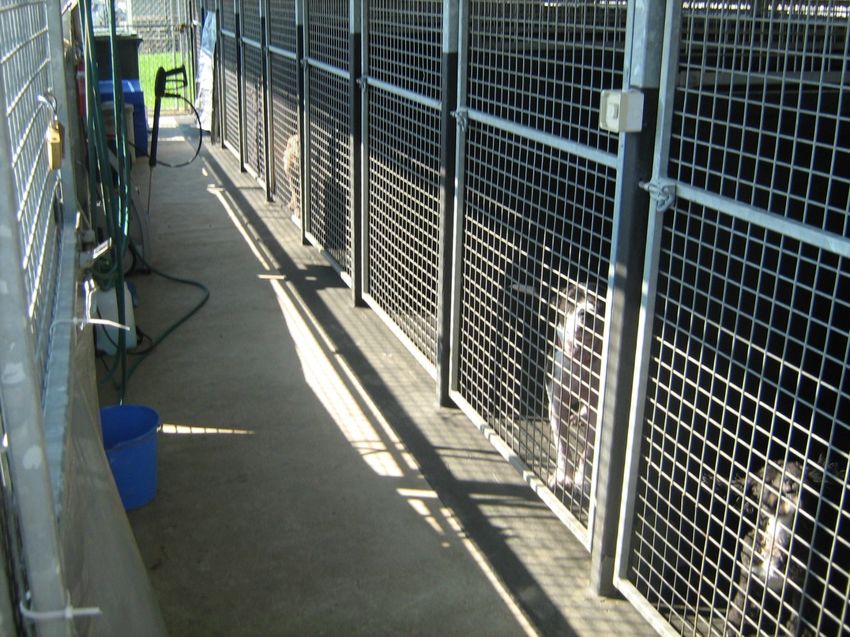
Contents
Introduction..................................................................................................................................................................................................................................... 4
Objectives ........................................................................................................................................................................................................................................ 9
Training of Authorised Officers ............................................................................................................................................................................................... 11
    Objective 1: Review officer training and develop ongoing plans for each officer .................................................................................................... 12
Registration and Identification .................................................................................................................................................................................................. 13
    Objective 1: Increase the number of registered dogs and cats in Bass Coast each year ....................................................................................... 17
    Objective 2: Increase the percentage of desexed animals in Council’s database each year .................................................................................. 18
    Objective 3: Improve the opportunities for animals to be registered with Council ............................................................................................... 18
Nuisance ........................................................................................................................................................................................................................................ 19
    Objective 1: Increase off leash areas on beaches and on the mainland ..................................................................................................................... 23
    Objective 2: Identify inland off leash areas and consider requirements for fencing ................................................................................................ 24
    Objective 3: Improve understanding in the community of sunset to sunrise cat curfew and investigate the pros and cons of 24 hour cat
    containment and present a report to Councillors for decision ................................................................................................................................... 24
    Objective 4: Improve community understanding of nuisance provisions relating to animals in Domestic Animals Act and Council Local
    Law ............................................................................................................................................................................................................................................. 26
Dog Attacks.................................................................................................................................................................................................................................. 29
    Objective 1: Increased community awareness in relation to what is a dog attack and how to report them ................................................... 31
    Objective 2: Review Council processes in relation to investigation and follow up of dog attacks and rushes ................................................ 32
Dangerous, Menacing and Restricted Breed Dogs .............................................................................................................................................................. 33
    Objective 1: Increased community awareness in relation to what a dangerous, menacing and restricted breed dog is. .............................. 35
    Objective 2: Review Council procedures in relation to dangerous dogs, menacing dogs and restricted breed dogs .................................... 35
Overpopulation and High Euthanasia ..................................................................................................................................................................................... 36
    Objective 1: Increase numbers of desexed cats registered with Council and reduce the number of unwanted cats surrendered to
    Council’s Shelter ..................................................................................................................................................................................................................... 39
Bass Coast Shire Council Domestic Animal Management Plan 2017-2021                                                                                                                                                                                         Page | 2
ED17/118469
Objective 2: Identify ways to improve support to 84y (registered rescue group) agreement holders .............................................................. 40
Domestic Animal Businesses .................................................................................................................................................................................................... 41
    Objective 1: All domestic animal businesses in municipality will be identified and registered ............................................................................. 42
    Objective 2: All registered businesses are compliant with current legislation and relevant code of practice .................................................. 43

Bass Coast Shire Council Domestic Animal Management Plan 2017-2021                                                                                                                                                                   Page | 3
ED17/118469
Introduction
One of the fastest growing municipalities in regional Victoria, Bass Coast offers a unique and affordable lifestyle in beautiful natural
surrounds. Bass Coast provides the perfect balance of rural, residential and holiday lifestyles for all to enjoy – all with stunning backdrops
of beaches, bushland and rolling hills.
Bass Coast is home to a population of 32,804 (Source: 2016 Census of Population and Housing; Estimated Resident Population) and by 2036,
the population for Bass Coast Shire is forecast to increase to over 46,000.
The Shire encompasses a total land area of 865 square kilometres, including extensive coastal areas. With agricultural land making up 90
per cent of the Shire, Bass Coast has potential to become a valuable food bowl for Victoria.
In line with our rural nature, Bass Coast is home to many small coastal or agricultural villages, with some larger townships scattered
amongst them. Established as a coal mining town in the early 1900s, Wonthaggi is today a large regional centre not only for Bass Coast,
but for surrounding areas, and is the main source of employment within the Shire, particularly in health, education, community service
and construction. Other large townships include Cowes, Inverloch and Grantville.
For 150 years, Phillip Island has drawn people from Melbourne who come to relax and unwind, while hundreds of thousands of
international visitors arrive each year to see the world-famous Little Penguins. Tens of thousands more come to experience the thrills of
the MotoGP and some of the best surfing beaches in Australia. Many of our coastal villages are also characterised by large numbers of
holiday homes. Whilst the permanent population of the Shire has been growing strongly in recent years, the population also swells
significantly during holiday periods.
Council Plan 2017-2021
The Bass Coast Council Plan 2017-21 was adopted on 21 June 2017. It provides a strategic basis for the new Council to implement
actions to achieve the Vision - Bass Coast will be known as a region that supports a sustainable and healthy community, and values and
protects its natural assets.
The production of the Domestic Animal Management Plan 2017-2021 (DAMP) fits with the theme of the Council Plan 2017-2021:
Liveability – Enjoying the place we live. The development and implementation of the plan is a recognised strategic indicator of the plans
success and will be measured through the annual action plans developed throughout the life of the plan.

Bass Coast Shire Council Domestic Animal Management Plan 2017-2021                                                                               Page | 4
ED17/118469

The Municipal Public Health and Wellbeing Plan and the benefits of pet ownership
The Municipal Public Health and Wellbeing Plan, which is a requirement under the Public Health and Wellbeing Act 2008 has been
incorporated in the Bass Coast Council Plan 2017-21. The Municipal Public Health and Wellbeing Plan outlines the Council’s goals and
objectives of how we will align our responsibilities and relationships to improve health outcomes for our community that are consistent
with our partners in the region and with the Victorian Health and Wellbeing Plan 2015-19. The Healthier Eating and Active Living section
of the plan recognises Council’s ongoing commitment to undertake community consultation to identify potential dog off leash areas and
to, as a long term goal, establish additional dog off leash areas in Bass Coast
There is increasing evidence that demonstrates the physical and mental health, companionship and social benefits of owning pets. It is
widely accepted that walking and physical activity is strongly linked to improved general health and lower risks of obesity, heart disease
and blood pressure problems. Studies have found that there is also an association between pet ownership/attachment and psychological
wellbeing.
Council will continue to promote Bass Coast as a pet friendly municipality and will provide the infrastructure for the community to enjoy
the benefits of dog and cat ownership.
Purpose and legislative requirements
The purpose of the new DAMP is to build on the achievements of the previous two plans and to provide Bass Coast Shire Council with a
strategic framework that helps deliver policy direction, service programs, initiatives and action plans for animal management for the
period 2017 - 2021.
Feedback and suggestions obtained through extensive consultation have been integrated into the Plan’s strategic directions. The
document has been balanced so that pet owners and the needs of the broader community are considered, Council’s overarching plan and
vision is incorporated where appropriate, and legislative requirements of the Domestic Animals Act 1994 (the Act) are met.
The Plan ensures that Council will meet its obligations under the Act and continues to use a mix of educational and regulatory
approaches to promote the notion of responsible pet ownership.
Under Section 68A of the Act, every Council must prepare a domestic animal management plan, as follows:
68A     Councils to prepare domestic animal management plans
        (1) Every Council must, in consultation with the Secretary (of the Department of Economic Development, Jobs, Transport and
            Resources), prepare at 4 year intervals a domestic animal management plan.

Bass Coast Shire Council Domestic Animal Management Plan 2017-2021                                                                           Page | 5
ED17/118469
(2) A domestic animal management plan prepared by a Council must—
                (a) set out a method for evaluating whether the animal control services provided by the Council in its municipal district
                    are adequate to give effect to the requirements of this Act and the regulations; and
                (b) outline programs for the training of authorised officers to ensure that they can properly administer and enforce the
                    requirements of this Act in the Council's municipal district; and
                (c) outline programs, services and strategies which the Council intends to pursue in its municipal district—
                    (i)     to promote and encourage the responsible ownership of dogs and cats; and
                    (ii)    to ensure that people comply with this Act, the regulations and any related legislation; and
                    (iii)   to minimise the risk of attacks by dogs on people and animals; and
                    (iv)    to address any over-population and high euthanasia rates for dogs and cats; and
                    (v)     to encourage the registration and identification of dogs and cats; and
                    (vi)    to minimise the potential for dogs and cats to create a nuisance; and
                    (vii) to effectively identify all dangerous dogs, menacing dogs and restricted breed dogs in that district and to ensure
                          that those dogs are kept in compliance with this Act and the regulations; and
                (d) provide for the review of existing orders made under this Act and local laws that relate to the Council's municipal
                    district with a view to determining whether further orders or local laws dealing with the management of dogs and cats
                    in the municipal district are desirable; and
                (e) provide for the review of any other matters related to the management of dogs and cats in the Council's municipal
                    district that it thinks necessary; and
                (f) provide for the periodic evaluation of any program, service, strategy or review outlined under the plan.
        (3) Every Council must—
                (a) review its domestic animal management plan annually and, if appropriate, amend the plan; and
                (b) provide the Secretary with a copy of the plan and any amendments to the plan; and
                (c) publish an evaluation of its implementation of the plan in its annual report.

Bass Coast Shire Council Domestic Animal Management Plan 2017-2021                                                                             Page | 6
ED17/118469
Role of other stakeholders in domestic animal management in Bass Coast
The Department of Economic Development, Jobs, Transport and Resources (DEDJTR) undertake a range of responsibilities associated
with the administration of the Act. It also undertakes or facilitates research and educational programs relating to dog and cat
management. It manages the schools visitation program which is a curriculum based program designed to teach children about safety
around dogs. It has also introduced the ‘Who’s for Cats’ campaign which is designed to educate the community about the adverse welfare
impacts of people feeding stray cats and to encourage them to either adopt and take responsibility for them (including registering and
microchipping them) or passing them on to a shelter.
Parks Victoria and Phillip Island Nature Parks are responsible for dog and cat control on land under their management. Bass Coast Shire
Council liaises with Parks Victoria and Phillip Island Nature Parks to develop consistency in policy and approach where appropriate.
The Department of Environment, Land, Water and Planning (DELWP) is responsible for animal management for all public reserves and
areas where Council is not the appointed Committee of Management. Council liaises with DELWP and Committees of Management to
develop consistent policies and procedures as appropriate.
Vets are an important point of contact, especially in a pet’s early years, and have an important role to play in maintaining the health of
pets and educating pet owners.
Pet owners themselves have a role to play in choosing an appropriate pet to suit their lifestyle, training and socialising their dog and
adhering to Council requirements. Responsible pet owners have an important education role to play by setting an appropriate example to
other pet owners.
Council works with various rescue groups to rehome as many unclaimed pound animals as possible. An agreement, under section 84Y of
the Act, is a document that sets out the requirements of rehoming animals from Victorian pounds. Most pounds are run by Councils and
the law gives Council the power to enter into an agreement in writing with a shelter, community foster care network, foster carer or
individual. These agreements are referred to as section 84Y agreements.
Plan development and engagement overview
Council sought feedback from across its municipality to better understand broader community views in relation to dog and cat issues that
affect them. Engagement began during an extensive community consultation process which was undertaken to seek feedback on the
development of the new Council Plan. Extensive qualitative information received in relation to domestic animals has been analysed and
has informed the development of the Domestic Animal Management Plan.
To reach a wider audience targeted survey questions were developed to address the Plan requirements.

Bass Coast Shire Council Domestic Animal Management Plan 2017-2021                                                                           Page | 7
ED17/118469
A questionnaire was made available for completion online via Council’s website. A hard copy questionnaire was also available for
completion at Customer Service Centres, and during three separate pop-up engagement events held in each of the Council wards. Key
stakeholders and special interest groups were also emailed an invitation link to participate in the online survey. The questionnaire was
available from 1 to 31 May 2017.
Additional feedback has been provided to Council in relation to domestic animal management, and has been collated and analysed as part
of this process which included Facebook posts made on the topic of domestic animals, during the survey ‘live’ period of 1 to 31 May
2017.
Council Officer also completed stakeholder engagement workshops and meetings with key internal departments from Council and
external agencies including Phillip Island Nature Parks, Parks Victoria, Zoos Victoria and the RSPCA. Council also sought feedback from
local veterinary clinics, domestic animal businesses, section 84Y agreement holders and local special interest groups involved in domestic
dogs and cats.
An overview of the online survey information can be found on Council’s website.
Council has reviewed the results of this engagement and comments and suggestions have been taken into consideration to try to provide
a balanced approach that recognises the needs of domestic animals, pet owners, and those that don’t own cats and dogs.

Bass Coast Shire Council Domestic Animal Management Plan 2017-2021                                                                           Page | 8
ED17/118469
Objectives
The following objectives have been identified to provide strategic focus for domestic animal management for the next four years. Each
objective has actions attached to achieve the outcomes of the Plan. The Plan will be reviewed annually and Council will publish an
evaluation of its implementation in its annual report. The review will describe our level of success/progress in meeting the objective,
identify if an activity was not done or is now not planned to be done, and why.
The review will also include any new actions/initiatives that have been identified that will support the objective in the Plan. If amendments
are required, Council will provide the Department of Primary Industries’ Secretary with a copy of the Plan and any amendments.
Training of Authorised Officers
    •   Review Officer training and develop ongoing plans for each officer
Registration and identification
    •   Increase the number of registered dogs and cats in Bass Coast each year
    •   Increase the percentage of desexed animals in Council’s database each year
    •   Improve the opportunities for animals to be registered with Council
Nuisance
    •   Increase off leash areas on beaches and on the mainland
    •   Identify inland off leash areas and consider requirements for fencing
    •   Improve understanding in the community of sunset to sunrise cat curfew and investigate the pros and cons of 24 hour cat
        containment and present a report to Councillors for decision
    •   Improve community understanding of nuisance provisions relating to animals in the Act and Council’s Local Law No. 1
        Neighbourhood Amenity 2012
Dog attacks
    •   Increased community awareness in relation to what is a dog attack and how to report them
    •   Review Council processes in relation to investigation and follow up of dog attacks and rushes

Bass Coast Shire Council Domestic Animal Management Plan 2017-2021                                                                              Page | 9
ED17/118469
Dangerous, menacing and restricted breed dogs
    •   Increased community awareness in relation to what a dangerous, menacing or restricted breed dog is
    •   Review Council procedures in relation to dangerous dogs, menacing dogs and restricted breed dogs
Overpopulation and high euthanasia
    •   Increase numbers of desexed cats registered with Council and reduce the number of unwanted cats surrendered to Council
    •   Identify ways to improve support to 84y agreement holders
Domestic animal businesses
    •   All domestic animal businesses in the municipality will be identified and registered
    •   All registered businesses are compliant with current legislation and relevant codes of practice

Bass Coast Shire Council Domestic Animal Management Plan 2017-2021                                                               Page | 10
ED17/118469
Training of Authorised Officers
Current Situation
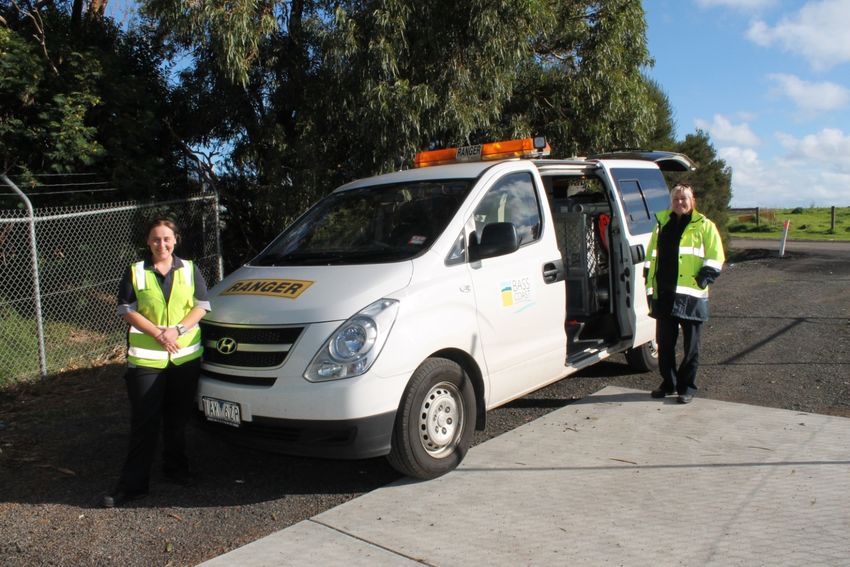
Bass Coast Shire Council’s animal management activities are managed by the Community Safety Rangers Team. The Community Safety
Rangers team is situated within the Community Health and Wellbeing Department.
Council has six full time members of the Community Safety Rangers Team authorised under Act. Council also employs a Prosecutions
Officer who takes relevant animal management cases to court.
The team are responsible for meeting Council’s responsibilities under the Act, ensuring appropriate regulation of dog and cat ownership
and the reduction of the impact of domestic animals on community amenity.
The team do not work full time on animal management and are required to perform a variety of tasks relating to Local Law and parking
enforcement, fire prevention inspections, littering, footpath trading inspections and responding to stock issues.
Bass Coast Shire Council is committed to providing quality services to meet the needs and expectations of our community. The
standards in our Customer Service Charter apply to all Council services and outline the response that can be expected by our
community and visitors to our Shire.
An emergency after-hours telephone service operates via the usual Council telephone numbers. All urgent matters will be referred to a
Council Officer immediately. Non urgent matters will be referred to a Council Officer on the following business day.
What are we currently doing?
Council has a number of Orders, Local Laws, Council Policies and Procedures and activities that are used to help manage domestic
animals in Bass Coast.
Current and ongoing training activities
• All staff are required to undertake learning and training programs as part of individual and group development
• On the job training, plus ongoing coaching, is provided
• Staff to hold or be working towards Certificate IV in Animal Control and Regulation – or have appropriate other relevant
qualifications and experience
• Staff representation on industry bodies and committees where appropriate
• Review and ongoing improvement of core tasks/procedures
Bass Coast Shire Council Domestic Animal Management Plan 2017-2021 Page | 11
ED17/118469Summary The objective of training and development is to ensure all staff involved in animal management have the knowledge and skills necessary to carry out their work in a safe and professional manner. Bass Coast Shire Council is committed to ensuring all staff involved in animal management are equipped for the demands of their role and are competent in their job. All Community Safety Rangers/Officers receive on the job training and formal training in relation to conflict resolution, traffic control, stock handling and communications. All Bass Coast Shire Council staff receive training in customer service, occupational health and safety, Council values and behaviours. Community Safety Rangers/Officers will be encouraged to attend industry related information sessions and seminars for networking opportunities and to keep up with latest trends and innovations. Our Plans In light of above, the activities and objectives for the next four years are listed below. Objective 1: Review officer training and develop ongoing plans for each officer Activity When Evaluation Develop a matrix of current and required skills of each 2017/18 Matrix developed and then reviewed on an annual officer basis Develop a training and induction program for new 2017/18 Training program content identified and initial training officers/rangers rolled out Develop Annual refresher training of s72A officers at 2017/18 Training program content identified and initial training Phillip Island Nature Parks rolled out Identify additional training, development and networking Ongoing Annually review and report on what additional opportunities opportunities were provided Provide training on expectations in relation to handling Ongoing Based on current Emergency Animal Welfare and pets in emergency Emergency Relief Centre plans Bass Coast Shire Council Domestic Animal Management Plan 2017-2021 Page | 12 ED17/118469
Registration and Identification
Current Situation
Pet registration is a legal requirement under the Domestic Animals Act 1994 and you can receive an infringement notice for not complying.
Every dog and cat three months of age and over must be registered with your local council. Existing registrations must be renewed by 10
April each year.
Registration fees help fund our animal management and a responsible pet ownership campaign and other education programs run by the
State Government.
An animal found with current registration and microchip has a much higher chance of being reunited with its owner and not being taken
to the animal shelter.
Here is a breakdown of registration numbers in Bass Coast.

Dogs registered                                                      2016/17                     2015/16                  2010/11

Dog - Breeding - owned by Registered Domestic Animal
Business or authorised authority                                                   28                           28                      *

Dog - Seeing Eye, Hearing and Other Assistance                                      6                            6                      *

Dog - Sterilised                                                                5,109                        5,400                      *

Dog - Unsterilised                                                              1,010                        1,165                      *

Total                                                                          6,153                        6,601                  5,317

Bass Coast Shire Council Domestic Animal Management Plan 2017-2021                                                                          Page | 13
ED17/118469
Cats registered                                                 2016/17                   2015/16                        2010/11

Cat - Breeding - owned by Registered Domestic                               52
                                                                                                                 56
Animal Business or permanently identified

Cat - Sterilised                                                          1,498                             1531

Cat - Unsterilised                                                          73                                   90

Total                                                                     1,623                           1,677                    1,191

Total registered dogs and cats                                  2016/17                   2015 /16                       2010/11

                                                                          7,776                           8,278                    6,508

Council Officers will give people infringement notices and/or prosecute people annually for not registering their dogs and cats.

                                    Year          Total infringements relating to failure to register

                                   2014                                                                   79

                                   2015                                                                  131

                                   2016                                                                  122

                                                                                                        110*
                                   2017                                                     (*as at 23 August)

Bass Coast Shire Council Domestic Animal Management Plan 2017-2021                                                                         Page | 14
ED17/118469
What are we currently doing?
Council has a number of Orders, Local Laws, Council policies and procedures and activities that are used to help manage domestic
animals in Bass Coast.
Our Orders, Local Laws, Council policies and procedures
• Annual registration renewal and reminder notices
• We enforce the legislative requirements of the Act
• Local Law determines requirements for excess animal permits
• Legislative requirement for registration of dogs and cats at age of three months
• Legislative requirement for microchipping of all newly registered dogs and cats
• Legislative requirement for desexing of all newly registered cats
• Application for financial hardship for desexing support
• Internal processes and procedures
Our current education/promotion activities
• Use of local media /website /Facebook and Twitter to promote registration requirements
• Regular media releases/articles in local newspapers/Facebook and Twitter regarding responsible pet ownership issues
• Provide a range of educational materials/brochures for the community
• Use of Council’s website as a promotional tool including links to other agencies and useful websites
• Annual registration renewal notices
Bass Coast Shire Council Domestic Animal Management Plan 2017-2021 Page | 15
ED17/118469Our compliance activities
• Issue cautions and infringement notices
• Investigate complaints - all animal related complaints (both sides) are checked for registration compliance as part of the
investigation process.
• Patrols conducted as business as usual and upon request
• Cat trap process
• Registration door knock program
• Picking up found animals and having requirements for registration on release from our animal shelter
• Internal processes and procedures
Summary
Council has been working to increase the number of registered and identifiable domestic animals. Cat and Dog registration will aid
compliance activities and to help reunite lost pets with their owners. It is anticipated that the municipality will continue to experience
notable population growth, and subsequently an increase in dog and cat population.
89% of the 427 pet owners who completed our online survey reported that they were aware that dogs and cats are required to be
microchipped and registered with Council at the age of three months; and that cats registered after April 2017 are also required to be
desexed.
All respondents to the survey and the stakeholder groups consulted with were asked to provide suggestions that would make it easier for
residents to register pets. The primary suggestion types were for the introduction of online/improved registration services and to reduce
costs.
Stakeholders also provided some enforcement suggestions and ways of recognising responsible pet owners who are doing the right thing.
Registration and Identification
• Review and consider restructure of registration model
• Improve online payment and registration options
• Consider pro rata registration fees and free registrations at certain times of year
• Consider lifetime or three year registrations
• Incentives for on time payments
Bass Coast Shire Council Domestic Animal Management Plan 2017-2021 Page | 16
ED17/118469• Increase door knocking activities to identify unregistered dogs and cats
• Consider hardship and incentive opportunities – reduced rate desexing (especially for cats)
New computer systems will provide greater opportunity for Council to effectively manage the registration process and provide support
to the community to register their animals. The more information we have on registered animals in the municipality and the more
contact details we have for registered owners the more animals we will be able to reunite and communication options we will have. We
will also be able to integrate these systems to provide useful registration information that can information decisions in the future.
Our Plans
In light of above, the activities and objectives for the next four years are listed below.
Objective 1: Increase the number of registered dogs and cats in Bass Coast each year
Activity When Evaluation
Develop and implement a process for providing free 2017/18 Process developed and rolled out
registration for the first year for adopted animals
through recognised rescue groups
Conduct door knocks to identify unregistered cats and 2017/18 Door knocks completed
dogs in Bass Coast. Door knock a minimum of 250 Additional animals registered through door knocks
random houses each year to check for unregistered
animals
Investigate potential lifetime or three year animal 2018/19 Investigation completed and proposal presented to
registrations Council
Promote the benefits of registration and identification Ongoing Ongoing education to community through animal
and the implications for non-registration of cats and renewals and general communication
dogs
Bass Coast Shire Council Domestic Animal Management Plan 2017-2021 Page | 17
ED17/118469Objective 2: Increase the percentage of desexed animals in Council’s database each year Activity When Evaluation Develop documented process for refund for dogs 2017/18 Documented process developed and promoted to desexed within six months of their registration local vets Survey owners of registered non-desexed cats to 2018/19 Survey completed and results considered in review of determine why cats are not desexed hardship policy Review hardship procedures in relation to providing 2018/19 Procedures reviewed support to animal desexing Objective 3: Improve the opportunities for animals to be registered with Council Activity When Evaluation Gather email addresses for registered animal owners to 2017/18 Number of email addresses collected and information improve communication opportunities in relation to sent to registered pet owners registration/identification and responsible pet ownership Review and seek to increase registration payment 2018/19 Payment options reviewed and increased, pro rata fee options and consider pro-rata registration payments and identified and late fee introduced if systems allow late fees for late payment of renewals Investigate online registration and animal maintenance 2018/19 Online registration investigated and proposal to process implement developed Investigate restructure of registration model to reflect 2018/19 Benchmark against like Councils regarding registration differences between dog and cat registration benefits fees and advice from DEDJTR Bass Coast Shire Council Domestic Animal Management Plan 2017-2021 Page | 18 ED17/118469
Nuisance
Current situation
The regulations for managing dog and cat nuisance, relating to noise, trespassing and wandering at large are contained within the Act. The
main requests that Council receives in relation to domestic animals are listed below
Complaints database – complaints broken down by area, type of complaints 2016/2017

                                    Request Type                                          Total

                                    Barking dog                                                      201

                                    Cat at large and cat trap request                                280

                                    Dog at large roaming or requiring pick up                        560

                                    Dog attack/dog rushes                                            108

                                    Dog poo                                                           20

                                    Lost/found                                                       424

Dogs at large - wandering dogs
It is against the law to let your dog wander on its own outside your property.
Allowing your dog to wander can place it at risk of being lost, attacked or involved in an accident. It can also create problems for your
neighbours who are entitled to enjoy their private space without your dog entering their property and possibly causing damage, creating a
nuisance or chasing their animals.

Bass Coast Shire Council Domestic Animal Management Plan 2017-2021                                                                           Page | 19
ED17/118469
Cats at large - wandering cats and cat curfews
There are restrictions on cats wandering. Legally your cat cannot persistently wander onto your neighbours’ or other people’s property
without permission. If your cat strays onto someone else’s property without permission more than once, it can be seized by the owner of
the property or a council authorised officer. You will then be sent a “notice of objection” by Council, which starts a formal legal process.
If your cat strays again after this notice is sent, you receive an infringement notice. Council has set a curfew requiring all cats to be on
their owner’s property between sunset and sunrise.
Where can I walk my dog?
In all public places in Bass Coast (other than those in private ownership) dogs must be on a lead at all times, unless in a designated off
leash area. There are regular patrols to make sure that dogs are registered and on a leash. Also, please do the right thing and pick up
after your dog.
Off leash areas can be found on Council’s website
http://www.basscoast.vic.gov.au/Services/Animals/Where_Can_I_Take_My_Dog
Sharing our beaches
The Hooded Plover is a vulnerable species in Australia and endangered in Victoria. Due to the breeding habits of these birds, it is very
easy for people or other animals to disturb them without even knowing.
Hooded Plovers nest in the fore dunes on our beaches and forage at all levels of the water on a variety of food. Bass Coast’s stretches of
well-preserved natural coastline is the perfect invitation to these vulnerable birds.
During breeding season Council’s Community Safety Rangers work with Council’s Coast and Bushland team to complete beach patrols to
make sure pet owners, particularly dog owners, are keeping their dogs on a leash when not in designated off leash areas.
What are we currently doing?
Council has a number of Orders, Local Laws, Council policies and procedures and activities that are used to help manage domestic
animals in Bass Coast.
Our Orders, Local Laws, Council policies and procedures
• Designated dog off leash areas
• Designated ‘No dogs and cats allowed’ areas
• A dog order associated with restraint of dogs in public places
Bass Coast Shire Council Domestic Animal Management Plan 2017-2021 Page | 20
ED17/118469• Pet owners to remove faeces from public places and carry a means to collect faeces
• Local Law regulating the number of dogs and cats kept at a property
• Cat curfew order
• Cat trap program
Our education/promotion activities
• Use of local media /website /Facebook and Twitter to promote registration requirements
• Regular media releases/articles in local newspapers/Facebook and Twitter regarding responsible pet ownership issues
• Provide a range of educational materials/brochures for the community
• Use of Council website as a promotional tool including links to other agencies and useful websites
Our compliance activities
• Issue cautions and infringement notices
• Investigate complaints
• Patrols conducted upon request
• Cat trap program
• Registration door knock program
• Picking up found animals and requirements for registration on release from our animal shelter
• Internal processes and procedures
• Barking dog process
Bass Coast Shire Council Domestic Animal Management Plan 2017-2021 Page | 21
ED17/118469Summary
We hope to encourage people to manage their pets in a way that protects the health and welfare of the animal, maximises the companion
benefits of their pet and minimises potential for nuisance or harm to others.
The community were requested to identify their key issues in relation to domestic animal nuisance:
1. Cats roaming – wildlife threat
2. Dog waste in public places
3. Dogs off lead – not under control
4. Cats roaming – causing nuisance on private property
5. Barking dogs
The key outcomes from the broader consultation process identified the following elements as priorities for the next four years.
• Review and increase designated off leash areas
• Strengthen Orders in relation to cat containment between sunset and sunrise
• Work with Phillip Island Nature Parks, Zoos Victoria and RSPCA to investigate the pros and cons of a 24 hour cat containment
policy and present a report to Councillors for decision.
• Investigate ways of reducing dog waste in hotspot areas including a poo bag trial
• Improve education of animal owners in relation to relevant regulations and empower the community to self-regulate
• Provide an online ‘where can I walk my dog’ and associated communications and promotion.
Bass Coast Shire Council Domestic Animal Management Plan 2017-2021 Page | 22
ED17/118469Our Plans
In light of above, the activities and objectives for the next 4 years are listed below.
Objective 1: Increase off leash areas on beaches and on the mainland
Activity When Evaluation
Develop a checklist for appropriate beach areas with 2017/18 Checklist completed
which to make assessment of potential off leash beach
areas (use current areas as benchmark)
Provide an online ‘where can I walk my dog’ page on 2017/18 Online map available on Council’s website
Council’s website and complete associated
communications and promotion
Complete place based consultation in relation to off 2017/18 Discussions with relevant stakeholders/land managers
leash beach areas in Waterline 2 area (Cape Paterson, Consultation complete
Kilcunda and San Remo) using online surveying and pop
ups in relevant townships during summer 2017 Council report providing options
Possible Orders introduced
Complete place based consultation in relation to off 2018/19 Discussions with relevant stakeholders/land managers
leash beach areas on Phillip Island using online surveying
Consultation complete
and pop ups in relevant townships during summer 2018
Council report providing options
Possible Orders introduced
Review of all current Orders relating to off leash, on 2017 to 2019 Complete a desktop review of the current Orders to
leash and dogs prohibited areas in Bass Coast Shire ensure they are still relevant
If required presented a report to Council
Bass Coast Shire Council Domestic Animal Management Plan 2017-2021 Page | 23
ED17/118469Objective 2: Identify inland off leash areas and consider requirements for fencing
Activity When Evaluation
Develop pre-requisite requirements for inland off leash 2017/18 Checklist completed
areas on Council land with relevant Council
departments
Identify potential off leash areas on Council owned or 2017/18 Discussions with relevant stakeholders/land managers
managed land and consult with users and implement a Fenced Off Leash Area on Blue Gum Reserve
fenced off leash area on Blue Gum Reserve in Cowes
Complete online and pop up consultation with 2018/19 Discussions with relevant stakeholders/land managers
surrounding property owners in relation to declaration Consultation complete
of in land off leash areas
Council report providing options
Possible Orders introduced
Objective 3: Improve understanding in the community of sunset to sunrise cat curfew and investigate the pros and cons
of 24 hour cat containment and present a report to Councillors for decision
Activity When Evaluation
Review current Order and communications regarding 2017/18 Current Order reviewed and recommendations
cats at large outside or not securely confined to the provided to Council
owner’s premises to strengthen Order to assist Improved communications provided to the community
residents dealing with cat trespass/nuisance problems in relation to Order. Information is included in
Council report in to 24hr cat containment
Continue to provide cat traps to customers who have Ongoing Cat trap hire numbers increased. Information included
issues with nuisance cats and use it as an opportunity to in Council report in to 24hr cat containment
educate trap hirer on relevant regulations
Bass Coast Shire Council Domestic Animal Management Plan 2017-2021 Page | 24
ED17/118469Activity When Evaluation
Community education plan developed in relation to 2017/2018 and Community education completed in relation to
current cat containment policy and its benefits 2018/2019 identified target areas. Numerical data collected
where possible
• Education regarding benefits of cats being
contained Feedback collated
• Communicate directly with registered cat
owners regarding containment and sunset to
sunrise laws
• Information on cat enclosures on Council’s
website
• Provide education material about cat enclosures
and nuisance issues to registered cat owners
• Provide cat enclosure and cat proof fencing
booklets to repeat offenders
Support Phillip Island Nature Parks cat tracking program 2017/2018 and Support provided to the program and confirmation
and request for information gained to be shared with 2018/2019 provided by Council Officer of exemptions for
Council cats/owners participating in the trial. Information
from trial is included in Council report in to 24hr cat
containment
Survey current registered cat owners in relation to 2018/2019 Survey completed and information fed in to Council
responsible pet ownership including 24 hour cat report
containment
Prepare Council report in relation to pros and cons of 2018/2019 Council report prepared and presented to Council
24 hour cat containment
Bass Coast Shire Council Domestic Animal Management Plan 2017-2021 Page | 25
ED17/118469Objective 4: Improve community understanding of nuisance provisions relating to animals in Domestic Animals Act and
Council Local Law
Activity When Evaluation
Develop engagement plan for general nuisance issues 2017/2018 and Community engagement completed in relation to
that occur in Bass Coast considering: 2018/19 identified target areas
• Pop ups at markets in Bass Coast – education Numerical data collected and provided where possible
regarding responsible pet ownership (face to
face)
• Recognising and providing good behaviour
incentives (face to face)
• Regular media release for animal compliance
issues that have been taken to court
• Helping the community log issues online
• Provide information on responsible pet
ownership to all animals that come through our
pound
Bass Coast Shire Council Domestic Animal Management Plan 2017-2021 Page | 26
ED17/118469Activity When Evaluation
Reduce the number of animal excrement complaints 2017/18 Number of complaints reduces after potential initial
received by Council: increase
• Education and enforcement in relation to the Infringements/warnings in relation to not carrying bags
law requiring the carrying of dog waste disposal Pooch pouches provided to visitors and new
bags registrations
• Provide pooch pouches with new registrations Pooch pouches provided as part of pop up sessions
and to visitors at Customer Service and Visitor
Information Centres (including bags) Pooch pouches provided to pet friendly
accommodation premises and feedback
• Pop ups used to provide pooch pouches
(including bags) in high use tourism areas
• Identify pet friendly accommodation and trial the
provision of pooch pouches (including bags) with
providers
Review barking dog processes at other Councils and 2018/19 Review barking dog processes at three other like
identify potential improvement opportunities with Councils and consider improvement opportunities
current process considering:
• Barking Dog Collars
• Barking dog kit and online recording
• Good behaviour incentives
Bass Coast Shire Council Domestic Animal Management Plan 2017-2021 Page | 27
ED17/118469Activity When Evaluation
Continue to work with Council’s Coast and Bushland Ongoing Beach patrol data
team to patrol Hooded Plover nesting spots to improve: Infringements/warnings in relation to dogs not on lead
• Education and enforcement in relation to the or in incorrect locations
law regarding dogs on leads on beaches Incentives provided for doing the right thing
• Provide rewards/incentives for those doing the
right thing
Bass Coast Shire Council Domestic Animal Management Plan 2017-2021 Page | 28
ED17/118469Dog Attacks
Current Situation
A dog of any size or breed can become aggressive when defending its territory. Even a friendly dog may guard the area on or around
his/her property, especially when you are not present.
Most dog attacks in public places occur on the footpath or road bordering the attacking dog's property. For this reason, it is important to
make sure your dog is securely contained.
If your dog rushes at or chases someone, you may receive an infringement notice, and your dog may declared as a menacing dog. If your
dog attacks a person or animal, penalties can include court action, infringement notices, damages and the declaration of your dog as
dangerous or he/she may even be put down.
If your dog attacks a person or animal you may be liable for thousands of dollars in infringement notices and your dog may be seized and
euthanised. You may also have to pay compensation for any damage caused by your dog as ordered by the court.
Complaints database – complaints broken down by area, type of complaints 2015/2016
Request Type Total
Dog attack/Dog rushes 108
Council has a number of Orders, Local Laws, Council policies and procedures and activities that are used to help manage domestic animal
in Bass Coast.
Our Orders, Local Laws, Council policies and procedures
• Designated dog off leash areas
• Designated fenced off leash areas
• Designated ‘No dogs and cats allowed’ areas
• Designated ‘No dogs and cats allowed’ areas
• A dog order associated with restraint of dogs in public places
Bass Coast Shire Council Domestic Animal Management Plan 2017-2021 Page | 29
ED17/118469• A dog containment order for repeat offenders of a ‘dog at large’
• Local Law regulating the number of dogs and cats kept at a property
• Policy relating to Officer response times in the instance of dog attack or bites
Our current education promotion activities
• Use of local media/website/Facebook and Twitter to promote registration requirements
• Regular media releases/articles in local newspapers/Facebook and Twitter regarding responsible pet ownership issues
• Provide a range of educational materials/brochures for the community
• Use of Council’s website as a promotional tool including links to other agencies and useful websites
Our compliance activities
• Issue cautions and infringement notices
• Prosecutions for serious dog attacks or for multiple offences
• Dangerous/menacing dog declaration
• Investigate complaints
• Patrols conducted as business as usual and upon request
Summary
Council endeavours to minimise the risk of dog attacks on people and animals.
The key themes identified through our consultation were
• Increased enforcement of current regulations
• Education of dog owners
• More safe, appropriate off leash areas for dogs
• Make it easier to report issues
• Build stronger relationships with partners – Australia Post, meter readers, etc.
Bass Coast Shire Council Domestic Animal Management Plan 2017-2021 Page | 30
ED17/118469• Increased enforcement and promotion of outcomes at Court
• Improved internal processes in relation to dog attacks
• New infringement system improving data analysis opportunities
Our Plans
In light of above, the activities and objectives for the next four years are listed below.
Objective 1: Increased community awareness in relation to what is a dog attack and how to report them
Activity When Evaluation
Increase community awareness in relation to dog Ongoing Number of pop ups attended
attacks and dog rushes consider: Number of social media communications
• Pop ups at markets in Bass Coast – education
regarding responsible pet ownership
• Social media (Facebook, Twitter)
• Information pack for owners of attacking dog
and owners of attacked animal
• Raising community awareness between dog at
large and dog attack
• Promote Responsible Pet Owners Schools
Program and ‘We Are Family’ Program
Promote outcomes of dog attack prosecutions: Ongoing Number of court outcomes publicised
• Publicise court outcomes in media - report to
community on dog attack prosecutions
• Have information ready to go for media in
response to dog attacks
Bass Coast Shire Council Domestic Animal Management Plan 2017-2021 Page | 31
ED17/118469Activity When Evaluation
Discussion with, and information provided to, Australia Ongoing Number of organisations we have provided
Post, meter readers, Victoria Police and local vets to information to
support them to report dog attacks
Objective 2: Review Council processes in relation to investigation and follow up of dog attacks and rushes
Activity When Evaluation
Review data in relation to dog attacks and dog rushes to Annually Data reviewed and overview provided
identify trends or useful information and improve
communications with the community
Review written procedure associated with seizure and 2018/19 Review of current written procedures completed
impounding of dogs after a dog attack
Develop procedure associated with destruction of dogs 2018/19 Procedures developed and relevant staff trained
• when to exercise power of immediate
destruction of dogs
• after Court order or exercising Council power
to destroy a dog
Bass Coast Shire Council Domestic Animal Management Plan 2017-2021 Page | 32
ED17/118469Dangerous, Menacing and Restricted Breed Dogs
Current Situation
Council endeavours to minimise the risk to the community from menacing, dangerous or restricted breed dogs. The following definitions
provide an overview of these different dogs.
Dangerous dog: a dog that a Council has declared dangerous because it has caused the death of, or serious injury to, a person or animal
by biting or attacking. Councils can also declare dogs to be dangerous if the dog is a menacing dog and its owner has received at least two
infringement notices for failing to comply with restraint requirements, if the dog has been declared dangerous under corresponding
legislation in another State/Territory, or for any other reason prescribed.
Menacing dog: a dog that a Council has declared menacing due to it rushing or chasing a person, or causing a non-serious bite injury to a
person or animal. "Rush at" means that the dog has approached a person within three metres in a menacing manner, this includes
displaying aggressive behaviour such as snarling, growling and raising the hackles.
Restricted breed dog: defined as dogs that fit the Victorian "Approved Standard" for an American Pit Bull Terrier (or Pit Bull Terrier),
Perro de Presa Canario (or Presa Canario), Dogo Argentino, Japanese Tosa, or Fila Brasileiro.
Orders, Local Laws, Council policies and procedures
• Provide details of dangerous dogs on the Victorian Declared Dog Registry
• Council is following procedures to comply with the Act
Our Education/Promotion Activities
• Supply and distribution of literature and pamphlets regarding keeping dangerous dogs
Our Compliance Activities
• Annual inspections of dangerous/restricted dogs for compliance
• Prosecute non-compliant owners
• Investigation of complaints
• Ensure all dogs declared by Council are recorded on the Victorian Declared Dog Registry
Bass Coast Shire Council Domestic Animal Management Plan 2017-2021 Page | 33
ED17/118469Summary Dog attacks on people and other animals remain a significant risk to the community and are given a high priority by Council. Discussions with the community and stakeholders have highlighted the need for more education and enforcement of current regulations. Dogs that have attacked may be declared dangerous. Owners of dangerous dogs have imposed on them a series of obligations to make sure that members of the public are not attacked by such a dog. These include dangerous dogs being muzzled and on a lead whilst it is outside the owner's dwelling and that the dog is housed in an enclosure so it cannot escape from the property where it is registered. A dog that has seriously attacked either a person or other animal may be required to be euthanised. Council has declared dogs dangerous, though fortunately this does not happen regularly so clear procedures are required. Council has introduced laws to assist in preventing dog attack at public areas. The laws require dogs to be on a leash in public places. State laws require dogs to be contained to their owner’s property. Council did not have any restricted breed dogs registered in 2016/17. Our Plans In light of above, the activities and objectives for the next four years are listed below. Bass Coast Shire Council Domestic Animal Management Plan 2017-2021 Page | 34 ED17/118469
Objective 1: Increased community awareness in relation to what a dangerous, menacing and restricted breed dog is.

Activity                                                        When      Evaluation

Publicise court outcomes in media - report to                   Ongoing   Number of court outcomes publicised
community on dog attack prosecutions
Have information ready to go for media in response to
dog attacks

Objective 2: Review Council procedures in relation to dangerous dogs, menacing dogs and restricted breed dogs

Activity                                                        When      Evaluation

Ensure audits are completed of properties housing               Ongoing   Audits completed at a minimum annually
dangerous, menacing or restricted breed dogs are
present and where a Magistrate has imposed a
containment order

Write up case study of Bass Coast Shire Council        2017/18            Case study written up and shared with neighbouring
dangerous dog declarations and ensure easy to follow                      Councils
step by step process is documented including procedure
to provide details of dangerous dogs on the Victorian
Declared Dog Registry

Review procedure associated with seizure and                    2018/19   Procedure developed relevant staff trained
impounding of dangerous and restricted breed dogs

Review procedure associated with when a dog is                  2018/19   Procedure developed relevant staff trained
declared menacing

Bass Coast Shire Council Domestic Animal Management Plan 2017-2021                                                             Page | 35
ED17/118469
Overpopulation and High Euthanasia
Current Situation
Registration is the cornerstone of responsible pet ownership. Council believes that having more animals registered and identified will
reduce the euthanasia rates in Bass Coast. Registered dogs and cats are almost always reunited with their owners and Council staff try
very hard to return registered and identified animals to their rightful owners.
Cats are overrepresented in our euthanasia numbers. Most of the cats euthanised are feral. Council has a trapping program that
provides property owners with the opportunity to borrow a trap to cat nuisance cats.
Council currently works with seven 84Y groups to rehome as many animals as possible. A section 84Y agreement is a document that sets
out the requirements of rehoming animals from Victorian pounds. Most pounds are run by Councils and the law gives us the power to
enter into an agreement in writing with a shelter, community foster care network, foster carer or individual.

Bass Coast Shire Council Domestic Animal Management Plan 2017-2021                                                                       Page | 36
ED17/118469
You can also read


