Meet Jarvis. He was hit by a car. His hind leg could have been amputated - But thanks to femoral head osteotomy surgery perfected with animal ...
←
→
Page content transcription
If your browser does not render page correctly, please read the page content below
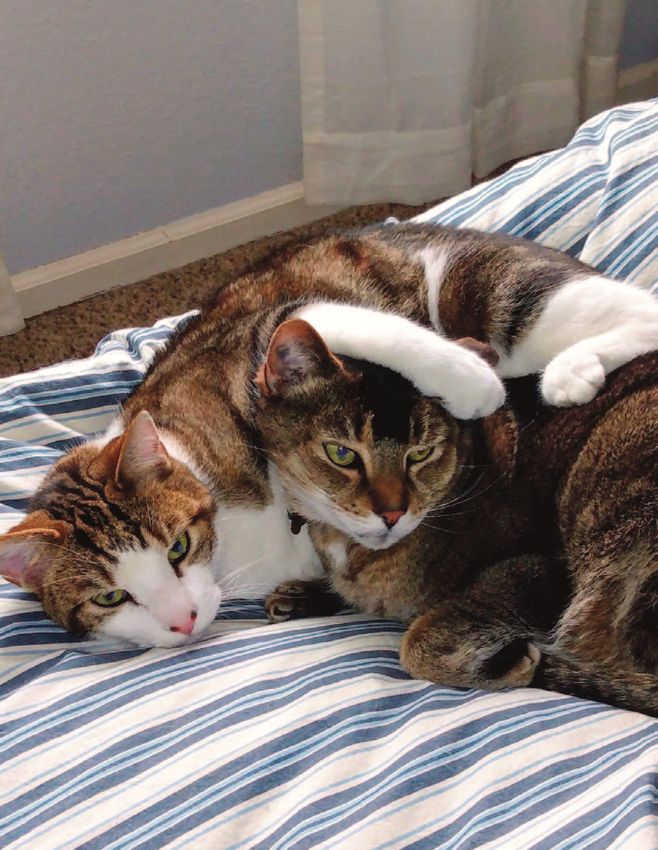
Meet Jarvis. He was hit by a car. His hind leg could have been amputated.
But thanks to femoral head osteotomy surgery (perfected with animal research),
                he’s up on four legs and kissing pretty girls again.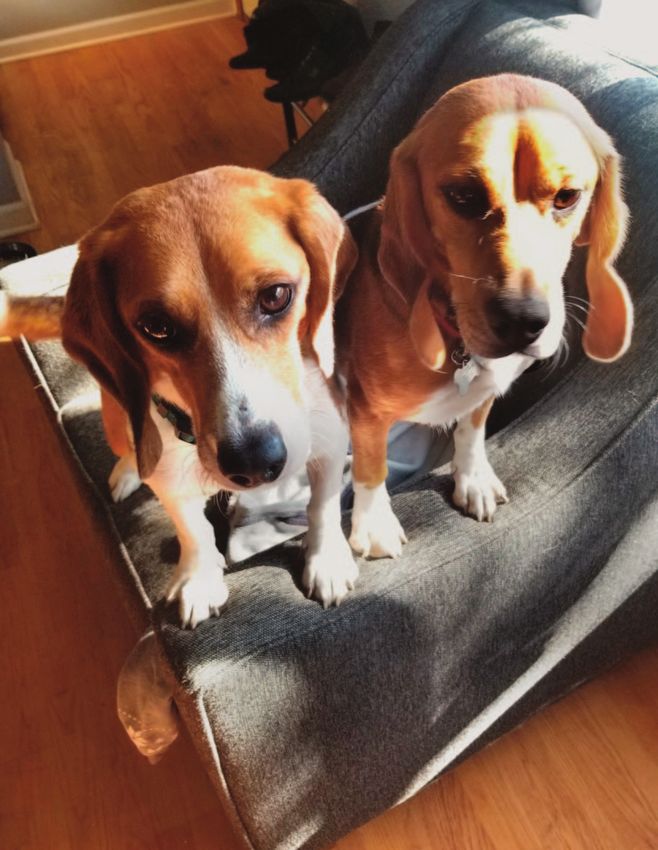
AMANDA CARLSON
                          ROSALIE WINARD   HANNAH D.
SERGIO E. CARLO-ALLENDE
EMMA CROOKER              AMY KILPATRICK   ERIN VOGELSONG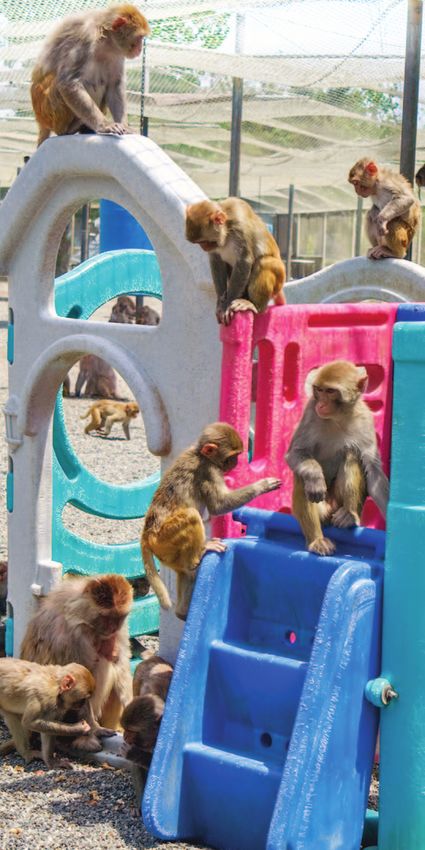
LOVE ANIMALS? SUPPORT ANIMAL RESEARCH.

Whaaat!?! Is it possible to do both? If someone you know is dying
of cancer, yes. If a pet is suffering from a rare disease, yes. And if you
work in research, of course! (More about that later.) But if you’re on the
fence or haven’t thought about it, please turn the page.

Millions  of people
    Dr. Temple       love is
                 Grandin  animals   and support
                             a professor        animal
                                         of animal      research!
                                                   studies
(TOPatROW, L–R): Emma
       Colorado         and Arwen,and
                  State University    Anaid and Bella,
                                        an animal      Amanda
                                                  welfare       and Dizzy.
                                                           expert.                                3
(MIDDLE, L–R): Cole  and Daryl,  Dr. Temple Grandin
    She loves animals. And supports animal research. and a furry friend, Kasen and Ryder.   SUPPORT ANIMAL
(BOTTOM, L–R): Erin and Sugar, Hannah, Montana and Dakota, Jordan and Jack.                    RESEARCH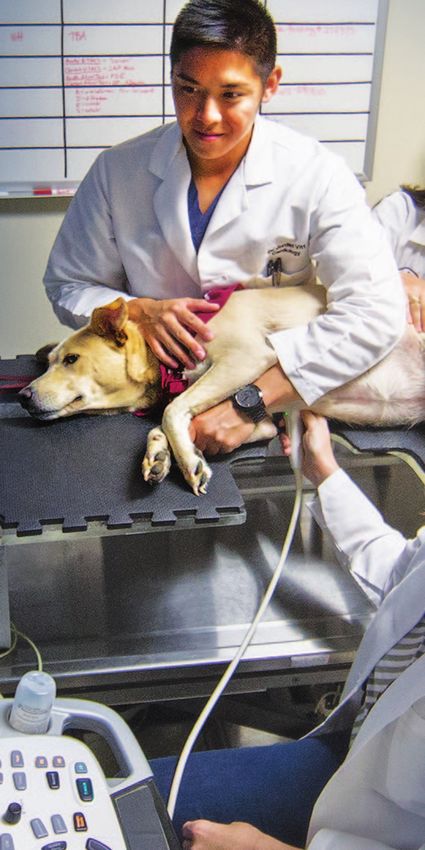
STOCKSY / BONNIN STUDIO

                          3 BENEFITS OF ANIMAL RESEARCH
                          Fertility drugs to get pregnant
                          Prenatal testing for birth defects
                          Chemotherapy for canine cancer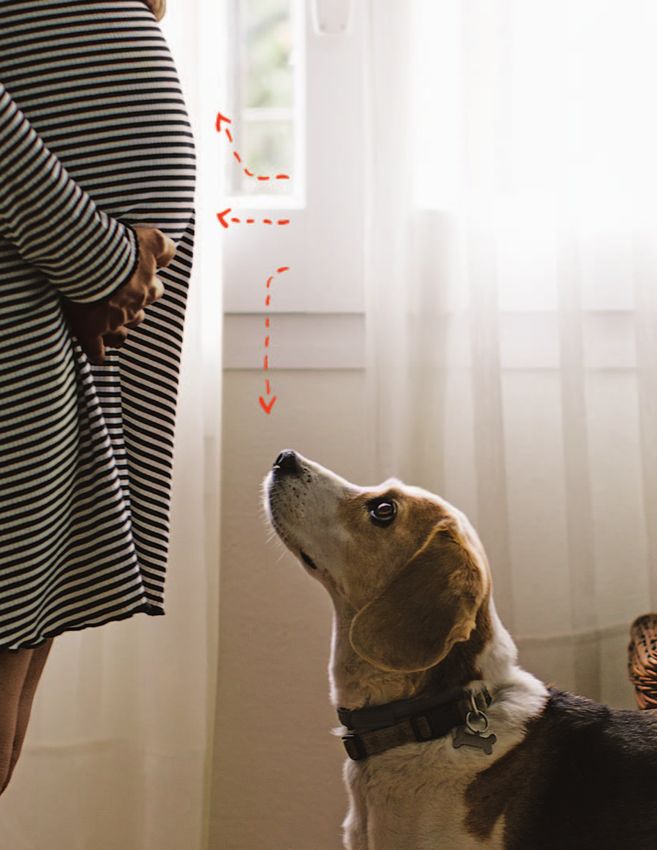
INTRODUCTION

Animal testing for medical advances (not for new beauty
products) is a good thing.
It’s a way to make sure the prescription drugs we take or
give to our pets are effective and safe.
It’s a method of perfecting surgical procedures such as
deep brain stimulation, so epileptic patients can have a
more normal life.
And yes, it’s a really complicated issue.
That’s why we put together this booklet – to help everyone
understand the goals, benefits, and regulation of animal
research.
We hope you’ll take the time to read it from cover to cover.

Some people think animal research is conducted exclusively for            5
our benefit. Actually it helps companion animals live longer too!   SUPPORT ANIMAL
                                                                       RESEARCH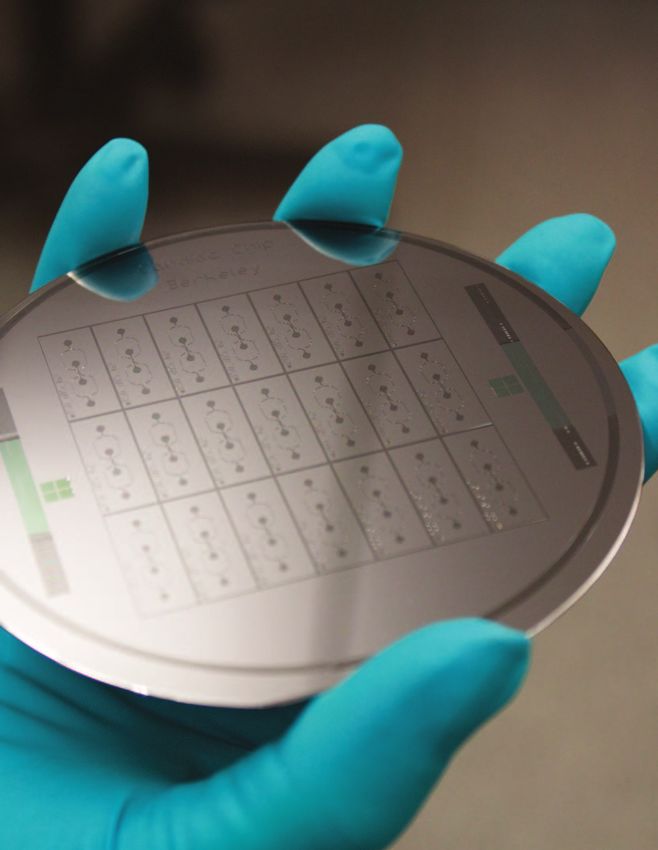
BAKAI/123RF.COM

                                                       DISSOLVE / MINT IMAGES
                        HEART DISEASE
                  Heart valve replacement surgery
                  has saved hundreds of millions
                   of people, and it’s the result of
                          animal research.

                          VISION LOSS
                   A surgical procedure perfected
                    on animals is a common fix
                  for cataracts, the world’s leading
                         cause of blindness.

                  MUSCULAR DYSTROPHY
                       In research with dogs,
                    an experimental drug shows
                    promise in slowing damage
                     to muscles and potentially
                       growing new muscles!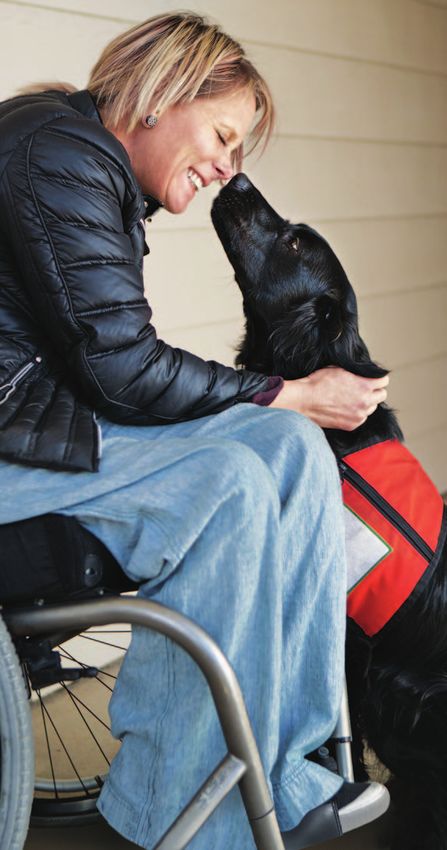
HOW ANIMAL RESEARCH HELPS PEOPLE

When you’re ill or injured, just about everything the doctor,
nurse, paramedic, pharmacist, or other health care provider
can give you was made possible by animal research.
These medications, medical devices, surgeries, treatments,
and therapies include:
Anesthesia, Antacids, Antihistamines, Asthma Inhalers,
Athlete’s Foot Creams, Blood Pressure Medicines, Chemo-
therapy Regimens, Cholesterol Drugs, Cold Medicines,
Contact Lenses, COVID-19, CT Scans, Deep Brain Stimulation
Therapy for Parkinson’s, First Aid Creams, Heart Trans-
plants, Heart Valves, Heart-Lung Machine, Hemorrhoid
Creams, Hip and Knee Replacement Surgery, HIV Drugs, In-
sulin For Diabetes,
Kidney Dialysis, Kidney Transplants, Laxatives, Migraine
Medicines, Pacemakers, Penicillin, Poison Ivy Creams,
Prostate Cancer Medicines, Tick-borne Disease Antibiotics,
Transplant Rejection Drugs and Ulcer Medications, plus
Vaccines for Cervical Cancer, Meningitis, Mumps, Tetanus,
and Whooping Cough.
Phew! That’s a lot to be grateful for. But there’s much more!
We’d have to use a font < this size > to list all the other procedures
and medications made possible by animal research.

Research with dogs led to the development of new devices to stimulate breath-         7
ing in people with spinal cord injuries who can’t breathe on their own.         SUPPORT ANIMAL
                                                                                   RESEARCH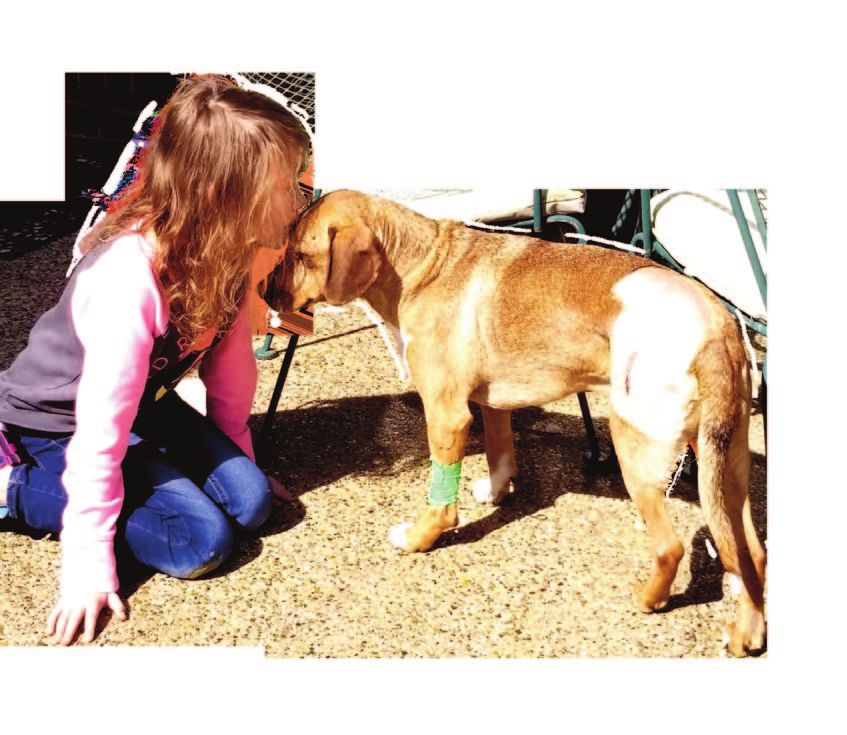
YUPIRAMOS/123RF.COM

                                                            TEXAS A&M UNIVERSITY COLLEGE OF VETERINARY MEDICINE & BIOMEDICAL SCIENCE
                                BLINDNESS
                      The pet parents of a dog who lost
                      his sight to cancer enrolled him in
                      an experiment to test a new drug.
                      His sight was restored overnight!

                          CAT HEART DISEASE
                      An incurable cardiac condition may
                      soon be curable. Using a new drug
                       tested on lab animals, scientists
                          made the defect disappear!

                         CANINE BONE CANCER
                           Osteosarcoma is extremely
                      aggressive. Animal research has led
                      to a new treatment that’s more than
                       doubled the number of survivors!
HOW ANIMAL RESEARCH HELPS PETS

Animal research has improved and saved the lives of
countless companion animals!
Here’s how:
• Vaccines to prevent distemper, feline leukemia,
  infectious diarrhea (parvovirus), infectious hepatitis,
  kennel cough, cat flu, rabies, and tetanus.
• Veterinary medicines for kidney problems, cancer, heart
  disease, infections, and pain.
• Technologies such as ultrasound, CT, and MRI to help
  diagnose potentially deadly diseases.
• Life-saving emergency care for dogs and cats hit by cars.
• Advanced surgical procedures for organ transplants and
  pacemakers and to treat joint and ligament distress
  in cats and dogs.
• And nutritional products to help puppies and kittens
  grow into healthy dogs and cats.

Did you know cardiovascular disease is the leading cause of death in the world?
And almost every major milestone in modern cardiovascular care has involved                9

dogs? Left : After bypass surgery, a Labrador retriever gets a cardiac ultrasound.   SUPPORT ANIMAL
                                                                                        RESEARCH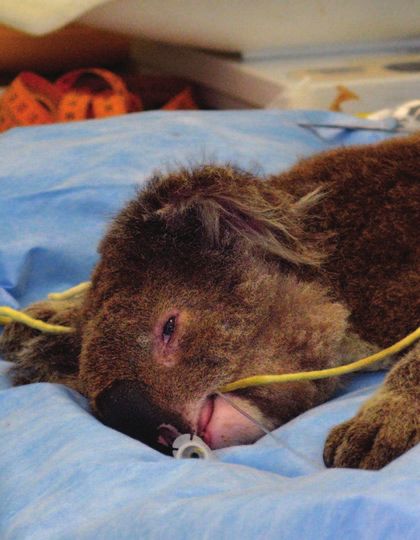
GETTY IMAGES / DANGDUMRONG   FOTOSEARCH / LUCIDWATERS
GETTY IMAGES / YOKHUB        GETTY IMAGES / LINDAMARIECALDWELL
HOW ANIMAL RESEARCH HELPS WILDLIFE

Basically everything a wildlife veterinarian can do for animals
and aquatic creatures is the result of animal research.
This includes vaccinations, modern medications, state-of-
the-art diagnostic equipment, plus advanced surgical
techniques, treatments, and therapies.
In addition, humane and ethical animal research has led to:
• A non-invasive pregnancy test for big cats such as
  cheetahs and leopards.
• More accurate methods to predict successful pregnancy
  in some endangered species.
• A rabies prevention program for raccoons and coyotes,
  two of the top wildlife carriers of rabies in North America.
• A peanut butter-flavored edible vaccine to help protect
  prairie dogs against disease.
• Enhanced knowledge of COVID-19 and other diseases
  that can be transmitted from animals to humans.
If you have a T-shirt or sticker that reads Protect Wildlife,
remember this:
99% of animal researchers are hardwired to love animals!
That is precisely the reason why they’re doing their part to
protect marine and wildlife populations.

Clockwise from top left : X-ray of injured sea turtle; Panda bear;        11
Life-saving surgery for injured koala; Orphaned baby elephant.       SUPPORT ANIMAL
                                                                        RESEARCH
FOTOLIA / ROBU_S
Some Cancers We Have in Common With Dogs
ly m p
hom
a
BLA
DDE Pr
R ost
at e
BREA BRAIN
ST
BON
EMEDICAL CONDITIONS HUMANS AND ANIMALS SHARE
The list is a lot longer than you think.
Allergies, anemia, arthritis, asthma.
Botulism, bronchitis, cataracts, deafness, diabetes, epilepsy,
glaucoma.
Heart disease, hemophilia, hepatitis, hypertension, infertility,
influenza.
Leukemia, lung disease, lupus, Lyme disease, malaria,
measles.
Narcolepsy, nerve damage, rabies, rubella, scoliosis, skin
diseases.
Tetanus, tuberculosis, ulcers, yellow fever.
And of course, cancer.
Dogs spontaneously develop cancers at rates similar to
those in humans.
Today, physicians and veterinarians are working together –
sharing research results and other information – to find a
cure for both species.
Want to see what’s really going on in America’s research
institutions today? Please turn the page.
Cancer is the most common cause of death in dogs. That’s why early detection 13
is key. Take your best friend for a “nose-to-tail” checkup every 12 months. SUPPORT ANIMAL
RESEARCHTHE JACKSON LABORATORY
Today, there are more than 9,000 strains of laboratory mouse
models to help scientists study illnesses and disease.RESEARCH REGULATIONS IN AMERICA ARE AMONG
THE STRICTEST ON THE PLANET
Federal laws ensure the humane use and care of lab animals.
Research institutions must meet multi-layered regulatory
requirements of the federal Animal Welfare Act and the
Public Health Service (PHS) Policy.
Among the many mandates for animal research, a veterinarian
must be involved in the planning for procedures that may
cause more than slight pain and distress. And painkillers
are used after surgery unless the research doesn’t allow it.
For example, in a study of pain relief for cancer patients,
the animals endure some discomfort and distress.
Each institution must have an Institutional Animal Care and
Use Committee (IACUC) to review research proposals and
to ensure the use of animals is necessary.
Scientists must explain why alternatives such as computer
simulations won’t work. They must also reassure committee
members their research doesn’t unnecessarily duplicate
previous studies.
15
SUPPORT ANIMAL
RESEARCHKATHY WEST/CNPRC
LAB ANIMALS BY SPECIES
APPROXIMATION
.95%
RATS, MICE, AND
OTHER RODENTS
4 %
FRUIT FLIES,
ZEBRAFISH, AND
OTHERS
1%
CATS, DOGS, AND
MONKEYSLIVING CONDITIONS OF LABORATORY ANIMALS
• Living spaces are carefully designed to meet the specific
needs of every lab animal species.
• Specially trained veterinarians oversee research animals’
well-being and medical care.
• Temperature of living spaces is monitored 24/7, including
weekends and holidays.
• The air they breathe is significantly cleaner than the air
inside our homes.
• Lab animals drink water that is tested for quality.
• They eat healthy diets, which are developed by expert
nutritionists.
• Primates regularly snack on fruits and veggies that have
been cut into bite-sized pieces.
• And various forms of environmental enrichment
(such as the example shown on the left) help promote
psychological well-being.
Humane and responsible animal care standards are detailed in
The Guide for the Care and Use of Laboratory Animals, issued by the 17
National Academy of Sciences’ Institute for Laboratory Animal Research. SUPPORT ANIMAL
RESEARCHGETTY IMAGES / STOCKMACHINE
LAB PEOPLE        § THEIR LAB ANIMALS
From the associate animal care technician to the Nobel
Prize-winning scientist and everyone in between, all make
the physical, physiological, and behavioral needs of lab
animals a top priority. Why?
• Because it’s good science. Well treated animals provide
  more meaningful and reliable research results. More
  reliable research results could reduce the number of
  animals needed for research.
• Because treating lab animals with the most dignity and
  compassion possible just comes naturally!
• And because it’s the law.

Research scientists actively observe the three Rs:
• REDUCE the number of animals used in testing.                  19
• REFINE procedures to minimize pain and distress.          SUPPORT ANIMAL
• REPLACE animals with alternatives when possible.             RESEARCH
GETTY IMAGES / BLACKJACK3D
 LABORATORY ANIMALS
HELPING US UNDERSTAND
  AND DEFEAT COVID-19
✔ African green monkeys
✔ Bats
✔ Cats
✔ Chickens
✔ Cows
✔ Dogs
✔ Ferrets
✔ Flies
✔ Guinea pigs
✔ Hamsters
✔ Horseshoe crabs
✔ Llamas
✔ Macaque monkeys
✔ Magical mice
   ‘‘     ’’

✔ Mink
✔ Pangolins
✔ Pigs
✔ Rats
COVID-19 AND ANIMAL RESEARCH

Animal research is playing a key role in getting our global
pandemic under control. The ultimate goal is the develop-
ment of a new vaccine to provide complete immunity.
Some significant animal research examples at the time of
this writing include:
• “Magical” mice – genetically engineered with a human
   protein – are helping scientists better understand how the
   coronavirus infects humans.
• Since ferrets and mink cough and sneeze, they’re good
  models to study for respiratory diseases.
• To develop treatments and vaccines for COVID-19,
  researchers are growing human antibodies in genetically
  modified cows.
• In addition, non-genetically modified llama antibodies
  are being harvested for humans for the same purpose.
• To test vaccines for bacterial contamination, researchers
  use blood drawn from horseshoe crabs. (The horseshoe
  crabs are returned to the ocean humanely.)
We’ve learned so much about this virus since the first cases
were reported, and we continue to learn more each day.
To stay up to date, visit www.fbresearch.org/COVID.

The scientific name for the strain of coronavirus causing
COVID-19 is SARS-CoV-2. It’s a zoonotic disease (which means        21

it can be transmitted from animals to humans).                 SUPPORT ANIMAL
                                                                  RESEARCH
AMANDA CARLSON
RESEARCH STUDIES WITH DOGS

The number of dogs involved in research is small (less than
0.25%). But their impact on human and animal health is
enormous.
• 9 of the 10 most common prescription drugs were
  developed with dogs.
• Many treatments initially developed for us also help
  our pets.
• Today many research studies directly benefit a lot
  more animals.
“But can’t you just use rats and mice?” you may ask. No,
not really. The path from concept to cure is complicated.
In a drug development study, a researcher may start with
cell cultures, tissue samples, and computers but then animal
models may be needed.
When they get positive results, researchers can advance to
clinical trials with humans.
Humans and dogs share more than 80% of human DNA.
That’s precisely the reason why dogs are more than man’s
best friend. They’re also our research partners.

Thanks to contributions made by these two beagles, strides forward in research
have been made for both human and animal health. After their research work            23

was complete, they were adopted and today are spoiled rotten :)                  SUPPORT ANIMAL
                                                                                    RESEARCH
ROBERT PETERSON
RESEARCH STUDIES WITH CATS

Cats have helped scientists gain a better understanding of
cardiac disease, diabetes, vision loss, and hearing loss.
Research with cats helped create cochlear implants – those
small electronic devices that help children with hearing loss
keep up with other students and fit in instead of becoming
bully victims.
Now researchers are conducting studies with felines to
conquer Alzheimer’s, cancer, and more than 200 other
hereditary diseases common to both humans and animals.
Miracle drugs could benefit both species.
We truly look forward to the day when all cats will be in laps
not labs. But a relatively small number is necessary to test
the safety and efficacy of better cat foods, medications,
and therapies.

After participating in lab experiments, Mercury and Koji were adopted.        25
Today they’re enjoying the good life they worked hard to give others.    SUPPORT ANIMAL
                                                                            RESEARCH
ANURAG MATHUR/HEALY LABORATORY, UNIVERSITY OF CALIFORNIA BERKELEY
ALTERNATIVES TO ANIMAL TESTING

For decades, scientists in the U.S., U.K., and Germany have
been working on making the transition to non-animal methods.
That’s why today, there are more options than ever before.
For many safety and toxicity tests, sophisticated tissue
models and cell cultures have completely replaced rabbits.
Organs-on-a-chip that mimic human organs such as the
liver, lungs, and kidneys can be used for evaluating new
drugs.
And scientists now have the ability to test biologics using
modern technology.
But supercomputers loaded with state-of-the-art software
can’t accurately predict the weather, let alone accurately
predict everything a new drug will do once it’s inside you.
(sigh)
So for the time being, research with animals is still the surest
path to discovering new prevention and treatment strategies
for heart disease, diabetes, and cancer.

Industry experts say organs-on-a-chip may one day fully replace animal models
in 15-20 years. They are currently used as adjuncts to animal research, like this        27

UC Berkeley “heart-on-a-chip.”                                                      SUPPORT ANIMAL
                                                                                       RESEARCH
SUMMARY
Research scientists have made medical discoveries with
animal models that wouldn’t have otherwise been possible.
We think they deserve our trust and support.
If you agree, please share this with family and friends.
And if you post your thoughts online, be sure to add the
hashtags #LoveAnimals #SupportAnimalResearch #LASAR
REFERENCES (weblinks accessed January 2021)
• National Academies of Sciences, Engineering, and Medicine. 2020. Necessity, Use, and Care of
Laboratory Dogs at the U.S. Department of Veterans Affairs. Washington, DC: The National
Academies Press. https://doi.org/10.17226/25772.
• “Helping Dogs – and Humans – with Cancer: NCI’s Comparative Oncology Studies.” National
Cancer Institute. Published July 10, 2019. https://www.cancer.gov/news-events/cancer-currents-
blog/2019/comparative-oncology-dogs-cancer-clinical-trials
• Nadvornick, Doug. “Study of Dogs Helps With Understanding Of Age-Related Human Diseases.”
Spokane Public Radio. Published November 15, 2018. https://www.spokanepublicradio.org/post/
study-dogs-helps-understanding-age-related-human-diseases
• “One Health: It’s for All of Us.” U.S. Food and Drug Administration. February 3, 2020.
https://www.fda.gov/animal-veterinary/animal-health-literacy/one-health-its-all-us
• Jabr, Ferris. “How Humanity Unleashed a Flood of New Diseases.” New York Times magazine.
June 17, 2020. https://www.nytimes.com/2020/06/17/magazine/animal-disease-covid.html
• Eldridge, Lynne, MD. “What Does In Vivo and In Vitro Mean?” Verywellhealth. Updated
November 18, 2019. https://www.verywellhealth.com/what-does-in-vivo-and-in-vitro-mean-2249118
• Centers for Disease Control and Prevention, https://www.cdc.gov/coronavirus/2019-ncov/daily-life-
coping/animals.html
• “Future COVID-19 Treatments Could Be Thanks to Cows, Llamas, and Pangolins, Inverse magazine,
June 11, 2020. https://www.inverse.com/science/animal-antibody-experiments-explained
Love Animals? Support Animal Research (LASAR) © Foundation for Biomedical Research. To order additional copies
of this brochure, send your request to info@FBResearch.org. FBR has always been at the forefront of public education
initiatives, yet we’ve never received a penny of government funding. We rely on corporate, academic, and individual
donations. Help us print more brochures. Donate online at FBResearch.org/give, phone 202-457-0654, or send your
gift to Foundation for Biomedical Research, 1100 Vermont Ave. NW, Suite 1100, Washington, DC 20005.
28
SUPPORT ANIMAL
RESEARCHThis public education booklet was created by the Foundation for Biomedical Research. FBR illuminates the essential
role animal testing and research play in changing health outcomes and defeating illnesses affecting both people and
animals. Together with 189 co-sponsors, we endorse ethical, carefully regulated research with lab animals because
these types of clinical studies are essential to learning more about the biology, treatment, and prevention of diseases
and conditions that cause suffering and death in humans and animals.
Abbott Canadian Association for Laboratory Marshall BioResources Texas Biomedical Research Institute
AbbVie Animal Science (CALAS) Massachusetts General Hospital TexasLifeScience.com
Academy of Laboratory Animal Centro de Educación Medica e Research Institute Texas Society for Biomedical Research
Veterinary Technicians and Nurses Investigaciones Clínicas (CEMIC) Massachusetts Society for Medical (TSBR)
(ALAVTN) Certara Research (MSMR) The Jackson Laboratory
Academy of Surgical Research Charles River Laboratories Merck Thoren Caging Systems
Agenda Life Sciences Chezem Farms Miach Medical Innovations Transnetyx
Allentown Chicago Branch, AALAS Mouse Cubby Turner Scientific
Alternative Design Mfg & Supply CITI Program, a division of BRANY National Animal Interest Alliance (NAIA) Tuttnauer
American Association for Laboratory Colonial Medical Supply National Primate Research Centers Understanding Animal Research
Animal Science (AALAS) Comparative Biosciences New England AALAS Unified Information Devices (UID)
American Association for Laboratory Connecticut Veterinary Medical New Jersey Association for Identification Solutions
Animal Science (AALAS) Foundation Foundation (CVMF) Biomedical Research (NJABR) Universidad Peruana Cayetano Heredia
American Association for the CRB USA North Dakota State University University of California, Davis, Mouse
Advancement of Science Foundation Crist Instrument Co. Northeast Ohio Medical University Biology Program
American Association of Immunologists Dare 2 Care Compassion Program, Northwest Association for Biomedical University of California, Davis, School
American Brain Coalition University of Washington Research (NWABR) of Veterinary Medicine
American College of Laboratory DarvallVet Novartis University of Florida
Animal Medicine (ACLAM) Datesand Noveprim University of Illinois, Division of
American College of DCM Disease Solutions Group NTM Consulting Services Animal Resources
Neuropsychopharmacology DRE Scientific Oregon National Primate Research Center University of Michigan, Animal Care
American Physiological Society Edstrom Industries Panepinto & Associates & Use Program
American Society for Pharmacology & Elanco Pennsylvania Society for Biomedical University of Missouri, College of
Experimental Therapeutics (ASPET) Envigo Research (PSBR) Veterinary Medicine
American Society of Laboratory Equine Infectious Disease Laboratory - Pfizer University of Pennsylvania, School of
Animal Practitioners (ASLAP) Texas A&M University Pharmacal Research Labs (PRL) Veterinary Medicine
American Veterinary Medical Experimental Surgical Services (ESS) - Philip Oldfield Bioanalytical Consulting University of Pittsburgh Brain Institute
Association (AVMA) University of Minnesota PreLabs University of Texas Medical Branch,
Americans for Medical Progress (AMP) FeSBE - Federação de Sociedades de Primera Science Center Health International Biosafety
Amgen Biologia Experimental (Brazilian Priority One Services Training Center
Animal Care Systems Federation of Scientific Societies in Protect the Harvest University of Washington, Office of
Animal Care Training Services Experimental Biology) Pro-Test Italia Animal Welfare
Animal Research Consulting Foley Peden & Wisco, P.A. QED Bioscience Inc. VetEquip
Antibodies Incorporated GlaxoSmithKline Rengab Genetics Veterinary Anesthesia Systems (VAS)
Association for Assessment and Gramercy Company Research Animal Retirement Foundation Vivarium Operational Excellence
Accreditation of Laboratory Animal Heymann Suissa & Stone, PC Research Triangle Branch AALAS Network (VOEN)
Care (AAALAC) Highlands BioMed Research!America Wake Forest School of Medicine
Association for Research in Vision IACUC 101 Ridglan Farms Washington Biotechnology
and Opththalmology (ARVO) Information Network Associates (INA) RockStep Solutions WashingtonLifeScience.com
Association of American Medical Innovive RxGen Washington National Primate
Colleges (AAMC) Institutional Officials Consortium SAFE Research Center, University of
Association of American Veterinary International Society for Transgenic SAI Infusion Technologies Washington (WANPRC)
Medical Colleges (AAVMC) Technologies (ISTT) San Diego AALAS Washington University St. Louis
Association of Gnotobiotics Invision BioResources Sanitation Strategies Weill Cornell Clinical & Translational
Association of Primate Veterinarians Johns Hopkins University Sanofi Science Center
a-tune Software Kent Scientific Scientists Center for Animal Welfare Wisconsin National Primate Research
Auburn University College of Kentucky Spinal Cord Injury ServiceVet Technologies Center (WNPRC)
Veterinary Medicine Research Center Simonsen Laboratories Wise Laboratory, University of
Autism Science Foundation Lab Products Sinclair BioResources Louisville
Basel Declaration Laboratory Animal Management Sinclair Research Center Wistar Institute
Better Research Better Life Foundation Association SNBL USA Woodland Biosciences
Bioculture Group Laboratory Animal Welfare Training SoBran BioScience Yerkes National Primate Research
Bio-Serv Exchange (LAWTE) Society for Neuroscience Center, Emory University
BioSure Lakeland Industries SOMNI Scientific Zeigler Bros.
Bridge the Gap, SYNGAP Education Lane Industries Southern University Institute for One Zoetis
and Research Foundation Lenderking Caging Products, Health One Medicine Zoologix
Bristol Myers Squibb Global Vivarium Solutions Southwest National Primate Research Ctr.,
BZ Sales & Support LLC Lomir Biomedical Texas Biomedical Research Institute
California Biomedical Research Louisiana State University School of Sterile Science
Association (CBRA) Veterinary Medicine Suburban Surgical Company
CaliforniaLifeScience.com Lovelace Biomedical Taconic Biosciences
California National Primate Research Mannheimer Foundation Tecniplast
Center, University of California, Davis ManRos Therapeutics Texas A&M University
29
Cover photo and story shared by Eddie Richardson
SUPPORT ANIMAL
RESEARCHThis public education booklet was created by the Foundation for Biomedical Research. FBR illuminates the essential
role animal testing and research play in changing health outcomes and defeating illnesses affecting both people and
IF YOU CARE ABOUT PEOPLE AND PETS,
animals. Together with 180 co-sponsors below, we endorse ethical, carefully regulated research with laboratory animals
THINK ABOUT A CAREER IN BIOMEDICAL RESEARCH
because these types of clinical studies are essential to learning more about the biology, treatment, and prevention of
diseases and conditions that cause suffering and death in humans and animals.
AbbVie
Not all positions require a graduate degree.
Canadian Association for Laboratory
Mannheimer Foundation Sterile Science
Academy of Laboratory Animal Animal Science (CALAS) ManRos Therapeutics Suburban Surgical Company
Veterinary Technicians and Nurses Centro de Educación Medica e Marshall BioResources Taconic Biosciences
(ALAVTN) Investigaciones Clínicas (CEMIC) Massachusetts General Hospital Tecniplast
Academy of Surgical Research Certara Research Institute Texas A&M University
Agenda Life Sciences Charles River Laboratories Massachusetts Society for Medical Texas Biomedical Research Institute
HIGH SCHOOL DIPLOMA
Allentown Chezem Farms Pre-Clinical
Research (MSMR) Trials Associates work with
TexasLifeScience.com
Alternative Design Mfg & Supply Chicago Branch, AALAS scientists
Miach to test
Medical Innovations new drugs and procedures
Texas Society on
for Biomedical Research
Animal
American Care for
Association Technicians
Laboratory and
CITI Laba division
Program, Animal of BRANY Mouse Cubby (TSBR)
Animal Science (AALAS) Colonial Medical Supply animals
National priorAlliance
Animal Interest to testing
(NAIA) on humans.
Thoren Caging Systems
Technicians
American Associationfood and water,
for Laboratory clean
Comparative housing,
Biosciences National Primate Research Centers Transnetyx
Animal Science (AALAS) Foundation
enrichment,
American and
Association of
Connecticut Veterinary Medical
monitor animal
Immunologists Foundationhealth
(CVMF) daily.
NewRegulatory
England AALAS Affairs Specialists
New Jersey Association for Tuttnauer
maintain and
Turner Scientific
American Brain Coalition CRB USA enforceResearch
Biomedical the laws and rules
(NJABR) that govern
Understanding the use
Animal Research
Animal
American Facility
College Supervisors
of Laboratory oversee
Crist Instrument Co.the animal North Dakota State University Unified Information Devices (UID)
Animal Medicine (ACLAM) Dare 2 Care Compassion Program, of animals
Northeast in University
Ohio Medical all areas of research.
Identification Solutions
facilityCollege
American setting.
of They makeUniversity
sure allof Washington
regulations Northwest Association for Biomedical Universidad Peruana Cayetano Heredia
Neuropsychopharmacology
and laws are being DarvallVet Research
Research (NWABR) Associates/Research Technicians
University of California, Davis, Mouse
American Physiological Society obeyed.Datesand Novartis Biology Program
American Society for Pharmacology & DCM Disease Solutions Group assist scientists, doctors,University
Noveprim and veterinarians with
of California, Davis, School
Cage Washers
Experimental Therapeutics and Facility
(ASPET) Maintenance
DRE Scientific NTM Consulting Services of Veterinary Medicine
American Society of Laboratory Edstrom Industries animal
Oregon Nationalstudies, data
Primate Research Centeranalysis,
Universityand equipment
of Florida
Team Members keep research facilities and
Animal Practitioners (ASLAP) Elanco maintenance.
Panepinto & Associates University of Illinois, Division of
equipment
American Veterinaryclean,
Association (AVMA)
Medical safe, and dependable.
Envigo
Equine Infectious Disease Laboratory -
Pennsylvania Society for Biomedical
Research (PSBR)
Animal Resources
University of Michigan, Animal Care
Americans for Medical Progress (AMP) Texas A&M University Statisticians use advanced
Pfizer & Usecomputers
Program to help
Clinical
Animal Trials AssociatesExperimental
Care Systems organize testing
Surgical Servicesof(ESS) - researchers
Pharmacal design
Research Labs (PRL) experiments and analyze
University of Missouri, College of
Animal Care Training Services University of Minnesota Philip Oldfield Bioanalytical Consulting Veterinary Medicine
technical procedures andFeSBE
Animal Research Consulting
new drugs on people.
- Federação de Sociedades de the results.
PreLabs University of Pennsylvania, School of
Antibodies Incorporated Biologia Experimental (Brazilian Primera Science Center Veterinary Medicine
Laboratory
Association Assistants
for Assessment and help technicians,
Federation veteri-
of Scientific Societies in Priority
Technical Writers recordUniversity
One Services of Pittsburghthe
and publish Brain Institute
Accreditation of Laboratory Animal Experimental Biology) Protect the Harvest University of Texas Medical Branch,
narians,
Care (AAALAC) and researchers inside
Foley Peden a &laboratory.
Wisco, P.A. results
Pro-Test Italiaof research, the protocols for research,
Health International Biosafety
Association for Research in Vision Gramercy Company QED Bioscience Inc. Training Center
COLLEGE
and Opththalmology DEGREE
(ARVO) (2 OR 4 YEAR)
Heymann Suissa & Stone, PC andGenetics
Rengab the specs and procedures University offor using Office
Washington, newof
Association of American Medical Highlands BioMed Research Animal Retirement Foundation Animal Welfare
Colleges (AAMC) IACUC 101 medicines
Research andAALAS
Triangle Branch surgical advancements.
VetEquip
AnimalofBehaviorists
Association American Veterinary collect dataNetwork
Information on the Associates (INA) Research!America Veterinary Anesthesia Systems (VAS)
Medical Colleges (AAVMC)
activityofand behavior of animals.
Innovive Veterinary
Ridglan Farms Technicians Vivarium assist Operational
veterinarians
Excellence with
Association Gnotobiotics International Society for Transgenic RockStep Solutions Network (VOEN)
Association of Primate Veterinarians Technologies (ISTT) animal care. They can work
RxGen in research
Wake Forest facilities,
School of Medicine
Animal
a-tune Health Technicians
Software monitor
Invision animal
BioResources SAFE Washington Biotechnology
Auburn University College of The Jackson Laboratory SAIanimal clinics, animal hospitals,
Infusion Technologies or zoos.
WashingtonLifeScience.com
health
Veterinaryand provide medical
Medicine Johnscare
HopkinsasUniversity
prescribed San Diego AALAS Washington National Primate
Autism Science Foundation
by aDeclaration
veterinarian. Kent Scientific GRADUATE
Sanitation Strategies DEGREE Research Center, University of
Basel Kentucky Spinal Cord Injury Sanofi Washington (WANPRC)
Better Research Better Life Foundation
Biomedical Engineers work
Research Center
in the practical Laboratory
Scientists Veterinarians
Center for Animal Welfare provide
Washington medical
University St. Louis
Bioculture Group Lab Products ServiceVet Technologies Weill Cornell Clinical & Translational
Bio-Serv
application of engineering Laboratory Animal Management
as it relates to health care to
Simonsen animals, perform independent
Laboratories Science Center
BioSure Association Sinclair BioResources Wisconsin National Primate Research
and
Bridge medicine.
the Gap, SYNGAP Education Laboratory Animal Welfare Training research,
Sinclair plus they consult
Research Center and
Center collaborate
(WNPRC)
and Research Foundation Exchange (LAWTE) SNBL USA Wise Laboratory, University of
Bristol Myers Squibb Lakeland Industries
with research
SoBran BioScience
investigators. Louisville
Computer
BZ Sales & SupportScientists/Programmers
LLC Lane Industries design Society for Neuroscience Wistar Institute
programs
California forResearch
Biomedical use in research.Lenderking Caging Products, Medical
SOMNI Scientific Doctors provide medical
Woodland care to
Biosciences
Association (CBRA) Global Vivarium Solutions Southern University Institute for One Yerkes National Primate Research
CaliforniaLifeScience.com Lomir Biomedical humans, improve
Health One Medicine surgical techniques,
Center, Emory Universityand
Engineers
California design
National Primate and create
Research Louisianaequipment,
State University School of make
Southwest drug
National and
Primate medical
Research Ctr., treatment
Zeigler Bros. discoveries.
Center, University of California, Davis Veterinary Medicine Texas Biomedical Research Institute Zoetis
facilities, devices, and materials used in a
Lovelace Biomedical Zoologix
research environment. Researchers and Scientists study medical
Animal research benefits both humans and animals. Help usconditions
spread the and conduct
news! studies in all fields of
Medical Technologists perform lab tests in biomedical researchYettowe’ve
develop
For nearly four decades, FBR has been at the forefront of public education initiatives. never new devices,
received a penny
medical
of and funding.
government hospitalWe
diagnostic laboratories.
rely on corporate, treatments,
academic, and individual techniques,
donations and medicines.
from passionate supporters like you.
Can you help us print
Nutritionists more
design copies of
healthy this brochure?
diets Donate online at FBResearch.org/give, phone 202-457-0654, or
for animals
send a gift to Foundation for Biomedical Research, 1100 Vermont U.S. Department
Ave, NW, Suite 1100,of Washington,
AgricultureDCInspectors
20005.
and humans plus study food-borne illnesses. visit farms, meat packing facilities, public zoos,
Love Animals? Support Animal Research © Foundation for Biomedical Research. To comply with legal guidelines and protect the privacy of others,
Pharmaceutical
some pictures used in thisTechnicians
booklet are stock.help researchers
Need additional They’reand
copies?in medical
available research
for free! Simply facilities
send your toinfo@FBResearch.org.
request to
discovering
Cover andshared
photo and story creating new
by Charles medicines.
Richardson ensure federal laws are upheld.For people, for animals, for the common good
1220You can also read


