BBC Panorama - the abuse of people at Whorlton Hall - a response from Inclusion North
←
→
Page content transcription
If your browser does not render page correctly, please read the page content below
In this bulletin you will hear about some of the work Inclusion North
is doing and information about what is happening across the country.

          BBC Panorama – the abuse of people at Whorlton Hall
                  – a response from Inclusion North
          On Wednesday 22nd May the BBC showed an undercover
          investigation, done by the Panorama TV programme, that showed
          staff physically and psychologically abusing people with a learning
          disability and autism at Whorlton Hall in County Durham.
          The team at Inclusion North worked together to create this
          statement.
          The programme made us feel angry, upset, rage, horror and it left us
          feeling tremendous sadness.
          We think about all of the other people living in institutions and how
          fearful their families must be feeling.
          We believe all people are citizens with rights, who deserve dignity and
          respect.
          The people who were shown being abused are sons and daughters,
          brothers and sisters, neighbours and friends.
          They are not ‘other’ people who are less than the rest of us.
          People are treated this way, because they are seen as less important
          than others and less than human.
          We live in a society where some people are not included and not
          visible.
          They are marginalised and made to feel unworthy and unimportant.
          That this can happen, 8 years after Winterbourne is a failing on our
          whole society.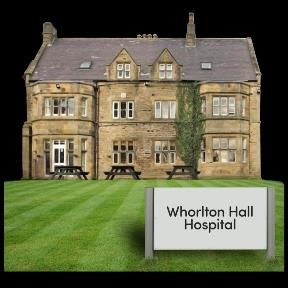
This happened in our area. We sit in the meetings and contribute to
the work that was meant to stop this happening again.
We are all asking ourselves, what difference our work is making.
This is not about people’s needs being complex or difficult. This is not
about training. This is about the most basic human rights that we all
deserve.
It is about receiving the right support in the community, close to the
people who care about us the most and who know us best.
We don't want to be part of a knee jerk reaction to this.
What happens next needs to be well thought through, with an
approach that will actually lead to change within the whole system.
People with a learning disability and autism and their families need to
be at the heart of this right from the start.
This is about community and citizenship. About people coming
together to make change happen.
People, partnerships and organisations need to stand up and unite to
make change happen.
This takes more than money - it takes united voices and values.
We believe there is a better way.
We will continue to work with self advocates, families and local
organisations to speak up and take action.
We have seen some good work by good people make a difference
over the past 8 years.
We will continue to work to put people and families’ voices at the
centre of every conversation about what good support looks like.
Because being sad and angry will not change the fate of many but
hope and action might.

You can download our statement here

http://bit.ly/StatementInclusionNorth
Sunderland People First have written something
        about how we can support each other
We can support each other by talking and listening to each other.
Give each other space and time to share.
People may need time-out in a quiet place. Is there a quiet room that
people can go to at work?
Knowing that it’s ok to feel and be upset. “It shows that you care”.
One person said that watching the abuse “felt like a shockwave” but
said that we need to keep talking.
Talk to people you can trust like friends and family.
The abuse might bring up memories of bad things that have
happened in the past. There are people that can help you with this.
We need to let people know about counselling services that are
offered by organisations and Community Learning Disability Teams.
Self-advocacy groups across the NE & Cumbria have phoned to ask
people how they are and to offer support and reassurance. We need
to support each other.
Professionals working in health and social care have contacted the
Sunderland People First team to offer support and reassurance. They
have offered to meet with their team to talk about the abuse.
Find out if meetings have been arranged in your local area.
The BBC have provided Information and Support contacts at:
https://bbc.in/2HzlbG8
Some self-advocacy groups have set up meetings so that people can
talk about the Panorama programme.
At this time, it is difficult not to feel down, depressed and upset. We
can’t lose sight of all the positive work that is achieved by self-
advocacy groups
Two reports about children and young people’s
         experience of mental health hospitals
The Care Quality Commission has written a report about how
hospitals segregate children and young people who have mental
health problems, a learning disability or autism.

Segregate means keeping people in a separate part of the building
for a long time and not letting them mix with other people.

It says that many staff do not have the right training to support
people well. Young people get stuck in hospital because there is
nowhere else for them to live. Things go wrong because they do not
get the right support early enough.

They also found that children and young people are living in hospitals
that are over 50 miles from home. This can make it very hard for
families to visit.

The easy read report is here https://bit.ly/30Bq8py

The Children’s Commissioner also wrote a report about children and
young people with a learning disability or autism living in mental
health hospitals.

The report says that too many children and young people are being
admitted to hospital when this could be avoided. She says that
children and young people are spending months and years of their
childhood in hospital, instead of living in their communities.

You can read the Children’s Commissioner’s report here
https://bit.ly/2YEamsc. It is not Easy Read.
Stop People with a Learning Disability Dying Too
                Young – LeDeR annual report

The LeDeR programme aims to stop people with a learning disability
dying too young.

We know from the LeDeR Programme that people with a learning
disability are at risk of dying up to 27 years too soon, from things that
should be prevented.

Last week the LeDeR annual report saying what happened in 2018
was published. The report showed that things are still going wrong for
people with a learning disability.

In 2018, 19 people had learning disability or Down’s Syndrome listed
as the reason not to resuscitate them if their heart stopped. This is
totally wrong. The decision not to resuscitate someone has to be for
medical reasons only. There are 3 recommendations in the report to
stop this happening again.

The report said that over half the people whose lives and deaths had
been reviewed did not have good enough care (52%). 86 people had
care that was very bad (8%).

In the North East we run the Stop People Dying Too Young confirm
and challenge group. The group will meet on 7th June and look at the
report. They will say what they are going to do over the next year to
change this. You can follow their work here https://bit.ly/2UCYpAH

Read the easy read LeDeR report

Read the NHS England easy read action from learning report
Constipation resources now available online

We know that people are dying too soon from constipation (trouble
pooing). The constipation working group at NHS England and NHS
Improvement have been working on some information for people with
a learning disability, their families and professionals.

Easy read leaflet about constipation

Leaflet about constipation for families and carers

Leaflet about constipation for health professionals

               NHSE England Easy Read Newsletter

NHS England produce a regular newsletter full of information about
better health. You can read the latest easy read newsletter here

Find out more about the NHS England Learning Disability and Autism
Forum

Watch a Short film about NHS England and why they want you
involved in their work.

        Support with mental health and eating disorders

This NHS have produced an easy-read information booklet about
eating disorders.

Eating too much or too little, making yourself sick or feeling very
stressed and anxious about food and eating can affect your health
and well being.

You can read more about this here
Shining a light on your future

This event is for
   • People who have had a long stay in hospital
   • People who are in hospital now
We will be coming together to celebrate life in the community and will
look at
   • Real people’s life after leaving hospital
   • We are all Citizens
   • Lots of talking together and sharing ideas

       Date Where                 To book a place click
                                  here
        5th   Newcastle           http://bit.ly/2PuMGDa
        June
        11th Hartlepool         http://bit.ly/2Zt4ZNA
        June
        20th Sunderland         http://bit.ly/2XKgY7Q
        June
        21st Middlesbrough http://bit.ly/2PyE8LI
        June
       The events start at 10am until 2pm
       Or
       Contact: Judith Baker
       Telephone: 0113 2444792
       Email: judith@inclusionnorth.org

 Refreshments and lunch will be provided. and we can help with travel
costs.
Hi, I’m the new Jack!

I’ve just joined the team at the Josephine and Jack Project, so I want
to celebrate. I’m inviting lots of men with a learning disability in
Tyneside and beyond to join me for Jack’s Big Day! I’d love it if you
could come along. Lunch will be provided.
We will be exploring lots of things about men’s health like:
                 -   Keeping well
                 -   Consent
                 -   Sex
                 -   Relationships
                 -   Safety
                      Friday 12th July 10am-4pm
 at The Josephine and Jack Project, Good Space, Floor 2 Commercial
    Union House, 39 Pilgrim Street, Newcastle upon Tyne NE1 6QE
Contact Simon at Simon@josephineandjackproject.co.uk or ring us on
                 0191 2615555 to book your place.
Policy Update and other useful information
Every month Inclusion North puts together some policy updates. You
will find lots of useful information including:

   • Changes in Policy
   • Training opportunities
   • Blogs
   • Resources And lots more…….
   •
You can find all the information here https://inclusionnorth.org/may-
policy-update/This information is not in easy read as it is written for
our local authority and clinical commissioning group members.
Inclusion North Member Areas 2018 – 19

Yorkshire and the Humber
Barnsley
Bradford
Calderdale
Doncaster
Kirklees
Leeds
North Yorkshire
Sheffield
Wakefield

North East
Darlington
Durham
Gateshead
Hartlepool
Newcastle
North Tyneside
Northumberland
Redcar and Cleveland
South Tyneside
Stockton
Sunderland
You can also read


