BE MORE THAN YOU EVER IMAGINED - 2022 JUNIOR SCHOOL HANDBOOK - 2022 junior school handbook be more than you ever imagined
←
→
Page content transcription
If your browser does not render page correctly, please read the page content below

2022 JUNIOR SCHOOL HANDBOOK

                                             BE MORE THAN
                                             YOU EVER IMAGINED

Clyde Street, Epsom, Auckland, New Zealand
Private Bag 99939, Newmarket 1149
                                             DI
P. +64 9 520 0221 School House Reception
   +64 9 520 9343 School Attendance
E. office@diocesan.school.nz

DIOCESAN.SCHOOL.NZ
2022 JUNIOR SCHOOL
HANDBOOK

Clyde Street, Epsom, Auckland, New Zealand
Private Bag 99939, Newmarket 1149
P. +64 9 520 0221 School House Reception
   +64 9 520 9376 Junior School Attendance
E. office@diocesan.school.nz

DIOCESAN.SCHOOL.NZ
Contents

Principal’s Welcome							5

Head of Junior School’s Welcome					                          6

Important Dates							7

Communication for Parents						8

    Newsletters and How Parents are Informed			               8
    Reporting on Progress and Achievement				                 9
    High Expectations of Student Behaviour				                9

Teaching and Learning							10

    The Primary Years Programme of International Baccalaureate 10
    The Learner Profile						11
    Primary Years Programme at Diocesan School for Girls		     12
    Inquiry Learning and the PYP					13
    Centre for the Enhancement of Learning				                 15
    Chaplaincy							15
    Education Outside the Classroom				15
    Co-Curricular Activities						16
    Individual Tuition						17
    Music Curriculum						18
    Digital Learning							19
    Ethics								19
    Languages							19
    Guidance Counsellors						20
    Home Learning							20
    Leadership							20
    Physical Education and Health					20
Our School Day in the Junior School			 21-29
    Absences							21
    After School							21
    After School Care						21
    Bus Transport							21
    Caring Shed							22
    Chapel								22
    Environment							22
    Health								23
    Health Centre/Sick Bay						23
    Houses								23
    Library / Research Centre					24
    Lost Property							24
    Lunches							24
    Nutritional Guidelines						25
    Parking on Diocesan Campus					25
    Personal Information						25
    Special Leave							26
    Stationery							26
    Sunsmart							26
    Timetable							26
    Uniform						                          27-29
    Valuables							29

Diocesan Community						                    30-31

School Buildings and Map					               33-35
4 2022 Junior School Handbook
Dear students and parents

We wish you a very warm welcome to the 2022
school year as you embark on a challenging and
rewarding learning journey with us. This handbook
will help you understand how our school activities
and events operate and who is involved in making
them happen.

Effective relationships between the community,
students, parents and staff are very important to us
and we hope that this information will support your
regular contact with the school and awareness of
what is happening during your daughter’s time at Diocesan.

For school information about current and future events, please take time to check
DioConnect accessed from our website or via the DioConnect App. Here you can do
everything from reporting an absence, to finding event information, permission slips
and class timetables. You will also find up to date information about your daughter’s
progress, achievement, attendance, and teacher contacts. Once school begins, we email
parents our fortnightly newsletter The Messenger. This newsletter will contain updates
from the Head of the Junior School, Sue Brewin. There is a roundup of Dio news, sports
and arts successes and student life.

One of the most important aspects of effective relationships for teaching and learning
involves the provision of high quality feedback to students in a supportive home/school
partnership. We will always welcome your feedback and communication so that we can
continue to provide the very best education for our girls. We want to use your feedback
to keep improving.

If you have a problem or query that needs to be resolved your first point of contact is
your daughter’s Dean. Your daughter will receive feedback and feed forward throughout
the year from teachers about her learning and you can track her progress and
achievements as the year unfolds.

We hope you have a great year and take time to enjoy the many Diocesan events that
celebrate the family atmosphere of our school.

Very best wishes

Heather McRae Principal

                                                              2022 Junior School Handbook   5
Welcome

                                     I extend a very warm welcome to the 2022
                                                                         2020 school
                                                                              school year
                                     year
                                     at Diocesan
                                           at Diocesan
                                                  Junior
                                                       Junior
                                                         School.
                                                              School.
                                    The
                                    The Junior
                                         Junior School
                                                    School handbook
                                                            handbook is   is an
                                                                             an outward
                                                                                  outward and visible
                                    and  visible    sign of the   partnership
                                    sign of the partnership between student,      between parent and
                                    student,
                                    school. This partnership is essential if we are is
                                               parent    and  school.    This  partnership    to succeed
                                    essential
                                    in the vitalif process
                                                    we are toofsucceed
                                                                educating  in the
                                                                               your vital process
                                                                                      daughter   for the
                                    of educating
                                    future.           your daughter
                                             The handbook                for the future.information
                                                                is a comprehensive         The
                                    handbook       is a comprehensive
                                    package providing                       information
                                                             you with material       on a wide range of
                                    package    providing     you   with  material
                                    subjects and activities. It is intended to       onguide
                                                                                         a wideyou in the
                                    rangedirection
                                    right   of subjects andand    activities.
                                                             to the           It is intended
                                                                      right people     in order to provide
                                    to guide to
                                    answers    you    in the
                                                    any      right direction
                                                         questions    you mayand  have,to and
                                                                                          the to reinforce
right
the commitment we have to provide an ‘education of excellence’ in everyand
       people   in  order to provide  answers     to  any  questions    you   may    have,  respect.
to reinforce the commitment we have to provide an ‘education of excellence’ in
Our
every aim  is to inspire, challenge and empower your daughter to achieve her individual
        respect.
potential through being actively engaged in her learning, motivated to achieve, and
Our aim is to inspire, challenge and empower your daughter to achieve her
well-grounded in the attitudes, values, skills, knowledge and sense of identity she will
individual potential through being actively engaged in her learning, motivated to
need to succeed in all areas of her education.
achieve, and well-grounded in the attitudes, values, skills, knowledge and sense
We   follow the
of identity   she New    Zealand
                   will need      Curriculum,
                              to succeed   in allwhich
                                                  areas isoftaught   within the context of the
                                                             her education.
Primary   Years    Programme     (PYP)  of the  International     Baccalaureate.
We follow the New Zealand Curriculum, which is taught within the context              We strongly
                                                                                             of     believe
that  learning   in the  Junior School  will transition    your  daughter
the Primary Years Programme (PYP) of the International Baccalaureate. We      successfully    to take the
next steps
strongly      as shethat
           believe    progresses
                          learning through   to Junior
                                   in the Junior          High
                                                     School   willSchool,  Senior
                                                                   transition   your School   and beyond.
                                                                                       daughter
successfully
This handbook to take   the next by
                  is supported   steps as sources
                                    other she progresses     throughThese
                                                   of information.    to Junior  Highthe Diocesan
                                                                             include
School, for
School   Senior
            Girls’School  andclass
                    website,   beyond.
                                   blogs and The Messenger which is emailed to you every
second   Friday. The
This handbook          section on
                  is supported   byOur School
                                    other       Dayof
                                          sources    is information.
                                                         important asThese
                                                                       it outlines the day to day
                                                                             include
running  of theSchool
the Diocesan     School.for
                          We  are website,
                            Girls’ open to all feedback
                                           class  blogs andandThe
                                                                lookMessenger
                                                                     forward towhich
                                                                                  hearing from
you  as the to
is emailed  year
               you progresses.
                     each every second Friday. The section on Our School Day is
important as it outlines the day to day running of the School. We are open to all
The staff and I look forward to the year and will do everything possible to ensure
feedback and look forward to hearing from you as the year progresses.
your daughter’s education at Diocesan Junior School is challenging, enjoyable and
The staff and I look forward to the year and will do everything possible to ensure
memorable.
your daughter’s education at Diocesan Junior School is challenging, enjoyable
and memorable.
Kind regards

                      Kind regards

Suzanne Brewin
Suzanne  BrewinSchool
Head of Junior
Head of Junior School

6   2022 Junior School Handbook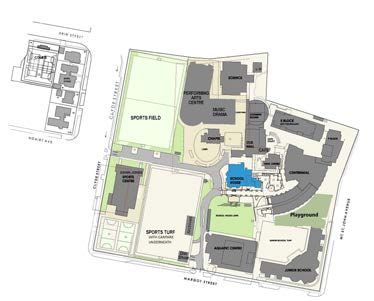
Important Dates for 2022

Term 1

Auckland Anniversary Day		          Monday 31 January
Term 1 begins			                    Tuesday 1 February
Waitangi Day Observed		             Monday 7 February
Term 1 ends			                      Thursday 14 April

Term 2

Term 2 begins			                    Monday 2 May
Queen’s Birthday			                 Monday 6 June
Term 2 ends			                      Friday 8 July

Term 3

Term 3 begins			                    Monday 1 August
Term 3 ends			                      Friday 30 September

Term 4

Term 4 begins			                    Monday 17 October
Labour Day			                       Monday 24 October
Term 4 ends			                      In week beginning 5 December (TBC)

Full details of term dates are on DioConnect under ‘Calendar’ tab.

                                                                2022 Junior School Handbook   7
Communication for parents
We have an ‘open door’ policy and we welcome and actively encourage communication
from and to parents/guardians regarding students’ learning and well-being. Teachers
are not available during class time but are available during their non contact time. Mrs
Brewin is available to meet at any time; however, appointments should be made for
interviews with staff.
Please phone the Junior School Office on 09 520 9224 to make an appointment or
email: juniorschooloffice@diocesan.school.nz
The following flow chart outlines our communication channels:

                     				            Deans
 Class
 Teacher             FC 			          Emma Gordan
                     Years 1 and 2   Sarah Brown
                     Years 3 and 4   Karen Loo
                     Year 5 		       Ruth Jackson-Potter
                     Year 6		        Nicole Lewis

                   Deputy Principal - Amy Thompson                    Principal -
                Head of Junior School - Suzanne Brewin              Heather McRae

The class teacher will be the constant contact for your daughter.

Newsletters and how parents are informed

Information about current and forthcoming events is regularly posted to Year
level blogs on DioConnect, which can be accessed through the School website
or via the DioConnect App. The Junior School also produces a fortnightly
newsletter, The Messenger, which is emailed every second Friday. This is an
important source of information regarding Junior School events.

All classes have class blogs, which are an easy way of keeping informed about
the learning that is occurring in classes and can be found on DioConnect.

From time to time it is necessary to email home special notices. Parents are
encouraged to contact the School at any time. Email addresses for staff are their
first initial followed by their surname then @diocesan.school.nz. For example,
Suzanne Brewin’s email is sbrewin@diocesan.school.nz

8   2022 Junior School Handbook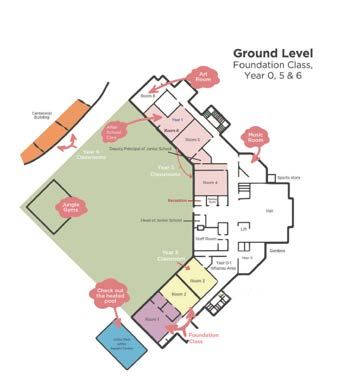
Reporting on progress and achievement
An introductory parents’ evening is held at the beginning of the school year.
This gives parents the opportunity to meet the class teacher and hear important
information about teaching and learning programmes.

Triadic Interviews are held in Terms 1 and 2 to allow parents and their daughters to
discuss progress and set goals with the class teacher. Additional interviews can be
arranged by appointment.

Learning Journals are a record of your daughter’s learning and assessment across a
range of curriculum areas. The Learning Journal will come home each term and will
contain both formative and summative forms of assessment.

In Terms 2 and 4 a formal report on achievement and progress will come home.

High expectations of student behaviour
An important aspect of creating great schools is the need for consistently applied and
clearly articulated expectations for student behaviour as reflected in our Ko Tātou
agreement. Ko Tātou will form the basis of our class essential agreement and covers
both online and offline expectations. All teachers at Diocesan share responsibility for
maintaining these standards and regularly clarify practices and consequences for
inappropriate behaviour.

Students will be shown this format through school assemblies and in discussion with
their teachers, and we would like parents to understand the expectations and support
the School’s efforts to optimise our high quality learning environment.

Every student has the right to learn and every teacher has the right to teach. We all
have responsibilities in our Diocesan learning community. We have a responsibility to:
  •   Respect learning
  •   Respect the School environment
  •   Respect others

At Diocesan we want all students to achieve their personal best and we believe the
quality of the learning environment is a significant factor to enhance learning.
We expect students to take personal responsibility for their behaviour and to be
prepared to learn. If students transgress they will be challenged respectfully,
expectations will be consistent and consequences will be firm and fair.

                                                                2022 Junior School Handbook   9
Teaching and Learning The Primary Years Programme of the International Baccalaureate The International Baccalaureate Primary Years Programme (PYP) is designed for students aged 3 to 12. The PYP is an international curriculum framework which fosters the development of the whole child through being integrated, holistic and inquiry-driven through which we deliver the New Zealand Curriculum. PYP emphasises cognitive, social and personal development and teaches high level thinking skills which enable students to learn to critically analyse information. Transdisciplinary learning is an integral part of our school- wide approach to unifying learning and teaching from the Foundation Year to Year 6. The PYP provides an ideal foundation for children to become successful, lifelong learners by developing their: • social and emotional well-being • independence, as they take responsibility for their own learning • international mindedness • understanding of the world and their ability to function effectively within it • attitudes and dispositions for learning • ability to take mindful, appropriate and sustainable student-initiated action • language skills Programme model 10 2022 Junior School Handbook
The PYP curriculum framework emphasises the central principle of agency that
is threaded throughout the three pillars of the curriculum: the learner, learning and
teaching and the learning community.

The learner: Describes the outcomes for individual students and the outcomes they
seek for themselves (what is learning?).
Learning and teaching: Articulates the distinctive features of learning and teaching
(how best to support learners?).
The learning community: Emphasises the importance and the role that communities
play in achieving these outcomes.

The PYP consists of essential elements: concepts, knowledge, ATL (approaches to
learning), attitudes and action. The knowledge component is developed through
inquiries into six trans-disciplinary themes of global significance, supported and
balanced by six subject areas.

The Learner Profile
Through PYP we aim to foster the following attributes in our students.
These traits create the following learner profile of PYP students:
  •   Inquirers
  •   Thinkers
  •   Communicators
  •   Risk Takers
  •   Knowledgeable
  •   Principled
  •   Caring
  •   Open-minded
  •   Balanced
  •   Reflective

                                                                 2022 Junior School Handbook   11
The Primary Years Programme at Diocesan School for Girls Students are actively involved in their own learning and are taught how to take responsibility for their learning. PYP allows each student’s understanding of the world to develop in a manner and at a rate that is unique to that learner. The PYP encourages students to think conceptually and make connections not only between concepts but also between disciplines. Our students will learn to integrate a large amount of information and apply the knowledge learnt in a cohesive and effective way. Students are inspired to take action for their own learning and to transfer this action into a wider social context. A willingness to consider another’s perspective and curiosity is established when students start to make connections between life and school, life at home and life in the wider world. A key component of the PYP is developing international mindedness which includes showing intercultural understanding and respect as well as establishing a personal set of values. Learning a language is also an important part of the process. Above all, the PYP learning is engaging, relevant, challenging and significant. It stimulates students to become lifelong learners. 12 2022 Junior School Handbook
Inquiry Learning and the PYP

Inquiry learning is how learning occurs within the PYP.

The four stages are:

         Ignite
         Explore
         Connect
         Respond.

Ignite is the stage in which the central idea is unpacked and the girls are exposed to
a range of learning experiences to engage their thinking. During the exploration stage
they ask questions and investigate using research skills. During the connect stage,
students make connections between their prior knowledge, including previous units of
inquiry, and new learning. In the Junior School, girls are encouraged to make links to the
central idea, lines of inquiry and key concepts. In all inquiry units students are given an
opportunity to share their learning and take action. They are encouraged to articulate
their findings to one another in their own words and celebrate the inquiry process.

For further information

Further information can be found on the IBO website, www.ibo.org

For further information about Diocesan School for Girls’ PYP Programme please
contact Nicole Lewis (nlewis@diocesan.school.nz).

                                                                 2022 Junior School Handbook   13
14 2022 Junior School Handbook
Centre for the Enhancement of Learning
The Centre for the Enhancement of Learning (CEL) has oversight of Diocesan’s Gifted
and Talented programmes and Student Learning Support programmes. The Junior
School CEL staff are experienced at identifying and working with a range of other
learning differences, offering tailored support to meet the specific learning needs of
students.

Chaplaincy
As an Anglican school, we value having ordained priests as an everyday part of our
school community. Our Chaplains seek to nurture faith and personal identity and
encourage girls to engage in intellectual, moral, ethical and social issues, as they
relate to their own lives. The Chaplains provide a safe, confidential and professional
Christian presence in the school where students, staff and members of the wider school
community can find support. They work across the whole school community to ensure
that we are living up to the Gospel principles of love, generosity, justice, peace, hope
and service. Our chapel services are Christian, in the Anglican tradition but everyone can
find the Chapel to be a place where they can find spiritual nourishment and refreshment
regardless of personal faith and belief. We worship in a variety of settings and styles: as
year levels, Houses, whole School and staff during the School year. The strong network
of Old Girls has a continuing association with the School through special services and
community gatherings.

Education Outside the Classroom (EOTC)
Education Outside the Classroom happens throughout our school year to make
authentic links to our learning. Over the duration of the year, Years 3 - 6 have overnight
EOTC experiences of varied activities, educational opportunities and experiences.
The aims of EOTC are:

•   To facilitate shared learning between students, teachers and partnerships with
    families and others in the wider community.
•   To provide opportunities for students to engage in learning opportunities (beyond
    the classroom) where they can relate their learning to real contexts by stimulating
    their curiosity.
•   To enable students to encounter a variety of new experiences for learning with
    progression across activities within each event.

                                                                2022 Junior School Handbook   15
Co-Curricular Activities
Diocesan offers a wide range of activities across the sports and arts domains. All
co-curricular activities are more exciting and rewarding when the student has support
from home. We encourage families to provide a presence in a student’s co-curricular
activities as this can be a key factor in the enjoyment gained from these activities and
achievement of her personal best.
Sports
We offer a wide range of individual and team sport opportunities within the Junior
School. Our emphasis is on participation, fun and development for best performances.
Girls from Years 1-6 have the chance to represent the School in a variety of codes. For
a complete overview, please refer to the ‘Co-Curricular’ section of the DioConnect
website.
The following co-curricular sports are available at the Junior School:
Term 1 Term 2 Term 3 Term 4
Artistic Gymnastics Artistic Gymnastics Basketball Basketball (off-
Basketball (pre- Basketball Futsal season)
season) Futsal Hockey Cricket
Cricket Hockey Flippa Ball / Mini Futsal
Futsal Flippa Ball / Mini Polo Hockey (Y6
Hockey (pre- Polo Netball transition)
season) Netball Playball Flippa Ball / Mini
Flippa Ball / Mini Playball Rhythmic Polo
Polo Ski Racing Gymnastics Netball (Y6
Netball (pre- Ski Racing transition)
season) Playball
Playball Rhythmic
Tennis Gymnastics
Triathlon Tennis
Water Polo (Y6
transition)
Girls at the relevant year level can train and compete in season, in weekly competitions
for netball, hockey, flippa ball / mini polo, futsal, basketball and cricket. Our ski racing
teams compete at the NIPS Ski Champs annual event at Mt Ruapehu in August. Tennis
sessions are training lessons only. Playball is a non-competitive, fun, development
programme. Relevant girls can also participate in the annual Central East Auckland
Weetbix Triathlon event in February.
16 2022 Junior School HandbookMusic
There are numerous opportunities for girls to further their music learning in the Junior
School by participating in some of the co-curricular groups we offer. These are tailored
each academic year to cater to the needs of current pupils:
• Junior School Kapa Haka Group
• Bella Voce (all comers Years 4-6 choir)
• Chapel Choir (Years 5 & 6 auditioned choir)
• Junior School String Orchestra (Ensemble for string players in Years 2-6)
• Junior Concert Band (Ensemble for wind, brass and percussion players in
Years 3-6)
• Junior Orff Orchestra (Marimba ensemble for pianists and percussionists in
Years 5 & 6)
• Year 5 Production of Junior Broadway Musical (Term 1)
Itinerant Instrumental lessons and Speech & Drama lessons:
Individual and group instrumental lessons are available in the Junior School for Years
2-6. Speech and Drama and voice lessons are offered to students in Years 4 and above.
Speech and Drama lessons are available for Y1-3 after school only.
In the Junior School we ask that if you daughter learns more than one instrument, only
one itinerant lesson can take place during curriculum time. The other lesson/s must
occur before/after school or during morning tea or lunchtime. This is to ensure your
daughter is not missing out on valuable learning time.
Enrolments for itinerant lessons and Speech and Drama lessons are done through Dio
Connect using the Performing Arts Tile. (Click on Private lessons). Enquiries and more
information about the itinerant programme or of instrumental hire can be e-mailed
directly to the performing arts office: performingarts@diocesan.school.nz
For Speech and Drama lessons please contact Head Held High directly: janita@
headheldhigh.co.nz
Individual Tuition - Music and Speech and Drama
Individual Music tuition is available in the Junior School for students from Years 2 – 6.
Please note that Singing and Speech & Drama tuition are only available for students
from Years 4 and above. Students in Years 4 - 6 may have individual tuition in two areas
only (two instruments or one instrument and Speech and Drama) for 30-minute lessons.
Enrolment forms are available through DioConnect’s Performing Arts tile. For further
information please contact Performing Arts Team at performingarts@diocesan.school.nz
2022 Junior School Handbook 17Music Curriculum The students at Diocesan Junior School learn music using the Kodály method. This pedagogy is based on the philosophies of Zoltan Kodály, a noted Hungarian composer, ethnomusicologist and pedagogue. The twice-weekly music programme involves girls performing music through singing, playing and moving, reading and writing music, creating music and aurally and visually analysing music. In every class, the girls are engaged in a number of sequential, developmental activities, each with a musical goal such as developing music literacy, building confidence when performing, increasing knowledge of music history and theory, analysing music and composing and improvising. Through these learning experiences, students are given opportunities to engage in personal development and social cohesion. As a result of this Kodály music training, students are not only immersed in music, but are developing an independent and sophisticated understanding of essential musical skills and knowledge at an earlier stage. Consequently, many students are ready to embark on the process of learning a bowed instrument in Year 3. In Years 3 and 4 as part of the music curriculum every girl learns to play a string instrument. In Year 5, we introduce our young musicians to the world of band music and girls learn to play a brass and woodwind instrument in their music class. Our aim by Year 6 is that our girls have had the chance to experiment and play a wide variety of orchestral instruments. Dance & Drama As a PYP school dance and drama are integrated where possible into the units of inquiry and are collaboratively planned with classroom teachers to provide a more authentic and meaningful contexts from New Zealand and globally. 18 2022 Junior School Handbook
Digital Learning
All students in Years 3 - 6 are required to have an iPad. Our experience has shown that
accidental damage cover is an important safety insurance for parents. Years 0 – 2 have
sets of iPads for shared use in the classroom.

All students at Diocesan are provided with high speed wireless internet access for
their academic work. Both students and parents are required to read the Digital
Responsibility Policy and sign the associated agreement before internet access is
granted to the students.

Students are also required to sign an essential agreement on the appropriate use of
digital technology following lessons with their teacher on digital citizenship.

Ethics
The teaching of Ethics aims to encourage careful reflection and debate about critical
issues facing New Zealand and the world. By doing this, we seek to equip our students
and the wider community with lifelong skills, knowledge and confidence to understand
the theoretical and practical context of any ethical issue, to clarify their own and others’
values and beliefs and provide opportunities for balanced review and consideration.

Languages
Language lessons are taught by specialist teachers, on a weekly basis. Students from
Foundation Class to Year 3 learn French. Students in Year 4 experience all four language
options. Students in Years 5 - 6 have the opportunity to select Mandarin, Spanish,
French or Te Reo.

                                                                 2022 Junior School Handbook   19
Guidance Counsellors Diocesan recognises that student wellbeing impacts on academic learning and offers confidential support. The School has counsellors available for students and their families. Students may also be referred to outside agencies for more specific support. Home Learning Home learning is an opportunity to consolidate concepts and ideas learnt at school. Students may complete reading and math activities and at times carry out research required for inquiry learning. Please communicate with your class teacher if you have any questions. Leadership Leadership development is an integral part of every Diocesan student’s education. Girls are challenged to understand that leadership is not a position but an attitude and way of being. Everyone gets called upon to lead at some stage in their life and we want every student to have the mindset and skills to be an effective leader – throughout her school years and beyond. Physical Education and Health Years 0 - 6 receive specialist tuition provided by the Physical Education teacher. Health lessons are taught as an integral part of the Physical Education and Health Curriculum. Physical Education activities are designed to enable students to achieve their potential in physical growth and development, to improve their health and fitness, to develop a wide range of motor skills and to learn the importance of team work. All girls are expected to participate in Physical Education activities unless there is a good reason for them to be excused. Requests for exemption should be made in writing to the Physical Education teacher. 20 2022 Junior School Handbook
Our School Day in the Junior School
Absences
Classroom teachers take a daily electronic register of attendance at 8.30am and again
at 1.30pm. Reported absentees are checked off against the Office master list.
Please phone the Junior School on the attendance line (09) 520 9376 before 8.00am
if your child is going to be absent from school on any day. An explanatory note to the
class teacher is required on the first day back at school after an absence.

Alternatively, you may email the Junior School Office at
juniorschooloffice@diocesan.school.nz The Junior School Office staff will phone if
students are absent without explanation. Students leaving the school during the day
must sign out at the Office and sign in on their return.

After School
The drive-through operates for ease of collection for the girls. The girls are supervised
in the drive through area and we recommend that parents use this system when picking
up their daughters after school.

Students travelling home by bus are taken to the bus by a duty teacher. All other
students wait in front of the Junior School Office to be collected by a parent or
caregiver. No Junior School students are to wait at gates around the School or on the
footpath outside the School.

Class teachers and the Junior School Office should have the names of any students who
walk to and from school and girls who walk should always walk with other students.

Girls not collected by 3.30pm will be taken to After School Care. After School Care fees
will apply.

After School Care
After School Care is available for Junior School students, from age 4, daily until 6.00pm.
Activities offered are dance, drama, sport, cooking etc. All bookings are made online
through Enrolmy – look for this symbol on DioConnect. For further information about
this programme please phone After School Care on 021 487 409.

Bus Transport
We encourage the use of school buses, trains, walking buses, cycling and carpooling.
Diocesan partners with Coachways NZ and Devonport Tours to provide private school
buses which operate across Auckland. The routes and pricing can be found on our
website www.diocesan.school.nz/transport. All Coachways buses have GPS tracking
devices on board. Alternatively, Auckland Transport operates some school buses,
public buses and trains. AT HOP cards are required to travel and can be purchased
from various outlets as advertised on the AT Website https://at.govt.nz/bus-train-ferry/
timetables/school-timetables/diocesan-school-for-girls

                                                                2022 Junior School Handbook   21
Student drop off and pick up area The drop off bay is the only area within the School grounds where students may be dropped off or picked up. Parents wishing to do this must travel through the Clyde Street entrance, and queue in the left lane and wait until they have reached the drop off area before students alight from or enter the vehicle. Please keep the right lane free for other drivers. There is a speed limit of 5km/h for pedestrian safety. Our Years 0 - 2 students are the first to finish in the afternoons and if you are here to collect a student in those year levels, please enter the drive-through from 2.45pm. Our students in Years 3 - 4 finish at 3pm, Year 5 - 6 finish at 3.15pm. If you are collecting a student in those year levels, please wait until this time to enter the drive-through. We encourage you to use the drive-through as an efficient way for both drop off and pick up. Year 6 drive through monitors meet girls in the morning and teachers on duty take their students up in the afternoon. Caring Shed The Caring Shed was set up by the Junior School in 2008 and is supported by the whole Dio community. It is the receptacle for all donations of items ‘that make a house a home’ and is a practical structure for showing we care for others, in this case the Anglican Trust for Women and Children, who work with 3000 at-risk families in Auckland. The Shed is cleared weekly by ATWC. Decorated by Junior School girls, the vibrant garden shed is centrally located and is always unlocked and waiting for donations. This is an excellent example for the girls of Christian principles in action and of our School motto Ut Serviamus Chapel Your daughter will attend Chapel Services twice a week. A collection is taken at Chapel Service on Wednesday and girls are asked to bring a gold coin. Parents and friends are welcome to attend any Chapel Services. Special Services during the year include: • Mothering Sunday • Harvest Festival • House Services • Carol Service Dates of Services are listed in The Messenger. Family attendance at these services is an expectation. Environment We are proud of our Environment and have a respect for our natural environment, mindful of gardens and nature. We are a litterless lunch school, meaning no plastic wrappers or packaging on food. Any rubbish is to be taken home to be disposed of. 22 2022 Junior School Handbook
Health
During the year all new students to the School will be tested for hearing and vision.
Students may also be seen by the Dental Therapist when visiting.

Health Centre/Sick Bay
The School has a qualified nurse on duty during the school day. If your daughter does
not feel well she will either be cared for in the Junior School Sick Bay or seen by the
nurse. You may be contacted to collect her in either instance. If your daughter is unwell
in the morning before school we request that you keep her at home.

If your daughter is having special medical treatment or has any medical condition it is
essential that the School is advised. Girls are not allowed to carry medication with
them, so please ensure that all medication is handed in to reception, named and with
clear instructions.

Houses
Much of the spirit of the School is derived from the history of each House and the
long-standing rivalry between them. Each student is placed in a House. The Houses
have been named in recognition of people connected with the School.

The Houses are Cochrane, Mary Pulling, Mitchelson, Neligan, Cowie, Eliza Edwards,
Roberton and Selwyn. To maintain family tradition, if you have a sister, mother or
grandmother belonging to a particular House, you will also be in that House. Houses
compete against each other in numerous activities e.g. sports and music for various
trophies. Each House has a badge, which is issued to all new students. Replacements
may be purchased from the Dio Shop.

Cochrane colours		          Red and White
Cowie colours		             Green and White
Eliza Edwards colours       Green and Gold Mary Pulling colours Blue and Yellow
Mitchelson colours          Red and Black
Neligan colours		           Red and Purple
Roberton colours		          Black and White
Selwyn colours		            Green and Purple

                                                               2022 Junior School Handbook   23
Library / Research Centre The Junior School has a great Library, which is available throughout the school day for borrowing books and researching. Students are also encouraged to join their local libraries. Lost Property All articles brought to school must be clearly named. Students are encouraged to be responsible for their own belongings. The School is not liable for loss of personal property. Lost property is kept in the corridor beside R5. Lunches All children may order lunches from the School Cafeteria. Orders are placed online via DioConnect and the MyMonitor app. Payment must be made via the My Monitor online account management. Orders must be placed online before 9am. Late lunch orders received after 9am will result in a late lunch order being given to the student which consists of a pizza single, serving of fruit and drink. We encourage students to take all food wrappers and uneaten food home with them 24 2022 Junior School Handbook
Nutritional Guidelines
Please do not send any food products containing nuts or nut traces to School. Your
assistance is very much appreciated as we have a number of girls with severe nut
allergies. We ask that the girls do not have birthday cakes or celebratory sweet packets
for the class sent into school on their birthdays.

We would like the food consumed at school to be consistent with what is being taught
in the Health and Physical Education curriculum and consistent with New Zealand Food
and Nutrition Guidelines.

Parking on Diocesan School Campus
There is allocated visitor parking on the left hand side of the driveway adjacent to the
sports field for parents and visitors to the campus. There are disabled parking spaces
provided for parents and caregivers with disabilities and/or students with disabilities.
Please do not park in these spaces. A disabled permit needs to be displayed on the
vehicles’ dashboard.

Parking underneath the multi-purpose Turf is available to parents and visitors from
4.00pm – 10.00pm, Monday–Friday and is also available in the weekends for sport,
Chapel services and school functions. Please note that this parking area is locked down
at 10.00pm (except for school functions). There are disabled parking spaces located in
this area. Please note that parking is at owner’s risk - please do not leave valuables in
your car.

Personal Information
Personal details are requested each year for students and their parents or guardians.
A copy of the medical database for your daughter will be sent home at the
commencement of the year. For the following years you will be required to update this
information as changes occur.

It is important that these details remain up to date and any changes, whether
permanent or temporary, should be sent by any of the methods listed below. This
includes contact information if your daughter is staying with friends or relatives while
you are out of the country. There are various options for updating this information.

Option 1: DioConnect
By logging onto DioConnect and clicking on ‘Update My Details’

Option 2: Dean
Student to deliver to their Dean

Option 3: Email
Email dataadmin@diocesan.school.nz

Option 4: Mail
Mail to Student Database Administrator Diocesan School for Girls
Private Bag 99939, Newmarket 1149

                                                               2022 Junior School Handbook   25
Special Leave
Any leave, apart from doctors’ or dentists’ appointments, must have prior permission
from the Head of the Junior School. Written requests should be emailed well in advance
of the date the leave is required. Parents are reminded that children are required to
attend school except in the case of sickness or injury. Urgent matters can be discussed
with the Head of Junior School directly.
Stationery
Stationery is distributed to students at the beginning of the year. Further stationery
requirements during the year may be purchased from the Dio Shop.
Sunsmart
At Diocesan we encourage Sunsmart procedures to increase student and staff
awareness of skin cancer and practical means of protection.
Students should cover up during morning tea and lunchtime, PE, outdoor sports
matches and practices by:
• Wearing a hat and applying a broad spectrum SPF sunscreen. SPF 30 Plus
sunscreen is available in classrooms.
• Sitting in shady areas.
Timetable
8.15am Fitness
8.30am Period 1
9.30am Period 2
10.30-11am Morning Tea
11am Period 3
11.40am Period 4
12.20-1.20pm Lunch
1.20pm Period 5
2pm Period 6
2.45pm FC - Year 2 dismissed
3pm Years 3 - 4 dimissed, tutor time for Years 5 - 6
3.15pm Years 5 - 6 dismissed
26 2022 Junior School HandbookUniform - Foundation Class to Year 6
Students are required to maintain a high standard of dress and grooming in school
when travelling to and from school and when representing the School at any function.
The uniform requirements are outlined on the Dio Portal and listed below. You will be
informed of the transition period between summer and winter uniform towards the end
of Terms 1 and 3.
The Dio Shop stocks all items listed below except for shoes.
Please note that jerseys must not be worn as an outer garment at any time outside of
the School grounds. With summer uniform therefore, students will either have their
dress sleeves or be wearing their blazer. Prices for all uniform items can be obtained
from the Dio Shop.
Dio Shop
The Dio Shop, located in the turf complex, stocks uniform items, basic stationery
requirements and Diocesan merchandise.
The Dio Shop hours:
Term 1 to Term 4
Monday to Friday 8.00am–4.00pm
Phone 09 520 9341
Email: dioshop@diocesan.school.nz
Shop hours in term time and prior to the start of the school year are printed in the
School Calendar, weekly newsletter and the recorded voicemail message on the shop
telephone.
NB: Anybody who needs to order special sizes should do so as early as possible to
ensure their uniform is available by the beginning of the School year. The Dio Shop is
the sole supplier of the Diocesan School uniform. If you are wishing to purchase second
hand uniform items please be aware that the Dio Shop has a very limited supply.
Dio Uniform Garage Sales
At certain times of year the Heritage Foundation runs the Dio Uniform Garage Sale
offering good quality second-hand uniform items at reduced prices. Any good quality
used items for donation are welcome. Monies raised from the sale of these items are
used to directly benefit our school and students.
Donation details will be provided closer to the allocated dates in The Messenger.
2022 Junior School Handbook 27Summer Uniform – Terms 1 and 4 Blazer Navy background with Red/Dio Blue stripe Dress Navy with White Petersham trim (length below the knee, as supplied) Socks White ankle crew top socks Shoes Black T-Bars with a buckle or Black lace-ups Sandals (optional) Black McKinlay - Hiker sandals Straw Hat To be worn to and from school daily Navy Sun Hat (or Cap) To be worn outdoors Winter Uniform – Terms 2 and 3 Blazer Navy background with Red/Dio Blue stripe Jersey Navy and Red ‘V’ neck Tunic Navy (length below the knee, as supplied) Shirt Oxford Blue - Long Sleeved Tie Red with thin blue stripe Shoes Black T-Bars with a buckle or Black lace-ups Socks/Tights Black long socks or tights (FC-Year 2) Black tights (Years 3-6) Other Uniform Items School Bag Navy Diocesan school bag Raincoat Navy raincoat PE Diocesan navy PE t-shirt and Diocesan shorts or ¾ tights With: White ankle socks, running shoes, a Diocesan sunhat Dio crested tracksuit (optional for Foundation Class) For swimming: Dio swimsuit (name clearly embroidered on the outside (optional), a towel, goggles and Blue Diocesan swimming cap, or House Cap if your daughter has been awarded one Physical Education drawstring bags: (1 for PE uniform, 1 for swimming ) – red or blue, approximately 40cm x 40cm Art Plastic navy Art pinny with name embroidered on front The Dio Shop stocks all items listed above except for shoes. 28 2022 Junior School Handbook
General and Accessories to Uniform
 Jewellery       A watch
 Earrings        Junior School students may wear only small silver or gold stud
 		              earrings, or Diocesan Star earrings
 Hair		          Longer than the collar must be tied back and kept off the face.
 Ribbons         Must be red, white or navy all year round, scrunchies navy or red may
 		              be worn, headbands (narrow) may be black, brown or navy blue only.
 Nail Polish     May not be worn

 Combination    During the school day and beyond the school gates, all students must
 of School and wear the correct school uniform or sports tracksuit. A combination is
 Sports Uniform not acceptable.

 Badges         Only badges awarded by the School may be worn on blazers
 		             (Exceptions may be made for badges for charities for set periods, but
 		             only by instruction from staff)

 Additional Requirements for the Foundation Class, Years 0, 1 and 2
 •   2 pinnies, embroidered with first name on bodice.

Pinny pack may be purchased from the Junior School Office. The complete pack
contains 2 pinnies, a PE bag, a swimming bag and a matching large towel.
PLEASE ENSURE ALL ITEMS ARE WELL NAMED.

Valuables
Students must not bring anything valuable to school and should not have large sums of
money with them.

                                                            2022 Junior School Handbook   29
Diocesan Community There are many talented, hard-working and dedicated volunteers who help make Diocesan a wonderful family environment. Volunteering has a meaningful and positive impact on the School and the time and talent that our volunteers generously give is deeply appreciated. Volunteering provides an opportunity to explore new interests, make new friends and to a form a stronger connection to the School and our community. Heritage Foundation The Heritage Foundation was established as a charitable trust in 2001 to advance education by charitable means by providing financial and other assistance for the benefit of the school. The Heritage Foundation acts in part as an umbrella organisation supporting a number of ancillary groups and initiatives. Our tasks can loosely be divided into fundraising, stewardship of funds entrusted to the Foundation and the application of funds to achieve the Foundation’s objectives. Fundraising Fundraising and encouraging philanthropy is a key task of the Foundation. Our long-term goal is to ensure that the school has the means to maintain its independence and to continue providing the very best opportunity for every girl to achieve her personal best. As independent school rolls increase, static government funding effectively continues to decline on a per student basis. Tuition fees cover the operating budget of the school but many of the opportunities offered at Diocesan rely on the vision and generous support of past generations. Our ability to continue to offer these opportunities requires a similar commitment from our present generation. If you have any inquiries, please contact Angela Coe, Director of Development, by emailing acoe@diocesan.school.nz or by calling 520 9378. Dio Arts Linking to the Diocesan Heritage Foundation Dio Arts looks to support the School’s position as one of the pre-eminent schools in New Zealand in the Arts. With links to Old Girls who are artists, or have a commitment to the Arts, we aim to create a seamless structure for offering mentoring, recognition and support for both current and past students. The Arts at Dio are vital and offer girls throughout the school top opportunities to engage in both performing (music, drama, dance) and visual arts, whether in the classroom via the Junior School curriculum and through the Arts Faculty, or in our many extra-curricular activities. It is especially pleasing to have some curriculum teachers in the Arts offering their expertise and commitment in the extracurricular area. Opportunities exist for parents and friends of the School to become involved, supporting events as ‘Arts Angels’ or being part of the team working on specific event projects instigated by the group. If you are interested in becoming involved, please contact Ms Shelagh Thomson, our Performing Arts Director. 30 2022 Junior School Handbook
Dio Sport
Sport is an integral part of School life at Diocesan and we encourage all girls to
participate, enjoy and excel in sports and physical activity. Our sports programme is
supported by Dio Sport (an initiative of the Heritage Foundation), parents and teachers.
Fundraising by Dio Sport enables our students to participate in a variety of sports trips,
competitions and events. We foster strong links with clubs and regional organisations,
and promote a successful sporting environment at the School. If you are interested in
becoming involved, please contact Ms Angie Winstanley-Smith our Director of Sport.

Old Girls’ League
The Diocesan School Old Girls’ League
was founded in 1911 to encourage
fellowship among Old Girls of the School
and to foster their continued association
with Diocesan. It has almost 11,000 members both in New Zealand and throughout the
world.

While at School, the League provides a number of bursaries and prizes in recognition of
individual needs or achievements. Information on these can be found on the Old Girls’
League section of the Dio Portal. Once a student leaves school, the first opportunity to
be part of the Old Girls’ League is to attend the Grad Ball at the end of Year 13. After
that, the League provides several opportunities to reconnect with her year group,
starting with a function for girls who have been out of school for one year and another
after five years out of school. There are then regular reunions for year groups at 10 year
intervals. The lifetime membership fee is a one off payment payable on first invoice
when your daughter starts at Diocesan. If you have any queries regarding the Old Girls’
League please contact the League via email at oldgirls@diocesan.school.nz.

Parents & Friends’ Association
The Parents & Friends Association is an incorporated society
established to support the School in its many endeavours. The
Association’s vision embraces the School’s future development,
its progress and commitment to excellence. Joining is a great
way to meet new friends and get involved in sociable and fun fundraising events. A
committee of up to 20 work extremely hard to bring the very best to Dio families.
Membership of the Parents & Friends is automatic to all Dio School families. An annual
subscription fee (currently $35) is payable through your School account.

Other volunteer opportunities
If you have a skill or some time that you would like to contribute, we encourage you to
talk to Mrs Angela Coe, Director of Development, about one of the many opportunities
we have for taking an active part in the School community. Get in touch by emailing
acoe@diocesan.school.nz or calling 520 9378.

It is the contribution of time and energy to the School by parents and friends of the
School that help us make it the wonderful family environment it continues to be

                                                                2022 Junior School Handbook   31
32 2022 Junior School Handbook
Diocesan Campus Map

                      2022 Junior School Handbook   33
School Buildings - Junior School 34 2022 Junior School Handbook
School Buildings - Junior School

                              2022 Junior School Handbook   35
Clyde Street, Epsom, Auckland, New Zealand Private Bag 99939, Newmarket 1149 P. +64 9 520 0221 School House Reception +64 9 520 9343 School Attendance E. office@diocesan.school.nz DIOCESAN.SCHOOL.NZ
You can also read


