Better Eating, Better Learning - A New Context for School Food
←
→
Page content transcription
If your browser does not render page correctly, please read the page content below
Better Eating, Better Learning
                 A New Context for School Food

286310_StillHungry_COV_DIGITAL.indd 1            28/02/2014 14:06
Front cover and inside front cover photographs
         © Scotland Food and Drink

Untitled-3 1                                              28/02/2014 17:16
Better Eating,
Better Learning
   A New Context for School Food

         The Scottish Government, Edinburgh 2014
© Crown copyright 2014

You may re-use this information (excluding logos and images) free of charge in any
format or medium, under the terms of the Open Government Licence. To view this
licence, visit http://www.nationalarchives.gov.uk/doc/open-government-licence/
or e-mail: psi@nationalarchives.gsi.gov.uk.

Where we have identified any third party copyright information you will need to
obtain permission from the copyright holders concerned.

First published by the Scottish Government, March 2014
ISBN: 978-1-78412-310-9

eBook first published by the Scottish Government, March 2014
ISBN: 978-1-78412-311-6 (ePub)

Kindle eBook first published by the Scottish Government, March 2014
ISBN: 978-1-78412-312-3 (Mobi)

The Scottish Government
St Andrew’s House
Edinburgh
EH1 3DG

Produced for the Scottish Government by APS Group Scotland
DPPAS14683 (03/14)

Published by the Scottish Government, March 2014
Contents
                                                                                     Pages
Section 1 Forewords                                                                     4

Section 2 Introduction                                                                  8

Section 3 Food and Health                                                              14

Section 4 Food and Learning                                                            20

Section 5 School Food and Drink Provision                                              30

Section 6 The Dining Experience                                                        42

Section 7 Sustainability through Food                                                  50

Section 8 Training and Support                                                         60

Section 9 Communication and Engagement                                                 70

Annexes
A – Membership of the ‘Still Hungry for Success’                                      79
     School Food and Food Education Working Group
B – The Context for School Food in Scotland                                            80
C – Resource Page – Access to Further Information                                      81
D – Scottish Government National Outcomes                                              82
E – Food Calendar                                                                      83

                    better eating, better learning – a new context for school food       3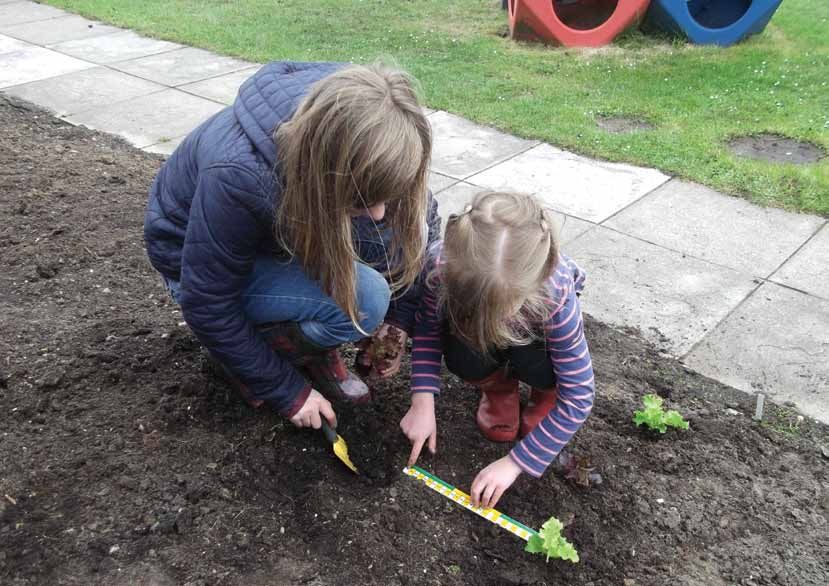
Ministerial and COSLA
Foreword
National and local government are united         is properly recognised and understood
in our commitment to improving the               as a substantial financial and ethical
wellbeing of our children and young              investment which supports young people
people to give them the best possible            into adulthood.
start in life. Huge benefits accrue from
investing in children and young people           So why ‘A New Context’?
from an early stage. The short-term              • The health and wellbeing of our young
dividends we reap include happier and              people is a responsibility we all share.
healthier children and young people                A decade on from Hungry for Success
ready to learn and able to play a positive         we need the renewed commitment of
role in their schools and communities.             teachers, parents, children and young
The longer term rewards are in the                 people, caterers and suppliers, working
health, wellbeing, and economic                    in partnership, at national and local level,
prosperity of Scotland. What our children          to ensure that Scotland’s children and
and young people eat and, importantly,             young people enjoy a healthier, thriving,
their understanding of how it arrives on           sustainable and resilient food future.
their plate and the impact it has on their
health are an important part of this.            • With the environmental challenges we
                                                   face in the coming years, it is clear that
So food in school matters – both what              transformational change is essential if we
children and young people eat and what             are to become a sustainable food nation.
they learn about. It impacts upon their            Food production methods and what we
health, on their education, and on the             eat are central to achieving this.
environment and economy. That is why             • Health challenges persist. It is crucially
national and local government have                 important that we develop a nation
invested so heavily in school food over            of knowledgeable consumers who,
the past decade. Since the launch of               through making the right food choices,
Hungry for Success in 2003, food served            will reap benefits for their own health
in schools has had to meet significantly           while supporting our goal to become a
higher standards. These standards are              sustainable nation.
enacted in legislation which makes
health promotion a central purpose of            • School food and food education present
schooling. And with the implementation             significant opportunities to rise to these
of Curriculum for Excellence, we have              health, environmental and educational
made great strides in providing children           challenges, but these opportunities
and young people with the knowledge                are not always obvious. Better Eating,
and skills they need to help them make             Better Learning sets school food in a
better lifestyle choices. We want to build         strategic context and by doing so shows
on this progress so that food in schools           how everyone involved in school food
                                                   can have an impact.

4     better eating, better learning – a new context for school food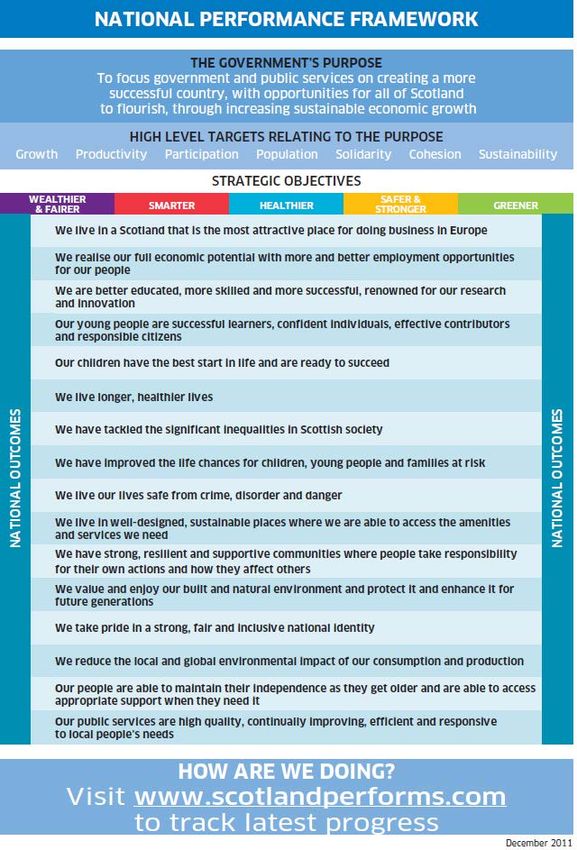
At a local and national level, we need          • ensuring that school food provides
to face the challenges and grasp the              affordable access to good nutrition
opportunities by:                                 for all children and young people and
• using school food as part of a whole            optimising the uptake of school meals,
  school approach to support learning as          in particular for those children and
  an integral part of the curriculum;             young people receiving free meals; and

• serving school food that drives dietary       • supporting children and young people,
  behaviour change and supports our               their parents, teaching and catering
  health and environmental goals;                 staff, to enjoy and value school food
                                                  for its quality, provenance and appeal
• championing fresh, seasonal, local and          and in doing so to enable them to
  sustainable produce;                            understand the relationship between
• celebrating provenance and ethical              school food, culture, health and the
  sourcing;                                       environment.
• inspiring future generations who are          This document sets the agenda for the
  proud of, and contribute to, Scotland’s       coming decade to help drive further
  ambition as the ‘Land of Food and             improvements to school food and children
  Drink’;                                       and young people’s learning about food
                                                and its contribution to their overall health
                                                and wellbeing. Let us ensure that school
                                                food takes its place at the forefront of a
                                                revolution in Scotland’s food culture.

Michael Russell               Richard Lochhead                    Douglas Chapman
Cabinet Secretary for         Cabinet Secretary for               Children and Young
Education and Lifelong        Rural Affairs and                   People Spokesperson,
Learning                      Environment                         COSLA

                         better eating, better learning – a new context for school food    5
Foreword – Sir Harry Burns,
Chief Medical Officer for Scotland
Mary Mary, quite contrary,
How does your garden grow?
With silver bells, and cockle shells,
And pretty maids all in a row.

Our children are growing up in Scotland            paramount importance in less advantaged
in the 21st century and like many in               households where concern over waste,
this traditional 18th century poem, and            hunger and expense can have such a
as many a parent can testify, they are             limiting effect.
still contrary and fickle, particularly in
their eating habits and preferences. Poor          At this present moment in time school
nutrition and a limited palate in early            represents one of the best opportunities
childhood are factors in the continuing            to educate children in healthy lifestyles
health problems presented by obesity,              and change behaviour in a positive,
diabetes and heart disease.                        meaningful way. We need to acknowledge
                                                   that this presents a challenge to
However we should pause and                        councillors and local authorities as they
congratulate the work all those involved           fund and plan such services, to all the
with schools have undertaken since                 school staff whether they teach or
Hungry for Success was first published.            support the provision of education
The Academies of Medical Royal Colleges            and life in their school community, but
in their unprecedented report Measuring            most of all to parents to investigate,
Up – the medical profession’s prescription         understand, and support the provision of
to the obesity crisis1, praised Scotland’s         these services.
approach of mandatory food and
nutrition-based standards applied to               On this issue, rather like that other
all schools and rightly noted that these           childhood chore of brushing your teeth,
standards are a powerful success story in          once learned we cannot say it has
changing children’s eating habits.                 been achieved and leave it, we have to
                                                   continue because it is good for all of us –
School can play a fundamental part in              a doctor told you so!
developing a child’s relationship with
food, not only in understanding where
it comes from and its health benefits
but also in providing the opportunity to
experiment and to taste. This becomes of

                                                                        Sir Harry Burns
1	http://www.aomrc.org.uk/about-us/news/item/
   doctors-unite-to-deliver-prescription-for-uk-
                                                                        Chief Medical Officer
   obesity-epidemic.html                                                for Scotland

 6     better eating, better learning – a new context for school food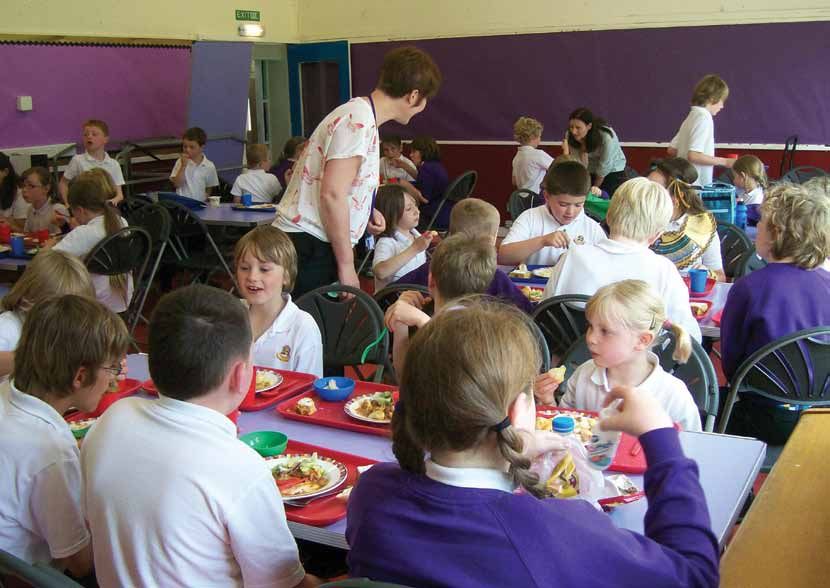

Section 2
Introduction

The Working Group’s aim
As a Working Group, we share a vision to
improve the life chances of our children and
young people through the food choices they
make now and in the future.
There is a good story to tell about school         This document will help you step back
food and drink, and food education in              and consider the new context for school
Scotland and we recognise that there is            food. It will help you challenge what you
significant activity aimed at providing            already do, discuss how you can make
our children with the best start in life.          it better and then work with others to
However success is not always recognised           drive change forward. It poses reflective
and is not consistent across Scotland, and         questions throughout, is accompanied by a
there are still many misconceptions which          self-evaluation tool3 intended for repeated
hold back progress. We need to do much             use, and will lead you to an on-line
more if we are to give all our children            ‘resource page’ which includes additional
and young people the start they deserve            support and information.
and to build on the progress we have
worked hard to achieve.                            By using the document and tool to support
                                                   a review of your current practice we want
The policy landscape has changed                   you to see the value of school food and
significantly over the last 10 years, which        food education and how this extends
brings challenges, but also considerable           well beyond children and young people
opportunities. To help those involved              in school, and to identify and recognise
in school food and drink provision or              effective practice as well as where further
food education rise to these challenges            improvements can be made. We believe
and opportunities, this document offers            that better eating and better learning
inspiration and support by sharing ideas           now will bring lasting consequences for
and encouraging action. It applies across          Scotland’s future prosperity.
the whole of the school day, and even
beyond. It necessarily has a teaching              The policy and legislative context
and school catering focus but will also
be of interest to others who can support           Hungry for Success
teachers and caterers in their task. This          Sir Harry Burns set out in his foreword
includes children and young people,                that the origins of the school food
parents and carers, local authorities,             revolution in Scotland lie in a report
health boards, food producers, and                 published in 2003, Hungry for Success
industry. It encourages a joint approach           – A Whole School Approach to School
to improve the effectiveness of school             Meals.4 This report set out a number
food delivery. Although more relevant to           of recommendations designed to
primary, secondary and special schools,            revolutionise school lunches and improve
it will also be useful for those with              health and wellbeing at school in general.
responsibilities for teaching and feeding          Over the following years local authorities
children in early years settings.2                 and schools embraced the challenges they
                                                   collectively faced and worked hard to
                                                   implement the recommendations.

                                                   3 http://www.scotland.gov.uk/bettereatingtool
2	http://www.healthscotland.com/documents/        4	http://www.scotland.gov.uk/
   21130.aspx                                         Publications/2003/02/16273/17566

                            better eating, better learning – a new context for school food         9
The Act promoting school environment, the
Building on the significant achievements contribution of the school food service
of Hungry for Success, the Schools (Health is recognised in terms of health and
Promotion and Nutrition) (Scotland) Act education outcomes.
20075 was unanimously approved by the
Scottish Parliament. This Act made health The Regulations
promotion a central purpose of schooling The Nutritional Requirements for
and set out a number of duties, which Food and Drink in Schools (Scotland)
included: Regulations 20086 followed the Act, and
aligned the nutritional standards for
• a duty on Scottish Ministers, education all food and drink in schools with the
authorities and managers of grant- Scottish Government’s dietary goals for
aided schools to endeavour to ensure the population. The duties under the Act
that schools are health-promoting; and the standards in the Regulations are
• a duty for education authorities and monitored by Education Scotland Health
managers of grant-aided schools to and Nutrition Inspectors as part of the
ensure that all food and drink provided national programme of school inspections.
in schools complies with nutritional
requirements specified by Scottish Curriculum for Excellence
Ministers in regulations; Curriculum for Excellence,7 implemented
across Scotland in 2010, aims to ensure
• a duty on education authorities that all children and young people
to promote school lunches and, in in Scotland develop the attributes,
particular, free school lunches; knowledge and skills they need to
• a duty on education authorities to flourish in life, learning and work –
protect the identity of those receiving it ultimately aims to improve young
free school lunches; and people’s achievements, attainment and
life chances. It encourages links across
• a duty on education authorities and
all aspects of the curriculum to provide
managers of grant-aided schools to
breadth and depth to learning.
have regard to any guidance issued by
the Scottish Ministers on the application
Health and wellbeing, alongside numeracy
of the principles of sustainable
and literacy, is one of the three core
development when providing food or
areas that are the ‘responsibility of all’, as
drink or catering services in schools.
well as being one of the eight curricular
areas of the broad general education to
The legislation emphasises the valuable
which all children and young people are
role of schools in improving the
entitled.
nutritional quality of children’s diets. By
promoting consistent messages about
food and nutrition within a health- 6 http://www.scotland.gov.uk/
Publications/2008/09/12090355/0
7 http://www.educationscotland.gov.uk/
5 http://www.scotland.gov.uk/ thecurriculum/whatiscurriculumforexcellence/
Publications/2008/05/08160456/0 index.asp
10 better eating, better learning – a new context for school foodOne of the topics under health and Community Plan and Single Outcome
wellbeing is ‘food and health’, where Agreements
learners will develop their understanding The Single Outcome Agreement (SOA) is
of a healthy diet and acquire knowledge an explicit and binding ‘plan for place’
and skills to make healthy food choices agreed with the Scottish Government.
and help to establish lifelong healthy It must include clear and formally
eating habits. agreed outcomes, indicators and targets,
for which all partners are jointly
Recipe for Success: Scotland’s National Food accountable in line with their respective
and Drink Policy contributions. The Community Planning
Scotland’s first national food and drink Partnerships (CPP) must ensure that
policy, published in 2009,8 aims to the SOA is resourced: partners must
promote Scotland’s sustainable economic contribute appropriately and will be
growth in relation to food and drink. It held to account for those contributions
focuses attention on the need for the by the CPP through a strong role for
Scottish Government and the food and local elected members, and by the
drink industry to address issues of quality, Scottish Government. There are six
health and wellbeing and environmental priorities including: safer and stronger
sustainability while recognising the communities and reducing offending;
necessity to promote affordability and health inequalities and physical activity;
access to good food and nutrition. and economic recovery and growth.
Procurement Reform Bill/Act If it is recognised corporately as a
The Procurement Reform (Scotland) Bill9 key service, school food is able to
was introduced to the Scottish Parliament contribute significantly to achieving the
on 3 October 2013 and will place a duty commitments which the local authority
on relevant contracting authorities to has set out in its Single Outcome
comply with sustainable procurement. The Agreement and Community Plan.
proposed aim of the Bill is to establish
a national legislative framework for
sustainable public procurement that
supports Scotland’s economic growth.
It will do this by delivering social
and environmental benefits including
community benefits, supporting innovation
and promoting public procurement
processes and systems which are
transparent, streamlined, standardised,
proportionate, fair and business-friendly.
8 http://www.scotland.gov.uk/
Publications/2009/06/25133322/0
9 http://www.scotland.gov.uk/Topics/Government/
Procurement/policy/ProcurementReform
better eating, better learning – a new context for school food 11model of school food and drink provision
To strengthen the school food and food education has been admired
agenda it is vital that local authority internationally.
managers and decision-makers take
account of developments such as: We see encouraging trends in the take-up
of school meals11 and increased investment
• The Single Outcome Agreement creating valuable food learning experiences
• Curriculum for Excellence for children and young people.12 In some
• The Public Duties Climate Change cases school food and drink is already
Guidance 2011 regarded as an integral part of education
• Obesity Route Map Action Plan and is valued for providing good nutrition
• Scottish Dietary Goals for young people while delivering multiple
• Community Planning duties benefits for society.
• The Sustainable Procurement Action
We want this document to make a
Plan 2007 and the Procurement
real difference. The future challenges
Reform Bill
around food are recognised in the need
• The National Food and Drink
to reduce overweight and obesity in
Policy 2008
the population, to deal effectively with
• The Christie Commission Report on climate change and to build Scotland’s
the Future Delivery of Public Service resilience as global competition for food
increases. We believe that investing in
A comprehensive description school food now will improve Scotland’s
demonstrating how school food can health and save money in the longer
deliver for a range of policies for local term. If its central role in health and
authorities and Scotland as a whole, wellbeing is recognised and it is given the
is available on the resource page.10 It strategic importance it deserves, school
shows why and how these should be food can contribute substantially to our
taken into account in service planning national and local educational, social,
by local authority school meals services economic and environmental objectives.
and education. See Annex B for a diagram
which illustrates the context for school The benefits of investing in, and
food in Scotland. recognising the strategic importance of,
school food and food education, include:
Building on success
• children and young people will access
Much has been achieved as a result of better food and have an increased
legislation and policy developments and understanding of the importance of food
there is some inspiring work in schools for their physical and mental wellbeing;
engaging with children and young people
through the context of school food. Our 11 http://www.scotland.gov.uk/
Publications/2013/06/7503/6
10 http://scotland.gov.uk/Topics/Education/Schools/ 12 http://www.scotland.gov.uk/Topics/Business-
HLivi/schoolmeals/Resources See Annex C for Industry/Food-Industry/national-strategy/
further information about the resource page education
12 better eating, better learning – a new context for school food• service delivery will improve and to make the best choices for a long,
dietary and sustainability messages productive and healthy life. However, it
will be developed in the community; also showed that children do not always
• the food industry will better put their learning into practice and that
understand the ethos and drive for schools could pay more attention to
health and sustainability through children and young people’s preferences
school food; and also involve them in improvements.
• Curriculum for Excellence health and The document is broken down into seven
wellbeing priorities will be better key areas for action:
integrated with the school food service;
• headteachers will be clearer on the • Food and Health;
role of the school food service within • Food and Learning;
the whole school context;
• School Food and Drink Provision;
• those delivering school food will have
• The Dining Experience;
an improved clarity of purpose, with
the service realigned and updated • Sustainability through Food;
to current policies and legislation • Training and Support; and
allowing better service planning and
prioritisation of what matters; and • Communication and Engagement.
• school food and food education will The main document is supported by a
contribute more effectively to local self-evaluation tool structured around the
government priorities, Scottish policy seven key areas.
and legislation.
Unsurprisingly there is a lot of overlap
Approach taken by the Working between the sections. Readers are
Group encouraged to look at the whole document.
A teacher has a role to play in food and
In producing this document the Working drink provision, just as a cook has a role
Group engaged widely with the in promoting food education, and a parent
stakeholders to gain a full understanding has a role to play in both. For reasons of
of the issues and challenges faced. They brevity, the term ‘parents’ is used to refer
sought input from children and young to parents and carers, and ‘school’ covers
people through research by Children schools and learning centres.
in Scotland13 which drew on a small
but representative cross-section of The working group have produced this
schools in Scotland. The research shows document and self-evaluation tool to
that children and young people are encourage reflection and honest self-
being given the knowledge, skills and evaluation and to inspire action which
experience to ensure that they are able will bring about improvements to school
food and food education.
13 h
ttp://www.childreninscotland.org.uk/html/pub_
tshow.php?ref=PUB0442
better eating, better learning – a new context for school food 13Section 3 Food and Health THE CHALLENGE: To use school food and drink and food education to drive dietary change and therefore improve the diets of children and young people. To ensure that school food is an exemplar for healthy eating, and that food education supports children and young people to make the right food choices.
Did you know … soft drinks contribute the most added sugar to the
diets of children and young people?
The eatwell plate
ll plate to helpWhy this
you get the matters
balance right. It shows how
what you eat should come from each food group.
Despite huge stridesBread, forward
rice,
in food education and school food provision
potatoes, pasta
over the past few years, particularly the Schools (Health Promotion and and other starchy foods
Nutrition) (Scotland) Act 2007 and the Nutritional Requirements for Food
and Drink in Schools (Scotland) Regulations 2008, the diet of children and
The eatwell plate
young people living in Scotland still falls short of the recommendations
Use the eatwell plate to help you get the balance right.14
formuch
a healthy balanced diet. It shows Thehow
of what you eat should come from each food group.
eatwell plate15 shows the types and
proportions of foods that make up a healthy, balanced diet.
Bread, rice,
Fruit and potatoes, pasta
vegetables
and other starchy foods
The eatwell plate
Use the eatwell plate to help you get the balance right. It shows how
much of what you eat should come from each food group. day, and by extending food education
Milk and
dairy foods to include the wider community, they
© Crown copyright 2013
y Bread, rice,
Foods and Fruit and
drinks
vegetables
high in fat and/or sugar
potatoes, pasta
and other starchy foods can play a central role in achieving the
Scottish Dietary Goals.16 In doing so they
ciation with the Welsh Government, the Scottish Government and the Food Standards Agency in Northern Ireland
can help reduce the unsustainable burden
of obesity and serious diet-related
conditions like diabetes, heart disease
and certain cancers.
Milk and
Schools can help address health
Meat, fish,
eggs, beans dairy foods inequalities. Children and young
© Crown copyright 2013
and other non-dairy
Meat, fish, Foods and drinks Milk and
sources of protein
eggs, beans
high in fat and/or sugar
dairy foods
people from low income communities
© Crown copyright 2013
and other non-dairy
sources of protein Foods and drinks
are particularly vulnerable and in
high in fat and/or sugar
Public Health England in association with the Welsh Government, the Scottish Government and the Food Standards Agency in Northern Ireland
Scotland, the prevalence of obesity and
Public Health England in association with the Welsh Government, the Scottish Government and the Food Standards Agency in Northern Ireland
Schools in Scotland have a duty to ensure overweight is significantly associated
that they are health-promoting, and that with deprivation.17 Research shows that
they adopt a whole school approach by children and young people living in the
integrating health promotion in every14 most deprived areas of Scotland eat less
aspect of school life. They are ideally15 fruit and vegetables and consume more
placed to make a positive influence on sugary foods and drinks than those in the
the dietary choices and health of children least deprived areas.18
and young people. By serving exemplary
food and drink across the whole school
16 http://www.scotland.gov.uk/
Resource/0042/00421385.pdf
14 http://www.scotland.gov.uk/Topics/Statistics/ 17 http://www.scotland.gov.uk/
Browse/Health/scottish-health-survey/ Resource/0040/00402627.pdf
Publications 18 http://www.foodbase.org.uk//admintools/
15 http://www.food.gov.uk/scotland/scotnut/ reportdocuments/777-1-1329_FS424019_FINAL_
eatwellplate/ Pt1.pdf
better eating, better learning – a new context for school food 15Did you know … children aged two to 15 consumed an average of
2.7 portions of fruit and vegetables per day in 2012, compared to
the recommended five portions?
Accessing healthy, affordable food can be
a real challenge. For some children and
young people, especially those entitled
to free school meals, a meal provided in What training is in place to
school may be their only nutritious meal support all staff’s understanding
of the day. of relevant aspects of food and
health, including the requirements
KEY POINTS of the Schools Health Promotion
and Nutrition Act?
Meeting the standards
The Regulations covering the nutritional
requirements for food and drink in Provision of drinking water and
schools in Scotland, as well as associated drink standards
guidance, are clearly and helpfully set
out in Healthy Eating in Schools.19 This The importance of hydration should not
details the food and nutrient standards be overlooked. Access to free drinking
and provides additional guidance for water is important and the Act requires
achieving the standards for school ‘that drinking water is made available for
meal provision. It covers the provision every pupil, free of charge’. Consumption
outwith the school meal period, including of water should be encouraged. It is
breakfast services, tuck shops, morning interesting that research showed that
and afternoon break services, vending, more than 60 percent of children and
community cafes and after school clubs. young people buying lunch outwith
school chose water as their lunchtime
The Regulations and guidance, which are drink, most days or every day.20
based on science and evidence, are set
with the overall aim of improving the Drinks standards, which restrict the
diet of Scotland’s children and young provision of sugary drinks for example,
people. By following the Regulations and are clearly set out in Healthy Eating in
guidance for all school food and drink, Schools. Sugar intake amongst children
schools reduce the amount of high fat, and young people is of particular concern
high sugar and salty foods consumed with consumption of soft drinks and
on school premises and encourage confectionary contributing 16 percent to
consumption of food such as fruits, a child’s recommended daily intake of
vegetables, oily fish and whole grain sugar.21
foods required for a healthy, balanced
diet as illustrated by the eatwell plate.
20 http://www.scotland.gov.uk/beyondgate
(available April 2014)
21 http://www.foodbase.org.uk//admintools/
19 http://www.scotland.gov.uk/ reportdocuments/777-1-1329_FS424019_FINAL_
Publications/2008/09/12090355/0 Pt1.pdf
16 better eating, better learning – a new context for school foodDid you know … oily fish must be served in schools at least once
every three weeks?
Helping children and young people
to make the best food and drink
choices What steps have you taken to
encourage children and young
The Regulations allow for a healthy diet people to try more healthy, fresh
and while certain foods and drinks are and in-season foods, in and out of
restricted, children and young people school?
still need to make their own choices
from the food and drink on offer. They
need to develop an understanding of
and a framework for voluntary action to
the importance of healthy food choices
support healthy choices.
– this becomes even more important
when they buy lunch outside of school.
Curriculum for Excellence provides Partnership working
many opportunities for children and
young people to learn about food and Health improvement is a key aim of
health in a wide variety of interesting the Scottish Government and continues
and cross-curricular ways and is central to provide challenges when it comes
to developing an understanding about to changing behaviour of the wider
food and health. See Section 4: Food and Scottish population. It is clear that a
Learning for some inspiring examples. range of organisations and partners
have an interest in improving health,
Providing food that meets the Regulations such as the NHS, local authorities,
and ensuring that children and young community and third sector partners,
people have a sound understanding of although the connections are not always
the importance of making good dietary clear as services can be structured
choices can only go so far to changing their differently and responsibilities shared
behaviour. In order to compete with the across organisations. It is important
high street, schools need to consistently for schools and catering services, and
offer food that is attractive, tasty and good others interested in promoting health
value, and a dining experience which meets improvement, to find such connections
their expectations. Section 5: School Food within their local area, to consider
and Drink Provision and Section 6: The how they can contribute jointly to the
Dining Experience cover these issues in shared aims expressed in this document.
more detail. Public health, GP surgeries, hospital
services, leisure and cultural services,
This document is supported by a number environmental health and licencing
of other measures aimed at improving the services and planning, roads and
food choices made by children and young transport departments in local authorities
people, and therefore improving their can all support schools and catering
health. These include work to support services improve the experiences and
partners to positively influence the wider opportunities for children to promote
food environment Beyond the School Gate healthier choices in school.
better eating, better learning – a new context for school food 17Did you know … it is advisable to limit fruit juice to mealtimes?
When fruit is juiced or blended, sugars are released from the cells
of the fruit which can cause damage to teeth.
One local authority’s partnership approach to a school based healthy
weight programme: High 5 Health & Wellbeing Programme
High 5 is an innovative and flexible lesson plans; discussions between the
health & wellbeing programme, cook and pupils; and a meal evaluation
delivered over 8 sessions, by primary tool called ‘Rising Stars’ that allows
school teachers. It was developed pupils to compare and contrast the
through a partnership approach nutritional value of school meals with
between Education Service teachers packed lunches.
and NHS health improvement staff.
It contributes to national targets for By March 2014, 9,900 children will
‘Child healthy weight interventions’ have participated in the High 5
but involves the whole class. programme which will be embedded
as part of schools’ planning within
High 5 contributes to food literacy, Curriculum for Excellence to ensure
physical literacy and emotional that it continues to impact positively
literacy. As such, it changes not only on pupils’ health and wellbeing.
what pupils know about nutrition,
but how they feel about food. It also
helps to develop critical consumer
skills so that pupils are more resilient
to the potentially harmful influences
of the media, such as food marketing
and the fashion industry. Teachers
receive CPD sessions in how to run
the programme, facilitated by local
health improvement specialists. The
programme involves school cooks
in classroom learning through food
tasting sessions linked to specific
18 better eating, better learning – a new context for school foodDid you know … pupils must have easy access at all times to free,
fresh drinking water?
How is responsibility and
accountability for food and health
in school shared between relevant
parties?
Food education and partnership working across a community
One primary school is working to will aim to equip children with
create a café driven by sustainable, skills for learning, life and work. By
healthy choices that will operate as demonstrating how the café could
a fully functioning business owned be sustained beyond the funding
and managed by the children, and period, the project received support
open to all classes and parent groups. from the Food for Thought: Education
The project is aiming to: develop Fund, a partnership between Scottish
knowledge of sustainable food Government, Education Scotland and
choices; encourage lasting changes to Scottish Business in the Community.
lifestyle; ensure parental involvement;
and establish partnership links with,
for example, the Royal Highland
Education Trust (RHET), community
education partners and a local
college. By firmly embedding food
and education and health and
wellbeing links across the curriculum
using interdisciplinary learning
in a meaningful contextualised
environment, the café, and its kitchen,
better eating, better learning – a new context for school food 19Section 4 Food and Learning THE CHALLENGE: To develop the breadth and depth of children and young people’s knowledge, skills and attitudes related to food: where it comes from; how it is produced; what influences food choices and preferences; and the impact that food has on health and wellbeing and the environment.
Did you know … 360,000 people are employed in the food and drink
industry in Scotland?

Why this matters

The inclusion of food and health as one of the six areas that make up
health and wellbeing within Curriculum for Excellence provides a real
opportunity to drive forward food education in Scotland. Learning in
this area has a highly significant role to play in supporting dietary
improvement and the establishment of lifelong habits which better
support health and wellbeing, with the potential to increase attainment
and reduce inequality.

When learning is planned and delivered
well children and young people are
better informed and develop the                    ‘This (school) term sees us
skills necessary to take responsibility            needing to harvest our crops
for making appropriate food choices.               at school. The courgettes have
They become more aware of the many                 turned into marrows and the
factors which influence their choices              broad beans are huge. The
and attitudes to food and also develop
                                                   potatoes this year didn’t make it
a better understanding of the economic
                                                   and weeds took over. However,
and environmental impact of food
                                                   the children are learning and we
production and processing. As a result
of well-planned learning children and              might not have courgette soup
young people should develop a better               but we can certainly learn to
understanding about the link between               bake the marrows! Curriculum
diet and mental, emotional and social              for Excellence sometimes has
wellbeing as well as the role of food              to be about exploring and
choice on their ability to learn.                  discovering and all this through
                                                   a few seeds in a school garden.’
                                                   Primary School Headteacher

                        better eating, better learning – a new context for school food   21
Did you know … that the Food for Thought poster provides a
snapshot of ideas around learning about food? See
http://www.educationscotland.gov.uk/Images/
FoodforThoughtposter_tcm4-723969.pdf
All schools already include learning in
KEY POINTS food and health in their programmes and
courses for health and wellbeing. Where
this works well teachers are skilled
in making logical connections across
Making food part of the curriculum
curricular areas and different contexts
to consistently reinforce messages
around food and health. Teachers can
work with a diverse range of partners,
including the catering service, to plan
‘Health and wellbeing is central
and deliver learning which is creative,
to our curriculum, without this
motivating and engaging. Within schools,
children in our schools would not partnership working can also support
be in the right place to learn, so mutually beneficial outcomes for learners.
outdoor education, health and For example putting oily fish on the
wellbeing, sustainability and school menu at the same time as home
food education are all stepping economics lessons include tastings of
stones to our learners achieving oily fish can improve its popularity
in other core curricular areas.’ significantly.
Primary School Headteacher
22 better eating, better learning – a new context for school foodDid you know … girls were eating less confectionery in 2010
compared with 2006?
Partnerships between schools and industry
The Scottish Food and Drink business to develop a new baby food
Federation partners schools and project which enabled the young
industry to develop approaches that people to understand the needs of
use food and drink as the context infants and the type of jobs available
for learning utilising the expertise of in the food and drink industry.
industry to support teachers to deliver
realistic experiences in the classroom. One secondary school teacher said
In one example high school students ‘From a teacher’s perspective, I have
worked on a product development found that having a link with a food
challenge, extending their skills company made the course more
in marketing, finance, packaging, relevant for the pupils as I could
scientific analysis and food tasting. relate it to ‘real life’.’
Another school worked with a local
Interdisciplinary learning can lead • investigate the impact of science and
to creative, innovative, inspiring and technological developments on the
connected learning which prevents food and drink industry;
the narrow view of food education as • analyse environmental and
being only about ‘healthy eating’. These sustainability aspects of food
experiences highlight the importance production;
of food in Scottish culture, health and
business. Integral to the planning of these • consider the politics of food through,
learning experiences must be how these for example, Scotland’s national policy
will develop the critical thinking skills for food and drink, or food imports and
to support independence and progress exports, or global challenges for the
in learning. Visit the resource page22 for food system;
further information and inspiration. • learn about the impact of food and
drink choices on health and wellbeing,
Consider the extent to which children and on the economy, on the health service,
young people: or on the school food service;
• explore food culture, history and • share and apply what they learn by
traditions in examining attitudes and leading food and drink activities in
values to food and drink; their school, centre or community; and
• learn about the needs of different
22 h
ttp://scotland.gov.uk/Topics/Education/Schools/ groups in society.
HLivi/schoolmeals/Resources
See Annex C for further information about the
resource page
better eating, better learning – a new context for school food 23Did you know … that Curriculum for Excellence health and
wellbeing experiences and outcomes include ‘By taking part in
practical food activities and taking account of current healthy
eating advice, I can prepare healthy foods to meet identified
needs’? HWB 3-30a
The view from the classroom
Curriculum for Excellence
Experiences and Outcomes provide School inspection evidence indicates that
opportunities for children and children and young people understand
young people to explore and public health messages. The Children
appreciate the diverse needs of in Scotland research shows that they
peope through food. talk confidently about food and its
relationship with wider health and
wellbeing.
‘I am developing my understanding
of the nutritional needs of people
who have different conditions and ‘You would have more
requirements.’ energy’….. if you eat a
HWB 3-31a, Curriculum for Excellence balanced diet.’
‘You would be fit’…….. if you
lead a healthy lifestyle.’
‘Through explanation and discussion,
I can understand that food practices
‘You could become ill’…….. if
you don’t take a holistic
and preferences are influenced
approach to your health.’
by factors such as food sources,
finance,culture and religion.’ ‘We get the point about
HWB 2-34a, Curriculum for Excellence healthy eating.’
‘You need fruit and veg so your
body gets all the vitamins it
needs.’
‘If you didn’t (eat healthily) you
wouldn’t have strong bones.’
24 better eating, better learning – a new context for school foodDid you know … that starchy foods are an important part of a
healthy diet, and every school lunch should contain at least one
serving of starchy food?
But in the research children asked for Involving children and young people
some more specific information. in the process of exploring, analysing,
researching and resolving issues around
food and choices can help develop a
range of important skills. This approach
encourages a degree of ownership
‘Tell us what is in junk food.’ and pride in the catering service and
‘Show me the consequences responsibility for their dietary choices.
of my eating habits.’
Practitioners need to engage with
children and young people to ensure
that learning reflects the lives they lead
and meets their needs. The Children in How do learning experiences offer
Scotland research confirms that children children and young people exciting
and young people want to understand and challenging opportunities for
more about the nutritional regulations them to explore current food and
applied to school food and why school health issues which interest them?
food is intentionally different from food
on the high street, as well as to have
more of a say about school food. A strong
message from children and young people
here is:
‘Trust us to help, we are
capable.’
‘Let us become part of the
service we use.’
better eating, better learning – a new context for school food 25Did you know … only 40% of children consume oily fish at least
once a month?
Participation in International School Meals learning and development involving
Day23 gives teaching and catering staff parents and the wider community, and
a chance to work together on a common perhaps even other countries.
project, providing an opportunity for
Raising the profile of healthy eating using a cross-curricular project
A popular health and wellbeing project ‘Overall, it was a hugely popular and
was designed to raise the profile of successful initiative for the young
healthy eating in a secondary school people and for the whole school. It
through S3 pupils working with school certainly raised the profile of healthy
catering staff. eating and the canteen, and promoted
the value of good food.’
Young people:
Secondary School Headteacher
• ompleted a certificated Basic Food
C
Hygiene Course
• Undertook a school survey using
‘survey monkey’ to seek views on
favourite foods
• Planned menus and assessed
nutritional content
• Trained alongside catering staff in
the kitchen
• Organised over a 5-week period
to plan, publicise, prepare, cook
and serve the menus to the
whole school
23 http://www.internationalschoolmealsday.com/
26 better eating, better learning – a new context for school foodDid you know … the Scottish Government funded Food Education
Programme has supported 1,240 school projects?
Day-to-day practices in schools – such investment by the local authority. They
as coming together at snack time, tasting can make significant contributions to
and trying new foods or enjoying a meal curricular activity. For example; the
– can support children and young people skills and expertise of catering staff, or
to develop a positive attitude towards, the data generated by school meals, can
and a good relationship with, food. make a positive contribution to learning
around literacy and numeracy; the school
Working together to support kitchen can support home economics,
learning food technology or hospitality courses or
host work placements for young people;
Many schools, in pursuit of a whole skilled catering staff can join children
school approach, have worked with in classes to share their expertise about
school catering services to strengthen school food and health; and the produce
connections between learning, food from a school garden can be prepared
and health, lunchtime food provision and cooked by catering staff for children
and the choices children and young to taste. School kitchens and gardens are
people make. The school kitchen and safe places to work and learn and with
dining room are valuable resources for goodwill and some adjustment they can
learning and teaching and along with become a great teaching resource for
catering staff represent a considerable active learning.
MYTH
School kitchens, dining
rooms and gardens present too How do you make use of the
many obstacles to be used as dining experience as a context for
learning resources. learning?
MYTH BUSTER
Through a creative, proactive and
collaborative approach which
identifies and controls risks,
obstacles can be overcome.
better eating, better learning – a new context for school food 27Did you know … the Scottish Government funded Food Education
Programme has delivered more than 135,000 individual
opportunities for pupils to learn through food education projects?
Practical learning opportunities In the early stages many children learn
basic skills in food hygiene and the
Within Curriculum for Excellence the safe use of knives. Close liaison with
development of practical food skills secondary school Home Economics
is a key area of learning for children departments, and a cluster approach to
and young people. The quality of the sharing resources between schools have
experiences and opportunities for been effective in ensuring a consistent
practical food work varies greatly and approach through early, primary and
will depend on the facilities available, secondary stages.
the capacity of staff to deliver and the
time available. Creative approaches can
overcome these and other barriers.
Practical kitchen work experience in primary schools
‘We run a programme for primary ‘There are certainly issues with using
pupils to carry out work experience in kitchens and dining rooms as learning
the school kitchen. We initially tried resources, particularly around health
it in one school with four primary 7 and safety issues, however, there
pupils assisting in the kitchen one day are ways to effectively control risks.
per week for 5 weeks. The initiative Our programme did not commence
was so successful that we now give all until it had full support from parents
the children the opportunity to assist and also our Health and Safety and
and we are rolling it out to other Environmental Health colleagues.’
schools.
Catering Manager
28 better eating, better learning – a new context for school foodDid you know … the Scottish Government funded Food Education
Programme has seen over 8,000 primary and secondary school
pupils visit food and drink industry related premises?
With careful planning, outdoor settings
can be accessible to all and are being
used effectively to teach children and
young people how to plant and grow ‘The parents were naturally
food, cook over open fires and produce a part of the collegiate
meals from seasonal foods sourced consultation process when we
locally. were developing our whole
school approach to health
Many schools report a range of benefits and wellbeing and to food
gained as a result of involvement in education.’
practical food growing projects including
Primary School Headteacher
enhanced community relations and
creating partnerships between schools
and food businesses. For further
details on how your school can contact
organisations keen to partner schools
visit the resource page.24
Involving parents and families
The involvement of parents and families
in supporting activity around food and
health is essential. By working with them,
schools can develop approaches to food
education which are inclusive and reflect
the diversity of the school community.
By engaging parent and family support
for food and health activity and involving Who is involved in planning,
them in decisions about school food
delivering and evaluating the
across the school day (including lunches,
impact of food education in your
snacks, tuck shops) learning can be
reinforced at home. school or centre?
24 http://scotland.gov.uk/Topics/Education/Schools/
HLivi/schoolmeals/Resources
See Annex C for further information about the
resource page
better eating, better learning – a new context for school food 29Section 5 School Food and Drink Provision THE CHALLENGE: To ensure that everyone involved in school food provision understands the need for inspiring menus which take into account nutrition, health and environmental impacts. School food and drink provision should reinforce children and young people’s learning, enabling them to make good food choices that will continue into adulthood.
Did you know … In 2011/12 local authorities in Scotland spent more
than £150 million on the provision of school meals?

Why this matters

Healthy Eating in Schools25 sets out the standards for all food and drink
provided by the school and local authority. The standards are based on
scientific evidence and cover breakfast clubs, break times, lunch, tuck
shops, vending machines and community cafes on the school campus
or adjoining facilities such as a sports amenity. Education Scotland
inspections show that compliance with the Regulations and the 2007
Health Promotion Act is high. There is, though, variability across the
country and scope for further improvement in complying with the
specific nutritional requirements, where these are prescribed, as well as
in supporting the spirit of the Act whenever school food is provided.

However, the extent of the diet related
health challenges facing Scotland requires
school food and drink provision that
not only delivers the statutory food 25
and nutrition standards, but changes
food behaviours. School food is about
influencing food behaviours for future                    ‘In any Best Value review the
generations. As part of the ‘whole school                 role of the school meal service
approach’, school food provision can                      as part of the education and
educate children and young people                         health strategies should be
about the importance of healthy food                      taken into account. It should
and sustainable living. By refocusing                     not be considered simply as a
its purpose in these terms the school                     commercial trading activity.’
food service is reset in a new and more                   Hungry for Success 2003
ambitious context capable of encouraging
behaviour change. Although school
food provision must operate to tight
commercial disciplines, it should first and
foremost be regarded as an education
and health service.

25	http://www.scotland.gov.uk/
    Publications/2008/09/12090355/0

                            better eating, better learning – a new context for school food   31
Did you know … that in 2012/13 local authorities spent
£66.1 million on food purchasing, and around 90% of that was
school food expenditure?
Inspiring a positive food culture requires
a fundamental change in diet and menu
If school food is recognised design. Creative, well-presented menus
corporately for what it can need to excite, challenge and nourish
deliver, it is able to contribute children and offer an appealing variety
significantly to achieving of colour, texture and taste. They also
the priorities which the local need to increase children’s ‘vocabulary
authority has set out in its of food’ and widen their knowledge
Community Planning and Single and appreciation of different foods and
Outcome Agreement. tastes. In creating new menus, caterers
need be clear about this objective and
take time to think about how it can be
achieved. It might be tempting to create
menus which offer ‘more of the same’
based on dishes which are known to be
KEY POINTS popular, but this needs to be balanced
with introducing new tastes, promoting
health, connecting to food cultures and
Inspire a positive food culture purchasing sustainably produced food.
The Children in Scotland research, for
As quotes from the Children in Scotland
example, highlighted a desire for more
research show, young people as
varied and interesting vegetarian options
consumers form opinions about the
indicating that plant-based foods, grains
school food service based on the taste,
and pulses are increasingly acceptable
eye appeal and affordability of the food
and in demand by children and young
as well as the overall dining experience
people.
(see Section 6: The Dining Experience).
An enjoyable and satisfying school meals
service which inspires young people
toward a healthy appreciation of food
and therefore a more positive food
culture in Scotland has to be at the core
of what drives school food and drink How do you ensure that food and
provision. menus appeal to children and
young people but also meet the
nutritional standards and health
and environmental goals?
32 better eating, better learning – a new context for school foodDid you know … boys are more likely than girls to eat meat
products at least twice a week?
Above all food needs to be appealing.
Displays need to showcase the quality
‘We all work together on of food used and the care taken in its
themed days and our cooks preparation, and menus should provide
pride themselves in producing information about the range of food on
an amazing array of foods offer. Menus can also educate customers
for children. The cooks have about how school catering deals with
recently won an award for their sustainability and food safety, the
school picnic.’ provenance of food, and the priority
Primary School Headteacher placed on nutrition, staff training and the
environment.
So the food and drink served needs to
be part of a whole school approach for
health promotion and sustainability.
Food on the plate should be promoted in
line with learning across the curriculum
and there should be a clear connection
between the choices on the menu and the
values around education and health. This
can be achieved through:
Demonstrating values and a whole
• menus which educate young people
school approach to school food by providing information about the
provenance of food on the school
Perceptions about the service directly
menu and describe the characteristics
affect its uptake and viability. Its success
and flavour of the recipe;
depends on the approval of children and
young people, parents and teachers. To • menus which, through the produce
market school food successfully, good featured, indicate the values of
food on the plate needs to be supported the catering service, e.g. fish from
by a strong narrative which allows sustainable stocks; and
everyone to understand the values that • menus which make reference to:
each local authority has adopted for the authority standards (such as fair-trade),
school food service. This should also the avoidance of genetically modified
explain why school food is intentionally ingredients, or the healthier cooking
different from the worst excesses of methods used.
fat, sugar and salt on the high street.
The narrative needs to clearly express,
at local authority level, the overarching
aims, objectives and values for school
food in relation to for example, learning
about food provenance, dietary health
and environmental stewardship.
better eating, better learning – a new context for school food 33You can also read


