BLOODBORNE PATHOGENS: OR: DO WE REALLY HAVE TO DO THIS AGAIN ?
←
→
Page content transcription
If your browser does not render page correctly, please read the page content below

BLOODBORNE
    PATHOGENS:
        OR:
DO WE REALLY HAVE TO
 DO THIS AGAIN????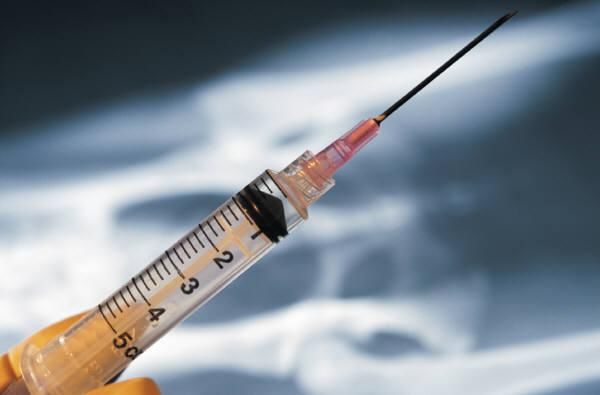
YES
THIS YEAR AND EVERY YEAR
HEREAFTER…
REMEMBER:
A REVIEW IS NEVER A BAD IDEA
YOUR JOBS PUT YOU AT RISK
THE DAY YOU KNOW EVERYTHING AND
QUIT LEARNING WILL BE A VERY SAD DAY
INDEED
The Bloodborne Pathogen Standard
 was put into effect by OSHA in
Washington State in May of 1992.
  These
 are the
 OSHA
 people
   to
 blame!!

  The purpose is to reduce the
 occurrence of illness spread by
 blood/body fluids by protecting
   employees against exposure.

WHAT ARE BLOODBORNE
          PATHOGENS?
Microorganisms such as viruses and bacteria
  that are carried in blood and can cause
             disease in people.
  There are many different pathogens that can cause
                       disease:
Are the two diseases specifically
addressed by the OSHA Bloodborne
        Pathogen Standard
  (Be aware of Hepatitis C as it is
becoming more and more of a concern
   in the world infectious disease)
Hepatitis B- HBV
300,000 people are infected each year in the
United States
Hepatitis means ‘inflammation of the liver’ and is
caused by a virus that infects the liver. It is
transmitted through ‘blood to blood’ contact-
and not by contaminated food
Hepatitis B causes inflammation of the liver and
can lead to cirrhosis and liver cancer.
.
There is no ‘cure’ for HBV but many people who
contract the disease will develop antibodies
which will help them get over the infection and
protect them from getting it again.Hepatitis B is very durable and can survive in dried blood for many days. For this reason, the virus is of primary concern for people who may come in contact with blood or other infectious materials. Initial symptoms are People infected with like a mid flu with HBV often show no fatigue, stomach symptoms for some pain, loss of appetite time. and nausea. After exposure, it As the disease can take one to nine continues, jaundice months before and dark urine will symptoms become often occur. noticeable.
HIV/AIDS
AIDS=Acquired Immune Deficiency Syndrome
HIV –Human Immunodeficiency Virus- is the
virus that causes AIDS.
Once a person has been infected with HIV, it
may be years before AIDS actually develops.
The disease develops in essentially three
stages beginning with initial infection and
ending with total destruction of the immune
system.
HIV attacks the Immune System and weakens
it so it can’t fight off other diseases.
AIDS remains a fatal disease and there is
still no cureQuite different than HBV, the HIV virus is very fragile and does not survive long outside the human body. It is of great concern to employees who may provide first aid or medical care involving situations with fresh blood. Because it is a devastating disease, all precautions must be taken to avoid exposure. Estimates vary but it is believed there are over 1 million people living with HIV/AIDS in the U.S. Symptoms of HIV infection vary but often include weakness, fever, sore throat, nausea, headaches, diarrhea, weight loss and swollen lymph glands.
How are Bloodborne Pathogens
          transmitted?
…Through contact with contaminated human
  blood or other infectious body fluids such as:
Semen
Vaginal secretions
Breast milk…..
….or any body fluid that may have blood in it.
  Contact with saliva, tears or sweat alone has
  never shown to result in the transmission of
  HIV.
HBV and HIV are most commonly
transmitted through….
Sexual Contact
Sharing IV Drug Needles
From mothers to babies at or before birth
Accidental puncture from contaminated
needles, broken glass or other sharps
Contact between broken or damaged skin
and infected body fluids
Contact between mucous membranes and
infected body fluids.There is no known risk of HIV
transmission to co-workers, clients or
consumers when routine precautions
are followed.
These diseases just are not spread
casually.
Your own carelessness could be your
biggest risk.It is your responsibility to protect yourself…
There are no OSHA Police looking over your
shoulder….
are your protection when handling
blood or body fluids….
This includes wearing gloves, disposing of materials used to
clean up blood/body fluids in plastic bags, disposing of used
sharps in proper containers and WASHING YOUR HANDS as
soon as possible after contact with blood/body fluids.What is an Exposure Incident?
This means contact with blood
or other potentially
infectious body fluids
resulting from the
performance of an
employee’s duties.Transmission can be through any
of the following:
Eyes
Mouth/Mucous
Membranes
Chapped, non-
intact skin
Parenteral
contact (poke
with a needle)What should you do if you have a
possible exposure????
THINK:Wash with soap and warm water every time
Use friction and wash for 15 seconds.
Do it right: little eyes might be watching you.If you have an exposure you
must REPORT it
IMMEDIATELY!!!!!
•Fill out an accident report
•Go directly to your physician
for follow-up. Your doctor will
decide on treatmentSo IF YOU HAVEN’T ALREADY…
BE BRAVE….
ROLL UP YOUR SHIRT SLEEVE
AND LET THE NICE NURSE GIVE
YOU A SHOT ……….IS NO LAUGHING MATTER…
NO PERSON MAY DISCLOSE THE
IDENTITY OF ANY PERSON WHO MAY
HAVE BEEN INVESTIGATED,
CONSIDERED, OR REQUESTED A
TEST FOR ANY SEXUALLY
TRANSMITTED DISEASETHE FINE FOR A BREACH OF
CONFIDENTIALITY HAS
INCREASED FROM
$5,000 TO $10,000!!!!
DON’T TAKE A CHANCE..
KEEP IT TO YOURSELF……….YOU ARE ON THE FRONTLINE WHEN DEALING WITH HEALTH AND SAFETY ISSUES IN THE SCHOOL. TAKE YOUR ASSIGNMENT SERIOUSLY….. DON’T ASSUME ANYTHING YOU CAN’T TELL BY LOOKING IF SOMEONE IS INFECTIOUS…..
THESE UPDATES ARE PRESENTED TO
 YOU ANNUALLY TO REMIND YOU OF
   POTENTIAL HAZARDS YOU MAY
ENCOUNTER DURING THE COURSE OF
        YOUR WORK DAY.
PLEASE DO NOT DISREGARD THESE
FEW SAFETY RECOMMENDATIONS.
 KEEPING YOURSELF SAFE TAKES A
 MOMENT BUT THE BENEFITS WILL
       LAST A LIFETIME!!
IT’S QUIZ TIME!!!! 1. IF YOU ARE EXPOSED TO POTENTIALLY INFECTIOUS BODY FLUIDS WHILE ON THE JOB, YOU MAY REQUEST A VACCINE FOR WHICH OF THE FOLLOWING BLOODBORNE DISEASES? A. HIV B. SYPHILLIS C. HEP B D. HEP C
2. WHICH OF THE FOLLOWING
  MATERIALS COULD CONTAIN
  BLOODBORNE PATHOGENS?

A. BLOODY SALIVA
B. SEMEN
C. VAGINAL SECRETIONS
D. ALL OF THE ABOVE
3. IF YOU WEAR GLOVES WHEN
  CLEANING UP AN ACCIDENT SITE, IT
  IS NOT NECESSARY TO WASH YOUR
  HANDS AFTERWARDS.

A. TRUE

B. FALSE
4. BLOODBORNE PATHOGENS MAY
  ENTER YOUR SYSTEM THROUGH:

A. OPEN CUTS
B. SKIN ABRASIONS
C. DERMATITIS
D. MUCOUS MEMBRANES
E. ALL OF THE ABOVE
5. YOU SHOULD ALWAYS TREAT ALL
  BODY FLUIDS AS IF THEY ARE
  INFECTIOUS AND AVOID DIRECT SKIN
  CONTACT WITH THEM.

A. TRUE

B. FALSE
6. IF YOU HAVE BLOOD OR
  POTENTIALLY INFECTIOUS MATERIALS
  SPLASHED INTO YOUR EYE, YOU
  SHOULD FLUSH YOUR EYE WITH
  CLEAN, RUNNING WATER FOR:
A. 2 MINUTES
B. 5 MINUTES
C. 10 MINUTES
D. 15 MINUTES
7. UNCONTAMINATED SHARPS MAY BE
  DISPOSED OF IN REGULAR TRASH BAGS.

A. TRUE

B. FALSE
8. ‘UNIVERSAL PRECAUTIONS’ REFERS
  TO WHICH OF THE FOLLOWING:
A. A METHOD OF PERSONAL PROTECTION THAT ONLY
  PEOPLE IN HEALTHCARE NEED TO PRACTICE.
B. A PREVENTION STRATEGY IN WHICH ALL BLOOD
  AND BODY FLUIDS ARE TREATED AS IF THEY ARE
  INFECTIOUS.
C. AN ENVIRONMENTAL MISSION STATEMENT
  ENCOURAGING THE CARE AND PRESERVATION OF
  THE EARTH, SKY AND UNIVERSE.
D. HEALTH AND SAFETY RULES TO FOLLOW ONLY IF
  YOU DON’T KNOW THE PERSON YOU ARE HELPING
  AT THE TIME OF AN ACCIDENT OR INCIDENT.
9. THE FIRST THING YOU SHOULD DO IF YOU
  GET BLOOD ON YOUR HANDS FROM
  ASSISTING A BLEEDING STUDENT IS:

A. QUIT WORK FOR THE DAY AND GO HOME.
B. WASH YOUR HANDS THOROUGHLY.
C. TELL YOUR SUPERVISOR
D. FILL OUT AN ACCIDENT REPORT
THE REASON YOU HAVE TO SIT THROUGH
 BLOODBORNE PATHOGENS TRAINING
 EVERY YEAR IS:
1. YOUR SCHOOL NURSE, PRINCIPAL AND
  SUPERINTENDENT ENJOY SEEING YOU SUFFER!
2. YOUR SCHOOL NURSE WAITS ALL SUMMER TO HEAR
  YOU SAY, “DO WE HAVE TO DO THIS AGAIN?!”
3. WE KNOW HOW MUCH YOU TREASURE RED-TAPE,
  HOOPS TO JUMP THROUGH, NEW REGULATIONS AND
  ONE MORE THING TO DO…..
4. OR IS IT BECAUSE WE CARE SO VERY MUCH FOR EACH
  OF YOU AND WANT YOU TO HAVE A SAFE, HEALTHY AND
  PRODUCTIVE YEAR???!!!!
You can also read


