BRIDGING THE TECHNICAL AND LEGAL ASPECTS OF CYBERCRIME: MODELS OF LAW ENFORCEMENT COOPERATION - Philip A. Guentert Attaché, U.S. Department of ...
←
→
Page content transcription
If your browser does not render page correctly, please read the page content below
Philip A. Guentert
Attaché, U.S. Department of Justice
Embassy of the United States of America
Bangkok, Thailand

BRIDGING THE TECHNICAL AND
LEGAL ASPECTS OF
CYBERCRIME: MODELS OF LAW
ENFORCEMENT COOPERATION
Bridges Within Your Own
Borders          .Cybercrime
Cooperation Against . . Begins at Home
The Bridges: Domestic Cooperation Law enforcement agency partnership Police‐prosecutor partnership Public‐private partnership
U.S. Justice Department Model of Specialization Computer Crime and Intellectual Property Section (CCIPS) in Washington, DC 30‐40 dedicated lawyers and prosecutors Computer Crime, IP and Evidence Teams Computer Hacking and Intellectual Property Units (“CHIP” Units) Specialized units in U.S. Attorney’s Offices
Why CHIP Units?
Response to growing frequency,
sophistication and cost of computer crime
and technical aspects of offense
Other advantages and efficiencies of
specialization
Industry education and outreach – build
partnerships and trust
Overcome victim reluctance to report crime
The CHIP Unit Concept Computer Hacking and Intellectual Property (CHIP) Units in U.S. Attorney’s Offices First unit created in early 2000 in San Jose Created by Robert S. Mueller, III (now FBI Director) CHIP Units now expanded to 25 U.S. Attorney’s Offices CHIP Coordinators in all 94 USAOs

Law Enforcement Agency
Partnership
How can we work together best to investigate and
prosecute cybercrime cases?
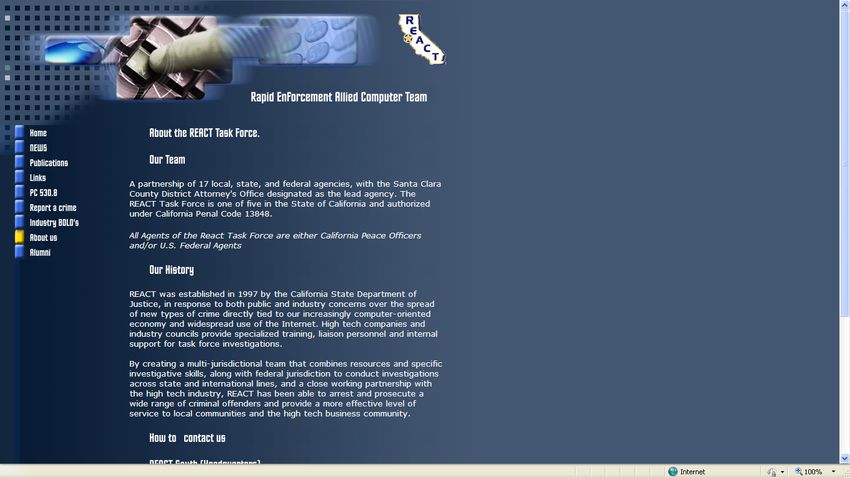
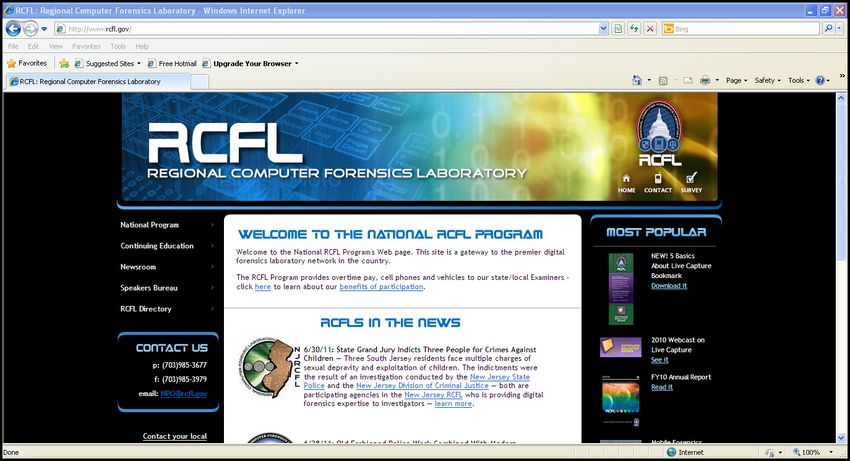
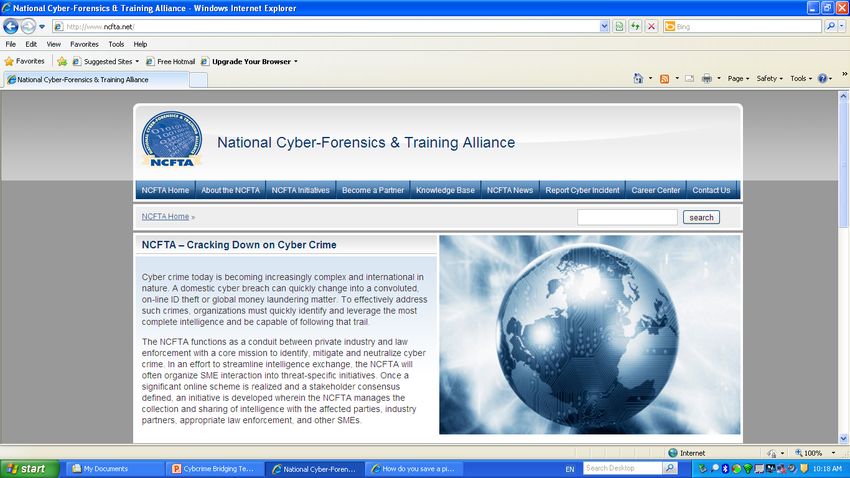
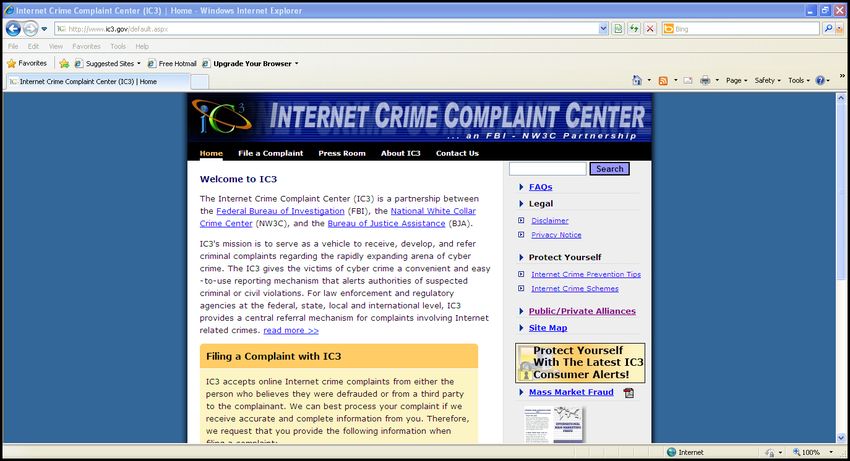
Investigative Resources FBI National Cyber Division and IPR Unit Local Hi‐Tech Crime Squads US Secret Service USSS Electronic Crimes Task Forces ICE Regional Computer Forensic Laboratories
Cooperation Regarding Cybercrime Forensic
Resources
Police/Prosecutor Partnership
How can we work together best to investigate and
prosecute cybercrime cases?
Benefits of a Prosecutor Role in the Initiation of the Case Prosecutors are trained and experienced in evaluating cases for the probability of success in court (conviction). Prosecutors are in the best position to implement a consistent set of priorities and unified strategy for law enforcement.
Benefits of a Prosecutor Role in the Investigation Understanding the elements of the potential offenses that can be charged. Assessing whether the evidence being gathered is proof beyond a reasonable doubt of the elements of those offenses. Advising on the legal requirements for gathering admissible evidence.
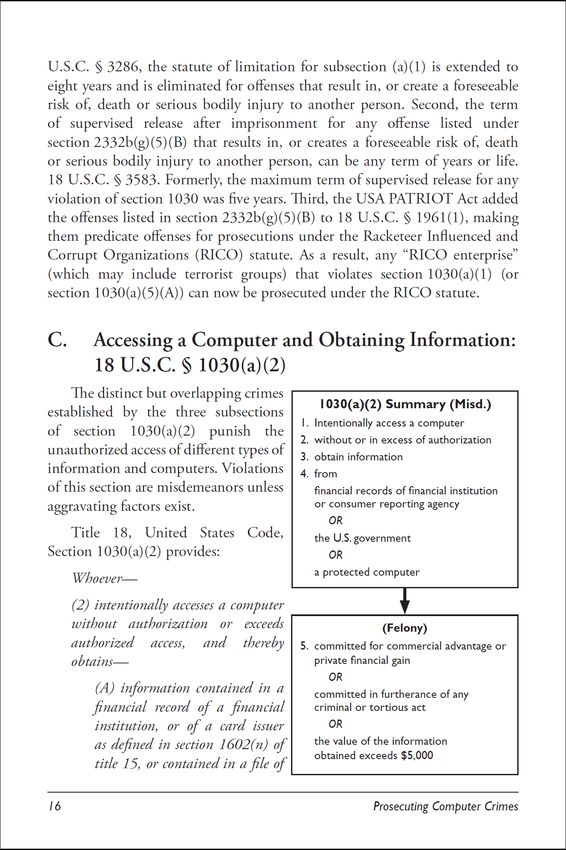
From Prosecuting Computer Crimes, U.S. Justice
Department (2010)
Benefits of a Prosecutor Role (continued) Helping protect the rights of the defendant Prosecutors can play a unique role in obtaining the cooperation of defendants during or at the end of the investigation
The Role of the Agent/Police
When/After Case is Charged
Advising on initial charges
Continuing to gather evidence to rebut
defenses and support new charges
Preparing trial witnesses: the role of the
“prover”
Testifying at trial
Handling trial logistics
Presentation of evidence at sentencingPromoting Police‐Prosecutor Partnerships Preserve flexibility: cooperation by choice— shared objectives and professional culture‐‐ rather than rule Hire across disciplines Train across disciplines But remember: goal is teamwork, each partner with a unique role. Prosecutors are not police.
State/Federal and Police/Prosecutor Partnership
Against Cybercrime
Public/Private Partnership
How can we work together best to investigate and
prosecute cybercrime cases?
Partnership with Private Experts and Sources of
Technology
Partnership With Victims of Cybercrime
Bridges Across Borders
International cooperation against cybercrime
Cybercrime is: Transnational crime. Computers and networks allow criminals to operate across national boundaries. Difficult to investigate and prosecute because those boundaries are more of a barrier to law enforcement than criminal organizations. Obstacles are limits to jurisdiction and sovereignty of other countries. Evidence and defendants cannot be obtained unilaterally.
The Bridges: Foreign Cooperation Practices supporting bilateral law enforcement cooperation Institutions supporting bilateral law enforcement cooperation Cooperation beyond the treaty Capacity‐building through mutual legal assistance
Practices supporting
international cooperation
The stages of bilateral development
Informal cooperation “cop‐to‐cop”
Cooperation prosecutor‐to‐prosecutor
Use of formal legal process for mutual legal
assistance (MLA) and lawful return
Where appropriate, MLA and extradition treatiesPractices supporting
international cooperation
Lessons
Informal cooperation is vital
The role of prosecutor—domestic and foreign‐‐is
vital
Invoking formal legal process for obtaining
admissible evidence
Shaping the investigation
Making the relationship truly bilateral
Communicating based on shared professional
training, values, objectives, and experienceModel of International
Cooperation
domestic foreign
police police
prosecutors prosecutorsInstitutions supporting international cooperation Domestic prosecution/law enforcement agencies with international presence International networks E.g., the 24/7 Cybercrime Network
Department of Justice
Attachés
               Bogota
                                                     Bangkok
Mexico City                  Brussels       Rome

                                             Cairo
San Salvador            London      Paris             Manila
The 24/7 Cybercrime Network Currently 56 members, including U.S. and Malaysia U.S. point of contact is Computer Crime and Intellectual Property Section at the Justice Department Note that parties to the International Cybercrime Convention are obligated to have a mechanism (usually statutory) to preserve data upon request
Cooperation Beyond the Treaty Importance of formal mechanisms outside the treaty context Importance of domestic law on foreign exchange of evidence and subjects Importance of informal mechanisms outside the treaty context
Capacity‐Building Through Mutual Legal Assistance In the same way that international cooperation is promoted through shared training and other capacity‐building exercises, the reverse is true. . .
Successful Cybercrime
Cooperation: Example
November 2010: Operation In Our Sites v. 2.0
Undercover purchases of counterfeit goods on‐
line resulting in seizure warrants for 82 domain
names of commercial websites
Task force comprising public and private partners
of IPR Center, CCIPS, DOJ Money Laundering
Section, and nine U.S. Attorney’s Offices, as well
as foreign law enforcement components.Questions and comments to: Philip A. Guentert GuentertPA@state.gov
You can also read


