Briefing to the Incoming Parliament 2020-2023 - New Zealand AIDS ...
←
→
Page content transcription
If your browser does not render page correctly, please read the page content below

Briefing to the Incoming Parliament
            2020–2023
The New Zealand AIDS Foundation (NZAF) has been at the                                                                             Tēnā koutou
forefront of the community response to HIV in Aotearoa
                                                                                                                                   The emergence of COVID-19 this year has impacted lives around the world and forever
New Zealand for 35 years, a history we are very proud of.                                                                          changed the face of public health in Aotearoa New Zealand.
                                                                                                                                   We hope this renewed national focus on public health will gain further momentum as the
With the same passion and commitment as those who came before                                                                      Health and Disability System Review is implemented. The New Zealand AIDS Foundation
us, we are working hard to prevent HIV and STI transmission, reduce                                                                is well placed to work collaboratively with government, our communities and the sector
stigma, and maximise the wellbeing of those most affected.                                                                         to improve HIV, STI and sexual health outcomes in the future of the health system.

                                                                                                                                   We have seen the impact of a dedicated, combination HIV prevention approach, with
Through our community outreach, behaviour-change marketing campaigns, testing                                                      three years of declining local HIV transmissions among men who have sex with men
and therapeutic support services, research, policy and advocacy we reach people                                                    (MSM). Yet the epidemic continues and soaring rates of syphilis and gonorrhoea remain
across the country.                                                                                                                concentrated in this community, compounding existing health inequities.
We also coordinate the National HIV and AIDS Forum, a national multi-disciplinary                                                  Now is not the time to be complacent.
body committed to advancing the implementation of comprehensive HIV prevention
and care in New Zealand.                                                                                                           We need urgent action to address the HIV and growing STI epidemics, we’ve identified
                                                                                                                                   three priorities for Government and the Minister of Health:
As a registered charity, our work is made possible through funding from the Ministry
of Health, philanthropy and fundraising. Together, we are working towards an Aotearoa
with zero HIV transmissions where people living with or affected by HIV flourish.
                                                                                                                                          1        Priority One: 	Implement a national strategy to enable and guide action on HIV and STIs

                                                                                                                                                                                                                                               SEE PAGES 14–19
                                                                                                                                          2        Priority Two:	Develop a health workforce and system that provides culturally appropriate
                                                                                                                                                                  sexual health care to MSM and those living with and most impacted by HIV

                                                                                                                                          3        Priority Three: 	Invest in HIV and STI surveillance capacity

                                                                                                                                   We have also highlighted immediate actions we can take now to scale up combination
                                                                                                                                   HIV prevention in Aotearoa New Zealand and address rising STIs (Page 18).

                                                                                                                                   We look forward to working with you over the next three years to further reduce the
                                                                                                                                   number of new HIV infections, challenge HIV stigma and provide support to communities
                                                                                                                                   most impacted by HIV and STIs.

                                                                                                                                   Ngā mihi nui,

                                                                                                                                   Jason Myers
                                                                                                                                   Chief Executive

Photo by Rémi Walle on Unsplash

2                                                                           NZAF Briefing to the Incoming Parliament (2021–2023)   NZAF Briefing to the Incoming Parliament (2021–2023)                                                                          3
Our Vision                                                                                       Our Goals
Moemoeā                                                                                          Whāinga

An Aotearoa with zero HIV transmission where
people living with or affected by HIV flourish
Kia kore ngā mate Whakaruhi Ārai Kore, kia hiki te
oranga ō te tāngata ī roto ō Aotearoa, kia puawai

                                                                                                                              Goal One                       Goal Two
                                                                                                                 Prevent HIV and STI                    Increase HIV and STI
                                                                                                                    transmission                               testing

Our Mission
Whakatakanga
                                                                                                                           Goal Three                        Goal Four
Prevent transmission, reduce stigma
and maximise the wellbeing of those                                                                       Maximise the wellbeing of                        Enable ongoing
most affected by HIV                                                                                       people living with HIV                       organisational success

Whakakahore te mate, whakaiti te poapoa me
whakakaha te oranga ō ngā tāngata e pā ana ki te
Whakaruhi Ārai Kore

4                                         NZAF Briefing to the Incoming Parliament (2021–2023)   NZAF Briefing to the Incoming Parliament (2021–2023)                            5
Everything Has Changed HIV and STI prevalence
What you need to know about HIV In Aotearoa New Zealand
COMBINATION HIV PREVENTION
Record high HIV
So much has changed in HIV prevention. Scientific breakthroughs have refocused
transmissions in 2016
HIV prevention globally and we now have a proven set of tools available to end the
transmission of HIV. We have worked together with community and the HIV sector to In 2016, we saw the greatest number
enable combination HIV prevention in Aotearoa New Zealand, creating and reinforcing of new HIV notifications ever recorded,
norms around safe behaviour, and driving remarkable results. with 244 new diagnoses.
Local HIV transmissions continue to trend downwards. Now is the time to maximise HIV notifications with known route of infection
these gains and ensure equity of uptake across Aotearoa New Zealand.
Men who Hetero- People Perinatal
Combination HIV prevention is a set of interventions that meet the needs of have sex sexual who inject
with men drugs
communities most impacted by HIV and delivered at scale for maximum impact.
1985
1986
1987
1988
1989
1990
1991
1992
1993
1994
1995
1996
1997
1998
1999
2000
2001
2002
2003
2004
2005
2006
2007
2008
2009
2010
2011
2012
2013
2014
2015
2016
2017
2018
2019
It includes:
Declining local HIV transmissions 212 HIV notifications in 2019
2019 marked the third year in a row of declining While overall numbers of new notifications
locally acquired HIV transmissions among MSM. rose by 15% from 2018, this was driven by
people previously diagnosed overseas and
41% 15% returning or migrating to Aotearoa New
PRE-EXPOSURE EFFECTIVE decrease in locally decrease in all locally Zealand.
CONDOMS TESTING acquired HIV among acquired HIV from
PROPHYLAXIS TREATMENT MSM since 2016 peak of 2016
Condoms are a PrEP is a medication To break the chains of Someone living with
cornerstone of the HIV taken by someone who HIV and STI infections, HIV who is on effective
response, effective at is HIV-negative at risk early diagnosis is treatment cannot pass
preventing HIV and of HIV infection. When required. HIV to their sexual
HIV diagnoses locally acquired
most other STIs taken as prescribed, it
Early diagnosis greatly
partners. Also referred MSM continue to be disproportionately by route of transmission in 2019
is extremely effective at to as Undetectable =
preventing HIV.
reduces the health
Untransmittable (U=U).
affected by HIV. Men who have sex with men
burden of HIV, allowing
In 2019, MSM constituted over 80% of all people who Heterosexual
PLHIV to live healthy
acquired HIV locally in Aotearoa New Zealand, with a People who inject drugs
and fulfilling lives.
known route of infection.
Support consistent Increase PrEP uptake Increase testing Support prompt
condom use to protect and education to reduce levels of treatment access for
against HIV and STIs undiagnosed HIV and people diagnosed with
STIs HIV to improve health, Syphilis and gonorrhoea: 2,899 people receiving
and support people living MSM 179x & 34x more likely subsidised ART
with HIV to reach an MSM are 179 times more likely to be diagnosed There are 2,899 people living with HIV receiving
undetectable viral load. with infectious syphilis and 34 times more likely subsidised antiretroviral therapy (ART). MSM
to be diagnosed with gonorrhoea compared to and African populations are overrepresented
heterosexual males and females.1 amongst people living with HIV.
1: Saxton, P., Ludlam, A., & McAllister, S. (2020). Population standardised rates of HIV, syphilis and gonorrhoea diagnoses by sexual orientation in New Zealand. Paper presented at the Joint
Australasian HIV&AIDS and Sexual Health Conference, Virtual.
6 NZAF Briefing to the Incoming Parliament (2021–2023) NZAF Briefing to the Incoming Parliament (2021–2023) 7
Success so far
Implementing HIV combination prevention in Aotearoa New Zealand
• NZAF adopts • NZAF launches Ending HIV brand • NZAF launches Pamoja – combatting • NZAF launches new Strategic Plan 2020-2023 • NZAF launches STI self-testing
Strategic Plan • NZAF holds PrEP forums for stigma and improving the wellbeing • NZAF launches the Condom Fitkit – targeting young men to find pilot
2016-19 based community and clinicians to increase of African people in Aotearoa their correct fit and encourage condom use • NZAF launches ‘Break the
on Combination PrEP knowledge and acceptability New Zealand who are living with or Chain’, encouraging Kiwis to
HIV prevention affected by HIV. • NZAF launches a marketing campaign to promote HIV self-testing,
• NZAF submits community which increases testing uptake among communities that are test for HIV and STIs before
approach • NZAF works with the sexual health resuming having sex outside of
application to PHARMAC to fund traditionally difficult to engage
PrEP sector and ASHM to develop and run their COVID-19 bubbles
PrEP workforce education • NZAF launched pilot of HIV self-test vending machines at
community venues • NZAF submits application
• NZAF Undetectable = Untransmittable to MOH/MBIE working group
NZAF
NZAF
(U=U) education tour • NZAF submits community application to PHARMAC to update advocating for the removal
patient eligibility for post-exposure prophylaxis (PEP) and align of HIV from the list of high
• NZAF HIV self-testing pilot launches, prescribing criteria with PrEP. Application supported by Anti-Infective
providing new ways of testing to reach cost conditions within
Subcommittee, and currently waiting on further consultation. immigration policy
those who have never tested before
• NZAF submits community application to PHARMAC to widen and • NZAF offer virtual and phone
modernise the range of antiretroviral treatments funded. counselling services during
• NZAF works with Body Positive and Positive Women Inc to launch COVID-19 lockdowns
Sperm Positive, a PR-focussed initiative to educate the general • NZAF organises the 21st Ending
public about U=U and break down HIV stigma HIV Big Gay Out, an annual
• NZAF, Odyssey and NZ Drug Foundation launche the Rewired: community event designed to
Auckland harm-reduction programme – An eight-week therapeutic bring the LGBTQ community
programme for MSM in Auckland who want to change their together to deliver HIV education
TIMELINE relationship with meth. messaging and HIV testing.
2016 2017 2018 2019 2020
• Medsafe approves PrEP for sale in NZ • PHARMAC funds PrEP for those at • PHARMAC funds a wider range of condom sizes and thicknesses • PHARMAC temporarily removes
• HIV Consensus Statement released high risk of acquiring HIV • PHARMAC switches funding to generic PrEP, further reducing costs STI test requirement for
by National HIV and AIDS Forum • HIV Forum and sector statement of PrEP and some antiretroviral treatments prescribing PrEP in response to
in support of Undetectable = COVID-19 lockdown and impact
POLICY AND HEALTH SECTOR
POLICY AND HEALTH SECTOR
• PHARMAC removes CD4 threshold • PHARMAC widens PrEP prescriber group to include sexual health on testing services
which enables all people living with Untransmittable (U=U) physicians, GPs, nurse practitioners
HIV to access treatment, regardless of • Stigma Index Project launches to • Aotearoa New Zealand People
• Ministry of Health launch the national syphilis action plan Living with HIV Stigma Index
CD4 count understand stigma and discrimination
experienced by PLHIV in NZ 2020 Report released.
• Health (Protection) Amendment Act
2016
– HIV and gonorrhoea become
notifiable diseases
– Enables universal access to
HIV treatment, regardless of
immigration status
• PrEP Demonstration Project
launched
8 NZAF Briefing to the Incoming Parliament (2021–2023) NZAF Briefing to the Incoming Parliament (2021–2023) 9
Key challenges threatening our response
to HIV and STIs
THERE HAS BEEN NO HIV AND STI STRATEGY SINCE 2003

The HIV Action Plan (2003) is embarrassingly outdated. It does not respond to
significant advances in the prevention, treatment and care landscape, along with
important epidemiological changes.
                                                                                                                                                                                                                              PREP USE GROWING BUT                   WIDER RANGE OF HIV TESTING OPTIONS
Recent attempts by the Ministry of Health to create a new Sexual and Reproductive
                                                                                                                                                                                                                               WELL BELOW TARGET                     AVAILABLE BUT NEED TO BE SCALED UP
Health Action Plan did not succeed, meaning there is no framework or strategy guiding
the work of the sexual health sector.                                                                                                                                                                      • Despite high acceptability and demand for PrEP,      • Innovations in community and self-testing are
                                                                                                                                                                                                             PHARMAC data shows that active PrEP users              reaching people who have never tested for HIV.
                                                                                                                                                                                                             (those who initiated or renewed in last 3 months),     However, we know that 19% of MSM have never

                                                                                                                                                                              Combination HIV prevention
                                                                                                                                                                                                             are only 25% of the estimated 5,847 people for         tested for HIV, and only 32.8% had heard of
80% OF MSM ARE NOT RECEIVING COMPREHENSIVE STI SCREENING IN
                                                                                                                                                                                                             funded PrEP in Aotearoa New Zealand.                   home testing as an option.
PRIMARY CARE2
                                                                                                                                                                                                           • Over half of young MSM in the Ending HIV
Only half of respondents in the 2019 Ending HIV survey reported having had an STI
                                                                                                                                                                                                             survey were not using PrEP despite wanting to,
test or treatment in previous 12 months and only 22% reported a comprehensive STI
                                                                                                                                                                                                             highlighting access barriers.
screening. Pacifika MSM are less likely to report comprehensive STI screening than
European MSM, suggesting inequities in access and care.

A LACK OF ROBUST INFECTIOUS DISEASES SURVEILLANCE SYSTEMS FOR HIV
AND STIS IS IMPACTING EFFORTS TO TARGET PUBLIC HEALTH INTERVENTIONS

The latest complete STI report was released in 2016, despite ongoing and increasing
STI epidemics. MSM are an invisible population group in health data e.g NHI, therefore                                                                                                                                      CONDOM USE DECREASING                         POST-EXPOSURE PROPHYLAXIS
enhanced surveillance and additional resources are required.                                                                                                                                                                     OVER TIME                                    (PEP) UNDERUTILISED

                                                                                                                                                                                                           • Condom use amongst MSM has been well-                • The criteria for accessing post-exposure
                                                                                                                                                                                                             maintained in Aotearoa New Zealand relative            prophylaxis are outdated and not aligned
GROWING STI EPIDEMICS AND RISING DEMAND FOR HIGH QUALITY SEXUAL                                                                                                                                              to other countries, however it has been steadily       with PrEP prescribing, with eligibility for
HEALTH CARE HIGHLIGHTS THE CRITICAL NEED TO PRIORITISE AND                                                                                                                                                   decreasing over time. This follows global trends       accessing funded PEP limited to a small
ADEQUATELY FUND THE SEXUAL HEALTH SECTOR                                                                                                                                                                     appearing before the introduction of PrEP in 2018.     group of individuals. All prevention tools need
                                                                                                                                                                                                                                                                    to be optimised to engage people at risk of
Access to quality sexual health care is dependent on where someone lives. Sexual health                                                                                                                    • There is a wider range of funded condoms               HIV into ongoing prevention and care.
services in the main centres provide high quality sexual health care for MSM however                                                                                                                         available but lubricant, essential for anal sex,
they continue to be severely underfunded and under-resourced. Due to this they are                                                                                                                           remains unfunded.
unable to meet the ongoing demand for PrEP, or make significant progress to trace and
end the transmission of STIs such as syphilis.

2: Anglemyer A, Saxton P, Ludlam A. Comprehensive sexual health screening among gay and bisexual men in Aotearoa/New Zealand.
NZ Sexual Health Society Conference 15 November; Wellington 2019.

10                                                                                                                              NZAF Briefing to the Incoming Parliament (2021–2023)                       NZAF Briefing to the Incoming Parliament (2021–2023)                                                       11
COVID-19 is impacting people living with and most affected by HIV. The nationwide lockdown directly
HIV STIGMA UNDERMINES THE EFFECTIVENESS OF OUR HIV RESPONSE interrupted HIV and STI service provision, as many resources for managing HIV and sexual health were
redeployed, and clinics became either inaccessible or overburdened. Demand for COVID-19 testing
As is evident in the recently released Aotearoa New Zealand People Living with HIV overwhelmed lab services and reduced capacity for STI and HIV testing.
Stigma Index 2020 Report, HIV stigma continues to have a negative impact. Participants
reported high levels of discrimination across employment, housing, and healthcare.3 This We also know existing vulnerabilities affecting our communities have been exacerbated due to COVID-19.
affects not only their wellbeing, but their ability to seek medical care. HIV stigma also However it is not yet known what the long-term impact will be.
COVID-19
negatively impacts the uptake of HIV testing, HIV status disclosure, engagement in care,
NZAF campaigned to “Break the chain of transmission” following the unique opportunity
and adherence to treatment, thereby fuelling transmission. presented after COVID-19 lockdown levels 3 and 4. Assuming many people hadn’t had
casual sex for six weeks, this would interrupt HIV and STI transmission, providing a rare
opportunity to get ahead of the epidemics. The Ending HIV campaign encouraged people
to test (and treat) to break the chain of transmission before HIV or other STIs could be
ISSUES THAT CONTINUE TO IMPACT PEOPLE LIVING WITH HIV passed on. Empowered communities can mobilise behaviour change, prevent panic, and
confront stigma.
Treatment
IMPACT OF COVID-19
Clinicians’ ability to meet the health needs of people living with HIV and comply with the
Australasian (ASHM) antiretroviral guidelines is restricted as there are limited publicly- NZAF delivered More than 50% of MSM
PrEP prescriptions
850 home HIV test reported increased
down 30% at
funded HIV treatment options and no INSTI-based single tablet regimens available in kits during alert
June 2020
anxiety as a direct
level 3 and 4 result of COVID-19
Aotearoa New Zealand. Our population of people living with HIV is ageing, and many
individuals have been on treatment for a long time. They are now juggling age-related
comorbidities with accumulating medication toxicity. Newer treatments are more tolerable
and easier to take (single tablets), which enables improved acceptability and adherence.
Immigration HIV SELF-TESTING
We continue to innovate and expand the range of HIV
Aotearoa New Zealand is one of the few countries that maintain outdated HIV-related testing services we provide in response to community
visa travel restrictions. The cost of HIV treatment has reduced significantly and it is time needs. In 2019 NZAF created custom smart vending
to remove HIV from the list of conditions deemed to impose high costs to health services machines that distribute HIV tests, as an innovative 28% 12%
within immigration policy. way to ensure those most at risk of acquiring and of vending machine of vending machine
pilot users had not pilot users were
transmitting HIV can test often. During a pilot in late tested for HIV in the Māori and 66% were
2019, we placed a vending machine in an MSM venue in last 12 months non-European
Disclosure Auckland. Over this pilot, 162 people ordered home tests
from the vending machine.
PLHIV continue to be coerced into disclosing their HIV status in situations
Successes
(e.g. employment and health) that impinge on their privacy and human rights. People REWIRED: AUCKLAND
living with HIV risk prosecution for HIV non-disclosure before sex within the criminal Rewired: Auckland is an eight-week harm reduction programme delivered in partnership by NZAF,
justice system despite the Public Health Act providing a more appropriate and targeted Odyssey and the NZ Drug Foundation. It is a non-judgemental programme for MSM who want to
management of HIV. HIV prosecutions in Aotearoa New Zealand continue to reflect change their relationship with methamphetamine.
and entrench existing discrimination against vulnerable populations, e.g. LGBTI, Māori Feedback of Rewired: Auckland has been overwhelmingly positive. This targeted programme is
and Pacific peoples. HIV Justice Network places Aotearoa New Zealand in the top three geared to meet the unique needs of participants, currently underserved by existing services. We
countries with disproportionate number of HIV criminalisation cases, reflecting the need are looking into the possibility of expanding this programme further.
to move from a punitive criminal law approach to effective public health responses.
CONDOM FITKIT
In 2019 we launched the Condom FitKit, helping young people find the right condom fit early
to encourage consistent, life-long condom use. The youth-focussed offering included 9
different types of condoms, lube and a masturbator to encourage users to test the comfort and
pleasurability of their perfect fit.
3: The Aotearoa New Zealand People Living with HIV Stigma Index. “The Aotearoa New Zealand People Living with HIV Stigma Index Participant Report”
Auckland, 2020.
12 NZAF Briefing to the Incoming Parliament (2021–2023) NZAF Briefing to the Incoming Parliament (2021–2023) 13
Three priorities for an effective response
to HIV and STIs                                                                                                                                      1
                                                                                                                                                    Tahi
                                                                                                                                                                          Implement a national strategy to enable and guide
                                                                                                                                                                          action on HIV and STIs

At a time when the HIV landscape has become
more complex than ever, STI rates continue to rise                                                                                          Now is the time to maximise the impact of the combination HIV prevention tools we
                                                                                                                                            have available. The last national HIV strategy was published in 2003. At the time, it
and COVID-19 is impacting our communities, it is                                                                                            was effective in establishing a partnership-based approach to HIV, bringing together
                                                                                                                                            government, affected communities, researchers, and clinicians. Now is the time to
important that we can deliver a coordinated response.                                                                                       refocus our efforts, reinvigorate these partnerships and establish a new strategy.

To respond to these ongoing and emerging challenges                                                                                         Strong leadership is needed to address the public health challenges we are facing at this
                                                                                                                                            time, addressing the impact of COVID-19 and enabling a coordinated and collaborative
we have identified three priorities for HIV and STIs                                                                                        national HIV and STI response. We must focus national investment and resources to reach
                                                                                                                                            impacted communities and ensure we are still on track to achieve the realistic goal of
among key populations.                                                                                                                      ending new HIV transmissions and reducing incidence of STIs.

                                                                                                                                            Community organisations like NZAF have the skills and experience to reach affected
                                                                                                                                            communities but require sustainable resourcing and a health system that supports
                                                                                                                                            efforts to address inequitable access to sexual health care.

         1
        Tahi
                            Implement a national strategy to enable and guide action on
                            HIV and STIs

        2
        Rua
                            Develop a health workforce and system that provides
                            culturally appropriate sexual health care to MSM and
                            those living with and most impacted by HIV

        3
        Toru
                            Invest in HIV and STI surveillance capacity
                                                                                                                                                     Recommendations
                                                                                                                                                     1.	Develop a national HIV and STI strategy to enable a collaborative approach, sustainable
                                                                                                                                                           funding and targets to address HIV and rising rates of STIs.

Photo by Aditya Wardhana on Unsplash

14                                                                                   NZAF Briefing to the Incoming Parliament (2021–2023)   NZAF Briefing to the Incoming Parliament (2021–2023)                                                   15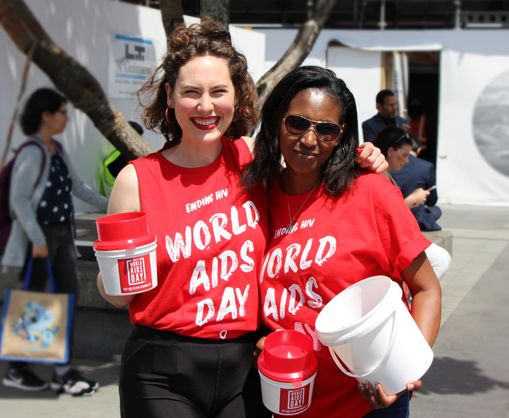
2Rua
Develop a health workforce and system that provides
culturally appropriate sexual health care to MSM and
those living with and most impacted by HIV
3
Toru
Invest in HIV and STI surveillance capacity
Sexual health is a key health inequity faced by These services also need to be available nationally There is a lack of sustainable HIV and STI We are pleased that a commitment has been made
MSM, with HIV and STIs disproportionately to ensure MSM can access them no matter where behavioural surveillance due to limited and ad- to fund one round of behavioural surveillance,
affecting this population. Research shows that they live. hoc funding. There are also systemic issues with as research was last collected in 2014 through the
half of MSM in Aotearoa New Zealand are not the collection and reporting of accurate, timely 2014 Gay Auckland Periodic Sex Survey (GAPSS)
open with their GP about their sexual orientation Progress has been made in Auckland to reduce national STI case notification data. and the Gay Online Sex Survey (GOSS). However,
or behaviour.4 These barriers were greater HIV incidence, yet this is not reflected nationally. by definition surveillance is “ongoing”, therefore
among non-European ethnicities, due to issues in Inequitable access and uptake of HIV and STI The most recent STI data available from ESR is from funding must also be ongoing in order to provide the
accessing and navigating healthcare. MSM are not prevention and care persists outside the main March 2019, with the last report released in 2016. certainty necessary to plan successive rounds and
currently receiving appropriate or comprehensive centres. This is detrimental to efforts to identify and target develop and retain skilled workforce. This will ensure
STI screening in primary care. populations most at-risk and is woeful amid rising relevant data is available to understand Aotearoa
The rapid response to COVID-19 has shown that we STI epidemics. New Zealand’s HIV and STI epidemics and ensure
PrEP sexual health programmes provide an can innovate and respond to barriers e.g. telehealth
our response is evidence-based, targeted and
opportunity to engage MSM into ongoing sexual or the removal of restrictive access criteria. We must Ongoing issues with accountability, software and
equitable.
health care, increasing comprehensive STI testing embed these innovations in regular health policies data capture also continue to hamper the timeliness
and treatment and HIV testing for those not to ensure PrEP criteria and access, as well as sexual and accuracy of HIV surveillance data since HIV
consistently using condoms during casual sex. health services and HIV and STI prevention, are became a notifiable disease in 2017 and integrated
However, the primary health workforce must be meeting the needs of our communities and most into the RedCap health data system.
upskilled and supported to deliver HIV and STI importantly takatāpui, Māori, and Pacific Peoples.
services, as well as efficient PrEP programmes that
are appropriate and rainbow-friendly.
For effective, responsive, and sustainable public health programmes that respond to HIV
and STIs, the World Health Organisation (WHO) and Joint United Nations Programme on
HIV/AIDS (UNAIDS) recommend two mutually dependent forms of surveillance:
First generation – Case notification Second generation – Behavioural surveillance –
– relies on clinical diagnoses and concentrates data collection in key populations at
4: Ludlam A, Saxton P, Dickson N, Hughes A. General practitioner awareness of sexual orientation among a community and internet sample of gay and bisexual men in New Zealand.
Journal of Primary Health Care. 2015;7(3):204-12.
laboratory notification of HIV cases. higher risk of HIV exposure to compare information on
behaviours that transmit HIV and build up an informative
picture of changes in the epidemic over time.
Recommendations
2. Commit to upskilling the health workforce to provide culturally appropriate sexual health
care for MSM (e.g. include mandatory education components within medical and allied
professional training curricula, as well as in continuous workforce development)
3. Fund the New Zealand Sexual Health Society to provide ongoing review of the STI and HIV Recommendations
management guidelines
4. Invest in NZAF to deliver workforce development in primary care focusing on culturally 6. Commit to funding ongoing behavioural research for MSM.
appropriate sexual health care and PrEP provision for MSM 7. Sustainable resourcing and accountability to enable the delivery of timely, accurate HIV and
5. Prioritise and sustainably fund sexual health services in primary and secondary care STI surveillance data.
16 NZAF Briefing to the Incoming Parliament (2021–2023) NZAF Briefing to the Incoming Parliament (2021–2023) 17
Take Action Now Condoms, PrEP, PEP HIV and STI Testing Treatment Stigma & Discrimination Intersecting health issues
ENABLE COMBINATION HIV PREVENTION
What needs to happen to realise combination Increase funding of targeted
and innovative HIV and STI
Fund the scale up of
innovative HIV testing
Fund counselling
support for people living
Fund high-quality services
that address the unique
HIV prevention in Aotearoa New Zealand? prevention behaviour change
campaigns for MSM.
options such as self-
testing for HIV to reach
with HIV, their friends
and whānau and MSM
needs of MSM experiencing
intersecting health issues
people at risk of HIV. at-risk of acquiring HIV. (Programmes like Rewired:
In addition to addressing the three key priority areas there are immediate Auckland).
actions we can take to scale up our efforts to end HIV and address rising STIs.
Ministry of Health
Invest in NZAF to lead Fund the scale up of Support activities
PrEP sector workforce self-testing options that reduce HIV
PRIORITIES 2021–2023 development in primary care. for STIs. Stigma among general
population i.e scale-up
education campaigns
Priority One: Implement a national strategy to enable and guide
1
Actions for combination HIV prevention
and guidelines.
action on HIV and STIs
Complete the review
1. Develop a national HIV and STI strategy to enable a collaborative of the STI and HIV
approach, sustainable funding and targets to address HIV and notification systems
rising rates of STIs outlined in the Syphilis
Action Plan.
REMOVE DISCRIMINATORY IMMIGRATION AND JUSTICE POLICY
Priority Two: Develop a health workforce and system that provides
2 Remove HIV from
Ministry of Health, Ministry of Business, Innovation and Employment,
culturally appropriate sexual health care to MSM and those living the list of high-risk
with and most impacted by HIV conditions within
Collaborative government response
Immigration policy.
Immigration NZ, Ministry of Justice, NZ Police
2. Commit to upskilling health workforce to provide culturally Reduce the cost
appropriate sexual healt hcare for MSM and those living with threshold for calculating
and most impacted by HIV (e.g. include mandatory education the ‘burden’ of health
components within medical and allied professional training conditions to being
judged over 10 years
curricula, as well as in continuous workforce development)
(rather than a lifetime).
3. Fund the New Zealand Sexual Health Service to provide ongoing HIV transmission must
review of the STI and HIV management guidelines be managed within the
public health system.
4. Invest in NZAF to deliver workforce development in primary care End the use of the
focusing on culturally appropriate sexual health care and PrEP criminal justice system
provision for MSM to address cases of HIV
non-disclosure, exposure
or transmission.
5. P
rioritise and sustainably fund sexual health services in primary
and secondary care MAXIMISE HIV PREVENTION AND CARE
Fund water-based lubricant Modernise
to maximise acceptability and the range of
3
Priority Three: Invest in HIV and STI surveillance capacity accessibility of condoms for HIV treatment
anal sex. options funded
PHARMAC
6. Commit to funding ongoing behavioural research for MSM Expand eligibility criteria for
to meet the
needs of PLHIV.
PrEP to enable increased and
7. S
ustainable funding and resourcing to enable the delivery of timely, equitable uptake.
accurate STI and HIV surveillance data.
Align PEP prescribing with
PrEP to enable provision
through primary care and
expand eligibility criteria.
18 NZAF Briefing to the Incoming Parliament (2021–2023) NZAF Briefing to the Incoming Parliament (2021–2023) 19How we can work together
to accelerate the HIV and STI response?
As Aotearoa New Zealand’s leading HIV prevention and support organisation,
we are looking forward to the opportunity to work in partnership with
government to support people living with or affected by HIV, end new HIV
transmissions and take action against the growing STI epidemics.
We strongly support the efforts being made to strengthen population and
public health capability at the Ministry of Health. However, we are concerned
that expertise and capacity in HIV, STIs and sexual health within the Ministry
of Health is limited and has been eroded over time. This has been further
exacerbated during the COVID-19 pandemic as infectious disease expertise
across the country has been redirected to manage the pandemic response.
We need your support to build confidence, leadership, and a clear strategy
for the HIV and STI sexual health sector. As a community NGO we are well-
connected to our communities and the wider sector, and we have a strong
understanding of the social determinants impacting on sexual health and
wellbeing. We would like the opportunity to work together with the Ministry
of Health to ensure the priorities we’ve identified are consolidated within any
implementation of the New Zealand Health and Disability System Review.
Get in touch
Dr Jason Myers
Chief Executive
jason.myers@nzaf.org.nz
Phone 09 303 3124
National Office 31 Hargreaves St, St Marys Bay, Auckland 1011
NZAF Burnett Centre Auckland Central
NZAF Āwhina Centre Wellington Central
NZAF Te Toka Christchurch Central
20 NZAF Briefing to the Incoming Parliament (2021–2023) NZAF Briefing to the Incoming Parliament (2021–2023) 21Celebrating Diversity Left-to-right, top-to-bottom: Combination HIV Prevention – Ending HIV campaign, Sweat with Pride campaign, RED Friday, Left-to-right, top-to-bottom: Pamoja programme, Pamoja programme, World AIDS Day Fundraising, Condom packing Testing campaign, Ending HIV Big Gay Out 2020 22 NZAF Briefing to the Incoming Parliament (2021–2023) NZAF Briefing to the Incoming Parliament (2021–2023) 23
nzaf.org.nz
You can also read


