Reducing harm from cold weather - Local government's new public health role
←
→
Page content transcription
If your browser does not render page correctly, please read the page content below
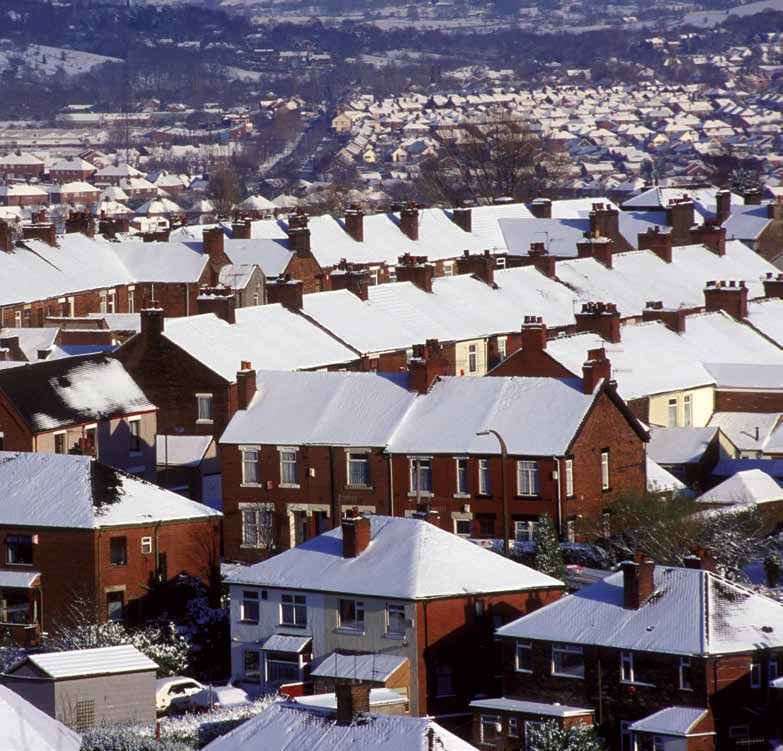
Reducing harm
from cold weather
Local government’s new public health role
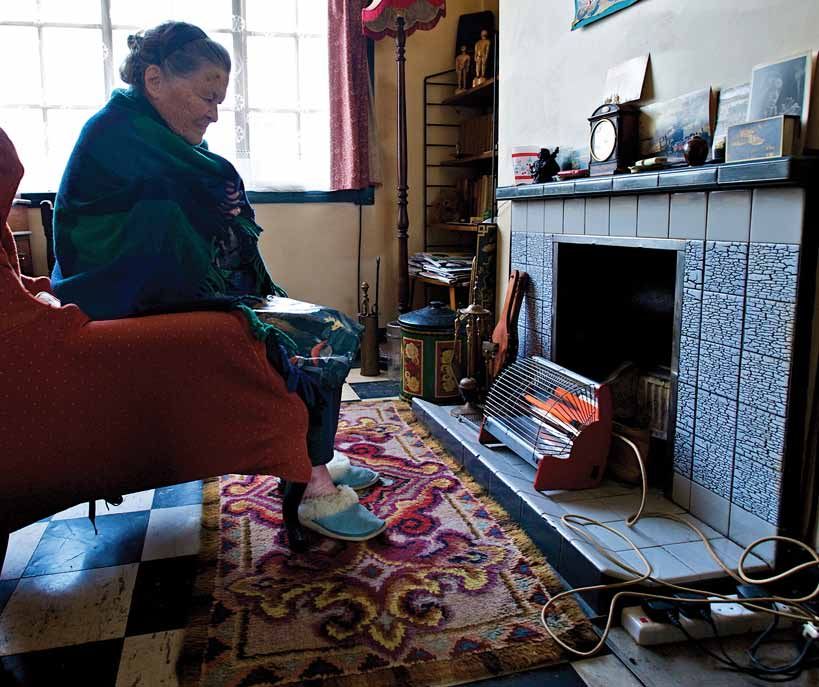
Public Health has become the responsibility
    of local government. This briefing for
    councillors and officers explains the
    challenges facing councils and the
    opportunities they have to help to reduce
    harm to health from cold weather through
    effective, year round cold weather planning.

Contents
Introduction                                        3

Local government’s new role                         5

Core planning elements                              6

Is there a role for council scrutiny?               9

Five key messages for councils                     10

Key questions to ask                               12

Tools and resources                                13

Examples of local authority schemes                15

2      Reducing harm from cold weather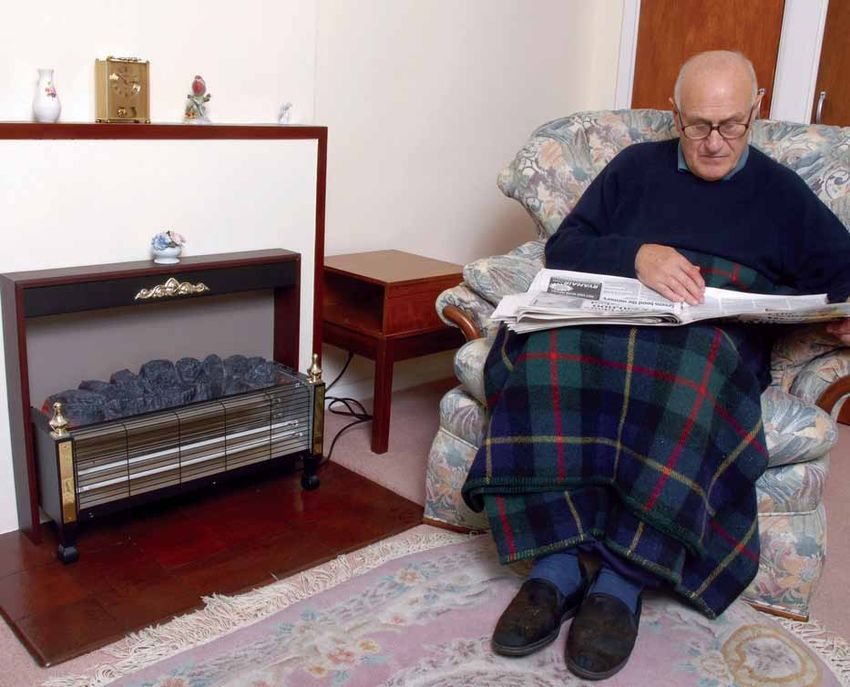
Introduction

The effects of cold                                Why plan for cold weather?
weather on the health                              The Cold Weather Plan for England (CWP)
                                                   aims to prevent avoidable harm to health, by
Although winter weather and snow can be
                                                   alerting people to the negative health effects
fun for some, these weather conditions are
                                                   of cold weather, and enabling them to prepare
also associated with an increase in illness
                                                   and respond appropriately. The CWP also aims
and injuries. Cold weather increases the risk
                                                   to reduce pressure on the health and social
of heart attacks, strokes, lung illnesses, flu
                                                   care system during winter through improved
and other diseases. People slip and fall in
                                                   anticipatory actions with vulnerable people.
the snow or ice, sometimes suffering serious
injuries. Some groups, such as older people,       The plan sets out a series of actions to be
very young children, and people with serious       taken by local authorities, the NHS, social
medical conditions are particularly vulnerable     care and other agencies throughout the year,
to the effects of cold weather.                    to prepare for and respond to winter, so as to
                                                   protect the vulnerable. It also encourages local
In 2011/12 there were 22,960 more deaths in
                                                   communities to support the most vulnerable in
England between the months of December
                                                   their area, such as checking on them during
2011 to March 2012 than were observed
                                                   severe weather and offering other support.
during the non-winter months. Excess deaths
are not just deaths of those who would have        It is clear that whilst actions taken by health
died anyway in the next few weeks or months        and social care sector during cold weather
due to illness or old age. There is strong         may relieve part of the health burden, the
evidence that some of these winter deaths          CWP is only part of a wider response required
are indeed ‘extra’ and are related to cold         to tackle excess winter deaths (EWDs) and
temperatures and living in cold homes as           there is a strong argument for a multi-agency
well as infectious diseases such as influenza.     approach to reducing the wider determinants
In the recent past, the rate of winter deaths in   of winter deaths and disease such as
England was twice the rate observed in some        socioeconomic inequalities, fuel poverty
northern European countries, such as Finland.      and housing energy efficiency.
Although there are several factors contributing    This is not something that can be tackled
to winter illness and death, in many cases         inthe winter alone and requires a long-term
simple preventative action could avoid many        strategic approach by health and wellbeing
of the deaths, illnesses and injuries associated   boards, directors of public health and
with the cold. Many of these measures need         commissioners to assess needs and to
to be planned and undertaken in advance of         commission, plan and implement interventions.
cold weather.

                                                             Reducing harm from cold weather      3
The Public Health Outcomes Framework and EWDs. However, action to reduce the
(PHOF) sets out desired outcomes and harm from cold can be linked to many more
indicators to help local authorities and their outcome framework indicators connected
partners understand how well public health to the wider determinants of health, such as
is being improved and protected. There poverty, educational achievement and social
are two indicators within the framework that connectedness.
are directly related to this plan: fuel poverty
Figure 1: PHOF indicators linked to action to reduce harm from cold weather
Outcome 1) Increased healthy life expectancy
Outcome 2) Reduced differences in life expectancy and healthy life expectancy between communities
1. Improving the 2. Health 3. Health Protection 4. Reducing Premature
wider determinants improvement Mortality
of health 3.3 Population
2.1 Diet vaccination coverage 4.3 Preventable Mortality
1.1 Children in poverty
2.23 Self reported 3.6 Public Sector 4.4Local government’s new role
Councils have had a long-standing role in Co-ordinated multi-agency long term planning
reducing harm from cold weather, particularly and commissioning for cold weather is
through the provision of social care to essential to:
vulnerable individuals, housing assessment
and provision, and road gritting. • protect people and infrastructure from the
effects of cold weather and thus reduce
However, upper tier and unitary authorities excess winter illness and death and the
have also become responsible for population burden on health and social care;
health outcomes, under the terms of the Health
• support improved building design and
and Social Care Act 2012. They have a duty
increased energy efficiency which can
to ensure that plans are in place to protection
improve and protect health, reduce carbon
the health of their populations including
emissions, and generate jobs in the local
preparation for cold weather, snow and ice.
community;
This is backed by a ring-fenced public health
grant and a specialist public health team, led • tackle fuel poverty; including energy
by the director of public health and supported efficiency interventions in the home,
by Public Health England. minimising energy costs, and maximising
household income.
Chief executives of local authorities and
councillors, especially those with portfolio
responsibility for health, have important
strategic overview and scrutiny functions,
as well as community engagement and
decision-making roles.
Each top tier and unitary authority also has
a health and wellbeing board which will
have strategic influence over commissioning
decisions across health, social care and
public health.
Reducing harm from cold weather 5Core planning elements
Strategic planning and commissioning:
• Co-ordinated and multiagency planning and commissioning throughout the year,
to protect people and infrastructure
Alert system (advance warning and advice):
• a Cold Weather Alert system, which operates from 1 Nov – 31 March based on
Met Office forecasts and triggers levels of response from the NHS, local government
and the public health system and communicate risks to the public (illustrative actions
for local authorities in figure 2)
Preparedness and action:
• planning and response to risks of cold weather, snow and ice including action to reduce
exposure to low indoor temperatures, care for vulnerable groups, preparedness of the
health and social care system and business continuity
Communicating with the public:
• a local cold weather health information plan including public health messages
and resources such as the Keep Warm, Keep Well booklet
Working with service providers:
• supporting provider organisations and their staff to reduce cold-related harm, and raising
awareness of toolkits, best practice and referral mechanisms for winter warmth initiatives
Engaging the community:
• engaging community and voluntary sector organisations, which may offer significant
assistance in identifying and supporting particularly vulnerable or marginalised individuals
Monitoring/evaluation:
• monitoring of health impact and evaluation of response
6 Reducing harm from cold weatherFigure 2: Action Table: Commissioners of health and social care (all settings) and local authorities
Level 0 Level 1 Level 2 Level 3 Level 4
Long-term planning Winter preparedness Severe winter weather Severe weather action Major Incident –
All Year and action is forecast - Alert and Mean temperatures of Emergency response
1 November – 31March readiness 2°C and/or widespread
Mean temperatures of 2°C ice and heavy snow
and/or widespread ice and
heavy snow is predicted
with 60% confidence
Work with partner Communicate public Continue to communicate Continue to communicate Central Government will
agencies to ensure that health media messages public health messages public health messages declare a Level 4 alert
Cold Weather Planning (see Executive summary). in the event of severe or
features within wider winter Communicate alerts to Communicate alerts prolonged cold weather
resilience planning. Consider the revisions staff and make sure that to staff and make sure affecting sectors other
to the 2013 CWP and they can take appropriate that winter plans are than health.
Work with partners ensure that the changes actions in operation
to ensure a strategic are understood across the Response likely to involve:
approach to the reduction system. Work with partner Ensure partners, including Ensure key partners are
• develop a shared
of EWDs and fuel poverty agencies to co-ordinate all managers of care, undertaking action in
understanding of EWDs
is taken across the local locally appropriate cold residential & nursing response to alerts
and what partners can
health and social care weather plans. homes are aware of the
Support local community do to reduce them.
economy alerts and can access
Ensure key partners, advice. organisations to mobilise
• National Government
Work with partner including all managers community emergency
Departments
agencies to: of care, residential and Support local community plans
nursing homes are aware organisations to activate • Executive Agencies
• develop a shared Ensure continuity
of the alert system and community emergency
understanding of EWDs • Public Sector, including
can access advice. plans arrangements are working
and what partners can health sector
with provider organisations
do to reduce them. Activate business
Review the distribution • Voluntary Sector
• identify those most at risk of the alerts across the continuity arrangements
from seasonal variations system and ensure staff and emergency plans as
are aware of winter plans required
• improve winter resilience
and advice
of those at risk
Reducing harm from cold weather
78
Level 0 Level 1 Level 2 Level 3 Level 4
• ensure a local, joined-up Ensure that local Consider how to make best Work with partner All level 3 responsibilities
Programme is in place organisations and use of available capacity, agencies (eg transport) to must be maintained during
to support improved professionals are taking for example by using ensure road / pavement a level 4 incident
housing, heating and appropriate actions in light community beds for at risk gritting arrangements are
insulation, including of the cold weather alerts patients who do not need in effect to allow access Implementation of national
uptake of energy in accordance with local an acute bed and enabling to critical services and emergency response
efficient, low carbon and national CWP. access to step- down care pedestrian hotspots arrangements by central
solutions and reablement Government
Ensure that organisations
• achieve a reduction in
and staff are prompted to Work with partner
carbon emissions and
signpost vulnerable clients agencies (eg transport) to
assess the implications
onwards (eg for energy ensure road / pavement
of climate change
efficiency measures, gritting preparations are
Reducing harm from cold weather
benefits or related advice) in place to allow access
Consider how your winter
to critical services and
plans can help to reduce
Liaise with providers of pedestrian hotspots.
health inequalities,
emergency shelter for
target high risk groups
homeless people to agree
and address the wider
plans for severe weather
determinants of health
and ensure capacity to
scale up provision.
Ensure that organisations
and staff are prompted to
Support communities to
signpost vulnerable clients
help those at risk. Support
onwards (eg for energy
the development of
efficiency measures,
Community Emergency
benefits or related advice)
Plans
Work with partners and
Identify which local health,
staff on risk reduction
social care and voluntary
awareness (e.g. flu
sector organisations
vaccination for staff in
are most vulnerable to
Sept/Oct), information and
the effects of winter
education
weather. Agree plans for
winter surge in demand
Engage with local CVS
for services. Make sure
organisations for planning
emergency contacts are
and implementation of all
up to date.
stages of the plan.Is there a role for
council scrutiny?
Some councils have carried out scrutiny Council scrutiny can play an important role
reviews focussing on preparedness for bringing together public agencies and civil
winter pressures on health services (such as society organisations to establish the extent to
accident and emergency services) and road which these issues are prevalent in local areas
gritting during freezing conditions. Whilst these and to ask questions about planning for better
are important topics, falling levels of family outcomes from services.
incomes, rising levels of fuel poverty and
isolation of older people and means that the
effects of cold weather can be hidden.
Reducing harm from cold weather 9Five key messages
for councils
In light of the guidance and good practice 4. The community and voluntary sector can
recommendations made in the Cold Weather help reduce vulnerability and to support
Plan 2013, there are five key messages for the planning and response to cold weather,
all areas: particularly through identifying and engaging
vulnerable people. NHS and local authority
1. All local authorities, NHS commissioners commissioners and providers, should take
and their partner organisations should opportunities for closer partnership working
consider the Cold Weather Plan 2013 with these groups.
and satisfy themselves that the suggested
actions and the Cold Weather Alert service 5. Reducing excess winter illness and death
are understood across their locality. is not something that can be tackled in
Local cold weather and winter plans the winter alone. It requires a long-term
should be reviewed in light of this plan. strategic approach by health and wellbeing
boards, directors of public health and
2. NHS and local authority commissioners commissioners to assess needs and
should review or audit the distribution of the commission, plan and implement
the Cold Weather Alerts across the local interventions. Action to reduce cold-
health and social care systems to satisfy related harm should be considered core
themselves that the alerts reach those business by health and wellbeing boards
that need to take appropriate actions, and included in Joint Strategic Needs
immediately after issue. Figure 3 is an Assessments (JSNAs) and Joint Health \
illustrative diagram showing a cascade and Wellbeing Strategies (JHWSs).
of a Cold Weather Alert message. Local
areas need to adapt these to their particular
situations and ensure themselves that the
cascades are working appropriately.
3. Local authority commissioners should assure
themselves that organisations and key
stakeholders are taking appropriate actions
in light of the Cold Weather Alert messages.
The actions identified in figure 2 are based
on the best evidence and practice available,
but are illustrative. It is for local areas to
amend and adapt this guidance and to
clarify procedures for staff and organisations
in a way which is appropriate for the local
situation. As ever, it is for professionals
to use their judgement in any individual
situation to ensure that they are doing
the best they can for their patient or client.
10 Reducing harm from cold weatherFigure 3:Typical cascade of cold weather alerts
Winter Civil Public,
Resilience Contingencies via media
Secretariat e.g. TV, radio,
Network
Department newspapers
of Health Other Met Office
Government
Departments Cold Weather
and Agencies Alert
Public Health
England
Prisons 4 Regions
15 PH Centres
Social Services
NHS
England Local Authority
(CE/ DASS/DCS/ Day care centres
Emergency
Planner)
Corporate Team Residential
NHS Choices and Directors
(National) of Public Health homes and
Inc. Local Resilience children’s homes
Forums
Ambulance trusts Regional Teams (and Local
Health Resilience
Schools and
Partnerships)
nurseries
Pharmacies
Area Teams
Children’s centres
GPs and
District Nurses
Voluntary
organisations
Hospital trusts
Winter warmth
Walk in centres advice services
Clinical
Commissioning
Community health Groups (CCGs)
service providers
Health and
Wellbeing
Mental health
trusts Boards
Reducing harm from cold weather 11Key questions to ask
• What are our current levels of excess winter • Is there an explicit approach to data sharing
deaths and/or fuel poverty and how do between agencies? Does this enable
they compare with similar local authorities/ vulnerable people in cold housing to be
England average? Are there particular able to access support, whilst respecting
populations/areas within your locality where information governance requirements?
there are high levels of excess winter deaths
• Are messages about the impact of cold
and/or fuel poverty and what is being done
weather and cold homes simple and
to support them?
inclusive? This is likely to increase the
• Does the JSNA and JHWS include uptake of interventions; especially with
excess winter deaths and/or fuel poverty? those who do not identify themselves as
Are excess winter deaths and/or fuel poverty being vulnerable to cold.
considered commissioning priorities?
• Is there a good structure in place to achieve
• Is there a local, multiagency cold weather oversight, monitoring and co-ordination
plan in place and has it been reviewed of services to reduce the impact of cold
recently in light of the changes to the health weather, across the health, social care and
and social care system? Are all those public health systems?
who need to receive cold weather alerts
• Have you defined what success looks like
receiving them and do they know what to
in your local area? Are there arrangements
do in response?
in place to provide regular reports about
• Are services focused on prevention and long progress? Is this being fed back to the
term planning and interventions, rather than health and wellbeing board?
only focussing on reactive action once a
cold snap arrives?
• What measures are in place to ensure the
most vulnerable are identified and targeted
for interventions? Have you thought about
how to engage vulnerable groups who may
not be known to statutory services?
12 Reducing harm from cold weatherTools and resources
The Cold Weather Plan builds on existing local organisations communicate with the
programmes and public health measures public. https://www.gov.uk/government/
to protect individuals and communities publications/keep-warm-keep-well leaflet
over the winter period. gives advice on staying healthy in cold
weather
The key elements include:
• NHS Choices (www.nhs.uk/winterhealth).
The main NHS website provides reliable
• Annual seasonal influenza (flu)
advice and guidance throughout the year
vaccination programme https://www.gov.
on how to keep fit and well. It includes
uk/government/organisations/public-health
information on topics such as: keeping
england/series/annual-flu-programme
warm; the dangers of carbon monoxide
This aims to protect people from the poisoning; the importance of eating well;
harmful effects of flu and is offered, and the symptoms of flu. The site also offers
free of charge, to certain at-risk groups. symptom checkers and details of all local
The national NHS staff seasonal flu health services.
vaccination campaign website can be
• NHS winter pressures reporting and
found at: http://www.nhsemployers.org/
winter resilience programmes. These are
HealthyWorkplaces/StaffFluVaccination/
plans made locally and nationally over the
Pages/seasonal-flu-campaign.aspx
winter to help the NHS and local agencies
and @NHSFlufighter
to manage the demands placed on essential
• Pneumococcal vaccination programme services so they can continue to operate
which aims to protect those people most smoothly through severe winter weather.
at risk from pneumococcal disease which NHS England will, each week, post on their
can cause meningitis, septicaemia and website information for service professionals
pneumonia. and users about the current volume of
• Stop norovirus spreading this winter activity in response to the winter pressures,
– leaflet. This downloadable poster for including regular data on A&E and
health professionals contains information ambulance activity. http://www.england.nhs.
about norovirus, how it’s transmitted uk/2013/11/15/winter-hlth-chk/
and advice how to prevent spreading
• Winter Health Watch – this is PHE’s
the disease. http://www.hpa.org.uk/
webpage for information on winter health
webw/HPAweb&HPAwebStandard/
surveillance including syndromic, influenza,
HPAweb_C/1317140036483
norovirus and mortality surveillance
• Keep Warm Keep Well This provides reports https://www.gov.uk/government/
advice on staying warm over the winter and organisations/public-health-england/series/
checking on neighbours and relatives who winter-health-watch
may be vulnerable during cold weather, in
order to reduce illness and deaths. Materials
will continue to be available online to help
Reducing harm from cold weather 13• Excess Seasonal Deaths Toolkit – this was • NEA, as a member of the Age Action Alliance
produced by the Department of Health to and in conjunction with DECC and British
help local communities take a systematic Gas, is offering free energy awareness
approach to reduce the risk of seasonal sessions across England, following
excess deaths in older people. http:// successful pilot workshops aimed at training
lpbcc.files.wordpress.com/2012/02/ref-11 older people and practitioners working with
seasonal-access-deaths.pdf them to become advocates for home energy
efficiency. Sessions are designed to promote
• Excess Winter Deaths Atlas for England
warm and healthy homes messages and
- information about excess winter deaths
include information on:
produced by the Chief Knowledge Officer
directorate at PHE, currently at: • How to spot the signs of a cold home and
www.wmpho.org.uk/excesswinterdeaths the impact of cold homes for older people
inEnglandatlas/, pending migration to
• How to prepare for colder weather
PHE website
• Extra help available from energy companies
• Warm Homes, Healthy People fund:
for older householders
keeping people warm in winter – this is
was an initiative where funds were made • Heating and insulation schemes including
available for winter 2011-12 and winter Green Deal and the Energy Company
2012-13 to support local authorities and their Obligation; and more.
partners in reducing death and morbidity in • For full details and more information on how
England due to cold housing in the coming to book a session, visit the NEA website
winter. Information about individual schemes http://www.nea.org.uk/ageactionalliance
and examples of good practice are available
in the two evaluation reports and on the The Equinox leaflets (http://www.equinoxcare.
LGA knowledge hub. http://tinyurl.com/Cold org.uk/climate-change) developed by service
Weather-Publications users with help from medical staff, particularly:
https://knowledgehub.local.gov.uk/web/
• Alcohol and extreme cold weather
warmhomeshealthypeoplesharing
goodpractice/welcome./ • Drugs and extreme cold weather
• Mental ill health and extreme cold weather
• Get Ready for Winter Campaign – this
is an annual web-based campaign hosted
by the Met Office and is a portal for
government departments and their partners.
The pages offer advice and links to a range
of organisations to help individuals, families
and communities prepare for winter.
http://www.metoffice.gov.uk/learning/get
ready-for-winter
14 Reducing harm from cold weatherExamples of local
authority schemes
Examples of the innovative work being done Merton Council
by councils across the country to help the London Borough of Merton Council has been
vulnerable this winter. installing free temperature sensors across
many homes of their existing MASCOT
Surrey County Council Telecare customers. The sensors can detect
Surrey County Council has enlisted 50 farmers if the temperature in a home drops below
with ploughs to support its existing highways 16C (60F) which will then raise an alert on the
teams and they have joined forces with the system at a 24-hour monitoring centre, allowing
Salvation Army and the South East 4x4 club, operators to take the necessary action.
whose 90 volunteers will use their vehicles to
help the council reach vulnerable people in http://www.merton.gov.uk/health-social-care/
critical need of social care and health visits health/mascot.htm
during the bad weather.
Blackburn with Darwen Council
http://www.surreycc.gov.uk/people-and Blackburn with Darwen Council ‘Decent and
community/emergency-planning-and Safe Homes’ service provides advice on how
community-safety/preparing-for-winter/how to keep homes warm while keeping energy
our-highways-team-is-preparing-for-winter bills down as well as offering a free handyman
service for residents aged over 60 or those
Chichester District Council getting disability living allowance. Winter squad
Vulnerable residents in Arun and Chichester is a voluntary led project supported by the
can request a fee home energy visit where Council under the “Your Call” campaign.
an expert will show them how to use heating Local groups of volunteers each form a winter
controls effectively and share tips on how to squad in order to look after the more vulnerable
keep warm and save energy in their homes. in their local area and to help keep shared
public areas free of ice and snow during an
http://www.chichester.gov.uk/index. extended cold snap.
cfm?articleid=21072
http://www.blackburn.gov.uk/Pages/Winter
squad.aspx
Reducing harm from cold weather 15Lewisham Council Stockton-on-Tees Council London Borough of Lewisham Council has Stockton-on-Tees Borough Council has a number of initiatives in place including its published a leaflet sent to thousands of ‘Help at Home’ service to meet the acute and residents, as part of its regular magazine, immediate needs of 400 of the borough’s about winter and council services, including most vulnerable residents this winter. Older how to clear pavements, drive in snow and people, social care and health professionals the locations of its 300 grit bins. It’s geared and other concerned individuals will be able up to issue daily online and media bulletins to refer someone directly into the service to about gritting works, school closures, weather access critical care services. The council forecasts and where to get salt, and will is also working in partnership with Age UK also be putting out regular tweets and and Lewisham Pensioners Forum on the ‘End Facebook updates. Loneliness’ campaign to identify isolated older people in the community and introduce them to http://www.stockton.gov.uk/communitysafety/ the support networks available. emergencyadvice/coldweatheradvice/ http://www.lewisham.gov.uk/getinvolved/ There are a series of case studies from environment/energyefficiency/energy local authority schemes documented in the efficiency-projects/Pages/Getting-ready-for evaluation reports of the Warm Homes Healthy winter.aspx People Fund 2012-13 and 2012-13. 16 Reducing harm from cold weather
Notes

        Reducing harm from cold weather   17
Local Government Association Local Government House Smith Square London SW1P 3HZ Telephone 020 7664 3000 Fax 020 7664 3030 Email info@local.gov.uk www.local.gov.uk © Local Government Association, November 2013 For a copy in Braille, larger print or audio, please contact us on 020 7664 3000. We consider requests on an individual basis. L13-876
You can also read


