Britain's Coaches Backing - CPT
←
→
Page content transcription
If your browser does not render page correctly, please read the page content below

Backing
 Britain’s
Coaches
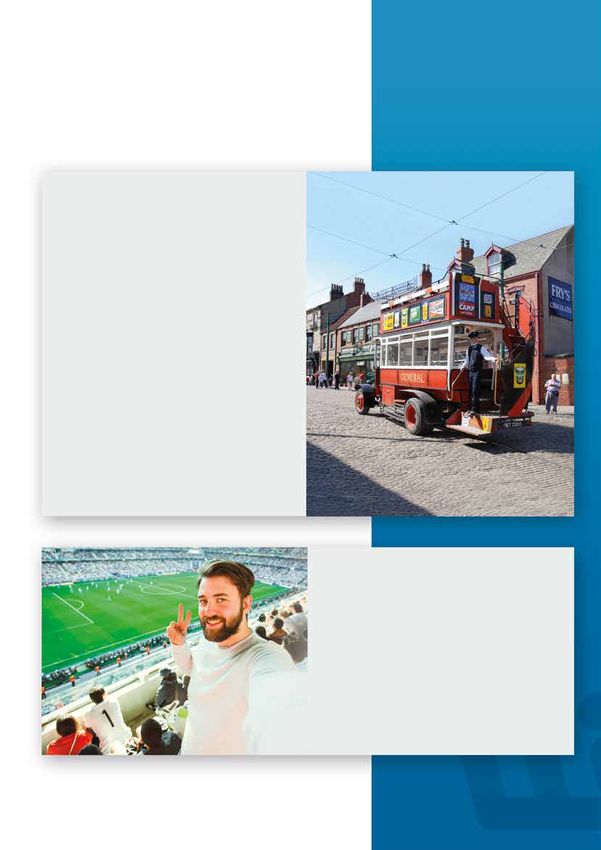
tours to Europe
A coach strategy large scale events
sports/concerts
from the UK
3%
for Britain
6%
Introduction international tourist home to school 16%
trips into the UK
C
oaches provide a vital, comfortable, and 11%
environmentally sustainable travel option, and help
school trips 12%
those who might otherwise struggle to travel.
They transport huge numbers of passengers around the UK –
pre-pandemic British people made an estimated 500 million
passenger journeys by coach in the UK each year.1 Of the 6.3 million
people who took a coach trip in 2019, 40% were 55 years old or older.2 rail & aviation replacement
They also transport around 600,000 children to school each day. 3%
This demonstrates the importance of this convenient and accessible
form of transport in helping people access holidays, education and
transport for vunerable people
1%
combatting social exclusion. Coach also plays an important role in
supporting the UK’s tourism industry; in 2019 there were 23 million domestic tourism 22%
visits to tourist attractions and locations by coach, which
corporate travel
3%
contributed £14 billion to the UK economy.3
Coach provides a multitude of services to ensure people can get to
where they need to go, including rail replacement during engineering private hire 20% scheduled services
works, aviation support, vulnerable group transport, such as elderly, 2%
children and people with disabilities and trips to sporting events.
% of coach fleet revenue
data provided by the CPT Coach Operator Survey 2020
However, only home to school and rail/aviation replacement services
have continued to operate – with associated payment - at any
meaningful level during the pandemic.
500 distribution of
coach operators
million by fleet size
23
21.7% 15-35 vehicles There are circa 2,500 coach
coach journeys operators in the UK, 81% of which
were made by are family or individually owned,
Britsh people often with multiple generations
36-60 vehicles
in 2019
million 8.4% working for the business and
deeply embedded in their
coach trips
6.3
were made to communities.
15 vehicles 66.3% 3.6% 61+ vehicles
tourist attractions or less Together these businesses
in 2019 provide 42,000 jobs across
the country.
million
adults took a 600,000
coach trip
in 2019
children data provided by the CPT Coach Operator Survey 2020
1
were taken to
CPT analysis of 2019
school by coach DfT and National Travel Survey data
in 2019
2
CPT Coach Operators Survey, 2020
3
CPT Research 2020
A day in the Operator A Operator B
life of a In just one day, operator A carried out the following services:
coach Home to school transport
operator 473
lines of work
77 National Express journeys
with the capacity to carry
4,671 passengers
Manages 43 different home to school/college routes
utilising 31 vehicles and drivers every term-time
To give a flavour of what coach delivered by morning and afternoon
operators deliver across Britain
every day, here are a few
examples of a typical day in 2019
142
vehicles
140 contract journeys with
the capacity to carry
5,545 passengers
Carries 5,600 passengers per day to or from school & college,
equating to over a million student journeys each year
Home to school services covered nearly 600,000km in 2019
for some of our coach operators.
14 coaches covering tours Saved 65 times the carbon monoxide emissions compared to
(with three additional associated transfers) students travelling by car (based on two students per car)
4 coaches on
excursions 63
coaches on
31
assorted private Tourism
school day trips hire bookings
113 Carried some 38,000 passengers on local sightseeing tours.
Tours start every 20 minutes in the high season with a
trips to & from
school with
the capacity
16 trips on sports shuttle services
with the capacity to carry
1,274 passengers
hop-on-hop-off service along the route enabling passengers to
visit a wide range of attractions.
346 coach trips for cruises that arrived at the local port,
to carry carrying nearly 14,000 people into the local area who spent
8,000 children
1,806 driver hours around £140,000 during their visit.
worked Ran 200 tours around the UK and Ireland carrying just
over 4,700 passengers. Tours last an average of five days and
four nights, contributing considerable income to the domestic
23,772
miles travelled 1,200
miles short of travelling
around the earth
tourist economy. A door-to-door pick up service on these tours
assists elderly passengers that would otherwise feel unable to
travel and helps to tackle social isolation. Operator also offers
a reunion trip which allows passengers to meet up with the
friends they made on previous holidays.
or 5 coaches from London to New York &
2 coaches from London to Sydney
Other
Carried out 63 trips, carrying
over 3,000 students, for educational purposes ranging from
museum trips to European city and ski holidays.
50 private hires a week, including rail replacement services.
Without a coach operator ready to fill these replacements,
there may be upwards of
100 passengers stranded
at a station at any one time.
Private hire work includes taking the local football team
and staff to all their away matches, carrying out an
important community service and taking cars off the
coach travel is road, reducing congestion and emissions.
6timessafer than car use 4
Coach drivers undertake rigorous professional training
and coaches are equipped with multiple technologies
which further increase their safety, including CCTV, 4
R66 roll over standard to ensure structural integrity and DfT (September 2019) Reported road
advanced emergency braking. casualties in Great Britain: 2018 annual
report, fatality rates data per billion
passenger miles by road user type
Covid-19 pandemic

                                                                                                                           T
                                                       The pandemic has hit the coach industry hard; 80% of                      his document sets out the value of coach travel
                                                       operators have seen their turnover reduce by over 50%, and                to Britain both today and in a sustainable future.
                                                     almost 20% of operators have seen theirs reduce by over 90%,                It identifies the actions that need to be taken, in
                                                   a devastating impact on an industry that is normally fundamentally      particular by central and local government, to enable
                                                 healthy and profitable. Despite the many support packages that have       the industry to recover from the Covid-19 pandemic
                                             been made available to other sectors, the coach industry has been             and get back to delivering a service that truly meets
                                             largely overlooked; the furlough scheme has been welcome, however             the needs of individuals, the economy, society,
                                             many operators have struggled to access the support packages made             and the environment in the 21st century.
                                             available to the leisure and hospitality industry and, despite being an
                                             integral part of the UK’s leisure and tourism industry, only around 20%
                                             of coach operators have been successful in accessing the bespoke
                                             support offered to that sector5 (which is largely left to the discretion
                                             of local authorities).
                                             With the right support the coach industry can recover so it can continue
                                             to play a vital role in delivering the country’s environmental, economic,
                                             and social goals.
                                                                                                                              The Confederation of Passenger
                                                                                                                              Transport (CPT) UK represents
                                             The future                                                                       the operators of bus and coach
                                                                                                                              services across the UK, as well
                                             The need to address air quality and the climate emergency has                    as vehicle manufacturers and
                                             risen to the forefront of public and political consciousness. Given the          other suppliers to the industry.
                                             Government’s legally-binding commitment to net zero emissions by
                                                                                                                              CPT has more than one thousand
                                             2050 and the poor air quality in many towns and cities it is essential we
                                                                                                                              enterprises in membership,
                                                  modify our travel patterns across the country to significantly improve

    one
                                                                                                                              ranging from major PLCs, through
                                                     our air quality and reduce our carbon footprint.
                                                                                                                              to municipally-owned companies
    coach                                            Thankfully, one solution lies ready and waiting in the form of
                                                     the coach; the latest Euro VI diesel coaches emit less nitrogen
                                                                                                                              and family businesses with fewer
                                                                                                                              than ten vehicles.

        50 cars
can keep up to

                     off the road
                                                      oxides per vehicle than the latest diesel cars, and just one
                                             coach-load of people can keep up to 50 cars off the roads, with average
                                             carbon dioxide emissions per passenger per journey being around 1.5
                                             times lower than rail, 5 times lower than air and 6 times lower than car
                                             travel.

                                             greenhouse gas emissions
                                             per passenger kilometre
                                             (g C02e/pass km) 6

                 domestic UK aeroplane                                                                    271

            average diesel car 1 person                                                208.9

                   short-haul aeroplane                                       172.6
                                                                                                                                                                                       5
                 average EV car 1 person          57.3                                                                                                                                 DfT member survey 2020

                                                                                                                                                                                       6
                           National Rail     44.2                                                                                                                                      Zemo Partnership test data and DBEIS
                                                                                                                                                                                       Greenhouse gas reporting:
                                                                                                                                                                                       conversion factors 2020
                                 coach     33.8                                                                                                                                        gov.uk/government/publications/
                                                                                                                                                                                       greenhouse-gas-reporting-conversion-
                                                                                                                                                                                       factors-2020
Executive
I
t is absolutely crucial for the UK’s long-term environmental targets and
economic recovery that the importance of coach travel is recognised. 4 Government working with industry on a national
summary But the sector has been hit hard by Covid-19. Operators are doing
all they can to stay afloat during the pandemic, but with bookings
strategy for sustainable long-distance road
transport. This should include:
Coach travel is an inclusive,
sustainable, environmentally friendly
not expected to return to pre-pandemic levels for several months,
perhaps not until 2022 at the earliest, and little financial support from
• Requirements to ensure that clean air strategies are fair and
reasonable for coaches and support modal shift from the
travel option that reduces air Government, the industry is struggling. It is vital that Government private car to sustainable forms of mass transport; in
pollution, carbon emissions and recognises the huge contribution that coach travel makes to the UK and particular that all Clean Air/Low Emission Zones include cars
• Avehicles
road congestion. provides the necessary support to ensure that the sector can bounce
national fund to support coach operators to invest in new
back from the pandemic and play its part in delivering a green, inclusive or retrofit to meet Clean Air/Low Emission Zone
It provides an accessible and economic recovery. requirements and, over the longer term, invest in ultra-low
inclusive travel option that operates
and zero emission coaches
24 hours a day, 7 days a week, CPT is committed to working with its members and Government as we
transports passengers to jobs that
may be at hard-to-reach locations
exit the pandemic to raise the profile of coach travel as a desirable
option for individual passengers, local areas, and society as a whole. • Support for the development of infrastructure associated
with ultra-low and zero emission coach fleet
or start and finish at odd hours. For the coach industry to deliver its full potential we need Government to
commit to providing a coach-friendly operating environment. This means:
It is able to deliver flexible and fast Provision of suitable flat, stable areas with adequate
emergency responses when rail
and airline services experience
5 space to deploy a wheelchair lift to enable coaches
complying with the Public Service Vehicle Accessible
unplanned disruptions.
1 Enabling the sector to bounce back from the
devastating impact of the Covid-19 pandemic by:
Regulations to provide services for the disabled,
particularly where this is mandatory
• UK and Welsh Governments following the lead of the Scottish
Government and introducing a per vehicle grant-based
Supporting the coach industry to secure a
scheme for coach operators as suggested by CPT at the
start of the pandemic 6 steady supply of good quality drivers
including by reducing the minimum age at
• Ensuring the sector has access to any support provided to
the rest of the leisure and tourism sector, given its vital role
which an unrestricted driving licence
to the UK tourism economy can be held
• Government to honour its pledge from September 2020 to
extend repayment terms for those who have a Coronavirus
Business Interruption Loan and to work with commercial If Government works with the coach sector
lenders to allow greater flexibility in finance repayments so the benefits to Britain could be huge.
no operator will have to pay back a loan until they have had
the opportunity to see business return We estimate that just a 15% increase in coach passenger journeys7 by
British people each year could lead to approximately 47 million fewer
• Promoting coach travel, at both national and local level, to
both passengers and locations to enable it to play its part in
cars on the road, saving over a quarter of a million tonnes of carbon
dioxide and significantly reducing congestion.
reviving tourism and the economy
Through improvements to the coach fleet we can reduce carbon dioxide
• Encouraging the return of educational trips by coach emissions even further – by around 56,000 tonnes over the next decade -
and reduce emissions of nitrogen oxides by enough to equate to
£225 million in damage cost savings.
By reducing congestion we can improve journey times and connectivity
d
2 Coach facilities and access forming an integral
part of the planning process for locations likely to
across the country for everyone.
By reducing traffic on the roads we can improve safety.
receive large numbers of visitors
By supporting the growth of the coach sector we can support the delivery of
VisitBritain’s ambitions to attract 49 million more visits and £35 billion more
port
n
3 Certainty over expectations over the Public Service
Vehicle Access Regulations (PSVAR) to allow
tourism spending by 2025
coach operators as much time as possible to
ensure their fleet is ready and able to comply with
We urge local, regional, and national government to work with us to deliver
requirements and grants to help with the cost of
the improvements set out in this strategy and deliver a coach industry fit for
retrofit the 21st Century and beyond.
7
Based on 2019 figures and CPT analysis
of DfT and National Travel Survey dataCovid-19 pandemic Despite this, the coach sector has been once again overlooked when it
comes to the provision of Restart Grants made available to other parts 8/10 operators
2/10
of the hospitality and leisure sector. This is despite the fact that coach operators
T
he Covid-19 pandemic has had a devastating impact on the tourism has been brought to a halt as a result of the pandemic and that
coach sector and lockdowns, travel guidance and current social supporting the industry to get back on its feet would play an important
50%
distancing measures continue to place coach operators under part in revitalising the rest of the UK’s tourism sector.
considerable financial strain. Even when the lockdown measures were
As we move to restart the country’s economy, we will want to bring
eased in 2020, which enabled the wider tourism sector to start to reduced
tourists back into the country, get people back in our hotels, theatres,
reopen, the market conditions for the coach industry, the requirement for
shops, restaurants, cafes, and bars, reinstate educational trips and help
turnover
social distancing, lockdown tiers, travel restrictions and group restrictions
those who have been forced to spend a considerable length of time in
continued to inhibit operators’ ability to operate without incurring
90%
isolation get back out and about, as well as getting people to school and
significant financial losses. Many family-run businesses which were
work. The coach industry has a vital role to play and so it is crucial that
fundamentally healthy and profitable pre-pandemic experienced more
than an 80% drop in income for 2020 – with almost 20% of operators
the sector is able to withstand the current crisis. reduced
seeing a reduction of over 90%. The Coronavirus Job Retention Scheme The Scottish and Northern Irish governments have acknowledged and
turnover
has covered one of the operators’ main costs, however the other main understood the difficulties coach operators are facing and have put
cost of vehicle finance has fallen between the cracks. The prospect of forward bespoke coach support packages. It is essential that both the
going out of business is now becoming very real. UK and Welsh governments take stock and follow suit for England and
Wales.
the Despite being a central part of the UK tourism sector and contributing
coach £14 billion to the UK tourism economy a year, only 20% of coach
Northern Ireland support
industry bought operators in England have been successful in accessing the support
for coach
120,000 available to the leisure industry. There has been a bit more success in
Wales, where some operators have been supported through the Welsh
visitors Northern Ireland was the first to confirm a support package for coach
£30
million &
Government’s Economic Resilience fund, however even access to this
scheme has been variable.
operators; a £19 million support fund was made available to support taxi
drivers and private coach and bus operators. The first round of support
Whilst the Coronavirus Job Retention Scheme (CJRS) has been was announced in October 2020 and £5 million was distributed on a per
to the Blackpool
economy enormously helpful, even with all staff furloughed and its doors vehicle basis to private coach and bus operators who had been severely
closed the average coach company faces around £1,900 in hit by the pandemic. Payments to eligible operators were £8,000 for the
in 2019 standing costs per day (at c. £83 per coach) and refunding first vehicle and £4,450 for subsequent vehicles, with a cap of £100,000.
customers in the early part of the pandemic for cancelled tours A second round of funding was opened by the infrastructure minister on
has left coach operators with severely depleted cash reserves with no the 12 March, it will provide grants for overheads and expenses incurred
revenue coming in for the foreseeable future. between 1 October 2020 and 31 March 2021.
one
operator Even as lockdown is eased, the short to medium term outlook for the
carried
Scotland Coach Support Fund
coach industry continues to look challenging: continued suppression
14,552 ZERO of parts of the economy and society as well as social distancing
passengers passengers requirements will make it impossible to operate commercially viable Following their continued engagement over the past year with
services, at least until the social distance review in June. The leisure and
as a result of VisitScotland, Scottish Government and directly with the Cabinet
the pandemic tourism sector are likely to be the last to return to business as usual. Secretary for Rural Economy and Tourism, CPT Scotland successfully
lobbied for a fund to support coach operators who have been severely
2019 2020 affected by the Covid-19 pandemic and were successful in increasing
the amount available from an initial £5 million to £10 million.
Initially, operators received up to £150,000 in funding which was
an operator
awarded on a per coach basis, tiered by Euro Standard:
based in the south of England
carried almost
40,000 passengers • Euro VI vehicles up to £12,000 per qualifying vehicle
in the summer • Euro V vehicles up to £9,000 per qualifying vehicle
of 2019 fewer than
200
The above rates were reduced by 50% for vehicles with
less than 25 seats.
customers
in the
summer of
2020What we need from In September 2020 Government announced that businesses who
had secured a Coronavirus Business Interruption Loan (CBIL) or
government Bounce Back Loan would have their repayment term extended
from 5 years to 10 years.
Sector specific grants
It was later confirmed in February 2021 that the payback period
UK Government needs to take action similar to that taken in for the Bounce Back Loans would be extended from 5 years
other parts of the UK to support the coach industry in England to 10 years, with applicants able to move to interest-only
and Wales. A per coach grant, along the lines of the Northern Ireland repayments for a period of 6 months and with the option to
and Scottish models, would help to cover the standing costs faced pause repayments for a period of 6 months. However, there
by operators and help operators get back up and running again as has been no confirmation that the same extension will be
lockdown is eased and the economy reopens. applied to businesses with CBILS. We urge government to
honour their pledge from September 2020 and extend the
Our calculations suggest that, if all coaches are eligible, a per coach
repayment terms for the CBILS. The pandemic has lasted longer
figure along the lines of that available in Northern Ireland would be
than hoped when the loans were first put in place, and so the coach
appropriate (equating to roughly three months’ worth of standing costs).
industry, along with many other industries, will not be able to recover
If Government decided to make the scheme more targeted – along
as quickly as was originally envisaged. The extension will provide
the lines of the Scottish model, the higher per coach figure would be
more certainty over their future.
appropriate to acknowledge the increased costs associated with newer
vehicles and the fact that these newer vehicles are less likely to have It is also essential that lenders and financial institutions take a
received any home to school income during the pandemic. longer-term view when considering applications for future loans.
Operators are concerned that having Covid-related loans on their
We think that Government would need to allocate between £100-£150
finance history will stand against them when applying for finance in the
million to make a meaningful difference to the sector, recognising
future. It is essential that financial institutions recognise these were
the essential role of coaches and ensuring a level playing field for all
exceptional circumstances.
operators across the UK. By supporting the coach sector out of the
pandemic, Government can ensure that best value is delivered from The coach industry is fundamentally healthy and
£100-£150 the money already spent on furlough, rather than it simply deferring
the date at which a number of coach operators go out of business.
profitable and we have every expectation that it will
be able to return to its pre pandemic, business as usual
million
state provided it is given the support needed to ensure
its survival now.
HM Treasury to help financial institutions take a longer-term view of
needed to support
the coach industry’s prospects when considering lending, finance
coach sector
holidays and personal guarantees- and to extend repayment terms
for the Covid-19 Coronavirus Business Interruption Loan Scheme
Operators have faced months of high costs with little or no income Provide full and fair access to the grants
and limited access to support. If finance holidays were extended
by 12 months, or the government covered the interest payments on
and support available to other parts of
these loans for 12 months which is estimated to cost £85 million, this the leisure industry
would ensure that no coaches are repossessed in the short term and Despite delivering 10% of the value of UK tourism the Government
businesses will be ready to bounce back as soon as restrictions allow. has failed to give the coach sector consistent access to the
support provided to the leisure and tourism industry. It has visits to tourist
often been left to local authorities to decide whether to attractions
provide support to coach operators on a case-by-case basis.
& locations
Formal recognition from Government in the guidance that by coach
accompanies support for leisure and tourism businesses that contribute
£14
coach operators should be granted access to these funds
would help to end the postcode lottery of support.
billion
to the UK economyPromoting coach travel and Encourage the return of school trips
coach friendly attractions Both overseas and UK-based school travel has been brought
Coaches can help revive the tourist economy, when it is safe to do so, to a complete halt due to the pandemic. Coach operators who
and deliver much needed footfall to attractions and places across the provide these school trips have been unable to operate since
UK. The Covid-19 pandemic has caused many tourist attractions to close March 2020 when the UK entered its first lockdown and there
their doors to coach trips, resulting in many people unable to enjoy a day is currently no date for when these trips are expected to resume.
out and a negative impact on local economies. Approximately 560,000* students undertake an overseas
As we exit lockdown and the restrictions are eased, enabling tourist school residential trip each year in normal times, and more than
locations to reopen, it is essential that as many places as possible can 1 million students will have missed out on these opportunities
welcome coach trips and tours. Government at central and local by the time school trips are re-instated.8 Many thousands more
level has a major role to play in encouraging people undertake day and residential trips in the UK. 89% of schools
to visit destinations once it is possible to do so and view residentials as extremely or very important to students and
make it clear that travelling by coach is a good way the school itself, and 94% of schools ran a residential trip during
coaches
to travel – safe and convenient for the passenger, the 2018/19 academic year.9
and cutting down on congestion and parking These trips provide essential learning and experiences for
CO
ELLC OM ME
E
issues, as well as reducing air pollution and carbon
WE
school children and it is vital that we do not lose these as
W emissions that would arise from multiple car trips.
Local authorities can also help by working with
tourist attractions and locations and encouraging
measures are eased and schools are able to reopen. We are
asking government to allow and encourage schools to start
planning for trips, both in the UK and internationally, and to
them to accept coach trips. address the current lack of Covid-19 insurance for these travel
options so these trips can be part of children’s
catch-up programme.
Home to school transport *overseas trips only, does not include the thousands
of pupils undertaking residentials in the UK.
The coach industry also operates home to school transport and many
operators who provide these services have been doing so throughout
the pandemic, sometimes at a loss (even when schools were closed
to the majority of students, they remained open to vulnerable and key If the coach sector is given the support it
worker children who needed transport to school). Home to school only urgently needs to survive the pandemic,
forms 20% of the coach sectors’ income, however it requires 40% of
the industry can help government
the coach fleet to deliver. Operators are normally able to keep rates for
deliver its ambitious economic and
home to school services low by scheduling other work during the day
around these home to school services to support their income.
environmental targets whilst also
The pandemic has put a stop to this other work, making it increasingly supporting an inclusive society.
difficult for operators to cover home to school running costs.
In addition, funding made available by Government to supplement
registered bus services that carry large numbers of school children and
8
School Travel Forum 2019 member survey which were at risk of over-crowding during the pandemic has largely
been utilised by incumbent bus operators, having minimal impact on
9 the coach sector.
School Travel Forum 2019 school survey
While demand for tourism and other work remains low, we urge
government at national and local level to be sympathetic to the
difficulties faced by coach operators in covering their costs while other
work is suspended and to consider providing top up payments for
contracts that are at risk during this difficult time.Future beyond Covid-19: What we need from government
delivering economic Coach facilities and access should be an integral part of the planning
process for locations that are expected to receive a large volume
recovery of visitors.
It is essential that local authorities ensure they make appropriate
C
oach travel can play a vital role in the UK’s economic recovery provision for coach travel in order for it to assist in the economic
from Covid-19. Before the pandemic, domestic and international revival of local areas. Coach friendly access and facilities need to be
visitors travelling by coach contributed over £14 billion to the embedded in decision making and new development planning at a local
British economy each year, with 23 million visits to tourist attractions and level. Local authorities may be unaware of the value of coach travel to
places made by coach in 2019. Coaches are an attractive travel option for their area and we would like to work with them to address that. Annex
international visitors, with 46% reportedly nervous about driving A provides an example checklist for new developments to ensure that
in Britain.10 provision for coach visitors is considered.
Stately homes, gardens and theme parks report that, at certain times We would urge UK, Welsh, and Scottish Governments to endorse Annex
68,000
of the year, more than half of their visitors arrive by coach,11 and coaches A as a tool that can assist developers and local authorities in planning
transport huge numbers of people to and from sporting and entertainment new developments. These considerations for coach should be included
events; in 2019 more than 68,000 passengers (accounting for nearly 40% as a priority in the Planning Policy Wales, statutory guidance for Welsh
of festival-goers) were transported to Glastonbury by coach from cities LPAs under the 2015 Planning (Wales) Act, the Planning (Scotland) Act
as far afield as Penzance and Dundee, with 880 passengers per hour 2019 and the forthcoming Scottish National Planning Framework 4, and
being transported in the peak period. in any future reform of National Planning Policy and guidance in England.
Government should also consider coach provision when assessing
festival goers VisitBritain published a five-year strategy in early 2020 with the goal
bids for transport funding.
of attracting 49 million overseas visitors, which is expected to generate
travelled to £35 billion in revenue by 2025.12 Coach can provide an attractive,
Glastonbury convenient, sustainable, and flexible way for these visitors to travel
We recognise the importance of good relationships between coach
operators, local authorities and residents and the need for coach
by coach the country. drivers to act responsibly. Our members are committed to following best
in 2019 These are not the only developments that can benefit from good coach practice to secure their good reputation, including
facilities. Coaches also offer an efficient mode of transport for visitors switching engines off when stationary, parking in
to hotels and airports, and employees to industrial and commercial designated coach parking areas where available
developments. It is vital that these places provide coach friendly access (and paying the appropriate charge) and avoiding
and facilities so that these journeys can be made more efficient for obstruction of traffic. CPT will continue to work with
passengers but also to encourage more people to use them. operators to develop and encourage best practice.
10
VisitBritain: Foresight Issue 117,
In BEIS & DCMS (28 June 2019)
Policy Paper:
gov.uk/government/publications/tourism-
sector-deal/tourism-sector-deal#fn:24
11
Coach Tourism Association
findacoachholiday.com/why-travel-by-
coach/
12
The problem
VisitBritain & VisitEngland (February 2020) Despite the fact that planning policy and guidance in England,
C01
C02
C03
Our five- year strategy: 2020-2025 Scotland 13 and Wales14 recognises the importance of provision for
13
sustainable transport in new developments, the value of coach travel and
transport.gov.scot/media/4589/ the benefits it can provide for reducing air pollution and traffic are not
planning_reform_-_dpmtag_-_ always fully recognised.
development_management__dpmtag_
ref__17__-_transport_assessment_ Coach travel to visitor attractions is frequently hampered by poor
guidance_final_-_june_2012.pdf
access, lack of suitable drop-off/pick up points, lack of coach parking
14 and general coach facilities. This can lead to increased car use, with
gov.wales/sites/default/files/ associated congestion, car parking and air pollution issues, which can
publications/2019-02/planning-policy-
wales-edition-10.pdf result in visitor numbers being restricted.Government should be proactive in The examples of the benefits
promoting a positive coach message to that a coach-friendly approach
get people back on board can bring
Coach can deliver much needed footfall to attractions and locations Places that have recognised the value of coach facilities have
15%
across the UK, as and when lockdown restrictions are eased. It is vital reaped the benefits:
government takes a proactive role in encouraging people to visit these
destinations once it is possible to do so and highlights the economic and
environmental benefits of coach travel. This will be particularly important
increase
in coach passenger
journeys
as we exit the Covid-19 pandemic as Government messaging to avoid
public transport could otherwise have a lasting impact on the way Beamish Museum
the public views the whole range of mass transport options,
including coach travel. The North East region’s most popular
paid-for attraction which offers:
An increase in coach passenger journeys by just 15% a year
could significantly reduce the amount of cars on the road - by • Free coach parking next to the entrance
approximately 47 million - which could save over a quarter
of a million tonnes of carbon dioxide and significantly • Free admission for coach drivers
47
reduce congestion. • Coach driver hospitality
• Dedicated signage for coaches
Road pricing targeted at • Discounted admission for pre-booked groups
million encouraging a shift from private It welcomed 747,651 visitors in 2016, up 11%
less cars on car to coach travel on 2015, with visitors in December up 38% on
the road (and to other public transport) the previous year, and more than double
Coach travel is cheaper than running a car; if more visibility was 2008 figures.
given to the costs of coach vs the cost of a private car, more
passengers may be persuaded to leave their cars at home and
Over half of visitors are tourists, nearly all
choose a more sustainable travel option such as coach. of whom stay overnight in the region and
visit other local cultural and heritage sites.
If Government switched from the current system of charging people for
the fuel they use to charging them for using the roads in specific places In 2016 the attraction employed over
during specific times, this would decrease the incentives for private car 430 people.
use and make more sustainable options, like coaches, more desirable.
We propose that vehicles such as coaches which solve the problems of
congestion and pollution should be exempt from any road user charge.
This will encourage the shift to more sustainable and environmentally
friendly forms of transport and ensure that affordable methods of
transport are available, including for those passengers that have no
other option. The charging structure should be transparent so that
Wembley Stadium
people are able to compare the (largely invisible) cost of a journey
by car with the cost of the same journey by coach. The Stadium has recently opened a new
coach park with capacity for 290 coaches.
For just one event this could enable 13,050
passengers to be brought by coach, taking
around 6,500 cars off the road. *
*based on 45 passengers per coach and two
GET BACK TO passengers per car
GET
TO
BACK
the coach
the h
coacInverness
In 2011 CPT Scotland were contacted by Highland Council about
coach parking issues in the City of Inverness:
• There was a steady increase of cruise ships arriving into the nearby
Port of Invergordon being met by coaches who took tourists to see the
local sites, including the city
• The city lacked sufficient coach drop-off points leading to a
Oxford
prevalence of illegal parking and blocking of bus bays
Tourist visits generated £988 million for Oxford in 2019 and the city
• Flood prevention works were due to start along the River Ness which
would remove a number of potential coach parking locations, further
council has acknowledged the important role that coaches play in
bringing tourists to the city by allocating £20,000 from its 2021/2022
exasperating issues draft budget to develop a coach drop-off and parking
strategy for the city. The proposal forms part of Oxford City
Council’s wider investment plans to help Oxford’s visitor
CPT worked with the Highland Council team to find a solution.
economy recover after the Covid-19 pandemic.
In 2013 12 coach parking bays were installed in Ardross Street with
time restrictions to meet residents’ and local business’ concerns.
In late 2014 the Business Improvement District and the Highland
Council part-funded a summertime coaching ambassador and
assistants for weekends/cruise days who met the coaches,
briefed drivers on parking rules and welcomed the guests.
During the summer of 2017, the ambassadors reported a 45%
increase in coach visits with over 2,300 coaches visiting the city.
Over the summer of 2019 Coach Ambassadors welcomed visitors
from almost 3,000 coaches equating to over 130,000 people.
Bury Market
Bury Market is the biggest market in the North,
with over 350 stalls open on Wednesdays, Fridays,
and Saturdays in non-pandemic times.
A coach-friendly attraction, it offers:
• Coach drop off adjacent to the open market
• Coach drivers’ rest room
• Free coach parking
• £5 coach driver meal vouchers
The number of coaches visiting increased by over 40%
between 2008 and 2018. The market now attracts over
76,500 visitors who travel by coach every year with
regular visits from Birmingham, Carlisle, Durham,
North Yorkshire, and Wales.Future beyond Covid-19: Comparison of an
educational trip abroad
delivering environmental coach
goals vsplane
R
educed levels of congestion on our roads during the pandemic
A school trip abroad lasting seven days, with 30 students.
have led to an improvement in air quality – at the height of Two options for travel:
lockdown Manchester reported a 70% reduction in emissions of
nitrogen oxides (NOx), a reduction in carbon emissions and quicker, more
efficient road speeds. As we exit the pandemic and restart the economy
there is an opportunity to reset travel trends and create new sustainable
travel habits. Coaches provide a viable solution that will aid in our
A coach airport flight airport coach
coach travel during holiday
resort
economic growth and significantly reduce our emissions.
Assumption that a shorter 2,500Km route is taken by air,
Coach travel is already one of the most sustainable and environmentally with 1,500km by plane and 1,000km by coach.
friendly forms of transport, with average carbon dioxide emissions per
passenger per journey being around 1.5 times higher for rail, 5 times A plane produces 285g Euro VI coach emits 0.15g
carbon dioxide (CO2) carbon dioxide (CO2)
higher for air and 6 times higher for car travel.15 With the latest Euro per passenger kilometre18 per kilometre19
VI coaches emitting less NOx per vehicle than the latest diesel cars,
plane portion coach portion
just one coach-load of people - which can keep on up to 50 cars off
of the journey of the journey
the roads - amounts to notable savings in carbon and NOx emissions.
(1,500km x 285g x 30 passengers) (1,000km x 0.15g) = 150g CO2
We estimate that just a 15% increase in coach passenger journeys by = 12,825,000g / 12,825kg CO2
British people each year could lead to approximately 47 million fewer
cars on the road,16 saving over a quarter of a million tonnes of carbon
dioxide and significantly reducing congestion on our roads. Coaches 1,2825kg + 0.15kg = 12,825.15kg CO2 or
are therefore part of the solution to the problem of climate change, with
buses and coaches together currently contributing only 3% of domestic
427.5kg CO2
per passenger
transport emissions of carbon dioxide whilst cars contribute two-thirds.17
0.15
comparison of NOx
g NOx / passenger km
0.14
emissions between a
diesel car and coach
on grams per passenger
0.10 0.11
urban 16.8km/h
rural 31.6km/h
motorway 80.3km/h
B coach Dover Calais same coach
during holiday
km travelled 0.08
0.05 CO2 output of a ferry is 18g per Euro VI coach emits 0.15g
foot passenger kilometre and carbon dioxide (CO2)
128g for a driver and a car.20 per kilometre19
0.02 0.02 0.01 Assumption is that coach is
0.00 10 times weight of a car so
CO2 output = 1,280g
Euro6 diesel car EuroVI coach
5 passengers 60 passengers
ferry portion coach portion
Modelled Euro VI diesel NOx emissions using average speeds of the Zemo Partnership UK of the journey of the journey
coach cycle, grams NOx per passenger kilometre travelled at 100% vehicle occupancy coach (85km x 18g x 30 passengers) + (3,000km x 0.15g) = 450g CO2
compared to 5 passengers in a diesel car (COPERT 5 model) 85km x 1,280g = 154,700g CO2
15 154,700g + 450g = 155,150g or 155.15kg CO2 or
Nevertheless, the industry wants to go even further. In 2020 National
5.2kg
BEIS/Defra greenhouse gas conversion CO2
factors 2019 Express announced a bold and ambitious plan to have a fully zero per passenger
16 emission UK coach fleet from 2035. The rest of the coach industry is 18
Based on 500m passenger journeys keen to move in the same direction but it faces many challenges, many European Environment Agency data
made by British people by coach each of which are set out below and which have been further compounded
year pre-pandemic 19
by the Covid-19 pandemic which has had a severe detrimental impact EMEP/EEA Exhaust emissions for buses
17 on many operators’ ability to invest in new vehicles or retrofit options. and coaches 2016
Department for Transport (July 2019) The pace of change for the industry as a whole is therefore likely to be
Carbon offsetting in transport: 20
A call for evidence slower; our ambition is to have an ultra-low or zero emission coach fleet BEIS
across Britain by 2040.Clean Air Zones in England and Wales Cost of retrofit solutions
In order to improve local air quality, many local authorities are required Whilst funding has been made available for bus operators affected
to develop clean air strategies and introducing a Clean Air Zone is one by Clean Air Zones to upgrade their fleet to comply with the new
of the governments proposed methods. Vehicles entering the specified requirements, the same cannot be said for coach operators nationwide.
area must be a minimum Euro VI standard. Local authorities determine In England and Wales, it is left to the local area to decide what support to
the boundaries of the Clean Air Zone and decide which vehicles will provide and to whom, with many choosing not to offer support to coach
be required to meet the engine standards by picking from a range of operators that may travel regularly into their area.
specified ‘classes’ of zone. Any non-compliant vehicles will need to pay
a charge in order to enter the zone. In Wales, the Clean Air Framework In Scotland, whilst coach operators were able to bid for funding from
is less prescriptive in that it does not specify ‘classes’ but does have the the Bus Emissions Abatement Retrofit (BEAR) programme, priority over
same minimum emission requirements. available funds was always likely to be given to bus and scheduled
coach services, with coach tour/private hire operators likely to miss out.
A large number of Clean Air Zone21 strategies in England and Wales
This may be at least partly due to difficulty in determining eligibility; many
propose to charge coaches entering the zone but not cars. However,
coach operators who might run frequent services into a Clean Air Zone/
£££
we are pleased to see that some Clean Air Zone proposals, such
Low Emission Zone may not be based within the local authority
as Birmingham, are targeting all vehicles, including cars. We are
area and it may be difficult to confirm the extent to which
supportive of this and would encourage other local authorities who
they will be affected by the requirements.
need to implement a Clean Air Zone to do the same. Strategies
that propose to charge coaches but not cars fail to tackle the
The fact that many coach operators and services
root cause of the problem, penalise those who opt for a more
do not fit neatly within defined geographical
sustainable transport solution and threaten the future viability
boundaries means they fall between the cracks
of this sustainable, inclusive mode of travel.
when it comes to securing funding allocated by
local authorities. With such operators facing the
Scotland’s Low Emission Zones huge costs associated either with retrofit, new
vehicles or a daily charge, this puts vast numbers of
NOX
Whilst the vehicle emission standards are the same for England coach services at risk, particularly given the devastating
and Wales, Scotland’s Low Emission Zones differ in that they are a ban impact that the pandemic has had on many operators’
and not a charge on non-compliant vehicles. Coach operators who
operate anything older than a Euro VI diesel vehicle will be unable to
available capital for investment. Some operators may choose
to cease running services into the Zone; some may have no
CO2
access the zones and will receive a penalty charge notice if they do so. choice but to pass on the increased cost to the passenger.
This would lead to less opportunities for passengers to travel
NOx
by coach and would result in an increase in car journeys or the
exclusion of those who have no other option which would have
a negative impact on the local economy.
E LOW
ON EM
Z IS
IR SI
A O
N
N
EA
ZO
CL
NE
21
The equivalent in Scotland is a Low
Emission Zone. For the purposes of this
document, the terms ‘Clean Air Zone’
and ‘Low Emission Zone’ are treated
as interchangeable.Cost and availability of new, What we need from government
ultra-low and zero emission vehicles It is essential we work with the government on a national strategy for
Some manufacturers have begun to develop ultra-low and zero sustainable long-distance road transport. This can provide the policy
emission capable coaches to help in the fight against climate change. and funding framework which would provide the certainty that
There are two manufacturers offering electric coaches with a range of operators and manufacturers need to invest in new technology
between 200 and 300km, a hybrid model is being trialled in the UK and against a realistic timeframe.
both Compressed Natural Gas and Liquefied Natural Gas models are
This strategy should include:
available. Whilst these developments are great news for the industry,
range, infrastructure, and reliability are concerns for operators.
If we are to make the transition to ultra-low or zero Requirements to ensure that proposals for Clean
emission coaches a reality, support from Government Air Zones and Low Emission Zones are fair and
is needed to ensure the continued development of reasonable for coach operators and promote
adequate technology.
modal shift from private car to mass transport
In addition, the cost of ultra-low and zero emission
We urge the national governments to create a new class of Clean Air
coaches is currently considerably more – we estimate
H2 Zone/Low Emission Zone that would enable cars to be charged or
around 75% more - than the latest Euro VI diesel vehicles.
banned without also targeting coaches (and buses) that provide a more
Until prices progressively align, support for the increased
sustainable travel option.
purchase cost from government is likely to be needed for
many operators to invest – particularly in the aftermath Pending this change, government should revise their guidance to local
of the pandemic. authorities so that coaches (and buses) are only subject to the emissions
standards requirements (or charged where standards are not met) where
cars and taxis are also subject to such standards (or charges). average C02
This would ensure that clean air strategies are fair and
reasonable for coaches and truly tackle the causes
emissions
per passenger per journey
At the end of 2019 Flixbus began an electric coach Cost and location of the problem. are around
service on the 150km route between Paris and Amiens. of infrastructure
The coaches recharge at each destination. However,
they cancelled an electric route in Germany due to a
associated with
number of breakdowns and lack of technical support. ultra-low and A national clean air fund to support coach
They are also investigating the potential of hydrogen zero emission operators to invest in new vehicles or retrofit
coaches with manufacturers. coach fleet to meet Clean Air Zone requirements
It is estimated that an electric Given the important role that coaches play in supporting the
charging point would cost between British economy, delivering an inclusive society, and tackling
£20,000 and £35,000, plus the environmental issues, it is essential Government provides the
National Express in 2020 announced their ambition
associated infrastructure costs
which would vary depending
necessary financial support for coach operators affected by Clean
Air Zones and Low Emission Zones to either replace or retrofit 6X 5X 1.5X
to have fully zero emission UK coach fleets from on the site. This adds significant vehicles to meet the required Euro VI standards, in the same way higher higher higher
2035, with a target for the first electric coaches to cost to the investment in electric that widespread support has been available for buses in England
be in service from 2021. Unfortunately, due to the
vehicles. and Wales. We recognise that identification of eligible operators is
pandemic, they were unable to run their planned
more complicated than for buses, but we do not believe that this is
in-service trial of an electric coach on their Stansted There will also be many services than travel by
insurmountable and are willing to work with both local and national
Airport service, but they were able to run a pre-trial
test from Stansted to London Stratford with non
for which current battery ranges
are not sufficient to return to the
governments to find a solution. Funding for retrofit would also coach
fare-paying customers on board. This year they plan provide manufacturers with certainty that there will be a market for
coach depot before charging is
to launch a procurement process to find a partner solutions, thus encouraging them to bring forward a range of options for
to help them develop their next generation coach required. There will be similar
coaches which is currently lacking. We estimate that £75 million would
fleet and, despite the impact of Covid-19, are still issues around the charging
provide enough support to retrofit all the 5,000 Euro IV and V coaches
fully committed to their ambition for their UK bus and infrastructure for other alternative
coach fleets to be fully zero emission from 2030 and currently registered in the UK which are well suited for retrofit.
fuels. Until appropriate charging
2035 retrospectively. infrastructure is available across
National Express is the UK’s largest operator of the country, it is not viable for many
scheduled coach services, running over 1,800 services coach operators, especially those
to more than 540 cities and towns every day. In 2019, operating longer distance services,
they provided journeys to over 21 million passengers.
to invest in the ultra-low or zero
emission coaches that depend
upon them.Examples of local schemes to support the retrofit Given the likely need for electric (and other alternative fuel) coaches to
of coaches affected by Clean Air Zone/Low recharge or refuel on route or at location, investment by government is
also needed in a network of national charging infrastructure.
Emission Zone requirements.
Whilst these provide welcome support to operators, there remain huge
numbers of operators who will be affected by the Zones’ requirements One coach operator located 200 miles from Heathrow provides a
but who are unable to access locally provided funding. service transporting passengers into Heathrow airport. With a Euro
VI coach, the operator can complete a roundtrip with a break of 45
minutes; the current offering of electric vehicles have a range of
2-3 hour 200 miles and take between 2-3 hours to recharge, if there is a rapid
Leeds City Council budgeted £2 million for non-scheduled coach and bus operators to recharge charge point available. The coach would also require sufficient
help them upgrade their fleets in preparation for the city’s Clean Air Zone (CAZ) which luggage capacity for its 85 passengers, however electric coaches
was originally scheduled to commence in summer 2020. A grant of up to £16,000 per currently come with reduced luggage capacity, meaning that
vehicle was available to operators to purchase a compliant vehicle or both range and luggage capacity make electric vehicles
retrofit a non-compliant vehicle to bring it up to standard. This support currently unsuitable.
£2million has been so successful that Leeds have now announced plans to scrap
their CAZ as it is no longer needed. Even if traffic levels return to normal Another operator provides a service from Yorkshire to the cruise ships in Southampton,
Leeds City Council and then completes a return journey for the passengers wanting to travel home.
levels, the CAZ is no longer required due to the significant
CAZ upgrade The round trip is in excess of 600 miles. An electric coach would require rapid
shift to cleaner vehicles. The council has written to the UK
budget charge points situated along the strategic road network in order
Government asking to use £6.9 million in CAZ funding
to continue to offer grants for local businesses to for this journey to be viable.
switch to cleaner vehicles.
Birmingham has established a
£10.05 million HGV and coach
compliance fund to support
£10million
businesses based in Birmingham Birmingham Potential benefits of action
CAZ business
or the West Midlands affected by
compliance from Government
the Birmingham Clean Air Zone to fund
purchase, lease, or retrofit vehicles. Calculations by Zemo Partnership22 estimate that around 20% of the
coach market – circa 5,000 vehicles – in the UK is Euro IV or V, which
are ripe for retrofit to Euro VI. Such retrofitting will result in significant
The Bus Emissions Abatement Retrofit (BEAR) programme in
Scotland supported the cost of retrofit technology for buses and
NOx savings; in an urban setting with an average speed of 11mph
coaches to improve emissions to Euro VI standard or better. It retrofitting to Euro VI could save between 86-92% of NOx/km. An
was available to bus and coach operators delivering services average retrofit cost of £15,000 per coach equates to £10 expenditure
£8.9million within Low Emission Zones or Air Quality Management Areas per kg/NOx saved. This compares to an average cost of £105 per kg/
funding awarded in Scotland. In 2017/18 the scheme awarded funding to seven NOx saved through grants for electric cars and a cost of around £175 kg/
in 2019/2020 operators to retrofit 42 buses and coaches. IN 2018/19 a further NOx saved under the diesel car scrappage scheme.23
eight operators were awarded funding for 124 vehicles. In 2019/20
a further £8.857 million was available for eligible operators. Based on DEFRA’s damage cost saving estimates of £6,199 £/NOx tonne,
retrofitting 5,000 Euro IV and V coaches would result in around £45
million damage costs savings annually. Assuming a retrofit system is in
place for at least five years, this would equate to £225 million in damage
cost savings. 24
We have highlighted the challenges faced by the coach industry in
moving towards an ultra-low and zero emission coach fleet. Nonetheless,
we recognise the need for all industry sectors to take serious action to
Financial assistance to help coach operators tackle the climate emergency. This is why, with the necessary support 22
The Zemo Partnership, established in
invest in ultra-low and zero emission coaches from Government as described above, we are setting out our ambition to 2003, is a public-private partnership that
and support for the development of reach an ultra-low or zero emission coach fleet by 2040. exists to accelerate a sustainable shift
to lower carbon, cleaner vehicles and
infrastructure associated with these vehicles. Supporting the coach industry to make the transition to zero emission fuels and create opportunities for UK
businesses.
We welcome the Government’s commitment to work with all sectors of alternatives will have a substantial impact on the environment and will
industry to accelerate the rollout of zero emission vehicles. This support further reduce the carbon footprint of an already sustainable travel 23
option. Zemo Partnership figures based on
is vital if suitable coach options, with the required further developments in Professor David Begg for Greener
technology, are to come forward in any meaningful number. Furthermore, By encouraging Clean Air Zones proposals to target private cars, it Journeys (2017) Improving air quality
in towns and cities: Why buses are an
the cost of ultra-low and zero emission coaches is currently considerably places more sustainable travel options such as coaches on a more integral part of the solution
more than the latest Euro VI diesel vehicles. Until prices progressively align, equal footing and encourages more passengers to use them. As well as
24
support for the increased purchase cost from government is needed for helping us to meet our climate change goals, a reduction in congestion Figures provided courtesy of Zemo
many operators to invest. will also have a positive impact on the economy and on everyday lives. PartnershipYou can also read


