British Columbia Plant Health Strategy for Agriculture 2018
←
→
Page content transcription
If your browser does not render page correctly, please read the page content below
British Columbia Plant Health Strategy for Agriculture

Cover Images
Top row, left to right
Colorado potato beetle
Gummy stem blight on squash
Anthracnose on blueberries
Brown marmorated stink bug. Photo courtesy David R.
Lance, USDA APHIS PPQ, Bugwood.org
Bottom row, left to right
Grapevine leafroll virus symptoms
Apple curculio on saskatoon berry
Fusarium colony in Petri dish
Apple clearwing moth
Table of Contents
Executive Summary.............................................................................................................................................. 2
Strategic Plan Summary ....................................................................................................................................... 3
Introduction .......................................................................................................................................................... 4
Plant Health Unit .................................................................................................................................................. 5
Vision and Mission ............................................................................................................................................... 5
Legislative Mandate ............................................................................................................................................ 6
Linkage to the Ministry of Agriculture Service Plan............................................................................................ 7
Linkage to the B.C. Agri-Food Strategy............................................................................................................... 7
Plant Health Challenges and Opportunities .......................................................................................................... 8
Plant Health Program Goals
            Goal 1. Innovative Pest Management Delivery Systems:
                           Effective, innovative and sustainable measures and practices to prevent or
                           minimize the impact of plant health threats ................................................................................. 10
            Goal 2. Surveillance and Pest Risk Analysis:
                           Prioritization and documentation of critical plant pests that threaten B.C. agriculture ..................... 11
            Goal 3. Diagnostics:
                           Timely and accurate diagnosis of new and established pests that pose a significant risk
                           to B.C. agriculture .................................................................................................................... 12
            Goal 4. Governance:
                           Effective plant health policies and programs supported by appropriate legislation .......................... 13
            Goal 5. Strategic Partnerships:
                           Effective, innovative networks and collaborations that address plant health
                           issues in B.C. .......................................................................................................................... 14
                           Successful Partnerships in Action .............................................................................................. 15
Implementation .................................................................................................................................................. 16
Appendix 1: Definitions ..................................................................................................................................... 17
Appendix 2: Organization Charts ....................................................................................................................... 18

Chrysanthemum white rust                    Pepino mosaic virus                         Cherry fruit fly                             Cherry rasp leaf virus

B.C. Ministry of Agriculture Plant Health Strategy                                                                                                                     1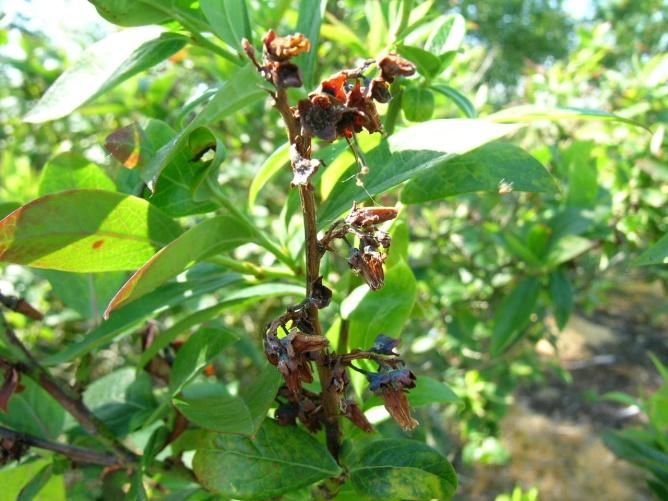
Executive Summary
A strong, viable agri-food industry in British Columbia relies on the production of safe and healthy crops and
agri-food products. Established and potential invasive and regulated plant pests (e.g. insects, mites, fungi,
bacteria, viruses, nematodes and weeds) directly affect the competitiveness of agricultural and agri-food
industries by reducing crop yield and quality, increasing the cost of production, and by the loss of market access
due to the presence of regulated invasive species.

Government has a legitimate role to protect the economy, the environment and the capacity of our agricultural
and natural land resource from the negative impacts of plant pests that may establish in B.C. Since 1888, the
Province of B.C. has worked to protect these public needs through legislation, surveillance, management
programs, targeted funding and education/awareness. The Plant Health Unit in the Plant and Animal Health
Branch, Ministry of Agriculture, identifies, prioritizes and addresses plant health issues using a strategic,
science-based approach. The Plant Health Unit is staffed by professionals in plant pathology, entomology and
pesticide management, supported by crop specialists and agrologists in other Ministry branches.

This document outlines a five-year Plant Health Strategy identifying key goals, objectives, critical success
factors and targeted actions that, undertaken collaboratively, will enable the Plant Health Unit to achieve its
mission. The goals are based on the principles of Integrated Pest Management and the Ministry’s legislative
mandate related to the Plant Protection Act. Our professional staff achieve these goals through collaboration
with partners such as government, industry and communities. The mandate of the Plant Health Unit as identified
in this Plant Health Strategy supports the B.C. AgriFood Strategy (2012), which directly links to Canada Starts
Here: The B.C. Jobs Plan.

The table Strategic Plan Summary on page 3 summarizes key plant health goals and outcomes and how they
relate to Ministry goals and objectives.

The Plant Health Unit is responsible for the implementation of this strategy. This will require strong leadership,
scientific expertise, access to resources, and effective partnerships that identify and build on common objectives
between and within government agencies and the agri-food industry.

June, 2013

                                         The Plant Health Strategy supports the
                                                     Ministry of Agriculture
                                                             Vision
                      “An innovative, adaptive and globally competitive Agri-food sector valued
                                             by all British Columbians”

                                                          and Mission
                           “Cultivate a competitive and socially responsible Agri-food sector

B.C. Ministry of Agriculture Plant Health Strategy                                                             2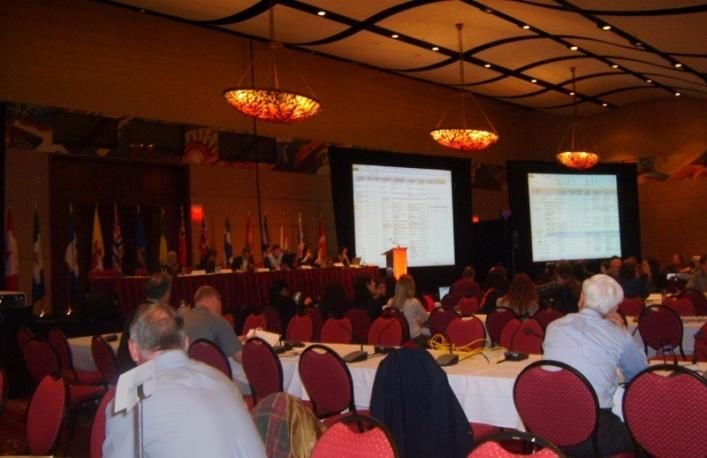
Strategic Plan Summary
Ministry Goals and Objectives
Agriculture and food sectors World-leading environmental Community and social well-being is
contribute positively to the stewardship practices in the enhanced by agriculture and food
economic diversity and well- agriculture and food sectors. sector practices.
being of the Province Effective management of Promote a positive urban/agriculture
A sustainable agriculture and environmental risks in relationship to facilitate sustainable
food sector agriculture and food sectors growth for farms while enhancing the
Strategic growth and Sustainable agriculture overall quality of life for British
development of the agriculture management practices that assist Columbians
and food sector successful adaptation to climate Animal, plant and human health are
change safeguarded
Innovative Pest Surveillance Diagnostics Governance Strategic
Management and Pest Risk Partnerships
Plant Health
Delivery Systems Analysis
Goals
Effective, innovative Prioritization and Timely and accurate Effective plant Effective, innovative
and sustainable documentation of diagnosis of new and health policies and networks and
measures and practices critical plant pests established pests that programs collaborations that
to prevent or minimize that threaten B.C. pose a significant risk supported by address plant health
the impact of plant agriculture to B.C. agriculture appropriate in B.C.
health threats legislation
Current information Current data on Accurate and Relevant Cooperative
resources on pest the distribution timely diagnosis of Provincial Plant projects with
management of new and plant pest problems Protection Act industry and other
including best established Early detection of and Regulations agencies
management guides, pests in B.C. priority/critical Legislation, Representation on
factsheets and web Annually plant pests policies and multi-stakeholder
programs of advisory bodies
pages available to updated lists of Expanded
B.C. producers. other agencies and working
critical pests knowledge of the (federal, groups
Key Plant Health Outcomes
Access to safe and that threaten nature, occurrence provincial, Participation in
effective pest control B.C. agriculture and distribution of municipal) industry forums
products and Complete, critical plant pests address B.C.’s Strong
technology for B.C. science-based in B.C. pest collaboration with
producers information on Cooperative management CFIA and other
Priority pest critical pests research projects needs and agencies
management research available for Annual plant initiatives Strong
needs addressed decision making laboratory Priority pest international,
Pest awareness CFIA Pest Risk diagnostic reports threats are national and local
programs to reduce Assessments A laboratory addressed networks for
the risk of address B.C.’s database system Effective early detecting and
introduction and unique pests, detection and addressing plant
spread of critical plant that meets client
crop diversity and Ministry needs rapid response health issues
pests programs Partners are well
Effective rapid
and climate Active engagement
informed about
response programs in PNW Diagnostic
B.C.’s plant health
Programs that Group
issues
facilitate safe and Implementation of Minor use
efficient application the Plant Health pesticide priorities
of pesticides Laboratory Strategy negotiated with
Availability of and standardized federal, provincial
pesticide stewardship QA system and industry
programs partners
B.C. Ministry of Agriculture Plant Health Strategy 3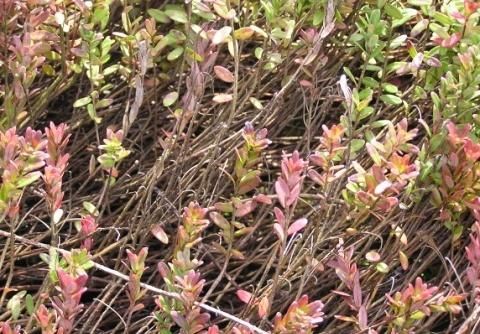
Introduction Plant Industry Commodity
Values
British Columbia’s agri-food industry is an important Farm Cash Receipts,
contributor to the provincial economy, generating close to $11.6 Approximate total: $1.2 Billion
billion in total revenues annually and providing more than
61,000 jobs. High land values in combination with B.C.’s
unique climate have resulted in an agriculture industry founded
upon diverse, high value commodities; as a result B.C. has the
most diverse agriculture industry in Canada producing more
than 225 farm commodities. With this diversity comes the risk
of equally diverse pest threats, some that may be unique to B.C.
The viability of the agriculture sector and successful
establishment of new crops is determined, in part, by the
industry's ability to manage critical pest threats effectively.
Damage from pests, such as insects, mites, fungi, bacteria,
viruses, phytoplasmas, nematodes and weeds reduce crop Source: British Columbia Agri-Food Industry;
quality and yield, increase the cost of production, and lower Year in Review 2011
overall economic viability.
Invasive alien pest incursions pose new threats for the sector
until proven management protocols are established. Challenges IPM incorporates:
include a lack of effective control measures, the disruption of planning and managing
existing pest management programs, reduced environmental ecosystems to prevent organisms
sustainability/biodiversity and the potential for lost export from becoming pests
markets due to quarantine measures and regulatory restrictions. identifying pest problems and
potential pest problems
An innovative, strategic and science-based approach is used to monitoring populations of pests,
prioritize and address the plant health risks and issues that affect beneficial organisms, pest
productivity, environmental sustainability, human health and damage and environmental
competitiveness of agricultural crops in B.C. This document conditions
outlines the five year Plant Health Strategy based on this using thresholds to make
approach which will direct the protection and production of treatment decisions
healthy crops in B.C. through 2018. suppressing pest populations to
acceptable levels using strategies
This strategy incorporates the concepts of Integrated Pest that consider biological, physical,
Management (IPM), a systematic decision making process that cultural, mechanical, behavioural
supports a balanced approach to managing agricultural and chemical controls in
production systems for effective, economically viable and appropriate combinations as well
environmentally sustainable management of plant pests. as environmental and human
health protection
The 2013 – 2018 Plant Health Strategy identifies 5 goals which
evaluating the effectiveness of
are supported by 15 objectives and 38 targeted actions. The
pest management treatments
goals build upon the opportunities outlined in this strategy and
the Ministry’s legislative mandate related to plant health. This
strategy describes each goal, outlines the key objectives and
lists the actions planned to attain the goals and objectives.
Outcomes and critical success factors are also specified under
each goal.
The Plant Health Unit is responsible for the implementation of
the strategy. This will require strong leadership, scientific
expertise, access to resources, and effective partnerships that
identify and build on common objectives between and within
government agencies and agri-food industry.
B.C. Ministry of Agriculture Plant Health Strategy 4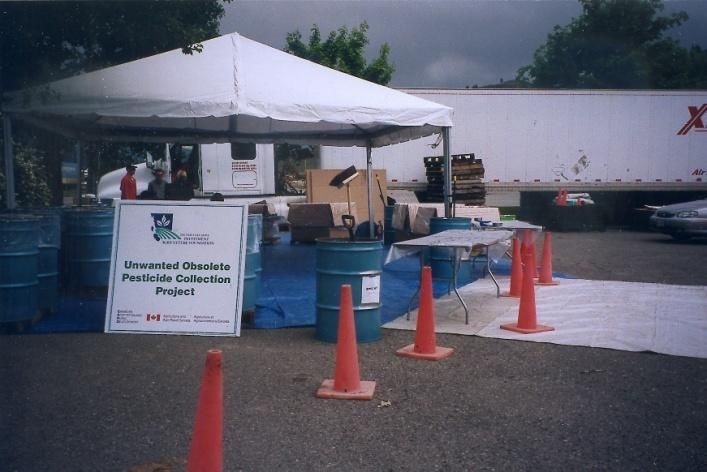
Plant Health Unit                                                     Highlights of B.C.’s Plant Protection
                                                                      History
The Provincial Government has a long history of providing
                                                                      1888   Noxious Weeds Act, B.C.
leadership, scientific support and coordination to agri-food
                                                                      1888   Federal Agassiz Experimental Farm
industries for the promotion of plant health and the production              opens
of safe, high quality products from sustainable agri-food             1892   Horticulture Board Act, B.C.
systems.                                                                     enabled regulations to prevent
                                                                             disease spread
The Plant Health Unit, one of three units within the Plant and        1894   Department of Agriculture Act,
Animal Health Branch, leads the Ministry’s Plant Health                      B.C.
Strategy. The Plant Health Unit consists of professional staff in     1894   First agricultural pest inspector
the disciplines of plant pathology, entomology and pesticide                 appointed
science (see appendix 2, organization charts). Staff facilitate the   1906   First B.C. pest management guide
                                                                             published (tree fruits)
development, implementation, maintenance and evaluation of
                                                                      1912   B.C. first Provincial Plant
integrated pest management practices and products to mitigate                Pathologist in Canada
the impact of plant diseases and insect pests; diagnose plant         1919   B.C. joins Western Plant Board
health problems, monitor for and address pest outbreaks               1935   B.C.’s Plant Protection Act receives
including established, non-native and invasive species; make                 royal assent
policy recommendations on plant health issues; administer the         1967   B.C. Department of Agriculture
provincial Plant Protection Act and provide guidance on the                  Plant Diagnostic Lab established in
management of pesticides.                                                    Cloverdale
                                                                      1968   B.C. establishes provincial
The Ministry’s Plant Health Strategy is also supported in part               pesticide regulations (Dept. of Ag.)
                                                                      1973   B.C. Plant Protection Advisory
by other Ministry staff including Industry Specialists and
                                                                             Council formed
Regional Agrologists.                                                 1983   Ministry’s insect biocontrol demo
                                                                             program results in North America’s
                                                                             first greenhouse industry biological
                                                                             pest management program & two
                                                                             commercial insectaries in B.C.
                                                                      1989   Sterile Insect Release Program
                          Plant Health Unit                                  introduced to achieve area-wide
                                 Vision                                      suppression of codling moth
                                                                      1990   Pesticide Applicator Course for
        Safe, high quality B.C. agricultural commodities                     B.C. Ag Producers published
        produced using economically viable,                           1992   B.C. farmers require certification to
        environmentally sustainable and socially                             use pesticides classed as restricted
        responsible pest management practices.                               by the Ministry of Environment
                                                                      1995   First B.C. Minor Use Commodity
                                                                             Committee
                          Plant Health Unit
                                                                      2002   B.C provincial crop profiles
                                Mission                                      introduced
                                                                      2003   Integrated Pest Management Act
        To work with our industry and government                             replaces Pesticide Control Act
        partners to safeguard the capacity of our                     2005   Invasive Plant Council of B.C.
        agricultural land resource from the adverse                          formed
        impacts of plant pests, and to protect plant                  2009   Memorandum of Understanding on
        health and quality through the application of                        Critical Plant Pests between
        innovative sustainable pest management                               provincial and federal agencies
                                                                             signed
        technologies and practices that enhance                       2011   Weed Control Act administration
        consumer confidence and economic growth.                             transferred to FLNRO.

B.C. Ministry of Agriculture Plant Health Strategy                                                            5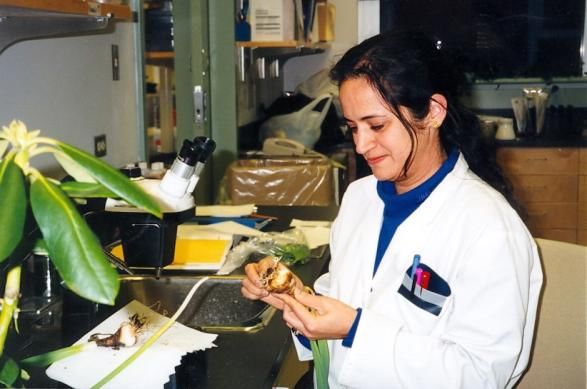
Legislative Mandate
The Plant Health Unit administers the Plant Protection Act Key Legislation Affecting
and regulations. The Plant Protection Act provides a Plant Health in British
legislative mandate for the prevention of the introduction Columbia
and spread of pests destructive to plants in British
Columbia, including the powers of inspectors and the Municipal/Regional
authority to establish quarantine areas. At present there are Bylaws on pesticides and
invasive pests
nine regulations administered under the Plant Protection
Community Charter
Act. Provincial:
Plant Protection Act
Other Legislation: Weed Control Act
Many other municipal, provincial, federal, and Farm Practices Protection
(Right to Farm) Act
international regulations may impact the delivery of the
Integrated Pest
Plant Health Strategy and current crop protection practices Management Act
in B.C. Staff within the Plant Health Unit provide input on Seed Potato Act
the potential impacts of new or proposed legislation. Forest and Range Practices
Act
Administration of the Weed Control Act and weed Federal
expertise was transferred from the Ministry of Agriculture Plant Protection Act
to the Ministry of Forests, Lands and Natural Resource Pest Control Products Act
Operations (FLNRO) in 2011. Species at Risk Act
International
International Plant
Protection Convention
Provincially regulated disease Provincially regulated disease
Pests Regulated under the
B.C. Plant Protection Act
Bacterial ring rot
Balsam woolly adelgid
Blueberry maggot
Bacterial ring rot of potato Little cherry disease
Golden nematode
(Clavibacter michiganensis subsp. (Little cherry virus 2)
sepedonicus) Little cherry virus
Pear trellis rust
Provincially regulated insect Provincially regulated insect Gypsy Moth
Blueberry maggot Balsam woolly adelgid
(Rhagoletis mendax) (Adelges piceae)
B.C. Ministry of Agriculture Plant Health Strategy 6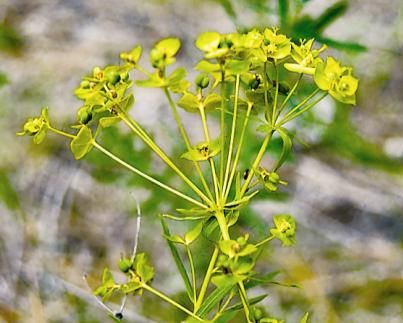
Linkage to the Ministry of Agriculture 2012/13 –
2014/15 Service Plan Key Activities supporting Ministry
Goals:
This Plant Health Strategy primarily supports the Ministry’s
Service Plan goal: “Community and social well-being is Preventing and managing critical
enhanced by agriculture and food sector practices.” The Plant plant pests that threaten crop
Health Unit takes a lead role implementing the plant health quality, productivity and
component of the objective: “Animal, plant and human health biodiversity
are safeguarded” particularly as it relates to the early detection Protecting market access from
and response to plant pests. the impacts of important invasive
and quarantine pests
The Ministry’s second Service Plan goal: “World-leading Providing timely and accurate
environmental stewardship practices in the agriculture and food diagnostic services for plant pests
sectors” is also supported by activities of the Plant Health Researching, developing and
Strategy, including promoting integrated pest management, providing information on pest
providing guidance on the management and use of pesticides, management, including printed
and facilitating access to pest management tools including and web-based information,
reduced risk pesticides. demonstrations, displays,
presentations, and responding to
The Ministry’s third Service Plan goal: “Community and social inquiries.
well-being is enhanced by agriculture and food sector practices” Finding solutions to pest issues
is supported by targeted awareness building and finding and through emergency use and
facilitating solutions to issues related to possible and perceived minor use pesticide registrations
conflicts involving normal agricultural practices, urban Facilitating access to effective
agriculture and urban expectations of agriculture. IPM-based strategies to protect
crops from the impacts of pests
Plant Health Unit staff work closely with Ministry specialists, Administering the provincial Plant
as well as other Ministries and external stakeholders to Protection Act
implement the strategy’s objectives, which enable the B.C. Supporting Environmental Farm
agriculture industry to produce healthy, competitive and Planning
profitable crops using environmentally sustainable practices. Providing guidance on the
management and use of
Linkage to the B.C. Agri-Food Strategy pesticides in agriculture to
enhance environmental
The B.C. Agri-Food Strategy 2012 calls for actions that stewardship, worker protection,
promote and enable a globally-competitive agri-food industry. urban/agriculture relationships
The goals and actions outlined in the strategy are founded on an and food safety.
agri-food industry that produces a safe, secure food supply.
Codling moth is a non-native pest of pome fruit which The Home & Garden Pest Management
was introduced to B.C. around 1900. The Provincial Guide supports urban agriculture in B.C. It
Government has collaborated with fruit growers on contains information on over 400 common
management programs since the 1920’s, including insects and diseases, with emphasis on
regulatory measures, research, extension and support for prevention and integrated pest
the Okanagan Sterile Insect Release Program. management.
B.C. Ministry of Agriculture Plant Health Strategy 7
Plant Health Challenges and Opportunities
                                                                                     Invasive Pest Impacts
Challenges to plant health are numerous and complex. These include both
direct threats to crops and market access, as well as the challenges to mitigate     Eradicating invasive pests can be
threats. The cost to manage infestations can be in the millions of dollars.          very costly. For example, federal
Therefore, strategies aimed at prevention are usually more cost effective than       expenditures on attempted
those aimed at managing new pests. In addition, a strong science-based               eradication of Plum pox virus in
foundation is essential for effective decision making to facilitate the              Eastern Canada exceeded $100
development and implementation of fiscally responsible innovative delivery           million between 2000 and 2011.
systems.

Threats from New Pest Introductions                                                  The Importance of Weed
    Globalization is increasing the threat from new invasive species.                Management in Agriculture
    Identifying priority pest issues, and taking steps to mitigate the risks,
    strengthens our ability to protect B.C.’s environment and the                    Agricultural weeds account for the
    competitiveness of our agriculture industry.                                     greatest economic impact of all
                                                                                     pests, negatively impacting
Climate Change                                                                       productivity and competitiveness.
    Climate change is expected to increase the risk of establishment and
                                                                                     Crop losses caused by weeds in
    spread of plant pests. Altered temperature and precipitation profiles will
    result in changes to the range of many insects, diseases and weeds, and          British Columbia were estimated to
    may disrupt populations of native beneficial insects and microorganisms.         exceed $50 million per year in 1992.
    Extreme weather events have the potential to introduce new pests from
                                                                                     Total expenditures on invasive plant
    distant areas. Although it is challenging to prepare for risks that are
    difficult to predict, it will be important to facilitate adaptive practices to   management by the province and
    mitigate problems caused by climate change.                                      local government/weed committee
                                                                                     partners was approximately $6
Access to Research and Extension                                                     million in 2012-13. (Inter-Ministry
    Capacity to address plant health issues has declined both inside and             Invasive Species Working Group).
    outside the Ministry. Researchers are instrumental in finding solutions to
    manage new and existing pest threats. Extension activities are essential to      An analysis of economic impacts of
    transfer new technologies to the 15,000 crop farms in B.C. and enhance           just 6 invasive plants indicated that
    industry self reliance. Knowledgeable growers with access to research            without intervention, the estimated
    resources have the capacity to be more productive and competitive. New,          economic damage was $65 million
    creative approaches are needed to address these challenges.                      in 2008, rising to $139 million by
                                                                                     2020. (Invasive Species Council of
Gaps in Plant Health Expertise                                                       British Columbia)
   Two gaps in expertise within the Ministry of Agriculture that are a
   priority for the Plant Health Unit include:                                       The Canadian Food Inspection
                                                                                     Agency estimates that invasive
    Weed Management: Transfer of the Weed Control Act and program                    plants in crops and pastures alone
    resources to FLNRO in 2010 eliminated the Ministry of Agriculture’s
                                                                                     cost approximately $2.2 billion
    weed management expertise and capability. FLNRO’s mandate for
                                                                                     every year in Canada.
    management of invasive plants on Crown land, policy development and
    administration of the Weed Control Act does not include support for weed
    management in agricultural systems. Weed expertise is required to help
    industry address threats from existing and new weeds, develop and deliver
    sustainable best management practices, and to enable B.C. to negotiate for
    minor use and emergency herbicide registrations that address industry
    needs.

    Application Technology: Advances in application technology for
    pesticides provide many advantages including a reduction in off-target
    drift, reduced application volumes, and increased application efficiency,
    resulting in improved pest management practices and reduced impacts to
    the environment. Knowledge of new and innovative equipment, including            Leafy spurge (Euphorbia esula), a
    calibration and maintenance is needed to provide education and advice to         provincial noxious weed
    industry.

B.C. Ministry of Agriculture Plant Health Strategy                                                                       8
Capacity for Pest Surveillance
Resource constraints limit the capacity for surveillance. Undetected pests
may become established in B.C. and threaten agricultural crops and the
environment. Expanded surveillance networks (i.e. enlisting the
gardening public to look for pests), expertise, pest risk assessments and
access to improved diagnostics will aid in early detection.
Capacity for Rapid Response
Not addressing new pest introductions before they become established
may cause negative impacts to B.C.’s agriculture and ecosystems.
Improved coordination and rapid response prevents pest establishment,
crop losses and maintains current markets. The Field Guide to Invasive Alien Plant
Pests and Diseases that Threaten B.C.
Access to Pest Control Tools and Practices Agriculture provides information to
B.C. producers need access to more safe and effective tools and practices
master gardeners, agrologists and
to manage pests. Improving access to effective pest management tools
other professionals on detection of
including pesticides, biopesticides and resistant varieties will help B.C.
growers compete in domestic and global markets, effectively manage over 80 potential invasive insects and
pests and implement pesticide resistance management strategies. plant pathogens.
Compensation
Farmers whose products are destroyed due to the detection of quarantine
pests are not fully or automatically compensated for losses. An equitable
and consistent policy for producer compensation would enhance industry
participation in early detection and effective management of regulated
pests.
Changing Social Values
Public concern about pesticides, an increased focus on the environment, Pesticide Application Workshops
and urban/rural conflicts can influence pest management practices,
including the availability of critical tools to manage new invasive pests. The development and presentation of
Public pressure to restrict access to pest management tools needs to be pesticide application workshops
balanced with science-based decision making. Increased public interest demonstrate innovative application
and awareness provides an opportunity to enlist the public in pest technologies and practices that
surveillance, develop niche markets, encourage the agricultural contribute to environmental
community to adopt environmentally sustainable pest management protection, positive urban/rural
practices and promote B.C. produce as a healthy food choice. relationships, cost savings, food safety
and effective pest management.
Professional Development and Succession Planning
Effective implementation of the Plant Health Strategy will require
professional, knowledgeable staff with well developed networks. Support
for professional development, including scientific forums, technical
conferences and workshops, is critical to maintaining a high level of
skill, competency and knowledge necessary for protection of plant health
in B.C. Development and implementation of a succession planning
strategy for the Plant Health Unit is needed to provide consistent, high
level performance into the future.
Professional Development
Plant health staff attend technical and
scientific conferences and workshops
to improve their skills and knowledge.
New knowledge is shared with clients
in an interactive process that enables
staff to receive feedback on plant
health issues and effectiveness of pest
management tools and technologies.
B.C. Ministry of Agriculture Plant Health Strategy 9Goal 1. Innovative Pest Management Delivery Systems
Effective, innovative and sustainable measures and practices to prevent or minimize the impact of
plant health threats
Protecting crops from pests using best management practices enhances Key Actions
crop quality, productivity and food safety while protecting the Develop and provide current pest
environment. The use and promotion of preventative practices management information
minimizes the risk of establishment of pests that threaten agricultural Generate pest management data
crops, biodiversity and access to export markets. and adapt IPM programs for B.C.
agriculture
Key Objectives Identify and facilitate research on
Development adoption, and delivery of pest management pest management in support of
practices that minimize crop damage by pests, protect the made in B.C. solutions
environment and enhance the sustainability of B.C. Encourage research and
agriculture registration of crop protection tools
Access to pest management information and tools including Facilitate the implementation of
pest management strategies, pesticides, biological controls, rapid response programs to prevent
and cultural practices for B.C. producers and urban the establishment and spread of
agriculture. invasive plant pests
Support local commercial and personal food production Provide access to quality pest
management information on the
Critical Success Factors Ministry’s plant health website
Capacity and infrastructure to provide services to B.C.’s crop Coordinate, and submit minor use
producers and emergency use pesticide
Cooperation and commitment of partners such as registration requests to Health
governments, grower associations, educational institutions Canada
and agribusinesses Develop and implement a sprayer
Access to current scientific and technical information inspection and calibration program.
Access to federal, provincial and industry funding and Encourage pesticide stewardship
support programs
Outcomes
Current information resources on
Crop Commodity Best pest management and pest
Management Practices Guides management technology, including
are important sources of best management guides, factsheets
information for B.C. producers. and web pages available to B.C.
Plant Health staff, in producers.
collaboration with industry Access to safe and effective pest
control products and technology
specialists, prepare up-to-date
for B.C. producers.
content on best management
Priority pest management research
practices to produce healthy
needs addressed
crops and manage pests. These
Pest awareness programs to reduce
guides are key educational tools the risk of introduction and spread
for producers, promoting of critical plant pests
agricultural practices that are Effective rapid response programs.
effective, practical and Program that facilitates safe,
environmentally sustainable. effective and efficient application
These guides support part of the of pest control products.
Environmental Farm Plan Availability of pesticide
Program series of Beneficial stewardship programs.
Management Practices.
B.C. Ministry of Agriculture Plant Health Strategy 10Goal 2. Surveillance and Pest Risk Analysis
Prioritization and documentation of critical plant pests that threaten B.C. agriculture
Preventing the establishment and spread of new pests and pests of Key Actions
quarantine significance, and monitoring changes in established
pest populations in B.C. requires: timely surveillance programs. Conduct and facilitate active and
These programs engage all stakeholders including the public, passive surveillance for potential,
trained staff, a well equipped diagnostic laboratory and emerging and established plant pests
collaborative extension programs. that threaten B.C. agriculture
Conduct pest risk analyses, using
Plant pest risk analyses assess the probability of a critical pest appropriate risk analysis methodologies
being introduced and established in B.C. They then evaluate the Maintain a list of key critical plant
potential impact of the pest on agriculture and the environment; pests, including both potential and
identify possible risk management measures; communicate the established species, threatening
risks; and provide a foundation for developing plant protection agriculture in B.C.
policies and programs as required. Collaborate with the CFIA on timely
detection and risk mitigation of pests of
Key Objectives regulatory significance
Complete and maintain crop profiles for
In-depth knowledge about potential, emerging and
B.C. crops as required
established pests that threaten B.C. agriculture, including
Consult with other provinces and PNW
pest risk assessments, pest prevalence and management
states on critical pest issues
strategies.
Facilitate the ability of industry
Determine B.C.'s most critical agricultural plant pest
associations to prioritize plant health
priorities.
needs
Development and implementation of a coordinated
Develop information resources to aid
surveillance network for early detection of plant pests.
recognition of significant plant pests
Engage the public in pest surveillance
Critical Success Factors
Resources to complete and maintain crop profiles and Outcomes
pest risk assessments
Current data on the distribution of new
Access to current information, including library
and established pests in B.C.
resources, regulatory/quarantine measures and protocols,
pest risk assessments and pest distribution maps. Annually updated lists of critical pests
that threaten B.C. agriculture
Participation in regional, provincial, national and
international forums on invasive plant pests Complete, science-based information on
critical pests available for decision
Effective communication and cooperation with industry
making
and other government agencies
CFIA Pest Risk Assessments address
Effective executive level partnerships with provincial and
B.C.’s unique pests, crop diversity and
federal agencies
climate
The Apple Maggot - Priority Invasive Pest
Apple Maggot (Rhagoletis pomonella),
first detected in the Fraser Valley of B.C.
in 2006, is a serious threat to apple and
pear crops. Public awareness programs
are a priority of the Plant Health Unit to
prevent its spread to other areas of B.C.
Introduction of apple maggot to Interior
fruit growing regions would result in
increased pesticide use to protect the
crop. This would reverse the trend of Ministry field guides aid in the surveillance,
reduced insecticide use achieved by the recognition and management of established
codling moth sterile insect release and potential plant health threats
program and increase production costs.
B.C. Ministry of Agriculture Plant Health Strategy 11Goal 3. Diagnostics
Key Actions
Timely and accurate diagnosis of new and Provide accurate, timely diagnosis
established pests that pose a significant risk to B.C. of plant health problems
agriculture Identify and enhance diagnostic
capacity to support pest
surveillance programs and
Accurate and timely diagnosis of plant health problems is an
initiatives
essential component of Integrated Pest Management which
Maintain reference collections
supports the competitiveness of B.C.’s agricultural
industries. Diagnostic capability is also a critical foundation Maintain a comprehensive database
supporting surveillance and regulatory mandates. for recording plant pest diagnoses
Provide comprehensive and
Key Objectives periodic reporting and
Timely, accurate, state-of-the-art diagnostics for communication on plant health
B.C.'s established and emerging plant health diagnostics
problems Collaborate with other agencies on
Continually enhance pest diagnostic capacity in B.C. pest diagnostics and surveillance
Understand the distribution of key pests in B.C. Provide laboratory support for
Support surveillance and detection programs for applied research and surveillance
established and non-established invasive pests. initiatives
Improve efficiency of lab
Critical Success Factors processes, sample flow and
A well equipped laboratory facility administration through the LEAN
initiative
Resources, information technology services and
expertise for critical upgrade of the Plant Health Implement the Plant Health
Laboratory database Laboratory Strategy
Cooperation, coordination and communication with Preparation and implementation of
key partners Quality Assurance system aligning
with ISO 17025
Availability of resources and training for staff
Access to current science information Outcomes
Accurate and timely diagnosis of
plant pest problems
Early detection of priority/critical
plant pests
Expanded knowledge of the nature,
occurrence and distribution of
critical plant pests in B.C.
Cooperative research projects
Annual plant laboratory diagnostic
reports
A laboratory database system that
meets client and Ministry needs
Active engagement in PNW
Diagnostic Group
Identification of insects and diseases by the Ministry’s Implementation of the Plant Health
Plant Health Diagnostic Laboratory helps B.C.’s Laboratory Strategy and
agricultural industries to manage their pest threats standardized QA system
B.C. Ministry of Agriculture Plant Health Strategy 12Goal 4. Governance
Effective plant health policies and programs supported
by appropriate legislation
Effective programs and policies supported by appropriate
legislation are essential for implementation of pest prevention,
early detection, rapid response and effective plant health
management programs.
Gypsy moth, Lymantria dispar, is a
Key Objectives serious invader from eastern North
Strengthen B.C.’s ability to manage plant health issues America (European origin) and Asia
through development and implementation of innovative (Asian origin) that threatens many of
solutions and approaches our native, agricultural and forest plant
Administer the B.C. Plant Protection Act and species. Gypsy moth is regulated under
Regulations the federal and provincial Plant
Protection Acts. Provincial ministries of
Influence federal, provincial and local policies,
Forests, Lands and Natural Resource
programs and legislation that impact B.C.'s plant health
Operations, Environment, and
issues
Agriculture, in cooperation with the
Canadian Food Inspection Agency and
Critical Success Factors
Natural Resources Canada, participate
Effective cooperation and communication with partners in surveillance and eradication
Sufficient resources to participate in key multi-agency measures to prevent establishment of
advisory committees gypsy moth in B.C.
Ability to enact essential regulation in a timely manner
Access to Growing Forward 2 funding
Key Actions
Develop strategic approaches to manage specific plant
health issues
Participate on multi-agency advisory committees
Review and respond to federal, provincial and local
policy, program and legislative proposals on
pest/pesticide management Spotted wing drosophila (SWD) was
Review and update the B.C. Plant Protection Act and first detected in B.C. in 2009. It is a
regulations serious pest of stone fruit and berries
Encourage federal and provincial policy, program and with high economic impact. It can cause
legislative changes that improve access to 20-80% damage to berry crops if not
environmentally sustainable pest management managed effectively, and the Okanagan-
technologies Kootenay Cherry Growers’ Association
reported damage to 0.5 million kg of
Outcomes cherries in 2010. SWD is difficult to
control and has led to increased
Relevant Provincial Plant Protection Act and
production costs, estimated to be as
Regulations
high as $3.5 million annually in berry
Legislation, policies and programs of other agencies crops alone. Ministry staff continue to
(federal, provincial, municipal) address B.C.’s pest work with impacted industries and
management needs and initiatives other government collaborators to
Priority pest threats are addressed monitor SWD populations, provide
Effective early detection and rapid response program management guidelines, and seek
emergency and minor use registrations.
B.C. Ministry of Agriculture Plant Health Strategy 13Goal 5. Strategic Partnerships
Effective, innovative networks and collaborations that Partners Include:
address plant health issues in B.C. Other branches within the Ministry
of Agriculture
Other B.C. government ministries
The responsibility for many plant health issues is shared among
Other provincial governments
different jurisdictions. Effective working relationships within the
Municipal governments
ministry and with industry associations, government agencies,
researchers, regulators and other stakeholders are crucial for timely Environment Canada
decisions, rapid response and efficient use of resources to address plant Pest Management Regulatory
pest threats. Plant Health initiatives are aimed at advancing existing Agency
relationships and exploring opportunities to establish new partnerships. Agriculture and Agri-Food Canada
Canadian Food Inspection Agency
Key Objectives Natural Resources Canada
Industry Associations
Build and maintain partnerships with government and non- B.C. Agriculture Council
government stakeholders, to address B.C.'s plant health needs Canadian Horticultural Council
Effective communication with partners Canadian Federation of Agriculture
Agriculture in the Classroom
Critical Success Factors Foundation
Farm & Ranch Safety & Health
Resources to build and maintain networks with key partners Association
Cooperative partners that provide timely information on plant Private researchers and crop
health issues consultants
Active participation in plant health related committees and Environmental Farm Planners
councils both within B.C. and elsewhere. CropLife Canada
Clear understanding of partners’ roles and responsibilities CleanFarms
Ability to respond to partners’ requests US IR-4 Program
Education institutes in B.C.
Key Actions B.C. Centre for Disease Control
Biocontrol Network
Participate in regional, provincial, national and international First Nations
forums that influence plant health Agribusiness
Maintain strong connections with industry associations Environmental associations
Strengthen and expand key partnerships with government Master Gardeners
agencies and universities to ensure research, surveillance and
related programs that are practical, coordinated, and meet Key Committees:
B.C.’s agriculture needs
Support the training and development of plant health B.C. Plant Protection Advisory
professionals Council
Exchange of information with partners Inter-Ministry Invasive Species
Working Group
Outcomes Invasive Species Council of B.C.
B.C. Integrated Pest Management
Cooperative projects with industry and other agencies Committee
Representation on multi-stakeholder advisory bodies and North American Plant Protection
working groups Organization (NAPPO)
Participation in industry forums Western Plant Board
Strong collaboration with CFIA and other agencies. Federal-Provincial-Territorial
Strong international, national and local networks for detecting Committee on Pest Management
and addressing plant health issues and Pesticides
Partners are well informed about B.C.’s plant health issues Minor Use Pesticide Technical
Minor use pesticide priorities negotiated with federal, Working Group
provincial and industry partners. Minor Use Commodity Committees
B.C. Ministry of Agriculture Plant Health Strategy 14Successful Partnerships in Action
Applied Research – Berry Crop Diseases Minor Use Committees
British Columbia is a leader in North American The Plant Health Unit facilitates the development
berry production, contributing over $200 million to and operation of commodity-based minor use
the economy, chiefly from blueberries, cranberries committees which bring together industry,
and raspberries. Ministry staff work closely with the provincial and federal representatives to effectively
berry industries to help identify research priorities, prioritize plant health needs and work towards
prepare research proposals, seek funding and potential solutions through minor use pesticide
spearhead research projects to address the registration. Reduced-risk products are chosen
challenges imposed by plant pathogens. where possible.
A few examples of research projects led by Plant
Health Unit staff are,
Detection, epidemiology, and disease
management strategies for Blueberry scorch
virus, Godronia canker and Phomopsis on
blueberry
Identification and confirmation of plant
pathogens responsible for cranberry dieback
disorder and disease management options.
Impact of soil-borne plant pathogens on
raspberry decline
Forging strategic partnerships to increase access to
reduced-risk pesticide products at the Minor Use
Pesticide Registration Priority Setting Meeting
Pesticide Stewardship Programs
Pesticide stewardship programs, such as the
CleanFarms B.C. Obsolete Pesticide Collection
Campaign, that were initially operated by
government are now industry led programs.
Government continues to provide technical advice
and participates on steering committees.
Blueberry scorch virus – blighted blossoms
Cranberry dieback disorder Obsolete Pesticide Collection Site
B.C. Ministry of Agriculture Plant Health Strategy 15Implementation
For More Information:
The Plant Health Strategy will provide a roadmap for the Plant
Health Unit for the next 5 years. It outlines key goals and Contact: Plant Health Unit
activities that are both new and ongoing. The strategy will be Plant and Animal Health
used to help prioritize resources and activities that support the Branch
Ministry’s plant health objective to safeguard animal, plant and Ministry of Agriculture
human health. 1767 Angus Campbell Road
Abbotsford BC V3G 2M3
The Plant Health Strategy also outlines constraints and
opportunities including critical success factors for each goal. Phone: 604 556-3001
Achieving all of the objectives in this strategy will require toll free 1-888-221-7141
additional resources, cooperative arrangements with partners
and new creative approaches to old and new plant health Web: www.al.gov.bc.ca/cropprot/
problems.
Effective implementation of the Plant Health Strategy requires
professional, knowledgeable staff with the ability to establish
necessary linkages within and outside the Ministry, create
innovative solutions, and facilitate the delivery of programs.
Plant Health staff must maintain their professional skills and
knowledge as well as keep internal and external clients
informed of challenges, opportunities and achievements.
B.C. Ministry of Agriculture Plant Health Strategy 16Appendix 1: Definitions
Biological Control Nematode (plant parasitic)
The use of living organisms such as insects, bacteria, Microscopic roundworms that feed on plants and are
fungi or viruses to control a target disease, insect or plant. found in the soil, in plant roots and/or other plant parts.
Biopesticide Noxious weed
Biopesticides can be grouped into the following Plant species currently regulated under the provincial
categories: Weed Control Act, either on a regional or provincial
1. Microbials - naturally occurring or genetically basis, and which must be controlled on both private and
altered microorganisms to which the effects of pest public land.
control are attributed
2. Semiochemicals – a message-bearing substance Pesticide
produced by plants and animals or a functionally Any kind of synthetic or naturally derived material that is
identical synthetic analogue of that substance which used to kill, control or manage pests or to manage the
evokes a behavioural response in individuals of the growth of plants. Pesticides include insecticides,
same or other species (e.g. pheromones); fungicides, herbicides, nematicides, rodenticides,
3. Biochemicals – as derived from naturally occurring miticides, avicides, molluscicides, microbials,
substances by simple processing, or functionally semiochemicals, plant growth regulators, and other non-
identical synthetic analogues; conventional pest control products. Also see Biopesticide.
4. Other non-conventional pest control products not
covered by the previous categories such a food and Pest
feed stuffs which are inherently low toxicity to non- A plant pest is any biotic factor such as insect, mite,
target organisms and have low persistence in the nematode, fungus, bacteria, virus, viroid, mycoplasma,
environment animal (slug, snail etc.) and terrestrial and aquatic plants
that may cause direct or indirect injury to a plant.
Globalization
The increased interconnectedness and interdependence of Quarantine
people and countries, including the opening of borders to Legal restriction in the movement of plants (and
increasingly fast flows of goods, services, finance, people animals), plant products, and plant-associated material to
and ideas across international borders and the changes in prevent the spread of pathogens, insects and non-native
institutional and policy regimes at the international and plants.
national levels that facilitate or promote such flows.
Reduced-risk pesticide
Integrated Pest Management A special category of pesticide designated by the Pest
A systematic decision-making process that supports a Management Regulatory Agency. A reduced risk
balanced approach to managing crop production systems pesticide may pose less risk when compared to other
for the effective, economical and environmentally registered pesticides with the same uses.
sustainable suppression of pests.
Invasive alien species
Non-native or foreign disease-causing organisms, insects
or plants that have been introduced and cause negative
impacts. Also referred to as invasive species.
B.C. Ministry of Agriculture Plant Health Strategy 17Appendix 2: Organization Charts
Plant Health Unit
Plant and Animal Health Branch
Linkage to the Ministry of Agriculture
B.C. Ministry of Agriculture Plant Health Strategy 18B.C. Ministry of Agriculture Plant Health Strategy 19
You can also read


