THE IMPACT OF COVID-19 ON HIV, TB AND MALARIA SERVICES AND SYSTEMS FOR HEALTH: A SNAPSHOT FROM 502 HEALTH FACILITIES ACROSS AFRICA AND ASIA
←
→
Page content transcription
If your browser does not render page correctly, please read the page content below
THE IMPACT OF COVID-19 ON HIV,
TB AND MALARIA SERVICES AND
SYSTEMS FOR HEALTH: A SNAPSHOT
FROM 502 HEALTH FACILITIES
ACROSS AFRICA AND ASIA

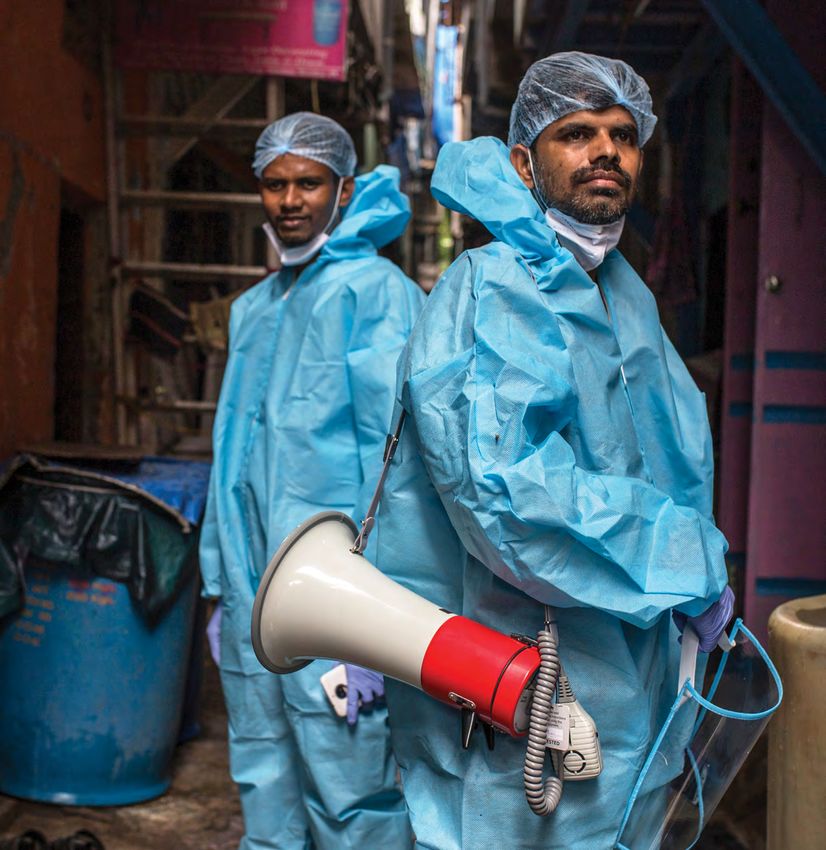
                                 © UNICEF / Singh
INTRODUCTION

In 2020, the COVID-19 pandemic impacted the world beyond imagination. To date, it has
infected more than 135 million people, killed over 2.9 million people, and is projected to
plunge up to 115 million people into extreme poverty.1 As countries have gone into lockdown,
gender-based violence has increased, unemployment has soared, and access to health
care for the poorest and most vulnerable has been cut. COVID-19 has made people less
likely to seek health care because they are afraid of getting infected with the virus. Fear
and uncertainty surrounding COVID-19 have also increased stigma and discrimination. As
frontline workers without enough access to personal protective equipment (PPE) risk their
lives to treat patients, the virus pushes already fragile health systems to the brink.

To make matters worse, new mutations of the virus have                   the development and equitable distribution of tests,
emerged. The new variants threaten the effectiveness                     treatments and vaccines – and the strengthening
of the existing array of COVID-19 tools, including the                   of health systems – that the world needs to defeat
progress made with treatments and the development                        COVID-19.
of vaccines, underscoring the urgent need to contain
COVID-19 in all countries. The pandemic is creating a                    The fight against COVID-19 is at a critical juncture,
perfect storm of economic, health and social crises and                  and we must act urgently to mitigate the pandemic’s
threatens to reverse the extraordinary gains made by                     disruption to systems for health and to the crucial
the Global Fund partnership in the fight against HIV,                    health services they sustain. This snapshot provides an
tuberculosis (TB) and malaria and in building resilient and              indicative update of how lifesaving HIV, TB and malaria
sustainable systems for health. While it appears that we                 programs and health service continuity have been
may have averted the immediate worst-case scenario in                    impacted by COVID-19 across 32 low- and middle-income
terms of the knock-on impact on these three diseases, we                 countries in 2020, and the extent of this disruption.
should have no illusions over the gravity of the long-term               Disruption to these health services means that people
disruption caused by COVID-19 on the systems for health                  are not being as widely tested, diagnosed, or treated
that the Global Fund is working to strengthen. There is                  for HIV, TB and malaria, threatening the gains that the
no scenario in which we can achieve the progress we                      Global Fund has made so far in the fight against these
want against HIV, TB and malaria while COVID-19 remains                  three diseases. Moreover, the availability of COVID-19
unchecked and systems for health are threatened.                         commodities is critically low. Health workers do not have
                                                                         sufficient access to PPE and are therefore risking their
Given our role as the world’s largest multilateral provider              lives on a daily basis. Pushed to the breaking point by
of grants for health systems and our long experience                     COVID-19, health systems urgently need strengthening
and impact fighting infectious diseases, the Global Fund                 to be able to deliver lifesaving tools such as tests,
is uniquely positioned to help countries respond to the                  treatments including medical oxygen, and vaccines.
COVID-19 pandemic and mitigate the knock-on impact
on HIV, TB and malaria. We responded immediately to                      Yet there is hope. Adaptive measures adopted to counter
the pandemic, awarding just under US$1 billion through                   the impact of COVID-19 on health service continuity
our COVID-19 Response Mechanism (C19RM) and grant                        are working, and the Global Fund needs more funding
flexibilities to support country responses to COVID-19,                  to scale up these innovative measures, protect health
strengthen their systems for health and adapt their HIV,                 workers on the frontline and ensure the continuing
TB and malaria programs. The Global Fund enabled                         delivery of lifesaving health services for HIV, TB and
countries to rapidly adapt existing programs, purchase                   malaria across the world.
personal protective equipment (PPE), diagnostics and
medical supplies, and to deploy prevention campaigns.
While it is still early days, it appears this rapid response
may have helped us avoid the worst-case scenario of a
surge in deaths and cases. In addition, the Global Fund
has partnered with key global health organizations
to create the Access to COVID-19 Tools Accelerator
(ACT-A), a unique global collaboration which supports

1 https://openknowledge.worldbank.org/bitstream/handle/10986/34496/9781464816024.pdf

                                                           The impact of COVID-19 on HIV, TB and malaria services and systems for health   |   2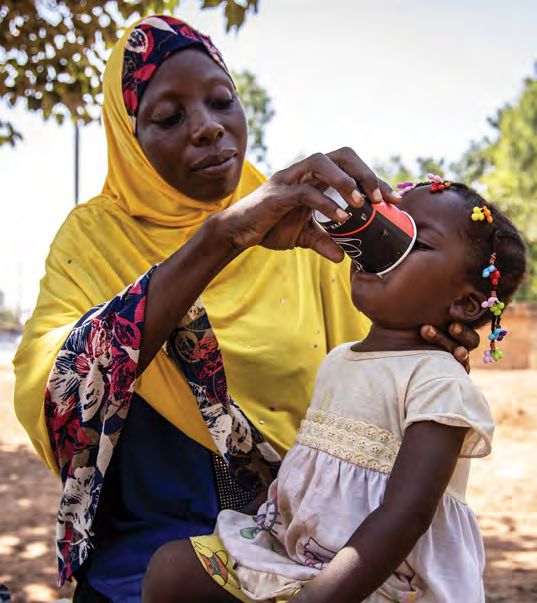
METHODOLOGY

This snapshot examines disruption patterns caused by COVID-19, as well as the adaptive
measures that the Global Fund-supported programs have taken to respond to these
challenges. It is based primarily upon data collected and aggregated through Programmatic
Spot-checks recording information from April to September 2019 (Q2/Q3 2019) and from April
to September 2020 (Q2/Q3 2020) across 502 health facilities in 32 countries. This includes
24 countries across Africa: Burkina Faso, Cameroon, Central African Republic, Côte d’Ivoire,
Democratic Republic of Congo, Eswatini, Ethiopia, Ghana, Guinea, Kenya, Madagascar, Malawi,
Mali, Mozambique, Namibia, Niger, Nigeria, Rwanda, Sierra Leone, South Africa, Togo, Uganda,
Zambia and Zimbabwe. Across Asia, spot-checks were conducted across seven countries:
Bangladesh, Cambodia, India, Indonesia, Lao, Pakistan and the Philippines. Spot-checks were
also conducted in facilities in Ukraine. The countries providing more than 80% of the range of
target services across HIV, TB and malaria were selected for spot-checks.

The Programmatic Spot-checks are conducted at                     Two other monitoring mechanisms provide non-verified
facility-level and monitor service continuity in health           data that can be consulted as additional sources of
facilities, a mix of community sites, primary, secondary          contextual information: bi-weekly Global Fund COVID-19
and tertiary health care facilities in urban and rural areas,     Country Monitoring surveys, using data collected
covering both public and private sites. Through on-site           between May and December 2020, and Monthly and
verification of facility data and interviews with facility        Quarterly Indicator Reporting in 2019 and 2020. The
staff, these spot-checks measured the extent of health            bi-weekly Global Fund COVID-19 Country Monitoring
service disruption, including the number of COVID-19              surveys are perception-based. These surveys are
cases and deaths recorded at the facility, the overall            conducted through phone calls to relevant in-country
level of disruption, which service components were                stakeholders asking a consistent list of questions about
most disrupted, and what changes were noted in service            their perception of the situation in 106 countries. Monthly
demand. In addition, spot-checks measured the impact              and Quarterly Indicator Reporting are submitted directly
on service providers and health care workers, through             by the Principal Recipients (PRs) of Global Fund grants
indicators such as the number of COVID-19 cases among             in implementing countries and focus on a subset of 23
staff, the level of staff disruption (absences due to             indicators measuring service delivery for HIV, TB and
sickness for example), the causes of this staff disruption        malaria and key populations in 38 high-burden countries.
(for instance, health care workers having to shift their
attention to COVID-19 patients instead of patients with           Sampling for spot-checks was purposive (at least 15
HIV, TB or malaria), and the mitigation efforts put into          sites per country) and not intended to be nationally
place. Spot-checks also monitored stock availability, PPE         representative. The Programmatic Spot-checks,
and systems readiness through measuring the impact                complemented by the Global Fund COVID-19 Country
on tracer commodities (including medical and surgical             Monitoring surveys and Monthly and Quarterly Indicator
masks, protective goggles, isolation gowns, soap,                 Reporting, offer an integrated monitoring of COVID-19’s
running water, disinfectant, hand sanitizer, examination          impact on Global Fund-supported programs in 2020.
gloves, and medical sanitizer towels), stock levels, the
impact on laboratory and/or testing services, the waste
disposal measures on-site as well as availability of
operating budgets, functioning reporting systems and
supervision changes. Finally, spot-checks assessed the
adaptive measures taken by Global Fund-supported
programs, including the types and level of mitigation
measures, efforts to maintain and/or scale up services,
and COVID-19 campaigns.

                                                    The impact of COVID-19 on HIV, TB and malaria services and systems for health   |   3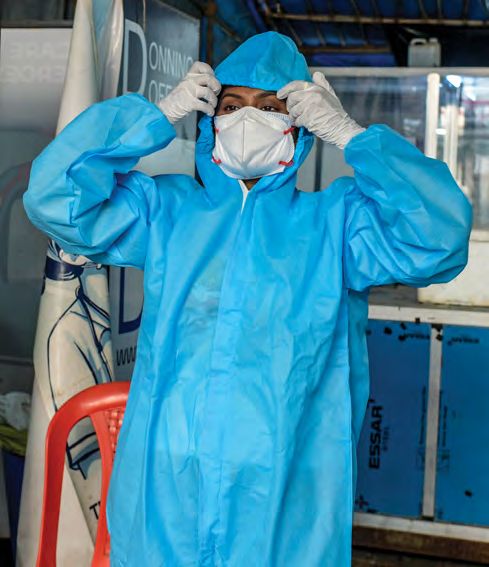
THE EXTENT OF COVID-19 DISRUPTION
ON HEALTH SERVICES
Access to services
As COVID-19 rapidly spread in 2020, outpatient                          Antenatal first care visits fell
consultations at health facilities declined considerably                by 66% in facilities surveyed in
compared to 2019. All health facilities surveyed in the                 seven countries across Asia, while
spot-checks describe changes in attendance, highlighting
the widespread reach of COVID-19 and its impact. The
                                                                        consultations for under-5 services
main reason patients were no longer coming to health                    decreased by 74%.
facilities was due to their fear of catching COVID-19,
according to 85% of facilities surveyed. Patients were
also no longer able to reach health facilities because of           The change in attendance and access to services is
disruption to public transportation services, as well as            particularly dangerous for mothers and children. Early
lockdown and stay-at-home orders. These trends were                 childhood is a particularly vulnerable time for health
slightly more acute in urban settings. Some patients                issues, and the impact of COVID-19 is not sparing the
also delayed seeking care, while others no longer visited           young. Antenatal care first visits (ANC1) fell by 5% across
clinics due to changes in recommendations for mild                  Africa, and by a staggering 66% across facilities surveyed
illness and elective care.                                          in seven countries across Asia. Services for children
                                                                    under 5 were also badly impacted by the pandemic.
Overall, facilities appear to have put considerable effort
                                                                    Facilities across Africa experienced a decrease of 23%
into keeping services open, despite the challenging
                                                                    in consultations for under-5 services in 2020 relative to
circumstances. Where this was not possible, facilities
                                                                    2019, while in seven countries across Asia these services
redirected patients to and from other facilities, and some
                                                                    fell 74%, resulting in significantly fewer children being
specific services were reduced or no longer offered, which
                                                                    seen by health care workers and receiving lifesaving
affected patient attendance. Other factors influencing
                                                                    care. If mothers and children’s access to essential health
patient access to services included more patients
                                                                    services is reduced, mortality among children under 5
presenting with respiratory infection symptoms and other
                                                                    could be expected to rise.
services being disrupted. In addition, as everyone’s focus
became consumed by COVID-19, there was a reduction in
general health communication campaigns to encourage
people to seek out health care.

FIGURE 1:
Breakdown of reasons for the change in patient attendance from April to September 2020, organized into facility reasons
and community reasons, according to the perception of staff interviewed in spot-checks across 32 countries.

Site/facility reasons                                               Individual/community reasons

               4%                  More patients being redirected                  6%                        Fear, mistrust, uncertainty of
          7%         17%           from and to other facilities                                              getting infected with COVID-19
                                                                             11%                             from facility visits
    7%                             Scope of specific services                               28%
                                   reduced                                                                   Disruption in public
                                                                                                             transportation
  11%                      15%     More patients presenting with       15%
                                   any respiratory infection                                                 Lockdown or stay-at-home order
                                   symptoms
                                                                                                             Delayed care-seeking
    12%                            Communications to the public
                        14%                                                                 20%              Changes in recommendations to
                                   about reactivation of any
                                   services that were previously
                                                                              20%                            the public for mild illness and
               13%                                                                                           elective care
                                   suspended or reduced
                                                                                                             Other
                                   Backlog resulting from
                                   disruption of services
                                   Reduced general health
                                   communications campaign to
                                   promote care-seeking
                                   Provision of specific services
                                   completely suspended
                                   Reduced or changed opening
                                   hours
                                   Facility closure

                                                      The impact of COVID-19 on HIV, TB and malaria services and systems for health   |   4
                                                                                                                                              70

                                                                                                                                              60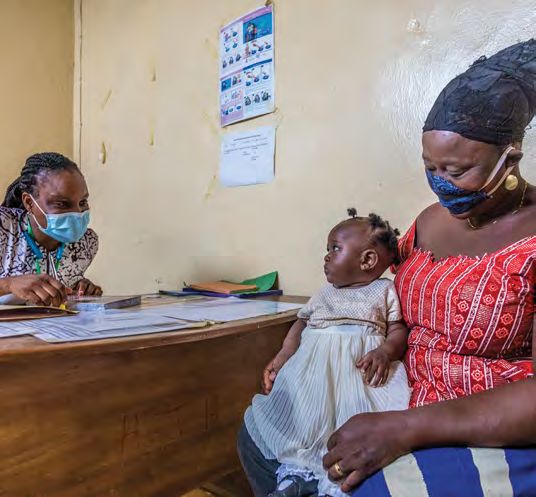
HIV

HIV and AIDS represented the most recent global deadly                  violence and gender-related inequalities. The Global Fund
pandemic before COVID-19. The Global Fund has made                      is committed to scaling up the quality and quantity of HIV
enormous progress over the past 20 years. In countries                  prevention programs and to increasing investments in
where the Global Fund invests, AIDS-related deaths since                HIV prevention for these key and vulnerable populations.
the Global Fund was founded in 2002 have been reduced                   But COVID-19 is threatening the progress made so far,
by 61% and new infections have been reduced by 41%.                     disrupting some of these crucial HIV services. Without
Prevention efforts are critical to tackle the HIV incidence             prevention services such as testing, people cannot know
rate, particularly among key and vulnerable populations                 their HIV status or access treatment, and the incidence
such as sex workers, people who inject drugs, prisoners,                rate of HIV in these countries is at risk of increasing.
transgender people, men who have sex with men, as
well as young women and adolescent girls who are
disproportionately vulnerable to HIV due to gender-based

FIGURE 2:
The gray blocks represent the number of COVID-19 cases diagnosed per surveyed facilities (right Y axis).
The line graph describes service delivery for the same period in 2020 (left Y axis).

HIV referrals                                                           HTS-HIV Testing
                                  Global                                                                  Global
 10%                                                           40,000    10%                                                           105,000
 0%                                                                       0%                                                           90,000
-10%                                                           30,000   -10%                                                           75,000
-20%                                                                    -20%                                                           60,000
                                                               20,000
-30%                                                                    -30%                                                           45,000
-40%                                                                    -40%                                                           30,000
                                                               10,000
-50%                                                                    -50%                                                           15,000
-60%                                                           0        -60%                                                           0
       Apr      May         Jun            Jul     Aug   Sep                   Apr      May         Jun            Jul     Aug   Sep

                  Across 24 countries in Africa                                           Across 24 countries in Africa
 10%                                                           5,000     10%                                                           7,000

 0%                                                            4,000      0%                                                           6,000
                                                                        -10%                                                           5,000
-10%
                                                               3,000
                                                                        -20%                                                           4,000
-20%
                                                               2,000    -30%                                                           3,000
-30%
                                                                        -40%                                                           2,000
                                                               1,000
-40%                                                                    -50%                                                           1,000
-50%                                                           0        -60%                                                           0
       Apr      May         Jun            Jul     Aug   Sep                   Apr      May         Jun            Jul     Aug   Sep

                      Across 7 countries in Asia                                              Across 7 countries in Asia
20%                                                                      10%                                                           105,000
                                                               40,000     0%                                                           90,000
 0%
                                                                        -10%                                                           75,000
                                                               30,000
-20%                                                                    -20%
                                                                                                                                       60,000
                                                                        -30%
                                                               20,000                                                                  45,000
-40%                                                                    -40%
                                                                                                                                       30,000
                                                               10,000   -50%
-60%
                                                                        -60%                                                           15,000
-80%                                                           0        -70%                                                           0
       Apr      May         Jun            Jul     Aug   Sep                   Apr      May         Jun            Jul     Aug   Sep

  Number of COVID-19 cases diagnosed
  Comparison Q2/Q3 2020 vs 2019 service records (%)

                                                          The impact of COVID-19 on HIV, TB and malaria services and systems for health    |   5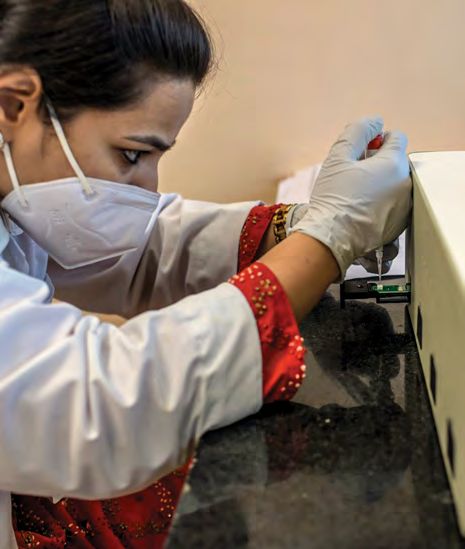
Our data suggests that disruption levels to HIV programs                          Facilities also noted that prevention of mother-to-
varied across services and regions. Overall, HIV referrals                        child transmission (PMTCT) services and deliveries of
and HIV testing services were particularly affected. The                          prevention packages through outreach or drop-in visits
indicative data collected from April to September 2020                            were also lower between April to September 2020
shows that HIV referrals, which includes when patients                            compared to the same period in 2019. These disruption
in need of further diagnosis and treatment of HIV or                              patterns caused by COVID-19 risk reversing the progress
sexually transmitted infections are referred to the next                          made in the fight against HIV. Fewer mothers being
steps in the service continuum, fell 37% in Q2/Q3 of                              referred and fewer people being tested means that they
2020 relative to Q2/Q3 of 2019. Referrals are critical for                        will not be diagnosed or treated, and without treatment,
helping to prevent HIV transmission in the community                              they could get sick or die. Moreover, more babies will be
at large, and so this disruption could result in people                           born with HIV when PMTCT services are disrupted, which
being unknowingly infected and HIV-positive patients                              could wipe out years of progress in making sure that
not accessing the treatment they need, leading to further                         babies are born HIV-free.
health issues or ongoing transmission of HIV. In addition,
across all the facilities surveyed in this snapshot, HIV                          Disruption to HIV prevention services, including referrals,
testing fell 41%. A large decrease in people being tested                         testing, and PMTCT, means that people are running a
could lead to an increase in infection rates. HIV referrals                       higher risk of not knowing their HIV status, and therefore
and testing are important strategies for prevention and                           of not accessing the treatment they need, as well as
enabling entry into treatment, and disruption to these                            running the risk of unknowingly infecting others. Trends
services severely impacts countries’ capacity to fight HIV                        indicate that services are progressively resuming, but we
and protect populations at risk.                                                  must significantly increase our efforts to regain progress
                                                                                  lost in 2020 and get back on track to ending HIV as an
                                                                                  epidemic by 2030.
    Across all the facilities surveyed in this
    snapshot, HIV testing fell 41% in 2020.

FIGURE 3:
Trends of prevention of mother-to-child transmission services from April to September 2020 in comparison to 2019.2

PMTCT - Africa (comparing 2019 and 2020)                                          PMTCT - Asia (comparing 2019 and 2020)
20%                                                                                60%

 15%                                                                               40%

 10%                                                                               20%

  5%                                                                                   0%

  0%                                                                              -20%

 -5%                                                                              -40%

-10%                                                                              -60%

-15%                                                                              -80%
       Jan   Feb Mar Apr May Jun          Jul   Aug Sep Oct Nov Dec                         Jan   Feb Mar Apr May Jun   Jul   Aug Sep Oct Nov Dec

   Indicator Reporting
   C-19 Spot-check

2 Data in these graphs is also taken from Monthly and Quarterly Indicator Reporting.

                                                                 The impact of COVID-19 on HIV, TB and malaria services and systems for health   |   6
TB
Prior to the arrival of COVID-19, tuberculosis was the access to quality diagnosis, treatment and care, scale
world’s leading infectious disease killer, preying on poor up prevention efforts and find the estimated 2.9 million
and marginalized communities. In countries where the “missing” people with TB who go undetected, untreated
Global Fund invests, TB deaths (excluding HIV positive) or unreported each year, and identify and treat drug-
since the Global Fund was founded in 2002 have been resistant TB. COVID-19 has impacted the delivery of these
reduced by 25%. These gains are now being threatened. crucial services. With similar symptoms such as cough,
Compared to HIV and malaria, TB was the disease most fever and breathing difficulties, TB and COVID-19 can be
off-track in 2020, and the COVID-19 pandemic is wiping confused, and stigma and fear concerning the new virus
out painstaking progress made in the past 20 years to can affect patients’ likelihood to seek health care.
accelerate the fight against TB. With drug-resistant TB on
the rise, it is imperative that we keep making progress in
the fight against this disease. The Global Fund is working
with countries and health facilities to improve patients’
FIGURE 4:
The gray blocks represent the number of COVID-19 cases diagnosed per surveyed facilities (right Y axis).
The line graph describes service delivery for the same period in 2020 (left Y axis).
Drug-sensitive TB diagnosis and screening Screen/test for HIV in TB patients
Global Global
10% 105,000 10%
105,000
0% 90,000
0% 90,000
-10% 75,000 75,000
-10%
-20% 60,000 60,000
-30% 45,000 -20%
45,000
-40% 30,000 -30% 30,000
-50% 15,000 15,000
-40%
-60% 0 0
Apr May Jun Jul Aug Sep Apr May Jun Jul Aug Sep
Across 24 countries in Africa Across 24 countries in Africa
10% 5% 7,000
7,000
0% 6,000
0% 6,000
-5% 5,000
5,000
-10% -10%
4,000
4,000 -15%
3,000
-20% 3,000 -20%
2,000 2,000
-25%
-30%
1,000 -30% 1,000
-40% 0 -35% 0
Apr May Jun Jul Aug Sep Apr May Jun Jul Aug Sep
Across 7 countries in Asia Across 7 countries in Asia
20% 10% 105,000
105,000
0% 90,000
0% 90,000
-10% 75,000
75,000
-20% -20%
60,000
60,000 -30%
45,000
-40% 45,000 -40%
30,000 30,000
-50%
-60%
15,000 -60% 15,000
-80% 0 -70% 0
Apr May Jun Jul Aug Sep Apr May Jun Jul Aug Sep
Number of COVID-19 cases diagnosed
Comparison Q2/Q3 2020 vs 2019 service records (%)
The impact of COVID-19 on HIV, TB and malaria services and systems for health | 7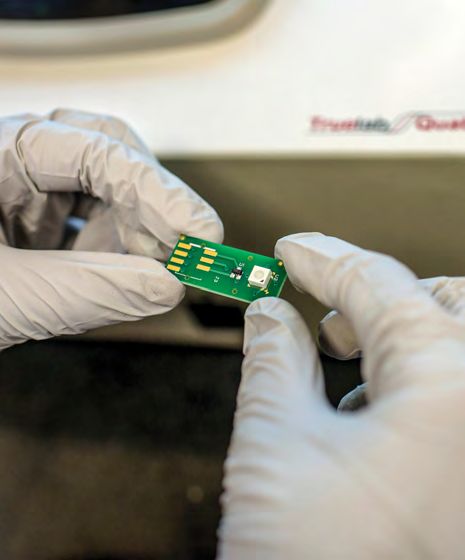
TB referrals                                                             All TB services have been particularly disrupted by
                                  Global                                 COVID-19. To win the fight against TB, preventing more
20%                                                             50,000   infections is critical, yet across the facilities surveyed in
 0%                                                             40,000
                                                                         this report, TB referrals – which includes when patients
                                                                         suspected of having TB are referred to the next step
-20%                                                            30,000   of diagnosis and treatment – have fallen 59% in Q2/
                                                                         Q3 of 2020 relative to the same period in 2019. When
-40%                                                            20,000
                                                                         considering that one person with active, untreated TB
-60%                                                            10,000   can spread the disease to as many as 15 other people in
                                                                         a year3, this decrease in TB referrals poses a significant
-80%                                                            0        threat to our progress against TB and could lead to a surge
       Apr      May         Jun            Jul     Aug    Sep
                                                                         in new infections. Worse, drug-sensitive TB diagnosis
                                                                         and screening services decreased by 44% in the health
                   Across 24 countries in Africa                         facilities in this snapshot. On top of more people dying
 10%                                                            60,000
                                                                         from undiagnosed TB, this also represents a potentially
 0%                                                             50,000   serious risk to global health security. Moreover, drug-
-10%                                                            40,000   resistant TB already accounts for one-third of deaths
-20%                                                                     caused by all types of antimicrobial resistance, and so it
                                                                30,000
-30%                                                                     is vital that missing people with TB are diagnosed and
-40%
                                                                20,000   treated.
-50%                                                            10,000
                                                                         The levels of disruption appear to be regionally varied
-60%                                                            0        according to what facilities are reporting on the ground.
       Apr      May         Jun            Jul     Aug    Sep
                                                                         In surveyed facilities across seven countries in Asia, TB
                                                                         referrals dropped 70% in 2020 in comparison with 2019,
                      Across 7 countries in Asia                         and drug-sensitive TB diagnosis and screening services
 15%                                                            40,000   decreased by 52%. The number of patients enrolled on
 0%                                                                      treatment also fell by 46%. In addition, testing for HIV
-15%                                                            30,000   in TB patients declined by 48%, and urban areas were
-30%                                                                     more affected than rural areas. In the facilities surveyed
                                                                20,000   across Africa, the situation was also concerning, with
-45%
                                                                         29% fewer referrals and a decrease in drug-sensitive
-60%                                                            10,000   TB diagnosis and screening services of 28%. This was
-75%                                                                     particularly noticeable in community sites across the
-90%                                                            0        reporting countries in Africa, where drug-sensitive TB
       Apr      May         Jun            Jul     Aug    Sep
                                                                         diagnosis and screening services fell 58% between April
   Number of COVID-19 cases diagnosed                                    and September 2020 relative to the same time period
   Comparison Q2/Q3 2020 vs 2019 service records (%)                     in 2019.

                                                                         Fewer referrals and less screening and testing means
                                                                         that people potentially infected with TB could be at risk
    TB referrals have fallen 59% in 2020                                 of not only falling sick and dying from the disease, but
                                                                         they also risk spreading TB to others, including the drug-
    in comparison to 2019.                                               resistant strains. Even as trends indicate that services are
                                                                         progressively resuming, some remain considerably lower
                                                                         than in 2019. To regain progress lost in 2020 and prevent
                                                                         a resurgence of TB, successful adaptations and new
                                                                         approaches must be scaled up and expanded to other
                                                                         countries.

3 https://www.who.int/news-room/q-a-detail/tuberculosis

                                                           The impact of COVID-19 on HIV, TB and malaria services and systems for health   |   8
Malaria
The Global Fund partnership has made huge progress countries, malaria diagnosis, and malaria treatment have
against malaria through vector control, testing, and all fallen in 2020 relative to 2019. Of grave and immediate
treatment programs, resulting in a 60% drop in global concern is the impact on malaria diagnosis and
death rates since 2000. Community health workers are treatment, which has significant consequences especially
on the frontlines of the fight against malaria, offering for children, as the vast majority of malaria deaths occur
basic health education and primary care, and bringing in children under 5. However, services such as community
access to malaria prevention and treatment to homes referrals and distribution of long-lasting insecticidal
of underserved rural communities out of reach of nets (LLINs) – essential for malaria prevention – have
health clinics, as well as supporting communities to increased, indicating possible successful adaptive
use mosquito nets and treatment. In 2020, COVID-19 measures that could be scaled up.
disruption to malaria services varied across service area.
The data from facilities in this snapshot indicate that
surveillance activities monitoring the spread of cases in
FIGURE 5:
The gray blocks represent the number of COVID-19 cases diagnosed per surveyed facilities (right Y axis).
The line graph describes service delivery for the same period in 2020 (left Y axis).
Malaria diagnosis Malaria treatment
Global Global
10% 10% 90,000
105,000
0% 90,000 5% 75,000
75,000 0%
-10% 60,000
60,000 -5%
45,000
-20% -10%
45,000
30,000
-30% 30,000 -15%
15,000 -20% 15,000
-40%
0 -25% 0
Apr May Jun Jul Aug Sep Apr May Jun Jul Aug Sep
Across 24 countries in Africa Across 24 countries in Africa
10% 6,000 10%
4,000
5,000 5%
0% 0%
4,000 3,000
-5%
-10% 3,000
-10% 2,000
2,000
-20% -15%
1,000
1,000 -20%
-30% 0 -25% 0
Apr May Jun Jul Aug Sep Apr May Jun Jul Aug Sep
Across 7 countries in Asia Across 7 countries in Asia
20% 100,000 20% 100,000
0% 80,000 0% 80,000
60,000 -20% 60,000
-20%
40,000 -40% 40,000
-40%
20,000 -60% 20,000
-60%
0 -80% 0
Apr May Jun Jul Aug Sep Apr May Jun Jul Aug Sep
Number of COVID-19 cases diagnosed
Comparison Q2/Q3 2020 vs 2019 service records (%)
The impact of COVID-19 on HIV, TB and malaria services and systems for health | 9In surveyed facilities in seven countries across Asia,
malaria diagnoses fell 56%, and malaria treatment RESPONDING TO COVID-19
services plummeted by 59% with all levels of facilities
severely affected. Across the African facilities reporting,
THROUGH RESILIENT AND
there was a 17% decrease in malaria diagnosis and a 15% SUSTAINABLE SYSTEMS
decrease in malaria treatment, with community sites
appearing to be more impacted than other facilities. In FOR HEALTH
addition, 21% of facilities in Africa were stocked out of the
antimalarial medicine dosage for children under 5 years Resilient and sustainable systems for health are the
of age. As nearly 94% of global malaria cases and deaths essential foundation to fighting infectious diseases,
occur in Africa, any disruption or decrease in health whether ending HIV, TB and malaria as epidemics,
services on the continent will affect massive numbers of fighting new pandemics like COVID-19, or preparing and
adults and children at risk of contracting malaria. responding to future health threats. These systems are
underpinning all our work, and it is only by continuing
to invest in systems for health that COVID-19 can be
In surveyed facilities in seven countries defeated and its knock-on effects on HIV, TB and malaria
halted and reversed. This snapshot offers a glimpse into
across Asia, malaria diagnoses fell how Global Fund-supported systems for health have
56%, and malaria treatment services responded in a fast-changing environment and have
plummeted by 59%. continued to offer lifesaving services to those in need.
At the core of resilient and sustainable health systems
are the health workers and community health workers
delivering care and services in both formal and informal
At the core of the Global Fund’s fight against settings. COVID-19 has directly threatened their safety
all these diseases are the systems for health and their ability to do their job. In 2020, 50% of facilities
that underpin our response: formal health surveyed across Africa and 37% of facilities surveyed
systems such as clinics and hospitals, as well as across seven countries in Asia recorded COVID-19
community systems. So long as the COVID-19 infections among their staff. All types of health workers
pandemic is infecting people, systems for health were affected, further emphasizing the need to provide
that the Global Fund is working to strengthen in training, protection and personal protective equipment
the fight against HIV, TB and malaria continue to (PPE) to health care workers at every level.
be disrupted and strained. We cannot achieve
our core mission to fight HIV, TB and malaria
without also fighting COVID-19. In 2020, 50% of facilities surveyed
across Africa and 37% of facilities
surveyed across seven countries in
Asia recorded COVID-19 infections
among their staff.
Health facilities experienced staff shortages when facing
the sudden surge in COVID-19 patients. This situation was
further complicated by staff absences, including because
health workers were sick with COVID-19 or having to
quarantine because of exposure to the virus – this was the
main reason for staff absence in 19% of facilities. Other
reasons included sick leave unrelated to COVID-19, limited
transportation due to lockdown, and fear of violence
targeting health workers. In total, 67% of facilities across
Africa and 69% of facilities in seven countries across Asia
reported that up to 10% staff were absent over the period
of April to September 2020.
The impact of COVID-19 on HIV, TB and malaria services and systems for health | 10PPE is the first layer of protection for health workers
treating COVID-19 patients and safely attending patients
Across 24 countries in Africa,
with HIV, TB, and malaria during a pandemic. Yet only 45%
of facilities surveyed had at least the four most essential only 11% of health facilities could
items of PPE available to all staff, including masks, conduct COVID-19 antigen rapid
disinfectant, gloves and hand sanitizer. Based on spot- diagnostic tests, and only 8%
checks in health facilities in 24 countries in Africa, only
38% of health facilities have enough PPE tracers (masks,
could conduct PCR tests.
disinfectant, gloves, hand sanitizer) for all workers. Of these
facilities, only 61% had surgical masks for all workers. In
facilities surveyed in seven countries across Asia, only 57% Compounding this situation is the severe lack of
of health facilities had enough PPE tracers for all workers. COVID-19 diagnostic tests available to health facilities.
In spot-checks across 24 countries in Africa in 2020,
only 11% of facilities could conduct COVID-19 antigen
rapid diagnostic tests (Ag RDTs), while 11% could refer
Only 45% of facilities surveyed had
samples. Only 8% of facilities across Africa could carry
at least the four most essential items out COVID-19 polymerase chain reaction (PCR) tests,
of PPE available to all staff. and 37% could refer samples. In the seven countries
across Asia included in this snapshot, 17% of facilities
were able to conduct Ag RDTs and 2% of facilities could
refer samples, while 26% were able to run PCR tests and
PPE availability for all staff (at least 4 tracers) 26% could refer samples. This means that countries are
Region NO YES operating blind, unable to monitor the rate of COVID-19
infection, detect the emergence of new variants, or
Africa 62% 38% measure the efficacy of vaccines. Without testing,
COVID-19 will continue to spread out of control.
Asia 43% 57%
Moreover, efficient procurement and supply chain
systems are critical to fighting HIV, TB and malaria, and
of facilities surveyed are a key component of resilient and sustainable systems
62% in Africa did not have
access to the most
for health. The Global Fund is a leading procurement
partner for the ACT-Accelerator partnership. As COVID-19
tests, treatments and vaccines that the world needs
essential PPE items. become available, health systems need to be ready
to receive and deliver them. Improving health system
capacity is therefore a crucial part of the COVID-19
response. This includes strengthening laboratory
The indicative data collected across the facilities in
capacity for testing and diagnosing COVID-19, HIV, TB
this snapshot demonstrate that there is a critical lack
and malaria. It also means ensuring that cold chains are
of protection for frontline workers, who are the most
robust enough to deliver the vaccines that are starting to
precious resource in the fight against COVID-19 and other
be deployed. Across countries surveyed in Africa, 7% of
infectious diseases. Not only are they at risk of getting
facilities reported not having the working refrigerators
infected themselves, but facilities have also raised
and cold chain equipment needed to keep traditional
the concern that they do not have masks available for
vaccines in viable condition, and it is suspected that most
patients, further increasing the level of risk for everyone
will not have the deep freezers required for the mRNA
and reducing the ability of patients to seek care.
COVID-19 vaccines. Moreover, 23% of facilities did not
have the minimum level of needles and syringes required,
highlighting some of the challenges ahead.
The impact of COVID-19 on HIV, TB and malaria services and systems for health | 11COVID-19 has impacted systems’ readiness, dealing a
considerable blow to facilities’ operating budgets, and ADAPTING THE FIGHT
weakening facilities’ ability to maintain the minimum
stock level of essential commodities for HIV, TB and In response to the disruption caused by COVID-19,
malaria. Only 17% of facilities surveyed in Africa had countries and communities are devising new and
sufficient operating budget, and only 72% of facilities innovative approaches to enable services to be
met the minimum stock level for the three diseases. implemented safely and mitigate negative impacts on
Fewer than 60% of facilities reporting in Africa had the HIV, TB and malaria services. More than two-thirds (68%)
required minimum stock level of first-line treatment of facilities surveyed in this snapshot adopted at least
for malaria for infants. In addition, current COVID-19 one adaptive measure – including in the management
treatments such as dexamethasone were only available in of health or community workers and/or in changes
73% of facilities surveyed in this snapshot, meaning that in delivery strategies for health services unrelated
health workers have limited tools with which to fight the to COVID-19. As a result, these facilities saw less of a
onset of the virus. Moreover, as the pandemic progresses, decrease and sometimes even an increase in service
health facilities are now facing an oxygen emergency, utilization as opposed to those facilities that did not
with more than half a million COVID-19 patients in low- adapt to the pandemic disruption. What emerges from
and middle-income countries estimated to need oxygen the indicative data is that one size does not fit all, and
treatment every day.4 adaptive measures are tailored to the context in which
they are needed.
To fight COVID-19 and mitigate its impact on HIV, TB
and malaria, we need to invest in health systems and
community responses. We need to protect health
More than two-thirds (68%) of
workers by ensuring adequate and sufficient PPE,
reinforce systems for health so they don’t collapse and facilities surveyed in this snapshot
are prepared to roll out COVID-19 tests, treatments and adopted at least one adaptive
vaccines. The indicative data from reporting facilities in measure.
this snapshot shows how COVID-19 has disrupted health
services and put an intolerable strain on health systems
and workers, and we must urgently reverse this trend.
Frequency
Changes in the management of
However, there is hope. The spot-checks in
health workers and community
countries have also shown how resilient these
health workers
health systems can be by adopting innovative
and adaptive measures to mitigate the
pandemic’s effects. The Global Fund’s quick Staff were re-assigned to
70%
different units in the facility
and flexible response has supported countries
to continue to deliver health services and cope
with the new challenges. Moreover, investing Staff were temporarily transferred
in systems for health is not only supporting 34%
to a different facility
countries to respond to the health needs of
their people, it is also investing in global health
security and pandemic preparedness beyond Over-time hours of full-time staff
32%
were increased
COVID-19.
New staff were recruited to
support the increased volume of 31%
patients
Volunteers were recruited to
support the increased volume of 16%
patients
Part-time staff had their hours
14%
increased
4 https://www.who.int/news/item/25-02-2021-covid-19-oxygen-emergency-impacting-more-than-
half-a-million-people-in-low--and-middle-income-countries-every-day-as-demand-surges
The impact of COVID-19 on HIV, TB and malaria services and systems for health | 12Many of these new approaches require additional
Frequency
resources like fuel for transport, PPE for community
health workers and program staff, technical support for
Adaptive measure for delivery of online services, and adjustment of procurement and
health services supply systems to enable longer-term prescription of
drugs. These promising measures, which have benefitted
Facilities extended drug
prescriptions to ensure patients from additional funding provided by the Global Fund in
71% the first phase of the COVID-19 response, could be scaled
had long-term and uninterrupted
access to their medication up if supported with further targeted investments.
These adaptive measures also point to how in some
Facilities gave priority to the areas COVID-19 has been a catalyst for positive change,
64%
consultations of high-risk patients accelerating new approaches and innovations to
improve service delivery and providing an opportunity
Facilities provided all care for for synergies in delivering health services. For instance,
multiple morbidities in a single 39% COVID-19 and TB have much in common, and so advances
visit made for COVID-19 can also benefit TB programs,
highlighting the integration of services. By taking into
Facilities re-directed patients to account which adaptive measures are working and which
32% can be scaled up, the courageous and innovative efforts
alternative facilities
of health workers and facilities in this snapshot can be
seen as an opportunity to shape the future of working to
Facilities provided home-based end HIV, TB and malaria.
29%
care for certain patients
Facilities changed their locations
29%
for outpatient service provision
Facilities provided medical
consultations over the phone
23%
(telemedicine) and digital
platforms
Facilities organized a window
outside of the health facility for
22%
pick-up and drop-off of pharmacy
services
Facilities digitalized patients’
prescriptions for medication 15%
refills The Global Fund / Atul Loke / Panos
Facilities developed innovative delivery strategies for
services unrelated to COVID-19. These include shifting
the locations of service provision outside or extending
drug prescription for long-term use to reduce the
number of visits required to health care facilities. Thanks
to these adaptive measures, some services have not seen
decreases in performance. For instance, facilities appear Mumbai, India (March 2021) – A resident doctor puts
to have put in considerable effort into ensuring that HIV on PPE at a temporary facility of COVID-19 at Nair
and TB patients already on treatment would continue to Hospital in Mumbai.
receive the care they need, through dispensing multiple
months of medicines at a time. The distribution of long- The Global Fund is supporting countries to access
lasting insecticidal nets (LLIN) against mosquitoes also quality-assured health products such as PPE to
protect health workers on the frontlines.
continued by switching from a centralized approach to a
door-to-door delivery system adapted to the pandemic.
The digitization of some services such as incorporating
TB screening into the COVID-19 screening tool and virtual
observation of TB treatment via smartphone applications
allowed for safer interactions.
The impact of COVID-19 on HIV, TB and malaria services and systems for health | 13In Nigeria, facilities are providing long-term supplies of antiretrovirals for HIV patients,
and are using apps to communicate with patients receiving PMTCT services
Ikorodu, Lagos, Nigeria (June 2020) –
Modupe Raji with her child chats with
the Heart to Heart clinic’s counselor
in Ikorodu General Hospital where she
has received HIV prevention of mother-
to-child transmission (PMTCT) care
supported by the Global Fund.
Before lockdown began in Lagos, people
The Global Fund / Andrew Esiebo / Panos
receiving PMTCT services at the Ikorodu General
Hospital were contacted to collect a three-
month refill of antiretroviral drugs to ensure
their continued access to treatment during the
lockdown. In addition, a WhatsApp platform
was set up where health care workers could be
reached for consultation.
Modupe was one of the people who were called
to collect drugs before the lockdown. She said,
“I used to get medication fortnightly but the last
time I got three months worth of drugs to refill
because of the COVID-19 lockdown.”
As the lockdown eased, health facilities were still
experiencing low visits of patients because of
an increase in transportation costs and patients'
fears of contracting the virus during their
The Global Fund / Andrew Esiebo / Panos
hospital visit.
The impact of COVID-19 on HIV, TB and malaria services and systems for health | 14In India, a new technology is being used for
COVID-19 and TB testing
Nair Hospital, Mumbai (March 2021) – To
expand COVID-19 testing and to facilitate
tuberculosis screening of people with
COVID-19 symptoms, the Foundation for
Innovative New Diagnostics (FIND) and the
India Health Fund (IHF) – a collaborative
initiative seeded by Tata Trusts and the Global
Fund – are deploying five Truelab™ machines
at select hospitals in Mumbai. Truelab is
an innovative, chip-based, multi-disease
diagnostic platform developed by Goa-based
The Global Fund / Atul Loke / Panos
Molbio Diagnostics, in collaboration with FIND
and with support from IHF, among others. It
delivers test results in under 60 minutes and
can test up to four samples simultaneously.
Previously used and recommended by WHO for
tuberculosis detection, this innovative technology-driven
testing platform has been a game changer for testing
in underserved areas and quick COVID-19 testing in
emergency departments of health care facilities in India.
The Truelab workstation is a chip-based, real-time
quantitative PCR system that is portable, battery-
operated, and fully automated, and weighs around 3 kg.
This “laboratory-in-a-suitcase” can be used in remote
areas and has network data transfer ability and an
automated reporting system. As of November, 2020, a
total of 2,530 Truelab workstations were operational at
1,008 sites in 530 districts of India.
This rollout will help will minimize sample collection
and transportation challenges, reduce waiting times for
patients, and limit the chances of spreading COVID-19.
The Global Fund / Atul Loke / Panos
As a result, more cases of COVID-19 should be identified,
better patient management will be possible, and hotspots
can be rapidly identified.
The Global Fund and FIND are working together through
the ACT-Accelerator partnership to ensure equitable
access to testing tools, stimulate rapid and effective
uptake of testing in countries, and drive the development
and at-scale availability of affordable, transformative,
digitally integrated tests.
A lab technician holds the Truenat micro PCR
chip, which goes in the Truelab system to detect
COVID-19.
The impact of COVID-19 on HIV, TB and malaria services and systems for health | 15Providing preventative malaria medicine
for children in Burkina Faso
Ouagadougou, Burkina Faso
(October 2020) – Health workers
F. Ariel Ouedraogo and Élise Simporé
administer seasonal malaria
chemoprevention (SMC) to children
in Ouagadougou. This is an important
way of preventing malarial illness in
children in areas of highly seasonal
transmission during the malaria
The Global Fund / Olympia de Maismont
season. Maintaining therapeutic
antimalarial drug concentrations in
the blood throughout the period of
greatest malarial risk helps to protect
children from getting sick.
Using various safety precautions, the program
continues to be rolled out during the COVID-19
pandemic in order to protect gains made in the
fight against malaria. Health workers like Ariel and
Élise walk door to door to distribute mosquito
nets, seasonal malaria chemoprevention, and
other health services to communities.
“Most of the time we are very well welcomed
in homes, the community truly appreciate the
initiative and adults even ask the treatment for
themselves and older children!” says Rabiatou
Ouedraogo, a health worker distributing seasonal
malaria chemoprevention to communities.
Thanks to seasonal malaria chemoprevention,
“we notice a significant reduction of the number
of malaria cases, especially serious cases we
receive in the health center, in this age group.
The Global Fund / Olympia de Maismont
Many mothers have come to take the treatment
for their child, they are really happy,” adds health
worker Zénabo Zinaba.
Safi Ouango gives seasonal malaria chemoprevention (SMC),
a preventive malaria treatment, to her two-year-old daughter
Oudima Aoulaiou in Ouagadougou in October 2020.
The impact of COVID-19 on HIV, TB and malaria services and systems for health | 16THE FIGHT CONTINUES
This snapshot offers an indicative progress update that shows that the COVID-19 pandemic
had a devastating impact on the continuity of HIV, TB and malaria services between April
and September 2020. Data from reporting facilities shows that there are important gaps
that need to be urgently addressed. As outbreaks of the virus flare up in different regions
and new variants emerge and circulate, COVID-19 will continue to impact health services
and overburden systems for health if we do not step up our response.
Yet there are solutions that can be scaled up. The As we enter the second year of the COVID-19 pandemic,
adaptive measures reported by facilities in this snapshot we must learn from our experience fighting the new
attest to the potential of new service delivery measures virus and adapting our lifesaving HIV, TB and malaria
in the context of the pandemic but also beyond. These programs. To strengthen global health security for us
measures need to be tailored to each country context all, we must reinforce health systems and fight all four
and led by the communities and countries themselves. deadly infectious diseases at the same time. Only united
The Global Fund urgently needs funding to continue to through global collaboration, working together to support
support and amplify these measures. countries in securing equitable access to essential health
tools, and strengthening the systems for health that
underpin our response, can we defeat COVID-19.
The impact of COVID-19 on HIV, TB and malaria services and systems for health | 17The Global Fund to Fight AIDS, Tuberculosis and Malaria GLOBAL HEALTH CAMPUS Chemin du Pommier 40 1218 Grand-Saconnex Geneva, Switzerland theglobalfund.org T +41 58 791 1700 April 2021
You can also read


