BUILDING AN AGE-FRIENDLY MANCHESTER - PAUL MCGARRY PUBLIC HEALTH MANCHESTER MANCHESTER CITY COUNCIL
←
→
Page content transcription
If your browser does not render page correctly, please read the page content below
Building an age-friendly Manchester
                                 Paul McGarry
                     Public Health Manchester
                      Manchester City Council
                                         1
Overview

•   Ageing in the city
•   About Manchester’s ageing programme
•   Framework
                                                2
•   Questions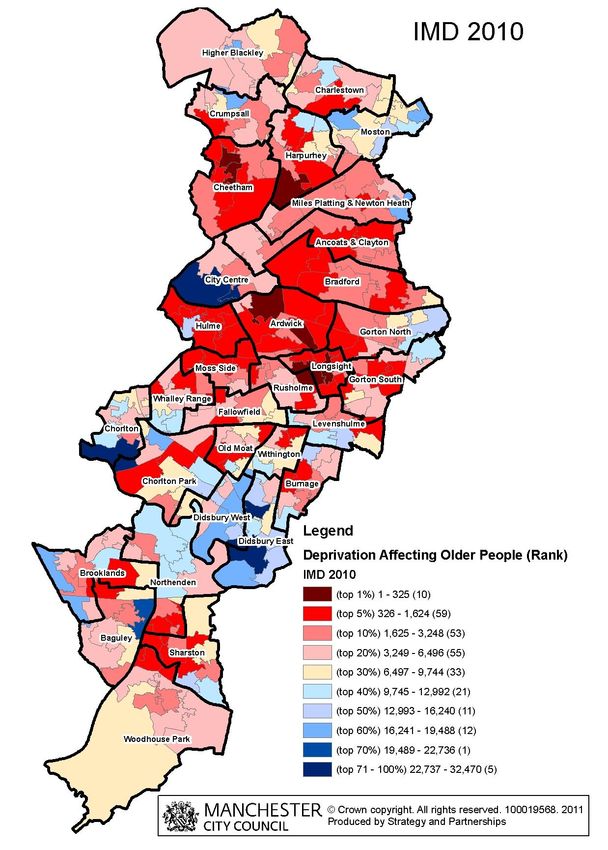
“Population ageing and urbanisation have in their different ways
become the key social trends of the twenty-first century.”
Prof Chris Phillipson 2010                                         3
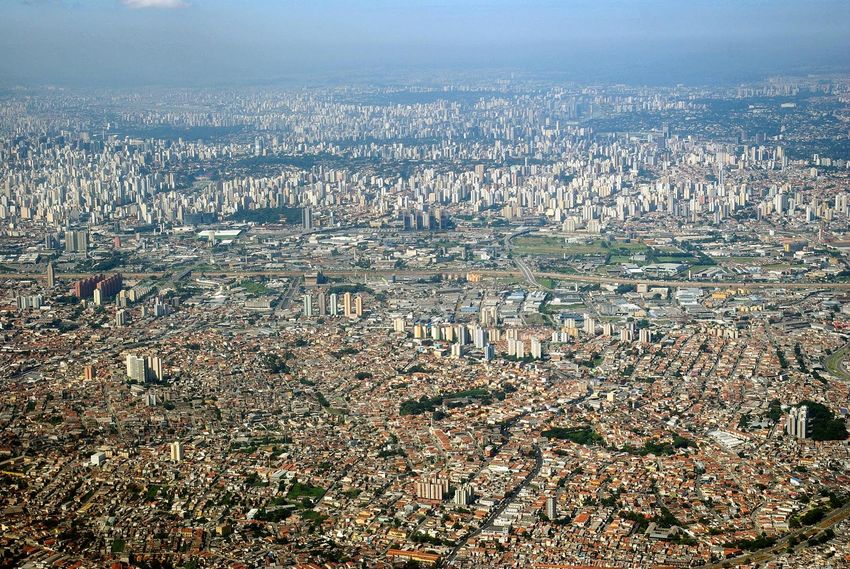
Ageing in the city
“There is emerging evidence that urban environments may
  place older people at a heightened risk of isolation and
  loneliness.”
- Changes in which urban spaces are developed to meet
  the needs of younger consumers;
- Older people’s social well-being is prone to changes in
  population. The loss of family members, friends and
  neighbours has implications for the maintenance of stable
  social relationships.
- Older people are affected by changes linked to social
  issues, such as changes in services and levels of crime.”
                                  Scharf/Gierveld 2008

                                                         4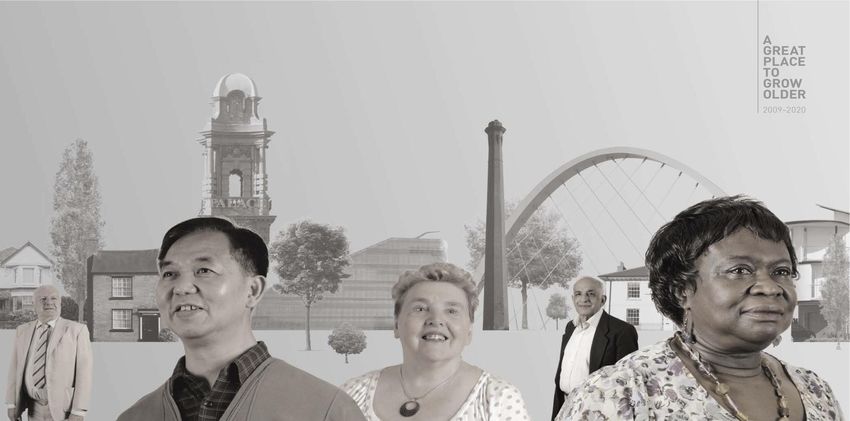
Social exclusion in later life
• Material resources                         Ageing in the city
• Social relations
• Civic activities                             “I just sit in this flat
• Basic services                                  staring at the
• Neighbourhood exclusion                         television or the
Scharf et al 2004                                 walls. You get to a
                                                  point where you
                                                  think I can’t cope: I
     “Some councils will see an outward
     migration of affluent people in their        mean you think
     50s and 60s who choose to leave              what’s the point
     the cities…..the remaining older
     population…tends to be….poorer,
                                                  being stuck in this
     isolated and more vulnerable with a          flat day in day out.”
     lower life expectancy and a need for
     acute interventions”
     Audit Commission 2008                                           5
A tough patch
• Population 504,000
• Greater Manchester: ten
  authorities, pop: 2.6 million
• Unusual older population:
  result of cohort
  migration/economic decline
  in 70/80s
• Second lowest male life
  expectancy in England
• High levels of pensioner
  poverty, ill-health and
  disability
• Vibrant public, community
  and private sectors

                            6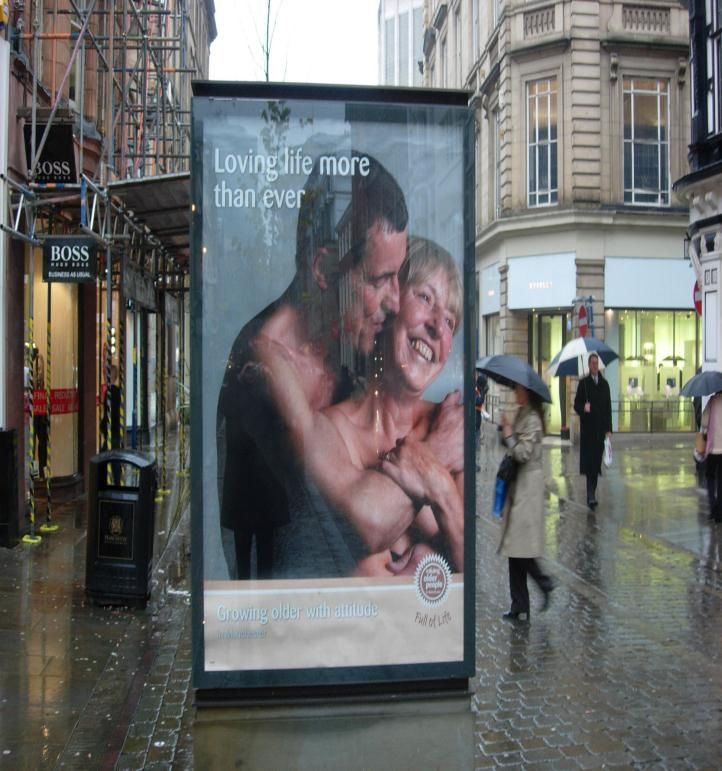
7
Inequalities in later life:
                                Depression and wealth
60%
                Richest     2nd       3rd      4th       Poorest
50%

40%

30%

20%

10%

0%
      50-59   Men         75+                      50-59        Women   75+
                                                                              8
                                 English Longitudinal Study of Ageing
Inequalities in later life:
                                 Mean walking speed and wealth,
                                               people aged 60+
                      1

                    0.95
Metres per second

                     0.9

                    0.85

                     0.8

                    0.75
                           Richest              2nd                   3rd   4th   Poorest

                                     English Longitudinal Study of Ageing               9
Creating a vision for Manchester

            • Launched in 2003
            • Multi-agency
              partnership
            • 2004/2009 strategies
            • 2012 Age-friendly
              Manchester

        “Manchester has established itself at
        an international level as a leading
        authority in developing one of the
        most comprehensive strategic
        programmes on ageing.”

        John Beard, Department of Ageing and
        Life Course, World Health Organisation
                                         10
A ‘citizenship’ approach to ageing
Medical Care Citizenship
Patient Customer Citizen
Focus on individual Focus on individual, Focus on social
family and informal networks
support neighbourhood and city
Clinical interventions Care interventions Promoting social capital
and participation
Commission for ‘frail Commission for Age-proofing universal
elderly’ vulnerable people services
Prevention of entry to Prevention to delay Reducing social
hospital entry to care system exclusion
Health (and care Whole system Changing social
11
system) structure and attitudesVOP allows us to have a say on the things that matter…
it’s a voice for older people
Elaine Unegbu, VOP Board member
12Positive images of ageing
13• The core trinity;
crime, transport
and physical
environment
• Neighbourhood
regeneration
• Cultural offer
programme
• Housing and
housing
support
projects
• Road safety
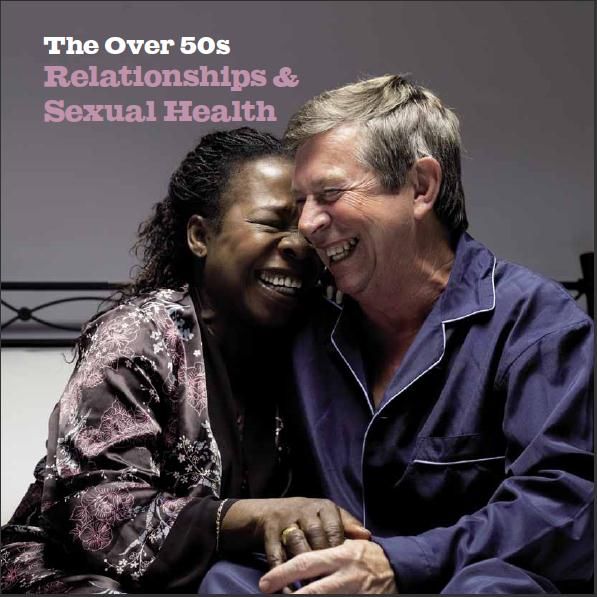
14• Public health
– Free
swimming
and
physical
activity
– Alcohol;
sexual
health
• Research
community
15Working locally
16The future
• Age-friendly
Manchester
programme
• New resources
and
partnerships
• Age-friendly
workforce
• Age-friendly
design/Design
Lab
• Demonstrator
sites
• Research
17Ageing, economy and technology
• Principles
• Capacity
and
expertise
• Partners
• Themes
• Priorities
18A draft shared framework for discussion
Scale Settings Themes
Politics
City Social participation
Economy
Media Civic representation
Transport system Mobility
Health services
Inclusion
Shopping centre
Neighbourhood Anti-discrimination
Workplace
Generational Safety
relationships
Community facilities Consumer choice
Communal housing
Street Creativity
Community groups
Health
Personal social and
Home health care
19
Friendships and familyKey policy questions
1. Cities are viewed as key drivers for economic success – ‘the
urban renaissance’ – but can they integrate ageing populations
as well?
2. Can the resources of the city be used to improve quality of life in
old age – only 1 in 20 older households may have the money to
take advantage of what great cities have to offer.
3. Can cities be designed in the interests of
all age groups?
20Key policy questions
4. How can we
investigate new
ways of securing
participation of
older people in
technology
regeneration and
planning.
5. How do we bring
together urban
designers,
developers,
architects with
older people
21Summary: key messages
• Vision and plan: championed by local
politicians.
• Older people: making older people
partners, leaders and peers in the city
programme.
• Making ageing everyone’s business:
the WHO framework describes how
responsibility for planning for the age-
friendly city
22Summary: key messages
• New partnerships: creating active partnerships
that reach beyond the ‘usual suspects’.
• Research, policy and practice: city strategists
and policy makers form effective alliances with
academics and researchers, practioners and
citizens.
• Networks: international, national and regional
networks facilitate the exchange of good
practice and knowledge.
23Thanks….
Email: p.mcgarry@manchester.gov.uk
www.manchester.gov.uk/vop
I’m here!
24You can also read


