Cambridge International School Dubai - Year 9 Curriculum Handbook 2021-2022 Key Stage 3 Curriculum
←
→
Page content transcription
If your browser does not render page correctly, please read the page content below
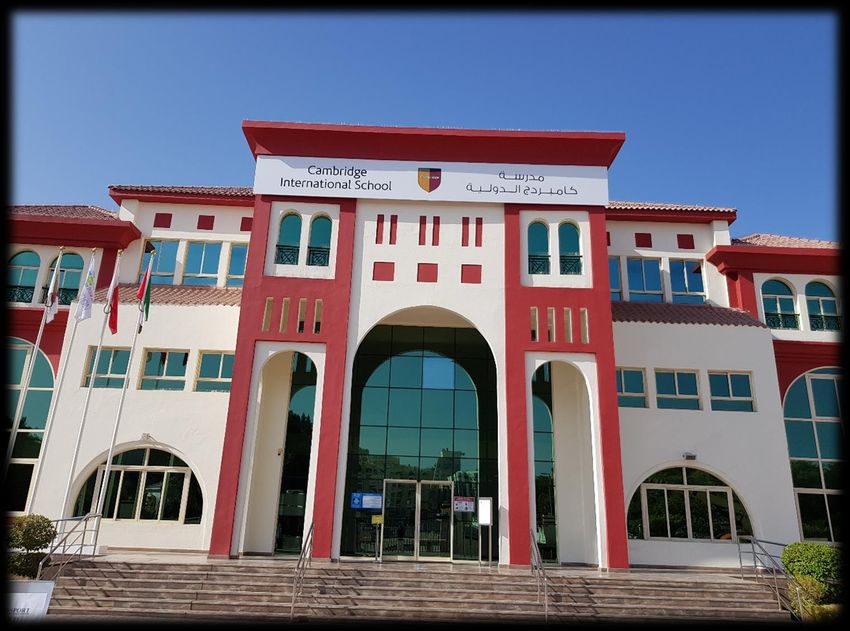
Cambridge International School
                   Dubai

Key Stage 3 Curriculum

            Year 9 Curriculum Handbook
                    2021-2022
Contents

Welcome to Cambridge International School Dubai and GEMS   3

GEMS Education                                             4

The Key Stage 3 Curriculum (2021-2022)                     5

Assessments                                                28

Contacts                                                   31

                                                                2
Welcome to Cambridge International School

Cambridge International School is one of the most established and successful
international schools in Dubai. The school was initially founded in 1983 in Karama as The
Cambridge High School. The school has well over 2000 students from around 80
nationalities attending its current campus in Garhoud.

Cambridge International School has grown from strength to strength over the years and
has a well-proven track record of success in both academic and extra-curricular
activities.

In Year 9 (Key Stage 3) will continue to follow the National Curriculum that provides our
students with an introduction to the essential knowledge that they need to be educated
citizens. It introduces them to the best that has been thought and said; and helps
engender an appreciation of human creativity and achievement.

The National Curriculum is just one element in the education of every child. There is
time and space in the school day and in each week, term and year to range beyond the
National Curriculum specifications. The National Curriculum provides an outline of core
knowledge around which teachers develop exciting and stimulating lessons to promote
the development of pupils’ knowledge, understanding and skills as part of the wider
school curriculum.

Along with the National Curriculum, Year 9 students will be introduced to the IGCSE
Curriculum and will start the IGCSE course for one optional subject. This course will be
studied for two years and in Summer 2023, the students will sit their first IGCSE
examination. The remaining six IGCSE subjects will be undertaken for study in Year 10
and will be tested at the end of Year 11.

Cambridge International School offers a unique international learning experience for
students. Its education programme maintains a holistic perspective and is based on the
principles of Global Citizenship, growing by Learning, Pursuing Excellence and Leading
through Innovation.

                                                                                       3
GEMS Education
GEMS, Global Educational Management Systems, manages a growing network of quality international
schools, providing high standards of education to children from around the world. High service
standards and a strong quality assurance programme are the hallmarks of GEMS systems. With decades
of experience GEMS has the expertise to provide a variety of curriculum including the National
Curriculum for England.

GEMS have the desire, passion and capability to unlock the potential of students. Four core principles
form the foundation of GEMS educational programmes, designed to guide students to reach their full
all-round potential.

Global Citizenship

       We respect, care, and have empathy for all, accepting that we are all different but recognising that
       we are all the same. We see active participation in the community, from the most local to the most
       global, as the foundation of a valuable life. We celebrate diversity. We take pride in being generous.
       We believe social, cultural, economic and environmental awareness prepares us to play our part in
       shaping a sustainable future for ourselves and those around us.

Growing by Learning
      For us
          . learning is about acquiring the knowledge, skills, behaviours and insight to expand our horizons
      and help us to grow. To grow, we must be open to learn. We foster the spirit of enquiry, encouraging
      equally creative and critical thinking. We value the mental agility to stay flexible in the face of change,
      adaptable in our relationships with others and nimble in our ability to put ideas into action.

Pursuing Excellence
      We see being great at something as a starting point, not an endpoint. We believe in having high
      standards and aspiring to be the best we can be. We strive to build resilience and strength of
      character, the moral compass to do the right thing, even when it’s not the easy thing to do. We take
      accountability for our performance, and set ourselves goals we know we can’t reach yet, because we
      know that by stretching to meet them we can get further than we imagined.

Leading through Innovation

      Innovation requires bold thinking, fresh ideas and brave leadership. It’s about entrepreneurship.
      Finding better ways of doing things… and doing them. To make a real contribution to a better future
      we must lead individual by individual, idea by idea, taking calculated risks, spotting opportunities, and
      acting decisively. Knowing that, by relentlessly exploring our passions, we will open up new
      possibilities.

                                                                                                                    4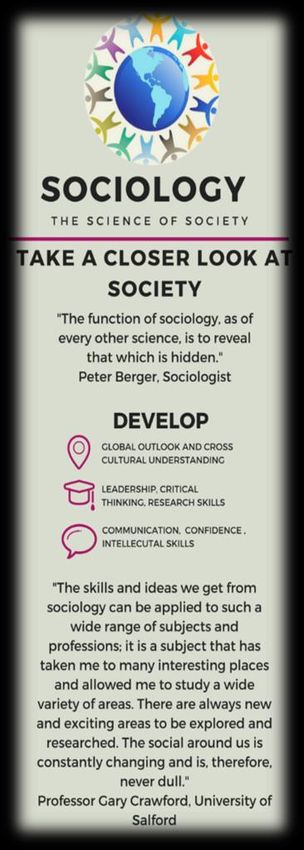
KS 3 (Year 9) Curriculum 2021-2022
MANDATORY COURSE DESCRIPTIONS:

• Arabic (For Arabs and Non-Arabs)
• Islamic (For Arabs and Non – Arabs) or PSHE (For Non-
  Muslims)
• UAE Social Studies (For Arabs and Non-Arabs)
• English
• Mathematics
• Science
• Moral Education
• One IGCSE subject (will sit the examination at the end of Year 10)

CURRICULUM STRUCTURE:
Year 9 students will study the following courses:

                             Number of lessons             IGCSE Subject (Choose one)
 Subjects                    per week                      Examination in May 2023
  English                              5                   4 lessons per week
 Mathematics                           5                   *French
 Science                               4                   *Sociology
 Arabic                                3                   *Computer Science
 Islamic Studies / PSHE                2                   **ICT
 Social Studies                        2                   **Business
 Humanities                            1
 Moral Education                       1
 Physical Education                    2
 Art                                   1

 * This subject will not be offered as a new subject again in Year 10 (2022-2023)
 ** This subject will be offered as a new subject again in Year 10 (2022-2023)

                                                                                        5
Year 9 - List of IGCSE Subject Choices 2021-2022
Year 9 students will continue to study the Key Stage 3 National Curriculum. Students will select One IGCSE
subject. The course will run for two years and at the end of these two years in Year 10, students will sit the
external examination.

           National Curriculum Subjects           MOE Subjects                IGCSE Subject
           English                                Arabic (A & B)              *French
           Mathematics                            Islamic Studies/ PSHE       *Sociology
           Science                                Social Studies              *Computer Science
           Humanities                             Moral Education             **ICT
           Physical Education                                                 **Business

* This subject will not be offered as a new subject again in Year 10 (2022-2023)
** This subject will be offered as a new subject again in Year 10 (2022-2023)

Please select your first and second preference.

                                                     IGCSE Subject
                      First Preference
                      Second Preference

The selected subjects are preferences and subject confirmation is dependent on course numbers, teacher
recommendations and CAT4 scores.

    I, (student name) ______________________________ in class_____ confirm my preferred choice and

    recognise that this may be amended after consultation.

    Signed________________________ Date ________________

     Countersigned (Parent) ________________________

                                                                                                                 6
وفقا لوزارة التربية والتعليم يجب على كل الطالب العرب دراسة اللغة العربية من الصف األول حتى
الصف الثانى عشر .
وصف المنهج :
اللغة العربية يعتمد المنهج الوزاري لدولة اإلمارات العربية المتحدة على أسس وطرائق التعلم العالمية إلكساب
الطالب من
ُ اللغات ألبنائها ،وتأتي اللغةُ العربيةُ على رأس أولوياتها بفروعها المختلفة ،حتى يتمكن
للطالب الناطقين إتقانها ويكونوا قادرينَ على تطوير مهاراتهم اللغوية وجعلهم يقرؤون بصورة مستقلة ،يحللون،
بها يُناقشون ،يُبدعون ،يبحثون.
وذلك من خالل تكيف الطالب مع عدد ساعات لتعلم اللغة العربية ( 165دقيقة ) في األسبوع لطالب
القسم :اللغة العربية الصف ( ) 7وذلك حسب توجيهات الوزارة.
للناطقين بها -المهارات التي ينبغي على الطالب إتقانها لهذا العام حسب معايير الوثيقة الوطنية هي:
المعلم :عبير الديناري
سيد
المنهج :منهج اللغة مهارة الكتابة :يقتبس دائ ًما من مصادر رقمية عدة في أعماله الكتابية .مكتملة العناصر •
العربية للطالب العرب يكتب نصا ذا جودة اإلخراج.مراعي مشروعات ً يخطط مستقالً البحث من خالل إعداد األسئلة
التابع لوزارة التربية المناسبة المتعلقة بالبحث ،وتطبيق إستراتيجيات البحث المتعددة للمادة المرجعية .ا (سردية ً
والتعليم . ينتج المتعلم نصوص ة وإقناعية ووصفية) ّومعلوماتي ) كلمة لكل نص250 ،من ( ا في
كتابته تقيده بمعايير ًمظهر النحو واإلمالء ،مو ًظفا بعض األساليب البالغية.
مهارة القراءة :يحلل بالتفصيل العالقات بين الموضوعات الرئيسة المتعددة ،والحبكات، •
ووجهات النظر المختلفة في نص معين - .يقرأ النص األدبي قراءة معبرة منغمة .م بعض
األمثلة على ّ يحدد ويقي اللغة المجازية ،والمعاني الداللية ،ويذكر دور الخيال واألساليب
البالغية - .يذكر دائ ًما أوجه التشابه الف بين النتاجات المختلفة في موضوع محدد - .يحلل
دائ ًما األعمال القصصية ا على األنماط ًالحديثة اعتماد الموجودة في األدب .
مهارة االستماع والمحادثة :يشارك دائ ًما بفعالية في النقاشات الجماعية من خالل القراءة •
الضرورية والبحث عن الموضوعات المناسبة ،ويقدم ا ًا مراعيًة فرديّا معلوماتيًعروض
استخدام الهياكل التنظيمية والتواصل البصري واللفظ الواضح .م دائ ًما ّ يحلل ويفسر ويقي
الوسائط الرقمية المناسبة والعروض المرئية للبيانات ،ويحدد الهدف ووجهة النظر ا.المقدمة
شفوي -يقدم دائ ًما آراءه والنتائج التي توصل إليها مع ذكر األوصاف والحقائق واألمثلة
المحددة ويستخدم الهياكل التنظيمية ،والتواصل البصري المناسب ،والكتب ،واللفظ الواضح،
واألدوات األخرى للتحدث أمام الجمهور.
تقدير:
طرق التقييم هي كل من (اختبارات ،مشاريع كبرى ،عروض تقديمية) وتكوينية (مسابقات ،إمالء ،
مناقشات ،لعب أدوار ،وأنشطة
دراسية خرى.
7
Course Description
                             Year 9 has three Arabic lessons each week. Each lesson is 55 minutes each.
Faculty: Arabic (B)          Students are grouped according to their ability and lessons are differentiated to
                             support all learners.
Leader: Ramy                 What will students learn?
Wagdy                        Listening
                             • The listener can understand the meaning in narrative and descriptive texts
                               composed of more than one paragraph and organised in clear and coherent
                               linguistic structure
According to the Ministry    • The listener can understand the main facts and many other details. His
of Education ruling, it is     understanding may be based on context and knowledge of linguistic
compulsory that students       structure and content
study Arabic from Year 1     Speaking
to Year 12
                             • The speaker can successfully communicate in most informal conversations
                                 and a limited number of formal conversations related to work, current news
                                 and topics of general and social interest
                             •   The speaker shows ability to narrate and describe using all tenses, present,
                                 past and future at the paragraph level
                             •   The speaker generally commits errors verb conjugation and grammatical
                                 structure while talking
                             •   The speaker’s communication skills are stable in quality; he can rephrase,
                                 clarify and explain thoughts
                             •   The speaker can participate in dialogues using appropriately correct, clear
                                 and precise linguistic structure to convey desired message
                             Reading
                             • The reader can understand narrative and descriptive text comprised of more
                               than one paragraph; can understand main ideas and supporting details.
                               Comprehension is derived mainly of knowledge from context and content
                             • The reader can clearly understand the information organisation (discourse)
                               and linguistic used, though there maybe gaps in understanding them
                             Writing
                             •   The writer can write narrative and descriptive text using all tenses and a
                                 variety of linguistic structures
                             •   Paragraphs are cohesive in terms of structure and clarity of meaning and use
                                 of connectors
                             •   The writer may resort to excessive inappropriate repetition and may resort
                                 to using oral and written patterns used in mother tongue
                             Assessment
                             Assessment methods are both summative (tests, major projects, and
                             presentations) and formative (quizzes, dictation, discussions, role-plays, and
                             other class activities).

                                                                                                          8
Course Description
                               Students have 2 Islamic lessons a week (55 minutes each). We have two
                               sections for each year group (Islamic for Arabs and Islamic for Non-Arabs)
Faculty: Islamic               We hope every Muslim student at CIS is proud to be a Muslim and learns
Leader: Lina Ismail            the basic knowledge of the religion. Our aim is to acknowledge all Muslim
                               students regarding the Islamic values that Qur'an and Sunnah are assert
Abdelsalam                     on, so they can reflect what they learned in real life situations. Also, to
                               refer to Qur'anic verses and Ahadith to analyze contemporary issues in
According to the Ministry of   accordance to the Islamic shari'ah.
Education ruling, it is        We will cover the themes and the stands of the Islamic education in our
compulsory that Muslim         curriculum: Divine revelation, Islamic beliefs, Islamic Ruling and Aims,
students study Islamic         Islamic values and manners, Biographies, Identity and the contemporary
Studies                        issues.

                               What will students learn?

                               Cambridge’s Islamic Education Syllabus is based on UAE recommended
                               curriculum of study and aims to develop in learners the following:

                               The students will memorise surah Yasin and recite the Quranic surahs
                               assigned in the curriculum by intoning. Students will show the meanings
                               of some Quranic vocabularies. Students will memorise some Ahadiths
                               (traditions) of the prophet (PBUH), explain the general meaning for it. To
                               link between seeking knowledge and worship of Allah, the Exalted, the
                               Majestic. Demonstrate the importance of seeking the knowledge from the
                               noble Quran and the Sunnah. Appreciate the value of brotherhood and
                               being away from Individual disputes and selfishness. Clarify the judgments
                               for prohibition of frightening people in Islam. Students will show their
                               belief in fate and destiny. Students will recognise the biography of the
                               prophet (PBUH) and some scholars.

                               Assessment
                               Student assessment will include formative and summative evaluations.
                               Informal assessments will include teacher observations, whole class and
                               group discussions, oral recitation and daily coursework sheets. Formal
                               assessments include projects, quizzes, tests, and oral testing for Qurán
                               memorisation and Suwar’s meanings.

                                                                                                      9
يجب على جميع الطالب المسلمين دراسة مادة التربية اإلسالمية وذلك طبقا لقواعد وزارة
التعليم.
وصف المنهج:
سيقوم الطالب بدراسة حصتين للتربية اإلسالمية في األسبوع و سوف تكون المدة الزمنية
التربية اإلسالمية للحصة خمسة وخمسون دقيقة ،كما ينقسم الطالب في المرحلة الدراسية إلى قسمين :قسم التربية
اإلسالمية للعرب وقسم التربية اإلسالمية لغير العرب .
ونأمل أن يكون كل طالب مسلم من طالب مدرسة كامبردج الدولية فخورا بكونه مسلما وأن
قسم التربية اإلسالمية تتكون عنده المعرفة األساسية للدين اإلسالمي ،كما أن هدفنا هو أن يتعرف الطالب المسلمون
رئيسة قسم التربية اإلسالمية : على القيم اإلسالمية التي أكدها القرآن الكريم والسنة النبوية فيمكنهم حينها تطبيق ما تعلموه في
لينا إسماعيل عبد السالم مواقفهم الحياتية ،كما يمكنهم تحليل القضايا المعاصرة مع االستدالل بآيات من القرآن الكريم
المنهج :التربية اإلسالمية واألحاديث النبوية والشريعة اإلسالمية .
الخاصة بالعرب
سوف يقوم الطالب بدراسة سيرة سيدنا محمد صلى هللا عليه وسلم؛ فهو قدوتنا في اإلسالم
وسوف يستخلص الطالب الدروس المستفادة من سيرته العطرة وتطبيقها في حياتهم . .يعتمد
منهج التربية اإلسالمية على مجاالت و محاور المنهاج الدراسي الموصى به في دولة اإلمارات
و هي كالتالي :الوحي اإللهي ،العقيدة ،أحكام اإلسالم و مقاصده ،قيم اإلسالم و آدابه ،السير و
الشخصيات ،الهوية و القضايا المعاصرة.
منهج التربية اإلسالمية للطالب العرب
منهج التربية اإلسالمية للطالب العرب
يستند منهج كامبردج للتربية اإلسالمية إلى المنهاج الدراسي الموصى به في دولة اإلمارات
العربية المتحدة والذي يهدف إلى تطوير المتعلمين فيما يلي:
سيقوم الطالب بحفظ سورة يس وتالوة السور القرآنية المقررة في المنهج من خالل تطبيق
أحكام التجويد وشرح معاني بعض المفردات القرآنية كما سيقوم الطالب بحفظ بعض األحاديث
للنبي صلى هللا عليه و سلم ،وشرح المعنى اإلجمالي لألحاديث.ولبيان أهمية طلب العلم وعبادة
هللا تعالى ،سيظهر الطالب أهمية البحث عن المعرفة من القرآن الكريم والسنة .سيتعرف
الطالب على قيمة األخوة واالبتعاد عن الخالفات الفردية واألنانية .كما يتم توضيح أحكام
األيمان و النذور .سوف يتعرف الطالب على سيرة الرسول صلى هللا عليه وسلم وبعض
العلماء المسلمين .
التقييم :
سيتم تقييم الطالب من خالل التقييم المبدئى و التقييم الختامى و أيضًا من خالل مالحظات المعلم ،تالوة
و حفظ القرآن الكريم و تفسيره.
10Course Description
Social Studies is a mandatory subject and its new international program
provides the students with an orientation to their place in the world both
Faculty: UAE Social in terms of location and time. It explores the ways in which different
Studies people acquire and use resources and the way in which they organize
and govern themselves to create productive societies. Students also
Leader: Meena learn the mutual impact people and landforms have on each other and
Mehrotra the importance of geography in understanding the human condition. To
assist students in their studies they learn to use maps, globe and a wide
range of print and electronic resources. Social Studies units are often
integrated with the writing program to provide an authentic context for
According to the Ministry of
student writing.
Education ruling, it is
compulsory that students
study UAE Social Studies. What will students learn?
Students receive 2 Social Topics of study include but are not limited to:
Studies lesson per • UAE Connecting to the World, looking at UAE’s location in the continent
week (55 minutes) and on the globe, students will explore landforms and how societies
interact with their environments. Common commodities and natural
resources, imports and exports, transportation, and other aspects of
looking at how parts of the world are interconnected.
• UAE- Yesterday, Today and Tomorrow: Students will learn about the roots
of UAE and its role in history, moving through history to the present day,
and projecting UAE’s role in the future.
The study of Social Studies will focus on the following key areas:
Knowledge of Social Studies component
• History-students show knowledge of how significant events and
developments have impact and play a role in constituting other
communities in the region over different periods of time and in different
places
• Geography- students are able to show knowledge of the earth, its
properties and how such are related to human interactions as well as
between human societies and the natural environment
• National Identity- students show sense of belonging and loyalty to their
country and society. Students are able to share the basis and different
forms and duties of the government and role of members of the society
• Economics-Students understand how markets operate and the role of
government in the development of national economy.
Assessment
Assessment methods are both summative (tests, major projects, and
presentations) and formative (quizzes, discussions, role-plays, and other
class activities.)
11Course Description
The course aims to ensure that all students:
Faculty: English • Have the skills needed for life through English lessons. For example, the
Leader: Reema ability to plan effectively, to handle several pieces of information at the
Mughis same time, to understand instructions, to work under pressure, to make
effective presentations, to listen and respond to others and to write in a
range of forms.
English is a mandatory
• Develop as people during English classes. This includes learning to make
course that is studied
informed choices, using their imaginations, experiencing a range of
substantially from
wonderful books and films, developing an awareness of issues that affect
EYFS1 onwards.
the world and acquiring the language needed to articulate their feelings.
Students receive five
English lessons a week Year 9 is a fundamental year in preparation for IGCSE courses. This allows
(55 minutes each) students to experience the course content and skills. The assessments are also
The overarching aim for practice assessments and exams for GCSE and this allows your child to gain
English in the National valuable feedback ready for their IGCSE in Year 11.
Curriculum is to
promote high What will students learn?
standards of language Throughout key stage 3 (Year 7 - 9) students will be taught:
and literacy by Reading
equipping pupils with a Short texts from Inspire English International
strong command of the Novel: The Strange Case of Dr. Jekyll and Mr. Hyde
spoken and written Poetry: How Asian Are You? By Alex Dang
word, and to develop Develop an appreciation and love of reading, and read increasingly
their love of literature challenging material independently through:
through widespread • Reading a wide range of fiction and non-fiction, including in particular
reading for enjoyment. whole books, short stories, poems and plays with a wide coverage of
genres, historical periods, forms and authors.
• choosing and reading books independently for challenge, interest and
enjoyment
• rereading books encountered earlier to increase familiarity with them and
provide a basis for making comparisons
Understand increasingly challenging texts through:
• learning new vocabulary, relating it explicitly to known vocabulary and
understanding it with the help of context and dictionaries
• making inferences and referring to evidence in the text
• knowing the purpose, audience for and context of the writing and drawing
on this knowledge to support comprehension
• Checking their understanding to make sure that what they have read makes
sense (continue….)
12Read critically through:
• knowing how language, including figurative language, vocabulary choice,
grammar, text structure and organisational features, presents meaning
• recognising a range of poetic conventions and understanding how these have
been used
• studying setting, plot, and characterisation, and the effects of these
• understanding how the work of dramatists is communicated effectively
through performance and how alternative staging allows for different
interpretations of a play
• making critical comparisons across texts studying a range of authors,
including at least 2 authors in depth each year
Writing
Description, letter, explanation article, poetry analysis and comparison
Write accurately, fluently, effectively and at length for pleasure and
information through:
• writing for a wide range of purposes and audiences, including: well-
structured formal expository and narrative essays; stories, scripts, poetry and
other imaginative writing; notes and polished scripts for talks and
presentations and a range of other narrative and non-narrative texts,
including arguments, and personal and formal letters
• summarising and organising material, and supporting ideas and arguments
with any necessary factual detail
• applying their growing knowledge of vocabulary, grammar and text structure
to their writing and selecting the appropriate form
• drawing on knowledge of literary and rhetorical devices from their reading
and listening to enhance the impact of their writing
Plan, draft, edit and proofread through:
• considering how their writing reflects the audiences and purposes for which
it was intended
• amending the vocabulary, grammar and structure of their writing to improve
its coherence and overall effectiveness
• paying attention to accuracy in grammar, punctuation and spelling; applying
the spelling patterns
(continue….)
13Grammar and vocabulary
Consolidate and build on their knowledge of grammar and vocabulary through:
• studying the effectiveness and impact of the grammatical features of the texts
they read
• drawing on new vocabulary and grammatical constructions from their reading
and listening, and using these consciously in their writing and speech to
achieve particular effects
• knowing and understanding the differences between spoken and written
language, including differences associated with formal and informal registers,
and between Standard English and other varieties of English
• using Standard English confidently in their own writing and speech
• discussing reading, writing and spoken language with precise and confident
use of linguistic and literary terminology
Speaking
• Research Based Learning Task
• Classroom Discussion
• Informative Speeches and Presentations
• Formal debates and structured discussions
• Role Play
Speak confidently and effectively, including through:
• using Standard English confidently in a range of formal and informal
contexts, including classroom discussion
• giving short speeches and presentations, expressing their own ideas and
keeping to the point
• participating in formal debates and structured discussions, summarising
and/or building on what has been said
• improvising, rehearsing and performing play scripts and poetry in order to
generate languages and discuss language use and meaning, using role,
intonation, tone, volume, mood, silence, stillness and action to add impact
Assessment
Reading and Writing is assessed twice per term
Speaking and Listening is assessed once per term
Student assessment will include informal and formal assessment. Assessment will
include observation of class participation, oral presentations, written anthologies,
compositions, essays, vocabulary, reading responses, and reading
comprehension.
14Course Description
It is a core subject and it is therefore compulsory and is studied throughout
Faculty: Key Stages 1 - 4.
Mathematics Studying Maths will allow your child to develop the following skills:
• Problem solving.
Leader: Joseph • Logical reasoning.
Thomas • The ability to think in abstract ways
Mathematics is In Year 9 your child will build on knowledge gained in previous years. They will
mandatory course that is learn how to understand:
studied substantially • Number and algebra - this includes numbers and the number system,
from EYFS 1 onwards. calculations, ways of problem solving and algebra.
Students receive 5 Maths • Shape and space - measure, shape and co-ordinates.
lessons a week (55 • Handling data - working out which questions can be answered by
minutes each) collecting data, processing it and working out what it tells us in answer to
the original questions.
Mathematics is important in
• Ratio and proportions-use scale factors, scale diagrams and maps express
everyday life and we all use
Maths every day. Your child one quantity as a fraction of another, where the fraction is less than 1 and
will find that many jobs greater than 1
require an understanding of • Using and applying Mathematics - solving increasingly demanding
mathematical concepts and problems, including problems that call for them to think through several
college places depend on steps.
good results. Most subjects • Introduction to Trigonometry
use ideas encountered in
Maths. What will students learn?
• Numbers: Round numbers and measures to an appropriate degree of
accuracy, use approximation through rounding to estimate answers and
calculate possible resulting errors expressed using inequality notation
aWhat will students learn?
BIOLOGY:
Faculty: Science Structure and function of living organisms: cells and organization, the
Leader: Princy skeletal and muscular systems, nutrition and digestion, gas exchange
systems, reproduction, health. Material cycles and energy: photosynthesis,
Jackson cellular respiration. Interactions and interdependencies: relationships in an
ecosystem. Genetics and evolution: inheritance, chromosomes, DNA and
Science is a mandatory genes.
course in Year 9. PHYSICS:
Students receive 4 Energy: calculation of fuel uses and costs in the domestic context, energy
lessons a week (55 changes and transfers, changes in systems. Motion and forces: describing
minutes each) motion, forces, pressure in fluids, balanced forces, forces in motion. Waves:
observed waves, sound waves, energy and waves, light waves. Electricity
Course Description and electromagnetism: current electricity, static electricity, magnetism.
Science in Year 9 Matter: physical changes, particle model, energy in matter, space physics.
continues to focus on CHEMISTRY:
developing safe The particulate nature of matter, atoms, elements and compounds, pure
techniques to use in the and impure substances, chemical reactions, energetics, the periodic table,
laboratory and an materials, earth and atmosphere.
awareness of the risks WORKING SCIENTIFICALLY:
associated with using Accuracy, precision, repeatability and reproducibility; make predictions
apparatus and using scientific knowledge and understanding; select, plan and carry out the
chemicals. Students most appropriate types of scientific enquiries to test predictions, including
continue to use identifying independent, dependent and control variables, where
scientific method to appropriate; use appropriate techniques, apparatus, and materials during
investigate how to fieldwork and laboratory work; paying attention to health and safety; make
collect and analyze and record observations and measurements using a range of methods for
data, draw conclusions different investigations; and evaluate the reliability of methods and suggest
and evaluate their possible improvements; apply sampling techniques, apply mathematical
methods. They study concepts and calculate results; present observations and data using
how science works in appropriate methods, including tables and graphs, interpret observations
everyday situations and and data, including identifying patterns and using observations,
how we can explain this measurements and data to draw conclusions; present reasoned
using scientific theory, explanations, including explaining data in relation to predictions and
while using practical hypotheses; evaluate data, showing awareness of potential sources of
work to support this random and systematic error. Identify further questions arising from their
theory. results, understand and use SI units and IUPAC (International Union of Pure
and Applied Chemistry) chemical nomenclature, use and derive simple
equations and carry out appropriate calculations and undertake basic data
analysis including simple statistical techniques
Assessment
Student assessment will include informal and formal assessment.
Assessment will also include class participation, quizzes, tests, scientific
investigations, and projects.
16Students broaden specified studio skills in the areas of drawing,
painting, printmaking, and design. Emphasis is on the development
Faculty: Arts of artistic skills in various media. Creative problem solving and
Course: Art experimentation continue, with an aim to begin development of
personal style.
Leader: Sanjana
Saxena Course Description
The National Curriculum for Art and Design aims to ensure that all
pupils:
• produce creative work, exploring their ideas and recording
their experiences
• become proficient in drawing, painting, sculpture and other
art, craft and design techniques
• evaluate and analyse creative works using the language of
art, craft and design
• know about great artists, craft makers and designers, and
understand the historical and cultural development of their
art forms.
What will students learn?
Throughout Key Stage 3 (Year 7 - 9) students will be taught:
• To use a range of techniques to record their observations in
sketchbooks, journals and other media as a basis for
exploring their ideas
• To use a range of techniques and media, including painting
• To increase their proficiency in the handling of different
materials
• To analyse and evaluate their own work, and that of others,
in order to strengthen the visual impact or applications of
their work
• About the history of art, craft, design and architecture,
including periods, styles and major movements from ancient
times up to the present day.
Assessment
Teacher observation, participation in class, sketchbook, and
projects are used to assess students.
17Course Description
The National Curriculum for Geography aims to ensure that all pupils:
Faculty: Humanities • develop contextual knowledge of the location of globally significant
Leader: Leanne places – both terrestrial and marine – including their defining physical
Oung and human characteristics and how these provide a geographical
context for understanding the actions of processes.
• understand the processes that give rise to key physical and human
Students will be taught a
geographical features of the world, how these are interdependent and
wide range of skills from
questioning to enquiry and how they bring about spatial variation and change over time.
thinking skills whilst • are competent in the use of geographical skills.
looking at relevant and The National Curriculum for History aims to ensure that all pupils:
current Geographical • develop chronological understanding of the historical events of Cold
topics and issues. War, outline prominent Leaders that participated in the War.
• analyse the cause and the impact of the Cold War.
• understand the impact of global war crisis on economic development of
European and Russian alliance states then compare/contrast reasons
why events happened.
What will students learn?
Throughout the Year students will be taught:
• Locational knowledge - extend their locational knowledge and deepen
their spatial awareness of the countries in the world using maps.
• understand how human and physical processes interact to influence,
and change landscapes, environment, and the climate; and how human
activity relies on effective functioning of natural systems.
• Geographical skills and fieldwork
• interpret Ordnance Survey maps in the classroom and the field, including
using grid references and scale, topographical and other thematic
mapping, and aerial and satellite photographs.
• understand historical concepts such as continuity and change, cause and
consequence, similarity, difference and significance, and use them to
make connections, draw contrasts, analyse trends, frame historically
valid questions and create their own structured accounts, including
written narratives and analyses.
• understand the methods of historical enquiry, including how evidence is
used rigorously to make historical claims, and discern how and why
contrasting arguments and interpretations of the past have been
constructed.
Assessment
Student assessment will include both formal and informal assessment.
18Course Outline
CAIE Computer Computer science is the study of the foundational principles and practices
Science of computation and computational thinking and their application in the
IGCSE SYLLABUS design and development of computer systems.
This syllabus aims to encourage candidates to develop computational
0478 thinking, that is thinking about what can be computed and how, and
includes consideration of the data required. Learning computational
thinking involves learning to program, that is to write computer code,
because this is the means by which computational thinking is expressed.
Students should be working at level 6a or above in ICT and Maths at the
end of KS3, for them to be considered for this subject option.
Assessment Summary
Students sit an external examination set by the Cambridge Assessment
International Education (CAIE). The examination consists of two papers,
the details of which can be found in the table below.
Paper 1 - Theory Paper 2 – Problem Solving and
Programming
1hour 45 minutes duration 1hour 45 minutes duration
This written paper contains short-
This written paper contains answer and structured questions.
short-answer and structured There is no choice of questions. 20
questions. There is no choice of of the marks for this paper are from
questions questions set on the pre-release
60%- weightage material.
40%- weightage
Post 16, University Pathways and Careers
Student may continue with Applied ICT and Computing in AS and A level
after completing this course.
This qualification will provide an option to prepare for an advanced level
of ICT qualification in their further education. Professions and areas IT
graduates can take up in future include Computer Networking,
Information System Management, Information Analyst, IT Coordinator
and Technicians, Database Administrator and programmer.
19Course Outline
• Develop an understanding of French in a variety of contexts
EDEXCEL French • Acquire a knowledge of French vocabulary and structures
GCSE SYLLABUS • Build transferable language skills
1FR0 • Be able to get the ability to communicate effectively in French
• Increase awareness and understanding of countries and communities
9-1 Grading where French is spoken
scale • Manageable content: A flexible programme of study that allows time for
a focused revision period at the end of the course
• Assessments that place an emphasis on spontaneity and grammar, as well
as providing plenty of opportunities for students to apply their knowledge
independently, creatively, and in authentic situations
• Straightforward and clear question papers and mark schemes.
• Continuous progression –a specification that builds on KS3 prior learning
and provides a firm foundation for students to make a smooth transition
to A level
Assessment Summary
• Emphasis is placed on the four core skills of Speaking, Listening, Reading
and Writing
• 100% external assessment –all exam papers will be set and marked by the
Awarding Organisation
• 25% assessment weightings per skill (listening, speaking, reading and
writing)
Post 16, University Pathways and Careers
This includes studying French at AS and A-Level. Knowledge of French can also
open doors to a whole range of different careers in the fields of Languages,
Law and Diplomacy providing opportunities in Medicine, the Environment,
Business, Engineering, Science and Technology.
20Assessment Summary
Students sit an external examination set by the Cambridge Assessment
CAIE Information And International Education (CAIE). The examination consists of two papers,
Communication the details of which can be found in the table below.
Paper 1 Theory 40% Paper 2 Practical Document
Technology 100 marks Production, Data Manipulation and
IGCSE SYLLABUS 0417 Presentations 30%
80 marks
Course Outline 2 hours Examination 2 hours 30 minutes Examination
The syllabus aims to
summarise the context in
which you should view the This test assesses the practical skills
syllabus content and describe Questions will be based on needed to use the applications covered
the purposes of a course sections 1–21 of the in sections 17, 18 and 19 of the subject
based on this syllabus. subject content. content. Candidates must demonstrate
The aim is to develop: All questions are the practical skills relevant to sections
knowledge of ICT including compulsory Externally 11–16
new and emerging assessed All tasks are compulsory
technologies; autonomous Externally assessed
and discerning use of ICT
skills to enhance work
Paper 3 Practical
produced in a range of
Data Analysis and Website Authoring 30% (80 marks)
contexts; skills to analyse,
design, implement, test and This test assesses the practical skills
evaluate ICT systems; skills needed to use the applications covered
to consider the impact of in sections 20 and 21 of the subject
2 hours 30 minutes
current and new technologies content. Candidates must demonstrate
Examination
on methods of working in the the practical skills relevant to sections
outside world and on social, 11–16. All tasks are compulsory
economic, ethical and moral Externally assessed
issues; ICT-based solutions to
solve problems; the ability to Post 16, University Pathways and Careers
recognise potential risks Student may continue with Applied ICT and Computing in AS and A
when using ICT, and use safe, level after completing this course. This qualification will provide an
secure and responsible option to prepare for an advanced level of ICT qualification in their
practice. further education. Professions and areas IT graduates can take up in
future include Computer Networking, Information System
Management, Information Analyst, IT Coordinator and Technicians,
Database Administrator and Programmer.
21Course Outline
Sociology is an exciting and illuminating field of study that studies,
CAIE Sociology analyses and explains human social relationships and institutions.
IGCSE SYLLABUS 0490 Sociology’s subject matter is diverse, ranging from crime to
religion, from the family to the state, from the divisions of race and
social class to the shared beliefs of a common culture, and from
social stability to radical change in whole societies.
Sociology provides the candidates with lifelong skills, including:
a better understanding of how we become who we are, the ability
to analyse human behaviour within their own society, between
different cultures and across different periods of time, the ability
to use sociological evidence and ideas to challenge one’s own
beliefs and the beliefs of other people about social issues at the
local, national and international level.
Assessment Summary
Paper Time Total No. of questions Weightage
(duration) marks to be attempted
Paper 1 2 hours 80 One Compulsory 60%
marks data response
One structured
question from a
choice of two
Paper 2 1 hour 45 70 Two optional 40%
min. marks structured
question from a
choice of four
Post 16, University Pathways and Careers
IGCSE course in Sociology is accepted by schools, universities and
employers as proof of knowledge and understanding about the
socio-economic and political conditions of the world, people are
part of.
Sociology is an excellent preparation for careers in Law, Public
Policy, Social Work, Public Administration, as Educators,
Researchers, Public Relations, Consumer Research, Programming,
Administration, Banking, Media (radio/television), Political
organisations, Human Resources Management, Corporate Training
and Development, Admissions, Advising, Alumni Relations, and
Placement offices (and many more).
22Course Outline
The IGCSE Business Studies syllabus develops students'
CAIE Business Studies understanding of business activity in the public and private sectors,
IGCSE SYLLABUS and the importance of innovation and change. Students learn how
the major types of business organization are established, financed
0450 and run, and how their activities are regulated. Factors influencing
business decision-making are also considered, as are the essential
values of cooperation and interdependence. The course gives an
overview of marketing, Human Resource, operations and financial
management. Successful IGCSE Business Studies students gain
lifelong skills, including confidence to calculate and interpret
business data; communication skills including the need to support
arguments with reasons.
Assessment Summary
Two written examinations
Paper I One and half hour 50% of the marks
(Short answer and structured questions)
Paper II One and half hour 50% of the marks
(Based on case study)
Post 16, University Pathways and Careers
IGCSE Business Studies provides a foundation for all management
courses such as Bachelor of Business Administration, Master of
Business Administration, Chartered Accountancy and Management
Information Systems.
Students pursue careers in management consultancy, investment
banking, general management and public sector management,
among other areas.
23Course Outline
The National Curriculum for PE aims to ensure that all pupils:
Faculty: Physical
Education • develop competence to excel in a broad range of physical
activities
Leader: Pechetti Sri
• physically active for sustained periods of time
Vani • engage in competitive sports and activities
• lead healthy, active life
A high-quality Physical
Education curriculum What will students learn?
inspires all pupils to succeed Throughout Key Stage 3 (Year 7 - 9) students will be taught to:
and excel in competitive • use a range of tactics and strategies to overcome opponents
sport and other physically in direct competition through team and individual games [for
demanding activities. It
example, basketball, badminton, cricket, football, netball,
provides opportunities for
rounder’s, and tennis]
pupils to become physically
confident in a way which • develop their technique and improve their performance in
supports their health and other competitive sports [for example, athletics, swimming,
fitness basketball, cricket, badminton, football, Netball, Rounder’s
and volleyball]
• take part in outdoor and adventurous activities which
present intellectual and physical challenges and be
encouraged to work in a team, building on trust and
developing skills to solve problems, either individually or as a
group
• analyse their performances compared to previous ones and
demonstrate improvement to achieve their personal best
• take part in competitive sports and activities outside school
through community links or sports clubs.
Assessment Summary
The course is designed to test students’ understanding of the
material using a variety of assessment methods including skill
performance tests and peer-assessments, self-assessments and
group assessments in addition to daily points allotted for
attendance and participation.
24Course Outline
Moral education seeks to foster in students a set of universal
Faculty: Moral values, which will enable them to peacefully interact and connect
Education with people from different cultural and social groups who hold
different views and perspectives. It seeks to empower them to
Leader: Nishrin become active, responsible, local and global citizens. It enables
Gilitwala them to develop mutual understanding, respect for difference and
empathy in order to sustain our cohesive and prosperous society.
The UAE is committed to Through dialogue and interaction, students are provided with
developing responsible, opportunities to explore different worldviews, to challenge one
cultured, engaged adults ready another’s assumptions and attitudes and to develop the
for society. In reinforcing this knowledge, skills and attitude necessary to think critically, to make
commitment, Moral Education informed ethical decisions and to act on them in the interests of
endorses an ethos of giving their society.
and volunteering that prepares
responsible and resilient youth,
What will students learn?
who will contribute to the
advancement of society and
The Moral Education Programme (MEP) covers four pillars of
the wider world. The program
teaching and learning: Character and Morality, The Individual and
develops in students, the
the Community, Civic Studies and Cultural Studies. The four pillars
modern skills needed to
complement one another, using the lens of moral thinking and
compete and become
reasoning and building character. Underpinning the curriculum are
productive members of the
the thinking, learning and communication skills relevant to the
UAE community.
programme, which support development and progression.
Topics of Study:
Term 1 Term 2 Term 3
Morality in the Valuing The growth of Morality in Dealing
context of diversity consultative the context with
communication governance in of states conflict
the UAE
Assessment Summary
• Teacher observation
• Verbal and written feedback to students
• Open-ended, teacher-created summative assessments
• Attitude/behaviour check
• Projects and Presentations
• Formative assessments (Class discussions and activities)
• Projects and Presentations
• Formative assessments (Class discussions and activities)
25Course Outline
Students will have opportunities to acquire and apply a range of
Faculty: Social Sciences skills to support them including:
• researching, analysing and evaluating information
Leader: Jyothi Nambiar • developing and justifying a line of reasoning
• reflecting on processes and outcomes
Young people face • communicating information and reasoning
unprecedented challenges in • collaborating to achieve a common outcome
an interconnected and Students explore stimulating topics that have global significance.
information-heavy world, not They learn to collaborate with others from another culture,
least, in how they will gain a community or country. They assess information critically and
sense of their own active place explore lines of reasoning. They learn to direct their own learning
in the world and cope with and develop an independence of thought.
changes that will impact on
What will students learn?
their life chances and life
The topics offer a context within which students can begin to
choices
develop and demonstrate an understanding of these global issues
from personal, local and/or national and global perspectives.
Students can use research, reasoning and questioning to gain this
understanding and form their own judgements. It is suggested that
teachers look at several topics over the term of the course to help
develop candidates’ skills.
The topics are:
• Education
• Climate change and its impact
• Values of Empathy, Truthfulness and Honesty
• Traditions, cultures and identity
• Globalisation and its impact
In developing the skills of working with information, critical
thinking, decision-making, planning, communication, reflection,
teamwork and independent learning, candidates will engage with a
range of sources. These sources might include data sets, articles
from the media and personal testimony. The sources that
candidates use should encourage them to become actively involved
in considering issues from different perspectives. It is important,
then, that candidates learn to engage with a contrasting breadth
and depth of relevant material.
Assessment Summary
Assessment will be based on Individual Report and research done
along with Team Project.
Every piece of work given will carry a minimum of 5 marks and
maximum of 25 marks.
Student assessment will include both formal and informal assessment.
26ASSESSMENT
Assessment is an integral part of Teaching and Learning and is required to optimise all students’ learning
and teachers’ teaching by providing a picture of progress and achievements and to identify the next
steps to success.
Types of Assessment
Assessment for / of Learning / as Learning:
• There are three principal functions of assessment- assessment for learning, assessment of
learning and assessment as learning
• Assessment for learning highlights and emphasises the contribution assessment can make to the
day to day process of teaching and learning (formative)
• Assessment of learning helps to create a cumulative record of children’s progress and attainments
(summative)
• Assessment as learning is the use of a task or an activity to allow students the opportunity to use
assessment to further their own learning. This offers students the chance to set their own
personal goals and advocate for their own learning
I. Summative is Assessment of Learning. It is used mainly to measure performance and clearly
identifies a standard of pupil attainment against given criteria. It is carried out at the end of a period
of learning. Examples:
o Internal School Examinations
II. Formative is Assessment for Learning. It is ongoing and provides evidence of and for progression in
learning.
o It supports learning through identifying difficulties, providing feedback and diagnosing future
learning priorities.
o Formative assessment can also be used to evaluate the effectiveness with which a teacher in
mediating the curriculum and thus inform his/her future planning.
o This includes:
a. Weekly tests
b. Home work
c. Class work
d. Group Activity – Project work, Research based Learning etc.
III. Self-Assessment encourages pupils to take responsibility for their own learning by:
a. Evaluating their own achievement against shared learning outcomes
b. Identifying their own strengths and areas for improvement
c. Encouraging individual learning goals and action plans for future progression
d. Fostering a self-reflective learning culture
e. Encouraging independence in learning
27I. Peer Assessment is used when relevant. Pupils are encouraged to clarify their own ideas and understanding
of both the learning intention and assessment criteria while assessing other pupils’ work.
II. External Assessments at CIS
CIS takes part in the Cognitive Abilities Test (CAT4), and Progress Tests (PT English, Maths and Science),
TIMSS, PISA, PASS and IGCSE, GCSE, AS & A level.
The Cognitive Abilities Test (CAT4):
CAT4 assesses a pupil’s ability to reason with and manipulate different types of material through a series
of Verbal, Non-Verbal, Quantitative and Spatial Ability tasks. Together, these four tests provide teachers
with a comprehensive profile of a pupil’s reasoning abilities, and as such the core abilities related to
learning.
The resulting data can then be used to identify a pupil’s strengths, weaknesses and learning preferences,
providing accurate and reliable information that is essential for personalised learning. The more we know
about a pupil, the better position we should be in to offer a learning environment and ways of teaching
and learning that allow pupils to maximise their potential. Information about a pupil’s reasoning ability
will be key to many decisions and is considered alongside attainment data and other factors known to
impact on learning, such as attendance and attitude.
Progress Tests (PT)
These are nationally benchmarked assessments. They will be used year-on-year to support teachers at CIS
in identifying current levels of attainment and monitoring progress. The group of tests reflects the English
National Curriculum as well as the other UK curricula, making it up-to-date and highly relevant.
Year 9
Year 9 students will undertake both formative and summative assessments through the term and records
of all subjects will be kept in SIMS mark sheets tracking progress against a quantitative measure of
attainment.
Assessments in Year 9 will be consistent with the National Curriculum. Assessment being an integral
component of teaching and learning, CIS will use Progress Tests (PT) in English, Maths and Science to
monitor progress and attainment. These are externally set and intended to provide feedback with respect
to how well the student is grasping the concepts being taught. PT tasks are graded and these scores are
maintained for the purpose of term end reports. However, all assessments conducted will be shared with
parents on an ongoing basis.
28PASS Survey Report
The success of young people’s educational experience is heavily determined by the attitudes that they
bring to their learning, their sense of aspiration and the feelings they have about their place in the broader
social context of the school. The PASS diagnostic is a powerful, multi-factorial measure of students’
attitudes to school, learning and success. Its robust nature enables the data it yields to be used as a means
of establishing baselines and to support effective planning, implementation and evaluation of interventions
at individual, group and whole school levels. The data combined with other student data such as GL CAT4,
Progress Test, gives staff in school, in collaboration with the young people, greater opportunity to make
informed decisions about their future learning and to help them towards further success
Assessment Cycle in the Calendar
Proposed dates 2021-2022
The school calendar will publish the summative assessment dates
Year Internal Examinations/ Assessments & International Benchmark Assessments
CAT4 PASS 1 PASS 2 PT Baseline/ Mid Term1 Mid Term 2 Mid Term3
9 Midline Term 1 Term 2 Term 3
Oct Oct May June Sept Sept- Oct Nov-Dec Feb March April May
Report Release Dates:
Year Group Dates Report
Year 9 November Interim Report 1
Year 9 January Term 1
Year 9 February Interim 2
Year 9 April Term 2
Year 9 May Interim 3
Year 9 June Final (Term 3)
29Contact for subject specific query:
Faculty Faculty Leader Email
English Reema Mughis REEMA.M_CIS@gemsedu.com
Mathematics Joseph Thomas j.thomas2_cis@gemsedu.com
Science Princy Jackson p.jackson_cis@gemsedu.com
Humanities Leanne Ryder l.ryder_cis@gemsedu.com
ICT Muhammad Hassnain m.hassnain_cis@gemsedu.com
Arts Sanjana Saxena s.saxena1_cis@Gemsedu.com
French Abdelrahman Ahmed a.mohamed3_cis@gemsedu.com
Mohamed
Arabic Ramy Wagdy Aboudishish r.aboudishish_cis@Gemsedu.com
Islamic Lina Ismail Abdelsalam Maged l.maged_cis@gemsedu.com
Moral Education Nishrin Gilitwala n.gilitwala_cis@gemsedu.com
Social Sciences Jyothi Nambiar JYOTHI.E_CIS@gemsedu.com
PE Srivani Pechetti Pechetti.V_CIS@gemsedu.com
UAE Social Meena Mehrotra Meena.K_CIS@gemsedu.com
Studies
Business Lynda Fernandes Fernandes.D_CIS@gemsedu.com
30Cambridge International School, Dubai
P.O. Box 60835
Dubai
United Arab Emirates
Tel: 9714 2824646
Fax: 9714 282 4109
cambridge@emirates.net.ae
www.gemscis-dubai.com
31You can also read


