STUDENT
HANDBOOK
  Career
 Programs
←
→
Page content transcription
If your browser does not render page correctly, please read the page content below
STUDENT HANDBOOK Career Programs
Welcome!

     Page 2

Hello New SLCHC Student!

         It is our great pleasure to welcome you to
              St. Louis College of Health Careers!

  We want your time here to be all you had hoped for and
 more. To assure that you have all of the information you
   need while attending school, we have developed this
                   Student Handbook.

   In it you will find very useful information that you can
refer to time and time again, both now and as you move to-
               ward your future as a graduate.

  We encourage you to keep it with so that you can not only
       use this book as a reference tool, but also to
           personalize and add to it as you go.

 We look forward to seeing you at graduation and wish you
                         SUCCESS
    in all future academic and professional endeavors.

                         Obstacles are those frightful things you see
                         when you take your eyes off your goal.
                         ~Henry Ford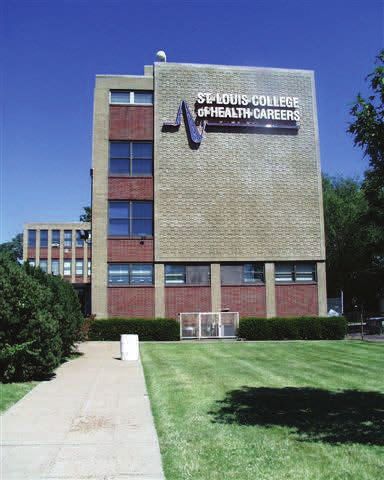
Come Here, Go
                 Anywhere

      Page 3

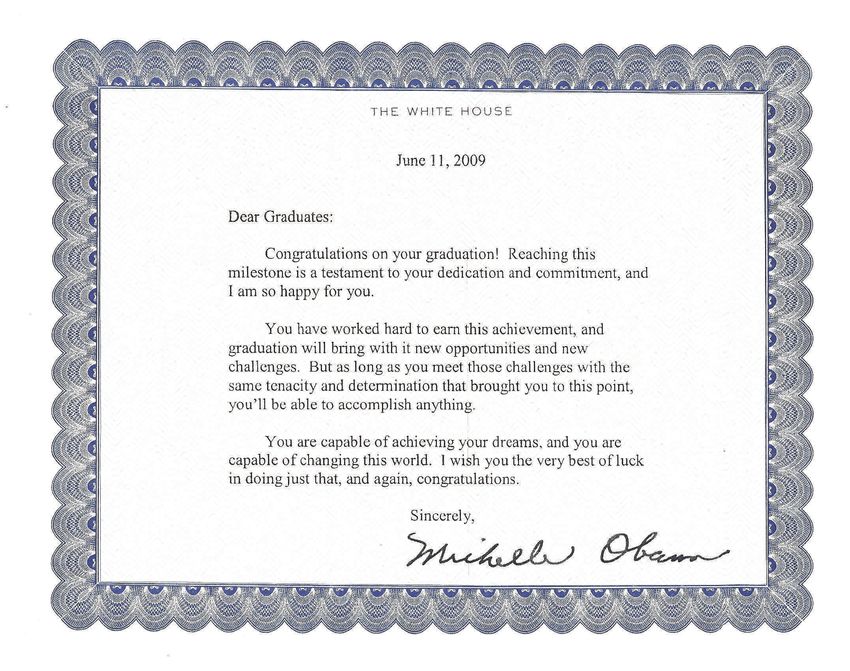
                      Letter sent from the
                          White House
                             to our
                     June 2009 Graduates!

 Let us think of education as the means of developing our great-
  est abilities, because in each of us there is a private hope and
dream which, fulfilled, can be translated into benefit for everyone
      and greater strength for our nation. - John F. Kennedy
Table of Contents
Page 4
College Photo/General Information 5
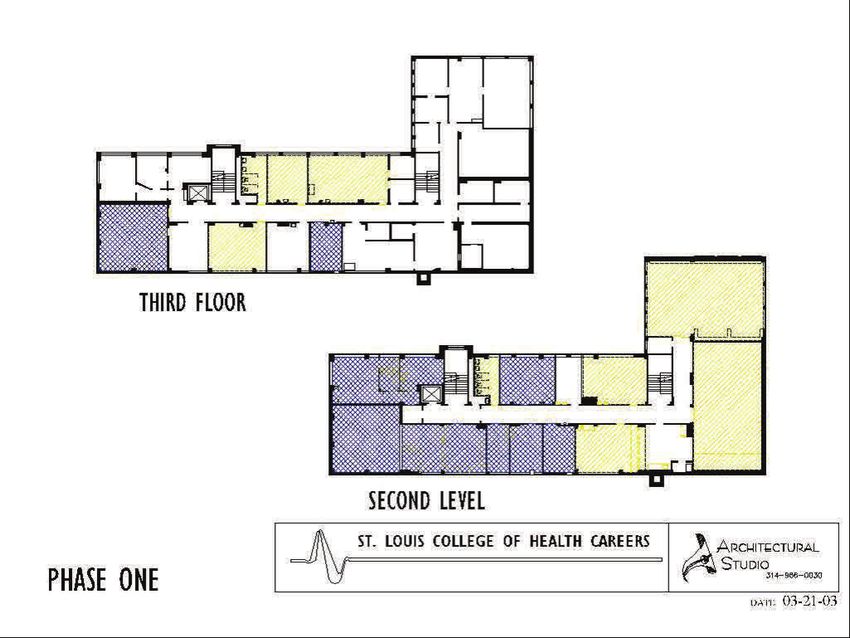
Map of the School 6,7
Mission Statement 8
Departments and Descriptions 9-16
Externship Experience 17
Student Service/Community Outreach 18
Academic Policies and Procedures 19-27
Frequently Asked Questions 28-33
Restaurant Listing 34, 35
Helpful Numbers 36
Possible Additions
Fire Plan
Drug & Alcohol Prevention
Crime Avoidance Policy and Reporting Crimes
Sexual Harassment Policy
Acceptable Use of IT Policy
Staff Phone List
Notes Page
THIS IS SLCHC!

Page 5

St. Louis College of Health Careers Metro Campus
             909 South Taylor Avenue
             St. Louis, Missouri 63110
              Phone: 314-652-0300
               Fax: 314-652-4825
Ground Level and
First Floor
Page 6
Where you will find ….
FIRST FLOOR GROUND FLOOR
Admissions Computer Lab
Financial Aid PCT Skills Lab
Placement Vending Area
Faculty Mailboxes Student Lounge
Registrar MA Skills Lab
Student Services
Reception
Academic Offices:
Shelonda Williams, PD MAS, PMB Joel Mikos, Lead Gen Ed Dawn Pyke, PD MA
Ashley Stuckey, PD PCT Rick Hawkins, Gen Ed
Hannah Duckworth PCT Christine Sullivan, PCT
Registrar
Career Women’s
Massage
Financial Aid
Development Restroom Therapy
(Placement) Skills Lab
Mail
Admissions Reception
Room
Academic Copier
Offices
Confer-
Book Room
ence
Rooms
Student Services Men’s Room 5
Gen Ed Program Director PCT Lab
Financial Aid Office Admissions
Restroom
Room 4
Building Mgr Vending Lecture
Room 7 Area
Computer
Room
Lab
MA Lab Furnace Room
STUDENT
HANDBOOK
Second, Third, and Fourth Floors
Page 7
Where you will find….
SECOND FLOOR THIRD FLOOR FOURTH FLOOR
Academic Offices 203, 210, 211 Classrooms 308, 309,316, 317, Classroom 422
Classrooms 201, 202, 204, 208, 215 319, 321, 322 Data Lab, 326 Unisex Restrooms
Room 213, Library Conference/Tutor Room 315
Room 214, Student Lounge Women’s Restroom
Women’s Restroom
Academics: Academic Offices: Academics
Louis Vidovic, Dean of Students Melissa Brown, Director of Education Adjunct Instructor
Tiffany Gates, MA Instructor Valerie Greene, PD PH Office Area
Pamela Harris-Brown PMB Instructor Ryan Butler, PH Instructor
Judy Daniels, PH Instructor
Kathy Sanford, DOE Academic Assistant
Business
Women’s Office Admin
Restroom PH Lab 302
Academic
Offices
Data
Academic 308
Lab
Offices 309 A&P Lab 322 Fourth Floor
Confer- 316 & 317 319 321 326
ence/Tutor PH Lab PH Office
Room 315
Room 201
Women’s
Restroom Faculty
office
Room Room Room
Admin- 204 202 215
Dr. Rush Room Rm
Rm 213/
213
Robinson 208 210 Library
211 Library 214
Faculty Offices Lounge
STUDENT
HANDBOOKPage 8
St. Louis College of Health Careers
Mission Statement
Mission Statement
SLCHC fosters an environment of positive change and growth
within itself, the community, and the greater St. Louis metropoli-
tan area. The College places special emphasis in assisting the un-
employed or underemployed and those seeking to learn new job
skills, thus moving individuals closer to full economic independ-
ence. SLCHC educates allied health professionals to meet the ever-
changing needs of the health care sector. SLCHC develops and re-
fines programs based on current health care trends. Since its
founding, the College has embraced those seeking an avenue
through which to improve their quality of life.
Our SLCHC goals include:
• Provide a supportive, flexible learning environment.
• Provide the opportunity for career training.
• Develop self-sufficient graduates.
• Foster ongoing outreach and guidance services that
develop self-esteem and critical thinking.
• Assist in employment preparation and job search.
• Offer student foundational success for future
educational endeavors.Admissions Department
Page 9
Director of Admissions
Assistant Director of Admissions
Admissions Representatives
The function of the Admissions Department is to help you make an
informed decision about enrollment into your program. We are your
first contact with SLCHC, assuring that you have everything in order
to begin your education, including the financial aid process. We are
here to answer questions about Admissions Requirements and
paperwork, help your friends and relatives enroll in school and
assist in making your transition smooth as you become an official
SLCHC student! It is our pleasure being a part of your career
decision and look forward to seeing you at graduation.
Congratulations!Academic Department
Page 10
Director of Education
Dean of Students
Program Directors
Full-time and Adjunct Faculty/Instructors
The Academic Department is here to ensure that the students receive
the best healthcare education possible, and that any student needs or
concerns are addressed fairly and promptly.
The Director of Education’s focus is the overall operations of the
Academic Department, including: staffing, curriculum/policy revision,
and student issues.
The Dean of Students handles student academic issues, including:
policy/procedure clarification, attendance hearings, and student
retention.
Program Directors monitor students in their respective programs and
ensure that the theory and practical skills taught to students are
challenging, current, and ready graduates to be valuable members of
the health field.
The Academic Department is responsible for presenting theory and
practical course work to prepare students for employment in their
chosen fields. The department will incorporate foundation skills,
laboratory procedures, and lecture material in its educational
approach. Students are tested to evaluate progress and monitored
throughout the length of their program to identify any academic or
attendance difficulties. The department will keep an open line of
communication with students, encouraging feedback on academic
related issues, and intervene to help all our students stay on the path
toward graduation. Upon successful completion of academic courses,
the Program Director will assign a clinical site to the student so that
what was learned in class can be practiced in a formal health care
setting.Financial Aid Department
Page 11
Director of Financial Aid
and Default Management
Financial Aid Officers
The purpose of the Financial Aid Office is to help you determine how you
are going to pay for the costs associated with attending College. We
administer your financial aid package and are here to help you complete
the paperwork associated with financial aid, such as the Pell Grant, PLUS,
and Stafford Student loan applications.
We also have a list and applications for other funding opportunities,
including scholarships . You can find out more information by visiting the
Financial Aid Office. The best way to ensure all of your
questions are answered is to set up an appointment with
one of the Financial Aid Officers. Call to ask your question
or schedule a time to meet in person.
The College offers SLCHC Scholarships, both merit based
and need based. You can learn more about these by visiting our website or
by stopping by the financial aid office.
We are here to make sure that you can obtain appropriate funds for
you to pay for your education.Career Development/
Placement
Page 12
Director of Career Development/Placement
Career Development/Placement Representatives
The purpose of the Career Development Department is to assist you in
fulfilling your career goals. We will assist you in all aspects of your job
search including: resume development, interviewing skills and putting
you in touch with open positions in your field of study. We will stay in
touch with you as a graduate to ensure you have successfully obtained
employment.
Please stop by the Career Development Office for answers to your
employment questions.
We look forward to supporting you in achieving your career goals.Business Office
Page 13
The Business Office Welcomes you to SLCHC and wishes you great success in
the first step of your new career! The function of the Business Office is to
maintain each student's account once you are enrolled with SLCHC. This
includes posting tuition charges to your account, post funds (Pell grants,
Student loans, and Sponsored funds) as they come in as well as receive
payments from students towards their out of pocket payments. You will be
receiving a monthly statement at the end of each month from the Business
Office regarding payments that are due.
If you are a student who will be sponsored through an outside funding agency
(Slate/WIA, Vocational Rehabilitation) the Business Office encourages you to
follow-up with your counselor and our office regarding the status of your
sponsorship.
Again, Welcome to SLCHC.!Registrar
Page 14
Registrar
Registrar’s Assistant
The Registrar’s Office is here to provide assistance to
you in several different areas. We order and hand out
your books and parking passes, enter your grades and
attendance, make and hand out your ID badges and
maintain your academic file. After you graduate, we
create your diploma and transcripts.
We are here to help to the best of our ability and look
forward to seeing you succeed in your new career!Building Maintenance and Security
Page 15
Security Guard
Building Manager
Security Guard
The Building staff is here to make sure you have a
safe, positive experience while you are at school.
The security guard booth is located on the southeast
corner of the parking lot. If at any time you encounter
a problem or feel your safety is being compromised
while at school, please contact one of these people
immediately.
We are here for your protection and wellbeing.
Have a safe and successful semester!Information Technology
Page 16
Although you don’t always see them, they are always
busy, many times behind closed doors or when you are
not in school, to assure that the College’s information
technology is properly maintained.
Our IT department is responsible for keeping our
computers and printers in good working order. They also
make sure that our internet and school website are
readily available.The Externship
Experience
Page 17
Externship Experience
A student’s experiential learning may be termed an externship or a clinical assignment.
Externships are arranged by SLCHC in various St. Louis regional and outlying areas.
Externships may require up to two (2) hours of travel time. Interviews may be required
before students are accepted for externship with the supervisor to the sponsoring
externship site. Acceptance is not automatic and remains at the discretion of the
sponsoring institution and/or SLCHC Academic Administration. Academic class hours
cannot be exchanged for externship hours.
All students must successfully complete all applicable program externship hours to
qualify as a graduate.
Failure to successfully complete the externship portion of training will result in
termination from the designated externship and possible course failure.
SLCHC will arrange the externship site for each student.
Externship assignments are frequently made months in advance.
Students are not guaranteed a choice of externship or a change of externship.
Once students are placed at an externship site, students are expected to follow the
policies and procedures of the externship site just as if students were an employee
at the site.
In the event of illness or family emergency, students are expected to notify their
SLCHC Externship Coordinator and externship site supervisor prior to the start of
the scheduled hours. Failure to do so may result in termination from the externship.
In the event of an externship site terminating the student extern, SLCHC will not be
obligated to furnish a second externship site.
The decision to terminate or allow a student extern to continue in their program will
be made by SLCHC.
There is no employment guarantee from any externship site, yet many students are
hired from their externship. Therefore, tardiness, absences, or other infractions of the
sponsoring institution policies are grounds for dismissal from the program, just as
they would be grounds for dismissal from a job.
Prior to the start of an externship, students must meet the minimum GPA for their
program, and their academic file must be complete, with all documentation of medical/
physical requirements submitted. Although some flexibility may be allowed when
scheduling the externship experience, students must fulfill their externship require-
ments within the approved time period.
Failure to do so may result in a student being terminated from the externship portion
of their program. Requirements for each specific program’s externship are detailed by
the respective Program Director.
It is our hope that your externship experience is educational and rewarding. Our goal is
following your externship, you will have gained the following:
An opportunity to practice your newly acquired skills
Exposure to contacts and references in your desired field
Added confidence in your abilities and an opportunity to network for a possible jobStudent Services/Community Outreach
Department
Page 18
Community Outreach Coordinator
Work and Learn Coordinator
This department seeks out agencies and programs that can help the student
who has needs outside of school. These personal obstacles may be hindering
a student’s educational efforts. Through the College’s partnering with outside
sources, Student Services may be able to assist and direct the student
seeking help with daycare, housing, utilities, credit counseling, etc. to an
appropriate agency.
The department is also actively involved with orientation, pinning ceremony,
graduation, and student retention. Student Services plans and hosts student
events.
If you find that you are in need of some help, please feel free to see either of
these staff members.
You can't just sit there and wait for people to give
you that golden dream; you've got to get out there
and make it happen for yourself.
~Diana RossAcademic Policies and
Procedures
Page 19
Satisfactory Academic Progress (SAP)
Satisfactory academic progress is necessary to maintain eligibility for Title IV Federal
Student Aid Programs, if applicable, and to continue as a student in good standing at
SLCHC. Satisfactory academic progress at SLCHC is defined as maintaining an overall
GPA grade point average of 2.0 per SLCHC grading scale. All students are constantly
monitored by their instructors and formally reviewed by the Academic Department at
midpoint and/or the end of every course. Should a student’s GPA fall below the mini-
mum, they will receive an Academic Warning from SLCHC.
Students who are on Academic Warning have until the end of the semester to improve
their grades. If their academic performance does not improve, they may receive one or
more failing grades. If a student’s end of semester GPA is less than the minimum, the
student may not be allowed to enroll in future courses. Should this occur, the student
may appeal (within 30 days) in writing, to the Academic Administration, who will
appoint an Academic Grievance Committee to review the student’s request for
reinstatement and recommend whether they should be allowed to retake the course(s)
they failed. If allowed to remain enrolled at SLCHC, the student will be placed on
Academic Warning with an academic plan in place. The academic plan will be
developed by the student and his/her advisor and/or Program Director. Students who
fail a course, but have the minimum GPA, may be able to continue with their next
semester courses.
All repeated courses can be retaken only once. A second failure of any course will
result in immediate dismissal from the college. Failed course(s) that are repeated will
require payment by the student; student must meet with Financial Aid to establish a
financial plan. Students who withdraw while maintaining Satisfactory Academic Pro-
gress, and/or take non-credit courses, may lose eligibility for Title IV funds. In order to
complete a program, a student must maintain a minimum overall GPA.
Successful completion is based on the following criteria:
Classroom Theory/Lab Courses - the final program GPA must be at least 2.0 based
on the average of all classroom examinations and assignments.
According to program requirements, Clinical/Practicum/Externship/Field Work/
Internship Experiences - the final grade must be “S” (Satisfactory) which is assigned
when overall performance is rated satisfactory. This grade does not become a part
of the student’s GPA.
Students who have been dismissed may seek re-entry by contacting Academic
Administration.
Students who have not completed all of their course work by the last scheduled day
of class may receive an “I” (Incomplete) grade at their course instructor’s discretion.
Students have seven (7) calendar days to complete their course work by arrange-
ment with their course instructor. If a student does not complete all course work
within the specified time, the “I” (Incomplete) will become an “F” (Fail).Academic Policies and
Procedures
Page 20
Appeals Procedure
Students who wish to appeal the determination that they are not maintaining
satisfactory progress must submit a letter within seven (7) calendar days to the
Academic Department.
In cases of extenuating circumstances, special arrangements may be made with
SLCHC Administration. These will be handled on an individual basis. Appeals must be
presented to the Program Director, and then an Academic Grievance Hearing must
be scheduled.
Class Schedulin
The classes offered by SLCHC are scheduled at regular intervals throughout the year.
SLCHC reserves the right to postpone or cancel a class for insufficient class enrollment
or other reasons as deemed necessary by the Academic Administration. Should a class
offered at both campuses fail to meet its enrollment minimum at one campus, students
may be required to take the course at the other campus. Contact the Admissions or
Academic Department for a schedule of class starts.
Attendance Requirements
The faculty of St. Louis College of Health Careers believes that student attendance in
class, laboratory, clinical, practicum, and externship sessions is essential for success in
their programs. Therefore, students are required to attend a minimum of seventy-five
(75) percent of the scheduled hours to graduate from their program.
If a student misses four days in a module the Registrar’s Office will send out an
Attendance Appeal letter to the student via the CV Web Portal.
The student must schedule an appeal hearing within seven calendar days after the
Attendance Appeal letter has been sent out. The Registrar and Program Director are re-
quired to communicate the importance of setting a hearing to the student.
A student is only allowed two attendance hearings per program.
If a student’s appeal is denied, a Drop will be processed and the student will have to
apply for re-entry into their program.
A student will be dismissed from the College if he/she fails to attend classes for 14
consecutive calendar days.
Make-up time for absences in class, laboratory, clinical and practicum sessions will be
considered on a case-by-case basis, and at the discretion of the instructor. Valid proof
of absence is required before make-up time will be considered.Academic Policies and
Procedures
Page 21
Make Up Policy
The importance of good attendance for learning and for career preparation can never
be overemphasized. Courses may contain multiple teacher-to-student and student-to-
student interactions, learning activities, and/or extensive discipline-specific lab work
that involve specialized equipment. Students must be physically present in order to
learn and to garner the greatest understanding from these experiences. Students who
graduate and move from training into their careers, employers will require
dependability and punctuality. The College’s attendance policy approximates the
expectations found in a work environment and is designed to help students develop
the discipline of regular and prompt attendance. No matter how skilled the person, an
employee is valuable only when present on the job. Therefore, students are expected
to attend all scheduled classes and be on time. The loss of subject material due to
tardiness or absence can be very costly in this intensive educational environment.
If a student misses an assignment, assessment, or exam, the student will have two (2)
days from the day they return to class to make up the assignment.
It is the responsibility of the student to contact the instructor to make these
arrangements.
The student will have an automatic 10% deduction of the final grade of each
assignment, assessment, or exam made up.
Some assignments may be ineligible for make-up, as outlined by course syllabi.
If a student is absent on the second day or fails to turn in or complete the make-up
assignment, the grade assigned will be a zero.
Students may not make up the final exam or assessment of a class, with the exception
of documentable mitigating circumstances to be approved by the Director of Education
with input from the Program Director.
A student may make up only one exam in each module. Any exam missed beyond the
first instance in a module will receive a zero.
If a student is present for class on an exam day, and does not take the exam, they will
receive a zero.
If a student is late for an exam, regardless of whether the exam is still in progress,
they may take the exam with a 10% penalty. The student must make arrangements with
the instructor to take the exam.
Students may not be permitted to take an exam or assessment early, with the excep-
tion of documentable mitigating circumstances to be approved by the Director of
Education with input from the Program Director.Academic Policies and
Procedures
Page 22
Student Conduct Policy
Upon enrollment at St. Louis College of Health Careers, each student assumes an
obligation to conduct himself/herself in a professional manner. The College, the
health care community, and the patients with whom a student has contact, expects
such behavior following graduation and employment.
The College policy governing student conduct is based upon common sense. Specific
rules have been established and are strictly enforced so that each student develops an
awareness of the effect that individual behavior and attitude may have on everyone’s
perception of you as a health care professional.
Since all clinical/externship instruction occurs in facilities apart from the College
campus, it is important to remember that both SLCHC and students are guests of the
facility.
Expected behavior during the clinical experience is very similar to that of classroom
instruction. Students must comply with all policies of the clinical site as though an
actual employee.
The following policies of student conduct apply to any and all components of instruc-
tion:
Students should present themselves as professionals through their dress and
grooming habits.
Students should consume no alcoholic beverages prior to or during classroom and
clinical instruction. Students under the influence of alcohol or drugs are candidates
for immediate dismissal**
**Any student suspected to be under the influence of alcohol/drugs will be
subjected to drug screening. The College will enforce a “Zero Tolerance” policy
with all students who test positive for drugs. This means, the student will be
dismissed from his/her Program and will have to request an Appeal Hearing
for possible reinstatement. In addition, all students will undergo drug screen-
ing prior to beginning an externship**
Students should refrain from disrupting instruction in any way and obey the direc-
tives of the classroom instructor or clinical supervisor.
Students should refrain from public display of affection towards one another while
on campus or at their clinical/externship sites. Many employees, patients, and visi-
tors may perceive such behavior as inappropriate and inconsistent with the profes-
sionalism demanded of the health care fieldAcademic Policies and
Procedures
Page 23
Student Conduct Policy (continued)
Students must refrain from the use of foul/inappropriate language anywhere and at
any time on school property, including school sponsored events. Under no
circumstances will foul language be tolerated in the classroom.
Food and beverages may not be allowed in any classroom or clinical/externship. All
food and drink should be consumed in designated areas. The only exception is
school sponsored events held in large classrooms.
All cell phones must either be turned off, on silent mode or placed on vibrate while
in the classroom or at a clinical/externship site. Texting/answering your phone
while in class is unacceptable
Smoking is only permitted in designated smoking areas. The campus building is a
smoke free environment.
All students must wait for any transportation or personal visitors in the school’s
front lobby or outside, due to privacy laws we can not acknowledge a student’s at-
tendance, except to authorized personnel in the scope of their duty.
In addition, the following is a non-inclusive list of actions considered to be serious
violations of school policy, which may result in immediate dismissal:
Incompetence or unsafe practice
Unethical or illegal practice
Breaching patient confidentiality (HIPAA violations)
Unprofessional behavior
Cheating or dishonesty
Physical or verbal assault or harassment
Threats, disorderly conduct, or disruptive behavior
The use of racist, sexist, or profane language is not permissible on school grounds
or at clinical sites
Possession of weapons, explosives, or ammunition
Use, possession, or distribution of control substances
The college strives to ensure a safe, professional learning environment for all its
students. Any threatening or disrespectful behavior toward fellow students or college
staff/faculty will not be tolerated. The medical profession is characterized by the
professional, selfless, and compassionate treatment of others. These qualities must be
cultivated at the school and are expected in our daily interaction with one another. The
College administrators, faculty, and support staff have the responsibility to model and
the authority to enforce the student conduct policy.Academic Policies and
Procedures
Page 24
Dismissal
The College may terminate a student prior to completion of their instructional program
in the event the student:
Has inadequate attendance
Does not maintain satisfactory academic progress (SAP)
Violates College policies
Fails to pay program costs
The College sends students formal written warnings. If a student corrects the problem,
termination procedures are suspended. Depending on the nature of the violation,
SLCHC reserves the right to terminate a student without warning.
Students who have been dismissed may seek reentry by writing a letter to the
Academic Department requesting re‑admission to the College. A return letter from the
SLCHC will notify reinstated students.
Student Grievance Policy
The Student Grievance policy provides a process for an impartial review and ensures
that student rights are recognized and protected. The grievance process is made
available to all SLCHC students seeking assistance in resolving any dispute, conflict, or
alleged violation made by SLCHC employee(s), SLCHC student(s) or any SLCHC
department in the course of employment, enrollment and/or school-related activities. A
grievance may arise out of a decision, action, or failure to act, in the course of official
duties/roles at SLCHC. SLCHC faculty or staff may also initiate a student grievance if
deemed necessary.
General Grievance Procedures:
SLCHC addresses conflict resolution by the following steps:
1. Informal Grievance Process
Whenever possible the direct parties involved in any disputes, conflicts, or
disagreements should first make attempts to resolve any issues on their own in a
Professional manner.
2. Formal Grievance Process
Once documented attempts have been made through informal resolution processes
without successful resolution, then students have the option to file for a Formal
Grievance Process. Students are required to submit their grievance in writing to
Academic Administration stating:
The nature of their complaint and goals for the resolution
process
The names of those related to the complaint
Their own name and date.Academic Policies and
Procedures
Page 25
Student Grievance Policy (continued)
An SLCHC representative will then contact the student to arrange a grievance meeting
date and time. SLCHC will assemble a grievance committee from SLCHC programs or
departments to convene a formal grievance meeting. At the meeting, the committee
will review the grievance material and any supportive documentation provided by the
student and/or SLCHC representative(s). The student will be allowed time to present
their case or circumstances and/or to ask any questions related to their grievance.
SLCHC committee members reserve the right to ask the student relevant questions to
provide context to the case. Once the student is dismissed from the meeting, the
committee will consider all the information presented and vote on a decision regarding
the grievance. After deliberation, the committee will issue a final binding decision. The
student will be notified of the decision.
Request for Leave of Absence
Students may request a Leave of Absence (LOA) for serious medical problems, active
military duty, or other personal reasons. St. Louis College of Health Careers will grant
students a Leave of Absence for a period of up to, but no more than, one hundred-
eighty (180) cumulative days in a twelve (12) month period.
Leave of Absence requests must be submitted in writing to the Program Director of
his/her program for approval. The request must include the beginning and ending
dates as well as the reason for the request. Students requesting a LOA must be main-
taining the attendance and academic progress requirements for their program. A Leave
of Absence can only be granted at the end of a scheduled academic semester.
An exit interview from the Financial Aid Office will be mailed to the student who has
been granted an approved LOA. If the student has taken out Stafford Loans, the LOA
may result in use of all or part of the student’s grace period.
Students returning from an LOA will be accepted on a “space available” basis, and are
governed by the current College policies/procedures in effect when they return.
Course Auditing
SLCHC offers Elective Course Auditing and Required Course Auditing. Both audit types
offer no credit for attendance or work performed. Elective Auditing is voluntary to
determine academic readiness or interest in a course of study and can occur for up to
two (2) weeks. Required auditing may be mandated by specific programs for academic
remediation purposes. Students desiring to audit a course must first meet with an
Academic Administrator and/or their Program Director to discuss auditing provisions.Academic Policies and
Procedures
Page 26
Student Dress Code
The faculty and staff of St. Louis College of Health Careers believes that
students’ professional appearance in class, laboratory, clinical, practicum
and externship sessions is essential for success in their programs.
Students are expected to adhere to the following dress code guidelines:
Students must wear their student ID badge at all times and in plain sight and must
be clipped on their uniform shirt and/or lab coat
Students must wear their issued uniform shirt, due to inclement weather a solid col-
or long sleeve t-shirt may be worn underneath uniform shirt for warmth or a solid
color short sleeve t-shirt may be worn underneath uniform shirt. Any t-shirt under-
neath must be tucked in to scrub pants waistband.
Students must wear their issued uniform pants and the hem on the pant leg can not
extend past heel of shoe. Pants must also be worn at student’s waistline.
Students may only wear SLCHC issued lab coat over uniform, no other jackets,
sweatshirts are allowed while inside the classroom or lab.
Students may not wear any type of *head garment (hat, doo-rag etc)
All student’s hair must be of a natural color, no blue, orange, yellow, magenta,
rainbow, etc.
Students may only wear one ring per hand and may wear a watch with a second
hand to assist with vital sign practicums. No dental grills allowed.
No visible body piercing (eyebrow, nose, tongue, lip or facial) jewelry. Only stud ear-
rings may be worn in your ears.
Students must wear closed toe and closed heel shoes. No boots or sandals. Shoes
must be laced and worn properly. Black or white athletic or nursing shoes. No
clogs. MUST BE AN ENCLOSED SHOE.
Fingernails must be properly groomed, clean and of a length not to extend past the
fingertips. Clear fingernail polish is allowed.
Personal Hygiene: Regular use of deodorant and good oral hygiene is a must. No
strong perfume or after-shave lotion is allowed in patient care areas. Makeup can-
not be excessive.
There are no restrictions on tattoos; however, please be advised that certain
externship sites/employers may consider these a factor in making hiring decisions.
***Students may request to wear certain types of head-gear under certain
circumstances. See Program Director for clarification and/or permission***
.Academic Policies and
Procedures
Page 27
Academic Dishonesty and Plagiarism
Academic dishonesty includes but is not limited to: plagiarism, cheating, fabrication,
offering bribery for grades, transcripts or diplomas; obtaining or giving aid on an
examination, use of cellular devices during an exam, presenting another’s work as
one’s own or doing work for another student, having unauthorized prior knowledge of
an examination and/or using a proxy during an examination. Any person found in-
volved in academic dishonesty is subject to disciplinary actions which may include dis-
missal from SLCHC.
Graduation Ceremony
There are graduation ceremonies to honor SLCHC instructional program graduates.
Graduates, their families and their friends are invited to attend. Graduation Ceremony
dates are set well in advance to all students planning to attend to meet all academic
and financial obligations .A student shall be paid in full to receive a Diploma, Degree,
Official Transcript, or any additional student services. Contact the Financial Aid Office
for questions about your balance or regarding SLCHC Graduation.
Diploma/Associate Degree
SLCHC awards a Diploma or Associate Degree to students who have successfully com-
pleted their program and have fulfilled all financial obligations and academic
Requirements to SLCHC. Students who graduate from the Medical Assistant, Patient
Care Technician, and Pharmacy Technician programs receive a Diploma. Students who
graduate from the Medical Assistant AAS, , Patient Care Technician AAS, Pharmacy
Technician AAS, and Professional Medical Billing AAS programs receive an Associate of
Applied Science Degree. Students may obtain their Diploma or Associate Degree
from the Registrar following completion of their program. A minimum of two (2) weeks
must be allowed for processing of final records.
A student must be paid in full to receive a Diploma, Degree or Official Transcript
Student Transcripts
Students may make a written request for a transcript of their grades from the Regis-
trar’s Office. Unofficial transcripts may be issued directly to a student. Official
transcripts will only be released if a student is in good academic or financial aid
standing. A student must specifically authorize SLCHC to release an official transcript
and pay a processing fee. Additional fees may apply for other academic/financial docu-
ments. A minimum of one (1) week must be allowed for processing official documents.
By forwarding student transcripts to any third party, SLCHC does not authorize any
third party to release information from the student’s transcript to any other agency,
institution or individual.Academic Policies and
Procedures
Page 28
Acceptable Use Policy for Information Technology
Information technology resources are valuable assets provided to enhance SLCHC core
functions. The use of SLCHC’s information technology resources is a privilege extended
to authorized users for education, research, service, and administration. AUP governs
the SLCHC’s information technology resources use based on the extent required or
allowed under federal and state law and on principles of honesty, academic integrity,
respect for others, their privacy and their property, and to also protect confidentiality
and integrity of electronic information.
This policy applies to all students, staff, and others, while accessing, using, or handling
SLCHC’s information technology resources. In this policy, “users” include, but are not
limited to: subcontractors, visitors, visiting staff, potential students, research
associates, grant and contract support personnel, media representatives, guest
speakers, and SLCHC entities granted access.
All “users” are required to be familiar with and comply with SLCHC IT policy. SLCHC
rights - Users should be aware that any activity on systems and networks may be
monitored, logged, and reviewed by SLCHC approved personnel or may be discovered
in legal proceedings. All documents created, stored, transmitted, or received on SLCHC
computers and networks may be subject to monitoring by systems administrators.
1. Users will:
Comply with SLCHC policies.
Monitor access to their accounts. If a user suspects unauthorized activity or that
their account has been compromised, they must report it and change passwords
immediately.
2. Users will not:
Provide access codes to any unauthorized user.
Use accounts, access codes, privileges or IT resources for which they are not
authorized.
Physically damage or vandalize IT resources, or use IT resources to damage other
SLCHC resources or systems.
Use IT resources to introduce, create, or propagate computer viruses, worms, Trojan
horses, or other malicious code.
Send email chain letters or mass mailings for purposes other than official university
business.Frequently Asked
Questions
Page 29
The questions and answers below are commonly asked by new students. For
additional information, please consult your Program Director or SLCHC Staff.
Q Is the St. Louis College of Health Careers (SLCHC) accredited?
A Yes. SLCHC is nationally accredited by the Accrediting Bureau of Health Education
Schools (ABHES) which is recognized by the U.S. Department of Education and the
Council on Post-secondary Accreditation. Furthermore, all of the College’s pro-
grams are approved by the Missouri Coordinating Board for Higher Education and
the Illinois State Board of Education.
Q What holidays does the College observe?
A Martin Luther King Day, Presidents Day, Memorial Day, Independence Day, Labor
Day, Veteran’s Day, Thanksgiving Day and the following Friday, Christmas Day,
New Year’s Day
Q How do I know when the holidays and vacation weeks are?
A. Refer to the Campus Vue Web portal and your Program Director.
Q How do I find out what the courses I will be taking?
A Descriptions are listed in the SLCHC catalog. Schedules are available on the Web
portal and contact your Program Director.
Q What grade point average is required for my diploma/degree?
A An overall grade point average of 2.0 or above is required to receive your diploma
or degree.
Q How does SLCHC determine whether courses will be accepted for transfer from
other schools?
A Transcripts from other schools must be evaluated by an Academic Administrator
prior to enrollment.
Q Are credits earned at SLCHC transferable?
A Credits are transferable at the sole discretion of the receiving institution.
Q When should my High School diploma/G.E.D. and physical form be turned into the
Admissions Department?
A Preferably prior to the start of classes. If that is not possible, they should be turned
in before the start of the second week of classes.
Q What does financial aid cover?
A It depends on your eligibility. It may cover tuition, books, supplies and fees.F A Q’s (continued)
Page 30
Q How do I get books and other equipment?
A Books and required equipment are given out by the Registrar’s Office at the start of
each MOD, after all necessary fees have been paid, assuming you have completed
your financial aid.
Q Who do I inform if I will not be at class on a particular day?
A Contact your instructor(s) and make arrangements to obtain assignments. If you
cannot speak to them in person, leave a message in their voicemail. If you need to
speak to someone in person, contact your Program Director.
Q I understand we receive school pins sometime during our program. When does that
happen?
A. After you have successfully completed and passed all of your first semester classes
and have started your second semester.
Q Am I considered “complete” when my classes are finished?
A To be truly complete, you must have completed all required courses, including
externship and clinicals (if required). Your academic records, financial aid and
placement exit interviews and your tuition account must be current.
Q What are the requirements to be able to begin clinicals or externship?
A You must have passed all required courses, have an acceptable attendance record,
have met all financial obligations to date, have a completed physical form, drug
screening and background check (if applicable to your program) turned in to your
Program Director.
Q When do I begin my clinical or externship?
A You will begin your externship or clinicals after your last module of required course
work.
Q Can my externship be performed during class time?
A In general, externship and clinical hours are arranged to begin after all coursework
is complete. However, early externship starts may be considered on a case by case
basis.
Q Do I find my own clinical site?
A No. The SLCHC will secure an externship site for you. The externship or clinical is
made by agreement between the school and the hosting site/office/facility. If you
have information regarding a specific site, or a facility has expressed interest in
hosting you for your externship, you must submit the information to your Program
Director so that arrangements can be made.
Q Where will I do my clinical?
A We have relationships with several hospitals, clinics, medical facilities and retail
pharmacies.F A Q’s
(continued)
Page 31
Q Do I have any say in choosing a site to complete my clinical?
A About 8-10 weeks before you are due to start your externship, your department lead will
hold a meeting to go over externship/clinical policies. You will also be asked to complete
an externship application, giving the lead instructor information which will be used to select
an appropriate site for you. The department lead is open to your suggestions; however, a
particular site cannot be guaranteed.
Q Am I guaranteed a job after graduation?
A The Career Development Department will assist you with your job search. They can
help you with your resume, cover letter, job leads, online applications and
interviewing skills, however, the College CANNOT guarantee employment. Hiring
you is up to the inter viewer, so make sure you are the best candidate.
Q Will I need a resume?
A You will create a resume in your Professional Development class.
Q If I need letters for outside agencies, how do I go about getting what I need? How
long will it take?
A Your request for a letter from the school must be made in writing on a form availa-
ble at the front desk or the Registrar. Your request must include the complete
contact name, agency name, address, city, state and zip code. You also must be
currently attending school and be in good standing with academics, attendance,
financial aid. It can take up to 2 weeks to complete requested letters.
Q When do I graduate?
A Your graduation date is the date you complete your course, including externship or
clinicals if required. Formal graduation ceremonies are held twice a year, in late
spring or early summer and in the fall.
Q Do we have a Lost and Found?
A Yes, check with the Reception Desk if you would like access to the Lost and Found
bin.
Q What happens if I am sick and cannot make it to school?
A It is VERY important that you contact your Program Director and instructors if you
are not going to be in class that day. The best way to do this is call their extensions
directly; that way if they are not available to speak to you personally, you can leave
them a voicemail. Please utilize your phone extension directory provided in this
book whenever possible.F A Q’s
(continued)
Page 32
Q What if something happens that makes me think I cannot finish school?
A If you are having problems that are preventing you from finishing your program it is
IMPERATIVE that you contact your Program Director and Instructor immediately to
let them know your situation. We want to do everything possible to help you
complete your program. We cannot do that unless you are communicating with us.
Q What if I do have to leave school for a while due to an emergency? Can I do that and
come back to finish?
A You may be able to take a Leave of Absence for a brief period of time. Consult this
handbook or the SLCHC catalog for the LOA Policy.
Q How can I apply for a Work and Learn position?
A Obtain an employee packet from the Student Services/Community Outreach
Department.
Q What if I have questions about a bill I receive or want to make a payment?
A Contact the Business Office or Financial Aid with any questions regarding your ac-
count.
Q. If I am to receive a disbursement check, when can I pick it up?
A Check with the Business Office or Registrar concerning disbursement check
availability.
Q What happens if I lose my parking pass?
A You will need to see the Registrar’s Office to replace your pass. There is a
replacement fee. Cars without a parking pass may be towed at the owner’s
expense.
Q When do I get my uniform?
A Uniforms typically come in 4-5 weeks after you are sized.
Q What if I want to get extra uniforms?
A You can order extra uniforms from our supplier or purchase them on your own, as
long as they meet Dress Code guidelines.
Q Do I have to wear my ID?
A YES, as soon as you receive your ID you will need to have it on at all times while at
school. This is necessary per Dress Code and for your own safety .
Q When will I receive my ID?
A The Admissions Department will try to get your ID badge to you during the first
week of class.F A Q’s (continued)
Page 33
Q How do I know if our classes are cancelled because of bad weather?
A If the school is closed to due inclement weather, it will be posted on the following
radio and television stations: KMOX—1120 AM radio, KMOV Channel 4, and KSDK
Channel 5, KTVI Channel 2. If you call the College you may be able to listen to a
recorded message or speak to a staff member concerning cancellation status. In
addition, the College’s website and the Web Portal may be sources of information.
Q What happens if I move or change my telephone number while I’m in school?
A You can go to the Registrar’s office and fill out student information update form.
Inform your instructor and Program Director of any changes in contact information.
Additionally, even after you are out of school, it is vital that you keep us informed
of any new information, including phone, address or name changes. Make sure
you contact the Placement office after graduation with any information changes. If
we cannot reach you, we can’t assist you!
Q How do I get my grades?
A At the end of each MOD, your grades will be available on the Campus Vue Web
Portal. If you have any problems obtaining your grades from the Portal, inform your
Program Director.
Q When do I get my diploma?
A Upon successful completion of your program, if you are in good financial standing
with the College and have met all graduation requirements, you must contact the
Registrar’s office to set up a time to pick up your diploma.
Q What if someone needs to get in touch with me while I am in class?
A We cannot interrupt classes for personal phone calls. It is a good idea to give your
family members, childcare providers, etc. a copy of your class schedule so they
know when you are available to call them.
Q Can I use the front desk phone for personal calls?
A Absolutely not. All incoming calls for the College come through that telephone a
and it cannot be tied up for any reason.
Q What if I need tutoring?
A There are tutors available. Please see your Instructor and/or Program Director for
information on how to schedule tutoring.F A Q’s
(continued)
Page 34
Q How early can I get into the building?
A The College doors open at 7:30 a.m. every weekday and is open till 10:00 p.m.
Monday thru Thursday and until 6:00 p.m. Friday..
Q Where can I go to eat my lunch?
A Yes there is a student lounge available for you to utilize for eating (see map of
Ground Floor and Second Floor). There are refrigerators and microwaves available
for you as well as vending machines. There is absolutely no eating in classrooms
or the front lobby.
Q What if I want to go out to eat on my break?
A There are several restaurants that deliver nearby. We have put a list of phone
numbers together for you. If you have an hour or more for your break, there is
also a wide selection of dine-in restaurants within a mile or two as well. Where ever
you go to eat, you are obligated to return for the start of class.
Q. What do I do if I lose one of my books?
A It is very important that you make every effort to keep track of your books and
supplies that are distributed, but if you happen to lose any of these things,
check with the Registrar’s Office to purchase a replacement
Q Can I use the copy machine?
A. Not on your own. If you need a copy, please ask the front desk receptionist for
assistance.
Q. Can I use the fax machine?
A. Yes– you can fax. Please as the front desk receptionist for assistance. We’ll show
you how!Where can I go to get food?
Page 35
Here’s a list of local restaurants that deliver to the College.
Enjoy!
Sandwiches and Salads
Jimmy John’s Gourmet Subs 361-1155 13 N. Euclid
Racanelli’s Pizza and Sandwiches 367-7866 12 South Euclid
Pickleman’s 802-7410 3722 Laclede Ave.
Pizza
Racanelli’s Pizza and Sandwiches 367-7866 12 South Euclid
Domino’s Pizza 652-3030 3930 Lindell
Imo’s Pizza 535-4667 4479 Forest Park
Papa John’s 534-2729 3822 Laclede
Vito’s Pizza, Pasta and Salads 534-8486 3515 Lindell
Chinese
Hon’s Wok (over $10) 535-7805 4489 Forest Park Pkwy.
Chinese Express (over $8.50) 535-9829 4263 Manchester
St. Louis Kitchen 367-8885 827 N. KingshighwayWhere can I go to get food?
Page 36
Arnold’s Quick Shop & Kitchen 4470 Chouteau 531-5357
Open 5:30 am to 5:30 pm
Serves Breakfast and Lunch
Best Steak House 516 N Grand 535-6033
Steaks, Sandwiches
Kopperman’s 386 N. Euclid 361-0100
Delicatessen
Serves Breakfast and Lunch
Sweetie Pies 4270 Manchester 371-0304
Cafeteria Style
Daily Lunch Specials
Schnuck’s 4171 Lindell 533-8027
Salad Bar and Deli
White Castle 1002 So Vandeventor 533-3530
Hamburgers and Fries
Arby’s 4021 Lindell 652-0726
Roast Beef
St. Louis Bread Company 4561 Forest Park 367-5999
Applebee’s 4550 Forest Park 454-6636
Manchester Market 519 Manchester 371-1492
**Not an all inclusive list, however, some of the most common
places in the immediate area**Who do I call if I need some
help?
Page 37
Everyone could use a little help from time to time.
These agencies and organizations are all great outside
resources that can provide you with extra support.
HDC Referral Services
Alternative to Living in a Violent Environment (ALIVE)...993-2777
Breastfeeding Support Services. .. 460-3512 or 871-3628
Child Abuse Hotline... 1-(800) 392-3738
Child Day Care Association... 241-3181
Child Support Enforcement... 622-4021
Crisis Nursery at Deaconess Hospital... 768-3000 or 768-3201
Family Planning... 962-5300
Immunization & Lead Clinic... 658-1036
Missouri Division of Family Services... 340-5000 (city) 425-9600 (county)
Nurses for Newborns ... 544-4922(ext. 15)
Parents as Teachers... 432-4330
Pediatric and General Dentist Referral System...1-(800)- 392-2161
St. Martha's Hall (prenatal services)...533-1313
Salvation Army (general services)... 534-1250 or 771-2273
Sexual Abuse Referral and Treatment...1(800)-888-9383
Sexually Transmitted Diseases (STD) Clinic...658-1025
Substance Abuse (general information)...962-3456 or
(hotline)...962-3363
Women's Safe House...772-4535
Women's Self-Help Center...531-2003(24 hour hotline)You can also read


