Cancer 2020 Directed Adaptive Evolution Metabolic Centric Biology 2020 - Robert Melamede, Ph.D
←
→
Page content transcription
If your browser does not render page correctly, please read the page content below

Cancer 2020
Directed Adaptive Evolution
 Metabolic Centric Biology
           2020

              Robert Melamede, Ph.D
    Phoenix Tears, Second Chance, Cannasapiens
             drbobmelamede@me.com

                 work in progress

                          1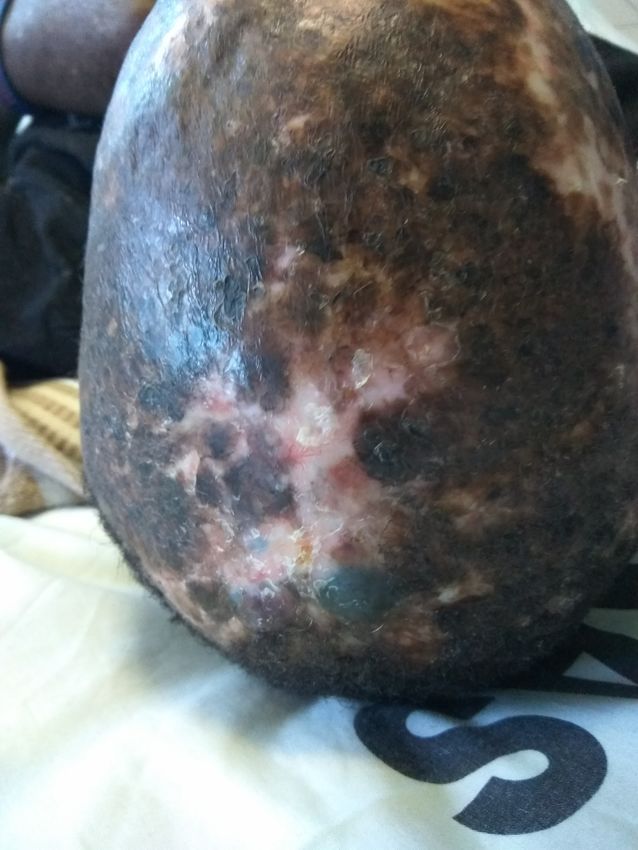
Life/Cancer

All life is dependent on flowing energy and mass.
Physically we are flow dependent structures in time and space.

Flowing energy and mass create solutions for generating greater
complexity – evolution leading to life.

The balance of creation and destruction determines health or
illness, greater or lesser health respectively.

Free radical changes to flowing biochemicals are the
homeostatic agents of flow dependent structures created by
redox metabolic reactions.

Life was not created from DNA. DNA was created by evolved/
evolving, complex, flow dependent structures to record
metabolic success. Life is an adaptive, dynamic fractal.

                               2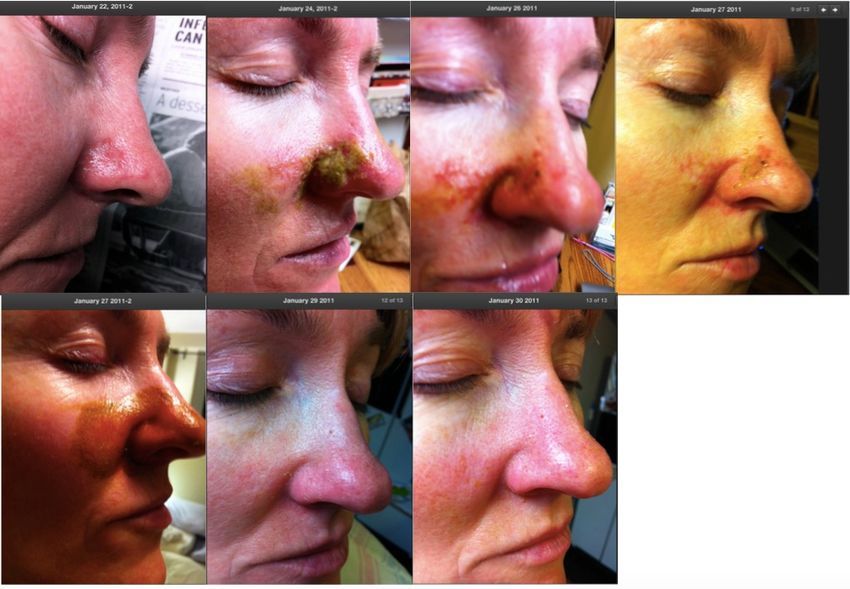
Carbohydrate Metabolism
                                                           Energy powers cell growth leading to
                                                           differentiation or division.
      C

                      Electron Transport System
  Too much flow                                            Excess free radical production
leaks free radicals
                                                           must be regulated
Balanced electron
transport system

                                                                            Aerobic Glycolysis & Glutaminolysis
                                                  Free Radical Production

                                                                                                                  Redirected flow produces
                                                                                                                             Fat
                                                                                                                            Fibre
                                                                                                                          Migration
                                                                                                                        Cell division

                                                               3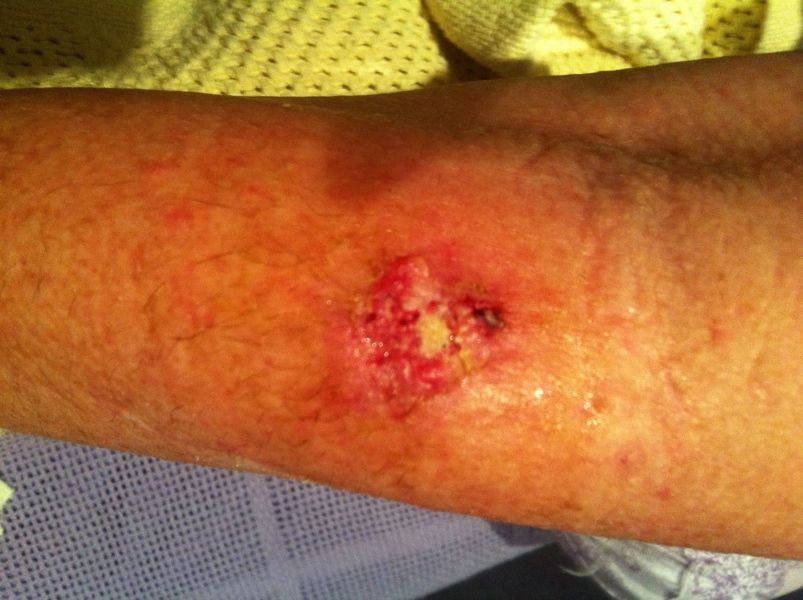
CB1                            Cannabinoids
Carbohydrate Metabolism
                          •   Regulates Free
                                                                    Promote
                              radial production                 Carbohydrate and
                               • evolution
                               • cell division       C            Fat Burning
                               • differentiation

                                            Free Radical Production

                                                                                         Fat-Burning
                                                                      CB2
                                                      •   Reduces Activating Ca++ flow
                                                      •   Recycling of free radical
                                                      •   Damaged cellular components
                                                      •   Anti-aging
                                                          • osteogenesis
                                                          • telomere repair
                                                          4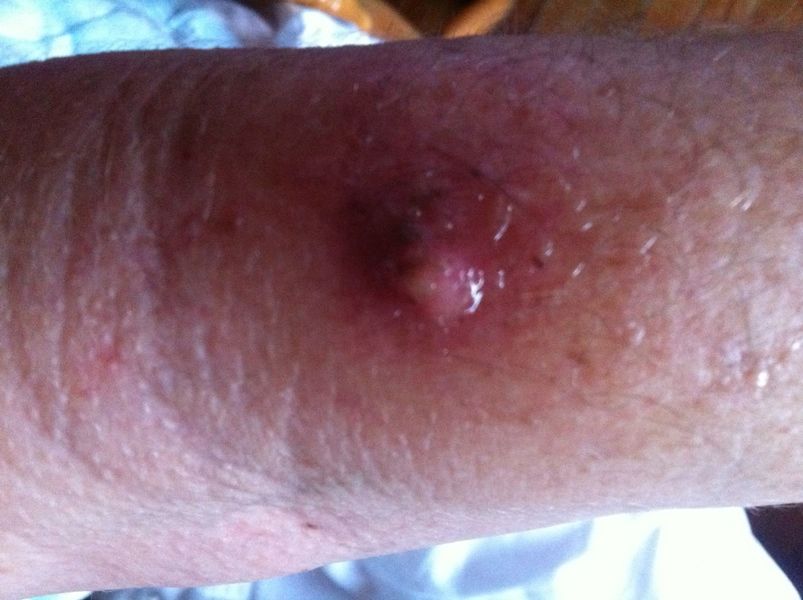
CB1
                                 Cannabinoids
          Regulates free
          radical production     •   necessary nutrients for
          by carbohydrate            optimizing human health
Electro

          catabolism             •   all illnesses that benefit
                                     from cannabis
     Free
             Aero

                                     consumption are nutritional
                                     deficiencies in cannabis
                                     consumption
                                                           CB2
                                                    repairs free radical
                                                    damages by
                     Free Radical Production        carbohydrate
                                                    catabolism by turning
                                                    on fat catabolism

                                       5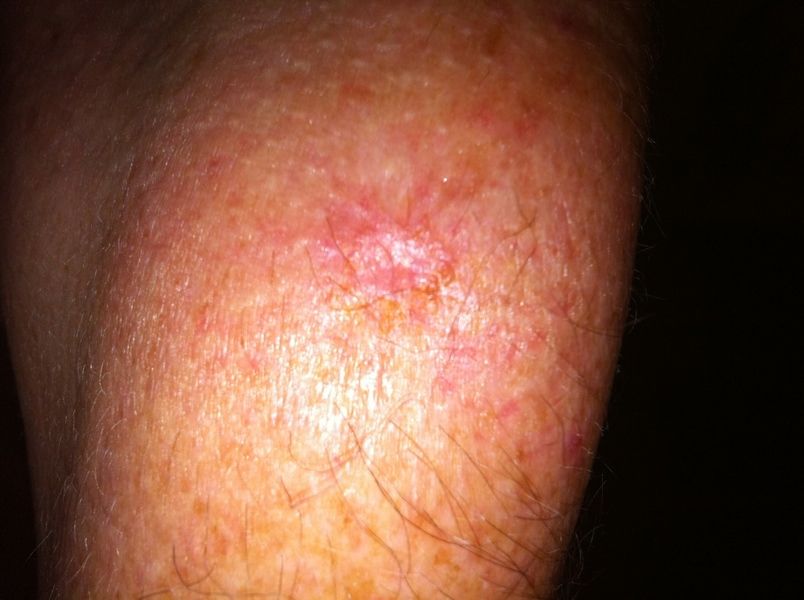
CELLULAR
                                                         ENERGY
                                                          Flow
Cancer Cell                Healthy Differentiated
                                   Cell                  Electron Transport
                                                         Electron Transport
                                                               System
   Metastasis                                Mobility
                                                          Carbohydrate              FREE RADICAL
                                                                                       Increase

                                            Adult
                                                            Burning
  Cancer                                  Stem Cell      Aerobic Glycolysis
 Stem Cell                                              Amino acid catabolism
                                           EMT
                              Epidermal/MesenchymalTransition

De-differentiated Cancer Stem
                 (Treatment Resistent)

                                                               Beta-Oxidation
                                                               Fat burning      drbob copyright 9/8/18

De-differentiated State                  Embryonic
            (totipotent)                 Stem Cell
                                               6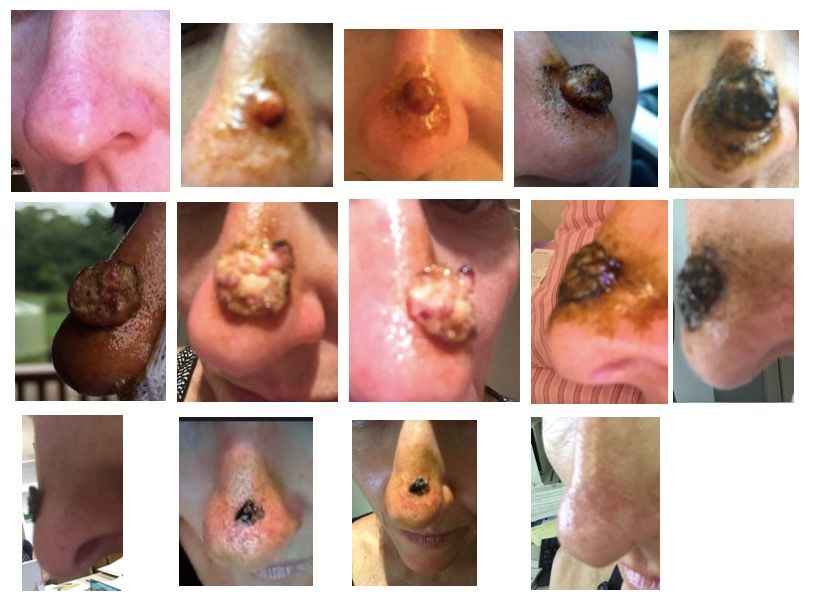
Life/Cancer

Different cancers have survived organismic and cellular
defense mechanisms by appropriately expanding and
contracting survival-determining metabolic pathways
so as to prevent cell death.

Different cancers have different metabolic flow patterns
that have unique susceptibilities and resistances that
characterize success or failure for any treatment.

                           7
Life/Cancer

Critically, the flow must be maintained for life to exist, with or without
corresponding genetics as is proposed to have occurred when life first
evolved and when senescent cells are created by chemotherapy or radiation.

A healthy cell is part of a healthy organism. A cancer cell no longer
contributes to organismic health only to its selfish survival.

Healthy homeostasis involves a balance between efficient, but dangerous,
electron transport driven ATP production, and alternative pathways that
protect a cell from electron transport driven excess free radical production
that leads to apoptosis.

When excess free radical production is no longer homeostatically controlled
for organismic health, metabolic flow must be adjusted to prevent cell death.

Chronic, constitutive excess free radical production, as occurs in cancer
cells, will direct genetic changes that will correspond to an existing gene
expression profile and associated post-translational modifications that are
holistically responsible for cell survival and carcinogenesis.

                                       8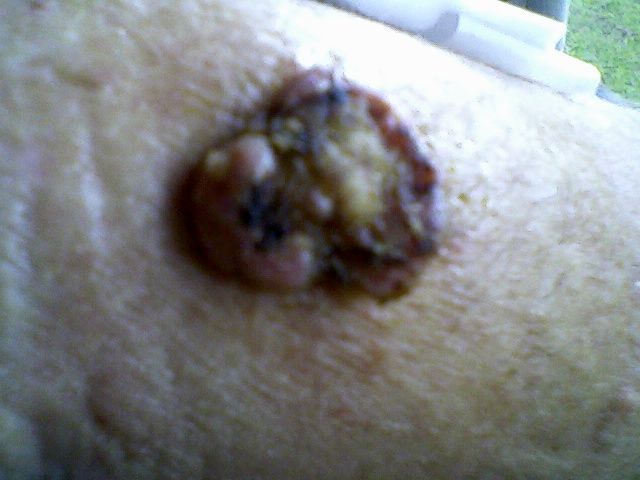
Life/Cancer

The following slides demonstrate metabolic principles visually.

They show that cancers that survive still heavily dependent on
the electron transport system (differentiated cancers, squamous
cell). They have different characteristics than those that are
predominantly driven by inefficient, but safer means of
carbohydrate metabolism (anaerobic glycolysis, glutaminolysis).

Beta-oxidation (fat burning), when the dominant survival
mechanism of a cancer cell, actually generates the genetic
diversity that characterizes tumors.

Chemotherapy and radiation actually create, in a nonrandom
targeted fashion, the genetic changes that are characteristic of
drug resistance cancer cells. They cannot undergo apoptosis
since their electron transport system is turned off.

                                9
Basal Cell Cancer

        10
Life/Cancer
Basal cell carcinomas typically respond extremely well
to topical full plant, high THC extracts. These cells
readily undergo apoptosis when forced to burn fat by
THC (also true of most traditional herbal remedies for
cancer).
THC treated basal cell carcinoma typically fall of,
painlessly, leaving no scar, in a few day to a few weeks.
11Squamous Cell Cancer
12Life/Cancer
Squamous cell skin cancers typically initially grow when
topical full plant, high THC extracts are applied. These
cells do not undergo apoptosis when forced to burn fat
by THC via the CB2 because CB1 activity is stimulating
safer use of the electron transport system via its
regulation of CA++ influx while the electron transport
system is operational.
Squamous cell cancers, like all cancers, are
metabolically imbalanced and and continue to produce
excess free radicals. The complexity of the system
decreases until the living state collapses and necrosis
results.
13Squamous Cell Cancer
14Life/Cancer
The patient had successfully treated numerous basal
cell lesions with cannabis extract. It was an unpleasant
surprise when a new cancer started to grow with
topical THC extract application.
The tumor grew for a few months before hydrogen
peroxide was topically applied to promote a free radical
overload. Within an hour of application, the tumor
started to collapse. After healing there was no scarring.
15Xeroderma pigmentosum The human body has greater than 15 trillion, Every day suffer each cell suffers at least 30,000 oxidative base damages. Over the course of one year, cannabis medications metabolically reversed cancers caused by a genetic deficiency in a cell’s ability to repair UV light induced DNA damages (Xeroderma pigmentosum). How can cannabis help? Note that XP cells have normal base excision repair abilities that repair free radical induced DNA damages.
It’s so sad to see him now…   Yes, I know - it's hard for me
So much better a year ago.    to see how this has
                              happened to Donald. We're
                              prepared to re-commence
                              intensive treatment
Xeroderma pigmentosum
Xeroderma pigmentosum is a
genetic cancer characterized by the
inability of cells to repair DNA
damages caused by ultraviolet light.
The question is how can cannabis
reverse the phenotype associated
with this genetic mutation?Xeroderma pigmentosum
Base excision repair is
predominantly fixing
metabolically created free
radicals. Therefore, the reversal
of squamous cell carcinoma as
on the patients tongue and lips,
reversal of melanoma on his
head, as well as significant,
although partial, restoration of
his sight indicate that cannabis
is influencing these conditions
through its effects on underlying
metabolism.
How does the lack of nucleotide
excision repair impact cellular
metabolism?The basic observation that must be understood is, “How can
cannabis cure this genetic disease?”
From the energetic perspective the question must first be
reframed as,
• How does ultraviolet light impact metabolism?
• How do cannabinoids impact metabolism to alter the
metabolism of various cancers affecting this young man
to promote health?Cell cycle can be viewed as a series of far from equilibrium phase changes. During G0 a cell his hanging out doing something efficiently when needed (ie create differentiated function such as nerve transmission), or doing nothing but waiting for some environmental change to tell it to do something by becoming something or dividing. Pathways for change increase flow and free radical production to sustain/build up the metabolic flow in a circumstance specific fashion. The increased flow increases free radical damages to the point that the system must readjust, thus triggering the next phase of cell cycle. DNA must be ready for replication and hence there is a DNA damage checkpoint prior to the initiation of S-phase. There is an accumulation of free radical induced systemic damages (to all biomolecules not just DNA) is minimized by turning down the electron transport system as excess free radicals accumulate. Cells in S-phase that are replicating their DNA, will have turned down the electron transport system (will not apoptosis) and have turned on anaerobic glycolysis for supplying their energy. Cells trapped in that state, with ongoing excess free radical production yet with survivable flow, will selectively mutates, amplify, etc, the metabolic pathways that are giving survival, Directed Adaptive Evolution
Life/Cancer
When cancers are treated with radiation or chemotherapy,
mutations will be directed to specific targets that can genetically
institutionalize successful patterns of metabolic flow.

DNA is the written record of evolving successful metabolism!

Cells turn off the electron transport system when DNA is
replicating to avoid apoptosis. Functionally, this metabolic
property allows a cell to metabolically survive for years without
dividing (senescence).

While surviving, non homologous end joining and associated
enzymatic DNA repair related processes, will continue to diversify
a cell’s genetics to correspond with it’s successful metabolism.

                                 22
Life/Cancer
Different cancers are fueled by diverse energy sources.
Different metabolic approaches are necessary to eliminate any
particular cancer by free radical overload.
Cancers characterized as being more differentiated might
naturally be expected to have enhanced electron transport
system activity.
For example:
• a high level of antioxidants would reduce the probability of
the electron transport system generating excess free
radicals.
• a high level of oxygen availability could accelerate electron
transport throughput while minimizing free radical leakage
(could explain squamous cell cancers in lungs)
• cells with high levels of UCP2 would have a reduced proton
gradient and therefore reduced free radical production.
23Life/Cancer
Cancers characterized as less differentiated might
naturally have a reduced dependence on the efficient
electron transport system activity. Most cancers are
characterized by:
• Highly dependent on sugar to meet energy needs
• High lactic acid production despite the presence of
oxygen (aerobic glycolysis)
• High levels of glutaminolysis and catabolism of other
amino acids
• Excess free radical production
24Life/Cancer
Autophagy (fat-burning) shuts down carbohydrate energy sources in
favor of recycling.
Associated cancer fueling pathways are shut down
Peroxisome proliferator-activated receptors (PPARs) control cellular
fuel supply:
• PPARγ sugar burning-CB1
• PPARα fat burning-CB2
• PPARδ fat burning-CB2
From a thermodynamic perspective, autophagic cells reduced their
negentropic transport with the environment. The decreased flow resulted in
lower excess free radical production thus decreasing internal entropy while
recycling entropic free radical damaged components.
25Life/Cancer
Autophagy (fat-burning) shuts down carbohydrate energy
sources.
Cells cannot amplify metabolic imbalances that lead to
autophagy because they will not produce excess free
radicals in the absence of the electron transport system
(precisely why the electron transport system is turned off
during DNA replication).
26Life/Cancer
When carbohydrate metabolism is active, DNA repair
mechanisms that maintain genetic fidelity are active
In contrast, DNA repair mechanisms responsible for
genetic fidelity are down-regulated when cells burn fat.
However, nonhomologous end joining (NHEJ) that
promotes genetic changes typical of evolution remain
active.
A fat burning stem like cancer cell will adapt its
genetics to match its metabolism as long as it does not
apoptose or necrose before it is successful.
27Fundamental Principles of
Metabolism-centric Biology
• Flowing energy and matter natural drives complexity
• Once life evolved, free radicals became global
homeostatic regulators of biological complexity.
• Once invertebrates evolved, the endocannabinoid
system became the global homeostatic regulator of all
biological systems.
• Evolution of species and of cancer is not simply a
collection of random accidents.
• Genetic changes are directed towards genes and
controlling regions responsible
28
for survival.For additional information
Email drbobmelamede@me.com
HomePage http://canna-sapiens.com
Monograph In God We Rust: The Beauty of Unintelligent Design
http://canna-sapiens.com/in-god-we-rust-the-beauty.html
Harvard Cancer Lecture 2019
https://www.facebook.com/100003694791385/videos/1551307431669068/
Animation Metabolic Plasticity
https://www.youtube.com/watch?
v=8ezjEypHnTA&fbclid=IwAR31zBg8EOOL21rvFY7h3cz-5RydrMGTpreob
m1wTlwMqP3gacvNe0oyEak
What If? http://canna-sapiens.com/drbobs-videos/lubjiana-2019.html
29You can also read


