CARWASH
BUILDING & EQUIPMENT
    MAINTENANCE
      TRAINING
←
→
Page content transcription
If your browser does not render page correctly, please read the page content below
CARWASH
BUILDING & EQUIPMENT
MAINTENANCE
TRAINING
STAYING ORGANIZED IS KEY!!
Our complete maintenance
cleaning guide will help you
organize your daily, weekly,
monthly and yearly
performance. You will also
receive a monthly report and
check list.
GENERAL SITE & BUILDING The site and building should be maintained to insure that they do not interfere with wash performance and/or Customer safety. This means areas Should be clear of debris Walkways should be dry Inside of building should be clean
GENERAL SITE & BUILDING Some specific areas to check are: Are walls clean? is floor clean? Is drain in building free for water to drain? Are there puddles of standing water in the wash? Are all maintenance tools (i.e. water hose) stored so they willing to interfere with wash equipment? Are building lights working correctly? Are all signs located correctly and readable by the customers? Has the air compressor been drained? (if required) Are there any air leaks that can be heard with the equipment off? Are all light bars for extra services items working properly? Are the entry mirrors clean and properly aligned?
GENERAL SITE & BUILDING In cold climates the following points should also be monitored: Is the entrance and exit clear of ice and snow? Are all the heaters working properly? A general building maintenance procedure is to clean the building once a day. This involves picking up any loose items from the area and using a water hose to spray down the walls and equipment. The hosing down should be started at the furthest from the drain then ending at the equipment nearest the drain.
EQUIPMENT & CHEMICAL ROOM
Hydraulic Power Unit:
Check fluid daily
Change oil yearly
Change filter yearly
Chemical Injection System Panels:
Check chemical levels
Check all chemical lines for air pockets
Check all air lines and fittings for leaks
Check all water lines for leaks
Check all water regulators for proper pressures
Check all air regulators for proper pressures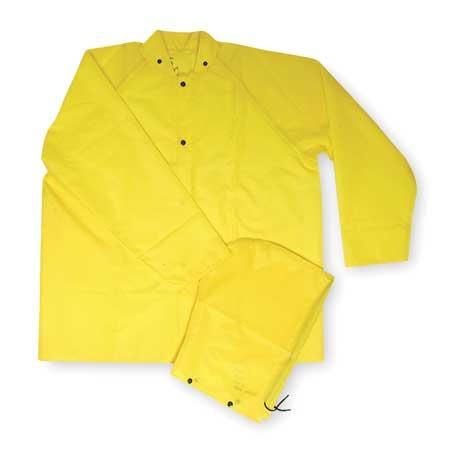
EQUIPMENT & CHEMICAL ROOM
The entire system is activated by a computer signal activated by the customer
when they enter there wash code number. The following is a sequence of
events from entry code to exit. Each function is measured by the computer
and should run for the duration of the car.

Here are the steps:
1.    Customer enters code
2.    Conveyor starts
3.    Entrance door opens
4.    Mitter curtain, rocker panel cloth and wraps are activated
5.    Dollies come up to pull car through wash bay
6.    Flooders arch is activated
7.    Presoak arch is activated
8.    Mitter nozzles apply detergent
9.    Second detergent nozzle is activated and applied to wraps for cleaning and
      lubrication
10.    Underbody manifold is activated
11.    Triple Coat arches are activated
12.    Rust inhibitor is activated
13.    Fresh water rinse arch is activated
14.    Spot free rinse or Drying agent applied through second rinse arch
15.    Sealer wax applied when Triple Coat is applied
16.    Blowers are activated
17.    Exit doors open
18.    Exit sign activated and customer is told to wait or exit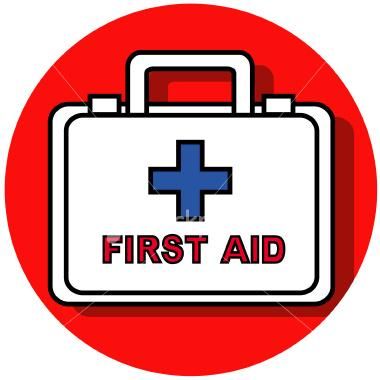
General Site & Building
       Item Description            Daily   Weekly   Monthly   Yearly
          House walls               X
           Hose floor               X
     Check Drains & Clean           X
                                                                       General
Store tools and Equipment (hose)    X                                  Maintenance
    Check in Bay light Fixtures     X
                                                                       Schedule
  Check Entrances & Exits Signs     X
       Drian Air Compressor                  X
  Check equipment for air leaks     X
       Check for water leaks        X
  Check extra service light bars    X
 Check & Clean entrance Mirrors     X
  Check Heaters & Thermostat        X

Auto Cashier/Entry System
         Item Description          Daily   Weekly   Monthly   Yearly
           Check Lights             X
      Check Viewing screen          X
          Check Keypad              X
       Check voice module           X
     Check intercom system          X
       Clean Auto Cashier                    X
Conveyor & Guide Rail
         Item Description              Daily        Weekly     Monthly       Yearly
         Check correlator               X
    Grease correlator bearings                                     X
                                                                                      General
Grease conveyors at entrance & exit                   X
                                                                                      Maintenance
      Clean Proximity switch                          X                               Schedule
       Check rails for wear                           X
      Check dollies for wear
           Grease dollies                             X
  Check entry and exit dolly gates      X
      Grease idler roller shaft                       X
     Grease roller up bearings                        X

   Soaker - Flooder Arch
         Item Description                   Daily         Weekly         Monthly      Yearly

Check all hoses & Fittings for leaks         X

     Check for plugged nozzles               X

   Check for complete coverage               X

  Check water flow and direction             X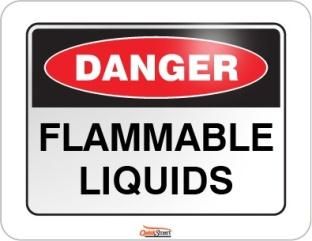
Foaming Presoak Arch 1
      Item Description             Daily Weekly Monthly Yearly
    Check for plugged nozzles       X
  Check for complete coverage       X
                                                                  General
      Check detergent levels        X
                                                                  Maintenance
Check for water and chemical leaks  X
        Check for air leaks         X                             Schedule
     Inspect foam generators        X
     Disable foam generators                    Quarterly

Rocker Panel/ Wheel Cleaner
      Item Description        Daily Weekly Monthly               Yearly
        Hose down cloth        X
        Check for damage       X
    Check for plugged nozzles  X
        Check water lines      X
        Check for oil leaks    X
     Inspect mounting bolts    X
      Check Spring tension     X
         Grease Bearings              X
Friction Curtains
Item Description Daily Weekly Monthly Yearly
Hose down cloth X
Check for damage X
Check for plugged nozzles X
Check water lines X
Check for hydraulic oil leaks X General
Inspect mounting bolts X Maintenance
Check for loose clips X Schedule
Grease Fittings on mitter pivot arms X
Check Oil Gear box X
Wraps
Item Description Daily Weekly Monthly Yearly
Hose down cloth X
Check for damage and alignment X
Check for plugged nozzles X
Check Spray pattern X
Check soap levels for proper cleaning X
Check water lines X
Check hydraulic oil leaks X
Inspect mounting bolts X
Check for spring tension on swing arms X
Check for wear on cloth X
Grease fittings on mitter pivot arms X
Grease fittings on swing arm pivots X
Grease bearings on Driveshaft XClear Coat System
Item Description Daily Weekly Monthly Yearly
Check for plugged nozzles X
Check product coverage X General
Check for air leaks X
Check for chemical and water leaks X
Maintenance
Inspect foam generators X Schedule
Check all mounting hardware X
Check for proper chemical levels X
Rinse Drying Agent & Sealer Wax
Item Description Daily Weekly Monthly Yearly
Check for plugged nozzles X
Check for proper chemical levels X
Check for leaks X
Inspect all check valves X
Blowers
Item Description Daily Weekly Monthly Yearly
C heck all mounting brackets and bolts X
Check top blower oscillation X
Grease all motor bearings X
Grease top blower X
Oscillating bearingsAUTO CASHIER / ENTRY SYSTEM Daily Maintenance: Check the lights and viewing screen for proper lighting Check the keypad for operation. This can be done by entering a correct code. Insure the voice module is working when each number is pressed, and proper instruction are being communicated. Weekly Maintenance: Clean with glass cleaner (do not use abrasive cleansers).
CONVEYOR – CORRELATOR- GUIDE RAILS Daily Maintenance: Inspect correlator and entry guide rails Check guide rail assembly for damage Check dollies for damage Inspect entry and exit dolly gates and rollers Weekly Maintenance: Grease dollies weekly. Grease bearings at entrance and exit side conveyors. Monthly: Grease correlator bearings
SOAKER ARCH:
Daily Maintenance:
Check all fittings for water leaks
Check for plugged nozzles
Check for complete coverage of all vehicles
Check for direction of water flow
PRESOAK ARCH:
Daily Maintenance:
Check for plugged nozzles
Check for complete coverage of all vehicles
Check chemical foam levels for proper cleaning and lubrication
Check for water leaks on all fittings and connections
Check for air leaks on all fittings and connections
Inspect foam generators for chemical deposit buildups
Quarterly Maintenance:
Disassemble foam generators to clean insides, this is to remove any
chemical buildup and flush foam generating mesh screenRocker Panel/ Wheel Cleaner:
Daily Maintenance:
Check cloth for damage
Check for plugged nozzles
Check water lines for leaks
Check for oil leaks on hydraulic motor and hydraulic fittings
Inspect mounting bolts for tightness
Check spring tension on return arms.
Weekly Maintenance:
Grease swing arm bearings
Friction Curtains:
Daily Maintenance:
Hose down cloth to clean and lubricate
Check cloth for damage
Check for plugged nozzles (4-8010)
Check water lines for leaks
Check for oil leaks on hydraulic motor and hydraulic fittings
Inspect all frame mounting bolts for tightness
Check for loose clips in mitter cloth
Bi-Weekly Maintenance:
Grease fittings in mitter pivot armsWRAPS Daily Maintenance: Hose down cloth to clean and lubricate Check for plugged nozzles Check for proper nozzle alignment Check cloth damage and proper alignment Check clutch assemblies for proper adjustment Check soap levels for proper cleaning and lubrication Check for hydraulic leaks in motors and hoses Inspect bearing for excessive wear Inspect shock absorbers for correct travel Check travel bumper stops for wear Check spring tension on swing arms Weekly Maintenance: Grease bearings at top of washer shaft Grease bearings on motor hanger pivot Grease bearings on swing arms
Double Bond - Vision Clear - Clear Coat- Triple Coat
System:
Daily Maintenance:
Check for plugged nozzles
Check for complete product coverage
Check for air leaks
Check for chemical and water leaks
Inspect foam generators for clogged foaming-mesh
Check all mounting hardware for loose fittings
Check for proper chemical levels for customer appeal
and protection
Rinse Arch-Drying Agent- Sealer:
Daily Maintenance:
Check for plugged nozzles
Check for proper chemical levels for proper rinsing, drying and protection
Check for leaks
Inspect all check valvesSIMONIZ
CAR WASH SAFETY
&
EQUIPMENTSAFETY EQUIPMENT REQUIRED BY LAW
TO BE ON SITE AT ALL
CAR WASH LOCATIONS
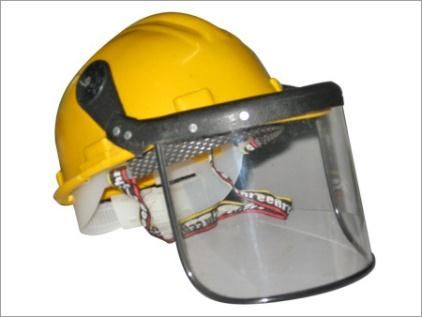
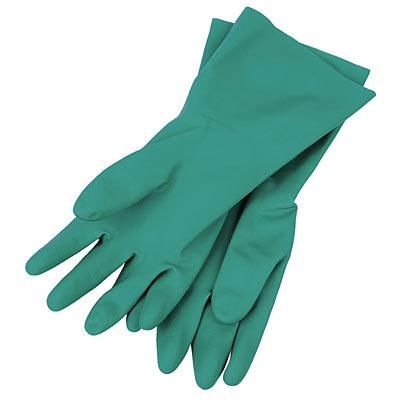
Chemical Resistant Footwear Chemical Resistant Gloves Chemical Rainwear Suit
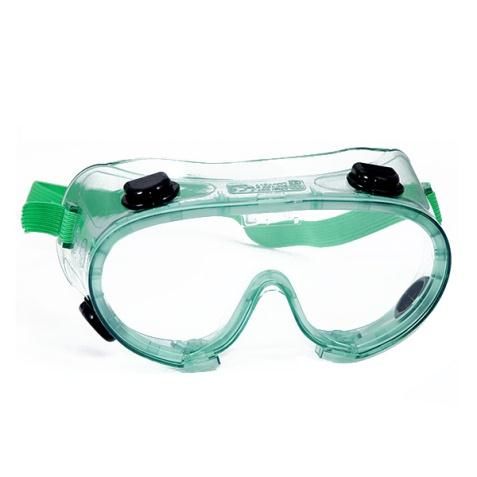
Chemical Safety Glasses Chemical Safety Goggles Chemical Safety GogglesSAFETY EQUIPMENT REQUIRED BY LAW
TO BE ON SITE AT ALL
CAR WASH LOCATIONS
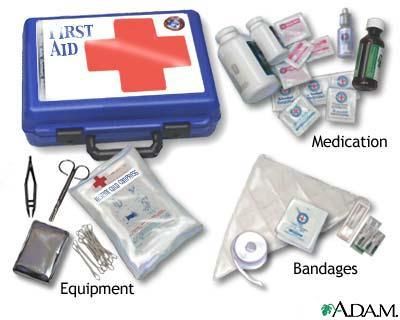
Emergency Eye Wash Station First Aid KitCar Wash Safety
Many car wash operators, when trying to comply with
various rules and regulations that apply to their
business, have difficulties because there is no single
place to find all the proper regulations and as written
they are difficult to read and understand. In this
training, we will review all the different aspects of safety
car wash operations. Since laws vary almost on a town
to town basis, this can only be starting place. When a
question arises, your local authorities are the best
persons to ask. We at Simoniz should be able to
®
answer your questions regarding our products and the
best way to use them.Material Hazards The first thing you should do is to determine the hazards of the detergents, waxes and any other chemicals you may have on site. Material Safety Data sheets that you receive from your supplier are a good source for this information. You can find all Material Safety Data Sheets at http://www.simonizusa.com/Business/MSDS/msds.asp. Pay attention to anything marked flammable, combustible, or corrosive.
Material Hazards
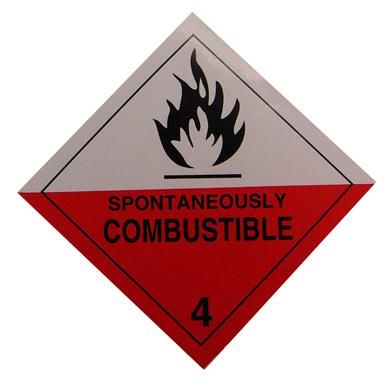
1. Flammable materials are usually marked with a red
flammable sticker and may include antifreeze detergents,
solvent based cleaners, waxes, and perfumes. These
materials can be ignited at normal temperatures by almost
any source of heat or flame. Ignitable vapors from there
materials can travel a considerable distance, so caution
should be used when storing or handling these materials.

2. Combustible materials are not always marked to indicate
their hazard. These materials may include any of the
materials listed above as well as some whitewall tire
concentrates, These materials require higher temperatures
before they ignite. You still should avoid exposing these
materials to heat, spark, or even open flame.
Material Hazards
3. Corrosive materials are another hazard found at carwashes.
These materials are marked with a black and white “Corrosive”
sticker. These materials can injure you by attacking any exposed
body surface, causing burns or tissue damage which may not be
readily apparent. These materials are incompatible with other
items marked corrosive, so check Material Safety Data Sheets for
specific incompatibilities.

4. The most difficult hazard to assess is the so called chronic hazard. These
materials only cause damage if you are overexposed to them for a long
time, sometimes many years. That is why it is important that you and your
employees wear the recommended protective gear when using any cleaning
products. The hazards listed above are those that put you and your
employees at risk. Next let’s discuss hazards to the environment.
Environmental Hazards
The Federal Environmental Protection Agency has restrictions on chemicals released into
the environment. Your local sewer department also sets limits on the materials that go
down your drains. Local limits are usually stricter than federal, so it is best to check with
them to make sure you are in compliance. What follows a list of the major types of
environmental hazards and their sources.
1. pH: This is a measurement of the acidity or alkalinity of your wastewater. The
federal government says that a pH of less than 2 or greater that 12.5 is hazardous to
the environment. Your local government probably has stricter standards. A typical car
wash has a wastewater that is slightly alkaline but this can change dramatically if you
have a leak or a spill from one of your containers. your town may require you to have
a way to contacting leaks or spills of hazardous materials. Products with very high or
very low pH include wheel brighteners, white

2. Fats, Oils, Grease or Petroleum Distillates: These materials are difficult to
break down and can clog filters and drains in sewage treatment systems. They can also
be ignitable or toxic to aquatic life. Products that contain there materials include
solvent based degreasers, waxes, and soaps. Also be aware that rinse water from
vehicle washing will contain these materials and if someone were to change their
motor oil in your self-service bay your waste-water will contain a considerable amount.
Environmental Hazards
3. Metals: Metals found in waste water are regulated
due to the fact that some of them are toxic and do not
break down. Although cleaning products do not
typically contain hazardous metals, small amounts may
be washed off of cars and new car wash equipment,
especially when washed by highly acidic or alkaline
materials.

4. Phosphates: These are compounds containing
phosphorus and are found in powdered and liquid
detergents. They act as fertilizer in wastewater and cause
the rapid growth of algae in treatment systems. Large
amounts of algae interfere with the breakdown of materials
in wastewater which is why some localities limit the use of
phosphates. Simoniz has available low phosphate and zero
phosphate products should you require them.
Physical Hazards
Physical hazards are those that can cause injury by falling on someone,
things that can cause a fall, cut or other injury, or things that may burn
or explode. Hazards such as reclaim pits, moving machinery or
vehicles, wet slippery floors, or even loud blower motors all enter into
this category. The federal OSHA regulations that apply to these
hazards are simple. They basically state that if an injury can be
prevented by wearing a particular protective device, then employer is
required to provide it and an employee is required to wear it. This
includes items such as safety goggles, rubber gloves, waterproof or
steel toed boots, and hearing protection. Where corrosive materials
are used, eyewashes and safety shower shall be provided. The guarding
of chains and pulleys is also important. Pay special attention to
conveyor chains and the pulleys on pump motors which can start up
unexpectedly. Loose fitting clothing should not be worn near chains,
pulleys or moving machinery or brushes.

Loud pump motors or blowers may require that you provide hearing
protection for your employees. This is especially important for
workers who spend a lot of time at the end of a conveyorized wash
near the air dryers, which can be quire loud. Don’t forget that hearing
protection might simply mean forbidding employees from working in
areas where loud machinery is running, such as pump rooms and next
to blower motors.
Physical Hazards
When occasional maintenance is being performed on equipment
the person doing the work should have a way to shut off power to
the machinery in his work area to eliminate the risk of injury due
to the moving parts or chemical sprays.

Drains or its should have a grates or covers adequate to prevent
persons from falling into them. Unless you are doing work in
them, covers should be in place at all times.

Fire safety is an important aspect of safe car wash operations.
Flammable liquids, such as cleaning solvents, gasoline or windshield
washing fluids are usually present. Smoking should be prohibited
from area where flammable liquids are used or stored and
customers or other unauthorized persons should be kept away.
Make sure containers are kept closed at all times and paper rags
soaked with these materials are kept in fireproof containers. Your
local fire regulations may require that you have one or more
extinguishers on the premises and that you and your employees
know how to use them. It is best that you check with your local
fire marshal to find out what is required.
Storage of Materials
 Here are some basic rules to follow when storing cleaning
 materials;
1. Always store the material with the greatest flammability
   hazard furthest from the exit. In the event of an emergency,
   all persons should be moved from the area of greatest hazard
   to the area of least hazard. This should prevent personas
   from being trapped in the event of an emergency. Make sure
   enough space is provided for hoses and fire fighting
   equipment.

2. When storing materials, make sure that incompatible
   substances are not stored together. Some examples of
   incompatible materials are: ammonia and bleach, strong acids
   and strong alkalies, bleach and acids, and bleach and alcohols.
   If these materials come in contact with each other, they react
   and produce heat, flames or hazardous gases. Check your
   Material Safety Data Sheets for chemical incompatibilities.

3. Never store materials in unmarked containers. Make sure
   that every chemical container is marked so that its content
   can be identified in an emergency. Do not store chemicals in
   soda or juice containers.
Storage of Materials
4. Liquid materials should be kept from freezing and store away
   from areas subject to extreme changes in temperature.
   Powders should be kept in a dry place. Avoid storing
   materials outside where containers may be spilled or
   tampered with. Avoid storing drums where they may be
   struck by a moving vehicle.

5. Empty containers should be drained of all residues and rinsed
   thoroughly. Containers should be promptly reused or
   recycled. Keep all containers, whether empty or full, away
   from children. Do not expose empty containers to sources
   of heat or flame.

6. In general, try to store materials in a cool dry place protected
   from the elements. Make sure all containers are labeled and
   labels remain legible. Keep storage area well lit and accessible
   to fire and emergency personnel.
Emergency Response
In the previous pages, we have discussed some emergency situations. How do you
know if you have an emergency? Here is a basic explanation of emergency
situations as they exist at a car wash.

You have an emergency if one of the following exist;

FIRE: A fire where chemicals are involved is nearly always an emergency.

INJURY: When someone is injured due to chemical exposure, unless you know
        the exact cause consider the event an emergency. Incompatible
        materials may be reacting, or hazardous materials may be leaking from a
        container. If someone is unconscious or incapacitated, it is always an
        emergency.

LEAKS OR SPILLS: When materials are spilled or leaking, an emergency exist
                 when you loose control. If you cannot secure the area, an
                 emergency exists. If you cannot determine what is leaking,
                 an emergency exists. If you cannot safely stop the leak. An
                 emergency exists. If you are unable to safely clean up and
                 dispose of the spilled material, an emergency exists.
Emergency Response Before an emergency, you may want to do some or all of the following ; Notify the local fire department of the material on the premises, and their location. The may want copies of your Material Safety Data Sheets for the materials you use, since they provide helpful information for fire fighters. It is also a good idea to provide MSD sheets to your local emergency room. Some materials you use may require special emergency treatment that your emergency room is unfamiliar with, or they may want to have materials ready in advance. Post emergency phone numbers near the telephone at your wash. This will save valuable time in an emergency. Locate the nearest available phone that you can use should your own phone be unavailable. Make sure all of your employees are aware of what to do in an emergency. Otherwise everything depends on you and if your are injured or incapacitated valuable time may be lost and additional persons may be injured. During an emergency you may need additional information about your products. During regular business hours someone here can answer you chemical questions. In addition, our products are listed with Chem-Tel Inc. who can provide you with 24 hour information on all hazardous products. Their number is 1-800-255-3924. One more thing to consider before an emergency occurs is the size of your containers. A leak or spill from a 5 gall pail is a lot less serious than the same substance leaking from a 55 gallon drum. This becomes especially important if your wash is unattended for any length of time. In order to reduce he rest of an emergency and reduce costly and time consuming cleanups, it is a good idea to purchase a store corrosive, flammable, or strongly colored products in smaller containers.
EQUIPMENT MAINTENANCE
Follow these guidelines when maintaining or repairing machinery
and electrical equipment;

1.   Make sure power is shut off to the equipment you are working on and any
     other equipment in your work area. These should be no possibility of
     equipment starting up while you are working on it. It may be necessary to
     lock out he main switch, disconnect the wiring, or posting someone at the
     main switch to make sure you are safe. Special attention should be paid when
     you are working out of sight of power source.

2.   Ventilate enclosed areas; Do not enter any pit, tank, or other enclosed or
     below an area unless you know that it is adequately ventilated. These areas
     may contain hazardous gases or vapors that are not readily detectable. When
     working in an enclosed area, make sure you have a constant supply of fresh
     air. Do not enter enclosed areas while working alone.

3.   Check the area for physical and chemical hazards. Make sure there is no
     equipment that may fall and cause injuries. Make sure that any stairways,
     holes, and any moving machinery are guarded to prevent injury. Any chemical
     containers in the area should be checked. Special attention should be paid to
     any container marked “flammable, combustible, or corrosive.” Do not work
     near containers if their contents are unknown. All hazardous materials
     should be moved to a safe place before work begins.
EQUIPMENT MAINTENANCE
4. Wear safety equipment. Most accidents and injuries are preventable if the
proper safety equipment is worn. The short time it takes to put on your
gloves and goggles is worth it when you consider the time you could lose due
to injury. Make sure you equipment is in good condition and repair or
replace it as necessary.
5. Avoid working alone. When you run you own car wash business, it is often
tempting to maintain your equipment late at night or on rainy days to avoid
any customers inconvenience or lost business. When you do so, make sure
you have someone there with you in case you are injured and incapacitated.
A small injury can become a large one if you are unable to get help, especially
with the hazards found at the average car wash. Imagine being caught in a
brush overnight or having something splash in your eye and being unable to
to see .Handling Leaks and Spills In the vehicle washing industry, we work with chemicals every day. Drums, pails, and various other containers are routinely handed by you and your employees. Because these materials are normally in containers and are not in contact with incompatible materials we don’t always appreciate how dangerous some chemicals can be when they leak or are spilled. Follow these procedures when materials are spilled or leaked. Powdered Materials: Under normal conditions, spilled or leaked powders will not pose an immediate hazard. Watch out for powders leaking into the liquid tanks or onto wet floors. Reactions may occur that create large amount of heat or dangerous gases. Spilled materials will make floors slippery. Large amounts of spilled powders entering the storm drain could contaminate local waters. Clean up spilled powders immediately, being sure that you wear the necessary protective clothing while doing so. See your Material Safety Data Sheets for additional safety information.
Handling Leaks and Spills
  Liquid Materials:
     The majority of leaks and spills you will encounter will be those of liquid
     materials. When ordering liquid products, give some thought to the size of
     your containers. Remember, a leak from a five gallon container will be much
     easier to control and clean up then a leak from a fifty-five gallon drum. This
     becomes very important if your wash is self-service and you are not there
     every day. Flammables and Corrosives are less hazardous when stored in
     smaller containers. Should it become necessary to move these containers,
     smaller ones are easier to move.

     Follow these procedures when a liquid is spilled or is leaking;
     1. Secure the area of the spill. Warn everyone in the area that a spill has
     occurred. Keep vehicles and persons away from the area.

     2. Determine the identity of the spilled material. From a safe distance,
     materials usually can be identified by the label, the size and type of container,
     location of the container, or the physical characteristics of the spilled material.
     If you cannot identify the material, do not risk injury by exposure to
     unknown materials. Leave this job to properly equipped personnel.

     3. Eliminate the source of the leak or spill. Once the identity of the materials
     has been determined, properly equipped persons may close valves, plug leaks,
     or do whatever else may be necessary to stop the spill or leak.

     4. Clean up the spilled material. It will be to your advantage to reuse or
     recycle as much of this material as you can. Before you dispose of any spilled
     material, check with you local authorities regarding your local rules and
     regulations for waste disposal.
Detergent Mixing Since powdered detergent offer economy and in some cases better performance, many customers buy powders and mix their own solutions. Here are some safe procedures to follow while mixing solutions yourself. Follow these procedures when mixing solutions yourself; 1. Wear proper protective equipment. The Material Safety Data Sheet provided with each product will tell you what equipment you should have to protect yourself from injury. Always check before you begin. 2. Always add powders to liquids, Water poured onto powdered detergents may generate heat or dangerous vapors. In some cases the reaction may actually boil the water. Fill the mixing container with as much water as you can to minimize the amount the heat generated. Remember to allow some space to the detergents you are adding. 3. Avoid using water hotter than necessary. The products you are mixing should mix with room temperature water. Hot water will increase the hazards associated with mixing. And don’t forget, heating water costs money, and that cuts into your profits. 4. Do not leave chemicals in unmarked containers. Make sure you rinse out any mixing tool you may have used, and make sure the containers that you have filled are properly marked. Do not use food or juice containers for mixing chemicals. 5. Leave chemistry to chemists, do not experiment! Use the recommended dilutions for the product you are using. To strong of a solution will be unstable and may separate. Adding other chemicals or detergents to your solution may have undesirable side effects or produce hazardous reactions. If you are not getting the desired results with the product you are using, contact your Simoniz representative. We have the right product for your cleaning problems.
This article is being offered as a public service of Simoniz and is based
on information we believe to be reliable and accurate. We can make no
warranty regarding the accuracy of the information contained in this
article. Always check with your local authorities when you have a
specific question regarding safety and health. We hope that this brief
review of general car wash safety procedures is of some help to your
and your employees. While we cannot possibly cover every aspect of
your particular operation, this should get you started towards a safety
program of your own.
CAR WASH SAFETY CLASS
            COMPLETED BY:
Name:                              Date:
______________________________    _________________

______________________________    _________________

_______________________________   _________________

_______________________________   _________________

_______________________________   _________________

_______________________________   _________________

_______________________________   __________________
You can also read


