Child Protection Policy - (Keeping children Safe in Education) - Seascape Primary School
←
→
Page content transcription
If your browser does not render page correctly, please read the page content below
Child Protection Policy
             (Keeping children Safe in Education)

        Acting Head Teacher     Mrs E Rownrtee
        Chair of Governors      Mrs D Howarth
        Written by              Miss T Duncombe
        Adopted by Governors

Details: Review Frequency: Annually
Date of last review: 23.09.18
Date of next review: 23.09.19
INDEX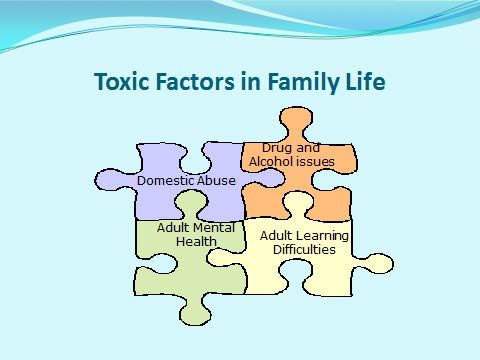
Principles of the Policy
1. Overview: Safeguarding
Definition of ‘safeguarding’
Safeguarding within this school
Safeguarding throughout school life
-Caring ethos
-Curriculum
-Universal services and specialist support staff
-Visitors
-The extended day
-Working with parents and carers
Safeguarding and Child protection training for all staff/adults working in school
2. Child Protection within overall safeguarding arrangements for all children/young people in
school
Every Child Matters
Life at home
Signs and behaviours of concern
Single Assessment Procedure and Practice Guidance
Child in Need
Child Protection and significant harm
Prepare for the unexpected
The Durham Staircase
3. Child Protection Policy
(1) Establishing a safe environment in which children can learn and develop
(2) Ensuring we practice safe recruitment in checking the suitability of staff and volunteers to work
with children
(3) Training and supporting staff to equip them to appropriately recognise, respond to and support
children who are vulnerable and may be in need of safeguarding
-2-(4) Raising awareness of Child Protection issues and equipping children with the skills needed to
keep them safe
(5) Developing and implementing procedures for identifying and reporting cases, or suspected cases,
of abuse
Names of designated safeguarding leads in school
Listening to children and receiving disclosures
Recording and response of the designated lead professional
Discussing concerns with the First Contact Service
Concerns documented on Early Help assessment
Discussions with First Contact will be followed up in writing
Attendance at Strategy meetings if assessed as child protection concern
(6) Supporting pupils who have been abused in accordance with their agreed child protection plan
4. Multi-agency work in Child Protection
Initial Child Protection Conference: school responsibilities
-Attendance
-Preparation of a report
-Chronology of significant events
-Sharing the report
Membership of a Core Group
Review Child Protection Conference
-3-5. Information-sharing See information sharing/collaborative working
Policy.
Parents/carers
School staff
Children transferring to another school
Retention of records
County guidance and protocols
6. Allegations against staff
Role of Chair of governor
7. Safe Touch Physical contact other than to control or restrain
8. Physical control and restrictive physical intervention
9. Prevent responsibilities within school (see policy for Anti-radicalisation)
10. Child Sexual exploitation
11. Female Genital Mutilation
Appendices
1 Responsibilities and entitlements
2 Definitions of abuse; signs and symptoms
3 Behaviour guidelines for staff and volunteers
4 School Brochure information
5 Responding to Disclosures
6 Early Help Assessment
7 Summary of multi-agency meetings
7B Information Sharing July 2018 (HM Government)
8 Initial Child Conference Report
9 Review Child Protection Conference Report
10 A Guide for Professionals on the Sharing of Information
At Seascape Primary School we believe children maximise their potential in an environment which is
safe, secure and supportive of all their needs, including any needs they have for protection from abuse.
-4-Our school is committed to promoting the welfare of all children by working in partnership with
parents and carers, the Local Authority (LA) and multi-agency partners in early help and child
protection, in accordance with locally agreed multi-agency safeguarding arrangements. procedures and
practices.
Our policy applies to members of the school community in its widest sense. Thus this includes children
and young people, their parents/carers, school staff, governors, visitors, specialist staff, and the local
and wider community where they interface with the school. Within its framework, the policy outlines
entitlements and responsibilities in securing the protection of children who attend the school (Appendix
1).
Our policy is underpinned and shaped by legislation and guidance contained in a variety of documents
including: -
The Children Act 1989; Children Act 2004
The Education Act 2002; Education and Inspections Act 2006
Working Together to Safeguard Children July 2018
Local Multi-Agency Safeguarding Arrangements and Procedures (www.durham-lscb.org.uk)
What to do if you’re worried a child is being abused – DfES 2015
Keeping Children Safe in Education. Statutory guidance for schools and colleges. September 2018
Use of reasonable force. Advice for head teachers, staff and governing bodies. DfES. July 2013
County Durham Practice Framework: Single Assessment Procedures and Practice Guidance Oct
2017
Confidential Reporting Code, (Durham Schools Extranet; Documents Library/HR)
A Guide for Professionals on the Sharing of Information
County Durham Safeguarding Adults Inter-Agency Partnership and Durham Local Safeguarding
Children Board
Operating Procedures for children and young people who either go missing from home or go
missing from Care. Durham Constabulary and Durham County Council Sept 2016
Prevent Duty Guidance: for England and Wales
HM Government 2015
The Prevent Duty Departmental advice for schools and childcare providers
Department for Education June 2015
To emphasise the caring ethos of Seascape Primary school, the staff and governors are committed to
the following principles: -
♦ The welfare and well-being of each child is of paramount importance.
♦ Our policy works on the premise that abuse takes place in all communities and that school staff are
particularly well-placed to identify and refer concerns and also to act to prevent children and young
people from being abused.
♦ We respect and value each child as an individual.
-5-♦ We are a listening school, and encourage an environment where children feel free to talk, knowing
that they will be listened to.
♦ The protection of children from abuse is a whole-school issue, and the responsibility therefore of
the entire school community.
♦ Our policy should be accessible in terms of understanding and availability. Regular training will
ensure all adults in school are aware of indicators of concern or abuse and colleagues that act as
designated safeguarding leads that such information should be promptly passed on to.
♦ Our policy has been developed and kept up to date with information from our relevant partners in
early help and child protection as well as national documentation issued by HM Government and
The Department of Education.
♦ We will use the school curriculum to resource our children to protect themselves from abuse, both
as victims and as potential perpetrators.
♦ The school runs in an open, transparent way.
-6-1. Overview: Safeguarding
Definition of ‘safeguarding’
‘Keeping children safe in education’, DfE, 2018, defines safeguarding and promoting the welfare of
children as:
‘Protecting children from maltreatment; preventing impairment of children’s health or development;
ensuring that children grow up in circumstances consistent with the provision of safe and effective care;
and taking action to enable all children to have the best outcomes. 'Children' includes every one under
the age of 18’.
Safeguarding within this school
Everyone who comes into contact with children and their families has a role to play in safeguarding
children. School staff are particularly important as they are in a position to identify concerns early and
provide help for children, to prevent concerns from escalating. Schools and their staff form part of the
wider safeguarding system for children by working with social care, the police and health services both
to promote the welfare of children and protect them from harm.
Safeguarding children permeates all aspects of our work as a school, with a preventative role to inform
and boost the resilience of all students by enhancing protective factors in their lives. Accordingly, this
policy links with many other related policies in school:
Related Policies
- School Behaviour policy
- Whole-school Anti-bullying policy, including cyber-bullying and other forms of peer-peer abuse
- Health and Safety policies
- Medication in school/First Aid policies
- Intimate care policy
- School visits including risk-assessments
- Online Safety (Durham Schools Extranet)
- SEN/LAC
- Equal Opportunities
- Data Protection Policy
- Prevent Policy & Risk Assessment
- Whistle Blowing Policy
- Positive Handling Policy
Safeguarding throughout school life
At Seascape Primary school we aim to create and maintain a caring ethos where all children and adults
feel safe, secure and valued. If children feel happy and enjoy school this will encourage good
attendance and then create conditions in which they can do their best in every area of school life. Our
school operates as a listening school where children are able to approach adults with concerns. These
will be taken seriously and relevant local multi-agency safeguarding procedures will be followed
without delay if there is a risk/likelihood of, or actual significant harm.
At Seascape Primary school we have many listening systems and routes for which parents and children
can access support, these include but are not exclusive to:
Place 2 Be – Play Therapy service
A Place for Parents – parental counselling service
Place 2 Talk
Pastoral Support team to support families
-7-Class worry boxes
Circle time
Getting along
R time
School nurse
Curriculum: children have access to an appropriate curriculum, differentiated to meet their needs. This
enables them to learn to develop the necessary skills to build self-esteem, respect others, defend those
in need, and resolve conflict without resorting to violence. Children learn skills to question and
challenge to enable them to make informed choices now and later in life. A protective factor for
children is personal resilience including strong social and emotional skills. All work with children
which boosts confidence and self-esteem is valuable to protect them from peer pressure and outside
influences detrimental to their physical and mental well-being.
Children are encouraged to express and discuss their ideas, thoughts and feelings through a variety of
activities and have access to a range of cultural opportunities which promote respect and empathy for
others. As part of our new Prevent duty under s.26 of the Counter-Terrorism and Security Act 2015 we
are aware of the importance of building pupils’ resilience to radicalisation by promoting fundamental
British values and enabling them to challenge extremist views. Schools can build pupils’ resilience to
radicalisation by providing a safe environment for debating controversial issues and helping children
and young people understand how they can influence and participate in decision-making. (See Policy)
(PSHCE/SEAL) curriculum, Religious Education), Art, Music, Drama, English are some of the areas of
the curriculum in which children can discuss and debate important issues including lifestyles, health,
safety and well-being (physical and emotional), sex education and healthy relationships, family life,
child care and parenting, forced marriage, domestic abuse, religious beliefs and practices as well as
human rights issues. These subjects can be used to teach children and young people to recognise and
manage risk, make safer choices, and recognise when pressure from others threatens their personal
safety and wellbeing. They can develop effective ways of resisting pressure, including knowing when,
where and how to get help.
(See PSHCE policy regarding full curriculum coverage).
Universal services and specialist support staff
The following professionals are also available to support individual children in school:
One Point Hub: Peterlee
The school nurse - Wendy Goodrum
Pastoral Support Manager – Tara Duncombe 07741468356/01915864186
Attendance & Inclusion officer - Sharon Hartland - 03000865528
P2B – SPM – L Baxter 01915864186
Educational Psychologist – Madeline Portwood, DLA allocated Ed Psych
Pastoral Support Team – Gemma Todd 01915864186
PSA Gill Harrison – Contact school for infomation
-The following visitors also contribute to our work to safeguard and promote the welfare of our pupils:
Reverend Tim, Community police, Jet and Ben stranger danger, Fire Brigade/safety carousels, harbour
workers, Young carers, social workers, young carers workers.
The extended day
Breakfast club – every day from 8.00am to 8.50am
Lunchtime activities, meals and supervision by catering/supervisory staff
-8-After-school activities on site from Reception to Y6 after school clubs available every day after school
to 5pm, all clubs are free of charge to $pm, but there is a £2.50 charge for Teatime club as meals are
provided.
These all provide further opportunities for students to develop positive and caring relationships with
adults, who themselves will be trained to be aware of signs and behaviours that could suggest concerns.
Supportive relationships outside the home, such as those with adults in school and other children are
additional protective factors that boost children’s resilience. Staff will always work with children in a
professional way and are reminded to respond to disclosures sensitively and appropriately. All adults in
school know that E Rowntree & T Duncombe are designated safeguarding leads and will pass on any
issues of concern without delay and make a written record. In case DSL is unavailable
Working with parents and carers
Our school believes in effective communication with parents and carers. We welcome parent/carer
views and concerns about the welfare of their children and use this feedback to regularly review our
practices. Parental views are obtained in the following ways:
surveys, questionnaires, parent’s evenings etc.
We keep parents informed about important and topical issues, including child protection elements of
safeguarding, in the following ways:
Newsletters, letters home, Parent Mail, website, school Facebook page training/information sessions
e.g. e-safety, bullying etc.
We aim to have good working relationships with parents and carers and to work in partnership with
them through transparency and honesty. However, we do not forget that their child’s needs and welfare
are our paramount concern, thus obtaining consent to take matters further is not always appropriate.
This obligation is set out in our school prospectus/brochure (see Appendix 4).
Safeguarding and Child Protection training for all staff/adults working in school
Our school complies with the advice laid down in ‘Working Together to Safeguard Children’ 2018 and
‘Keeping children safe in education’ Sept 2018 to undertake regular training.
This is covered in more detail in Section 3 page 17 (3).
Date of last training: Whole school level 1 CP – 23.07.18
Whole school prevent - 06.01.2016
Whole school - DV training May 17
A record of those trained may be found in the Single Central Record. Individuals have a certificate to
verify their attendance.
Training for the designated safeguarding lead and other designated teachers in school is undertaken
every 2 years (See Training log for training schedule)
Prevent training Whole school completed course 06.01.2016
We recognise that as a minimum school should ensure that the Designated Safeguarding Lead
undertakes Prevent awareness training and is thus able to provide advice and support to other
members of staff on protecting children from the risk of radicalisation (The Prevent duty DFE June
2015). At Seascape Primary School however we see safeguarding as whole school community
responsibility, all staff must be vigilant and all staff have prevent training, this includes all
volunteers who support in school.
-9- Operation encompass – training with staff around domestic abuse and support offered to school
offered by operation encompass to highlight quickly children who have been witness or affected by
a domestic abuse incident. (Completed in staff meeting)
The Nominated Governor with responsibility for Child Protection is Diane Howarth
The Acting Head Teacher, the chair of Governors and the Vice chair of Governors have all
completed safer recruitment training, ‘Safer Recruitment Training’
Date of training: 24.09.18 Trainor Durham LSCB
There is a leaflet entitled ‘Behaviour Guidelines for Staff and Volunteers’ with important practical
advice (Appendix 3)
- 10 -2. Child Protection within safeguarding arrangements for all
children/young people in school
There are a series of layers of care and intervention ranging from safeguarding for all/universal services
(single-agency activities) through to multi-agency work under the Children Acts 1989 and 2004:
Safeguarding arrangements in school: entitlements under Every Child Matters
Early Help (Level 2 Yellow Durham Stairway) within universal services
More complex cases requiring Early Help (Level 3 Amber))
Child in Need (Level 4 Red Durham Stairway) yet consent required as for Levels 2 and 3
Child Protection (Level 4 Red ‘Safeguarding’ Durham Stairway)
The Single Assessment Procedures & Practice Guidance, Oct 17 show these diagrammatically on the
‘Durham Staircase and continuum of Need’
The five steps span a continuous process of assessment from Early Support and Intervention to
statutory arrangements.
Every Child Matters
The Children Act 2004 sets out in statute the five outcomes that are seen as key to children and young
people’s wellbeing:
-be healthy;
-stay safe;
-enjoy and achieve;
-make a positive contribution;
-achieve economic wellbeing
At Seascape Primary school we recognise that we have a significant role in promoting these five
outcomes as part of their every-day safeguarding work with pupils:
The Children, Young People and Families Plan 2016/2019, produced by the County Durham and
Families Partnership includes the following objectives that link directly to our safeguarding work in
schools:
Objective 1: Children and Young People realise and maximise their potential:
Outcome 1: Children are supported to achieve and develop during their early years
Outcome 2: Children and young people are supported to achieve and attain during school years to
prepare them for adulthood
Outcome 3: Young people are supported to progress and achieve in education, employment and training
to achieve their potential
Outcome 4: Children with additional needs are supported to achieve and attain
Objective 2: Children and young people make healthy choices and have the best start in life
Outcome 5: Negative risk-taking behaviour is reduced
Outcome 6: Children and young people are more resilient
Outcome 7: A range of positive activities are available for children and young people
Objective 3: A think family approach is embedded in our support for families
Outcome 8: Early intervention and prevention services improve outcomes for families
- 11 -Outcome 9: Children are safeguarded and protected from harm
Outcome 10: Children who cannot live with their families achieve permanence and stability
Life at Home
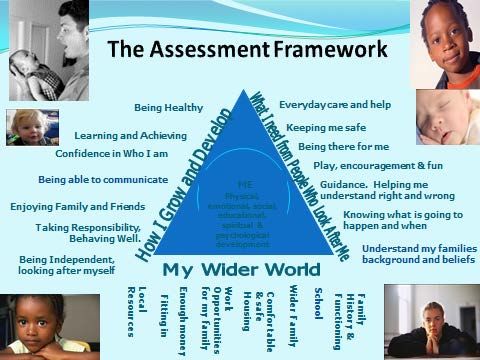
The Framework for Assessment triangle, reproduced below, summarises every aspect of a child’s life
under three headings:
-Child’s developmental needs (How I grow and develop)
-Parenting capacity (What I need from people that look after me)
-Family and environmental factors (My wider world)
This structure is mirrored in the Single Assessment Framework Early Help assessment
Aspects from all three domains combine in home life and staff and adults at Seascape Primary school
are mindful of these connections as they work with children and their parents/carers in school.
Seascape Primary School believes that it is essential to work with parents and carers in the best
interests of their children. However, good relationships with parents and carers should not detract from
our primary concern which is the welfare of children in this school.
Staff are made aware in training of the ‘toxic quad.’ issues in home life that could have an impact on
the way children are parented (Munroe, 2010). The Government research into Serious Case Reviews
reveals that the presence of one or more of the following issues could have a detrimental impact on
parenting of children in that household:
Domestic abuse (violence) Substance misuse (alcohol and or drugs)
Adult mental health Learning Disabilities
- 12 -Neglect is the largest category for children being on the Child Protection list (nationally and in
Durham). There is Neglect Practice Guidance produced by the LSCB on the website containing factors
and can elevate and reduce risk.
Signs and behaviours of concern
‘‘All staff should be aware of indicators of abuse and neglect so that they are able to identify cases of
children who may be in need of help or protection’. Keeping children safe in education, September
2018, Part 1 (19)
Paragraph 18 of the document emphasises that staff should be particularly alert to the need for early
help for the following groups of children:
-is disabled and has specific additional needs;
-has special educational needs (whether or not they have a statutory education, health and care plan);
-is a young carer
-is frequently missing/goes missing from care or home;
-is misusing drugs or alcohol;
-is in a family circumstance presenting challenges for the child, such as substance abuse, adult mental
health problems or domestic abuse; and/or
-has returned home to their family from care.
‘All staff members should receive appropriate safeguarding and child protection training which is
regularly updated. In addition, all staff members should receive safeguarding and child protection
updates (for example, via e-mail, e-bulletins and staff meetings), as required, but at least annually to
provide them with relevant skills and knowledge to safeguard children effectively’. Keeping children
safe in education, September 2018, Part 1(14).
- 13 -In our school we do these regular updates through: Updates of local serious case as they are released
and national serious case reviews where schools have lessons to learn from their practice. Updates to
guidance is shared at staff meetings and staff sign signature sheet attached to the shared update. All
staff meetings have minutes of the meeting written and stored. Last update of serious case reviews
occurred 23.07.18
At Seascape Primary School we understand that it is best practice to discuss concerns with
parents/carers before contacting First Contact Service (providing this does not present a delay), or
unless by doing so the child would be put at further risk of harm. First Contact Service: 03000 267979.
Where a child is suffering, or is likely to suffer from harm, it is important that a referral to
children’s social care (and if appropriate the police) is made immediately. Keeping Children Safe
in Education September 2018 Part 1 (29).
Anyone can make a referral. When referrals are not made by the designated safeguarding lead, the
designated safeguarding lead should be informed, as soon as possible, that a referral has been made’.
At Seascape Primary School the following staff are trained comprehensively in procedures for making
an appropriate referral and at least two of these members of staff are in school at all times.
Staff: Acting Head Teacher (DSL) E Rowntree
Pastoral Support Manager (DSL) T Duncombe
Assistant Head Teacher J Errington
Pastoral Team G Todd
The Single Assessment Procedure & Practice Guidance
‘All school and college staff should be prepared to identify children who may benefit from early help’
Keeping children safe in education, September 2018 (8) This relates to work with other universal
agencies on Level 2 and Level 3 of the Durham Staircase and Continuum of Need. Our school is aware
that ‘no single professional can have a full picture of a child’s needs and circumstances’. Also that ‘if
children and families are to receive the right help at the right time, everyone who comes into contact
with them has a role to play in identifying concerns, sharing information and taking prompt action’.
KCSIE 2018 (3).
T Duncombe - Pastoral Support Manager
G Todd – Pastoral support team
E Rowntree – Acting Head Teacher
J Errington – Assistant Head Teacher
This school works with the consent of parents and carers to jointly undertake assessments where an
unmet need has been identified. However, we are aware from the new document.
‘A Guide for Professionals on the Sharing of Information’ (Durham, 2014) that it may be necessary to
meet with other services and agencies even if this consent for a ‘Team around the Family’ meeting is
not forthcoming. This is an early means of intervention to provide appropriate advice and support for
the parents/carers and young person by working with appropriate local agencies through Team around
the Family arrangements. See www.durham-lscb.org.uk . If families are reluctant to engage with these
processes, we will continue to encourage them to participate for the benefit of their child.
One Point Hub/Early help assessment and Early Help mentors.
One Point Hub
Name Job Title Direct Line
Catherine Harwood Key Worker 03000 262 719
Carole Fernie Family Support Worker 03000 264 165
- 14 -Caroline Evans Key Worker 03000 266 924
Clare Turnbull Key Worker 03000 266 353
Claire Wheatley Key Worker 03000 266 698
Deb Atkinson Family Support Worker 03000 266 155
Ellen Guest Senior Key Worker 03000 267 492
Gemma Holness Key Worker 03000 266 384
Jilly Hunter Key Worker 03000 263 713
Kate Hughes Senior Key Worker 03000 264 762
Kerry Buck Family Support Worker 03000 261 679
Kim Sands Family Support Worker 03000 266 227
Lauren Temple Key Worker 03000 266 383
Lisa Purvis Key Worker 03000 268 606
Lorraine McKenna Family Support Worker 03000 266 313
Nichola Jackson Key Worker 03000 262 204
Sam Todd Key Worker 03000 266 685
Sarah Morris Team manager OP 03000 269 877
Teresa Dobson Family Support Worker 03000 266 153
Tracey Bruce Key Worker 03000 261 678
Families First Team and contacts - Easington
Team Manager
Senior Prac
Kelly Anthony 03000 266306
Social Workers:
Lisa Davison 03000 264759
Paula McCaddon 03000 266579
Jayne Cockcroft 03000 266879
Paula Kelly
Families First Team and contacts – Peterlee
Team Manager 03000 26446
Michelle Farry
Senior Prac 03000 267849
Lesley Attess 03000 266300
General Switch board 03000 262600
Social workers
Emma Neary 03000 266314
Aidan Lancashire 03000 262533
Lizzy Griffin 03000 267985
- 15 -Kevin Turns 03000 266539
Sharon Baker 03000 264188
Julie Davison 03000 262535
Julie Bell 03000 264479
Jessica Harrison 03000 266322
Derek Muncaster No direct line
Hannah Taylor No direct Line
Carla McGinty 03000 264320
Child in Need
Section 17 of the 1989 Children Act
Working Together 2018
A child in need is defined under the Children Act 1989 as a child who is unlikely to achieve or
maintain a reasonable level of health or development, or whose health and development is likely to be
significantly or further impaired, without the provision of services; or a child who is disabled. KCSIE
2018 (29)
This school recognises the importance of this early support and intervention work in more complex
cases undertaken with the consent of parents and carers at Step 3 (Amber) of the Durham Staircase and
Continuum of Need. We work with parents/carers, the child and other relevant agencies. We recognise
the importance of attendance at Team around the Family meetings and contributing relevant and timely
information for updating the Family Plan.
Child Protection and significant harm
Section 47 of the 1989 Children Act
Working Together 2018
Local authorities, with the help of other organisations as appropriate, have a duty to make enquiries
under section 47 of the Children Act 1989 if they have reasonable cause to suspect that a child is
suffering, or is likely to suffer, significant harm. Such enquiries enable them to decide whether they
should take any action to safeguard and promote the child’s welfare and must be initiated where there
are concerns about maltreatment, including all forms of abuse and neglect, female genital mutilation or
other so called honour based violence, and extra-familial threats like radicalisation and sexual
exploitation’. KCSIE 2018 (29)
Significant harm is where some children are in need because they are suffering, or likely to suffer,
significant harm. This is the threshold that justifies compulsory intervention in family life in the best
interests of children.
Significant harm is here some children are in need because they are suffering, or likely to suffer,
significant harm. This is the threshold that justifies compulsory intervention in family life in the best
interests of children.
Our school understands that it is best practice to discuss concerns with parents/carers before contacting
First Contact Service (providing this does cause present a delay), or unless by doing so the child would
be at further risk of harm. First Contact Service: 03000 267979
All Families first teams are allocated to support with child protection cases from initial referral through
to ICPC, RCPC, PLO and care proceedings.
Prepare for the unexpected
- 16 -Staff are aware from their training that some children might display worrying signs/symptoms or
disclose information suggesting abuse, when they have never previously given rise to concern. Staff
must contact the designated safeguarding lead for child protection without delay so concerns can be
discussed with First Contact Service as soon as possible. In all cases it should be borne in mind that
other siblings might be at risk in the household as well as the one presenting concerns in school. ‘Staff
working with children are advised to maintain an attitude of ‘it could happen here’ where
safeguarding is concerned. When concerned about the welfare of a child, staff should always act in the
best interests of the child’. KCSIE 2018 (21).
The Durham Staircase & Continuum of Need
SERVICES TIERS
GOVERNANCE NEED INVOLVED ISSUES OUTCOMES
Step 5 / Level 4 Need
Children and Young People
Resource Panels who have needs that cannot All Looked After Permanence
Statutory
Eligibility Criteria be met safely at home Children
Court (Specialist practitioner/agency)
Continuous Assessment
Step 4 / Level 4 Need
ICPC Children and Young People who Specialist Child Improve
Pre proceedings / Resource need support to live safely at Targeted Protection & outcomes and
Panels home keep child
(Specialist Practitioner/Agency) and Universal Child in
Need safely at home
Eligibility Criteria
Step 3 / Level 3 Need
Children and Young People Whole Family, Improve
Early Support and Intervention
SAF with additional and complex coordinated outcomes and
needs Universal multi agency prevent
Full Assessment and Targeted response escalation to
(Multi Practitioner/Multi Agency
required Safeguarding
Response)
3. Child Protection policy for Seascape Primary School
Step 2 / Level 2 Need
Children and Young People Universal Prevent
SAF with additional needs Universal support escalating need
Early Help Assessment (single or multi and Targeted unable to to improve
agency/practitioner response) meet need outcomes
Step 1 / Level 1 Need
Not making Universal
Universal Providers Children and Young People Universal Voluntary and expected support and
with no additional needs Community Sector progress monitoring
- 17 -Level 2 - Early Help – Targeted Provision Children with Additional Needs
ildren and young people with disabilities will have their needs met through early help and targeted services at levels 1, 2 and 3.
which can be met by a single practitioner/single agency or where a
coordinated multi-agency response is needed.
These are children and young people identified as having an additional need
which may affect their health, educational or social development and they would
be at risk of not reaching their full potential. The single assessment process
Early Help Assessment is the tool to use to identify need and plan help for the
family.
e children with a high level of need related to severe disabilities may require specialist services at levels 4.
Level 3 - Early Help – Targeted Provision for Children with multiple issues
or complex needs where a co-ordinated multi-agency response is
required.
These are children and families whose needs are not being met due to the
range, depth and significance of their needs which makes them very vulnerable
and at risk of poor outcomes. A multi-agency response is required using either
the single assessment framework whole family assessment tools as in most
instances there will be issues for parents which are impacting on the children
achieving positive outcomes. These families need a holistic and coordinated
approach and more intensive intervention and help. Lead Professionals could
come from a range of agencies as the key issue will be the quality of the
relationship that exists between practitioner and family to assist them to make
change and reduce the likelihood of moving into Level 4 services.
Level 4 - Services to keep the child safely at home – where a statutory
response is required.
These are children whose needs and care is significantly compromised and they
may be at risk of harm or at risk of becoming accommodated by the Local
Authority. These families require intensive support on a statutory basis. This
will include support provided by Children’s Services under a Child Protection
Plan and may require the use of legal orders. The assessment and multi-agency
response will be coordinated by a social worker, will be holistic and consider the
needs of all family members.
- 18 -Level 4 (step 5) - Need that cannot be managed safely at home.
Children and young people who require intensive help and support from a range
of specialist services. These children will often need to be accommodated
3. Child Protection Policy for Seascape Primary School
This policy applies to all staff, governors and volunteers working in school. There are six main
elements to the policy:
(1) Establishing a safe environment in which children can learn and develop
(2) Ensuring we practice safe recruitment in checking the suitability of staff and volunteers to work
with children
(3) Training and supporting staff to equip them to appropriately recognise, respond to and support
children who are vulnerable and may be in need of safeguarding
(4) Raising awareness of child protection issues and equipping children with resilience and skills
needed to keep them safe
(5) Developing and implementing procedures for identifying and reporting cases, or suspected cases,
of abuse
(6) Supporting pupils who have been abused in accordance with their agreed child protection plan
(1) Establishing a safe environment in which children can learn and develop
This links to the school’s overall safeguarding arrangements and duty of care to all students.
(1) Establishing a safe environment in which children can learn and develop
This links to the school’s overall safeguarding arrangements and duty of care to all students.
The following policies are relevant:
Health and Safety:
T Duncombe and E Rowntree have are booked to attend the following H&S safety training:
08.11.18
21.01.19
08.05.19
Alongside this the Health & Safety link Governor is Clare Oxley Gillett.
(2) Ensuring we practice safe recruitment in checking the suitability of staff and volunteers to
work with children
The following staff and governors have received Safe Recruitment training:
Acting Head Teacher – 24.09.18
Chair of Governors – 24.09.18
Vice chair of Governors – 24.09.18
Our school will comply with the requirements outlined in local multi-agency safeguarding
arrangements ‘Key Safeguarding Employment Standards’ and in the LSCB Child Protection
- 19 -procedures as well as national documentation in ‘Keeping children safe in education’
September 2018, Part 3.
Our school will refer to its responsibilities regarding safeguarding and child protection in all job
descriptions, and/or to its profile in the school, in the general information distributed with
application forms. Annex B in Keeping Children Safe in Education September 2018 has
specific details of the role of the designated safeguarding lead.
Our school will undertake appropriate pre-employment checks on all staff working in school,
including criminal record checks (DBS checks), barred list checks and prohibition checks
together with references and interview information, as detailed in Part 3: Safer Recruitment in
Keeping children safe in education, September 2018.
As outlined in KCSIE 2018 (109-116), the level of DBS certificate required, and whether a check for
any prohibition, direction, sanction, or restriction is required, will depend on the role that is being
offered and duties involved (99). As the majority of staff will be engaging in regulated activity, an
enhanced DBS certificate which includes barred list information, will be required for most
appointments (100).
In a school or college, a supervised volunteer who regularly teachers or looks after children is
not in regulated activity (KCSIE 2018 (102).
Volunteers will not be left unsupervised with groups of children, nor will they be in areas where
they cannot be fully seen by the supervising teacher.
In accepting the offer of help from volunteers, especially those unknown, staff are aware that
schools in general are attractive places for ‘unsafe’ volunteers.
Schools may be places where those with unhealthy interests in children seek to find
employment (paid or otherwise). Staff should be vigilant about all inappropriate behaviour with
children that gives cause for concern. The Head Teacher and governors must be aware of the
Durham County Council Confidential Reporting Code arrangements.
Supply staff - ensure that appropriate DBS checks are carried out before employing supply staff,
especially those not available via the Durham Supply Partnership.
Our Governing Body will be aware of their responsibilities in connection with staff
appointments and similarly aware of their liabilities especially if they fail to follow LA
guidance.
Volunteers and helpers will not be given tasks beyond their capabilities and therefore where
they might feel under pressure.
Volunteers and helpers should feel able to discuss difficulties with the teacher, who will
respond with advice and additional guidance and supervision.
Volunteers and helpers will not have the opportunity to feel that they are in charge and thus in a
position of power, which may then be abused.
Volunteers, helpers and staff new to the school are given a leaflet that covers behaviour
guidelines for staff and volunteers.
Relevant staff will be required by the Acting Head Teacher or Pastoral Support Manager who
have responsibility for the SCR, to complete the ‘Disqualification by Association’ declaration
- 20 -form. This is included in the pre-employment checks for those posts covered by the provision as
part of recruitment. (Durham Schools Extranet, Document Library/HR).
(3) Training and supporting staff to equip them to appropriately recognise, respond to and support
children who are vulnerable and may be in need of safeguarding
‘All staff members should be aware of systems within our school, which support safeguarding
and these should be explained to them as part of staff induction’.
This should include:
- The child protection policy
- The behaviour policy (sometimes called a code of conduct); and
- The safeguarding response to children who go missing from education;
- The role of the designated safeguarding lead’ (including the identity of the designated
safeguarding lead and any deputies), KCSIE September 2018 Part 1 (13)
Copies of policies and a copy of Part 1 of Keeping children safe in education, September 2018,
should be provided to staff at induction.
‘If staff have any concerns about a child’s welfare, they should act on them
immediately’. KCSIE Part 1 (23). They should not assume a colleague or another
professional will take action. Staff should also be mindful that early information sharing
is vital for effective identification, assessment and allocation of appropriate service
provision’.
In addition, staff (including temporary, supply staff, contracted staff and volunteers) should receive
an induction covering signs and symptoms to be aware of, response to disclosures and the need for
prompt communication to the designated safeguarding leads and accurate recording. This will
include how to record information about concerns on CPOMS.
All staff will be made aware of the practical government guidance document ‘Guidance on
Safer Working practice for Adults Who Work with Children and Young People’, Safer
Recruitment Consortium. October 2015.
All adults working in school receive regular whole-school safeguarding and child protection
training on a three-yearly cycle. The majority of staff receive training in twilight sessions or
INSET days. Training is delivered either ‘in house’, for Good and Outstanding schools, or by
officers from Education Durham for other categories of schools and Special Schools. In either
case the same resources and themes are covered. This course, ‘Introduction to safeguarding and
child protection’ is regularly updated to reflect new priorities and concerns within the County
and other multi-agency local priorities. Currently a case study focusses on the impact of
Neglect. Durham Education offers schools a ‘Train the Trainer’ course to prepare them with the
necessary resources for this training to be undertaken in schools.
Staff who miss these sessions or join the school within the three-year cycle receive training
either through e-learning, attendance at a neighbouring school or through an in-house briefing
by the designated safeguarding lead in school. Education Durham are also providing some
centrally based ‘catch-up’ sessions for these colleagues.
Names of adults at these sessions are recorded in the Safeguarding File along with the Single
Central Record.
Date of last whole school introductory course training: 23.07.18
- 21 - In addition, the following staff are responsible for coordinating child protection and safeguarding
work within the broader school curriculum and extended curriculum:
Areas of responsibility:
(DSL)- T Duncombe/E Rowntree
Data Protection Officer- T Duncombe
PSHCE - C Stewart
SRE - C Stuart
E Safety – S Bailey
Member of the team supporting the designated safeguarding lead specialise in promoting certain
themes within school
Young carers
Domestic abuse awareness
Drugs and alcohol
Child Sexual Exploitation
Prevent
‘The designated safeguarding lead and any deputies should undergo training to provide them with
the knowledge and skills required to carry out the role. The training should be updated every two
years’. Keeping children safe in education, September 2018, Part 2 (66).
Courses are delivered by Education Durham, Durham County Council, and details are displayed on
the Durham Schools Extranet as well as in the CPD directory. In addition to school-specific single
agency training courses, staff are encouraged to attend other local multi-agency courses a. These
include a Level 2 Safeguarding processes course as well as specialist themes on Level 3 courses.
The Nominated Governor with responsibility for Child Protection is
Mrs D Howarth – Chair of Governors
TBC:
The Head Teacher, other staff responsible for recruitment and one Governor have attended ‘Safer
Recruitment Training’
Date of training and provider: 24.09.18 – Durham LSCB
(4) Raising awareness of other safeguarding issues, boosting resilience and equipping children
with the skills needed to keep them safe
We raise other related issues with children and their parents/carers in the following ways:
Children
Awareness of IT, e-safety issues including cyber-bullying, sexting and hazing. We are mindful that
children are safe from terrorist and extremist material when accessing the internet in schools. All
schools in the County have the new Smoothwall filtering and monitoring system in place for this
and other potentially risky content. It is wise for a Designated Safeguarding Lead to review these
records regularly to see whether it links up with other safeguarding concerns about particular
individuals. Online safety is continually emphasised in line with Annex C of Keeping children safe
in education, September 2018.
Other themes are addressed through our PSHCE and SRE programmes, assemblies, outside visitors
and trainers. Notable recent events include:
- 22 - Names of staff and adults in school that children can speak to if they have concerns (school, family
or community issues).
T Duncombe – Pastoral Support Manager
G Todd - Pastoral Support Team
L Baxter - Place 2 Be Project Manager
E Rowntree - Acting Head Teacher
J Errington - Assistant Head Teacher
Amy Moorfield - Middle Leader
Holly Cooke - Middle Leader
Charlotte Norman - Middle Leader
Sarah Bailey - Middle Leader
Parents/Carers
Our school brochure, web site and other means of communication with parents will re-enforce the
message that our school is committed to the welfare and protection of all children in its care. School
staff and governors take this duty of care very seriously.
Appendix 4 is a copy of the statement relating to safeguarding and child protection from our school
brochure
Newsletters, letters to parents about specific issues, our school web site and Parents Evenings are
used to disseminate and re-enforce key safeguarding and child protection information.
In addition we also offer events/briefings and workshops that they may attend on particular issues:
Parents are told that it is essential that school records are kept up to date. Parents are asked to keep
school informed of any changes. School will accordingly update records held to reflect:
- Current address and telephone contacts. We are aware that as a school we are required to hold
more than one emergency contact number for each child KCSIE 2018 (57)
- which adults have parental responsibility
- court orders which may be in force
- children on the Child Protection list
- the child’s name at birth and any subsequent names (taking care over unusual spellings)
- any other changes to home circumstances
(5) Developing and implementing procedures for identifying and reporting cases, or suspected
cases, of abuse
Names of designated safeguarding leads in school
All staff, including part-time, peripatetic and adults working with children in school should be
informed who these colleagues are. Crucially, this also applies to work-placement students, trainee
teachers and supply staff who might be the fresh new face that a child might disclose something
important to.
Acting Head Teacher – Emma Rowntree – Ext 202
Pastoral Support Manager – Tara Duncombe – Ext 240
Recording concerns
ALL concerns passed to the designated safeguarding leads must be updated onto C-Poms electronic
monitoring system immediately so prompt attention to the concern can be ensured, a call to alert DSL
that a concern has been passed to them should also be made.
The more relevant details staff document the better (approximate size, colour of injury, which arm, if
burn is scabbing over etc.) Staff can express concern or sensitively remark about an injury (open ended
questions), but should not ask direct questions. They should never do so in front of other children.
- 23 -Disclosures of worrying information by children must also be recorded on C-Poms, additionally if
unsure staff can seek immediate support from the pastoral support manager or Acting Head Teacher.
‘All staff should know what to do if a child tells them he/she is being abused or neglected. Staff should
know how to manage the requirement to maintain an appropriate level of confidentiality whilst at the
same time liaising with relevant professionals such as the designated safeguarding lead (T Duncombe/E
Rowntree)’
‘Staff should never promise a child that they will not tell anyone about an allegation- as this may
ultimately not be in the best interests of the child’.
Keeping children safe in education, September 2018, Part 1 (17).
Staff should write the exact words used by the child. Any original notes/jottings/reminders made by the
adult must scanned and attached as an action onto the original incident log, as first-hand information
that could be important if a case went to court.
Listening to Children and Receiving Disclosures
At Seascape Primary School we embrace our role as a listening school where children can discuss
concerns with any member of staff or adult who works with them. Staff (teaching and support) will
make time and be available should children approach them with a situation they are worried about.
Concerns must be taken seriously and at face-value. It is easy to make speedy judgements based on
previous knowledge of the child or young person.
‘Staff members working with children are advised to maintain an attitude of ‘it could happen here’
where safeguarding is concerned. When concerned about the welfare of a child, staff members
should always act in the best interests of the child.’ Keeping children safe in education, September
2018, Part 1 (21).
Staff receiving a disclosure are unable to promise ‘keeping a secret’ or confidentiality. They will
need to explain that depending on what the child says they might need to share the information with
someone who deals with these concerns in school
If the child does not wish to continue and say anything further the adult should pass on the concern
to the designated safeguarding lead that might wish to keep an eye on that student and may well be
aware of other issues of concern.
When the member of staff next comes across the child concerned, it would be appropriate to ask
how they are and remind them that they are able to come and talk when they wish.
Staff should never speak to another sibling in the family to make enquiries: to investigate concerns
is not the role of the school and parents/carers would be rightly aggrieved.
If there is concern about another member of staff or adult working in school, the matter must be
passed straight to the Acting Head Teacher. The member of staff concerned must not be spoken to.
Please remember:
(i) The child should be allowed to make the disclosure at his/her own pace and in his/her
own way.
(ii) The member of staff should avoid interrupting except to clarify what the child is saying
but
(iii) Should not probe for any information that the child does not volunteer.
- 24 -Recording and Response of the designated lead professional
All information received should be stored in the child’s ‘concern’ file, at Seascape Primary school we
use C-Pom’s this is a secure electronic system to store data of this nature. Any paper records are kept
securely in locked storage in the Pastoral Support Managers office this is only accessible by a restricted
electronic pass, only a small number of staff can access this. Records are stored away from the child’s
individual school records. (The child’s individual file will be marked to show the existence of the
additional ‘concern’ file).
At Seascape Primary school we use C-poms All staff with unrestricted access to c-poms can access
information for chronologies to update for child protection purposes and for MASH team enquiries.
This assists should the MASH make contact about issues beyond school and also inform any other
concerns in school.
Chronologies are made use of in all multi-agency work from Early Help arrangements and Team
around the Family right through to Child Protection conferences and meetings. The chronology along
with a report is essential preparation for Initial Child Protection conferences. Care must be taken not to
alter the fixed widths of columns on this template.
Discussing concerns with the First Contact Service 03000 26 79 79 Procedures detailing local multi-
agency arrangements may be found on
www.lscb-durham.org.uk , including detailed information about the management of individual cases.
In addition, staff should refer to the County Durham Practice Framework: Single Assessment
Procedure and Practice Guidance, September 2015.
There is a new Referral Form for notifying First Contact of concerns. In cases where there is not an
immediate Level 4 (Red) ‘Safeguarding’ concern, DSLs should e-mail or fax the information through.
First Contact will triage the concerns raised and pass on to colleagues in the appropriate One Point Hub
or the MASH Team for further enquiries to take place.
If a concern is taken up as a referral under section 47: Child Protection, actual or likelihood of
significant harm, parents or carers should be informed of this unless to do so would place the child at
further risk of harm
If the child requires immediate medical attention staff will accompany the child to the nearest Accident
and Emergency Department. First Contact will be informed immediately if the injuries are linked to a
child protection matter, so an appropriate paediatrician sees the child. The Director of Children and
Young People’s Services will be informed and parents will be notified of the action taken.
If the situation is an emergency and staff are unable to speak to First Contact, they should phone the
Police on 0845 60 60 365 and ask to speak to a colleague in the Vulnerability Unit concerning a child.
Police Switchboard: 0345 6060365
Ask for the nearest local Vulnerability Unit to school
Discussions with First Contact will be followed up in writing
Discussions of concern and requests for support will be followed up in writing, using the new referral
form.
The information will be sent via secure e-mail to First Contact, this form will be password protected
and the password sent in a separate email. A copy will be attached to the c-poms log for the specific
child as an action on the original concern log.
- 25 -If a member of staff feels that the designated safeguarding lead and/or Acting Head Teacher are not
taking concerns seriously enough, then it is appropriate for them to tell that person that they are going
to consult with First Contact themselves.
‘Any staff member who has a concern about a child’s welfare should follow the referral processes set
out in paragraphs 23-34. Keeping children safe in education, 2018, Part 1 (9).
First Contact Service
5, Parson’s Court, Newton Aycliffe, DL5 6ZE
Telephone: 03000 26 79 79
Fax: 0191 383 5752
Attendance at Strategy meetings if assessed to be child protection concern
Strategy meetings are one of four multi-agency meetings as part of Child Protection processes. Local
multi-agency procedures has detailed guidance about these meetings www.lscb-durham.org.uk
There is a table to summarise multi-agency meetings, timescales and responsibilities of attendees in
Appendix 7.
School staff may be invited to a strategy meeting. These multi-agency meetings are called to decide
whether the threshold for an s47 enquiry should commence to look into the concerns that have been
raised.
These meetings may be called at short notice and we recognise that appropriate staff from this school
should attend wherever possible. If the school is the referring agency they should be invited to attend
these meetings
Staff should make available any handwritten notes, dated and signed, as well as other records from the
concern file including the single agency chronology of concerns, report to be completed using c-poms
system. Any further written evidence from the child: stories, drawings etc. should be brought to the
meeting.
In school, staff should monitor the child discreetly for any further concerns or signs that are worrying
and give support and reassurance to the child.
All information should be treated with discretion and confidentiality and shared in accordance with ‘A
Guide for Professionals on the Sharing of Information’. Durham LSCB, 2014.
If concerns are not substantiated following the section 47 enquiries our school will work with other
agencies to determine what further support the family and child require. The school will continue to
monitor and support the child.
(6) Supporting pupils who have been abused in accordance with their agreed child protection
plan: multi-agency work. See Section 4 below:
4. Multi-Agency Work in Child Protection
Initial Child Protection Conference: school responsibilities
See local multi-agency procedures for more details, www.durham-lscb.org.uk
Following the final strategy meeting (some complex cases like forced marriage, fabricated and induced
illness and organisational abuse may require several strategy meetings) a decision might be made to
hold an Initial Child Protection Conference. This work continues within Family First teams within the
County.
- 26 -You can also read


