Children's Future Food Inquiry - What young people Say About food - Food Foundation
←
→
Page content transcription
If your browser does not render page correctly, please read the page content below
Children’s Future
        Food Inquiry
    What young people Say About food

           £                           £
£
                             £
CHILDREN’S FUTURE
FOOD INQUIRY
CONTENTS

04   Foreword

05   Executive Summary

06   Introduction

07   Methods

     08   Education

     16   Health

     22   Media

26   Conclusion

28   References

                         CHILDREN’S FUTURE FOOD INQUIRY   3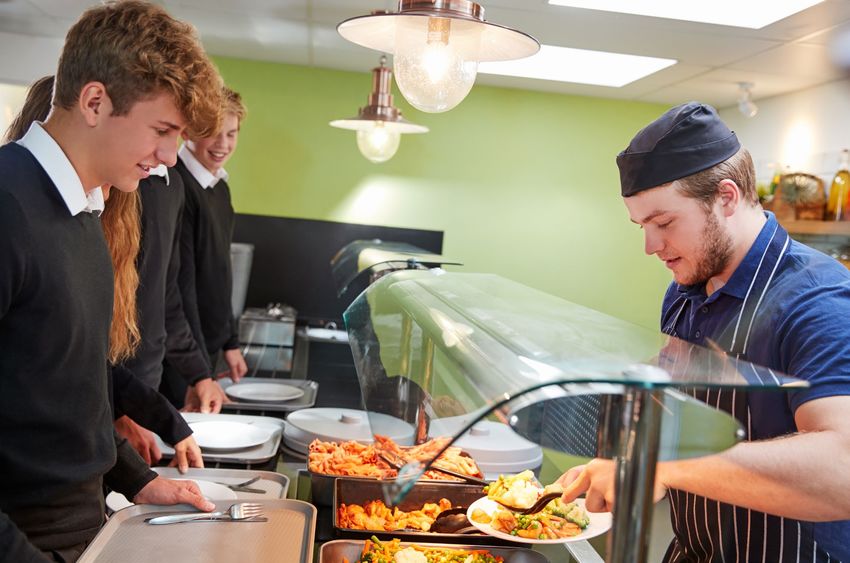
Foreword                                                                         Executive Summary
                                                                                     Over 300 young people across the         They are also calling for families
                                                                                     country have come together to have       to support each other with the
                                                                                     their voices heard on how poverty        purchasing and preparation of food,
                                                                                     affects what they eat.                   and be more open about hunger
                                                                                                                              issues so they can be dealt with
                                                                                     The school aged children took part       before they become serious.
                                                                                     in workshops across the UK to
                                                                                     discuss their understanding and          Finally, the young people want more
                                                                                     experience of food insecurity and        responsibility and accountability in
                                                                                     food poverty and to gather their         regards to how food is advertised
                                                                                     ideas for solutions to create a stable   and presented on television and
                                                                                     future food situation for others.        across social media, to prevent
                                                                                                                              unrealistic expectations.
                                                                                     Young people we spoke to want
    Corey speaking about food poverty on her local radio station
                                                                                     schools to consider price, portion       This report has been created from
                                                                                     size and cultural and dietary            authentic young voices and is an
                                                                                     requirements in the meals they offer,    accurate representation of modern
    Taking part in the Children’s Future     I didn’t realise I was experiencing     and provide a dedicated hunger           views on hunger, experiences of
    Food Inquiry has allowed me to talk      food poverty, to me not having          teacher to deal with food poverty        food and food poverty. They ask
    about my own personal experiences        enough food is my normal. But           issues.                                  that you use their findings and help
    of food poverty, having my voice         then I started to notice my friends                                              them bring about change.
    heard made me feel empowered as          had money to spend on food and I
    it’s not often people listen.            didn’t.

    Most young people don’t have to          I want to challenge the stigma
    do anything at home and many get         around food poverty and encourage
    the luxurious life; but not for me. My   others to have conversations about
    mum has got a disability, she suffers    it. I feel I have the power to make
    from epilepsy which means she            changes not only in my local area
    cannot go near a hot pan as she          but nationally.
    may burn herself if she suddenly
    has a fit. It means I’m constantly       It’s not right young people go
    cleaning and looking after my            hungry, or can’t access or afford the
    younger brothers who are nine and        food they like or want. By speaking
    twelve. I cook for them most days        out we can change this, after all
    and I have a friend who does most        nothing is more powerful than
    of the food shopping for me.             hearing a story from a mouth that
                                             has experienced hunger.
    Sometimes when there isn’t enough
    food to eat I invite my friends round
    so they can buy me ‘scran’.

                                             Corey McPartland, 15,
                                             from Darwen

4                                                                                                                                                CHILDREN’S FUTURE FOOD INQUIRY   5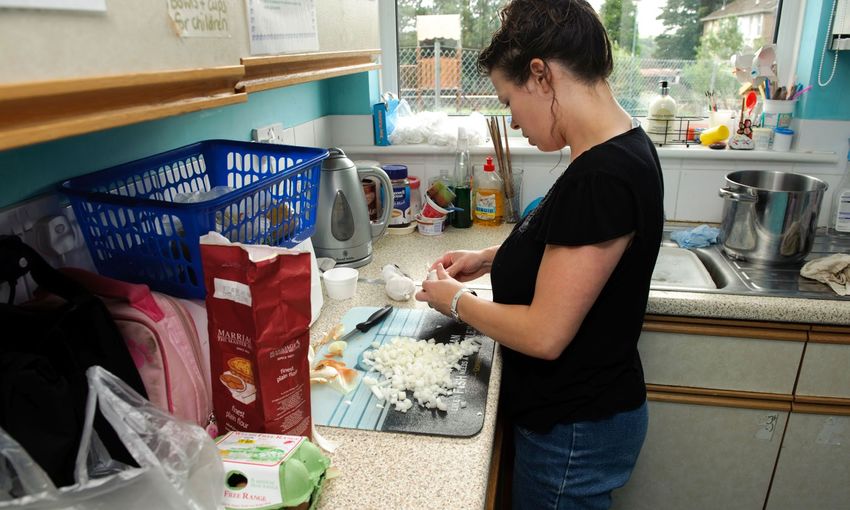
Introduction                                                                            Methods
    It is clear there is growing concern     Fixers is a national charity working       A team of trained ‘Young Person       general, what they thought it
    about the impact poverty has on          with marginalised and vulnerable           Coordinators’ travelled across the    meant and what they believed the
    the diets, health, development and       young people who have confronted           four nations holding workshops with   solutions to be. The conversations
    wellbeing of children. Yet, until now,   a major issue in their lives and,          school children from disadvantaged    were skilfully guided on to school
    the children’s own experiences and       consequently, want to share their          backgrounds. The aim of these         and their experiences of food there.
    perspectives have been largely           experience in order to help others         workshops was to find out more        The young people were asked to
    absent from policy thinking.             in a similar predicament, breaking         about how young people experience     recall times they or their friends
                                             down barriers of isolation to counter      food at home, in school and in the    had been hungry at school; discuss
    This work has been conducted as          a sense of helplessness, defying the       media.                                the factors surrounding this and
    part of a Parliamentary Inquiry into     popular perception their voices have                                             consider the solutions.
    Children’s Future Food. It has the       little or no value.                        In total, 13 workshops were
    support of a cross party group of 14                                                conducted with over 300 school-       The workshops also included
    parliamentarians and two All Party       The Children’s Future Food Inquiry         aged children aged between 11         conversations about how food
    Parliamentary Groups.                    will report it’s conclusions and           and 16. Many of the young people      affects home life and relationships
                                             recommendations later this year. We        involved came from deprived           with friends and family as well as
    The Food Foundation, which is            hope it will drive significant action to   backgrounds and were entitled to      how it is portrayed in the media.
    coordinating the delivery of this        improve children’s food across the         free school meals.
    inquiry, commissioned Fixers to          UK.                                                                              Key themes and findings from these
    consult with children across the                                                    To begin with the young people        workshops were analysed and
    UK. This report is the result of that                                               were asked to discuss their           presented in this voice-led report.
    consultation.                                                                       thoughts on food insecurity in

                                                                                        WORKSHOP
                                                                                        LOCATIONS
                                                                                        1.    Edinburgh, Scotland                                         1

                                                                                        2.    Byker, Newcastle Upon Tyne
                                                                                        3.    Portadown, Northern Ireland
                                                                                        4.    Barrow-in-Furness                                                   2
                                                                                        5.    Darwen                                     3
                                                                                        6.    Doncaster                                                   4
                                                                                        7.    Prestatyn
                                                                                                                                                              5
                                                                                        8.    Leicester                                                                6
                                                                                                                                                    7
                                                                                        9.    Leicester
                                                                                        10.   Ham, London
                                                                                        11.   Radstock                                                                 8

                                                                                        12.   Exeter                                                                        9
                                                                                        13.   Woking
                                                                                                                                                                           10
                                                                                                                                                         11       12

                                                                                                                                                  13

6                                                                                                                                                CHILDREN’S FUTURE FOOD INQUIRY   7
A recent academic study looked into      on the achievement of young people
                                                                                       whether there was any direct link        in schools and concluded ‘students

                         EDUCATION
                                                                                       between the nutritional quality of       at schools that contract with a
                                                                                       food and the academic achievement        healthy school-meal vendor score
                                                                                       of students. The results highlighted     higher on achievement tests.’1
                                                                                       the beneficial effects of meal quality

    Given the amount of time young         On top of this, the £2.30 young
    people spend in education it is only   people on free school meals get for
    natural they feel strongly about the   the day often doesn’t cover a hot
    provision of food at school.           meal.

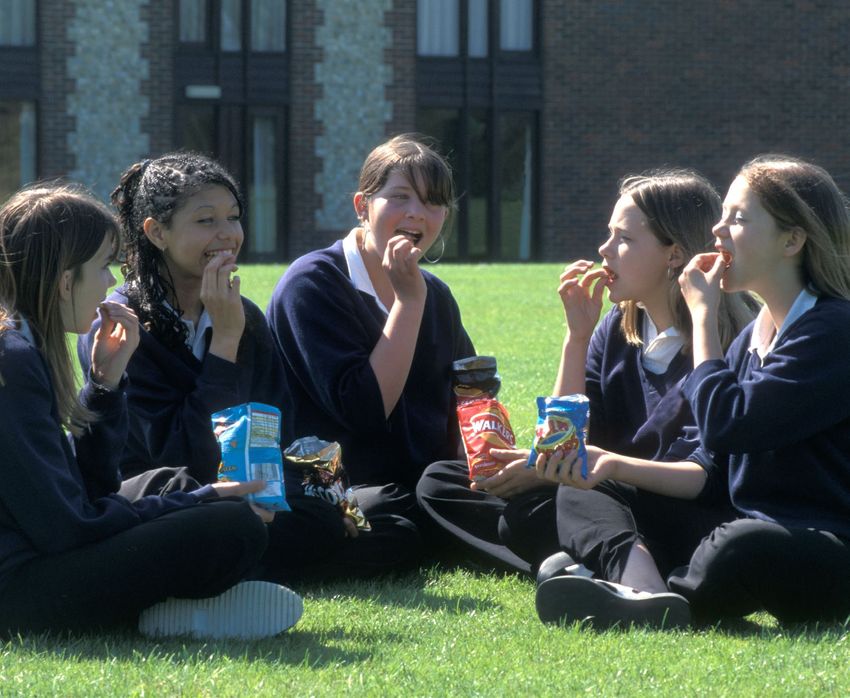
    For many pupils, their daily reality   ‘Sometimes if you feel hungry
    is arriving at school having had       it can make you feel sick and
    nothing to eat and no money in their   you can pass out in lessons. PE
    pockets to buy a snack at break        is particularly difficult if you are
    time. They spend the entire morning    hungry.’
    unable to concentrate in class,
    counting down the hours to their       ‘If you don’t eat enough at lunch it
    free school meal. But even this is
    fraught with complications. Children
                                           makes you tired, it messes with your
                                           brain as you can’t reach your full
                                                                                        Value for money
    have reported long queues in the       potential as you’ve not been fed.’
    school canteen which means they                                                    As well as questioning the quality       ‘Water is £1.60 to buy.’
    don’t have time to eat before the      ‘If you were on free school dinners         of the food, students said what
    next class. Frequently the schools     and the prices kept going up there          they got was never worth what they       ‘I worked out that in my first few
    run out of food before everyone has    would be less you could get for your        had paid, and portion sizes weren’t      weeks of secondary school I was
    eaten, forcing children to go back     money. You could get a panini but           adequate enough to sustain a child       spending £25-£30 per week on
    into the classroom on an empty         it wasn’t enough to keep you full           for the rest of the day.                 school dinners.’
    stomach with no energy to learn.       during the school day.’
                                                                                       On top of this, the financial limit      Exacerbating the issue is the
                                                                                       placed on students receiving free        continually changing prices at

     Quality of food                                                                   school meals do not allow you to
                                                                                       get a full meal; often students say
                                                                                                                                school. There is no security in the
                                                                                                                                price of meals, and schools often
                                                                                       they could buy hot food, but could       change the cost of meals without
    The young people we spoke to all       about their frustrations at the poor        not afford a drink with it or a snack    any warning. The pupils have no say
    had a strong sense of what foods       quality of food on offer at school.         at break time. Pupils also spoke         in these decisions, and it is hard to
    were good for you and what foods                                                   about access to water fountains          budget food when the prices are
    were bad. They all understood the      They are calling for schools to up          being restricted during lunchtime.       subject to change.
    importance to their long-term health   their game and deliver healthy,             This, coupled with their frequent
    of eating a healthy, balanced diet,    nutritious meals within budget.             vandalism, meant some went               ‘When I was in Year 7 it was £1.50
    and discussed the long-term health                                                 without drinks while others were         for a baguette but they kept putting
    implications of eating foods high in   ‘At school food is crap. It’s just fat in   forced to spend unnecessarily.           the prices up. By the time I left
    fats and salt.                         the bacon bun – no bacon. School                                                     baguettes were up to £2.30.’
                                           food is not healthy.’                       ‘You need about £5/£6 for a full
    Yet what they are offered at school                                                meal: main, side, drink and dessert.’    ‘The prices go up year on year.’
    is frequently all the foods they are   ‘Food at school is unhealthy, it’s just
    told are bad for them. Time and        like cardboard.’                            A 2018 report from Hampshire County Council2 evaluated the increase in
    time again, the young people talked                                                school dinner prices per year, revealing that the cost of free school meals
                                                                                       rose from £2.10 in 2015 to £2.30 as of September 2018.

8                                                                                                                                                  CHILDREN’S FUTURE FOOD INQUIRY   9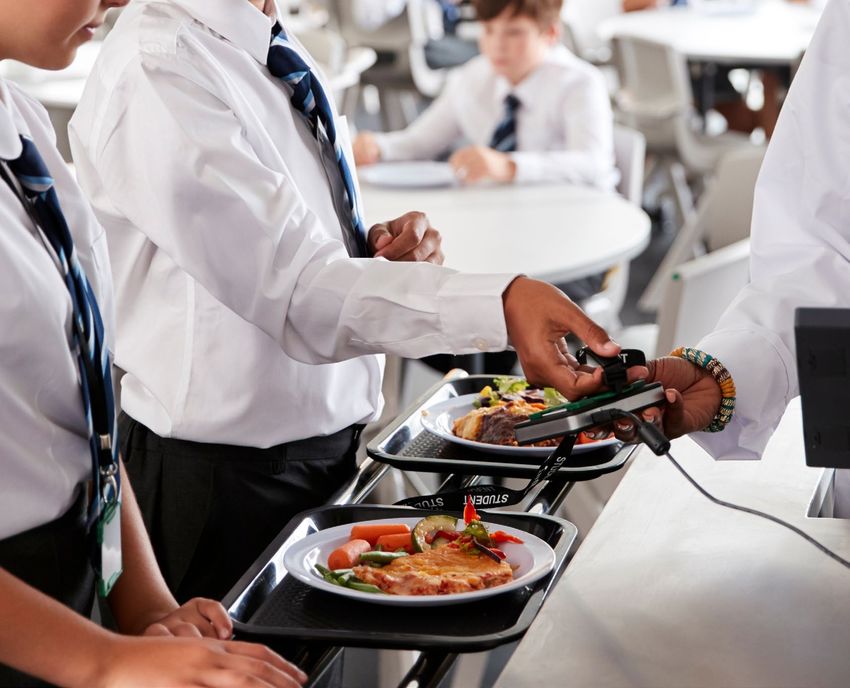
Awkward payment options
     Aside from the price of the food, the    in situations where the top-up
     young people we spoke to detailed        machines are broken.
     occasional issues with school
     payment methods. Most students           A lot of pupils reported that their
     said their school did not allow pupils   schools impose limits on these
     to pay for food with cash, instead       accounts, so students can only
     relying on electronic systems such       spend a certain amount of money
     as cards or fingerprint scanners         in a day. These limits usually stand
     which require topping up in order for    at around £5, and if people are
     pupils to get food.                      hungry but have already spent their
                                              daily limit, they cannot get any more
     It’s widely acknowledged this            food.
     system has gone some way to
     reducing the stigma associated with      ‘All our food is paid for on a card, no
     being a beneficiary of free school       cash. You can forget your pin, or the
     meals. But, when the money on            machine you use to add money can

                                                                                         A dedicated hunger teacher
     these accounts runs out, children        break down; there’s a huge queue
     would like to be able to use cash,       to add money, then a huge queue
     so they can buy food while they          to get food, and you only have 20
     wait for their parents to top up their   minutes for lunch sometimes.’
     accounts. It would also be helpful                                                 ‘Nobody is ensuring everyone has         so it’s hard to track how people eat,
                                                                                        something to eat.’                       and if they are eating enough or
                                                                                                                                 eating the right foods.’
                                                                                        Young people we spoke to felt
                                                                                        schools did not hold anyone              Some students did say teachers
                                                                                        responsible for issues relating to       had helped them in the past, by
                                                                                        food. Children are coming to school      lending them money or buying
                                                                                        without breakfast, no money for          them lunch when they didn’t have
                                                                                        snacks, and if they are on free          anything to eat, but it wasn’t
                                                                                        school meals, the money they             something they wanted to rely on. In
                                                                                        receive will not cover enough food       general, they indicated they would
                                                                                        for them to feel satisfied.              feel more comfortable speaking to a
                                                                                                                                 friend than a teacher about hunger
                                                                                        While most schools do offer certain      issues.
                                                                                        support systems, such as the
                                                                                        opportunity for students to borrow       They suggested the presence of
                                                                                        money from the school office if          a dedicated hunger teacher who
                                                                                        they do not have enough for lunch,       was there to deal with these issues
                                                                                        children have highlighted how            would make it easier to talk about
                                                                                        difficult it can be to approach adults   hunger problems. Also, by placing
                                                                                        about food issues for fear of being      a staff member in the dining room,
                                                                                        judged.                                  it would give the school a better
                                                                                                                                 understanding of which pupils
                                                                                        ‘When we were in primary school,         were struggling with food issues
                                                                                        we were monitored. At secondary          and allow them to implement more
                                                                                        school there isn’t any monitoring,       effective ways of dealing with
                                                                                                                                 problems in future.

10                                                                                                                                                  CHILDREN’S FUTURE FOOD INQUIRY 11
Pride                                                                          Different rules for everyone
     ‘People don’t always even apply          When discussing times where they      Children also said it was difficult for      Also, what the teachers eat is
     for free school meals even though        had struggled with food issues        adults to understand food poverty            often different to what is offered
     they’d be entitled to them. It’s about   themselves, pupils revealed in most   issues when the same rules don’t             to the students, which pupils say
     people’s pride.’                         cases, they would sooner ask a        apply to both pupils and staff.              is frustrating, creating a sense of
                                              friend for help than ask a teacher                                                 inequality that is unnecessary. They
     The children emphasised how the          or borrow money from the office,      Students highlighted how the                 expressed a desire for the food to
     stigma surrounding food poverty          and most said they had lent money     teachers don’t have to wait in line          be the same for everyone.
     prevents them from seeking help.         to those in need. In some cases,      at dinner and often don’t pay for
     They felt if schools made more of an     children can feel so embarrassed      their food, meaning they don’t need          ‘Some dinner-ladies cook the
     effort to educate pupils about food      about asking for help they            to worry about what they eat at              teachers different meals or save
     poverty and food banks, people           sometimes just don’t eat, to avoid    lunchtimes.                                  them food.’
     would feel less ashamed about            having to admit they don’t have any
     approaching adults for help if they      money for lunch.
     have no food. More understanding
     on the issue would also reduce
     schoolyard bullying stemming
                                              ‘Sometimes you don’t have
                                              enough to buy much food. It can        Limited lunch breaks
     from ignorance around those in           be embarrassing if you have to ask
     less fortunate circumstances, and        them (school staff) to take money
     generally make life at school easier.    out next time there’s money on the    Long queues and limited lunch                ‘Sometimes year groups don’t eat
                                              card.’                                breaks often mean students can               because there is nothing left for
                                                                                    struggle to get lunch in enough              them. There needs to be more food
                                                                                    time, occasionally leading to pupils         and there needs to be longer lunch
                                                                                    missing lunch altogether and being           breaks.’
                                                                                    irritable and unable to concentrate
                                                                                    for the rest of the day.                     This problem is made worse for
                                                                                                                                 those students who are put in
                                                                                    ‘The queues at lunchtime are too             detention, as they often do not get a
                                                                                    long at school. You wait half your           chance to get anything to eat before
                                                                                    lunch break to get food and by the           classes begin again. Students
                                                                                    time you get to the front there is no        feel there is no consideration
                                                                                    choice left.’                                that lunchtimes are necessary for
                                                                                                                                 student wellbeing and that missing
                                                                                    The effect waiting in queues has on          lunch effects concentration for the
                                                                                    food availability is another reason          rest of the day; especially if children
                                                                                    pupils want teachers to be subject           hadn’t eaten breakfast as well.
                                                                                    to the same rules. Staff members
                                                                                    jumping queues means there is                ‘If you’re put in isolation for a day
                                                                                    less choice for the students who             or a week, you’re not allowed in
                                                                                    have to wait to eat, and the group           the canteen at all. You can take a
                                                                                    want the staff to be aware of how            packed lunch, but there sometimes
                                                                                    their own habits at lunch time affect        isn’t any food at home to make
                                                                                    the students. Another issue is in            one.’
                                                                                    schools where different year groups
                                                                                    have different dinner times, those
                                                                                    eating later are often left with little or
                                                                                    no food choice.

12                                                                                                                                                  CHILDREN’S FUTURE FOOD INQUIRY 13
Food in lessons                                                                  Dietary and cultural requirements
     School days follow rigid timetables,    The rules on what foods can be           At school, it is generally a case       ‘You do get a choice, but I don’t
     and in general students are not         consumed and when the students           of ‘you get what you’re given.’         like quite a lot. I’ve spoken to the
     given much flexibility in how they      are allowed to eat them can be quite     The young people we spoke               principal about the food not being
     organise their days until they reach    stringent, with different schools        to raised frustrations about not        cooked properly. He says they’re
     GCSE level and beyond. This can         enforcing different rules. However,      being consulted on the menu or          working on it, which means nothing
     be problematic when it comes to         most children reported not being         price of food. It is something they     is going to change.’
     food, as children are told they can     able to eat any food in lessons, and     desperately want to change in order
     only eat at certain times, regardless   those that could were only allowed       to ensure they are getting meals        More effort needs to be made on
     of their situation.                     to eat fruit. The same rules applied     at school that are nutritious and       behalf of teaching staff to recognise
                                             to liquids, with most pupils being       satisfying.                             cultural practices such as fasting.
     At an age where pupils are              required to ask a teacher before                                                 Religious students have a right to
     continually growing, the wait until     being allowed to have a drink, which     ‘They should ask us what we             eat in accordance with their beliefs
     dinner time can be a long time to       in most cases had to be water and        actually want to eat at school, not     during festivals such as Ramadan,
     go without food. This is especially     nothing else.                            just give us what they think.’          and some students explained
     apparent for those who expend a                                                                                          the effect not eating can have
     lot of energy from breakfast walking    As a result, a lot of children say       They also feel no provisions are        on concentration and academic
     or cycling to school, or for those      they ignore the rules and eat food       made for those with particular          performance is not always
     who skipped breakfast altogether.       anyway, simply because they are          eating requirements, whether these      recognised.
     The students we spoke to largely        hungry and cannot wait until the         are down to preference, health
     resented that snacking in lessons is    allotted meal times.                     or culture. For example, Muslim         ‘I feel sorry for people who are
     prohibited.                                                                      students have highlighted how there     fasting; you see people who are
                                             ‘We’re not allowed to eat in class – I   isn’t always a Halal option provided    fasting passing out. Some get
     ‘We’re not prisoners; we shouldn’t      do anyway.’                              at school, and what vegetarian          excused from PE while others don’t.
     have set times for meals.’                                                       options are available are very          Some get yelled at. The teachers
                                                                                      limited.                                need to understand.’

                                                                                      Highlights
                                                                                      • For schools to provide a              • To review school dinner prices
                                                                                        dedicated ‘hunger teacher’, who         and payment options, to ease the
                                                                                        monitors school dinners and             burden on less fortunate students.
                                                                                        finance issues and supervises the
                                                                                        dining hall to better understand      • Better quality food, with more
                                                                                        food insecurity issues.                 choices that consider dietary and
                                                                                                                                cultural requirements, and more
                                                                                      • For children to be made more            support offered to teachers in
                                                                                        aware of hunger issues at school,       relation to these issues.
                                                                                        so they better understand the
                                                                                        situations of others, and to reduce
                                                                                        the stigma around asking for help
                                                                                        when eating properly becomes an
                                                                                        issue.

14                                                                                                                                               CHILDREN’S FUTURE FOOD INQUIRY 15
Food choice down to parents
                                  HEALTH                                          Children are largely reliant on
                                                                                  their parents for food, with adults
                                                                                                                        ‘My mum has set things she likes to
                                                                                                                        cook, so she cooks whatever she
                                                                                  controlling what food is bought,      wants. If you don’t like it then hard
                                                                                  cooked, and consumed by their         luck, you either eat it or you don’t,
                                                                                  children. While most students         there’s no alternative. She needs to
                                                                                  indicated some cooking ability,       change the menu.’
      The price of health                                                         knowing how to make simple
                                                                                  meals like pasta and baked beans      Children are seemingly not
                                                                                  on toast, many admitted they had      encouraged by their parents to get
     One of the biggest issues raised by    expenditure and disposable income     no say in what food was bought        involved with preparing food in the
     the children is that healthy options   figures to conclude that ‘26.9%       and provided by their parents.        house, with it being common for
     at school are few and far between,     of households would need to           As a result, a lot of the children    kids to stay at home while their
     and are often more expensive than      spend more than a quarter of their    expressed a dislike for what they     parents do a weekly shop.
     the unhealthy ones, meaning there      household income after housing        were served at home, and wished
     is no incentive for them to eat        costs’ to meet these requirements.    what they were given was more
     properly. They face the same issues    On top of this, it was found only     diverse.
     of affordability at home.              53% of households in the UK meet
                                            these requirements every week.4       In surveys conducted with young people taking part in the Future Food
     In 2016, the government published                                            workshops, children were asked which foods their parents were most likely
     its Eatwell guide, which outlines      When speaking to pupils from          to buy from the supermarket.
     the optimum diet for the population    different schools across the UK,
     to ensure everyone is getting the      many expressed awareness that the
     right nutrients and maintaining        cost of food had an effect on their
                                                                                  Of the 240 respondents...
     a balanced lifestyle. It provides      diet, and admitted to knowing about
     recommendations across five            family financial issues regarding

                                                                                      52% 57%
     food groups: Fruit and veg,            food.
     carbohydrates, oils and spreads,
     dairy and proteins.                  ‘My mum gets £60 and my dad
                                          gets £200 through benefit, it’s not
     However, the Food Foundation         enough money for two weeks. Once
     published a report in September      you’ve paid the bills there is not
     2018 stating the cost of maintaining enough for food.’
          3
                                                                                                                                       agreed
                                                                                                   said
     such a diet would cost an adult on
     average £5.99 a day, or £41.93 per   ‘If a parent isn’t earning, you’re
     week. The report went on to say the going to be fed cheaper foods. The
                                                                                      frozen foods                          freshly made meals
     guidelines were not affordable for
     the majority of low income families,
                                          food is more unhealthy; tinned,
                                          instant and frozen foods.’
                                                                                      & ready meals
     comparing the cost of following                                                          made up the                    are
                                                                                      majority
     the Eatwell guide to household

     ‘I think a lot of people hide it. They get
                                                                                                of their                     more
     embarrassed about not having money.’                                             food shop                              nutritious

16                                                                                                                                         CHILDREN’S FUTURE FOOD INQUIRY 17
Some reported eating meals                they taste awful so I don’t eat them.
      Busy lifestyles                                                                  separately because they did not like
                                                                                       what was being cooked, preparing
                                                                                                                                 I eat on my own.’

                                                                                       something for themselves or just          ‘My sister is really picky and I try
     A large factor in what food is           ‘There is not enough time to make        grabbing a quick snack.                   and eat healthy but if she doesn’t
     prepared at home is the work             food at home. Lifestyles can mean                                                  like something she will refuse to eat.
     schedules and personal situations        you have to eat on the run or            ‘My mum does slimming world and           So my mum has to find foods that
     of individual families. For parents      have ready meals that don’t have         she cooks loads of their meals and        she likes.’
     who work, they don’t always have         nutrients in them.’
     time to come home and prepare
     a large home-cooked meal for
     their family. This leaves children in
                                              Many of the students indicated
                                              wanting to learn to cook different
                                                                                        Pressure
     the position of having to eat less       meals, and for schools to provide
     nutritious ready meals or fast food,     necessary culinary education, so         When asked in workshops whose             on them to make sure the family is
     or cook meals for themselves due         they can begin to prepare a more         responsibility it was to provide food,    eating. In these cases, they often do
     to their parents’ time constraints. In   varied diet and be more self-            the majority said it was down to          the food shopping as well, making
     this case, children often eat a lot of   sufficient in situations where their     their parents to make sure children       the responsibility of food in their
     the same things, especially if they      parents are not present.                 had the right food to eat, and 62%        house completely down to them,
     have limited cooking skills.                                                      said children should go to parents        whether they are prepared for it or
                                             ‘It would be helpful if someone           first if they had any worries about       not.
     Hectic days can also affect a           showed us how to cook. I can’t            their health with regards to food.
     parents’ mood, meaning they do          cook anything.’                                                                     ‘I choose what we eat because
     not feel like making anything out of                                              Despite this, a number of the             I cook it. I’m my mum’s carer
     tiredness or frustration, and this also                                           students indicated that the               because she has epilepsy, and if
     leads to the consumption of frozen                                                responsibility for the cooking in the     she had a fit while cooking she
     foods, ready meals, and takeaways.                                                house falls solely on their shoulders,    would scald or hurt herself. So I
                                                                                       in some cases preparing food for          cook for me and my little brothers,
                                                                                       their whole family because they are       but I don’t really know how.’
                                                                                       the only ones willing or able to do it.
                                                                                                                                 ‘It’s a big problem if your parents
                                                                                       While this is largely down to the         work a lot; then you don’t eat
                                                                                       busy schedules of parents, some           properly or at the right times.’
                                                                                       children are full-time carers for their
                                                                                       parents; putting added pressure

      Eating as a family
     One side effect of busy lifestyles       ‘You know how some families bond
     is families are less likely to sit and   over a meal? If you don’t have that it
     eat together, something which the        can affect your family life.’
     students said was an important
     part of family life. They showed a       ‘I eat up in my room; my dad goes
     desire to sit and socialise with their   out to his caravan to eat.’
     family as a way to bond with each
     other, although some said they ate       Mealtimes can also be tricky due
     at different times or sat away from      to the different tastes of individual
     their family, for various reasons.       family members. Dislikes, allergies
     In some cases, students said             and dietary requirements means
     they didn’t share a meal at home         cooking one meal for all isn’t always
     because their families were small,       possible, and this can lead to
     or because it was just them and a        fragmented meals.
     single parent, so a big table did not
     seem necessary.
18                                                                                                                                                  CHILDREN’S FUTURE FOOD INQUIRY 19
Stigma Other forms of support
This responsibility can be a lot for meals compared to their friends, Support doesn’t always have to like crop-growing, fishing comes
young people, and just as students and how this made them feel. come from the council or from with its own equipment costs. Both
admitted to feeling embarrassed charities. The young people we activities also require surplus time.
when talking about food issues at ‘I had chicken and turkey at spoke to suggested more could
school, there were similar sentiment Christmas and it was embarrassing be done closer to home to make Students all agreed families should
about discussing food issues at because my pal had a wee steak sure everyone is eating properly. do more to support each other. A lot
home. pie.’ A selection of students were of young people said they enjoyed
encouraged and supported in going to their grandparents’ house
Many of the children present In cases where they were worried growing their own food with their because they ate a lot better there
expressed concern for someone about food issues, children admitted families, providing a fresh source than they did at home, having
they knew regarding their food to feeling anxious about inviting of food at a fraction of the cost of a more home-cooked and nutritious
situations; citing their friends’ their friends round to eat for fear supermarket. There was a resulting meals. It was largely agreed if family
financial situations or family issues there wouldn’t be enough food. sense of pride amongst those members took more notice of each
as reasons for worrying about them. children who sourced and cooked other’s needs then they could find
‘I’ve heard my friends make up for themselves. However, allotments ways to prevent food poverty issues
Socially, food worries are prevalent excuses about why they can’t join in come with their own costs and before they become more serious.
for young people, due to the way in and invite friends round for their tea. without a garden this isn’t feasible
which children compare themselves They say they’re going out with their for everyone. People also suggested ‘When my brother gets paid he just
to their friends. In every workshop, family or whatever.’ fishing as an option for families buys more tracksuits and jeans and
the children mentioned how their who wanted fresh ingredients but he has loads already. He should
didn’t want to pay shop prices, but help other people out a bit more.’
Food Banks
During the workshops, young
people talked about ways they
However, there was still a lot of
uncertainty about food banks,
Highlights
could help their peers who are with many not knowing where
struggling with food. A common local ones were and how they • More education about food
conversation revolved around food operated. As a result, a popular banks and support services, so
banks, and how those struggling to recommendation was for children families know where they can go
feed their families could go to them to be more educated about food to get staple foods when they are
for staple foods and ingredients. banks and food poverty in general, struggling to feed themselves.
Some said they had family members so they could become aware of the
who had relied on them, while support networks in place. Again, • Openness within families
others said they wanted to volunteer the topic of embarrassment came regarding personal food
at food banks and agreed they up regularly, indicating a stigma situations, so they can better
benefitted those in need of food. surrounding seeking help from support each other and tackle
services like food banks, something food poverty issues before they
‘I would like to work at a food bank which the students want to change. become serious.
because I like helping people. At
Christmas we made boxes with ‘I didn’t know there was a food bank • For the government to be more
meat and food to help the needy.’ near me; I thought it was a shelter.’ understanding of everyday
financial hardships, and to stop
‘I’ve never been to a food bank.’ putting unrealistic pressure on
those who cannot afford to follow
their nutrition guidelines.
20 CHILDREN’S FUTURE FOOD INQUIRY 21MEDIA
Food insecurity is something that However, they also discussed
undoubtedly affects students both how many shows present an
at home and at school, changing unrealistic or unhealthy view of
the way they view their home lives food. Professional cooking shows
and the situations of their friends such as Masterchef, Hell’s Kitchen
and peers. However, these worries and the Great British Bake Off
are amplified further by the way rely on expensive equipment and
food is depicted in their favourite costly ingredients and so do not
media; from the meals they see in reflect how the majority of people
films, to the adverts they see on TV, eat. Shows like Man Vs Food could
to the food they see in channels and encourage over-eating and promote
Adverts
posts on social media platforms. unhealthy practices at home.
72%
The young people were quick to
point out the shows they believed
portrayed positive attitudes towards The most unrealistic portrayal ‘My parents get depressed with
food, whether this by promoting of food was said to come from food adverts; they can’t afford it.’
healthy eating, or by giving tips on adverts, which are predominantly
how to save money on shopping for fast foods. McDonald’s, KFC The predominance of unhealthy
and cooking. and Domino’s adverts are aired adverts over ones focused on
constantly, making children want fresh, affordable food is something
believed the to eat those foods as opposed to the young people want to change,
portrayal
‘Some media is good because it
promotes home cooking.’ healthier and cheaper alternatives. pointing out McDonald’s adverts
Also, these adverts never reflect the even appear on bus tickets, which a
true quality of the product, with a lot lot of students buy multiple times a
of f d
‘Programmes like Eat Well for
Less and Eat Shop Save are good of young people saying they were day. They want to see adverts which
because they encourage healthy disappointed when they bought this are more balanced and promote
eating at reasonable costs.’ food because it wasn’t the same as nutritious food. They also pointed
the advert. out no adverts show hunger is an
& meal times
issue here in the UK.
‘You go to McDonalds and it’s so
small compared to the adverts. It’s ‘You see adverts about helping
on
pathetic really.’ people who are going hungry in
TV is
Africa, but not here and it’s still
Even adverts that aren’t for fast happening in the UK.’
food can be unhelpful to those
struggling with food issues. Marks
and Spencer for example entices
viewers with pictures of mouth-
watering fresh food which for many
is beyond what they can afford and
unrealistic
not easy to buy on a budget.
22 CHILDREN’S FUTURE FOOD INQUIRY 23Social Media
Technology has ensured young say this exposure was unhealthy
people are constantly connected; in that it created unrealistic food
not just to each other, but to a expectations. They are calling for
myriad of celebrities and public celebrities to be more responsible in
figures who play a large part in what they post online.
influencing their behaviour. Sites
like Instagram are becoming ‘Celebrities advertise certain types
increasingly popular for food sites of cooking and it creates pressure
and blogs, and the students did and influences people. I don’t think
have positive things to say about you should ban celebrities from
how social media can help widen doing this, but there should be less
their understanding of food. Along of it.’
with Snapchat, the platform is a
helpful place to source recipes and ‘Social media is stupid; look at my
food ideas, and can contribute to caviar on toast and my private jet.’
young people attempting to cook
new things. It can also be a source However, it isn’t just celebrities who
of positive stories to do with food create pressure, with most of the
and body image, and so the view of students admitting to feeling jealous
social media is not a wholly negative of food their friends have posted on
one. their social media profiles. They also
considered how their own innocent
‘Sometimes it can be inspiring to snaps of food may have more of
see different recipes, but people can an impact on people less fortunate
become obsessed too.’ than they might realise, and so they
also called for young people on
However, the constant stream of social media to be responsible for
updates from celebrity feeds and
channels means young people are
what they shared with their friends,
and be more considerate of others.
Highlights
repeatedly subjected to pictures
of food and drink these celebrities ‘You might be sat there with a Pot • More realistic representation • More responsibility and
post. This in turn can lead to Noodle, looking at pictures of food of food on television, with accountability in relation to what
pressures to emulate their idols online and it makes people feel sad, programmes dedicated to is posted about food online,
on food options and the way they like they’re missing out because promoting healthy and affordable whether this be from celebrities,
eat. The students we spoke to they can’t have nice food.’ meals for families to cook, or just in what young people
in order to benefit everyday post amongst their friends and
lifestyles. peers, with the hope of erasing
unrealistic expectations.
• A more balanced selection of
adverts, aimed at everyone; if
fast food adverts were shown
alongside media showing
healthy alternatives, then it
would encourage people to eat
better and not rely so heavily on
takeaway food.
24 CHILDREN’S FUTURE FOOD INQUIRY 25At home, the students wanted there related content. While this can be
to be more communication amongst beneficial in exposing children to
CONCLUSION
families, calling for more openness different food options, it can also
about food poverty issues, so they foster unrealistic expectations of
can support each other and try to what they should be eating, with
deal with any problems before they celebrities posting about expensive
become serious. Families working meals and featuring paid adverts for
together to help with the shopping food companies. It can also create
and preparation of food would pressure and jealousy amongst
Despite coming from a variety of that considered different dietary ease individual burdens, and eating friends and peers, with boastful
schools and backgrounds spanning and cultural requirements. The together would help strengthen food posts contributing to some
the entirety of the UK, the different general consensus is the food is familial bonds. children feeling left out.
voices of the students we spoke to unappetising and presented in
told the same stories about food portions too small to ensure children A better knowledge of food banks They want people to be more
insecurity, and how it pervades are full. and support services would also responsible and accountable in
throughout every aspect of their help ensure families had sufficient terms of what they share online,
personal lives, in ways in which they They also want the food to be more staple foods to feed themselves on being more considerate of how what
themselves may not have realised; affordable, reflecting the size of the a day to day basis, and hopefully they are posting can affect the less
from their experiences in the dining portions, and considerate of the fact reduce stigma surrounding seeking fortunate. A little consideration will
hall, to the way in which food is those on free school meals often support with food provisions. help ease societal pressures relating
portrayed on TV and across their do not get enough money to buy to food, and the financial costs
social media. a complete meal. The presence of Popular media has a massive effect associated with it.
a dedicated hunger teacher would on how young people view food
At school, the young people also help the school monitor which and diet, with an endless array of By compiling their concerns
expressed a desire for widespread students were struggling, and create food programmes and adverts that and experiences into this report,
change across how food is priced, more effective solutions to food promote unhealthy fast food or the young people hope to raise
prepared and presented, calling poverty issues. unaffordable dishes over nutritious, awareness of food insecurity
for better quality food with options home-cooked options that could be and how it is pervasive across all
prepared by the average family. A aspects of their lives. By highlighting
more balanced selection of adverts the changes they want made in
would encourage families to go for education, at home and throughout
affordable options over unhealthy popular media, they hope to start
quick-fixes. a serous conversation about the
state of food insecurity in the UK,
The way in which young people are and begin to change the way it is
so inter-connected on social media perceived in order to make real
presents its own challenges, as they change going forward.
are in constant contact with food
Everyone has a right to eat properly, and
seek help without judgement.
26 CHILDREN’S FUTURE FOOD INQUIRY 27References
1. School Meal Quality and Academic Performance Michael L. Anderson,
Justin Gallagher, and Elizabeth Ramirez Ritchie July 19, 2018
2. https://democracy.hants.gov.uk/documents/s8225/School%20
Meal%20Prices.pdf
3. https://foodfoundation.org.uk/wp-content/uploads/2018/09/
Affordability-of-the-Eatwell-Guide_Final_Web-Version.pdf
4. https://www.theguardian.com/society/2018/sep/05/four-million-uk-
children-too-poor-to-have-a-healthy-diet-study-finds
Acknowledgements
Vector icons designed by Freepik, Smashicons, Those Icons, smalllikeart,
Dave Gandy, monkik from Flaticon
Written by
Matthew Mills - Fixers News and Features Writer.
28FixersUK .org.uk
You can also read


