Collection of Good Practices (Deliverable D.1.2) - DIRE-MED
←
→
Page content transcription
If your browser does not render page correctly, please read the page content below
Collection of Good Practices
                                        (Deliverable D.1.2)

DIRE-MED
Project n.: 574184-EPP-1-2016-1-IT-EPPKA2-CBHE-JP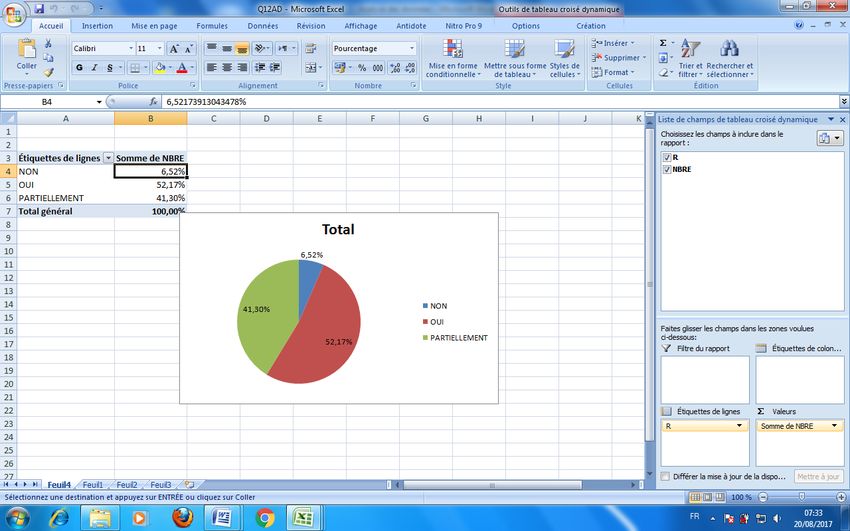
Information about the document:

 Title of the project                                                              DIRE-MED

                                                         Dialogue Interculturel, REseaux et Mobilité en MEDiterranée

 Project number                                     574184-EPP-1-2016-1-IT-EPPKA2-CBHE-JP

 Deliverable                                        D1.2 – Best Practices Collection Report

 Work Package                                       WP1 - Identification and Selection of Best Practices

 Status                                             Final Version - October 2020

 Privacy Status                                     Limited

 Author – Work Package coordinator                  University of Carthage, Tunisia

 Main Author(s)                                     Hafiane Ouannes, University of Carthage
                                                    Hajer Ferchichi, University of Carthage

 Collaborators                                      Cinzia Tutino (University of Catania)
                                                    Silvia Marchionne (UNIMED)
                                                    Anne-Laurence Pastorini (UNIMED)
                                                    Nadia Larras and Habiba Naili (Alger 1 University)
                                                    Naouel Abdellatif Mami and Ismail Ouali (Sétif 2 University)
                                                    Mustapha Diani (University Abdelmalek Essaadi)
                                                    Sanaa Zebakh and Fatima Berriche (Hassan II Institute of Agronomy
                                                    and Veterinary Sciences)
                                                    Halima Ouanada and Lobna Zakraoui (University of Tunis El Manar)
                                                    Lucia Martin and Charles Paillusson (EUSA)
                                                    Beatriz Gonzalez del Valle (INCOMA)

DIRE-MED
Project n.: 574184-EPP-1-2016-1-IT-EPPKA2-CBHE-JP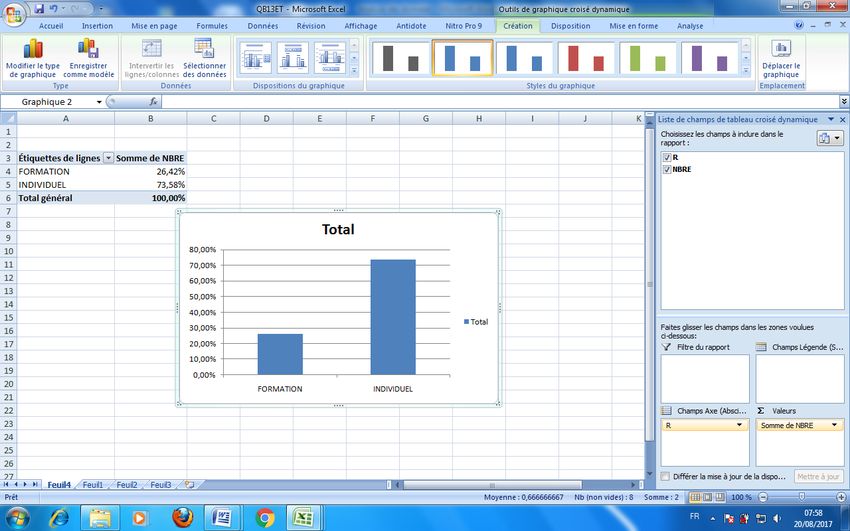
Abstract (for Dissemination purposes)              Deliverable D1.2 is a collection of initiatives and good practices that,
                                                    following the defined methodology, have been gathered for the
                                                    identification and selection of best practices in the framework of
                                                    international cooperation and opportunities for target groups.
                                                    The preparation of this report has been developed through i)
                                                    documentary research, ii) a questionnaire intended for students,
                                                    academic and administrative staff shared by the partners and iii)
                                                    additional interviews with partners.
                                                    The report comprises the good practices selected by the partners as a
                                                    response to the gaps and needs that were identified in the analysis of
                                                    the questionnaires (ii).
                                                    The aim of this deliverable is to provide partners from Mediterranean
                                                    countries a set of positive and successful examples concerning the
                                                    management of international opportunities and initiatives.
                                                    The collection of good practices, as well as the electronic
                                                    presentations shared during the training seminars, are published in
                                                    the DIRE-MED website. (https://www.diremedproject.eu/).

DIRE-MED
Project n.: 574184-EPP-1-2016-1-IT-EPPKA2-CBHE-JP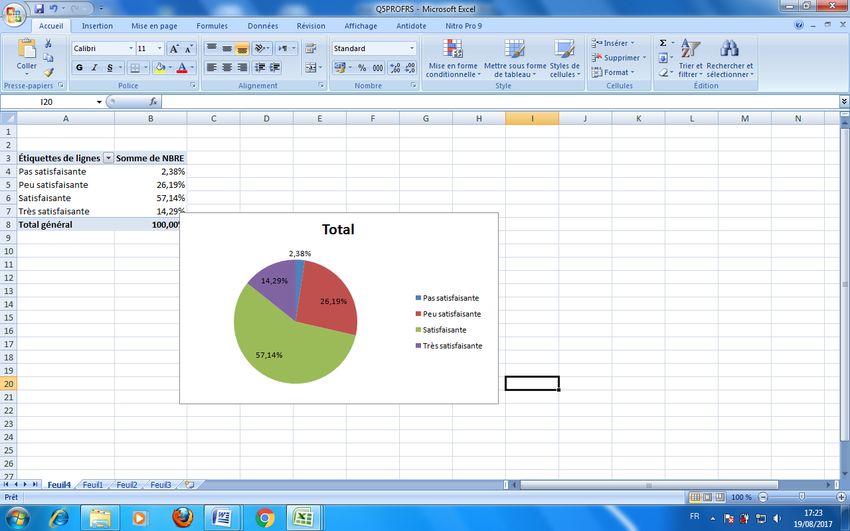
The document you are about to read has a long story behind it, the story of the mobility of women
and men in the Mediterranean. An ongoing story of exchanges, meetings, confrontations, and
migrations. An infinite network of relationships that make the Mediterranean a complex web in
which UNIMED and other regional universities have been working together for many years, in order
to create and strengthen a positive agenda for a future Mediterranean generation.

The mobility of university students, faculty and administrative staff represents a founding and
priceless value for the future of collaboration and peace in the Mediterranean. A region already rich
in cultural, commercial, professional and humanitarian aspects but whose bonds still need to be
enhanced and reinforced. Mobility is the seed for the birth and strengthening of a Mediterranean
youth with the ability to acknowledge their differences and valorise them as a form of richness and
not of division.

Higher Education cooperation in the Mediterranean is based on a solid framework of collaboration
among academic institutions from the two shores of the Mediterranean, but there is still a lot of
work to be done for a greater inclusion of students in the academic mobility paths, both
South/North and South/South.

The objective of this collection is to provide useful tools for the improvement, development and
support of educational mobility in the Mediterranean basin. This document is the outcome of the
Erasmus+ DIRE-MED project, and of 4 years of exchange and reflection between project partners.
The tools and practices presented here are certainly not exhaustive but can serve as inspiration for
all interested parties.

UNIMED founder, Pr. Franco Rizzi, declared: “The Mediterranean is our destiny” and we, as UNIMED
members and partners of DIRE-MED, are convinced that we must live that destiny together, hand in
hand, promoting a vision of a new Mediterranean Erasmus generation for a region of peace and
prosperity.

We hope that this collection will somehow contribute to improve the efforts of all those who work
every day in the Mediterranean universities to build bridges between our cultures, our lives and
even our dreams.

                                                               Marcello Scalisi, Director of UNIMED

 DIRE-MED
 Project n.: 574184-EPP-1-2016-1-IT-EPPKA2-CBHE-JP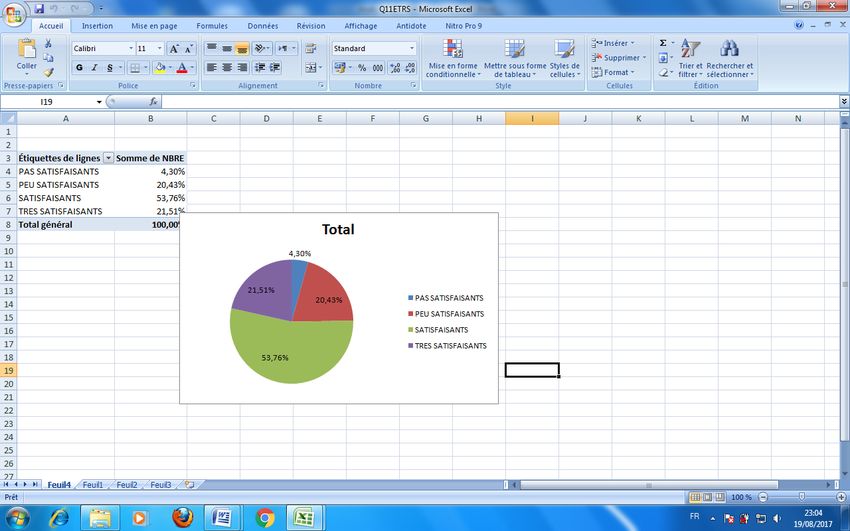
INDEX

I General Context                                                                               7

    I.1 About DIRE-MED                                                                          7

    I.2 Contribution of the results of previous projects                                        8

II Report Objectives and Methodology                                                            11

    II.1 Objectives                                                                             11

    II.2 Methodology                                                                            11

    II.3 Questionnaire                                                                          12

III Data analysis                                                                               13

    III.1 Evaluation of the quality and flow of information about mobility programmes           13

    III. 2 Evaluation of the organization of mobilities and their financial conditions          18

    III. 3 Evaluation of the adequacy between objectives, training and impact of the mobility   20

    III. 4 Testimonies                                                                          24

IV Summary of identified weak points and areas for improvement                                  25

V Good Practices Index Cards                                                                    27

    V.1 Before the mobility                                                                     28

         A. Reinforcement of the structure of orientation and mobility management               29

         B. Strengthening mobility in the Mediterranean basin                                   35

         C. Definition of mobility opportunities                                                37

         D. Promotion of mobility opportunities and increase of information channels            39

         E. National Programmes promoting international mobility                                42

         F. Language Prerequisites                                                              45

         G. Pre-departure information and preparation for the intercultural experience          47

 DIRE-MED
 Project n.: 574184-EPP-1-2016-1-IT-EPPKA2-CBHE-JP
V.2 During mobility                                                                              49

         A. Linguistic Support                                                                       49

         B. Welcoming and integration approaches for students                                        51

         C. Strengthen the representative role of mobility students/staff in the host universities   56

         D. Supporting academic monitoring during mobility                                           58

    V.3 After the mobility                                                                           60

         A. Assessment of the mobility at an institutional level                                     60

         B. Recognition of mobility experiences in the career development                            63

         C. Development of other forms of collaboration and exchanges                                64

VI. Good Practices summary table                                                                     66

Annexes                                                                                              69

 DIRE-MED
 Project n.: 574184-EPP-1-2016-1-IT-EPPKA2-CBHE-JP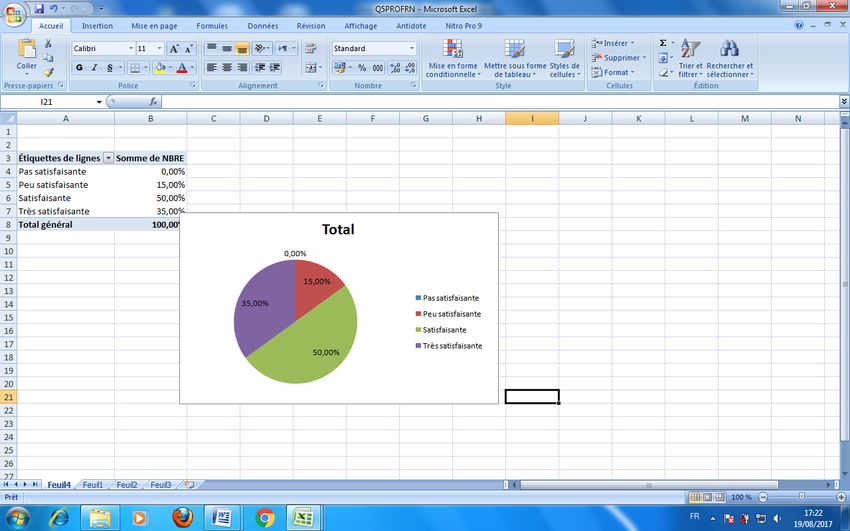
I General Context
In a particularly complex geopolitical context, as it currently is in the regions of the Mediterranean
basin, cooperation projects promoting intercultural dialogue have the tendency, as highlighted by
the European Union (EU), to “prevent conflict and marginalisation of citizens due to their cultural
identity” and “to establish links and common grounds among cultures, communities, and peoples”.

This major objective of promoting comprehension and interaction between different cultures may
be tested within the framework of the cooperation between Higher Education Institutions (HEIs),
on the southern and northern shores of the Mediterranean, that seek to develop the international
mobility of their students, together with their academic and non-academic staff.

In point of fact, international mobility contributes to knowledge transfer, but it also allows for the
acquisition of educational and professional transversal competences such as self-reliance,
proficiency in a foreign language, adaptability, etc. These experiences abroad have an added value
which improves professional integration and employability; since they generate cultural and
economic prosperity both in the home country as well as in the host country.

I.1 About DIRE-MED

The DIRE-MED project, funded in the framework of ERASMUS+ European Programme Key Action 2
- Capacity Building, aims to contribute to the modernisation, accessibility and internationalisation
of Higher Education in the South Mediterranean regions. In order to achieve this, the project aims
to reinforce, on the one hand, the management, innovation and internationalization abilities of the
HEIs. On the other hand, the project seeks to enlarge the cooperation between HEIs from the
southern and northern Mediterranean regions and the European and Maghrebi socio-economic
system.

DIRE-MED has spanned over a period of 4 years, from the 15th October 2016 to 14th October 2020,
and it has the following objectives:

    ● Creating a cooperation framework to facilitate the student, academic and non-academic
      exchange from HEIs of the Mediterranean basin.
    ● Encouraging university-society cooperation through the promotion of intercultural
      dialogue, and by reinforcing the international dimension and the entrepreneurial mindset in
      the region, with the final aim of activating the labour market.
    ● Strengthening the capacities of HEIs International Relations Office Staff of the southern
      Mediterranean countries in order to promote international opportunities and foster
      internationalisation.

 DIRE-MED
 Project n.: 574184-EPP-1-2016-1-IT-EPPKA2-CBHE-JP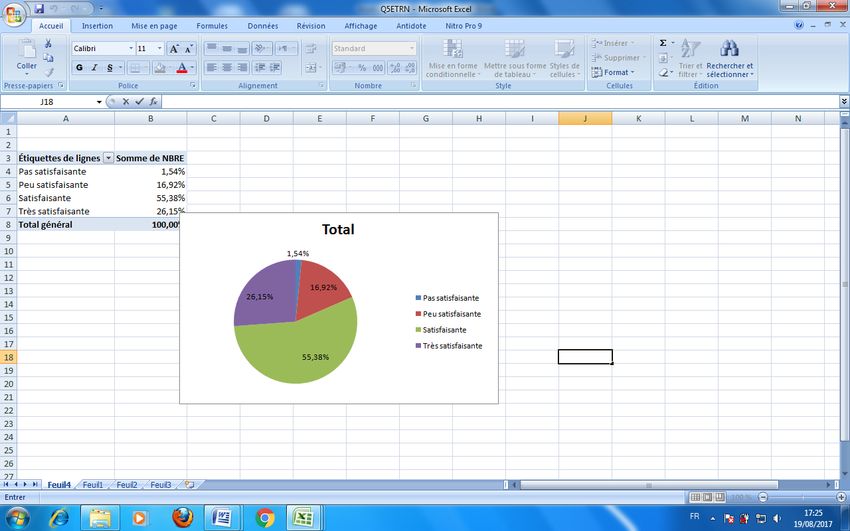
● Takin g action on future policies for the consolidation, enhancement and development of
      new programmes and initiatives fostering Euro-Mediterranean cooperation in the field of
      Higher Education.

Project partners include:

    ●    Union des universités de la Méditerranée - UNIMED, Italy (Coordinator)
    ●    Università di Catania, UNICT, Italy
    ●    Université Paris 1 Panthéon-Sorbonne, - UP1 France
    ●    Région Provence-Alpes-Côte d’Azur - PACA, France
    ●    EUSA - EUSA, Spain
    ●    International Consulting and Mobility Agency - INCOMA, Spain
    ●    Université Abdelmalek Essaâdi - UAE, Morocco
    ●    Institut Agronomique et Vétérinaire Hassan II - IAV, Morocco
    ●    Université Mohamed Lamine Debaghine de Sétif 2, Algeria
    ●    Université d’Alger 1 Benyoucef Benkhedda, Algeria
    ●    Université de Tunis Al Manar - UTM, Tunisia
    ●    Université de Carthage - UCAR, Tunisia

I.2 Contribution of the results of previous projects

Strengthening university cooperation and exchanges is a priority for the regional HEIs, especially in
the Maghreb, as shown by the UNIMED survey on mobility carried out in 2014, and by the survey
developed and carried out in the framework of this project. Since 2012, UNIMED organizes annual
international conferences on this topic.

This project is based as well on the results of previous projects, maintaining and adapting impactful
and successful initiatives, such as the promotion of intercultural dialogue as a means to develop and
establish a lasting relationship of trust, mutual understanding and intercultural awareness among
Mediterranean countries. This bond should lead subsequently to a more dynamic and close
cooperation. Among these projects, we will highlight MEDMOBIL, MARCOPOLO and INCHIPE, briefly
summarized below:

    ● MEDMOBIL Project (Supportive international approach to increase and improve the
      mobility and exchange)

The main objective of this project was the creation of a new framework for the improvement of
educational and professional mobility in the Mediterranean basin, including capacity building
activities in each associated country, where the identification and respect of cultural differences

 DIRE-MED
 Project n.: 574184-EPP-1-2016-1-IT-EPPKA2-CBHE-JP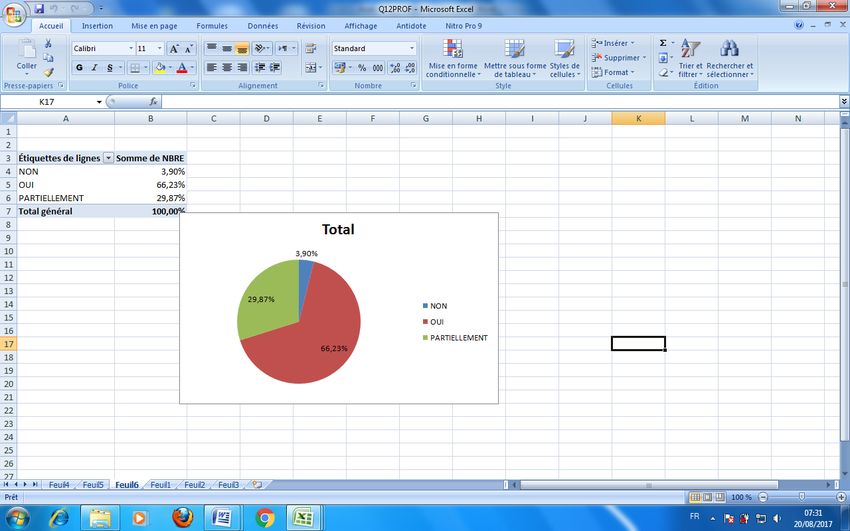
were the most important tasks. MEDMOBIL developed on the creation of a cooperation framework
between Spain, Italy, Greece, Palestine, Jordan, and Lebanon. The project facilitated the exchange
of students, professionals and young entrepreneurs in the Mediterranean, through the support of
future regulations and the improvement and consolidation of programmes already in progress.

MEDMOBIL sought to facilitate the exchange, the training and the transfer of knowledge among
their citizens, in order to strengthen social, economic and cultural cooperation in the region.

The project, which is now finalised, was very successful among partner countries. The partnerships
and agreements between universities have endured and have become a first basis for cooperation
in the Mediterranean thanks to the mobilities, the cooperation agreements and the intercultural
exchanges that were developed.

Among the project results, we may underline the following points:

    o A methodology for the development of capacity building;
    o The organisation of a Train the Trainers seminar, with the participation of 27 people;
    o 4 local training seminars, with 135 participants;
    o The implementation of all actions foreseen in the project, which benefited a total of 243
      people: 172 who participated in mobility pilot actions, and 71 who participated in local
      transcultural events;
    o A total of 34 cooperation agreements signed in the framework of the MEDMOBIL project.

    ● MARCO POLO Project

This ongoing project has the objective of building interregional and international cooperation
between universities in South-Eastern Asia by the definition and implementation of a plan to
modernise the International Relations Offices of the participating countries. Moreover, the project
contributes to the international cooperation network between universities, the reinforcement of
knowledge exchange in education, learning and research, and the definition of a mobility framework
for students, researchers and university staff.

MARCO POLO aims to improve the development of international cooperation systems in the HEIs of
partner countries through the modernization of their International Relations Office and thanks to
the business potential of teaching, learning and research in all involved countries. The project will
be carried out through pilot trials with project partners, where they will identify and adapt the best
practices and they will develop national recommendations. Internationalisation will be reinforced
with the creation of a cooperation network for the HEIs to participate in; other European and Asian
universities are also expected to join. The project will also create a mobility framework prototype.

 DIRE-MED
 Project n.: 574184-EPP-1-2016-1-IT-EPPKA2-CBHE-JP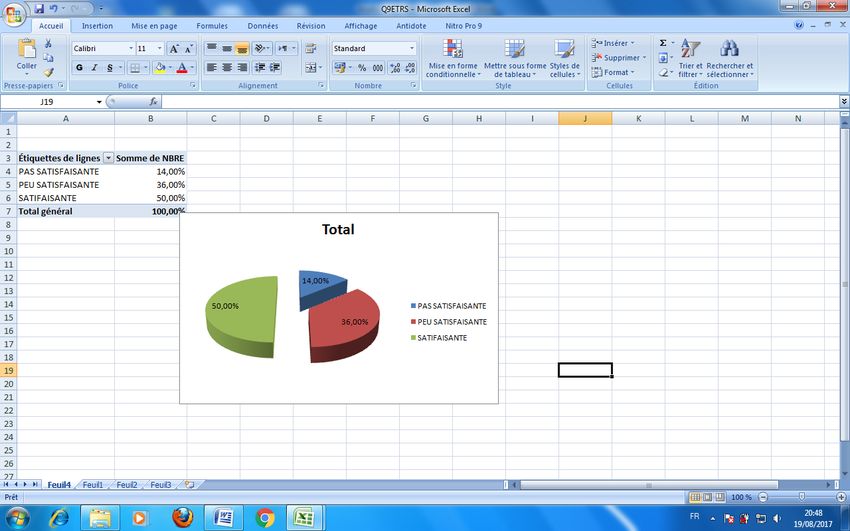
The MARCO POLO project started in October 2016, and its results could be considered a good
practice for the DIRE-MED project, given the importance of the development and improvement of
academic relations between countries which are culturally distant, as the exchange of knowledge
could be very positive and enriching for all parties involved.

    ● INCHIPE Project (Programme for the internationalisation of the universities of Chile and
      Peru)

The INCHIPE project addresses the needs of the two partner countries (Chile and Peru) for an
organized and systematic internationalisation in their universities.

INCHIPE’s main goal is to enlarge the capacities of institutions from non-European countries in terms
of international cooperation, and to contribute to the improvement of international networking and
the boost and exploitation of the potentials of teaching, learning and research.

This project started in October 2015 and over half of the project has already been completed.

INCHIPE can be considered a good practice thanks to the materials already produced, which
promote the exchange among partner countries, and the network they are trying to implement.

Other projects:

Moreover, a few DIRE-MED partners have developed strong cooperation bonds thanks to initiatives
form previous projects, and also as members of the UNIMED network. These pre-existing links
among partners guarantee working patterns and promote a transparent cooperation.

 DIRE-MED
 Project n.: 574184-EPP-1-2016-1-IT-EPPKA2-CBHE-JP
II Report Objectives and Methodology
II.1 Objectives
The goal of this deliverable is to provide partners from Mediterranean countries with positive and
successful examples in the management of international initiatives and opportunities.
The first version of this collection was presented in October 2017, and the document has been
updated up until the end of the project thanks to regular revisions. Each partner HEI has identified
a good practice related to each target group (students, academic and non-academic staff) to present
them during the training seminars that took place in March, July and November 2018.
The preparation of this manual was developed through documentary research, surveys and
interviews. The collection includes good practices selected by the partners in regards to their
adequacy with the needs and gaps previously identified. These good practices were presented
during the training seminars (WP3).
This report consists of two main parts:
● The analysis of the data obtained from the shared questionnaires.
● The identification and presentation by the partners of their selected good practices.
II.2 Methodology
A questionnaire was distributed to students, academic and non-academic staff from partner
institutions with the aim of collecting data on their previous mobility experiences. Based on their
responses gathered, a set of needs was identified in order to improve the management of
international mobility opportunities. Based on these needs, partners identified and presented good
practices which had already been implemented in their institutions and which meet the analysed
needs. Additional good practices were integrated during the project life, according to new measures
implemented by partner institutions. This good practice collection and the electronic presentations
that were shared in the training seminars are available and published on the DIRE-MED website
(https://www.diremedproject.eu/). Additionally, the final report will be available in French, English
and Arabic for further regional dissemination.
DIRE-MED
Project n.: 574184-EPP-1-2016-1-IT-EPPKA2-CBHE-JPII.3 Questionnaire
A main consideration for this project is the diversity of the partners’ status: out of 12 partner
institutions, 9 are universities.
The distribution of the questionnaires developed by the Work Package coordinator (University of
Carthage) was delivered at the end of May/early June 2017. All partners sent their contributions in
due time. Additionally, among them, 4 universities shared testimonies in video format.
Here is a breakdown of the analysed questionnaires, after revision of the received corpus:
Q-Academic staff Q-Students Q-
Administrative
staff
P1 UNIMED 0 11 2
P2 University of Catania 20 26 2
P3 Paris 1 Panthéon-Sorbonne University 2 4 2
P4 EUSA 8 11 3
P5 Abdelmalek Essaâdi University 13 45 6
P6 Hassan II Institute of Agronomy and 16 6
Veterinary Sciences
P7 Mohamed Lamine Debaghine Sétif 2 14 10 12
University
P8 Tunis El Manar University 7 20 4
P9 University of Carthage 4 4 1
P10 Alger 1 University 6 5 7
P11 INCOMA 8 8 3
P12 PACA Region 2 6 3
Total 84 166 51
As shown in this table, responses to the questionnaires point towards large differences between
universities (and also between university and non-university partners), which could be explained by
DIRE-MED
Project n.: 574184-EPP-1-2016-1-IT-EPPKA2-CBHE-JPthe different degree of involvement in respective mobility programmes, but also by the difficulty in
mobilizing students and staff who have previously participated in mobility programmes.
Data analysis from the questionnaires allowed us to discern the positive and successful points and
examples concerning the management of already existing international initiatives and
opportunities. Correspondingly, it also identified weaker points. Based on this analysis, the
partnership was able to suggest and propose good practices, identified thanks to documentary
research processes and additional interviews with the partners.
III Data analysis
The questionnaire was developed following a chronological order (before, during and after
mobility) for each target category (students, academic and non-academic staff), in order to facilitate
its understanding. Data analysis was carried out according to the following scheme:
● Section 1: the quality and flow of information about mobility programmes – this section
covers responses from questions 1 through 5 in all questionnaires (for students, for academic
staff and non-academic staff)
● Section 2: the organisation of mobilities and the material/financial conditions of mobility
stays – this section covers responses to questions 7, 9 and 10 (the only one for administrative
staff), and 15b (only for students).
● Section 3: the comparison between the objectives of the mobility and its impact upon
completion – both on the beneficiary and on the home institution – this section covers
responses to questions 6, 8, 11, 12, 13 and 14 in all questionnaires.
The open question included in each questionnaire has been analysed and covered in the different
sections, according to the content of the evaluations and suggestions of the answers.
III.1 Evaluation of the quality and flow of information about mobility programmes
Concerning the information on the involvement of universities in mobility programmes (Q1), for the
most part, the results are positive and highly consistent among academic staff, administrative staff
and students.
Q1: - Is your University involved in one or more international mobility programmes?
Category Yes No I don't know
DIRE-MED
Project n.: 574184-EPP-1-2016-1-IT-EPPKA2-CBHE-JPAcademic staff 100% 0% 0%
Students 95.18% 3.01% 1.81%
Administrative Staff 96.08% 1.96% 1.96%
In regards to the existence of a service responsible for mobility programmes in each
university (Q2), results show that students are significantly less informed than academic and non-
academic staff.
Category Yes No I don’t know
Academic staff 91.57% 3.61% 4.82%
Students 75.76% 6.67% 17.58%
Administrative Staff 94.12% 1.96% 3.92%
However, comparing the responses of students from the Northern shore of the Mediterranean and
those of the Southern shore, we can conclude that the latter are less informed about this specific
matter.
Total Total
80,00% 100,00%
60,00% 80,00%
40,00% 60,00%
20,00% 40,00%
Total Total
0,00% 20,00%
JE NE NON OUI 0,00%
SAIS JE NE NON OUI
PAS SAIS PAS
a) Southern-shore students b) Northern-shore students
The degree of satisfaction regarding the regularity of the information about these programmes
(Q3) is almost consistent among academic and non-academic staff:
DIRE-MED
Project n.: 574184-EPP-1-2016-1-IT-EPPKA2-CBHE-JPTotal Total
80,00% 80,00%
60,00% 60,00%
40,00% 40,00%
20,00% 20,00%
0,00% Total 0,00% Total
U…
U…
E
RE
E
RE
NT
NT
PE
PE
IE
IE
SE
SE
L
L
GU
GU
AB
AB
RE
RE
a) Academic staff b) Administrative staff
Students, however, are less satisfied with the regularity of the information sharing process.
Total
60,00%
40,00%
20,00% Total
0,00%
ABSENTE PEU REGULIERE
REGULIERE
A clear gap appears between the satisfaction degree of northern-shore students (NS) and those
from the southern shore (SS):
Total Total
6,06% 6,25%
ABSENTE ABSENTE
21,21%
PEU 38,54% PEU
REGULIERE REGULIERE
REGULIERE 55,21% REGULIERE
72,73%
a) NS students b) SS students
In regards to the information source about mobility programmes (Q4), the following table shows
that the administrative channels predominate as the main source for teachers and administrative
DIRE-MED
Project n.: 574184-EPP-1-2016-1-IT-EPPKA2-CBHE-JPstaff, and that the website/online channel is more effective for students. In addition, data shows
that a “word of mouth” tendency is relatively important among students and administrative staff.
Finally, information about the mobility coming from the host university remains very poorly
perceived by all three categories.
Category Administrative University From the host Word of mouth
channels website university
Academic staff 78% 44% 12% 15%
Students 35% 59% 9% 38%
Administrative 74% 51% 11% 35%
Staff
These results could be explained by the fact that young people incline towards new communication
channels. However, all three categories do not seem to be informed about mobility procedures
which depend on host universities, hence the need to seek out information through their websites.
In addition, those interested in mobility programmes could be informed by one or more sources at
the same time. Responses collected here show that the majority of respondents were only informed
by one source.
Category 1 source
Academic staff 57%
Students 67%
Administrative Staff 45%
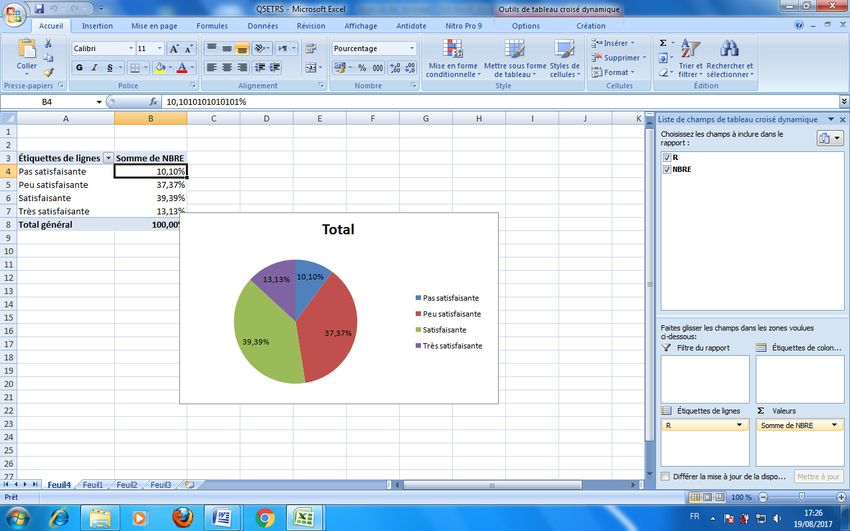
The fifth question (Q5) included an overall assessment about the quality of the information received,
which in a way relates to all the previous questions. Concerning the administrative staff, there is no
significant difference between those from the Northern shore and those from the south.
DIRE-MED
Project n.: 574184-EPP-1-2016-1-IT-EPPKA2-CBHE-JPTotal
2,04% 8,16%
Pas satisfaisante
30,61% Peu satisfaisante
59,18% Satisfaisante
Très satisfaisante
However, for academic staff there is a significant difference between the two shores:
a) NS Academic staff b) SS Academic staff
The gap between students from the northern shore and the south is more noticeable:
a) NS Students b) SS Students
The answers to the open questions were focused on demanding a better information process
concerning mobility programmes and their applying procedures. Information should flow more
effectively and by different means and channels.
DIRE-MED
Project n.: 574184-EPP-1-2016-1-IT-EPPKA2-CBHE-JPIII. 2 Evaluation of the organization of mobilities and their financial conditions
2.1 Organization of mobilities
The questionnaires may have not included enough questions about the preparatory phase
and the development of the training at the host institution. However, the open questions
compensate in some measure for this lack. The analysis of the responses reveals the following issues
and claims:
● Collaborators complain about the cumbersome administrative procedures, the short
deadlines for preparing the dossiers, and the lack of support before and during the mobility.
● Collaborators mentioned linguistic difficulties with interlocutors of the host universities.
2.2 Financial conditions
In regards to question 10 (Q10, for all three categories) the majority of respondents
confirmed that they had not received additional help/support from their university. Inadvertently,
question 9, concerning the adequacy of the grants, was only included in the questionnaires designed
for academic staff and students; and was not included in the questionnaires sent to the
administrative staff.
Moreover, by comparing the responses from academic staff, we observe that those from the
northern shore are less satisfied with the total of the mobility grants than those from the southern
regions (Q9).
Total Total
50,00% 60,00%
40,00% 50,00%
40,00%
30,00%
30,00%
20,00% 20,00% Total
Total
10,00% 10,00%
0,00% 0,00%
pas peu suffisante pas peu suffisante
suffisante suffisante suffisante suffisante
a) NS Academic staff b) SS Academic staff
DIRE-MED
Project n.: 574184-EPP-1-2016-1-IT-EPPKA2-CBHE-JPThe same conclusion is drawn in the students’ responses:
a) NS Students b) SS Students
Furthermore, certain participants in mobility programmes complained about the delay in the
payment of the grant.
Questions 15a and 15b are specific to students. The first one relates to an overall assessment
of the difficulties and obstacles encountered during the mobility experience. Globally, the
satisfaction rate (very easy/easy) is high (83.11%),
In reference to the issues encountered during mobility, difficulties linked to language and
accommodation, transport and catering conditions were highlighted. Secondly, difficulties related
to the inadequacy of the pre-requisites and the welcoming and support conditions were mentioned.
Accommodation
Lack of pre- /Transport/Cate
University Language requisites Welcome/support Cultural ring
University of Catania 7 1 2 0 2
Paris 1 University 2 0 0 0 0
EUSA 3 0 1 0 2
Abdelmalek Essaâdi University 7 6 5 0 9
Hassan II Institute of Agronomy
and Veterinary Sciences 4 1 1 1 4
Sétif 2 University 6 2 1 6 0
Tunis El Manar University 1 0 0 4 8
DIRE-MED
Project n.: 574184-EPP-1-2016-1-IT-EPPKA2-CBHE-JPUniversity of Carthage 2 0 0 0 0
Alger 1 University 0 3 3 0 3
UNIMED 4 1 0 0 4
INCOMA 0 0 0 1 3
Perpignan University (PACA
Region) 0 0 1 0 3
Total 36 14 14 1 38
Responses to question 7 (Q7) showed that the majority of the academic staff delivered their own
lessons and courses upon their return:
Percentage
Were delivered by a colleague 21%
Were replaced before/after your return 57%
No answer 22%
III. 3 Evaluation of the adequacy between objectives, training and impact of the
mobility
In regards to the goals of mobility (Q8), we observe that the objective of training is the most
important one for all three target groups. This observation is even more prominent in the case of
the administrative staff. Self-training is a significantly more important objective for students,
whereas less significant for the academic staff.
Category Training Self-training Combined
Academic staff 57.33% 2.67% 40.00%
Students 53.75% 10.63% 35.63%
Administrative staff 70.21% 6.38% 23.40%
DIRE-MED
Project n.: 574184-EPP-1-2016-1-IT-EPPKA2-CBHE-JPThe quality assessment of the mobility programmes (Q11) are considerably positive
(responses 1+2) for all three categories, despite the fact that the satisfaction rates are lower for
students and even more for administrative staff:
Category Highly Satisfactory Moderately Unsatisfactory
satisfactory satisfactory
Academic staff 40.26% 49.35% 5.19% 5.19%
Students 27.25% 56.33% 13.29% 2.53%
Administrative Staff 32.61% 50% 15.22% 2.17%
Within the student group, the gap in satisfaction rates between those from the northern
shore (96,92% for answers 1 and 2) and those from the southern shore of the Mediterranean
(75.27%) is rather significant:
a) NS Students b) SS Students
The answers to the open questions raised awareness on issues which could affect the quality of
the trainings:
- the first obstacle relates to the training language, often being English;
- the second difficulty mentioned is linked to the adequacy of the training content with the
prerequisites and the needs of the participants. This gap and difference happens both downwards
and upwards; and it concerns all three categories of beneficiaries in different institutions;
DIRE-MED
Project n.: 574184-EPP-1-2016-1-IT-EPPKA2-CBHE-JP- the third important issue involves the selection of training modules and courses, with overlapping
and validation problems;
- the last difficulty is that of duration. A great number of respondents to the open question
expressed their wish to lengthen the duration of the training, in relation to the coherence of the
training content.
As for the question about the investment of competences/skills upon return (Q12),
responses are overall considerably positive, with a downward trend starting with the academic staff
(66,23%), students (58,28%), and administrative staff (52,17%):
a) Academic staff b) Students c ) Administrative staff
In this framework, the rate of dissatisfaction is significant among students (15.23%).
The question concerning the sharing of competences/skills upon return (Q13a and Q13b) presents
a moderate assessment: positive responses (academic staff: 89.33%, students: 68.97% and
administrative staff: 88.89%) contrast with the dominant individual sharing method, which is a sign
of the lack of a knowledge and competence dissemination strategy; and the lack of real
opportunities and platforms for competence sharing in home institutions.
DIRE-MED
Project n.: 574184-EPP-1-2016-1-IT-EPPKA2-CBHE-JPa) Academic staff
b) Students
c) Administrative staff
However, the overall positive responses should not hide the sometimes negative feedback at a local
level: some of the students questioned confirm that they had not shared with their peers their
skills/competences upon return.
DIRE-MED
Project n.: 574184-EPP-1-2016-1-IT-EPPKA2-CBHE-JPFinally, regarding the impact of the training, results are consistent and very similar between
academic staff and students, with the personal impact as the most important effect, followed then
by the academic impact:
Category Career Academic Personal None
Academic staff 23.02% 32.54% 40.48% 3.97%
Students 23.75% 32.18% 38.31% 5.75%
Concerning the academic staff, the majority assures that the training had an impact, however, this
information is limited as the nature of such impact was not specified.
III. 4 Testimonies
As previously mentioned, some partners have shared testimonies in video format from mobility
programme beneficiaries. The University of Catania has put all these testimonies together in an
informative video available here:
● Mobilité en Méditerranée : une expérience formidable ! (UniCT)
https://youtu.be/Wk5zjodwZNo
● Mobilité en Méditerranée : pour obtenir de meilleurs résultats à l'avenir ! (partenariat
DIRE-MED)
https://youtu.be/cTcmj1SKa2M
DIRE-MED
Project n.: 574184-EPP-1-2016-1-IT-EPPKA2-CBHE-JPIV Summary of identified weak points and areas for improvement
The matrix table below summarizes the identified strengths and weaknesses and the proposed
recommendations:
Proposed corrective actions
Topics Strengths Weak Points Objectives
(or how to reach the set goals)
-(For International Relations Offices, IROs)
research and disseminate new mobility
opportunities by traditional and alternative
- Disseminate information channels at all levels
-Overall
information in a (universities, institutions, departments…).
satisfaction
- Southern shore regular and clear
with the
students are less manner in order to - Ensure better coordination (direct and by
regularity, flow
well-informed. reach all involved various means) between the management
QUALITY AND and quality of
categories. offices, the institutional coordinators and the
FLOW OF information
- Low effectiveness department directors in order to avoid the
INFORMATION (specially for
of certain channels - Work on making problems of the very slow and inefficient
academic staff
and means of operational the administrative circuit.
and
information. unproductive
administrative
channels/means of - Training of teachers (by the IRO) regarding
staff).
information the different international cooperation
programmes so that they may function as
relays and active participants in the
information flow.
- Cumbersome -Designate, at the home university and the
host university, points of contact to facilitate
administrative
- Facilitate the implementation of the mobility.
procedures, short
procedures and
deadlines for
find solutions in - Involve volunteer students (who speak a
dossier
order to assist the common language) for the support and care of
preparation, lack
participants with the mobility beneficiaries, when necessary.
ORGANIZATION of support before
issues before and
OF MOBILITIES and during
during their - Prepare in advance the students, by
mobilities. trainers/staff of the host country, for the
mobility
experience. potential cultural shock they may suffer
- Issues with the
abroad.
language once in
the host
- Language training provided by the language
institution. centres.
DIRE-MED
Project n.: 574184-EPP-1-2016-1-IT-EPPKA2-CBHE-JP- Northern shore
academic staff are
less satisfied with
the amount of the
- Inform students before departure, put them
grants than their - Improve financial
-Majority of in contact with students who went to the
counterparts of conditions and
respondents same university to share “tips”.
the southern support for people
are satisfied
MOBILITY: shore. on mobility
with the - The same services are offered to national
FINANCIAL programmes
financial and international students; some countries
CONDITIONS - Some students according to the
conditions of provide free higher education (room,
are not satisfied cost of living in
their stay catering, administration fees, etc.) for their
with their host
abroad. students and they provide it also for the
accommodation, countries.
international ones.
transport and
catering conditions
in the host
country.
- Adapt the training
content to the
-Lack of adequacy - Designate, both at the home and host
needs of the
between the universities, pedagogical contact points
applicants.
content of the (academic staff) in order to guarantee the
training, the - Respect the adequacy of the onsite training and the
- Overall, all prerequisites and mobility training.
agreements
three the needs of
between home and
categories are participants. - Implement verification and validation of all
QUALITY OF THE host universities
satisfied with documents before the mobility.
TRAINING AND concerning the
the training - Learning
ITS IMPACT contents.
content of agreements not - At the end of the mobility period, and upon
mobility always respected. return of the students, the academic team
- Ensure the
programmes. studies the participant dossier, should
organization and
- impact upon validate credits and awards them with the
structure of the
return remains resulting diploma.
feedback
unorganized and
/dissemination
not relevant.
circuits upon return
of beneficiaries.
In addition, in order to succeed in this cooperation and mobility project, other general
conditions are necessary, namely:
- thoughtful practices allowing us to submit our own attitudes and actions to both an external
and a retrospective look, in order to adjust one’s choices, means, procedures and action methods;
- the boldness to take initiatives, searching for innovative solutions, investing on one’s own
means in order to avoid cumbersome administrative tracks;
- openness to different competences and to dynamic and motivated people who could
provide added value to the project;
DIRE-MED
Project n.: 574184-EPP-1-2016-1-IT-EPPKA2-CBHE-JP- immediate, plural and thoughtful actions in a cooperative framework to sort out all
potential shortcomings without getting lost in complicated and remote deadlines.
V Good Practices Index Cards
The good practices included in this section were identified and shared by the partners throughout
the project life.
They reflect:
● previously implemented practices within the universities;
● practices that were implemented during the project life as a response to identified
needs/gaps.
They have different sources:
● practices specific to the university;
● national practices, particularly from ministries;
● practices observed in other educational institutions;
● practices developed in the framework of previous cooperation projects.
Following the same structure as the questionnaire, good practices have been collected and
organized considering the three phases of the mobility:
● prior to the mobility experience;
● during the mobility experience;
● after the mobility experience.
Depending on their characteristics, some good practices can be found in different phases of
mobility.
It was decided that, when the same practices are implemented by several partners, those will not
be systematically repeated in this document.
Description of the good practice cards:
The good practice card was created as a functional tool and includes:
DIRE-MED
Project n.: 574184-EPP-1-2016-1-IT-EPPKA2-CBHE-JP▪ Target group (academic staff, students, administrative staff)
▪ Description of the good practice (difficulties, solutions, collaborators, key stakeholders)
▪ Indicators
▪ Examples given by one of the partners
V.1 Before the mobility
STRENGTHENING THE STRUCTURE OF ORIENTATION AND MOBILITY MANAGEMENT
Target group:
☑ Students
☑ Academic Staff
☑ Administrative Staff
Description of the good practice
With the aim of overcoming difficulties and intervening immediately when needed in the management of
mobilities, it is considered useful to appoint, in both the home and the host university, administrative and
academic staff working in coordination and in direct contact with incoming/outgoing mobility candidates.
Thus, coordinators from the sending university should be in regular contact with their counterparts in the
host partner university in order to successfully organize administrative mobility tasks and student
monitoring.
This objective can be achieved, for example, by the implementation of a management system for incoming
students (incoming coordinator) and outgoing students (outgoing coordinator). Also, by a regular
monitoring by email of students on mobility, to make sure their stay/experience is running smoothly and
to remind them of the different administrative procedures.
Difficulty: The issue of human resources is vital for the implementation of such an organization.
Solution: Normalizing procedures within universities/departments has proven to be useful and effective
even in very small team scenarios.
Collaborators/stakeholders:
● IRO staff from home universities
● IRO staff from affiliated institutions/departments/schools.
Indicators for the assessment of the good practice
● Rate of satisfaction from candidates regarding the quality of the information shared by the IRO
● Rate of satisfaction from candidates regarding the well-timed publication of information about
mobility programmes by the IRO
DIRE-MED
Project n.: 574184-EPP-1-2016-1-IT-EPPKA2-CBHE-JP● Rate of satisfaction from candidates regarding the support and monitoring received.
Measurement tool: evaluation questionnaires
A. Reinforcement of the structure of orientation and mobility management
Creation of a network of contact points: "International Relations”
Partner University of Carthage - UCAR
At the request of the university, the deans/directors of the schools and HEIs
Short description of affiliated to the UCAR have created together a small unit made up of administrative
the good practice staff (normally, the General Secretary of the institution) and academic staff
(director of the institution, director of studies, internship director…) to be the
“International relations” contact points for the University of Carthage.
This unit is required to carry out the following tasks:
Phase 1: Application process:
▪ Strong dissemination of mobility opportunities coming from the
university: sending emails to all department directors, laboratory
directors, doctorate schools; display of mobility offers in common
areas, and in the website and social media of the institution.
▪ Support for teachers wishing to participate in mobility
programmes and assistance with all their different
questions/doubts.
▪ Monitoring of teachers during the submission process in order to
verify the eligibility and suitability of their dossier.
Phase 2: Accepted applications & preparation of the mobility:
▪ Provide candidates with the contact information of the host staff
charged with logistics and incoming mobility.
▪ Guarantee the coordination between the host party and the
candidates to ensure a timely flow of information.
▪ Support academic staff in the preparation of their courses, with
the resources available.
Phase 3: During the mobility:
▪ Make sure that the candidates have arrived at the host institution
and that their working conditions are adequate.
Phase 4: After the mobility:
▪ Make sure all candidates who benefited from the mobility have
transferred a mission report to their superiors.
▪ Identification and analysis of the recommendations of
beneficiaries to improve the service of the “International
DIRE-MED
Project n.: 574184-EPP-1-2016-1-IT-EPPKA2-CBHE-JPRelations” contact points.
To ensure better support, teachers who are members of these contact units
are invited by the university to participate in the meetings of the student
selection commission for the Erasmus+ programme, when their institutions
are affected by this particular exchange.
Contact Hajer FERCHICHI - Head of the International Cooperation Office
ferchichi.hajer85@gmail.com
Network of international relations delegates in the university subdivisions
Partner University Paris 1 Panthéon-Sorbonne - UP1
Short description of Paris 1 Panthéon-Sorbonne has implemented a network of international relations
the good practice. delegates which acts as a relay for the International Office management in the
different university departments (training and research units and institutes) and
which ensures support and pedagogical monitoring for students, before, during
and after their mobility (outgoing or incoming).
Delegates are academic staff designated in their own departments. They support
students with their projects and guarantee the pedagogical and academic
suitability of their cooperation agreements.
International Relations delegates manage the educational aspects of the mobility,
advising the outgoing candidates with their projects, verifying and validating
outgoing/incoming learning agreements and, overall, guaranteeing the recognition
of the mobility.
The UP1 delegates are in contact with students not only by email and telephone
but also during weekly on-call services. These teachers obtain a discharge of
their normal teaching obligations and duties for their work as international
relations delegates.
The delegates’ role is particularly important as they guarantee a double impact:
- by reinforcing the link between academic and administrative aspects and
tasks;
- by their presence within all university subdivisions and sites (Paris 1
Panthéon-Sorbonne is not centralized in one campus but is divided in more
than 20 sites).
Contact Head of the mobility department- international-mobility@univ-paris1.fr
DIRE-MED
Project n.: 574184-EPP-1-2016-1-IT-EPPKA2-CBHE-JPOrientation
Partner EUSA
Short description of The management of student mobility is carried out by an incoming coordinator, in
good practices charge of incoming students; and an outgoing coordinator, for all outgoing
students. Each coordinator is in regular contact with their counterparts in partner
institutions to organise the administrative and monitoring management of
students.
The incoming coordinator receives from their counterpart a list with their
nominated students for the mobility programme at EUSA. The coordinator then
manages all communications with these students, assisting them with the
application procedures and providing them with all the necessary information,
previous to their arrival (about the city, the university, accommodation options,
cost of life, etc.) which will ensure a successful experience abroad.
Coordinators organise an Orientation Day for incoming students before the classes
start. Additionally, for ensuring a close monitoring for the rest of the semester, the
coordinator maintains a very strict and regular communication with both the
teachers of the chosen courses and the home coordinators. For this, collaboration
with the faculty is key, hence an orientation is also organized with the academic
staff.
All these implemented actions have the aim of reducing the administrative
procedures as much as possible and providing a strong student care added value,
shared with the partner institutions.
The outgoing coordinator procedures and functions are very similar. Regular
contact with host coordinators and with our students, before and during the
mobility, in order to guarantee that the experience is progressing smoothly and
that all administrative tasks are completed, but also for demanding their help with
the dissemination of international programmes in our social media (pictures,
testimonies, etc.).
Collaborators/stakeholders
● Incoming/Outgoing coordinators
● IRO staff
● Academic staff
Example of an initiative linked to this good practice:
DIRE-MED
Project n.: 574184-EPP-1-2016-1-IT-EPPKA2-CBHE-JPOrganisation of an orientation meeting with academic staff previous to the
arrival of international students to cover the following topics:
● treatment of international students;
● specificities and requirements from partner institutions;
● academic calendar (specific calendars are applied to certain international
students);
● communication with the IRO, etc.
EUSA International Office - internationaloffice@eusa.es
Contact
Management and strategies for the International and Erasmus department
Partner University of Catania -UNICT
Short description of The UNICT has a strict organisational structure for the organisation of a functional
the good practice system, academic and administrative-wise: one Erasmus coordinator, 3
international delegates for the scientific, humanities and medicine fields of
studies, along with the mobility managers of each department.
Everyone works in synergy and collaborates with the Office of International
Mobility (OMI), for reaching the goals set in the strategic plan for
internationalization. Each department also includes administrative units which
provide a unique role in the monitoring, dissemination and preparation of
administrative procedures. Coordinators propose political and strategic
orientations (cooperation, agreements, selection criteria, grant support on
mobility, etc.)
Among the most effective actions the following are highlighted:
● Preparation of questionnaires with questions regarding mobility.
● Analysis of results and proposals for actions to implement in the future.
● Scientific and administrative meetings with the participation of the Office
of International Mobility.
● Preparation of manuals.
● Creation of an admission and equivalence chart for the evaluation of
mobilities, and a human resources commission for the evaluation of the
dossiers.
● Preparation, by the institutional Erasmus coordinator, of a document
containing the objectives and proposals to approve each year by the
different university bodies.
DIRE-MED
Project n.: 574184-EPP-1-2016-1-IT-EPPKA2-CBHE-JPCollaborators/stakeholders:
● Incoming/outgoing mobility coordinators
● IRO staff
● Academic staff
Contact Office of International Mobility - umi@unict.it
Coordinator: Mrs Tutino - cinzia.tutino@unict.it
Mobility Project Committee (International Relations Office/Teacher-Researcher)
Tunis El Manar University (UTM)
Partner
To overcome the problem of the lack of staff to manage mobility projects for
Short description
faculty and students, the IRO systematically calls for teacher-researchers for
of the good
practice support in the different phases of mobilities implementation.
In each faculty or school of the 15 UTM institutions, several teachers are often
called upon to be part of a committee which manages the mobility from the
moment the convention is implemented up until the end of the mobility
experience (commission, call for applications, evaluation grill, interviews,
academic follow-up, etc.)
Selection criteria for the participation of teachers-researchers in the committee:
● experience
● motivation
● availability
● a trusting relation
Sub-directorate of Scientific Research, International Cooperation and University
Contact
Evaluation
International Cooperation Service
Mr. Khalifa Harbaoui: khalifa.harbaoui@utm.tn
Definition of an innovative mobility thanks to reinforced dialogue
Partner DIRE-MED Partnership
Short description of The DIRE-MED project has supported the implementation of short-term
the good practice south/south pilot mobilities. Thanks to a reinforced dialogue between the
DIRE-MED
Project n.: 574184-EPP-1-2016-1-IT-EPPKA2-CBHE-JPInternational Relations Offices and the academic staff involved in the project, the
partners have defined two types of innovative mobilities:
- the implementation of a “crossed” mobility: one academic mobility with
two student’s mobility, e.g. a crossed mobility between the Alger 1 and the
IAV teams, and between the Alger 1 and UCAR teams.
- the implementation of “crossed” students mobilities, carried out in a
enterprise (having subsidiaries in both on the countries concerned) with
the scientific supervision of the host university e.g. an engineer student
from the UAE made an internship in a company in Tunisia with the double
scientific supervision from both their home university and their host
university, the University of Carthage (UCAR)
Contact DIRE-MED partnership: info@diremedproject.eu
DIRE-MED
Project n.: 574184-EPP-1-2016-1-IT-EPPKA2-CBHE-JPB. Strengthening mobility in the Mediterranean basin
STRENGTHENING MOBILITY IN THE MEDITERRANEAN BASIN
Target group:
☑ Students
☑ Academic staff
☑ Administrative staff
Description of the good practice:
● Creation of an improvement framework for training and professional mobilities in the
Mediterranean basin, with the creation of a cooperation framework between partner countries.
● Implementation of activities fostering the respect for different cultures
● Facilitation
● Support in the exchange, training and transfer of knowledge among the citizens of partner
countries
Collaborators/stakeholders:
● Institutions working on mobility actions for the youth
● Students
● Academic staff
● Administrative staff
Indicators for the assessment of the good practice:
● Number of mobilities performed divided in the different existing categories: incoming,
outgoing, of students, academic staff, and administrative staff.
● Number of mobility agreements developed between enterprises, training centres, etc.
MEDMOBIL Project
Partner International Consulting and Mobility Agency (INCOMA)
Short description of The goal of the INCHIPE project was to create a new framework for the
the good practice improvement of mobilities, at a training and professional level, in the
Mediterranean basin. The main tasks within the project were the activities for
capacity building organized in each partner country, along with the activities
promoting the identification and respect of different cultures.
DIRE-MED
Project n.: 574184-EPP-1-2016-1-IT-EPPKA2-CBHE-JPThanks to MEDMOBIL, a cooperation framework has been created between Spain,
Italy, Greece, Palestine, Jordan and Lebanon. This plan has facilitated the exchange
of students, professionals and young entrepreneurs in the Mediterranean region
by supporting future regulations and by improving and consolidating already
existing initiatives.
http://www.medmobil.eu/
Contact Project Officer - International R&D Projects
Beatriz González del Valle – bgonzalez@incoma.net
INCHIPE Project
Partner International Consulting and Mobility Agency (INCOMA)
Short description of The main objective of the project is to increase the capacities of non-European
the good practice countries in regards to international cooperation, and to contribute with an
improvement on their international network, and the rise and exploitation of the
potential of training and researching activities.
www.inchipe.us.es
Contact Project Officer - International R&D Projects
Beatriz González del Valle – bgonzalez@incoma.net
MARCO POLO Project
Partner International Consulting and Mobility Agency (INCOMA)
Short description of The aim of the MARCO POLO project is the reinforcement of interregional and
the good practice international cooperation of southeast Asian universities through the design and
implementation of a modernisation plan for the IROs of partner institutions.
Additionally, through the promotion of an international cooperation network
between universities, the strengthening of knowledge exchange about training
and research, and the creation of an international mobility framework for
students, researchers and university staff.
www.marcopoloproject.eu
Contact Project Officer - International R&D Projects
Beatriz González del Valle – bgonzalez@incoma.net
DIRE-MED
Project n.: 574184-EPP-1-2016-1-IT-EPPKA2-CBHE-JPC. Definition of mobility opportunities
MOBILITY DEFINITION BETWEEN THE SENDING AND HOST UNIVERSITIES
Target group:
☑ Student
☑ Academic staff
☑ Administrative staff
Description of the good practice
Obstacle: As laid out in the surveys carried out at the beginning of the project, there are certain elements
that can damage the quality of the mobility experience, such as: the language gap; the unsuitability
between the academic content and the requested prerequisites for participants; the difficulty in
choosing courses, the overlapping and credit validation issues; mobility duration, etc.
Objective: To make sure that the mobility definition and content matches the academic and
administrative needs of the participants and their institutions.
Key actions: To define and establish in advance all conditions and prerequisites expected for the mobility,
both for the sending and the host institution.
Collaborators/key-actors:
● IRO from the home and host institutions
● School/Faculty Deans
● Students, academic staff and administrative staff.
Indicators for the assessment of the good practice
● Number of funding requests submitted
● Number of funding requests accepted
● Number of mobilities carried-out
● Analysis of the experience evaluation surveys
ICM – KA1 Mobilities
Partner IAV (Institut agronomique et vétérinaire de Rabat)
Short description of In the framework of funding research for mobilities, it is crucial to identify the
the good practice expectations and needs of the two involved partner institutions respectively.
First, it is necessary to ensure the adequacy and compatibility of the educational
DIRE-MED
Project n.: 574184-EPP-1-2016-1-IT-EPPKA2-CBHE-JPYou can also read


