Community Health Needs Assessment - Gr andview Medical Center 2013 - Kettering Health
←
→
Page content transcription
If your browser does not render page correctly, please read the page content below

2013
Gr andview Medical Center

   Community
   Health Needs
   Assessment
Grandview & Southview Medical Centers Community Health Needs Assessment 2013

Table of Contents
   Figures ....................................................................................................................................................... 2
Introduction .................................................................................................................................................. 3
   How to Read This Report .......................................................................................................................... 3
   Definition of the Community Served ........................................................................................................ 4
   Consulting Persons and Organizations ..................................................................................................... 4
Demographics of the Community ................................................................................................................. 5
   Characteristics of the Population.............................................................................................................. 5
Health Care Facilities and Resources within the Community ....................................................................... 7
   Hospital ..................................................................................................................................................... 8
   Clinics ........................................................................................................................................................ 9
   Mental Health Care Capacity .................................................................................................................... 9
   Access to Care ......................................................................................................................................... 11
Health Needs of the Community ................................................................................................................ 13
       County Health Rankings ...................................................................................................................... 13
   Maternal and Infant Health .................................................................................................................... 14
   Behavioral Risk Factors ........................................................................................................................... 17
   Mental Health and Wellness ................................................................................................................... 19
   Clinical & Preventative Services .............................................................................................................. 20
   Disease .................................................................................................................................................... 22
   Leading Causes of Death ......................................................................................................................... 25
Process for Identifying and Prioritizing Community Health Needs ............................................................ 26
Methodology and Information Gaps .......................................................................................................... 27

                                                                                                                                                   1|Page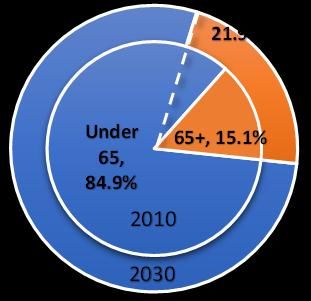
Grandview & Southview Medical Centers Community Health Needs Assessment 2013

Figures
Figure 1: Population Trends, 2010-2040....................................................................................................... 5
Figure 2: Age, 2011 ....................................................................................................................................... 5
Figure 3: Race, 2011 ...................................................................................................................................... 5
Figure 4: Household Type ............................................................................................................................. 5
Figure 5: Senior Population Projections........................................................................................................ 5
Figure 6: Occupied Housing Units ................................................................................................................. 5
Figure 7: Educational Attainment for the Population 25 Years of Age & Older, 2011 ................................. 6
Figure 8: Median & Per Capita Income, 2011 ............................................................................................... 6
Figure 9: Percentage of the Population below the Poverty, 2011................................................................ 6
Figure 10: Medical Insurance Coverage for the Population 18 Years of Age and Older, 2009-2011 ......... 11
Figure 11: Comparison of Insurance Coverage for Adults (18 Years of Age or Older) by Age Cohort, 2009-
2011 ............................................................................................................................................................ 12
Figure 12: Teen Birth Rate .......................................................................................................................... 14
Figure 13: Births to Unwed Mothers .......................................................................................................... 14
Figure 14: Percent of Mothers Not Receiving First Trimester Prenatal Care ............................................. 15
Figure 15: Births to Mothers Who Smoke .................................................................................................. 15
Figure 16: Percentage of Low Birth Weight Babies .................................................................................... 16
Figure 17: Infant Mortality Rate ................................................................................................................. 16
Figure 18: Chlamydia Cases, 2000-2012 ..................................................................................................... 18
Figure 19: Gonorrhea Cases, 2000-2012..................................................................................................... 18
Figure 20: Mental Disorders - Primary/Secondary Emergency Discharge Diagnoses for the Adult
Population, 2004-2012................................................................................................................................ 19
Figure 21: Mental Disorders - Primary & Secondary Inpatient Discharge Diagnoses for the Adult
Population, 2004-2012................................................................................................................................ 20
Figure 22: Cancer Rates, 2000-2011 ........................................................................................................... 23
Figure 23: Emergency Department Discharge Diagnoses for the Adult Population, 2004-2012 ............... 23
Figure 24: Inpatient Discharge Diagnoses for the Adult population, 2004-2011 ....................................... 24
Figure 25: Top Six Leading Causes of Death, 2000-2012 ............................................................................ 25

                                                                                                                                                  2|Page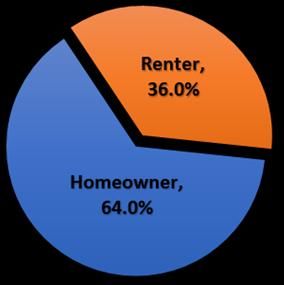
Grandview & Southview Medical Centers Community Health Needs Assessment 2013

Introduction
Grandview & Southview Medical Centers are             community health needs. It concludes with a
partnering with member hospitals of the Greater       presentation of priority health concerns. The
Dayton Area Hospital Association and Wright           report also addresses the methodologies used
State University to prepare our Community             and the data limitations.
Health Needs Assessment. Each partner has
                                                      A community health needs assessment engages
invested resources and significant time in
                                                      community members and partners to collect and
gathering information to form this Community
                                                      analyze health-related data from many sources.
Health Needs Assessment.
                                                      The findings of the assessment inform
After describing the service area, this report        community decision-making, the prioritization of
provides a demographic and socioeconomic              health problems, and implementation strategies.
status analysis as a backdrop for the analysis of

How to Read This Report
Data in this report are organized into topical        Surveillance System (BRFSS) as presented in the
areas, which can be located by referring to the       Community Health Assessment prepared by
table of contents. The report begins with a           Public Health-Dayton & Montgomery County.
description of the Grandview & Southview              Aggregate hospital ICD-9 emergency department
Medical Centers service area, providing a basic       and hospital inpatient discharge diagnoses data
overview of the Hospital’s geographic location as     were obtained from the Ohio Hospital
well as its socio-economic makeup.             The    Association via the Greater Dayton Area Hospital
assessment defines the term “health” broadly to       Association. Cancer data and vital statistics were
include health care access, maternal and infant       obtained from the Ohio Department of Health.
health, behavioral health, clinical care, diseases,   Other data were obtained from national sources
mental and behavioral health, and substance           such as the Health Resources and Services
abuse.                                                Administration (HRSA), the Bureau of the
                                                      Census, and the Robert Wood Johnson
This report compiles secondary data from
                                                      Foundation; and other state sources such as the
multiple sources to paint a detailed picture of
                                                      Ohio Development Services Agency. The
the Grandview & Southview Medical Centers
                                                      framework for the report was based on key
Service Area. Secondary data is reprocessing and
                                                      areas of need. The report, in some cases,
reusing information that has already been
                                                      compares the service area’s status to state
collected such as institutional records from
                                                      and/or national data where possible, drawing
sources such as hospitals and the Ohio
                                                      out critical areas of concern. Narrative and
Department of Health. The report presents
                                                      graphics are used to highlight key findings. The
previously gathered survey data from the
                                                      report culminates in the presentation of priority
Montgomery County Behavioral Risk Factor
                                                      needs for the medical centers’ service area.

                                                                                            3|Page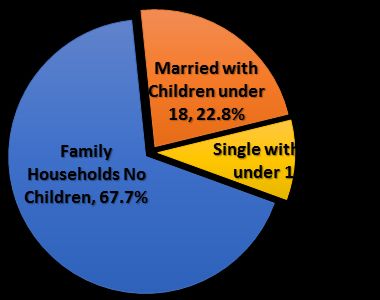
Grandview & Southview Medical Centers Community Health Needs Assessment 2013

Definition of the Community Served
The primary service area for Grandview &              strong health care system in the community,
Southview Medical Centers is defined as               Wright-Patterson Air Force Base (the largest
Montgomery County located in West Ohio. The           single site employer in Ohio), and four public
population of the service area is about 535,000       institutions of higher education, these industries
people. There are 304,100 jobs in the area and        employ one-third of this region’s workforce. The
20,400 unemployed persons. Job growth in the          health care industry in the County is forecasted to
area is forecasted to be 2.9% from the base year      grow 21% from 2013 to 2023, making it the
of 2013 to the year 2023, according to Economic       largest contributor of jobs among all industries.
Modeling Specialists, Intl. This percentage
compares to a 9.2% job growth rate for the State
and a 13.1% job growth rate for the U.S.

Even by the year 2023, forecasts indicate that
Montgomery County will not recover its 2006 jobs
number. Economic restructuring of the County
occurred when General Motors shut down
operations in the late 2000’s displacing thousands
of workers. The Dayton area was second only to
Detroit in the number of GM workers, and these
job losses affected the economy in many ways
including a substantial decline in the proportion
of the population covered by employer-based
insurance plans. Today, the industries with the
highest number of workers are colloquially
referred to as Eds, Meds, and Feds. With the

Consulting Persons and Organizations
Partners in the data review process and in the process for identifying and prioritizing community health
needs and services are the Board of Trustees and executive leadership of Grandview & Southview Medical
Centers, community health collaboratives featuring community, health, and business
stakeholders/advocates organized by both Grandview & Southview Medical Centers, and the Greater
Dayton Area Hospital Association with its member hospitals.

                                                                                           4|Page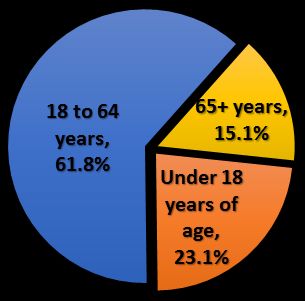
Grandview & Southview Medical Centers Community Health Needs Assessment 2013

Demographics of the Community
Characteristics of the Population

Figure 1: Population Trends, 2010-2040                         Figure 2: Age, 2011

Figure 3: Race, 2011                      The service area has a population of 535,153 people,
                                          which is expected to decline by 8.6% to the year 2040.
                                          However, the proportion of the population that is 65
                                          years of age and older is forecasted to increase to 22% of
                                          the population by 2030. The racial composition of the
                                          community is 74% White or Caucasian, about 21% African
                                          American and 5% all other Minorities. According to the
                                          Census, nearly 12,000 people with Hispanic or Latino
                                          ethnicity live in this region.
                                              Source: U.S. Census Bureau, 2007-2011 American Community Survey

Figure 4: Household Type                                                                Figure 6: Occupied Housing
                                     Figure 5: Senior Population Projections                       Units

                                                                                                            5|Page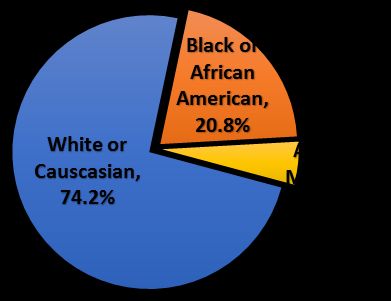
Grandview & Southview Medical Centers Community Health Needs Assessment 2013

Figure 7: Educational Attainment for the Population 25 Years of Age & Older, 2011

Figure 8: Median & Per Capita Income, 2011
                                                                    This page presents socioeconomic
                                                                    status (SES) variables of education,
                                                                    income, and poverty. Montgomery
                                                                    County’s educational attainment is
                                                                    slightly higher than the State
                                                                    average, but almost 3% lower than
                                                                    the U.S. average. CEO for Cities
                                                                    calculates that every 1% increase in
                                                                    college education attainment
                                                                    equates to a “talent dividend” of
                                                                    $600 million in the Dayton metro
Figure 9: Percentage of the Population below the Poverty, 2011      area. SES variables are correlated
                                                                    with better health status. For
                                                                    example, the proportion of
                                                                    Montgomery County adults at the
                                                                    lowest income level who report
                                                                    that their health is fair or poor is
                                                                    47% (BRFSS). That percentage is 6
                                                                    times higher than those in the
                                                                    highest income level (7%). Poverty
                                                                    is more prevalent in Montgomery
                                                                    County than for the State overall.
                                                                        Source: U.S. Census Bureau, 2007-2011
                                                                        American Community Survey

                                                                                                        6|Page
Grandview & Southview Medical Centers Community Health Needs Assessment 2013
Health Care Facilities and Resources within the Community
This service area’s health care infrastructure is comprised of 15 hospitals of which 10 are short-term general hospitals,
39 state licensed nursing homes, 31 state licensed residential care facilities, four hospice centers, four HMOs, 14 state
licensed ambulatory surgery facilities, and 12 state licensed dialysis centers, per the Ohio Department of Health. The
public health agency—Public Health-Dayton & Montgomery County—offers many services such as environmental health
services, community health services (addressing such health concerns as diabetes, STDs, and tuberculosis control), child
and maternal health services (such as the WIC program), among other services. The chart below presents information
about the health care and hospital capacity per the Health Resources and Services Administration and the Ohio
Department of Health.
Primary Care Physicians 490 Psychiatrists 44
PCP Physician/100K Pop 91.1 Psychiatrists/100K Pop 8.2
General Family Practice 223
General Family/100K Pop 41.5 Dentists 263
Internal Medicine 194 Dentist/100K Pop 49.1
Internal Medicine/100K Pop 36.1
Pediatricians 73 Hospitals
Pediatricians/100K Pop 53.6 Total Hospitals 15
Total Hospital Beds 2,794
Obstetricians/Gynecologists 83 Short-Term General Hospitals 10
OB/GYN /100K Pop 29.7 (including Riverview Health Institute
& Medical Center at Elizabeth Place)
General Surgeons 65 STG Beds 2,481
*Source: Ohio Department of Health, Health Care Provider Report
General Surgeons/100K Pop 12.1 & Information Extract, last accessed 1/12/2013
Source: Health Resources and Services Administration, Health Resources Health Centers
Comparison Tool, http://arf.hrsa.gov/arfdashboard/HRCT.aspx, last accessed
11/12/2013 (except where noted) Community Health Centers 6
Federally Qualified Health Centers 5
Montgomery County has Health Professional Shortages in primary
medical care and mental health care, at the Samaritan Homeless
Clinic, at the Community Health Centers of Greater Dayton (CHCGD),
and in Five Rivers Health Centers.
Dental Health Professional Shortage Areas are in several low income
areas in West Dayton and Central Dayton, as well as in the Homeless
Clinic, CHCGD, and at Five Rivers.
Source: Health Resources and Services Administration Data Warehouse
7|PageGrandview & Southview Medical Centers Community Health Needs Assessment 2013
Hospitals
This service area is served by 15 hospitals, of which 10 are short-term acute care hospitals, two are long-
term care hospitals, two are psychiatric hospitals, and one is a youth-focused psychiatric hospital—
Kettering Youth Services. Two major health systems serve this one County. Grandview & Southview
Medical Centers is a member of the Kettering Health Network and the vast majority of the patients it
serves are Montgomery County residents. The chart below presents the total number of registered beds
by care category for all short-term acute care hospitals in Montgomery County and for Grandview &
Southview Medical Centers. Grandview & Southview Medical Centers accounts for 13% of all registered
beds in the County.
Short-term Care
Registered Beds Grandview &
Southview Medical
Centers
Special Care (ICU/CCU) 186 27
Medical/Surgical-General 1,524 295
Burn Unit 10
Psychiatric 131 35
Physical rehabilitation 69 0
Obstetrics Level I 0
Obstetrics Level II 54 28
Obstetrics Level III 101
Subtotal 2,075 385
Newborn Care
Newborn Care Level I 144 26
Newborn Care Level II 21 6
Newborn Care Level III 127
Pediatrics-General 98
Pediatrics-ICU 16
Subtotal 406 32
Total 2,481 417
Source: Ohio Department of Health, Health Care Provider Report & Information Extract,
http://publicapps.odh.ohio.gov/eid/reports/EID_Report_Criteria.aspx, last accessed 11/12/2013.
Featured Services
Grandview is one of the nation's largest osteopathic teaching hospitals. Services include weight loss
surgery, joint replacement, emergency care, and an award-winning sports medicine program.
The hospital is accredited by the Healthcare Facilities Accreditation Program (HFAP) and by the
Commission on Accreditation of Rehabilitation Facilities. In 2012, Grandview received:
Distinguished Hospital for Clinical Excellence Award
Emergency Medicine Excellence Award
Cardiac Care Excellence Award and top 100 in the United States for Cardiac Care
Coronary Intervention Excellence Award and top 100 in the United States for Coronary
Intervention
Critical Care Excellence Award and top 100 in the United States for Critical Care
Pulmonary Care Excellence Award and top 100 in the United States for Pulmonary Care
U.S. News & World Report #2 best hospital in the Dayton region and #16 in the State of Ohio
8|PageGrandview & Southview Medical Centers Community Health Needs Assessment 2013
Grandview is the parent hospital to Southview Medical Center in Centerville, Ohio. Southview Medical
Center features a maternity center, catheter laboratory, endoscopy/colonoscopy center and the Hand
Center of Southwest Ohio. On the Southview campus is the Yankee Medical Center. At this facility,
Southview provides outpatient services including orthopedic and cardiology services, MRI, and physical
therapy. The center is accredited by the American Osteopathic Association's Healthcare Facilities
Accreditation Program. The maternity center at Southview is one of four Ohio hospitals to have earned a
"Baby Friendly" designation from the World Health Organization (WHO) and UNICEF. The designation
has ten requirements that focus on a hospital's level of care for breastfeeding.
Clinics
In Montgomery County, Community Health Centers of Greater Dayton (CHCGD) is a nonprofit
organization founded in 2007 through collaboration between local hospital systems and Public Health-
Dayton & Montgomery County. CHCGD was formed to improve access to affordable primary health care
in the region. CHCGD operates out of six locations: Alex Central, Charles Drew, Corwin Nixon, East
Dayton, Southview, and Victor Cassano Health Centers. All of these are in Montgomery County.
Background
In December of 2006, Public Health-Dayton & Montgomery County began collaborative efforts with
Kettering Health Network and Premier Health Partners to establish a Federally Qualified Health Center
(FQHC) in Dayton, Ohio. At that time, Dayton was Ohio’s only metropolitan area whose general
population lacked such a facility.
The group pooled their resources and reviewed the services offered by Public Health, Kettering Health
Network, and Premier Health Partners for serving the health needs of low income populations. Fourteen
current health centers were analyzed, and three—Charles Drew, Corwin Nixon, and East Dayton—were
selected to be transferred into a new non-profit corporation called Community Health Centers of
Greater Dayton (CHCGD). The new corporation submitted an application for FQHC status in December
2007; on July 7, 2008, CHCGD took over operation of the three sites.
Community Health Centers of Greater Dayton (CHCGD) was awarded Federally Qualified Health Center
status in March, 2009. This FQHC recognition stems, in part, from President Obama’s stimulus package
which provided funding for 126 health center New Access Points (NAPs). Moreover, the additional
Federal funding, plus the ongoing financial support from community partners, allows CHCGD to better
fulfill its mission.
On June, 6, 2011, CHCGD expanded its operations to include the primary care portion of Victor Cassano
Health Center. Cassano was previously operated by Grandview Medical Center and has been dedicated
to the idea that everyone deserves quality medical care, regardless of their ability to pay. This focus on
underserved patients made the Victor Cassano Health Center a good fit for Community Health Centers
of Greater Dayton.
Mental Health Care Capacity
In addition to 131 psychiatric registered hospital beds at short-term acute care hospitals, 142 adult
registered beds at psychiatric hospitals, and 60 youth psychiatric beds, those in need of mental health
services receive services via the Alcohol, Drug Addiction and Mental Health Services (ADAMHS) Board
for Montgomery County. And crisis care needs are also served by CrisisCare by Samaritan Behavioral
Health.
9|PageGrandview & Southview Medical Centers Community Health Needs Assessment 2013
In Montgomery County, ADAMHS administrates the planning, development, funding, and evaluation of
behavioral health services delivered by a network of nearly thirty (30) community-based organizations.
In fiscal year 2010, this network provided service to more than 20,647 individuals at a system-wide cost
of $64,008,719 million.
Crisis care is provided by Samaritan Behavioral Health. CrisisCare is a county-wide crisis and assessment
service for people with mental health or drug and alcohol needs. Available 24 hours a day, seven days a
week, CrisisCare services any adult or youth in Montgomery County who needs crisis services or
evaluation for hospitalization. Access for Severe Mental Health and Alcohol/Drug Diagnostic
Assessments is available Monday through Friday.
Emergency intervention and assessment services include:
Hotline – 24-hour suicide prevention and crisis counseling telephone line.
Warmline – 24-hour supportive telephone counseling service.
Screening & Triage – Evaluation of crisis needs with follow-up recommendations for service.
Emergency Walk-ins – Face-to-face crisis intervention.
Pre-Hospital Screening – Health officials evaluate whether a consumer needs to be hospitalized
due to life threatening circumstances.
Mobile Crisis Services – Crisis intervention services provided at residences and/or in the
community for those who are at risk of harm to themselves or others.
Crisis Counseling – Provides individual counseling up to a maximum of three sessions for acute
stabilization. Also provides ongoing support of clients who are in the process of being linked to
community treatment agencies.
In addition, CrisisCare provides:
Emergency Psychiatric/Medication Services – Psychiatric nurses are on site from 7 am to 7 pm
Monday through Saturday. A psychiatrist is on site from 9 am to 7 pm Monday through Friday,
and Saturday mornings. A psychiatrist is available varied hours Monday through Saturday and is
available for consult 24/7.
Alcohol/Drug Assessments – Diagnostic assessments for Montgomery County residents who are
using drugs and/or alcohol.
Severely Mentally Disabled (SMD) Assessments – Diagnostic assessments for those with severe,
enduring and disabling mental disorders, and linkage to services in Montgomery County for
ongoing treatment and monitoring.
Care Coordination – Coordinates and links all referrals for CrisisCare clients to treatment
agencies; insures clients have adequate resources to access services and monitors follow-
through with CrisisCare referrals and recommendations.
Samaritan Behavioral Health also provides trauma intervention, forensic services, and
pharmacological management.
General Statistics for Samaritan Behavioral Health for FY 2011:
Diagnostic Assessments 7,498 Crisis Intervention Services Main Campus 2,283
Psychiatric/Medical Services 2,264 Hospitalization and Probate Evaluations 967
Walk-in Interventions 637
10 | P a g eGrandview & Southview Medical Centers Community Health Needs Assessment 2013
Access to Care
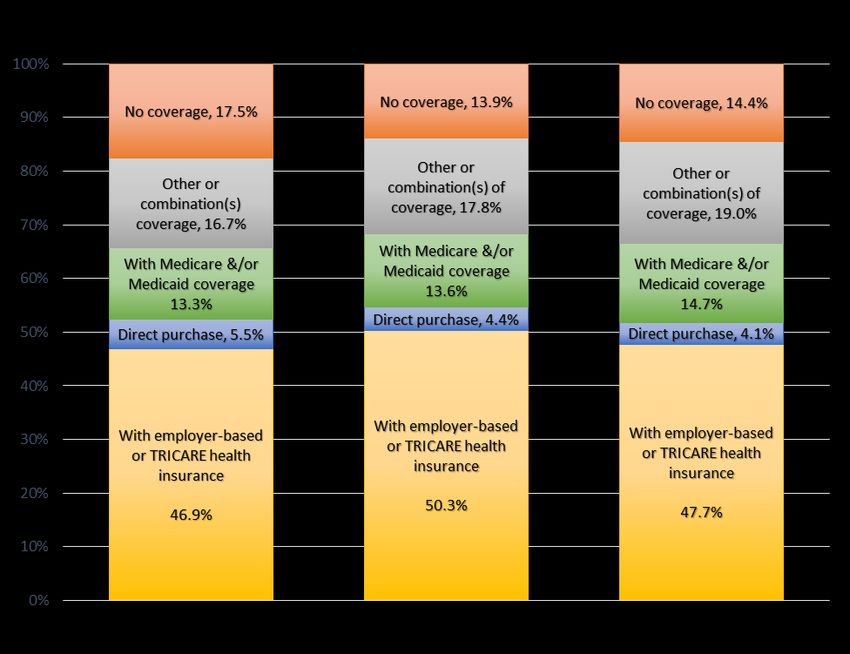
The distribution of health insurance coverage in the service area is similar to the State and the nation
(see the figure below). At the local, state and national levels, a higher percentage of adults are covered
by employer-based or TRICARE health insurance. Wright-Patterson Air Force Base, located in West Ohio,
is one of the largest bases in the Air Force; TRICARE® is the health care program serving Uniformed
Service members, retirees and their families. A similar percentage of the population is covered by
Medicare and/or Medicaid coverage at every geographic level. The service area has a higher percentage
of adults with no health coverage as compared to the State and a lower proportion than the nation.
Figure 10: Medical Insurance Coverage for the Population 18 Years of Age and Older, 2009-
2011
Source: American Community Survey, 2009-2011
11 | P a g eGrandview & Southview Medical Centers Community Health Needs Assessment 2013
The figure below presents the distribution of health care coverage across different age cohorts for the
service area. Over 23% of the service area’s young adult population (18-34 years old) has no health
insurance coverage.
Figure 11: Comparison of Insurance Coverage for Adults (18 Years of Age or Older) by Age
Cohort, 2009-2011
Insurance Coverage by Age for Montgomery County
Adults, 2009-2011 with no
coverage, 0.6%
100.0% with no
with no coverage,
90.0% coverage, 14.8%
80.0% 23.3%
70.0%
60.0%
50.0%
with coverage,
with coverage, 99.4%
40.0% with coverage,
85.2%
76.7%
30.0%
20.0%
10.0%
0.0%
18 to 34 years 35 to 64 years 65 years of age or older
Source: American Community Survey, 2009-2011
12 | P a g eGrandview & Southview Medical Centers Community Health Needs Assessment 2013
Health Needs of the Community
County Health Rankings
Mont- Rank of
gomery National National 88, Mont-
County Ohio Benchmark Median gomery
Health Outcomes 74
Maternal and Infant Health
Teen Pregnancy, 15-19 per 1000 45 38 21
Low Birth Weight 9.1%◊ 8.6% 6.0%
Percentage of pregnant mothers
16.6% 17.8% 1.4%
who smoked
Percent of Mothers without 1st
50.2% 43.6% 22.1%
trimester care, 2010
Behavioral Risk Factors 33
Adult smoking 21% 22% 13%
Adult overweight/obesityM 68% 65.7% 64.5%
Physical inactivity 26% 27% 21%
Excessive drinking 14% 18% 7%
Motor vehicle crash death rate 10 11 10
Chlamydia Rate, 2012 546 461.7 10% reduction
Gonorrhea Rate, 2012 212.3 143.5 10% reduction
Clinical Care 15
Uninsured 15% 14% 11%
Primary care physicians 1,089:1 1,348:1 1,067:1
Dentists 1,839:1 1,928:1 1,516:1
Mental health providers 2,300:1 2,553:1 Not available
Preventable hospital stays 58 79 47
Diabetic screening 82% 83% 90%
Mammography screening 62% 63% 73%
Disease 62
Poor or fair health 16% 15% 10%
Poor physical health days 3.9 3.6 2.6
High blood pressureM 35.5% 31.7% 28.7%
Heart Attack (myocardial
6.3% 4.3% 4.2%
infarction)M
Coronary heart diseaseM 5.2% 4.3% 4.1%
Leading Causes of Death 75
Age-adjusted mortality rate for
430 378
thoseGrandview & Southview Medical Centers Community Health Needs Assessment 2013
Maternal and Infant Health
Teen Birth Rates
Consistent with the State’s trend, Montgomery County’s teen birth rate is on the decline but is higher
than the State’s rate. The teen birth rate for African American women is almost 3 times higher than for
Whites.
Figure 12: Teen Birth Rate
Source: 2000-2010, Ohio Department of Health, Vital statistics annual birth summaries. Last updated 05/24/2013.
Births to Unwed Mothers
In Montgomery County, the percentage of births to unwed mothers also follows the State trend. While
61% of White women giving birth are married, 19% of African American women are.
Figure 13: Births to Unwed Mothers
Source: 2000-2010, Ohio Department of Health, Vital statistics annual birth summaries. Last updated 05/24/2013.
14 | P a g eGrandview & Southview Medical Centers Community Health Needs Assessment 2013
First Trimester Prenatal Care
The percentage of Montgomery County mothers not receiving prenatal care during the first trimester
had been declining until an increase in 2010. Due to a modification in birth certificates, the trend for this
variable can only be compared since 2006.
Figure 14: Percent of Mothers Not Receiving First Trimester Prenatal Care
Source: 2000-2010, Ohio Department of Health, Vital statistics annual birth summaries. Last updated 05/24/2013.
Births to Mothers Who Smoke
The percentage of mothers who smoked while pregnant was lower or relatively consistent with that of
the State over the study period. The Healthy People 2020 goal is to reduce the percentage to 1.4%.
Figure 15: Births to Mothers Who Smoke
Percentage of Births to Mothers Who Smoked, 2000-2010
25.0%
20.0%
15.0%
10.0%
5.0%
0.0%
2000 2001 2002 2003 2004 2005 2006 2007 2008 2009 2010
Ohio 18.9% 19.0% 17.8% 17.0% 17.5% 17.4% 18.7% 19.1% 19.1% 19.1% 17.8%
Montgomery County 20.1% 20.9% 17.9% 16.5% 16.4% 16.8% 17.5% 17.8% 18.5% 18.5% 16.6%
Source: 2000-2010, Ohio Department of Health, Vital statistics annual birth summaries. Last updated 05/24/2013.
15 | P a g eGrandview & Southview Medical Centers Community Health Needs Assessment 2013
Low Birth Weight Rate
Smoking during pregnancy causes low birth-weight in at least 1 in 5 infants, and in recent years
Montgomery County’s percentage of low birth weight babies (9.8% in 2009 and 9.5% in 2010) shows a
marked increase. The national rate is 8.2% with a national target for reduction to 7.8%.
Figure 16: Percentage of Low Birth Weight Babies
Percentage Low Birth Weight, 2000-2010
12%
10%
8%
6%
4%
2%
0%
2000 2001 2002 2003 2004 2005 2006 2007 2008 2009 2010
Ohio 7.9% 8.0% 8.3% 8.3% 8.5% 8.7% 8.8% 8.7% 8.6% 8.5% 8.5%
Montgomery County 9.3% 9.2% 8.4% 8.7% 9.1% 8.7% 8.9% 8.7% 8.7% 9.8% 9.5%
Source: 2000-2010, Ohio Department of Health, Vital statistics annual birth summaries. Last updated 05/24/2013.
Infant Mortality Rate
The chart below presents the general trend of infant mortality in Montgomery County and the State
using a three-year rolling average. The rate had been below or equivalent to the State rate until recently.
Figure 17: Infant Mortality Rate
Source: 2000-2010, Ohio Department of Health, Vital statistics annual birth summaries. Last updated 05/24/2013.
Note: Small numbers are unstable and should be interpreted with caution.
16 | P a g eGrandview & Southview Medical Centers Community Health Needs Assessment 2013
Behavioral Risk Factors
Data for this section is based on the Behavioral Risk Factor Surveillance System (BRFSS), except where
noted. The BRFSS is a national random digit dial (RDD) telephone survey. Data obtained from the BRFSS
are representative of the total non-institutionalized population over 18 years of age living in households
with a land line telephone. According to the County Health Rankings for behavioral risk factors,
Montgomery County is ranked 33rd of 88 counties in Ohio.
Adult smoking
According to the Journal of the American Medical Association, tobacco use is the leading cause of
preventable death in the U.S. The percentage of adults who smoke is 21% in Montgomery County versus
22% for the State according to County Health Rankings data.
Physical Activity & Obesity
According to BRFSS data, 26% of Montgomery County adults lead a sedentary life style. Lack of physical
activity and poor diet contribute to overweight and obesity, which are prevalent in the service area.
Sixty-eight percent (68%) of Montgomery County adults self-report a height and weight (without shoes)
that constitutes overweight (BMI ≥25 and≤29.9) or obesity (BMI ≥30). Overweight and obesity
contribute to approximately 400,000 of the 2 million annual deaths in the U.S. (Dietary Guidelines for
Americans, 2005 cited in Montgomery County’s Community Health Assessment). Additionally being
overweight or obese increases the risk of heart disease, diabetes, cancer, high blood pressure, high total
cholesterol, stroke, liver disease, sleep apnea, respiratory problems, and osteoarthritis (Centers for
Disease Control and Prevention).
Excessive drinking
Excessive drinking can take three forms: chronic drinking, heavy drinking or binge drinking. Adult BRFSS
data from the County Health Rankings shows that 14% of Montgomery County adults were binge
drinkers, on average, having consumed five or more drinks on any one occasion within the month prior
to the survey. This compares to a State average of 18%.
Motor vehicle crash death rate
For Ohioans of all ages, the leading causes of injury-related death include unintentional motor vehicle
traffic crashes, suicide, unintentional poisonings, unintentional falls and homicides. In the County Health
Rankings data, the motor vehicle crash death rate was 10 for Montgomery County, versus 11 for Ohio
overall. An average of 61 Montgomery County died annually from 2004-2006 as a result of a motor
vehicle traffic crash.
17 | P a g eGrandview & Southview Medical Centers Community Health Needs Assessment 2013
Sexually Transmitted Infections
Data from the Ohio Department of Health show that the incidence of Chlamydia has been generally
increasing in the State since the year 2000. Montgomery County’s rate has remained consistently above
the State rate throughout the study period. Conversely, the Gonorrhea rate has been declining in the
County and in the State. Again, the service area’s rate exceeds the State rate.
Figure 18: Chlamydia Cases, 2000-2012
Chlamydia Cases (crude rate per 100,000), 2000-2012
700
600
500
rate per 100,000
400
300
200
100
0
2000 2001 2002 2003 2004 2005 2006 2007 2008 2009 2010 2011 2012
Ohio 286.5 326.7 366.9 370.4 342.0 374.0 362.9 399.6 406.7 420.2 443.7 456.6 462.0
Montgomery County 528.2 501.9 545.7 566.9 604.7 562.5 583.9 607.2 629.4 482.8 528.3 535.7 546.0
Source: Ohio Department of Health, 2008-2012 Ohio Infectious Disease Status Report: Chlamydia, last accessed 11/13/2013
Ohio Department of Health, 2006-2010 Ohio Infectious Disease Status Report: Chlamydia, last accessed 11/13/2013
Ohio Department of Health Information Warehouse, 2000-2005 Chlamydia Surveillance Report, last accessed 11/13/2013
Figure 19: Gonorrhea Cases, 2000-2012
Gonorrhea Cases (crude rate per 100,000), 2000-2012
450
400
350
300
rate per 100,000
250
200
150
100
50
0
2000 2001 2002 2003 2004 2005 2006 2007 2008 2009 2010 2011 2012
Ohio 178.9 185.4 205.4 197.8 177.7 178.9 175.2 174.5 143.7 139.2 143.3 145.1 143.5
Montgomery County 337.8 325.3 386.0 381.5 365.2 319.4 287.0 300.3 216.2 198.1 248.5 219.6 212.3
Source: Ohio Department of Health, 2008-2012 Ohio Infectious Disease Status Report: Gonorrhea, last accessed 11/13/2013
Ohio Department of Health, 2006-2010 Ohio Infectious Disease Status Report: Gonorrhea, last accessed 11/13/2013
Ohio Department of Health Information Warehouse, 2000-2005 Gonorrhea Surveillance Report, last accessed 11/13/2013
18 | P a g eGrandview & Southview Medical Centers Community Health Needs Assessment 2013
Mental Health and Wellness
According to the Ohio Department of Health “Registered Hospitals Directory,” four short-term acute
care hospitals in the service area have psychiatric units for a total of 131 psychiatric registered beds.
Hospital inpatient psychiatric units provide their own behavioral health crisis assessments and provide
patients with access to specialty services. As mentioned earlier, CrisisCare also addresses mental health
crisis needs. The County Health Rankings provides a ratio of the County population to the number of
mental health providers including child psychiatrists, psychiatrists, and psychologists active in patient
care. The service area’s mental health provider ratios are favorable when compared to the State’s
ratio— 2,300:1 in Montgomery County versus 2,553:1 for the State.
Poor mental health days
Montgomery County adults report 3.8 days out of 30 where their mental health was not good, matching
the State average of 3.8 days. The national Healthy People 2020 goal is 2.3 days.
Hospitalization due to Poor Mental Health
The following figures present emergency department and inpatient diagnoses for mental disorders. The
rate of ED and inpatient diagnoses is increasing for neurotic and other primary onset mental disorders
from 2004 to 2012.
Figure 20: Mental Disorders - Primary/Secondary Emergency Discharge Diagnoses for the
Adult Population, 2004-2012
Mental Disorders - Primary/Secondary Emergency Discharge Diagnoses
for the Adult Population, 2004-2012 (crude rate per 1,000)
20
18
rate per 1,000
16
14
12
10
8
6
4
2
0
2004 2005 2006 2007 2008 2009 2010 2011 2012
Adult Neurotic 11.1 13.2 13.5 15.3 15.5 16.3 14.3 15.2 18.8
Adult Other Primary Onset Mental
12.3 15.3 15.4 15.1 13.6 13.3 11.7 13.0 15.7
Disorders
Adult Personality 0.3 0.3 0.4 0.3 0.3 0.3 0.3 0.3 0.4
Source: Ohio Hospital Association and Greater Dayton Area Hospital Association
19 | P a g eGrandview & Southview Medical Centers Community Health Needs Assessment 2013
Figure 21: Mental Disorders - Primary & Secondary Inpatient Discharge Diagnoses for the
Adult Population, 2004-2012
Mental Disorders - Primary & Secondary Inpatient Discharge Diagnoses
for the Adult Population, 2004-2012 (crude rate per 1,000)
25
rate per 1,000
20
15
10
5
0
2004 2005 2006 2007 2008 2009 2010 2011 2012
Adult Neurotic 9.3 10.1 11.9 13.5 15.9 17.7 18.8 16.2 21.0
Adult Other Primary Onset
12.7 13.6 14.0 15.2 15.4 15.7 14.6 13.5 22.5
Mental Disorders
Adult Personality 2.7 3.2 2.9 3.0 3.5 3.6 3.4 2.5 2.1
Source: Ohio Hospital Association and Greater Dayton Area Hospital Association
Clinical & Preventative Services
According to County Health Rankings, Montgomery County is ranked 15th of 88 counties in terms of
residents obtaining appropriate clinical care.
Uninsured
According to American Community Survey data, 14.4% of the service area’s adult population (ages 18+)
has no health care coverage. The service area has a higher percentage of adults with no health coverage
as compared to the State (13.9%) and a lower proportion than the nation (17.5%). Data show that
adults ages 18-34 in the County are less likely to have coverage compared to adults ages 35-64 and 65+
(23.3%, 13.7%, and 0.5%, respectively).
Primary care physicians
The service area’s ratios of population to primary care physicians are favorable when compared to the
State’s ratio— 1,089:1 in Montgomery County versus 1,348:1 for the State. However, even though ratios
indicate a sufficient number of physicians, not everyone can access them. In Montgomery County, 12%
of adults have no usual source of care and about 13% could not see a doctor due to cost (Montgomery
County BRFSS, 2007-2008).
Dentists
Good oral health is important to one’s overall health and well-being. Oral disease, particularly
periodontal disease, is associated with other health issues such as problems controlling diabetes, heart
disease, and premature birth (PHDMC Montgomery County Community Health Assessment, 2010).
20 | P a g eGrandview & Southview Medical Centers Community Health Needs Assessment 2013
The service area’s ratios of population to dentists are favorable when compared to the State ratio
(1,839:1 in Montgomery; and 1,928:1 in the State). In Montgomery County, 72% of adults visited a
dentist in the past year.
Mental health providers
The service area’s ratios of population to mental health providers are favorable when compared to the
State ratio (2,300:1 in Montgomery County versus 2,553:1 for the State).
Preventable hospital stays
Since 1996, the Dartmouth Atlas of Health Care has examined patterns of health care delivery and
practice across the U.S., and evaluated the quality of health care Americans receive. Preventable
hospital stays is measured as the hospital discharge rate for ambulatory care-sensitive conditions per
1,000 Medicare enrollees. Preventable hospital stays in Montgomery County are 58, in the State are 79,
and the national goal is 47.
Diabetic screening
Diabetic screening percentages are also provided by the Dartmouth Atlas and are calculated as the
percent of diabetic Medicare patients whose blood sugar control was screened in the past year using a
test of their glycated hemoglobin (HbA1c) levels. The percentage for Montgomery County’s is nearly the
same as the State rate (82% versus 83%). These percentages fall below the Healthy People 2020 goal of
90%.
Over 13% of Montgomery County adults have diabetes, per the Montgomery County BRFSS (2007-2008).
This percentage may be compared to 2010 findings of 10.1% for the State and 8.7% for the U.S. The
death rate per 100,000 for Montgomery County was 34.0 in 2006-2008 versus 28.6 for Ohio and 22.5 for
the U.S.
Mammography screening
Mammography screening, calculated in the Dartmouth Atlas, is a measure that represents the percent
of female Medicare enrollees age 67-69 that had at least one mammogram over a two-year period. The
percentages for Montgomery County, the State, and the U.S. benchmark are 62%, 63%, and 73%,
respectively.
21 | P a g eGrandview & Southview Medical Centers Community Health Needs Assessment 2013
Disease
According to County Health Rankings, Montgomery County is ranked 62nd of 88 counties in terms of
disease prevalence.
Poor or fair health
Self-reported health status is a general measure of health-related quality of life. This measure is based
on BRFSS responses to the question: “In general, would you say that your health is excellent, very good,
good, fair, or poor?” The value reported in the County Health Rankings is the percent of adult
respondents who rate their health “fair” or “poor.” In Montgomery County, the percentage of adults
reporting “poor or fair” health status was 16% and for Ohio it was 15%.
Poor physical health days
The BRFSS also asks, “Thinking about your physical health, which includes physical illness and injury, for
how many days during the past 30 days was your physical health not good?” The number of poor
physical health days reported for Montgomery County adults was 3.9 and for Ohio the number was 3.6.
High blood pressure
High blood pressure is also queried in the BRFSS where adults are asked if they have ever been told by a
health professional that they have high blood pressure. In this case, the estimates come from more
current BRFSS data. The Montgomery County BRFSS found that 35.5% of adults have high blood
pressure. This percentage can be compared to the State percentage of 31.7% and 28.7% for the U.S.
Heart Attack (myocardial infarction)
The BRFSS asks: Has a doctor, nurse, or other health professional EVER told you that you had a heart
attack also called a myocardial infarction. The following percentages apply to Montgomery County,
Ohio, and the U.S., respectively: 6.3%, 4.3%, and 4.2%.
Coronary heart disease
Similarly, the BRFSS asks adult survey respondents if they have ever been told that they have coronary
heart disease. The following percentages apply to Montgomery County, Ohio, and the U.S., respectively:
5.2%, 4.3%, and 4.1%.
Cancer
The breast cancer rate, the most prevalent of all cancers in the service area, remained relatively flat
from 2000-2006 but increased beginning in 2007 and again sharply in 2011. The lung and bronchus
cancer rate has also increased. Prostate and colon & rectum cancer rates have declined, while there is
an increase in rates for melanoma of the skin over the study period.
22 | P a g eGrandview & Southview Medical Centers Community Health Needs Assessment 2013
Figure 22: Cancer Rates, 2000-2011
Cancer Rate Trends (crude per 100,000), Top Six - 2000-2011
200
180
160
140
Rate per 100,000
120
100
80
60
40
20
0
2000 2001 2002 2003 2004 2005 2006 2007 2008 2009 2010 2011
Breast 171.2 182.4 186.1 192.0 183.9 191.2 164.4 180.1 182.2 194.2 180.1 195.3
Prostate 149.0 142.0 154.4 143.6 153.3 158.9 182.4 182.0 166.6 151.5 132.1 129.5
Lung & Bronchus 80.7 92.6 97.6 93.2 90.7 86.8 105.7 94.7 97.4 91.2 91.5 88.4
Colon & Rectum 56.4 64.7 61.6 53.4 62.0 65.0 56.3 63.2 52.8 54.1 45.2 43.6
Melanoma of Skin 24.2 23.8 25.7 26.9 21.6 33.9 38.8 36.2 32.5 42.9 41.9 41.3
Uterus 29.8 24.1 26.2 24.4 25.8 28.3 34.7 28.7 26.6 35.4 32.8 27.7
Source: Ohio Department of Health Ohio Cancer Incidence Surveillance System
Hospital Discharge Diagnoses
The top seven emergency department (ED) discharge diagnoses are presented in the figure below.
Trends indicate a concerning pattern for alcohol and drug dependence syndrome and hypertension until
2012 when rates declined, while the rate for injuries increased in 2012.
Figure 23: Emergency Department Discharge Diagnoses for the Adult Population, 2004-2012
Primary & Secondary Emergency Department Discharge Diagnoses for the Adult Population, 2004-2012
(crude rate per 1,000)
120.0
100.0
80.0
rate per 1,000
60.0
40.0
20.0
0.0
2004 2005 2006 2007 2008 2009 2010 2011 2012
Injury, excluding adverse effects 100.9 105.5 99.3 102.2 101.6 98.9 99.6 102.3 110.9
Alcohol and drug 46.3 75.9 90.8 95.6 102.2 122.2 131.3 134.0 96.8
Hypertension 53.2 66.9 69.1 71.8 85.4 95.4 95.8 95.6 65.5
Abdominal pain (ill-defined) 32.9 36.3 39.3 44.7 49.2 46.5 45.8 46.1 48.1
Spinal disorders 47.6 54.9 54.4 60.8 67.9 65.4 42.7 45.3 43.5
Chest pain (ill-defined) 26.1 29.1 28.3 31.0 32.2 29.5 27.0 29.6 31.2
Diabetes 27.9 33.6 35.9 35.5 38.7 41.7 41.1 40.9 28.7
Source: Ohio Hospital Association and Greater Dayton Area Hospital Association
23 | P a g eGrandview & Southview Medical Centers Community Health Needs Assessment 2013
The top seven hospital inpatient discharge diagnoses are presented in the figure below. The rate for
hypertension increased substantially in 2012 as did the rate for diabetes and for alcohol and drug
dependency syndrome in terms of inpatient discharge diagnoses. The rate for chronic obstructive
pulmonary disease has increased even more dramatically, with about a threefold increase from 2004 to
2012.
Figure 24: Inpatient Discharge Diagnoses for the Adult population, 2004-2012
Primary & Secondary Inpatient Discharge Diagnoses
for the Adult Population, 2004-2012
100.0 (crude rate per 1,000)
90.0
rate per 1,000
80.0
70.0
60.0
50.0
40.0
30.0
20.0
10.0
0.0
2004 2005 2006 2007 2008 2009 2010 2011 2012
Hypertension 66.3 69.8 76.6 79.3 81.7 78.9 77.7 78.8 84.7
Non-ischemic heart disease 42.4 43.5 48.5 50.0 51.1 50.0 48.0 46.9 47.9
Diabetes 33.5 35.6 37.5 40.1 41.2 40.2 38.8 39.4 42.5
Alcohol and drug 30.9 32.5 35.1 34.7 34.5 34.7 35.2 33.6 37.2
Heart attack/oth ischemic heart
31.8 31.3 35.6 36.3 37.5 35.9 34.4 32.3 34.4
disease
Complications of pregnancy and
33.1 33.2 32.8 33.0 32.3 31.9 30.6 30.2 31.5
childbirth
Chronic obstructive pulmonary disease 9.2 9.9 9.6 9.7 10.9 10.7 24.9 25.9 26.2
Source: Ohio Hospital Association and Greater Dayton Area Hospital Association
24 | P a g eGrandview & Southview Medical Centers Community Health Needs Assessment 2013
Leading Causes of Death
According to County Health Rankings, Montgomery County is ranked 75th of 88 counties in terms of
premature death. Premature age-adjusted mortality is a common population health outcome measure.
The age-adjusted mortality rate of residents under the age of 75 in Montgomery County is substantially
higher than that for the State (430 compared to 378 for Ohio).
The figure below presents the six top leading causes of death in the service area. Cancer and diseases of
the heart top the list, but the mortality rate for diseases of the heart has declined substantially since
2000. The mortality rate for cerebrovascular diseases has also declined over time. Mortality rates that
are increasing include Chronic Lower Respiratory Diseases, accidents, and Alzheimer’s disease.
Figure 25: Top Six Leading Causes of Death, 2000-2012
Top Six Leading Causes of Death
for the Adult Population, 2000-2012 (crude rate per 100,000)
350.0
300.0
250.0
rate per 100,000
200.0
150.0
100.0
50.0
0.0
200 200 200 200 200 200 200 200 200 200 201 201 201
0 1 2 3 4 5 6 7 8 9 0 1 2
Malignant neoplasms 284.1 279.9 296.6 280.2 274.7 267.2 283.4 279.8 306.2 287.7 294.5 285.5 285.3
Diseases of heart 357.4 352.5 329.2 317.6 287.7 297.4 286.4 277.2 301.7 270.8 274.3 277.6 279.1
Accidents (unintentional
49.8 54.0 68.2 56.4 68.9 73.6 66.7 77.2 78.9 66.0 71.2 74.0 78.2
injuries)
Chronic lower respiratory
65.6 66.8 68.4 69.3 70.6 70.3 60.6 69.0 80.2 79.4 75.6 77.9 77.3
diseases
Cerebrovascular diseases 80.4 76.9 91.4 80.3 77.5 65.4 66.3 62.1 62.5 61.0 61.0 62.9 64.2
Alzheimer's disease 28.3 28.1 33.5 45.9 36.7 47.7 50.1 56.5 75.7 61.7 61.3 65.7 61.3
Source: 2000-2012, Ohio Department of Health Vital Statistics
25 | P a g eGrandview & Southview Medical Centers Community Health Needs Assessment 2013
Process for Identifying and Prioritizing Community Health Needs
The identification of priority health needs began with a comprehensive review of all primary and
secondary data. Next, criteria were applied to aid in the selection of cross-cutting issues that are not
trending in a favorable way. The criteria used were:
Prevalence
Seriousness (hospitalization and/or death)
Impacts on other health issues
Urgency—what are the consequences of not addressing this issue?
Prevention—is the strategy preventative in nature?
Economics — is the strategy financially feasible? Does it make economic sense to apply this
strategy?
Acceptability – Will the stakeholders and the community accept the strategy?
Resources — is funding likely to be available to apply this strategy? Are organizations able to
offer personnel time and expertise or space needed to implement this strategy?
Priorities Identified by Researchers
By applying these criteria, researchers identified priority areas for consideration by the Hospital and its
community group. These priority areas are not presented in a ranked order.
Maternal and Infant Priorities:
1. First Trimester Prenatal Care – The percentage of mothers not receiving first trimester prenatal
care in the service area increased since 2006. According to the Montgomery County Community
Health Assessment for 2010, 79% of White women receive prenatal care in the first trimester
while 66% of African American women do.
2. Low birth weight—The rate in the service area in the most recent years is 9.8% and 9.5% in 2009
and 2010 versus 8.5% for the State.
3. Infant mortality rate—The service area rate is increasing and is above the State rate in 2011.
Primary and Chronic Diseases:
1. Hypertension—Hypertension rates are higher in the service area than in the State and nation. It
is the leading inpatient discharge diagnosis and the 3rd leading ED discharge diagnosis.
2. Breast cancer—The breast cancer rate is 195.3 per 100,000, and the rate is increasing as
opposed to other historically prevalent cancers.
3. Diabetes—Wide spread behavioral risk factors such as obesity and physical inactivity and the
increasing rate of hospital inpatient diabetes diagnosis are cause for concern.
4. Alcohol and drug dependence discharge diagnosis—From 2004 to 2012, the rate of Emergency
Department discharge diagnosis for alcohol and drug dependence syndrome increased from
46.3 to 96.8 per 1,000 and from 30.9 to 37.2 per 1,000 for inpatient discharge diagnosis.
5. Mental health disorders—The inpatient discharge diagnosis for adult neurotic disorder and
“other primary onset mental disorders” increased by two times from 2004 to 2012. According to
the National Survey on Drug Use and Health, 13% of Montgomery County adults experience
serious psychological stress annually, and 9% in 2008-2010 have at least one major depressive
episode lasting at least two weeks out of the year.
26 | P a g eGrandview & Southview Medical Centers Community Health Needs Assessment 2013
Methodology and Information Gaps
The spine of this analysis is hospital and public health data. Hospital data is provided in the form of ICD-9
codes. The International Classification of Diseases (also known by the abbreviation ICD) is the United
Nations-sponsored World Health Organization’s "standard diagnostic tool for epidemiology, health
management and clinical purposes."1 The ICD is designed as a health care classification system,
providing a system of diagnostic codes for classifying diseases, including nuanced classifications of a
wide variety of signs, symptoms, abnormal findings, complaints, social circumstances, and external
causes of injury or disease.2
For this Community Health Needs Assessment, primary and secondary diagnoses were provided for
selected ICD-9 codes. Researchers listed 26 codes for adults, five of which had subcategories. An
example of a category is “injury” which is subcategorized into unintentional injury (with another
subcategory of fractures), homicides, and suicides. For this analysis, the top codes were selected for
presentation based on natural breaks in the data.
Public health data are provided by the Ohio Department of Health (ODH) for West Ohio. Maternal and
infant health data as well as mortality data (including infant mortality) were directly downloaded from
the ODH website. Cancer registry data were provided to Wright State University for rate calculations.
Data are suppressed whenever there are fewer than 10 cases in a cell.
Besides hospital and public health data, other critical primary and secondary data sources included:
U.S. Bureau of the Census American Community Survey
The Ohio Development Services Agency population forecasts and county descriptions
Economic Modeling Specialists, Intl. industry and occupational data
Hoover’s (a subsidiary of Dun & Bradstreet) company records
The Montgomery County BRFSS, 2007-2008
Public Health-Dayton & Montgomery County Community Health Assessment, 2010
Robert Wood Johnson Foundation County Health Rankings
Health Resources and Services Administration (HRSA) HPSA and health resources data
Limitations and Gaps in the Data
Information gaps that limit the ability to assess the community’s health needs include:
No service/usage data are included from hospital clinics and private clinics.
Secondary aggregate data on mental health users, services, and costs is difficult to obtain for
Medicaid patients and basically impossible to obtain from private sector providers.
The most recent data from the Ohio Department of Health for some data is 2010.
Some ICD-9 data had to be suppressed due to anomalies.
The health data presented in this report are not exhaustive.
A longitude for First Trimester Prenatal Care has a baseline of 2006, because the method for
data presentation changed in that year.
1
http://www.who.int/classifications/icd/en/
2
http://www.rtmedibus.com/educationclinicalcontent/conditions-and-diseases
27 | P a g eYou can also read


