COWEN HEALTHCARE CONFERENCE - March 2, 2020 NASDAQ: ALT - Altimmune
←
→
Page content transcription
If your browser does not render page correctly, please read the page content below
COWEN HEALTHCARE
              CONFERENCE
NASDAQ: ALT   March 2, 2020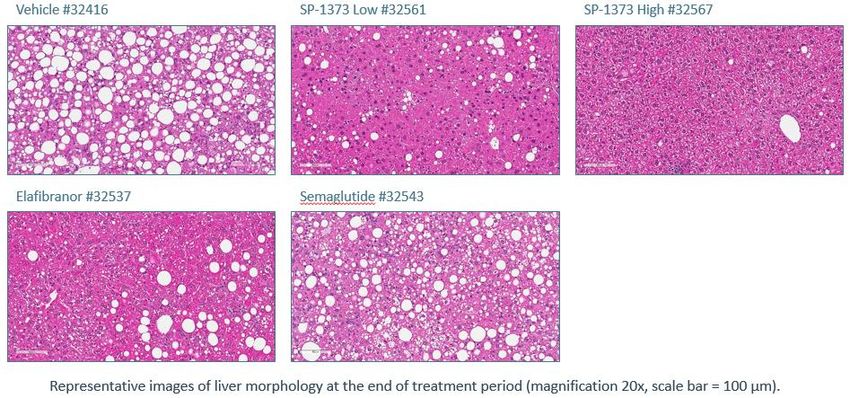
FORWARD-LOOKING STATEMENTS

    Safe-Harbor Statement

    Any statements made in this presentation relating to future financial or business performance, conditions, plans, prospects, trends, or strategies and other financial and
    business matters, including without limitation, the prospects for developing COVID-19 seed stock and initiating Phase 1 trials for a COVID-19 vaccine, identifying and
    consummating potential future strategic partnerships, the timing of clinical trials results for our product or drug candidates, commercializing or selling any product or drug
    candidates, are forward-looking statements within the meaning of the Private Securities Litigation Reform Act of 1995. In addition, when or if used in this presentation,
    the words “may,” “could,” “should,” “anticipate,” “believe,” “estimate,” “expect,” “intend,” “plan,” “predict” and similar expressions and their variants, as they relate
    to Altimmune, Inc. (the “Company”) may identify forward-looking statements. The Company cautions that these forward-looking statements are subject to numerous
    assumptions, risks, and uncertainties, which change over time. Important factors that may cause actual results to differ materially from the results discussed in the
    forward looking statements or historical experience include risks and uncertainties, including risks relating to: our lack of financial resources and access to capital;
    clinical trials and the commercialization of proposed product candidates (such as marketing, regulatory, product liability, supply, competition, dependence on third parties
    and other risks); the regulatory approval process; dependence on intellectual property; the Company’s BARDA contract and other government programs, reimbursement
    and regulation. Further information on the factors and risks that could affect the Company's business, financial conditions and results of operations are contained in the
    Company’s filings with the U.S. Securities and Exchange Commission, including under the heading “Risk Factors” in the Company’s annual reports on Form 10-K and
    quarterly reports on Form 10-Q filed with the SEC, which are available at www.sec.gov. The statements made herein speak only as of the date stated herein, and any
    forward-looking statements contained herein are based on assumptions that the Company believes to be reasonable as of this date. The Company undertakes no
    obligation to update these statements as result of new information or future events.

2
INVESTMENT HIGHLIGHTS

     Developing next          Proprietary intranasal      Near-term value-driving
     generation peptide       vaccine platform ideally    catalysts with sufficient
     therapeutics for liver   suited for rapid response   cash and investments on
     disease and oncology     to pandemic situations      hand

3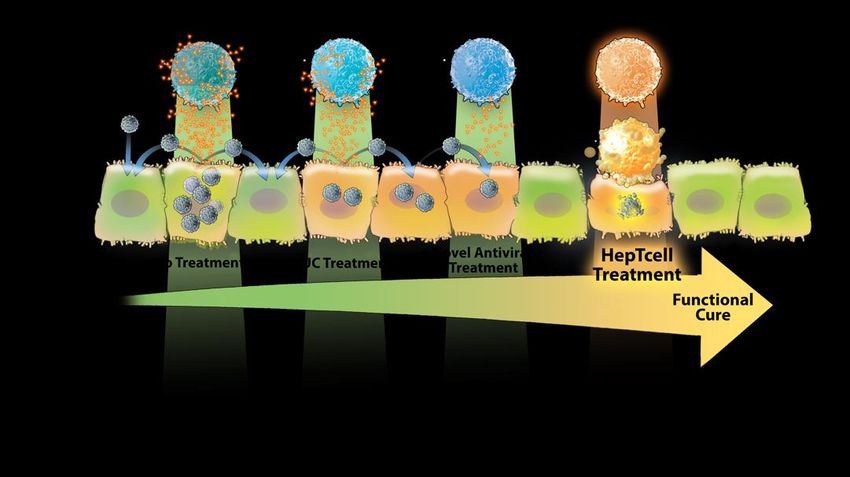
COVID-19 IS A RESPIRATORY DISEASE
    TRANSMISSION OF DISEASE PRIMARILY THROUGH MOUTH AND NOSE

      • Infection occurs through mucosal
        surfaces like the nose and mouth

      • Immune mechanism of protection is
        not well defined

      • Vaccine distribution and
        administration on a global scale
        represents significant hurdles

4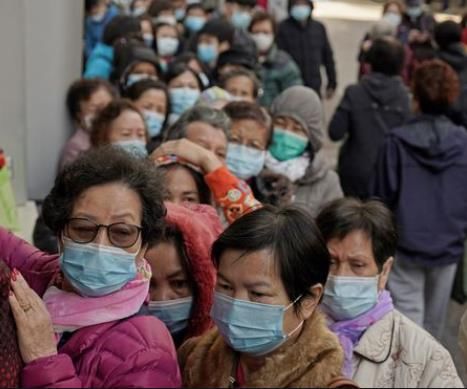
SINGLE-DOSE INTRANASAL VACCINE FOR COVID-19
    BASED ON PROVEN PLATFORM TECHNOLOGY IDEALLY SUITED FOR PANDEMIC RESPONSE

          – Replication-deficient adenovirus vector expressing SARS-CoV-2 spike protein

          – Single-dose intranasal spray to establish immunity at the site of viral attack

          – Plug and play platform technology provides for rapid development timelines
                  • Robust manufacturing process is quickly scalable to millions of doses
                  • Stability to allow distribution without need for cold chain

                              SARS-CoV-2 Spike

            Ad5      CMV       Antigen gene   SV40-poly A   Ad5     Ad5
                   Promoter

5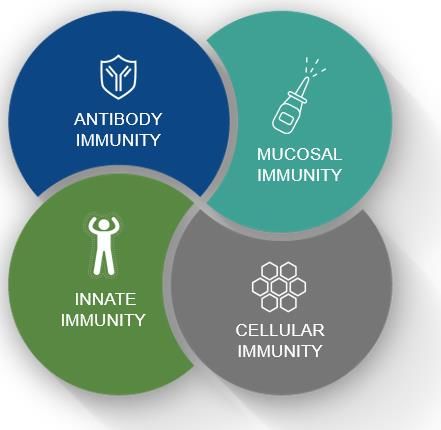
CLINICAL EVIDENCE FOR A RELATED RESPIRATORY PATHOGEN
    NasoVAX INTRANASAL INFLUENZA VACCINE

        Key results from our Phase 2 NasoVAX trial

     • Provided 100% seroprotection

     • Activated multiple arms of the immune system for
       broad immunity

     • Stimulated mucosal and cellular immune responses

     • Durable response lasted at least one year after
       single dose vaccination

     • Well tolerated at all doses with an excellent safety
       profile

6
COVID-19 VACCINE DEVELOPMENT TIMELINE
    RAPID RESPONSE TO PANDEMIC AND EMERGENCY DISEASES

         Platform technology enables rapid creation of a vaccine for emerging pathogens

        January 24   First SARS-CoV-2 genome made available
       February 27   Completed design and synthesis of the vaccine vector in four weeks
         March 31    Viral seed stock for testing and manufacturing expected to be available

       August ~15    Phase 1 clinical safety and immunogenicity study possible

7
IDEAL COVID-19 VACCINE ATTRIBUTES
    POTENTIAL FOR RAPID AND EFFECTIVE RESPONSE

                   COVID-19 Challenges                        Altimmune Platform Attributes

        Infection occurs through mucosal surfaces like   Intranasal delivery establishes mucosal
        the nose and mouth                               immunity at point of viral entry

        Immune mechanism of protection is not well       Broad activation of antibody, mucosal and
        defined                                          cellular immune arms

        Vaccine distribution and administration on a
                                                         Stable vaccine delivered without needles
        global scale represents significant hurdles

8
DEVELOPMENT PIPELINE
         PROGRAM         PRODUCT NAME    PRECLINICAL      PHASE 1   PHASE II         PHASE III          STATUS

                                                                                                 Advancing into
                             ALT-801     NASH                                                    Phase 1
                                                                                                 development in 2020

        LIVER DISEASES
                                                                                                 Advancing into
                            HepTcellTM   Chronic Hepatitis B                                     Phase 2
                                                                                                 development in 2020

          CONJUGATED
      IMMUNOSTIMULANT        ALT-702     Solid                                                   IND and Phase 1
           FOR CANCER                    Tumors                                                  trial targeted for 2021

    Programs developed with external funding
          PROGRAM        PRODUCT NAME    PRECLINICAL     PHASE 1    PHASE II         PHASE III          STATUS

                                                                        Funded by BARDA          In Phase 1b, data
                          NasoShieldTM   Anthrax                      $133.7M Potential Value    expected 2H 2020
          INTRANASAL
            VACCINES
                           NasoVAXTM
                           NasoVAX TM
                                         Influenza                        Exploring Potential    Ready for Phase 2b
                                                                            Partnerships

9
NASH AND NAFLD
     HEPATIC MANIFESTATIONS OF OBESITY AND METABOLIC SYNDROME

                 • NAFLD is present in up to 90% of obese patients, and ~20% of NAFLD
                   patients progress to NASH1

                 • Up to 40% of NASH patients develop NAFLD recurrence one year after
                   liver transplant—the underlying metabolic disease is still present2

                 • If the patient loses >10% of their body weight, there is NASH
                   resolution 90% of the time

                 • The treatment of obesity is the cornerstone of treating NASH and the
                   principal morbidities of NASH1,3

     1Glass   LM, Fed Pract 2019; 2Dureja, P, Transplantation 2011; 3Perazzo H, Liver Int 2017
10
SNAPSHOT OF COMPOUNDS IN ADVANCED NASH DEVELOPMENT
MOST AGENTS FAIL TO ACHIEVE MEANINGFUL LEVELS OF WEIGHT LOSS
Agent Author (year) Mechanism Weight Loss (%)
Obeticholic acid Younossi, ZM 20191 FXR agonist ~2%
Resmetirom Harrison, SA 20182 THRb agonist no change
Aldafermin (3mg)† Harrison, SA 20193 FGF19 agonist 1.3%
Pegbelfermin (10 mg)†† Sanyal, A 20184 FGF21 agonist 2.2%
AKR-001 (70 mg) Ritchie, M 20205 FGF21 agonist no change
Firsocostat Lawitz, EJ 20186 ACC inhibitor no change
Elafibranor Ratziu, V 20167 PPARα/δ agonist no change
† No information has been made public on 1mg dose
†† Gain of 0.6% on 20mg dose
1Younossi, YM, et al. (2019) Lancet 394: 2184-96; 2Harrison, SA, et al. Lancet 394: 2012-24; 3 Harrison, SA, et
al. (2019) Lancet 391:1174-85; 4Sanyal, A, et al. (2018) Lancet 392:2705-17; 5Ritchie, M, et al. (2020) Exp Opin
Invest Drugs, 29:2, 197-204; 6 Lawitz, EJ, et al. (2018) Clin Gastroenterol Hepatol 16:1983-91; 7Ratziu, V, et al.
(2016) Gastroenterol 150: 1147-59
11ALT-801: GLP-1/GLUCAGON RECEPTOR DUAL AGONIST
OPTIMIZED FOR NASH AND WEIGHT LOSS
GLUCAGON SIGNIFICANT
GLP-1
REDUCTIONS IN
blood glucose energy expenditure
adipose browning body weight
appetite
inflammation lipolysis/
gluconeogenesis liver fat, inflammation
and resulting fibrosis
mobilization of
liver fat
blood glucose
Indirect effects Direct effects on
on liver liver
12ALT-801: RATIONALLY DESIGNED AND HIGHLY DIFFERENTIATED
PROPRIETARY EuPort™ DOMAIN PROVIDES PROLONGED SERUM HALF-LIFE AND REDUCED PEAK CONCENTRATION
COOH
Balanced
VVVVVVVVVVVVVVVVVV
EuPort™ domain
GLP-1:Glucagon Weekly dosing, improved PK for
Agonism improved GI tolerability
Glucagon specificity GLP-1 specificity
Improved weight loss Restores metabolic function
Modified residue Helix Stabilizer
Protease stability Increased potency1
1Guarracino DA et al., Chem Rev. 2019 Sep 11;119(17):9915-9949
13ALT-801: IMPROVED PK FOR BETTER GI TOLERABILITY
PROLONGED SERUM HALF-LIFE AND REDUCED PEAK CONCENTRATION MAY LEAD TO BETTER TOLERABILITY
• EuPortTM domain has surfactant-like properties – containing a water-soluble portion and a
fat-soluble portion:
• When conjugated to a small peptide the EuPort domain can:
• Slow the entry of the peptide into the blood lowering the peak concentration (Cmax) of
the peptide for improved tolerability
• Significantly extend the half-life (t1/2) of the peptide from minutes to a week or more
which has been shown to improve tolerability for GLP-1 receptor agonists1
1Bettge, K., et al. (2017) Diabetes Obes Metab (2017) 19: 336-347
14ALT-801: SUMMARY OF NON-CLINICAL STUDIES COMPLETED TO DATE
THOROUGH INVESTIGATION OF COMPOUND CHARACTERISTICS
Species Model Treatment Location Results Assessment
25% body weight loss
ALT-801 returns animals to lean normal
Mouse Gubra DIO 12 weeks Gubra (Denmark) 68% liver weight loss
body/liver weight
74% decrease in fibrosis
Diet Induced The Jackson Laboratory ALT-801 returns animals to lean normal
Mouse 4 weeks 25% body weight loss
Obesity (USA) body weight
Diet Induced 40% body weight loss ALT-801 returns animals to lean normal
Rat 4 weeks Charles River (USA)
Obesity 52% liver weight loss body/liver weight
Primary The Jackson Laboratory ALT-801 more potent that semaglutide with
Mouse Single Dose Normalized glucose
pharmacology (USA) prolonged gluco-regulatory effect
The Jackson Laboratory ALT-801 later Tmax, lower Cmax
Mouse PK Single Dose More gradual PK for improved tolerability
(USA) vs semaglutide
ALT-801 later Tmax, lower Cmax vs
Rat PK 4 weeks Charles River (USA) Concentration still rising at 8hr
semaglutide
ALT-801 T1/2 and MRT longer than
Minipig PK Single dose Sinclair Research (USA) T1/2 52hr, MRT 86hr literature standard (semaglutide) in
minipigs
Receptor GLP-1 EC50 38pM ALT-801 highly potent, evenly balanced
Human Cells in vitro DiscoverX (USA)
activation Glucagon EC50 42pM dual agonist
15ALT-801
25% REDUCTION IN BODY WEIGHT TO CHOW-FED LEAN NORMAL RANGE
Mouse DIO Model After 4 Weeks of Treatment
110 More than 2x the weight
dose
Body Weight (% Baseline)
titration vehicle loss of semaglutide
100
Semaglutide (12nmol/kg)
90
Body weight decreased
80
ALT-801 (12nmol/kg)
to lean normal range
70
0 4 8 12 16 20 24 28
Time
(days)
16ALT-801
REDUCTION IN LIVER FAT TO CHOW-FED LEAN NORMAL
liver fat
VEHICLE SEMAGLUTIDE
Gubra Model After 12
Weeks of Treatment
ELAFIBRANOR ALT-801
vein
17ALT-801
GREATER REDUCTION IN NAFLD ACTIVITY SCORE (NAS)
30%
Change in NAFLD Activity Score (NAS)
20%
% Change in NAS on Treatment
10% +6%
0%
-10% -18%
Gubra NASH Mouse -32%
-20% -42%
Model After 12 Weeks
-30% ††††
of Treatment -61%
-40%
-50%
††
-60%
All animals
-70%
achieved NAS ≤ 3
-80%
vehicle
Vehicle 5nmol/kg
SP-1373 low 10nmol/kg
SP-1373 high elafibranor
elafibranor semaglutide
semaglutide
78µmol/kg 10nmol/kg
ALT-801
Mean (SE), 1-way ANOVA with Dunnett’s adjustment for multiplicity
†† p < .01, ††† p < .001, ††††, p < .0001 vs. ALT 10 nmol/kg (n=11-12)
18ALT-801
PLASMA ALT NORMALIZED
Plasma alanine aminotransferase (IU/L)
Plasma ALT (IU/L)
400
300
Gubra NASH Mouse
Model After 12 Weeks 200 ††††
of Treatment ††
100
upper limit
normal
0
vehicle 5nmol/kg 10nmol/kg elafibranor semaglutide
78 µmol/kg 10nmol/kg
ALT-801
Mean (SE), 1-way ANOVA with Dunnett’s adjustment for multiplicity
19 †† p < .01, ††† p < .001, ††††, p < .0001 vs. ALT-801 10 nmol/kg (n=11-12)ALT-801
GREATER EFFECTS ON FIBROSIS
COL1A1 Galectin-3
Liver galectin-3 content (mg)
300
Liver COL1A1 content (mg)
††††
400 ††††
200
Gubra NASH Mouse
Model After 12 Weeks
††††
of Treatment 200 100
0 0
ALT-801 ALT-801
Mean (SE), 1-way ANOVA with Dunnett’s adjustment for multiplicity
†† p < .01, ††† p < .001, ††††, p < .0001 vs. ALT 10 nmol/kg (n=11-12)
20ALT-801: PLEIOTROPIC EFFECTS
DIFFERENTIALLY REGULATES MORE PATHWAYS IN NASH PATHOGENESIS
ALT-801
3252
10 nmol/kg
Total regulated genes
ALT-801 10nmol/kg ~ 8,000
semaglutide 10nmol/kg ~ 2,800
1218 elafibranor 78μmol/kg ~ 5,800
2183
1374
Semaglutide 161
10 nmol/kg 1805 Elafibranor
134 78 μmol/kg
Visualization of the number of genes regulated by each compound. Values inside circles indicate
the number of genes differentially expressed versus the vehicle group that are compound specific
or shared between treatments.
21ALT-801
SUMMARY
• ALT-801 preclinical results showed superior reductions in nearly all measured NASH
parameters compared to semaglutide or elafibranor, returning many parameters to lean
normal range:
• Body and liver weight
• NAS and ALT
• Collagen (COL1A1 and galectin-3) content
• Liver fat, cholesterol and triglycerides
• ALT-801 improved metabolic function and exhibited pleiotropic effects in preclinical testing
across multiple pathways involved in NASH
• ALT-801 resulted in more profound suppression of genes associated with steatosis,
inflammation and stellate cell fibrosis by RNA sequencing compared to elafibranor
22HepTcell: T CELL STIMULANT THERAPEUTIC FOR CHRONIC HEPATITIS B
SIGNIFICANT OPPORTUNITY TO IMPROVE CURRENT HBV CURE RATES
15M
EUROPE
90M
2M CHINA
U.S.
!
~300M 780,000+ ~2.2M
People with chronic HBV deaths/year due to cirrhosis Estimated prevalence
infection worldwide and liver cancer of chronic HBV in USA
23CURRENTLY APPROVED HBV THERAPEUTICS DO NOT LEAD TO A CURE
IMMUNE ACTIVATION WILL BE REQUIRED FOR SIGNIFICANT IMPACT
Current antivirals prevent disease
progression but rarely clear chronic
infection
Breaking T cell immune tolerance is key
to functional cure
Newer direct-acting antivirals unlikely to
result in immune reactivation alone
HepTcell is designed to “wake up”
dormant T-cells to eliminate infection
24HepTcell: PHASE 1 SAFETY AND IMMUNOGENICITY STUDY
Anti-HBV T-cell Response After 3 Injections
HepTcell well tolerated, with
IFNg ELISpot no liver flares or
Median Change from Baseline to Day 85
autoimmune events
6000
HepTcell breaks immune
5000
tolerance in chronic hepatitis B
4000 patients
SFU/106
3000
Strong T cell response
2000 in combination with
IC31TM adjuvant
1000
0
Placebo Low High IC31 Low + High +
IC31 IC31
25DIFFERENTIATED DEVELOPMENT PLAN
Designed to restore immune
File IND in 1H 2020 following
control of infection instead of
successful pre-IND meeting
targeting viral pathway
Phase 2 program in expanded
Targets all HBV genotypes
HepTcell chronic HBV patient population
Complimentary to currently Specific
Exploit immune activation of
approved antivirals and other Immunotherapy HepTcell in combination with other
products in development
for Chronic HBV novel HBV therapeutics
Phase 1 data in chronically
Seek commercial partner with
infected population documented
complementary therapeutic product
HBV T cell stimulation
26
26NasoShield: DEVELOPMENT FUNDED BY BARDA
INTRANASAL ANTHRAX VACCINE CANDIDATE ENTERING PHASE 1B
Phase 1b initiated, data expected in H2 2020
Received $3.7M BARDA funding to initiate
Phase 1b
$133.7M total contract value through Phase 2
Stockpiling of vaccine may occur prior to
licensure1
• Nuthrax® initial stockpiling valued at
$261M with a $1.5 billion total potential
contract value
1 https://globalbiodefense.com/2019/08/01/barda-exercises-first-option-in-
27 transition-from-biothrax-to-av7909-anthrax-vaccine/MULTIPLE NEAR-TERM CLINICAL MILESTONES
PRODUCT NAME DESCRIPTION Q2 2020 Q3 2020 Q4 2020 Q1 2021 Q2 2021 Q3 2021 Q4 2021
ANTHRAX VACCINE
Phase 1b: 8 First Patient Phase 1b Potential BARDA
NasoShieldTM Week Study Dosed Results Option Exercise
CHRONIC HBV
Phase 2: 24 First Patient Initial Data
HepTcellTM Week Study Dosed Readout
NASH
Phase 1a: SAD/ First Patient
ALT-801 MAD 6 Week Study Dosed
6 Week Data
Phase 1b: 12 First Patient
ALT-801 Week Study Dosed
12 Week Data
28STRONG EXECUTIVE MANAGEMENT TEAM
Vipin K. Garg, PhD Will Brown, CPA, MBA Scott Harris, MD
President & CEO Chief Financial Officer Chief Medical Officer
Scot Roberts, PhD Bertrand Georges, PhD José Ochoa, JD
Chief Scientific Officer Chief Technology Officer Chief Business Officer
29
29COWEN HEALTHCARE
CONFERENCE
NASDAQ: ALT March 2, 2020You can also read


