CQUIN Differentiated MCH Workshop Dorothy Mbori-Ngacha (UNICEF) - DSD for post-partum women on ART
←
→
Page content transcription
If your browser does not render page correctly, please read the page content below
CQUIN Differentiated MCH Workshop
            May 25-27, 2021

 [Dorothy Mbori-Ngacha (UNICEF)]
    DSD for post-partum women on ART
               [May 2021]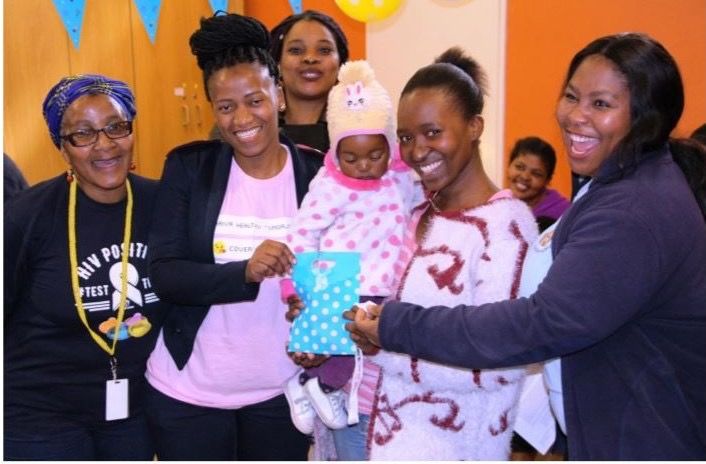
Outline

• Background
• Gaps and opportunities
• DSD in postnatal care
• Promising Approaches
• Conclusion

The CQUIN MCH Workshop May 25-27, 2021             2
Percentage coverage of pregnant women reached with
antiretroviral therapy and number of children acquiring HIV, focus
countries, 2010–2019

The CQUIN MCH Workshop May 25-27, 2021                               3
Percentage global PMTCT and EID coverage,
                           2010-2019
          100

                                                                                                                 90
           90

                                    EID coverage lags behind PMTCT coverage consistently               80
           80

                                                                                             70
           70
                                                                         65
                                                     62        63
                                           59                                      60                       60
           60                                                                                     57
                               54                                                       54
Percent

                     50                                             50
           50                                                                 47                                      EID
                                      42                  41                                                          PMTCT ART
                                                41
           40             37
                34

           30

           20

           10

            0
                 2010      2011        2012      2013      2014      2015      2016      2017      2018      2019

The CQUIN MCH Workshop May 25-27, 2021                                                                                        4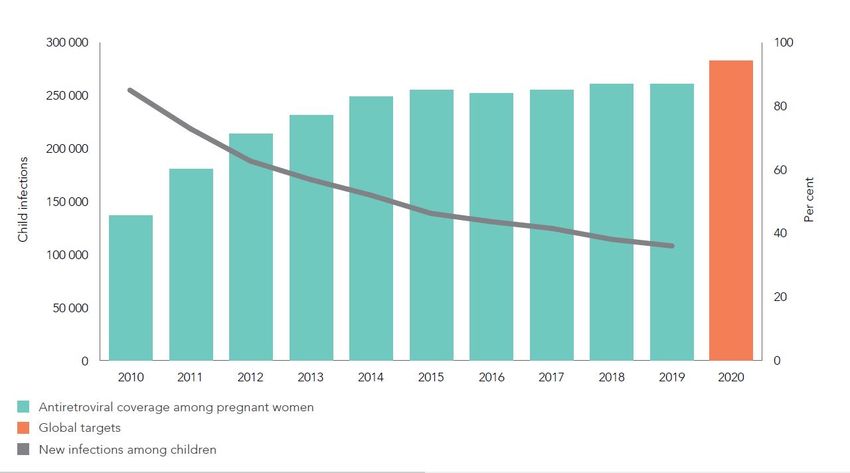
Retention of infants on the MCH platform by region, 2019.

              82                                                                  81
                                 76                                                                     76
                                            69
                                                                                                  66
                                                                                                                     63
    Percent

                                                            33

                   BCG (BIRTH)              EID (2 MONTHS)                       DPT3 (3 MONTHS)       MEASLES (9 MONTHS)
                                                 East & Southern Africa   West & Central Africa

   The CQUIN MCH Workshop May 25-27, 2021                                                                                   5
Rationale for DSD in the postnatal period • Improve infant diagnosis • Strengthen retention in care • Adherence support to ensure viral suppression • Enhance Family Planning uptake • Incorporate HIV prevention strategies for the mother • HIV-free survival of infants • To optimize overall health outcomes for the mother infant pair The CQUIN MCH Workshop May 25-27, 2021 6
Differentiated
Service Delivery
• A client-centred approach
• Align with the clinical status
  (clinically stable or
  unstable) of people living
  with HIV
• Simplifies and adapts
  HIV services across the
  cascade
• Serves the needs of PLHIV
  better
• Reduce unnecessary
  burdens on the health
  system

  The CQUIN MCH Workshop May 25-27, 2021   7
Postpartum Care Package

• Standard four postnatal visits:
     • First day (24 hours); Day 3 (48–72 hours); Between days 7–14 and at six weeks
     (Extra contacts for mothers and babies needing extra care)
• Extended “postpartum” includes the period up to 12 months
  after birth
• Components of postpartum care
     •   Mood and emotional well-being.
     •   Infant care and feeding.
     •   Sexuality, contraception, and birth spacing.
     •   Sleep and fatigue.
     •   Physical recovery from birth.
     •   Chronic disease management.
     •   Health maintenance.
The CQUIN MCH Workshop May 25-27, 2021                                         8
Differentiated Service Delivery for Postpartum
Women Living with HIV
• Postpartum women can be ‘established on ART’ and qualify for DSD using the following
criteria
• receiving ART for at least six months;
• no current illness, which does not include well-controlled chronic health conditions;
• good understanding of lifelong adherence: adequate adherence counselling provided;
and
• evidence of treatment success: at least one suppressed viral load result within the past six
months (if viral load is not available: CD4 count >200 cells/mm3 or weight gain, absence of
symptoms and concurrent infections).
• The first 42 days postpartum require specialized care which is non-negotiable
• As far as possible, without compromising care provision;
• Provide choice
• Synchronize scheduling of health care visits/contacts as far as possible
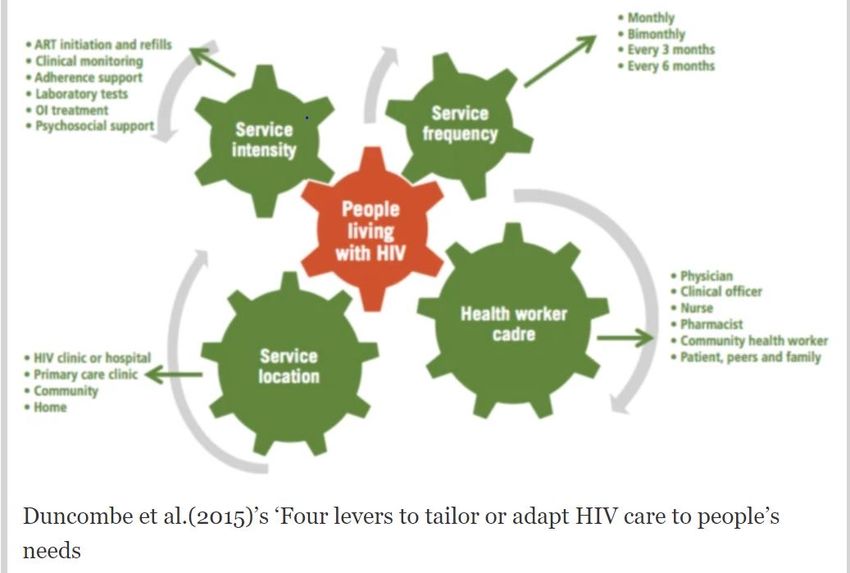
The CQUIN MCH Workshop May 25-27, 2021 9The building blocks: differentiated service delivery for (patient centred)
HIV treatment and intersection with postpartum
Postpartumcare
care
How frequent are clinical
When appointments and ART
refill / pick-up ?
Where are the services
provided? Where
• HIV clinic / hospital
• Monthly • Primary care clinic
• Every 2 months • Other clinic
• Every 3 months • Community
• Every 6 months • Home
May maintain MMS but
Provide Choice for postpartum
synchronize refills with post natal
WLHIV
visits
Who Who can provide the
services? What are the services What
• Physician provided?
• Clinical officer • ART initiation / refills
• Pharmacists
• Clinical monitoring
• Community Health
• Laboratory tests
worker • OI treatment
• Client / peer/ family • Psychosocial support
member
• Adherence support
Coordinate HIV and PNC within Provide Choice for postpartum
postpartum WLHIV’s Choice WLHIVKey Considerations
Delivery of DSD in the Postnatal period
§ Engage MCH / RH to recognise and facilitate delivery of ART in MNCH
settings
§ Joint planning and resource mobilisation with HIV
§ Provision of DSD in the context of the number of expected MCH visits and client
choice
§ Strengthening management of transitioning between the MCH and routine ART care
services
§ Capacity building for various cadres
§ Primary and outreach care staff to provide tailored services for PBFW (task shifting
and sharing)
§ RMNCAH staff (task shifting and sharing, nurse led ART training)
§ Capacity building for community led DSD providers to
§ Support identification of incident HIV infection during the breastfeeding period
The CQUIN MCH Workshop May 25-27, 2021WHAT Facility based
PROMISING
MODELS ARE Outreach from the health facility
BEING Community Health Workers as providers
IMPLEMENTED?
Client led (community of facility based)
Combination approaches
The CQUIN MCH Workshop May 25-27, 2021 12Promising Models:
Khayelitsha, South Africa
Postnatal Clubs
• Key HIV outcomes include:
• Increased adherence,
• Increased follow-up tests for babies,
• Increased disclosure,
• Main perceived benefits– complete care
for mother-infant pairs making time
spent at the clinic more efficient and
decreasing the number of consultations
The CQUIN MCH Workshop May 25-27, 2021 13Promising Models:
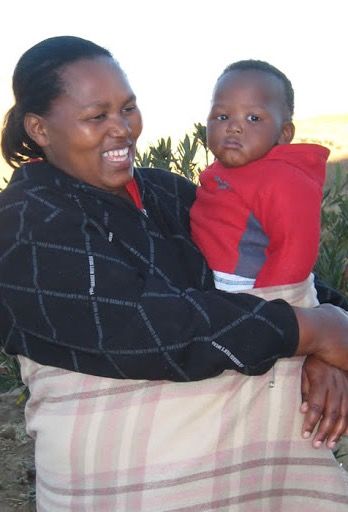
Maseru, Lesotho
• Multidisciplinary integrated teams of facility,
community and lay providers delivering HIV and
Maternal Child Health Services
• Key HIV outcomes at 12 months after delivery
(compared to standard of care):
• - Maintain adherence 76% vs 65% (p=0.003)
• - Undetectable viral load 83.4% vs 72%
The CQUIN MCH Workshop May 25-27, 2021 14Conclusion • Mothers living with HIV and their infants are an important target population for differentiated service delivery (DSD) • Promising models need to be evaluated and rapidly taken to scale • DSD can help us address the persisting gaps in our PMTCT programs and help push as closer to our goal of ending new paediatric infections by 2030 The CQUIN MCH Workshop May 25-27, 2021 15
Thank You
Acknowledgement
Morkor Newman –WHO
Fatima Tsiouris - ICAP

 The CQUIN MCH Workshop May 25-27, 2021   16
You can also read


