CRIME PREVENTION - Lake Macquarie City Council
←
→
Page content transcription
If your browser does not render page correctly, please read the page content below
CRIME PREVENTION
     STRATEGY
2 LAKE MACQUARIE CITY COUNCIL

MESSAGE FROM THE
MAYOR
We are committed to enhancing our wonderful        Through this strategy we will see a focus on the
lifestyle we enjoy in Lake Macquarie and a big     prevention of motor vehicle theft, fraud and
part of this is ensuring that our community        malicious damage to property. I believe we are
remains a safe place to live, work and raise our   well placed to help manage crime prevention for
families. Council will continue to work closely    these focus areas and we will do all we can to
with NSW Police and our Lake Macquarie Police      strengthen our sense of safety right across our
District to ensure Lake Macquarie is a safer       community.
community.
                                                   We have an incredible sense of community in our
I’m very pleased to present this plan, which       local neighbourhoods. By working together, we
outlines Council’s focus and steps out our role    will help continue to prevent crime across our city
in partnership with police, community service      and make Lake Macquarie an even safer place to
providers, other government agencies and our       live.
community. The role of our community cannot
be underestimated in preventing crime and we
need your support for our work and the police to   Councillor Kay Fraser
succeed in reducing crime across our City.         Lake Macquarie Mayor

                                                                                                         CRIME PREVENTION STRATEGY   3
MESSAGE FROM THE
                        NSW POLICE DISTRICT
                        COMMANDER
                        The Lake Macquarie Police District enjoys an excellent        This strategy aligns with the crime prevention mindset
                        relationship with the Lake Macquarie City Council and is      of the Lake Macquarie Police District and highlights the
                        very pleased to be partners in the development of the         need for community focused, co-ordinated, multi-faceted
                        Lake Macquarie Crime Prevention Strategy 2021–2024.           strategies and programs to address the issues identified.
                        The strategy builds on our efforts to continually improve     Our capability to partner with Lake Macquarie City Council
                        the safety and quality of life of residents and visitors to   has been increased with the introduction of our Crime
                        the Lake Macquarie Local Government Area (LGA).               Prevention Unit and our Aged Crime Prevention Officer
                                                                                      (ACPO). The ACPOs are members of the Police District Crime
                        The Lake Macquarie Police District has a prevention first     Prevention Unit, whose primary responsibility is preventing,
                        mindset when it comes to crime and this strategy will         disrupting and responding to the exploitation, abuse and
                        support the actions identified in targeting specific areas    neglect of vulnerable people in the Ageing, Disability and
                        of violence, crime and fear in our community.                 Homelessness sectors.

                        This strategy is a key vehicle of collaboration between       Robert Peel the father of modern policing remarked, 'the
                        our government and non-government partners and                police are the community and the community are the police'.
                        will enable us all to continue the already impressive
                        reductions in crime rates across the LGA. Community           Community support for police and the work they do is
                        engagement is the foundation on which local policing          fundamental to our success in reducing crime and making
                        should be built. The community support that is required       Lake Macquarie safer. I encourage everyone in Lake
                        for us to police effectively is only possible through         Macquarie to embrace the Lake Macquarie City Council
                        ongoing community engagement.                                 Crime Prevention Strategy and to provide support for their
                                                                                      community. With this support I am confident we can build
                                                                                      on our previous success and sustain Lake Macquarie as the
                                                                                      wonderful community we all enjoy.

                                                                                      Daniel Sullivan APM
                                                                                      Commander, Lake Macquarie Police District

4   LAKE MACQUARIE CITY COUNCIL
WHY WE NEED A
CRIME PREVENTION
STRATEGY
Local government has an important role in                           Local
                                                                          government is the level of government
community safety and crime prevention. This                         closest to and reflective of the needs of
reflects a growing recognition that local councils                  communities. Therefore, there is an increasing
are well placed to lead community crime                             community expectation that local government
prevention initiatives                                              will assume some level of responsibility for
                                                                    initiating or directing action for crime issues
(Australian Institute of Criminology 2012. Effective Crime
Prevention Interventions for Implementation by Local                that are seen to be affecting local amenity and
Government. AIC Reports – Research & Public Policy Series 120.      quality of life
NSW Department of Attorney General & Justice).
                                                                    Local  government frequently has the most

Some of the reasons include:                                        appropriate management infrastructure and
                                                                    skill base for delivering the multi-agency
    Research   shows that a great deal of crime                     programs that are often required.

    is very local in nature, and there is growing
    evidence about the increased effectiveness                   It should be noted that the literature on crime
    of crime prevention activities developed at a                prevention, while acknowledging the important
    local level                                                  role of local government, acknowledges local
                                                                 government's limited ability to effect change.
    Local government is well placed to coordinate

    and manage crime prevention responses
    across the community through its existing
    mechanisms such as community consultative
    processes

                                                                                                                      CRIME PREVENTION STRATEGY   5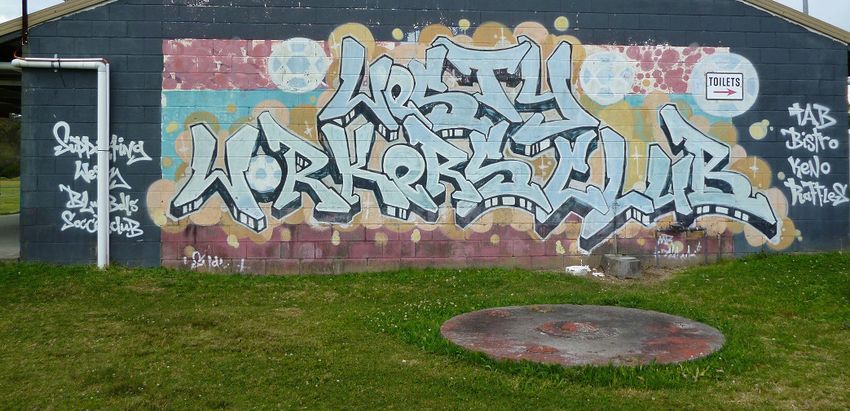
CONTEXT OF CRIME IN
    NSW AND LAKE MACQUARIE
                             In Australia, property                          Between 2001-2013                            Between 2001-2013                           Between 2001-2013
                             crime rates have                                VEHICLE THEFT                                BURGLARY                                    ROBBERY

                                                                                        62%                                         53%                                         56%
                             experienced a significant
                             decline from around the
                             turn of the millennium.
                                                                             (Australian Institute of Criminology (AIC) 2012/2016. Australian crime: Facts and figures 2011/2014. Canberra: Australian
                                                                             Institute of Criminology).

     STATISTICAL INFORMATION FOR NSW INDICATES
                                                                                                          In Lake Macquarie between
     between 2000-2012                              between 2000-2012
                                                                                                          April 2016 – March 2020
     THEFT                                          ROBBERY                                                            ccurrences of assault (non-domestic related), sexual
                                                                                                                      o

               50%                                            33%
                                                                                                                      offences (against children), break and enter non-dwelling,
                                                                                                                      fraud, steal from retail store, drug offences and intimidation,
                                                                                                                      stalking/harassment offences.
     Like most other Australian states and territories, NSW is currently in the midst of the
     largest and most protracted decline in crime on record; an experience it shares with                             occurrences of robberies, steal from person, sexual offences
     New Zealand, Canada, the USA and much of Western Europe.                                                         (against adults) and incidents of domestic related assault.

6               LAKE MACQUARIE CITY COUNCIL
RISE OF CYBERCRIME
The Australian Signals Directorate’s Australian
Cyber Security Centre (ACSC) compiles reports         On average each month, the ACSC
from individuals, businesses and government           receives about 4400 cybercrime reports
departments about a range of different themed         through ReportCyber, and responds to
scams, online frauds and phishing campaigns           168 cyber security incidents. Since 10
(including most recently COVID-19 related             March 2020, the ACSC has:
information). The Australian Competition and
                                                               received more than 95 cybercrime    Those engaged in cybercrime activities continue
Consumer Commission’s (ACCC) Scamwatch page
                                                               reports (approximately two per      to rapidly adapt their techniques in response to
also has helpful information about different types
                                                               day) about Australians losing       changes in the current environment. The ACSC is
of scams and how to prevent yourself becoming a
                                                               money or personal information       observing new phishing campaigns that align with
victim. Cybercrime actors are pivoting their online
                                                               to COVID-19 themed scams and        breaking developments, such as government relief
criminal methods to take advantage of the COVID-19
                                                               online frauds                       payments or public health guidance, within days,
pandemic.
                                                               responded to 20 cyber security      even hours, of these announcements occurring.
                                                               incidents affecting COVID-19        Cybercriminals are also amending previously used
                                                               response services and/or major      methodologies or widespread scam campaigns with
                                                               national suppliers in the current   a COVID-19 theme. The ACSC strongly encourages
                                                               climate                             all organisations and individuals to remain vigilant
                                                                                                   against the threat of COVID-19 themed cybercrime
                                                               disrupted over 150 malicious        activity, including sophisticated scams, phishing
                                                               COVID-19 themed websites, with      emails and malicious websites.
                                                               assistance from Australia’s major
                                                               telecommunications providers,
                                                               Google and Microsoft.

                                                                                                        CRIME PREVENTION STRATEGY                         7
LOCA    L  C  R  I M E              Total number of
                                        offences, trends,
                                                              The following data (Table 1) has been obtained from
                                                              the Australian Bureau of Statistics – NSW Bureau of

              I T I E S
                                                              Crime Statistics and Research (BOCSAR). In addition, the

    P R I O R                           state ranking and
                                        comparison analysis
                                                              information presented ranks local government areas against
                                                              crime categories supplied by the NSW Bureau of Crime
                                                              Statistics and Research.

            E M A CQ UA R IE
    FOR LAK

8         LAKE MACQUARIE CITY COUNCIL
OCT 2016- SEPT 2017         OCT 2017- SEPT 2018         OCT 2018- SEPT 2019

CRIME                                                                                                                                  3 YEAR
                                                                                                                                                   3 YEAR
                                                                                                                                                     NSW
                                                                                                                                                              VARIANCE
                                                                                                                                                                  LAKE
                                                                                                                                                                             CURRENT
                                                                                                                                                                                  NSW
CATEGORY                                 INCIDENTS      RATE***      INCIDENTS       RATE***     INCIDENTS   RATE***
                                                                                                                           3 YEAR
                                                                                                                           TREND
                                                                                                                                     AVERAGE
                                                                                                                                         RATE
                                                                                                                                                 AVERAGE
                                                                                                                                                     RATE
                                                                                                                                                             MACQUARIE
                                                                                                                                                                  RATE
                                                                                                                                                                              RANKING
                                                                                                                                                                            (120 LGAS)
Assault (non-domestic violence)                  610        300.4            731        359.4          680      334.4       Stable       331.4       409.1      23% Less             67

Assault (alcohol related)                        416        204.9           460         226.2          426      209.5       Stable       213.5       255.3      19% Less   Not available

Robbery                                           39          19.2            40         19.7           49        24.1      Stable          21        31.8      51% Less             54

Sexual Offences against Adults                    77         48.9            132        83.8           104       66.0       Stable        66.2       176.2     166% Less             52

Sexual Offences against Children                 324         708.1          340         742.6          402       878.1     Up 14%        776.2       548.6     41% More    Not available

Break and Enter Dwelling                         717         353.1          660         324.5          641       315.2      Stable       330.9       342.9       4% Less             52

Break and Enter Non-dwelling                     290         142.8           322        158.3          307       151.0      Stable       150.7       132.5     14% More              62

Motor Vehicle Theft                              563         277.3           539        265.0          508       249.8      Stable        264        168.9     56% More              16

Steal from Motor Vehicle                        1188        585.0           1206        593.0         1098       539.9      Stable       572.6       492.7      16% Less             26

Steal from Retail Store                          768         378.1          698         343.2          801       393.9      Stable       371.7       321.7     16% More              27

Steal from Dwelling                              531         261.5           470        231.1          465      228.6    Down 6.5%       240.4       247.7      3% Less               71

Steal from Person                                 76          37.4            59         29.0           59        29.0      Stable        31.8        54.5      71% Less             50

Fraud                                           1226        603.7           1492        733.6         1380      678.5       Stable       671.9       650.8      5% More               13

Malicious Damage to Property                    1883         927.0         1898         933.2         1524       749.4      Stable       869.8       756.6     15% More              56

Disorderly Conduct                               291         143.3           311        152.9          309       151.9      Stable       149.4       257.8      73% Less            81*

Drug Offences                                    663        326.4            735        361.4          947      465.6     Up 19.4%       384.5       613.8     60% Less             81**

Intimidation, Stalking and Harassment            812         399.7           871       428.3           879       432.2      Stable       420.1        410       3% More              68

Liquor Offences                                   56          27.6            73         35.9           52        25.6      Stable        29.7        146      392% Less             111

*   Item defined as Offensive Conduct in the Local Government Area Ranking Tool
** Item defined as Possession and/or use of Cannabis in the Local Government Area Ranking Tool
*** Rate: calculated per 100,000 people

http://bocd.lawlink.nsw.gov.au/bocd/cmd/ranking/Process (viewed online 20/2/2020).

                                                                                                                                       CRIME PREVENTION STRATEGY                           9
OFFENCES IN LAKE MACQUARIE
 LOCAL GOVERNMENT AREA
     Over three years from October 2016 to September 2019, there are seven   Of 120 local government areas in NSW, Lake Macquarie ranks:
     categories where the rate of offences (per 100,000) is higher in Lake
     Macquarie when compared to the NSW region. These offences include:         Thirteenth (13) for the offence of Fraud
                                                                                Sixteenth (16) for the offence of Motor Vehicle Theft
        Motor Vehicle Theft (156%)
                                                                                Twenty-sixth (26) for the offence of Steal from Motor Vehicle
        Sexual Assault against Children (141%)
                                                                                Twenty-seventh (27) for the offence of Steal from Retail Store.
        Steal from Retail Store (116%)
                                                                             In all other categories where NSW ranking is available, Lake Macquarie
        Malicious Damage to Property (115%)                                  ranks outside the top 50.
        Break and Enter Non-dwelling (114%)
        Fraud (105%)
        Intimidation, Stalking and Harassment (103%).

10            LAKE MACQUARIE CITY COUNCIL
NSW Office of Local Government (June 2014) classifies Lake Macquarie, Maitland, Newcastle and Wollongong
as Regional Town/City (Group 5) in their report, Comparative Information on NSW Local Government.
VARIANCE
CRIME AVERAGE
RATE OF
LAKE
MACQUARIE
CATEGORY LAKE MACQUARIE
OCT 2018- SEPT 2019
4 LIKE
COUNCILS
RATE AGAINST
AVERAGE RATE
MAITLAND OCT
2018- SEPT 2019
NEWCASTLE OCT
2018- SEPT 2019
WOLLONGONG OCT
2018- SEPT 2019
INCIDENTS RATE* RATE % INCIDENTS RATE* INCIDENTS RATE* INCIDENTS RATE*
Assault (non-domestic violence) 680 334.4 442.9 Less by 32% 351 433.4 1088 670.1 711 333.6
Assault (alcohol related) 426 209.5 282.1 Less by 34% 238 293.9 623 383.7 514 241.2
Robbery 49 24.1 31 Less by 28% 13 16.1 84 51.7 69 32.4
Sexual Offences against Adults 104 66.0 125.4 Less by 90% 212 261.8 403 248.2 370 173.6
Sexual Offences against Children 402 878.1 760.3 More by 15% 179 849.5 257 785.7 242 527.8
Break and Enter Dwelling 641 315.2 410.9 Less by 30% 325 401.3 1014 624.5 645 302.6
Break and Enter Non-dwelling 307 151.0 186.7 Less by 23% 194 239.5 398 245.1 237 111.2
Motor Vehicle Theft 508 249.8 263.6 Less by 5% 200 246.9 563 346.8 449 210.7
Steal from Motor Vehicle 1098 539.9 730.8 Less by 35% 485 598.8 1864 1148.1 1356 636.2
Steal from Retail Store 801 393.9 518.6 Less by 31% 479 591.4 1005 619 1002 470.1
Steal from Dwelling 465 228.6 338.9 Less by 48% 307 379.1 838 516.1 494 231.8
Steal from Person 59 29.0 42.8 Less by 47% 22 27.2 148 91.2 51 23.9
Fraud 1380 678.5 679.2 Equal to rate 442 545.8 1583 975 1103 517.5
Malicious Damage to Property 1524 749.4 897.7 Less by 19% 738 911.2 1921 1183.2 1592 747
Disorderly Conduct 309 151.9 251.8 Less by 65% 235 290.2 464 285.8 595 279.2
Drug Offences 947 465.6 633.2 Less by 35% 591 729.7 1173 727.5 1300 610
Intimidation, Stalking and Harassment 879 432.2 484.9 Less by 12% 520 642.1 761 468.7 845 396.5
Liquor Offences 52 25.6 67.2 Less by 162% 37 45.7 121 74.5 262 122.9
*Rate: calculated per 100,000 people
CRIME PREVENTION STRATEGY 11COMPARISON OF OFFENCE RATES AMONG
‘LIKE’ LOCAL GOVERNMENT AREAS
For the remainder of the offences listed, Lake
When compared with three other local Macquarie’s rate is less than the average of the
government areas having the same NSW four local government areas by at least 12 per
Office of Local Government classification cent. In two thirds of the categories (12=67%), Lake
Regional Town/City (Group 5 – Maitland, Macquarie’s rate is more than a quarter less than
Newcastle and Wollongong), there are the average rate across like Council areas in these
three crime categories in which Lake crime categories.
Macquarie’s rate is either higher or on par
Based on the comparison of crime statistics
with the average rate of the four areas
(BOCSAR) and rankings provided by NSW Office of
including:
Local Government and Council’s capacity to impact
Motor Vehicle Theft on rates of the offence, the two crime categories of
Motor Vehicle Theft and Fraud are recommended
Fraud for inclusion in the Lake Macquarie Crime
Prevention Strategy.
Sexual Offences against Children.
In addition to the two priority crime categories
identified through consultation with NSW Police,
the crime category of Malicious Damage to Property
(Graffiti and Anti-social Behaviour) has also been
included due to the high rate of occurrence of this
crime type across the City. In the year from April
2019–March 2020, BOCSAR data reports there were
1508 offences, which represents a figure at least 5
per cent higher than across NSW (BOCSAR 2020).
While there has been a reduction in the number of
reported offences, the situation remains stubbornly
high and warrants the continuing commitment
of Council to address this crime type through
established partnerships and operational plans.
12 LAKE MACQUARIE CITY COUNCILDOMESTIC AND FAMILY CRIME PRIORITIES After completing an analysis of crime occurrences
and rates using available data, the information was
VIOLENCE SELECTED FOR THIS collated and presented to NSW Police. Council staff
met with NSW Police to discuss the findings of the
Council is committed in educating the community STRATEGY research, with a view to identifying crime priorities
about domestic and family violence in all forms to target in this strategy.
and strengthening the response to family violence Lake Macquarie City Council has a proven record
for the delivery of crime prevention programs to In addition to the identification of crime priorities,
through increased collaborations between services.
reduce crime, demonstrating the necessary capacity officers of Lake Macquarie District Command
As such, Domestic and Family Violence (D&FV)
and expertise to contribute to a reduction in crime provided the following information to assist with
forms part of Council’s Key Priority Area 1: Keeping
in the area. With regard to the identified crime the development of the strategy and targeting of
our children safe, in the Child and Family Strategy
categories (i.e. Motor Vehicle Theft and Fraud) identified offences.
2021-2024. While D&FV is not specifically identified
in this strategy, Council officers work closely Council has the necessary experience, resources *Due to the specific nature of the offence of ‘Child Sexual
together on a range of initiatives to prevent, detect and partnerships to contribute to further reductions Assault’ and the provision of services by NSW State Government
and resolve D&FV. Council also works closely with in the number and rate of these offences in the to address this crime type, it was concluded in discussions with
NSW Police that this type of crime falls outside the scope of
the Lake Macquarie Domestic Violence Committee area. Council can demonstrate it is well positioned
the work of Local Government and will not be included in this
to enhance service collaboration, host events and to play a lead role in producing further reductions strategy as a target crime.
campaigns to increase awareness in the community, in these crime categories.
and advocate for increased funding and support for
our local area.
OFFENCE HOT SPOTS (GEOGRAPHIC LOCATIONS) PRIORITY TIMES VICTIMS AND OFFENDERS UNIQUE CONTRIBUTING FACTORS (IF ANY)
Motor Charlestown,Belmont, Morisset, Overnight • O
ffenders are generally those stealing vehicles for • Stolen vehicles dumped in bushland.
Vehicle Redhead, Boolaroo, Cardiff, Cooranbong (between 6pm–6am) short journeys and hooning. • Tender boats stolen from Lake’s edge.
• V
ictims include boat owners on and around the Lake, • Boats and trailers stolen.
Theft and vehicle owners (including number plate theft). • Unsecured trail bikes stolen.
Fraud Charlestown, Mount Hutton, Glendale No specific times for this • O
ffenders commonly steal from motor vehicles • Increase in theft from vehicles in car
Morisset, Cardiff, Edgeworth, Belmont offence (note: theft from leading to secondary fraud crime. They target parks is a recent factor (train stations,
motor vehicles generally residential settings and car parks. shopping centres).
occurs between 6pm–6am) • V
ictims include Service Station operators (drive offs),
seniors (phone/email) and young people (ebay).
Malicious City Wide Friday through to • M
ajority of malicious damage – graffiti of nuisance
type (i.e. tagging) is completed by those aged
• R
ecent increase in the incidents of ‘crew
tags’ used to mark out territory by groups.
Sunday (3pm–12am)
Damage 13–18 years old. • G
raffiti attacks tend to target high profile
• L arger and more sophisticated graffiti damage is locations (e.g. along major roads or
likely to be completed by those up to the age of 26 railway corridors).
years. • O
ther types of malicious damage usually
occur on public facilities in ad-hoc/
opportunistic fashion across the City.
CRIME PREVENTION STRATEGY 13L E M E N TAT I O N
I O N S A ND I M P
T
ACUATIONAL ANALYSIS
– SIT
MOTOR VEHICLE THEFT
Target Offence Motor vehicle theft including all categories of registered and unregistered motor vehicles with a focus on categories of vehicles
recommended by NSW Police (i.e. stolen vehicles dumped in bushland, tender boats, boats and trailers, unsecured trail bikes).
Environmental Vehicles are stolen to use in the commission of other offences
Factors Four-wheel drive vehicles are stolen for parts
(Situational analysis) Vehicle theft rates are high in areas of low socio-economic conditions to facilitate transportation
Vehicle theft rates are high in more isolated areas where public transport options are limited or not provided
Small boats used to reach vessels moored in the lake are stolen because generally they are not secured against theft (i.e. 42 boats stolen between 1/1/2019
– 24/2/2020) and some are used to access moored vessels
Relaxed attitude of community towards the security of motorcycles/trail bikes and their storage making it much easier for theft to be carried out (i.e. not
locked, stored in non-secure locations at home, garages left open)
Council will apply a balance of universal education and targeted assistance to empower the community to take deliberate action to reduce theft of motor
Project vehicles. This will be achieved by developing a broad-based media campaign to educate the community about the risks associated with not securing vehicles
and include partnership with the National Motor Vehicle Theft Reduction Council to deliver the ‘Stop Sneak Theft’ campaign.
It will also be achieved through increased collaboration with NSW Police and Marine District Command to target high risk situations, improved partnership
between Police and Council Rangers resulting in an improved response to dumped vehicles, and conducting shoreline safety audits in partnership with Marine
District Command personnel.
The rate of motor vehicle theft in Lake Macquarie remains higher than across NSW. In the year from October 2018 – September 2019 (BOCSAR 2020) statistical
Rationale information available indicates that there were 508 incidents of vehicle theft, which represents 156 per cent of the rate for NSW. Lake Macquarie is ranked
sixteenth (16) in NSW for occurrences of this crime category.
Evidence indicates that the implementation of a range of measures including raising community awareness and application of CPTED principles are effective
measures to reduce this crime type. A focus on universal education and targeted interventions in high risk locations is likely to impact positively on the rate of
motor vehicle theft.
14 LAKE MACQUARIE CITY COUNCILLead Agency Council will assume a lead role in relation to facilitating collaborative responses with key stakeholder agencies including:
Partner with National Motor Vehicle Theft Reduction Council (NMVTRC) to conduct universal education campaign
and Partners
Improved collaboration with NSW Police, Council Rangers and 4WD user groups for the detection and identification of stolen vehicles
Partner with NSW Police and Marine District Command regarding shoreline safety audits.
Stakeholders Police
Residents
The implementation of a universal education campaign to raise awareness across the community, supported by a series of targeted collaborative measures
Objective between key stakeholder agencies and community groups to increase effective identification and reporting in hotspot locations, is expected to yield a
reduction of 5 per cent in this crime category across the life of the strategy.
Adopting the measures outlined in this strategy is aimed at reducing the occurrence of motor vehicle theft by approximately 5 per cent. It is also anticipated
Expected Outcome that targeting this crime activity will impact on the occurrence of related secondary offences (i.e. other stealing offences).
It is anticipated that a reduction in motor vehicle theft and related offences will reduce the financial resources being used to replace stolen vehicles, personal
items and/or repair damaged to vehicles resulting from this crime activity. The strategy may also have a positive impact of a reduction in insurance premiums
due a reduction in claims for replacement of vehicles, personal items and repair of damage to vehicles.
A reduction in this offence may also lead to a reduction in the fear of crime or an increase in the sense of community safety as vehicle owners are empowered
to strengthen security practices associated with vehicle use in addition to other evidence-based crime prevention initiatives as documented in this action
plan.
Reduce the opportunities for theft of motor vehicles in residential settings, contributing to a 5 per cent reduction in this crime category over implementation period.
Performance Reduce the opportunities for theft of boats and trailers in residential settings and shoreline locations, contributing to a 5 per cent reduction in this crime
Measures category over implementation period.
Increase community awareness for the prevention of motor vehicle theft offences, contributing to a 5 per cent reduction in this crime category over
implementation period.
CRIME PREVENTION STRATEGY 15FRAUD
Target Offence Fraud offences including fuel non-payment resulting from theft of number plates, credit card fraud, fraudulent online activities and falsifying documents to
acquire medications.
Environmental Vehicle number plates are stolen to use in the commission of other offences (e.g. petrol theft from service stations which increases when price of fuel rises)
Factors Easy facilitation of credit card fraud through pay-wave facilities
(Situational analysis) The increased motivation for theft from motor vehicles is facilitated by people leaving valuables unsecured in vehicles and the knowledge that the
proceeds of this crime type can be used for pay-wave fraud
Facilitation of fraud though online purchase of goods not supplied (i.e. ebay fraud)
Use of forged or non-genuine documents to acquire medications (e.g. forged scripts)
Technology being used to obtain private financial information (e.g. scanning personal information, email and phone scams).
Council will apply a balance of a universal education campaign and targeted programs to empower the community to take deliberate action to reduce both
Project the opportunity and resultant fraud offences. This will be achieved developing a broad-based media campaign to educate the community about the risks
associated with not securing personal identification, financial cards and general vehicle security where valuables are targeted (e.g. residential settings,
shopping centre and commuter car parks).
The universal awareness raising campaign will be complemented through the delivery of programs to target groups to increase actions to prevent theft of
information and goods that result in fraud offences. This shall include:
resourcing retail outlets and staff regarding point of sale fraud prevention
information to retail pharmacy outlets regarding point of sale fraud prevention
presentations and information to high risk groups regarding theft of personal information and fraudulent online activities (e.g. seniors groups, young people)
information and resources to vehicle owners to facilitate increased security of number plates.
16 LAKE MACQUARIE CITY COUNCILThe rate of fraud in Lake Macquarie remains higher than across NSW. In the year from October 2018 – September 2019 (BOCSAR 2020) statistical information
Rationale available indicates there were 1380 incidents of fraud, which represents 105 per cent of the rate for NSW. Lake Macquarie is ranked thirteenth (13) in NSW for
occurrences of this crime category.
As supported in the literature, a combination of measures including awareness raising, securing personal goods and information, and targeting high risk
groups with educational-type programs is likely to have the greatest yield in reducing incidents in this crime category. As recommended by NSW Police in
consultations for the development of this strategy, incidents of fraud in the Lake Macquarie area reflect a range of situational characteristics which have
been considered in the design of the interventions proposed. This includes targeting vehicle owners to secure number plates, educating retail staff about
the fraudulent use of credit cards, raising awareness among seniors and young people about online scams and alerting pharmacy retailers about forging of
medication documentation. (Australian Institute of Criminology. Australian Crime: Facts and Figures 2011/2014. Canberra)
Council will assume a lead role in relation to facilitating collaborative responses with key stakeholder agencies including:
Lead Agency Retail owners and shopping centre management
and Partners Liquor Accord members
Pharmacy outlets
Seniors and neighbour groups
High schools and youth leadership groups.
Objective The implementation of a universal awareness raising campaign across the community, supported by a series of targeted education-type interventions
with key stakeholder groups in the community, is expected to yield a reduction of 5 per cent in this crime category across the life of the strategy.
Lake Macquarie Liquor Accord
Stakeholders Service/Petrol Stations
Shopping Centres/Retailers
Adopting the measures outlined in this strategy is aimed at reducing the occurrence of fraud by approximately 5 per cent.
Expected Outcome It is anticipated that a reduction in fraud offences will reduce the financial loss experienced by residents, retailers and financial institutions when this crime
occurs. The strategy may also have a positive impact of a reduction in insurance premiums due a reduction in claims for financial loss experienced by victims
of this crime.
A reduction in this offence may lead to a reduction in the fear of crime or an increase in the sense of community safety as residents and business operators
are empowered to strengthen security practices to reduce incidents of fraud in addition to other evidence-based crime prevention initiatives as documented
in this action plan.
Reduce the opportunities for fraud to be perpetrated in retail settings, contributing to a 5 per cent reduction in this crime category over implementation
Performance period.
Measures Reduce the opportunities for fraud to be perpetrated in through falsification of medical documents, contributing to a 5 per cent reduction in this crime
category over implementation period.
Reduce the opportunities for fraud to be perpetrated against vulnerable groups in online settings, contributing to a 5 per cent reduction in this crime category
over implementation period.
Increase community awareness for the prevention of fraud offences, contributing to a 5 per cent reduction in this crime category over implementation period.
CRIME PREVENTION STRATEGY 17MALICIOUS DAMAGE
Note: It is important to acknowledge that the crime category of malicious
damage has not been recommended as a priority area for action by NSW
Police for inclusion in the Crime Prevention Strategy but has been included
TO PROPERTY due to high occurrence of the crime in the area and Council’s ongoing
resourcing commitments to resolve incidents in this crime category.
Target Offence Malicious damage is broadly defined as the intentional 'destruction or defacement of public, commercial and private property' (Howard 2006 in AIC 2012).
Research shows that the majority of malicious damage incidents occur between 3pm and midnight with a peak between 6pm and 9pm from Friday through to
Environmental Sunday. Other important characteristics reported include:
Factors alcohol being an important contributing factor
(Situational analysis)
regional areas experience higher rates
vandals primarily target residential property, private cars and commercial premises
graffiti damage is most often caused to residential properties and educational facilities
young people are generally the main perpetrators.
Rapid removal of graffiti shares characteristics with CPTED as they both involve improving the general amenity of an area with the aim of increasing community
feelings of safety and pedestrian movement through the area, thereby providing more opportunities for natural surveillance. Rapid removal also has the benefit of
reducing the rewards offenders associate with the commission of a graffiti offence. (Australian Institute of Criminology. Australian Crime: Facts and Figures 2011/2014. Canberra)
A range of measures will continue to be implemented by Council to prevent where possible, and respond in a timely manner to the crime of malicious damage.
Project These measures include but are not limited to
resourcing the timely removal of graffiti and repair of damage on public property
increasing capacity of the community for the timely removal of graffiti
raising community awareness about reporting incidents of graffiti.
Rationale The rate of Malicious Damage in Lake Macquarie remains higher than the NSW rate. In the year from October 2018 – September 2019, BOCSAR data reports there
were 1524 occurrances, which represents 115 per cent of the rate across NSW (BOCSAR 2020). BOCSAR ranks Lake Macquarie fifty-sixth (56) in the State with
regard to this crime category.
Malicious damage is the most commonly reported criminal offence in NSW. Approximately 87,000 incidents were reported to NSW Police in 2011, of which
8 per cent were graffiti related. This offence continues to have a substantial impact on communities. Determining the true cost and frequency of malicious
damage is difficult due to under-reporting and the absence of a centralised body to coordinate reporting and information. Apart from the considerable
monetary costs, graffiti and vandalism can undermine a community's feeling of safety, reducing the quality of life of residents and possibly leading to further
criminal activity where left unchecked (LaGrange 1999 in AIC 2012). (Australian Institute of Criminology. Australian Crime: Facts and Figures 2011/2014. Canberra)
18 LAKE MACQUARIE CITY COUNCILCouncil will assume a lead role in relation to facilitating collaborative responses with key stakeholder agencies including:
Lead Agency Justice NSW - Juvenile Justice
and Partners Shopping Centre Management
Business Owners
Community Organisations/Youth Services
Residents and Neighbourhood Groups.
The measures adopted in this action plan are based on evidence about increasing the difficulty for offenders to commit malicious damage offences and timely
Objective response to repair damage when it occurs with the aim of reducing the occurrence of this offence by 5 per cent across the period of implementation.
Research indicates that as the majority of malicious damage is opportunistic in nature, improved design and planning (e.g. application of CPTED principles) is
likely to reduce the prevalence of this crime activity. This includes the use of the following strategies:
use of polycarbonate laminates instead of glass
selection of injection moulded seating over other materials
application of anti-graffiti paint on vulnerable surfaces.
Literature about effective strategies available to local government to address malicious damage activity include measures relating to the application of CPTED
principles to design of structures and places, rapid removal of graffiti, community education and awareness raising, and improving lighting of public places.
(Australian Institute of Criminology. Australian Crime: Facts and Figures 2011/2014. Canberra)
Stakeholders Local Government
NSW Department of Communities & Justice - Juvenile Justice
NSW Police
Rotary NSW – Graffiti Removal Day
Adopting the measures outlined in this strategy is aimed at reducing the occurrence of malicious damage by approximately 5 per cent over the period of
Expected Outcome implementation.
Continued compliance in design of developments with CPTED good practice.
Maintain timely response for the removal of graffiti from public utilities, commercial premises and private property.
Assessment of development applications and Council project designs to ensure CPTED principles are applied to reduce crime opportunity, including damage
Performance resistant designs, materials and management plans for damage restoration.
Measures Agreed service standards for the removal of graffiti and repair of vandalism on public property that Council is responsible are maintained.
Provision of resources to assist property owners with the repair of damage on public utilities, commercial and residential premises.
CRIME PREVENTION STRATEGY 19E P R E V E N T I O N The monitoring and evaluation of the strategy
I M
has been embedded in the following action plan.
CR
Council’s Community Planner for Safer Communities
A N
will be responsible for ensuring the implementation
ACT I O N P L and evaluation of the program. Council will rely on
the cooperation of NSW Police to provide relevant
statistical and crime information for the purpose of
monitoring and evaluation of the strategy, along with
regular review of statistical information provided by
the Australian Bureau of Statistics - Bureau of Crime
Statistics and Research.
MOTOR VEHICLE THEFT
PERFORMANCE
ACTION PERFORMANCE TIME FRAMES FUNDING REQUIRED MILESTONES INDICATORS
Partner with the National When offered, apply for and deliver motor Annually $15,000 per annum funded Progress monitored in monthly Monitoring
Motor Vehicle Theft Reduction vehicle theft prevention campaign. by NMVTRC management reporting of crime
Council (NMVTRC) to deliver the Final acquittal reporting to funding body occurrences
‘Stop Sneak Theft’ campaign. reported by
BOCSAR
Support NSW Police Identification of 4WD user groups across the Three months In-kind Actions identified in monthly management
identification of 4WD groups city. reports
Statistical
and collaboration with Council Facilitate improved collaboration between Actions reported in progress and final
Ongoing information
Rangers to increase reporting Council Rangers and NSW Police for report to Crime Prevention Unit provided by
of dumped vehicles. identification of dumped vehicles NSW Police
Conduct education campaign Production of education materials One month $5,000 Action identified in monthly management
with residents to raise awareness Dissemination of education materials Six months reports
about need to secure non- Actions reported in progress and final
registered vehicles to avoid theft. report to Crime Prevention Unit
Partner with NSW Police and Security audits are conducted at target Six months In-kind Action identified in monthly management
Marine District Command locations reports
to conduct security audit of Actions reported in progress and final
shoreline boat security. report to Crime Prevention Unit
Develop and provide information Design, produce and disseminate information Six months $5,000 Action identified in monthly management
to boat owners to prevent to boat owners reports
theft of boats and trailers. Actions reported in progress and final
report to Crime Prevention Unit
20 LAKE MACQUARIE CITY COUNCILFRAUD
PERFORMANCE
ACTION PERFORMANCE TIME FRAMES FUNDING REQUIRED MILESTONES INDICATORS
Deliver education campaign Production of education materials One month $15,000 Action identified in monthly management Monitoring
to residents to increase Delivery of broad-based media campaign Six months $20,000 reports of crime
protective actions that can Actions reported in progress and final occurrences
be taken to reduce risk to report to Crime Prevention Unit reported by
becoming victims of fraud. BOCSAR
Deliver education campaign Production of education materials One month Integrated into program Action identified in monthly management Statistical
to residents to increase Delivery of broad-based media campaign Six months above reports information
protective actions that can be Actions reported in progress and final provided by
taken to prevent theft of motor report to Crime Prevention Unit NSW Police
vehicle registration plates.
Produce and supply information Design and production of point of sale One month $2,000 Action identified in monthly management Information
and point of sale materials resource reports provided
Six months by program
to retailers/shopping centre Dissemination of resource to retailers and Actions reported in progress and final
management and businesses partners
business operators report to Crime Prevention Unit
to reduce PayWave and
credit card fraud.
Partner with NSW Police in Design and production of education materials Two months $2,000 Action identified in monthly management
providing information to Number of pharmacy operators to which the Six months reports
pharmacy operators to raise materials are supplied Actions reported in progress and final
awareness of fraudulent report to Crime Prevention Unit
medication activities.
Conduct education sessions Develop presentation materials One month In-kind Action identified in monthly management
and provide information to Number of presentations delivered to seniors Six months reports
seniors groups about risk of groups Actions reported in progress and final
identity theft and scams. report to Crime Prevention Unit
Produce and disseminate Develop education materials One month $2,000 Action identified in monthly management
information to young people Disseminate materials to young people across Six months reports
about the risks of online multiple communication platforms Actions reported in progress and final
financial transactions and fraud. report to Crime Prevention Unit
CRIME PREVENTION STRATEGY 21MALICIOUS DAMAGE
PERFORMANCE
ACTION PERFORMANCE TIME FRAMES FUNDING REQUIRED MILESTONES INDICATORS
Reduce opportunity for malicious Provide ongoing advice to Council's Ongoing In-kind Reviewed monthly through Council Provision
damage to occur by providing development compliance team to monitor reporting processes of advice to
CPTED advice to consent the uptake of damage resistant designs, Development
authority regarding development materials and management plans for damage Assessment
applications to ensure restoration. and Compliance
design and materials used in Department
developments are damage
resistant, and management
plans are in place for timely Instances of
repair of damage to property. removal of
graffiti from
property and
Maintain rapid response Continue to resource current timely response Annual $250,000 per annum Annual review of progress in July each year infrastructure
to incidence of damage by to the removal of graffiti and repair of provided by Council maintained by
continued allocation of adequate vandalism on public property that Council is Council
resources within Council for the responsible to maintain.
rapid removal of graffiti and
repair of other types of malicious Ongoing
damage on public property under partnership
the responsibility of Council. with external
groups for the
Maintain and improve rapid Improve response times for repair of damage Ongoing $20,000 per annum Reviewed monthly through Council removal of
response to incidence of damage on public utilities, commercial and residential provided by Council reporting processes graffiti from
through partnership with other premises. site other than
government agencies and that which
community-based programs for Council is
the timely removal of graffiti responsible to
on public utilities, commercial maintain
and private properties.
22 LAKE MACQUARIE CITY COUNCILCRIME PREVENTION STRATEGY 23
For more information

     desktop          f             phone          instagram     twitter
lakemac.com.au   @lakemaccity   02 4921 0333   @ourlakemac     @lakemac
You can also read


