CRITICAL INCIDENT MANAGEMENT SEMINAR - AY 2021-2022 Office for Global Health, Safety, and Security - Office for ...
←
→
Page content transcription
If your browser does not render page correctly, please read the page content below
CRITICAL INCIDENT MANAGEMENT SEMINAR
                  AY 2021-2022

           Office for Global Health, Safety, and Security

                International Studies and Programs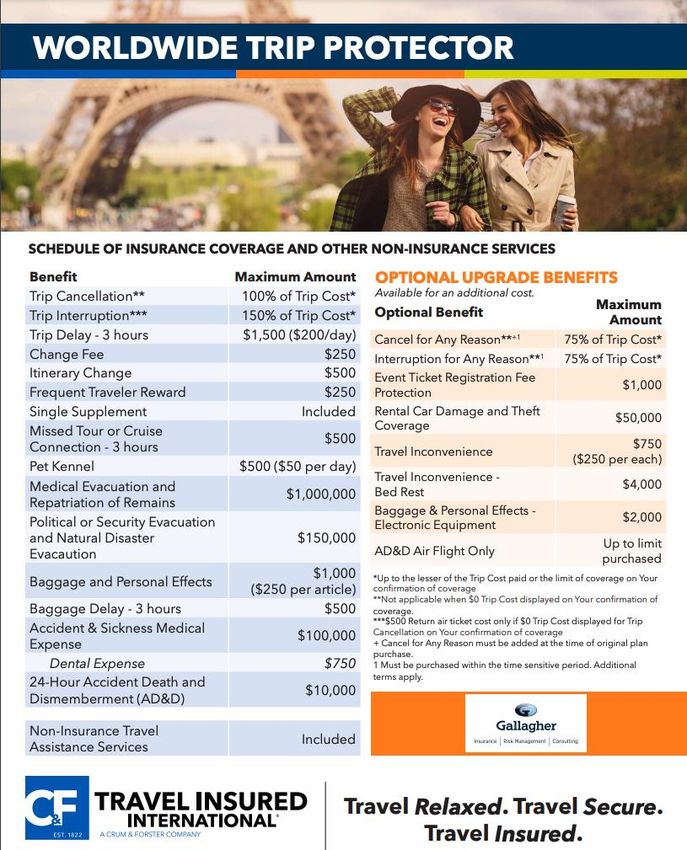
AGENDA
1.   Introduction
     • About the Office for Global Health, Safety, and Security
     • Federal laws and MSU policies refresher

2.   Pre-departure preparation                          Yes, slides will
                                                        be emailed to
                                                          you after.
3.   Responding to incidents
     • Health (including COVID procedures)
     • Safety + security
     • Relationship violence, stalking, sexual misconduct, and
        discrimination
     • Student conduct
INTRODUCTION
GLOBAL HEALTH, SAFETY, AND SECURITY TEAM

                Chris Daniel              Maureen Handrahan             Elke Schmidt
                Director                  Senior Coordinator            Analyst Coordinator
                danielc7@msu.edu          handraha@msu.edu              schmi822@msu.edu

                                         General contact info:
                                  globalsafety@msu.edu / 517-884-2174

                                      globalsafety.msu.edu

Formerly known as the Office of International Health and Safety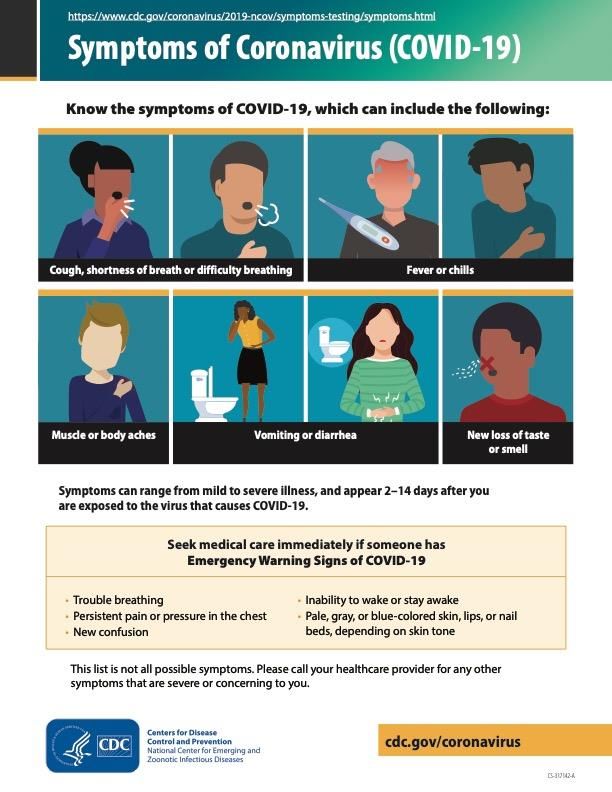
FEDERAL LAWS AND MSU
  POLICIES REFRESHER
FEDERAL LAWS AND MSU POLICIES
REFRESHER
The Clery Act
•   You are considered a Campus Security Authority during your program.
•   Report any crimes that occur to Maureen ASAP.
MSU Anti-Discrimination Policy (ADP)
•   Prohibits discrimination or harassment on basis of several categories.
•   Outlines reporting for incidents of discrimination (or bias incidents).
MSU Disability and Reasonable Accommodations Policy
•   Work with EA and Global Safety to fulfill accommodations requests for
    your program.
FEDERAL LAWS AND MSU POLICIES
REFRESHER
MSU Relationship Violence and Sexual Misconduct
•   Mandatory reporting responsibilities extend to education abroad.
    Report to OIE and Global Safety.
FERPA
•   Protects student privacy. Be cautious with parental contact.
Student Conduct and Alcohol Misuse/Drug Use Policy
•   All students agree to EA Statement of Responsibility, EA COVID-
    19 Community Commitment, and program-specific rules.
PRE-DEPARTURE PREPARATION
AY 2021-2022

EA ON-SITE
OPERATIONS
MANUAL
Available online.
EMERGENCY ACTION PLAN TEMPLATE
•   In-country contact information
•   Emergency phone numbers
•   Communication plan
•   Emergency meeting spots
•   Incident response procedures
•   Key addresses

* Required this year!

              Fillable template available for download.
PRE-DEPARTURE ORIENTATION
Some Suggested Topics
• Review your Emergency Action Plan
• Entry requirements
• Program itinerary
• Behavior expectations – especially re: COVID
• D2L orientation
• Country-specific safety tips
• Communication plan
• Key language phrases
• Cultural faux-pas Download template orientation slides
• Housing expectations
• Local laws Focus on community building.
Resources available at
• Community building MSU Inclusion and Intercultural InitiativesTRAVEL INSURANCE
• All travelers should consider
cancel for any reason and trip
interruption travel insurance.
• Must be purchased
independently.
• More information:
globalsafety.msu.edu/students/t
rip-cancellation-insurance/
An example of travel
insuranceCOVID LOGISTICS – PART ONE
Vaccination requirement
• All EA students must be vaccinated or have an MSU-approved exemption.
• There may be specific vaccination requirements for entry or for the program partner.
• MSU faculty, staff and students may not request the vaccination status of any student.
Student concerns
• Please inform students of any vaccination requirements as well as other entry requirements.
• This can be shared through Via (work with your coordinator), in pre-departure orientations, as
well as through general program updates.
• Should students have questions, you can help clarify the requirements.
• Global Safety, Olin and the Travel Clinic, and EA are also resources.COVID LOGISTICS – PART TWO
Entry requirements
• All country entry requirements must be respected.
• Many require negative COVID tests and/or proof of vaccination.
• Changing often (see resources on following slide).
Testing to return to the US
• Proof of a negative COVID-19 test (antigen or PCR test) from within 72 hours (for vaccinated
travelers) or 24 hours (for unvaccinated travelers) or document of recovery is required for (re-
)entry.
• The H&S Plan includes access to local testing.
• Non-citizen, non-immigrants (which includes many international students) need to show proof
of vaccination.
• More information: cdc.gov/coronavirus/2019-ncov/travelers/testing-international-air-
travelers.htmlRESOURCES FOR MONITORING ENTRY
RESTRICTIONS
• Local government and US embassy websites
• US Embassy COVID-19 country page:
travel.state.gov/content/travel/en/traveladvisories/COVID-19-
Country-Specific-Information.html
• International SOS: pandemic.internationalsos.com/2019-ncov/
(log in with MSU membership # 11BCAS798617)
• COVID-19 Information Hub (Conlin Travel):
need2know.tripsource.com/
• Local partners!RESPONDING TO INCIDENTS
ABROADINCIDENTS THAT MUST BE REPORTED INCLUDE
BUT ARE NOT LIMITED TO:
injury missing student
theft, including robbery, burglary,
illness
pickpocketing
physical assault loss of passport
sexual harassment, assault, or other personal emergency such as death of
misconduct family member
bias incidents student conduct issue
mental health issue or crisis terrorist threat or attack
property damage natural disaster
In case of a critical incident, you should be prepared to be on call 24‐hours‐a‐day until the
situation is resolved.HEALTH & SAFETY INCIDENT REPORTING
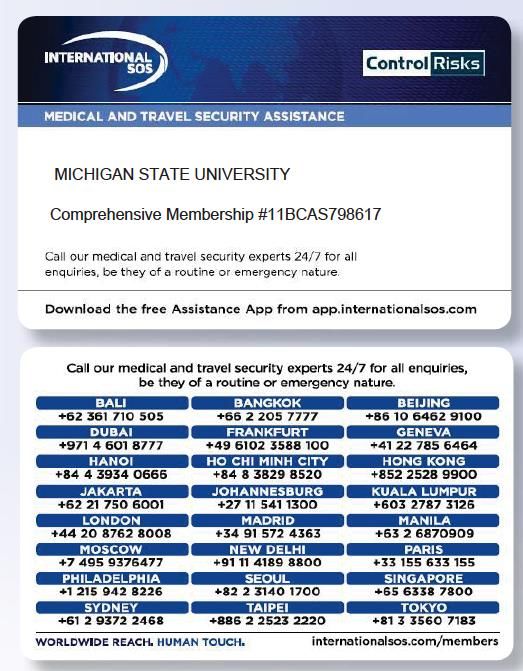
Urgent • International SOS: 1-215-942-8478
(Need response (or nearest Assistance Center) OR
immediately or within • MSU 24/7 International Emergency
24-48 hours) Assistance Line: 1-517-353-3784
Not Urgent • Email Maureen at handraha@msu.edu
FYI Only • Email Maureen at handraha@msu.eduHEALTH
INSURANCE & INTERNATIONAL SOS MEMBERSHIP
Insurance                                                       Blanket membership

•    Offered by Chubb (collaborations with ISOS)                •   Automatic enrollment
                                                                •   No individual membership numbers
•    Coverage overview:
      •   $500,000 USD max. / $0 USD deductible
      •   Medical evacuation / Repatriation

•    COVID-19 treated as any other illness
      • Expect students need to pay out-of-pocket for asymptomatic
        testing
      • EA budgets may include re-entry testing for the US – confirm
        the re-entry test process with your EA coordinator (when,
        where, at-home testing (ex. BinaxNOW Home Test), local
        testing, etc).

•    No coverage for dependents

•     Reimbursement claims - must be submitted within 90 days
    •   Instructions at globalsafety.msu.edu/ea-isos
MEDICAL CARE ABROAD
If risk to life, limb,
Go to hospital
or eye
Step 1:
Respond
Call
All medical
International
issues SOS
If further Call MSU 24/7
International
assistance Emergency
needed
Step 2: Assistance Line
Notify MSU
Inform Global
Email Maureen
SafetyCOVID PROCEDURES
Refer to your Health & Safety Plan, your Emergency Action Plan, and the
COVID-19 Procedures for Faculty-Directed Programs in the On-Site
Operations Manual.
• Follow advice of local authorities and International SOS.
• Fully vaccinated travelers and travelers who have recovered from COVID-
19 in the past three months do not need to self-quarantine after a COVID-
19 exposure….
• unless they are symptomatic, required to quarantine by local authorities
or partners, or advised to quarantine by a medical professional.
• Physical distancing, maximizing time outdoors, limiting gatherings and time
spent in crowded locations, etc. should still be strictly observed.
• Mask wearing – defer to local guidance, be considerate of partners.COVID PROCEDURES
Possible COVID symptoms Possible COVID exposure
- Self-quarantine - If fully vaccinated: monitor for
symptoms
- Inform program director
(advice to students) - If not fully vaccinated: self-
quarantine and monitor for
- Contact International SOS or other symptoms. Leave quarantine after
local medical professional for day 7 if negative test
advice
- Identify possible close contacts Close contact
- Inform Global Safety - Person was within six feet for 15
minutes or more
- Follow medical advice re: testing,
length of quarantine, etc. - Direct physical contact (e.g.,
hugging)
- Shared eating or drinking utensils
- Sneezed/coughed on personCOVID PROCEDURES
Quarantine procedures for program directors
- Instruct student to stay in housing except to obtain medical care
- Check in with student minimum once daily (share mental health resources)
- Ensure they have access to meals, toiletries, garbage disposal, etc.
- Enact academic continuity plan
- Inform Global Safety
- Follow medical advice re: testing, length of quarantine, etc.
Note about shared living spaces
- Student should ideally be in environment conducive to self-isolation (move student
or roommates as feasible)
- If students cannot avoid sharing space, help them make accommodations to
minimize contactCOVID-19 SYMPTOMS & WHEN TO SEEK EMERGENCY ASSISTANCE
MITIGATING COVID-19 RISKS
•   Follow planning documents including Emergency Action Plan
    •   Review, review, review
    •   Bring a copy with you
    •   Advise students accordingly

•   Lead by example
•   Bring extra masks and distribute as needed
•   Know the symptoms and take possible exposure seriously
•   Be flexible
•   Know how to identify potentially high-risk situations (see next slide)
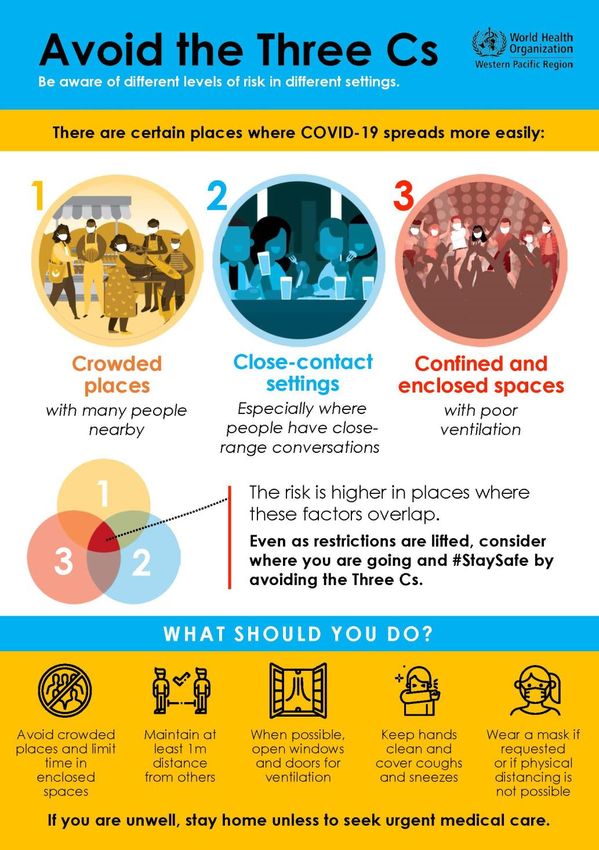
IDENTIFYING COVID-19 RISKY SITUATIONS Three C’s: Crowded Close-contact Closed space
MENTAL HEALTH RESOURCES

                        Enhanced Emotional Support

             •   Free, confidential virtual counselling
       •   Available to students and program directors
                   •   Keep Global Safety informed
MENTAL HEALTH
Action Plan for Responding to Mental Health Concerns
Speak with student privately
Ask how they are doing
Ask
If concerned about suicide, ask directly “are you thinking about
killing yourself?”
If concerned about suicide, stay with them and call for help
(If necessary, keep them safe)
(MSU 24/7 International Emergency Assistance Line:1-517-353-3784)
Listen actively and nonjudgmentally.
Listen
Offer reassurance.
Offer resources Know available resources and offer them.
To MSU and to your program provider (if applicable). Call the MSU
24/7 International Emergency Assistance Line (1-517-353-3784) for
Report to MSU
urgent issues such as concern about suicide.
Stay connected Follow up with them and keep MSU in the loop.HEALTH RESOURCES o International SOS and International Health Insurance Information and Reimbursement Claims o International Health Insurance Full Policy o International Health Insurance Summary of Benefits o International SOS Web-Portal (MSU Membership #11BCAS798617) o International SOS Dedicated COVID-19 Page o MSU State of Spartan Health o Supporting Student Mental Health o MSU Counseling Center o QPR Suicide Prevention Principles (watch for training sessions on campus)
SAFETY & SECURITY
PROGRAM ACTIVITIES

CURRICULAR ACTIVITIES                 INDEPENDENT STUDENT ACTIVITIES

High-risk activities                  Student Side travel
•   No program funds                  •   Travel is permitted outside of the host
                                          country, as the program schedule allows.
•   No endorsement
•   Includes (but not limited to):    •   Students are responsible for any COVID-
    • Bungee jumping
                                          19 logistical / financial challenges.
    • Sky diving
    • Shark cage diving               Actively discourage high-risk activities
    • Jet, snow, water skiing
    • Scuba diving (contact Global    •   In writing if necessary
      Safety if part of curriculum)
SUPPORTING STUDENT SAFETY
Use safe, reliable local transportation
Don’t forget basics – seatbelts, pedestrian safety
Know local 911 for fire
Mitigate fire hazards in housing
Avoid unsafe swimming areas
Be mindful of student swimming abilities and awareness
Enforce expectation that students travel in pairs/groups
Do not carry all cash/cards togetherSUPPORTING STUDENT SAFETY
Be alert
Follow advice of local authorities
Know higher crime areas to avoid
Do not resist a robbery attempt
Keep a charged cell phone, capable of making
international calls, with you at all times
Encourage students to do the same
Never participate in protests/demonstrations.
Students can face disciplinary action.
In an active violence situation: Run, Hide, FightSECURITY INCIDENT OR NATURAL DISASTER ABROAD
What to do in the event of a security incident or natural disaster abroad?
1. Assess situation and get to a safe location
2. Confirm safety + well-being of all students
3. Follow advice of local authorities (e.g., shelter in place)
4. Report status to Global Safety
a) Ok? Email Maureen (handraha@msu.edu)
b) Need help or advice? Call International SOS and MSU 24/7 line
5. Ask students to check in with loved ones
6. Implement MSU instructions and maintain communication
7. Debrief with your students
Remember: You should report your status to MSU if the incident may make international headlinesSAFETY AND SECURITY RESOURCES o International Safety and Security Tips o MSU High-Risk Destinations o Ready.gov Active Shooter o Ready.gov Attacks in Public Places o International SOS Web-Portal (MSU Membership #11BCAS798617) o U.S. Department of State Travel Advisories
RELATIONSHIP VIOLENCE,
   STALKING, SEXUAL
  MISCONDUCT, AND
    DISCRIMINATION
RVSM POLICY ABROAD Mandatory reporting to Global Safety and OIE of relationship violence, stalking, or sexual misconduct. • Sexual assault, harassment, exploitation, dating/domestic violence, stalking • Includes incidents on free time, incidents perpetuated by non-MSU persons • Do not investigate
RESPONDING TO SEXUAL MISCONDUCT
      RESPONDING TO INCIDENT                        RESOURCES

 1.   Assist with obtaining medical care   •   MSU Center for Survivors
 2.   Report to Global Safety                  •   Live Chat:
 3.   Report to OIE                                centerforsurvivors.msu.edu
 4.   Ask about report to local police
 5.   Offer resources and support          •   MSU 24/7 Sexual Assault Crisis Line:
 6.   Monitor                                  1-517-372-6666

 What survivor might feel                  •   International SOS
 • Anger, anxiety, depression, guilt,
   shame, powerlessness                    •   RAINN 24/7 Live Chat and Crisis
                                               Line 800-656-HOPE
 How survivor might behave                 •   MSU Counseling and Psychiatric
 • Expressive anger, appearing                 Services
   extremely calm or unaffected,
   withdrawn, nightmares, lack of
   concentration or energy, PTSD
SEXUAL MISCONDUCT RESOURCES o How to Respond to Sexual Misconduct Abroad o MSU Center for Survivors - including Crisis Chat o Prevention, Outreach, and Engagement o MSU Police RVSM Commitment o Rape, Abuse, and Incest National Network (RAINN) – including Live Chat
STUDENT CONDUCT
EA STATEMENT OF RESPONSIBILITY

STUDENTS MUST COMPLY WITH:               ALSO OUTLINES:

•   EA Statement of Responsibility
                                         •   Alcohol misuse and drug use
•   EA Community Commitment                  policy
•   Medical Students Rights and          •   Financial responsibilities
    Responsibilities
                                         •   Housing infractions
•   The Spartan Code of Honor
    Academic Pledge                      •   Unauthorized absences

•   Acceptable Use for MSU Information
    Technology Resources
•   Program-specific requirements
COVID EA COMMUNITY COMMITMENT
Students agree to:
• Abide by The Spartan Way COVID-19 directives
• Abide by all local regulations relating to COVID-19
• Not travel if sick
• Bring their own mask and wear it
• Avoid situations that may put themselves or others at
increased risk for COVID-19
Full text Appendix in On-Site Operations ManualALCOHOL MISUSE AND DRUG USE POLICY
• If students can legally consume alcohol in their Tips for reducing alcohol misuse:
host country, they may do so outside of program
hours. • Identify alcohol misuse early
• Alcohol must be consumed responsibly and • Emphasize cultural norms as
cannot be misused.
appropriate
• Alcohol misuse is consumption of alcohol that is or
could be harmful to the individual and/or • Schedule early morning or
disruptive to the program. evening classes or activities.
• MSU funds cannot be used to purchase alcohol. • Suggest inexpensive, safe
You must be capable of responding to activities close to
emergencies.
accommodations that could be
• Zero tolerance for drug use policy. Any drug that an alternative to drinking.
is illegal in US (federal law) and/or host country.
• Offer extra credit for students
• Drug use or alcohol misuse can result in program who participate in these
dismissal. alternative activities.STUDENT CONDUCT
On-
Verbal Written
Dismissal Campus
Warning Warning
Follow Up
Minor Behavioral Issue
• Set expectations and remind
• Inappropriate and/or disruptive behavior, but it doesn’t jeopardize
students of group norms
health and safety or viability of the program
(remember pre-departure • Example: excessive tardiness, personality conflicts
community building) • Typical action: verbal warning
• Identify the inappropriate Major Behavioral Issue
behavior early • Threatens health and safety and/or ability of the program to function
• Example: alcohol misuse, RVSM violations, property damage,
• Keep Global Safety and EA
discrimination, repeated minor behavioral issues
informed
• Typical action: written warning or dismissal (depending on severity)STUDENT CONDUCT RESOURCES o EA Statement of Responsibility o Student Conduct Abroad o EA Alcohol Misuse and Drug Use Policy o General Student Regulations o Building Inclusive Communities o Setting Up An Inclusive Classroom o What is Dialogue?: Some Dialogue Basics o Intercultural Dialogue Facilitation o Strategies for Managing Hot Moments in the Classroom o Interrupting Bias: PALS Approach o Microaggressions: A Primer
MAUREEN HANDRAHAN
         Senior Coordinator
 Global Health, Safety, and Security
        handraha@msu.edu
           1-517-884-9419
          globalsafety.msu.edu
     globalsafety.msu.edu/faculty-and-
staff/education-abroad-program-directors/
CASE STUDY 1
You receive a report from your local partner that last night
several of your students were drinking on a balcony. They got
drunk, loud, and began throwing objects onto the street below
as a prank.
• Have any policies been violated?
• What are some possible negative consequences of this
behavior?
• How would you address this situation?CASE STUDY 2
A student shows up to a program activity and doesn’t look well.
You ask them how they are feeling, and they say they feel tired
and achy. But they insist it’s nothing serious especially because
they got the COVID vaccine.
• What, if any action, would you take?
• How would you handle the situation if the student is reluctant
to take your advice?CASE STUDY 3
While you are on an excursion with the group, a student
discloses to you that they are worried about their roommate
(another MSU student on your program). The roommate has said
they are depressed and saying things like “I don’t know if I’ll
make it home.” The student asks you to please not say anything
to the roommate because they don’t want to violate their trust.
• What might you say to the student who told you this
information?
• What action would you take immediately?
• What follow up might be needed?CASE STUDY 4 You are doing routine, individual check-ins with your students about halfway through your program. During one conversation, a student tells you that they wish their peers would “look out for each other more, because I was assaulted last weekend when we were out.” The student is reluctant to offer more details. • How would you respond to the student? • Should you continue to ask the student questions? • Have any policies been violated? • Should you report this incident?
CASE STUDY 5
It’s a Friday night and your program is in London. There is a
stabbing attack on London Bridge. Immediate reports suggest
that at least three people have been either killed or injured.

•   What action, if any, might you take?
•   How would you respond to student concerns?
You can also read


