CYCLONE IDAI Integration of HIV into the humanitarian response in Malawi, Mozambique and Zimbabwe
←
→
Page content transcription
If your browser does not render page correctly, please read the page content below
© UNICEF/UN0306065/James Oatway

                                  CYCLONE IDAI
                                  Integration of HIV into the humanitarian
                                  response in Malawi, Mozambique and
                                  Zimbabwe
                                  CASE STUDY

                                  JANUARY 2020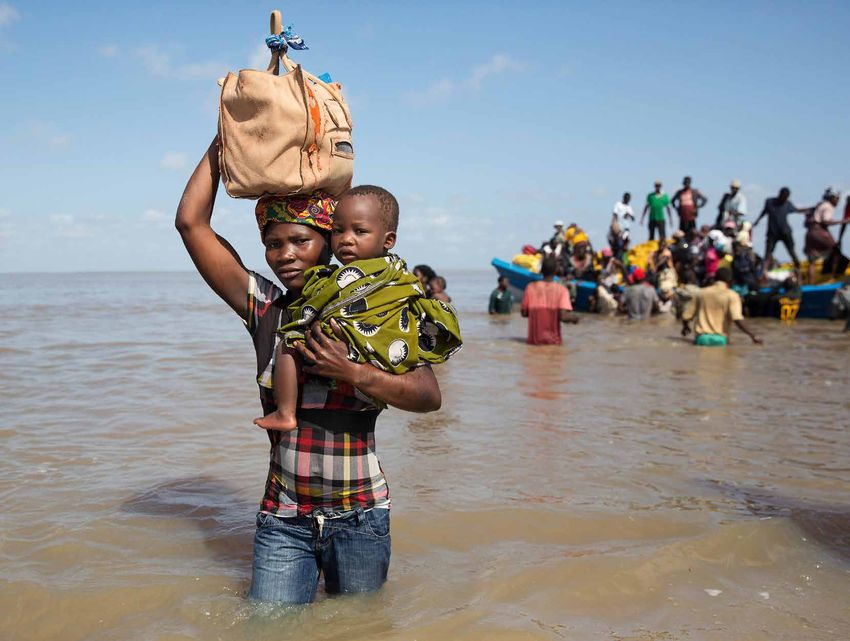
CONTENTS

                               Summary                                           2

                               Background                                        2

                               Response                                          5

                               Impact                                            7

                               Learning                                          9

                               Next Steps                                        11

A child plays on a collapsed tree in the Praia Nova slum in Beira, Mozambique.
© UNICEF/James Oatway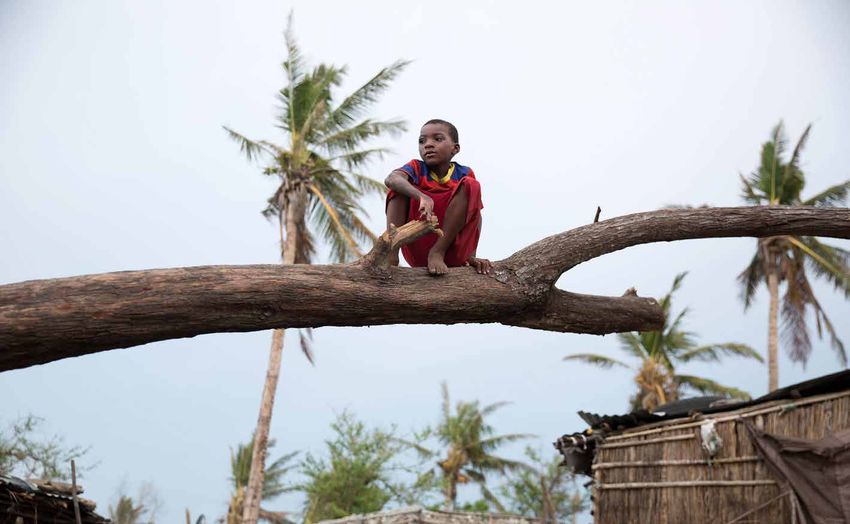
CYCLONE IDAI: Integration of HIV into THE humanitarian response in Malawi, Mozambique and Zimbabwe                                                                    CASE STUDY

    1. Summary
    I n March 2019, Cyclone Idai brought death and destruction to Malawi, Mozambique and Zimbabwe. Each of these countries
      has a high burden of HIV, which required a priority HIV response. Humanitarian crises can lead to increased vulnerability
    of people living with HIV, and of those at risk of acquiring HIV. Treatment services may be disrupted and negative coping
    strategies, such as transactional sex for income and food, may be adopted, increasing the risk of HIV exposure.

    Through preparedness, coordination of key stakeholders, outreach to those at risk, and deployment of local expertise, HIV
    services were integrated into the cyclone response by the United Nations Children’s Fund (UNICEF) and partners in new and
    effective ways. The experiences of the three countries in supporting people living with HIV in an emergency – particularly
    children, adolescents and pregnant women – offer valuable learning for preparedness and future humanitarian responses in high
    HIV prevalence settings.

    This case study highlights important HIV-specific interventions which were successfully integrated into the emergency cyclone
    response. These sit within UNICEF’s broader multisectoral interventions across the humanitarian development nexus.

    2. Background
    T  he Tropical Cyclone Idai weather system affected nearly 3 million people and killed over 1,000 people, around half of them
       children (Figure 1). It proved to be one of the deadliest storms on record in the southern hemisphere. Aid workers spoke of
    a major humanitarian emergency, huge challenges in accessing populations in need and “inland oceans extending for miles and
    miles”1.

    In all three countries, there was extensive damage to crops, livestock and infrastructure including roads, bridges, water
    installations, power and communications, as well as to homes, schools, health facilities and community structures. Hundreds
    of thousands of people found themselves in desperate situations, fighting for their lives, sitting on rooftops, in trees and other
    elevated areas. Displaced families who were lucky enough to reach help, were forced to shelter in transit centers, having lost
    everything2.

        Impact of Tropical Cyclone Idai3

        Malawi: About 868,900 people were impacted, with 59 deaths and 672 injuries recorded. Nearly 87,000 people were
        displaced but have since returned to their homes or resettled in new areas. Heavy rains caused by the cyclone led to severe
        flooding in the southern region of Malawi, which is prone to regular emergencies caused by floods, cholera outbreaks and
        lean seasons.
        Mozambique: 1.85 million people were in need of humanitarian assistance, with more than 600 deaths and more than
        1,600 injuries recorded. Nearly 161,000 people were sheltered in displacement sites. Just a few weeks after Cyclone Idai,
        the country was hit by Tropical Cyclone Kenneth – the strongest cyclone to ever hit the African continent – and the first
        time in recorded history that two strong tropical cyclones hit Mozambique in the same season4. It is estimated that at least
        2.6 million people were affected by the two cyclones5 with 648 deaths in the central region6 (Cabo Delgado, Inhambane,
        Manica, Sofala, Tete, and Zambezia provinces).
        Zimbabwe: More than 270,000 people were affected, with at least 299 deaths reported and more than 186 people injured.
        The cyclone came during a particularly challenging time for the country which is still experiencing drought as well as
        grappling with economic challenges that have exacerbated humanitarian needs across the country. Prior to the cyclone, the
        food security situation in affected provinces was already dire.
        The full death toll from Tropical Cyclone Idai is not yet known. The storm impacted health and education facilities in all three
        countries.

    1 UN News Cyclone Idai: emergency getting ‘bigger by the hour’, warns UN food agency 19 March 2019 https://news.un.org/en/story/2019/03/1034951
    2 In Cyclone Idai’s Wake, UNICEF Is Mobilizing in Mozambique and Malawi, March 17, 2019 https://www.unicefusa.org/stories/cyclone-idais-wake-unicef-mobilizing-mozambique-
      and-malawi/35671
    3 OCHA, Southern Africa Cyclone Idai Snapshot (as of 9 April 2019), unless otherwise stated.
    4 OCHA, Cyclones Idai and Kenneth, https://www.unocha.org/southern-and-eastern-africa-rosea/cyclones-idai-and-kenneth
    5 Sum of 2 million in Integrated Food Security Phase Classification (IPC) phase 3 and phase 4 levels of food insecurity, 500,000 people living in damaged or partially damaged houses,
      60,000 people in resettlement sites and more than 59,000 displaced by insecurity in Cabo Delgado, National Institute for Disaster Management (INGC) and Humanitarian Community.
    6 UNICEF Mozambique: 603 deaths from Cyclone Idai and 45 from Kenneth.

2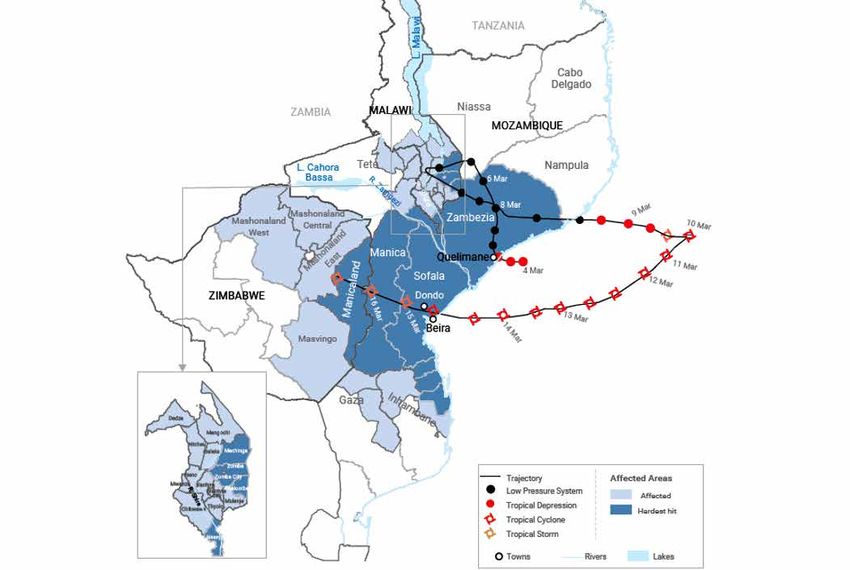
CASE STUDY                          CYCLONE IDAI: Integration of HIV into THE humanitarian response in Malawi, Mozambique and Zimbabwe

Figure 1: Tropical Cyclone Idai - Cyclone and food affected areas

Source: OCHA Southern Africa Cyclone Idai Snapshot (as of 9 April 2019)

Cyclone’s impact on adults and children living with HIV
Southern Africa is the global epicenter of the HIV epidemic.                                  seriously threatened during the emergency. In Mozambique,
Malawi, Mozambique and Zimbabwe are countries with                                            at least 112 health facilities were damaged or destroyed,
high HIV prevalence and priority HIV responses. The adult                                     meaning thousands of families and children could not
HIV prevalence rate7 is 9.2 per cent in Malawi, 12.6 per cent                                 access primary health services, including for HIV. In Malawi,
in Mozambique and 12.7 per cent in Zimbabwe8.                                                 most of the evacuation centres did not have health facilities
                                                                                              in their immediate catchment areas; where they did, health
The cyclone-affected regions all had high HIV prevalence                                      facilities were overwhelmed by the high numbers in need.
rates – sometimes above the national average. Southern                                        Basic critical services such as immunization, antenatal and
Malawi has the highest burden of HIV, contributing to two                                     postnatal care, screening and treatment of malnutrition,
thirds of HIV cases in the country. There are an estimated                                    curative care, reproductive health, tuberculosis and HIV
660,000 people living with HIV including 63,000 children                                      were all disrupted.
(0–14 years) in this region. In Mozambique’s central
region, there are an estimated 847,000 people living with                                     In Zimbabwe, an assessment conducted by the Ministry of
HIV including 54,000 children in the four provinces. In                                       Health and Child Care and UNICEF in the first week after
Zimbabwe, the nine affected districts are home to over                                        the cyclone, found that five clinics (out of 28) in the affected
210,000 people living with HIV, including more than 14,000                                    areas had partial damage but were able to resume primary
children and at least 10,000 women who are pregnant or                                        health service provision almost immediately. However,
breastfeeding.9 More than 185,000 people living with HIV in                                   some clinics were only accessible by air, after roads,
affected districts of Zimbabwe were on ART and needed to                                      bridges and communications infrastructure were washed
maintain their supplies and daily adherence.                                                  away. Helicopters were used to deliver essential medicines
                                                                                              and commodities, and to ferry pregnant women and refer
Continuous access to basic HIV services, including access                                     complicated cases to hospitals.
to and retention on antiretroviral treatment (ART) was

7 Adult HIV prevalence is the percentage of people living with HIV among adults 15–49 years
8 UNAIDS HIV Estimates, July 2019 http://aidsinfo.unaids.org/
9 Ibid

                                                                                                                                                                 3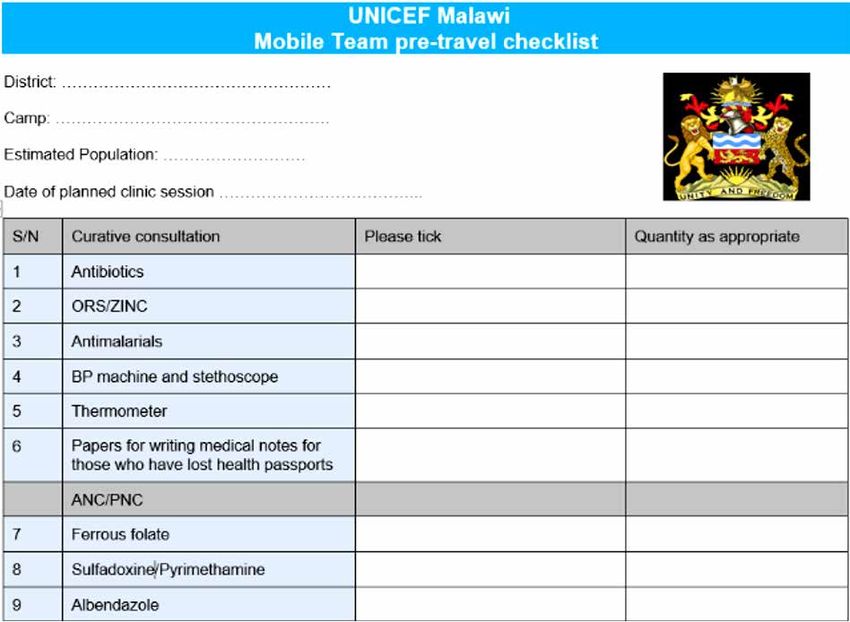
CYCLONE IDAI: Integration of HIV into THE humanitarian response in Malawi, Mozambique and Zimbabwe                                                                 CASE STUDY

    Challenges to HIV service provision during the emergency
    The effects of a humanitarian crises on people living with                                    exploitation and abuse; and negative coping mechanisms
    or at risk of HIV infection can be particularly severe. At                                    such as transactional sex to survive, and school drop-outs.10
    the individual level, disruption of essential health, HIV, and
    other social services, and loss of food stocks may lead to                                    The emergency exacerbated existing bottlenecks and
    increased vulnerability. In addition, the inability to adhere                                 challenges in HIV prevention and care, and introduced
    to ART, risk of malnutrition, opportunistic infections and                                    new emergency-specific challenges, as summarized by
    disease outbreaks may lead to increased morbidity and                                         UNICEF Zimbabwe (Box 1). UNICEF Zimbabwe conducted
    mortality. People living with HIV risk loss of medications                                    a U-report opinion poll on 30th March to determine access
    and medical documents during crises. Among vulnerable                                         to medication and health facilities for Cyclone Idai victims
    groups, there may be an increased risk of new HIV                                             (36 per cent of the 33,803 polled responded). Almost two
    infections due to disruption of prevention services and an                                    thirds of the U-report respondents from Chimanimani and
    increased proportion of virally unsuppressed people living                                    Chipinge (63 per cent) reported lost ARV drugs due to
    with HIV due to reduction in adherence to ART; an increase                                    Cyclone Idai.
    in gender-based violence (GBV), especially sexual violence,

    Box 1: Challenges faced in the HIV response to Cyclone Idai in Zimbabwe
      Emergency-specific issues

      • Challenges accessing antiretroviral treatment (ART) due to inaccessible roads, lack of transport, clinics / healthcare
        workers affected or lost Antiretroviral (ARV) drugs
      • Challenges accessing essential medicines for other health conditions
      • Accidental disclosure to children, adolescents, and young people living with HIV
      • Lack of access to contraception
      • Food insecurity led to poor adherence to ART
      • Profound grief, depression, anxiety, trauma
      • Exacerbation of pre-existing mental health conditions
      • Increased violence and gender-based violence (GBV) due to shared housing and queues for food; transactional sex
      • School attendance negatively affected
      • Limited capacity of health care workers to respond to mental health issues among children and adolescents.
      • HIV is not incorporated into the national emergency response

    Note: Although outside of the HIV-specific response, some of the issues above are addressed with HIV-sensitive approaches through
    UNICEF’s multisectoral response.

    10 Overseas Development Institute, HIV and AIDS in Emergency Situations Synthesis Report, November 2008 https://www.odi.org/sites/odi.org.uk/files/odi-assets/publications-
       opinion-files/4277.pdf

4
CASE STUDY CYCLONE IDAI: Integration of HIV into THE humanitarian response in Malawi, Mozambique and Zimbabwe
3. Response
D uring the cyclone response, the three UNICEF Country Offices and their partners achieved significant integration of HIV
services into the humanitarian response Each country approached the challenge according to their own context and needs,
but with common threads, all implemented as the emergency unfolded and with a focus on hard-to-reach populations:
1. Support to mobile health teams and/or fixed health teams in accommodation centres with a focus on HIV service provision.
2. Efforts to locate pregnant adolescent girls and young women with health services, including prevention of mother-to-child
transmission of HIV (PMTCT).
3. Outreach to locate HIV clients who were lost to follow-up and to re-engage them in treatment and care.
4. Information dissemination and engagement of vulnerable children, adolescents and young people, including through
interactive digital platforms.
5. Multisectoral coordination through for example integration of HIV in clusters such as child protection, education, nutrition and
water, sanitation and hygiene (WASH).
Malawi: Mobile clinic teams provide integrated health services, including
for HIV
Immediately after the declaration of the emergency by Offices and funded in some districts through partnerships
the President of Malawi, UNICEF Malawi initiated a cross- with the Malawi Red Cross and the Paediatric and Child
sectoral response to support populations in need, initially Health Association (PACHA). A standard mobile medical
targeting the six most affected districts and later expanding team was made up of seven health workers comprising
to nine districts in Southern Malawi. a clinical officer, nurse, midwife, a laboratory assistant,
health surveillance assistant, HIV counsellor and data clerk.
Within three days of the declaration of the emergency, Occasionally, individual districts included other specialists,
UNICEF Malawi established a sub-office in the city of depending on trends in cases. The on-the-ground presence
Blantyre in the Southern Region. The team comprised of skilled personnel was crucial in effectively responding
experienced health personnel who conducted a rapid to the emergency and reaching the most affected and
assessment of the health situation and needs, and vulnerable.
immediately set up mobile clinics in the six most affected
districts providing integrated health services. Within two UNICEF identified urgent services related to HIV and
weeks, the health team was expanded to include two broader sexual and reproductive health and rights (SRHR)
international UNICEF staff with extensive experience in that needed to be provided to affected populations. A
emergencies. minimum package was developed to guide the provision of
health services within the accommodation camps (Table 1).
Mobile clinic teams were operated by District Health
Area Service package
Sexual and reproductive health Family planning, gender-based violence (GBV) awareness and referral, sexually
transmitted infection (STI) diagnosis and treatment.
Maternal, newborn and child health Antenatal care, postnatal care, referral for deliveries, linkages to prevention of
mother-to-child transmission of HIV (PMTCT) services, mosquito nets distribution.
General primary health care Curative consultation, immunization, mosquito net distribution.
Nutrition Nutrition screening and referrals.
HIV Antiretroviral (ARV) drug refills for adults and children; counselling and testing;
referrals; tracing of clients who drop out of care and linkages back into treatment;
post-exposure prophylaxis, including for health workers; care for people with
HIV-related illnesses, including a continual supply of cotrimoxazole (an antibiotic);
early infant diagnosis and treatment for HIV-exposed infants, including paediatric
prophylaxis.
Chronic conditions Follow up and refills of medicines for chronic conditions (hypertension, diabetes and
tuberculosis).
Source: UNICEF Malawi
5CYCLONE IDAI: Integration of HIV into THE humanitarian response in Malawi, Mozambique and Zimbabwe CASE STUDY
The mobile teams travelled to the evacuation camps on a daily, rotational basis. Each camp was usually visited once or twice
per week, primarily supervised by the District Environmental Health Officer with technical oversight from UNICEF and partners.
At the camp locations, tents, empty classrooms or tree shades were utilized to provide work spaces for the various service
points, with HIV and reproductive health services given the priority for privacy.
Mozambique: HIV teams located in accommodation centres with
outreach to hard-to-reach areas
Shortly after the emergency and as a result of mobilization those who test positive. UNICEF supported Government
by the Joint United Nations Programme on HIV/AIDS to rehabilitate health facilities and (re-)establish maternal,
(UNAIDS) country-level Joint UN Team on AIDS, the Ministry newborn and child health services in accommodation
of Health activated the HIV cluster to design and execute a centres and health facilities.
rapid needs assessment to evaluate the situation in affected
areas. Preliminary findings from functional health centres Mobile clinics and community health workers were sent
revealed that patient records were destroyed, making it to hard-to-reach areas to locate HIV clients lost to follow-
impossible to retrieve information on HIV clients; stocks up and return them to care. UNICEF placed health/HIV
of mainly paediatric formula and second-line ART drugs emergency specialists in two of the main affected provinces
were disrupted; and HIV teams with ART were needed for to support the response and enlisted key implementing
deployment in accommodation centres. partners for HIV outreach, testing, counselling and case
management, with a focus on pregnant adolescent girls and
It was the first time that all members of the Joint UN young women.
Team on AIDS participated in other clusters (such as child
protection, education, nutrition and WASH) to ensure the To support pregnant women and children including
needs of people living with HIV were included in each adolescents, UNICEF – in collaboration with community
cluster’s response plan. radio and peer educators called “activistas” – disseminated
preventive SRH messages and promoted youth friendly
UNICEF and partners played a crucial role in accompanying clinics, targeting adolescent girls and young women.
the Ministry of Health from the onset of the emergency UNICEF piloted the distribution of BP-5 biscuits (a high-
response to support: calorie, vitamin fortified, dry food) to pregnant and
breastfeeding women living with HIV through 56 Health
• Implementation of the minimum package of health Units, to improve their nutritional status and support ART
services defined by the Ministry of Health, for displaced adherence. Training on the BP-5 protocol was provided to
populations in accommodation centres (with an emphasis 162 health technicians (HIV and nutrition focal points).
on HIV, malaria, tuberculosis, mental health and nutrition).
• Dissemination and introduction of HIV programme tools As part of the response, UNICEF Mozambique provided
designed to return to care those HIV clients, particularly extensive training on Protection from Sexual Exploitation
women and children, who were lost to follow-up as a and Abuse (PSEA), including development of an inter-agency
result of the emergency. induction training package for the Mozambique PSEA
Network and UNICEF implementing partners.
Accommodation centres were provided with fixed health/
HIV teams, to provide HIV testing, and ART services for
Zimbabwe: Cyclone relief team locates and supports majority of children,
adolescents and young people living with HIV
In Zimbabwe, UNICEF supported the Ministry of Health and programme11 for prevention, treatment, care and support for
Child Care to conduct a rapid assessment, coordinated with children, adolescents and young people living with HIV.
the National AIDS Council and United Nations Development
Programme (UNDP) to ensure availability of ART and other Three HIV interventions were prioritized in the response:
HIV-related prevention supplies (HIV testing kits, post
exposure prophylaxis, condoms). Implementation in the • The first was to ensure access to medicines and
affected districts was done in partnership with Africaid, a continuation of treatment for children, adolescents
local non-governmental organization, through its Zvandiri and young people living with HIV on ART.12 Cyclone
11 Africaid Zimbabwe https://www.africaid-zvandiri.org/about
12 Implemented by the Ministry of Health and Childcare and Africaid with support from the 2gether 4 SRHR programme funded by the Government of Sweden.
6CASE STUDY CYCLONE IDAI: Integration of HIV into THE humanitarian response in Malawi, Mozambique and Zimbabwe
relief teams were established in the two most affected impact of Cyclone Idai for children, adolescents, young
districts comprising three Zvandiri programme mentors, people and their families to encourage return and
two mental health specialists, two nurse counsellors, retention into care.
two strategic information officers, one income savings • The third intervention involved the dissemination of
and lendings specialist, two drivers and 17 Community integrated multisectoral key messages on agriculture,
Adolescent Treatment Supporters (CATS). Within the child protection, HIV and AIDS, nutrition and WASH.
first 48 hours of the cyclone, each relief team tracked HIV prevention and treatment services were integrated
the children, adolescents and young people registered into nutrition, protection and WASH interventions.
in the Zvandiri programme to determine their safety and UNICEF supported the National AIDS Council to train
access to ARV drugs. Clients living with HIV were able to and mobilize community networks, village health
visit any accessible facility without any documentation to workers and key stakeholders to raise awareness among
receive ARV medicines. community members using an integrated package of
• The second intervention was to provide psychosocial information which had previously been developed by
support, health care, mental health screening, risk UNICEF in responding to the 2016–2017 El Niño drought
and disability assessments and referral to other social in the country. The package included cross-sectoral key
services (e.g., nutrition support and shelter). For broader messages, and messaging on HIV prevention and the
reach to the affected population, Africaid broadcast an importance of continuation and adherence to ART.
episode of the Zvandiri Radio Show focusing on the
4. Impact
In all countries, the quantified results go beyond HIV, as services and outreach were cross-sectoral.
Reaching those in need after Cyclone Idai
Malawi: With UNICEF support, 249,695 individuals (134,835 females) were reached with emergency health services during
the initial three months of the response, including consultations for common illnesses, reproductive health, immunization,
family planning and HIV services (3,247 individuals) through the mobile strategy. Of these, 25 per cent were children under
five years. Although services focused on displaced persons, others within those catchment areas also accessed services.
Mozambique: Consultations allowed 212,206 sick children to benefit from health care and treatment, and 1,760 pregnant
women were reached in prenatal consultations. For pregnant and breastfeeding women living with HIV, 91 per cent (of 188)
who were identified as lost to follow-up were found and returned to care and treatment; 1,011 benefited from nutritional
support (i.e. BP-5 biscuits).
In addition, 110,404 people in transit centres, mainly adolescents and youth, were reached with essential health, HIV,
nutrition and WASH messages; and UNICEF supported the birth registration of 26,924 people, of which 12,301 were
children below 14 years of age.
Zimbabwe: Through mobilization of the cyclone relief team, it was established that 5,300 adolescents and young people
living with HIV (3,180 females) were safe and had access to treatment – 71 per cent of those in the Zvandiri programme;
3,068 (1,841 females) had their safety and ART assessed; 1,152 (691 females) were provided with psychosocial support and
referrals to other services.
In addition, 2,152 pregnant women living with HIV were receiving ARV drugs for PMTCT; six cases of violence including
GBV were identified and assisted; 644 parents/caregivers of children (386 females) were reached with parenting support
initiatives; 1,475 children and adults (885 females) were reached with awareness messages on child protection in
emergencies including prevention of violence against children and GBV, and PSEA; and 37 children living with HIV and with a
disability (22 girls) were assisted.
During screenings for mental health, at least 215 children and adolescents (129 girls) were identified with common mental
health disorders. Counselling support was provided to 97 per cent, such as for trauma-related mental health disorders and
grief/loss.
7CYCLONE IDAI: Integration of HIV into THE humanitarian response in Malawi, Mozambique and Zimbabwe CASE STUDY
Support for a young mother living with HIV in Chimanimani, Zimbabwe
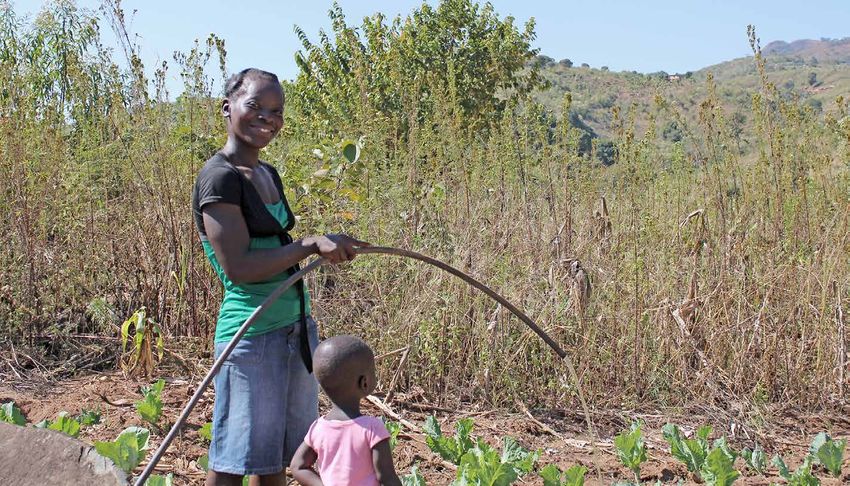
Pattie, watering her garden together with her little girl
© UNICEF Zimbabwe
Pattie*, aged 23, faced a string of heart-breaking losses at a say bad things about me and call me HIV. I thought being
young age and is the only survivor in her immediate family. HIV positive means you are useless in life”, explains Pattie.
Her two younger siblings died soon after birth, and when However, through several counselling sessions from the
she was 9 years old her father died due to an HIV-related Africaid team, Pattie now adheres well to her ART, is more
illness, followed three years later by her mother. positive and is hoping to live a long life. “A support group
helped me to overcome stigma”, she explains.
Like her parents, Pattie is living with HIV. When she became
pregnant, the father refused to take any responsibility. Pattie According to statistics from the clinic Pattie attends in
was neglected by her paternal relatives after her parents’ Mutsvangwa, over 35 per cent of young mothers are living
death and when she gave birth to her daughter (now aged with HIV. Poverty and gender inequity continue to fuel
2 years), other maternal relatives rejected her and wanted the epidemic and adolescent girls and young women are
Pattie and her daughter to leave the village. She is now particularly vulnerable. As a young woman living with HIV,
living in Mutsvangwa village in Chimanimani District with Pattie was worried for her daughter. “I was relieved when
her grandmother, who supports and encourages Pattie to my baby girl tested HIV negative”, she says with a big smile
adhere to her ARV medications. on her face. Efforts including timely initiation of ART for
pregnant women, enrolment into the PMTCT programme,
Soon after Cyclone Idai, Pattie tried to commit suicide, and adherence to ARV drugs, have empowered mothers
as despite her grandmother’s support, people in the living with HIV like Pattie, to stay healthy and keep their
community were discriminating against her due to her HIV young children HIV free.
status. “My neighbours and some of my relatives used to
* Not her real name
8CASE STUDY CYCLONE IDAI: Integration of HIV into THE humanitarian response in Malawi, Mozambique and Zimbabwe
5. Learning
Preparedness for an effective response
UNICEF Malawi, in partnership with the Ministry of Health, teams. These staff were able to put their skills to use
WHO and other stakeholders, played a key role in reviewing to prevent and treat disease outbreaks. Based on past
and updating critical documents at both national and emergencies, UNICEF Malawi prepositioned critical medical
subnational levels to guide better preparedness, response supplies, particularly for cholera, but also for HIV and
and coordination in the event of possible emergencies. common diseases. Capacity development prior to the onset
These include guidelines for transporting laboratory samples of an emergency and prepositioning of needed supplies are
for diagnosis of HIV, and the National Cholera Prevention key success factors in an effective response.
and Control Plan 2017. Integrating HIV into key preparedness
and response documents and tools is an important lesson In Mozambique, the early integration of HIV in the rapid
learned. assessment was supported by a national workshop to
develop an HIV in emergencies response plan for inclusion
Most displaced adults and children lost their health cards. in the national emergency contingency plan. UNICEF
Although UNICEF Malawi facilitated emergency printing of played an instrumental role in the workshop, which was
health cards, a key lesson is the need to keep extra stocks held only a few months before this recent emergency and
on hand for future emergencies. was attended by health professionals and emergency focal
points. In high prevalence settings, full integration across
Prior to the cyclone, UNICEF Malawi supported training sectors is crucial to ensure the rights of people living with
in disease surveillance for laboratory technicians, health HIV are protected during an emergency.
surveillance assistants and district level rapid response
Methodologies and tools to streamline and scale the response
In Malawi, the success of the mobile
clinic strategy rested on the provision of
the minimum package of services in an
integrated manner. To reinforce integrated
service delivery in all mobile clinics, several
tools were developed that streamlined
planning, supervision, tracking and
monitoring of emergency health service
delivery (example on right).13
In Zimbabwe, the existing Zvandiri
programme in Chipinge district and its
network of trained and mentored CATS
enabled a rapid scale up of activities in
response to the cyclone. In Chimanimani
where psychosocial support services did
not exist, the model was rapidly replicated
through partnership with the Ministry
of Health and Child Care and district
stakeholders. Building on these existing
proven models was key to the successful
response in Zimbabwe.
13 The tools from UNICEF Malawi included: An excel data collection tool detailing emergency health issues and consultations with client populations; a mapping tool for people with
chronic diseases including HIV within IDP camps; medicines and medical supplies usage and reporting forms; a mobile clinic supervision tool; and a mobile health team pre-travel
checklist. These tools are available for sharing with other countries and for adapting and replicating in future emergencies.
9CYCLONE IDAI: Integration of HIV into THE humanitarian response in Malawi, Mozambique and Zimbabwe CASE STUDY
Coordination to maximize impact Multisectoral strategies to maximize
support for people living with HIV
From the beginning of the emergency, UNCEF Malawi
worked with national and district officials to identify needs
A significant innovation in support of integrated service
and coordinate the response. UNICEF also coordinated
delivery in emergencies was the inclusion of BP-5
with the joint South Africa and Malawi defence forces to
biscuits to incentivize pregnant women living with HIV/
provide emergency health services in hard-to-reach and
AIDS in affected areas of Mozambique to resume and
inaccessible areas, using helicopter mobile clinics. Cross
remain on ART for their own health and that of their child.
border coordination with districts adjacent to Mozambique
Collaboration between the HIV and nutrition programmes
was critically important for disease surveillance and service
was key to the BP-5 pilot. While Mozambique enjoyed
provision.
success with a multisectoral cluster response (as described
above), UNICEF Mozambique notes the need to improve
In Mozambique, the engagement and participation of
intersectoral collaboration between health, HIV, child
members of the Joint UN Team on AIDS in all existing
protection, social protection and education to ensure the
response clusters, led by UNAIDS, ensured coordinated
safety and well-being of adolescent girls and young women
inclusion of HIV at all levels of discussion, national to
during emergencies.
community, from the onset of the emergency.
In Zimbabwe, mainstreaming HIV information into
In Zimbabwe, National AIDS Council structures at all levels
communications for development, health, nutrition and
and the presence of UNICEF implementing partners in
WASH extended the reach of messaging and support to
affected districts facilitated the humanitarian response and
a particularly vulnerable group. This involved educating
coordination for both Cyclone Idai and the severe drought,
colleagues about HIV and the inclusion of HIV indicators in
also in 2019.
emergency nutrition surveys.
Dedicated and flexible funding to help Adequate data vital for planning and
those most in need response
UNICEF Malawi employed a variety of methods to disburse
UNICEF Mozambique acknowledged challenges related
funds for the mobile clinics, including disbursements
to data access and availability for better planning, as well
directly to districts and through implementing partners, such
as the urgent need for data disaggregation to identify
as the Malawi Red Cross Society. The Country Office rapidly
and prioritize HIV services for adolescent girls and young
mobilized over $2.5 million to support procurement of health
women during emergencies.
supplies and service delivery, inclusive of HIV.
In Zimbabwe, key HIV indicators were added to the UNICEF
In Zimbabwe, the response had significant support from
Cyclone Idai Response Dashboard to enhance monitoring
donors who were prioritizing an HIV-integrated emergency
and response.
response.
Across the three countries and beyond in the region, more
could be done to strengthen and link information systems
for real-time monitoring and timely response.
10CASE STUDY CYCLONE IDAI: Integration of HIV into THE humanitarian response in Malawi, Mozambique and Zimbabwe
6. Next steps
I n Malawi, Cyclone Idai affected areas also have relatively
high levels of poverty. UNICEF’s role is not only to
support the recovery, but also to harness the opportunity
Mozambique will continue to partner with the International
Organization for Migration (IOM) for the development
of customized and updated provincial plans for HIV in
to “build back better” and raise standards in the affected emergencies, based on lessons learned in the cyclone
communities. UNICEF and other humanitarian actors response.
are supporting recovery efforts to help affected people
and communities sustainably recover and reconstruct. In Zimbabwe, UNICEF is also supporting transition from
Mechanisms remain in place to systematically incorporate humanitarian response to recovery. Information continues
resilience into the design of all interventions. to be disseminated among networks of people living with
HIV by village health workers mobilized through the National
As part of the response, UNICEF Mozambique established a AIDS Council. With UNICEF support, the Organization for
field presence in three hubs in the most affected provinces Public Health Interventions and Development (OPHID) is
– Cabo Delgado (Pemba), Manica (Chimoio), and Sofala strengthening the HIV testing and tuberculosis screening
(Beira). The field presence will continue in Beira and Pemba for malnourished children under 5 and referral to treatment
to provide operational support, undertake higher frequency and care, in 13 drought/cyclone affected districts. The
monitoring and quality assurance, and provide multisectoral Zvandiri model will be established in health facilities and
support to the restoration of priority services. This includes an adolescent peer system in Chimanimani will strengthen
the restoration of HIV services in all health centres, the capacity of health workers to support children and
including in the resettlement areas via the medical mobile adolescents living with HIV.
brigades.
UNICEF Zimbabwe will focus on empowering adolescents
Special attention will be provided to youth friendly clinics on ART to remember which regimens they are on and to
to promote adoption of the “One Stop” integrated model advocate for greater access to ART, viral load monitoring,
which facilitates uptake of comprehensive Health and SRH and other health services. UNICEF will advocate for
HIV services by adolescent girls and young women. To a policy for age appropriate disclosure of HIV status to
improve preparedness and strengthen resilience, UNICEF children and adolescents living with HIV.
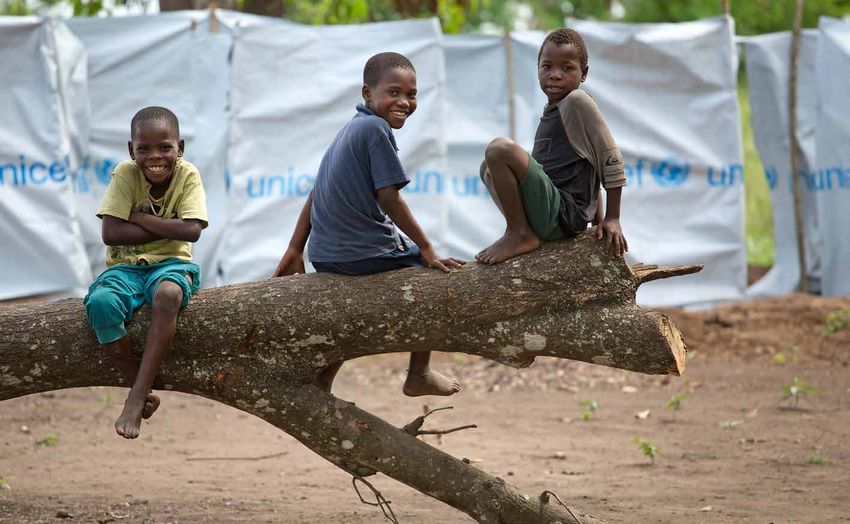
Children play on a collapsed tree at an accommodation centre at John Segredo, Mozambique.
© UNICEF/James Oatway
11CYCLONE IDAI Integration of HIV into the humanitarian response in Malawi, Mozambique and Zimbabwe CASE STUDY JANUARY 2020 UNICEF Eastern and Southern Africa Regional Office P.O. Box 44145 Nairobi, Kenya 00100 For enquiries, please contact Laurie Gulaid, lgulaid@unicef.org © United Nations Children’s Fund (UNICEF)
You can also read


