Department for Digital, Culture, Media & Sport - Departmental Overview, October 2018 - National Audit ...
←
→
Page content transcription
If your browser does not render page correctly, please read the page content below
Departmental Overview, October 2018

Department for Digital,
Culture, Media & Sport
Department for Digital, Culture, Media & Sport If you would like to know more
This overview summarises the work of the Department for Digital, Culture, Media & Sport (the Department) including what it does, how much it spends, recent and planned changes, and
about the National Audit Office’s CONTENTS
Department for Digital,
what to look out for across its main business areas and services. This overview summarises the work of the Department
for Digital, Culture, Media (NAO’s) work on the Department
for Digital, Culture, Media & Sport,
ContentsCulture, Media & Sport & Sport (the Department) including what it does, how much it spends, recent
Overview please contact: NEXT
and planned changes, and what to look out for across its main business areas
About the Department
The Department’s strategic aims and services. Sid Sidhu, Director, Financial Audit
How the Department is structured
Where the Department spends its money
sid.sidhu@nao.org.uk
PREVIOUS
Major programmes and developments 020 7798 7489
Exiting the European Union
Overview
Managing public money
Contents
Bookmarks
Overview
LAST PAGE
VIEWED
AboutPart
the One
Department If you are interested in the NAO’s
N A O reportsstrategic aims
The Department’s
How thePartDepartment
Two is structured
work and support for Parliament more
WhereArtstheand culture spends its money
Department widely, please contact:
MajorPart three
programmes and developments
ExitingBroadband
the European access
Union
Part four
Managing public money
parliament@nao.org.uk
Sports
Part one
Partforfive
About the Department The Department’s How the Department Where the Department 020 7798 7665
Funding good causes – the National Lottery
what to
Regulation of look out for
charities – the Charity Commission
strategic aims is structured spends its money
Part two
Arts and culture
2017-18 development: Museum reviews
Part three
Broadband access
Part four
Sports
Part five
What to look out for
Major programmes Exiting the Managing public money
and developments European Union
The National Audit Office scrutinises public spending
for Parliament and is independent of government.
Department for Digital, Culture, Media & Sport
The Comptroller and Auditor General (C&AG),
Sir Amyas Morse KCB, is an Officer of the House of
PART ONE PART TWO PART THREE PART FOUR PART FIVE Commons and leads the NAO. The C&AG certifies the
accounts of all government departments and many
other public sector bodies. He has statutory authority
NAO reports Arts Broadband Sports What to look to examine and report to Parliament on whether
and culture access out for departments and the bodies they fund, nationally
and locally, have used their resources efficiently,
effectively, and with economy. The C&AG does this
through a range of outputs including value-for-money
reports on matters of public interest; investigations to
establish the underlying facts in circumstances where
concerns have been raised by others or observed
through our wider work; landscape reviews to aid
|
Departmental Overview 2018
transparency; and good‑practice guides. Our work
ensures that those responsible for the use of public
money are held to account and helps government to
improve public services, leading to audited savings of
£741 million in 2017.
Design & Production by NAO External Relations
DP Ref: 005161-001
© National Audit Office 2018
2
OVERVIEW
CONTENTS
About the Department
Overview
About the Department
The Department for Digital, Culture, Media & Sport (the Department) is responsible for
£6.8
NEXT
The Department for Digital, Culture, Media & Sport (the Department) is responsible for delivering the government’s policy covering arts and culture, communications and media, sport, tourism, building a
shared society and digital connectivity.
delivering the government’s policy covering arts and culture, communications and media,
The Department has five strategic aims to:
billion
promote the UK on the global stage;
sport, tourism, building a shared society and digital connectivity.
grow the economy; PREVIOUS
champion digital connectivity;
•
maximise The Department
participation has
in arts, culture and five
sports; and strategic aims to:
protect and promote local civil society.
•
The Department also has a sixth corporate objective to ensure the Department is agile and efficient.
promote the UK on the global stage;
(Source: Department of Digital, Culture, Media & Sport Single Departmental Plan, updated 23 May 2018).
LAST PAGE
VIEWED
The Department is one of the smallest in government in terms of both its budget and number of staff. However, it has more than doubled its staffing in the past five years from 377 in 2012 to 13 to 864 in Total net expenditure
• grow
2017-18, as a result of newthe economy;
priorities relating to exiting the European Union and new digital priorities, and expects recruitment related to exit from the European Union to cause it to grow further in 2018-19.
The Department’s net expenditure for 2017-18, including National Lottery distributing bodies (1.7 billion pounds) and the BBC 3.2 billion pounds), was 6.8 billion pounds. in 2017-18, including the
The Department has a relatively small head office; it implements policy through circa 40 arm’s‑length bodies, across a range of activities and sectors.
BBC and lottery funding
•
In 2017-18, 79% champion
of adults had engaged digital connectivity;
with the arts, 73% of adults had visited a heritage site, 50% had visited a museum or gallery, and 33% had used a public library service. Additionally, 50.5% of
adults were aware of local or national events or activities between 2014 and 2018 to commemorate the Centenary of the First World War, 30.6% of adults had digitally participated in culture (such as
•
visiting a museum or gallery website to look at items from a collection), and 29.2% of adults had done voluntary work at least once.
maximise
The BBC is independent participation
from the Department, but the BBC’s netinexpenditure
arts, onculture and activities
public broadcasting sports; andwithin the Department’s financial statements. Since April 2017, the NAO has
is included
audited the BBC’s accounts.
• protect and promote local civil society.
The graphics show.
The
6.8 Department
billion pounds also has a sixth corporate objective to ensure the Department is agile and efficient.
Total net expenditure in 2017-18, including the BBC and lottery funding
79%
(Source: Department of Digital, Culture, Media & Sport Single Departmental Plan, updated 23 May 2018).
79%
• The
Percentage Department
of adults who engaged withis
the one of the
arts in 2017-18 smallest in government in terms of both its budget and number of
staff.
5.6 billion pounds However, it has more than doubled its staffing in the past five years from 377 in 2012‑13
Value of land and buildings on the Department’s balance sheet
to 864 in 2017-18, as a result of new priorities relating to exiting the European Union and new
digital priorities, and expects recruitment related to exit from the European Union to cause it Percentage of adults
to grow further in 2018-19. who engaged with
Department for Digital, Culture, Media & Sport
the arts in 2017-18
• The Department’s net expenditure for 2017-18, including National Lottery distributing bodies
(£1.7 billion) and the BBC (£3.2 billion), was £6.8 billion.
• The Department has a relatively small head office; it implements policy through circa 40 arm’s‑length
bodies, across a range of activities and sectors.
• In 2017-18, 79% of adults had engaged with the arts, 73% of adults had visited a heritage £5.6
site, 50% had visited a museum or gallery, and 33% had used a public library service.
Additionally, 50.5% of adults were aware of local or national events or activities between 2014 billion
and 2018 to commemorate the Centenary of the First World War, 30.6% of adults had digitally
|
Departmental Overview 2018
participated in culture (such as visiting a museum or gallery website to look at items from a
collection), and 29.2% of adults had done voluntary work at least once. Value of land and
buildings on the
• The BBC is independent from the Department, but the BBC’s net expenditure on public
Department’s
broadcasting activities is included within the Department’s financial statements. Since April 2017,
balance sheet
the NAO has audited the BBC’s accounts.
3OVERVIEW
CONTENTS
The Department’s strategic aims
The Department’s strategic aims
NEXT
1
Global
Drive international trade, attract investment and promote shared values around the world – promoting the UK as a great place to live, work and visit. Objectives include:
1
Deliver strategies and leadership on trade for digital, tech, cultural and creative industries.
Global
2 Digital connectivity
3
Help to deliver a successful outcome from the EU exit negotiations. Growth PREVIOUS
Promote Britain across the world and back the tourism sector.
Drive
Successfully host major international
sporting events. trade, attract investment Grow an economy that is creative, innovative Continually improve the UK’s connectivity,
2 and promote shared values around the and works for everyone. Objectives include: telecommunications and digital sectors.
Growth world – promoting the UK as a great place Objectives include:
•
LAST PAGE
Grow an economy that is creative, innovative and works for everyone. Objectives include: Build an inclusive partnership with
to live, work and visit. Objectives include: VIEWED
Build an inclusive partnership with business and the finance sector.
Develop a world-leading digital economy, digital charter and centre for data ethics.
business and the finance sector. • Deliver a world-class broadband
• Deliver strategies and leadership on infrastructure and maintain a world-class
Support the economic success of the creative industries.
Promote the functioning of trade for digital,
efficient telecoms markets.tech, cultural and
• Develop a world-leading digital economy, communications infrastructure.
Improve cyber security. creative industries.
digital charter and centre for data ethics.
Promote digital skills. • Clear the 700 MHz spectrum for mobile
3 • Help to deliver a successful outcome from • Support the economic success of the broadband use.
Digital connectivity the EU exit negotiations. creative industries.
Continually improve the UK’s connectivity, telecommunications and digital sectors. Objectives include: • Make the UK a world leader in 5G.
• Promote
Deliver a world-class broadband Britain
infrastructure across
and maintain the world
a world-class and back
communications infrastructure. • Promote the functioning of efficient
Clear the 700 MHz spectrum for mobile broadband use.
the tourism sector. telecoms markets. • Stimulate delivery of Local Full
Make the UK a world leader in 5G. Fibre Networks.
•
Stimulate delivery of Local Successfully
Full Fibre Networks. host major sporting events. • Improve cyber security.
Enhance the security and resilience of the telecoms sector. • Enhance the security and resilience of the
4 • Promote digital skills. telecoms sector.
Participation
Maximise social action, and participation in culture, sport and physical activity. Objectives include:
Increase participation in and access to arts, culture, sports and physical activity.
Build a sustainable future for libraries.
Protect, preserve and promote museums, cultural property and the art market.
Promote and protect the historic environment.
Deliver ceremonial and commemorative activities.
Make public appointments that represent diverse sectors and communities.
5 4 5 6
Society Agile and efficient
Department for Digital, Culture, Media & Sport
Society Participation
Make our society safe, fair and informed, online and offline. Objectives include:
Maximise social action, Make our society safe, fair and informed, online Ensure the Department is fit for the future with
Support a healthy, sustainable and world‑leading UK mediaandmarket.participation
in culture, sport and physical activity.
Ensure a strong, independent and distinctive public service broadcasting system. and offline. Objectives include: the right skills, culture and connections.
Promote the social Objectives
contribution of the include:
creative industries.
Support civil society organisations to thrive. • Support a healthy, sustainable and This includes collaborating with the
world‑leading UK media market. Department’s arm’s‑length bodies to deliver
•
Enable the National LotteryIncrease participation
and other lotteries
Maintain a safe and open internet.
to thrive. in and access to
its objectives.
arts, culture, sports and physical activity.
Honour individuals and organisations that make exceptional contributions to society. • Ensure a strong, independent
6 and distinctive public service
•
Agile and efficient
Build a sustainable future for libraries.
broadcasting system.
•
Ensure the Department is fit for the future with the right skills, culture and connections.
Protect, preserve and promote museums,
This includes collaborating with the Department’s arm’s‑length bodies to deliver its objectives.
cultural
Source: Department for Digital, Culture,property
Media & Sportand Single the art market.
Departmental Plan, updated 23 May 2018
• Promote the social contribution of the
creative industries.
• Promote and protect the
|
historic environment. • Support civil society organisations to thrive.
Departmental Overview 2018
• Deliver ceremonial and • Enable the National Lottery and other
commemorative activities. lotteries to thrive.
• Make public appointments that represent • Maintain a safe and open internet.
diverse sectors and communities.
• Honour individuals and organisations that Source: Department for Digital, Culture, Media & Sport
make exceptional contributions to society. Single Departmental Plan, updated 23 May 2018
4OVERVIEW
CONTENTS
How the Department is structured
The
How thetable below
Department lists ALBs and bodies sponsored by the Department that (withHeritage
is structured the exception of Channel 4, Historic Royal Palaces and The Royal Parks)
The table below lists ALBs and bodies sponsored by the Department that (with the exception of Channel 4, Historic Royal Palaces Historic England
are
and The Royal Parks) are included Department’s
included in the consolidated
in the Department’s consolidated accounts.
accounts. The Department sponsorsThe Department
two non-ministerial de- sponsors two non-ministerial
Churches Conservation Trust departments with a high degree of operational NEXT
independence
partments with a high degree from government:
of operational The
independence from National
government: Archives
The National and
Archives and the Commission.
the Charity Charity Commission.
Heritage Lottery Fund (and National Heritage Memorial Fund)
Director General, Performance and Strategy
Responsibilities include: Tourism
Arts, Heritage and Tourism; British Tourist Authority (operates as VisitBritain and VisitEngland) PREVIOUS
Director
Gambling and Lottery General,
policy; Performance and Strategy Director General, Digital and Media Finance and Commercial
Office for Civil Society; Gambling
Responsibilities
Sport and Commonwealth Games;include:
and Responsibilities include:Gambling Commission
Strategy and Governance. Horserace Betting Levy Board LAST PAGE
• Arts, Heritage and Tourism; • BDUK (Broadband Delivery UK); VIEWED
Director General, Digital and Media Sport
• Gambling
Responsibilities include: and Lottery policy; • Digital and Technology; 1
Sport England Chief Scientific Officer
B D U K (Broadband Delivery UK); Sports Ground Safety Authority
• Office for Civil Society; • Telecoms;
Digital and Technology (please note: from April 2018 includes transfers of Government Digital Service and policy responsibility for UK Anti-Doping Advises policy on science, technology,
digital signatures from the Cabinet Office and Department for Business, Energy & Industrial Strategy respectively UK Sport engineering and mathematics
•
Telecoms;
Sport and Commonwealth Games; and • Media and Creative Industries;
Media and Creative Industries; Civil society
• Strategy and Governance.
EU International; and • EU International; and Big Lottery Fund
Cyber Security and Data Protection.
• Cyber Security and Other Data Protection.
Finance and Commercial Phone-paid Services Authority National Technology Adviser
1 from April 2018 includes transfers of Government Digital Service and policy responsibility for digital
Chief Scientific Officer signatures from the Cabinet Office and Department for Business, Energy & Industrial Strategy respectively
Regulators Works on emerging technologies
Advises policy on science, technology, engineering and mathematics Information Commissioner’s Office
Office of Communications (Ofcom)
National Technology Adviser
Works on emerging technologies Media and creative industries
British Film Institute
Arm’s‑length
Arm’s-length bodies within
bodies within the Departmental Group the Wallace Collection Sports Ground Safety Authority
S four C (Sianel Pedwar Cymru) Outside the Departmental Group
Museums and galleries BBC – only Public Service Broadcasting, BBC Pension Scheme and BBC Commercial Holdings Ltd are consolidated into the
Departmental Group
British Museum Arts and libraries Department’s accounts UK Anti-Doping
Geffrye Museums
Museum Non-ministerial departments
and galleries
Horniman Museum Arts Council England UK Sport
ImperialBritish
War Museums Outside the Departmental Group Charity Commission for England and Wales
Museum
Department for Digital, Culture, Media & Sport
National Gallery British Library Civil society
NationalGeffrye
Maritime Museum Non-ministerial departments The National Archives
Museum
National Museums Liverpool Heritage Big Lottery
Charity Commission for England and Wales Fund
NationalHorniman
Portrait Gallery Museum The National Archives
Natural History Museum Historic England Other National Lottery Distribution Fund
Imperial
Royal Armouries War Museums
Museum National Lottery Distribution Fund
Science Museum Group Churches Conservation Trust The Department is responsible Phone-paid Services
for the operation Authority
of a lottery fund, which is not consolidated into the Department’s accounts
The Department is responsible for
Sir JohnNational
Soane’s Museum Gallery
Tate Gallery Heritage Lottery Fund (and National PublicHeritage
corporations Regulators the operation of a lottery fund, which is not
Victoria National Maritime Museum
and Albert Museum Memorial Fund) The Royal Parks (previously an executive agency, now a charitable company outside of the group) consolidated into the Department’s accounts
Wallace Collection Information Commissioner’s Office
Channel Four Television Corporation
National Museums Liverpool Tourism Historic Royal Palaces
Arts and libraries Office
Royal Armouries (International) of 22
plc (from Communications
January 2018) (Ofcom)
National
Arts Council England Portrait Gallery British Tourist Authority (operates as Public corporations
British Library Media and creative industries
VisitBritain and VisitEngland) The Royal Parks (previously an executive
|
Natural History Museum
British Film Institute
Departmental Overview 2018
Gambling agency, now a charitable company outside
Royal Armouries Museum of the group)
S4C (Sianel Pedwar Cymru)
Gambling Commission
Science Museum Group Channel Four Television Corporation
BBC – only Public Service Broadcasting,
Horserace Betting Levy Board
Sir John Soane’s Museum BBC Pension Scheme and BBC Historic Royal Palaces
Sport Commercial Holdings Ltd are
Tate Gallery Royal Armouries (International) plc
consolidated into the Department’s accounts
Sport England (from 22 January 2018)
Victoria and Albert Museum
5OVERVIEW
CONTENTS
Where the Department spends its money
Where the Department spends its money
The Department for Digital, Culture, Media & Sport’s Group net expenditure was £6.8 billion in 2017-18. NEXT
The Department for Digital, Culture, Media
The majority of the Department’s expenditure relates to the BBC (£3.2 billion) and Lottery-funded bodies (£1.7 billion). The arm’s-length bodies together account for more than 90% of the Department’s budget, and are funded
& Sport’s
directly Group net expenditure was
through grant-in-aid.
Notes
The Department’s net in
£6.8 billion 2017-18.
expenditure was £6.84 billion in 2017-18 (excluding non-budget expenditure and receipts associated with the sale of radio spectrum). Figures include spending in Departmental Expenditure Limits (DEL) and
PREVIOUS
Annually Managed Expenditure (A M E), voted and non‑voted, for resource and capital spending. The individual accounts for each of the organisations will not reconcile to the figures shown on this slide due to adjustments made in
the Supply Accounting process.
The majority of the Department’s
Only public service broadcasting, pensions and BBC Commercial Holdings Ltd expenditure fall within the Department’s consolidation boundary (that is, included in the Departmental Group). The total shown here will not reconcile to
BBC
expenditure
expenditure reported in relates
the BBC’s ownto the BBC (£3.2 billion)
accounts.
£3.187bn2 LAST PAGE
and
The Lottery-funded
Department bodies
funds the British Library (£1.7
and museums billion).
and galleries within the departmental group. Local libraries and museums and galleries outside of the boundary are funded via other departments, local government or other VIEWED
Theofarm’s-length
sectors the UK economy. bodies together account
Expenditure for the Department’s arm’s-length bodies (refer to the previous slide for which ALBs are included in each category) is shown net of self-generated income. For example, for Museums and Galleries, the figure is the net
for more
expenditure than£308
and includes 90% ofof the
million incomeDepartment’s
from commercial activities. Income figures shown are therefore the income of the core Department only.
Lottery grant bodies are funded from the National Lottery Distribution Fund but consolidated into the Department’s accounts. Other Lottery
budget, and are funded directly through
Source: Department for Digital, Culture, Media & Sport, Annual Report and Accounts 2017-18, Statement of Parliamentary Supply 1.1 and 1.2 £25m £1.663bn
grant-in-aid. Income
£4.2m
Tourism
£61m
Notes
1 The Department’s net expenditure was £6.84 billion in 2017-18 Arts and culture
(excluding non-budget expenditure and receipts associated £496m
with the sale of radio spectrum). Figures include spending in
Administration Income
Departmental Expenditure Limits (DEL) and Annually Managed
Expenditure (AME), voted and non-voted, for resource and £67m £78.8m
capital spending. The individual accounts for each of the Income
organisations will not reconcile to the figures shown on this £0.6m
slide due to adjustments made in the Supply Accounting Department for Digital,
process. Culture, Media & Sport
Department for Digital, Culture, Media & Sport
2 Only public service broadcasting, pensions and BBC £6.838bn1
Commercial Holdings Ltd expenditure fall within the
Department’s consolidation boundary (that is, included in the
British Library3
Departmental Group). The total shown here will not reconcile £119m Museums
to expenditure reported in the BBC’s own accounts. and galleries 3
£461m
3 The Department funds the British Library and museums and Income
galleries within the departmental group. Local libraries and
£11.0m
museums and galleries outside of the boundary are funded via Heritage
other departments, local government or other sectors of the £188m
UK economy.
Income
4 Expenditure for the Department’s arm’s-length bodies (refer £18.1m
to the previous slide for which ALBs are included in each Broadcasting and media –
category) is shown net of self-generated income. For example, excluding the BBC
for Museums and Galleries, the figure is the net expenditure £266m
|
and includes £308 million of income from commercial
Departmental Overview 2018
Sport Income
activities. Income figures shown are therefore the income
£1.3m
of the core Department only. £204m
5 Lottery grant bodies are funded from the National Income
Lottery Distribution Fund but consolidated into the £7.5m Office for Civil Society
Department’s accounts.
£224m
Income
£1.3m
Source: Department for Digital, Culture, Media & Sport, Annual Report and Accounts 2017-18, Statement of Parliamentary Supply 1.1 and 1.2
6OVERVIEW
CONTENTS
Major programmes and developments
Major programmes and developments NEXT
TheThe Department
Department has
has three major projects three
included in the major
Governmentprojects included
Major Projects Portfolio and supportedin bythe Government
the Infrastructure MajorThese
and Projects Authority. Projects
three projects have a combined cost of £3.4
billion, of which two are currently rated
Portfolio and
amber/green and one rated amber.supported by the Infrastructure and Projects Authority. These three Infrastructure and Projects Authority delivery confidence assessment of programmes
Broadband Delivery
projects have a combined cost of £3.4 billion, of which two are currently rated the Department leads PREVIOUS
Broadband Delivery UK (BDUK), a directorate of the Department, is currently responsible for three programmes, two of which are on the Government Major Projects Portfolio. The Department is continuing
amber/green
to allocate and
funding to broadband one
projects, rated
including 5G testsamber.
and trials. The project is expected to cost £2.4 billion, of which £1.7 billion is funded by the public sector and the remainder from supplier invest-
ment. Annual Annual Annual Annual Annual Annual
700 MHz Clearance
report 2013 report 2014 report 2015 report 2016 report 2017 report 2018
Ofcom has decided to make spectrum in the 700 MHz band, which is mainly used for digital television, available for broadband use. The programme consists of: LAST PAGE
implementing a new transmission frequency plan for Digital Terrestrial Television broadcasting; VIEWED
building or modifying broadcasting masts and antennas; Broadband
and Delivery
administering the payment of grants to deliver the above infrastructure work.
Broadband
Up to £600 million has been made available to the Department Delivery
for this purpose. UK (BDUK),
This programme a directorate
involves infrastructure of the
development, Department,
relocation of the television services currently occupying the spectrum,
and a communication campaign for current service users.
Blythe House
is currently responsible for three programmes, two of which are on
the Government
Blythe House in London is a property owned by the Department and leased to the Major Projects
British Museum, Portfolio.
the Victoria The Department
and Albert Museum is continuing
and the Science Museum Group, which use the space to store parts of their
collections. The lease expires in March 2023 and the to Department
allocateplans funding
to sell the building. The three museums
to broadband need to make
projects, alternative arrangements
including 5G testsforand their collections. The government Amber/red
storingtrials. is making Amber Amber/green Amber/green Amber/green Amber/green
up to £150 million available to deliver this project.
The project is expected to cost £2.4 billion, of which £1.7 billion is funded
The objectives of the programme are to ensure that Blythe House is put to its best use to deliver maximum value for money and to ensure that the museums are able to care for their collections efficiently and
effectively. by the public sector and the remainder from supplier investment.
Source: Infrastructure and projects authority 2017-18 annual report
700 MHz Clearance
Ofcom has decided to make spectrum in the 700 MHz band, which
is mainly used for digital television, available for broadband use.
The programme consists of:
Amber Amber/green
• implementing a new transmission frequency plan for Digital
Terrestrial Television broadcasting;
• building or modifying broadcasting masts and antennas; and
• administering the payment of grants to deliver the above
Department for Digital, Culture, Media & Sport
infrastructure work.
Up to £600 million has been made available to the Department for this
purpose. This programme involves infrastructure development, relocation
of the television services currently occupying the spectrum, and a
communication campaign for current service users.
Blythe House
Blythe House in London is a property owned by the Department and
leased to the British Museum, the Victoria and Albert Museum and
the Science Museum Group, which use the space to store parts of
|
their collections. The lease expires in March 2023 and the Department Amber/red Amber
Departmental Overview 2018
plans to sell the building. The three museums need to make alternative
arrangements for storing their collections. The government is making
up to £150 million available to deliver this project.
The objectives of the programme are to ensure that Blythe House is put
to its best use to deliver maximum value for money and to ensure that the
museums are able to care for their collections efficiently and effectively.
Source: Infrastructure and projects authority 2017-18 annual report
7OVERVIEW
CONTENTS
Exiting the European Union
Exiting the European Union NEXT
In March 2019, the United Kingdom (UK) is set to leave the European Union (EU). The UK government has instructed departments to make the necessary arrangements for
EU Exit. In March 2019, the United Kingdom (UK) is set to leave the
In March 2018, the Chief Secretary to the Treasury announced the allocation of funding for “essential programmes to realise the opportunities from EU Exit”. For the financial
Departmental objectives
European Union (EU). The UK government has instructed
year 2018‑19 £26.2 million of funding has been made available to the Department for activity related to exiting the EU.
departments to make the necessary arrangements for In its Single Departmental Plan, the Department outlines its objective to PREVIOUS
The Department’s EU Exit workstreams
EU Exit. “lead the UK’s digital policy in trade negotiations and ensure that the UK
In April 2018, the Department for Exiting the EU provided a summary of the workstreams under way to implement EU Exit. The Department has 18 active workstreams relating
to policies affected by leaving the EU covering data, telecoms, digital policy, media and creative industries, cultural cooperation, voluntary and charitable sectors, and sectoral government supports DCMS sectors after EU Exit”. The Department aims to
workforce and mobility requirements. In March 2018, the Chief Secretary to the Treasury
achieve this through maintaining strong relationships with key EU stakeholders, LAST PAGE
announced the allocation of funding for “essential
Examples of the Department’s active workstreams include: VIEWED
the data protection framework for ongoing personal data transfers between the EU and the UK; leading strategic engagement with them in support of its
the export licensing of cultural objects; and programmes to realise the opportunities from EU Exit”.
the temporary movement of goods and equipment inFor digital,the negotiation objectives, and ensuring that the UK government
financial
culture, year
media and sport 2018‑19 £26.2 million of funding has
sectors.
The Department reports that it has developed delivery plans for a range of negotiated and contingency outcomes and that it is working with other government departments is prepared for EU Exit negotiations in digital, culture, media
where there are issues with joint policy responsibility.been made available to the Department for activity related
to exiting the EU. and sport sectors.
Departmental objectives
In its Single Departmental Plan, the Department outlines its objective to “lead the UK’s digital policy in trade negotiations and ensure that the UK government supports DCMS
sectors after EU Exit”. The Department aims to achieve this through maintaining strong relationships with key EU stakeholders, leading strategic engagement with them in sup-
port of its negotiation objectives, and ensuring that the UK government is prepared for EU Exit negotiations in digital, culture, media and sport sectors.
The Department’s EU Exit workstreams
In April 2018, the Department for Exiting the EU provided a summary
of the workstreams under way to implement EU Exit. The Department
has 18 active workstreams relating to policies affected by leaving the EU
covering data, telecoms, digital policy, media and creative industries, cultural
cooperation, voluntary and charitable sectors, and sectoral workforce and
mobility requirements.
Department for Digital, Culture, Media & Sport
Examples of the Department’s active workstreams include:
• the data protection framework for ongoing personal data transfers
between the EU and the UK;
• the export licensing of cultural objects; and
• the temporary movement of goods and equipment in digital, culture,
media and sport sectors.
|
The Department reports that it has developed delivery plans for a range of
Departmental Overview 2018
negotiated and contingency outcomes and that it is working with other government
departments where there are issues with joint policy responsibility.
8OVERVIEW
CONTENTS
Managing public money
Opinion on the financial statements, regularity and other matters
Managing public money NEXT
Opinion on the financial statements, regularity and other matters
The Comptroller and Auditor General (C&AG) certified the Department’s 2017‑18 accounts with a clean audit opinion on
Total voted underspend
The Comptroller
16 July 2018, eight days beforeand Auditor
Parliament’s summerGeneral
recess. (C&AG) certified the Department’s
Voted expenditure underspend (£bn )
2017‑18
2017-18 accounts
was the with a Holdings
first time BBC Commercial cleanLimitedaudit was opinion onthe16
consolidated into July 2018,
Departmental Group (as aeight days
result of reclassification by the Office for National Statistics). Consolidation required the BBC commercial subsidiaries to 1.8 PREVIOUS
before
be recorded atParliament’s summer
fair value (that is, based recess.
on how the market would value the commercial subsidiaries) for the first time. 1.6
This value was £1.5 billion at 31 March 2018.
1.4
2017-18
Voted expenditurewas the first time BBC Commercial Holdings Limited was consolidated 1.2 LAST PAGE
into the Departmental
Voted expenditure Groupauthority
(funds for which Parliamentary (as a resultoutturn
is required) of reclassification
increased from £4.3 billionby the Office for
in 2013-14
1.0
VIEWED
to £5.2 billion in 2017-18. During that time the Department has remained within its budgets.
National
The increase in Statistics). Consolidation
net expenditure is mainly required
due to the Department’s the BBC
new responsibilities for civilcommercial
society and data. subsidiaries to be 0.8
The Department’s underspend against its voted budget was £0.8 billion in 2017‑18, which is £0.3 billion more than in
recorded at fair value (that is, based on how the market would value the commercial 0.6
2016-17. Of the £0.8 billion underspend in 2017-18 £0.2 billion relates to budgetary cover being sought for potential
0.4
subsidiaries)
litigation costs that wasfor the first
not required and antime.
additionalThis value
£0.2 billion relateswas £1.5
to a prior periodbillion
adjustmentat(an 31
error March
in 2018.
the prior year financial statements corrected this year), which has no impact on budgets but was included in the 0.2
Department’s budgetary submission to Parliament. 0
2013-14 2014-15 2015-16 2016-17 2017-18
Future spending plans
Following changes to the Department’s responsibilities for civil society and data since the Spending Review, HM Treasury
Voted expenditure
has granted the Department additional funding of £0.5 billion and £0.7 billion for 2018-19 and 2019-20 respectively. Source: National Audit Office analysis of the Department for Digital, Culture, Media & Sport Annual Reports and
Accounts 2013–18
Voted
This expenditure
page shows 2 diagrams (funds for which Parliamentary authority is required) outturn
increased from £4.3 billion in 2013-14 to £5.2 billion in 2017-18. During that time
The first diagram shows total voted underspend.
the Department has remained within its budgets. Departmental Expenditure Limit (DEL) expenditure 2015-16 to 2017-18 and future
The second diagram shows Departmental Expenditure Limit (DEL) expenditure 2015-16 to 2017-18 and future
spending plans 2019-20 (£ billion) spending plans 2019-20 (£bn)
The increase in net expenditure is mainly due to the Department’s new
responsibilities for civil society and data. DEL expenditure (£bn)
2.5
The Department’s underspend against its voted budget was £0.8 billion in 2017‑18,
Department for Digital, Culture, Media & Sport
which is £0.3 billion more than in 2016-17. Of the £0.8 billion underspend in 2.0
2017-18 £0.2 billion relates to budgetary cover being sought for potential litigation 1.5
costs that was not required and an additional £0.2 billion relates to a prior period
adjustment (an error in the prior year financial statements corrected this year), 1.0
which has no impact on budgets but was included in the Department’s budgetary 0.5
submission to Parliament.
0
2015-16 2016-17 2017-18 2018-19 2019-20
Outturn Outturn Outturn Plans Plans
Capital (£bn) 0.3 0.3 0.4 0.6 0.6
Future spending plans Resource (£bn) 1.4 1.6 1.6 1.7 1.7
|
Departmental Overview 2018
Following changes to the Department’s responsibilities for civil society and data Source: Department for Digital, Culture, Media & Sport, Annual Report and Accounts 2017-18, Annex A – core tables
since the Spending Review, HM Treasury has granted the Department additional
funding of £0.5 billion and £0.7 billion for 2018-19 and 2019-20 respectively.
9PART ONE
CONTENTS
Funding for good causes – the National Lottery 1/2
The Department launched the National Lottery in Our December 2017 report Investigation: National Lottery • Half of the six largest Lottery distributors increased NEXT
November 1994. The National Lottery is currently run funding for good causes found that: their grant commitments (where the awarding body
by Camelot UK Lotteries Limited, and raises money for has formally decided to make the award and notified
good causes in the arts, sports, heritage, health, education, • National Lottery income for good causes rose by the recipient) in 2016-17 at the same time as Lottery PREVIOUS
environment and charitable sectors. A proportion of 42% from £1.36 billion in 2004-05 to £1.93 billion in income fell.
proceeds from the Lottery is paid into the National 2015‑16. However, in the 12 months from 1 April 2016,
Lottery Distribution Fund. This money is drawn on by income for good causes fell by 15% to £1.63 billion. In • The National Lottery Distribution Fund (a fund to
LAST PAGE
2017-18 National Lottery income increased slightly to receive and hold monies generated by the National VIEWED
12 non‑departmental public bodies (the distributors) that
£1.64 billion. Lottery for good causes) balance at 31 March 2004
allocate funding to good cause projects in accordance with
was sufficient to cover 96% of total liabilities raised by
policy directions set by the Department or the devolved • In 2016-17, sales of draw-based games decreased by distributors. At 31 March 2018 this figure had fallen to
administrations. 13% and sales of scratchcards and instant-win games 45% – fund balances were £1.4 billion compared to
fell 2%. Returns for good causes are higher from sales of distributors’ grant liabilities of £3.1 billion (that is, lottery
The National Lottery is regulated by the Gambling
draw-based games. distributing bodies have committed more than double
Commission. The current (third) licence to operate the
National Lottery was awarded in 2009 and ends in 2023. • Increases in Camelot’s profits have been the amount of money that is currently available).
proportionately greater than increases in both Lottery
We undertook an investigation in 2017 into concerns sales and returns for good causes. From 2009‑10 to
including reductions in income for good causes and the 2016-17 returns for good causes increased by 2%
impact of reduced funding on distributors’ ability to meet and Camelot’s profit attributable to its shareholders
future funding commitments. increased by 122% (£39 million) to £71 million.
National Lottery account figures between 2009-10 and 2017-18 National Lottery distributors’ grant liabilities and National Lottery Distribution Fund
balance from 2004-05 to 2016-17
Between 2009‑10 and 2017‑18 the increases in Camelot’s shareholder profits have been
Department for Digital, Culture, Media & Sport
proportionately greater than the increases in both Lottery sales and returns for good causes Recent grant liabilities are high compared with the Fund balance
This page shows 2 diagrams. the first diagram shows National Lottery account figures between 2009-10 and
Gross ticket sales and Lottery income for good causes (£m) Shareholder profit (£m) £ million 2017-18 and the second diagram shows National Lottery distributors’ grant liabilities and National Lottery
8,000 80 3,500 Distribution Fund balance from 2004-05 to 2016-17.
7,000 70
3,000
6,000 60
5,000 50 2,500
4,000 40 2,000
3,000 30
1,500
2,000 20
|
1,000 10 1,000
Departmental overview 2018
0 0
2009-10 2010-11 2011-12 2012-13 2013-14 2014-15 2015-16 2016-17 2017-18 500
Year
0
Lottery income for good causes 2004-05 2005-06 2006-07 2007-08 2008-09 2009-10 2010-11 2011-12 2012-13 2013-14 2014-15 2015-16 2016-17
Gross ticket sales National Lottery Distribution Fund (£m)
Shareholder profit Grant liabilities (£m)
Source: National Audit Office analysis of Camelot UK Lotteries Limited annual report and accounts Source: National Audit Office analysis of National Lottery Distribution Fund annual report and accounts
10PART ONE
CONTENTS
Regulation of charities – the Charity Commission 2/2
The Charity Commission (the Commission) is the registrar and regulator NEXT
of charities in England and Wales. The Commission is responsible for
Commission budget and charity sector income, 2006 to 2017
maintaining an accurate and up-to-date register of charities, including Commission budget (£m) Sector income (£bn)
determining whether organisations are charitable or not. The Commission 35 80
PREVIOUS
£8 million for Transform programme over
regulates both registered charities and charities which are not required to
three financial years to March 2017
be registered.
LAST PAGE
70 VIEWED
30
In previous reports we identified that the Commission was not an effective
regulator. The NAO raised concerns about the Commission’s strategy, the
60
way it measured its performance, its leadership and not taking a proactive
25
approach to regulation.
50
Our November 2017 progress report on the Commission concluded that,
20
overall, the Commission had almost completed its Transform programme
and it is vital that it keeps up the momentum of change and embeds a 40
culture of continuous improvement. We found the following:
15
• Transformation – The scope of the Commission’s transformation 30
has widened to become more ambitious and proactive. The budget
for the programme has increased from £8 million (over three financial 10
20
years to March 2017) to a forecast £12 million (over four financial years
to January 2018).
5
Department for Digital, Culture, Media & Sport
10
• Regulation – The Commission is embracing a risk-based approach to
regulation but legacy systems and lack of usable data are barriers to This page shows 1 diagram. The diagram shows Commission budget and charity sector income, 2006 to 2017
improvement. The Commission is making use of its new powers but it 0 0
needs to manage the risk that its powers will not be sufficient in the future. 2006 2007 2008 2009 2010 2011 2012 2013 2014 2015 2016 2017
Commission
Many stakeholders do, and may continue to, have differing expectations of 32.4 30.2 32.5 29.9 28.6 27.5 24.9 22.9 19.9 18.9 21.4 21.1
budget (£m)
the level of detail/oversight that the Commission exercises.
Sector 38 41 45 48 52 54 56 58 61 66 70 73
income (£bn)
• Registration – The Commission has taken action to speed up
registrations of charities. The average time to register cases has recently Note
fallen from a peak in 2016-17. For high‑risk cases the average time to 1 Commission budget figures are net in real-terms 2006 prices.
|
register has fallen from 117 days in 2016-17 to 89 days in Q1 2017-18.
Departmental overview 2018
Source: National Audit Office analysis of Parliamentary Supply Estimates and Spending Review Settlement
• Funding – The demands on the Commission have increased over recent
years because of policy and legislative changes. Against this background,
the Commission’s funding has decreased from £32.4 million in 2005-06 to
£24.5 million by 2017-18.
11PART TWO
CONTENTS
Arts and culture 1/2
The Department aims to support wider participation in culture and the arts through its work in the arts and culture NEXT
sector, working with the arts and culture sector to promote the UK’s museums, galleries and heritage sites,
encourage participation for all and boost funding, innovation and visitor numbers.
PREVIOUS
The Department is responsible for directly sponsoring 22 arm’s-length bodies (ALBs) relating to arts and culture,
such as the British Museum, British Library and National Portrait Gallery. These relate to Heritage Projects
(five ALBs), Museums and Galleries (15 ALBs) and Arts and Libraries (two ALBs). LAST PAGE
VIEWED
Income, expenditure and participation Recent developments
• The Department provided £988 million of grant-in-aid funding to arts and culture, • In November 2017 the Department published the Mendoza review of museums
museums and galleries, heritage bodies and libraries in 2017-18. in England and the Department’s strategic review of sponsored museums.
Findings and recommendations from these reviews can be seen on the
• The net expenditure by the Department via ALBs relating to arts, culture, heritage, next page.
museums and galleries, and libraries was £2.1 billion in 2017-18.
• From 1 April 2017 some museums were eligible for Museums and Galleries Tax
• Total income generated by museums and galleries excluding grant-in‑aid was Relief. This can provide a subsidy towards the cost of producing an exhibition.
£308 million in 2017-18.
• Major capital projects completed in 2017-18 include the V&A’s Exhibition Road
• 79% of adults engaged with the arts and 50% visited a museum or gallery entrance, reopening of Tate St. Ives, reopening of Hintze Hall with Hope the
in 2017-18. There has been an increase in participation in arts and culture since whale, new galleries at Wallace Collection, and the Sir Joseph Hotung galleries
2005-06 (the earliest period for which data are available) where engagement
Department for Digital, Culture, Media & Sport
at the British Museum.
with the arts was 76% and 42% of adults had visited a museum or gallery.
|
Departmental overview 2018
12PART TWO
CONTENTS
2017-18 development: Museum reviews 2/2
NEXT
The geographical spread of museums covered by the Department’s strategic review
The Mendoza Review
In November 2017, the Department published The Mendoza Review: an PREVIOUS
independent review of museums in England. The review was undertaken
in response to the Culture white paper 2016. It reflected on the future
of museums, their role, their funding and their key priorities, and made Shildon
LAST PAGE
VIEWED
recommendations covering:
• joined-up approach from government and its arm’s-length bodies;
Stockton-on-Tees
• a clearer museums role for the Department;
• national responsibilities for national museums;
Leeds
York
• a stronger development function for Arts Council England
with museums; Bradford Boston Spa
• a more effective use of National Lottery funding for museums; and Liverpool
Wakefield
• the closer involvement of Historic England.
Manchester
Strategic Review of Department-sponsored museums
At the same time as the Mendoza Review, the Department published its own
Department for Digital, Culture, Media & Sport
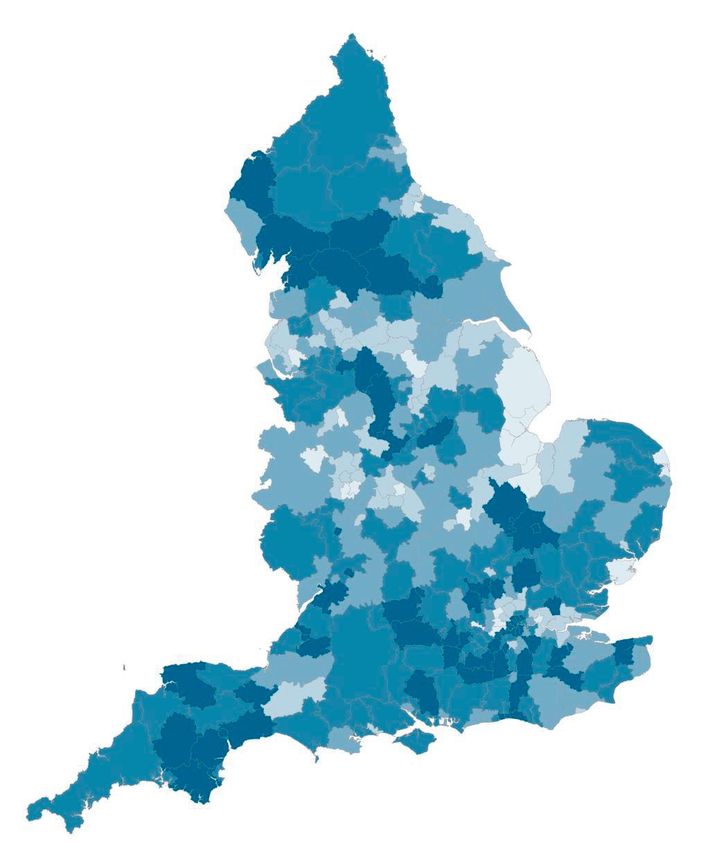
This page contains 1 diagram. The diagram is a map and it shows The geographical spread of
Strategic review of DCMS-sponsored museums. The review assessed these museums covered by the Department’s strategic review
museums’ functions, forms, effectiveness, efficiency and accountability. Duxford
Recommendations from this review included: Tring
• working with the sponsored museums to identify and deliver innovation
London
and efficiencies around collections management, business models, Wroughton
back-office functions and collaboration, and funding options; and
• the Department will review its relationship with each of its sponsored
bodies and the British Library, including the management agreements St Ives
|
Departmental overview 2018
and performance indicators.
Fort Nelson
Note
1 The larger the museum icon, the more museums in that area.
Source: Strategic review of DCMS-sponsored museums
13PART THREE
CONTENTS
Broadband access
NEXT
PREVIOUS
Superfast
Superfast broadband
broadband has been rolledhas out been
to much of the country on commercial terms by providers such as BT and Virgin Media where it is economically viable for them to do so. The government defines
The UK’s 5G Strategy
superfast as speeds greater than 24 Mbps, whereas Ofcom (the UK regulator) defines it as speeds greater than 30 Mbps. Broadband Delivery UK (BDUK) is responsible for implementing the government’s policy
Local Full Fibre Networks Programme (LFFN)
rolled out to much of the country
on superfast broadband roll‑out. The Department reported that a targetThe of 95%Government’s
of UK premises had5G beenTestbed and Trials
met in December 2017 andProgramme wasaccess
a basic broadband set for
upall other areas. It plans to extend
This coverage
programme is designed to stimulate commercial investment in full fibre networks in both rural LAST PAGE
on commercial
beyond this. terms by providers VIEWED
in 2017 as part of more than £1 billion of funding to boost the UK’s and urban locations across the whole of the UK. The first wave of this programme was launched
such
The UK’sas5GBT and Virgin Media where
Strategy
digital
as partinfrastructure. The programme will
UK’sexplore the benefits and will explore the benefitsin lateand2017.
chal- The programme’s delivery objectives are to:
it isGovernment’s
The economically viable
5G Testbed for them
and Trials Programme was set up in 2017 of more than £1 billion of funding to boost the digital infrastructure. The programme
lenges of deploying 5G technologies in line with the following key objectives:
to do so. The government defines
challenges of deploying 5G technologies in line with the following
key objectives:
Stimulate market development and deployment of 5G technology and infrastructure in the UK.
• maximise the availability of gigabit‑capable broadband services;
superfast as speeds greater
Create new opportunities for businesses. than
• improve commercial investment conditions in local areas (for example,
24 Mbps,
Ensure the UK whereas Ofcomin(the
secures an advantage • Stimulate
the investment and development of skills market
as 5G products development
and services develop. and deployment of 5G improve the business case for the market to provide more gigabit‑capable broadband).
UK
In regulator)
March defines
2018, six winners it as
of the first speeds technology
phase of the 5G Testbeds and Trials competition and infrastructure in the UK.
were announced.
Urban Connected Communities
greater than 30 Mbps. Broadband • Create new opportunities for businesses.
The programme objectives are to be achieved via the following two schemes:
In September 2018, the West Midlands were selected as the location for the Urban Connected Communities project to design wireless infrastructure in a major city that delivers high quality connectivity and
Delivery UK (BDUK) is responsible
for implementing
Trans Pennine Railway 5Gthe trial government’s
•
allow new 5G applications to be trialled in a number of sectors. Up to £50 million is available
Ensure theforUKthe secures
project, which
anincludes £25 million
advantage in from
the the Department. and
investment Challenge Fund
development of skills as 5G products and services develop.
policy
The Transon superfast
Pennine broadband
Initiative, part of Northern Powerhouse plans, aim to test ways of providing high-quality connectivity to trains. Launched in November 2017 as a £190 million capital grant programme to fund locally led public
Local Full Fibre Networks Programme (LFFN)
roll‑out. The Department reported In March 2018, six winners of the first phase of the 5G Testbeds connectivity projects. The first £95 million funding was allocated in March 2018 and the next
This programme is designed to stimulate commercial investment in fulland fibre Trials
networkscompetition
in both rural and were
urban locations across the whole of the UK. The first wave of this programme was launched in late 2017.
announced.
that a target of 95% of UK premises £95 million is now open to local bodies for expressions of interest.
The programme’s delivery objectives are to:
had been
maximise met in December
the availability 2017
of gigabit‑capable broadband services;
Urban Connected Communities
and a commercial
improve basic broadband access
investment conditions for areas (for example, improve the business case for the market to provide more gigabit‑capable broadband).
in local Gigabit Broadband Voucher Scheme
In September 2018, the West Midlands were selected as the
The programme objectives are to be achieved via the following two schemes:
all other areas. It plans to extend
Challenge Fund Launched in March 2018, a £67 million voucher scheme available for use by small businesses and
coverage beyond2017 this. location for the Urban Connected Communities project to design
Launched in November local
as a £190 million capital grant programme to fund locally led public connectivity projects. The first £95 million funding was allocated in March 2018 and the next £95communities
million is to contribute to the installation of faster connections. Small to medium-sized
now open to local bodies for expressions of interest.
wireless infrastructure in a major city that delivers high quality
businesses can claim a voucher of up to £3,000 and residents £500 as part of a group project.
Gigabit Broadband Voucher Scheme connectivity and allow new 5G applications to be trialled in a
Launched in March 2018, a £67 million voucher scheme available for number
use by smallof sectors.
businesses andUplocalto £50 million
communities is available
to contribute for theofproject,
to the installation faster connections. Small to medium-sized businesses
can claim a voucher of up to £3,000 and residents £500 as part of a group
which project.
includes £25 million from the Department.
Department for Digital, Culture, Media & Sport
Trans Pennine Railway 5G trial
The Trans Pennine Initiative, part of Northern Powerhouse plans,
aim to test ways of providing high-quality connectivity to trains.
|
Departmental overview 2018
14You can also read


