Digital Health and Emerging HealthTech in Southeast Asia
←
→
Page content transcription
If your browser does not render page correctly, please read the page content below
www.pwc.com/sg

Digital Health and Emerging
HealthTech in Southeast Asia:
Facts and the Value, Challenges Faced
& Success Factors for Implementation

Digital Health Conference: Telemedicine 4.0
Dorsett Grand Hotel, Subang, Malaysia

20-21 June 2019

Dr. Zubin J Daruwalla, MBBCh (Hons), BAO, MRCSI, MCh (Orth), MMed (Orth)

Health Industries Leader, PwC Singapore & PwC South East Asia Consulting

Facts and the Value

Digital Health and Emerging HealthTech in Southeast Asia   June 2019
PwC                                                                2
How long did it take the telephone to get to 50 million users?

  A. 15 years
  B. 35 years
  C. 55 years
  D. 75 years

Digital Health and Emerging HealthTech in Southeast Asia         June 2019
PwC
How long did it take the television to get to 50 million users?

  A. 3 years
  B. 13 years
  C. 23 years
  D. 33 years

Digital Health and Emerging HealthTech in Southeast Asia          June 2019
PwC
How long did it take Angry Birds to get to 50 million users?

  A. 1 year
  B. 1/2 year
  C. 3 months
  D. 1 month

Digital Health and Emerging HealthTech in Southeast Asia       June 2019
PwC

NEW ENTRANTS – NEW TECHNOLOGY – NEW BUSINESS MODELS

     NEW FINANCING MECHANISMS – NEW HEALTHCARE DELIVERY MODELS

             Accessibility                  Interoperability              Security (Cyber)
             Affordability                    Integration    New entrants     Safety
               A+ Care

 New Health Economy
People                       Technology   Engagement                 Transparency
Privacy                    Transformation Experience                  Treatment
                                           Expertise

Digital Health and Emerging HealthTech in Southeast Asia                            June 2019
PwC
The pace of digitization is exponentially increasing; years to days

                                                  Digitalization Adoption

        Telephone                                                                         75 years

               Radio                                                   38 years

                   TV                                       13 years

           Internet                               4 years

         Facebook                           3.5 years

                 iPod                  3 years
                                                                                  TIME TO 50
                 AOL              2.5 years                                        MILLION
                                                                                    USERS
DrawSomething!             50 days

               Angry     35 days
               Birds

Source: visual.ly.com
Digital Health and Emerging HealthTech in Southeast Asia                                             June 2019
PwC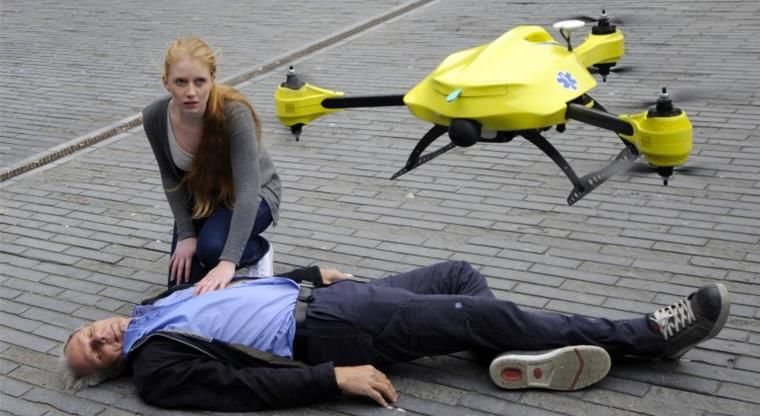
Singapore has already become the Asian centre of HealthTech deals, providing
 potential for start-ups to grow and scale in the region with the expectation that
 more HealthTech start-ups will be based in Singapore as our HealthTech market
 continues to grow significantly

 HealthTech Deal Volume Share by Market                         Singapore’s HealthTech Funding
 (excluding China and India)                                    According to Galen Growth Asia’s report, Singapore witnessed
                                                                26 HealthTech funding deals in 2018, closing a record breaking
              2017                                2018          total of US$134M. It is in fact the third largest digital health
                                                                ecosystem in Asia.
  Japan
  Japan              30%              Singapore          29%
                                      Japan

  Singapore
  Australia          29%              Japan              27%
                                      Australia

  Australia          18%              South              13%
                                      SingaporeKorea
  Singapore

  Vietnam
  Vietnam            5%               Australia          11%
                                      Vietnam

  South    Korea
  South Korea        4%               Indonesia            5%
                                      South Korea

  Taiwan
  Japan              3%               Taiwan             3%
                                      Japan

  Hong
  Australia Kong     1%               Thailand           3%
                                      Australia

  Myanmar
  Singapore          1%               Philippines        3%
                                      Singapore

Digital Health and Emerging HealthTech in Southeast Asia                                                                June 2019
 PwC                                                                                                                            8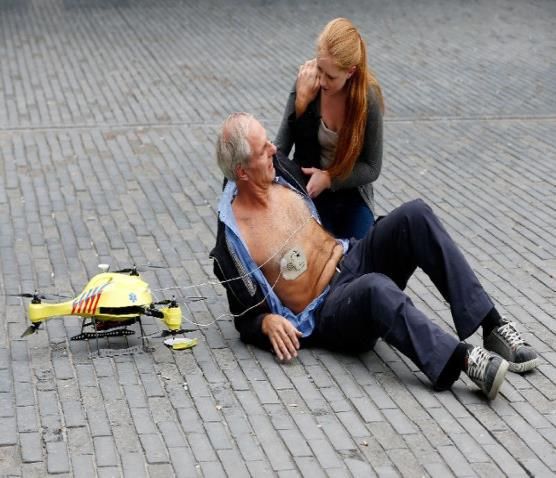
According to Enterprise Singapore, HealthTech start-ups currently
already comprise 9% of all start-ups in Singapore

                                                           HealthTech Start-ups in Singapore
                                                           According to Enterprise Singapore, there are 269 HealthTech and
                                                           MedTech startups out of 3,144 startups. Among these, 53% of
                                                           HealthTech startups are incorporated within 5 years.

                                                                   HealthTech start-ups by sectors

                                                                                                   23%
                                                                   33%

                                                                                                        16%

                                                                          28%
                                                               Biotech    Digital health   Healthcare     Medtech

Digital Health and Emerging HealthTech in Southeast Asia                                                      June 2019
PwC                                                                                                                   9
2016

Digital Health and Emerging HealthTech in Southeast Asia   June 2019
PwC
Even across emerging markets, there are countless new digital
health models being developed, many of which have already
revolutionized the way care is delivered

Digital Health and Emerging HealthTech in Southeast Asia        June 2019
PwC
Harnessing the power of digital technology will be
      key to helping Southeast Asia’s health industry
         bridge the gap and provide access to and
        affordability of care, as well as catalyze the
    proliferation of quality care delivery in the region.

Digital Health and Emerging HealthTech in Southeast Asia   June 2019
PwC
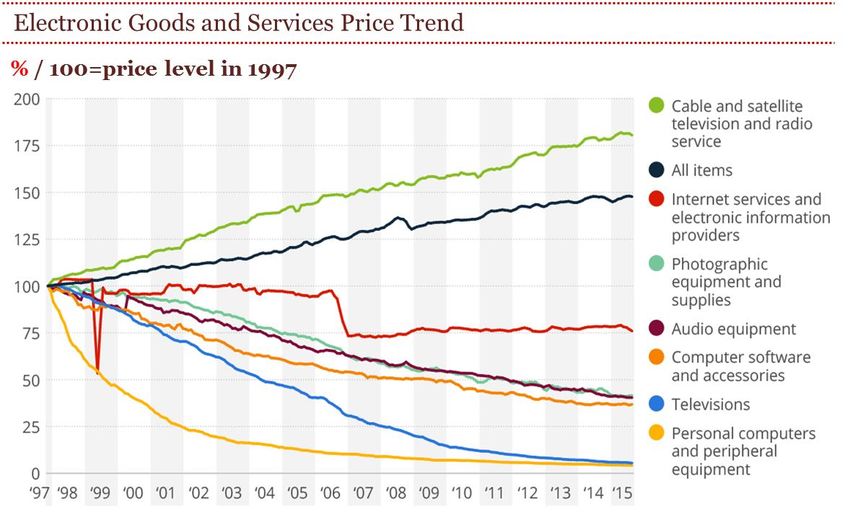
Source: US Bureau of Labour Statistics, 2015 Digital Health and Emerging HealthTech in Southeast Asia June 2019 PwC
Healthcare organizations have much to benefit from
         a developed digital health market.

                                                           Patient empowerment and centricity

    Improved client engagement and patient experience

                          Reduction in human error and thus improved patient safety

                                           Optimization of operations

                                                           Improved cost efficiency

Digital Health and Emerging HealthTech in Southeast Asia                                June 2019
PwC
So if all these advantages exist, what are the challenges to
adoption then? The reasons for this slow adoption in the
healthcare industry are complex.
Digital Health and Emerging HealthTech in Southeast Asia June 2019
PwCChallenges Faced Digital Health and Emerging HealthTech in Southeast Asia June 2019 PwC 16
“We are different with our differences making the application of
 developed market business models futile”

 At times, organisations do not realise that the varying and often
                      volatile demographics of
   emerging markets differ from developed economies
with market segment and consumer preferences changing rapidly,
              the four key differentiating factors being
                     (1) Population Growth,
                      (2) Population Aging,
             (3) Population Distribution, and the
      (4) Population Income Rise of the Middle Class.

  Digital Health and Emerging HealthTech in Southeast Asia     June 2019
  PwC
2016 Digital Health and Emerging HealthTech in Southeast Asia June 2019 PwC
Population Growth

•     The rate of population growth in emerging markets presents a significant challenge as
      infrastructure is not being developed at the same rate resulting in a strain on resources

Source: United Nations – World Population Prospects 2015 Revision
Digital Health and Emerging HealthTech in Southeast Asia                                June 2019
PwC
Population Aging
• The portion of the population aged over 65 years increasing exponentially presents
another challenge to business models that are not tailored to the elderly
Source: United Nations – World Population Prospects 2015 Revision
Digital Health and Emerging HealthTech in Southeast Asia June 2019
PwCPopulation Distribution
• The rural percentage of populations across Southeast Asia (and Asia more broadly)
make accessibility a challenge for businesses, especially to those whose models are
built for developed markets
Source: United Nations – World Urbanization Prospects 2014
Digital Health and Emerging HealthTech in Southeast Asia June 2019
PwCPopulation Income Rise of the Middle Class
• The increasing proportion of middle class whom have a greater willingness to spend
result not only in higher expectations (basic and simple care -> quality and complex)
but also a greater incidence and prevalence of non-communicable or chronic disease,
necessitating a shift of focus of many of today’s point solutions to more holistic ones
Source: United Nations – Kharas, H (2010). “The Emerging Middle Class in Developing Countries.” Development Centre Working Papers. No. 295. OECD Publishing
Digital Health and Emerging HealthTech in Southeast Asia June 2019
PwCOther sources of inhibition also exist
• Depleted labour market conditions
• Nurturing of local medical talent insufficient and compounded by fact that many
strive to seek better opportunities overseas
• Problem even in developed countries with the need for workforce
transformation high up on the agenda
• Insufficient and inefficient finance
• Inadequate public sector funding impedes sector growth and calls for new
financing sources like public-private partnerships
• Fragmented and/or immature business, legal and regulatory environment
• Structure, governance, frameworks and guidelines are lacking in many nations
with the ease of doing business, laws and regulations varying
Source: World Economic Forum ‘Network Readiness Index’ 2015
Digital Health and Emerging HealthTech in Southeast Asia June 2019
PwCThe fact that fundamental gaps exist in every aspect of Information Communication Technology makes it unlikely for emerging economies to adopt the traditional health model Ten parameters required to leverage ICT for social and economic impact Digital Health and Emerging HealthTech in Southeast Asia June 2019 PwC
As a result however, this allows emerging economies to leapfrog
developed markets and adopt the new digital health model

Digital Health and Emerging HealthTech in Southeast Asia     June 2019
PwC
“Cost and ROI are not necessarily real concerns”

              High upfront and maintenance costs
        for digital transformation, coupled with a difficulty in
                  defining and measuring value
      in healthcare often have organizations and governments
                questioning their ROI in digital health.

Digital Health and Emerging HealthTech in Southeast Asia      June 2019
PwC
Remember this from the earlier slide? Source: US Bureau of Labour Statistics, 2015 Digital Health and Emerging HealthTech in Southeast Asia June 2019 PwC
2017

Digital Health and Emerging HealthTech in Southeast Asia   June 2019
PwC
High upfront and maintenance costs

A transition to paperless records and virtual consults signals
a paradigm shift from traditional medical practices
                                    Upfront costs to acquire technology may be high
                            Employee training
                                            Change management
Creation of governance and compliance strategies
                  Cybersecurity for data management, ownership and privacy
  System integration and maintenance

                                      Investing in resources and building capabilities

  Digital Health and Emerging HealthTech in Southeast Asia                        June 2019
  PwC
• Different stakeholders see “value” differently (hospitals vs
patients)
• Taking into account the positive externalities of a healthcare investment
(wider impact of vaccinations, for example)
• Future outlook shrouded in uncertainty (unable to project long-term)
• Lack of consensus over methodology for ROI measurement and metrics in
healthcare (ROI = ? net profit/total cost of investment)
• Broad impact of technology (cross-functional)
• Differing healthcare system characteristics (data availability)
defining and measuring value
Digital Health and Emerging HealthTech in Southeast Asia   June 2019
PwC• Different stakeholders see “value” differently (hospitals vs
patients)
• Taking into account the positive externalities of a healthcare
investment (wider impact of vaccinations, for example)
• Future outlook shrouded in uncertainty (unable to project long-term)
• Lack of consensus over methodology for ROI measurement and metrics in
healthcare (ROI = ? net profit/total cost of investment)
• Broad impact of technology (cross-functional)
• Differing healthcare system characteristics (data availability)
defining and measuring value
Digital Health and Emerging HealthTech in Southeast Asia June 2019
PwC• Different stakeholders see “value” differently (hospitals vs
patients)
• Taking into account the positive externalities of a healthcare investment
(wider impact of vaccinations, for example)
• Future outlook shrouded in uncertainty (unable to project
long-term)
• Lack of consensus over methodology for ROI measurement and metrics in
healthcare (ROI = ? net profit/total cost of investment)
• Broad impact of technology (cross-functional)
• Differing healthcare system characteristics (data availability)
defining and measuring value
Digital Health and Emerging HealthTech in Southeast Asia June 2019
PwC• Different stakeholders see “value” differently (hospitals vs
patients)
• Taking into account the positive externalities of a healthcare investment
(wider impact of vaccinations, for example)
• Future outlook shrouded in uncertainty (unable to project long-term)
• Lack of consensus over methodology for ROI measurement and
metrics in healthcare (ROI = ? net profit/total cost of investment)
• Broad impact of technology (cross-functional)
• Differing healthcare system characteristics (data availability)
defining and measuring value
Digital Health and Emerging HealthTech in Southeast Asia June 2019
PwC• Different stakeholders see “value” differently (hospitals vs
patients)
• Taking into account the positive externalities of a healthcare investment
(wider impact of vaccinations, for example)
• Future outlook shrouded in uncertainty (unable to project long-term)
• Lack of consensus over methodology for ROI measurement and metrics in
healthcare (ROI = ? net profit/total cost of investment)
• Broad impact of technology (cross-functional)
• Differing healthcare system characteristics (data availability)
defining and measuring value
Digital Health and Emerging HealthTech in Southeast Asia June 2019
PwC• Different stakeholders see “value” differently (hospitals vs
patients)
• Taking into account the positive externalities of a healthcare investment
(wider impact of vaccinations, for example)
• Future outlook shrouded in uncertainty (unable to project long-term)
• Lack of consensus over methodology for ROI measurement and metrics in
healthcare (ROI = ? net profit/total cost of investment)
• Broad impact of technology (cross-functional)
• Differing healthcare system characteristics (data availability)
defining and measuring value
Digital Health and Emerging HealthTech in Southeast Asia June 2019
PwCROI measurements re-imagined Digital Health and Emerging HealthTech in Southeast Asia June 2019 PwC
Digital Health and Emerging HealthTech in Southeast Asia June 2019 PwC
Recognizing the potential for cost savings

Digital Health and Emerging HealthTech in Southeast Asia   June 2019
PwC
Digital Health and Emerging HealthTech in Southeast Asia   June 2019
PwC
Digital Health and Emerging HealthTech in Southeast Asia   June 2019
PwC
Success Factors for Implementation

Digital Health and Emerging HealthTech in Southeast Asia   June 2019
PwC                                                               41
2018

Digital Health and Emerging HealthTech in Southeast Asia   June 2019
PwC
The clock is already ticking…Is the time ripe for healthcare?

                                                     The most valuable retailer,
                                                       owns no inventory

             The world’s most popular media
              owner, creates no content

                                                                            The world’s largest taxi company,
                                                                                  owns no vehicles

                                      The world’s largest accommodation
                                       provider, owns no real estate

Digital Health and Emerging HealthTech in Southeast Asia                                                        June 2019
PwC
A new era of health is upon us…Are we ready for a hospital which has no patients? Digital Health and Emerging HealthTech in Southeast Asia June 2019 PwC
As a clinician, I’ve always believed we should use technology to
complement our clinical practices, not replace them (at least not yet)

                          Are we losing the
                          healing ‘touch’ of
                          medicine?

                                                                                             Image from: Philips /
                                                                                             www.usa.philips.com

         Image from: http://medicalfuturist.com/why-people-should-not-fear-digital-health/

Digital Health and Emerging HealthTech in Southeast Asia                                                             June 2019
PwC
NEW ENTRANTS – NEW TECHNOLOGY – NEW BUSINESS MODELS
NEW FINANCING MECHANISMS – NEW HEALTHCARE DELIVERY MODELS
Accessibility Interoperability Security (Cyber)
Affordability Integration New entrants Safety
A+ Care
New Health Economy
People Technology Engagement Transparency
Privacy Transformation Experience Treatment
Expertise
Digital Health and Emerging HealthTech in Southeast Asia June 2019
PwCAccessibility Interoperability Security (Cyber)
Affordability Integration New entrants Safety
A+ Care
P.A.T.I.E.N.T.S.
People Technology Engagement Transparency
Privacy Transformation Experience Treatment
Expertise
Digital Health and Emerging HealthTech in Southeast Asia June 2019
PwCAs technology gets more sophisticated, digital innovations and
care delivery could evolve from a HCP professional coming to the
patient to detection & treatment capabilities inside the body
2010 2020 2025 2030
Improved Processing and Shrinking sensor sizes and Cloud and mobile Artificial intelligence and
software engineering innovative manufacturing communication technologies Nano-technology
Wearables
Ingestible & implantable
sensors
Ambulance drones
Convergence of
“Trauma care in a rucksack”
healthcare
Smart homes technology
capabilities
Run by
brain-machine
interfaces and AI?
You go to healthcare Healthcare comes to You carry healthcare Healthcare is inside you
you
Source: “The Singularity is Near” by Ray Kurzweil, PwC analysis
Digital Health and Emerging HealthTech in Southeast Asia June 2019
PwC“If you fail to prepare, prepare to fail” Three key factors amongst many that support the culmination of a state of adequate preparedness exist • Regulatory and compliance management • Secure deployment of connected medical devices • Data governance, protection and privacy Digital Health and Emerging HealthTech in Southeast Asia June 2019 PwC
Other success factors also exist

                                                           s
Digital Health and Emerging HealthTech in Southeast Asia   June 2019
PwC                                                               50
Connectivity
Culture
Credibility Change
management
Cost
(Affordability)
Convenience
Consent (Accessibility)
(Privacy,
HIPPA, PDPA) Cybersecurity
Digital Health and Emerging HealthTech in Southeast Asia June 2019
PwC 518 Cs -> 1 C Digital Health and Emerging HealthTech in Southeast Asia June 2019 PwC 52
ollaboration

Digital Health and Emerging HealthTech in Southeast Asia                  June 2019
PwC                                                                              53
THE FUTURE OF HEALTH IS DIGITAL

                       LET US KEEP PATIENTS AT THE HEART
                       OF WHAT WE DO

USE TECHNOLOGY TO COMPLEMENT OUR
CLINICAL PRACTICES, NOT REPLACE THEM

Digital Health and Emerging HealthTech in Southeast Asia   June 2019
PwC
THANK YOU
For further information, please contact:
Dr. Zubin J Daruwalla
Health Industries Leader
PwC Singapore & PwC South East Asia Consulting
t: +65 9751 7023
e: zubin.j.daruwalla@pwc.com
© 2019 PricewaterhouseCoopers. All rights reserved.
PwC refers to the Singaporean member firm, and may sometimes refer to the PwC network.
Each member firm is a separate legal entity. Please see www.pwc.com/structure for further details.
Liability limited by a scheme approved under Professional Standards LegislationWearables
Case Study: Verily and Alcon – Digital contact lenses for
diabetes management
1 2
Sensors are embedded A microscopic wireless antenna
between two soft layers of then communicates this data to a
lens material and a pinhole wireless device, which transmits
in the lens allows tear fluid it to external receiver devices
to seep into the sensor and (users, care givers, providers
be used to measure blood etc.)
sugar levels.
4 3
Providers can predict Continuous glucose data
adverse events caused by is also sent to an
diagnosis based on associated app on the
continuous glucose user’s smartphone which
monitoring data prompts the user to act
and make decisions
Global Healthcare Trends and the Transformative Future of the Industry June 2017
PwC 56Wearables
Case Study: SENSIMED Triggerfish® – Smart contact lenses
to tackle glaucoma
1 SENSIMED Triggerfish Sensor is a
®
3 The data is transmitted through a thin
soft disposable silicone contact lens flexible cable from the Antenna to the
embedding a micro-sensor that portable recorder
captures spontaneous circumferential
changes at the corneoscleral area
4 The portable recorder, worn by the patient,
stores the acquired data during the monitoring
2 The adhesive SENSIMED
session. At the end of the recording period, the
Triggerfish Antenna, which is placed
®
around the eye, receives wirelessly the data is transferred via Bluetooth from the
information from the contact lens recorder to the software previously installed on
the practitioner’s computer
• Provides information on continuous natural changes to the eye
to ophthalmologists including intraocular pressure
• Allows improved glaucoma management and faster intervention
Global Healthcare Trends and the Transformative Future of the Industry June 2017
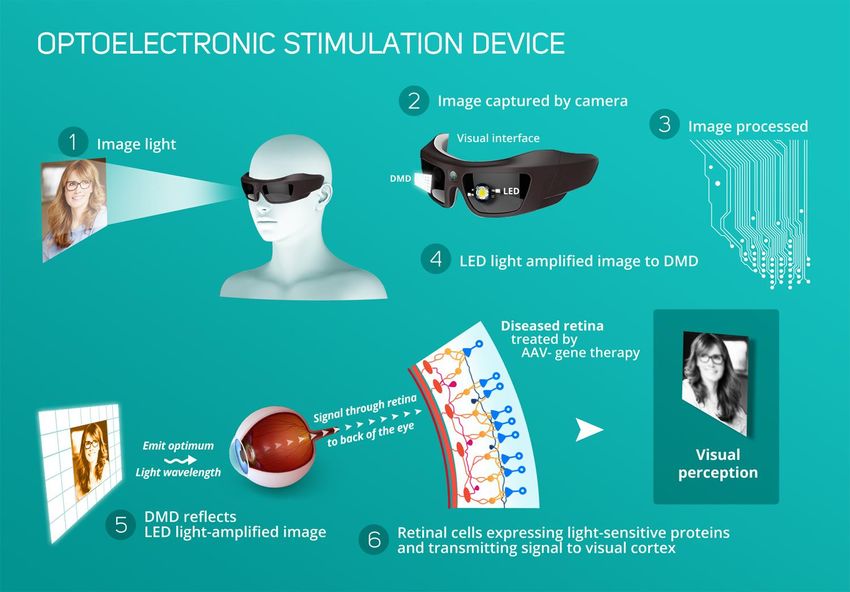
PwC 57Wearables Case Study: GenSight Biologics – Biomimetic goggles to treat faulty retina with a goal to preserve or restore vision Global Healthcare Trends and the Transformative Future of the Industry June 2017 PwC 58
Wearables

Case Study: ReThink Medical – Heart failure prediction

                                                        •    Raised $3m for a wearable that predicts and
                                                             prevents heart failure

                                                        •    Algorithms can detect signatures of worsening
                                                             heart conditions weeks before patient senses them;
                                                             usually a month of worsening conditions and heart
                                                             failure

                                                        •    Data transmitted via WiFi hub to a provider, who
                                                             intervenes if problems detected

                                                        •    Partnership with Japanese device company
                                                             Terumo

Global Healthcare Trends and the Transformative Future of the Industry                                          June 2017
PwC                                                                                                                    59
Wearables Companies driving innovations in smart clothing Global Healthcare Trends and the Transformative Future of the Industry June 2017 PwC 60
Wearables

  Other wearable examples by Pharma and MedTech

                        NEC/Gunze Ltd. - Developed an                        Toshiba - rolling out two activity trackers that
                        intelligent undershirt that can be                   can help caregivers monitor seniors
                        connected to a smartphone and provide                remotely. Through an analysis of sensor data, the
                        data on the health of the person wearing             Silmee W20 and W21 wristbands can help track
                                                                             the amount of time a user spends eating as well as
                        it. The shirt has an ultra-fine and flexible         conversing with others. The bands can compile the
                        sensor (which can be removed before                  data into life logs to be shared with caregivers
                        the shirt is washed) that can monitor
                        posture, heart rate, and calories
                        consumed and burned.

Kyocera - announced that it will collaborate with The                      Takeda – Getting serious about digital Takeda walks the walk
Association for Preventive Medicine of Japan in the field of               with its digital accelerator model The company has also
healthcare to offer a new service, Daily Support®, which aims              launched iBData, a wearable digital technology pilot program
to assist with continuous lifestyle habit improvements through             to support patients and physicians with the management of
the use of a smartphone and wearable device combined with                  inflammatory bowel disease (IBD). The program is a
individual guidance from healthcare professionals. Planned to              partnership with Texas Digestive Disease Consultants and
launch in fall 2015 in Japan, the service will be provided to              Vanderbilt University Medical Center and is designed for IBD
companies, health insurance unions and healthcare service                  patients to track their symptoms and lifestyle factors with
providers seeking better health management for employees                   wearable watch technology
and clients.

  Global Healthcare Trends and the Transformative Future of the Industry                                                  June 2017
  PwC                                                                                                                            61
Point of care diagnostics
Case Study: eyeNETRA – Point of care diagnostics and VR
Mobile Clinic Kit with Printer
• MIT-incubated start-up that offers a series of Point
of Care diagnostic tests for refractive errors (near
and far sightedness)
Smart Phone Autorefractor Smart Phone Lensometer
• The equipment easily plugs into smartphones and
has supporting applications which enable easy
diagnosis, recording and transmission of test results
• The company is now seeking partners to create
prescription Virtual Reality Screens
Smart Phone Lensometer
Global Healthcare Trends and the Transformative Future of the Industry June 2017
PwC 62Telemedicine
Case Studies: MedShr and MyDoc – Smart phone apps that
can be used to seek second opinions via affordable and
accessible teleconsults
Create cases Share & Discuss Connect & Network
Global Healthcare Trends and the Transformative Future of the Industry June 2017
PwC 63Telemedicine
Case Study: Tan Tock Seng Hospital, Singapore – Improving
eye care with tele-ophthalmology
• Modified teleconferencing system to
enable patients and specialists to see
and speak to each other
• System is set up at easily accessible
neighborhood polyclinics and uses
portable cameras and multiple
computer screens
• Clinic does a pre-consultation
assessment and results are shared
with specialists ahead of the
consultation
• Initiative found to reduce the load of
acute care institutions and is now
being extended to multiple polyclinics
Global Healthcare Trends and the Transformative Future of the Industry June 2017
PwC 64Drones
Case Study: Deft University of Technology – Ambulance
drone with cardiac defibrillator
• Ambulance drone in-built with a cardiac defibrillator that can reach patients during a cardiac
arrest within 12 square km in less than 1 minute
• Via telemedicine and an in-built camera, an emergency operator can give instructions and observe
for correct application by the civilian responder
• Survival rate from a cardiac arrest could be increased to 80% under the quick arrival response of
the ambulance drones, rising even to 90% when an untrained responder is given accurate
instructions by the emergency operator.
Global Healthcare Trends and the Transformative Future of the Industry June 2017
PwC 65Genomics
Case Study: GenSight Biologics – Genetic engineering-based
novel therapies for neurodegenerative diseases of the eye
The proprietary Mitochondrial Optogenetics uses gene therapy to
Targeting Sequence (MTS) permits introduce a gene encoding for a
missing mitochondrial proteins to be light-sensitive protein into specific target
shuttled into the mitochondrion, enabling cells in the retina enabling them to respond
restoration of mitochondrial function to light stimulation in place of damaged
photoreceptor cells
Leber Hereditary Optic Neuropathy (LHON) Retinitis Pigmentosa (RP) Geographic Atropy in dry-AMD
Global Healthcare Trends and the Transformative Future of the Industry June 2017
PwC 66Big data
Case Study: Intelligent Research in Sight (IRIS™) – Registry
for ophthalmology cases
What is IRIS™? What does IRIS™ offer?
• First comprehensive eye disease • Consistent quality reporting
clinical database standards and outcome
• Captured data from 10,800 measures for eye diseases
ophthalmologists covering more • Measures efficacy of various
than 48 million patients (2015 therapy options
estimate) • Identifies areas for further
• Uses HIPAA-compliant methods to research and validation
collect data from EHRs
• Provides real-time feedback and
drives improvements in quality
and outcomes
Global Healthcare Trends and the Transformative Future of the Industry June 2017
PwC 67Artificial intelligence
Case Study: Google’s Deep Mind – AI to diagnose diabetic
retinopathy and AMD
• Google’s Deep Mind team is partnering with UK’s
NHS to develop a machine learning algorithm that
can scan millions of retinal images and detect
diabetic retinopathy and age-related macular
degeneration (AMD)
• Physicians currently diagnose using physical
medical charts and interviewing patients but the
error rates are 10-20% on average
Global Healthcare Trends and the Transformative Future of the Industry June 2017
PwC 68Artificial intelligence Some other examples of AI in healthcare Global Healthcare Trends and the Transformative Future of the Industry June 2017 PwC 69
Digital

Case Study: 6 over 6 – Digital optometry tools for consumers

GlassesOn                                                                GlassesOn Eyes
•    Mobile-based digital optometric tools to                            •   Currently under development
     check eyesight and buy glasses online                               •   Manipulates optical and perceptual
•    Uses a patent technique involving                                       phenomena to give full measurement of
     manipulation of light; registered as a Class 1                          refractive errors
     Exempt Medical Device with the FDA
•    Provides a spontaneous, fashion-centric
     experience

Global Healthcare Trends and the Transformative Future of the Industry                                      June 2017
PwC                                                                                                                70
Digital
Case Study: Novartis and TicTrac – Patient engagement
platform for people with multiple sclerosis
• Partnership with patient engagement platform for multiple sclerosis patients to record data from
wearables and social media
• The campaign prompts participants to track different aspects of their lifestyle including weight,
activity, mood, and workload
• This data is used to create visualizations of their day-to-day life. Participants can sync various
platforms and devices with Tictrac's platform including Fitbit, Jawbone UP, Withings, Gmail,
Facebook, and Runkeeper
Global Healthcare Trends and the Transformative Future of the Industry June 2017
PwC 71Digital
Case Study: Mount Sinai – Healthcare information access
Mount Sinai Hospital and Apple co-developed an
app which connects healthcare professionals.
App provides healthcare professionals with
anywhere access to data from 66 applications used
in the hospital.
Data includes clinical data, reference materials
and patient information. Passwords and VPN
certificates provide the appropriate levels of
security
Global Healthcare Trends and the Transformative Future of the Industry June 2017
PwC 72Digital Case Study: Ningbo – Digital and cloud hospital in China Global Healthcare Trends and the Transformative Future of the Industry June 2017 PwC 73
New entrants

Case Study: A futuristic combination to replace hospitals?

Global Healthcare Trends and the Transformative Future of the Industry          June 2017
PwC                                                                                    74
New entrants

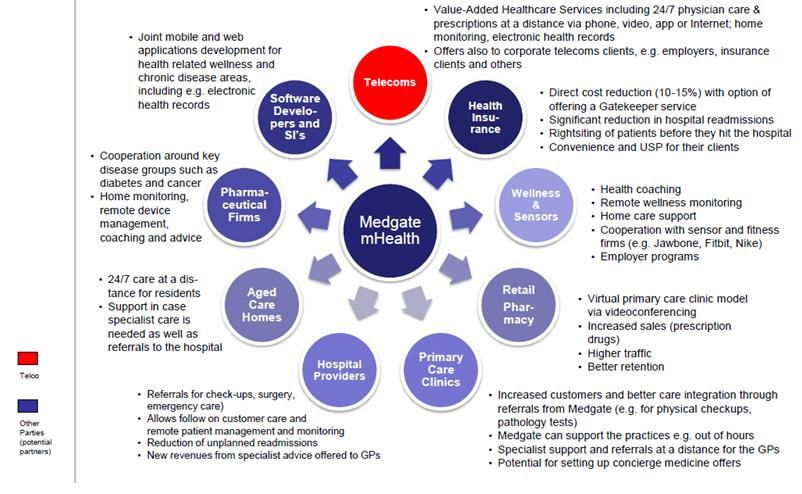
    Case Study: Are telcos the perfect medium?

  PwC’s DoubleJump™ Interchange supports collaboration across an ecosystem with
                          telcos being ideal partners
Data Sources                                                                                Care Team /               Patient /                                Analytics/Apps
                                                 Remote                                    Clinician Apps            Consumer
                                                Monitoring                                                             Apps               Visualization
                                                                                                                                          / Reporting
                        Public /
                      Government                                                                                                                             Statistical
                                                                    Monitoring                                                                               Packages
                                                                     Devices
                                              Benchmarking         (biometrics)
      Sensing /                                                                                                                                                Analytics & Cognitive
                                  Activity
        IoT                                                                                                                                                     Computing Engines
                                  Sensors
                               (steps, GPS)                                  PwC’s
                                                                         DoubleJump™
                                       EHR/HIE
      Hospitals /
       Clinics
                                   (clinical records)                     Interchange                                                 Registry / Support
                                                                                                                                        Group (Self-
                                                                                                                                          Reported)                    Family, Friends,
                                          Kiosk (remote        Claims
                                                                                               Pharmacy platform                                                         and Patient
                                           monitoring)         (Cost/                                                    Research Data
                                                                              Activities        (prescription and                                                         Advocates
                                                             Utilization)                                                 (e.g., Omics)
                                                                                                 fulfillment data)
                    Retail
                                                                                                                                             Researchers

                                                 Risk-Bearing Entities      Community
Collaborators                                                                Programs             Pharmacy

                                                                      Ecosystem Enablers
            Technology                                    Contracts                                   Shared Services                                     Value Capture

    Global Healthcare Trends and the Transformative Future of the Industry                                                                                         June 2017
    PwC                                                                                                                                                                   75
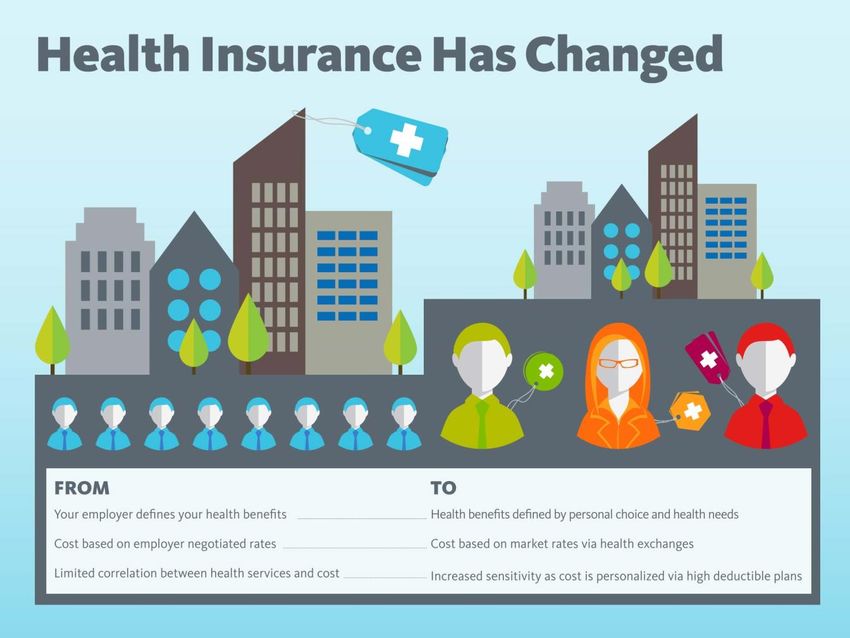
New entrants Case Study: Insurance Global Healthcare Trends and the Transformative Future of the Industry June 2017 PwC 76
New entrants

Case Study: Retail

 Retail Health, Retail Medicine and the New Healthcare Experience

 People expect convenience, quality and transparency when choosing how to spend
 time and money – and increasingly they seek the same from healthcare providers.
 Retail health is emerging as a means of delivering quality, convenient care to millions
 of consumers, as well as a model for healthcare systems to consider when providing
 services to new and existing patient populations.
Global Healthcare Trends and the Transformative Future of the Industry               June 2017
PwC                                                                                         77
New entrants

Examples of various industry sectors using telemedicine
service offerings

Global Healthcare Trends and the Transformative Future of the Industry          June 2017
PwC                                                                                    78
You can also read


