Digital society : challenges, opportunities, risks and obstacles - European Seniors' Union
←
→
Page content transcription
If your browser does not render page correctly, please read the page content below

European    Summer Academy 2021
    Seniors’
      Union          Digital society : challenges,
                  opportunities, risks and obstacles

Presentation   Patrick Penninckx
   July 2021   Head of Information Society Department
                                                        1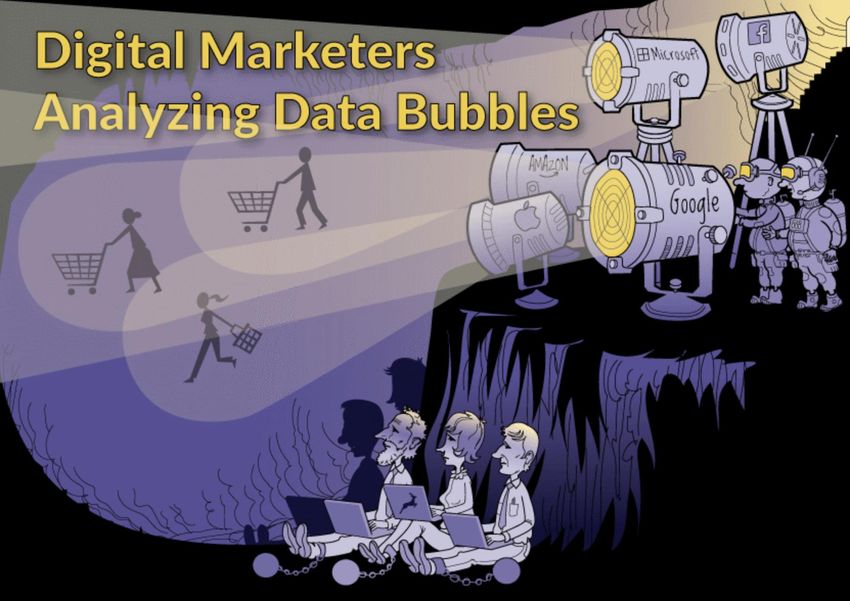
Digital society : challenges,
opportunities, risks and obstacles

  PRESENTATION TOPICS:
  ➢ The new digital world
  ➢ Opportunities and risks for
    the elderly – impact on six
    areas of life
  ➢ Council of Europe and
    seniors
  ➢ Managing the information
    society
                                  2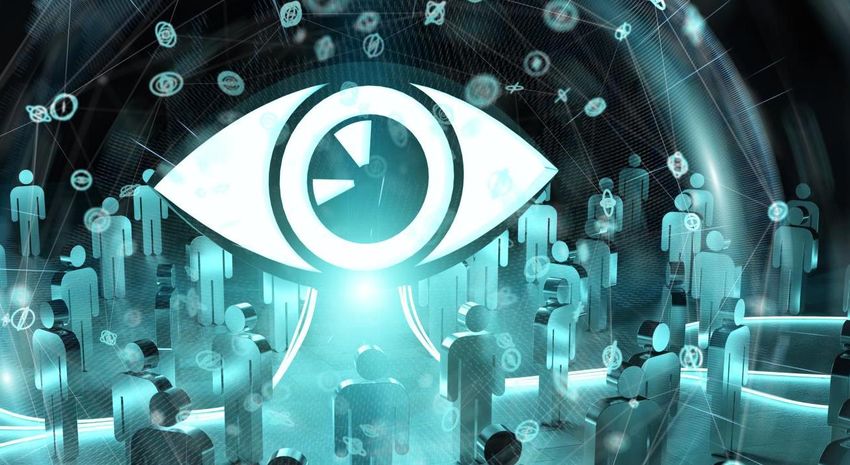
The technological revolution spreads…

Source: nytimes.com                                           3

Technology connects more and more

                                    4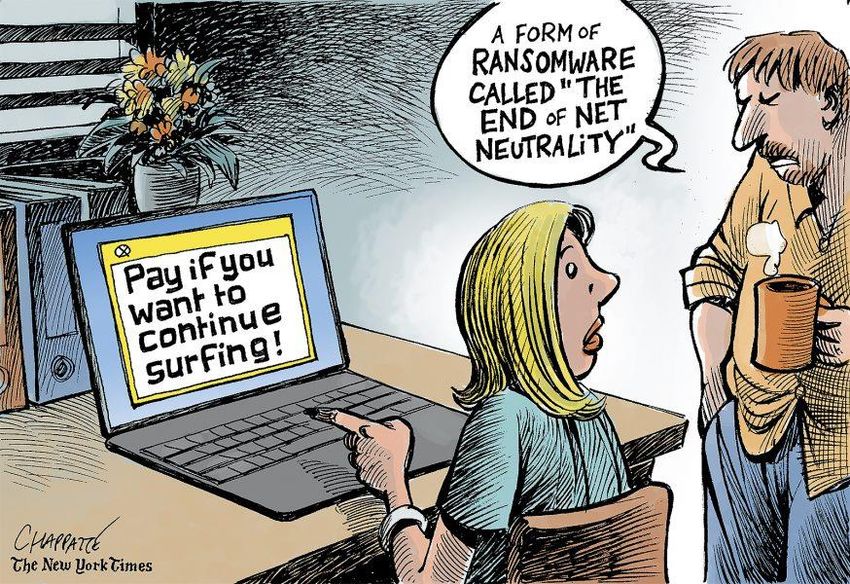
…but technology also divides

                               5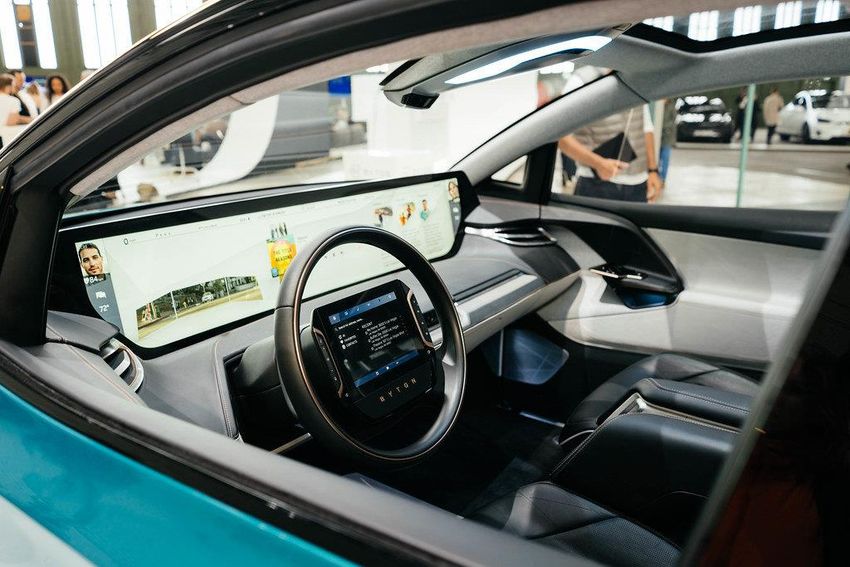
The access to the net is not free

Source: chappatte.com                                       6
Technology allows social control

Source: chappatte.com                                      7
Social media replace socialisation

Source: katehartteaching.wordpress.com                                        8
Platforms manage social contacts

Source: chappatte.com                                      9
Fake news are spined online

Source: comarketing-news.fr                                 10
Fake news consumption increases with age

Source: Consuming Fake News, reaserchgate.net                                        11
Some seniors tend to spread fake news

                    A 2019 study found that 11
                    percent of people aged 65
                    and older shared fake news
                    stories on Facebook during
                    the 2016 US presidential
                    election.

                    People aged 65 and older
                    are almost four times more
                    likely to share fake news on
                    social media than younger
                    people

                   Source: usnews.com
                                               12
… as well as hate speech
13Disinformation campaigns proliferate
At Least 70
Countries have had
Disinformation
Campaigns
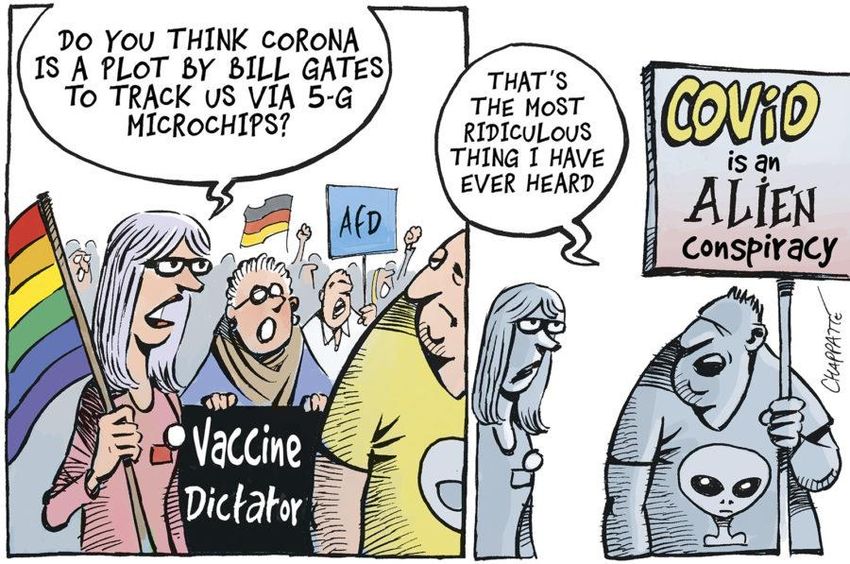
14Conspiracies and fake news thrive Source: chappatte.com 15
Deep fakes distort reality

The Guardian                                16
Disinformation rigs elections

                Source: The Journal   17
News avoidance extends
News avoidance
is highest in
Croatia (56%),
Turkey (55%), and
Greece (54%)
Source: Digital News Report 2020, Reuters Institute
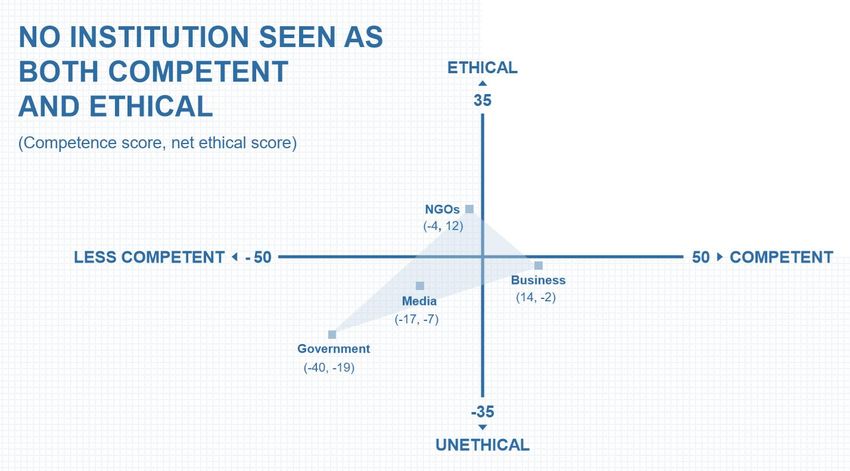
18Disinformation brings distrust Source: Edelman Trust Barometer 2020 19
Do I still have access to information?

                                         20
Machines are getting smarter
The Guardian
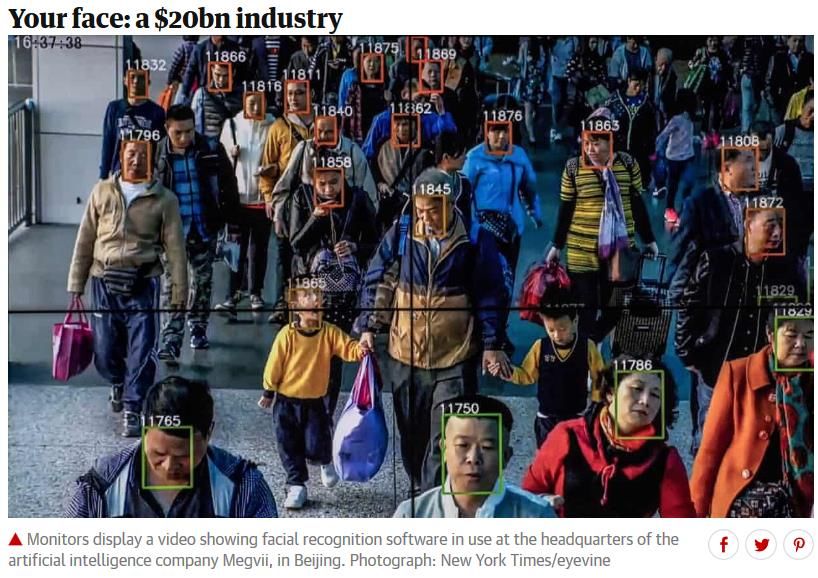
21I am always watched
The Guardian
The Guardian 22My face is recognised The Guardian Source: www.ft.com 23
Surveillance becomes widespread

                                  24
My personal data are public
25Big data becomes a commodity
26AI selects my content
Source: Facebook
Transparency Report
NUDITY HATE SPEECH
21 million 2,5 million
removals removals
99,8% by AI
38% by AI
Need clarity on
boundaries
TERRORIST
GRAPHIC
CONTENT
1,9 million
VIOLENCE
removals 3,4 million
removals
99,5% by AI
85,6% by AI
27Censorship goes private
28Cybercrime proliferates
29Vaccine data are hijacked
➢ European Medicines Agency (EMA)
documents on Moderna’s COVID-19
vaccine candidate were unlawfully
accessed in a cyberattack.
➢ The EMA, had been targeted in a
cyberattack, which also gave hackers
access to documents related to the
development of the Pfizer Inc and
BioNTech COVID-19 vaccine.
➢ Moderna said its submission to the
EMA did not include any information
identifying individual study
participants and there is no
information at present that any
participants had been identified in
Source: Europol.Europa.eu any way. 30Fake vaccine certificates are sold online Fraudsters sell forged COVID-19 vaccination certificates on the dark web in a fast-growing pandemic scam, cyber security analysts say Source: news.trust.org 31
COVID-19 increases cyberthreats

Source: interpol.int                                     32
Elderly are sensitive to cyberattacks

         4 Most Common Cyber Attacks Used
         Against Older People in 2020
         Phishing Attacks - the older adults reported twice the
         likelihood of becoming a victim of phishing attacks
         compared to younger adults (53.47% vs. 26.37%)

         Behavioral Attacks - senior dating and romance scams,
         anti-aging and other prescription pills, charity and
         investment swindles, and fake help requests by “family
         members.”

         Consumer Fraud - Fake e-Commerce websites are on the
         prowl for vulnerable elderly who may not have sufficient
         knowledge about their genuineness.

         Identity Theft - Most identity thefts begin at the weakest
         link: a poor password or PIN.

         Source: maketecheasier.com                               33
Is AI shaping humanity or saving it?
34The new world is challenging
The world has never felt
more unequal.
Will machine learning and robotics
make humans economically
redundant ?
Am I moral if I do nothing
when there is a refugee crisis?
Algorithms already control
much of our daily lives.
Societies are volatile...
No one knows what the future
will look like !
35Tomorrow will be different… Artificial intelligence, quantum computing, 5G and the rise of the Internet of Things are just some of the emerging technologies that influence the way our society operates. 36
1930 vision of the future of communication

Source: flashbak.com
                                                              37
What is at risk?
✓ Right to private and family life
✓ Freedom of Expression
✓ Right to participate in
democratic processes, such as
elections, free from undue
influences
38Senior ‘digital’ citizen
39Digital developments bring opportunities…
➢ healthcare services
➢ smart watches (health-monitoring)
➢ medical video-consultation
➢ communication with the loved ones
➢ self-driving cars
➢ online services (travel booking,
online shopping, finances planning,
household expenses)
➢ studying and access to information
(kindle, podcasts)
40Different seniors have different needs
41
Source: Invitation to the LifespanImpact on six areas of life
➢ Adapting Housing
➢ Maintaining Mobility
➢ Supporting Socialisation
➢ Improving Healthcare
Findings and recommendations from the ➢ Supporting Nursing Care
Eighth Government Report on Older People
➢ Access to Public Space
Source: bmfsfj.de
42Adapting Housing
Importance of living space
➢ Housing is one of the most important
basic needs of all seniors
➢ Elderly spend a large proportion of their
time in their own homes
➢ Digital technologies can serve to support
independent living through systems that:
➢ improve safety in the home
➢ help with household chores
➢ support health or nursing care
➢ perform various services
Source: bmfsfj.de 43Maintaining Mobility
Mobility is important
➢ Quality of life in old age depends to a
large extent on the capacity…
➢ to move independently within and
outside the home
➢ to maintain social contacts
➢ to receive medical treatment
➢ Digital technologies can be used to help
restore lost mobility and to monitor the
mobility of older people.
Source: bmfsfj.de 44Maintaining Mobility
What systems are available?
➢ Help with general mobility
➢ E-bikes, assistance systems in vehicles
and mobility apps, mobility platforms,
navigation systems
➢ Restoring or maintaining walking ability
➢ Exergame systems and wearables
➢ Preventing loss of mobility
➢ Sensor mats for fall detection and
wearable activity systems
45
Source: bmfsfj.deMaintaining Mobility
Automated
technologies assist
drivers and help to
prevent accidents
A future of
driverless cars?
Autonomous vehicles
46Supporting socialisation
Importance of socialisation
People’s relationships with family
members, friends and neighbours provide:
➢ emotional support, practical help,
financial assistance
➢ Social integration prevents:
➢ Isolation, loneliness and depression
➢ Digital communication technologies
have created new opportunities for older
people to establish and cultivate contact
with other people.
47
Source: bmfsfj.deSupporting socialisation
48
48Improving healthcare
How can digitalisation enhance
healthcare?
➢ E-health offerings ease the access to
medical care:
➢ electronic health records, digital
information systems for patients,
virtual doctor’s appointments
➢ M-health applications facilitate
communication with doctors and
improve autonomy and quality of life:
➢ fitness wristbands, digital learning
games
Source: bmfsfj.de 49Improving healthcare
Applications help both doctors
and patients
50Improving healthcare
What are the benefits of
healthcare digitalisation?
➢ Health-related information
becomes more easily available
➢ It enables patients to become
involved in their own diagnosis,
treatment and symptom control
➢ Some medical competencies are
being transferred to patients
➢ Benefits also care-giving family
members, e.g. enabling digitally
delivered psycho-social support
Source: bmfsfj.de 51Improving healthcare
“Electronic skin
can not only
supplement
our human skin
but can also
genuinely
replace it”
© Bao Lab, Stanford Source: KU Leuven 52Supporting nursing care
Where can technology impact
nursing care?
➢ self-care, informal care and
support provided by family
members
➢ professional care provided in the
home environment
➢ professional care provided in live-
in facilities
53
Source: bmfsfj.deSupporting nursing care
What technology can improve care?
➢ Self-care assistive technologies:
➢ Electronic reminders, remote
control systems, household robots
➢ Direct care:
➢ Telecare systems, social robots and
service robotics, adjustable beds
➢ Administration of nursing care:
➢ Panning, documentation,
communication
Source: bmfsfj.de 54Access to the public space How can digitalisation support the access to the public space? ➢ Contribute to networking in the social space ➢ Compensate for the removal of previously available infrastructures ➢ Provide access to public administration and other community online services ➢ Offer programmes for the development of digital skills ➢ Encourage participation in social, economic and political life Source: bmfsfj.de 55
Access to the public space

There is a whole range of online services accessible
                                                       56
Council of Europe and seniors Commissioner for Human Rights, Ms Dunja Mijatović’s statement on the older persons in the age of the Covid-19 pandemic “The ongoing coronavirus (COVID-19) outbreak is especially dangerous for older persons and has a disproportionately negative impact on their right to health and other human rights. All our societies must find novel ways of boosting inter-generational solidarity and social contact with older persons without putting them at risk of infection.” The current situation also brings to light the failings of large, institutional settings for the long-term care of older persons, where they are confined in close quarters… A social care system which privileges individualised support to older persons, while promoting their full inclusion in the community, must be at the heart of… reforms. Source: www.coe.int 57
Rights of seniors in the digital world

     Recommendations by the Committee of Ministers
     ✓ Internet freedom
     ✓ The right to private life with regard to network
       neutrality
     ✓ Guide to Human Rights for Internet Users
     Studies
     ✓ Algorithms and Human Rights
     ✓ Internet and Electoral Campaigns
     ✓ Spaces of Inclusion
     ✓ Media Literacy for All
                                                          58
Media Literacy
➢ acknowledge the challenges
that the users of the older
generation are facing in
dealing with the digital
environment
➢ enhance media and
information literacy for all,
including older people
59Media Literacy
The Ministerial Conference World Café: Media and Information Literacy projects
“Artificial intelligence -
Intelligent politics:
Challenges and opportunities
for media and democracy”
(10-11 June 2021)
Source: www.coe.int/freedomofexpression
60Media Literacy Source: cyberseniors.org 61
Media Literacy

                                                     Digital
                                                  citizenship
                                                     for all

Source: digitalcitizenship.net
                                                                62
Information Society Department
Thanks for your further resources:
attention ! www.coe.int/freedomofexpression
www.coe.int/internetgovernance
www.coe.int/dataprotection
www.coe.int/cybercrime
www.coe.int/AI
Facebook Page
Information Society Group
63You can also read


