Disrupt: Wildlife Cybercrime - Uncovering the scale of online wildlife trade - International Fund for Animal Welfare
←
→
Page content transcription
If your browser does not render page correctly, please read the page content below
Disrupt: Wildlife Cybercrime

Uncovering the scale of online wildlife trade
03
                                            Contents

This report focuses on online wildlife       4 Letter from the CEO
                                             6 Foreword
                                                                                            Country case studies
                                                                                            34 France

trade in France, Germany, Russia and the     8 Executive summary                            36 Germany
                                            12 Key results at a glance                      38 Russia
United Kingdom. It highlights the scale     14 Introduction                                 42 UK
                                            16 Raising the profile of wildlife cybercrime
and nature of the trade in protected live   18 CITES Appendices and EU Annexes
                                                                                            Appendix I
                                                                                            46 CITES Resolutions and Decisions
                                            19 Aims and methodology
animals and their body parts via online     20 Challenges
                                                                                            		 on wildlife cybercrime

                                                                                            Appendix II
marketplaces and social media platforms,    Results                                         48 Table of advertisements and
                                            22 Species identified                           		 specimens found
and the threat that this poses to the       25 Results tables
                                                                                            Appendix III
                                            26 Online marketplaces
survival of some of the world’s most        30 Social media
                                                                                            49 Online technology company
                                                                                            		 policy adoptions
                                            31 Identifying the legality of items for sale
endangered and threatened species.
                                            Conclusions and recommendations
                                            32 Conclusions
                                            33 Recommendations

                                                                                                            Disrupt: Wildlife Cybercrime | IFAW
04                                                                                                                                                               Letter from the CEO
                                                                                                                                                                                              05
     Letter from the CEO

                                                                                                                                        ©IFAW-ATE/V. Fishlock
      In our efforts to protect animals and the places they call home, the
      International Fund for Animal Welfare (IFAW) seeks to end the illegal
      commodification and commercialisation of threatened wildlife species.
      The illegal wildlife trade represents a multifaceted threat to animal life
      and must be met with a comprehensive response. That means curbing
      demand through lobbying and public awareness campaigns, stopping
      the poaching on the ground, and disrupting the trafficking of these
      threatened species.

      Our work to tackle wildlife cybercrime is a vital part of that     Through our strategic partnerships and expertise, IFAW is
      process, and grows more important as more commerce is              able to provide invaluable support in the fight against
      conducted online. The internet provides traders with new           poachers and those who trade in threatened animal species.
      ways to profit from illegal wildlife trade, but it also provides
                                                                         We are thankful for the work of our experts and our partners
      us with powerful tools to stop them.
                                                                         who believe in our mission as we work towards a world
      Disrupt: Wildlife Cybercrime is our latest in a long line of       where animals are treated with dignity rather than traded
      research into the challenges and opportunities faced by            for parts or as live possessions.
      conservationists, governments and the private sector in our
      efforts to put an end to wildlife cybercrime.

      Because it takes a network to defeat a network, IFAW is
      committed to bringing key stakeholders together from both
      the private and public sector. IFAW’s team of experts have
      worked closely with online marketplaces and social media
      platforms to provide them with the information and training
      they need to be able to identify and combat criminals who
      seek to abuse their platforms in order to profit from illegal                                      Azzedine Downes
      wildlife trade.                                                                                    President and CEO
                                                                                                         IFAW

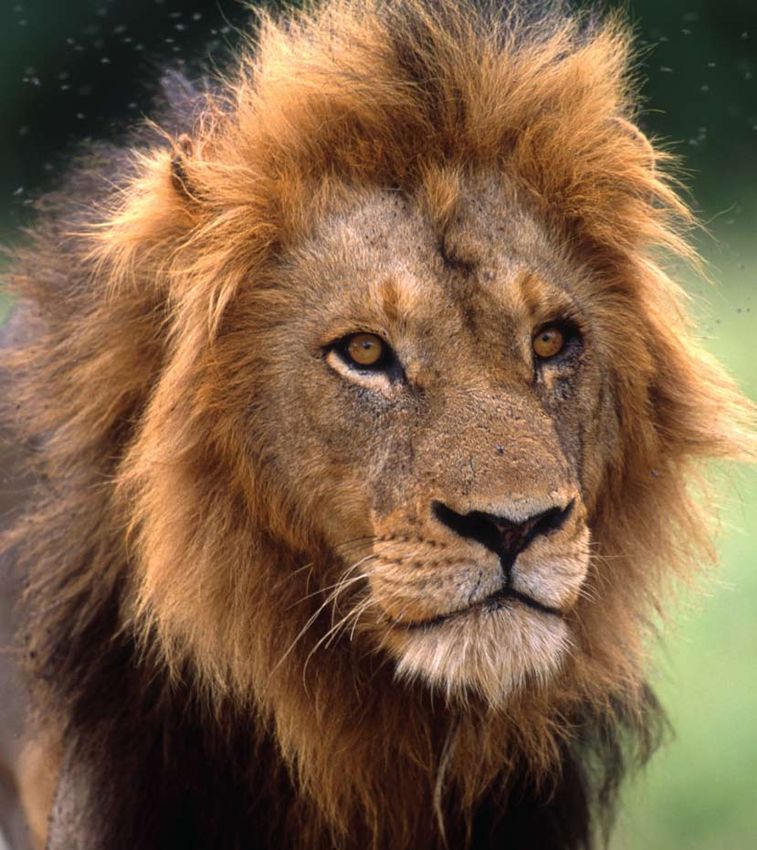
                                                                                                                                                                Lion

IFAW | Disrupt: Wildlife Cybercrime                                                                                                                                        Disrupt: Wildlife Cybercrime | IFAW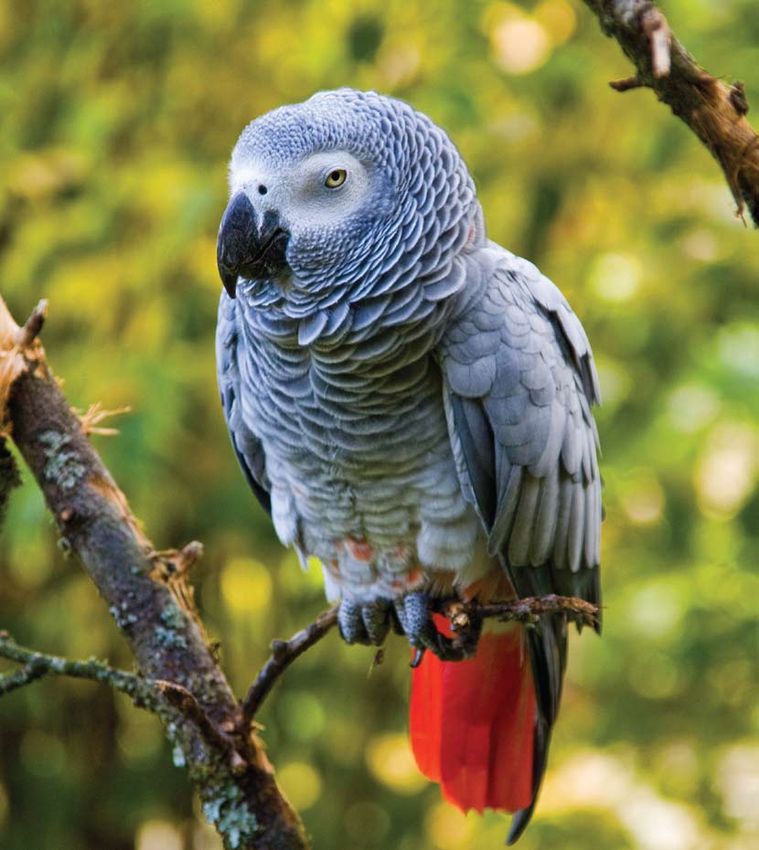
06                                                                                                                                                                                            Foreword
                                                                                                                                                                                                                  07
     Foreword

                                                                                                                                           ©Photosaurus/Dreamstime.com
      Of the many threats to our planet’s wildlife, the illegal trade of live
      animals and their body parts is one of the most inhumane.
      Animal species – many of which are already threatened by shrinking
      habitats, human development and global climate change – are
      increasingly falling victim to illegal wildlife trade. Poachers are
      chipping away at dwindling rhino populations to meet the demand
      for ‘medicinal’ powder and artifacts made from their horns. Grey
      parrots from the African continent are being captured by hunters and
      sold as exotic pets. Sophisticated criminal networks are slaughtering
      elephants to sell the ivory from their tusks to a global market.

      Live grey parrots, rhino horn and ivory represent only part of   Many of the species preyed upon by wildlife criminals are in
      the total number of endangered and threatened animals and        danger of approaching a tipping point where their
      animal products we discovered in our most recent research        diminishing numbers can no longer sustain their populations.
      into wildlife trade over online marketplaces and social media    Some, such as rhinos, may have already reached that point.
      platforms in France, Germany, Russia and the United Kingdom.     Disrupting wildlife cybercrime is a critical component of
                                                                       ensuring the welfare, safety and survival of endangered and
      The internet has transformed the global economy, and illegal
                                                                       threatened animals.
      wildlife trade has transformed with it. As those who profit
      from wildlife crime have moved into the online space, IFAW
      has worked to stop them. Though we have won victories in
      battles against wildlife cybercrime over the course of almost
      15 years, the fight continues.

      Disrupt: Wildlife Cybercrime utilises IFAW’s extensive
      expertise researching wildlife cybercrime. During a six-week
      period, our team of experts identified over 5,000
      advertisements spread across more than 100 online
                                                                                                      Rikkert Reijnen
      marketplaces and social media platforms. Through our work,
                                                                                                      Programme Director, Wildlife Crime
      we catalogued close to 12,000 endangered and threatened                                         IFAW
      specimens worth almost US $4 million.

                                                                                                                                                                         African grey parrot

IFAW | Disrupt: Wildlife Cybercrime                                                                                                                                                            Disrupt: Wildlife Cybercrime | IFAW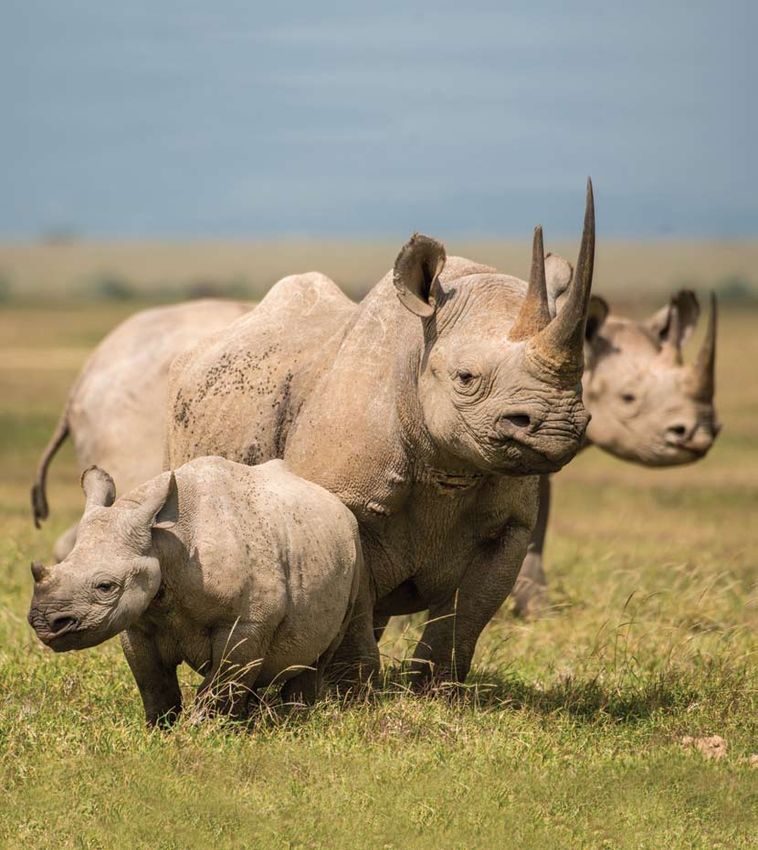
08                                                                                                                                                                                                                Executive summary
                                                                                                                                                                                                                                               09
     Executive summary

                                                                                                                                                ©IFAW-ATE/V. Fishlock
      The internet is now the world’s biggest marketplace, open all hours
      for buyers and sellers to exchange goods. With such a huge volume                                                                                                                                                11,772
                                                                                                                                                                                                          protected wildlife specimens
      of transactions taking place daily, relatively low trading costs and the
                                                                                                                                                                                                                   identified
      possibility for traders to hide their identities, the internet provides
      a vast platform for the sale of both legal and illegal items, including
      wildlife and their products.

                                                                                                                                                                                                                       5,381
      Historically, illegal wildlife trade occurred in traditional offline   Reptiles were by far the most numerous protected specimens                                                               online advertisements and posts
      markets, but the internet has provided new opportunities for           identified, with live tortoises and turtles, in particular,
      wildlife traffickers to reach a vast virtual marketplace where         representing 45% of specimens. Almost a quarter of the
      chances of detection are low and profits from selling                  remaining specimens were birds, followed by ivory and
      endangered wildlife can be extremely high.                             suspected ivory items representing 11%, and then additional

                                                                                                                                                                                                                        106
                                                                             mammal specimens including cats, primates, bears and
      The International Fund for Animal Welfare (IFAW) has been
                                                                             rhinos. A total of 80% of specimens were live animals,
      researching the vast scale of online trade in protected live
                                                                             demonstrating the popularity of owning exotic animals such
      animals and their body parts for many years. Our latest
                                                                             as tortoises, parrots, owls, primates and even big cats as pets.
      research report Disrupt: Wildlife Cybercrime focuses on online
      wildlife trade in four countries – France, Germany, Russia
      and the United Kingdom – and on species that are listed on
                                                                             Most of the trade was identified over online marketplaces.
                                                                             Social media platforms, which were researched for the first
                                                                                                                                                                                                         online marketplaces and four
      Appendix I and II of the Convention on International Trade in          time in Europe by IFAW, hosted only 6.2% of advertisements                                                                     social media platforms
      Endangered Species of Fauna and Flora (CITES) and/or on                and posts. However, unlike traditional online marketplaces,
      Annexes A and B of the EU Wildlife Trade Regulations.                  social media platforms are not specifically designed to
                                                                             facilitate online trade, therefore making measuring the scale
      Researchers recorded 11,772 endangered and threatened
                                                                             and nature of wildlife trade across these diverse platforms
      wildlife specimens offered for sale over a period of six weeks
                                                                             more challenging.
      via 5,381 advertisements and posts on 106 online

                                                                                                                                                                                                        $3,942,329
      marketplaces and four social media platforms, worth
      approximately US $3,942,329. In total, as a result of this
      research, 190 information logs concerning 327
      advertisements and posts have been shared with national
      enforcement agencies for further investigation.                                                                                                                                                        US Dollars approximately
                                                                                                                                                                        Ivory and suspected ivory
                                                                                                                                                                          items represented 11%
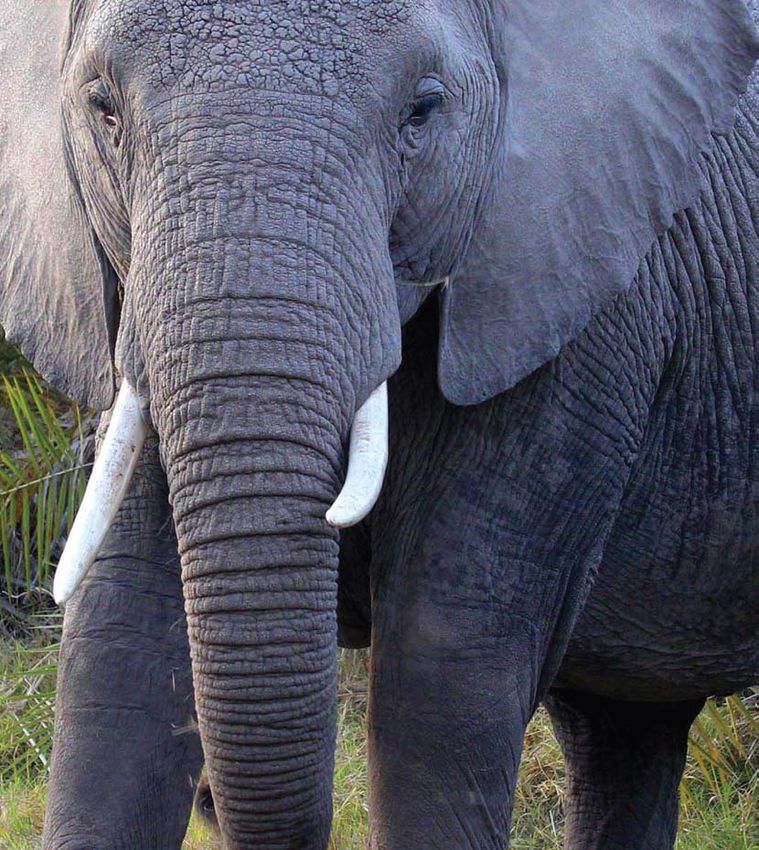
                                                                                                                                                                             of wildlife trade      African elephant

IFAW | Disrupt: Wildlife Cybercrime                                                                                                                                                                                         Disrupt: Wildlife Cybercrime | IFAW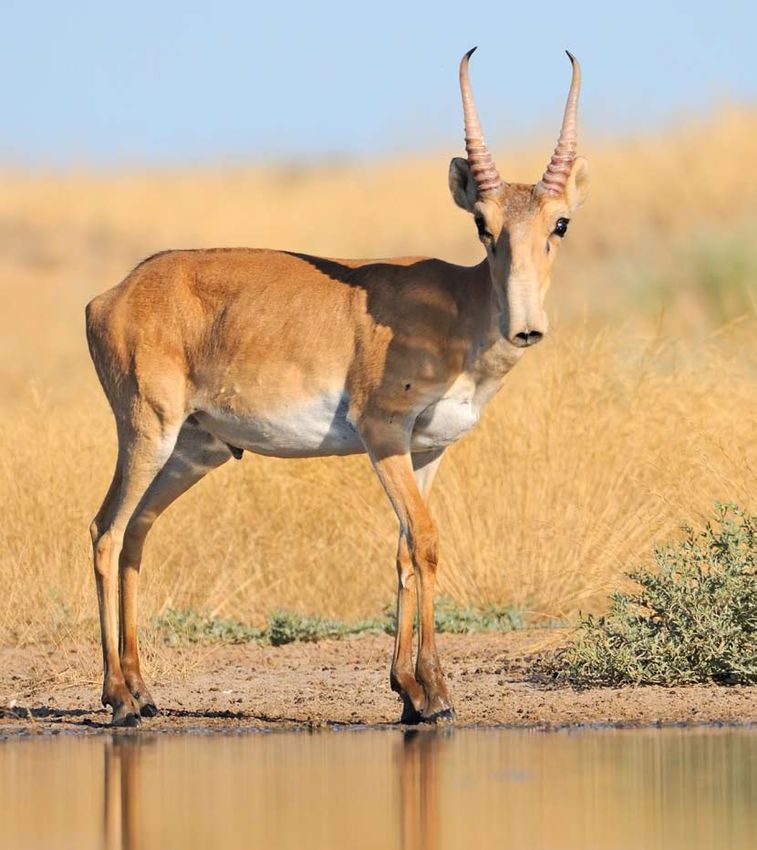
10                                                                                                                                                                                                                                                                         Executive summary
                                                                                                                                                                                                                                                                                                            11

                                                                                                                                                                                                            ©IFAW/Barbara Hollweg
      The rapid expansion of the internet and its transformation                                                            Meanwhile the public sector has highlighted the risks that
      of communication and commerce has coincided with
      increasing pressures on the world’s wildlife, including
                                                                                                                            come with wildlife trafficking online through multiple
                                                                                                                            intergovernmental agreements with over 180 governments                                                    In the past decade more
                                                                                                                                                                                                                                    than 7,000 rhinos have been
      pressure from wildlife trade. In the past decade, more than                                                           committing to cracking down on wildlife cybercrime. The issue
      7,000 rhinos have been poached for their horns 1. Today, the                                                          has gained increased recognition through CITES with the
      rhino population is estimated to be as low as around                                                                  adoption of a strong Resolution as well as Decisions on
      28,000 2. It is estimated that more than 20,000 elephants are
      killed every year for their ivory, with one survey finding that
                                                                                                                            wildlife cybercrime, and the creation of an international
                                                                                                                            Wildlife Cybercrime Working Group. In the international policy                                                poached for their
                                                                                                                                                                                                                                               horns
      numbers plummeted by around 144,000 between 2007 and                                                                  arena, IFAW has brought this issue to the attention of the
      2014 3; more African elephants are poached each year than                                                             United Nations World Crime Congress and the G7. In a
      are being born 4. The African grey parrot was recently                                                                welcome trend, six governments have either strengthened or
      uplisted to Appendix I of CITES, thus banning the commercial                                                          committed to improving their legislation to address illegal
      trade of wild caught birds, after live pet trade and habitat                                                          online wildlife trade since our work started.
      destruction decimated populations in the wild. Before the
                                                                                                                            Lastly, law enforcement efforts have also increased with
      uplisting, the species was considered the third most
                                                                                                                            international and national operations and investigations
      internationally traded, wild-harvested bird species with
                                                                                                                            addressing illegal online wildlife trade. IFAW has been able to
      populations in decline in 14 out of 18 range countries 5.
                                                                                                                            provide support by training more than 100 enforcement
      Rhino horn, elephant ivory and live African grey parrots were
                                                                                                                            officers from six African countries on how to detect wildlife
      all identified for sale in this research.
                                                                                                                            cybercrime.
      Concerns over trafficking in wildlife pertain not just to negative
                                                                                                                            However, many challenges still remain in monitoring trade in
      impacts on sustainability of the species in the wild, but also to
                                                                                                                            an online environment that is becoming increasingly more
      the welfare and suffering of individual animals. Before African
                                                                                                                            complex and diverse, with a growing number of platforms
      grey parrots were placed on CITES Appendix I, it was
                                                                                                                            and direct messaging apps, the extensive use of social
      estimated that an average of between 40 and 60% of birds in
                                                                                                                            media and the existence of the hidden part of the internet –
      trade died during capture and confinement before export 6.
                                                                                                                            the dark net – all offering a myriad of opportunities to trade
      IFAW’s work over almost a decade and a half has been                                                                  goods online. As a result, this report finally outlines a number
      instrumental in ensuring that both the public and private                                                             of recommendations for governments, including their law
      sectors recognise and address the threat posed by wildlife                                                            enforcement agencies and policymakers, and online
      cybercrime. During this time, our work has directly led to                                                            technology companies, highlighting the need for all relevant
      15 online technology companies adopting wildlife policies                                                             sectors to work together and create a network to defeat a
      and 21 companies joining the WWF, IFAW and TRAFFIC led                                                                criminal network.
      Global Coalition to End Wildlife Trafficking Online. This report
      also outlines the valuable work that leading online technology
      companies are carrying out to prevent illegal wildlife trade.

      1
          https://www.savetherhino.org/rhino_info/poaching_statistics
      2
          https://www.savetherhino.org/rhino_info/rhino_population_figures
      3
          The Great Elephant Census 2016:
          https://static1.squarespace.com/static/5304f39be4b0c1e749b456be/t/57c71ec12994ca8ea022a952/1472667344389/GEC+Results+Summary+Fact+Sheet+FINAL_8+26+2016.pdf
      4
          https://cites.org/eng/mike_figures2014
      5
          BirdLife International (2013). Trade in Africa’s Grey Parrots and Timneh Parrots is currently not sustainable. Downloaded from
          http://www.birdlife.org on 23/02/2018. http://datazone.birdlife.org/trade-in-africa’s-grey-parrots-and-timneh-parrots-is-currently-not-sustainable
      6
          CITES, 2016, CoP17 Prop. 19, Proposal by Angola, Chad, the European Union, Gabon, Guinea, Nigeria, Senegal, Togo and the United States of America to transfer from Appendix II to Appendix I of                                                         Black rhinoceros
          Psittacus erithacus. https://cites.org/sites/default/files/eng/cop/17/prop/060216/E-CoP17-Prop-19.pdf. Page 9

IFAW | Disrupt: Wildlife Cybercrime                                                                                                                                                                                                                                                      Disrupt: Wildlife Cybercrime | IFAW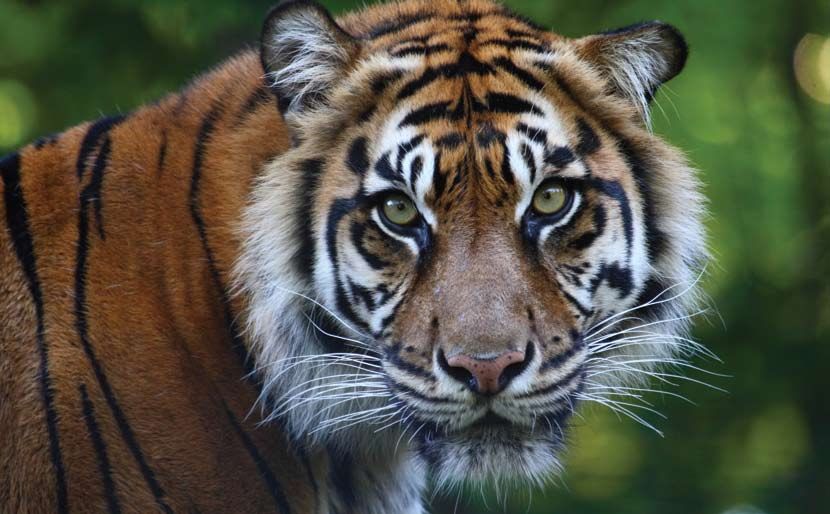
12                                                                                                                                                  Key results at a glance
                                                                                                                                                                                      13
     Key results at a glance

                                                                                                11,772
                                                                                                 Total number of
                                                                                                                              US $3,942,329
                                                                                                                                       Total cost of all protected
                                                                                               protected specimens                            items found

                   106                     3                            5,381
                                                                                                  found for sale

           Number of online             Number of social media          Total number of
         marketplaces surveyed        platforms monitored for the     advertisements/posts
                                           first time in Europe             recorded

                                                                                                    11%                                      55%
              80%
           Live animals for sale
                                                          20%
                                                         Parts and products
                                                                                               Percentage of ivory or
                                                                                             suspected ivory specimens
                                                                                                                                          Percentage of reptile
                                                                                                                                       specimens found, including
                                                                                                                                          turtles and tortoises

                                                                                                                190
                                                                                                                Information logs provided to enforcers
                                                                                                                containing details of 327 advertisements/posts
                                                                                                                for further investigation

IFAW | Disrupt: Wildlife Cybercrime                                                                                                                                Disrupt: Wildlife Cybercrime | IFAW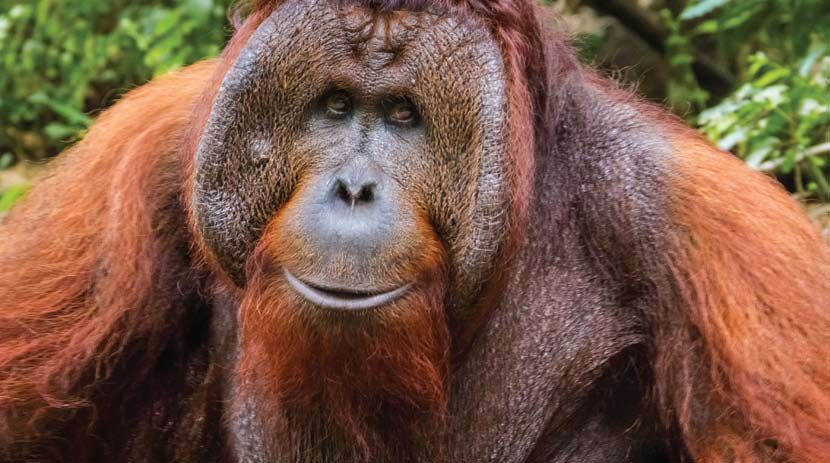
14 Introduction
15
Introduction
©Jessica Boklan
When the International Fund for Animal Welfare (IFAW) first set out to
research wildlife trade over the internet in 2004, online marketplaces
had no specific policies governing wildlife trade. There was little
awareness of this trade amongst government officials and enforcers,
who were prioritising investigations in traditional offline marketplaces.
Our first major international report on this issue, Killing there is usually little, if any, supporting documentation
with Keystrokes: An investigation of the illegal wildlife trade provided, such as Convention on International Trade in
on the World Wide Web, published in 2008, identified 7,122 Endangered Species of Wild Fauna and Flora (CITES)
advertisements offering trade in endangered wildlife in certificate numbers indicating that the trade in a protected
Orangutan
eight countries. Further research in the US, China, Europe, specimen is legitimate. In every country in the world except
Australia and New Zealand followed, identifying the large one (the Czech Republic), sellers are not required by law to
number of wildlife specimens freely traded over the world’s state in an advertisement that such documentation may be
largest marketplace. Our 2014 report Wanted - Dead or Alive: required at the point of sale. In addition, items on the internet Disrupt: Wildlife Cybercrime focuses on four countries – In total, over the six weeks of the study, researchers
Exposing Online Wildlife Trade identified 33,006 specimens of can be purchased by either domestic or international traders France, Germany, Russia and the United Kingdom – that had identified 11,772 protected wildlife specimens offered
endangered wildlife and wildlife parts and products for sale and it can therefore be challenging to identify whether CITES significant levels of trade in our 2014 Wanted – Dead or Alive for sale via 5,381 advertisements and posts in the four
in 9,482 advertisements across 16 countries and 280 online – which restricts international trade – or other domestic report. Although Africa and Asia have been a historical focus countries, worth approximately US $3,942,329. Of these,
marketplaces. Our more recent report Out of Africa: Byting legislation governs the sale. of much enforcement and consumer demand work, we 80% were for live animals (rather than parts and products),
Down on Wildlife Cybercrime, published in 2017, identified 9,481 believe it remains important to monitor potential wildlife offered for sale via advertisements and posts on 106 online
Concerns have been expressed that wildlife traffickers may
endangered and threatened wildlife specimens across 33 crime in the European Union, which has been described as marketplaces and four social media platforms. In total, as
also be turning to the dark net as a result of enforcement
online marketplaces and three social media platforms across ‘one of the largest and most diverse markets for wildlife and a result of this research, 190 information logs representing
efforts targeting open source sites. The dark net is the part
seven African countries during a six-week period. wildlife products in the world’ 11, and Russia, which in 2014 327 advertisements and posts were shared with national
of the internet that is hidden from the surface web and
hosted a thriving trade in live animals including big cats and enforcement agencies for further investigation.
Additional research by TRAFFIC, INTERPOL, the disguises the identity and location of users. Research
primates 12. After identifying social media as an emerging
Environmental Investigation Agency (EIA) and the Humane conducted by the University of Kent in 2016 did not find any
threat, this research also included social media for the first
Society International (HSI) has also highlighted the risks wildlife products available for sale over the dark net and
time in IFAW’s online research in these countries.
posed to wildlife by online trade. INTERPOL’s Project concluded that this may be due to a lack of enforcement
WEB (2013), the first international enforcement operation targeting wildlife cybercrime on the surface web 8. In 2017,
investigating the scale and nature of online ivory trade in additional research by INTERPOL and the University of Kent 9
7
INTERPOL Environmental Crime Programme and the International Fund for Animal Welfare. Report Project WEB: An Investigation Into The Ivory Trade Over the Internet Within the European Union.
Europe, identified 660 advertisements for ivory items during found evidence of some small trade in endangered species February 2013. https://www.interpol.int/content/download/18681/166715/version/2/file/Project%20Web%20-%20PUBLIC.pdf
a two-week period on 61 internet auction sites in nine with INTERPOL identifying 21 advertisements for rhino horn, 8
Joseph R. Harrison, David L. Roberts, Julio Hernandez-Castro. Assessing the extent and nature of wildlife trade on the dark web. Conservation Biology, April 2016.
European countries 7. elephant ivory and tiger parts 10, and recognised that it is http://onlinelibrary.wiley.com/doi/10.1111/cobi.12707/abstract
necessary to continue monitoring the dark net to assess 9
Compared to conventional marketplaces, distinguishing legal David Roberts, Julio Hernandez-Castro (2017). Bycatch and illegal wildlife trade on the dark web. Oryx, 51(3), 393-394. doi:10.1017/S0030605317000679.
whether trade there becomes an emerging threat in the future. https://www.cambridge.org/core/journals/oryx/article/bycatch-and-illegal-wildlife-trade-on-the-dark-web/1D3831A8AC7CDF3142EAFD077543CB13
from illegal wildlife trade is particularly challenging over
10
https://www.interpol.int/News-and-media/News/2017/N2017-080
the internet, especially given the huge amount of electronic
11
TRAFFIC. Report to the European Commission on the Effectiveness of the EC Wildlife Trade Regulations. December 2007.
traffic. Items for sale cannot be examined in person and
http://ec.europa.eu/environment/cites/pdf/effectiveness.pdf
12
Jo Hastie, Tania McCrea-Steele. Wanted – Dead or Alive: Exposing Online Wildlife Trade. International Fund for Animal Welfare, November 2014.
https://www.ifaw.org/united-kingdom/resource-centre/wanted-dead-or-alive-exposing-online-wildlife-trade.
IFAW | Disrupt: Wildlife Cybercrime Disrupt: Wildlife Cybercrime | IFAW
©IFAW/Barbara Hollweg
16 Raising the profile of wildlife cybercrime
17
Raising the profile of wildlife
cybercrime
Meanwhile, since our first international report, the
governments of the Czech Republic, France and China have
added clauses to their wildlife legislation that address the
threats posed by illegal online wildlife trade, whilst Portugal
has banned all wild animal trade over the internet. The Russian
government recently announced its intention to introduce
tougher penalties for online trade in rare animals. New UK
The political landscape in 2017 differs significantly from 2008, when wildlife trade regulations will come into force in October
2018, which include a new offence for offering items for sale
our first international report on online trade in wildlife was published. on the internet without displaying an Article 10 (CITES
permit) number within the advertisements.
IFAW has witnessed a much deeper engagement on the issue from Whilst such increased political will is an important part
online technology companies, governments, enforcement agencies of the solution in tackling wildlife cybercrime, increased
enforcement efforts are also key to ensure that those who
and international bodies. break the law are brought to justice and ultimately that the
threat of prosecution serves as an effective deterrent. In
recent years, there have been a number of international
and national operations, cross-border investigations and
The world’s largest conservation forum, CITES, has put successful prosecutions on wildlife cybercrime.
measures in place to tackle wildlife cybercrime through In 2015, Operation Cobra 3 – an international law
the adoption of Decision 17.92 on Combating Wildlife enforcement operation tackling the illegal trade in
Cybercrime at the CITES Conference of the Parties (CoP) endangered species – led to more than 300 seizures of
17 in 2016. The decision seeks to capture changes to animals, plants and derivatives in the UK, the majority of
legislation, establish best practice models, develop which had been sold online 13. More recently, in early 2017,
enforcement guidelines and engage with online technology the global wildlife crime operation ‘Operation Thunderbird’,
‘Operation Thunderbird’
companies. A side event ‘Taking a Byte Out of Wildlife which included investigation of online marketplaces
Cybercrime’ took place at that same CITES meeting, bringing and social media, resulted in the identification of nearly
together IFAW and TRAFFIC, leading online technology
identified nearly 900
900 suspects 14.
companies including Tencent of China and eBay, along
with government representatives from Kenya and China to In conjunction with the Endangered Wildlife Trust of South
suspects
showcase strategies for tackling wildlife cybercrime. Cheetah Africa and Freeland, and with the support of the African
Wildlife Foundation and the US State Department, IFAW has
In addition, a CITES Wildlife Cybercrime Working Group was trained more than 100 enforcement officers from six African
established at the CITES Standing Committee meeting in countries on how to detect wildlife cybercrime.
The International Consortium on Combating Wildlife Crime
November 2017 to address this issue. The group was heavily
(ICCWC) – a collaborative effort of five inter-governmental
subscribed and sees representation from 25 countries
organisations working together to bring coordinated
across Africa, the Americas, Asia, Europe and the Middle
support to national wildlife enforcement agencies, and
East, as well as from nine NGOs and one IGO.
which includes the CITES Secretariat, INTERPOL, the United
Caribbean and Pacific (ACP) region and the European Union
Wildlife cybercrime is also being increasingly elevated in the Nations Office on Drugs and Crime, the World Bank and the
(EU) issued a joint statement from their Co-Presidents in
international policy arena. In 2015, IFAW presented on wildlife World Customs Organisation – is also working to address
December 2017 that expresses their concern about online
cybercrime to members of the G7 at its annual assembly and the threat of wildlife cybercrime.
wildlife crime and urges authorities in their regions to take
at the United Nations Crime Congress. A strong resolution
the necessary measures to combat it. The EU Action Plan
on tackling illicit trafficking in wildlife, adopted by the United
Against Wildlife Trafficking also recognises the need to tackle
Nations General Assembly in September 2017, recognises
online wildlife trafficking with increased enforcement and
with concern the growth in online trade and cybercrime in
capacity building.
relation to wildlife and the need for innovative strategies
13
and increased intergovernmental cooperation. The African, UK Government, Border Force. Border Force and police fight wildlife crime in global operation. Published June 19, 2015. Accessed March 03, 2017.
https://www.gov.uk/government/news/border-force-and-police-fight-wildlife-crime-in-global-operation
14
INTERPOL. Anti-wildlife trafficking operation results in global arrests and seizures. Published March 02, 2017. Accessed March 03, 2017.
https://www.interpol.int/News-and-media/News/2017/N2017-022
IFAW | Disrupt: Wildlife Cybercrime Disrupt: Wildlife Cybercrime | IFAW
18 19
CITES Appendices and EU Annexes Aims and methodology
Our research focused mainly on Disrupt: Wildlife Cybercrime aims to measure the scale and nature of
endangered wildlife afforded a high protected wildlife trade over online marketplaces and social media
CITES Appendices/EU Regulations Annexes
level of protection by CITES. platforms in France, Germany, Russia and the UK.
CITES - Appendix I/EU Wildlife Trade
CITES governs international commercial trade in endangered Regulations - Annex A The research took place over a six-week period in Some CITES Appendix III/non-CITES species have been
and threatened wildlife, with 183 member states responsible 2017 looking at open-source platforms, namely online included where they are offered higher protection under EU
Species threatened with extinction and affected by
for transposing the Convention into national legislation marketplaces and social media platforms, where items are Regulations Annex A or B.
international trade are placed on Appendix I of the
to protect wild animals and plants. Today, CITES accords Convention and receive the highest level of protection. freely available to the public. Closed or private Facebook
varying degrees of protection to more than 35,000 species of With a few exceptions, international commercial trade in groups, password-protected websites and the dark net were
animal and plants. these species is prohibited. This includes highly vulnerable all excluded.
species, such as some elephant and rhino populations,
CITES provisions are implemented in the EU through the Researchers took an intelligence-led approach, focusing on
pangolins, tigers and other big cats, marine turtles and
European Commission Wildlife Trade Regulations species on CITES Appendix I/EU Regulations Annex A. They
(the ‘EU Regulations’), which regulate international as well as
a number of exotic birds. Annex A of the EU Regulations
includes all CITES Appendix I species and some CITES
also included additional specific Appendix II/EU Regulations More specifically, this research
aimed to:
internal trade in wild animals and plants in the EU, i.e. within Appendix II and III species for which the EU has adopted Annex B species, where those species were split-listed (as is
one EU Member State as well as trade between individual stricter domestic measures. the case with elephants) or based on information provided
• traders,
Member States. The EU Regulations use Annexes similar to from enforcers in different countries, previous IFAW research
the CITES Appendices but which also grant some species and other intelligence that trade in these species may be Identify which platforms are being used by
a higher level of protection than does CITES, for example CITES - Appendix II/EU Wildlife Trade illegal or could pose a threat to that species in the wild. in order to support those companies
in improving detection of illicit trade and/
certain indigenous animals.
Regulations - Annex B
or introducing policies preventing illegal
Species that are not immediately threatened with extinction wildlife trade.
©Lukas Blazek/Dreamstime.com
but may become so if their trade is not subject to strict
regulation are placed on Appendix II of the Convention.
International trade in these species requires an export • information
Support enforcement agencies by identifying
on possible wildlife traffickers,
permit for trade between countries. In the case of trade into
the EU, the EU’s stricter domestic measures also require enabling enforcers to initiate investigations
an import permit. Annex B of the EU Regulations includes or empowering them to improve compliance
all other CITES Appendix II species as well as some CITES with the law.
Appendix III species.
Permits and certificates are required for trade to and from
the EU. A specific certificate is also required for internal EU
trade in species listed in Annex A.
Some species, such as elephants, feature on ‘split-listings’ Our report highlights the number of specimens found for
– i.e. some populations are on Appendix I/Annex A, whilst sale, as opposed to the number of advertisements/postings,
others are on Appendix II/Annex B. As it is not possible to because multiple specimens can be offered for sale in one
identify species for sale online to the population level, these advertisement/posting and, therefore, specimen numbers
items have been recorded in a category of Appendix I/II or better represent the scale of the trade. Where it was unclear
Annex A/B. how many specimens were offered for sale by a trader,
Throughout this report, EU Member State country trade researchers only recorded a quantity of ‘one’ – thus, the
is summarised in terms of Annex A and B specimens. For overall number of specimens offered for sale could be much
Russia, trade is detailed in terms of the CITES Appendices. higher than our final recorded figure. An overall summary of
the number of advertisements/postings can be found
Pygmy slow loris
in Appendix II.
IFAW | Disrupt: Wildlife Cybercrime Disrupt: Wildlife Cybercrime | IFAW20 Challenges
21
Challenges
©David Hughes/Dreamstime.com
Comparing results across countries Scams
Given the diversity of countries, markets, languages and As in previous research by IFAW, researchers identified a
cultures covered in this research, IFAW utilised the expertise number of ‘scams’ that were not included in the results.
of experienced and specialised researchers for each country. These are fake advertisements that most commonly offer
Although clear guidelines were provided to all researchers, live birds, primates and cats for sale, aiming to solicit funds
aimed at ensuring a common and consistent approach, there from an unsuspecting buyer for something that does not
are variations in country results because of our intelligence- exist. Scam advertisements are often identified through
led approach, with research tailored to enforcement priorities the use of poor language or repeated phrasing, the offering
in each country. of many different species of animals and eggs for sale or
offering specimens that are considerably undervalued, as
This means that country data is not always directly
well as by the use of stock photos. All attempts have been
comparable, and it is not possible based on this research to
made to identify possible scam traders and to exclude their
rank countries with regards to the scale of online
advertisements from this research.
wildlife trade.
Identifying species
In many cases, specific species were not identified in the text
©Mauvries/Dreamstime.com
of advertisements and posts by traders, making it difficult
in some instances to assess whether an animal or product
was from an endangered species and thus protected by the
law. This was particularly the case with many reptile leather
products where it was challenging to identify the species
from which an item was made. Researchers only included
specimens in the results where it was possible to identify
Snow leopard
the species.
Identifying relevant posts on social media
The number of wildlife trade posts identified by researchers
based on openly available information and the researchers Identifying potential illegal trade
did not enter into any closed areas, establish themselves as
in this report is likely to be a large underestimate of actual It is extremely difficult to determine the legality of wild
friends or followers, or engage in any online conversations
specimens for sale on social media platforms. Social media animals or products for sale online without direct access
with traders to conduct this research. Traders may choose to
is defined by the Oxford English Dictionary as ‘websites and to the animal or product, and with limited or no access to
communicate using non-traditional language, and identifying
applications that enable users to create and share content supporting evidence or documentation. IFAW researchers
when an item is being offered for sale or sold is also far
or to participate in social networking’. Such applications are used a number of indicators to identify advertisements
less clear than over online marketplaces. Researchers were
focused on communication and, unlike online marketplaces, and posts that may have been in breach of legislation or of
required to be able to provide plausible evidence that an item
are not specifically designed to facilitate online trade – interest to national enforcement agencies. This included
was being offered for sale in order to include the data in the
although some social media platforms are introducing cases where we suspected traders could potentially have
report. Often determining the location of an item for sale
trading forums. Measuring the scale and nature of wildlife been engaged in criminal activity and knowingly breaking the
was very difficult. These factors combined made researching
trade across these diverse platforms is much more law, and also situations that could mainly be issues of non-
these platforms more time-intensive.
challenging than on internet sites designed for trade. compliance, for example, a trader not knowing that a permit
Researchers also noted a number of Facebook posts from to trade in a particular specimen was required.
Communication over these platforms takes many forms with
individuals who appeared to trade in animals but who were
a variety of different privacy settings. For example, users can
ambiguous about offering specific animals for sale in their
communicate to anyone with internet access, to selected
posts. IFAW took a cautious approach in such instances and
Turquoise dwarf gecko ‘friends’ or ‘followers’, or via closed groups. Our research is
these were not recorded.
IFAW | Disrupt: Wildlife Cybercrime Disrupt: Wildlife Cybercrime | IFAW22 Results | Species identified
23
Results
IFAW has responded to the recent EU Commission and would not violate CITES or the EU Regulations. Figures for
UK government consultations on potential ivory bans, and these species were particularly high in Germany and the UK.
included information from this report and from our previous Researchers also identified 665 lizard, 203 crocodile and
Species identified research. Given the levels of worked ivory found in this latest alligator, and 253 snake specimens for sale.
survey, IFAW urges the EU to introduce legislation that bans Certain reptile products were not included in this research.
all commercial trade - both domestic and international - in For example, Nile crocodile specimens were excluded from
worked ivory. The EU has already issued guidelines calling the German research given the large number of common
for the restriction of trade in raw ivory. The UK government and legally traded examples of this species in the German
has committed to introducing a comprehensive ban with marketplace.
limited exemptions.
Reptiles
11,772 5,381
Reptiles make up the largest group of animals found for
sale in this research with 6,460 specimens featured in 1,992
advertisements and posts, representing more than half of all
Specimens Ads/Posts specimens for sale.
Turtles and tortoises make up 45% of all specimens
identified and include many examples of tortoise species
that are believed to be legally captive-bred in Europe such as
Hermann’s, Marginated and Spur-thighed tortoises.
If these species are legally captive-bred and sold within
the EU with the correct permits where required, the sales With 6,460 specimens,
Ivory reptiles make up the
largest group of animals
Researchers identified 1,288 ivory and suspected ivory we conducted in 2014, whilst the UK has seen a significant
©Rudmer Zwerver/Dreamstime.com
specimens offered for sale across 996 advertisements and drop in ivory advertisements. In Russia and France, the
posts. Ivory represented 19% of trade in terms of the number majority of advertisements included items that were openly
of advertisements – a similar level of trade in these countries
as identified in our 2014 report Wanted – Dead or Alive.
sold as ivory or containing ivory. In Germany and the UK,
many advertisements used code words or vague language to for sale
describe suspected ivory items.
Ivory derives from the teeth and tusks of various animals
including elephants, hippos, whales, walruses and narwhals. EU legislation permits the sale of ivory within the EU as long
Whilst all other advertisements and posts were logged as it is an antique (i.e., a pre-1947 worked/carved item).
according to species, it was not possible to do this in every Around 50% of advertisements and posts in this survey
case for ivory and these were therefore recorded in a separate stated that the ivory items offered for sale were antique or
category, as in previous IFAW research. This category also legal (with a much higher percentage in the UK), although
counted a number of ‘suspected ivory’ items, which include less than 1% actually provided supporting documentation
circumstances where traders have apparently used code such as purported proof of the age of the item or a CITES
words to evade site policies that prohibit ivory sales, but certificate number.
where we believe – based on our researchers’ expertise,
All elephant ivory and suspected ivory items were recorded
coupled with a number of indicators – that the items are
in a category of CITES Appendix I/II, or EU Regulations
likely to be ivory.
Annex A/B as different elephant populations remain on
Platforms operating in Germany hosted a much larger different CITES appendices. However, we cannot exclude the
number of advertisements with more ivory items recorded possibility that a very small number of ivory items that we
for sale during this research period than in the similar survey counted may be from a non-CITES species (such as warthog)
if it was not possible to identify from which species the ivory
Spur-thighed tortoise
was taken.
IFAW | Disrupt: Wildlife Cybercrime Disrupt: Wildlife Cybercrime | IFAW24 Results | Species identified
25
Birds Results tables
As in previous surveys, birds featured frequently in this research,
with 2,881 specimens offered for sale in 1,650 advertisements
Animals and products available for sale
2,881 bird specimens
and posts. Overall, birds were the second most common species
group featured across all advertisements and posts in every
country studied, representing almost a quarter of the specimens Ads/Posts Specimens
Category Ads/Posts Specimens
were offered for sale in
traded. per cent per cent
Reptiles 1,992 37.02% 6,460 54.88%
After turtles and tortoises, parrots were the second most
this research
common specimens for sale overall, with 1,775 mainly live Birds 1,650 30.66% 2,881 24.47%
animals recorded. Researchers also identified 488 owls for sale, Ivory 996 18.51% 1,288 10.94%
347 birds of prey and 128 geese, as well as protected species of Mammals 481 8.94% 591 5.02%
pheasants, doves, toucans, cranes, finches and mynas. Coral 181 3.36% 336 2.85%
Fish 29 0.54% 137 1.16%
Sharks 21 0.39% 23 0.20%
Mammals
Molluscs 17 0.32% 18 0.15%
CITES Appendices Amphibians 14 0.26% 38 0.32%
Mammals (not including ivory, as discussed above)
Number of specimens TOTAL 5,381 100% 11,772 100%
represented 5% of the identified specimens, with 591
Appendix I 2,572 21.85% specimens for sale in 481 advertisements and posts.
Appendix I/II 1,734 14.73% Over 40% of these were cats including cheetah, leopard, lion
Appendix II 7,428 63.10% and tiger taxidermy, fur and skins as well as live big cats
Country summaries
Appendix III/non-CITES* 38 0.32%
offered for sale in Russia and Germany. Almost half of all cat
specimens identified were found on Russian platforms.
TOTAL 11,772 100%
Researchers also found 152 live primates for sale, again with No of Parts and No of online No of
the majority found on Russian platforms. Live animal Information
* This represents species on Appendix III/non-CITES which have been No of specimens for product marketplace social media Value in
Country specimens logs provided
included in this research, as those species are offered higher protection ads/posts sale in those specimens platforms platforms US$
Researchers identified 64 bear specimens, 35 saiga for sale to enforcers
under EU Regulations Annex A or B. ads/posts for sale surveyed surveyed
antelopes, 11 rhino products including daggers, ornaments
France 1,163 1,915 1,043 872 20 1 41 $829,699
EU Regulations Annexes for
and rhino horn, as well as small numbers of whale, musk
deer and non-ivory elephant advertisements offering Germany 2,149 6,329 5,768 561 15 3 88 $1,339,030
European countries elephant feet, skin and hair products. Russia 875 1,072 690 382 36 4 46 $813,351
UK 1,194 2,456 1,885 571 35 3 15 $960,249
(e.g. France, Germany and the UK)
Other TOTAL 5,381 11,772 9,386 2,386 106 4* 190** $3,942,329
Number of specimens The ‘other’ category includes 336 specimens of stony
Annex A 7,852 73.38%
corals, both live and parts; 137 fish specimens including
120 seahorses; 23 shark specimens; 18 giant clams and 38
Annex A/B 1,548 14.47%
amphibians including salamanders, newts and frogs.
Annex B 1,300 12.15%
TOTAL 10,700 100%
* This total figure represents the four social media platforms included in the scope of this research, i.e.
Facebook, Instagram, Twitter and the Russian social media platform VK.
** One information log (e.g. files handed over to regional enforcement agencies for further investigation)
may represent multiple advertisements; this figure, for instance, equates to 327 advertisements and
posts in total.
IFAW | Disrupt: Wildlife Cybercrime Disrupt: Wildlife Cybercrime | IFAW©IFAW/Karel Prinsloo
26 Results | Online marketplaces
27
number of different companies and sectors continue to seek
Online marketplaces ways to prevent the sale of illegal wildlife products” 15. eBay’s
efforts in recent years resulted in a decrease in ivory sales
IFAW has been working with online technology companies 7 out of 22 Chinese over eBay sites as identified in our 2014 research in Canada,
France and Germany 16.
online marketplaces banned
since 2008 to tackle wildlife cybercrime by encouraging Our current research identified a number of ivory and
them to adopt policies prohibiting trade in protected species suspected ivory items on eBay sites in the countries studied,
and assisting with the implementation of those policies.
illegal wildlife trade
with many traders using code words or phrases, apparently
A number of high-profile and market-leading online to imply indirectly that their products were ivory. Very few
technology companies have introduced bans on endangered examples were found on eBay in France. The UK has seen
species on their sites, with other companies following suit. an apparent significant drop in sales of ivory on the eBay UK
On World Elephant Day 2016, seven companies – namely site since our Wanted – Dead or Alive report. Our research in
eBay, Etsy, Gumtree, Microsoft, Pinterest, Tencent and Yahoo! Germany, however, indicates an apparent marked increase
– united to adopt a new policy framework that prohibits since 2014 of ivory and suspected ivory advertisements, with
illegal online trade. The policy framework was developed traders apparently using code words to evade detection 17.
by TRAFFIC, WWF and IFAW. In March 2018, a total of 21 IFAW shared the results of this research with eBay. In
technology, e-commerce and social media companies Our research identified where traders were selling their
response, eBay has confirmed that almost 80% of the
including Google, eBay, Etsy, Facebook, Instagram, Microsoft, wildlife specimens. This section of the report seeks to put
advertisements did not lead to sales, and that many of these
Tencent, Baidu and Alibaba went one step further and these findings in the context of the efforts being made by
unsold items were identified and removed by eBay as part of
joined forces with WWF, IFAW and TRAFFIC to launch the online technology companies to clamp down on illegal wildlife
its proactive implementation of the wildlife policy framework.
first ever Global Coalition to End Wildlife Trafficking Online, trade and, where relevant, the companies’ responses to IFAW
The low rate of sale of these products may mean that,
with the aim of collectively reducing wildlife trafficking after we shared the findings of this research with them.
even where sellers were able to evade detection by using
across platforms by 80% in 2020. In collaboration with
WWF, TRAFFIC and IFAW, each company will develop
International companies working to certain code words, buyers looking for real ivory products
were not finding these listings. We should also note that
and implement policies and solutions to help end wildlife combat illegal wildlife trade – notwithstanding the apparent increase in offers of ivory
trafficking online. A full list of actions taken by online and suspected ivory in Germany – the number of wildlife
As one of the largest online marketplaces in the world, eBay
technology companies can be found in Appendix III. advertisements recorded across all eBay platforms in the
is used by traders in all countries surveyed in this research.
Policies adopted by online technology companies have target countries has decreased significantly since our 2014
eBay was one of the first online technology companies to report. Meanwhile, eBay listings globally for all products
had demonstrable impacts on trade, with seven out of 22
introduce a policy protecting elephants by banning ivory have increased enormously over the same time period,
Chinese online marketplaces banning wildlife trade and IFAW
trade on its site in 2009. In subsequent years, eBay has demonstrating the impact of positive actions and ongoing
research showing a marked decrease in trade from a peak of
demonstrated its commitment to tackling illegal wildlife trade cooperation over the last few years.
2,399 wildlife listings in August 2015 to only 235 listings in
by introducing various additional policies aimed at preventing
October 2017. Whilst somewhat varying methodology was The international marketplace Etsy.com has also worked in
illegal wildlife trade, adopting a standardised wildlife policy
used by researchers across these studies, a downward trend partnership with IFAW and is a member of the Global
framework and becoming part of the Global Coalition to End
is clearly evident. Companies have also deleted hundreds Technology Coalition to End Wildlife Trafficking Online.
Wildlife Trafficking Online. After adoption of the standardised
of thousands of wildlife listings and removed or blocked After sharing our France and UK data from this report,
framework, in just one year eBay removed or blocked more
suspicious accounts. Etsy verified that its staff monitors had already independently
than 25,000 wildlife listings that were in violation of its
Whilst much progress has been made, we recognise that, for policy. eBay worked with IFAW, WWF and TRAFFIC to train its identified and removed many of the Appendix I listings that
many companies, capacity challenges remain. Challenges staff in illegal wildlife product detection techniques. eBay has IFAW had found for sale. Etsy removed the remainder of the
are also posed by the sheer number of advertisements to also called on the European Commission to support a total Appendix I listings identified by IFAW’s research.
African elephant
monitor and the continued attempts by some traders to evade ivory ban throughout the EU, demonstrating that prevention
site policies and prosecution by enforcers. In addition, online of wildlife trafficking online remains a key priority for the
technology companies are operating in a broader context in company. eBay has stated its belief that “these actions can 15
Personal communications with IFAW, January 2018.
which they must implement multiple policies on a range of serve as best practice for the industry as a whole, while a 16
Jo Hastie, Tania McCrea-Steele. Wanted – Dead or Alive: Exposing Online Wildlife Trade. International Fund for Animal Welfare, November 2014.
subjects and products across vast numbers of posts. https://www.ifaw.org/united-kingdom/resource-centre/wanted-dead-or-alive-exposing-online-wildlife-trade.
17
Whilst the scope of this research was more expansive than our Wanted – Dead or Alive report due to the inclusion of four social media platforms – meaning that researchers’ time was
now spread across a wider variety of platforms – the research for this report was carried out using a similar methodology and time frame to that used in 2014. We therefore can broadly identify
a downward trend in the UK for ivory advertisements on eBay and an increase in Germany.
IFAW | Disrupt: Wildlife Cybercrime Disrupt: Wildlife Cybercrime | IFAW28 Results | National online marketplaces
29
©Rgbe/Dreamstime.com
National online marketplaces
France IFAW works with 12 online
technology companies
In France, leboncoin.fr and NaturaBuy.fr continue to be
platforms for a large amount of trade in wildlife specimens,
and researchers noted a considerable number of traders
openly selling ivory items on both sites. We welcome the
introduction of policies banning ivory on both sites since our
operating in Europe
report Wanted – Dead or Alive, and have shared data from
our new research to support a stricter implementation of
those policies.
IFAW has also shared with leboncoin.fr advertisements
that appear to breach its policy prohibiting trade in EU
Regulations Annex A specimens, for example advertisements IFAW has worked for several years with markt.de on species
for Annex A parrots and geese as found on the site. protection issues and legal requirements, and like
We are encouraged by the large drop in the number of QUOKA.de, the company was also a participant in the 2015
African grey parrots available on leboncoin.fr, with few wildlife cybercrime workshop. In comparison with other
examples found in this research after ongoing increased platforms, a large number of advertisements (45% of the
monitoring and enforcement by the platform. We foresee total found on the site) included some sort of verifiable
Tiger
further collaboration on challenges. proof of the legality of specimens for sale, such as a CITES
certificate number or image of relevant documents.
Germany Such proof is required by markt.de’s policy on trading in
wildlife. Markt.de has pledged to remove any of the listings Russia UK
In Germany in 2015, QUOKA.de participated in a wildlife IFAW identified in this survey that are in conflict with its policy. Similar to previous IFAW surveys, researchers identified In the UK, IFAW is working with Preloved.co.uk. Preloved
cybercrime workshop hosted by IFAW and the responsible Ivory bans on QUOKA.de and markt.de appear to be working wildlife advertisements over a large and diverse number of was the second largest site for trade in the UK identified
German ministry and enforcement authorities. QUOKA.de well, with no ivory advertisements identified on either site. Russian sites. As in Wanted – Dead or Alive, the classified in this research, with advertisements mainly for live birds
listed the most advertisements as recorded in Germany in site avito.ru was at the top of the list in this research, hosting and reptiles. Preloved educates its users about responsible
this survey. While the majority of these claimed that the Since we shared our results with ebay-kleinanzeigen.de, just over half of all advertisements identified. The site pet advertising as a member of the UK’s Pet Advisory
items were legal and had appropriate CITES documents, the company has already taken a number of measures. prohibits sales of ‘Russian Red Book’ (or Red-listed) Group, of which IFAW is also a member, and has created
only a small percentage included any verifiable proof of These include providing additional support for staff in endangered species such as tigers and polar bears – an online CITES guide for traders. No ivory was found on
this. We should note that, when researchers first found identifying forbidden advertisements for particular species; although specimens of both were found on the site – as well Preloved in this research, after the company introduced a
an advertisement on QUOKA.de and then found the same working to ensure follow-up on advertisements reported as specimens protected by other international conventions ban following our Wanted – Dead or Alive report. Although
advertisement apparently duplicated on another German by users; bringing in new policies restricting trade, for signed by the Russian Federation. a large proportion of advertisements stated that their items
online platform, we only recorded the first finding on example in taxidermy and corals; and checking for repeat were legal and many traders did provide CITES certificate
QUOKA.de to avoid double-counting specimens. As our contraventions of policies by the same traders. details, not all traders complied with Preloved’s request
research started first with recording the QUOKA.de website, for a valid CITES certificate number to be provided in the
this approach means that other platforms may have had advertisements for Annex A species. After sharing our
higher levels of trade, but researchers avoided recording findings, Preloved has informed us that it will be bringing in
duplicate advertisements twice. a raft of new measures to ensure that traders adhere to site
policies, but we are not in a position to share these until they
have been launched.
IFAW | Disrupt: Wildlife Cybercrime Disrupt: Wildlife Cybercrime | IFAW30 31
Social media Social media platforms Identifying the legality of items for sale
Online marketplaces have been and continue to be the
hosted 6.2 per cent Just over half of all advertisements in this research However, sellers providing purported proof of the
dominant mechanism for trading wildlife and their products
on the internet. However, as identified in previous IFAW of the trade identified expressed some claim to legality, for example
referencing that their items were antique, that they had a
legality of their items only make up a small fraction
of advertisements overall. IFAW welcomes any online
in this survey
reports, wildlife trade on social media platforms is growing. relevant CITES permit or that live animals were captive- marketplace site policies that require traders to provide
Such platforms were therefore included in this research, bred. The majority of traders offering any additional and further verifiable proof that their items are legal.
most for the first time in the countries studied. verifiable proof of the legality of their items (e.g., a CITES
In this research, 583 out of the 5,381 advertisements
certificate number or a scan of the certificate) were
Although social media platforms only hosted 6.2 per cent of and posts identified offered to sell the items overseas
trading on platforms operating in the UK and Germany.
trade identified in this survey, other research illustrates the (i.e., for European traders, offering to sell outside of
This is likely in part due to sites such as Preloved
potential emerging threat that social media could represent EU Member States; for Russia, anywhere outside the
(UK) and markt.de (Germany) having strict wildlife
to endangered wildlife. In our 2014 report Wanted – Dead country). Of these, only 374 advertisements and posts
trade policies that require traders to provide additional
or Alive, social media platforms and forums in China were had some form of claim to legality and only 35 offered
information in their advertisements.
responsible for more than half the trade identified as on the platform. Instagram took this step in response to the any supporting proof.
compared to online marketplaces, reflecting a broad change increasing popularity of animal selfies on its platform, which In total, 190 information logs of traders representing
in the online shopping habits of Chinese consumers. Social can be associated with harmful behaviour towards wildlife. 327 advertisements and posts have been shared with
media platforms have also featured in the news, after a Very few relevant posts were identified on Twitter during this national enforcement agencies for further investigation
2016 Wildlife Justice Commission investigation in Vietnam research. of potential illegality.
uncovered a criminal network using Facebook and WeChat
as part of its operations to sell illegal wildlife products worth Researchers also identified 43 relevant posts on a Russian
US $53.1 million 18. social media platform with millions of users – vk.com – up
from four such posts in our similar survey in 2014.
Facebook hosted 165 advertisements counted in this
research and Instagram hosted an additional 110 posts.
Both have become part of the Global Coalition to End Wildlife
190 information logs of
Trafficking Online and Instagram has recently affirmed its
stance against exploitation of wild animals. The company
announced that any users searching for posts such as
‘selfies’ featuring wildlife will be greeted with a message
that the company does not support animal abuse and that traders have been shared
with enforcers for further
the sale of endangered animals or their parts is forbidden
investigation
18
Wildlife Justice Commission. Viet Nam wildlife crime investigation: Public Hearing announced. Published September 15, 2016. Accessed 25 February 2018.
https://wildlifejustice.org/viet-nam-wildlife-crime-investigation-public-hearing-announced/
IFAW | Disrupt: Wildlife Cybercrime Disrupt: Wildlife Cybercrime | IFAWYou can also read


