DNL310 (ETV:IDS) WEBINAR - RYAN WATTS, PHD, CEO CAROLE HO, MD, CMO AND HEAD OF DEVELOPMENT FEBRUARY 12, 2021
←
→
Page content transcription
If your browser does not render page correctly, please read the page content below
DNL310 (ETV:IDS) Webinar
Ryan Watts, PhD, CEO
Carole Ho, MD, CMO and Head of Development
February 12, 2021
Disclaimers

    Forward Looking Statements
    This presentation contains forward-looking statements within the meaning of the Private Securities Litigation Reform Act of 1995. All statements other than statements of historical facts
    contained in this presentation, including, without limitation, statements regarding future results of operations and financial position of Denali Therapeutics Inc. (“Denali” or the
    “Company”); Denali’s business strategy, business plans, product candidates, future milestones, planned preclinical studies and clinical trials; expectations regarding the timing of results
    of such studies and trials; plans, timelines and expectations related to DNL151 and other LRRK2 inhibitor molecules; plans, timelines, challenges, benefits and expectations related to
    DNL310, the DNL310 program and Denali’s TV technology platform, other programs enabled by Denali’s TV platform, and the ongoing Phase 1/2 study, and planned future studies, of
    DNL310; plans, timelines and expectations related to DNL343, including with respect to the availability of data and the initiation of future clinical trials; plans, timelines and expectations
    related to DNL788 and DNL758 of both Denali and Sanofi, including with respect to the availability of data and the initiation of future clinical trials; Denali’s expectations regarding
    DNL593 and DNL919 and plans and expectations regarding planned regulatory filings and milestone payments with respect to such programs; the potential benefits and results of the
    collaborations with Denali’s partners, including Biogen, Sanofi and Takeda, and expected milestone payments; and Company priorities, regulatory approvals, timing and likelihood of
    success and expectations regarding collaborations, are forward-looking statements. Denali has based these forward-looking statements largely on its current expectations and
    projections about future events.

    These forward-looking statements speak only as of the date of this presentation and are subject to a number of risks, uncertainties and assumptions, including but not limited to, risks
    related to: any and all risks to Denali’s business and operations caused directly or indirectly by the evolving COVID-19 pandemic; risk of the occurrence of any event, change or other
    circumstance that could give rise to the termination of Denali’s agreements with its collaborators; Denali’s early stages of clinical drug development; Denali’s and its collaborators’ ability
    to complete the development and, if approved, commercialization of its product candidates; Denali’s and its collaborators’ ability to enroll patients in its ongoing and future clinical trials;
    Denali’s reliance on third parties for the manufacture and supply of its product candidates for clinical trials; Denali’s dependence on successful development of its blood-brain barrier
    platform technology and TV-enabled product candidates; Denali’s and its collaborators’ ability to conduct or complete clinical trials on expected timelines; the risk that preclinical
    profiles of Denali’s product candidates may not translate in clinical trials; the potential for clinical trials of Denali’s product candidates to differ from preclinical, early clinical, preliminary
    or expected results; the uncertainty that product candidates will receive regulatory approval necessary to be commercialized; Denali’s ability to continue to create a pipeline of product
    candidates or develop commercially successful products; Denali’s ability to obtain, maintain, or protect intellectual property rights related to its product candidates; implementation of
    Denali’s strategic plans for its business, product candidates and blood-brain barrier platform technology; and other risks. In light of these risks, uncertainties and assumptions, the
    forward-looking statements in this press release are inherently uncertain and may not occur, and actual results could differ materially and adversely from those anticipated or implied in
    the forward-looking statements. Accordingly, you should not rely upon forward-looking statements as predictions of future events Information regarding additional risks and uncertainties
    may be found in Denali’s Annual and Quarterly Reports filed on Forms 10-K and 10-Q filed with the Securities and Exchange Commission (SEC) on February 27, 2020, and November
    5, 2020, respectively, and Denali’s future reports to be filed with the SEC. Denali does not undertake any obligation to update or revise any forward-looking statements, to conform
    these statements to actual results or to make changes in Denali’s expectations, except as required by law.

    Accuracy of Data
    This presentation contains statistical data based on independent industry publications or other publicly available information, as well as other information based on Denali’s internal
    sources. Denali has not independently verified the accuracy or completeness of the data contained in these industry publications and other publicly available information. Accordingly,
    Denali makes no representations as to the accuracy or completeness of that data.

2                                                                          ©2021 Denali Therapeutics. All rights reserved.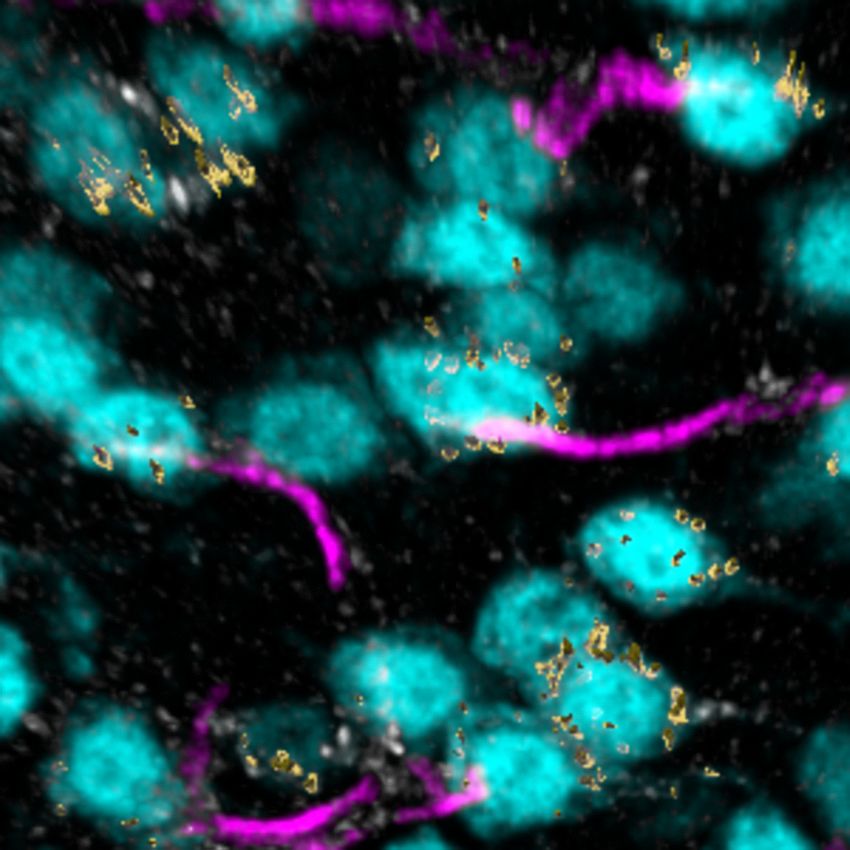
AGENDA
    TOPIC                                                                   SPEAKER

    Introduction: Transport Vehicle (TV) Technology                         Ryan Watts, PhD
                                                                            Chief Executive Officer

    DNL310 (ETV:IDS) Program in Hunter Syndrome (MPS II)                    Carole Ho, MD
                                                                            Chief Medical Officer and Head of Development

    TV Platform: Differentiation and Broad Potential                        Ryan Watts, PhD
                                                                            Chief Executive Officer

                                                                            Ryan Watts, PhD                        Carole Ho, MD
                                                                            Chief Executive Officer                Chief Medical Officer and Head of
                                                                                                                   Development

    Q&A
                                                                            Alex Schuth, MD                        Steve Krognes
                                                                            Chief Operating Officer                Chief Financial Officer

3                                            ©2021 Denali Therapeutics. All rights reserved.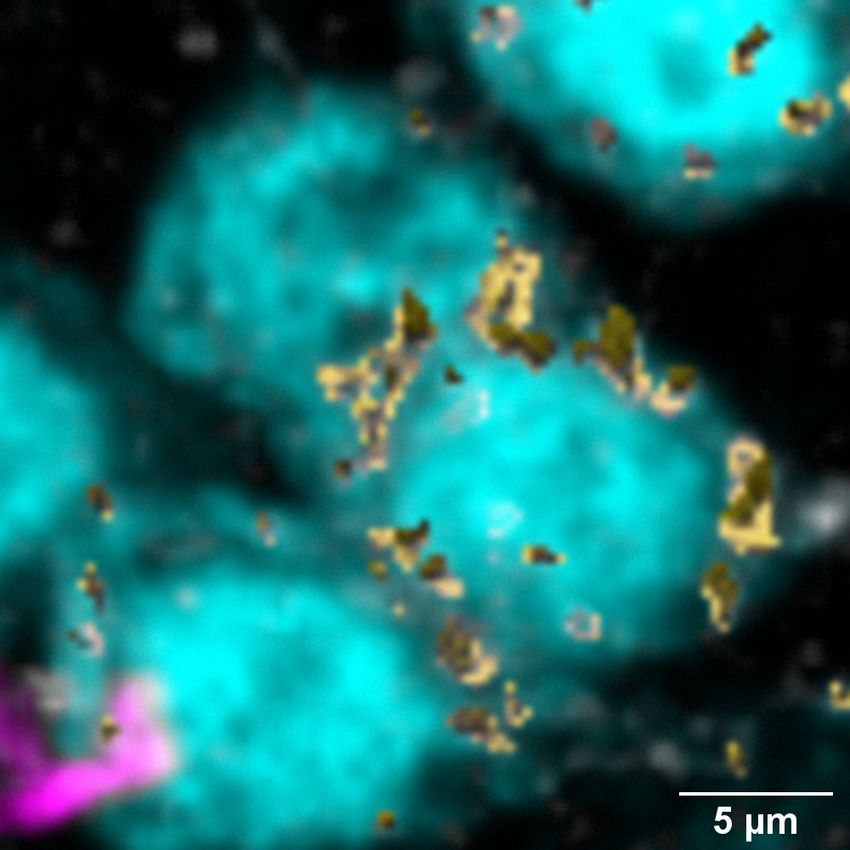
Introduction
Ryan Watts, PhD, Chief Executive Officer
OUR PURPOSE: DEFEAT DEGENERATION

       Degeneration creates significant unmet medical need, with few disease-modifying medicines

            RARE
                           AMYOTROPHIC LATERAL                        PARKINSON’S      ALZHEIMER’S
     NEURODEGENERATIVE
                             SCLEROSIS (ALS)                            DISEASE          DISEASE
          DISEASES

5                                    ©2021 Denali Therapeutics. All rights reserved.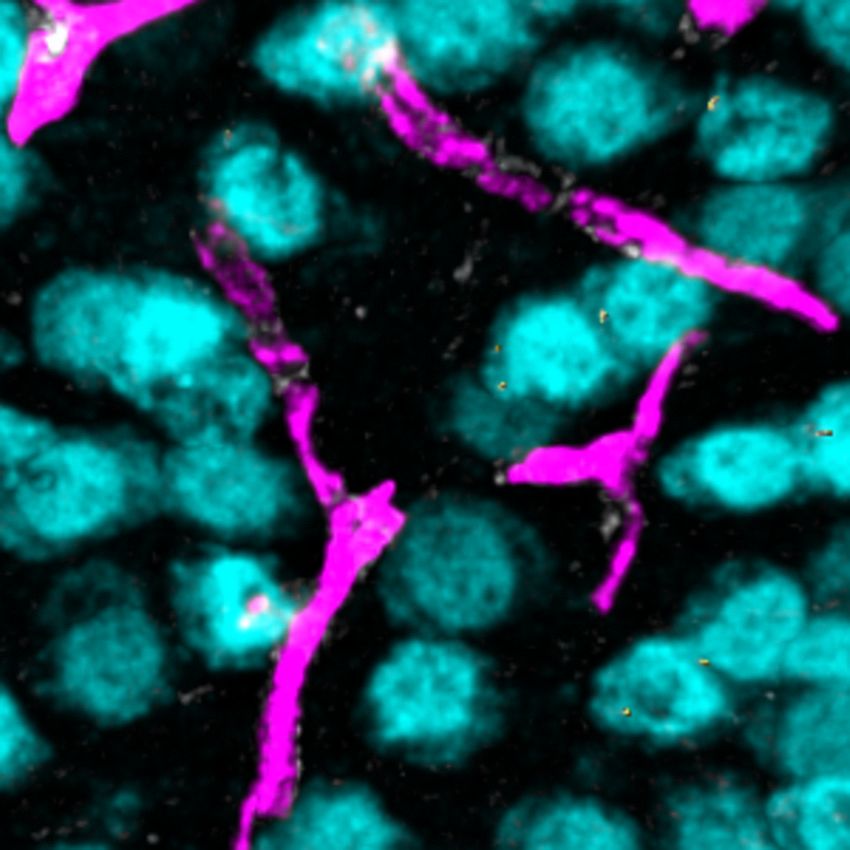
OUR PRINCIPLES: DISCOVERY AND DEVELOPMENT

     DEGENOGENES
    GENETIC PATHWAY                                                       PATIENT IMPACT
       POTENTIAL

    ENGINEERING BRAIN
        DELIVERY

                                                                   Increase the likelihood of success
    BIOMARKER-DRIVEN
                                                                     to bring effective therapies to
      DEVELOPMENT                                                         patients and families

6                       ©2021 Denali Therapeutics. All rights reserved.
OUR DEVELOPMENT PORTFOLIO                                                                                        Small Molecules                  Biotherapeutics

                                                                                                   DRUG DEVELOPMENT
    PROGRAM TARGET          DRUG CANDIDATE*     DISEASE INDICATION                                                                                          PARTNER
                                                                                 Drug
                                                                                           IND-Enabling   Early Clinical   Late Clinical   Approved
                                                                               Discovery

    LYSOSOMAL FUNCTION PATHWAY

                                                                                                                                                                    50/50 US
    LRRK2                   DNL151            Parkinson’s                                                                                                          commercial

    Iduronate 2-sulfatase   DNL310            MPS II (Hunter Syndrome)

                                                                                                                                                                    50/50 US
    PGRN                    DNL593            Frontotemporal Dementia                                                                                              commercial

    GLIAL BIOLOGY PATHWAY
                                                                                                                                                                    50/50 US
    RIPK1 (CNS)             DNL788            ALS, MS, Alzheimer’s                                                                                                 commercial
                                                                                                                                                                    50/50 US
    TREM2                   DNL919            Alzheimer’s                                                                                                          commercial

    CELLULAR HOMEOSTASIS

    EIF2B                   DNL343            ALS, FTD

    OTHER

                                              Inflammatory Diseases,
    RIPK1 (Peripheral)      DNL758                                                                                                                                   Royalty
                                              COVID-19

    15+ programs in Discovery stage (including 6 ETVs, 4 ATVs, 2 OTVs, and 3 small molecules)
7                                                           ©2021 Denali Therapeutics. All rights reserved.                        *Investigational – not approved for treatment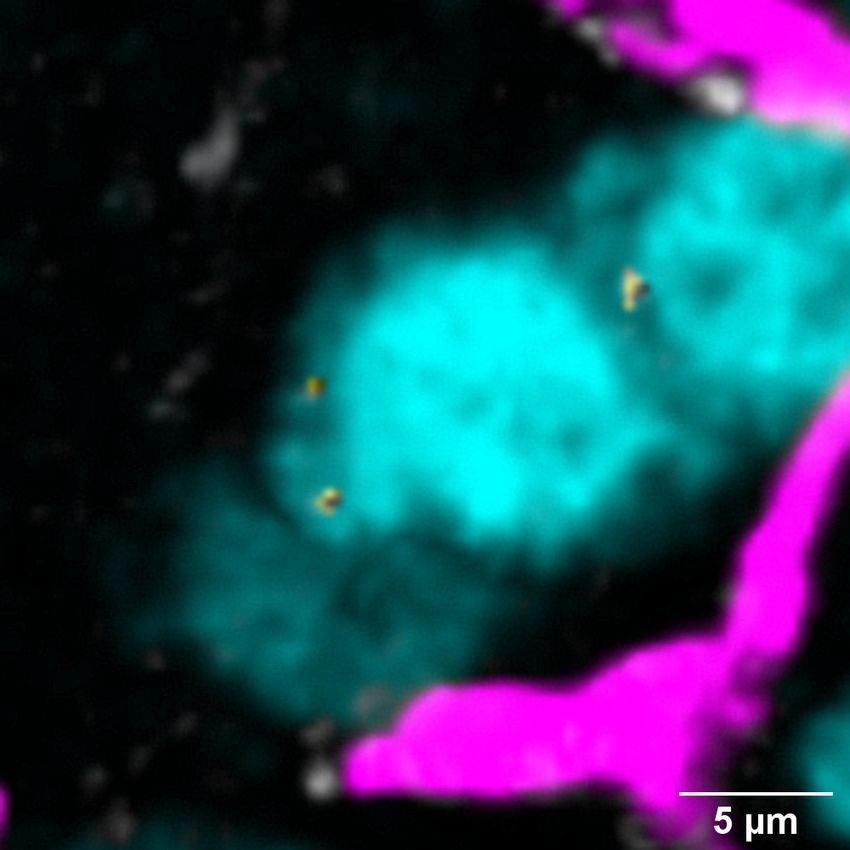
Transport Vehicle Platform for
Brain Delivery of Biotherapeutics
SOLVING THE BBB CHALLENGE FOR BRAIN DELIVERY OF BIOTHERAPEUTICS

    THE BBB CHALLENGE                                                       OUR SOLUTION
                                                                                                          BLOOD

                                          Cargo : IDS

                                                    TfR binding             Brain Endothelial
                                                    Transport                  Cell (BBB)
                                  TfR               Vehicle (TV)

                                  Tf         Tf
The blood-brain barrier (BBB)
 is a major obstacle for brain                                         Target
  delivery of biotherapeutics                                          Brain
                                                                        Cell                              BRAIN

                                 The Transport Vehicle (TV) is engineered to deliver efficacious concentrations
                                      of biotherapeutics to brain cells via receptor mediated transcytosis
9                                         ©2021 Denali Therapeutics. All rights reserved.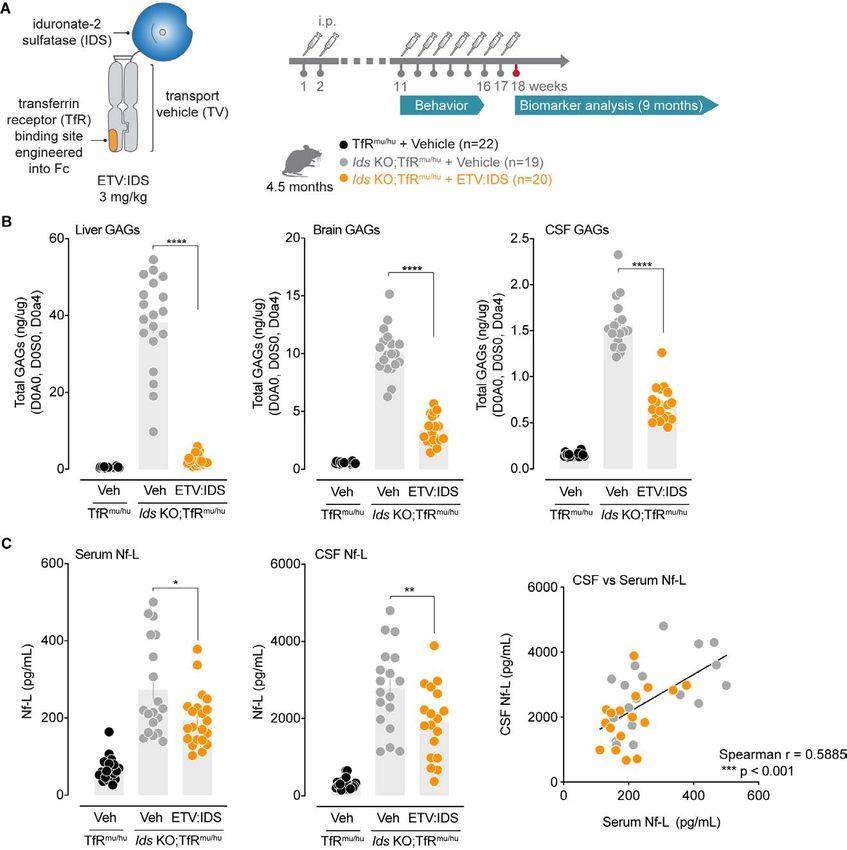
TV TECHNOLOGY DELIVERS BIOTHERAPEUTICS TO THE BRAIN

                                                                                               ATV                                            ATV
                                                                       TfR                                              TfR

                                                                                                                                              V:IDS
                                                                                                Antibody                                          Enzyme
                                                                                            Transport Vehicle                              ETTransport Vehicle
                                                                                                 (ATV)                                             (ETV)
                                                                         Tf            Tf                                 Tf          Tf
                                                                                            endothelial cell membrane                      endothelial cell membrane

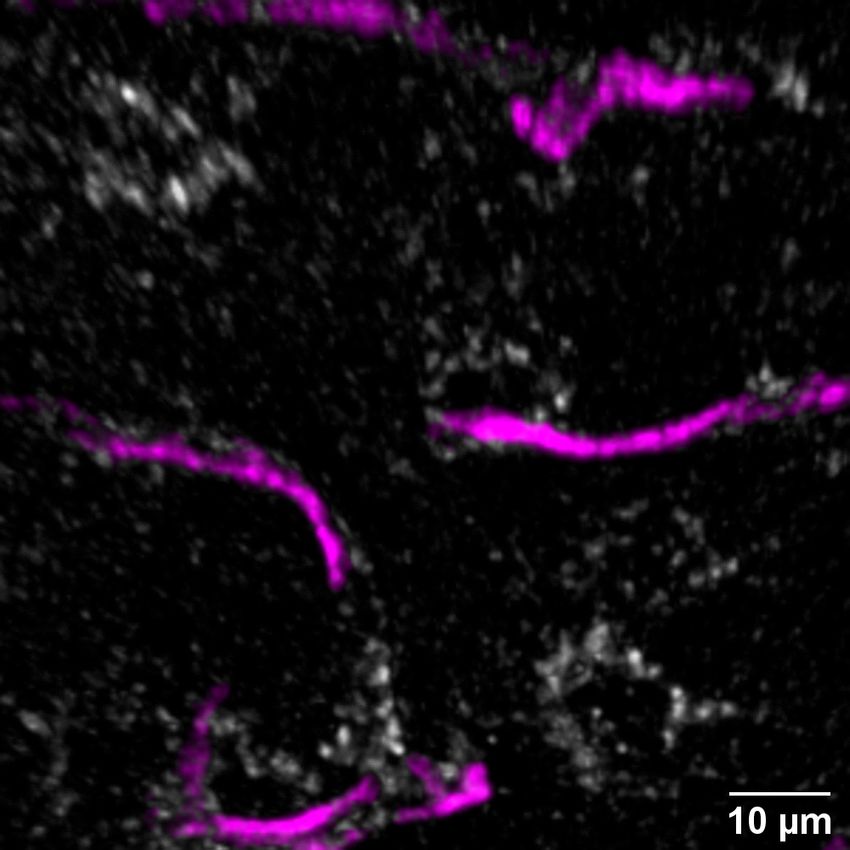
                                                                     Cortex (cynomolgus monkey)                                IDS KO Mouse Brain

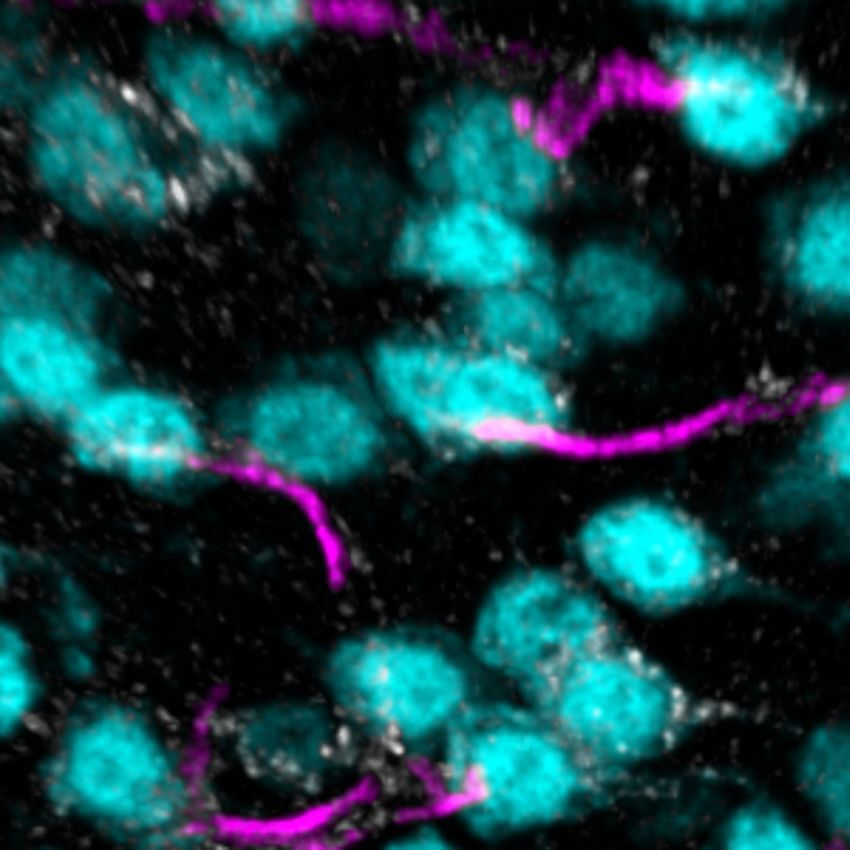
           Published May 27, 2020

     •   TV achieves high concentrations and broad distribution of biotherapeutic in brain
     •   TV achieves dose-dependent reduction in brain substrate
10                                        ©2021 Denali Therapeutics. All rights reserved.
WIDESPREAD BIODISTRIBUTION WITH BBB-CROSSING COMPARED TO LIMITED
INTRATHECAL BIODISTRIBUTION
INTRATHECAL BIOTHERAPEUTIC INTRAVENOUS BBB-CROSSING BIOTHERAPEUTIC
Limited distribution with sharp gradients at brain Widespread biodistribution dictated by capillary TfR
and spinal cord CSF-contacting surfaces expression and CNS vascularity
Capillary TfR
Sharp gradient expression
limits brain facilitates
biodistribution widespread
biodistribution
CNS vascularity
facilitates
Sharp gradient widespread
limits biodistribution biodistribution
along the spinal
cord
IV IDS
Lumbar Region IT IDS
11 ©2021 Denali Therapeutics. All rights reserved.TV PLATFORM MODULARITY CREATES MULTIPLE OPPORTUNITES
MODULAR TECHNOLOGY ENABLES OPTIMAL BENEFITS OF TV PLATFORM
MODALITY FOR EACH TARGET Increase biodistribution (~10-30X) to brain
Antibody Enzyme Unlock Targets
Transport Transport • Brain delivery of biotherapeutics for previously
Vehicle Vehicle intractable targets
Enhance Efficacy
• Further enhance activity through synergistic TfR
and target biology
Protein Oligonucleotide FIRST HUMAN BIOMARKER PROOF OF
Transport Transport CONCEPT ACHIEVED WITH DNL310
Vehicle Vehicle (ETV:IDS) IN HUNTER SYNDROME
12 ©2021 Denali Therapeutics. All rights reserved.DNL310 Program in Hunter Syndrome (MPS II) Carole Ho, MD, Chief Medical Officer and Head of Development
BRAIN DELIVERY IS A CRITICAL UNMET NEED OF HUNTER SYNDROME THERAPY
                                                HUNTER SYNDROME (MPS II)
                            •   An inherited mucopolysaccharidosis lysosomal storage disorder
                            •   Caused by iduronate-2-sulfatase (IDS) deficiency
                            •   Disease hallmark is accumulation of glycosaminoglycans (GAGs)
                            •   ~2,000 patients WW; two-thirds have severe neuronopathic form

        CLINICAL MANIFESTATIONS                              UNMET NEED                                          OUR SOLUTION
                    PHYSICAL
              Course facial features                            Partially
               Enlarged liver, spleen                         addressed by
        Respiratory and cardiac involvement                   current ERT*                                                DNL310
             Joint and skeletal effects                                                                                  (ETV:IDS)

               NEUROCOGNITIVE
               Developmental delay                                                                              Designed to treat
                                                            Not addressed
               Disruptive behaviors                                                                                body & brain
                                                            by current ERT
                Impaired cognition                                                                              (IV, once weekly)
                   Hearing loss                                                                 *Enzyme replacement therapy (idursulfase ~$700M WW annual sales)
14                                            ©2021 Denali Therapeutics. All rights reserved.
DNL310 (ETV:IDS) IS ENGINEERED FOR EFFICIENT CNS DELIVERY
BLOOD
• DNL310 is designed to access the brain via
receptor mediated transcytosis
- Monovalent binding and affinity to TfR are tuned
for optimal brain delivery
• DNL310 consists of an engineered Fc domain with
a human transferrin receptor (hTfR) binding site
• DNL310 is designed to not interfere with
transferrin (Tf) binding to TfR
• Fc domain has attenuated effector function
BRAIN designed to decrease the risk of cytotoxicity
DNL310 is an investigational drug and is not approved by any Health Authority
15 ©2021 Denali Therapeutics. All rights reserved.THERAPEUTIC CHALLENGES FOR TREATING MPS II
TARGET PATHWAY CLINICAL
Genetic defect with loss of IDS deficiency impairs Lysosomal dysfunction Clinical disease
activity of IDS lysosomal function causes inflammation and
neuronal cell loss
Accumulation of GAGs Accumulation of lysosomal lipids Neurodegeneration as reflected Neurocognitive and Motor Dysfunction
(Gangliosides, BMP) by increased Neurofilament light • Development delay
chain (Nf-L) levels • Disruptive behavior
• Hearing loss
Existing ERTs do not effectively cross the BBB and do not address neurodegeneration and
neurocognitive aspects of clinical disease
16 ©2021 Denali Therapeutics. All rights reserved.CLINICAL PHENOTYPE OF MPS AND GAG ACCUMULATION
TYPE NAME ENZYME DEFICIENCY GAG
MPS I Hurler / Scheie α-L-iduronidase HS, DS
MPS II Hunter Iduronate-2-sulfatase HS, DS
MPS IIIA Sanfilippo A Heparan sulfamidase HS
MPS IIIB Sanfilippo B N-acetyl-α-D-glucosaminidase HS
MPS IIIC Sanfilippo C Acetyl-CoA:α-glucosaminidase HS
MPS IIID Sanfilippo D N-acetylglucosamine-6-sulfatase HS
MPS IVA Morquio A N-acetylgalactosamine-6-sulfatase KS, CS
MPS VI Maroteaux-Lamy N-acetylgalactosamine-4-sulfatase DS, CS
MPS VII Sly β-Glucuronidase HS, DS, CS
MPS IX Natowicz Hyaluronidase HA
HS= heparan sulfate
CNS involvement Kobayashi et al., Journal of Human Genetics 2019 DS= dermatan sulfate
CS= chondroitin sulfate
KS= keratin sulfate
HA= hyaluronic acid
Heparan sulfate is associated with MPS disorders with CNS involvement
17 ©2021 Denali Therapeutics. All rights reserved.DNL310 PHASE 1/2 STUDY IN PEDIATRIC MPS II PATIENTS
STUDY OVERVIEW (NCT04251026) DOSING SCHEMA
Cohort A: 5-10 yo, neuronopathic MPS II
Open label 6-month study with 18-month
extension 3 mg/kg 7.5 mg/kg 15 mg/kg 30 mg/kg
Ø Treatment naïve or on approved IDS > 4mo 2 doses ≥ 2 doses ≥ 4 doses < 16 doses
Study Ø Weekly IV dosing1, no IDS washout period
Design Ø N = ~30 patients Cohort B: 2-18 yo, neuronopathic and non-neuronopathic MPS II
• Cohort A: Within-subject dose escalation, N=5
• Cohort B: Dose finding, N=~12 3 mg/kg TBD
• Cohort C: Additional cohort planned, N=~12 12 doses 12 doses
1o Endpoints: Safety 2o Endpoints 7.5 mg/kg TBD
• Adverse events • CSF HS 12 doses 12 doses
• Infusion-related • Urine HS
reactions • Serum PK 15 mg/kg
Key • Total urine GAGs • Anti-drug antibodies 24 doses
Endpoints
Key Exploratory Endpoints Cohort C:DNL310 PHASE 1/2 COHORT A: INTERIM 12-WEEK SAFETY SUMMARY
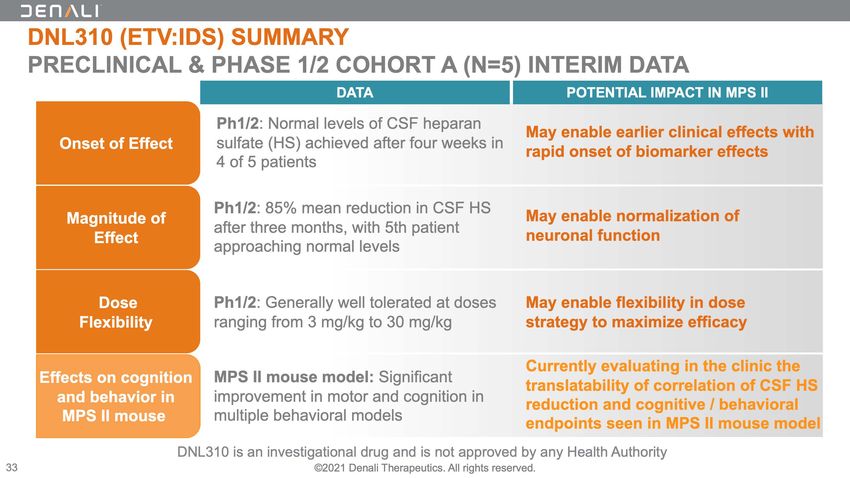
• DNL310 was generally well tolerated at the doses tested to date (3 to 30 mg/kg)
• Four of five patients have reached the highest dose level, and all are continuing the study
• No discontinuations or dose reductions
• All treatment emergent adverse events were mild or moderate in severity
• One SAE based on hospitalization for observation of moderate infusion-related reaction (fever) at dose level
7.5 mg/kg, which resolved inDNL310 PHASE 1/2 COHORT A: CSF HEPARAN SULFATE
Range of number
3 mg/kg 7.5 mg/kg 15 mg/kg 30 mg/kg
of doses received
2 doses 2-6 doses 4-6 doses 0-4 doses
TV POC across cohort
Nov 2020
Patient with continued Study N Mean HS P-value*
reduction in CSF HS Week reduction
from Week 5 (25%) to
13 (73%) had a pre- 5 5 −76% 0.004
existing ADA titer
against IDS of > 11 9 5 −78% 0.002
million; 102 - 106-fold
higher than the titers in 13 4 −85%DNL310 PHASE 1/2 COHORT A: CSF DERMATAN SULFATE
Range of number 3 mg/kg 7.5 mg/kg 15 mg/kg 30 mg/kg
of doses received 2 doses 2-6 doses 4-6 doses 0-4 doses
across cohort
TV POC
Nov 2020
Study N Mean DS P-value*
Week reduction
5 5 −53%DNL310 PHASE 1/2 COHORT A: URINE HS AND DS
3 mg/kg 7.5 mg/kg 15 mg/kg
2 doses 2-6 doses 0-4 doses
HS (µg/mg Creatinine)
N Mean HS P-value DS (µg/mg Creatinine) N Mean DS P-value
reduction reduction
W5 4 −72% 0.005 W5 4 −72% 0.009
W9 5 −76%DNL310 EXPLORATORY CSF LYSOSOMAL LIPID BIOMARKER DATA
CSF GM3 and BMP are increased in MPS II patients Phase 1/2: CSF GM3 and BMP levels after 8 weekly doses
INDIVIDUAL DATA GROUP DATA (% CHANGE)
GM3 (d36:1) GM3 (d36:1) GM3 (d36:1)
GM3 (36:1) ng/mL
Mean (SE) % D BL
ng/mL
(36:1)(ng/mL)
~3.9x
GM3(d36:1)
-39%
MPS patients P = 0.012
GM3
Total di-18:1 BMP ng/mL
Total di-18:1 BMP ng/mL
Total di-18:1 BMP Total di-18:1 BMP Total di-18:1 BMP
Mean (SE) % D BL
~1.6x -15%
P = 0.12
Bhalla et al., Int J Mol Sci 2020
WORLD 2021 Poster #21
Reduction in CSF GM3 and trend in reduction in BMP support effects of DNL310 on lysosomal function
23 ©2021 Denali Therapeutics. All rights reserved.DNL310 PHASE 1/2 COHORT A: INTERIM 12-WEEK SUMMARY
• Weekly infusions of DNL310 for 3 months with doses up to 30 mg/kg were generally well tolerated
• The most frequently observed adverse events were mild or moderate infusion-related reactions
consistent with other ERTs
• Following the switch from IDS to DNL310, urine HS and DS declined by at least 70% after 4
weekly doses of DNL310
• In four of five patients, DNL310 normalized CSF HS after 4 weekly doses, with sustained effect
• The 5th patient had a preexisting ADA titer against IDS of > 11 million, and had a 73% reduction of CSF HS after 12
weekly doses
• Cohort A Week 9 exploratory CSF lipid data supports DNL310 effects on lysosomal function
• Additional biomarker and clinical effects of DNL310 are being explored in this ongoing study
Cohort A 12-week interim data in a Phase 1/2 study in MPS II patients supports continued
development of a once weekly investigational IV therapy for treatment of the neurocognitive and
physical manifestations of MPS II
24 ©2021 Denali Therapeutics. All rights reserved.DNL310 PHASE 1/2 STUDY IN PEDIATRIC MPS II PATIENTS
COHORT A COHORT B COHORT C
N 5 ~12 ~12
Ages 5-10 years 2-18 yearsCHARACTERIZATION OF NF-L
TREATMENT EFFECT IN MOUSE MODEL SAMPLE SIZE IN PATIENTS TO ASSESS NF-L
Serum CSF • We have broadly characterized the within-patient
variability of Nf-L level measurements across
diseases, including MPS II
– To detect a magnitude of reduction from
baseline in Nf-L in the range of mouse model
data with 80% power, a=.05, ~20 patients are
required
• If the variability is lower or the effect size larger
4 months treatment; Initiation of treatment at age of 4.5 months
than assumed, fewer patients are needed to see a
• Reduction in Nf-L observed with treatment of statistically significant effect
DNL310 in MPS II mouse model
• Cohort A Nf-L data (N=5 patients) mid-year will evaluate Nf-L levels after 6-month dosing
• Cohort A+B Nf-L data (N=~17 patients) early 2022 enables additional sample size to assess Nf-L changes
26 ©2021 Denali Therapeutics. All rights reserved.ETV:IDS REDUCES NFL IN AN MPS II MOUSE MODEL AND IS
CORRELATED WITH REDUCTION OF CNS GAGS
Nf-L GAGs
Serum CSF Liver Brain CSF
GAGS GAGS
4 months treatment; Initiation of treatment at age of 4.5 months
ETV:IDS can slow neuroaxonal injury even at a stage where extensive neuroaxonal injury is ongoing and
the effect is correlated with reduction of CNS GAGs
27 ©2021 Denali Therapeutics. All rights reserved.ETV:IDS IMPROVES THE PERFORMANCE IN THE ACTIVE PLACE
AVOIDANCE ASSAY IN MPS II MICE
TRAINING TRIALS REINSTATEMENT TRIAL
Worse
Cognitive
performance
Better
4 months treatment, initiation of treatment at 4.5 months, 3mg/kg, n=19-22 / group
• ETV:IDS normalizes spatial learning and memory in a mouse model of MPS II
• Cognitive effects are correlated with CSF GAG reduction
28 ©2021 Denali Therapeutics. All rights reserved.ETV:IDS IMPROVES THE PERFORMANCE IN THE ACCELERATED
TREADMILL AND POLE TEST IN MPS II MICE
TREADMILL POLE TEST
4 months treatment, initiation of treatment at 4.5 months, 3mg/kg, n=19-22 / group
• ETV:IDS improves locomotor performance and agility in a mouse model of MPS II
• Motor effects are correlated with CSF GAG reduction
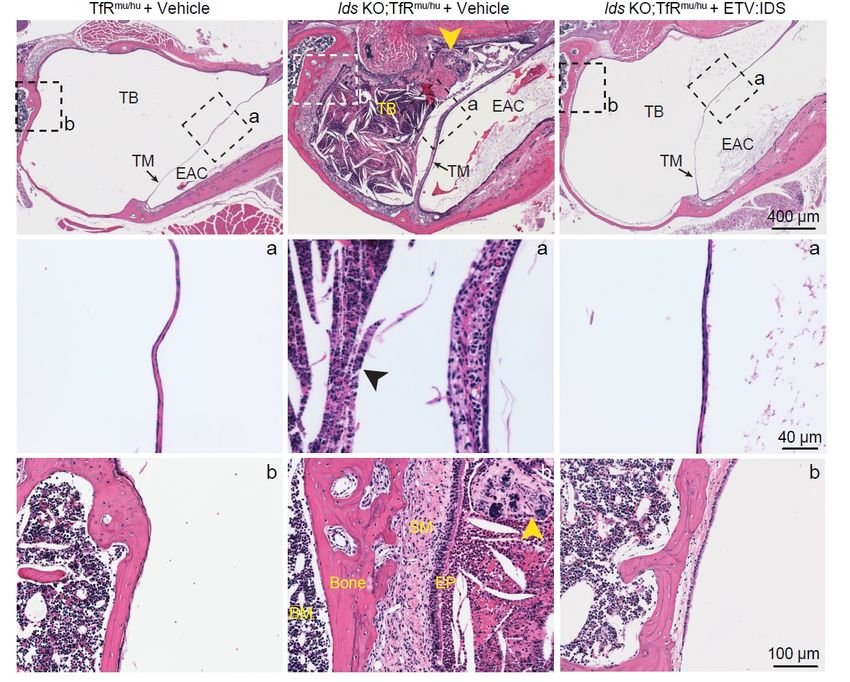
29 ©2021 Denali Therapeutics. All rights reserved.ETV:IDS IMPROVES OUTER AND MIDDLE EAR STRUCTURE OF MPS II MICE
TfRmu/hu + Vehicle Ids KO;TfRmu/hu + Vehicle Ids KO;TfRmu/hu + ETV:IDS
External auditory
canal (EAC)
Bone
Tympanic membrane/
ear drum (TM)
Cochlea
Tympanic bulla
(TB)
Inner Middle Outer
ear ear ear
4 months treatment, initiation of treatment at 4.5 months
ETV:IDS improves auricular abnormalities in a mouse model of MPS II
30 ©2021 Denali Therapeutics. All rights reserved.ETV:IDS CORRECTS TRABECULAR AND CORTICAL BONE MASS IN MPS II MICE
Vehicle Vehicle ETV:IDS
Spongy bone mu/hu mu/hu
TfR Ids KO;TfR Trabecular Cortical
Volume Volume
Trabecular Region
Trabecular ROI
Trabeculae
of interest (ROI)
Femur
Cortical Region Compact bone
of interest (ROI)
Cortical ROI
Femur
micro-CT imaging
Femur
4 month treatment, initiation of treatment at 4.5 months, 3 mg/kg, n=5 / group
ETV:IDS corrects skeletal disease in a mouse model of MPS II
31 ©2021 Denali Therapeutics. All rights reserved.ADDRESSING THERAPEUTIC CHALLENGES FOR TREATING MPS II
TARGET PATHWAY CLINICAL
Genetic defect with loss of IDS deficiency impairs Lysosomal dysfunction Clinical disease
activity of IDS lysosomal function causes inflammation and
neuronal cell loss
Accumulation of GAGs Accumulation of lysosomal lipids Neurodegeneration as reflected Neurocognitive and Motor Dysfunction
(Gangliosides, BMP) by increased Neurofilament light • Development delay
chain (Nf-L) levels • Disruptive behavior
• Hearing loss
Existing ERTs do not effectively cross the BBB and do not address neurodegeneration and
neurocognitive aspects of clinical disease
32 ©2021 Denali Therapeutics. All rights reserved.33 Denali Therapeutics Inc. Confidential
TV Platform Differentiated & Broad Potential
Ryan Watts, PhD, Chief Executive Officer
MILESTONES IN DEVELOPING TRANSFERRIN RECEPTOR (TfR) TECHNOLOGY

              1980-1990      1990-2010                                         2010-2015                                           2015-2021

                                                                                                                          TfR binding transport vehicle (TV)
                                                                                                                              platform for brain delivery

                                                                                                                             Transport Vehicle

                             TfR MAb brain               Reduced affinity     Monovalent single    TfR bispecific brain
          TfR at the BBB     delivery in rats            TfR MAb bispecific   chain Fab antibody   delivery in mice
                             and mice                    brain delivery       fusion brain         and NHPs                    TfR
                                                                                                                             binding
                                                         in mice              delivery in mice

                                                                                                                                                        1500

        #CNS drug delivery                                                                                                                              1000
        papers per year in
        Pubmed                                                                                                                                           500

       1980                    1990                                   2000                                 2010                                     2020

       We have invented a TfR-based biotherapeutic platform with optimized BBB-crossing properties
35                                              ©2021 Denali Therapeutics. All rights reserved.                                          NHPs = nonhuman primates
DELIVERY OF BIOTHERAPEUTICS TO BRAIN: TfR-BASED PLATFORMS
JCR Pharma Genentech BLOOD Roche DENALI
Standard Protein Antibody Fusion Bispecific Single Chain Fusion Fc Fragment Transport Vehicle
Cargo : IDS
Cargo : IDS
IgG:IDS Traditional
MAb Monovalent Monovalent
TfR TfR binding
Bispecific Single chain
ETV:IDS Transport
Antibody Fab antibody
Vehicle (TV)
Tf Tf
BIVALENT BINDING MONOVALENT BINDING MONOVALENT BINDING MONOVALENT, MODERATE
HIGH AFFINITY HIGH & LOWER AFFINITIES HIGH & LOWER AFFINITIES AFFINITY FOR BRAIN UPTAKE
ENDOTHELIAL CELL
• Molecule architecture alters transferrin receptor (TfR) engagement, impacting brain delivery
• How do architectures differ in brain uptake, required biodistribution & GAG substrate reduction?
36 ©2021 Denali Therapeutics. All rights reserved.Brain Concentration [nM
DNL310 -
DNL310 -
10
ETV:IDS SHOWS IMPROVED BRAIN UPTAKE COMPARED
Brain TO IgG:IDS DNL310 -
100
DNLI-20-0265 DNL310
ETV:IDS IgG:IDS
IgG:IDS
TfRmu/hu IV1of 1, 3 or 10mg/kg
Brain Concentration [nM]
1mg/kg IgG:IDS 1
DNL310 - 1mg/kg
1mg/kg
Human TfR knockin mouse model n=3-5/group
IgG:IDS 3
DNL310 - 3mg/kg
3mg/kg 3mg/kg
10
0.1 10mg/kg IgG:IDS 1
DNL310 - 10mg/kg
10mg/kg
0.5 h 40 h 84h 8 12
24 16
h 20 24
Time (hours) IgG:IDS
Serum Liver
1 Brain
IgG:IDS 1mg/kg
10000 DNL310 DNL310
1000 15
Serum Concentration [nM]
IgG:IDS 3mg/kg
Brain Concentration [nM]
Liver Concentration [nM]
DNL310 - 1mg/kg DNL310 - 1mg/kg
1000 0.1 IgG:IDS 10mg/kg
DNL310 - 3mg/kg DNL310 - 3mg/kg
0 4 8 12 1610 20 24
100 DNL310 - 10mg/kg DNL310 - 10mg/kg
Time (hours)
100
10 IgG:IDS IgG:IDS
5
IgG:IDS 1mg/kg IgG:IDS 1mg/kg
1
IgG:IDS 3mg/kg IgG:IDS 3mg/kg
0.1 IgG:IDS
10 10mg/kg IgG:IDS
0 10mg/kg
0 4 8 12 16 20 24 0 4 8 12 16 20 24 0 4 8 12 16 20 24
Time (hours) Time (hours) Time (hours)
• ETV:IDS achieves higher serum concentrations compared to IgG:IDS at all doses tested
• IgG:IDS has greater liver uptake compared to ETV:IDS
• ETV:IDS shows superior brain uptake to IgG:IDS
37 ©2021 Denali Therapeutics. All rights reserved.ETV:IDS SHOWS ENHANCED DISTRIBUTION INTO NEURONS COMPARED TO IgG:IDS
huIgG (vascular) + Neuronal marker huIgG / NeuN
huIgG (parenchymal) (NeuN) Localization to lysosomes
2.5×10⁴
**
Intraneuronal huIgG signal/
IgG:IDS
neuronal volume (a.u.)
2.0×10⁴
1.5×10⁴
1.0×10⁴
5.0×10³
ETV:IDS 0.0
S
S
:ID
ID
V:
G
ET
Ig
Neocortex, 10 mg/kg, Superimposed summary
stats from 5 animals (solid) consisting of 3
different image volumes from each animal (open).
The 5 means were used to calculate mean ±
SEM; p values: unpaired t test; ** p £ 0.01.
ETV:IDS shows trafficking to target cells in the CNS at a significantly greater rate than IgG:IDS
38 ©2021 Denali Therapeutics. All rights reserved.ETV:IDS SHOWS IMPROVED BRAIN AND CSF GAG REDUCTION
COMPARED TO IgG:IDS IN AN MPS II MOUSE MODEL
Liver
Liver Brain
Brain CSF
CSF
50 15 6
40
(D0A0, D0S0, D0a4)
(D0A0, D0S0, D0a4)
(D0A0, D0S0, D0a4)
Total GAGs (ng/µg)
Total GAGs (ng/μg)
Total GAGs (ng/μl)
10 4
30 ** ***
*** ****
**** ****
20 **** ****
**** 2 ****
5
**** ****
10
**** **** **** **** **** ****
0 0 0
dose dose dose
- - 1 3 10 1 3 10 (mg/kg) - - 1 3 10 1 3 10 (mg/kg) - - 1 3 10 1 3 10 (mg/kg)
Vehicle IgG:IDS ETV:IDS Vehicle IgG:IDS ETV:IDS Vehicle IgG:IDS ETV:IDS
TfRmu/hu Ids KO;TfRmu/hu TfRmu/hu Ids KO;TfRmu/hu TfRmu/hu Ids KO;TfRmu/hu
ETV:IDS shows improved, dose-dependent GAG reduction in brain & CSF compared to IgG:IDS
39 ©2021 Denali Therapeutics. All rights reserved.SUMMARY OF ETV:IDS COMPARISON TO IgG:IDS
Architecture engagement & affinity to TfR impacts brain uptake, distribution & CNS GAG reduction
BLOOD IgG:IDS ETV:IDS
Brain
Endothelial
Cell (BBB)
Target
Cell
BRAIN
• Improved brain uptake observed for ETV:IDS compared IgG:IDS
• Efficient transport of ETV:IDS across brain vasculature (endothelial cell transcytosis) as compared to
entrapment of IgG:IDS in vasculature (consistent with endothelial trafficking to lysosome)
• Increased brain & CSF GAG reduction with ETV:IDS compared to IgG:IDS
40 ©2021 Denali Therapeutics. All rights reserved.TV PLATFORM MODULARITY CREATES MULTIPLE OPPORTUNITES
MODULAR TECHNOLOGY ENABLES OPTIMAL BENEFITS OF TV PLATFORM
MODALITY FOR EACH TARGET Increase biodistribution (~10-30X) to brain
Antibody Enzyme Unlock Targets
Transport Transport • Brain delivery of biotherapeutics for previously
Vehicle Vehicle intractable targets
Enhance Efficacy
• Further enhance activity through synergistic TfR
and target biology
Protein Oligonucleotide FIRST HUMAN BIOMARKER PROOF OF
Transport Transport CONCEPT ACHIEVED WITH DNL310
Vehicle Vehicle (ETV:IDS) IN HUNTER SYNDROME
41 ©2021 Denali Therapeutics. All rights reserved.EXPANDED ETV PLATFORM DRIVING NEAR-TERM GROWTH
ETV STRATEGY ETV PORTFOLIO
STAGE
PROGRAM INDICATION
Substantial unmet need and opportunity Discovery
IND-
enabling
Early
clinical
Late clinical
• CNS manifestations in 2/3 of LSDs
DNL310
• ETV can treat body and brain with IV (ETV:IDS)
MPS II
administration
ETV:SGSH MPS IIIA
Parkinson’s;
ETV:GBA
Clinical Proof of Concept Achieved Gaucher
• Expanding DNL310 Phase 1/2
ETV:ARSA MLD
ETV:NAGLU MPS IIIB
Path forward
• Expanded portfolio of ETV programs ETV:IDUA MPS I
• Build and grow internal manufacturing
and commercial capabilities
ETV:GAA Pompe
Execute internally with fast-to-market strategy to serve patients and capture full potential of ETV platform
42 ©2021 Denali Therapeutics. All rights reserved.OUR TV PORTFOLIO Undisclosed targets: LF - Lysosomal Function target; CH - Cellular Homeostasis target
DRUG DRUG DEVELOPMENT
PROGRAM TARGET DISEASE INDICATION PARTNER
CANDIDATE* Drug Discovery IND-Enabling Early Clinical Late Clinical Approved
ETV – Enzyme Transport Vehicle
Iduronate 2-sulfatase DNL310 MPS II (Hunter Syndrome)
Sulfamidase ETV:SGSH MPS IIIA (Sanfilippo Syndrome)
GBA ETV:GBA Parkinson’s, Gaucher
ARSA ETV:ARSA MLD
NAGLU ETV:NAGLU MPS IIIB
IDUA ETV:IDUA MPS I
GAA ETV:GAA Pompe
ATV – Antibody Transport Vehicle
TREM2 DNL919 Alzheimer’s
Abeta ATV:Abeta Alzheimer’s
Tau ATV:Tau Alzheimer’s
Alpha-Synuclein ATV:aSyn Parkinson’s, DLB, MSA
HER2 ATV:HER2 Oncology
PTV – Protein Transport Vehicle
PGRN DNL593 Frontotemporal Dementia
OTV – Oligonucleotide Transport Vehicle
Undisclosed OTV:CH2 Alzheimer’s
Undisclosed OTV:LF3 Parkinson’s
43 Biogen has option rights to 1 additional undisclosed TV enabled program ©2021 Denali Therapeutics. All rights reserved. *Investigational – not approved for treatmentTV POTENTIAL: WIDE RANGE OF INDICATIONS AND TARGETS
CURRENT FUTURE
FOCUS OPPORTUNITIES
NEUROLOGY
NEURO- e.g., pain, epilepsy,
DEGENERATION CURRENT PLATFORMS neuropsychiatry,
neuromuscular
e.g., AD, PD, ALS,
FTD
Enzymes Proteins
Antibodies Oligos
Novel RMT Other
Targets Gene Therapies Modalities ONCOLOGY
e.g., CNS metastases
POTENTIAL FUTURE
PLATFORMS
LYSOSOMAL
STORAGE INFECTIOUS
DISORDERS DISEASES
e.g., Hunter syndrome
44 ©2021 Denali Therapeutics. All rights reserved.OUR FUTURE: FULLY INTEGRATED GLOBAL ORGANIZATION TO SERVE PATIENTS
ORGANIZATIONAL GROWTH PATH
• Deep focus on science and commitment to discovery
• Comprehensive global clinical development capabilities 3
• Internal manufacturing capabilities LARGE NEURODEGENERATIVE
• Staged buildout of commercial infrastructure DISORDERS
(e.g. Alzheimer's, Parkinson's)
2
RARE CNS DISEASES
(e.g. ALS, FTD)
1
LYSOMAL STORAGE DISEASES
WITH CNS PATHOLOGY
(e.g. MPS II, MPS IIIA, Gaucher)
>30,000 patients WW* >200,000 patients WW* >50M patients WW*
Commercial growth concurrent with development timelines of portfolio
* Denali estimates of world-wide aggregate prevalence
* Approximate per each therapeutic area based on Denali internal assessment
45 ©2021 Denali Therapeutics. All rights reserved.EXPECTED
OUR PLANS: 2021 KEY MILESTONES TIMING
§ DNL310: 12-week data from Cohort A of Phase 1/2 study (WORLD late-breaker) § Q1 2021
ETV:IDS
Hunter Syndrome
§ DNL310: 24-week data from Cohort A of Phase 1/2 study § Mid 2021
§ DNL310: 24-week data from Cohort A+B of Phase 1/2 study § Early 2022
LRRK2
Parkinson’s
§ DNL151: Initiate late-stage clinical development in collaboration with Biogen § Late 2021
EIF2B § DNL343: Phase 1 data in healthy volunteers § 1H 2021
ALS, FTD § DNL343: Initiate Phase 1b study in ALS patients § 2H 2021
RIPK1 § DNL758 (inflammatory diseases): Initiate Phase 2 study in cutaneous lupus § 1H 2021
CNS and erythematosus patients (Sanofi); Phase 1b data in COVID-19 (Sanofi)
Peripheral § DNL788 (ALS, Alzheimer’s, MS): Phase 1 data in healthy volunteers (Sanofi) § 2H 2021
§ DNL919: Receive milestone payment from Takeda for initiation of IND-enabling studies § Q1 2021
ATV:TREM2
Alzheimer’s
§ DNL919: File IND application or CTA § Late 2021/
Early 2022
PTV:PGRN § DNL593: Receive milestone payment from Takeda for initiation of IND-enabling studies § Q1 2021
FTD § DNL593: File IND application or CTA § Late 2021
§ Expand ETV portfolio
TV Platform § Ongoing
§ Expand manufacturing capabilities and continue to build out commercial capabilities
46 ©2021 Denali Therapeutics. All rights reserved.Q&A 47
LEARN MORE ▶

To learn more about Denali Therapeutics
please visit www.denalitherapeutics.com
You can also read


