Draft Environmental Action Plan 2018-2030 - second - Waverley Council
←
→
Page content transcription
If your browser does not render page correctly, please read the page content below
Draft
          Environmental
          Action Plan
          2018–2030

second
 nature
Waverley Council
CONTENTS                                                                                                         Environmental Action Plan      3

OVERVIEW4                                      URBAN ECOLOGY                                11    ENERGY                                    29
Message from the Mayor                    4    Protecting and increasing our local                 Reducing our greenhouse gases
                                                bushland, parks, trees and habitat areas     12    and preparing for the impacts of
Advocacy and Policy                       6                                                        climate change                            30
                                                Key Issues                                   12
Partnerships and Collaboration            6                                                        Key Issues                                 31
                                                What are our goals?                     13-14
Leadership by example                      7                                                        What are our goals?                      32-35
                                                Partners                                     15
Strategic Context                          7                                                        Partners                                   36
Capacity-building and Behaviour change     8
                                                WATER                                        16
Progress against Targets                9-10
                                                                                                    TRANSPORT                                 37
                                                Conserving our water use and
                                                improving our water quality		                 17    Planning the future of transport           38
                                                Key Issues		                                17-18   Key Issues                                 38
                                                What are our goals?                    18-20       What are our goals?                        39
                                                Partners                                      21    How are we going to get there?            39

                                                SUSTAINABLE WASTE
                                                A zero waste community                        23
                                                Key Issues                                    24
                                                What are our goals?                     25-27
                                                Partners                                     28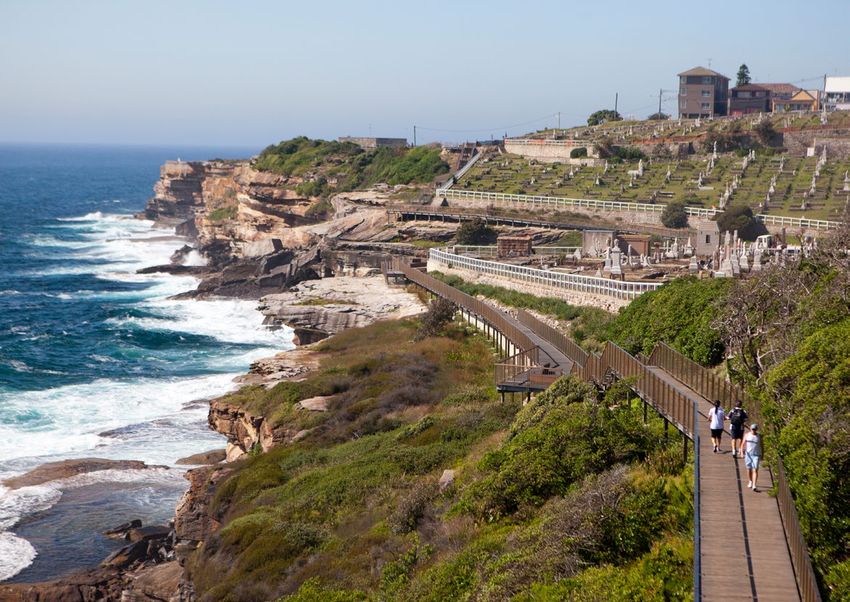
Waverley Council
OVERVIEW                                                                                                    Environmental Action Plan                    4

Message from the Mayor

              We are lucky to have a community in            I am happy to report that we have recently     will continue to advocate, support, enable,
              Waverley that is passionate and motivated      met our organisational greenhouse gas          collaborate, innovate and share knowledge
              to help protect our environment. We have       emissions target almost two years early.       as we move along this pathway to a better
              been ambitious in doing our bit for climate    This not only reflects the effort undertaken   future.
              change and as a coastal Council are acutely    by Council, but also the potential for
              aware of the potential impacts of climate      the Waverley community to reduce our           Council looks forward to working closely
              change, particularly sea level rise.           environmental impact overall.                  with residents, businesses and visitors to
                                                                                                            continue to make our area a sustainable
              Waverley Council has demonstrated              There is still much to do to achieve a         place to live, work and play.
              an ongoing commitment to positive              resilient and sustainable community in
              environmental change. Back in 2009, we         Waverley. We know the technology and
              were one of the first councils in Australia    the community will is there to support us
              to develop a consolidated environmental        reaching this vision.
              strategy which set a strong community
              vision and ambitious targets.                  This plan, the Environmental Action Plan
                                                             (2018-2030) outlines our targets beyond
              In the time since, and despite population      2020 and where Waverley wants to be
              growth, we continue to reduce greenhouse       in the future. It is our roadmap for how
              gas emissions and potable water use. We        we can get there. We have set ambitious        John Wakefield
              have developed stormwater harvesting at        goals of moving towards a zero-waste           Mayor of Waverley
              all of our beaches, installed solar power at   community and having net-zero emissions.
              our major sites, restore our bushland and      We see Waverley as having cleaner beaches
              continue to increase the waste diverted        and neighbourhoods, and increasing our
              from landfill.                                 tree cover and our coastal bushland. We
Waverley Council
OVERVIEW                                                                                                                             Environmental Action Plan                    5

Introduction

Waverley is home to over 72,000                         We aim to work in-house and together with the community
                                                                                                                        	Capacity-building and behaviour change:
                                                        to embed sustainability into our everyday and make it
residents and a thriving business                       second nature in the way we use, reuse and dispose of
                                                                                                                         Understanding the factors that inhibit change in the
community. We live and work in a                                                                                         community and strengthening skills, competencies and
                                                        resources, purchase, design and build, and care for nature.
                                                                                                                         abilities in order to enable long term change
unique and beautiful corner of Sydney
that is a stone’s throw from the city,                                                                                  	Collaboration and partnerships: Partnering with
while also enjoying world-class beaches,                                                                                 the local community, stakeholders and other change-
                                                                                                                         makers to enhance our collective impact
coastal bushland and urban pockets,
green spaces and café precincts. We                                                                                     	Leadership by example: Embedding sustainability in
are committed to keeping it this way                                                                                     our own business practices, setting high expectations
                                                                                                                         and delivering results whilst continually valuing and
and improving it for future generations,                                                                                 nurturing our critical relationships.
whilst also contributing to the wider
sustainability challenges facing the
world today.
This is our Plan for how we will achieve positive           Community members committing to making
environmental outcomes with, and for our                    changes
community. Based on detailed research and best
-practice considerations, the Environmental Action
Plan outlines the approach and steps we are taking      We recognise that Council only has limited influence,
to address the following key focus areas:               but can play a key role in reducing barriers and facilitating
                                                        change though advocacy, engagement and infrastructure
 	Reducing greenhouse gas emissions and preparing   solutions.
  for climate change
                                                        This Plan is underpinned by key guiding principles that
 	Improving sustainable waste management and    drive our activities:                                             Community advocate and artist Marina Debris’
  recycling                                                                                                               ‘Trashion’ show
                                                         	Advocacy and Policy: Actively supporting and ensuring
 	Conserving water and improving water quality         local, State and Federal policies exist that drive
                                                           sustainability and environmental protection
 	Protecting and enhancing biodiversity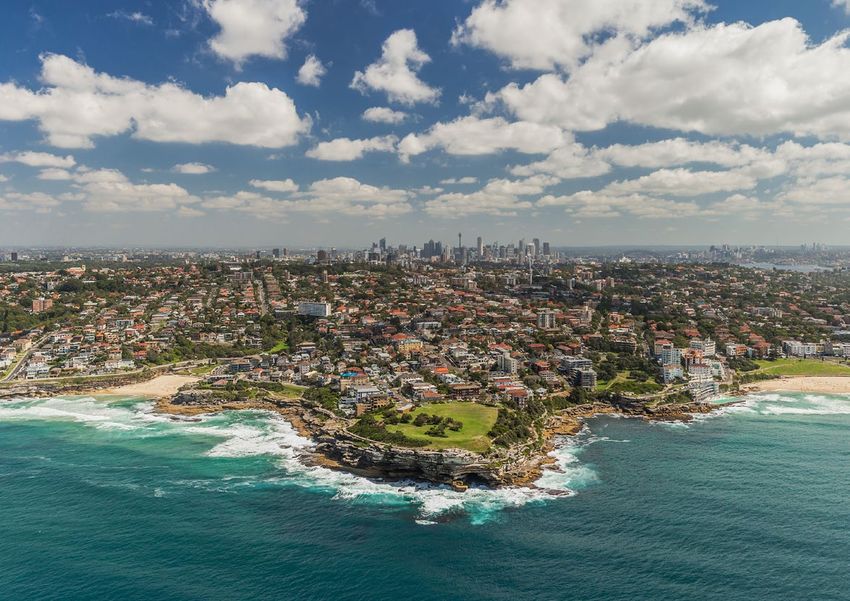
Waverley Council
OVERVIEW                                                                                                                                   Environmental Action Plan                      6

Advocacy and Policy                                                                                                        Partnerships & Collaboration

Council actively works to improve                            State                                                         Council recognises the essential
Policy both within and beyond Council’s                       	The NSW Climate Change Policy Framework sets a          role that cross-collaboration and
boundaries. Ensuring that Policies                              target of Net Zero emissions by 2050.                      partnerships play in creating long-
maximise environmental performance                            	The NSW EPA’s Waste Avoidance and Resource              lasting environmental impact, through
at all levels of Government is key to                           Recovery Strategy sets a clear target of 70% diversion     unleashing innovative thinking,
                                                                of residential, commercial and industrial waste to 75%
achieving our environmental targets.                            by 2020/21.
                                                                                                                           overcoming challenges and mobilising
Our plan supports and contributes to                                                                                       resources.
a number of Global, Federal and State                        Local
                                                                                                                           As such, Waverley Council has been fostering long-term
strategies and goals.                                        Council advocates sound environmental protection
                                                                                                                           reciprocal partnerships with local community groups and
                                                             through a number of plans and policies, including:
                                                                                                                           community members and actively working to increase their
Global                                                        	The Waverley Development Control Plan specifies         capability to successfully deliver their own environmental
 	Our Plan supports the United Nations Sustainable          detailed guidelines and developmental standards            projects, by providing networking, knowledge-sharing and
   Development Goal 11:                                         which need to be considered in all new developments.       capacity-building opportunities.

	Goal 11: Make cities and human                              	The Waverley Local Environmental Plan (LEP) regulates   As a result, we have collectively delivered initiatives that
                                                                land use including building controls and provides          are more innovative and focused leading to positive
  settlements inclusive, safe resillient                        guidance as to how we use our land.                        environmental outcomes and higher engagement rates.
  and sustainable.                                                                                                         We will continue to work together with residents, local
                                                                                                                           community groups and businesses to make sustainability
 	It also supports the Australian Federal Government’s                                                                 in our area second nature.
   commitments to the environment as a signatory of the
   historic global climate agreement arising from the 21st
   Conference of the Parties (COP21) in Paris, 2015. This
   commitment requires all signatories to “hold average
   temperature increase to well below 2 degrees and
   persure effforts to keep warming below 1.5 degrees
   above pre-industrial levels”.

Federal
 	The updated Federal Renewable Energy Target seeks to
   secure 23.5% of Australia’s electrical generation from       Community members pledging their support
   renewable sources by 2020.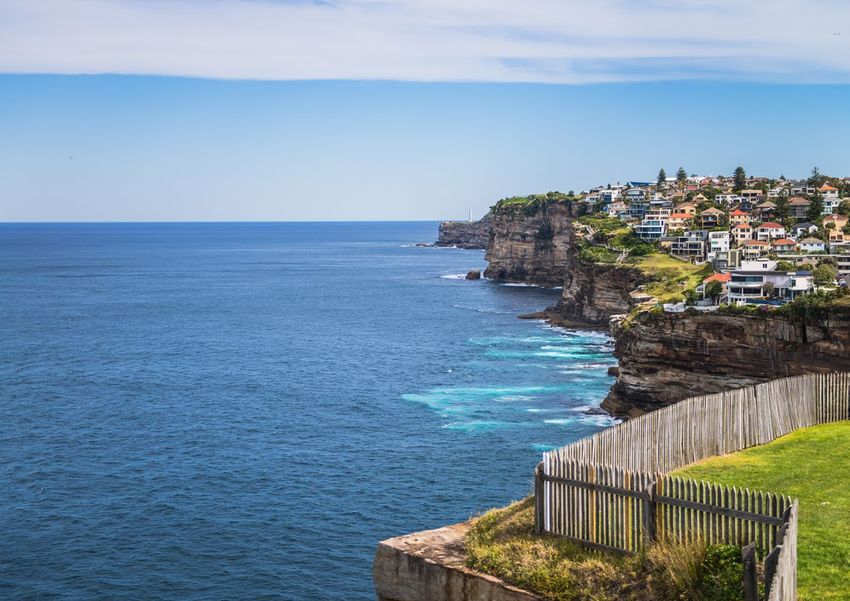
Waverley Council
OVERVIEW                                                                                                               Environmental Action Plan          7

Leadership by example                                         Strategic Context

We aspire to lead by example and ensure                       The Waverley Environment Action Plan
environmental sustainability is systemic                      is part of Waverley Council’s Integrated
and embedded across Council’s day-to-                         Planning and Reporting Framework. It is
day business, services and operations.                        one of a suite of plans that inform Waverley
The drive for environmental sustainability is changing        Council’s Resourcing Strategy, Delivery
the way local governments around Australia and the            Program and Operation Program.
world operate, and we are no exception. We play an
increasingly pivotal role in showcasing leadership and
delivering positive outcomes in this space, in response
to our local community expectations, current legislation
                                                                Our integrated
and according to Australia’s National Principles for            planning
Sustainable Development.                                        and reporting     Integrated
                                                                framework         Engagement
In the short-term we are focusing efforts on:                                     Strategy
 	Nurturing and enabling a supportive internal culture;
                                                                Waverley Local    Waverley          Resourcing
 	Refining our procurement processes to positively      Environmental     Together 3        Strategy
   influence the supply chain;                                  Plan              Strategic Plan
                                                                                                     Environmental
 	Ensuring our projects are designed and delivered                                               Action Plan
                                                                                  Delivery
   to high sustainability standards; and                                                             Strategic Asset
                                                                                  Program
                                                                                                     Management
 	 Implementing staff behaviour change programs                                              Plan
    to reduce resource use and increase recycling.                                Operational
                                                                                                     Long Term
                                                                                  Program
                                                                                                     Financial Plan
                                                                                                     Workforce Plan

                                                                                                                           Bondi to Bronte Coastal walk
                                                                                  Annual Report
                                                                                  Including EAP
                                                                                  Progress Report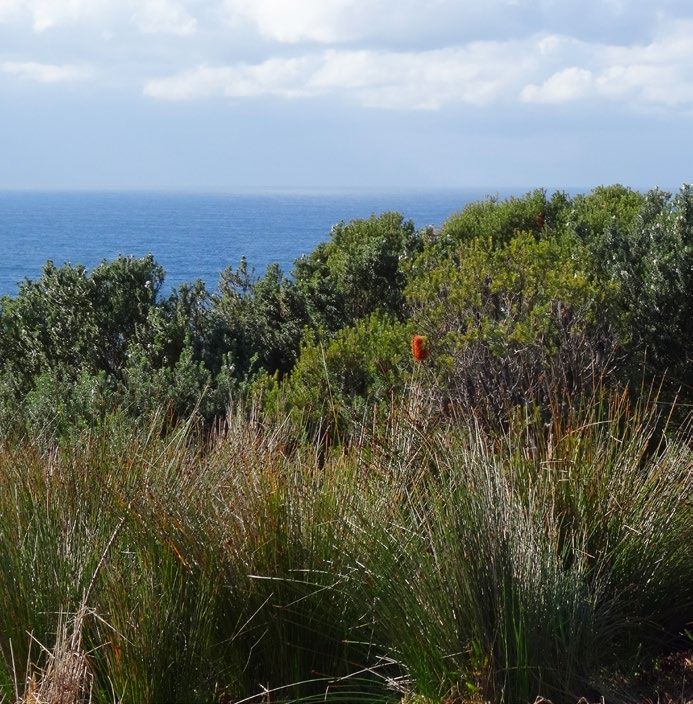
Waverley Council
OVERVIEW                                                                                                                             Environmental Action Plan         8

Capacity-building and
Behaviour change

Effective education, knowledge-building                     Guided by our Sustainable Communities Framework
and behaviour change programs are key                       and supported by our award-winning Second Nature
                                                            program, we will continue to actively support, enable
to us achieving our environmental goals                     and empower our local community and employees
at an organisation and community level.                     to embed sustainability in the way they live and work.
We strive to deliver such change initiatives according      What the community told us:
to international best practice, which recognises:

 	Understanding community’s needs and values;
                                                                  Our Environment
 	Considering best practice theory;

                                                                  18%
 	Employing traditional and innovative methodologies;
 	Undertaking extensive social and environmental                                                                                 Keeping
                                                                                                                                         things clean
   research; and                                                  of us volunteer
                                                                                                                                         51%
                                                                                             We’re especially
                                                                                                                           staying
 	Careful monitoring and evaluation.                         There are                                                 healthy                       helping the
                                                                                             ‘nature’

                                                                                                                           47%
                                                                 around
                                                                                             55%
                                                                                                                                                         community

                                                                 50
                                                                                                                making a

                                                                                                                                                         43%
    Tools, theory and approaches we
    use for engagement and program
                                                                 community
                                                                                                                46%
    design include: Theory of Change,                            groups
    IAP2 Public Participation model,
                                                                  engaged in
    Co-design and participatory
                                                                  environmental
                                                                                              The local                We don’t
    practices (face-to-face and online),                                                      environment              always know          We don’t
    Changeology, Community-Based                                  share economies,            is important to          what is              always know
                                                                                              almost all of us         available            what we can do

                                                                                              94% 43% 33%
    Social Marketing, as well as
                                                                  change campaigns,
    capitalising on emerging trends                               and marine and
    in the digital space.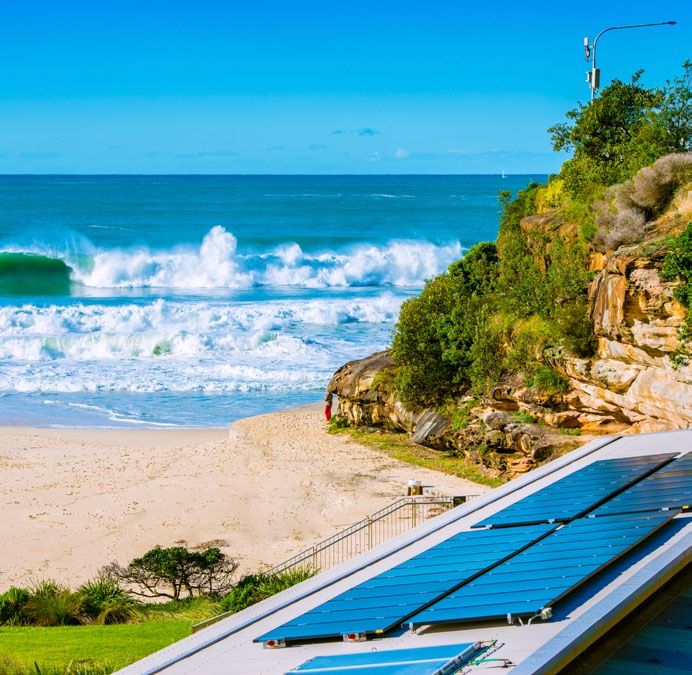
ON              ON TRACK WITH   WORK         Waverley Council
PROGRESS AGAINST TARGETS                                      TRACK           WORK NEEDED     NEEDED       Environmental Action Plan             9

 Waste                                          Water and                                     Transport
                                                Water Quality                                 Progress against EAP3 targets

 No net increase in                             Minimise sediments                            40% of total daily distance
 waste generation                               and suspended soils,                          traveled by Waverley residents
 from 2004/05 levels                            in storm water discharged                     to be by public transport,
                                                into waterways by 2020                        cycling or walking by 2020

 2004/05               2017/2018
                                                Beach Watch Ratings:                           2005/06           2017/2018     Target for 2020
   29,877                  29,877
                                                2005/06      2017/2018      Target for 2020
   tonnes/pa               tonnes/pa                                                               25%               35%               40%
                                                   Good         Good            Good

 75% resource recovery of                                                                     Average kilometers traveled by
 residential and commercial                                                                   Waverley residents by private
                                                Minimise bacterial pollution
 waste by 2020                                                                                car to decline by 15%
                                                in storm water discharged
                                                                                              of 2007 levels
                                                into waterways by 2020
 2005/06       2017/2018      Target for 2020
                                                Beach Watch Ratings:
     28%            61%             75%
                                                2005/06      2017/2018      Target for 2020    2005/06
                                                                                                                                       11km
                                                   Good         Good            Good
                                                                                               2017/2018
                                                                                                                                  10.8km
                                                                                               Target for 2020
                                                                                                                       9.35km
ON                                         Waverley Council
PROGRESS AGAINST TARGETS                                     TRACK
                                                                             ON TRACK WITH
                                                                             WORK NEEDED
                                                                                             WORK
                                                                                             NEEDED     Environmental Action Plan               10

 Biodiversity                                  Green House Gases                             Waverley Council
                                                                                             Water Use

 Ensure no loss of remnant                     30% reduction of                              50% reduction of 2005/06
 vegetation based on 2009/10                   2003/04 green house gas                       levels of mains water
 numbers                                       emissions levels by 2020                      consumption by 2020

  2004/05              2014/15                  2005/06    2017/2018      Target for 2020     2005/06                 2017/2018

      59,347m2             59,921m2                                                                61,785kL                  70,586kL
                                                478,725     475,763        335,126
                                                tonnes      tonnes         tonnes
                                                CO2 -e      CO2 -e         CO2 -e

                                                                                             Waverley Community
 40% of remnant vegetation                                                                   Water Use
 in good condition by 2020
                                               30% reduction of 2003/04                      Zero increase of 2005/06
 2005/06     2014/15         Target for 2020   council generated green house                 levels of mains water
                                               gas emissions levels by 2020                  consumption by 2020
     4%           4%              40%

                                                2005/06    2017/2018      Target for 2020

                                                7,612       5,594          5,328
                                                tonnes      tonnes         tonnes
                                                CO2 -e      CO2 -e         CO2 -e
                                                                                                2005/06         2017/2018     Target for 2020

                                                                                               6,208,951kL     6,564,106kL      6,208,951kL
URBAN ECOLOGY
Waverley Council
URBAN ECOLOGY Environmental Action Plan 12
Protecting and increasing Key Issues
our local bushland, parks,
trees and habitat areas
Urban development Native Species
Protection
Despite Waverley being also found throughout Waverley on The urbanisation of Waverley has There are 123 native plant species
densely populated, it has a private property, in street trees, nature resulted in less than 2% of pre-European indigenous to the local area still
strips and in our parks and pocket parks. bushland remaining. Our remaining present in the area. This represents
range of biodiversity such as bushland areas are fragmented around 6% of plant species from
coastal heath bushland. Our In our most recent fauna survey , 66 and impacted by urban weeds. As the Sydney basin. There is a small
native terrestrial vertebrate species
parks and bushland protect development continues there is a population of the threatened species
including 4 frog species, 11 reptile further loss of vegetation and habitat on Sunshine Wattle Acacia terminalis
our local animals, prevents species, 38 native bird species and private properties. subsp. terminalis remaining at
erosion, absorbs carbon 4 mammal species were recorded. Loombah Cliffs in Dover Heights.
dioxide and reduce the urban One threatened animal species, the Continuing to develop and plan our tree A changing climate is also likely to
Grey-headed Flying Fox, Pteropus canopy cover in order to reduce heat, increase pressures on our local plants
heat island effect. Our green poliocephalus, and one regionally improve conditions for wildlife and due to potential changes in rainfall
spaces are well loved and significant bird, the Yellow-rumped improve amenity is key to reducing the and temperature.
provide peace, beauty and Thornbill, Acanthiza lineata, were also impact of urban development.
recorded. Waverley supports a wide range of
solace to our residents and
birds, insects, reptiles and mammals
visitors. such as possums and bats. These rely
on trees and vegetation as both a
Our bushland includes the critically
food resource and as habitat. Our
threatened ecological community of
coast supports a thriving marine
Eastern Suburbs Banksia Scrub at Queens
biodiversity that relies on us to
Park, and non-remnant parkland such as
maintain as pollution free.
at Bronte Gully, Tamarama Gully, Thomas
Hogan Reserve and Waverley Park. Planted Spotted Pardelote
Australian Museum, 2011, ‘Biodiversity Study of the
1
native vegetation and wildlife habitat is Waverley Local Government Area’Waverley Council
URBAN ECOLOGY Environmental Action Plan 13
What are our goals? Remnant bushland protection
and improvement
Protect and improve the
condition of Waverley’s Key Deliverables
Ensure no loss of remnant On track to meet
2030 target
5.99ha of remnant bushland.
Continue
vegetation based on Waverley’s remnant bushland is mainly Implementation of the
2009/10 numbers on our coast such as at Diamond Bay, Biodiversity Action Plan
Hugh Bamford Reserve, Tamarama and Remnant sites 2015-
at Waverley Cemetery. Bush regeneration
works to promote growth and control
2020.
weeds aim to improve the quality and Continue to build
2004/05 2017/2018
diversity of plants. Council will continue
to protect and improve the condition of
community capacity
59,347m2 59,921m2 Waverley’s 5.99 ha of remnant bushland. to protect bushland
remnants by supporting
and expanding Council’s
Bushcare volunteering
program.
Undertake Flora Survey
40% of remnant vegetation On track with work needed
to meet 2030 target
2020
in good condition by 2030
2005/06 2017/2018 Target for 2030
4% 4% 40%
Waverley remnant bushland
1, 2
Preliminary Draft Healthy Coastal Bus Discussion PaperWaverley Council
URBAN ECOLOGY Environmental Action Plan 14
Coastal bushland restoration Improved habitat across Waverley
Improve the condition of Waverley, with the local community has
undertaken significant works to restore
non-remnant native vegetation native bushland to Bronte Gully, Tamarama
Key deliverables
on public land in the LGA Gully and adjacent to our remnants. These Develop and implement
and reinstate indigenous works have created habitat for our birds
Urban Forestry/Canopy
and animals and brought back green
vegetation characteristic of Strategy
space to our urban environment. Council
natural coastal landscapes in has mapped an additional 12 ha of steep
Councils’ Parks and Reserves. slopes and difficult to access sites where
Identify additional
coastal bushland could be restored with locations for habitat
coastal heath vegetation. improvement on Council
land
Engage the local
community in the
Key Deliverables
Private property vegetation and
Habitat Stepping Stones
Prepare a ‘Healthy nature strips and Living Connections
Coastal Bush’ plan program
to increase coastal Vegetation on private properties, street
bushland in Waverley. trees, verges and nature strips play a key
role in supporting our biodiversity. As
Continue implementing well as cooling our streets, these plants
Bronte and Tama ERFAP provide the linkages for animals to travel
and commence Thomas through the area and maintain Waverley’s
Coastal Bushland at Diamond Bay Hogan ERAP connection to nature. Our main habitat
corridor is all along the coast with further
Undertake the second links at Tamarama and Bronte.
Biodiversity Survey of
the LGA 2019Waverley Council
URBAN ECOLOGY Environmental Action Plan 15
Partners
Bushcare volunteers
SSROC & SCCG
CPRBG Trust
Office of Environment
and Heritage
Greater Sydney
Commission
Local Land ServicesWaverley Council
CHAPTER TITLE Environmental Action Plan 16
WATERWaverley Council
WATER Environmental Action Plan 17
Conserving our Key Issues
water use and
improving our
water quality Water Scarcity
Waverley is known for beautiful Water is a scarce resource in Sydney. While the
greater Sydney catchment of rivers, creeks and
beaches and coastline. Preserving storage is large, it is sensitive to Australia’s drought
our water resources and ensuring and flood cycle. Our water supply can also be
our coasts and beaches are clean impacted by bushfires and pollution. This cycle
and its effect of unpredictable rainfall are likely to
whilst keeping Waverley green and be further exacerbated by climate change into the
cool is an ongoing challenge. future.
Despite very large population increases, total water Waverley’s sports fields, beachside parks and
consumption in Sydney has remained stable for almost 50 amenities are very popular but require significant
years. This is due to water being treated as the precious amounts of water. Irrigating our parks and turf is
resource that it is. In Waverley, many of our residents Hollywood Avenue Raingarden before (left) and after (right)
important as it allows people to enjoy the open
now use water saving appliances and toilets, and have spaces experiences in our area but it does increase
installed rainwater tanks to reduce their mains water use The majority of the Waverley area’s water use is from pressure on our water supplies.
and reliance. At council we use non-potable (not drinking) local residences, which includes household gardens. 1
water to keep our turf pristine, our toilets flushing clean per cent is from open space activities such as irrigation of
and our plants green. We use pollution traps, raingardens parks and golf courses .Ongoing recycled water and water
and street cleaning to minimise pollution into our coast, efficiency programs on Council assets ensures that potable
beaches and the ponds in Centennial Park. mains water use in Council operations represents a small
proportion of community mains water use (1.16 per cent
Recycled water from our stormwater, ground water and in 2016/17).
rainwater harvesting and reuse systems is treated (to
a fit for purpose standard i.e. not potable standard for
drinking) and used where possible for irrigation, toilet
Kinesis, 2017, ‘CCAP City based on Sydney Water community water use data’
1
flushing and public cleansing.Waverley Council
WATER Environmental Action Plan 18
Key Issues What are our goals?
Water Quality Minimise sediments On track to meet Council and On track with
and suspended 2030 target
Community
work needed to meet
and Solutions soils, in storm water Zero increase of 2005/06
2030 target
discharged into levels of mains water
waterways by 2030 consumption by 2030
Urban run-off, construction sites and sewer overflows
can all result in pollution in our stormwater system Beach Watch Ratings:
that ends up in our coasts. Urban run-off includes
litter, viruses, bacteria and nutrients from pet waste, 2005/06 2017/2018 Target for 2030
green waste, oil and toxic chemicals from vehicles,
heavy metals and sediment. Construction sites can Good Good Good
be a major source of sediment pollution through soil
running off sites into stormwater drains.
2005/06 2017/2018 Target for 2030
Heavy rainfall can cause sewer systems to overflow,
causing untreated or partially treated human and 6,208,951kL 6,564,106kL 6,208,951kL
industrial waste to flow into our coastal waters.
A major source of pollution are Sydney Water’s
Minimise bacterial On track to meet
2030 target
sewer outfalls at Diamond Bay and Vaucluse which pollution in storm
discharge untreated wastewater. water discharged into
waterways by 2030 Our previous council target to reduce water use by
30% was highly ambitious and unrealistic due to
our requirement to maintain parks and greenspace.
Beach Watch Ratings: An updated target of no net increase in use from
2003/04 levels - despite population growth -
is ambitious and will contribute to an overall
2005/06 2017/2018 Target for 2030 reduction in water use per capita.
Good Good GoodWaverley Council
WATER Environmental Action Plan 19
Increase water harvesting through Improve water efficiency of
stormwater harvesting schemes and new and existing buildings
rainwater capture
Stormwater harvesting infrastructure at We will work with our community to
Bronte and Tamarama will continue to reduce its reliance on the mains water
provide water for irrigation, cleaning and through smart leak detection efficient use
Key deliverables
for our amenities. Council will expand of water and, increasing access to recycled Deliver a water leak
water harvesting schemes to increase the water (from our stormwater, groundwater
availability of recycled water. The Bondi and rainwater systems).
detection program
stormwater harvesting system will be to increase water
extended to supply water for irrigation As well as promoting best practise water efficiencies on all
and amenities at North Bondi. This will efficiency in new developments, Council Council’s buildings
also contribute to improved ocean water is developing a residential water saving
quality as stormwater is filtered and assessment program for high water Facilitate water efficiency
discharged to the beach. users, where we have identified scope for and recycled water use
significant savings. The pilot program is to
be trialled in Bondi Junction, and expanded
in new developments
if successful.
Deliver a program to
Key deliverables Council will also install a smart leak support energy and
detection monitoring across 40 Council water efficiencies in
Continue water sites, so that we can reduce our own apartment buildings.
harvesting across our water consumption.
beaches and Council sites
Extend the Bondi Stormwater harvesting
at Tamarama
stormwater harvesting
systemWaverley Council
WATER Environmental Action Plan 20
Reduce or minimise the pollutants
entering into waterways
Council has identified
10 sites for additional Key deliverables
stormwater improvement
Construct additional
devices throughout Waverley. stormwater quality
Additional stormwater improvement devices
improvement devices such (SQIDs) in parks and
as rain gardens, and other locations to remove
pollution traps will be sediment and pollutants
installed in order to Remove pollutants to
continue to improve our improve stormwater
ocean water quality. quality from Council
infrastructure into
waterways A family at Bronte Beach
Work in collaboration
with Sydney Water to The discharge of approximately 4
megalitres daily of untreated wastewater
minimise risks to users from cliffside outfalls at Diamond Bay
and pollution from and Vaucluse is unacceptable. Sydney
the Diamond Bay and Water has identified risks from this legacy
Vaucluse Cliffside outfalls infrastructure to local users such as
fisherman, swimmers and scuba divers.
Waverley Council will work in collaboration
with Sydney Water to minimise risks to
users in the short term and rectify this
problem in the medium and long term,
reducing the pollution on our coast.
Swimmer at Bondi BeachWaverley Council
WATER Environmental Action Plan 21
Partners
Sydney Water
Centennial Parklands
Office of Environment
and Heritage
(Beachwatch)
Sydney Coastal
Council's GroupWASTE
Waverley Council
SUSTAINABLE WASTE                                                                                                                               Environmental Action Plan              23

A Zero Waste
Community

                                                                                                 Litter fragments at Bronte Beach (Plastic Free Bronte)

Council collects and                            Council aims to transition toward            cent diversion of waste from landfill (when        and cardboard, plastics, glass and metals),
manages several waste and                       a zero waste community. Through              added to recycling and other forms of              ready for further reprocessing. Residential
                                                waste avoidance, reuse, and recycling        recovery).                                         and parks garden waste is also recovered
recycling streams within the                    the Waverley community can further                                                              and sent to a facility for mulching.
Waverley local government                       reduce their reliance on raw materials       Paper, cardboard, glass, aluminium,
                                                and minimise waste sent to landfill.         and plastic containers from residential,           Council continues to research and
area, including household                                                                    commercial and public places are sent to           implement the optimal processes for
                                                Composting and other processing and
and commercial waste and                        treatment methods are equally important      a Materials Recycling Facility (MRF) where         meeting our waste and recycling targets to
recycling, a selection of                       to ensure council is on the forefront of     the materials are sorted by type (paper            ensure the best result for our community.
problem wastes, and litter                      technologies that minimise the impact on
                                                our environment.
and dumping from our public
places.                                         Presently, waste from residential,
                                                commercial and public places is sent to an
The rate at which waste and recycling are       Alternative Waste Facility (AWT) located
generated is influenced by population           at the Woodlawn Facility in Goulburn.
growth, housing density and purchasing          On arrival, waste is sorted to remove and
behaviour, amongst others. The                  recycle items such as plastic containers,
Sustainable Waste Strategy - 2015 to 2020,      glass bottles, and any contaminants. The
demonstrates Council’s commitment to            remaining waste enters a mechanical
manage waste sustainably. This strategy         and biological processing system and is
details Council’s vision for reducing waste     turned into compost. This compost can
generation and increasing diversion to          then be used for mine site rehabilitation
landfill through a set of targets and actions   and other uses. This process is expected         E-waste drop off day
to achieve them.                                to help Waverley achieve almost 60 per
Waverley Council
SUSTAINABLE WASTE Environmental Action Plan 24
Key Issues
Waste generation Keeping it Clean
and Recycling
Waste generation in Australia and around the world Waverley’s beaches and commercial centres attract
is strongly coupled to economic growth. Products are Waste Bin Audits large numbers of local residents and visitors. This puts
frequently purchased that can’t be recycled or reused. pressure on our waste and cleaning services and it is an
There is an opportunity to minimise Waverley’s own ongoing challenge to prevent overflowing bins, excess
waste footprint by embedding sustainable purchasing Recycling is an ongoing challenge for our community. waste and dumping in our streets.
and the use of sustainable materials into Council Recyclable plastics, paper and glass continue to be
operations, as well as to influence and build capacity misplaced in the red bin, and waste often ends up Despite the availability of public place garbage bins
in the community to do the same. in our recycling bins. When waste and recycling is and regular cleaning, cigarette butts, food packaging
not sorted correctly it undermines the ability of the and plastic bags are still commonly littered, polluting
recycling industry to turn these materials into valuable our local environment. This causes significant impacts
products. on our terrestrial and marine environments. Plastics,
in particular, persist in our coastal beaches and
Other items that offer an opportunity to be reused or waterways and can be ingested by marine animals.
recycled include bulky household items, textiles and
electronic waste. These items are frequently found in The density and streetscape of Waverley leaves little
the kerbside bins, when they could be recycled through space for the storage of bins and bulky waste and
Council drop off locations and other state-wide presenting these for collection. This creates pollution
programs. and is a significant eyesore on our local area.
By working with residents, visitors and businesses to
avoid waste, reduce our waste generation, increase
reuse and recycling we are confident that our
Garage Sale Trail ambitious waste targets can be met.Waverley Council
SUSTAINABLE WASTE Environmental Action Plan 25
Bondi Unwrapped What are our goals?
In 2016, Waverley Council launched ‘Bondi
Unwrapped’ a multidisciplinary education and
engagement program working to prevent take- No net increase in On track to meet
away packaging litter in Bondi. The program was 2030 target
part funded by the NSW Environment Protection
waste generation
Authority (EPA) and supported the installation of from 2004/05 levels
Solar Bins as well as working with the community
and businesses to prevent litter at the source, Target for 2030
2004/05 2017/2018
patrol litter hotspots and maintain the cleanliness
of those areas. The program won the Keep NSW
Beautiful Award for litter prevention in 2017. 29,877 26,876 29,877
The program has plans to expand in 2018/19. It tonnes/pa tonnes/pa tonnes/pa
demonstrated what can be achieved by working
together, as a community, to prevent litter
entering our waterways.
+ Reduction of litter
90% resource recovery of On track with
work needed to meet
and illegal dumping
residential and commercial 2030 target
waste by 2030
2005/06 2017/2018 Target for 2020 Target for 2030
28% 61% 75% 90%Waverley Council
SUSTAINABLE WASTE Environmental Action Plan 26
Actively reduce the amount Keeping our streets, beaches
of waste generated and parks clean and free of litter,
rubbish and pollution
Council has an important Council will continue to work
role to play in facilitating Key deliverables with community groups and Key deliverables
programs that reduce waste the EPA to engage with
Develop and deliver Continue litter prevention
generation and promote targeted engagement residents, visitors and programs that engage
diversion from landfill. programs to facilitate businesses to reduce litter with residents, visitors
This includes waste avoidance programs re-use, repair and items from the source. and community groups
to minimise waste, extending the life of sustainable purchasing Groups such as Blue Bondi Green and to reduce litter at our
consumer goods through reuse and repair Plastic Free Bronte are working to reduce hotspots and undertake
and raising awareness about sustainable Work with businesses, single use plastics, such as straws and litter enforcement when
consumer choices. government and industry coffee cups, at our beaches. required
Council will work with local businesses,
stakeholders to realise
waste recycling and Council provides recycling and waste Review and improve
government and industry stakeholders and infrastructure at strategic positions in
community groups to develop and deliver reduction principles Bondi Junction, Bondi, Tamarama and
public place cleansing and
programs that encourage our community Bronte. The distribution and design of beach cleaning services
to reduce the use of single use plastics. Research and deliver to meet community
these will continue evaluated to ensure
sustainable waste they are optimal and fit for purpose. expectation
management guidelines Council will continue to ensure that all of
for Council and the our urban and open spaces are regularly Build strategic
community cleaned to a high standard. partnerships with strata
managers, building
managers, real estate
agents, cleaners and local
businesses to improve
presentation and storage
of bins
Rubbish dumped illegally Clean Up Australia Day
on the streetWaverley Council
SUSTAINABLE WASTE Environmental Action Plan 27
Best practice in waste management
to increase recycle and recovery
Council will deliver actions
within its Sustainable Waste Key deliverables
Strategy and monitor the
outcomes to ensure best
Identify and deliver Got waste?
targeted engagement
practice waste management programs to residents, Sort it out...
is adopted in all that we do. schools and businesses
it’s second nature.
Council is guided by the NSW to increase recycling and
Environmental Protection Authority’s lower contamination
overarching strategies to ensure waverley.nsw.gov.au/waste
efficient kerbside collection, appropriate Provide services and #secondnatureimin
infrastructure for multi-unit dwellings, programs that recover as
and dumping and litter prevention. much problem waste and
Council works strategically to provide bulky waste as possible
cost-effective and high impact programs
that tackle waste issues on a regional Partner with regional
level, such as reducing illegal dumping. stakeholders and
The Waste industry and its technology is state government
constantly evolving. Council will continue to investigate and
to partner with regional stakeholders and implement new waste
state government to investigate new and technologies to maximise
innovative waste recovery and recycling resource recovery
practices such as Energy from Waste,
in order to reach our ambitious waste
targets.Waverley Council
SUSTAINABLE WASTE Environmental Action Plan 28
Partners
Blue Bondi Green
Plastic-Free Bronte
Transition Bondi
Responsible Runners
Environment
Protection Authority
Southern
Sydney Regional
Organisation of
Councils
SSROC Regional
Illegal Dumping
(RID) Squad
Australian Packaging
CovenantWaverley Council
CHAPTER TITLE Environmental Action Plan 29
ENERGY &
CLIMATE CHANGEWaverley Council
ENERGY Environmental Action Plan 30
Reducing our In line with global action to reduce greenhouse gas
emissions, the Australian Government has a target to
reduce national emissions to 26–28 per cent on 2005
greenhouse gases levels by 2030. The NSW Renewable Energy Action Plan
outlines the transition to reliable, affordable and clean
energy, and the aspirational NSW target of net-zero
and preparing for emissions by 2050.
the impacts of
climate change
Our climate is changing and it is
largely due to increases in atmospheric
greenhouse gases caused by human
activities. These activities include
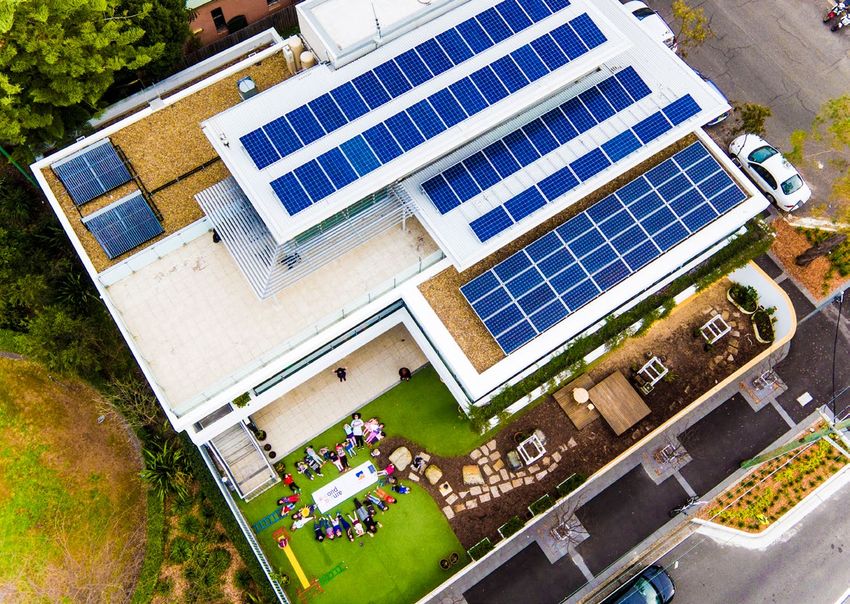
Rooftop solar panels at Tamarama
the burning of fossil fuels (coal, oil,
and natural gas), agriculture and land
clearing. Changes seen over the 20th As a community, we need to continue to power our
century include increases in air and homes, workplaces and schools but in doing so we have
a choice as to where that power comes from. Waverley
ocean temperature, widespread melting
Council has been working to reduce greenhouse gas
of snow and ice and rising global sea emissions from our operations and our community since Council has a number of electric bikes for
levels. In Australia, each decade has 2009, which was when we committed to our first GHG internal operations
been warmer than the previous decade reduction targets.
since the 1950s. As the risks from a warming world intensify, we will need not on track to meet our 2020 Waverley Community
to plan how we build resilience to extreme changes in target; Waverley Community has only achieved a 3.9 per
Scientists agree that the worst effects weather and how we will ensure our community has the cent reduction in GHG emissions since baseline year. Our
capacity to adapt. community GHG emissions still needs to decrease by 27
of this climate change can largely be
per cent (129,263 tonnes CO2-e) by 2020 in order to meet
avoided if greenhouse gas emissions We are on track to surpass our 2020 Waverley Council our target.
(GHG), particularly carbon dioxide, operations target. Since 2003, emissions from our own
organisation have been reduced by 28 per cent. We are
are very significantly reduced. 1
NSW Government, 2017, ‘NSW Renewable Energy Action Plan – Annual Report 2016’Waverley Council
ENERGY Environmental Action Plan 31
Key Issues
Carbon Footprint Impacts of Climate Change
Australia’s historic and continued reliance on coal to There is a risk that intense rain periods (that is, the
generate the majority of their electricity is a major number of 1 in 40 year one day rainfall events) will
driver of our greenhouse gas emissions. Changing increase between -3 per cent to +12 per cent by 2050.
our energy mix to one with a lower carbon footprint
is both an obstacle due to the scale of infrastructure By 2050 days are projected to be hotter over all
involved, but also an opportunity with the falling seasons, with the greatest warming in winter and
prices of renewable power. spring (2 to 3°C).
Built Environment
How the public spaces, households and workplaces
of Waverley are built, function and perform is vital in
reducing greenhouse gas emissions but also improving
liveability and resilience to a changing climate.
Integrating building insulation, green walls or roofs
and rooftop solar panels are some of the key issues
in mitigating and adapting to climate change. Climate change is forecast to impact both
sea levels and biodiversity
The NSW Government has modeled a series of impacts
from climate change. The Sea Level Policy projects a sea
Transport level rise along the NSW coast for a rise, relative to 1990
mean sea levels, of 40 cm by 2050 and 90 cm by 2100.
Emissions from transport is Australia’s third largest
source of emissions. Travel to and from work, Spring and summer rainfall is projected to increase across
school and from visitors coming to our beaches the region by 20 – 50 per cent, while winter rainfall is
are responsible for 85% of transport emissions. projected to decrease. Extreme daily rainfall events are
Developing viable, low energy transport networks expected to become more common, particularly in the The June 2016 east coast low storm event
for our community are vital to reducing our emissions. summer months, and there is a slightly greater likelihood caused widespread damage
of increased storm events.Waverley Council
ENERGY Environmental Action Plan 32
Where do we Solar my school
want to get to?
Solar my School is a free Council program to help
local schools navigate a path to solar power.
70% reduction in Green Work needed to Run as an Eastern Suburbs initiative, Solar My
House Gas emissions of reach 2030 target School provides independent support and
guidance to primary and secondary schools looking
2003/04 levels by 2030 to power their buildings with cheap green energy.
Schools are ideal for solar because they use energy
2005/06 2017/2018 Target for 2020 Target for 2030 during the day when the sun is pumping out its
energy-generating rays.
478,725 475,763 335,126 143,618 Switching to solar energy helps reduce our local
tonnes tonnes tonnes tonnes environmental impact, and also helps schools cut
CO2 -e CO2 -e CO2 -e CO2 -e energy expenses.
+C
arbon neutral
by 2050
70% reduction of 2003/04 On track to meet
2030 target
council generated green house
gas emissions levels by 2020
2005/06 2017/2018 Target for 2020 Target for 2030
7,612 5,594 5,328 2,284
tonnes tonnes tonnes tonnes
CO2 -e CO2 -e CO2 -e CO2 -eWaverley Council
ENERGY Environmental Action Plan 33
Improve energy efficiency of Vehicle fuel emissions
buildings and infrastructure
Council will improve the Within our community and
energy efficiency of its Waverley LGA our own operations the future Key Deliverables
buildings through a range take-up of electric vehicles
The Bondi Junction Monitor, manage and
of measures including the would save about 22,000
Green Infrastructure report on Council assets
installation of LED lighting Masterplan identified tonnes CO2e/year or 4.4% water and energy use.
and optimisation of building large savings from existing decrease in GHG emissions
control systems to improve large commercial and compared to a BAU 2030 Develop and deliver
operational performance. apartment buildings. The scenario when charged from a program to support
Buildings Future program renewable electricity energy and water
Street lighting contributes significantly to efficiencies in existing
Council’s greenhouse gas emissions and will assist these buildings
to reduce their energy,
Waverley will enable electric vehicle multi-story buildings.
presents an opportunity to considerably recharging at Council buildings and within
reduce our emissions. Council recently water and waste use. Launch the pilot program,
the LGA to encourage the use of electric
upgraded 760 of our street lights to LED, Building Futures, in Bondi
vehicles.
reducing annual CO2 emissions by 200 Junction.
tonnes. Council will continue to implement
an LED street lighting upgrade program. Continue building energy
efficiency works and LED
street lighting roll out.
Reduce Council’s fleet
vehicle emissions through
procurement of low
emission/fuel efficient
Waverley Council electric vehicle vehicles, alternative fuel
types, and transport
alternatives.
LED lights installed in Waverley ParkWaverley Council
ENERGY Environmental Action Plan 34
Increase uptake of renewable energy in
Key Deliverables
Waverley through rooftop solar panels
Deliver programs to increase the amount of solar and
and offsite wind and solar energy. battery storage installed on council properties, community
buildings, schools and residential properties.
Rooftop solar panels Offsite wind and solar
and storage Collaborate with other Councils and stakeholders to increase
Waverley Council is currently participating the proportion of cost effective renewable electricity
Council operates and maintains solar in a regional renewable energy Power
Purchase Agreement tender.
purchased by Council.
PV systems across 12 Council buildings,
generating 353,000kwh annually and This approach involves numerous Councils Solar for rental and apartments – trial innovative models
reducing 322 tonnes of CO2 emissions per guaranteeing to jointly purchase the of unlocking the solar potential for rentals and apartments
year. electricity generated by a wind or solar which make up 55% Waverley properties.
Council will continue to investigate new farm. If this model proves successful,
solar PV installations and battery storage Council will increase the percentage of our Provide planning support, controls and incentives to drive
across all of our assets, including social electricity sourced from renewable energy. innovation and better environmental outcomes in new
housing stock and commercial properties. Council will also work with neighbouring development
Councils, State and Federal government to
Council will continue to promote solar increase the share of renewable energy
installations and storage across Waverley fed into the grid.
through programs such as ‘Solar my Waverley has conducted modelling to assess the most effective methods to reach the
School’ and solar power to residents in 2030 target as seen in Figure 1, below.
homes and apartments.
LED Lighting Upgrades Solar My SchoolWaverley Council
ENERGY Environmental Action Plan 35
Plan and respond Development of an Flood management
to the impacts Urban Tree Strategy
of climate change
The specific impacts of Council know that it has a Council is currently
climate change for our LGA small number of Urban Heat undertaking updated Key Deliverables
are difficult to accurately Islands- areas in our LGA modelling of our stormwater
predict. with a higher than average drainage network and Development of Climate
temperatures. capacity to manage different Risk Assessment and
Council will refine our knowledge of Adaption Plan
the risks of a changing climate and plan In order to counteract the effect of high flow events including
effective strategies so that Waverley and these Council will develop an Urban Tree with climate change Development and
the local community can become more Strategy, in which consideration will be delivery of Urban Tree
resilient and prepared for the effects of
scenarios
climate change. However, there are a
given to the potential shade provided by Strategy
street trees. This will build on the work
number of known effects which Council undertaken by Council to continually Updated modelling of
will commence planning to counteract. increase the number of trees and stormwater drainage
greenspaces in Waverley.
Council will continue to monitor and
update water infrastructure
Street trees can help counteract
Urban Heat Island effectsWaverley Council
ENERGY Environmental Action Plan 36
Partners
AusGrid
Office of
Environment
& Heritage
Greater Sydney
CommissionTRANSPORT
Waverley Council
TRANSPORT                                                                                                                     Environmental Action Plan                  38

Planning the                                                                                       Key Issues

future of transport

                                                                                                   Changing Demographics
                                                                                                   Waverley has the highest population density in Australia. This is,
                                                                                                   and should continue to be, supported by high frequency public
                                                                                                   transport, and quality walking and cycling infrastructure.

Emissions from transport is Australia’s
third largest source of greenhouse gas
emissions. Travel to and from work,                                                                Traffic congestion and parking
school and from visitors coming to our
beaches are responsible for 85 per cent                                                            Twice as many people use the Bondi Junction interchange as
                                                                                                   Syd Einfeld Drive. If they switched to driving instead, our streets
of transport emissions locally.
                                                                                                   would be gridlocked. Whilst our passenger car ownership levels
Waverley’s People, Movement and Places was adopted in                                              have remained stable, there has been an increase in the number
2017 and is the blueprint for how we improve the quality                                           of SUVs and scooters, leading to an overall increase in the
of our streetscapes to not only help achieve a better                                              number of vehicles on our roads.
environment, but also a community and economy. The
plan prioritises pedestrians first, followed by people riding
bicycles, using public transport, service vehicles, shared
mobility and private motor vehicles.

We anticipate that changes to transport over the next
20-30 years will be as dramatic as the transformation from
horses to cars. Driverless vehicles (for goods delivery,
                                                                Council has a number of electric
drones, buses and cars), electric vehicles (including           bikes for internal operations
e-bikes) and shared mobility (share cars, share bikes, on-
demand ride-sharing) will all be part of the transport mix.
                                                                                                       Buses and other public transport are an
Planning functioning transport that protects our                                                       important part of our community
environment is a key priority for Council.
Waverley Council
TRANSPORT Environmental Action Plan 39
What are our goals?
Please refer to People, Movement and
Places for targets
PEOPLE FIRST
1
Pedestrians are our top priority A third
of all trips
How are we going to
are on
foot 2
THEN BICYCLES
get there?
Bikes are
good for
transport,
environment
and health
333
Signature projects 3 There are
Waverley Council has identified twelve PUBLIC TRANSPORT 86,500
signature projects that will make the passengers/
biggest impact on improving transport day at Bondi
SERVICE VEHICLES
Junction
across our area for the whole community
and follow the transport hierarchy
developed (see right). These include:
4 i
BondERY
DELIV
Implement better streetscapes across
Waverley
Provide safe cycling infrastructure
across Waverley and beyond Each
Only half
5
share car
of all trips in
replaces SHARED
Improve transport and access along our LGA are
12 private MOBILITY
Bondi Road corridor PRIVATE by car
cars
VEHICLES
These projects include a Cycling Strategy,
a walking strategy and shared and electric
vehicles. For more information see
Waverley’s People, Movement and Places.
Safe pedestrian routes are vital
to our community
655 Spring St, Bondi Junction, NSW 2022 PO Box 9 Bondi Junction NSW 1355 info@waverley.nsw.gov.au www.waverley.nsw.gov.au Telephone enquiries General business 9083 8000 General fax 9387 1820 TTY/voice calls for hearing/speech impaired 133 677 After hours emergencies 9083 8000
You can also read


