DELFT 2019 Let's Talk About Water - letstalkaboutwater.nl
←
→
Page content transcription
If your browser does not render page correctly, please read the page content below
Let’s Talk
About Water
FILM AND WATER
FESTIVAL
DELFT 2019
TUE 12 FEB - THU 28 FEB
FUN FILMS EXHIBITIONS WORKSHOP
THU 14 FEB - SAT 23 FEB
Library 11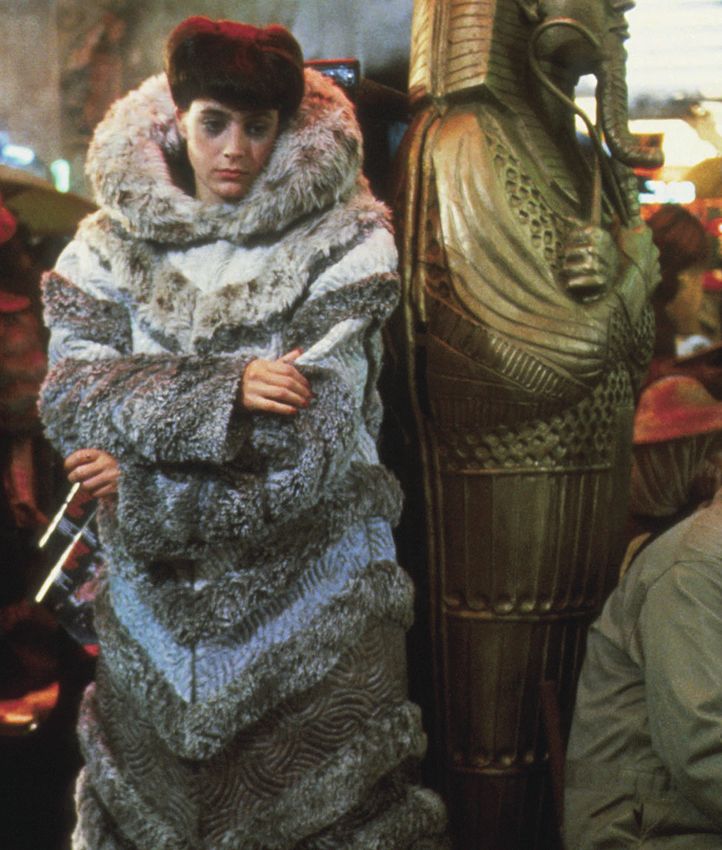
22 www.LetsTalkAboutWater.nl
Materiality
Too much, too little, too dirty
Welcome to the seventh edition of This years film program attempts to use
Let’s Talk About Water, the water a variety of types of film (avant-garde,
and film festival in Delft. We use the power classic, rousing, documentaries) to make
of cinema to inform and spark debate on a you feel – in a sensory, textural and even
wide variety of topics that are connected spiritual way – the physical (material) world
through water. around us.
After ten years of producing Let’s Talk Our data-based map created by Dr. Jay
About Water, I am struck by what the late Famiglietti (University of Saskatchewan)
Stephen Hawking called our “reckless and his team over eight years, documents
indifference” to the current state of our ge- the shifts in our planetary water balance in
ophysical planet. It seems that when more roughly 34 regions across the globe, looking
severe weather events – seemingly due to at ground and surface water, soil moisture,
climate change and often involving water snow and ice, based on the sophisticated
(too much, too litte, too dirty) – become NASA GRACE satellite data.
up-close and personal, suddenly there is a Here technology and science are our
wake-up call. People lose their homes, sa- friends. But do we trust technology too
cred possessions or even loved ones. Things much? Are we getting the whole picture?
with a physical presence – a materiality. Does it distract us from actually doing
But how do we broaden this call-to-ac- something about saving the planet?
tion if we are not the direct survivors of this
unnecessary loss? Let’s Talk About Water!
Linda Lilienfeld, founder and director
“Water knits it all together”
Dr. Richard Hooper, Emeritus Executive Director of CUAHSI
All films are in English or subtitled, unless otherwise indicated (with Dutch subtitles).
The language of discussions is English. The entrance fee is €5, students €3, sometmes free.
3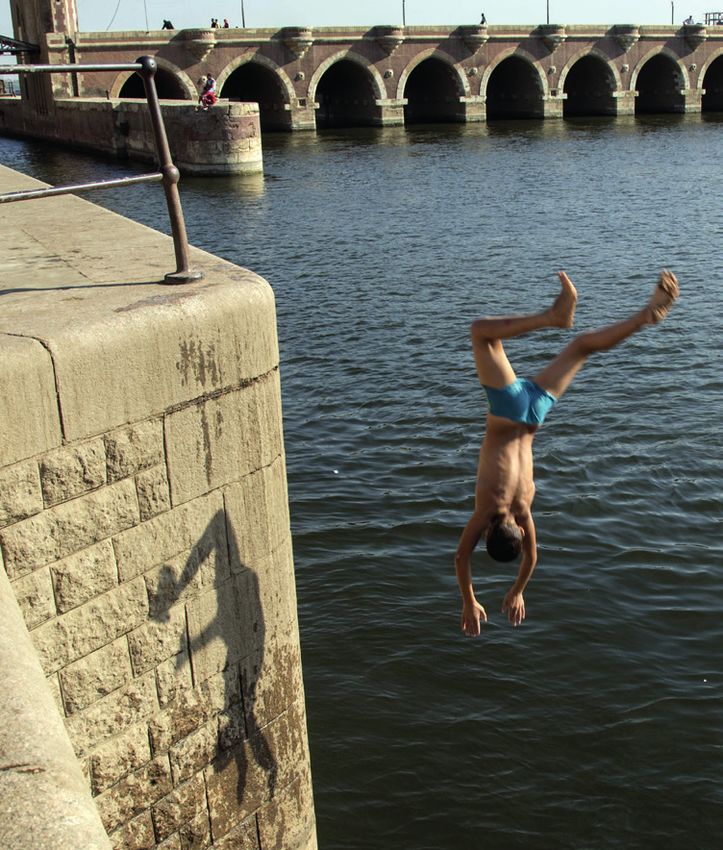
Let’s Talk About Water 2019
This years program is a rich mix of next day in the TU Delft Library students
films, speakers, a workshop and infor- show what sustainable clothes look like in a
mal events, always with the right amount of special fashion show. That evening another
fun, with the help of our partners IHE Delft cult classic, Ridley Scott’s BLADERUNNER
and Deltares. New to Let’s Talk About Water infuses a water drenched landscape with
are two exhibitions and a sustainable fash- characters unable to decipher real from un-
ion show, thanks to the inspiring dedication real. Thursday we combine two films about
of the students of the Zadkine College in agriculture in a relaxed evening in the Falie
Rotterdam, the TU Delft Library and IHE’s Begijnhof Theater, with COWSPIRACY and
Open Water Diplomacy Lab. GOOD THINGS AWAIT, a contrapuntal dance
We begin our festival on Thursday 14 between the extremes of big business and
February with the opening of a photoexhi- corrupt government, and the spiritual side
bition in OPEN (city library) called #Every- of biodynamic farming. The last evening is
dayNile and the launch of an online media reserved for WOMAN AND THE GLACIER, which
campaign with the same name. It’s followed looks at the painstaking and solitary pa-
with our traditional Nile Saturday (16 Feb) tience of a dedicated scientist. On Saturday
addressing the religious aspects of water. afternoon (23 Feb) we wrap-up our festival
The core of our filmweek starts on Mon- with the special documentary DAWSON CITY:
day 18 February with the Japanese cult clas- FROZEN TIME showing how the perma-frost
sic WOMAN IN THE DUNES, which pits a man’s preserved our disappearing heritage of ni-
ego against the forces of nature and destiny, trate and celluloid, the material dream fac-
and too little water. Tuesday starts with a tory of lost film. After our program you can
workshop for professional communicators continue your cinematic journey on Tues-
on The Power of Film. That evening kicks off day 26 February, with a screening hosted by
our sustainable fashion theme with the film Students4Sustainability with FROM SOURCE
RIVERBLUE, a wake-up call-to-action about TO SEA, with a look at our consumerism run
pollution from an industry that blinds us amok (with the director present).
with glamour and our own vanity. The We wish you lots of fun and inspiration!
44 www.LetsTalkAboutWater.nl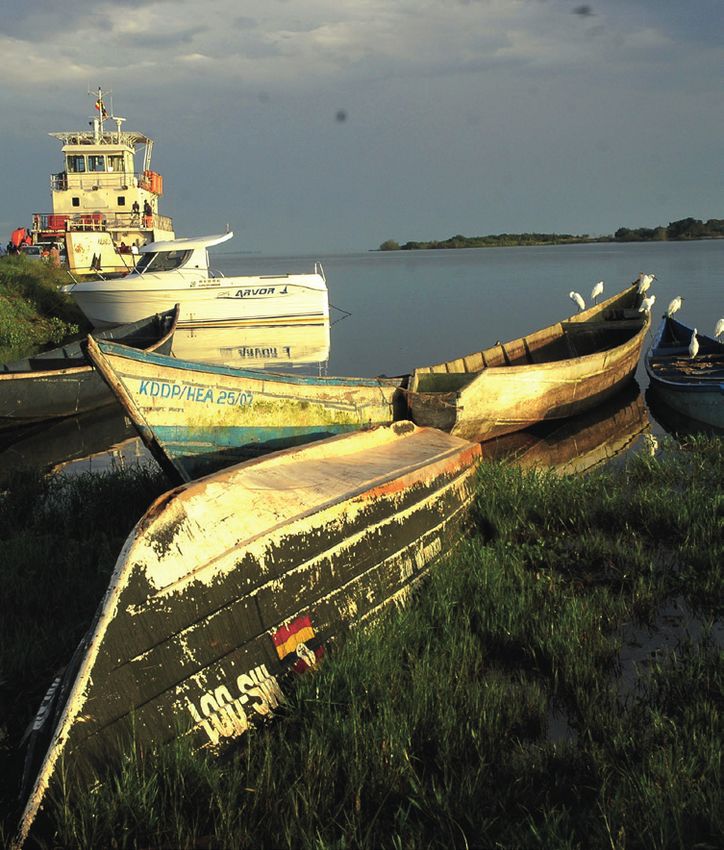
THU 14 FEB - THU 28 FEB
hosted by:
THU 14 FEB 17h00 - 18h30 LAUNCH EXHIBITION
The Open Water
Diplomacy Lab
#EverydayNile
Launch of a new Online Media Campaign
Debate and Opening of Photo Exhibition
#EverydayNile brings together photographers,
journalists and researchers from different Nile
basin countries to challenge stereotypes like the
‘water war’ that distort our understanding of the
Nile river. By linking photos, storytelling and
scientific research we wish to foreground alterna-
tive narratives that surprise, delight, inform and
facilitate transboundary connections.
Three photographers from Egypt, Sudan and
Ethiopia will present their gaze on the river and
will discuss with journalists and researchers the
role of images in shaping media narratives.
#EverydayNile is an initiative by the project
Open Water Diplomacy – Media, Science and
transboundary cooperation in the Nile basin
funded by the Dutch Ministry of Foreign Affairs
photo by Roger Anis
– Global Partnership for Water and Development,
and is implemented by IHE Delft, Africa Water
drinks &
snacks! Journalists, Nile Basin Capacity Building Network,
SciDev.net and University of Wits (Johannesburg).
For update about the project follow the monthly Photographers Roger Anis (Egypt),
podcast “The sources of the Nile” Ahmed Saeed (Sudan) and
Michael Tsegaye (Ethiopia).
https://nilewaterlab.org/
podcast-the-sources-of-the-nile/
admission free • opening
hours: opendelft.info OPEN Delft (City Library)
Vesteplein 100, Delft
5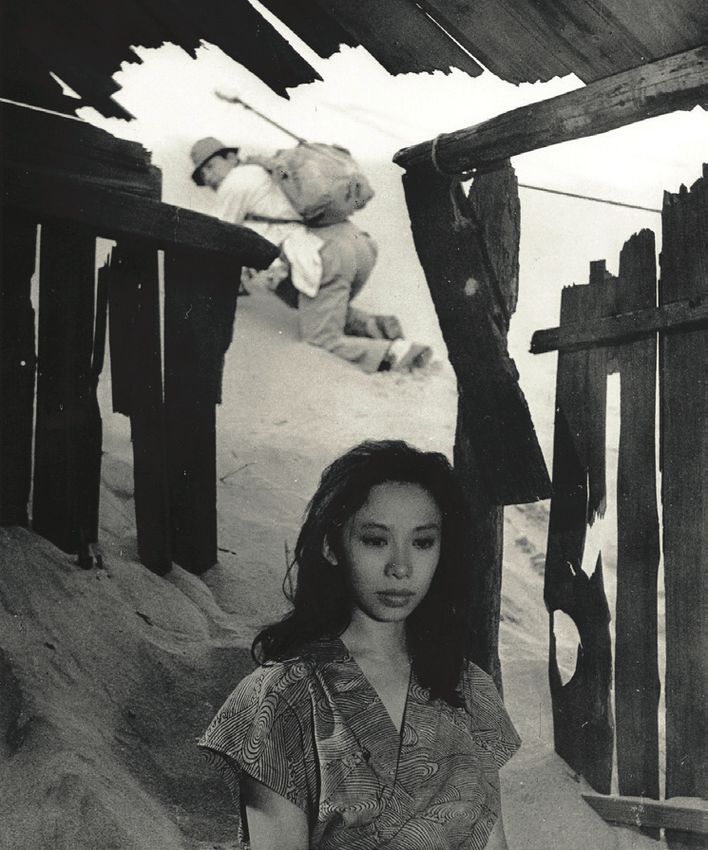
hosted by:
The Open Water
Diplomacy Lab SATURDAY 16 FEB 15h30–22h00 FILMS FUN
‘A Saturday on the Nile’
An informal session with film, food, debate and fun
All world religions give water a central place
photo by Africa Water Journalists
in their texts and rituals. How should we take
this into consideration when practising and
communicating water science? The Nile offers
a unique opportunity to reflect on the conflu-
ence between water, society and religion. How
do the material – the hydrological cycle, water
infrastructure – and the immaterial – culture,
religion and spiritual forces – shape and reshape
each other? Anthropologist Diego Maria Malara
will present his documentary The Devil and the
Holy Water (Ethiopia/Finland 2016, 12 min) on
exorcism in contemporary Ethiopia. Archaeologist
Terje Østergaard, author of The religious Nile will
share his exploration about holy water, rituals
and society along the Nile, from ancient Egypt to
contemporary Uganda. Can religion connect the
different peoples living along the Nile? We will
search for the answer first in Stronger together
(2018, 16 min) a film by the journalist collective
The Niles, celebrating the 20th anniversary of
Terje Østigård, archaeologist Nordic
the Nile Basin Initiative. And also in Faith con-
nections, paying tribute to the ongoing Khumbh
Africa Institute, Upsala
Diego Maria Malara, anthropologist,
Mela (see next page). University of Glasgow
free
admission
Falie Begijnhof Theater
Rietveld 49 Delft
66
PART OF A SATURDAY ON THE NILE FILM
Faith Connections
Pan Nalin
France, India 2013
132 min
Widely considered the largest human gather-
ing of any type, the Kumbh Mela is both a Hindu
pilgrimage and an extended ritual celebration
that takes place every three years in a 12-year
cycle at a rotating series of four disparate Ganges
riverside sites in India. Since it’s believed to be
the most sacred of Hinduism’s pilgrimages, at
the behest of his father, filmmaker Pan Nalin
attended the 2013 event at Allahabad – along
with approximately 100 million other devotees
– near the confluence of the sacred Ganges and
Yamuna rivers.
Although Nalin’s charge was to collect some
holy river water to bring back to his father, his
agenda expands significantly upon arrival at the
ritual site on the mud flats adjacent to the rivers.
Ostensibly the result of his own mission to fill
a plastic bottle with sacred river water for his
father, Nalin’s film wanders about with the feel
of a mystical reality show.
Although not the Nile, parallels of water
and spirituality abound.
7
MONDAY 18 FEB 19h45 FILM
Woman in the Dunes
Hiroshi Teshigahara
Japan 1964
146 min
A teacher from Tokyo uses his vacation to
expand his collection of sand insects, with the
hopes of finding a prize-winning specimen in
the vast dunes by the sea. His actual experience
turns out to be quite different, in this sublime,
black and white, new wave cult classic.
Woman in the Dunes is a sensual, textural,
many layered exploration of man’s existential
condition – quite the subject in 1964! But in
2019, it’s relevance pertains to too much sand,
too little water and the interplay between the
two – in a literal way. Our coastlines, with our
newly severe and repetitive weather patterns,
challenge human thought to protect, predict and
conserve human life.
The visceral feeling of sand, and the insane
lack of water, may spur us to consider the inter-
play of sand and water through art. And inspire
us to strengthen the resilience of those coastal
areas for the future.
Can an artistic film inspire creative solutions to
Dr. Fedor Baart, Deltares. Hydrologist
planetary problems?
Are we able to transcend our individual egos to
and expert on integrated modelling
consider the ‘other’?
What’s the role of empathy?
admission €5 Filmhuis Lumen
students/staff €3 Doelenplein 5 Delft
88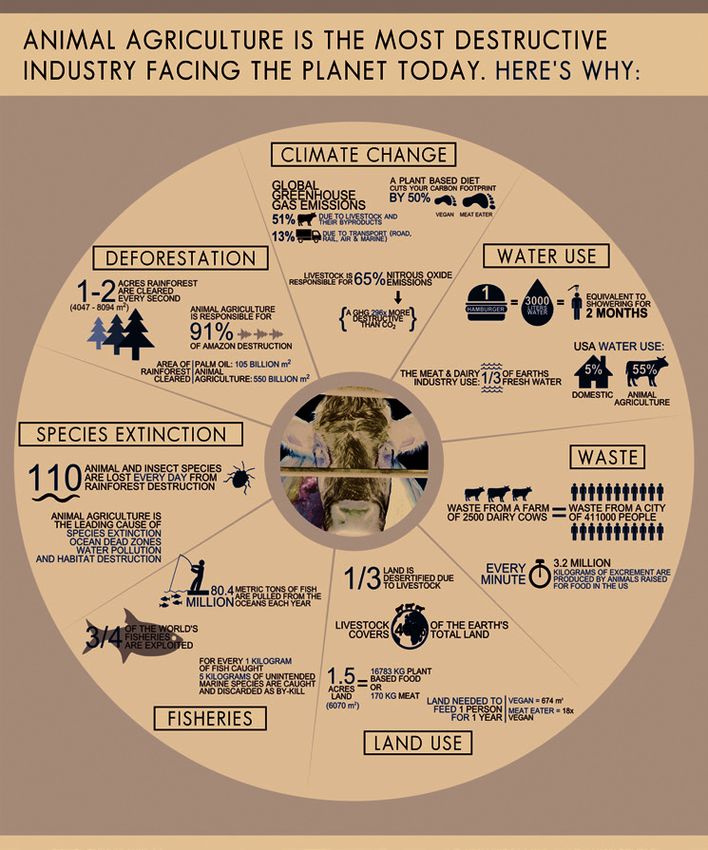
TUESDAY 19 FEB 14h00 - 17h00 WORKSHOP
The Power of Film
How to tell your water story using film
IHE Delft and Deltares are proud Program
to present a workshop for scientists 14h00 - 14h15 Welcome and opening remarks
who want to tell the story about their
14h15 - 15h00 Panel discussion “Why water
research using visual methods. How
scientists and professionals should go visual?” with,
can they create more impact with
Catherine Cotton (IHE Delft), Inge Snijder (VP Delta)
their story, and address a wider au-
and Fedor Baart (Deltares), moderated by Ruth Web-
dience, including the general public
ber (IHE Delft)
and media?
This workshop emphasizes the 15h00 – 15h30 Presentation on video storytelling:
importance of communication and “How to make the perfect water video”, film and TV
specifically the power of video to director Roland Postma
communicate water issues, to water ----- break -----
professionals, students and managers 15h45 – 16h15 Presentation on video dissemina-
of water institutions. tion: “How to reach an audience with your video”,
Abraham Abishek (The Water Channel)
16h15 – 17h00 Wrap-up “towards a recipe for suc-
cess” hosted by Emanuele Fantini (IHE Delft)
17h00 Drinks and snacks
This event will give you an impression of To attend this event, please register by
the extended course on visual methods
for water professionals in the summer of
email to e.fantini@unesco-ihe.org
2019 at IHE Delft.
admission: IHE Delft, room B1
registration required Westvest 7 Delft
9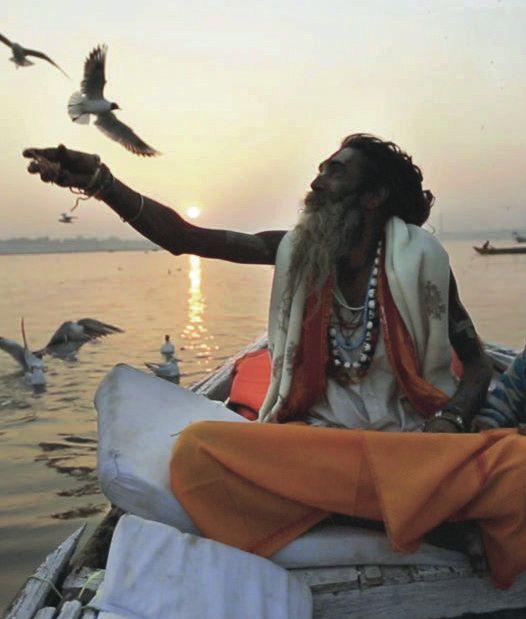
TUESDAY 19 FEB 21h30 FILM
RiverBlue
David McIlvride,
Roger Williams
USA 2017
95 min
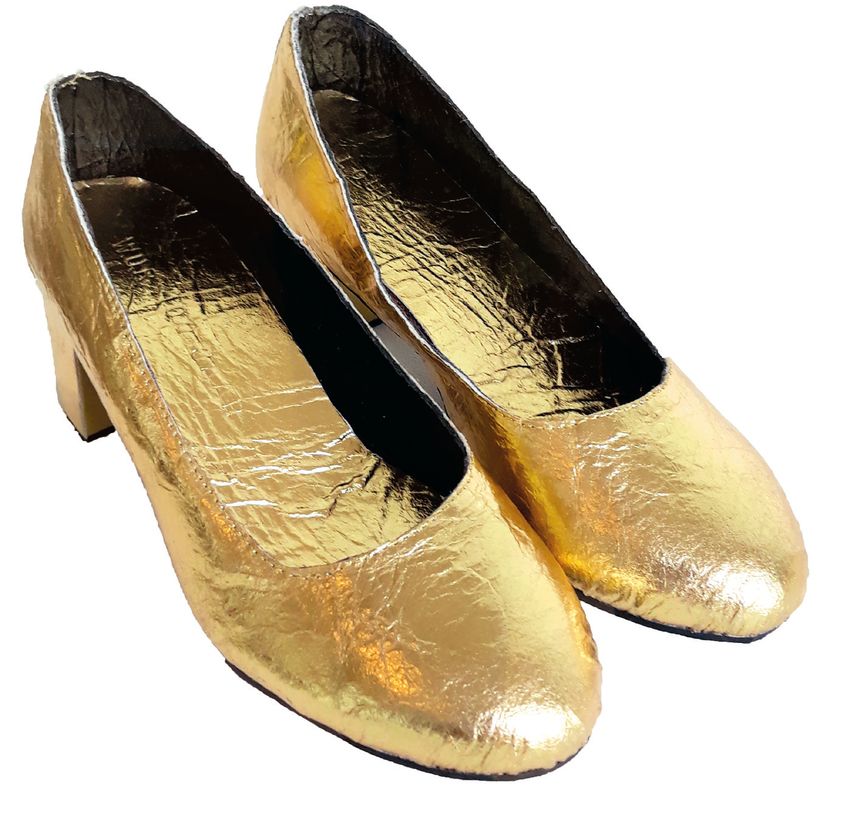
This is the first fashion show at Let’s Talk
About Water – inspired by student Kyra Sloff. It
makes us think of Madonna’s song ’cause we are
living in a material world, and led to the ideas on
‘materiality’ that tie the program together.
RiverBlue chronicles an around-the-world river
adventure, led by renowned paddler and conser-
vationist, Mark Angelo, who ends up uncovering
and documenting the dark side of the global fash-
ion industry. He examines the destruction of our
rivers, its effect on humanity, and the solutions
that inspire hope for a sustainable future.
RIVERBLUE brings awareness to the destruction
of some of the world’s most vital rivers through
the use in manufacturing and disposal of toxic
chemicals for our favorite iconic products. But it
will also act as a demand for significant change in
the textile industry from the top fashion brands
that can make a difference.
Can the creativity and energy of youth provide Dr. Ir. Natascha van der Velden, Finished
inspiration for the rest of us? Can fashion save the her Phd at the TU Delft (Faculty Indus-
trial Design) and is expert in ’Sustaina-
planet?
ble Textiles‘
Will this documentary change your clothes’ shop-
ping behavior in the long term?
Filmhuis Lumen
Doelenplein 5 Delft
admission €5
students/staff €3
10
10Library TUE 12 FEB - THU 28 FEB EXHIBITION
#DETOX your #FASHION
Curated by
Marion Vredeling
Programmanager
Let’s Talk About WasteWater
The textile industry is the second biggest designed components of the ensemble.
polluting industry in the world after the oil Another example of a firm sustainable
industry. On average 100-150 litres of water approach is to repair your timeless textiles
per kilogram are required in the process of repeatedly. Also shown is a three generation
colouring textiles alone. Also for the produc- lawyers gown made of grein - a textile orig-
tion of cotton a lot of water and pesticides are inally woven from goat or camel hair. The
needed – time for a change! gown – independent of fashion, trends and
Several designers try to work towards seasons – is repaired and made available by
solving the issue of how making the fashion Toga Atelier Debby Schout, an atelier that
industry fairer, cleaner and more sustainable, also designs the (sustainable) professor’s
wasting less water and working on less pol- gowns for TU Delft and Erasmus University.
luting production-methods. Examples will be During the Dutch Design Week 2018 Wille
presented in the exhibition. Meike Brand (Graduate Willem de Kooning
TU Delft Library is proud to present the Academy) showed work that provides a new
ensemble worn by Prof. Louise Fresco (Pres- function for discarded garments, not re-using
ident of the Executive Board of Wageningen the textile itself but the imprint, like a fossil.
University & Research) on the occasion of the TU Delft researchers have an impact on a
Opening of the Academic Year in September more sustainable textile-treatment as well:
2018. This ensemble highlights several circu- the KAUMERA from Wastewater-project with
lar innovations in the fashion industry. De- a contribution of artist Nienke Hoogvliet that
signers Elsien Gringhuis, Aliki van der Kruijs, also was on display during the Dutch Design
Ilfa Siebenaar, Luuc Aarts en Iris Houthoff Week 2018.
A selection of alternative “textile-films” will be shown on the TV-screens in the Library-hall.
Discover more on: www.toga-atelierschout.nl • http://willemeikebrand.com
www.wur.eu/circularfashion • Kaumera: https://bit.ly/2AWM7vJ + https://bit.ly/2U2dMTh
admission free • opening
hours: tudelft.nl/library TUPrometheusplein
Delft Library,
1 Delft
11
11RESEARCH ANALYSIS
Emerging Trends in 2. Ice-sheet loss
4. Glacier and ice-cap loss
Global Freshwater 5. Precipitation increase
Availability 3. Glaciers retreating
19. Surface
From NASA GRACE (Gravity water drying
Recovery and Climate 20. Progression
Experiment) satellite (2002- from dry to
wet period
2016)
21. Groundwater
depletion and
drought
22. Drought
25. Recovery from
early-period
drought
26. Recent
drought
24. Progression
from wet to
dry period
23. Patagonian
ice-field melt
1. Ice-sheet loss
Can we decipher patterns in shifts
in the world water balance? Probable climate change impact
Possible climate change impact
Dr. Famiglietti will be on hand to GRACE trend (cm
Probable direct human impact
answer our questions.
Possible or partial direct human impact
–2.0 –1.0 0.0
Probable natural variability
Fig. 1 | Annotated mapAnnotated
of TWSmap trends.
of TWSTrends in TWS
trends. Trends in TWS(in centimetres
(in centimetres per year) obtaw
per year) obtained on thecause
basis of trend
of the GRACEin eachobservations from
outlined study region Aprilexplained
is briefly 2002 to and coloh
Gaussian filter for the purpose of visualization; however, all calculat
March 2016. The cause of the trend in each outlined study region is briefly d
explained and colour-coded by category. The trend map was smoothed
12
12
scenario because it accentuates regional differences, which are more i
important for this analysis than absolute magnitudes are. Figure 2 pre- r14. Groundwater depletion
15. Groundwater depletion and drought
16. Groundwater depletion and drought
17. Decline of the Aral Sea
18. Decline of the Caspian Sea
6. Precipitation increase
11. Glacier melt, surface-water
diversion and irrigated agriculture
10. Precipitation increase
12. Groundwater
depletion
9. Three Gorges and
other reservoirs
filling
13. Water depletion
and precipitation
decrease
8. Precipitation
increase and
groundwater
policy change
7. Groundwater
depletion
33. Progression
from dry to wet
period
34. Return to normal
after wet period
32. Groundwater
depletion
28. Increasing lake levels
and groundwater
Image credit: from Rodell, Famiglietti, et
m yr–1) 31. Precipitation decrease al., Emerging Trends in Global Freshwater
27. Progression from dry Availability, Nature, 2018
to wet period
1.0 2.0
30. Precipitation decrease
29. Precipitation increase
withonathe
ained 150-km-radius Gaussian
basis of GRACE observations fromfilter for the
April 2002 purpose
to March of visualization;
2016. The
however,
our-coded by all calculations
category. were
The trend map wasperformed
smoothed withat the native 3° resolution of the
a 150-km-radius
tions were performed at the native 3° resolution of the data product.
data product.
13
13
is rapidly disappearing in many of the world’s irrigated agricultural
regions6,10,33–38. A third aspect of the global-trend map is natural inter-Library WEDNESDAY 20 FEB 12h30 + 17h00 CATWALK
Sustainable Fashion
Fashion Show @ TU Delft Library presenting better
and more ecofriendly ways to make clothing.
The focus of Zadkine Business & Fashion Working on this project as a student I have Franklin
students is learning to apply sustainable learned a lot. I had little to no clue what
Nila Meijvo-
gel and Kyra Carter
Sloff student
students practices to our everyday lives as much as possible. fast fashion was doing to our world and people. Business and
Business and Fashion,
Fashion,
As a college and in our course, we stand up for the After reading articles about it, I found out that 1st year
2nd year importance of the environment. the fashion industry is now the second largest
Students are the future, so we need to be more generator of pollution on Earth after oil, with
aware of these problems. By showing people how 300,000 tons of used clothing going to landfill in
wonderful sustainable fashion can be, we are 2016 in the UK alone.
trying to persuade people to be sustainable too. Rivers are being polluted by dyeing cotton fabric.
Our fashion show will mainly focus on the These chemical pollutants turn waterways into
problems the fashion industry causes. You’ll see abnormal, anaerobic environments.
amazing pieces with the intention of putting the Fibres like polyester and nylon are essentially
spotlight on polluted water and drought, and made from plastic and don’t biodegrade at all.
water being the source of life. However both types of clothing will have been
The items shown in the fashion show are made bleached, dyed and printed with chemicals during
of sustainable materials and reusable products. the production process. Once in landfill, these
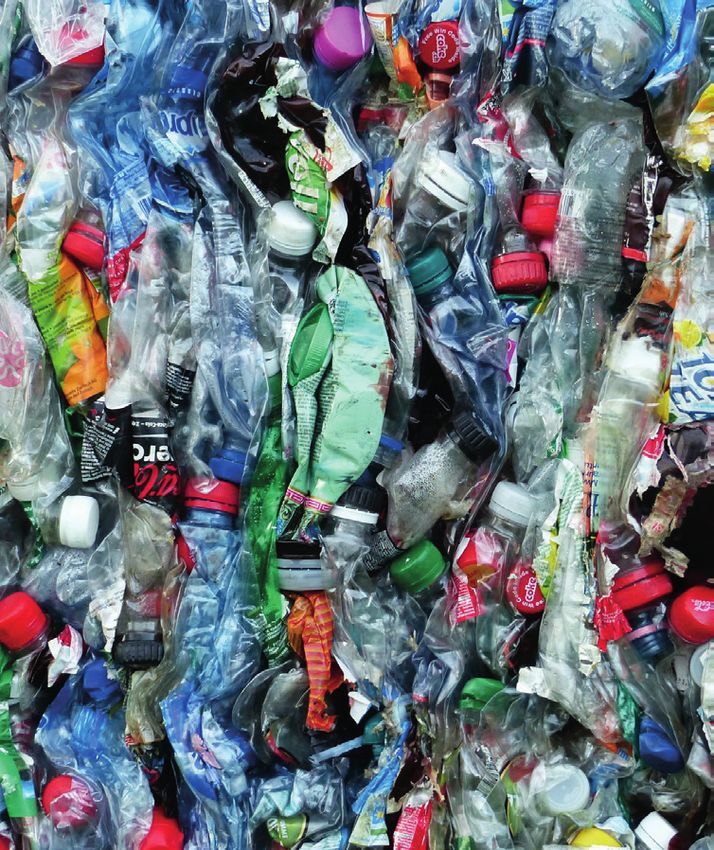
Think for example of all the plastic bottles we see chemicals leach into the soil and groundwater.
in rivers and the oceans these days. I’ve gained so much perspective and inspiration
just by looking at my class and how they are
making their ecofriendly clothing.
If we can do it, big corporations Mariana Verkerk, model, runway coach,
most certainly can too! agent, television personality
17h30 FILM BLUE ROOM: EXTRA SCREENING OF RIVERBLUE
TUPrometheusplein
Delft Library
1 Delft
admission free • opening
hours: tudelft.nl/library
14
14 WEDNESDAY 20 FEB 19h15 FILM
Blade Runner
Ridley Scott
USA, 1982
117 min
The Final Cut DUTCH
SUBTITLES
It’s been 37 years since Harrison Ford portrayed
replicant-hunter Rick Deckard in the neo-noir
sci-fi film BLADE RUNNER. The decor: Los Angeles
in 2019, a gloomy dystopia where cars fly over
sad neon-lit streets. It is strongly implied that in-
dustrial pollution has caused climate change. The
androids in the story are so close to humans that
it takes an intense psychological questionnaire
to determine the difference. Replicant Roy Batty,
played by the Dutch actor Rutger Hauer, comes
across as more human than the humans when
he delivers his famous ‘tears in the rain’ speech.
Tears, rain – both water – the memory of this
film is that it is drenched in water and that the
problem of how we differentiate about who and
what is real – as they say “IRL” (in real life) – is
becoming more ubiquitous. What are we becom-
ing and how do we slow it all down and get back
to our real natures?
When did androids appear in literature and art, and Dr. Sascha Hosters, expert in media
how were they portrayed as different from humans? theory, film studies and visual culture,
Rutgers University, New Jersey
We worried we would be controlled by robots, but
are we feeding ourselves to our machines?
admission €5 Filmhuis Lumen
students/staff €3 Doelenplein 5 Delft
15
15 THURSDAY 21 FEB 19h00 TWO FILMS FUN
Cowspiracy +
Kip Andersen
USA, 2014
90 min
Good Things Await
Phie Ambo
Denmark, 2014
100 min
click image to see the infographic in full
In the film COWSPIRACY a young idealist searches
for how animal agriculture affects the planet – and
why it is hidden in plain sight, almost entirely
unchallenged, while affecting virtually every
environmental ill you can think of.
And then in GOOD THINGS AWAIT we meet Niels,
79 years old and one of the last idealistic farm-
ers in Denmark, battling for the soil we share.
He makes some of the world’s finest products,
praised by consumers, prized by the world’s best
restaurants and nursed in harmony with the uni-
verse. But Niels’ ways of farming in accordance
with the planets and the primal instincts of the
animals are not too popular with the authorities.
If we are questioning how we live and how
we need to change (in our material world) then
agriculture is the food-water nexus. The rampant
misuse of chemicals and overuse of water and
land form a stark contrast with a profound respect
for the sanctity of our natural world.
Is there a middle-ground between the two extreme Prof. dr. ir. ddy Moors, rector IHE Delft
agricultural practices expressed in these films? Ken Irvine, Prof. Aquatic Ecosystems
IHE Delft
Will the two heroic characters in these films be able
to effect change?
free
admission
Falie Begijnhof Theater
Rietveld 49 Delft
16
16 FRIDAY 22 FEB 19h30 FILM
Woman and the Glacier
Audrius Stonys
Lithuania, Estonia 2016
56 min
The Lithuanian scientist Aušra Revutaite has
spent 30 years in the Tian Shan mountain range
straddling the borders between Kazakhstan,
Kyrgyzstan and China. Some 3,500 meters above
sea level she studies climate change on the
Tuyuksu Glacier at an old Soviet-era research
station. She loves the solitude and silence that
her painstaking work brings her. Magnificent
shots of her surroundings and everyday work are
interspersed with archival footage of the people
who preceded her by a century – not much seems
to have changed. We see dripping, melting ice in
imposing caves, streams flowing through desolate
mountain passes, and Revutaite’s pets, playing
together. The solemn silence of the mountains is
punctuated sparingly by the music of a man far,
far below, playing a traditional instrument.
The exquisite solitude and solitary existence
of Revutaite reflect the painstaking methods of
hydrologists in general.
Dr. Jay Famiglietti has spent 8 years collecting and Prof. Jay Famiglietti, hydrologist and
analyzing data about ground water. His famous Director Global Institute for Water
Security, University of Saskatchewan.
GRACE satellite map of the world water storage (see
centerfold) gives insight into how the world’s water Tatiana Acevedo PhD, IHE Delft,
balance is changing. water governance
admission €5 Filmhuis Lumen
students/staff €3 Doelenplein 5 Delft
17
17 SATURDAY 23 FEB 11h30 - 15h30 FILM FUN
Dawson City: Frozen Time
Bill Morrison
USA 2016
120 min
Lightning talks, electrifying shorts, lunch and a movie
Dawson City once was the centre of the Canadi-
an gold rush that attracted 100.000 gold seekers.
It was also the last stop for the films and news re-
ports that were shown there. A movie would open
in big cities, then circulate to smaller and more
distant towns, before ending up, usually after two
years, at far flung Dawson City. Because the dis-
tributors didn’t want the prints back, it was up to
people in the town to dispose of them. Some were
thrown into the Yukon River, some were burned:
a hazardous undertaking, since they were highly
combustible. Other films met the unusual fate of
being used to fill in a municipal swimming pool
that was being paved over to make an ice-skating
rink. And it was there, during a construction
project in 1978, that hundreds of them were dis-
covered and returned to the world, creating the
mother lode of nitrate to celluloid images known
as the Dawson City Collection.
We will start our day with a special presentation
of .TV, an avant-garde, futuristic film directed by
Is decaying film a useful metaphore for
Anthony Svatek, which was screened at festi- the destruction of the earth?
vals around the world. It illustrates how digital How can we electrify our conversations
domains take precedence over the inexorable about sustainability?
disapprearance of the island nation of Tuvalu.
admission €5 Filmhuis Lumen
students/staff €3 Doelenplein 5 Delft
18
18PART OF SATURDAY 23 FEB SESSION PROJECT INFO
Let’s Talk About Water
DELFT
Film Prize
Building on the experiences and reputa- partners
tion of Let’s Talk About Water events held Linda Lilienfeld, Founder and Director
around the world since 2009 (including of Let’s Talk About Water: Jay Famiglietti,
the U.S.A., the Netherlands, France and Director of the Global Institute for Water
Latin America) it’s time for a new initiative Security and Professor at the University of
focussed on the creation and distribution of Saskatchewan, Saskatoon; Roeli Suiker, Com-
water communications films: The Interna- munications Advisor at Deltares; Eddy Moors,
tional Let’s Talk About Water Film Prize, for Rector at IHE Delft UNESCO Institute for
achievement in fresh water science commu- Water Education; and Jerad Bales, Executive
nication using film. Director of the Consortium of Universities
This community-driven project is designed for the Advancement of Hydrologic Science
to foster collaboration between film artists (CUAHSI).
and water scientists. We are looking for par-
ticipants who would like to join a community
of filmmakers, water scientists and others,
who will collaborate on the identification of
best achievements.
See filmsaboutwater.org or letstalkaboutwater.com
to subscribe to our information updates on future
guidelines and call-for-entry.
19
19changed
starting time
Extra screening outside
TUESDAY 26 FEB 21h30 FILM
Let’s Talk About Water
main festival, hosted by
From Source To Sea
Students 4 Eelke Dekker
Sustainability The Netherlands 2018
52 min
A gripping movie about one man’s 1200 km
journey on a SUP board made from plastic litter
Studentenfilmavond Lumen and Students4Sus-
tainability organize a special student screening of
the long distance expedition of the ‘Plastic Soup
Surfer’ Merijn Tinga. Movie director Eelke Dekker,
who will give a personal introduction before the
screening, followed his voyage from the high
mountains of Switzerland all the way down to
the North Sea.
By paddling down the iconic river Rhine, the
Plastic Soup Surfer wanted to focus on rivers as
one of the major sources of plastic pollution. It is
your own back yard where the ‘Plastic Soup’ orig-
inates. Rivers transport mismanaged waste, litter
and many tons of micro-plastics to our seas and
oceans. The Plastic Waste Board was made by the
Science Centre of Delft University of Technology.
This screening is part of the S4S activities week,
which will take place from the 20th of February
until the 26th of February.
Foundation Students4Sustainability (S4S) is a student or- Director Eelke Dekker - creative film-
ganization that aims to motivate TU Delft students to apply
innovative technologies in real life. Funded by donors only,
maker and TU Delft alumna Industrial
Product Design
we support sustainable projects by students in developing
countries. Moreover, S4S organizes various activities in
Delft to create awareness about sustainability. www.Students4Sustainability.nl
admission: €9,50
students €5,00 Filmhuis Lumen
Doelenplein 5 Delft
20
20A film and picture researcher for 40 years, specializing in science and history, Linda
Lilienfeld (founder and director of Let’s Talk About Water) believes in the power of an
image to tell a story and move people. It can electrify our conversation and help us
understand our world in new ways. Because with climate change and human activi-
ty affecting the world, the lives of many people are at risk. Water knits it all together.
More at www.letstalkaboutwater.com
The films and guest speakers will give you information and tools that we hope will em-
power you to contribute, in your own way, with the important water-related topics that
affect so many lives.
Linda Lilienfeld
21
21www.SustainableDevelopment.un.org 22 22
This seventh installment of Let’s Talk       Margaret Parsons of the National Gallery of
                              About Water is organized by Linda Lilienfeld   Art/Film program, Washington DC.
                              and Jérôme van Dam in cooperation with            Student Kyra Sloff and teacher José Makor
                              IHE Delft, TU Delft Library and Deltares.      (Zadkine College) and Marion Vredeling (TU
                                For their help, patience and great com-      Delft Library) for their inspiration, dedica-
                              mitment we thank Ewoud Kok and Ruth            tion and time in organising the sustainable
brochure LTAWDelft2019 v2.9

                              Webber (IHE Delft), Roeli Suiker and Bert      fashion show and exhibition.
                              Jagers (Deltares), Prof. Nick van de Giesen       And the students at IHE Delft, volunteers
                              (TU Delft).                                    and the student group of Filmhuis Lumen
                                For their kind support: Rick Hooper, for-    and Felix of the Falie Begijnhof Theater
                              mer Executive Director of CUAHSI, Rob van      and the supporting staff at TU-Delft, IHE
                              Nieuwkerk, Ezra Vazquez d’Amico, Mirjam        Delft and OPEN, for their assistance and
                              Jacobs and Stichting Cinema Loves Science:     hospitality.
                              Anneke van den Berg, Frank Bazelmans and

                                                              Thanks
                                                                                                                             23
                                                                                                                             23
p. 11
#DETOX your TUE FILMS
#FASHION 12 FEB
p. 5
THU 17h-18h30 LAUNCH
14 FEB #EverydayNile
p. 6 + 7
SAT 15h30-22h00 Faith Connections
16 FEB FUN ‘A Saturday at the Nile’
EXHIBITIONS
p. 8
MON 19h45
18 FEB Woman in the Dunes
p. 9 + 10
TUE 14-17h WORKSHOP 21h30
19 FEB The Power of Film RiverBlue
p. 14 + 15
WED 12h30 + CATWALK 19h15
20 FEB 17h00 Fashion Show Blade Runner
p. 16
THU 19h00 Cowspiracy
21 FEB + Good Things Await
p. 17
FRI 19h30
22 FEB Woman and the Glacier
p. 18
SAT 11h30-15h30 Dawson City
23 FEB FUN ‘Closing Saturday’
p. 20
TUE 21h30
26 FEB From Source to Sea
THU
28 FEB
24
24 www.LetsTalkAboutWater.nlYou can also read


