DRAFT MANAGEMENT PLAN 2019 - Hamilton Gardens
←
→
Page content transcription
If your browser does not render page correctly, please read the page content below
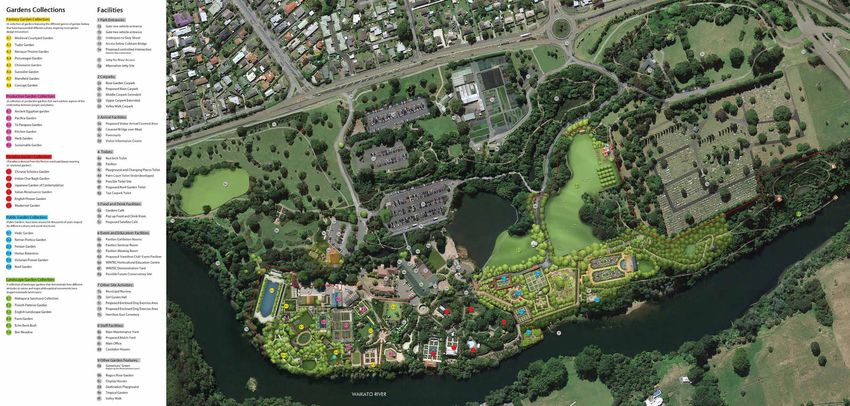
DRAFT MANAGEMENT PLAN
2019
CONTENTS
                                                                                         PAGE

1		INTRODUCTION                                                                             4

       1.1   Purpose of the Hamilton Gardens Management Plan

       1.2   Planning Context for the Hamilton Gardens Management Plan

2 		   GOAL – TO CREATE A WORLD CLASS GARDEN EXPERIENCE                                     6

       2.1   Overview of the Gardens concept

       2.2   Promotion of Hamilton Gardens and its Concept

       2.3   Achieving World Class Standards

       2.4   Funding and Sponsorship

3      GOAL – TO IMPROVE THE CAPACITY AND PRACTICAL OPERATION OF THE HAMILTON GARDENS SITE 11

       3.1   Increasing the Capacity of the Gardens

       3.2   Access into and through the Gardens

       3.3   Facilities and other site Functions

       3.4   Other Site challenges and Opportunities

4      GOAL – TO ENHANCE THE VALUE OF HAMILTON GARDENS TO THE LOCAL COMMUNITY              19

       4.1   Increasing the Economic Benefit to the local Economy

       4.2   Catering for Casual and Community use

       4.3   Events and Organised Activities

       4.4   Providing an Educational Resource

5 		   GOAL – TO PROTECT AND SUSTAIN HAMILTON GARDENS FOR FUTURE GENERATIONS               22
       5.1   Conservation of Natural and Cultural Features

       5.2   Security of Park Assets and People

       5.3   Preserving Design Integrity

       5.4   Responding to Climate Change

       5.5   Generating Revenue to offset operating costs

6 		   APPENDIX                                                                            27
       6.1   Hamilton Gardens Strategy Summary

       6.2   The Garden Plan and Collections

       6.3   Schedule of land covered by this Management plan

7		INDEX                                                                                   40

                                                             1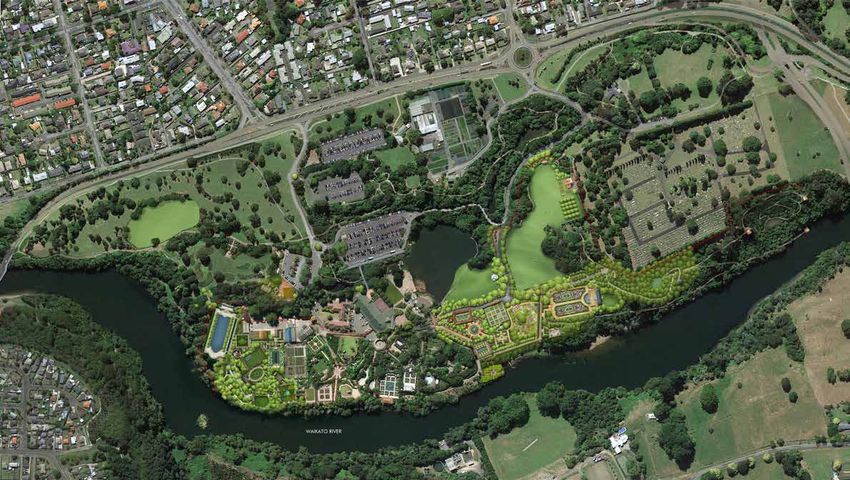
1. INTRODUCTION
The Hamilton Gardens site is made up of areas that were the East Town Belt,
the Hamilton East Cemetery, a former Rifle Range Reserve and the site of a
closed city rubbish tip. Development of the site began in the 1960s, however
the first comprehensive plan was not developed until the 1980s. This is the
fourth review of the Hamilton Gardens Reserves Act Management Plan.

1.1 PURPOSE
The Vision of this Plan is to support      The Hamilton Gardens Management               The previous operative management
the creation of a world class garden       Plan has been prepared to meet the            plan was approved in 2014. Normally a
that enhances Hamilton’s reputation,       requirements of the Reserves Act (1977).      management plan wouldn’t be reviewed
economy and quality of life. The plan      The Act defines the purpose, general          within five years, however the review has
defines the strategies, objectives and     form and process of public consultation       been triggered by three issues.
policies for the development, operation,   for development and reviews of
management and public use of Hamilton      Management Plans. It also requires the        •    The extension of Wairere Drive will
Gardens.                                   classification of the reserve to ensure            be constructed on land that was
                                           management and development are                     part of the Hamilton Gardens site,
                                           appropriate for the classified principal           and a small area eastern end of the
                                           purpose. The Hamilton Gardens site (see            Gardens will become a separate
                                           fig ?) is classified as Recreation Reserve,        riverside park. The ‘Recreation
                                           except for the Hamilton East Cemetery,             Reserve’ classification of these
                                           which is classified as Local Purpose               areas will need to be updated to
                                           Reserve- Cemetery.                                 reflect these changes.

                                           Management Plans provide a Link               •    A new long-term development
                                           between Government Legislation, wider              plan for the Hamilton Gardens
                                           Council plans and policies and detailed            has been developed, and some of
                                           operational plans and standards specific           the proposed projects from the
                                           to Hamilton Gardens. This Management               plan require amendments to the
                                           Plan will influence other planning and             Management Plan.
                                           management processes.
                                                                                         •    New options for generating revenue
                                                                                              to offset development and operating
                                                                                              costs may be explored, including the
                                                                                              option to charge an entry fee.

                                                                2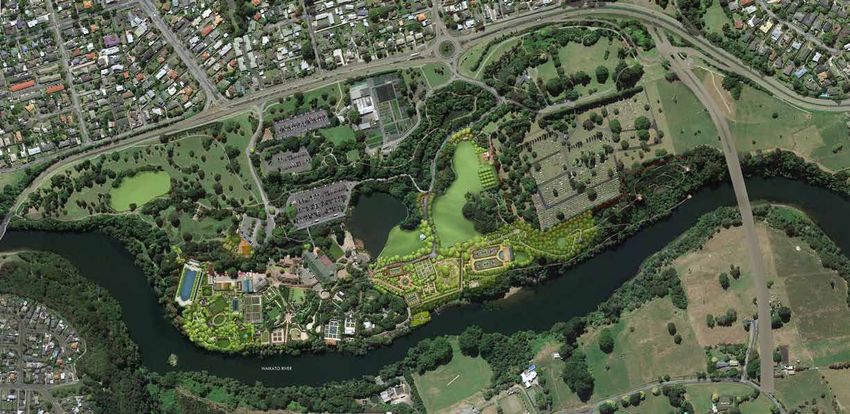
1 . 2 P L A N N I N G CO N T E X T F O R T H E H A M I LT O N
GARDEN MANAGEMENT PLAN
Treaty of Waitangi 1975
Recognises the Council Plans & Bylaws:
relationship of Hamilton City Open
Tangata Whenua Reserves Act Space Plan;
with their ancestral Riverside Reserves Hamilton City Council
1977
lands Management Plan Vision, Outcomes
Resource Requires the
Maori Landmarks on & Goals
Management Act classification of all
Waikato-Tainui reserves & defines Riverside Reserves –
1991
Deed of Settlement the Reserves Nga Tapuwae o
Promotes the
1995 Management Plan Hotumauea;
sustainable
Grants rights process River Strategy Plan
management of
(under development); City & Council
of first refusal over natural & physical
Hamilton East & Strategies:
residual Crown land resources
Hamilton West Active Hamilton;
Cemeteries Sustainable Hamilton;
Deed of Settlement Conservation Plan; Hamilton Arts Agenda;
(Waikato River) 2009 Waikato Hamilton Cemeteries Economic Development Agenda;
Authorises Plan (under Access Hamilton
co-management Regional Policy
Statement & development);
arrangements of the Parks, Domains &
Waikato River & Waikato Regional
Plan Reserves Bylaw;
catchment, including Dog Control Bylaw
its water bodies
& their banks & beds
Long-Term Plan &
Hamilton Proposed Annual Plan Hamilton Gardens
Waikato Raupatu River Local Government
District Plan Define resources Master Plan
Trust and Hamilton Amendment Act
Identifies Hamilton available to
City Council Joint 2012
Gardens as “Destination undertake work
Management Places emphasis on
Open Space” zone.
Agreement 2012 the role of assets to
The cemetery is zoned
Outlines the process deliver a service.
“Neighbourhood
for participation of the Reserve Local community
Open Space”
Waikato Raupatu River management plans consultation:
Trust in the become more Management Plan
development, review, strategic in response submissions;
and amendment of a Visitor surveys;
reserve management Annual Plan
plan covering part of submissions
the Waikato River for
which Council is the
administering body
HAMILTON GARDENS
Waikato-Tainui MANAGEMENT
Environmental Plan PLAN
(Tai Ao)
CREATING A WORLD CLASS GARDEN ENHANCING THE VALUE OF HAMILTON PROTECTING AND SUSTAINING HAMILTON
GARDENS TO THE LOCAL COMMUNITY GARDENS FOR FUTURE GENERATIONS
Hamilton Gardens (HG) Design Statements
Provide detail on each garden’s design and Economic Benefit Studies 30 Year Activity Management Plans
specialist maintenance requirements Periodically assess the contributions HG makes Covers all structures, reviewed every 3 years
to the local economy through visitor spending
HG Capital development programme Renewal & Compliance Programme
Approved through the Long-Term Plan and Parks, Domains and Reserves Bylaw Define ongoing asset maintenance programmes
Annual Plan processes Regularly reviewed
HG Accession Plan
HG Strategic Performance Template On site lease agreements and event booking To manage the Gardens’ taonga & collections
Define 3 month priorities & 12 month agreements
outcomes aligned to Council’s strategic vision HG Design Statements
Define standards of maintenance that are
HG Annual Marketing plans audited and measured
Strategies are reviewed annually
HG Garden maintenance schedules
Sponsorship strategies Retaining institutional experience and specialist
Developed in conjunction with other Council expertise for horticultural maintenance
projects
HG Sustainable Management Plan
HG Interpretation Plan Strategies to define and monitor progress
Defines visitors needs through surveys &
identifies priorities and delivery options HG Carbon Reduction Plan
A strategy & options for reaching the 2030 target
3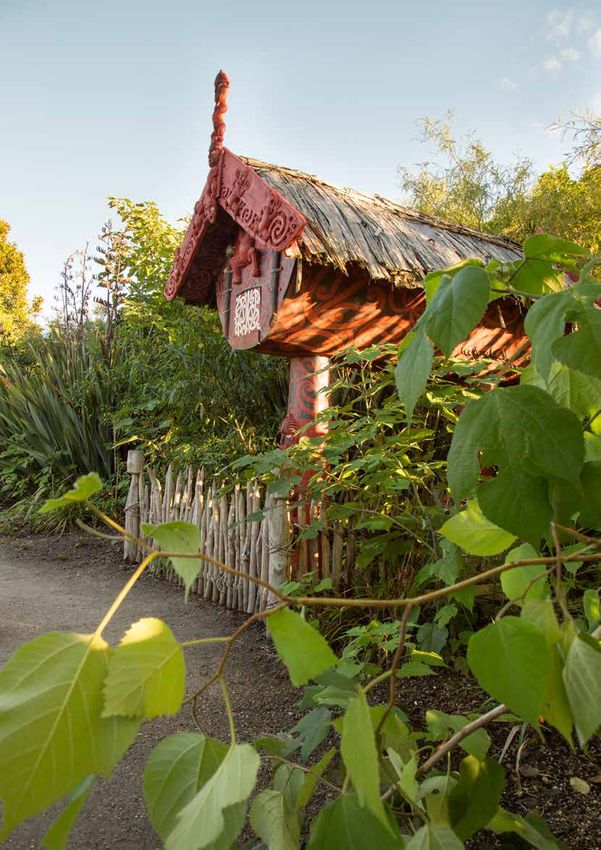
2. GOAL - TO CREATE A WORLD CLASS
GARDEN EXPERIENCE
2 . 1 O V E R V I E W O F T H E G A R D E N S CO N C E P T
The Hamilton Gardens has an Having a unique concept gives Hamilton • The ‘Fantasy Garden Collection’
internationally unique concept; Gardens a valuable point of difference focuses on the relationship between
the theme of ‘promoting an and appeals to a wide range of people, gardens, fantasy and art.
understanding of the context, even those who have not had a previous
interest in plants or gardens. However, • The ‘Productive Garden Collection’
meaning and history of gardens’. examines the relationship between
the validity of the gardens depends
Hamilton Gardens tells the story plants and people.
on each one having a high level of
of gardens over the span of human
design and historic integrity, within the
history and challenge the visitor to • The ‘Paradise Garden Collection’
constraints of budgets and sites. Careful
consider why specific garden types demonstrates different perceptions
research is required for each garden’s
developed in the way they did. of a garden paradise on earth.
development, interpretation and on-
going maintenance. • The ‘Public Garden Collection’ will
include different types of public
The timeline in Figure 2 shows how the garden that reflect different historic
existing and proposed gardens span the social structures.
history of civilisation. The horizontal lines
show major movements, cultures or • The ‘Landscape Garden Collection’
traditions, while the vertical lines show will reflect the changing attitudes to
where the Hamilton Gardens examples the natural world.
sit relative to those. These gardens are
arranged in five collections, each with a
different theme.
Figure 2
PROPOSED
Medieval Garden Italian PROPOSED
Renaissance Roof Garden
PROPOSED
Garden Chinoiserie PROPOSED
Persian Garden Surrealist Garden
Valley Walk
Garden PROPOSED
Hortus Botanicus PROPOSED
PROPOSED PROPOSED
Ancient Egyptian PROPOSED
English Landscape Pacifica Garden Modernist
Tudor Garden
Garden Roman Portico PROPOSED Garden
Garden Garden French Parterre
Garden
Modernist Design
Medieval Chinoiserie Natural Aesthetic Design
Gardens English Renaissance Gardens
Advanced Roof Gardens
Ancient Egyptian Gardens Italian Renaissance Gardens Early Botanic Gardens
Roman Gardens Surrealist
Parterre Gardens Pacific Horticulture Art
Persian Empire English Landscape Garden Movement
2000BC 1500 BC 1000 BC 0 1000 1500 1550 1600 1650 1700 1750 1800 1850 1900 1920 1940 1960 1980 2000 AD
Vedic Civilisation Mahayana Buddhism Picturesque Garden Tradition Arts & Crafts Movement New Ecology
(Romantic Period)
Char Bagh Garden Tradition Conservation Movement
Chinese Scholar’s Gardens Gardenesque Conceptual
Gardens
Muromachi Era Gardens European Estate Kitchen Gardens Early 20 th
Pre-European Maaori Horticulture Park Cemetery Century NZ Gardens
Baroque Movement
Tulip Mania Echo Bank
UNDER
DEVELOPMENT
Mansfield
Picturesque Garden Garden Bush
PROPOSED Chinese Indian Char
Vedic Garden Scholar’s Bagh Garden Concept
Garden English Garden
PROPOSED
Te Parapara Flower Garden
PROPOSED Dutch Renaissance Garden
Mahayana Sanctuary Garden
Garden Japanese
Garden of Hamilton East Kitchen PROPOSED
Contemplation PROPOSED
Park Cemetery Garden Bee Meadow
Baroque Theatre
Garden Victorian
Flower Garden
4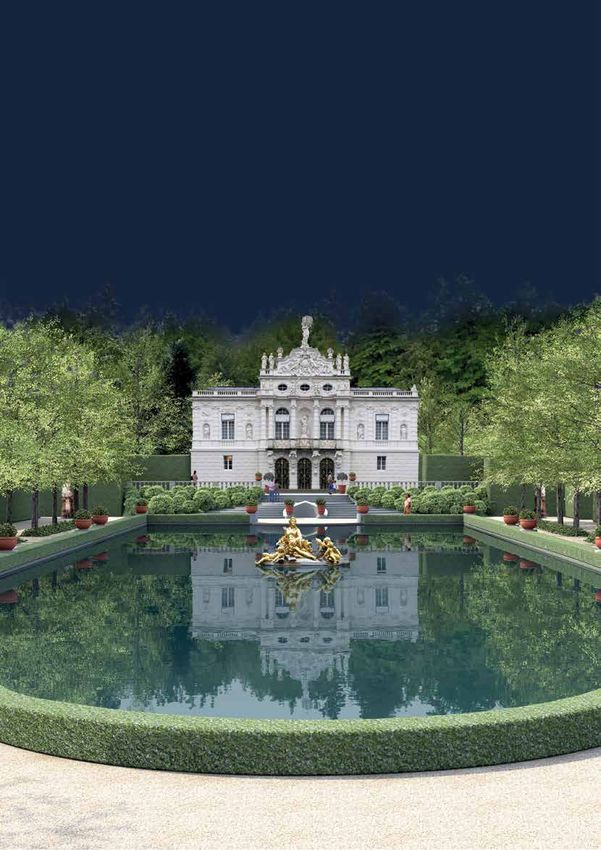
Other parts of the Hamilton Gardens           -   The ‘Valley Walk’ that runs up the
(outside of the enclosed sections) relate         gully remains an example of the
to the overall theme;                             20th century Naturalistic /Aesthetic
                                                                                         POLICY:
                                                  style using plants indigenous to the   Hamilton Gardens will be developed
-    The ‘Rogers Rose Garden’ has a               Hamilton district.                     as a series of historically significant
     collection that tells the story of the                                              garden types that collectively promote an
     development of the modern rose. It       -   The ‘Tropical Garden’ represents a     understanding of the context, meaning
     starts with a collection of species          common garden fantasy of creating      and history of gardens
     roses and includes the stories of            garden environments from other
     Empress Josephine’s Malmaison                climatic regions, in this case,
     roses, Jean Baptiste Guillot and the         a tropical themed garden in a
     first hybrid tea rose and Francis            temperate Waikato climate.
     Meiland and the ‘Peace’ Rose
     and finishes with the trial beds of
     the latest modern hybrids being
     introduced into New Zealand.

                                                                   5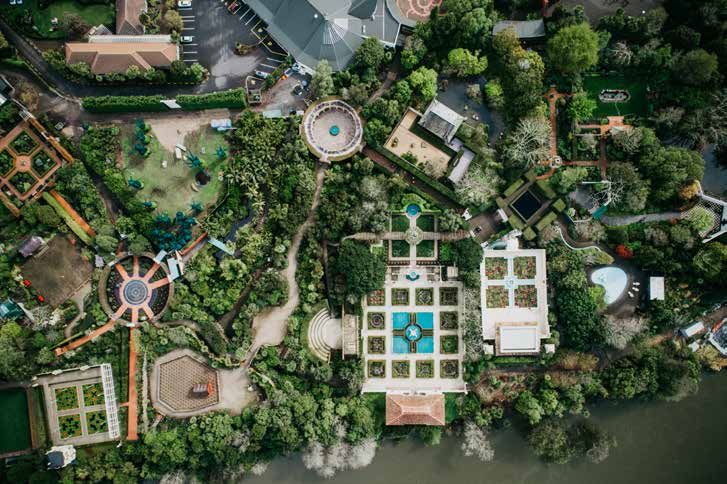
2 . G O A L -    T O C R E AT E A W O R L D C L A S S G A R D E N E X P E R I E N C E

2 . 2 P R O M O T I O N O F H A M I LT O N G A R D E N S
      A N D I T S CO N C E P T
There are five main aspects to promoting    Working in partnership with other         SIGNAGE AND INTERPRETATION
Hamilton Gardens:                           organisations such as Hamilton and
                                            Waikato Tourism, Waikato Museum,          Feedback suggests that the more people
-   Promoting the reputation and            Hamilton Zoo and the Hamilton Gardens     understand the gardens the more they
    awareness of Hamilton Gardens, its      Cafe will help resources go further and   enjoy them. Information for visitors
    concept and point of difference         enable opportunities to leverage off      should generally be relevant, easy to
                                            other brands and events, particularly     understand and presented as part of a
-   Encouraging people to visit                                                       narrative or story.
                                            at a local level. Events such as the
    Hamilton Gardens and promoting
                                            Hamilton Gardens Arts Festival attract
    out of region visitors to stay in the                                             Garden signage is an important part
                                            independent sponsorship and support
    city longer                                                                       of the visitor experience; however, this
                                            while promoting Hamilton Gardens. Work
                                                                                      should be balanced against having too
-   Interpreting the context, meaning       has begun on adding value to garden
                                                                                      much signage, which could negatively
    and history of gardens in the context   visits by promoting tourist packages to
                                                                                      affect the look and feel of the garden.
    of the themed gardens                   meet market demand.
                                                                                      New technology will be explored to
-   Developing the business                                                           enhance the experience of visitors.
    opportunities associated with                                                     A Hamilton Gardens app is already
    Hamilton Gardens, such as venue                                                   available; however, this is currently
    hire, tour packages and event                                                     restricted by limited mobile and wireless
    bookings                                                                          coverage across the site.
-   Encouraging support and
    sponsorship for the ongoing
    development and enhancement of
    Hamilton Gardens.
                                                                                      POLICY
                                                                                      Interpretation within Hamilton Gardens
                                                                                      will focus on explaining the concept,
                                                                                      the gardens an promotion of other local
                                                                                      attractions and amenities.

                                                               6
2 . 3 A C H I E V I N G W O R L D C L A S S S TA N D A R D S

Achieving a wold class standard involves    Design Standards are developed for           There are three key aspects to achieving
a high level of customer service, quality   each garden which specify the standards      world class standards for gardens:
design, high attention to detail, and       of maintenance required. Gardens are
                                            monitored to ensure that minimum             -    That the Gardens provide the
well-maintained spaces. For example,                                                          experience that people might expect
                                            standards are retained and areas for
plants should be healthy, structures                                                          of a world class garden.
                                            improvement are identified with the aim of
and hard landscaping should be well
                                            constantly improving those standards.
maintained, staff are accessible and                                                     -    That the design of the Gardens
helpful, and there should be minimal                                                          has been based on research into
distractions for visitors.                                                                    perception studies and a planned,
                                                                                              sequential visitor experience.

                                                                                         -    Defining, measuring and
                                                                                              monitoring quality standards of
                                                                                              everything that’s being delivered;
                                                                                              from structural maintenance to
                                                                                              customer service or satisfaction
                                                                                              with the cafe. Hamilton Gardens
                                                                                              has a comprehensive range of tools
                                                                                              to do this ranging from: contract
                                                                                              performance standards, asset
                                                                                              management plans, customer
                                                                                              service standards to audited garden
                                                                                              design specifications and lease
                                                                                              agreements.

                                                               7
2 . G O A L -    T O C R E AT E A W O R L D C L A S S G A R D E N E X P E R I E N C E

2.4 FUNDING AND SPONSORSHIP
The majority of funding for Hamilton        Development priorities set out in the      SPONSORSHIP RECOGNITION AND
Gardens is determined through               previous Management Plan remain            MEMORIAL PLAQUES
Hamilton City Council’s 10-Year Plan        relevant, namely:
and Annual Plan process. Over the past                                                 Sponsorship valued at more than $1,000
40 years, however, Hamilton Gardens         -    Completion of the enclosed gardens    may be recognised on a low-maintenance
has benefited from millions of dollars                                                 plaque for the life of the asset being
                                            -    Catering for increased use: and       sponsored. Sponsor recognition of a
from the community, including cash
sponsorship, gifts in kind and volunteer    -    Improving standards of presentation   specific garden feature should exceed
work. Hamilton Gardens has been                  and customer service.                 $8,000 in value. Sponsor recognition will
recognised nationally and won awards for                                               be confined to a single sponsor plaque
its sustained programme of fundraising      A number of trusts have been               in each garden in an approved location.
and community support, particularly         established over the years to raise        A sponsors’ board recognising recent
through the establishment of specialist     funds for new gardens and run major        major sponsorship more than $100,000
trusts to support the development of        events to promote the Gardens. The         is displayed in a prominent place in
specific gardens. The reason this has       Hamilton Gardens Development Trust         the Piazza. Permanent recognition of
worked well is the aim of each trust has    is currently the main trust focused on     community groups that have made a
aligned with the operative Management       raising sponsorship and committed to       major contribution to Hamilton Gardens
Plan and successive trust boards have       supporting the developments proposed       are confined to the wall plaques in the
been committed to achieving quality and     in this plan.                              Piazza. A major contribution is an asset
design integrity.                                                                      worth at least $200,000.
                                            The Friends of Hamilton Gardens is an
Before any sponsorship proposal that will   incorporated society formed in 1988        Commemorative plaques are limited
have a significant impact on operating      to provide a key focus for community       to people who have had a direct and
costs it must be approved by Council.       involvement in the Gardens. During         continuous association for at least 20
This is because permanent new assets        the past 20 years the Friends have         years in which they played a leading
become Council property and there can       raised substantial funding for garden      role in achieving something significant
be a significant budget impact from         development. They have supported           for Hamilton Gardens. Any event
ongoing maintenance and renewal costs.      the specialist trusts and often provide    commemorated on a seat should be of
                                            the resources to finish off important      significance to the history of Hamilton
                                            smaller projects. Volunteers from the      Gardens.
                                            Friends have attended the Information
                                            Centre every day since 1994 and take
                                            part in other practical projects such as
                                            propagating plants for sale.               POLICY
                                                                                       Commemorative plaques are not
                                                                                       permitted except as commemoration of
                                                                                       a significant event or person associated
                                                                                       with Hamilton Gardens.

                                                                                       Community support and sponsorship for
                                                                                       developments will be encouraged and
                                                                                       pursued where the development meets
                                                                                       the following criteria:

                                                                                       -    Appropriate to the concept and
                                                                                            policies in this plan;

                                                                                       -    Resources are available to meet the
                                                                                            ongoing operating, maintenance and
                                                                                            renewal costs;

                                                                                       -    Standards are high and there are
                                                                                            assurances of quality control; and

                                                                                       -    The project can be completed, if not
                                                                                            all resources are able to be offered
                                                                                            initially.
                                                                 8
3. GOAL – TO IMPROVE THE CAPACITY AND
PRACTICAL OPERATION OF THE HAMILTON
GARDENS SITE
3.1 INCREASING THE CAPACITY OF THE GARDENS
Visitor numbers during peak periods         Other strategies to ease parking           At busy times there are blockages at
are exceeding the capacity of the           congestion include:                        narrow points like the Char Bagh Garden
site. Problems on busy days include                                                    passage that could be hazardous in the
insufficient parking, traffic congestion,   -   encouraging people to use the          case of an emergency. Heavy use can
long queues for the cafe and toilets, and       underpass from Hamilton East           also damage lawns, paint finishes and
overcrowding in the enclosed gardens.                                                  plants particularly where people walk on
                                            -   encouraging Gardens visitors to use
These issues negatively affect visitor                                                 garden areas.
                                                the cycleways and public transport.
experience and create potential safety
                                                The Waikato Regional Council           A controlled entrance into the Enclosed
hazards. Developments to address these
                                                are currently investigating ways       Gardens is proposed which may mean
issues and enhance the site have been
                                                to improve public transport to the     visitors queuing if they choose to visit at
proposed in Hamilton City Council’s 10-
                                                Gardens.                               peak times.
Year Plan. The Concept Plan (opposite
page) and the Access Plan show the          Demand for food and beverages can vary     An additional toilet block has recently
proposed layout of the Gardens.             dramatically from day to day. To address   been built near the playground, with
                                            demand for busy times a pop-up ice         another being built at the western end
Currently vehicle access to the gardens
                                            cream van has been operating near the      of the Enclosed Gardens. This will bring
is through two entrances off Cobham
                                            playground and a permanent satellite       the total to five public toilets on site, but
Drive. The two main carparks do not join,
                                            café is proposed near the Information      other potential sites have been identified
meaning that some parking areas are
                                            Centre.                                    including one below the Roof Garden
underutilised. Under the proposed layout
all parking will be accessible from both                                               towards the eastern end of the Enclosed
vehicle entrances, substantially reducing                                              Gardens.
the need for traffic control.

                                                                                                 Governor’s Green, replacing
                                                                                                    the Rhododendron Lawn

                                                               9
3 . G O A L – T O I M P R O V E T H E C A PA C I T Y A N D P R A CT I C A L O P E R AT I O N O F T H E
H A M I LT O N G A R D E N S S I T E
3.2 IMPROVING ACCESS INTO AND THROUGH THE
GARDENS
The ‘Land Use Plan’ on the opposite Vehicle access through gates 1 and 2 is The new approach into the Gardens from
page shows that, apart from the closed off at night for security (see 5.3 Gate 1 is designed improve aesthetics
Municipal Nursery and Cemetery, Security of Assets and People) except for and generating anticipation. The road
most of the park is either being evening events. will wind down through New Zealand
bush between a pond and a lake to
developed as a passive park (yellow) The main service roads for park an attractive carpark surrounded by
or enclosed thematic gardens maintenance vehicles are shown in rhododendrons. Access into the Enclosed
(green) Enclosed Gardens means orange. These are one of the secrets of Gardens will be over a moat and into a
that the area is closed to public Hamilton Gardens in that they provide courtyard.
access at night and entry during the vehicle access to most of the Enclosed
day is past a controlled access point Gardens but in a manner that is hidden The location and design of internal paths
(the enclosing fence line is shown as from public view. This means that service is generally governed by levels of use, the
a red line). access is provided without compromising planned hierarchy of paths, requirements
the scale, design integrity and enclosure of park service vehicles, site topography
The areas of passive park that of each theme garden. The new layout and the planned sequential experience of
will remain open at all times also means that service vehicles can each garden area.
includes the open lawns, bush easily move from one side of the site
to the other. At present they use the Most paths within Hamilton Gardens now
walks, destination playground, rose currently meet accessibility standards
Cobham Drive cycleway which won’t be
garden, dog exercise area, carparks, apart from the path up the hill from
safe when the cycleway connection is
walkways and cycleways. the proposed new carpark to the upper
complete and its use increases.
carparks. It’s proposed to regrade this
There are two main cycleways running hill path to meet accessibility standards
across the Gardens site. (Shown in and, in the process, make it an easier,
red). The cycleway running adjacent more attractive garden walk for all
Cobham Drive and around the gully will visitors. It is not possible to provide
suit commuter cyclists moving quickly grades that meet accessibility standards
through the area on every part of the site, and there will
always areas where access may be
The longer, more scenic, route winding difficult. For example, the gully walks
through the gardens may suit the and parts of the Chinese and Japanese
recreational cyclists. All bicycles, Gardens.
rollerblades, skateboards, scooters and
similar devices are excluded from the
Enclosed Gardens for safety reasons.
There are four entrances into Hamilton
Gardens aside from the gate 1 and 2
vehicle entrances. Pedestrian and cycle
access is provided under Cobham Bridge
(W) linking Hamilton Gardens to the city’s
river walkway system. An underpass just
west of Grey Street provides safe access
from Hamilton East which should help
with parking at peak times. A controlled
crossing by Wairere Drive (E) will provide
access to Hamilton East and Hillcrest
and the river walk south. The river jetty
(J) is in the centre of the site so that
eventually it will provide an entrance
directly into the Enclosed Gardens and
access will need to be controlled.
10W
W
1 2 GATE 1 & 2
PEDESTRAIN + CYCLE
E W ENTRIES
J JETTY
WAIKATO RIVER
U UNDER PASS
MAIN ROADWAY
MAIN PATHWAY
J
CYCLEWAY
UU
SERVICE VEHICLES
FENCE
PASSIVE PARK
2
2
ENCLOSED THEME GARDENS
CAR PARKS
COBH
AM D
RIVE
EVENT FACILITIES
DOG EXERCISE AREA
PLAYGROUND
TURTLE LAKE OTHER LAND USES
NURSERY
WINTEC FACILITIES
CEMETERY
JJ 1
1
EE
113 . G O A L – T O I M P R O V E T H E C A PA C I T Y A N D P R A CT I C A L O P E R AT I O N O F T H E
H A M I LT O N G A R D E N S S I T E
3.3 FACILITIES AND OTHER SITE FUNCTIONS
Facilities that support the function of The Hamilton Gardens Café (1) is leased EVENT FACILITIES
the Gardens include: by Council to a private operator. The
current operator’s lease runs from 2017 Many areas of Hamilton Gardens
• Visitor facilities until December 2022. For Hamilton
are used for events ranging from the
Gourmet in the Gardens and fun-runs
• Event facilities Gardens the primary purposes of the
to weddings and market stalls. Indoor
café are to provide a service to garden facilities specifically designed to cater
• Education facilities
visitors and to generate an income to for events include the Pavilion (14) with
• Other on-site activities offset the Gardens operating costs. its two exhibition halls, seminar room,
meeting room and small kitchen. To the
There are four public toilet facilities east is the Café facility (1) and in the long
VISITOR FACILITIES within Hamilton Gardens and there are term a new conservatory event space is
plans to develop at least two more. The proposed along the western side of the
The Visitor Centre is the hub of Hamilton playground toilet (5) includes a controlled Lakeside Court (15). When public access
Gardens (12). The centre has the entry ‘Changing Places’ facility for no longer runs through that area, the
following functions: high dependency people and their care Lakeside Court itself, should become
givers. The next toilet to be developed more attractive as an evening event
- Provides information about Hamilton will be located at the western end of the space with those surrounding support
Gardens; Enclosed Gardens, currently called the facilities. The Hamilton Gardens Pavilion
(14) has three primary purposes:
Palm Court (7). Over the longer term
- Promotes Hamilton Gardens’
another toilet site has been identified at - Attracting events complementing and
features, other local attractions and
the eastern end of the Enclosed Gardens promoting Hamilton Gardens.
visitor facilities;
beneath the proposed Roof Garden (8).
Another toilet will be required near the - Supporting community activities
- Generates income through the
lower carpark so that travelers don’t through discounted hire rates.
sale of merchandise such as guide
books and souvenirs (this function is have to walk too far after arriving. This - Providing an important wet weather
explained in more detail in section 5.5) could either be an extension to the back-up for outdoor events that
pavilion toilets or a new toilet near (9). enhance the Gardens, such as
- Offer a booking service for events outdoor concerts and festivals.
held within Hamilton Gardens; The visitor arrival shelter refers to
the proposed covered way alongside “The Hamilton Club” pavilion (16) will be
- Provide an operations centre for the lower level carpark (11). This will built at the eastern end of the Mansfield
public use of the gardens and be where buses and taxis stop, where Garden using proceeds from the sale of
Pavilion, particularly during weekends people can be dropped off or wait to be the Hamilton Clubrooms. The pavilion
and holidays will be closed to the public most of
picked up. Signage will orientate first
the time, but it can be hired for events
time visitors and perhaps remind them of
- Provide a contact centre and a like: social functions, meetings, school
other local attractions before leaving. classes or family functions. It will be
friendly human face for visitors who
have questions or problems designed in character with the Mansfield
Garden with basic kitchen facilities.
- Encourage cash donations towards
garden development;
EDUCATION FACILITIES
- Hire equipment such as mobility
scooters, wheelchairs, chairs and The Wintec Horticultural Education
chess pieces. Centre (17) has been Located at Hamilton
Gardens since 1985, providing industry
training in subjects related to The 2014
Hamilton Gardens management plan
signalled a reduction in the lease area
for their demonstration yard (18) and this
has now been confirmed in a new lease
that runs until December 2027.
Further information on the WINTEC
partnership and opportunities for school
education are covered under section 4.4
‘Providing an Education Resource’.
121 Gardens Café
2 Site for Satellite Café
3 Destination Playground
4 Red Arch Toilets
5 Playground toilet & changing places
6 Toilet in Pavilion
7 Toilet NEAR EGYptian & pacifica gardens
8 Proposed toilet below the roof garden
26
9 Possible Toilet Site
10 Possible Toilet Site
11 Proposed Covered Walkway
12 VISITOR Centre
16 18
13 Lakeside Court
7 5
14 Pavilion
25 15 Lakeside Court Event Space
3
16 The Hamilton Club
17 17 WINTEC Horticultural Centre
COBHA
WINTEC Demonstration Yard
M
18
DRIVE
6
9 19 GirlGuides Hall
14 11
15
20 Municipal Nursery
12
2
21 Caretakers House
13
22 Stationmaster’s House
4
1 TURTLE LAKE
23 Jetty
20
21
24 Mulch Yard
25 Park Maintenance Centre
26 GovernOr’s green
24
23
8
22
19
10
133 . G O A L – T O I M P R O V E T H E C A PA C I T Y A N D P R A CT I C A L O P E R AT I O N O F T H E
H A M I LT O N G A R D E N S S I T E
OTHER ON-SITE ACTIVITIES NEW LEASES
Over the past 40 years Council has New leases and lease reviews are Licenses to Occupy are generally given
gradually relocated facilities within subject to relevant Council policy and for shorter periods than a lease and they
Hamilton Gardens that are not related to the procedures required by the Reserves do not give exclusive rights over a defined
the garden theme. These have included Act [1977) and the Guides and Policies in area. They must also be advertised for
netball courts and clubrooms, dog the Exercise of the Reserves Act, No. 2 - public comment following the Reserves
dosing strip, Go Kart track, Boy Scouts Leasing of Reserves and Other Rights of Act public consultation procedure and
Hall, the Royal Air Force Association Occupation [1978). they must be compatible with the policies
Clubrooms and the Sillary Street Indoor and plans of this Management Plan.
Bowling Club Hall. The only activity still No major new leases are currently For example, a five-year licence to use
on site that is not directly related to the foreseen in the term of this plan. Any the Hamilton Gardens Jetty (23) for a
Gardens operation is the Girl Guides Hall new leases may be considered where: commercial boat operation.
on the corner of Hungerford Crescent
- The activity is clearly complementary
(19). Since the first 1980 Management
and supports the policy of this plan
Plan there has been a stated intent
and does not compromise proposed
to relocate this activity, but it isn’t
or potential garden development,
interfering with any garden development
so there is no urgency in negotiating
or the aesthetic values of Hamilton POLICY
Gardens;
a relocation. Their current lease runs Leases will be restricted to building sites
from 01 September 2018 to 31 December - The proposed activity demonstrates only except where additional areas are
2027. economic viability and provides essential to the function for the leased
assurance that resources will be purpose. Renewal of leases and the issue
The Municipal Nursery (20) is on the site
available for reinstatement work if the of licences will only be considered where
of an old commercial nursery that had
venture fails; they clearly meet the needs of garden
operated here since about 1914. While it
users, relate to the overall garden theme
is located on reserve land it is managed - It is not appropriate for Council to and comply with the Reserves Act [1977).
separately from Hamilton Gardens provide or operate such a facility;
producing and dispatching plants for
all city parks including all the plants for - The potential lessee needs some
Hamilton Gardens. security for a long-term investment
and exclusive rights over a defined
Two residences are located within area for a long period.
Hamilton Gardens. One is in the
Municipal Nursery (21) and the old
Stationmaster’s house adjacent to the
Hamilton East Cemetery (22). The
Stationmaster’s House was built in 1898
and relocated to the Gardens from its
original site in Frankton in 1984. It is
proposed that the house is moved to
become the central feature of the Farm
Garden.
143 . 4 OT H E R S I T E C H A L L E N G E S A N D
OPPORTUNITIES
Although the Hamilton Gardens is Any development, contouring or The Turtle Lake Carpark (accessed
located on an outstanding site, it substantial change above the 1974 by entrance 1) sits on an historic
also has significant challenges. It Landfill site will require further consents. landfill site. As a result, the land has
has been fragmented by existing Apart from the parking areas, the cap subsidence issues and requires a
generally consists of about 700mm of high level of maintenance. Options to
land uses including the nursery,
sand and silt soils. There are seven manage these issues may be addressed
carparks, the landform and the
criteria to be met in the management of by the relocation of the carpark and
Hamilton East Cemetery. It includes
this cap: the development of garden areas as
the Gully and River Protection proposed in the Development Plan.
Zones, it is a Waahi Tapu site and - The aim is to maintain a minimum of
because of the refuse fill, it is 700mm cover over the refuse; A city water main supplying water to
classed as having contaminated the eastside of Hamilton runs through
- Any exposed refuse should be the site. As a result, truck access
soils.
covered, or the area fenced off from must be maintained to the river edge.
public access until an appropriate The mains are halfway through their
CONTAMINATED AREAS cover can be laid; expected lifespan and will be replaced (or
relocated) with the next 30-50 years.
For many years the lower area of - The design and construction of
Hamilton Gardens was a sand quarry. any future drainage infrastructure
Trucks returning to get a load of sand can accommodate design storms,
often brought unwanted material from settlement and leachate and gas
work sites such as: logs, asphalt, corrosion;
clay and concrete. As a result, there
is unpredictable fill material spread - There must be adequate storm
over most of the lower area creating water control measures to prevent
foundation challenges. A three-hectare exposure of refuse through erosion
portion of that area was a gully which or excessive ponding or water ingress
was used for household refuse disposal into the landfill which will cause the
in 1973 and 1974. The rubbish fill ranges formation of leachate;
in depth between 2m to 9m. The landfill - The surface should be regularly
is monitored for gas and Leachate and inspected for distressed vegetation,
is now regarded as a stable landfill site. cap cracking, significant settlement
The Resource Management Act [1991] and ponding. Any cracks in the cap
requires closed landfills to have resource must be repaired by filling;
consents that promote sustainable
management practices. Management of - No fires are permitted on the surface;
this Landfill is outlined in the Hamilton
City Council Cobham Drive Closed - Any site development relating to
Landfill Aftercare Management Plan. park activities must consider other
requirements of the Hamilton City
Council Development Manual.
15THE WAIKATO RIVER River Joint Management Agreement
between Hamilton City Council and
The Waikato River is an outstanding Waikato-Tainui, provide the basis for
natural asset for Hamilton Gardens consultation and partnership in regards
and, in terms of urban riverscapes, it is to any river use or riverside development.
considered world class. The Waikato- The process for participation as outlined
Tainui Environment Plan emphasises in the Joint Management Agreement has
the importance of the Waikato River as been followed in the development of this
a tupuna [ancestor) which has mana management plan.
[prestige) and in turn represents the
mana and mauri [life force) of the iwi. While more river vistas can be opened
from the riverside gardens and river
The 2003 Plan Nga Tapuwae 0 walks, the need to retain riverbank
Hotumauea: Maori Landmarks on stability with planting means that without
Riverside Reserves outlines principles extensive retaining structures most river
for the management of 17 historic pa views will be framed vistas rather than
sites Located within riverside reserves, wide panoramas. Riverside gardens
including the Ngati Wairere Te can be designed so the river will be
Parapara Pa which was located on the presented in different ways, at different
Hamilton Gardens site. The cultural heights and discovered when entering
status of the river to local hapu has the various gardens.
been recognised in the 2009 Waikato-
Tainui and Crown Deed of Settlement The higher riverbanks at the eastern end
which requires joint management of of Hamilton Gardens are on a formation
the Waikato River and its riverbanks called the Walton subgroup which is
to restore and protect its health and relatively stable, but the riverbanks
well-being for future generations. These in the center and western end have a
documents, particularly the Waikato sandy substrate which is susceptible
to slips and erosion. Several metres of
riverbank have been lost in the Chinese,
POLICIES:
Modernist and Renaissance garden River views will be opened where
sections just in the last decade. The this does not compromise riverbank
problem is increased by fluctuating river stability. Opportunities will be sought to
levels and the likelihood that the river preserve and increase tree groups on the
bed will continue to degrade because riverbank opposite Hamilton Gardens.
the Karapiro Dam is cutting off sediment
supply. Strategies to maintain riverbank
stability included maintaining vegetation
Further development of the riverbank
cover on steep banks, progressive
or stream will be undertaken in
replacement planting, removal of large
consultation with Waikato- Tainui
unstable trees, control of storm water
through the consenting processes
discharge, confining public access
specified in the Joint River Management
across banks and the establishment of
Agreement, as well as with Waikato
appropriate ecotone planting within river
Regional Council.
margins.
The tree framework on the banks and
river terraces opposite the western Management of the Land over the 1974
end of the site form a backdrop for landfill site will retain the integrity of
many views within Hamilton Gardens the landfill cap in accordance with the
and contribute quite significantly to the Aftercare Management Plan for the site.
total Hamilton Gardens character. It
is important for these tree groups to
be retained and extended to conceal
the proposed road south from Cobham
Bridge and residential development
south of the Glenview Club.
164. GOAL – TO ENHANCE THE VALUE OF HAMILTON
GARDENS TO THE LOCAL COMMUNITY
4.1 INCREASING THE ECONOMIC BENEFIT TO THE
LOCAL ECONOMY
Hamilton Gardens has a positive The strategic challenge is to increase - A high-quality café or restaurant
effect on Hamilton’s economy. There this economic benefit by attracting more
out-of-region visitors and encouraging - enhanced interpretation to really
is a direct economic benefit from
them to stay longer. Industry knowledge engage the visitor.
out-of- district visitor spending,
suggests that if tourists can be engaged
and the gardens contribute to the - Partnerships with other local
for three to four hours, they are more
reputation of Hamilton as a city. attractions and accommodation
likely to stay overnight and increase their
providers to offer packages to
Surveys and studies indicate that spending on accommodation, meals,
promote longer stays in the city. For
investment in Hamilton Gardens shopping and entertainment. Currently
example, a package involving garden
produces a very good rate of return to the the average length of stay stays an
tours, morning tea, a trip on the
local economy. The local visitor industry average two hours in Hamilton Gardens.
river and a visit to the Waikato Art
is worth $1.5 billion and at present Museum.
Five strategies are being developed to
Hamilton Gardens is the most popular
address this opportunity:
visitor attraction in the city. Surveys - Events within the Gardens targeting
suggest that about third of the 1.1 million - Experience in large, high-quality tour groups. For example, an on-site
visitors to Hamilton Gardens each year gardens overseas suggests that as garden tour combined with a New
are local, a third are domestic visitors the full development of Hamilton Zealand wine lecture and a cooking
from outside the Waikato and a third are Gardens nears completion it is demonstration.
international tourists. 74 percent of out- likely more visitors will stay longer
of-district visitors surveyed indicated that than they do currently-leading to
Hamilton Gardens was either the sole additional economic benefits
reason or the significant reason for their
stop-over in Hamilton.
4.2 CATERING FOR CASUAL COMMUNITY USE
Annual Residents Surveys over the the ongoing development of Hamilton - The other area where dogs are
years have shown around 85 per Gardens long term plan, there will be a excluded is the smaller Enclosed
cent of Hamilton residents have change to the Dog Control Bylaw. Gardens which will eventually all be
visited at least once in the last year. accessed through the Information
- The large grassed area alongside Centre.
The concept plan for Hamilton Gardens Hungerford Crescent will become the
shows that a lot of the area alongside off-lead dog exercise area and it is - In the other passive park areas along
Cobham Drive, which was the old planned to enclose this with a fence the northern side of the park, dogs
town belt, will remain as open lawns for dogs who are not always obedient are permitted on a lead.
and bush walks and dog exercise area when called. There will be another
complemented by the cycleways, a off-lead dog exercise area on the flat
destination playground, toilets and riverside area below the Rogers Rose
the Rogers Rose Garden. Once the Garden for dogs that like to swim. POLICY:
Rhododendron Lawn has been developed Dogs will be managed in accordance
- Under the Hamilton City Cemeteries
the ‘Governors Green’ can be used for with the Dog Control Bylaw which
and Crematorium Bylaw “no dogs
informal sports and other community requires dogs to be on leads other
or other animals are allowed in the
activities, that currently use the than in designated Dog Exercise Areas
cemetery unless a guide dog or
Rhododendron lawn. where they may be exercised free of
hearing ear dog, or a dog kept by the
Police or any constable, an officer restraint. Dogs are not permitted
DOG EXERCISE AREAS of the Customs Department or the within the Enclosed Sector or Hamilton
Ministry of Defence”. East Cemetery than in designated Dog
The Dog Control Bylaw requires dog Exercise Areas where they may be
owners to have their dog under control exercised free of restraint. Dogs are not
and to avoid the animals becoming a permitted within the Enclosed Sector or
nuisance to other park visitors. With Hamilton East Cemetery.
174 . G O A L – T O E N H A N C E T H E VA L U E O F H A M I LTO N G A R D E N S TO T H E LO C A L
COMMUNITY
4.3 EVENTS AND ACTIVITIES
Hamilton Gardens has become one of In assessing the desirability of a Hire and bond costs for outdoor areas
the most frequently used event venues in discretionary event within Hamilton vary with the type of event, the event’s
the city, and most events are organised Gardens, the following issues are commercial nature, and potential for
by and for the local community. The considered: damage and disruption. The event
diverse range of events contributes to may also be required to pay additional
the life of the city and provides vibrancy - Location, duration and time of day; costs or a traffic management plan or a
and public awareness about the gardens. safety plan., such as extended security
- Compatibility with Management Plan
Occasionally, however outdoor events can patrols. General hire charges are set by
policy;
block access, cause damage, or disrupt Council in each Annual Plan. At present
the peaceful escape that casual visitors - Legal requirements [e.g. bylaws, the high banks surrounding the lower
and tourists may be seeking. At times on- site lease obligations, safety gardens are effective at reducing noise
there are multiple events occurring at plans, NZTA Management Plans, from events for residents. The control
the same time and these can conflict Reserves Act, Hamilton District Plan, of unreasonably noisy events on parks
with each other. For these reasons it is operator’s licence, liquor licence]; is administered by Council through
critical there is some control and criteria legislation, the District Plan and other
around why, when and where events are - Characteristics of the event, such Council policies.
held and how they are managed. as whether it is a public or private
event, numbers of people, temporary Currently outdoor events held in
There are two categories of organised structures or services that may Hamilton Gardens are not given exclusive
outdoor event in Hamilton Gardens; be required, whether the event is use of an area, however exceptions may
controlled events and discretionary for commercial gain or charitable be made for special outdoor theatrical or
events. benefit; musical performance financially viable.
Exclusive use would be available for
Controlled events are generally - Precedence set for future requests; other events if organisers were prepared
permitted, but a booking is required for to pay for this privilege, such as a
a specific time and site within Hamilton - Disruption to other park visitors and
corporate function. The disadvantage of
Gardens. The booking process usually other booked events. This includes
this is tourists who are only staying for a
gives the event organiser some certainty disruption from noise or disruption
limited period may lose the opportunity
of venue availability but not exclusive to access and tolerance levels vary
to experience a garden.
use. The process helps park managers depending on the proposed location
avoid conflicts in use, provides them within the site; Several the gardens and open spaces,
with an opportunity to make users aware such as the Jade Dragon Garden,
- Compatibility with the garden setting
of any restrictions or conditions, and the English Flower Garden or the
and garden themes and the potential
any damage is covered with a bond. Mansfield Garden have been designed
to offend cultural or spiritual beliefs
Examples of controlled events include to accommodate performances. Future
relating to certain garden areas;
weddings, free performances, corporate developments could include to even out
picnics and team building activities. - Impact on the asset, the potential the landform at the lower end of the
for damage, wear and tear and other Farm Garden to create an Amphitheatre
Discretionary events may: for the large concerts that usually form
hidden costs, and opportunities
available to mitigate any adverse part of the Hamilton Gardens Arts
- Require exclusive use of an outdoor
effects; Festival.
area, for example a paid entry
outdoor concert;
- Safety and security considerations
- Have a significant impact on park including the security of other assets
assets and other park users, such as and the safety of other park users; POLICY:
an event with amplified sound; Outdoor events will be permitted and
- Capacity of the venue, for example
parking, power supply, wet weather encouraged within Hamilton Gardens
- Require special permission or
alternative; with consideration given to possible
consents, such as a food stall, or an
disruption to other park visitors, the
event held outside normal opening
- The availability of more appropriate impact on asset maintenance and
hours.
alternative venues or park facilities compliance with booking conditions.
- Discretionary events may be declined. elsewhere in the city; Commercial events may be permitted
Approved events will often be subject where they enhance public use of the
- Potential benefit to Hamilton Gardens park.
to further approvals and consents
and the city such as city promotion,
such as public notification of a
or garden interpretation. Exclusive use may be granted to a
closure of a section of the reserve,
specific outdoor area to generate
fireworks consent or a site safety
revenue or support an appropriate
plan.
artistic event.
184 . 4 P R O V I D I N G A N E D U C AT I O N R E S O U R C E
Education groups involved in WINTEC A range of strategies has been
Hamilton Gardens have included jointly identified to achieve this goal
The Wintec Horticultural Education including: making more use of on-site
schools, tertiary institutions,
Centre (HEC) has been Located at assets and Gardens staff expertise,
specialist clubs and other
Hamilton Gardens since 1987, providing forming partnerships, rationalizing the
educational tours. The opportunities industry training in subjects related duplication of resources, reviewing the
to increase educational use of to horticulture including amenity curriculum offer, increased promotion,
the site have been limited by the horticulture, arboriculture, landscape developing options where the student
resources available. design, and various block courses. The can continue to earn and securing more
location was chosen to provide students scholarships.
with an on-site practical teaching
Currently teachers are expected to resource and a mutually beneficial Educational facilities have also been
prepare their own resources, however partnership with Council. covered under 3.3 ‘Facilities and other
Hamilton Gardens is starting to develop site functions’.
Staff at the HEC and Hamilton Gardens
material to support education.
hope that the Centre can capitalize on
Links will be fostered with tertiary its location within Hamilton Gardens to
institutions including polytechnics, become a ‘national centre of excellence
universities and scientific organisations in amenity horticulture’. Indicators for
involving education programmes this might include: POLICY:
and research to benefit the Gardens. Educational opportunities associated
- students from outside the region and
Hamilton Gardens has played a role in with Hamilton Gardens will be developed
from overseas enrolling to study at
parks industry training through staff and promoted including school, tertiary,
HEC,
training programmes, on-site seminars industry and community education.
and conferences and staff presenting - the HEC would offer the highest level Where possible this will be done in
papers at conferences. There is also of practical amenity horticulture partnership with others.
some involvement with garden hobbyist training available within the NZ
groups including combined seminars and curriculum with additional features
demonstrations. not available from other providers The Wintec Horticulture School will be
encouraged to continue and enhance
- Industry and community recognition
their involvement in Hamilton Gardens.
of the high quality programmes as
indicated by their feedback, surveys
and graduates being highly sort after
for employment.
195. GOAL – TO PROTECT AND SUSTAIN HAMILTON
GARDENS FOR FUTURE GENERATIONS
5 . 1 CO N S E R VAT I O N O F N AT U R A L A N D
C U LT U R A L F E AT U R E S
NATURAL FEATURES CONTROL OF PEST SPECIES CULTURAL FEATURES
The remnant bush on the steep Control of pest species, such as rabbits, The Hamilton Gardens was developed
riverbanks below the Hamilton East wild cats, mustelids, rats, magpies and on the site of what was a significant
Cemetery is one of the district’s more possums are an ongoing challenge for Pre-European settlement, Te Parapara
significant original Waikato seed the Hamilton Gardens. Pest control is - the home of the famous Ngati Wairere
sources. This stretch of riverbank, increased around biodiversity hotspots cheif Haanui. Te Parapara was renowned
referred to as Echo Bank Bush, is and increased during certain times, such as the site of sacred rituals associated
managed as an important natural feature as when Tui are nesting. Control of pests with the harvesting of food crops, and
of Hamilton Gardens. Management of is planned as part of a wider strategy there was a Tuahu or sacred alter on
this flora will follow the policy in the for riverside reserves based on the Pest site associated with this. The land was
Riverside Reserves Management Plan. Management Strategy prepared by the appropriated by the Crown in the 1860s
This includes control and removal of all Waikato Regional Council. and put to strategic use as the Narrows
exotic plants, additional planting using Redoubt and town rifle range. In 1879
only eco-sourced species propagated The use of residual chemicals is being the area of west of the town belt was
from local plants, management of the reduced through the gradual introduction declared domain land and handed over
bush so it becomes a self-sustaining of a more integrated pest management to the Hamilton East Domain Board. The
unit and public access confined to paths strategy aiming to increase reliance on Borough lost control of the domain lands
and boardwalks to avoid damage. The biological control. However, in Hamilton’s in the early 20th Century, and the area
long-term plan is to continue to plant warm humid climate, collections such was used for various other purposes.
up the area above Echo Bank Bush with as the massed hybrid rose display This included a sand quarry over the
plants indigenous to the Hamilton area, and rhododendron borders mean that lower rea which resulted in the loss of
preferably from seed sourced on these chemical control will be required for the any remains of Te Parapara. The Council
remnant riverbanks. foreseeable future. To minimise negative purchased the old rifle range land from
effects, preference is given to non-toxic the Crown in 1957 and its status changed
Hamilton Gardens as an important substances where there is no effective from domain land to reserve land.
natural link in the river wildlife corridor form of cultural or biological control.
through the city. Annual planting Evaluation of alternatives to inorganic, The significance of the area as Ngati
programmes aim to increase the residual chemical pest control will be Wairere ancestral land is outlined in
diversity of fruit, seed and nectar plants continued. the Waikato-Tainui Environmental Plan.
to provide a continuity of seasonal food This recognises cultural traditions
supply for birds. Vegetation overhanging of protecting the land, the historic
ponds and the lake and river margins associations and taonga. The physical
are particularly effective in encouraging focus for this recognition has been the
insects for birds and bats, as well as highly significant Te Parapara Garden
providing a refuge for water fowl and fish. which includes references to the area’s
Further development of the Valley Walk, cultural heritage, including the figures
will feature plants native to the Waikato of notable historic identities and other
district. carvings specific to this district.
Notable natural fauna within the There are few remains of the early
gardens includes a local long-tailed European settlement of the area
bat population and several ‘bat roosts’ including the Narrows Redoubt at the
has been installed for them. Trees that eastern end of the site and an earthen
need to be removed (usually for safety fence probably created by the early Irish
reasons) are assessed for the presence community of Hamilton East who grazed
of bats before they are felled. Some of the area.
the more isolated riverbanks feature
glow worms and the ponds and lake have
Long Fin Eels. Recently more planting
such as nettles has been undertaken to
encourage native butterflies.
20Many of the settlers and prominent
citizens of early Hamilton were buried POLICIES
in the Hamilton East Cemetery from
1866. The cemetery was closed for Park management will seek to conserve
burials in 1957 other than for reserved ecological features, such as remnant
plots and ashes interments. Since 1979 indigenous flora on the riverbanks, bird,
Council has integrated the maintenance bat, and butterfly populations and rare
of the Hamilton East Cemetery into native and exotic plants.
Hamilton Gardens. Work will retain
Invasive and noxious flora and fauna will
the historic integrity of the site while
be controlled or removed, and staff will
improving the aesthetic appeal through
continue to work with other agencies to
appropriate planting. All aspects of
improve pest control throughout the site.
burial and memorialisation remain
the responsibility of the Cemetery and Park management will recognise the
Crematorium staff. significant cultural heritage of this site
and work alongside iwi when developing
Many smaller features within Hamilton
management practices.
Gardens are also significant, like the
old Baptist Church cupola on top of Institutional knowledge relevant to
the Pavilion. Because of their intrinsic Hamilton Gardens, as well as historic
value and cultural associations, features site features and associations, including
such as the Japanese Pavilion, Russian taonga, will be appropriately conserved
Bell Tower and the Earth Blanket under an accession plan.
sculpture are likely to increase in
cultural significance over time. These
diverse elements must be maintained
appropriately, and professional advice is
sought where needed.
Members of the Friends of Hamilton
Garden have been systematically
collecting, recording and filing
information and material that will
become historically important.
Eventually an accession plan should be
developed to:
- Record the history and inventory
of taonga items and important
institutional memory;
- Ensure preservation and appropriate
maintenance of items;
- Generate, record and archive
interpretive information;
- Provide assurance to those who
have made a gift and record any
commitments made to the donor;
- Define an acquisition and disposal
procedure.
21You can also read


